Australia Travel Guide – Plan Your Trip From Start to Finish
Overview
Australia is both a country and a continent, surrounded by the Indian and Pacific Oceans. Most of the population lives along the coast, while the interior (“the Outback”) is sparsely inhabited desert.
Travel here is not about visiting many cities — it’s about experiencing different environments: beaches, reefs, rainforests, and modern cities that feel very livable rather than chaotic.
What travelers come for:
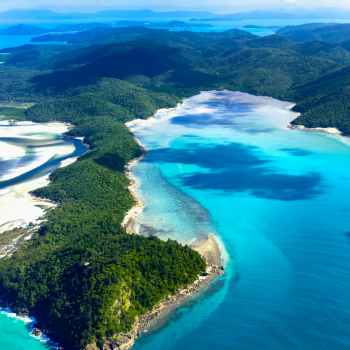
The Great Barrier Reef
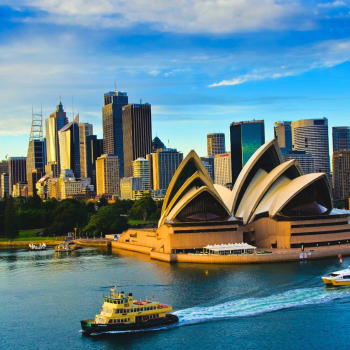
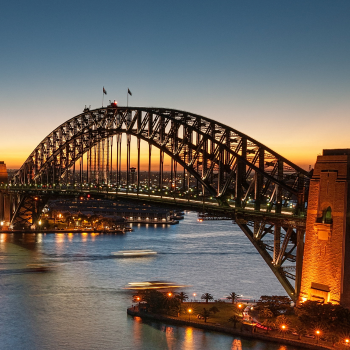
Sydney Harbour & Opera House
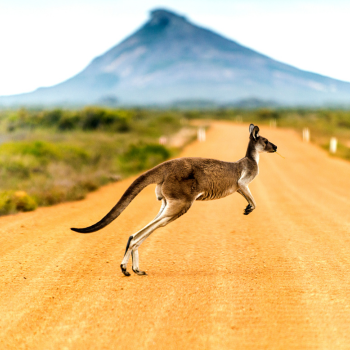
Wildlife (kangaroos, koalas)
Road trips & coastal drives
Relaxed lifestyle
Traveler Tip: Australia is not a backpack-in-a-week destination. Even locals fly between cities because driving takes days.
Things to know before you go

Huge distances
Different weather across regions
Very safe country
Expensive but comfortable
Quick Facts
| Category | Details |
|---|---|
| Capital | Canberra |
| Major Cities | Sydney, Melbourne, Brisbane, Perth |
| Language | English |
| Currency | Australian Dollar (AUD) |
| Driving Side | Left |
| Best Trip Length | 12–18 days |
| Time Zones | GMT+8 to GMT+11 |
| Plug Type | Type I |
Where Is Australia Located?
Australia sits in the Southern Hemisphere between the Indian and Pacific Oceans, southeast of Asia. Its closest neighbors are Indonesia, Papua New Guinea, and New Zealand.
Because it is far from most continents, flights are long. Expect:
-
14–20 hours from Europe
-
12–16 hours from Middle East
-
9–13 hours from Asia
Traveler Tip: Plan a light first day. Jet lag here is real and often lasts 2–3 days.
Warning: Seasons are opposite of the Northern Hemisphere. Christmas is summer.