
Bali Travel Guide: Ultimate Travel Plan, Budget, Tips & Hidden Gems

Why Visit Bali?
Bali isn’t just another tropical destination—it’s a complete travel experience that blends nature, culture, and lifestyle in a way few places can match. Whether you’re planning your first international trip or looking for your next long stay, Bali continues to stand out as one of the best travel destinations in the world.
What Makes Bali Unique?
What truly sets Bali apart is its rare combination of culture, spirituality, beaches, and jungle landscapes—all within short driving distances. You can start your morning watching the sunrise over the rice terraces in Ubud, visit ancient temples like Tanah Lot by afternoon, and end your day at a beach club in Seminyak. Few destinations offer this level of variety in such a compact area.
Bali is also known as an affordable luxury destination, especially for travelers from countries like India, the UK, and Australia. For example, you can book a private villa with a pool in Ubud or Canggu for the price of a standard hotel room in many Western cities. Dining is equally diverse—you can enjoy a $2 local meal (Nasi Goreng) or indulge in fine dining at world-class restaurants.
Another reason Bali is so popular is its flexibility for different types of travelers. It’s perfect for couples looking for romantic villas and sunset views, solo travelers seeking safe and social environments, and digital nomads who want a productive yet relaxed lifestyle. Areas like Canggu and Ubud are filled with coworking spaces, cafes with high-speed WiFi, and networking communities.
Real Tip: If you’re planning to work remotely, choose accommodation near coworking hubs like Dojo Bali or Outpost to save commuting time and stay connected with like-minded people.
What’s New in Bali
Bali has made a strong comeback with improved tourism infrastructure and updated travel policies. After the global travel slowdown, the island has introduced new regulations focused on sustainable tourism. For instance, tourists are now encouraged to respect local customs more strictly, especially when visiting temples—wearing proper attire is mandatory, and misbehavior can result in fines.
One of the biggest updates is around digital nomad visas. Indonesia has been working on long-term visa options that allow remote workers to stay in Bali legally for extended periods without frequent visa runs. This has made Bali even more attractive for freelancers, entrepreneurs, and remote employees.
Infrastructure has also improved significantly. Roads in key tourist areas have been upgraded, and internet connectivity is faster and more reliable—especially in hotspots like Canggu, Seminyak, and Ubud. Ride-hailing apps like Grab and Gojek are now more widely available, making local transport easier than ever.
Real Insight: While Bali is modernizing, traffic congestion has increased in popular areas. To avoid delays, plan your day early or stay closer to the attractions you want to visit.
Where is Bali & How to Reach
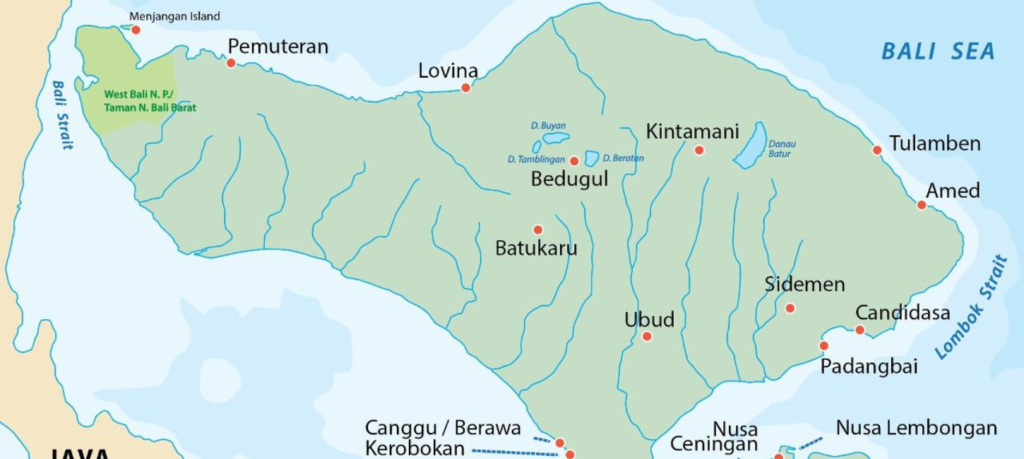
Bali is a beautiful island located in Indonesia, part of Southeast Asia, sitting between Java and Lombok. For global travelers, it’s strategically positioned and well-connected, making it one of the most accessible tropical destinations worldwide.
The main city and entry point is Denpasar, where Bali’s international airport is located. Despite being a relatively small island, Bali offers incredible geographical diversity—lush jungles in Ubud, volcanic mountains like Mount Batur, and stunning beaches across Seminyak, Uluwatu, and Canggu.
SEO Tip: When planning your itinerary, remember that Bali is not just beaches—its central and northern regions offer a completely different, quieter experience that many tourists miss.

How to Reach Bali
The primary gateway to Bali is Ngurah Rai International Airport (Denpasar Airport – DPS), one of the busiest airports in Indonesia.
International Flights
Bali is well-connected to major global cities including Singapore, Dubai, Kuala Lumpur, Bangkok, and Sydney. If you’re traveling from India, UK, or Europe, you’ll usually take a connecting flight.
Direct vs Connecting Flights
- Direct Flights: Limited availability depending on your departure country (occasionally from major hubs)
- Connecting Flights: Most common option via cities like Singapore, Kuala Lumpur, or Bangkok
- Average Travel Time:
- From India: 9–14 hours (with layover)
- From Europe: 16–20 hours
Real Tip: Choose layovers in Singapore or Kuala Lumpur—they’re efficient, and transit is smoother compared to other routes.
Once you land, reaching your hotel is easy with taxis, private transfers, or ride apps like Grab and Gojek.
Visa Requirements
Understanding Bali’s visa process is crucial for a smooth trip, especially for international travelers.
Visa on Arrival (VOA)
Most travelers (including Indians) can get a Visa on Arrival, valid for 30 days and extendable once for another 30 days.
- Cost: Approx. $35 USD
- Available directly at the airport
- Requires passport validity of at least 6 months
E-Visa Process
To skip airport queues, you can apply for an e-VOA online before your trip.
- Apply via Indonesia’s official immigration website
- Faster entry at Bali airport
- Recommended during peak travel seasons
Entry Requirements & Documents
- Valid passport (minimum 6 months validity)
- Return or onward ticket
- Proof of accommodation (hotel or villa booking)
- Sufficient funds (rarely checked but recommended)
- Customs declaration (online form before arrival)
Important Insight: Bali authorities have become stricter about tourist behavior and documentation. Always follow visa rules and avoid overstaying, as penalties can be high.
Best Time to Visit Bali
Choosing the best time to visit Bali can completely shape your experience—from sunny beach days to lush green landscapes. Bali has a tropical climate, meaning it’s warm year-round, but it’s broadly divided into dry season and wet season, each offering a different vibe.

Dry Season (April–October)
While the dry season (April to October) is generally considered the best time to visit Bali, the ideal month depends on your travel style. Some months are better for surfing, others for honeymooners, digital nomads, or budget travelers looking to avoid peak-season crowds. If you’re unsure which month suits your trip, read our detailed Best Time to Visit Bali guide, where we compare weather, festivals, crowds, and prices month by month.
- Weather: Sunny days, low humidity, minimal rainfall
- Best For: Beaches, island hopping, temple visits, trekking
This is when Bali truly shines. Places like Uluwatu and Seminyak are perfect for beach lovers, while activities like the Mount Batur sunrise trek are safer and more enjoyable due to clear skies. Water activities like snorkeling and scuba diving also offer better visibility.
Months like May, June, and September are ideal because they offer great weather without peak crowds.
Real Tip: If you’re planning a honeymoon or content creation trip, aim for May or September—perfect lighting, fewer tourists, and better hotel prices.
Wet Season (November–March)
The wet season brings frequent rain showers, but it doesn’t mean you should avoid Bali completely.
- Pros:
- Fewer crowds
- Lower hotel and flight prices
- Lush green landscapes (great for photography)
- Cons:
- Sudden heavy rains (usually short but intense)
- High humidity
- Limited beach time
This season is ideal if you prefer a quieter, more relaxed trip. Ubud, in particular, looks stunning during this time with vibrant rice fields and flowing waterfalls.
Real Insight: Rain usually comes in bursts (1–3 hours), not all day. Plan indoor activities like cafes, spas, or temple visits during rainy periods.
Worst Time to Visit Bali
While Bali is a year-round destination, certain periods are less ideal depending on your travel goals.
- Peak Monsoon (January–February):
Heavy rainfall, rough seas, and limited outdoor activities - Peak Tourist Season (July–August & December):
Overcrowded beaches, traffic jams, and higher prices
If you’re looking for a peaceful and budget-friendly trip, avoid these months.
Pro Tip: Bali traffic can get extremely congested during peak season. Stay close to your main attractions instead of planning long daily commutes.
Bali Travel Cost Breakdown
Planning your Bali trip budget is easier than you think. Whether you’re a backpacker, a mid-range traveler, or looking for luxury, Bali offers incredible value for money compared to most global destinations. Here’s a realistic cost breakdown to help you plan smarter.
Budget Travelers
If you’re traveling on a tight budget, Bali is one of the best places in the world to stretch your money.
- Accommodation: Hostels or guesthouses ($5–$15 per night)
- Food: Local warungs (small eateries) serving dishes like Nasi Goreng ($2–$4 per meal)
- Transport: Scooter rentals ($4–$7 per day)
Daily Budget: ~$20–$40
Budget travelers can still enjoy beaches, temples, waterfalls, and even short trips like Ubud day tours without overspending.
Real Tip: Choose hostels in Canggu or Ubud—they often include free breakfast, social events, and coworking spaces, which adds extra value.
Mid-Range Travelers
Mid-range travel in Bali offers the perfect balance of comfort and experience.
- Accommodation: Boutique hotels or private rooms ($40–$120 per night)
- Food: Mix of cafes and restaurants ($5–$15 per meal)
- Transport: Private drivers or ride apps ($30–$60 per day for full-day hire)
- Activities: Tours, water sports, temple visits ($10–$50 per activity)
Daily Budget: ~$60–$150
This is the most popular travel style. You can enjoy Bali’s famous cafes, beach clubs, guided tours, and comfortable stays without going overboard.
Real Insight: Hiring a private driver for a full day can actually be cheaper than booking multiple taxis—and you get local insights along the way.
Luxury Travelers
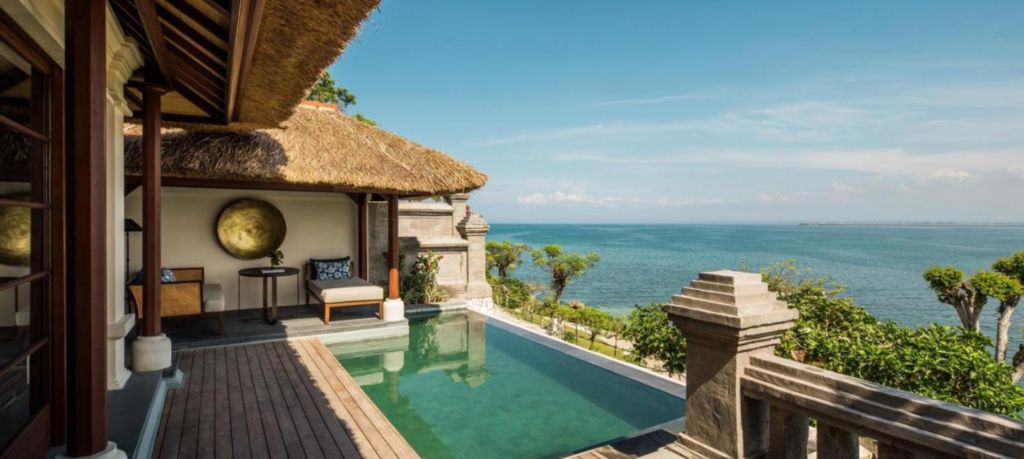
Bali is globally known for offering affordable luxury, making it a top destination for honeymooners and high-end travelers.
- Accommodation: Private pool villas ($150–$500+ per night)
- Food: Fine dining & beach clubs ($20–$100 per meal)
- Transport: Private drivers, luxury transfers ($50–$100 per day)
- Experiences: Spa treatments, yacht tours, premium activities ($50–$300+)
Daily Budget: ~$200–$600+
You can enjoy stunning cliffside resorts in Uluwatu, jungle villas in Ubud, and world-class dining—all at a fraction of prices compared to Europe or the Maldives.
Pro Tip: Book villas slightly outside main tourist hubs (like central Ubud or Seminyak) to get better prices and more privacy.
If you’re visiting Bali for the first time, having a well-planned itinerary can help you save time, reduce unnecessary travel, and experience the island’s top attractions without feeling rushed. Our detailed 5-Day Bali Itinerary covers the perfect route, including Ubud, Seminyak, Uluwatu, Nusa Penida, and practical travel tips to help you make the most of your trip.
Bali Itinerary (3, 5, and 7 Days)
Planning your Bali itinerary depends on how much time you have—but the key is not to rush. Bali looks small on the map, but traffic and distances can slow you down. A smart itinerary balances locations to avoid long daily travel.
Here are optimized Bali itineraries for 3, 5, and 7 days based on real travel flow.
Top Places to Visit in Bali
Bali is not just one destination—it’s a collection of unique experiences spread across different regions. From cultural hubs and beach towns to hidden islands and party zones, each place in Bali offers something completely different. Here are the must-visit places you should include in your Bali itinerary.
Ubud – Cultural Heart of Bali
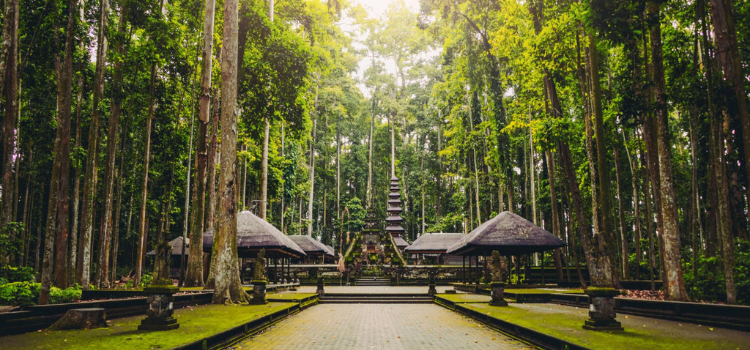
Ubud is the soul of Bali, surrounded by lush jungles, rice terraces, and ancient temples. It’s the best place to experience Bali’s spiritual and cultural side.
- Explore the famous Tegalalang Rice Terraces
- Visit the Sacred Monkey Forest Sanctuary
- Discover traditional temples and local art markets
Ubud is also known for yoga retreats, wellness centers, and peaceful vibes.
Real Tip: Stay at least 2–3 nights in Ubud to truly enjoy its slow pace—rushing through it as a day trip is a common mistake.

Seminyak – Luxury & Beach Clubs
Seminyak is where Bali gets stylish. It’s known for upscale beach clubs, trendy cafes, and boutique shopping.
- Chill at beach clubs like Potato Head or Finns
- Enjoy sunset views with cocktails
- Explore high-end cafes and shopping streets
This area is perfect for couples and travelers looking for a lively yet refined experience.
Real Insight: Beach clubs can get expensive—visit during daytime or happy hours to save money.

Canggu – Digital Nomad Hub
Canggu has quickly become Bali’s trendiest area, especially among remote workers and young travelers.
- Great for surfing and beach sunsets
- Packed with coworking spaces and cafes
- Vibrant social and networking scene
It blends work and leisure perfectly, making it ideal for longer stays.
Pro Tip: If you’re a beginner surfer, Canggu beaches like Batu Bolong are great places to start.

Uluwatu – Cliffs & Sunset Views
Uluwatu is famous for its dramatic cliffs, stunning ocean views, and iconic temples.
- Visit Uluwatu Temple for sunset and Kecak dance
- Explore hidden beaches like Padang Padang
- Enjoy some of the best sunset viewpoints in Bali
This area is quieter and more scenic compared to Seminyak or Canggu.
Real Tip: Carry cash and plan transport in advance—ride apps are less frequent in this region.
Nusa Penida – Instagram Paradise
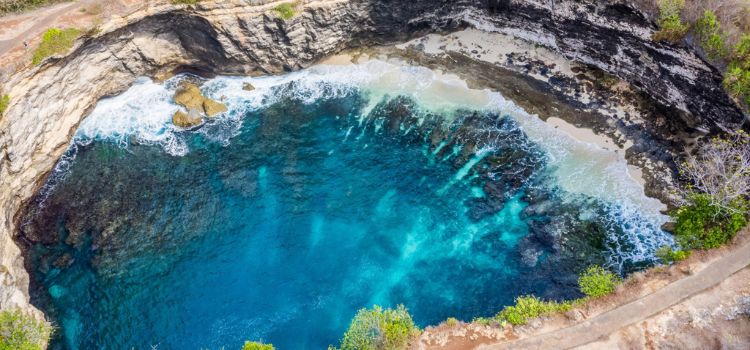
Nusa Penida is a must-visit island known for its dramatic landscapes and Instagram-famous spots.
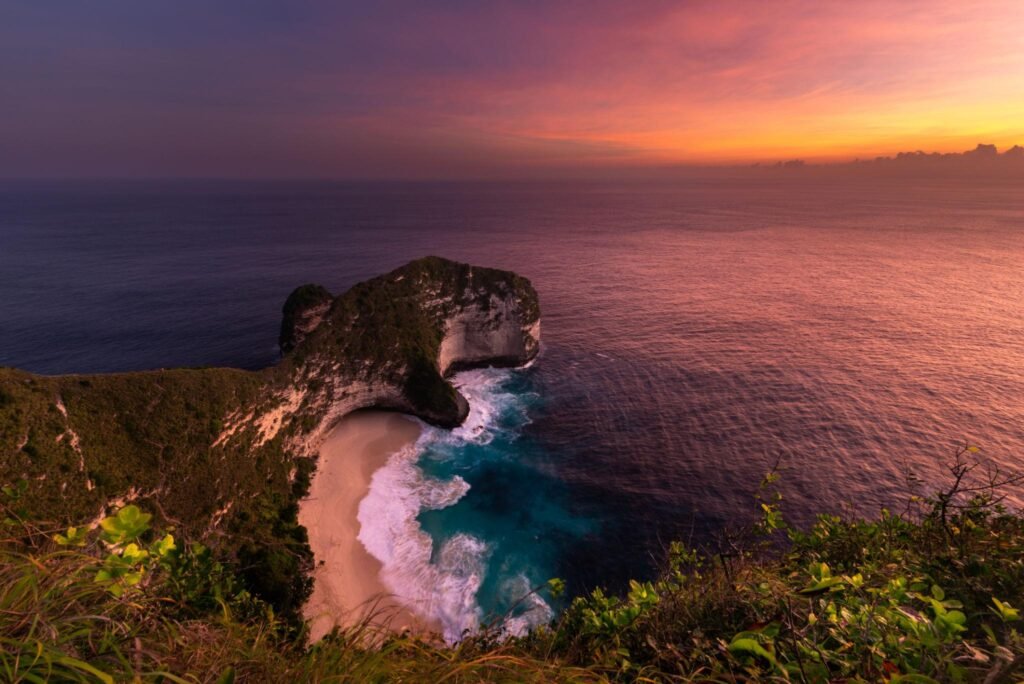
- Visit Kelingking Beach (T-Rex cliff)
- Explore Broken Beach and Angel’s Billabong
- Crystal-clear waters and rugged cliffs
It’s perfect for photographers and adventure lovers.
Important Insight: Roads are rough and travel is slow—book a guided tour or private driver for a hassle-free experience.
While Bali is Indonesia’s most famous destination, it’s just one of more than 17,000 islands across the country. If you have extra time, consider extending your journey to discover pristine beaches, world-class diving spots, volcanic landscapes, and unique wildlife on other Indonesian islands. Explore our guide to the best islands in Indonesia besides Bali for inspiration on where to travel next.

Kuta – Budget & Party Scene
Kuta is one of Bali’s most popular areas, especially for first-time visitors.
- Budget-friendly hotels and hostels
- Active nightlife and party scene
- Great for beginner surfing
While it’s more crowded and commercial, it’s still a convenient base for short stays.
Real Tip: Stay in Kuta for 1–2 nights max, then move to better areas like Seminyak or Canggu for a more authentic Bali experience.
Best Things to Do in Bali
Bali offers far more than just beaches—it’s a destination packed with culture, adventure, and unforgettable experiences. Whether you’re a nature lover, thrill-seeker, or cultural explorer, here are the best things to do in Bali.

Explore Temples
Bali is known as the “Island of Gods,” and its temples are a major highlight of any trip.
- Tanah Lot Temple – Famous for its offshore setting and magical sunsets
- Uluwatu Temple – Perched on cliffs with stunning ocean views
- Besakih Temple – The largest and most sacred temple complex in Bali
Each temple offers a unique experience—whether it’s spiritual rituals, architecture, or scenic beauty.
Real Tip: Always wear a sarong and respect temple rules. Many temples provide rentals, but carrying your own saves time.
Water Activities
With its crystal-clear waters and marine life, Bali is perfect for water lovers.
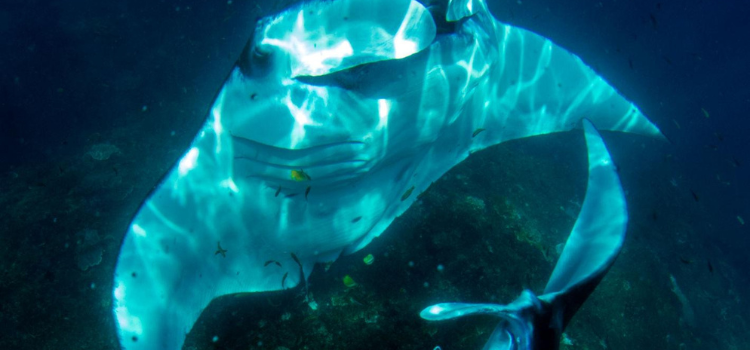
- Snorkeling & Scuba Diving: Explore coral reefs and even swim with manta rays near Nusa Penida
- Surfing: Ideal for both beginners (Kuta) and advanced surfers (Uluwatu, Canggu)
- Water Sports: Jet skiing, parasailing, and banana boat rides in Nusa Dua
Real Insight: For the best underwater visibility, visit during the dry season (April–October).

Adventure Activities
If you’re looking for adrenaline and nature, Bali has plenty of adventure options.
- Mount Batur Sunrise Trek: One of the most popular hikes—start early and watch the sunrise above the clouds
- ATV Rides: Ride through jungle trails, rivers, and muddy tracks
- Waterfalls: Visit hidden gems like Tegenungan or Sekumpul Waterfall
Pro Tip: Book your Mount Batur trek with a guide—it’s safer and includes breakfast at the summit.

Cultural Experiences
Bali’s culture is deeply rooted in daily life, and experiencing it firsthand is a must.
- Balinese Dance Performances: Watch the iconic Kecak dance at Uluwatu during sunset
- Cooking Classes: Learn how to make traditional dishes like Nasi Goreng and Satay
- Local Ceremonies: Witness daily offerings (Canang Sari) and temple rituals
Real Insight: Cultural experiences in Ubud feel more authentic compared to tourist-heavy beach areas.
3-Day Bali Itinerary (Short Trip)
Perfect for a quick getaway—focus on Bali’s top highlights.
Day 1: Arrival + Uluwatu
- Arrive in Bali (Denpasar Airport)
- Head to Uluwatu
- Visit Uluwatu Temple + watch Kecak dance
- Sunset dinner by the cliffs
Day 2: Ubud Day Trip
- Visit Tegalalang Rice Terraces
- Explore Monkey Forest
- Visit Tegenungan Waterfall
- Try a jungle swing experience
Day 3: Seminyak + Departure
- Relax at Seminyak Beach
- Cafe hopping + shopping
- Return flight
Best For: First-time travelers, short vacations
Real Tip: Stay in Seminyak or Kuta to minimize travel time.
5-Day Bali Itinerary (Balanced)
This itinerary gives you a mix of culture, beaches, and adventure.
Day 1: Arrival + Seminyak
- Check-in + relax
- Beach sunset + beach club
Day 2: Uluwatu Exploration
- Uluwatu Temple
- Beach hopping (Padang Padang, Bingin)
- Sunset views
Day 3: Ubud Transfer + Exploration
- Travel to Ubud
- Visit rice terraces + Monkey Forest
- Evening market walk
Day 4: Adventure + Waterfalls
- Tegenungan or Sekumpul Waterfall
- Optional ATV ride or rafting
- Spa session in evening
Day 5: Tanah Lot + Departure
- Visit Tanah Lot Temple
- Return flight
Best For: Couples, mixed travel styles
Pro Tip: Split your stay between Seminyak (2 nights) and Ubud (2–3 nights).
7-Day Bali Itinerary (Complete Experience)
A full Bali experience including the famous Nusa Penida island.
Day 1: Arrival + Seminyak
- Relax + explore cafes
- Beach sunset
Day 2: Canggu + Beach Life
- Surfing or beach hopping
- Visit cafes + coworking spots
Day 3: Uluwatu
- Cliffside beaches + temple
- Sunset + Kecak dance
Day 4: Ubud Transfer
- Check-in jungle villa
- Explore local markets
Day 5: Ubud Exploration
- Rice terraces
- Monkey Forest
- Waterfalls + swing
Day 6: Nusa Penida Day Trip
- Visit Kelingking Beach
- Explore Broken Beach & Angel’s Billabong
Day 7: Relax + Departure
- Spa or cafe
- Return flight
Best For: First-time + repeat travelers who want it all
Real Insight: Start your Nusa Penida trip early (6–7 AM ferry) to avoid crowds.
Where to Stay in Bali
Choosing the right place to stay is one of the most important decisions when planning a Bali trip. Each area offers a completely different experience—Ubud is ideal for culture and nature, Seminyak is perfect for luxury and nightlife, Canggu suits surfers and digital nomads, while Uluwatu is known for its dramatic cliffs and peaceful atmosphere. If you’re still unsure which location matches your travel style and budget, read our complete guide to the best areas to stay in Bali before booking your accommodation.
Best Areas to Stay
Not sure which part of Bali is right for your trip? Each destination offers a completely different experience. Ubud is known for its lush rice terraces and cultural attractions, Seminyak is perfect for luxury resorts and nightlife, Canggu attracts surfers and digital nomads, while Uluwatu is famous for dramatic cliffs, hidden beaches, and breathtaking sunsets. Before booking your accommodation, read our detailed comparison of Ubud vs Seminyak vs Canggu vs Uluwatu to choose the area that best matches your travel style, budget, and itinerary.
Ubud (Nature & Culture)
Ubud is perfect if you want a peaceful, nature-filled experience.
- Surrounded by jungles, rice terraces, and rivers
- Ideal for yoga retreats, wellness, and slow travel
- Close to temples, waterfalls, and cultural spots
Best For: Couples, solo travelers, nature lovers
Real Tip: Choose stays slightly outside central Ubud for better views and quieter surroundings.
Seminyak (Luxury & Lifestyle)
Seminyak is Bali’s upscale beach destination with a modern vibe.
- High-end villas, beach resorts, and boutique hotels
- Close to beach clubs, cafes, and shopping streets
- Vibrant nightlife and sunset spots
Best For: Couples, honeymooners, luxury travelers
Insight: Staying near the beach saves time and transport costs.
Canggu (Young Crowd & Digital Nomads)
Canggu is trendy, social, and perfect for longer stays.
- Popular among digital nomads and remote workers
- Coworking spaces, cafes, and beach vibes
- Great for surfing and meeting people
Best For: Solo travelers, freelancers, young travelers
Pro Tip: Book coliving spaces—they combine accommodation + networking + workspace.
Uluwatu (Peaceful & Scenic)
Uluwatu offers a quieter, more scenic side of Bali.
- Stunning cliffside views and hidden beaches
- Less crowded compared to Seminyak or Canggu
- Ideal for relaxation and sunsets
Best For: Honeymooners, couples, peaceful stays
Real Tip: Rent a scooter or hire a driver—transport is limited here.

Budget vs Luxury Stay Options
Bali is one of the few destinations where you can experience both budget travel and luxury living at great value.
Budget Stays (Hostels & Guesthouses)
- $5–$20 per night
- Dorm rooms or simple private rooms
- Social atmosphere, ideal for backpackers
Mid-Range Stays (Hotels & Boutique Villas)
- $40–$120 per night
- Comfortable rooms, pools, and good locations
Luxury Stays (Private Villas & Resorts)
- $150–$500+ per night
- Private pools, jungle or ocean views
- Premium services like floating breakfast, spa
Real Insight: Bali villas are surprisingly affordable—splitting a villa with friends can cost the same as a hotel room.
Transportation in Bali
Getting around Bali can be a bit tricky if you’re not prepared. Distances may look short on maps, but traffic and road conditions can significantly increase travel time. Choosing the right transport option can save you both time and money.
Scooter Rental Guide
Renting a scooter is the most popular and budget-friendly way to explore Bali.
- Cost: $4–$7 per day (₹300–₹600 approx.)
- Fuel: Very cheap (~$2 for a full tank)
- Availability: Easily available in all tourist areas
Safety Tips:
- Always wear a helmet (mandatory by law)
- Carry an International Driving Permit (IDP)
- Avoid riding during heavy rain or at night
- Be cautious of Bali’s traffic—roads can be narrow and chaotic
Real Insight: Scooters are ideal for short distances (like exploring Canggu or Ubud), but not for long intercity travel.
Private Drivers
Hiring a private driver is one of the most convenient ways to explore Bali, especially for first-time visitors.
- Cost: $30–$60 for a full day (8–10 hours)
- Includes: Car, fuel, and a local driver-guide
When to Hire:
- Visiting multiple attractions in one day (e.g., Ubud tour)
- Traveling long distances (Seminyak → Ubud → Uluwatu)
- Group travel (cost splits easily)
Pro Tip: Many drivers also act as informal guides and can suggest hidden spots you won’t find online.
Ride Apps (Grab & Gojek)
Ride-hailing apps like Grab and Gojek are widely used in Bali and are a great alternative to traditional taxis.
- Affordable and transparent pricing
- Options for car rides, bike taxis, and even food delivery
- Available in most areas like Seminyak, Canggu, and Ubud
Things to Know:
- Some areas (like Uluwatu or certain resorts) restrict app pickups
- Airport pickups may have designated zones
Real Tip: Use bike taxis (Gojek/GrabBike) for short distances—they’re faster and cheaper in traffic.
Bali Food Guide
Bali is a food lover’s paradise, offering everything from authentic Indonesian flavors to trendy global cuisine. Whether you’re eating at a roadside warung or a stylish beachside café, food in Bali is both affordable and diverse, making it a highlight of any trip.

Must-Try Local Dishes
Trying local Balinese and Indonesian food is a must for an authentic experience.
- Nasi Goreng: Indonesia’s famous fried rice, often served with egg, chicken, or seafood
- Babi Guling: Traditional Balinese roasted pig, rich in spices and flavor
- Satay (Sate): Grilled skewers served with peanut sauce
- Mie Goreng: Fried noodles, a popular and affordable street food option
Real Tip: Eat at local warungs (small family-run eateries)—they’re cheaper and often more authentic than tourist restaurants.
Best Cafes & Restaurants
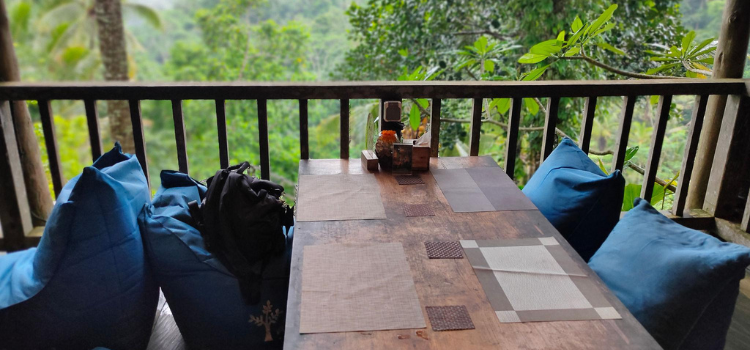
Bali is globally famous for its Instagrammable cafes and vibrant food scene, especially in areas like Canggu, Seminyak, and Ubud.
- Smoothie bowls, avocado toasts, vegan dishes, and specialty coffee
- Beautiful interiors, jungle views, and beachside settings
- Popular among digital nomads and content creators
From casual brunch spots to fine dining restaurants, Bali offers something for every budget and taste.
Insight: Many cafes are laptop-friendly with fast WiFi—perfect if you want to work while enjoying great food.
Street Food vs Restaurants
Both street food and restaurants in Bali have their own charm—but knowing where and how to eat safely is important.
Street Food (Warungs & Night Markets)
- Very affordable ($1–$5 per meal)
- Authentic local flavors
- Great for budget travelers
Restaurants & Cafes
- Wider variety (including international cuisine)
- Higher hygiene standards
- More comfortable dining experience
Safety Tips:
- Choose places with good reviews or visible crowds
- Avoid raw or undercooked food from unknown vendors
- Drink bottled water only
- Carry basic medication for stomach issues (just in case)
Real Insight: Bali Belly (traveler’s stomach issues) is common but avoidable—stick to clean, busy food spots and you’ll be fine.
Shopping in Bali
Shopping in Bali is more than just buying souvenirs—it’s an experience. From vibrant street markets to stylish boutique stores, Bali offers a mix of traditional craftsmanship and modern fashion, making it a great place to shop for unique, affordable items.
What to Buy
Bali is known for its locally made products that reflect its rich culture and artistic heritage.
- Handicrafts: Wooden carvings, masks, and home decor items
- Souvenirs: Handmade soaps, incense, paintings, and fridge magnets
- Clothing: Lightweight summer dresses, boho outfits, beachwear
- Accessories: Rattan bags, silver jewelry, handmade sandals
Real Tip: Many items are handcrafted—don’t hesitate to ask about the story behind the product. It often adds value to your purchase.
Best Markets & Areas
Bali has a variety of shopping areas depending on your style and budget.
Ubud Art Market
- Best for traditional souvenirs and handicrafts
- Located in the heart of Ubud
- Bargaining is expected
Seminyak Streets
- Trendy boutiques and designer stores
- Higher prices but better quality and unique designs
- Ideal for fashion, home decor, and gifts
Other Notable Spots:
- Canggu Markets: Great for handmade and boho products
- Night Markets: Budget-friendly shopping + street food combo
Pro Tip: Always bargain at local markets—start at 50% of the asking price and negotiate politely.
Bali Nightlife
Bali’s nightlife is as diverse as the island itself—ranging from laid-back sunset lounges to high-energy beach parties and nightclubs. Whether you want to sip cocktails by the ocean or dance till sunrise, Bali has something for every vibe.
Best Beach Clubs
Bali is famous for its world-class beach clubs, where you can relax during the day and party at night.
- Potato Head Beach Club (Seminyak):
Iconic architecture, infinity pool, and legendary sunset views. Great for a chill-to-party transition vibe. - Finns Beach Club (Canggu):
One of the largest beach clubs in Bali with multiple pools, bars, DJs, and a full-day party atmosphere. - Other Popular Mentions:
Ku De Ta (Seminyak), Atlas Beach Club (Canggu), Savaya (Uluwatu)
Real Tip: Book a daybed in advance, especially during peak season. Minimum spend applies, but it’s worth it for the experience.
Party Areas
If you’re looking for nightlife beyond beach clubs, Bali has some dedicated party zones.
Seminyak – Stylish Nightlife
- Trendy bars, lounges, and upscale clubs
- Popular spots: Motel Mexicola, La Favela
- More refined and less chaotic
Kuta – Budget & High-Energy Party Scene
- Cheap drinks, loud music, and packed clubs
- Ideal for backpackers and first-time party travelers
- Popular for pub crawls and late-night parties
Insight: Seminyak is better for a classy night out, while Kuta is more about high-energy, budget-friendly partying.
Travel Tips for Bali
Traveling to Bali is relatively easy, but knowing a few practical tips can save you from common mistakes and make your trip smoother. From safety and payments to cultural etiquette, here’s everything you need to know before you go.
Safety Tips
Bali is generally safe, but like any popular destination, you should stay alert.
Common Scams:
- Money exchange scams: Always use authorized exchange counters (avoid street-side “too good to be true” rates)
- Scooter fines: Police may fine tourists without helmets or proper licenses
- Overpriced taxis: Always confirm price or use ride apps
Traffic Rules:
- Drive on the left side
- Helmets are mandatory for riders
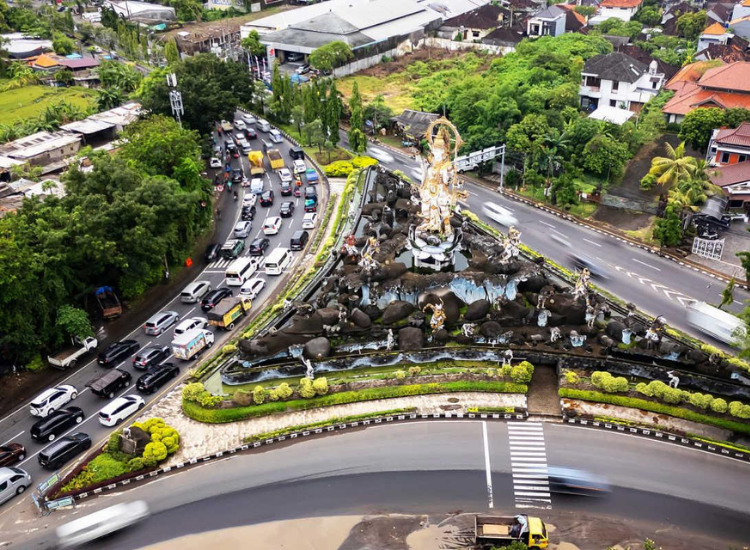
- Traffic can be chaotic—especially in Canggu and Seminyak
Real Tip: If you’re not confident riding a scooter, don’t risk it—hire a driver instead.
Currency & Payments
The local currency is the Indonesian Rupiah (IDR), and understanding how payments work will help you avoid unnecessary charges.
- Cash: Widely used, especially in local markets and small warungs
- Cards: Accepted in hotels, cafes, and beach clubs
- ATMs: Easily available but may charge international fees
Real Insight: Always carry small cash (IDR 10,000–50,000 notes) for taxis, tips, and local purchases.
Internet & SIM Cards
Staying connected in Bali is easy and affordable.
- Local SIM Cards: Telkomsel is the most reliable network
- Cost: ~$5–$15 for good data packages
- Where to Buy: Airport or local stores
WiFi is widely available in cafes, hotels, and coworking spaces.
Pro Tip: Buy your SIM from the airport for convenience, but cheaper options are available in town.
Cultural Etiquette
Bali’s culture is deeply spiritual, and respecting local customs is essential.
Temple Rules:
- Wear a sarong and sash (often provided at entrances)
- Do not enter temples during menstruation (cultural belief)
- Avoid touching offerings (Canang Sari) placed on the ground
Dress Code:
- Modest clothing in temples (covered shoulders and knees)
- Beachwear is fine in coastal areas but not in villages or temples
Real Insight: A simple smile and respectful behavior go a long way—Balinese people are incredibly warm and welcoming.
Although Bali is considered one of the safest destinations in Southeast Asia, tourists can still encounter common scams such as fake money exchange counters, overpriced taxi fares, scooter rental fraud, and misleading tour offers. Knowing how these scams work before your trip can save you both money and unnecessary stress. Read our complete guide to Bali Tourist Scams to Avoid to learn the most common tricks and practical tips to stay safe throughout your journey.
Common Mistakes to Avoid in Bali
Bali may look like a small island, but many travelers end up making simple mistakes that can impact their overall experience. Avoiding these common pitfalls will help you enjoy a smoother, more relaxed, and truly memorable trip.
Overpacking Your Itinerary
One of the biggest mistakes travelers make is trying to cover everything in a short time.
- Bali traffic can be unpredictable and slow
- Traveling between areas (like Ubud to Uluwatu) can take 2–3 hours
Real Tip: Instead of jumping between locations daily, stay in 1–2 areas and explore nearby attractions.
Ignoring Weather Conditions
Many travelers don’t plan according to Bali’s tropical climate.
- Rainy season (Nov–March) can disrupt outdoor plans
- Sea conditions may affect island trips like Nusa Penida
Insight: Always check the weather forecast and keep flexible plans—swap beach days with cafes or spa visits during rain.
Not Respecting Local Culture
Bali is deeply rooted in spirituality, and cultural respect is taken seriously.
- Wearing inappropriate clothes in temples
- Stepping on offerings placed on the ground
- Disrespectful behavior at sacred sites
Real Tip: Carry a sarong and always follow temple guidelines—it shows respect and avoids issues.
Renting Scooters Without Experience
Scooters look convenient, but they’re not for everyone.
- Roads can be narrow, crowded, and chaotic
- Many tourists underestimate traffic conditions
- Accidents and fines are common
Pro Tip: If you’re not confident, don’t rent a scooter—hire a private driver or use ride apps instead.
Choosing between Bali and Thailand can be tough—they’re both among the most popular travel destinations in the world. The truth is, there’s no one-size-fits-all answer. It depends on your travel style, budget, and what kind of experience you’re looking for. Here’s a clear, real-world comparison to help you decide.
Cost Comparison
Both destinations are budget-friendly, but they differ in how your money is spent.
- Bali:
- Cheaper accommodation (especially villas)
- Slightly higher food and transport costs in tourist areas
- Thailand:
- Cheaper street food and local transport
- Wide range of budget to luxury stays
Verdict:
👉 Bali is better for affordable luxury stays
👉 Thailand is better for overall budget travel
Beaches Comparison
Beaches are a major factor for most travelers.
- Bali Beaches:
- Known for dramatic cliffs (Uluwatu) and black/white sand
- Great for surfing
- Not always crystal-clear in main areas
- Thailand Beaches:
- White sand, turquoise water (Phi Phi, Krabi, Phuket)
- More “postcard-perfect” island vibes
Verdict:
👉 Thailand wins for classic tropical beaches
👉 Bali wins for scenic and unique landscapes
Nightlife Comparison
Both destinations offer great nightlife, but the vibe is different.
- Bali Nightlife:
- Beach clubs, sunset parties, stylish lounges
- More relaxed and premium
- Thailand Nightlife:
- High-energy parties (Bangkok, Phuket, Full Moon Party)
- Cheaper drinks, more intense party scene
Verdict:
👉 Bali is better for luxury nightlife & beach clubs
👉 Thailand is better for wild parties & budget fun
Overall Verdict
So, which is better—Bali or Thailand?
- Choose Bali if you want:
- Culture + spirituality + nature
- Affordable luxury villas
- A mix of relaxation and aesthetics
- Choose Thailand if you want:
- Better beaches
- Cheaper food & transport
- More diverse destinations (cities + islands + mountains)
Final Insight:
👉 First-time international travelers: Thailand is easier and more diverse
👉 Couples / honeymooners / content creators: Bali offers a more unique and aesthetic experience
Is Bali Worth Visiting?
If you’re wondering whether Bali is worth visiting in 2026—the short answer is yes, absolutely. But like any destination, it depends on what kind of traveler you are and what you expect from your trip.
Who Should Visit Bali?
Bali is one of the most versatile travel destinations in the world, making it suitable for different types of travelers:
- Couples & Honeymooners:
Private pool villas, romantic sunsets, and luxury experiences at affordable prices - Solo Travelers & Digital Nomads:
Safe environment, strong community, coworking spaces, and laptop-friendly cafes - Adventure Seekers:
Volcano treks, waterfalls, surfing, and island hopping - Culture & Wellness Lovers:
Temples, yoga retreats, meditation, and traditional Balinese experiences
Real Insight: Bali is ideal if you want a mix of relaxation, adventure, and culture—all in one trip.
Pros & Cons Summary
Here’s a balanced view to help you decide:
✅ Pros:
- Affordable luxury (villas, spas, dining)
- Diverse experiences (beaches, jungles, temples, nightlife)
- Strong tourism infrastructure
- Great for content creators and Instagram-worthy spots
❌ Cons:
- Traffic congestion in popular areas
- Some beaches are not as clear as expected
- Overcrowding in peak seasons
- Requires planning (locations are spread out)
FAQs About Bali Travel
Is Bali expensive for Indians?
No, Bali is not expensive for Indians—in fact, it’s one of the best international destinations for budget-friendly travel.
- Budget trip: ₹2,500–₹5,000/day
- Mid-range: ₹5,000–₹12,000/day
- Luxury: ₹15,000+/day
Insight: Bali offers better value than Goa or Maldives in terms of stays and experiences.
How many days are enough for Bali?
Ideally, you should spend:
- 3–4 days: Quick highlights trip
- 5–6 days: Balanced experience
- 7+ days: Complete Bali + Nusa Penida
Real Tip: If it’s your first visit, 5–7 days is the sweet spot to explore without rushing.
Do Indians need a visa for Bali?
Yes, but it’s simple.
- Indians can get a Visa on Arrival (VOA)
- Valid for 30 days (extendable once)
- Cost: ~$35 USD
You can also apply for an e-visa online to skip airport queues.
Is Bali safe for solo travelers?
Yes, Bali is considered very safe for solo travelers, including women.
- Friendly locals and strong tourism infrastructure
- Plenty of hostels, cafes, and coworking spaces
- Easy to meet other travelers
Safety Tip: Avoid riding scooters without experience and stay cautious at night in party areas.
What is the best area to stay in Bali?
It depends on your travel style:
- Ubud: Nature, culture, relaxation
- Seminyak: Luxury, cafes, nightlife
- Canggu: Digital nomads, young crowd
- Uluwatu: Peaceful, scenic views
Pro Tip: Split your stay between Ubud + Seminyak/Canggu for a complete experience.
Can you use Indian currency in Bali?
No, Indian Rupees are not accepted in Bali.
- You’ll need Indonesian Rupiah (IDR)
- Exchange money at authorized counters or withdraw from ATMs
Real Tip: Avoid airport exchange counters—they usually have lower rates.
Is Bali better than Maldives or Thailand?
It depends on what you’re looking for:
- Bali: Best overall experience (culture + nature + nightlife)
- Maldives: Best for luxury + clear beaches
- Thailand: Best for budget + variety
👉 Bali is the best all-round destination
What is the best month to visit Bali?
- Best months: May, June, September
- Good months: April & October
- Avoid: January (heavy rain), August (overcrowded)
Insight: Shoulder months give you the best mix of good weather + fewer crowds.