
Indonesia Travel Guide: Complete Planning Guide for Every Traveler
This Indonesia Travel Guide is designed to help you plan a trip that works in real conditions—not just an idealized version you see online.
Indonesia is not a single destination; it’s a vast archipelago of over 17,000 islands, each offering a completely different experience. Planning a trip here is less about “what to see” and more about choosing the right islands based on your priorities. Many travelers make the mistake of trying to cover too much—combining Bali, Komodo, Java, and Lombok in one short trip—which leads to excessive travel time and a fragmented experience.
The first thing to understand is that Indonesia requires selective planning. Distances are large, transport connections can be inconsistent, and moving between islands often involves flights, ferries, and waiting time. A well-planned itinerary focuses on 1–2 regions, not the entire country.
This guide will help you make those decisions:
- Which islands match your travel style (beach, culture, adventure, or diving)
- How to build a realistic itinerary without constant transit
- What a typical Indonesia trip actually costs across different budgets
- When to travel based on seasonal weather patterns
Indonesia works best for travelers who are flexible and comfortable with some unpredictability. If you prefer highly structured, seamless travel with minimal logistics, you may find certain parts of Indonesia challenging. On the other hand, if you’re looking for variety, raw landscapes, and cultural depth, Indonesia offers experiences that are difficult to replicate elsewhere.
This Indonesia Travel Guide is written for a global audience and focuses on practical, experience-based advice—so you can decide whether Indonesia fits your expectations before you commit to a trip.

Why Visit Indonesia
Indonesia attracts a wide range of travelers, but it’s not the right fit for everyone. Understanding what it does well—and where it can be challenging—will help you decide if it aligns with your travel style.
1. You Get Completely Different Experiences Across Islands
One of Indonesia’s biggest strengths is its diversity, but this also makes planning more complex.
- Bali offers a mix of beaches, cafes, temples, and nightlife
- Java is more focused on culture and landscapes (temples, volcanoes)
- Komodo is about remote island exploration and wildlife
- Lombok and the Gili Islands provide quieter beach alternatives
These regions are not interchangeable. Choosing the wrong combination can lead to unnecessary travel time and mismatched expectations. If you plan carefully, however, you can combine culture, nature, and relaxation within a single trip.
2. Strong Value for Money—With Exceptions
Indonesia can be affordable, but costs vary depending on location and travel style.
- Local food (warungs) is inexpensive and widely available
- Mid-range accommodation offers good value, especially in Bali
- Activities like diving, boat tours, and guided treks can add up quickly
Remote destinations like Komodo or Raja Ampat are significantly more expensive due to logistics. Budget travelers can manage costs by focusing on fewer regions and avoiding frequent flights.
3. Nature and Adventure Are Core to the Experience
Indonesia stands out for its natural landscapes:
- Active volcanoes like Mount Bromo
- Dense jungles in Sumatra
- Coral reefs and marine life in eastern Indonesia
However, many of these experiences require early starts, physical effort, or long travel times. This isn’t a passive destination—you’ll get more out of it if you’re willing to explore actively.
4. Travel Logistics Require Planning
Compared to destinations like Thailand, Indonesia is less straightforward.
- Flights between islands are often necessary
- Ferry schedules can change due to weather
- Infrastructure varies by region
This doesn’t make travel difficult—but it does mean you need to plan more carefully and allow buffer time.
5. Trade-Off: Authenticity vs Convenience
Indonesia offers a mix of highly developed areas and more raw, less commercial regions.
- Bali is easy, accessible, and well-developed—but can feel crowded
- Less-visited islands offer more authenticity—but require more effort
Your experience depends on where you go and how much convenience you’re willing to trade for uniqueness.
Best Places to Visit in Indonesia
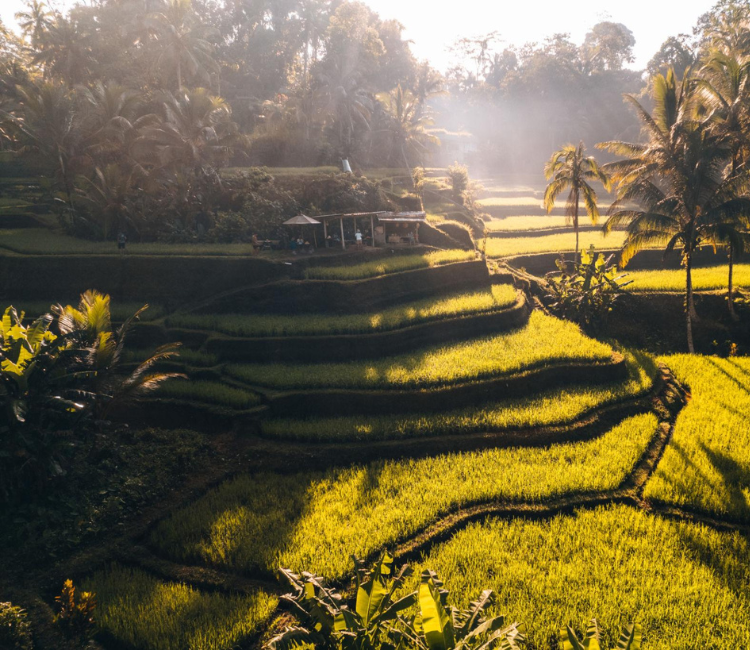
1. Bali (Most Accessible + Diverse Experience)
Bali is the entry point for most travelers—and while it’s popular, it still offers a wide range of experiences if you choose your base carefully. What makes Bali unique is how much variety you can access within a relatively small area: beaches, temples, rice terraces, cafes, and nightlife all exist within a few hours’ drive.
However, Bali is not one single experience.
- Canggu & Seminyak: cafes, beach clubs, nightlife
- Ubud: culture, rice fields, slower pace
- Uluwatu: cliffs, surf, quieter luxury
Best for:
First-time visitors, digital nomads, mixed travel styles (relaxation + social scene)
Practical tips:
- Traffic can be a major issue—distances take longer than expected
- Avoid changing hotels frequently; pick 1–2 bases
- Book scooters or drivers early in peak season
- Expect crowds in popular areas like Canggu
Reality check:
Bali can feel overdeveloped in certain areas. If you’re expecting untouched nature everywhere, adjust expectations.

2. Ubud (Culture, Nature & Slow Travel)
Ubud, located in central Bali, offers a completely different atmosphere compared to coastal areas. It’s surrounded by rice fields, jungle landscapes, and traditional villages, making it a strong base for travelers interested in culture and nature rather than beaches.
What makes Ubud special is the balance between accessibility and depth. You can explore temples, attend cultural performances, or take part in cooking classes—all within a compact area.
Best for:
- Cultural travelers
- Wellness-focused trips (yoga, retreats)
- Slower-paced travel
Practical tips:
- Stay slightly outside the center to avoid traffic and noise
- Visit popular spots (like Tegallalang Rice Terrace) early morning
- Expect higher prices for boutique stays compared to other parts of Bali
Reality check:
Ubud is no longer a quiet village—it’s busy, especially in peak season. But it still offers more depth than beach areas.
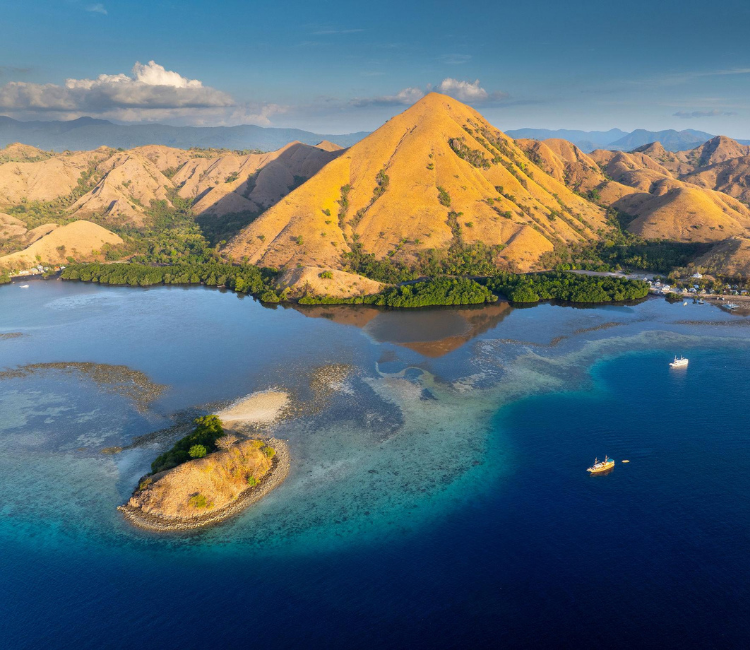
3. Komodo National Park (Wild Nature + Unique Landscapes)
Komodo National Park is one of Indonesia’s most distinctive destinations. It’s not just about the Komodo dragons—it’s about the entire island-hopping experience through remote, rugged landscapes.
The main attraction is seeing Komodo dragons in their natural habitat, but the surrounding islands—like Padar and Pink Beach—are equally impressive. The best way to explore is via multi-day boat tours.
Best for:
- Adventure travelers
- Nature lovers
- Photography-focused trips
Practical tips:
- Most trips start from Labuan Bajo
- Choose between budget shared boats or private tours
- Book in advance during peak season
- Expect basic facilities on cheaper boats
Reality check:
This is not a luxury destination unless you pay for it. Budget trips can be physically demanding and less comfortable.
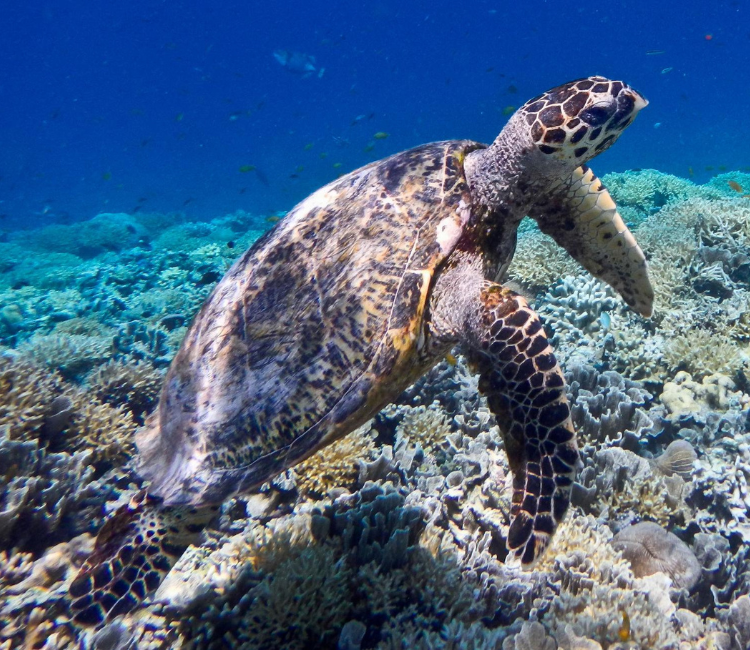
4. Lombok & Gili Islands (Quieter Alternative to Bali)
Lombok and the nearby Gili Islands are often considered alternatives to Bali, offering a more relaxed environment with fewer crowds.
- Lombok: less developed, good for nature and trekking (Mount Rinjani)
- Gili Islands: car-free islands with clear water and snorkeling
Each Gili has a different vibe:
- Gili T → nightlife
- Gili Air → balanced
- Gili Meno → quiet
Best for:
- Couples
- Beach relaxation
- Snorkeling and diving
Practical tips:
- Ferries from Bali can be delayed—plan buffer time
- Book accommodation early in peak season
- Avoid peak party areas if you want quiet
Reality check:
While quieter than Bali, some parts (especially Gili T) can still feel touristy.
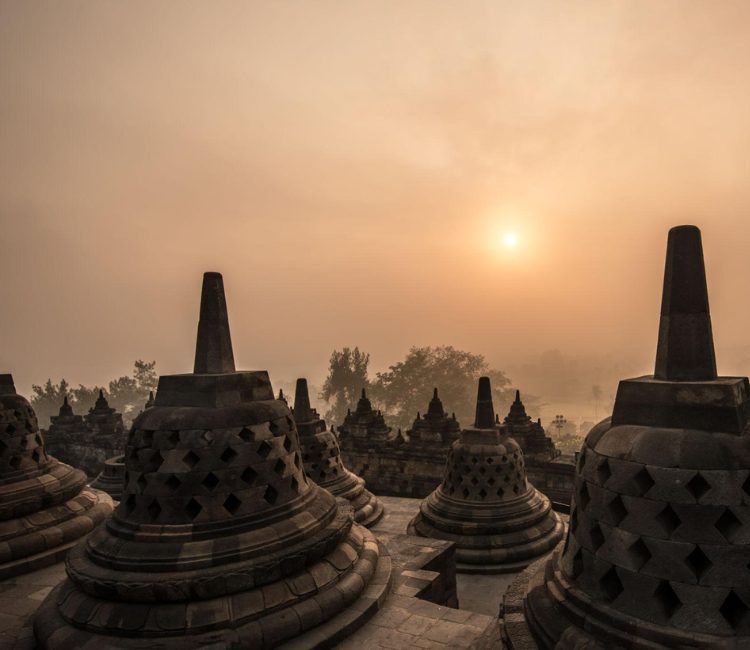
5. Yogyakarta (Cultural Heart of Java)
Yogyakarta is one of the best places in Indonesia for cultural exploration. It serves as a gateway to two major UNESCO sites: Borobudur and Prambanan temples.
What makes Yogyakarta stand out is its strong cultural identity. Unlike Bali, which is heavily tourism-driven, Yogyakarta feels more connected to local life and traditions.
Best for:
- History and culture lovers
- Travelers interested in temples and heritage
- Budget travelers
Practical tips:
- Visit Borobudur at sunrise for the best experience
- Stay near Malioboro for easy access
- Combine temple visits with city exploration
Reality check:
Yogyakarta is not about luxury—it’s about culture. Expectations should align accordingly.

6. Mount Bromo (Unique Volcano Landscape)
Mount Bromo is one of Indonesia’s most iconic landscapes. The experience is centered around a sunrise viewpoint overlooking a vast volcanic crater.
The terrain here feels almost surreal—ash plains, smoking craters, and dramatic lighting at sunrise.
Best for:
- Adventure seekers
- Landscape photography
- Short but intense experiences
Practical tips:
- Prepare for cold temperatures (it gets very cold before sunrise)
- Tours usually start around 2–3 AM
- Combine with other East Java destinations if possible
Reality check:
It’s crowded at sunrise viewpoints. The experience is short but memorable.
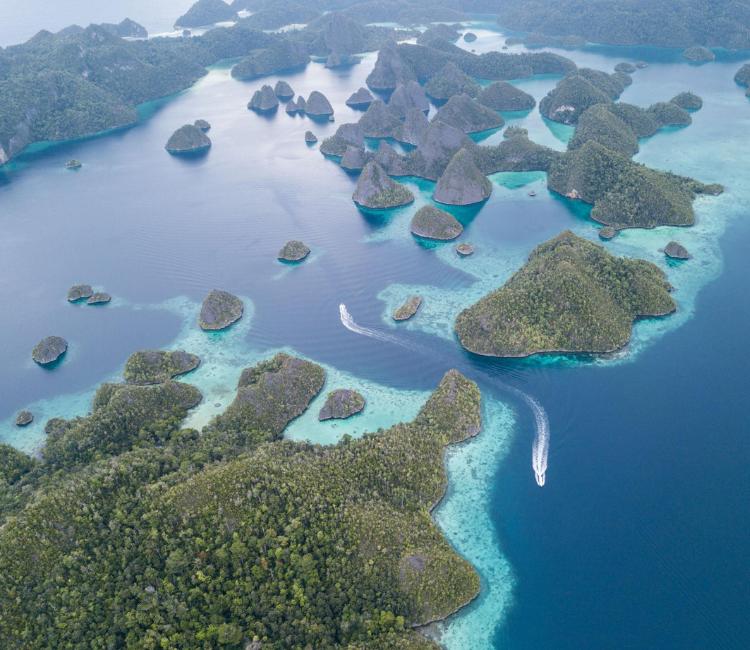
7. Raja Ampat (Premium Nature + World-Class Diving)
Raja Ampat is one of the most remote and visually stunning regions in Indonesia. Known for its marine biodiversity, it’s considered one of the best diving destinations in the world.
The landscape features small limestone islands surrounded by crystal-clear water, often seen in aerial photography.
Best for:
- Divers and snorkelers
- Luxury nature travelers
- Remote travel experiences
Practical tips:
- Expensive due to remoteness (flights + permits)
- Best visited with organized tours
- Limited connectivity—plan in advance
Reality check:
This is not a casual trip—it requires time, budget, and planning.
Indonesia Travel Cost Breakdown
Understanding the real Indonesia travel cost is essential because prices vary significantly depending on which islands you visit and how you travel. Bali is relatively affordable and well-developed, while remote areas like Komodo or Raja Ampat can increase your budget quickly due to transport and tour costs.
Daily Cost Overview
If you’re looking for a more detailed breakdown of the Indonesia trip cost, including estimated budgets for backpackers, mid-range travelers, luxury vacations, transportation, accommodation, food, and activities, check out our complete cost guide to help you plan your budget with confidence.
| Category | Budget ($) | Mid-Range ($) | Luxury ($) |
|---|---|---|---|
| Accommodation | 10–25 | 40–120 | 150–500+ |
| Food | 5–15 | 20–50 | 60–120+ |
| Transport | 5–20 | 20–60 | 80–200 |
| Activities | 10–30 | 40–100 | 150–400 |
| Total/Day | 30–80 | 100–250 | 350+ |
Budget Travel (Backpacker Style)
Typical daily spend: $30–80
- Stay: Hostels or simple guesthouses ($10–20/night)
- Food: Local warungs (Indonesian eateries) ($5–10/day)
- Transport: Scooters, shared vans ($5–15/day)
- Activities: Self-guided or budget tours
Real Example (7 Days in Bali):
- Stay: $100
- Food: $60
- Transport: $80
- Activities: $100
👉 Total: ~$350–450
Reality:
Very doable in Bali and parts of Java, but harder in remote destinations where tours are mandatory.
Mid-Range Travel (Most Balanced Option)
Typical daily spend: $100–250
- Stay: Boutique hotels or private villas ($50–100/night)
- Food: Mix of local and international restaurants ($20–40/day)
- Transport: Flights + private drivers ($20–50/day)
- Activities: Guided tours, snorkeling, trekking
Real Example (7 Days: Bali + Nusa Islands):
- Stay: $500
- Food: $200
- Transport: $250
- Activities: $300
👉 Total: ~$1200–1600
Reality:
This is the most popular travel style—comfortable, flexible, and still reasonably priced.
Luxury Travel
Typical daily spend: $350+
- Stay: Private villas, beachfront resorts ($150–500+/night)
- Food: High-end dining, beach clubs ($50–120/day)
- Transport: Private transfers, premium flights
- Activities: Private boat tours, diving trips, spa experiences
Real Example (7 Days: Bali + Komodo):
- Stay: $1500+
- Food: $500
- Transport: $500
- Activities: $800
👉 Total: ~$3000–4000+
Reality:
Indonesia offers excellent luxury value in Bali, but remote regions significantly increase costs.

Where Travelers Overspend
- Booking last-minute domestic flights
- Overpaying for tours through hotels
- Staying in high-demand areas like Canggu
- Taking too many flights between islands
Money-Saving Tips
- Stick to 1–2 regions instead of multiple islands
- Book internal flights early
- Use local eateries instead of tourist cafes
- Compare tour prices locally before booking
Indonesia Itinerary Options
Planning an Indonesia itinerary requires focusing on fewer destinations due to distances and transport complexity. A good itinerary minimizes travel fatigue while covering different experiences.
5-Day Indonesia Itinerary (Bali Focus)
Best for: Short trips, first-time visitors
| Day | Plan |
|---|---|
| Day 1 | Arrive in Bali (Seminyak/Canggu), rest + beach |
| Day 2 | Explore Ubud (rice terraces, temples) |
| Day 3 | Ubud experiences (waterfalls, culture) |
| Day 4 | Uluwatu (cliffs, beaches, sunset temple) |
| Day 5 | Return |
Why this works:
- No flights between islands
- Covers beach + culture
- Minimizes travel time
Trade-off:
Limited to Bali only—no remote island experience.
7-Day Indonesia Itinerary (Bali + Nusa Islands)
Best for: Balanced experience
| Day | Plan |
|---|---|
| Day 1 | Arrive in Bali |
| Day 2 | Ubud exploration |
| Day 3 | Ubud activities |
| Day 4 | Travel to Nusa Penida |
| Day 5 | Island exploration (Kelingking, beaches) |
| Day 6 | Return to Bali (Uluwatu or Seminyak) |
| Day 7 | Departure |
Why this works:
- Adds island experience without long travel
- Good mix of nature + beaches
- Logical route (no backtracking)
Practical tip:
Stay overnight in Nusa Penida to avoid rushed day trips.
10-Day Indonesia Itinerary (Bali + Komodo or Java)
Best for: Travelers wanting variety
Option A: Bali + Komodo
| Day | Plan |
|---|---|
| Day 1–2 | Bali arrival + beach |
| Day 3–4 | Ubud exploration |
| Day 5 | Fly to Labuan Bajo |
| Day 6–7 | Komodo boat tour |
| Day 8 | Return to Bali |
| Day 9 | Relaxation |
| Day 10 | Departure |
Option B: Bali + Java (Culture + Volcano)
| Day | Plan |
|---|---|
| Day 1–2 | Bali |
| Day 3–4 | Ubud |
| Day 5 | Fly/train to Yogyakarta |
| Day 6 | Borobudur + Prambanan |
| Day 7 | Travel to Mount Bromo |
| Day 8 | Bromo sunrise |
| Day 9 | Return |
| Day 10 | Departure |
Why These Itineraries Work
- Limit travel to 1–2 regions only
- Include buffer time for delays
- Avoid constant hotel changes
- Balance activity days with rest days
Common Itinerary Mistakes
- Trying to visit Bali, Komodo, and Java in one week
- Ignoring travel time between islands
- Taking day trips instead of staying overnight
- Overloading every day with activities
Before booking your flights, make sure you understand the latest entry requirements. Our Indonesia visa guide for Indians explains visa options, eligibility, required documents, fees, processing times, and practical travel tips to help you prepare for a hassle-free trip.
Transportation Guide in Indonesia
Getting around Indonesia is one of the most important parts of planning your trip—and also one of the biggest challenges. Distances between islands are large, and transport options vary widely depending on the region.
Domestic Flights (Essential for Most Trips)

Best for: Traveling between islands (Bali ↔ Komodo, Java ↔ Bali)
Pros:
- Fast and widely available
- Often the only practical option for long distances
- Budget airlines keep prices reasonable if booked early
Cons:
- Delays are common
- Prices increase sharply last minute
- Baggage limits can be strict
Practical tip:
Always leave buffer time between flights and tours. Avoid tight connections.
Ferries & Boats
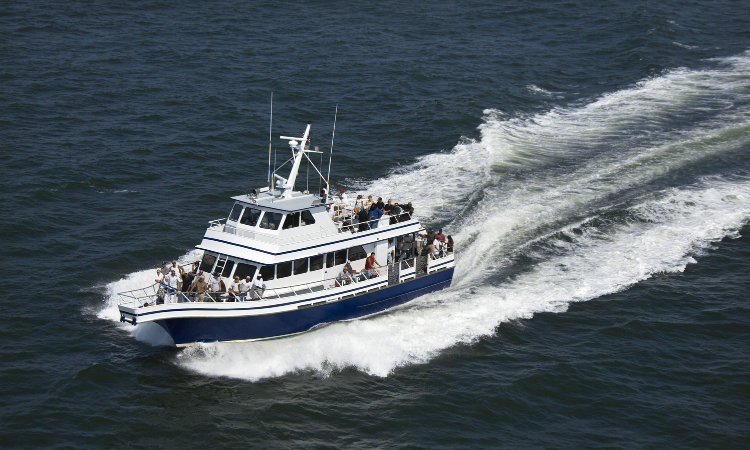
Best for: Short island transfers (Bali ↔ Gili Islands, Nusa Islands)
Pros:
- Scenic routes
- Affordable
- Frequent on popular routes
Cons:
- Weather-dependent
- Delays and cancellations possible
- Comfort varies by operator
Practical tip:
Choose reputable ferry companies, even if slightly more expensive.
Trains (Java Only)

Best for: Exploring Java (Jakarta ↔ Yogyakarta ↔ Surabaya)
Pros:
- Comfortable and reliable
- Scenic countryside views
- Good value for money
Cons:
- Limited to Java
- Not useful for island hopping
Buses

Best for: Budget travel within islands
Pros:
- Cheapest option
- Extensive routes
Cons:
- Slow and less comfortable
- Language barriers can be an issue
Local Transport
- Scooters: Most common (cheap, flexible)
- Private drivers: Best for comfort and convenience
- Ride apps (Grab/Gojek): Reliable in cities
Practical tip:
Scooters are only safe if you’re experienced. Road conditions and traffic can be unpredictable.
Best Time to Visit Indonesia
The best time to visit Indonesia depends on weather, but also on your specific destination.
Choosing the right season can make a big difference to your trip, especially if you’re planning island hopping, diving, trekking, or beach holidays. For a detailed month-by-month breakdown, weather patterns, regional differences, festivals, and travel recommendations, read our complete guide to the best time to visit Indonesia.
Dry Season (April to October)
- Best overall travel conditions
- Ideal for beaches, trekking, and island hopping
Why it works:
- Lower humidity
- Better sea conditions
- More reliable transport
Wet Season (November to March)
- Frequent rain, especially in Bali and Java
Reality:
- Rain usually comes in short bursts
- Still possible to travel, but less predictable
Regional Differences
- Bali & Lombok: clear dry/wet seasons
- Komodo: dry and hot for most of the year
- Sumatra: more rain year-round
When NOT to Visit Indonesia
- January–February: Peak rainy season in many areas
- Rough seas affect boat travel
- Outdoor activities limited
Practical insight:
If your itinerary depends on island hopping or diving, avoid peak rainy months.
Food Guide: What to Eat in Indonesia
Food in Indonesia is diverse, affordable, and deeply connected to local culture.
What to Eat
- Nasi Goreng (fried rice)
- Mie Goreng (fried noodles)
- Satay (grilled skewers)
- Rendang (slow-cooked beef)
- Gado-Gado (vegetable salad with peanut sauce)

Street Food vs Restaurants
Street Food (Warungs):
- Very affordable ($1–3)
- Authentic local flavors
- Quick and accessible
Restaurants:
- More comfortable
- International options
- Higher prices

Where to Eat
- Local warungs (best value)
- Night markets
- Cafes in Bali (for variety)

Practical Food Tips
- Choose busy places with high turnover
- Avoid raw or undercooked food if unsure
- Carry bottled water—tap water isn’t safe to drink
Shopping & Nightlife in Indonesia

What to Buy
- Batik fabrics and clothing
- Handcrafted wood items
- Jewelry and local art
Best Shopping Areas
- Bali (Ubud): Art markets
- Seminyak: Boutiques and modern stores
- Yogyakarta: Traditional crafts
Nightlife
- Canggu & Seminyak (Bali): Beach clubs, bars
- Gili Trawangan: Party island vibe
- Ubud: Minimal nightlife, more relaxed
Practical Tips
- Bargain in markets—but respectfully
- Check quality before buying
- Avoid carrying large amounts of cash at night
Travel Tips (Practical & Realistic)
- Stick to 1–2 regions instead of multiple islands
- Book flights early to save money
- Always allow buffer time between activities
- Carry cash—many places don’t accept cards
- Download offline maps (internet can be unreliable)
- Respect local customs (especially in temples)
- Stay flexible—delays and changes are common
Common Mistakes to Avoid
1. Trying to Visit Too Many Islands
Indonesia is huge—travel takes time.
Fix: Focus on fewer destinations.
2. Underestimating Travel Time
Flights, ferries, and transfers can take an entire day.
Fix: Plan travel days carefully.
3. Only Visiting Bali
Bali is great—but it’s not the whole of Indonesia.
Fix: Consider nearby islands if time allows.
4. Ignoring Weather Patterns
Rain can disrupt plans, especially for island trips.
Fix: Check region-specific weather.
5. Riding Scooters Without Experience
Accidents are common.
Fix: Use drivers or ride apps if unsure.
Safety Tips & Scams
Indonesia is generally safe, but there are risks travelers should be aware of.

1. Taxi Overcharging
Drivers refuse meters or inflate prices.
👉 Use Grab/Gojek or agree on price beforehand.
2. ATM Skimming
Fraudulent machines can copy card details.
👉 Use ATMs inside banks or malls.
3. Tour Overpricing
Tourists are quoted higher prices.
👉 Compare multiple operators before booking.
General Safety Tips
- Keep valuables secure
- Avoid isolated areas at night
- Use travel insurance
- Be cautious with alcohol in party areas
Where to Stay in Indonesia
Budget
- Hostels, guesthouses ($10–20/night)
Best areas:
- Canggu (Bali)
- Ubud outskirts
Mid-Range
- Boutique hotels, private villas ($50–120/night)
Best areas:
- Ubud (nature + culture)
- Seminyak (central + convenient)
Luxury
- Private villas, beachfront resorts ($150–500+/night)
Best areas:
- Uluwatu (cliffside luxury)
- Nusa Dua (resorts)
Practical Tip
Choose location based on your itinerary. Staying far from your activities can waste hours daily.
Conclusion
This Indonesia Travel Guide provides a practical framework for planning your trip—from understanding transport and timing to managing costs, avoiding mistakes, and choosing the right destinations.
Indonesia offers incredible diversity, but it rewards travelers who plan carefully. Unlike smaller destinations, you can’t see everything in one trip—and trying to do so often leads to a rushed experience.
If you:
- Focus on fewer regions
- Plan transport realistically
- Travel during the right season
You’ll get far more out of your trip.
Indonesia is best suited for travelers who value variety, exploration, and unique landscapes over convenience. Plan smartly, and it can easily become one of the most memorable destinations you’ll visit.

Backpacking vs Trekking: What’s the
Tell three different people you're "going backpacking in Nepal" and you'll get three different mental pictures. One person imagines you

What Is the 20% Rule
If you've ever shrugged on a pack that felt perfectly fine in your hallway, and then felt every single gram

Medicines to Pack for Travel:
I'm a travel writer, not a doctor. This guide is general information built from the official sources listed at the

The 3-3-3 Rule for Travel:
Search "3-3-3 rule for travel" and you'll land on a pile of pages that all seem to be talking about
Singapore 30, 60 or 90
You've booked the flight, and now the real question hits: how many days will Singapore actually let you stay? Search