
Thailand Travel Guide: Everything First-Time Visitors Need to Know
Planning your first trip to Thailand can feel overwhelming. With thousands of islands, bustling cities, ancient temples, world-famous beaches, and countless travel blogs offering conflicting advice, it’s hard to know where to start.
This Thailand travel guide is designed to simplify the planning process. Whether you’re visiting for one week or a month, you’ll learn the best places to visit, when to go, how much to budget, visa requirements, transportation tips, common scams to avoid, cultural etiquette, and practical travel advice based on real experiences—not just recycled information.
We’ve explored destinations across Bangkok, Chiang Mai, Krabi, Phuket, Koh Phi Phi, and Thailand’s Andaman Coast to create a guide that helps first-time visitors travel smarter, avoid expensive mistakes, and make the most of every day.
By the end of this guide, you’ll know exactly how to plan a memorable, safe, and budget-friendly trip to Thailand
Is Thailand Worth Visiting?

Yes — but not for the reasons most listicles give you. Thailand remains one of the most accessible entry points into Southeast Asia for first-time visitors, with genuinely affordable daily costs, a tourism infrastructure that’s had decades to mature, and enough regional variety that a beach trip to Krabi and a temple-hopping week in Chiang Mai feel like two different countries.
That said, 2026 isn’t the same Thailand people were raving about ten years ago. According to the Tourism Authority of Thailand, the country continues to see tens of millions of international visitors annually — and it shows in places like Phi Phi Don and parts of Phuket during peak season, where overtourism is a real, not theoretical, concern.
Our take: Thailand is absolutely worth visiting, but where and when matters more now than it did a decade ago. Skip the obvious hotspots in high season, and you’ll still find the version of Thailand people fell in love with.
A few situations where this trip makes sense right now:
- You want a first Southeast Asia trip with training wheels — reliable Grab coverage, widespread English in tourist areas, and infrastructure that doesn’t require backpacker-forum-level improvisation
- You’re working with a moderate budget and want your money to stretch (private air-con rooms in Chiang Mai commonly run $20–35/night — see the full budget breakdown below)
- You want variety without changing countries: jungle, islands, cities, and mountains within a single, well-connected itinerary
Where it makes less sense:
- You’re chasing an “undiscovered” experience — Thailand’s major circuits (Bangkok–Chiang Mai–the islands) are extremely well-trodden
- You’re visiting during Songkran (mid-April) without a plan — prices spike and popular routes book out weeks ahead
Best Time to Visit Thailand
Ask ten travel blogs when to visit Thailand and you’ll get the same three words back: “November to February.” Technically true, practically incomplete. That window is Thailand’s cool season, and yes, it’s the most comfortable stretch of weather — but it’s also when flights and beach bungalows cost the most and book out fastest.
Thailand's Three Seasons Explained
Thailand runs on three seasons, not four, and they hit differently depending on where you are:
Season | Months | What It Actually Feels Like |
Cool season | November–February | Genuinely pleasant, low humidity, evenings can dip cool enough for a light jacket in the north |
Hot season | March–May | Brutal, especially April — Bangkok regularly hits 95°F+ with heavy humidity |
Rainy/green season | June–October | Short, intense afternoon downpours, not all-day monsoons; landscapes turn lush and green |
Regional Differences: North vs. South Matter More Than You Think

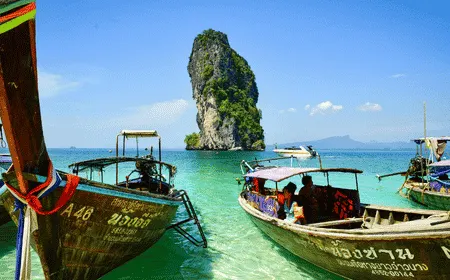
Here’s the detail most generic guides skip: Thailand’s Gulf coast (Koh Samui, Koh Phangan, Koh Tao) and its Andaman coast (Phuket, Krabi, Koh Lanta) run on inverse monsoon patterns. The Andaman side gets its heaviest rain roughly May through October, while the Gulf side’s wettest stretch is more like October through December.
Practical upshot: if you’re set on visiting in November, the west-coast islands can actually be a smarter call than Koh Samui, which is exactly when Gulf-side rain tends to pick up. Is Phuket or Krabi better for couples visiting in shoulder season? Both work — but check that month’s specific rain pattern for each coast rather than assuming “Thailand” has one unified rainy season.
Best Time for Festivals
If timing your trip around a festival, know what you’re signing up for:
- Songkran (mid-April) — Thailand’s water festival, genuinely fun, but also the hottest time of year and the single most expensive, most crowded week to book travel
- Loy Krathong (November) — the lantern and floating-krathong festival, gorgeous and far more manageable than Songkran, though Chiang Mai hotel prices climb noticeably around it
How Much Does a Trip to Thailand Cost?
This is where most Thailand travel budget posts fall apart — either vague (“Thailand is so cheap!”) or years out of date. Here’s a realistic, tiered breakdown based on costs we tracked ourselves in late 2025, with exchange rates that obviously shift, so treat these as a snapshot, not gospel.
Daily Budget by Travel Style
Category | Backpacker | Mid-Range | Luxury |
Accommodation | 300–600 THB (~$8–17) | 1,200–2,500 THB (~$34–70) | 5,000+ THB (~$140+) |
Food | 300–400 THB (~$8–11) | 600–1,000 THB (~$17–28) | 1,500+ THB (~$42+) |
Local transport | 100–200 THB (~$3–6) | 300–500 THB (~$8–14) | 800+ THB (~$22+) |
Activities | 200–400 THB (~$6–11) | 500–1,000 THB (~$14–28) | 2,000+ THB (~$56+) |
Daily total | ~$25–35/day | ~$70–110/day | $220+/day |
Rates fluctuate — check a live converter like XE.com before finalizing your budget, especially if you’re booking months ahead.
Hidden or Overlooked Costs
A few line items that trip up first-timers:
- SIM cards — a tourist SIM with data runs roughly 300–500 baht for a week or two of coverage; grab one at the airport for convenience or in the city for a slightly better rate
- Dual pricing at attractions — many temples and national parks charge foreigners a noticeably higher entry fee than Thai nationals (sometimes 5–10x); it’s standard practice, not a scam, but budget for it
- Travel insurance — non-negotiable given scooter rentals and island-hopping boats are common activities; budget $40–80 for a two-week trip depending on coverage
- Overstay/visa run costs — if you’re pushing your visa-exempt window, factor in the overstay fine (1,500 baht/day) or the cost of a border run
Thailand Visa Requirements for Tourists
Here’s something most Thailand guides are getting wrong right now: they’ll tell you confidently that you get 60 days visa-free. As of this writing, that’s technically still true — but it’s about to change, and if you’re planning a trip in the coming months, you need to know both numbers.
As of mid-2026, Thailand’s Cabinet has approved cutting the standard tourist visa exemption from 60 days down to 30 days for most of the roughly 90+ eligible nationalities (UK, EU, USA, Canada, Australia, and others included). The catch: the change only becomes law 15 days after it’s published in Thailand’s Royal Gazette, and as of this writing that publication hadn’t happened yet — meaning the 60-day exemption is still technically in force. Once it flips, anyone entering under the old rule keeps their granted stay, but every entry after that follows the new 30-day cap.
What this means practically: if you’re booking a trip for later this year, don’t build your itinerary around 60 days. Plan around 30 days, and treat anything beyond that as a pleasant surprise if the rule hasn’t changed by the time you land.
A few other entry requirements that apply regardless of the exemption length:
- Passport validity — must have at least 6 months remaining from your entry date
- Thailand Digital Arrival Card (TDAC) — mandatory for every foreign national, completed online within 72 hours before arrival. It’s free; any site charging you for it is a scam.
- Proof of onward travel and funds — increasingly enforced, with newer guidance suggesting roughly 20,000 baht per person in accessible funds
If you’re planning to stay longer than the exemption allows, you can extend once at a Thai immigration office for 1,900 baht, or apply for a formal Tourist Visa (TR) in advance through Thailand’s e-Visa system if you know upfront you’ll need more time.
Because this is actively changing, don’t take our word — or any blog’s word — as final. Check current requirements directly at the Thai Ministry of Foreign Affairs or your nearest Thai embassy before booking.
Getting Around Thailand

Domestic Flights vs. Trains vs. Buses
The Bangkok–Chiang Mai route is the classic test case: a one-hour flight runs roughly 800–2,000 baht depending on how far ahead you book, while the overnight sleeper train is closer to 600–1,500 baht for a second-class berth — and you wake up already checked into your first day, no hotel morning wasted on a flight.
Our honest take: fly if your time is genuinely tight, but take the overnight train at least once. It’s slower, but it’s also one of the more memorable ways to see rural Thailand roll by, and the second-class sleeper berths are more comfortable than they look in photos.
Buses fill the gap for shorter regional hops — Bangkok to Ayutthaya, or Krabi to Phuket — and are almost always the cheapest option, though comfort varies wildly by operator.

Getting Around Cities
Bangkok’s BTS Skytrain and MRT subway cover most tourist areas efficiently and cheaply (20–60 baht per ride) — genuinely one of the easiest big-city transit systems in Southeast Asia to figure out on day one.
Outside the BTS/MRT grid, Grab (Thailand’s dominant ride-hailing app) is the default move — it’s metered, cashless, and removes the fare-negotiation guesswork entirely. Songthaews (shared pickup-truck taxis) handle a lot of Chiang Mai’s and smaller towns’ local transport at a flat, low fare, while tuk-tuks are more novelty than practical transport at this point — fun for a short ride, but almost always pricier than Grab once you factor in the negotiation.
Quick tip: always confirm a price before getting into a tuk-tuk — meters aren’t standard, and tourist-rate quotes are common in high-traffic areas like Khao San Road.
Best Places to Visit in Thailand
If you only take one section of this guide into your itinerary planning, make it this one — knowing where to spend your limited days matters more than any packing list.

Bangkok
Thailand’s capital rewards travelers who give it more than a layover-length visit. Wat Arun (Temple of Dawn) is at its best just before sunset, when the crowds thin and the light hits the porcelain-inlaid spires directly. The Grand Palace and Wat Phra Kaew complex is the essential first stop for history and architecture, but go early — by 10 AM it’s shoulder-to-shoulder. For a version of the city with a fraction of the tourists, cross the Chao Phraya River into Thonburi, where khlong (canal) boat rides and local markets feel worlds away from Sukhumvit’s malls.

Chiang Mai
The walkable Old City, moated and packed with temples like Wat Chedi Luang, is the natural base for a few days of slow exploring. Beyond the temples, the surrounding hills have become a genuine coffee-growing region — Karen hill-tribe villages now run tours tracing bean to cup, a far more substantive activity than the standard elephant-camp circuit (do your research here — not all sanctuaries are ethical).

The Islands
Krabi and Railay Beach deliver the limestone-cliff scenery Thailand’s postcards are built on, with rock climbing that draws a dedicated crowd year-round. Koh Lanta offers a calmer, less-built-up alternative to Phuket with similar Andaman-coast beauty. On the Gulf side, Koh Tao remains one of the most affordable places in the world to get PADI certified, while Koh Phangan balances its Full Moon Party reputation with genuinely quiet northern coves if you know where to base yourself.
The Ancient Capitals
Between Bangkok and Chiang Mai, Ayutthaya and Sukhothai — Thailand’s former royal capitals — offer temple ruins on a scale that rivals better-known Southeast Asian archaeological sites, usually with a fraction of the crowds you’d find at a single Bangkok temple on a Saturday.

Isaan (Thailand's Northeast)
Almost nobody puts this on a first-timer’s list — and that’s exactly the point. Isaan is rice-paddy landscapes, Khmer ruins predating Angkor Wat (Phanom Rung, built atop an extinct volcano, is the standout), and a food scene that’s arguably more influential than anything coming out of Bangkok’s restaurants. It’s not for a first trip, but if you’re returning to Thailand for round two or three, it’s the region that delivers the “undiscovered” feeling people keep chasing on the well-worn Bangkok–Chiang Mai–islands circuit.
Sample Thailand Itineraries
Reading about regions is one thing — actually sequencing them is where most planning gets stuck. Here are three realistic frameworks based on how much time you have.
7 Days: Bangkok + Chiang Mai (First-Timer, Time-Limited)
Day | Location | Focus |
1–3 | Bangkok | Grand Palace, Wat Arun, Chatuchak Market, Thonburi canals |
3 | Fly or overnight train | Bangkok → Chiang Mai |
4–6 | Chiang Mai | Old City temples, coffee-village day trip, Sunday Walking Street |
7 | Chiang Mai | Flex day / fly home |
This keeps transit to a single hop and avoids the classic mistake of trying to add an island on top — with only 7 days, a third region usually means a rushed, forgettable stop rather than a real one.
10 Days: Bangkok + Chiang Mai + One Island Group
Day | Location | Focus |
1–3 | Bangkok | City + ancient capitals day trip (Ayutthaya) |
4–6 | Chiang Mai | Old City, hill-tribe coffee tour, day trips |
6 | Fly | Chiang Mai → Krabi or Phuket |
7–10 | Andaman coast | Railay Beach, island-hopping, Koh Lanta |
Ten days is the sweet spot for combining a city, a cultural base, and a beach stretch without feeling rushed — this is the itinerary length we’d recommend to most first-time visitors asking “how many days do I need.”
14–16 Days: The Full Loop
Days | Location | Focus |
1–4 | Bangkok + Ayutthaya | City, day-trip ruins |
5–8 | Chiang Mai + Chiang Rai | Old City, hill country, Golden Triangle |
9 | Fly | North → South |
10–14 | Islands | Split between Andaman and Gulf coast, or pick one coast and go deeper |
15–16 | Buffer | Flight delays, extra island day, or a stopover in Bangkok before flying out |
A general rule that holds regardless of trip length: build in at least one buffer day per region. Thailand’s internal flights and ferries are generally reliable, but weather delays on island routes during shoulder season are common enough to plan around.
Thai Food: What to Actually Eat (and Where)
No Thailand travel guide is complete without a real conversation about food — and most competitor posts either list five dishes everyone already knows or skip straight to restaurant recommendations without explaining what you’re ordering.
The Essentials
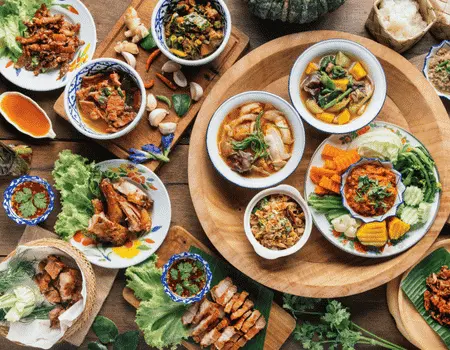
- Pad Thai — the tourist-menu staple for a reason, but the good versions (wok-charred, slightly smoky) are usually found at street stalls with a line, not sit-down restaurants
- Khao Soi — a Northern Thai coconut curry noodle soup and a Chiang Mai specialty, widely considered one of the most underrated dishes in Thai cuisine outside the north itself
- Tom Yum Goong — the sour, spicy shrimp soup that defines Thai flavor balance: sour, salty, spicy, and a little sweet, all at once
- Som Tam — green papaya salad, originally from Isaan, now found everywhere; ask for it “mild” (mai phet) unless you genuinely want the full chili hit
- Mango Sticky Rice — the dessert every first-timer needs to try at least once, best in mango season (April–June) when the fruit is at its sweetest
Street Food Safety (A Real Answer, Not a Scare Tactic)
Street food in Thailand is generally safe and, honestly, often better than restaurant versions of the same dish. The practical rule we’ve followed: eat where there’s turnover — a stall with a constant line of locals is cooking fresh, fast, and often. Avoid pre-cooked dishes that have been sitting out, and carry hand sanitizer rather than avoiding street stalls altogether.
Night Markets and Floating Markets
Chiang Mai’s Sunday Walking Street and Bangkok’s Chatuchak Weekend Market double as food crawls as much as shopping trips. Floating markets like Damnoen Saduak, while touristy, are still worth an early-morning visit if you time it before the tour buses arrive around 9 AM.
Regional Differences Worth Knowing
Isaan food (spicy, sour, fermented) is noticeably different from central Thai cuisine (more balanced, coconut-forward), which is different again from Southern Thai food (turmeric-heavy, intensely spicy). If you’re only eating “Thai food” in Bangkok, you’re genuinely missing regional variety that’s worth building into your itinerary.
Thai Culture and Etiquette: Beyond Temple Dress Codes
Most guides mention “cover your shoulders and knees” and stop there. A few other norms genuinely matter and are easy to miss:
- The monarchy is treated with deep respect, legally as well as culturally. Thailand has strict lèse-majesté laws — avoid negative comments or jokes about the royal family, including online, and stand respectfully if the royal anthem plays before a movie screening (a common practice in Thai cinemas).
- Monks and physical contact. Women should not touch monks or hand items directly to them — if you need to give a monk something, place it down for him to pick up, or have a man do it, or use a cloth as an intermediary.
- The head and feet carry symbolic weight. Avoid touching someone’s head, even a child’s, and try not to point your feet at people, Buddha images, or temple altars — it’s considered mildly disrespectful even if unintentional.
- The wai greeting (palms pressed together, slight bow) is used for greetings and thanks. You’re not expected to master it as a tourist, but returning a wai when offered is polite; you generally don’t need to initiate one with service staff.
- Tipping isn’t obligatory but is increasingly expected in tourist-facing restaurants and for hotel staff — rounding up or leaving 20–50 baht is common; upscale restaurants sometimes add a service charge already, so check the bill.
- Losing your temper in public is genuinely counterproductive. Thai culture places a high value on maintaining calm (“keeping face”), and visibly angry confrontations — even over a legitimate issue like an overcharge — tend to get worse outcomes than a calm, direct conversation.
Common Scams to Watch For in Thailand
Most trips to Thailand happen without incident, but a handful of scams are common enough, and specific enough, that knowing them in advance is genuinely useful — this isn’t scare-mongering, it’s the kind of practical detail generic guides tend to skip.
- The “closed” attraction scam. A tuk-tuk driver or stranger tells you a major site (the Grand Palace is a common target) is “closed today” and offers to take you somewhere else instead, usually a gem or tailor shop that pays the driver commission. It’s almost never actually closed — verify with the venue directly or simply walk to the entrance yourself.
- Gem and jewelry scams. Elaborate setups involving “government sales” or “limited-time” gem deals, often steered by a friendly local or a tuk-tuk driver. Legitimate gem purchases don’t involve time pressure or unsolicited introductions — walk away from any version of this.
- Jet ski and scooter damage claims. Rental operators, particularly on islands, sometimes claim pre-existing damage wasn’t documented and demand payment on return. Photograph and video the vehicle from multiple angles before you ride off, timestamped if possible.
- The “friendly local” tour steer. Someone strikes up a casual conversation and recommends a specific tour operator or restaurant — sometimes genuine friendliness, sometimes a commission-based steer. Not dangerous, just worth a beat of skepticism if the recommendation feels unusually pushy.
- Overcharging via “broken” taxi meters. Some taxi drivers claim the meter is broken and quote a flat (inflated) fare instead. If this happens, it’s usually easier to get out and find another taxi or switch to Grab than to negotiate.
None of these are common enough to be a reason not to visit — they’re worth knowing precisely so they don’t catch you off guard, not because Thailand is unusually unsafe.
Pros and Cons of Traveling to Thailand
No destination is universally right for everyone, and a guide that only tells you the good stuff isn’t actually helping you plan.
Pros | Cons |
Genuinely affordable — even mid-range travel stretches further than most of Europe or North America | Overtourism is real in specific hotspots (Phi Phi, parts of Phuket) during peak season |
Mature tourism infrastructure — easy transport, widespread English in tourist zones, reliable apps | Heat and humidity, especially March–May, can be genuinely exhausting for some travelers |
Huge regional variety in one country — jungle, islands, cities, mountains | Petty scams and tourist-priced everything are common in high-traffic areas |
Food is exceptional and cheap at the street level | Some “must-see” spots feel more like theme parks than destinations at peak times |
Easy to combine with a wider Southeast Asia trip | Air quality in Chiang Mai and the north can be poor during burning season (Feb–April) |
None of these cons are dealbreakers — but knowing about burning season before you book a “clear mountain views” trip to Chiang Mai in March, for instance, can save you real disappointment.
Common Mistakes First-Time Visitors Make in Thailand
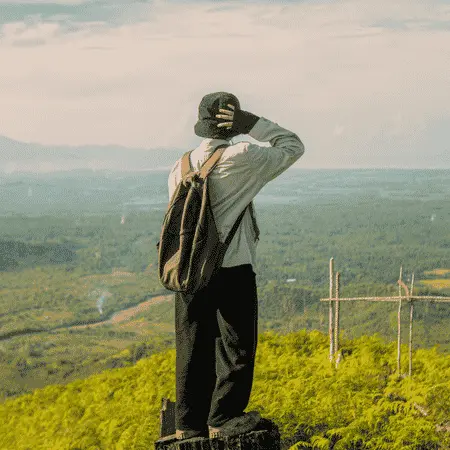
Over-packing the itinerary. The most common mistake first-timers make: trying to hit Bangkok, Chiang Mai, and three islands in ten days. Thailand’s internal distances are bigger than the map suggests once you factor in transit time — there’s no direct fast route between the north and the southern islands, so a Chiang Mai-to-Krabi leg typically means a layover in Bangkok that eats most of a travel day. [If you or a contributor has a real example of this happening on a trip, insert it here — a specific route and how much time it actually cost is far more convincing than the general warning above.]
Skipping the dress code at temples. Shoulders and knees covered, full stop — several major temples (Wat Phra Kaew included) will turn you away or hand you an unflattering wrap-around sarong at the door if you show up in shorts.
Not checking dual pricing before getting frustrated. Foreigners often pay more than locals at national parks and attractions. It’s standard, published policy — not a scam — but it catches people off guard if they don’t expect it.
Exchanging money at the airport. Airport exchange counters consistently offer worse rates than ATMs or city exchange booths. Withdraw cash in the city instead, even if it means carrying a bit less on arrival.
Underestimating the sun during island time. Sunburn on day one of a beach trip is avoidable and ruins more itineraries than any scam ever could.
Pro Travel Tips for Thailand
Download Grab and a translation app before you land, not after. Airport wifi is reliable enough to set both up while you’re still in the arrivals queue, and having Grab ready means you skip the taxi-counter markup entirely on your first ride into the city.
Learn to spot dual pricing before it frustrates you. Signage at parks and attractions often lists a Thai price and a foreigner price side by side — it’s not hidden, just easy to miss if you’re not looking. Budgeting for it in advance means it won’t feel like a surprise tax every time you visit somewhere.
Negotiate tuk-tuks before you get in, not after. If a driver won’t quote a number upfront, that’s your cue to walk toward a Grab instead — a stalled negotiation mid-ride is a bad place to be.
Book island transport ahead during high season. Ferry and speedboat routes between popular islands (Krabi–Koh Lanta, Koh Samui–Koh Phangan) sell out during December–February. A same-day walk-up ticket that would’ve been easy in green season can mean a full day’s delay in peak season.
Carry small bills. Street food vendors and songthaew drivers frequently can’t break a 1,000-baht note — keep a stash of 20s, 50s, and 100s for day-to-day spending.
Get a local SIM on arrival, not a data-only eSIM if you can help it. A physical SIM with a Thai number makes booking things like restaurant reservations or dealing with delivery apps meaningfully easier than an eSIM-only setup.
What to Pack for Thailand
Thailand’s climate and cultural norms make packing more specific than “hot country, bring shorts.” A few items that matter more than generic packing lists suggest:

Clothing
- Lightweight, breathable fabrics (linen, moisture-wicking synthetics) — cotton stays damp in humidity
- At least one modest outfit covering shoulders and knees for temple visits, even if the rest of your wardrobe is beachwear
- A light rain jacket or packable poncho if traveling June–October — umbrellas work too, but afternoon downpours are often windy enough to make them impractical
- Sturdy sandals for general wear, plus closed shoes if you’re doing any jungle trekking or waterfall hikes

Health and Comfort
- Reef-safe sunscreen — some marine parks now restrict non-reef-safe sunscreen, and it’s simply better practice around Thailand’s coral areas
- A basic first-aid kit with rehydration salts — useful for both sun exposure and the occasional stomach adjustment to street food
- Mosquito repellent with DEET, particularly for the rainy season and rural/jungle areas
- A portable phone charger — long travel days between regions add up

Practical Extras
- A physical padlock for hostel lockers or overnight-train berths if you’re traveling budget-style
- A dry bag or waterproof phone pouch for island-hopping boats and waterfalls
- Photocopies (physical or digital) of your passport and visa documentation, stored separately from the originals
What you can skip: a plug adapter, in most cases — Thailand uses types A, B, and C outlets, which cover most US and EU plug shapes without an adapter.
Who Should Choose What in Thailand
There’s no single “right” way to do Thailand — but there is a right way for you, depending on what you’re actually optimizing for.
If you’re a first-timer with 7–10 days, stick to one region done well rather than three done rushed: Bangkok + Chiang Mai, or Bangkok + one island group. Trying to cram in more just means more transit days and less actual time anywhere.
If you’re a budget backpacker with flexible time, the classic Bangkok–Chiang Mai–islands loop still delivers, but consider adding a few days in Isaan for a genuinely different, cheaper, less-touristed slice of the country.
If you want a relaxed, higher-comfort beach trip, skip peak-season Phuket hotspots and look at Koh Lanta or the quieter parts of Krabi — similar scenery, noticeably fewer crowds.
If you’re coming back for a second or third trip, this is when Isaan, the far south, or a slower one-region deep-dive actually makes sense — you’ve already done the highlight reel.
Whatever you choose, build in more slack than you think you need. Thailand rewards travelers who leave room to change plans on the ground more than it rewards a rigid, hour-by-hour itinerary.

About the Author
Hrithik has traveled to Thailand multiple times, exploring destinations including Bangkok, Chiang Mai, Phuket, Krabi, Koh Phi Phi, and the Andaman Coast islands. They have extensively researched and written practical travel guides for TheTravelerRocks.com, covering topics such as Thailand itineraries, travel costs, common tourist mistakes, safety tips, scams to avoid, visa information, transportation, and the best times to visit.
With extensive experience traveling across Southeast Asia, their goal is to help travelers plan smarter, safer, and more affordable trips through well-researched, experience-based advice. Every guide combines first-hand observations with up-to-date information verified through official tourism boards, government resources, and reputable local sources where applicable, ensuring readers receive accurate and trustworthy travel information.
Frequently Asked Questions About Traveling to Thailand
Is Thailand safe to visit right now?
Yes, Thailand remains one of the safer destinations in Southeast Asia for tourists, with standard precautions advised in cities. Some border areas, particularly Thailand's Deep South provinces near Malaysia, carry active travel advisories and should generally be avoided by tourists.
How many days do you need in Thailand?
Ten days is enough for a focused first trip covering one or two regions well, while two to three weeks allows for a fuller loop through Bangkok, Chiang Mai, and the islands without feeling rushed.
Do I need a visa to visit Thailand?
Most nationalities can currently enter visa-free for tourism, though the permitted stay is actively changing from 60 to 30 days. Check current rules at the Thai MFA before booking, since the exact cutoff date depends on official publication timing.
What is the cheapest time to visit Thailand?
The green season (June–October) offers the lowest prices on flights and accommodation, with short daily rain showers rather than constant downpours in most regions.
How much money do I need per day in Thailand?
Budget travelers can comfortably manage on $25–35 per day, mid-range travelers typically spend $70–110 per day, and luxury travel starts around $220+ per day depending on region and season.
Is Thailand good for solo female travelers?
Yes, Thailand is widely considered one of Southeast Asia's more solo-female-friendly destinations, with standard precautions like avoiding unlit areas at night and using licensed transport apps.
What should I avoid doing in Thailand?
Avoid disrespecting temple dress codes, negotiating tuk-tuk fares after getting in rather than before, and exchanging money at airport counters, which consistently offer worse rates than city ATMs.
Is Bangkok or Chiang Mai better for first-time visitors?
Bangkok suits travelers wanting energy, nightlife, and modern city infrastructure, while Chiang Mai suits those wanting a slower pace, walkable old-city charm, and easy access to mountain day trips.

Backpacking vs Trekking: What’s the
Tell three different people you're "going backpacking in Nepal" and you'll get three different mental pictures. One person imagines you

What Is the 20% Rule
If you've ever shrugged on a pack that felt perfectly fine in your hallway, and then felt every single gram

Medicines to Pack for Travel:
I'm a travel writer, not a doctor. This guide is general information built from the official sources listed at the

The 3-3-3 Rule for Travel:
Search "3-3-3 rule for travel" and you'll land on a pile of pages that all seem to be talking about
Singapore 30, 60 or 90
You've booked the flight, and now the real question hits: how many days will Singapore actually let you stay? Search