You’ve booked the flight, and now the real question hits: how many days will Singapore actually let you stay? Search for it and you’ll find the same two numbers repeated everywhere: 30 days or 90 days. Then the article ends, and you’re left wondering about everything that matters.
What happens if you want 60 days? Is 90 days guaranteed? Can you extend once you’re there? What does a month in Singapore even cost? And is a long stay a good idea in a city this small and this expensive?
This guide answers all of that in plain language. I’ve pulled the rules from Singapore’s Immigration & Checkpoints Authority (ICA), added the practical side (budget, weather, mistakes, tips), and told you where the official rules stop and your own judgment starts.
Most visitors get either 30 days or 90 days on arrival, depending on their passport. 60 days is not a standard stay. You only get it through an approved extension, and ICA decides each case individually. Extensions are applied for online, not at a counter, and only when your current pass has 14 days or less left.
Table of Contents
ToggleHow Long Can You Stay in Singapore?
How long you can stay depends mostly on your passport. Here’s the simple version:
| Passport group | Typical stay on arrival | Can you extend? |
|---|---|---|
| Many Western passports (US, UK, EU and similar), plus a few others such as Japan and South Korea | Often up to 90 days | Yes, online, at ICA’s discretion |
| Many other visa-free passports, including several from Asia | Often 30 days | Yes, online, at ICA’s discretion |
| Visa-required passports (for example, India) | Get the visa first; the e-Pass sets the days on arrival | Yes, online, at ICA’s discretion |
Important: the exact number for your passport can change, and the officer at the checkpoint decides what your e-Pass actually says. Always confirm on ICA’s official visa requirements page before you book anything. If you need a visa first, see my guide on how to get a Singapore tourist visa and the visa cost breakdown. UK travelers can read whether you need a visa from the UK.
How the Singapore Visit Pass Actually Works
This is where most people get confused, so let’s clear it up.
Your visa and your stay are two different things
If you need a visa, it only gets you permission to attempt entry. The number of days you can stay is set by something else: the Short-Term Visit Pass (STVP), which is issued electronically as an e-Pass when you pass through immigration. ICA also makes it clear that having a visa does not guarantee you’ll be let in.
So the pass you get at the checkpoint is the number that counts. Not the one you assumed from a blog post, including this one.
What officers can ask for at the checkpoint
Immigration is usually quick and polite, but be ready to show:
- A passport valid for at least six months (check ICA’s current wording)
- A confirmed onward or return ticket
- Proof of where you’re staying
- Proof you can fund your trip
- Your completed SG Arrival Card (more on that below)
For a longer stay, officers tend to look a bit harder at these. If you’re planning 60 or 90 days, have your documents organized and a clear answer to “what will you be doing here?”
The SG Arrival Card
Before you arrive, you submit the SG Arrival Card (SGAC) online. It’s free, and it’s done through ICA’s official website or app only. Submit it within the window ICA specifies before arrival (currently within three days before you land). I cover the details in Is the SG Arrival Card still required?
How to check how long your pass is valid
ICA has an online visit pass validity checker and an e-Pass enquiry portal. Take a screenshot of your e-Pass the moment you get it, and check the end date. Do it again a few days later. You’d be surprised how many people never look.
Quick tip: Put the expiry date in your phone calendar the day you arrive. Add a second reminder for 14 days before it, because that’s the earliest you can apply for an extension.
30 Days in Singapore: What You Can Realistically Do
Is 30 days too long for Singapore?
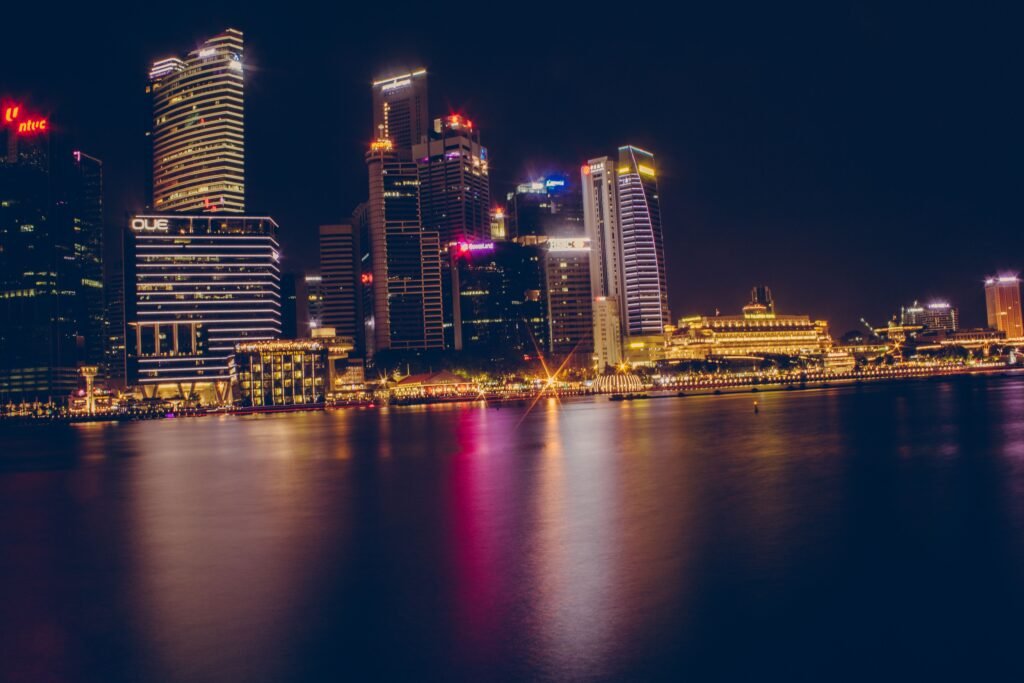
Honestly? For a normal holiday, yes. Singapore is a small island. Most visitors cover the big sights in four to seven days: Gardens by the Bay, Marina Bay, Chinatown, Little India, Kampong Glam, Sentosa and a hawker centre or three.
But 30 days works beautifully if you want to live in the city rather than tick it off. You stop rushing. You find the one coffee shop you go back to. You learn which MRT exits save you a hot walk. That’s a different, calmer kind of trip.
A simple pace for 30 days
Think in weeks, not days:
- Week 1: The classics. Marina Bay, Gardens by the Bay, Chinatown, Little India, Sentosa, the Night Safari.
- Week 2: Neighborhoods. Tiong Bahru, Kampong Glam, Joo Chiat and Katong, Tanjong Pagar, Holland Village. Eat where the queues are local.
- Week 3: Green Singapore. Pulau Ubin, the Southern Ridges, the MacRitchie TreeTop Walk, Sungei Buloh Wetland Reserve. This is the side most visitors never see.
- Week 4: Day trips and slow days. Johor Bahru in Malaysia, or a ferry to Batam or Bintan in Indonesia. Check each country’s entry rules first.
Who 30 days suits
- Slow travelers who like to settle in
- People using Singapore as a base for Southeast Asia
- Food lovers who want to eat their way through the hawker centres
- Anyone visiting family or friends
60 Days in Singapore: How to Get There

The truth about the 60-day stay
There’s no automatic 60-day pass. If you want 60 days, you have three options, and they’re not equally safe:
- Enter on a 90-day pass and stay 60. This is the easiest route. You simply leave before it expires. Only possible if your passport qualifies.
- Enter on a 30-day pass and extend. This works, but it’s up to ICA. You’re applying for permission, not claiming a right.
- Leave and come back. Tempting, but risky. See the “visa run” warning in the 90-day section below.
How to extend your stay, step by step
ICA’s extension process is online only. Walk-in applications are not accepted. Here’s how it works:
- Wait for the right window. You can apply when your pass has 14 days or less left. Applying earlier isn’t allowed.
- Apply through ICA’s e-Service. There’s no counter service for this.
- Give your reason. ICA looks at each application as a whole, including why you need more time and whether you have close family who are Singapore citizens or permanent residents.
- Add supporting documents. In some cases ICA asks for a local sponsor. For medical extensions, you need a form (Form V75) endorsed by a registered doctor in Singapore, with details of the illness and how long you need.
- Pay the fee if it applies. A S$40 fee applies when the extension takes your total stay to 90 days or more from your date of entry. Extensions are only granted once payment is made.
- Wait. ICA’s pages quote processing times of three to five working days, so don’t leave it until the last minute.
- Check the new date. Use the visit pass validity tool to confirm your new expiry.
Don’t count on it. ICA says the length of any extension is its decision. ICA’s own guidance suggests extensions are generally in the range of 30 days, with longer for immediate family of Singapore citizens or permanent residents. If it’s refused, you must leave before your current pass expires. So never book non-refundable travel or accommodation that depends on an extension being approved.
Who 60 days suits
Mostly people with a genuine reason: an extended family visit, a medical treatment, a long stopover between two big trips, or a slow-travel itinerary that includes Malaysia and Indonesia. If your reason is just “I like it here,” plan for 30 or 90 and don’t depend on the extension.
90 Days in Singapore: Who Can Do It, and the Red Flags

Who gets 90 days
Citizens of a good number of countries are given up to 90 days when they arrive. Citizens of many others get 30. Check ICA’s list for your passport, and remember that the officer at the checkpoint has the final say on the number of days on your e-Pass.
The "visa run" problem
Here’s what I’d warn anyone about. Some travelers try to stay “forever” by leaving every 30 or 90 days and coming back on a fresh pass. Singapore is not a country where this works reliably. Immigration can refuse entry if it looks like you’re living in Singapore on back-to-back visit passes rather than visiting. The pass is for tourism, social visits and medical treatment, and officers can see your travel history.
Can you work remotely on a visit pass?
No. A visit pass is not a work permit, and that includes remote work for an overseas employer or your own business while you’re in Singapore on a tourist pass. As far as I know, Singapore doesn’t offer a digital nomad visa for ordinary tourists. If you think you might qualify for a work pass, the place to check is the Ministry of Manpower (MOM), not a blog. Treat any “nomad in Singapore” advice with caution.
What happens if you overstay?
Don’t. Overstaying is an immigration offense in Singapore, and the consequences escalate with the length of the overstay. They can include fines, detention, and being barred from coming back. I’m deliberately not quoting exact penalty figures here because they’re set by law and can change. Check ICA and the Immigration Act on Singapore Statutes Online for current numbers. If you’re running close, apply for an extension early or book your departure.
Short-term rentals: a 90-day catch
Here’s something that catches long-stay visitors out. Singapore restricts short-term rentals in private homes, with minimum rental periods set by the authorities (generally three months for private residential properties and longer for public housing). This is why nightly Airbnb-style stays are limited, and why a 90-day trip often means hotels, hostels, serviced apartments or co-living spaces. Check the current rules with the Urban Redevelopment Authority (URA) before you sign anything.
Who 90 days suits
- People with the right passport who want to base themselves in Singapore and travel the region
- Long family visits
- Travelers between jobs or on a sabbatical who aren’t working in Singapore
How to spend 60 or 90 days without getting bored
The trick with a long stay is not to treat Singapore as one big sightseeing list. Think of it as a home base with spokes. Here’s a simple way to structure it:
- Build a routine. A favorite hawker stall, a weekly market, a regular park walk. It’s the routine that makes a long stay feel good.
- Spend the first two weeks seeing the big sights. Then stop. You don’t need to do something touristy every day.
- Take short trips from Singapore. Kuala Lumpur, Malacca, Penang, Bali, Phuket and Bangkok are all short, cheap flights or bus rides away. Check each country’s entry rules and keep your Singapore pass dates in mind.
- Don’t leave your last week for the extension. If you’re not sure you’ll get more time, plan your onward flight as if the extension doesn’t exist.
- Mix paid and free days. A museum or attraction one day, a free park or beach the next. It’s good for your budget and your energy.
- Keep a flexible exit. Book refundable or changeable tickets out of Singapore if you can.
What 30, 60 and 90 Days Really Cost
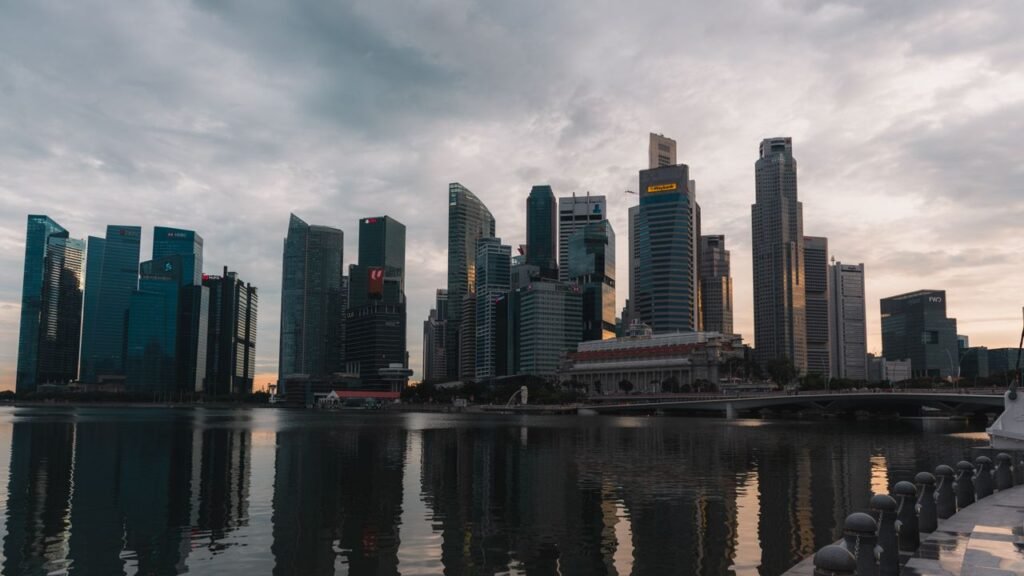
Singapore is one of the most expensive cities in Asia, but how expensive depends heavily on how you travel. Hawker centres make eating cheap. Accommodation is where the money goes.
Note: These are rough ranges in Singapore dollars (S$). Prices change, so use them for planning, not booking. Convert at the current exchange rate.
Daily costs by travel style
| Category | Budget | Mid-range |
|---|---|---|
| Accommodation (per night) | S$35–70 (dorm bed) | S$150–250 (3–4 star hotel) |
| Food (per day) | S$12–20 (hawker meals) | S$40–70 (mix of cafes and restaurants) |
| Local transport (per day) | S$5–10 (MRT and bus) | S$8–15 (add some taxis and rides) |
| Attractions and extras (per day) | S$5–15 (free parks, a paid sight every few days) | S$25–50 |
| Total per day | about S$60–110 | about S$220–380 |
What that adds up to
| Length of stay | Budget traveler | Mid-range traveler |
|---|---|---|
| 30 days | about S$1,800–3,300 | about S$6,600–11,400 |
| 60 days | about S$3,600–6,600 | about S$13,200–22,800 |
| 90 days | about S$5,400–9,900 | about S$19,800–34,200 |
Those are straight multiples. Real long stays often come in lower, because you stop paying tourist prices. You cook a little, you use a weekly routine, and you skip the paid sights you’ve already seen.
Where the money actually goes
- Accommodation is 50–60% of most budgets. A long stay in a monthly serviced apartment or co-living space can work out cheaper per night than a hotel, but check the minimum lease terms.
- Food can be your cheapest line. A meal at a hawker centre is usually a few Singapore dollars. Food courts cost a bit more. Restaurants and bars cost a lot more.
- Alcohol is expensive. A couple of beers at a bar can cost as much as a hawker dinner for two.
- Transport is cheap and easy. The MRT and buses cover almost everything. Taxis and ride-hailing add up fast.
- SIM cards are cheap. Tourist SIMs are usually in the range of S$10–30.
- GST (sales tax) applies. Singapore has a tourist GST refund scheme for eligible purchases at participating stores. It’s worth checking if you plan to shop.
Money-saving tips for a long stay
- Eat at hawker centres for most meals. Maxwell, Old Airport Road, Tiong Bahru and Lau Pa Sat are the famous ones.
- Many of Singapore’s best things are free: Gardens by the Bay’s outdoor gardens, the waterfront promenade, the Southern Ridges, and the nightly light shows.
- Get a stored-value MRT/bus card or use contactless payment for transport.
- Book accommodation by the week or month for a lower per-night price.
- Avoid the busy event weekends when hotel prices jump.
Where to Stay for a Long Visit
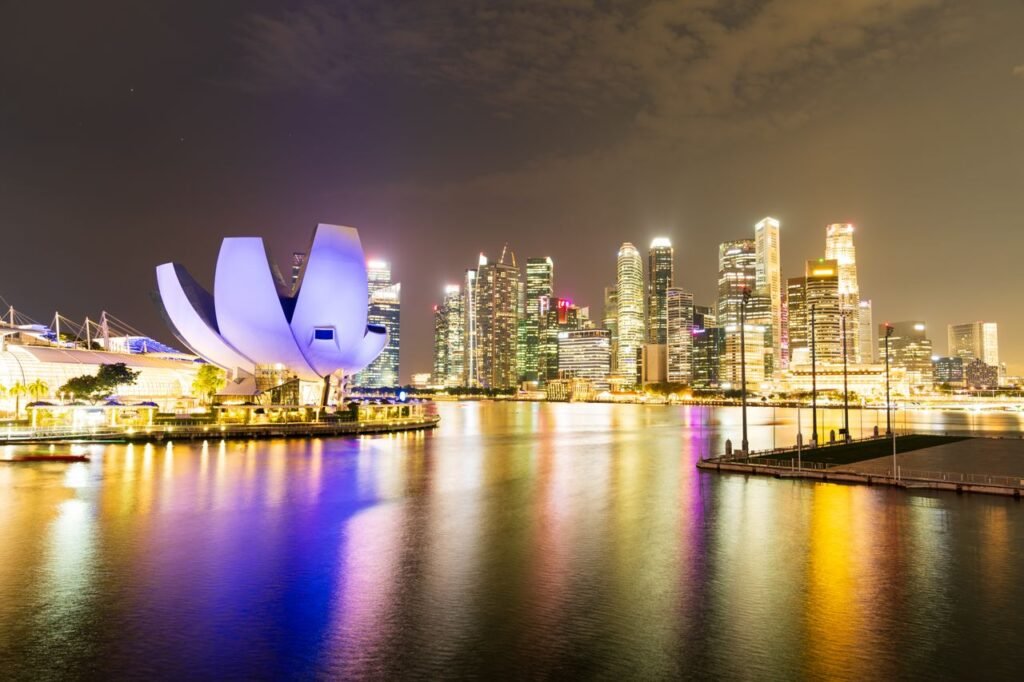
Where you sleep shapes your whole trip, and for a month or more it matters even more. Singapore is compact and the MRT is excellent, so you don’t need to be in the most expensive area to be well connected. Here’s how I’d think about it:
- Chinatown, Tanjong Pagar and Outram: Central, walkable, great food, and plenty of hostels and mid-range hotels. A solid pick for budget travelers who want to be close to everything.
- Little India and Lavender: Lively, full of cheap eats, and usually easier on the wallet than downtown. Very good for a first week.
- Kampong Glam and Bugis: Cafes, street art and good transport links. Popular with younger travelers and photographers.
- Tiong Bahru and Redhill: Quieter, local feel, and good for slow mornings. Great if you want to feel like a resident.
- Joo Chiat and Katong: Peranakan houses, brunch spots and excellent local food. A little further out, but a nice change of pace for a long stay.
- Marina Bay and Orchard Road: The most polished and the most expensive. Better for short splurges than for a whole month.
For stays of 30 days or more, ask hotels and serviced apartments about weekly and monthly rates, since they often cut the nightly price. Remember the short-term rental rules above, which is why private home rentals under a few months are limited. If you’re booking a 90-day stay, confirm the lease or booking terms in writing.
Best Time to Stay in Singapore

Singapore is hot and humid all year. Expect daytime temperatures around the low 30s Celsius and warm nights, with rain possible any month. The differences between seasons are about how wet it is, not how hot.
| Period | What to expect |
|---|---|
| February to April | Generally among the drier and more comfortable stretches. A good all-round choice. |
| May to July | Hot, with occasional storms. Great Singapore Sale season (often June–July) if you like shopping. |
| August to October | Can be affected by haze from regional fires, depending on the year. Check the air quality index before you go. The Formula 1 Singapore Grand Prix usually falls around this time, so hotels cost more. |
| November to January | The wetter northeast monsoon period, with frequent heavy rain. Also festive season: Deepavali lights in Little India, Christmas lights on Orchard Road, and Chinese New Year around January or February. |
For a long stay, the weather matters less than the calendar. If you’re there for 60 or 90 days, you’ll see some rain and some heat no matter what. Plan around the events you care about, and keep an eye on the official weather and air-quality pages from the Meteorological Service Singapore and the National Environment Agency (NEA).
Singapore Rules Long-Stayers Should Know

The longer you stay, the more likely you are to trip over a local rule. Singapore is famously orderly because the rules are enforced. A few that surprise visitors:
- Vaping: E-cigarettes and vapes are banned. Possessing or using them can bring penalties, so leave them at home.
- Chewing gum: The sale of regular chewing gum is restricted. Don’t bring in large quantities.
- Littering: You can be fined for dropping litter, even small items.
- Eating and drinking on the MRT: Not allowed. You can be fined.
- Smoking: Banned in many public places, including most indoor areas and many outdoor ones. Look for designated smoking spots.
- Drugs: Penalties are extremely severe, and that includes for tourists. Never carry anything for someone else.
- Jaywalking: Use crossings when they’re nearby. It’s both a safety and a legal issue.
Pros and Cons of a Long Stay in Singapore
| Pros | Cons |
|---|---|
| Very safe and easy to navigate | Expensive, especially accommodation |
| Excellent public transport | Small, so you can run out of new things |
| Incredible food variety at every price | Hot and humid year-round |
| Great base for trips around Southeast Asia | Strict laws and fines (littering, vaping, drugs, and more) |
| English is widely spoken | You can’t work on a visit pass |
| Clean, green, and well organized | Extensions and long stays aren’t guaranteed |
Common Mistakes to Avoid

- Assuming you’ll get 90 days. Depends on your passport and the officer. Check ICA and look at your e-Pass.
- Leaving the extension too late. You can only apply with 14 days or less left, and processing takes a few working days. Don’t apply on day 29 of a 30-day pass.
- Booking non-refundable plans that depend on an extension. It’s a request, not a promise.
- Forgetting the SG Arrival Card. You need it before you arrive. Use the official ICA site or app only.
- Treating a visit pass like a work permit. Working, even remotely, isn’t what the pass is for.
- Relying on border hopping. Leaving for a day to “reset” your stay can backfire with a refused entry.
- Underbudgeting accommodation. People plan for cheap hawker food and forget that a bed costs the most.
- Ignoring local laws. Fines for littering, smoking in banned areas, and vaping are real, and drug laws are severe.
- Not carrying proof of funds and onward travel. Immigration can ask for both, and it’s more likely on longer stays.
Pro Travel Tips for a Longer Stay

- Screenshot your e-Pass and keep it offline. Check the validity tool after you arrive.
- Set two calendar alerts: one at 14 days before expiry, another at 7 days.
- Keep your documents ready. Passport, return ticket, accommodation proof, and a bank statement or card.
- Get a local SIM or eSIM at the airport. It’s cheap and you’ll need maps, rides and MRT info.
- Use hawker centres as your default kitchen. Save restaurants for treats.
- Carry a light layer. Malls, trains and cinemas are very cold compared with outside.
- Carry an umbrella. It rains quickly and often, and it also works as shade.
- Take day trips to cut costs. Johor Bahru in Malaysia is far cheaper for meals, but check Malaysia’s entry requirements and keep your Singapore pass in mind.
- Learn the “tap in, tap out” habit. Buses and trains charge by distance, and you need to tap on both ends.
- Re-check the rules before you fly. Immigration rules change. Use ICA as your final source of truth.
Which Stay Should You Choose?
- 30 days is the sweet spot for most long-stayers. It’s long enough to feel like you live there, short enough to stay within the standard limit for many passports, and there’s no extension drama.
- 60 days only makes sense if you have a real reason and your passport gives you the right entry period. If you have to extend, treat it as a bonus, not a plan.
- 90 days is possible for the right passports, and it’s a good fit for a long family visit or a slow-travel base. But it’s not for working remotely or using Singapore as a permanent home.
My honest advice: if it’s your first time, plan for a week or two in Singapore and use the rest of your time for the region. Singapore is brilliant, but it’s compact, and it shines most as part of a bigger trip.
Frequently Asked Questions
How long can a tourist stay in Singapore?
Most tourists get either 30 or 90 days, depending on their passport. The exact period is shown on the e-Pass you receive at the immigration checkpoint. Check ICA's official visa requirements for your nationality before you travel.
Can I stay in Singapore for 90 days as a tourist?
Yes, if your passport qualifies for a 90-day stay on arrival, or if ICA approves an extension that takes your total stay to 90 days. Extensions are not guaranteed. A S$40 fee applies when the extension takes your stay to 90 days or more from your entry date.
Can I extend my Singapore tourist stay?
Yes, but only online through ICA's e-Service, and only when your pass has 14 days or less left. ICA reviews each case individually, so approval is not guaranteed. Walk-in applications are not accepted.
Can I work remotely in Singapore on a visit pass?
No. A short-term visit pass is for tourism, social visits and medical treatment, not work. If you want to work in Singapore, check the Ministry of Manpower for the right pass.
What happens if I overstay in Singapore?
Overstaying is an immigration offense and can lead to fines, detention and a ban from re-entry, with penalties rising with the length of the overstay. If you can't leave in time, apply for an extension early and check ICA's current rules.
Do I need a visa to stay 30 days in Singapore?
It depends on your passport. Many nationalities can enter visa-free, while others, including Indian passport holders, need a visa first.
Is 30 days too long for Singapore?
For sightseeing alone, yes. Most visitors see the highlights in four to seven days. But 30 days works well for slow travel, food exploration, nature trips, and day trips to nearby Malaysia and Indonesia.
So, how long can you really stay in Singapore? For most visitors, 30 or 90 days, with the number decided by your passport and the officer at the checkpoint. A 60-day stay is possible, but only through an extension that ICA doesn’t have to grant.
Plan around the guaranteed number, treat extensions as a bonus, keep your documents tidy, and always check the official ICA pages before you book. The rules are the same for everyone, and Singapore enforces them. Respect that, and a long stay here is one of the easiest and most rewarding ways to spend a month in Asia.
Rules and fees can change. Always confirm the latest requirements with the Immigration & Checkpoints Authority (ICA) before you travel. This guide is for general information and isn’t legal or immigration advice.