
India Travel Guide: Everything You Need to Know Before Visiting India
India is a destination unlike any other, offering an incredible mix of ancient history, vibrant cultures, breathtaking landscapes, diverse cuisines, and unforgettable travel experiences. Whether you’re exploring the iconic Taj Mahal, relaxing on the beaches of Goa, cruising through the Kerala backwaters, trekking in the Himalayas, or experiencing the spiritual atmosphere of Varanasi, every region has something unique to offer.
This India Travel Guide covers everything you need to plan a successful trip, including the best places to visit, the ideal time to travel, transportation options, estimated travel costs, suggested itineraries, safety advice, local customs, must-try Indian dishes, and practical travel tips. You’ll also learn how to avoid common mistakes, understand cultural etiquette, and travel confidently as a solo traveler, family, couple, or backpacker.
Whether you’re traveling on a budget or planning a luxury vacation, India offers excellent value for money and experiences that suit every travel style. By planning ahead, respecting local traditions, and allowing enough time to explore at a relaxed pace, you’ll discover why millions of travelers consider India one of the world’s most rewarding destinations.
If you’re visiting India for the first time, use this guide as your complete trip planner to build the perfect itinerary, manage your budget, stay safe, and make the most of every moment. From historic monuments and colorful festivals to mountain adventures and world-famous cuisine, India promises a journey filled with unforgettable memories that will stay with you long after you return home.
Planning your first trip to India? You’re in for an experience unlike anywhere else in the world.
India is one of the world’s most diverse travel destinations, offering beaches, mountains, wildlife, culture, food, and history for every type of traveler. Whether you’re dreaming of watching the sunrise over the Taj Mahal, relaxing on Goa’s beaches, cruising through the Kerala backwaters, or trekking in the Himalayan destinations of Ladakh and Himachal Pradesh, India offers incredible variety within a single country.
What surprises many first-time visitors is how quickly the scenery, food, language, and culture can change from one region to another. On one trip, I traveled from the bustling streets of Delhi to the peaceful tea plantations of Munnar in Kerala. It felt less like visiting different cities and more like exploring entirely different countries.
This India Travel Guide will help you plan your journey with confidence, covering everything from visa requirements and travel costs to local transportation, safety tips, and the best places to visit in India.
| Information | Details |
| Capital | New Delhi |
| Currency | Indian Rupee (INR ₹) |
| Languages | Hindi, English, and 20+ regional languages |
| Visa Requirements | Most travelers require an e-Visa before arrival |
| Time Zone | Indian Standard Time (IST), UTC +5:30 |
Travel Tip: Before booking your trip, check whether you’re eligible for India’s e-Visa program. The process is straightforward and can save time compared to traditional visa applications.
Planning your next international vacation as well? Explore our guide to visa-free countries for Indians to discover destinations where Indian passport holders can travel with minimal or no visa requirements, making international trips easier and more affordable.
If you’re comparing destinations for your next adventure, you may also enjoy our guide on visa-free countries for Indian travelers.
Why Visit India?
Incredible Diversity
Few countries offer the variety that India does. Within a couple of weeks, you can explore ancient forts in Rajasthan, spot tigers in national parks, relax on tropical beaches, and hike through snow-capped mountains.
For travelers looking for a complete India travel itinerary, this diversity means you can customize your trip based on your interests, budget, and travel style.
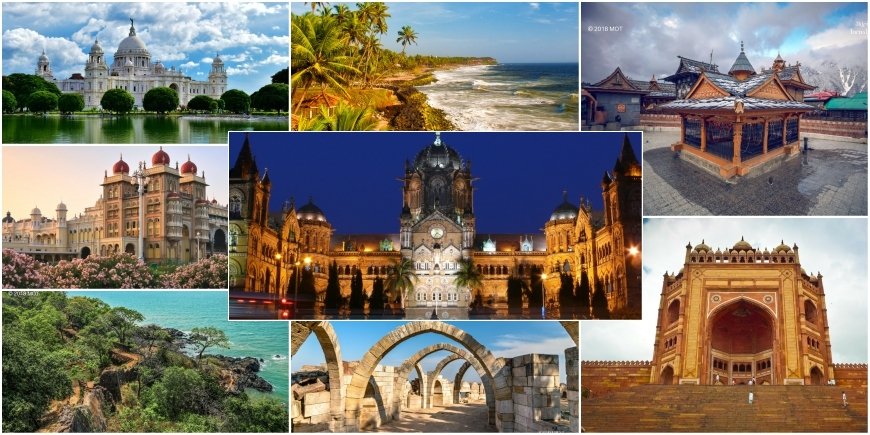
Rich Cultural Heritage
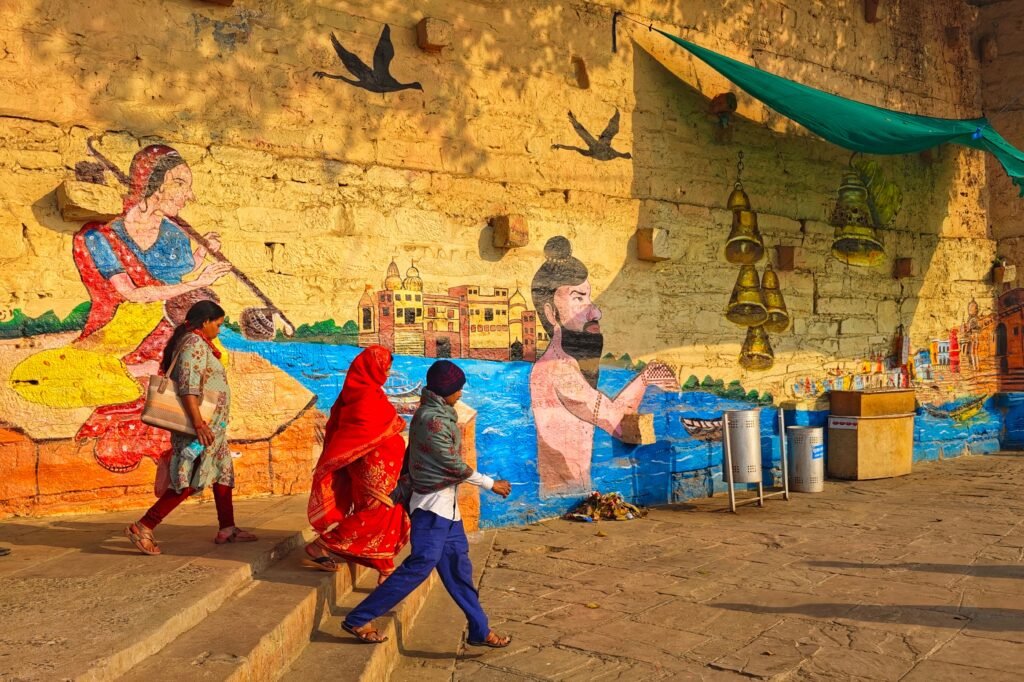
India’s history stretches back thousands of years. From UNESCO World Heritage Sites and magnificent temples to colorful festivals and royal palaces, every region tells a different story.
Walking through Jaipur’s old city or witnessing the evening Ganga Aarti ceremony in Varanasi provides cultural experiences that stay with travelers long after they return home.
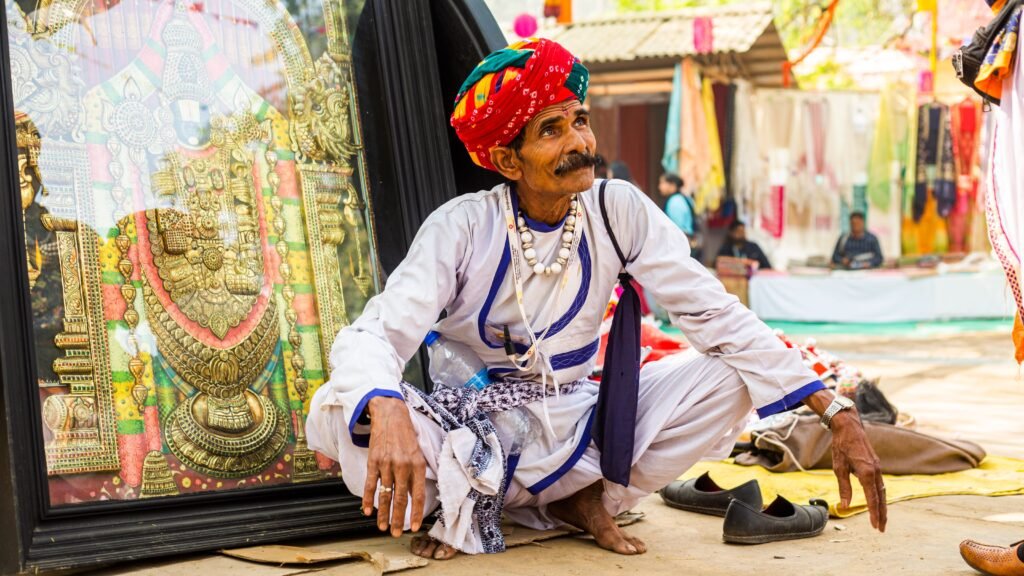
Affordable Travel
One of the biggest reasons travelers choose India is value for money.
Compared to many international destinations, India travel costs can be surprisingly affordable. Budget travelers can comfortably explore the country while spending far less than they would in Europe, Australia, or North America.
Whether you’re backpacking India or planning a luxury vacation, there are accommodation and transportation options for every budget.
If you’re looking to explore the country without spending a fortune, check out our guide to the budget weekend getaways in India. It features affordable destinations that are perfect for short trips, helping you experience India’s diverse landscapes while staying within your budget.
Unique Food Experiences
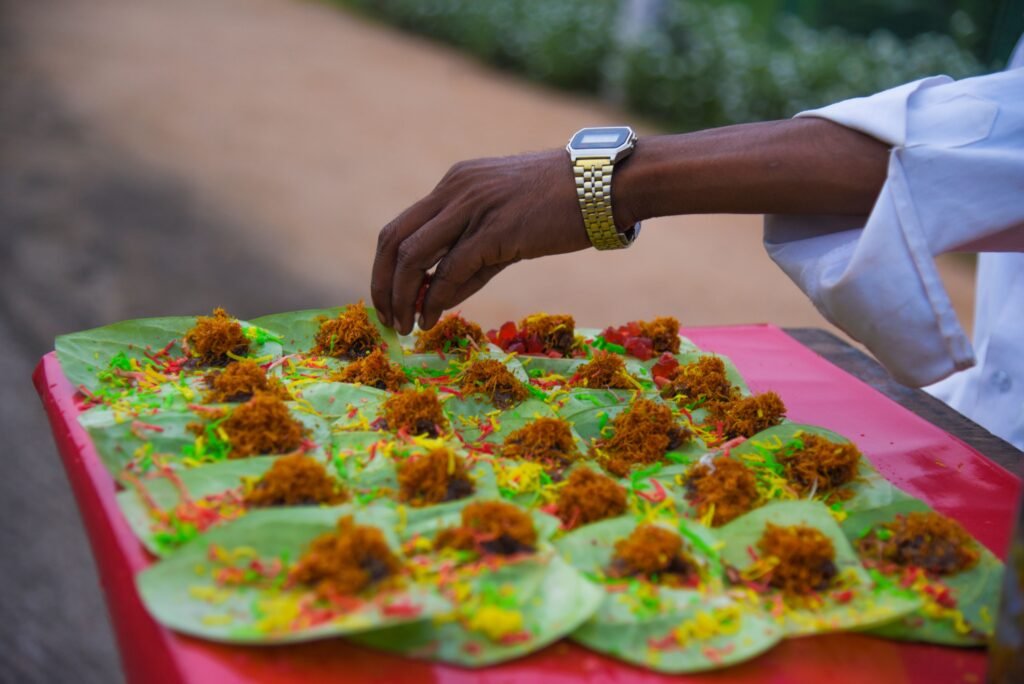
Indian cuisine is far more diverse than many visitors expect.
The spicy street food of Delhi, seafood curries of Goa, vegetarian dishes of Gujarat, and dosas of South India all offer completely different flavors. Food lovers often find that every state feels like a new culinary destination.
A practical tip: start slowly with street food during your first few days and choose busy stalls with high turnover for the freshest experience.
Adventure Opportunities
If you’re interested in India adventure travel, the options are endless.
You can trek in the Himalayas, go river rafting in Rishikesh, scuba dive in the Andaman Islands, explore deserts in Rajasthan, or take wildlife safaris in search of Bengal tigers.
Adventure seekers often underestimate India’s outdoor opportunities, but many return specifically for these experiences.
No matter your travel style—budget backpacker, luxury traveler, foodie, history enthusiast, or adventure lover—India has something that will leave a lasting impression. The challenge isn’t finding things to do; it’s deciding what to leave for your next visit.
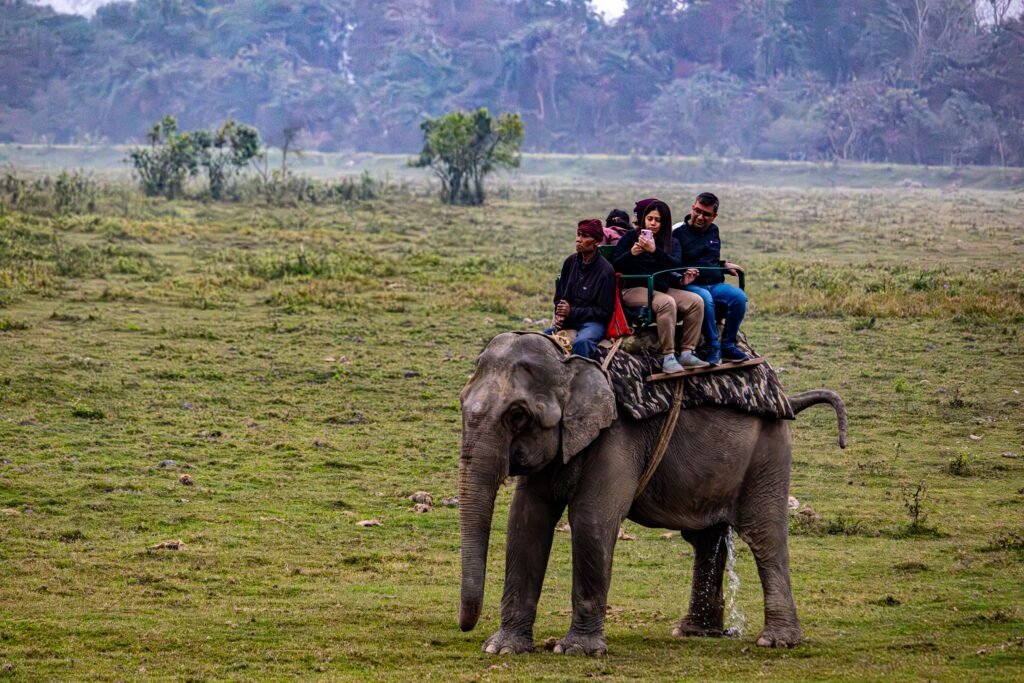
Best Places to Visit in India
One of the biggest challenges when planning a trip to India isn’t finding places to visit—it’s deciding which destinations to prioritize. From centuries-old cities and iconic monuments to spiritual towns and adventure hubs, North India offers some of the country’s most memorable experiences.
For first-time visitors, this region provides the perfect introduction to India’s history, culture, architecture, and spirituality.
North India
North India is home to many of the country’s most famous attractions, including the Taj Mahal, the bustling capital city of Delhi, and the sacred ghats of Varanasi. Most travelers begin their India travel itinerary here because the region offers excellent transportation connections, world-famous landmarks, and diverse experiences within a relatively short distance.
Delhi
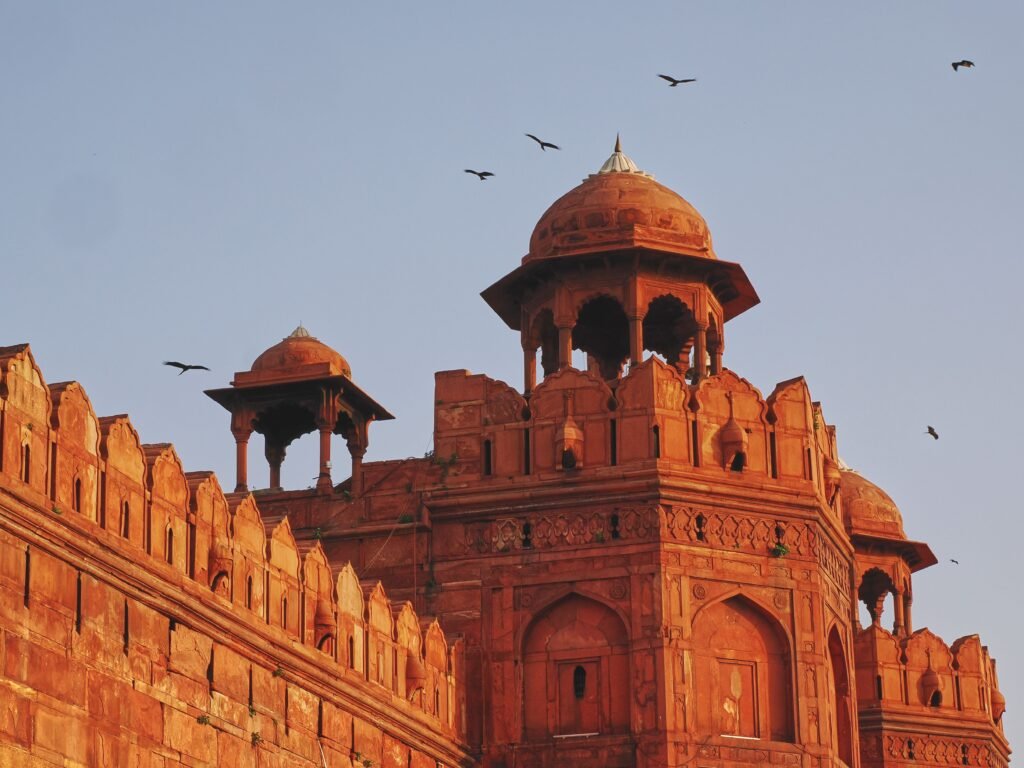
As India’s capital, Delhi is often the first stop for international travelers. At first glance, the city can feel overwhelming with its busy streets, traffic, and crowds. However, spend a day exploring, and you’ll discover a fascinating blend of ancient history and modern India.
Visit iconic landmarks such as the Red Fort, India Gate, Qutub Minar, and Humayun’s Tomb. Food lovers should explore Chandni Chowk, where some of the city’s most famous street food can be found.
Travel Tip: Use Delhi Metro whenever possible. It’s affordable, efficient, air-conditioned, and often faster than traveling by car during peak hours.
Agra
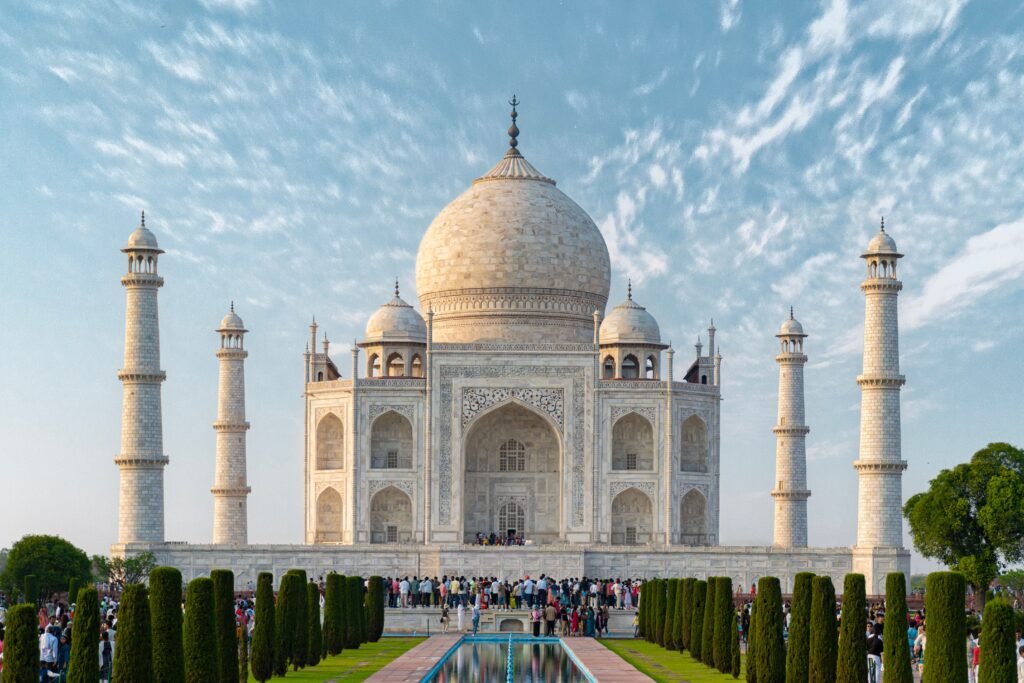
Located just a few hours from Delhi, Agra is best known as the home of the Taj Mahal, one of the Seven Wonders of the World and India’s most visited monument.
While the Taj Mahal deserves its reputation, many travelers make the mistake of visiting only for a few hours. Agra Fort and Mehtab Bagh are also worth exploring, especially if you want stunning sunset views of the Taj Mahal away from the crowds.
Travel Tip: Arrive at the Taj Mahal shortly after opening time to avoid long queues and enjoy softer lighting for photography.
Jaipur
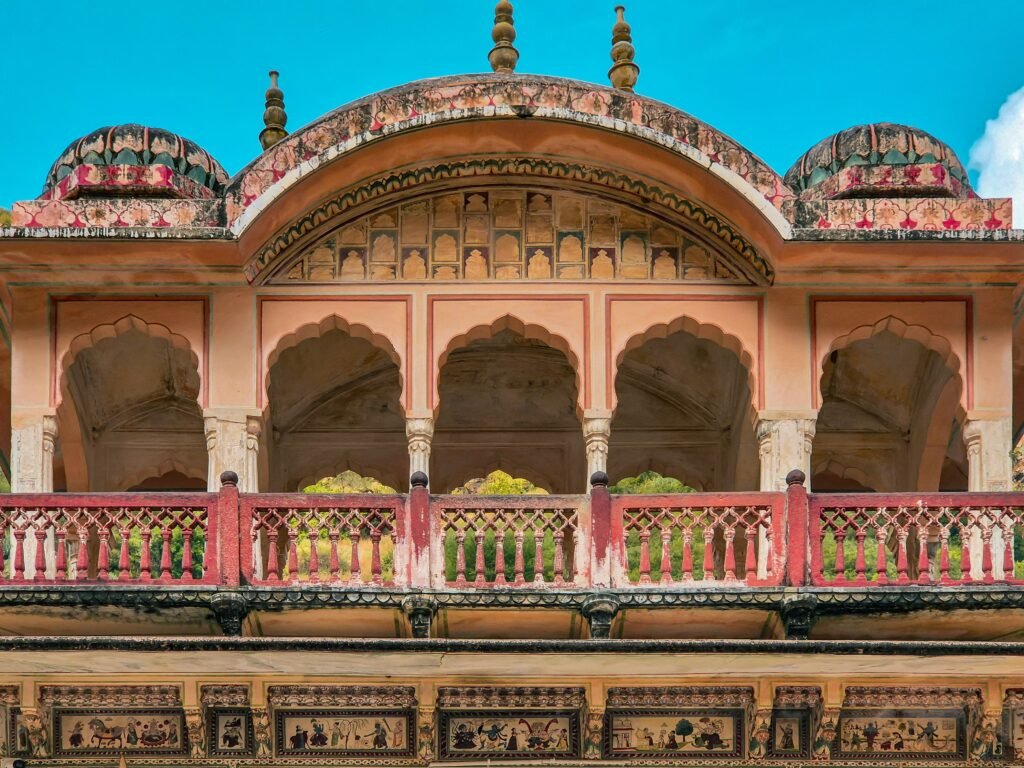
Known as the Pink City, Jaipur is one of the highlights of the famous Golden Triangle route connecting Delhi, Agra, and Jaipur.
The city is packed with magnificent palaces, colorful markets, historic forts, and vibrant cultural experiences. Amber Fort, City Palace, Hawa Mahal, and Nahargarh Fort are must-visit attractions.
Jaipur is also one of the best places in India to shop for handicrafts, textiles, jewelry, and traditional Rajasthani souvenirs.
Travel Tip: Reserve at least two full days in Jaipur. Many visitors underestimate how much there is to see and end up rushing through the city’s major attractions.
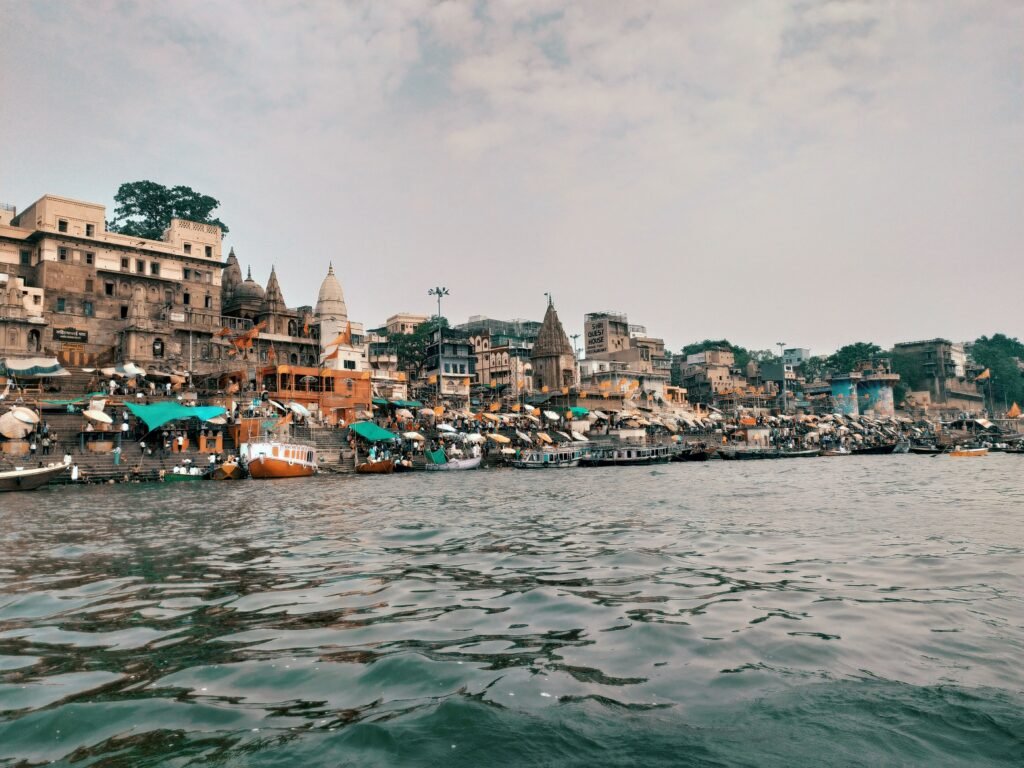
Varanasi
Varanasi is one of the world’s oldest continuously inhabited cities and one of the most spiritual destinations in India.
Situated along the sacred Ganges River, the city attracts pilgrims from across the country. Watching the evening Ganga Aarti ceremony at Dashashwamedh Ghat is an unforgettable experience that offers a glimpse into India’s deep religious traditions.
Walking through Varanasi’s narrow lanes can feel chaotic, but that’s part of its unique charm. Behind every corner lies a temple, local market, or centuries-old story.
Travel Tip: Take an early morning boat ride on the Ganges River to witness the city awakening. It’s one of the most authentic experiences in North India.
Rishikesh
Nestled in the foothills of the Himalayas, Rishikesh is often called the Yoga Capital of the World. The town attracts spiritual seekers, wellness travelers, backpackers, and adventure enthusiasts alike.
Beyond yoga retreats and meditation centers, Rishikesh is also famous for white-water rafting, trekking, camping, and scenic riverside cafes overlooking the Ganges.
The relaxed atmosphere makes it a refreshing contrast to the fast-paced energy of larger Indian cities.
Travel Tip: Even if yoga isn’t your main interest, spend at least a couple of days here. Many travelers arrive for a short visit and end up extending their stay because of the town’s peaceful vibe.
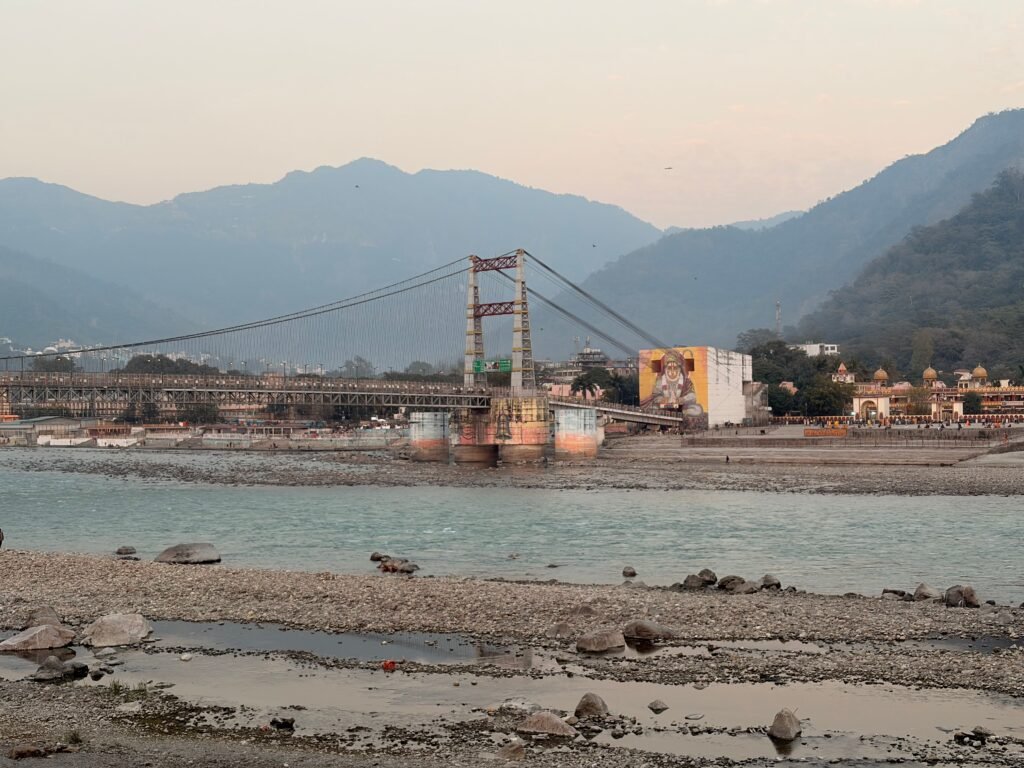
Together, Delhi, Agra, Jaipur, Varanasi, and Rishikesh showcase the incredible diversity that makes India such a rewarding destination. From royal palaces and world-famous monuments to sacred rivers and Himalayan adventures, North India offers experiences that appeal to nearly every type of traveler.
South India
If North India impresses visitors with its forts, palaces, and iconic landmarks, South India wins hearts with its lush landscapes, slower pace of life, rich traditions, and incredible food.
Many travelers who initially plan to spend only a few days in South India often end up extending their trip. From the tranquil backwaters of Kerala to the ancient ruins of Hampi, this region offers a completely different side of India. It’s less crowded than many northern destinations and is often considered ideal for nature lovers, couples, families, and travelers seeking a more relaxed experience.
Kerala
Often called “God’s Own Country,” Kerala is one of the most beautiful states in India and a highlight of any India travel guide.
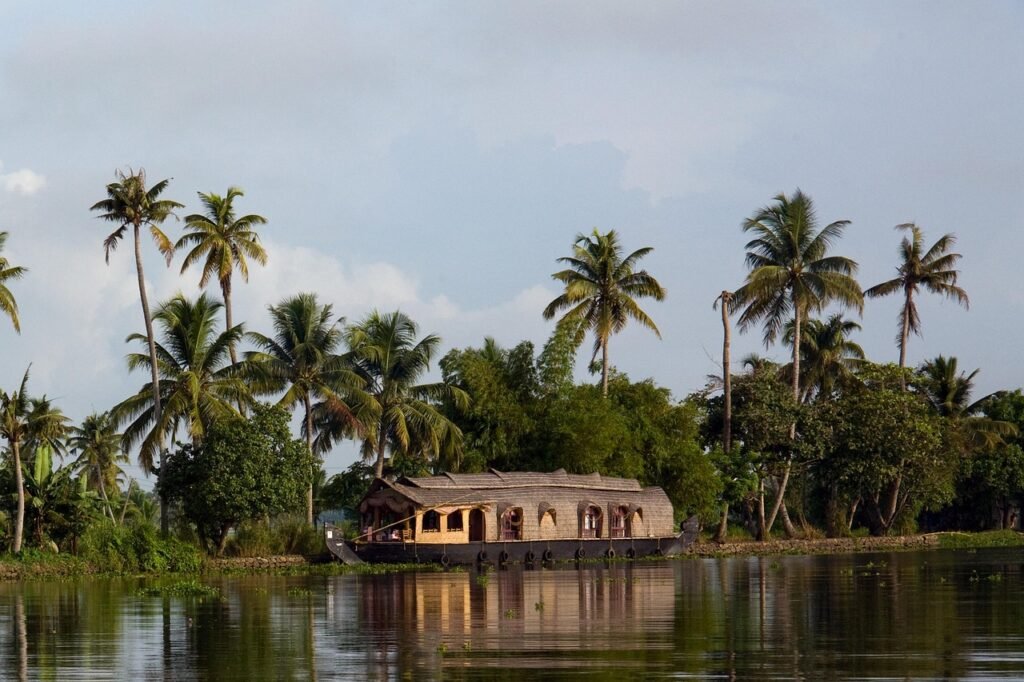
Famous for its palm-lined backwaters, tea plantations, wildlife sanctuaries, beaches, and Ayurvedic wellness retreats, Kerala offers a perfect mix of relaxation and adventure. A houseboat cruise through the Alleppey backwaters is one of the most popular experiences in the country and provides a unique glimpse into local village life.
Kerala is also known for its high literacy rate, clean cities, and welcoming atmosphere, making it an excellent choice for first-time visitors to India.
Travel Tip: Spend at least one night on a traditional houseboat in Alleppey. Sunset and sunrise on the backwaters are often among travelers’ favorite memories from India.
Munnar
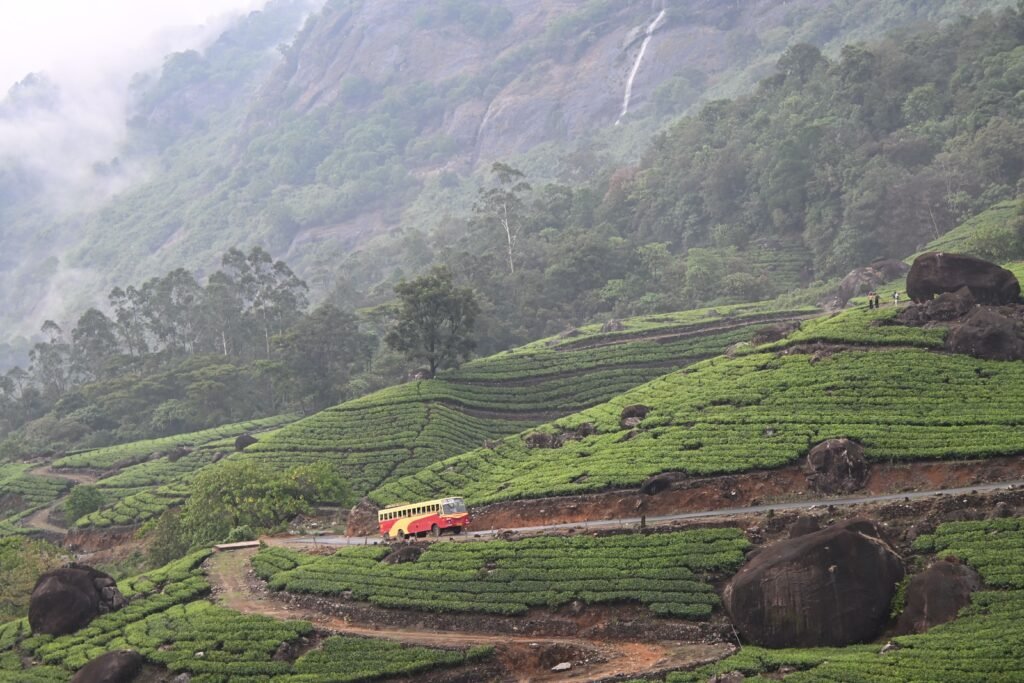
Nestled in the Western Ghats, Munnar is one of India’s most scenic hill stations and a refreshing escape from the tropical heat.
The region is famous for its rolling tea plantations, mist-covered hills, waterfalls, and winding mountain roads. Whether you’re enjoying a tea plantation tour, hiking through Eravikulam National Park, or simply relaxing with panoramic views, Munnar offers a peaceful retreat surrounded by nature.
Couples, photographers, and nature enthusiasts particularly love Munnar for its stunning landscapes and cooler climate.
Travel Tip: Visit between October and March for the most comfortable weather and the clearest views of the surrounding mountains.
Mysore
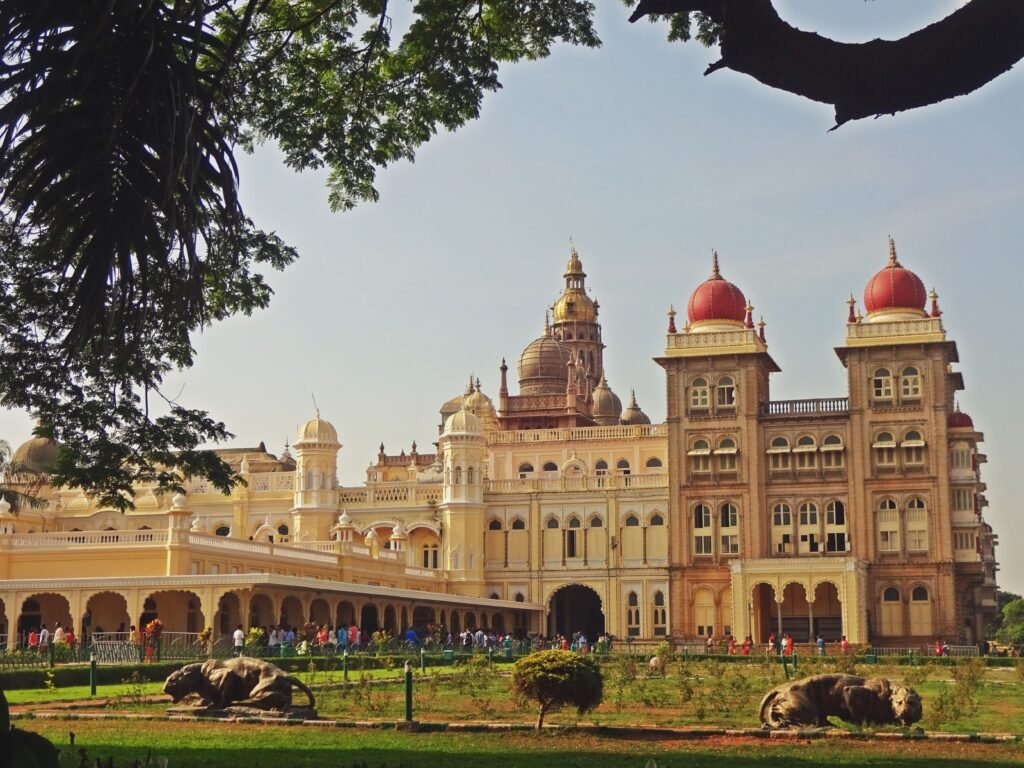
Known as the cultural capital of Karnataka, Mysore combines royal heritage, beautiful architecture, and a relaxed atmosphere.
The city’s biggest attraction is the magnificent Mysore Palace, one of the most visited monuments in India. Illuminated by thousands of lights on special evenings, the palace showcases the grandeur of India’s royal past.
Mysore is also famous for its vibrant markets, sandalwood products, silk sarees, and traditional South Indian cuisine. Compared to larger metropolitan cities, it offers a more organized and traveler-friendly experience.
Travel Tip: Plan your visit during the Mysore Dasara Festival if possible. The city comes alive with cultural performances, parades, and celebrations that attract visitors from around the world.
Hampi
For history lovers and adventure seekers, Hampi is one of the most fascinating destinations in India.
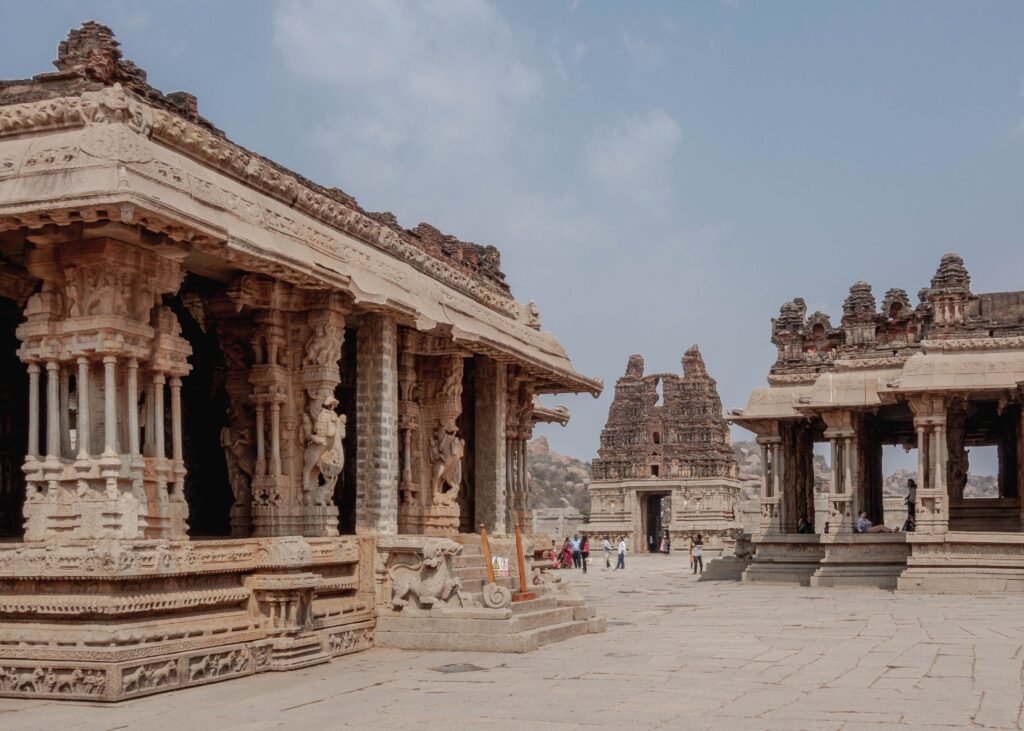
A UNESCO World Heritage Site, Hampi is home to thousands of ancient ruins scattered across a dramatic landscape of giant boulders, temples, and historical monuments. Once the capital of the powerful Vijayanagara Empire, the city was among the richest and largest in the world during its peak.
Today, travelers can spend days exploring temple complexes, cycling through the countryside, climbing rocky viewpoints, and watching spectacular sunsets over the ruins.
Unlike many historical sites, Hampi feels less like a museum and more like an open-air adventure where history and nature blend together.
Travel Tip: Rent a bicycle or scooter to explore Hampi. The attractions are spread across a large area, and having your own transportation allows you to discover hidden viewpoints and lesser-known ruins.
From the peaceful Kerala backwaters and misty tea gardens of Munnar to the royal heritage of Mysore and the ancient wonders of Hampi, South India offers a diverse collection of experiences that perfectly complement a North India itinerary. Travelers seeking natural beauty, authentic culture, and a more relaxed pace often find South India to be the highlight of their journey.
West India
West India is a region of contrasts. Here, you’ll find everything from golden deserts and royal palaces to bustling financial hubs and world-famous beaches. Whether you’re looking for a relaxing beach vacation, a cultural journey through Rajasthan, or a taste of modern urban India, West India offers experiences that appeal to every type of traveler.
Many visitors consider this region one of the most diverse parts of the country because it combines history, luxury, nightlife, adventure, and natural beauty within a relatively compact area.
Goa
When people think of beach holidays in India, Goa is usually the first destination that comes to mind.
Famous for its palm-fringed coastline, vibrant nightlife, Portuguese heritage, and laid-back atmosphere, Goa attracts everyone from backpackers and digital nomads to honeymooners and families.
North Goa is known for its lively beach parties, water sports, beach clubs, and nightlife, while South Goa offers quieter beaches, luxury resorts, and a more relaxed environment.
If you prefer peaceful coastal escapes away from the crowds, explore our guide to the hidden beaches in Goa, where you’ll discover secluded shores, hidden coves, and lesser-known spots perfect for relaxation and photography.
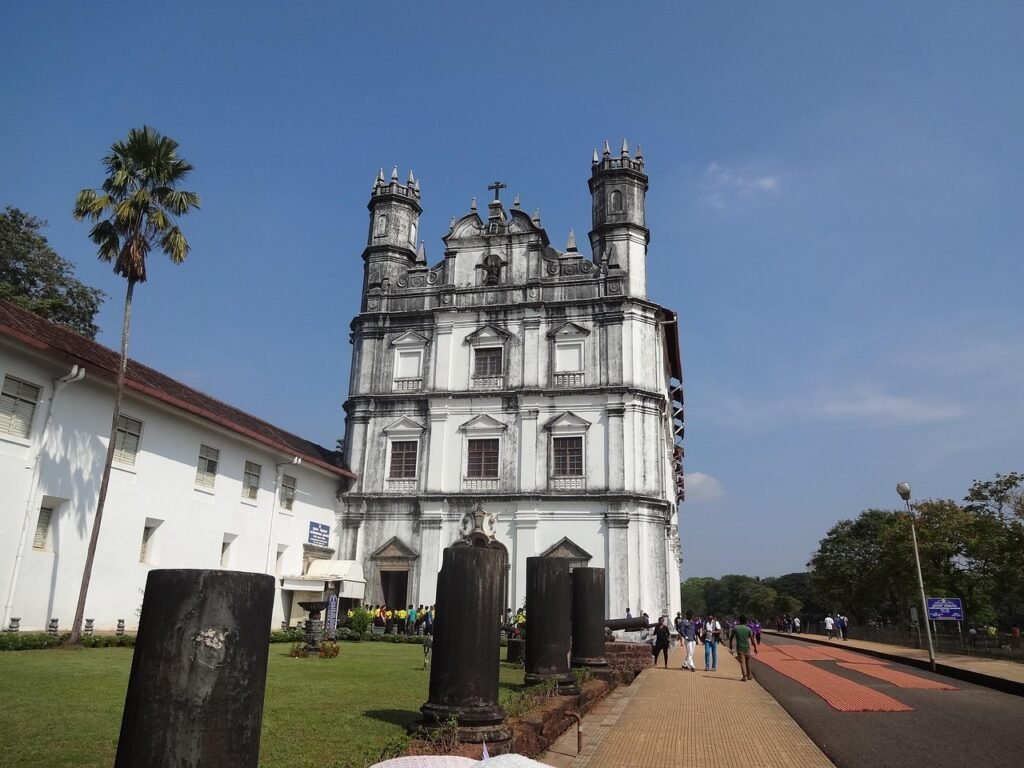
Beyond the beaches, travelers can explore colorful Portuguese-era churches, spice plantations, local markets, and scenic coastal villages.
Travel Tip: If you prefer fewer crowds and better hotel deals, visit Goa between October and early December or during February and March rather than peak holiday weeks.
Udaipur
Often called the “City of Lakes,” Udaipur is one of the most romantic destinations in India and a highlight of Rajasthan tourism.
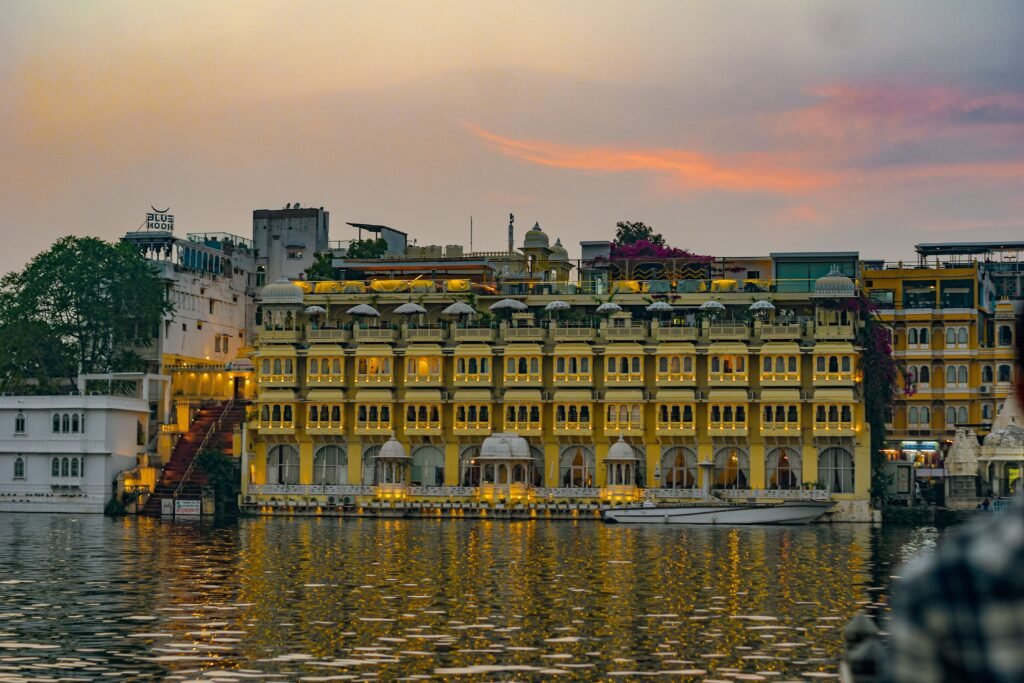
Surrounded by the Aravalli Hills, the city is famous for its beautiful lakes, grand palaces, historic temples, and charming old streets. The magnificent City Palace overlooking Lake Pichola is one of the most impressive royal residences in India.
Sunset boat rides on Lake Pichola offer breathtaking views of the city’s palaces and heritage hotels, making Udaipur especially popular with couples and photographers.
Unlike some larger Indian cities, Udaipur has a relaxed atmosphere that encourages travelers to slow down and enjoy the scenery.
Travel Tip: Stay near Lake Pichola if possible. Many of the city’s major attractions, restaurants, and viewpoints are within walking distance.
Jaisalmer
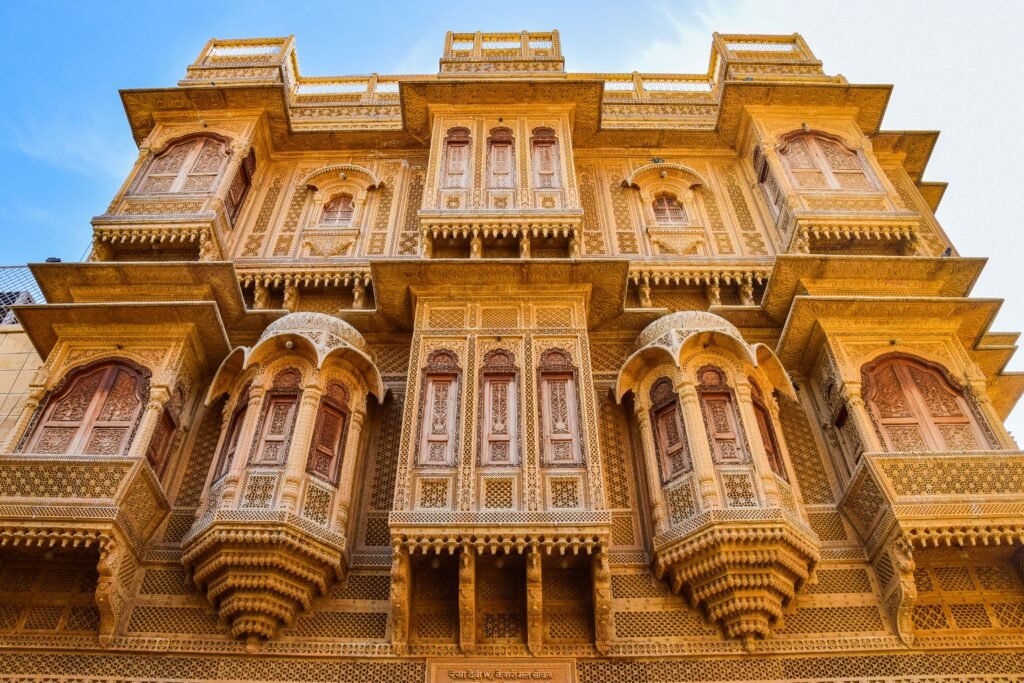
Located in the heart of the Thar Desert, Jaisalmer feels like stepping into a different world.
Known as the “Golden City,” Jaisalmer is famous for its sandstone architecture, historic fort, desert landscapes, and traditional Rajasthani culture. The city’s iconic fort rises dramatically above the desert and remains one of the few living forts in the world, with residents, shops, and cafes still operating within its walls.
One of the most memorable experiences here is spending a night in the desert. Camel safaris, jeep tours, cultural performances, and stargazing under clear desert skies make Jaisalmer a favorite destination for adventure travelers.
Travel Tip: Book an overnight desert camp experience rather than a short sunset tour. Watching both sunset and sunrise in the Thar Desert creates a much more immersive experience.
Mumbai
As India’s financial capital and home of Bollywood, Mumbai offers a completely different travel experience from the historic cities of Rajasthan.
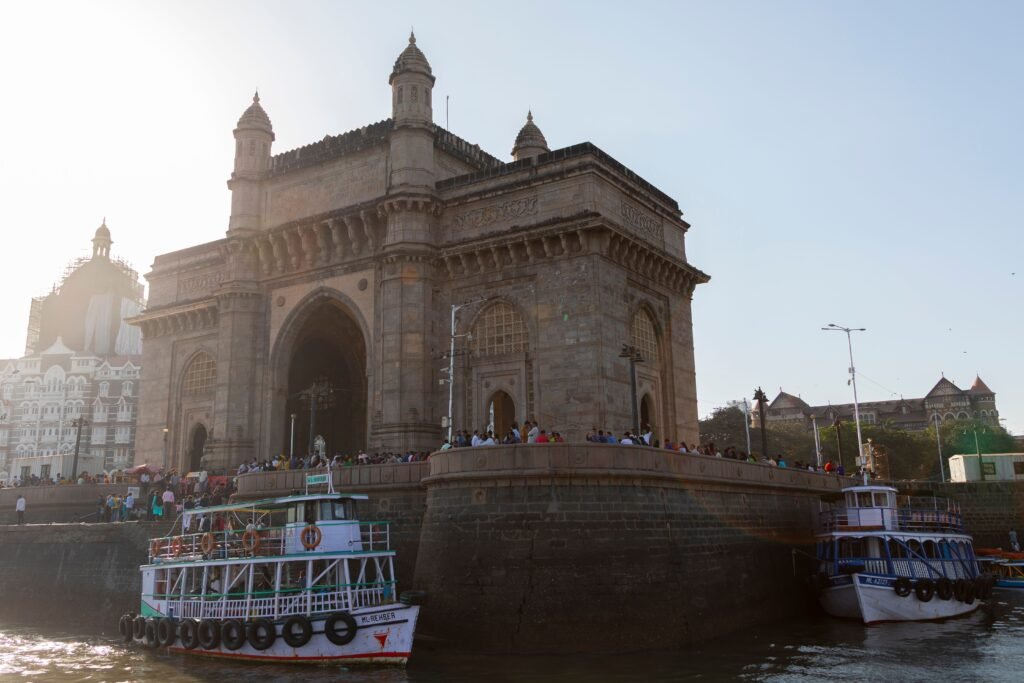
Fast-paced, energetic, and incredibly diverse, Mumbai showcases modern India’s ambition while preserving its colonial heritage and cultural traditions. Visitors can explore landmarks such as the Gateway of India, Marine Drive, Chhatrapati Shivaji Maharaj Terminus, and the vibrant neighborhoods of Colaba and Bandra.
Mumbai is also one of the best places in India for food lovers. From legendary street food stalls serving vada pav and pav bhaji to upscale restaurants overlooking the Arabian Sea, the city’s culinary scene is exceptional.
Despite its reputation for being busy, Mumbai has a unique energy that many travelers find inspiring.
Travel Tip: Plan sightseeing early in the morning whenever possible. Popular attractions and roads become significantly busier throughout the day.
From the tropical beaches of Goa and the romantic lakes of Udaipur to the golden deserts of Jaisalmer and the dynamic streets of Mumbai, West India delivers an incredible mix of experiences. For travelers looking to combine culture, history, nightlife, food, and natural beauty in a single trip, this region offers some of the best places to visit in India.
East India
While destinations like Delhi, Goa, and Jaipur often dominate travel itineraries, East India remains one of the country’s most underrated regions. Travelers who venture here are rewarded with colonial-era cities, breathtaking mountain landscapes, living root bridges, tea gardens, and some of the warmest hospitality in India.
For those seeking experiences beyond the typical tourist trail, East India offers a perfect blend of culture, nature, and adventure. The region is particularly appealing to travelers who enjoy scenic road trips, unique local traditions, and less-crowded destinations.
Kolkata
Known as the “City of Joy,” Kolkata is one of India’s most culturally rich and historically significant cities.
As the former capital of British India, Kolkata showcases a fascinating mix of colonial architecture, intellectual heritage, vibrant markets, and artistic traditions. Walking through neighborhoods like Park Street, College Street, and Kumartuli feels like stepping into a living museum of Indian history and culture.
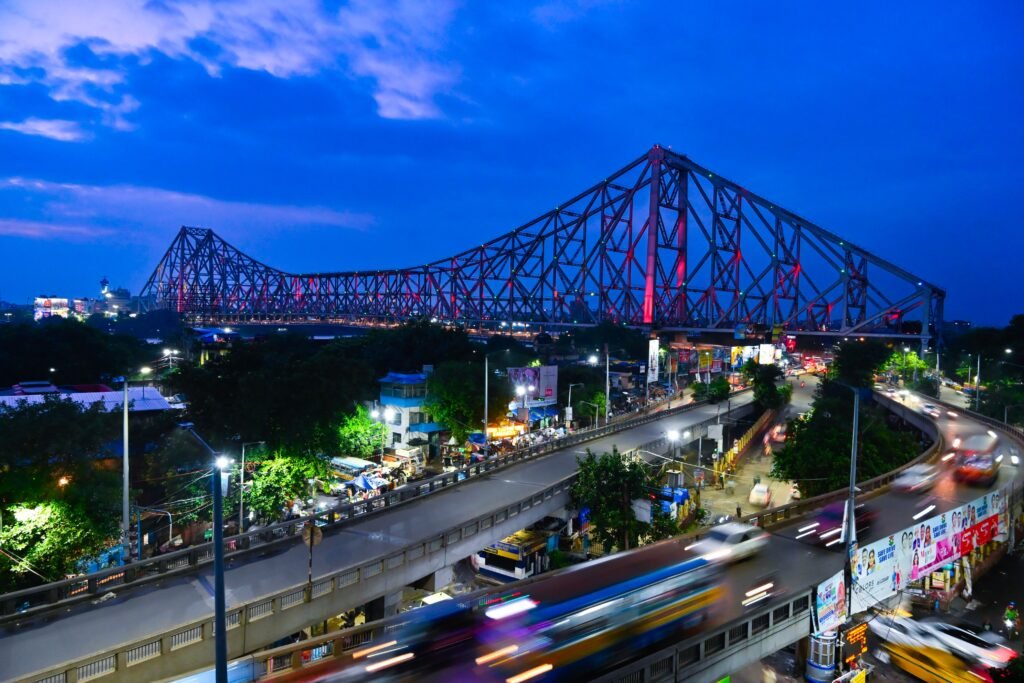
The city is also famous for landmarks such as Victoria Memorial, Howrah Bridge, Dakshineswar Kali Temple, and the Indian Museum, which is the oldest museum in India.
Food lovers will find plenty to enjoy here as well. From flavorful street food and kathi rolls to iconic Bengali sweets like rasgulla and sandesh, Kolkata offers some of the most memorable culinary experiences in the country.
Travel Tip: Visit during Durga Puja if possible. The city transforms into a giant celebration with artistic pandals, cultural performances, and festive energy unlike anywhere else in India.
Darjeeling
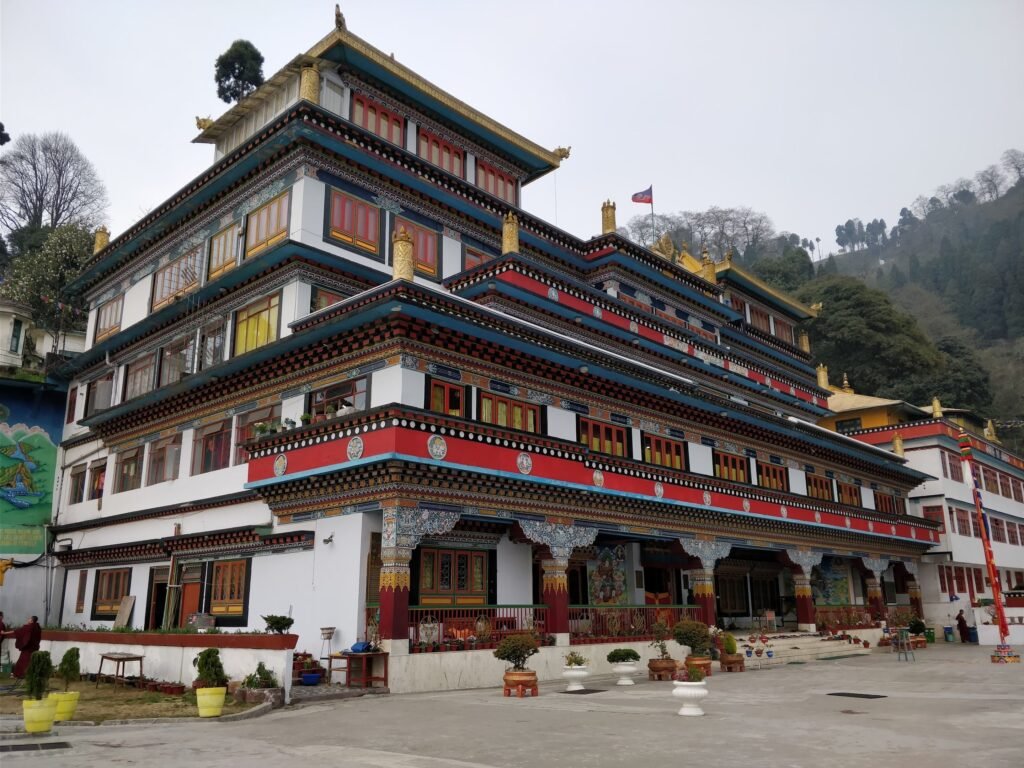
Nestled in the foothills of the Himalayas, Darjeeling is one of the most beautiful hill stations in India.
Famous worldwide for its tea plantations, panoramic mountain views, and colonial charm, Darjeeling attracts nature lovers, photographers, and travelers looking to escape the heat of the plains.
One of the highlights is witnessing sunrise from Tiger Hill, where, on a clear day, visitors can see the snow-covered peaks of Kanchenjunga glowing in shades of gold and orange.
The historic Darjeeling Himalayan Railway, often called the “Toy Train,” offers a nostalgic journey through scenic landscapes and remains one of the region’s most popular attractions.
Beyond sightseeing, simply walking through the town’s tea gardens and peaceful mountain roads is an experience in itself.
Travel Tip: Pack warm clothing even if you’re visiting outside winter. Temperatures can drop significantly in the mornings and evenings.
Meghalaya
If you’re looking for lush green landscapes, waterfalls, caves, and adventure, Meghalaya should be high on your list.
Often referred to as the “Abode of Clouds,” Meghalaya is one of India’s most spectacular natural destinations. The state is famous for its rolling hills, crystal-clear rivers, living root bridges, and dramatic waterfalls.
The villages of Cherrapunji and Mawsynram are known for receiving some of the highest rainfall in the world, creating incredibly vibrant landscapes throughout the year.
One of the most unique experiences is trekking to the famous Double-Decker Living Root Bridge near Nongriat. Formed naturally over generations by guiding tree roots across rivers, these bridges showcase an extraordinary relationship between local communities and nature.
Adventure enthusiasts can also explore caves, hike through forests, and kayak on the crystal-clear waters of Dawki, where boats appear to float on glass.
Travel Tip: Plan at least four to five days in Meghalaya. Distances may seem short on a map, but you’ll want extra time to enjoy the scenic viewpoints, waterfalls, and trekking routes without rushing.
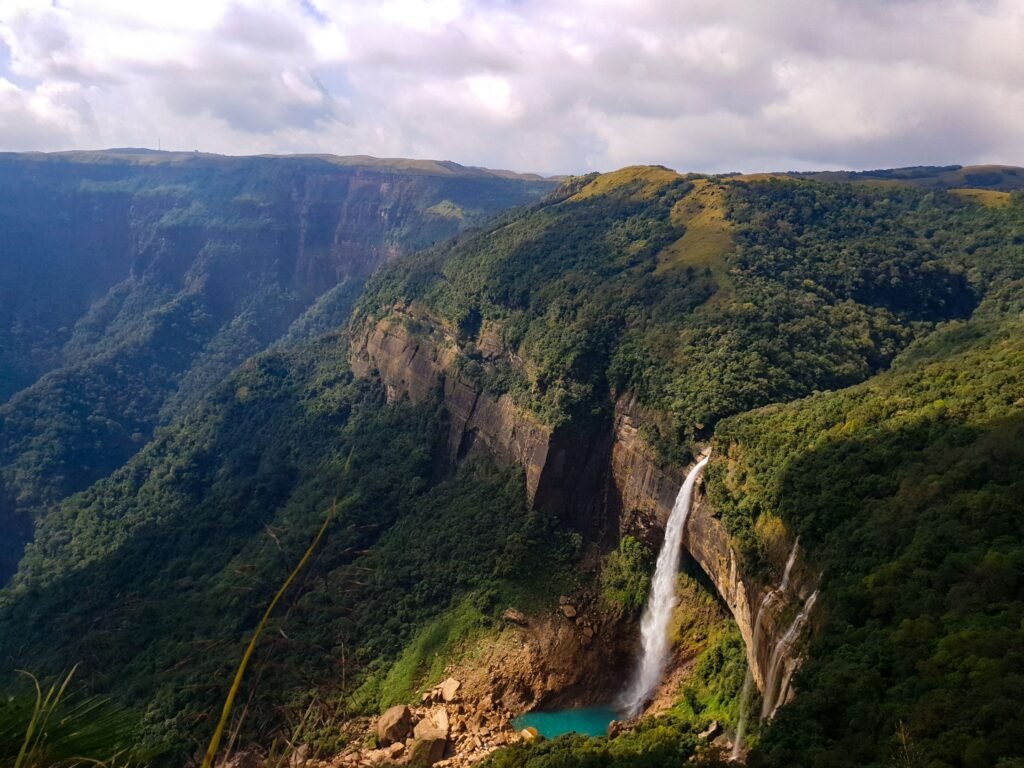
From Kolkata’s cultural heritage and Darjeeling’s Himalayan beauty to Meghalaya’s breathtaking natural wonders, East India offers a side of the country that many international travelers overlook. Those who take the time to explore this region often discover some of the most authentic and unforgettable experiences in their entire India travel itinerary.
Himalayan India
For many travelers, the Himalayas are the ultimate reason to visit India.
Stretching across the northern part of the country, the Indian Himalayas offer dramatic mountain landscapes, high-altitude deserts, spiritual retreats, adventure sports, and some of the most breathtaking road trips in the world. Whether you’re a trekker, photographer, biker, backpacker, or someone simply looking to escape crowded cities, Himalayan India delivers unforgettable experiences.
From the rugged terrain of Ladakh to the lush valleys of Himachal Pradesh and the sacred rivers of Uttarakhand, this region showcases a completely different side of India that often surprises first-time visitors.
If you’re planning a mountain escape without stretching your budget, explore our guide to the affordable hill stations in India. It highlights scenic destinations that are perfect for nature lovers, families, couples, and budget-conscious travelers looking to enjoy the Himalayas and other beautiful mountain regions.
Ladakh
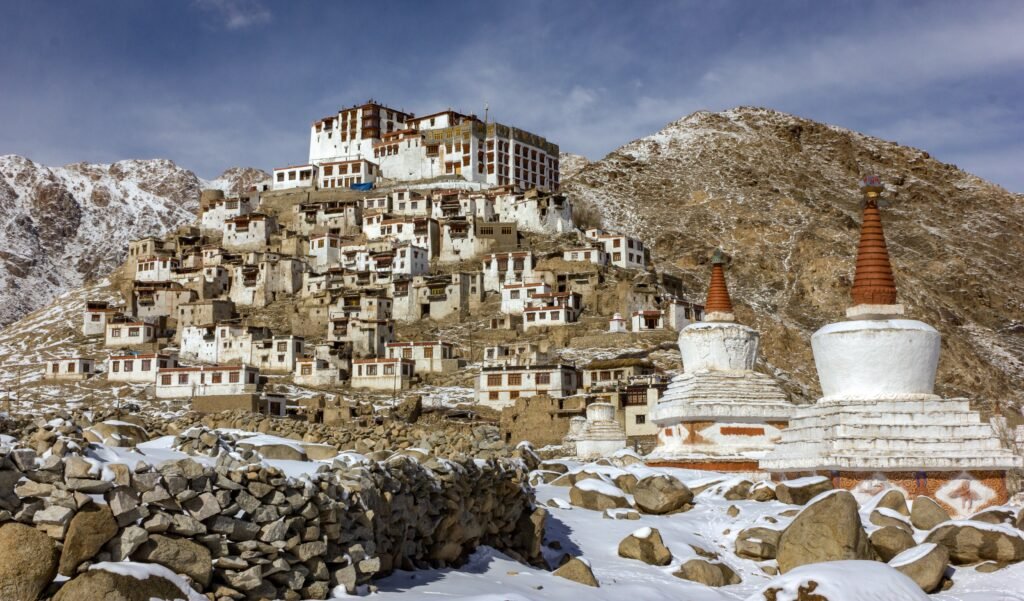
Often referred to as the “Land of High Passes,” Ladakh is one of the most spectacular destinations in any India travel guide.
Located in the northernmost part of India, Ladakh is famous for its dramatic mountain scenery, crystal-clear lakes, Buddhist monasteries, and some of the world’s highest motorable roads. The region’s unique landscape often feels more like Tibet than traditional India.
Highlights include Pangong Lake, Nubra Valley, Khardung La Pass, Magnetic Hill, and the ancient monasteries scattered across the mountains.
Many travelers dream of taking a road trip through Ladakh, whether by motorcycle, SUV, or bicycle. The journey itself is often as memorable as the destination.
Travel Tip: Spend your first 24–48 hours acclimatizing in Leh before attempting high-altitude excursions. Altitude sickness can affect even experienced travelers.
Himachal Pradesh
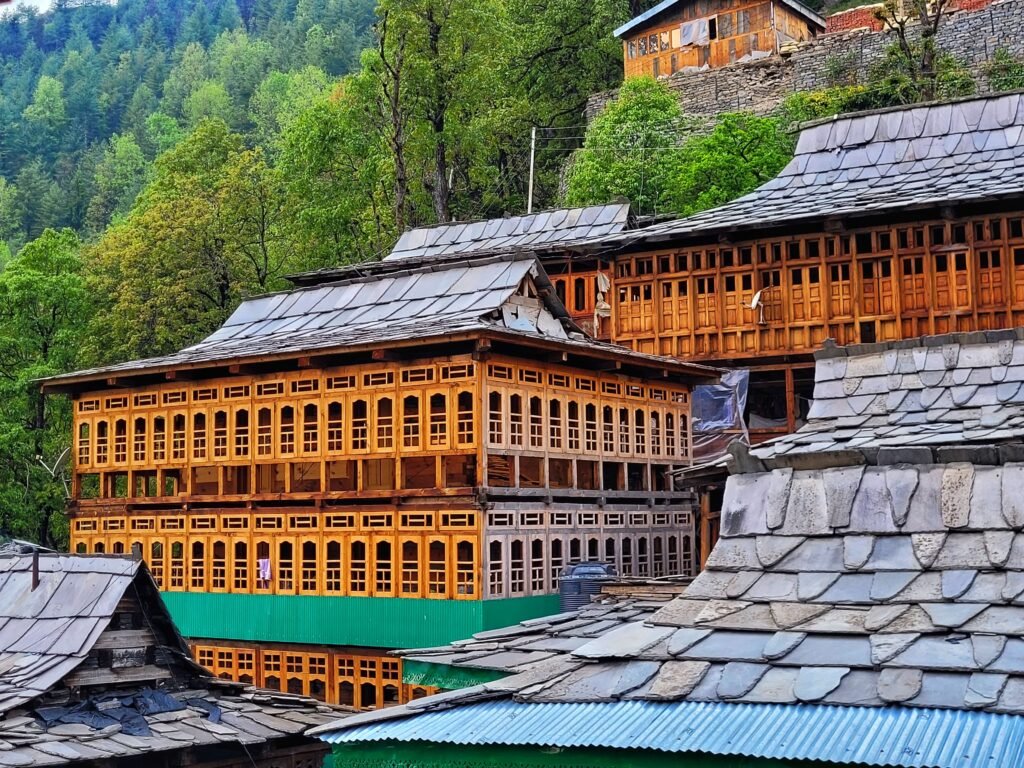
If you’re searching for charming mountain towns, scenic valleys, and outdoor adventures, Himachal Pradesh is one of the best places to visit in India.
Popular destinations such as Manali, Shimla, Kasol, Dharamshala, and Spiti Valley attract travelers year-round. Each destination offers a different experience, from snow-covered mountains and trekking trails to Tibetan culture and peaceful riverside villages.
One of the reasons travelers love Himachal Pradesh is its versatility. You can spend your mornings hiking through pine forests, your afternoons exploring local markets, and your evenings enjoying mountain sunsets from a cozy café.
For backpackers and digital nomads, destinations like Kasol and Dharamshala have become popular hubs thanks to their relaxed atmosphere and beautiful surroundings.
Travel Tip: If you’re visiting during peak summer months, book accommodation in advance. Popular hill stations can fill up quickly, especially during school holidays.
Uttarakhand
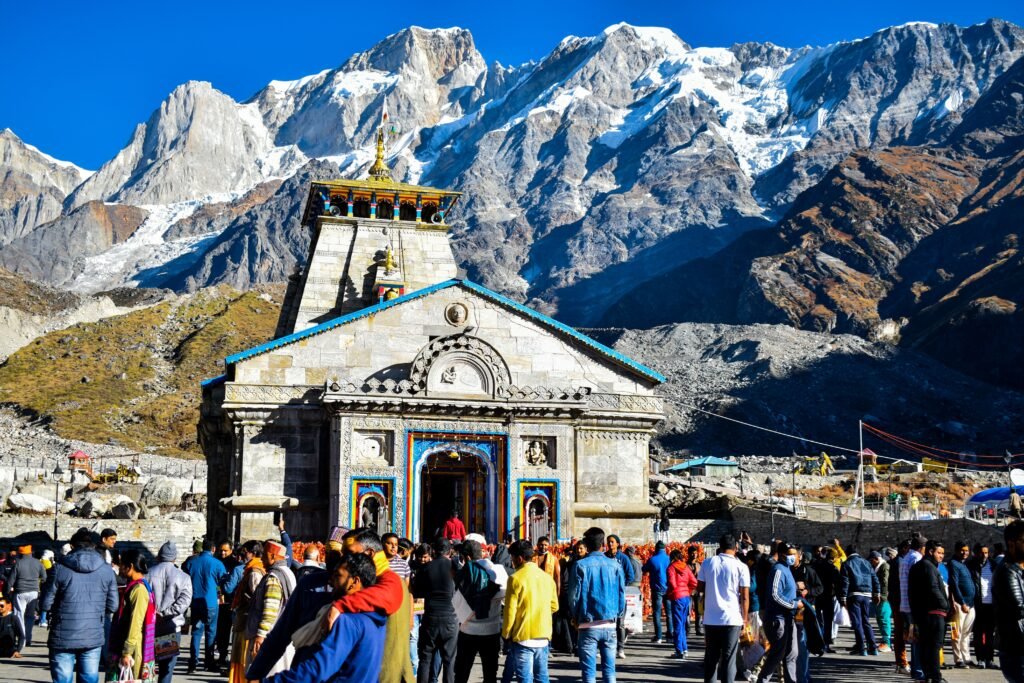
Known as the “Land of the Gods,” Uttarakhand combines spirituality, adventure, and natural beauty in a way few destinations can match.
The state is home to famous destinations such as Rishikesh, Mussoorie, Nainital, Auli, Kedarnath, and Valley of Flowers National Park. Whether you’re interested in yoga, trekking, river rafting, wildlife safaris, or pilgrimage journeys, Uttarakhand offers something for every traveler.
Rishikesh remains one of India’s top destinations for yoga and adventure sports, while Auli attracts winter sports enthusiasts with its skiing opportunities. Nature lovers often head to the Valley of Flowers, where thousands of alpine flowers bloom during the monsoon season.
The combination of mountain scenery and spiritual significance makes Uttarakhand one of the most rewarding destinations for travelers seeking both adventure and personal reflection.
Travel Tip: Travel times in the mountains are often longer than expected. Plan fewer destinations and allow extra time for road journeys to fully enjoy the experience.
Best Himalayan Destinations in India
| Destination | Best For | Ideal Duration |
| Ladakh | Road trips, photography, adventure | 7–10 Days |
| Himachal Pradesh | Trekking, backpacking, mountain towns | 5–10 Days |
| Uttarakhand | Spiritual travel, nature, adventure sports | 4–8 Days |
The Indian Himalayas represent some of the most awe-inspiring landscapes in Asia. Whether you’re watching the sunrise over Pangong Lake, trekking through the valleys of Himachal Pradesh, or practicing yoga beside the Ganges in Uttarakhand, Himalayan India offers experiences that stay with you long after the trip ends.
Best Time to Visit India
One of the most common questions travelers ask is: “When is the best time to visit India?”
The answer depends largely on where you plan to go and what type of experience you’re looking for. India’s vast size means the weather can vary dramatically between regions. While travelers may be enjoying cool temperatures in Rajasthan, others could be escaping the summer heat in the Himalayas or experiencing tropical rains in Kerala.
Understanding India’s seasons can help you avoid extreme weather, save money on accommodation, and make the most of your trip.
Winter (October–March)
Best for sightseeing
For most travelers, winter is considered the best time to visit India.
The weather is generally pleasant across much of the country, making it ideal for exploring popular destinations such as Delhi, Agra, Jaipur, Varanasi, Goa, Kerala, and Mumbai. Clear skies, comfortable temperatures, and lower humidity create excellent conditions for sightseeing and outdoor activities.
This is also the peak tourist season, particularly between December and February. Major attractions such as the Taj Mahal, Jaipur’s forts, and Kerala’s backwaters are at their busiest during this period.
If you’re planning a classic India travel itinerary, winter offers the best overall experience.
Average Temperature:
- North India: 5°C–25°C
- South India: 20°C–32°C
Travel Tip: Book flights and hotels several months in advance if you’re traveling during Christmas, New Year, or school holiday periods.
Summer (April–June)
Best for mountains
Summer can be extremely hot in many parts of India, especially in cities such as Delhi, Agra, Jaipur, and Mumbai, where temperatures frequently exceed 40°C.
However, this season is perfect for exploring India’s famous hill stations and Himalayan destinations. Places like Manali, Shimla, Dharamshala, Ladakh, Darjeeling, Munnar, and Nainital offer cooler temperatures and beautiful mountain scenery.
Many Indian families also travel during this period, making mountain destinations particularly lively.
For travelers interested in trekking, road trips, or escaping the heat, summer is one of the best times to explore Himalayan India.
Average Temperature:
- Plains: 30°C–45°C
- Mountains: 10°C–25°C
Travel Tip: Carry a reusable water bottle and portable charger during summer travel. Long sightseeing days and high temperatures can drain both your energy and your phone battery faster than expected.
Monsoon (July–September)
Best for Kerala and greenery
Monsoon transforms India into a lush, green paradise.
While some travelers avoid the rainy season, experienced visitors often consider it one of the most beautiful times to travel. Waterfalls are at their peak, landscapes become vibrant, and destinations such as Kerala, Meghalaya, Coorg, and the Western Ghats look spectacular.
The famous Kerala monsoon season is particularly popular among wellness travelers seeking Ayurvedic retreats and nature-focused experiences.
That said, heavy rainfall can occasionally cause transportation delays, landslides in mountain regions, and disruptions to outdoor activities.
If you’re looking for lower hotel prices, fewer crowds, and stunning scenery, monsoon travel can be incredibly rewarding.
Average Temperature:
- Most regions: 22°C–35°C
Travel Tip: A lightweight rain jacket, waterproof backpack cover, and waterproof phone pouch can make a huge difference during monsoon travel.
Month-by-Month Guide: Best Time to Visit India
| Month | Weather | Best Destinations |
| January | Cool & Pleasant | Rajasthan, Goa, Kerala |
| February | Ideal Sightseeing | Delhi, Agra, Jaipur, Varanasi |
| March | Warm & Comfortable | Golden Triangle, Kerala |
| April | Hot in Plains | Himachal Pradesh, Uttarakhand |
| May | Peak Summer | Ladakh, Manali, Darjeeling |
| June | Mountain Season Begins | Ladakh, Kashmir, Spiti Valley |
| July | Monsoon Starts | Kerala, Meghalaya |
| August | Lush Green Landscapes | Kerala, Coorg, Munnar |
| September | Post-Monsoon Beauty | Goa, Kerala, Meghalaya |
| October | Excellent Weather | Most of India |
| November | Peak Travel Season Begins | Rajasthan, Delhi, Agra |
| December | Cool & Festive | Goa, Rajasthan, Kerala |
When Should You Visit India?
| Travel Style | Best Time |
| First-Time Visitors | October–March |
| Sightseeing & Culture | November–February |
| Himalayan Adventures | April–June |
| Budget Travelers | July–September |
| Nature & Green Landscapes | Monsoon Season |
| Beach Holidays | November–March |
Ultimately, there is no single best time to visit India. The country offers year-round travel opportunities depending on your interests. If you’re visiting for the first time, aim for the winter months. If mountain adventures are your priority, choose summer. And if you love dramatic landscapes, fewer crowds, and lower prices, don’t overlook the monsoon season.
India Travel Cost & Budget Breakdown
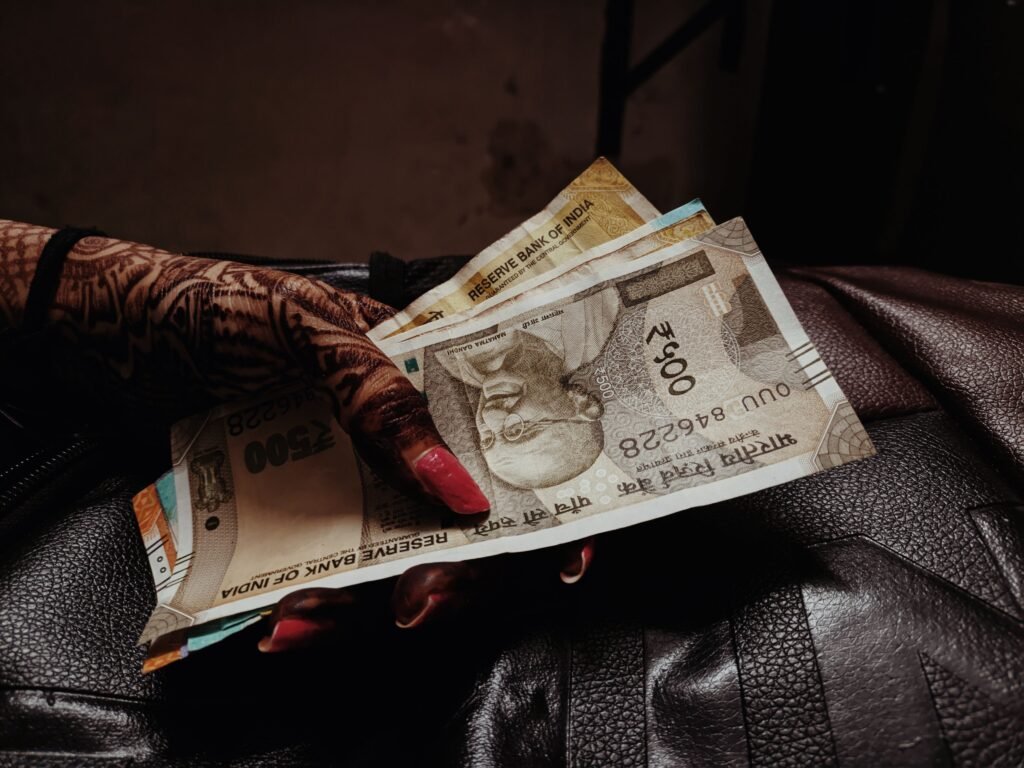
One of the biggest reasons travelers choose India is its incredible value for money. Whether you’re backpacking across the country, planning a comfortable family vacation, or looking for a luxury escape, India offers travel experiences for almost every budget.
Your daily expenses will depend on where you travel, your accommodation choices, and your preferred mode of transportation. Major cities like Mumbai and Delhi are generally more expensive than smaller towns, while destinations such as Goa and Ladakh may see higher prices during peak tourist season.
The good news is that, with smart planning, you can experience some of the best places to visit in India without overspending.
Budget Traveler (₹1,500–₹3,000 per Day)
India is one of the world’s best destinations for budget travelers and backpackers. Staying in hostels, using public transportation, and eating at local restaurants allows you to travel comfortably without spending a fortune.
A typical budget includes hostel dorms or budget guesthouses, metro rides or state buses, affordable train journeys, and delicious local meals. In many cities, a filling meal at a local restaurant costs less than a cup of coffee in many Western countries.
This budget is ideal for solo travelers, students, and anyone following a backpacking India guide.
What You Can Expect:
- Hostel or budget hotel
- Local buses, metro, and sleeper trains
- Street food and local restaurants
- Free or low-cost attractions
- Shared tours and budget activities
Travel Tip: Book long-distance trains in advance using IRCTC or authorized booking platforms. It saves both money and travel time during busy seasons.
Mid-Range Traveler (₹4,000–₹10,000 per Day)
This is the budget most international visitors choose for their India travel itinerary.
You’ll enjoy comfortable three- or four-star hotels, private airport transfers when needed, domestic flights for longer distances, guided sightseeing tours, and meals at highly rated restaurants.
A mid-range budget also gives you the flexibility to include experiences such as houseboat stays in Kerala, desert safaris in Jaisalmer, or heritage hotels in Rajasthan without significantly increasing your overall travel cost.
What You Can Expect:
- Comfortable hotels with modern amenities
- Domestic flights or AC train travel
- Mix of local and fine dining
- Guided tours and cultural experiences
- Comfortable local transportation
Travel Tip: Combining overnight trains with a few domestic flights is often the most cost-effective way to cover long distances while maximizing sightseeing time.
Luxury Traveler (₹15,000+ per Day)
India is home to some of the world’s most luxurious hotels, palace stays, wellness retreats, and wildlife lodges.
Luxury travelers can enjoy five-star accommodations, private drivers, boutique heritage hotels, premium train journeys, helicopter tours, and exclusive cultural experiences.
Destinations such as Udaipur, Jaipur, Goa, Kerala, and the Himalayas offer world-class luxury resorts that combine exceptional hospitality with unforgettable settings.
Whether it’s staying in a converted royal palace or relaxing at an award-winning Ayurvedic resort, India delivers luxury experiences at prices that are often lower than comparable destinations in Europe or North America.
What You Can Expect:
- Luxury hotels and palace properties
- Private transportation
- Premium dining experiences
- Personalized tours and guides
- Spa, wellness, and exclusive experiences
Travel Tip: Traveling during the shoulder season (October or March) often provides luxury accommodations at significantly lower rates than peak holiday periods.
Average Daily Travel Cost in India
| Expense | Budget Traveler | Mid-Range Traveler | Luxury Traveler |
| Accommodation | ₹500–₹1,200 | ₹2,500–₹6,000 | ₹10,000+ |
| Food | ₹400–₹800 | ₹1,000–₹2,000 | ₹3,000+ |
| Transport | ₹300–₹700 | ₹800–₹2,000 | ₹3,000+ |
| Attractions & Activities | ₹300–₹500 | ₹700–₹2,000 | ₹2,000+ |
| Estimated Daily Total | ₹1,500–₹3,000 | ₹4,000–₹10,000 | ₹15,000+ |
Estimated Trip Budget by Duration
| Trip Length | Budget | Mid-Range | Luxury |
| 5 Days | ₹7,500–₹15,000 | ₹20,000–₹50,000 | ₹75,000+ |
| 7 Days | ₹10,500–₹21,000 | ₹28,000–₹70,000 | ₹1,05,000+ |
| 10 Days | ₹15,000–₹30,000 | ₹40,000–₹1,00,000 | ₹1,50,000+ |
| 14 Days | ₹21,000–₹42,000 | ₹56,000–₹1,40,000 | ₹2,10,000+ |
Money-Saving Tips for Traveling in India
- Travel by train for long-distance journeys whenever practical.
- Visit during the shoulder season to enjoy lower hotel rates.
- Use metro systems in cities like Delhi, Bengaluru, and Mumbai to reduce transportation costs.
- Eat at busy local restaurants where food is both authentic and affordable.
- Book flights and hotels several weeks in advance for the best prices.
- Keep a mix of digital payments and cash, as smaller shops may not always accept cards.
No matter your budget, India delivers exceptional value. From affordable backpacking adventures to luxurious palace stays, you’ll find that your money often goes much further than expected, allowing you to experience more while spending less.
How to Travel Around India
India has one of the world’s largest transportation networks, making it possible to travel between almost every city, town, and tourist destination. Whether you’re exploring the Golden Triangle, relaxing in Kerala, or heading to the Himalayas, choosing the right mode of transport can save both time and money.
For first-time visitors, the sheer number of transportation options may seem overwhelming. The good news is that India offers everything from budget-friendly trains and buses to affordable domestic flights and convenient ride-sharing apps.
Indian Railways
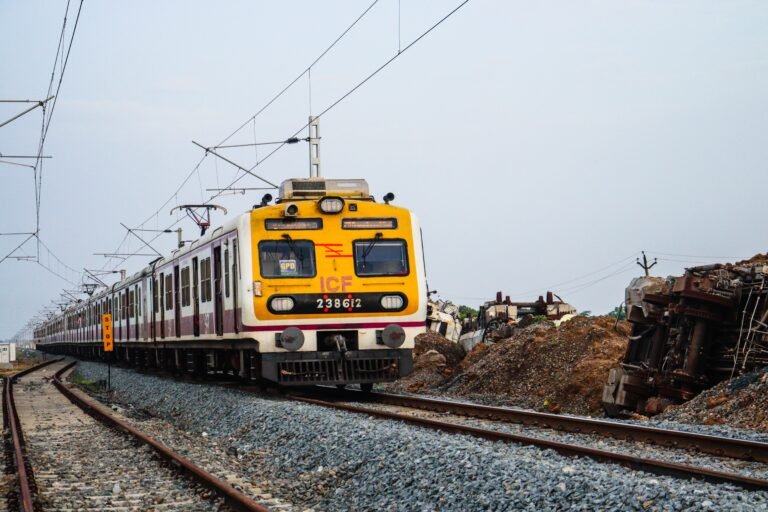
The Indian Railways network is one of the easiest and most affordable ways to travel around India. With more than 13,000 passenger trains operating daily, it connects major cities, small towns, and remote destinations across the country.
Long-distance trains are perfect for travelers following an extended India travel itinerary because they combine affordability with a unique cultural experience. Watching villages, rivers, mountains, and farmland pass by your window is often one of the highlights of the journey.
For overnight trips, AC 2-Tier or AC 3-Tier coaches provide a comfortable balance between price and convenience.
Travel Tip: Reserve train tickets as early as possible, especially during weekends, holidays, and the winter travel season. Popular routes often sell out weeks in advance.
Domestic Flights
If you’re covering long distances, domestic flights are the fastest option.
Flying between cities such as Delhi, Mumbai, Bengaluru, Goa, Kochi, and Leh can save an entire day of travel compared to trains. Budget airlines frequently offer competitive fares, making flights surprisingly affordable when booked in advance.
Flights are particularly useful when traveling between North and South India or reaching destinations like Ladakh and the Andaman Islands.
Travel Tip: Book morning flights whenever possible, especially during the monsoon season, as afternoon weather can occasionally cause delays.

Buses
India’s extensive bus network reaches places where trains and flights don’t.
Government-operated buses provide affordable transportation, while private operators often offer comfortable sleeper coaches with reclining seats, air conditioning, and onboard amenities.
Buses are commonly used for journeys through Himachal Pradesh, Uttarakhand, Rajasthan, Kerala, and other regions where mountain roads or shorter distances make rail travel less practical.
Night buses are also a popular way to save on accommodation while traveling between nearby destinations.
Travel Tip: Choose reputable private bus operators with high customer ratings for overnight journeys to ensure a safer and more comfortable experience.
Metro Systems
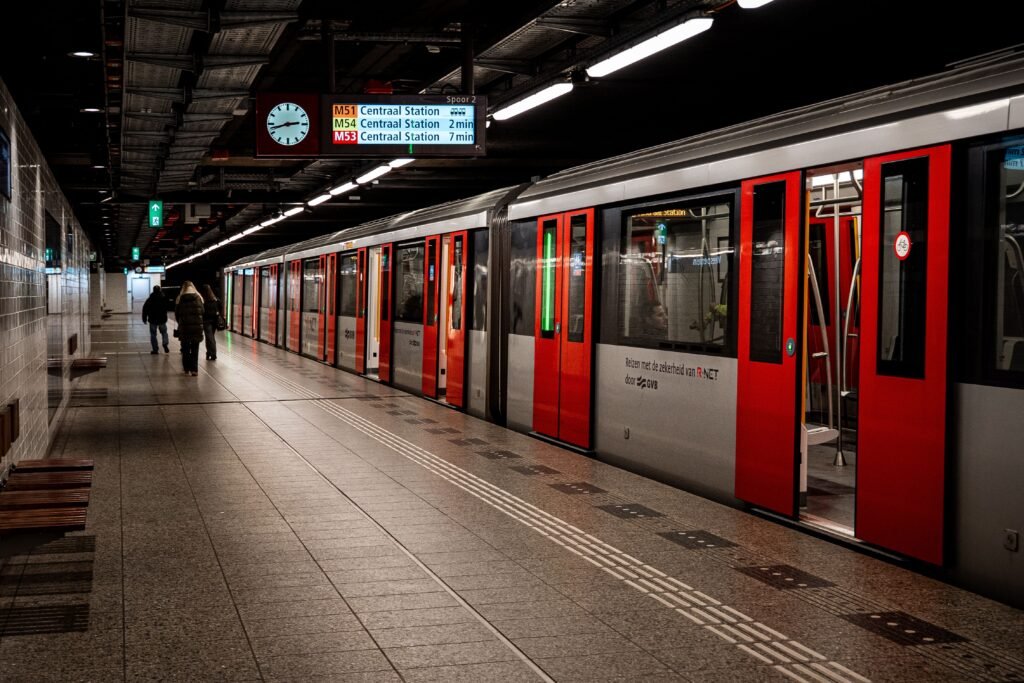
Several major Indian cities now have modern metro networks that are clean, affordable, and efficient.
Delhi Metro is widely regarded as one of the best public transportation systems in the country and is often the fastest way to reach popular attractions while avoiding heavy traffic.
Other cities with excellent metro systems include Bengaluru, Mumbai, Hyderabad, Chennai, Kochi, Jaipur, Lucknow, Nagpur, Pune, Ahmedabad, and Noida.
For travelers exploring large cities, metro travel is usually quicker and cheaper than taxis during peak hours.
Travel Tip: Purchase a rechargeable metro card if you’ll be staying in a city for several days. It saves time and often reduces ticket costs.
Ride-Sharing Apps
Ride-sharing services have made getting around Indian cities much easier for tourists. They offer transparent pricing, GPS navigation, and cashless payment options.
Uber
Uber operates in most major Indian cities and is an excellent choice for airport transfers, hotel pickups, and sightseeing.
The app displays fares before you book, making it easier to budget your transportation expenses while avoiding unnecessary fare negotiations.
Uber also provides multiple vehicle options, including economy cars, premium rides, and auto-rickshaws in selected cities.
Best For:
- Airport transfers
- City sightseeing
- Travelers who prefer cashless payments

Ola
Ola is India’s largest homegrown ride-sharing platform and often has wider coverage than Uber in smaller cities.
One of its biggest advantages is the variety of transportation options available, including taxis, auto-rickshaws, bike taxis (where available), and rental cars for full-day sightseeing.
Many domestic travelers use Ola because it frequently offers competitive pricing and promotional discounts.
Best For:
- Auto-rickshaw rides
- Local transportation
- Short-distance city travel

Which Option Is Best?
| Transport | Best For | Budget | Comfort | Speed |
| Indian Railways | Long-distance travel | ⭐⭐⭐⭐⭐ | ⭐⭐⭐⭐ | ⭐⭐⭐ |
| Domestic Flights | Cross-country travel | ⭐⭐⭐ | ⭐⭐⭐⭐⭐ | ⭐⭐⭐⭐⭐ |
| Buses | Regional travel & hill stations | ⭐⭐⭐⭐ | ⭐⭐⭐ | ⭐⭐⭐ |
| Metro Systems | City transportation | ⭐⭐⭐⭐⭐ | ⭐⭐⭐⭐ | ⭐⭐⭐⭐⭐ |
| Uber & Ola | Local sightseeing & airport transfers | ⭐⭐⭐⭐ | ⭐⭐⭐⭐ | ⭐⭐⭐⭐ |
Choosing the right transportation depends on your travel style and itinerary. For long journeys, trains provide excellent value and memorable experiences. Flights are ideal when you’re short on time, while buses connect many destinations that trains don’t reach. Within cities, metros and ride-sharing apps make getting around simple, affordable, and convenient.
A combination of these transport options is the best way to explore India efficiently while keeping your travel budget under control.
India Travel Itineraries
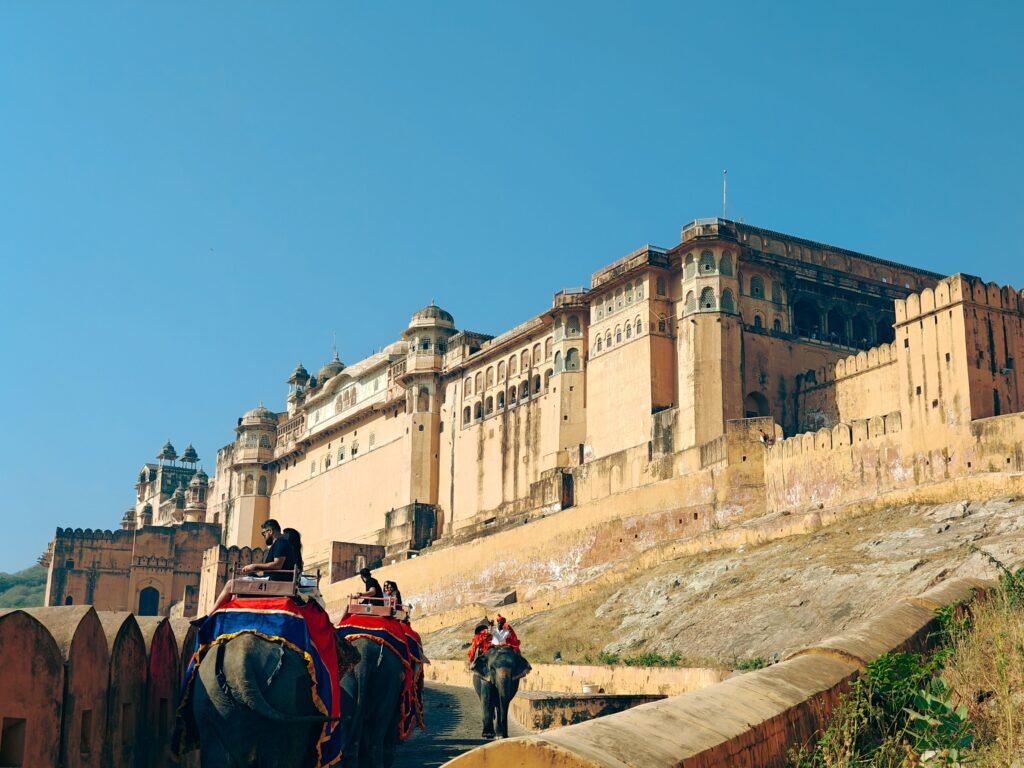
Planning an itinerary for India can feel overwhelming, especially for first-time visitors. The country is vast, and trying to see everything in one trip usually leads to rushed travel and exhaustion.
Instead of hopping between too many destinations, it’s better to focus on one region at a time. Whether you have one week or three, these carefully planned itineraries balance sightseeing, travel time, and unforgettable experiences.
The itineraries below are based on routes that are practical, enjoyable, and ideal for first-time visitors exploring India’s incredible diversity.
7-Day India Itinerary
The Golden Triangle is India’s most popular travel route and an excellent introduction to the country’s history, architecture, and culture. Covering Delhi, Agra, and Jaipur, this itinerary combines UNESCO World Heritage Sites, royal palaces, colorful markets, and world-famous monuments.
| Day | Destination | Highlights |
| Day 1 | Delhi | India Gate, Qutub Minar, Chandni Chowk |
| Day 2 | Delhi | Red Fort, Humayun’s Tomb, Local Food Tour |
| Day 3 | Agra | Taj Mahal, Agra Fort, Mehtab Bagh |
| Day 4 | Jaipur | Hawa Mahal, City Palace |
| Day 5 | Jaipur | Amber Fort, Jal Mahal, Local Markets |
| Day 6 | Jaipur | Cultural Show, Traditional Rajasthani Dinner |
| Day 7 | Return to Delhi | Shopping or Departure |
Ideal For:
- First-time visitors
- History lovers
- Families
- Cultural travelers
Travel Tip: Hire a private driver or join a guided Golden Triangle tour if you’re short on time. It reduces travel stress and allows you to focus on sightseeing.
14-Day India Itinerary
Route: Delhi → Agra → Jaipur → Goa → Kerala
If you want to experience both India’s rich history and its tropical side, this two-week itinerary offers an excellent balance.
Begin by exploring the iconic monuments of North India before flying south to enjoy Goa’s beaches and Kerala’s peaceful backwaters.
| Days | Destination | Experiences |
| Days 1–3 | Delhi | Historical landmarks, food walks, markets |
| Days 4–5 | Agra | Taj Mahal, Agra Fort |
| Days 6–8 | Jaipur | Palaces, forts, shopping, cultural experiences |
| Days 9–11 | Goa | Beaches, Portuguese heritage, nightlife, water sports |
| Days 12–14 | Kerala | Houseboat cruise, tea plantations, Ayurveda |
This itinerary combines history, beaches, nature, and local culture without feeling rushed.
Ideal For:
- Couples
- Families
- International travelers
- First-time visitors seeking variety
Travel Tip: Book a domestic flight from Jaipur to Goa instead of traveling overland. It saves nearly an entire day of travel.
21-Day India Itinerary (North + South India Highlights)
Three weeks gives you enough time to experience many of India’s most iconic destinations without constantly packing and unpacking.
This itinerary showcases the country’s incredible diversity, from bustling cities and royal forts to Himalayan landscapes, tropical beaches, and serene backwaters.
| Days | Destination | Highlights |
| Days 1–3 | Delhi | Historical monuments, markets, museums |
| Days 4–5 | Agra | Taj Mahal, Agra Fort |
| Days 6–8 | Jaipur | Amber Fort, City Palace, Local Culture |
| Days 9–11 | Rishikesh | Yoga, Ganga Aarti, River Rafting |
| Days 12–14 | Kerala | Alleppey Houseboat, Kochi, Munnar |
| Days 15–17 | Goa | Beaches, Sunset Cruises, Local Cuisine |
| Days 18–21 | Mumbai | Gateway of India, Marine Drive, Bollywood Tour |
If you enjoy mountains more than beaches, you can replace Goa with Himachal Pradesh or Ladakh during the summer months.
Ideal For:
- Long vacations
- Adventure seekers
- Digital nomads
- Travelers wanting a complete India experience
Travel Tip: Leave at least one flexible day in your itinerary. Weather delays, festivals, or discovering a place you love often make travelers wish they had an extra day.
Which India Itinerary Should You Choose?
| Trip Length | Best For | Recommended Destinations |
| 7 Days | First-Time Visitors | Delhi, Agra, Jaipur |
| 14 Days | History + Beaches | Delhi, Agra, Jaipur, Goa, Kerala |
| 21 Days | Complete India Experience | North India + South India Highlights |
No matter how much time you have, avoid trying to cover too many destinations in a single trip. India rewards slow travel. Spending an extra day exploring local markets, tasting regional cuisine, or chatting with local residents often creates more memorable experiences than checking another attraction off your list.
India Travel Safety Guide
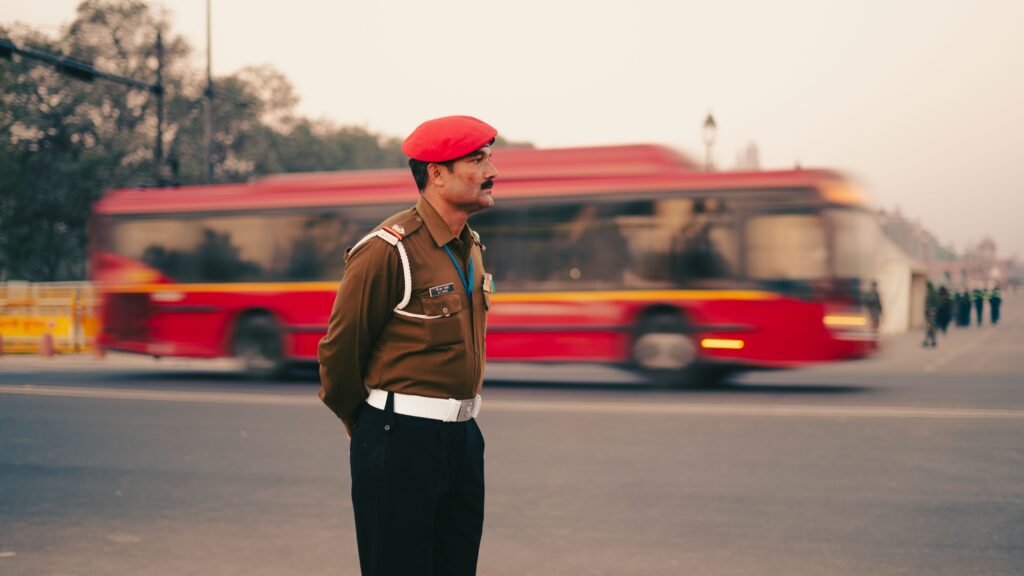
One of the first questions many travelers ask before booking a trip is, “Is India safe for tourists?”
The short answer is yes. Millions of domestic and international travelers explore India every year without major issues. Like any large country, safety depends on where you travel, how aware you are of your surroundings, and whether you follow basic travel precautions.
From my experience, the biggest challenges in India are rarely serious crime. Instead, travelers are more likely to encounter minor scams, traffic congestion, or misunderstandings caused by language and cultural differences. A little preparation goes a long way toward making your trip smooth and enjoyable.
Is India Safe for Tourists?
Overall, India is a safe destination for tourists who use common sense and plan ahead.
Popular tourist destinations such as Delhi, Agra, Jaipur, Goa, Kerala, Rishikesh, Udaipur, Mysore, and most hill stations are well-equipped for visitors. Hotels, airports, railway stations, and major attractions usually have visible security, and tourism is an important part of the local economy.
Like visiting any unfamiliar destination, avoid displaying expensive jewelry, carrying large amounts of cash, or walking alone in poorly lit areas late at night.
Quick Safety Tips:
- Keep digital and printed copies of your passport and important documents.
- Use licensed taxis or trusted ride-sharing apps like Uber and Ola.
- Stay in hotels with strong guest reviews.
- Inform someone about your travel plans if you’re heading to remote areas.
- Keep emergency contacts saved both online and offline.
Travel Tip: Buy a local SIM card or activate an international roaming plan after arrival. Reliable internet access makes navigation, ride bookings, and emergency communication much easier.
Common Tourist Scams
Most scams targeting visitors are designed to waste time or overcharge rather than cause serious harm. Knowing about them beforehand makes them easy to avoid.
Some of the most common scams include:
- Taxi drivers refusing to use the meter or claiming your hotel is “closed.”
- Fake tour guides offering unofficial sightseeing packages.
- Overpriced souvenirs in tourist markets.
- Unofficial ticket sellers near popular attractions.
- Currency exchange offers with poor conversion rates.
Always book tickets through official websites or authorized counters, and confirm prices before accepting transportation or services.
Travel Tip: If someone approaches you with an offer that sounds unusually good, politely decline and continue walking. Legitimate businesses rarely pressure travelers into making quick decisions.
Solo Travel Safety
India is a rewarding destination for solo travelers, and many people successfully explore the country on their own every year.
Backpacker-friendly cities such as Rishikesh, Goa, Hampi, Dharamshala, and Kerala have welcoming communities, hostels, and group tours that make it easy to meet other travelers.
When traveling solo:
- Share your itinerary with family or friends.
- Arrive in new cities during daylight whenever possible.
- Book accommodation in central, well-reviewed locations.
- Trust your instincts if a situation feels uncomfortable.
- Join walking tours or local experiences to meet fellow travelers.
One of the best parts of solo travel in India is the opportunity to connect with locals and other travelers. Many memorable conversations happen on train journeys, food tours, and hostel rooftops.
Women Travelers Tips
India is increasingly popular among solo female travelers, but extra precautions can help ensure a comfortable experience.
Many women travel independently across India every year by planning carefully and staying aware of their surroundings.
Helpful recommendations include:
- Dress respectfully, especially when visiting temples and rural communities.
- Choose accommodations with excellent reviews for safety and cleanliness.
- Prefer registered taxis or ride-sharing apps over unlicensed vehicles.
- Avoid isolated areas late at night.
- Keep emergency numbers easily accessible.
Women-only hostel dormitories are available in many major cities and are often a great option for solo travelers seeking additional comfort.
Travel Tip: Confidence goes a long way. Walking purposefully and politely declining unwanted attention usually helps avoid unnecessary interactions.
Health Precautions
Staying healthy while traveling in India is usually straightforward with a few simple precautions.
Drink bottled or properly filtered water instead of tap water, especially if it’s your first visit. Eat freshly cooked meals, choose busy restaurants with good hygiene, and wash or sanitize your hands before eating.
If you’re planning trekking trips, wildlife safaris, or visits to remote regions, carry a small travel medical kit containing basic medicines, bandages, oral rehydration salts, and insect repellent.
Travel insurance is also worth considering, particularly if your itinerary includes adventure activities, domestic flights, or high-altitude destinations like Ladakh.
Travel Tip: Start with milder local dishes during your first couple of days to give your stomach time to adjust before trying spicier regional specialties.
India Travel Safety Checklist
| ✔ Safety Checklist | Status Before You Travel |
| Passport copies saved digitally | ☐ |
| Travel insurance purchased | ☐ |
| Local SIM or roaming activated | ☐ |
| Emergency contacts saved | ☐ |
| Hotels booked with verified reviews | ☐ |
| Ride-sharing apps downloaded | ☐ |
| Basic first-aid kit packed | ☐ |
| Bottled water available for sightseeing | ☐ |
India rewards curious travelers with unforgettable experiences, warm hospitality, incredible food, and remarkable cultural diversity. Staying informed, respecting local customs, and following sensible travel practices will help you enjoy your trip with confidence.
Indian Food Guide
One of the best parts of visiting India isn’t just seeing its famous landmarks—it’s experiencing the country’s incredible food culture.
Indian cuisine is far more diverse than many travelers expect. Every state has its own specialties, cooking techniques, spices, and flavors. A meal in Punjab is completely different from one in Kerala, while street food in Delhi bears little resemblance to the cuisine of Tamil Nadu.
For many travelers, discovering local food becomes just as memorable as visiting the Taj Mahal, cruising through the Kerala backwaters, or exploring the forts of Rajasthan.
The secret is to eat like the locals—but do it wisely.
Must-Try Dishes
Whether you’re a foodie or simply curious about Indian cuisine, these iconic dishes deserve a place on your travel bucket list.
Butter Chicken
Originating in Delhi, Butter Chicken is one of India’s most famous dishes and a favorite among international visitors.
Tender pieces of grilled chicken are cooked in a rich tomato, butter, and cream-based gravy flavored with aromatic spices. It’s traditionally served with naan or basmati rice.
Although you’ll find Butter Chicken across India, many travelers agree that tasting it in Delhi offers the most authentic experience.
Best Places to Try:
- Delhi
- Amritsar
- Chandigarh
Travel Tip: Pair Butter Chicken with freshly baked garlic naan instead of plain rice for a classic North Indian meal.

Biryani
Few dishes spark as much debate as Biryani, and every region proudly claims to have the best version.
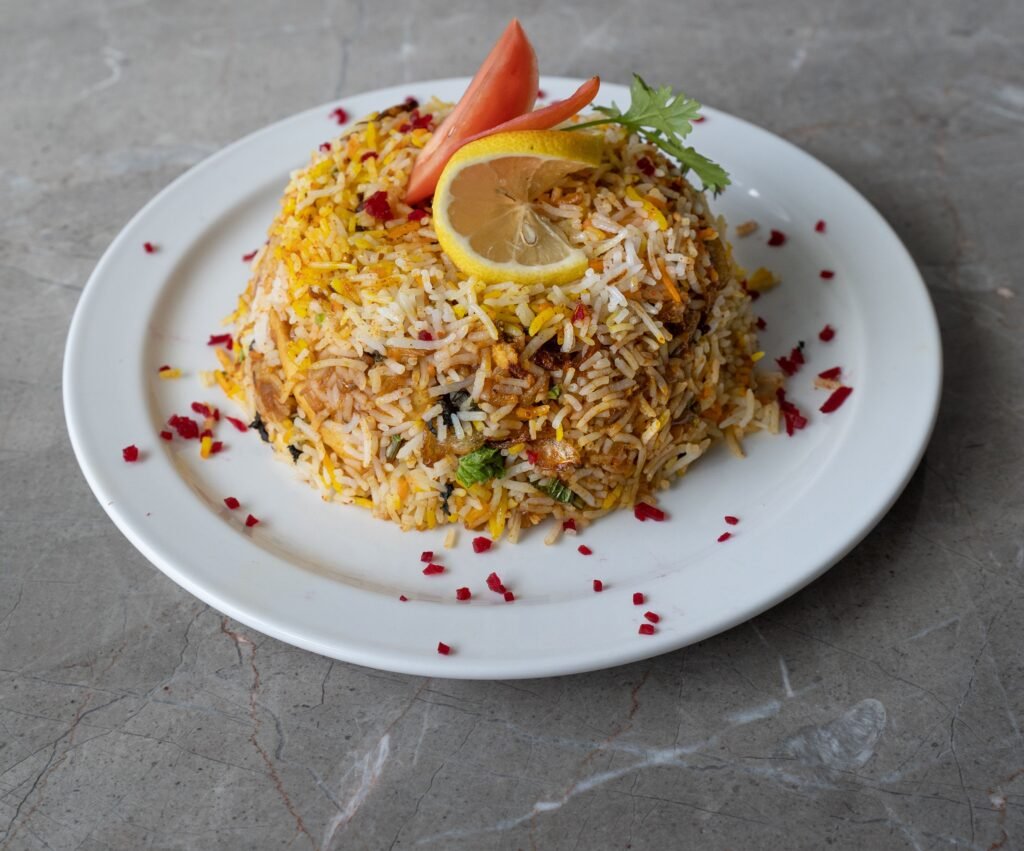
This fragrant rice dish combines long-grain basmati rice with marinated meat or vegetables, herbs, saffron, and traditional spices. Hyderabad, Lucknow, Kolkata, and Kerala each offer their own unique style.
Trying different regional biryanis is one of the most enjoyable food experiences while traveling across India.
Best Places to Try:
- Hyderabad
- Lucknow
- Kolkata
- Kochi
Travel Tip: Visit busy restaurants that specialize in biryani rather than tourist-focused eateries. High customer turnover usually means fresher food.
Dosa
If you’re traveling through South India, Dosa is a breakfast you shouldn’t miss.
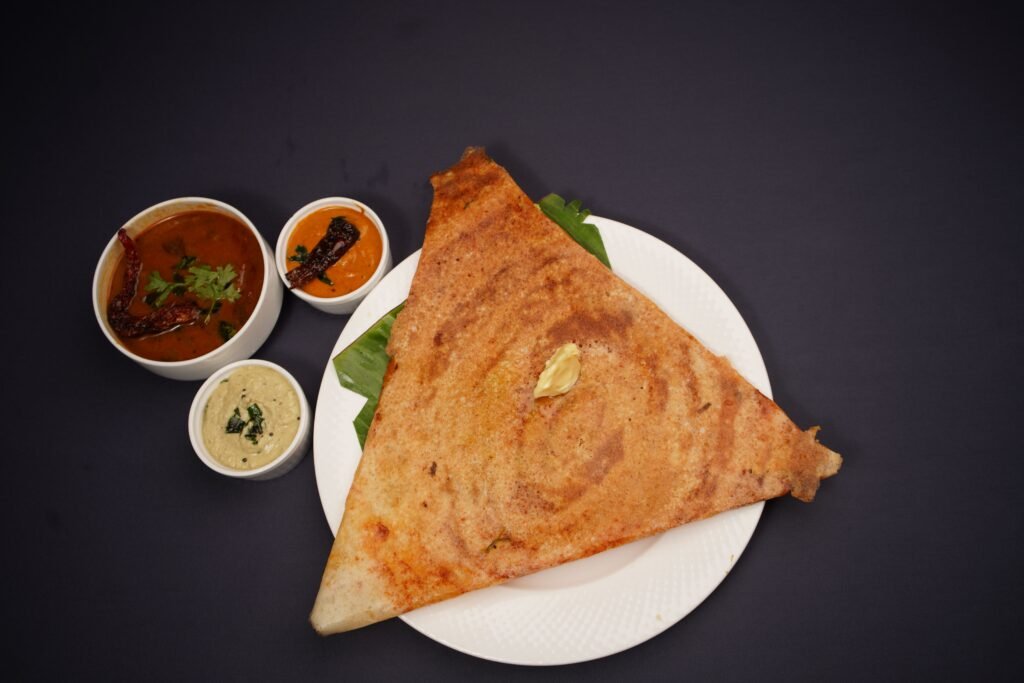
Made from a fermented rice and lentil batter, dosa is a thin, crispy pancake usually served with coconut chutney and sambar, a flavorful lentil-based vegetable stew.
Popular variations include Masala Dosa, Cheese Dosa, Onion Dosa, and Paper Dosa.
Despite its simple ingredients, every region prepares dosa slightly differently, making it worth trying more than once during your trip.
Best Places to Try:
- Bengaluru
- Mysore
- Chennai
- Kochi
Travel Tip: Order a traditional Masala Dosa if it’s your first time. It’s the most popular version and a great introduction to South Indian cuisine.
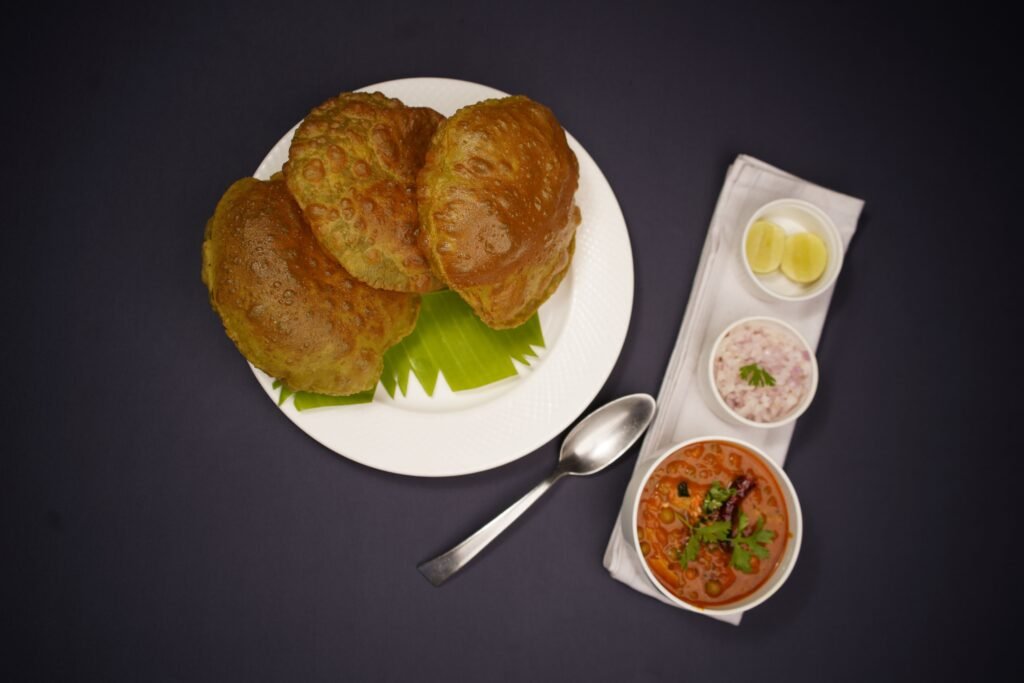
Chole Bhature
A favorite breakfast and lunch dish in North India, Chole Bhature is comforting, flavorful, and incredibly satisfying.
It consists of spicy chickpea curry (chole) served with fluffy deep-fried bread (bhature), often accompanied by pickles, onions, and yogurt.
You’ll find excellent versions in Delhi, Punjab, and Chandigarh, where locals often queue outside famous eateries for this iconic dish.
Best Places to Try:
- Delhi
- Amritsar
- Chandigarh
Travel Tip: Chole Bhature is quite filling, so it’s best enjoyed earlier in the day rather than as a late dinner.
Street Food Tips
India’s street food is legendary, but choosing where to eat is just as important as deciding what to eat.
Some of the country’s best culinary experiences happen at roadside stalls, bustling food markets, and local eateries. However, first-time visitors should be selective.
Here are a few simple tips to enjoy street food safely:
- Choose stalls with long queues of local customers.
- Watch your food being freshly prepared.
- Avoid raw salads or cut fruit from roadside vendors.
- Drink sealed bottled water instead of tap water.
- Carry hand sanitizer or wet wipes before eating.
One of my favorite travel memories was exploring Delhi’s Chandni Chowk on a guided food walk. Having a knowledgeable local explain each dish not only made the experience more enjoyable but also helped me discover places I would have never found on my own.
Vegetarian Travel in India
India is one of the easiest countries in the world for vegetarian travelers.
Large parts of the population follow vegetarian diets, meaning restaurants almost always offer an impressive variety of meat-free dishes. In many regions, vegetarian food isn’t treated as an alternative—it’s the main attraction.
Popular vegetarian dishes include Paneer Butter Masala, Dal Tadka, Rajma Chawal, Aloo Gobi, Vegetable Biryani, Idli, Uttapam, and countless regional specialties.
Many restaurants clearly label vegetarian meals, making ordering straightforward even for first-time visitors.
Whether you’re vegetarian by choice or simply looking to experience authentic local cuisine, India offers an incredible variety of flavorful options without compromising on taste.
Travel Tip: Learn two useful words during your trip:
- “Veg” means vegetarian.
- “Non-Veg” refers to dishes containing meat, fish, or eggs.
These simple terms are widely understood and can make ordering food much easier.
Indian food is much more than curries and spices—it’s a journey through the country’s history, geography, and culture. Every meal tells a story, and trying regional specialties is one of the most rewarding ways to experience India’s incredible diversity.
Cultural Etiquette & Local Customs
One of the most rewarding parts of traveling through India is experiencing its rich culture and traditions. From vibrant festivals and ancient temples to warm hospitality and diverse communities, every region has its own customs and way of life.
While India is welcoming to visitors from around the world, understanding a few basic cultural norms will help you connect with locals, avoid awkward situations, and show respect for the places you visit.
The good news is that you don’t need to memorize dozens of rules. A little cultural awareness and a respectful attitude go a long way.
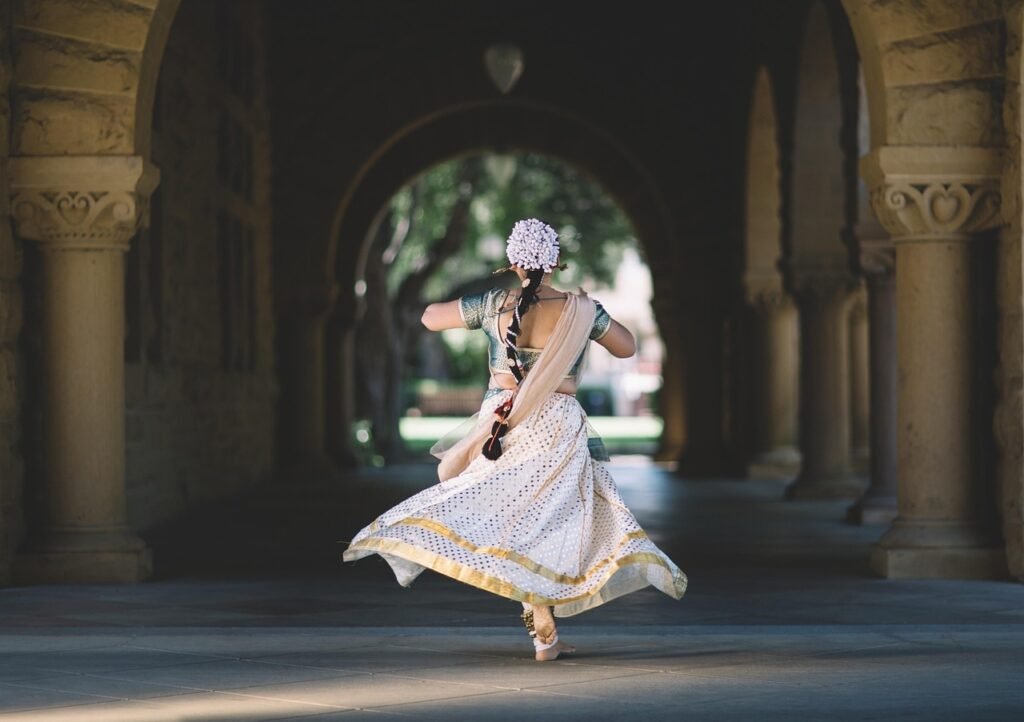
Dress Codes
India is a diverse country, and dress expectations can vary depending on where you’re traveling.
In major cities like Delhi, Mumbai, Bengaluru, and Goa, you’ll see people wearing everything from traditional clothing to modern Western outfits. However, in smaller towns, villages, and religious sites, dressing more modestly is appreciated.
For both men and women, lightweight clothing that covers the shoulders and knees is usually the safest choice when visiting temples, historical sites, or rural areas.
Beachwear is perfectly acceptable on beaches and at resort pools, but it’s considered inappropriate when walking through markets, restaurants, or local neighborhoods.
Travel Tip: Carry a lightweight scarf or shawl in your daypack. It’s useful for covering your shoulders when visiting religious places and also provides protection from the sun.
Tipping Culture
Tipping in India isn’t mandatory everywhere, but it’s widely appreciated for good service.
In restaurants, many establishments already include a service charge on the bill. If no service charge is added and you’ve received excellent service, leaving around 5–10% is considered generous.
For taxi drivers, tipping isn’t expected, although rounding up the fare is common. Hotel staff, tour guides, and porters generally appreciate small tips, especially after providing helpful service.
Rather than focusing on strict tipping rules, think of it as a gesture of appreciation for good hospitality.
Travel Tip: Keep a few small denomination notes with you. They’re useful for tipping, small purchases, and local transportation.
Respectful Behavior
Respect is one of the most important aspects of traveling anywhere, and India is no exception.
Simple gestures such as greeting people politely, asking permission before photographing someone, waiting your turn in queues, and respecting local traditions are often remembered far more than the words you speak.
When visiting someone’s home, it’s common to remove your shoes before entering. Public displays of affection are generally less common than in many Western countries, particularly in smaller towns and rural areas.
You’ll also notice that Indians are often curious about international visitors. Friendly questions about where you’re from or your travel plans are usually genuine expressions of interest rather than intrusions.
Approaching these conversations with patience and a smile often leads to memorable cultural exchanges.
Travel Tip: Learning a few simple words like “Namaste” (Hello) and “Dhanyavaad” (Thank you) is a wonderful way to show respect and often brings warm smiles from locals.
India Travel Etiquette Checklist
Lorem ipsum dolor sit amet, consectetur adipiscing elit. Ut elit tellus, luctus nec ullamcorper mattis, pulvinar dapibus leo.
| ✔ Travel Etiquette | Before You Go |
| Dress modestly at religious sites | ☐ |
| Remove shoes before entering temples or homes | ☐ |
| Ask permission before photographing people | ☐ |
| Carry a scarf or shawl for temple visits | ☐ |
| Respect local customs and festivals | ☐ |
| Keep small cash for tips and local purchases | ☐ |
| Speak politely and avoid loud behavior in religious places | ☐ |
| Learn a few basic Hindi greetings | ☐ |
India’s greatest strength lies in its cultural diversity. Every state, city, and village has traditions that make it unique. Travelers who embrace local customs with curiosity and respect often leave with more than beautiful photographs—they return home with meaningful experiences, lasting friendships, and a much deeper appreciation for India’s rich heritage.
Pros & Cons of Traveling in India
India is one of those destinations that leaves a lasting impression on almost every traveler. It offers breathtaking landscapes, incredible food, centuries of history, and unforgettable cultural experiences. At the same time, it can also challenge your expectations with its crowds, fast-paced cities, and sensory overload.
For many visitors, these contrasts are exactly what make India such a rewarding place to explore.
If you’re planning your first trip, understanding both the advantages and potential challenges will help you prepare better and enjoy a smoother journey.
Pros & Cons of Traveling in India
| Pros | Cons |
| Affordable travel with excellent value for money | Major cities can be crowded, especially during peak season |
| Diverse landscapes including beaches, deserts, mountains, jungles, and backwaters | Heavy traffic in metropolitan areas can increase travel time |
| World-famous Indian cuisine with incredible regional variety | The vibrant atmosphere may cause culture shock for first-time visitors |
| Rich history and cultural heritage with countless UNESCO World Heritage Sites | Weather extremes vary from intense summer heat to heavy monsoon rains |
| Warm, welcoming, and friendly locals known for their hospitality | Multiple regional languages may create occasional language barriers outside tourist areas |
Why the Pros Outweigh the Cons
Every destination has its challenges, and India is no exception. However, most of the common concerns travelers mention are easy to manage with a little preparation.
For example, cities like Delhi and Mumbai can feel busy at first, but using metro systems, planning sightseeing early in the morning, and staying in centrally located hotels makes getting around much easier.
Similarly, India’s weather can vary dramatically depending on the season. Visiting during the cooler months between October and March allows you to enjoy comfortable temperatures across most popular destinations.
The country’s diversity is also one of its greatest strengths. In a single trip, you can watch the sunrise over the Taj Mahal, relax on Goa’s beaches, cruise through the Kerala backwaters, hike in the Himalayas, and experience vibrant festivals that reflect India’s rich cultural heritage.
How to Overcome the Common Challenges
Most first-time travelers adapt quickly by following a few simple strategies:
- Plan a realistic itinerary instead of trying to visit too many destinations.
- Use trusted transportation options such as Indian Railways, domestic flights, Uber, or Ola.
- Visit popular attractions early in the morning to avoid large crowds.
- Dress appropriately for the local climate and cultural setting.
- Learn a few basic local greetings like “Namaste” to make interactions more enjoyable.
- Keep digital maps and offline navigation apps available for convenience.
- Travel with patience and flexibility—unexpected moments often become the most memorable parts of the journey.
Is India Worth Visiting?
Absolutely.
If you’re looking for a destination that combines history, spirituality, wildlife, adventure, beaches, mountains, delicious food, and diverse cultures, few countries can match what India offers.
Yes, you’ll encounter busy streets, different customs, and occasionally unpredictable travel conditions. But you’ll also experience incredible hospitality, breathtaking scenery, and cultural experiences that are difficult to find anywhere else.
For many travelers, India isn’t simply another destination—it’s a place that changes the way they see the world.
Whether you’re a backpacker exploring on a budget, a couple planning a honeymoon, a family on vacation, or a luxury traveler seeking unique experiences, India offers something unforgettable for every travel style.
The rewards of traveling in India far outweigh the challenges. With thoughtful planning, an open mind, and a spirit of adventure, your journey is likely to become one of the most memorable trips you’ll ever take.
Common Mistakes Travelers Make in India
India is a destination that rewards travelers who plan wisely and stay flexible. While many first-time visitors leave with incredible memories, some common mistakes can make the journey more stressful than it needs to be.
The good news is that most of these mistakes are easy to avoid. Learning from the experiences of other travelers can save you time, money, and unnecessary frustration while helping you enjoy a smoother trip.
Trying to Visit Too Much
One of the biggest mistakes first-time visitors make is trying to see the entire country in one trip.
India is enormous. Traveling from Delhi to Kerala or from Mumbai to Ladakh isn’t like taking a short road trip—it often involves long train rides or domestic flights. Packing too many destinations into a limited schedule usually means spending more time in airports and railway stations than actually enjoying each place.
Instead of rushing through six or seven cities in ten days, choose a region and explore it properly.
For example:
- 7 Days: Delhi, Agra, Jaipur (Golden Triangle)
- 14 Days: Add Goa and Kerala
- 21 Days: Combine North and South India comfortably
You’ll experience far more by slowing down than by constantly moving.
Travel Tip: Leave one flexible day in your itinerary. Weather delays, local festivals, or discovering a place you love often make that extra day worthwhile.
Ignoring Local Customs
India is incredibly diverse, and cultural traditions can vary from one region to another.
While locals are generally welcoming and understanding toward tourists, showing respect for local customs helps create better interactions and avoids unnecessary misunderstandings.
Simple gestures make a big difference:
- Remove your shoes before entering temples.
- Dress modestly at religious sites.
- Ask permission before photographing people.
- Respect local traditions during festivals and ceremonies.
- Greet people politely with a smile or a simple “Namaste.”
Travelers who embrace local culture often discover authentic experiences that aren’t listed in guidebooks.
Travel Tip: Observe what local visitors are doing when entering temples or cultural sites and follow their lead if you’re unsure about the etiquette.
Not Booking Trains Early
India’s railway network is one of the best ways to explore the country, but it’s also one of the most popular.
Many first-time travelers assume they can purchase tickets a day or two before departure. During weekends, holidays, and the peak travel season, popular train routes often sell out weeks in advance.
This is especially true for routes connecting Delhi, Agra, Jaipur, Mumbai, Goa, and Varanasi.
Booking early gives you more choices, better prices, and a much higher chance of securing comfortable AC seats or sleeper berths.
Travel Tip: If your itinerary is fixed, reserve long-distance train tickets as soon as bookings open instead of waiting until you arrive in India.
Drinking Unsafe Water
One of the easiest mistakes to avoid is drinking untreated tap water.
Most travelers should stick to sealed bottled water or water that has been properly filtered or purified. Even if the local tap water is considered safe for residents, your body may not be accustomed to it.
It’s also a good idea to avoid ice from unknown sources and wash your hands before eating, particularly after using public transportation or visiting busy markets.
Choosing restaurants with high customer turnover and freshly prepared food further reduces the chances of stomach problems.
Travel Tip: Carry a reusable water bottle that can be refilled with filtered water at hotels or trusted refill stations. It’s both convenient and environmentally friendly.
Underestimating Travel Times
Distances on the map rarely tell the whole story in India.
A journey that looks short can take much longer because of mountain roads, city traffic, railway schedules, or seasonal weather conditions. Even within major cities, traveling just a few kilometers during rush hour can take considerably longer than expected.
For example, a five-hour drive through the Himalayas may become a full-day journey because of winding roads and scenic stops. Likewise, crossing Delhi or Mumbai during peak traffic can easily double your travel time.
Planning realistic schedules helps reduce stress and gives you more opportunities to enjoy the journey.
Travel Tip: Whenever possible, avoid scheduling flights, train departures, or important activities immediately after long road trips. Allow extra time for unexpected delays.
Mistakes to Avoid in India
| ✔ Common Mistake | Better Alternative |
| Trying to visit too many places | Focus on one region at a time |
| Ignoring local customs | Respect traditions and dress appropriately |
| Booking trains at the last minute | Reserve tickets well in advance |
| Drinking tap water | Choose bottled or filtered water |
| Underestimating travel times | Build extra time into your itinerary |
India can feel overwhelming at first, but with realistic planning and an open mind, it quickly becomes one of the most rewarding destinations you’ll ever visit. Slow down, embrace the unexpected, and remember that some of the best travel memories come from experiences you never planned.
Pro Travel Tips for India
After exploring India multiple times, I’ve realized that the best travel experiences rarely come from following a packed checklist. Instead, they’re the result of smart planning, staying flexible, and understanding how daily life works in the country.
These practical tips won’t just save you money—they’ll also help you travel more comfortably, avoid common frustrations, and enjoy a smoother journey from the moment you arrive.
Whether you’re following a 7-day Golden Triangle itinerary or spending three weeks exploring the country, these expert tips can make a noticeable difference.
Use UPI Payments
India has become one of the world’s leaders in digital payments.
In cities, you’ll notice QR codes everywhere—from restaurants and supermarkets to cafés, taxis, and even small roadside shops. Many businesses accept UPI (Unified Payments Interface), making cashless transactions quick and convenient.
If you’re an international traveler, availability of UPI-based payment options depends on your bank or participating payment providers. If you don’t have access to UPI, carrying an international credit card along with some cash is the easiest alternative.
Travel Tip: Keep more than one payment method available. A combination of card, digital payment (where supported), and cash gives you the most flexibility during your trip.
Carry Small Cash
Although digital payments are increasingly common, cash is still useful in many situations.
Street food vendors, local markets, village shops, auto-rickshaws, and small family-run businesses may prefer cash or may not always accept international cards.
Keeping smaller denominations such as ₹20, ₹50, ₹100, and ₹200 notes makes everyday transactions much easier and avoids the problem of merchants not having enough change.
Travel Tip: Separate your emergency cash from your daily spending money and store it in a different part of your luggage or wallet.
Buy a Local SIM
Reliable mobile internet can make traveling around India significantly easier.
A local SIM card allows you to use maps, translation apps, ride-sharing services, hotel bookings, food delivery apps, and online payments without relying on public Wi-Fi.
You’ll find SIM card counters at most international airports as well as authorized mobile stores in major cities.
Having mobile data also makes it easier to stay connected with family, access travel bookings, and check transportation schedules while on the move.
Travel Tip: Complete your SIM card registration at the airport if possible. It usually takes less time than visiting a retail store after reaching the city.
Download Offline Maps
Internet coverage is generally excellent in cities, but you may experience weak signals in remote villages, mountain regions, wildlife parks, and certain parts of the Himalayas.
Downloading offline maps before traveling can save both time and stress, especially during road trips through Ladakh, Himachal Pradesh, Uttarakhand, or rural Kerala.
Offline navigation is also useful if your phone temporarily loses signal or you’re trying to reduce mobile data usage.
Travel Tip: Save hotel addresses, railway stations, airports, and important attractions as favorites before starting your journey.
Travel Slowly
One of the biggest mistakes visitors make is trying to see too much in too little time.
India is best experienced slowly.
Instead of spending every day changing cities, allow yourself enough time to explore neighborhoods, local cafés, traditional markets, and lesser-known attractions.
Some of my favorite travel memories weren’t from famous monuments—they came from chatting with tea vendors, watching the sunset from a quiet riverside café, and wandering through local markets with no fixed schedule.
Slower travel often leads to richer cultural experiences and far less travel fatigue.
Travel Tip: Whenever possible, stay at least two nights in each destination. You’ll spend less time packing and more time actually enjoying the place.
Book Popular Attractions Early
India’s most famous attractions attract millions of visitors every year.
Sites such as the Taj Mahal, Amber Fort, popular wildlife safaris, houseboat cruises in Kerala, and major festivals can become extremely busy during peak travel seasons.
Booking tickets in advance not only saves valuable vacation time but also helps secure your preferred entry slots and avoid long queues.
Early morning visits are usually the best choice for comfortable temperatures, smaller crowds, and better photography conditions.
Travel Tip: If an attraction offers timed entry tickets, choose the earliest available slot. You’ll enjoy a more relaxed experience and better lighting for photos.
Pro Travel Tips Checklist
| ✔ Travel Tip | Why It Helps |
| Use digital payments where available | Faster and more convenient transactions |
| Carry small cash | Helpful for markets, local transport, and rural areas |
| Buy a local SIM card | Easy access to maps, bookings, and communication |
| Download offline maps | Navigate confidently in areas with limited signal |
| Travel at a relaxed pace | Experience more and reduce travel fatigue |
| Book attractions in advance | Save time and avoid long queues |
The best trips to India aren’t measured by the number of cities you visit—they’re measured by the quality of your experiences. Staying flexible, respecting local culture, and planning a little ahead will help you enjoy the country’s incredible diversity without unnecessary stress.
Remember, India is a destination that rewards curious travelers. Sometimes the unplanned tea stop, friendly conversation with a local, or hidden viewpoint becomes the highlight of the entire journey.
Is India Worth Visiting?
Absolutely.
If you’re looking for a destination that combines ancient history, diverse cultures, spectacular landscapes, incredible food, and excellent value for money, India is one of the most rewarding countries you can visit.
From watching the sunrise over the Taj Mahal and cruising through Kerala’s peaceful backwaters to trekking in the Himalayas or enjoying fresh seafood on Goa’s beaches, every region offers something completely different. Few destinations allow you to experience deserts, tropical beaches, snow-capped mountains, wildlife safaris, bustling cities, and spiritual retreats—all within a single trip.
India isn’t always predictable. Trains may run late, traffic can be hectic, and every day brings something unexpected. But that’s also part of its charm. The country rewards travelers who stay curious, patient, and open to new experiences.
If you approach India with realistic expectations and an adventurous mindset, it’s likely to become one of the most memorable journeys of your life.
Who Should Visit India?
India is an excellent destination for travelers who enjoy discovering new cultures and experiences.
It’s especially suited for:
- Cultural travelers who want to explore UNESCO World Heritage Sites, ancient temples, royal palaces, and vibrant festivals.
- Budget travelers looking for incredible experiences without spending a fortune.
- Food lovers eager to discover one of the world’s most diverse and flavorful cuisines.
- Adventure seekers interested in trekking, wildlife safaris, rafting, scuba diving, mountain biking, and road trips through the Himalayas.
- Digital nomads who appreciate affordable living costs, growing coworking communities, and destinations such as Goa, Dharamshala, and Rishikesh.
Who Might Struggle?
Although India appeals to many travel styles, it may not be the perfect destination for everyone.
Some travelers may find it challenging if they:
- Prefer highly structured vacations where everything follows a strict schedule.
- Feel uncomfortable in busy cities, crowded markets, or fast-paced environments.
- Expect every destination to feel quiet, orderly, and predictable.
- Dislike adapting to different cultures, cuisines, or transportation systems.
Fortunately, many of these challenges can be minimized by choosing the right destinations, traveling during the best season, and allowing enough time to explore at a comfortable pace.
India is absolutely worth visiting for travelers who value authentic experiences over predictable vacations. Its cultural richness, natural beauty, affordability, and welcoming hospitality make it one of the world’s most unforgettable travel destinations.
Whether you’re planning your first international adventure or returning to discover another region, India always offers something new to explore.
Finished planning your India adventure? If you’re already thinking about your next overseas vacation, explore our guide to international trips under ₹1 lakh, featuring budget-friendly destinations, estimated travel costs, and practical tips for affordable international travel from India.
Frequently Asked Questions
Is India safe for tourists?
Yes. India is generally safe for tourists who follow basic travel precautions, use reputable transportation such as Uber, Ola, or licensed taxis, stay in well-reviewed accommodations, and remain aware of common tourist scams.
How much money do I need for a trip to India?
A budget traveler can comfortably explore India on ₹1,500–₹3,000 per day, while a mid-range traveler typically spends ₹4,000–₹10,000 daily. Luxury travel generally starts from ₹15,000 per day and can increase depending on accommodation and experiences.
What is the best month to visit India?
For most travelers, November to February offers the best weather for sightseeing across much of the country. These months provide pleasant temperatures, lower humidity, and ideal conditions for exploring popular destinations.
Do tourists need a visa for India?
Yes. Most international visitors require an Indian e-Visa before arriving. The application process is straightforward for many nationalities, but always check the latest visa requirements before booking your trip.
Is India expensive for tourists?
No. India remains one of the most affordable major travel destinations in the world. Accommodation, transportation, food, and sightseeing options are available for every budget, making it ideal for backpackers as well as luxury travelers.
How many days are enough for India?
For first-time visitors, 10–14 days is the ideal trip length. This allows enough time to experience multiple destinations such as Delhi, Agra, Jaipur, Goa, or Kerala without rushing.
If you have three weeks, you'll be able to combine both North and South India into a more comprehensive itinerary.
What should I avoid doing in India?
To enjoy a smoother trip, avoid:
- Drinking untreated tap water.
- Ignoring local customs at religious sites.
- Booking trains or popular attractions at the last minute.
- Trying to visit too many destinations in one trip.
- Accepting unofficial tour guides or transportation offers without verifying prices.
Can I travel around India using trains?
Absolutely. Indian Railways is one of the largest railway networks in the world and one of the most affordable ways to travel between major cities and tourist destinations.
For longer journeys, booking AC coach tickets in advance provides a comfortable and budget-friendly travel experience.
Thank you for reading this India Travel Guide.
I hope it helps you plan an unforgettable journey through one of the world’s most diverse and fascinating destinations. Whether you’re exploring the historic streets of Delhi, relaxing in Kerala, hiking in the Himalayas, or tasting regional cuisine for the first time, India has a way of leaving travelers with stories they’ll remember for years.
Safe travels, and enjoy every moment of your adventure!
Backpacking vs Trekking: What’s the
Tell three different people you're "going backpacking in Nepal" and you'll get three different mental pictures. One person imagines you

What Is the 20% Rule
If you've ever shrugged on a pack that felt perfectly fine in your hallway, and then felt every single gram

Medicines to Pack for Travel:
I'm a travel writer, not a doctor. This guide is general information built from the official sources listed at the

The 3-3-3 Rule for Travel:
Search "3-3-3 rule for travel" and you'll land on a pile of pages that all seem to be talking about
Singapore 30, 60 or 90
You've booked the flight, and now the real question hits: how many days will Singapore actually let you stay? Search