
Philippines Travel Guide : Everything You Need to Know Before You Visit
If you’ve ever dreamed of waking up to turquoise waters, hopping between tropical islands, or watching the sunset from a white-sand beach with fresh coconut water in hand, the Philippines deserves a spot on your travel bucket list. This Philippines Travel Guide is designed to help you plan your trip with confidence, whether you’re a first-time visitor, a backpacker, a couple on a honeymoon, or a family looking for an unforgettable vacation.
With more than 7,000 islands, the Philippines offers incredible diversity. You can spend one day snorkeling in the crystal-clear waters of Palawan, surf world-class waves in Siargao, relax on the powdery beaches of Boracay, or explore the vibrant streets of Manila. Every island has its own personality, making it easy to build a Philippines itinerary that matches your travel style.
One thing many first-time travelers underestimate is how much planning island-to-island travel requires. Domestic flights, ferries, and weather conditions can affect your schedule, so leaving a little flexibility in your itinerary can save both time and stress. During my own island-hopping trips, I found that adding an extra day between major destinations made the journey far more enjoyable and reduced the risk of missing onward connections.
Whether you’re wondering how much does a trip to the Philippines cost, searching for the best islands to visit in the Philippines, or looking for practical Philippines travel tips, you’ll find everything covered in this guide. We’ll walk you through the best time to visit the Philippines, estimated Philippines trip cost, transportation options, accommodation, food, safety, budgeting advice, and insider recommendations to help you avoid common tourist mistakes.
If you’re traveling from India, we’ll also cover Philippines visa for Indians, travel requirements, and money-saving strategies to make your journey smoother. By the end of this guide, you’ll have a realistic travel plan instead of just a list of places to visit.
The Philippines is one of Southeast Asia’s best destinations for travelers who love beaches, island hopping, diving, nature, and affordable adventures. With thousands of islands, friendly locals, and experiences for every budget, it’s ideal for couples, solo travelers, families, and backpackers alike.
Before booking your flights, read our guide on things to know before traveling to the Philippines. It covers practical tips, local customs, weather, connectivity, transportation, and common surprises first-time visitors should know.
Why Visit the Philippines?
Planning a tropical getaway usually leads to the same famous destinations, but the Philippines offers something many places can’t—variety. It’s not just about beaches; it’s about discovering hidden lagoons, meeting welcoming locals, diving into vibrant marine life, and experiencing a different island every few days. If you’re looking for a destination that combines relaxation, adventure, and value for money, it’s hard to go wrong with the Philippines.
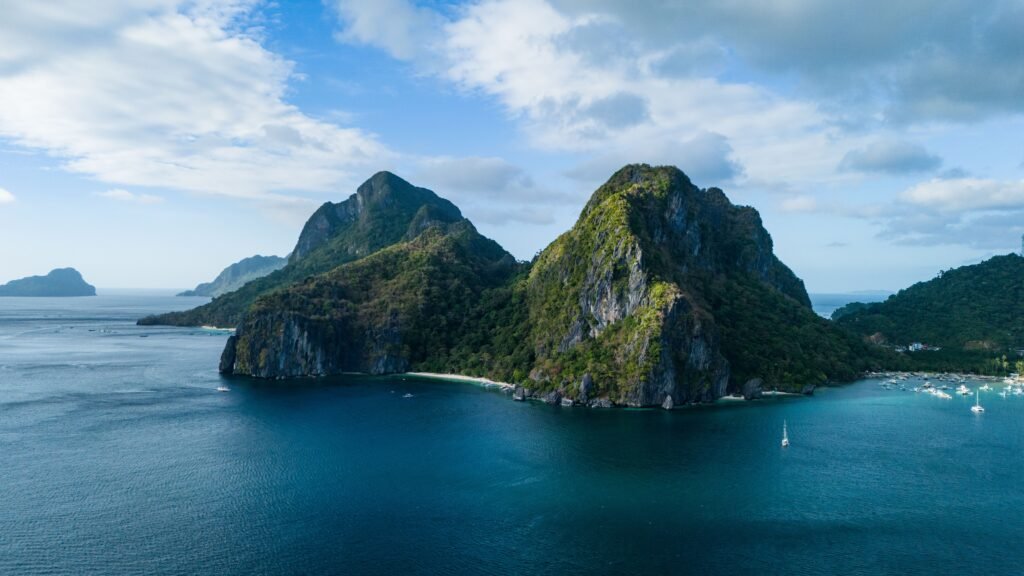
7,000+ Islands to Explore
The Philippines is made up of over 7,000 islands, which means no two trips are ever the same. Some travelers spend their vacation exploring the dramatic limestone cliffs of Palawan, while others head to Siargao for surfing or Bohol for its famous Chocolate Hills. If island hopping is on your bucket list, few countries can match the diversity you’ll find here.
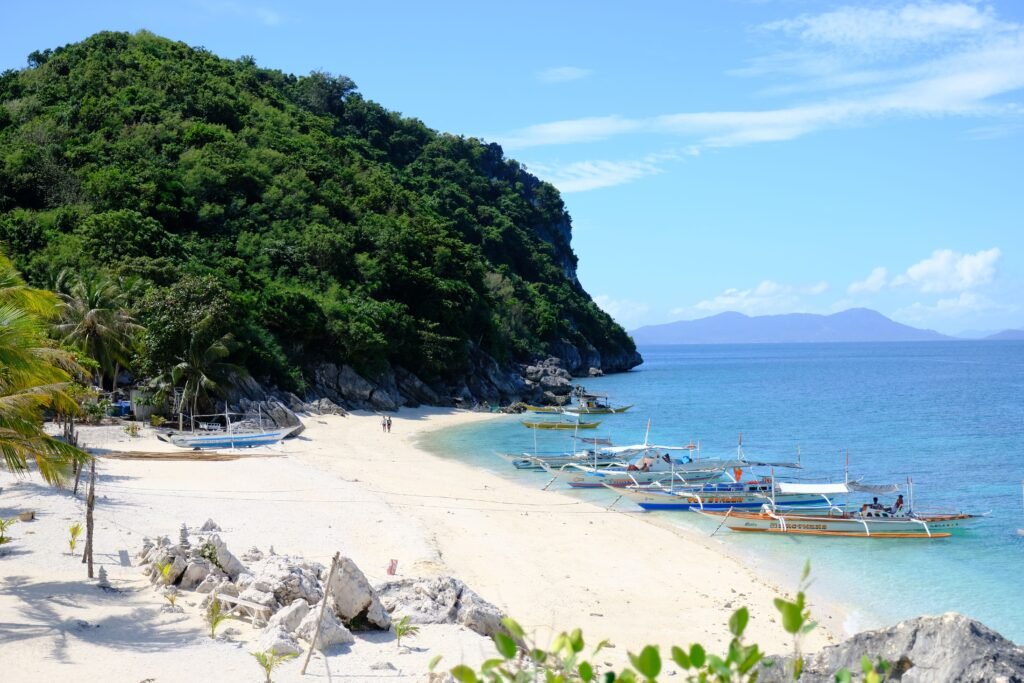
Beautiful Beaches You'll Never Forget
From the postcard-perfect shores of Boracay to the untouched beaches around El Nido and Coron, the Philippines is home to some of the world’s most breathtaking coastlines. Many beaches remain uncrowded compared to other popular Southeast Asian destinations, giving you plenty of space to relax and enjoy nature.
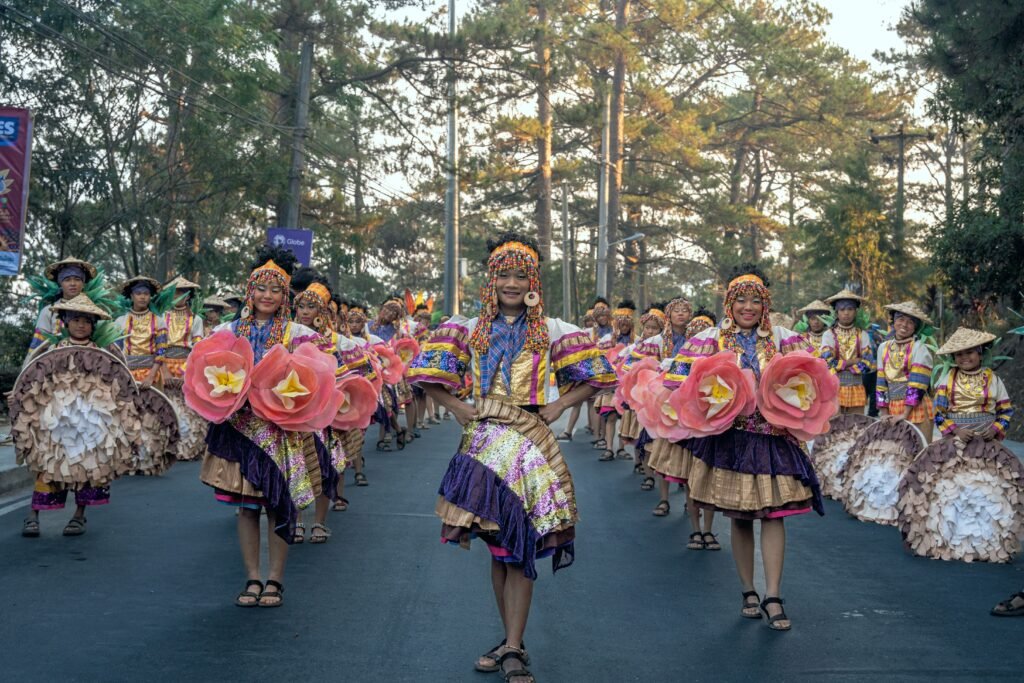
Friendly Locals Make Every Trip Better
One of the biggest highlights isn’t a place—it’s the people. Filipinos are known for their warmth and hospitality. Whether you’re asking for directions, ordering street food, or joining a local island tour, you’ll often find people happy to help. That welcoming atmosphere makes the country especially comfortable for first-time international travelers.
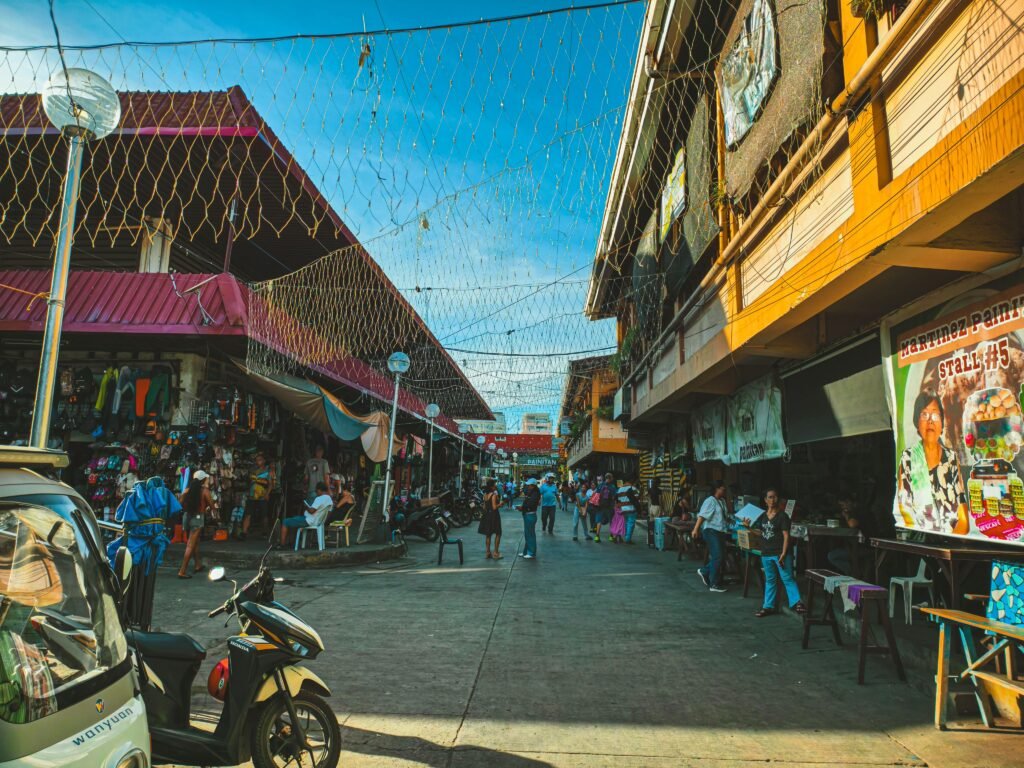
Affordable Travel Without Sacrificing Experiences
A well-planned Philippines travel budget can stretch surprisingly far. Local food, guesthouses, ferries, and public transportation are reasonably priced, making it an excellent choice for budget travelers. At the same time, luxury beach resorts and private island experiences are available for those looking to splurge.
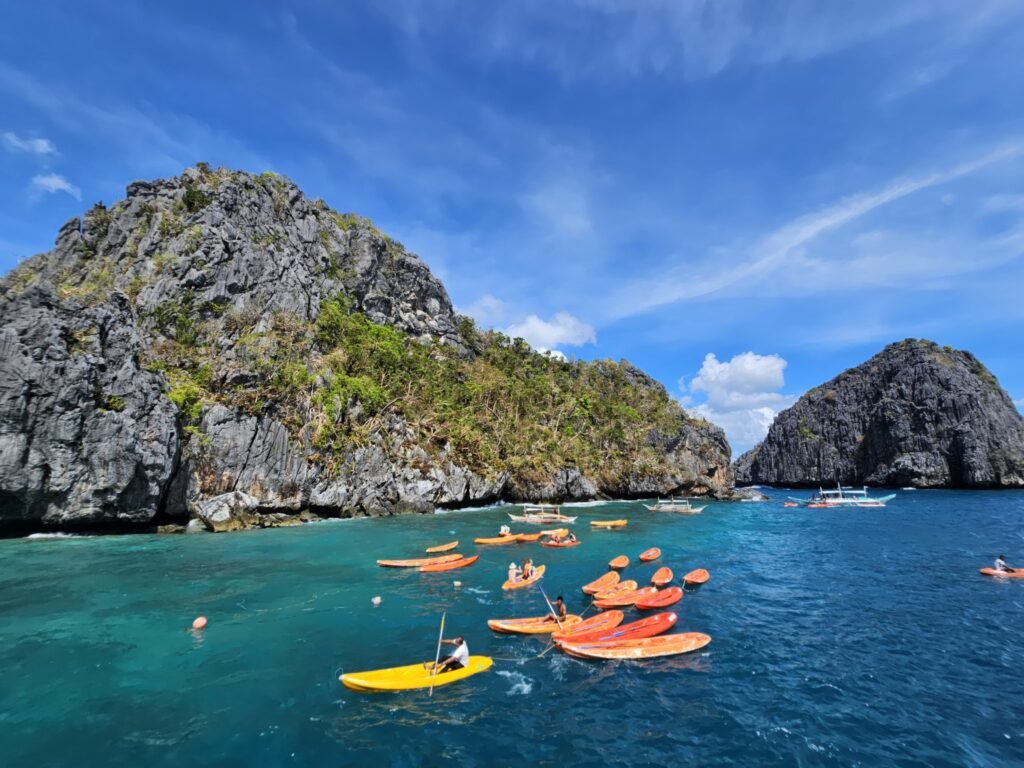
Adventure Around Every Corner
If relaxing on the beach isn’t enough, the Philippines delivers plenty of adventure. Go snorkeling with sea turtles, dive among historic shipwrecks in Coron, hike volcanic landscapes, chase waterfalls in Cebu, or surf in Siargao. Every island offers something unique, making it easy to create an itinerary that suits your interests.
Before you leave, don’t forget practical essentials. A waterproof phone pouch is invaluable for island-hopping tours, while a compact beach bag makes day trips much more convenient—small additions that experienced travelers rarely skip.
Quick Philippines Travel Facts
Planning your first trip? Here’s a quick reference guide covering the most important travel information you’ll need before visiting the Philippines. Bookmark this section—you’ll likely come back to it while planning your itinerary.
| Travel Information | Details |
|---|---|
| Capital | Manila – The country’s bustling capital and the main international gateway. |
| Currency | Philippine Peso (PHP or ₱). Credit cards are widely accepted in cities, but carry cash when visiting smaller islands and local markets. |
| Language | Filipino (Tagalog) and English are the official languages. English is widely spoken, making it one of the easiest countries in Asia for international travelers. |
| Time Zone | Philippine Time (PHT), UTC +8. There is no daylight saving time. |
| Emergency Numbers | 911 is the nationwide emergency number for police, fire, and ambulance services. Save your country’s embassy contact before traveling. |
| Visa | Many nationalities enjoy visa-free entry for short stays. Indian passport holders should check the latest Philippines visa requirements before departure, as eligibility and regulations can change. |
| Electricity | 220V, 60Hz. The Philippines commonly uses Type A, B, and C plugs, so a universal travel adapter is recommended. |
| Internet | Free Wi-Fi is available in most hotels, cafés, and airports. Mobile networks such as Globe and Smart offer affordable tourist SIM cards, though speeds can be slower on remote islands. |
| Water Safety | Tap water is not recommended for drinking in most areas. Stick to bottled, filtered, or purified water to avoid stomach issues. |
| Tipping Culture | Tipping isn’t mandatory but is appreciated. Around 5–10% at restaurants or rounding up taxi fares is considered good etiquette if service isn’t already included. |
| Driving Side | Vehicles drive on the right-hand side of the road. An International Driving Permit (IDP) may be required if you plan to rent a car or motorcycle. |
Philippines Travel Facts at a Glance
If you’re visiting the Philippines for the first time, remember these essentials: the capital is Manila, the currency is the Philippine Peso (PHP), English is widely spoken, the country follows UTC +8, the emergency number is 911, and you’ll usually need a universal travel adapter for Type A, B, or C outlets. Drink bottled water, carry some cash for smaller islands, and check the latest visa requirements before your trip.
Pro Travel Tip
One lesson many travelers learn after arriving is that ATMs and card payments become less reliable on smaller islands like Coron, El Nido, and Siargao. Withdraw enough cash in major cities such as Manila or Cebu before heading to remote destinations. Also, download offline maps and keep screenshots of hotel bookings, ferry tickets, and flight confirmations, as internet connectivity can be inconsistent outside major tourist hubs.
Philippines Visa Guide
One of the first questions travelers ask is, “Do I need a visa for the Philippines?” The answer depends on your nationality, passport, and the length of your stay. The good news is that the Philippines has simplified entry rules for many tourists, making it easier than ever to plan a tropical getaway.
Whether you’re planning a week of island hopping in Palawan or a two-week vacation across Cebu, Boracay, and Bohol, understanding the latest Philippines travel requirements before booking your flights can save you time and avoid last-minute surprises.
Many nationalities can enter the Philippines visa-free for short tourist visits. Indian passport holders are also eligible for visa-free entry for short tourism stays under specific conditions introduced in 2025. For longer stays, work, study, or other purposes, a visa is still required. Always verify the latest rules before departure.
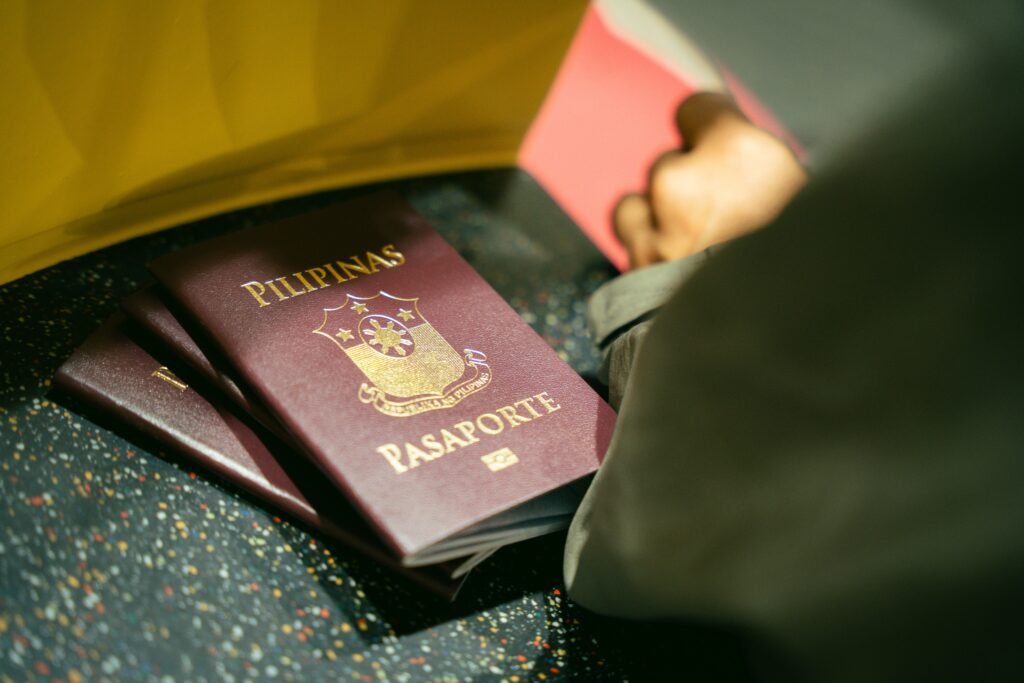
Visa-Free Countries
The Philippines allows citizens of many countries to enter without a tourist visa for short stays, provided they have:
- A passport valid for at least 6 months
- A confirmed return or onward ticket
- Proof of accommodation (hotel booking or host details)
- Evidence of sufficient funds for the trip
The permitted length of stay varies by nationality, so always check the latest official immigration guidelines before traveling
Visa for Indians
If you’re searching for “Philippines visa for Indians”, here’s the latest update.
Since June 2025, Indian passport holders can travel to the Philippines without a visa for up to 14 days for tourism or business, provided they meet the entry requirements. Additionally, eligible Indian travelers holding valid visas or residence permits from countries such as the USA, UK, Canada, Australia, Japan, Singapore, or a Schengen country may qualify for a 30-day visa-free stay under specific conditions.
You’ll generally need:
- Passport valid for at least 6 months
- Confirmed hotel booking
- Return or onward flight ticket
- Proof of sufficient funds
- Compliance with current immigration requirements
If you’re planning to stay longer than the permitted visa-free period or traveling for work, study, or other non-tourism purposes, you’ll need to apply for the appropriate visa before departure.
Visa on Arrival
For most tourists, including Indian travelers, there is no standard Visa on Arrival for tourism. Instead, eligible visitors either enter visa-free or obtain a visa before traveling if required by their nationality or travel purpose.
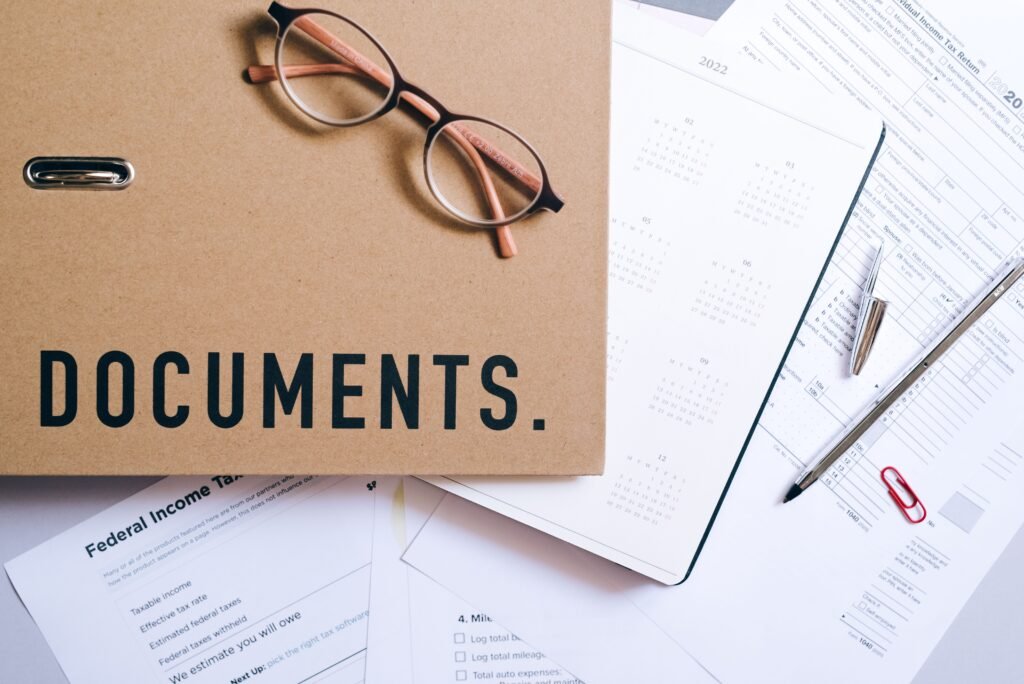
Required Documents
Even if you’re traveling visa-free, immigration officers may ask for supporting documents upon arrival. Keep both digital and printed copies of:
- Valid passport (minimum 6 months validity)
- Return or onward flight ticket
- Confirmed accommodation
- Proof of sufficient funds
- Travel itinerary (recommended)
- Travel insurance (strongly recommended)
Having these documents easily accessible can help make the immigration process faster and smoother.
Travel Insurance
Although travel insurance isn’t mandatory for most tourists, it’s one of the smartest purchases you can make before visiting the Philippines.
With thousands of islands, domestic flights, ferries, snorkeling trips, and adventure activities, unexpected delays or medical emergencies can happen. A good policy can cover:
- Medical emergencies
- Flight cancellations and delays
- Lost or delayed baggage
- Trip interruption
- Adventure sports (depending on the policy)
Processing Time
If you need to apply for a Philippine tourist visa, processing times can vary depending on your nationality, application method, and embassy workload. It’s generally best to apply at least 3–4 weeks before your departure date to allow enough time for document verification and any unexpected delays. Always refer to the official Philippine eVisa or embassy website for the most up-to-date timelines and requirements.
Pro Travel Tip
Don’t wait until the last week before your flight to check visa rules. Entry requirements, visa exemptions, and immigration policies can change. I also recommend saving digital copies of your passport, hotel bookings, return ticket, and travel insurance in cloud storage and on your phone—you’ll have everything ready if immigration officials ask for supporting documents.
Before heading to the airport, use our Philippines travel documents checklist to make sure you have everything required, including your passport, return ticket, accommodation details, travel insurance, and other essential documents.
Best Time to Visit the Philippines
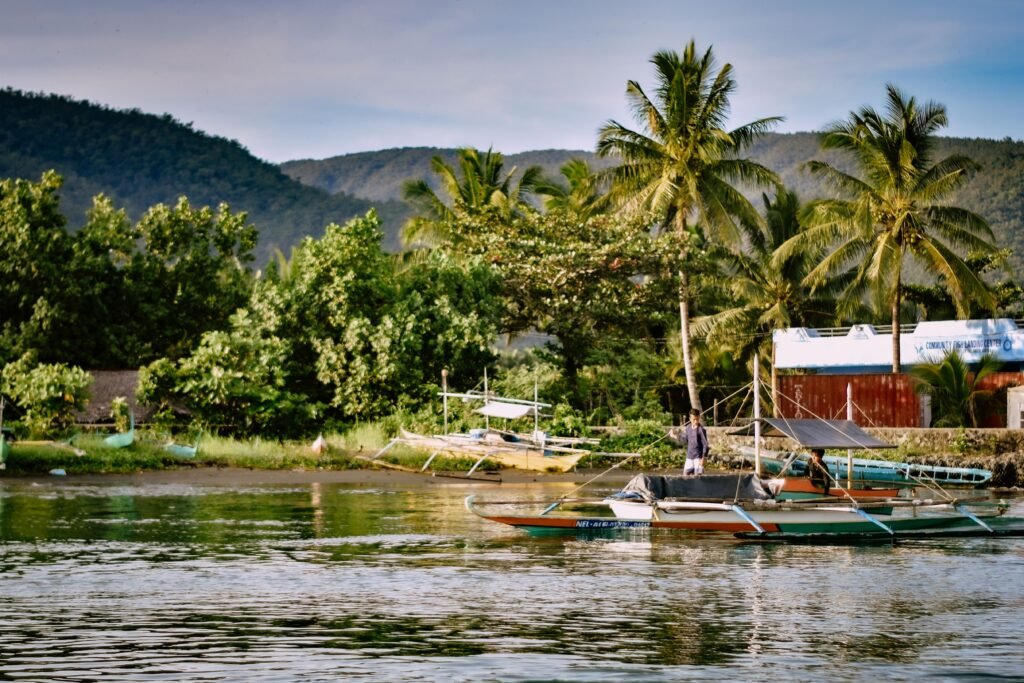
One of the most common questions travelers ask is, “When is the best time to visit the Philippines?” The answer depends on what kind of trip you’re planning. Do you want clear skies for island hopping, fewer crowds, lower hotel prices, or the best surfing conditions?
Having visited Southeast Asia during different seasons, I’ve learned that weather can completely change your experience. A sunny day in El Nido means kayaking through crystal-clear lagoons, while heavy rain might cancel ferry services or island-hopping tours. That’s why choosing the right season is just as important as choosing the right destination.
For most travelers, December to April is considered the best time to visit the Philippines thanks to pleasant temperatures, low rainfall, and calm seas. However, if you’re traveling on a budget, the shoulder season offers excellent value with fewer tourists and lower accommodation prices.
The best time to visit the Philippines is from December to April during the dry season. This period offers sunny weather, calm seas, excellent visibility for snorkeling and diving, and ideal conditions for island hopping, beach vacations, and outdoor adventures.
Dry Season (December – April) 🌞
If you’re planning your first trip to the Philippines, this is the season you’ll enjoy the most. Expect bright sunshine, low humidity, and perfect beach weather across destinations like Palawan, Boracay, Coron, Cebu, and Bohol.
This is also the busiest travel season, especially around Christmas, New Year, Easter, and Holy Week. Hotels and flights often sell out weeks in advance, so early booking is highly recommended.
Best for:
- Island hopping
- Beach vacations
- Snorkeling & scuba diving
- Honeymoon trips
- Family holidays
- Photography
Average Temperature: 25°C–32°C (77°F–90°F)
Pro Tip: If you’re visiting between January and March, book domestic flights at least 2–3 months early to secure the best fares.
Rainy Season (May – October) 🌧️
The rainy season brings higher humidity, occasional tropical storms, and frequent afternoon showers. While it doesn’t rain all day, weather conditions can affect ferry schedules and outdoor activities, especially in coastal areas.
That said, traveling during this period has its advantages. Hotels are cheaper, beaches are quieter, and popular attractions are less crowded. If you’re flexible with your plans and don’t mind occasional rain, you can enjoy significant savings.
Surfers should note that Siargao experiences its best waves during the rainy months, attracting surfers from around the world.
Best for:
- Budget travelers
- Surfing
- Fewer crowds
- Hotel discounts
- Nature photography
Travel Tip: Always keep a lightweight rain jacket and a waterproof phone pouch in your daypack, especially if you’re taking ferries or island-hopping tours.
Shoulder Season (November & May) 🌤️
For many experienced travelers, this is the sweet spot. The weather is generally pleasant, tourist crowds are smaller, and hotel prices haven’t yet reached their peak.
During November, the rainy season begins to fade, while May marks the transition into wetter months. You’ll often enjoy sunny mornings with occasional evening showers.
If you’re looking for the perfect balance between weather, budget, and crowd levels, the shoulder season is one of the smartest times to visit.
Best for:
- Couples
- Solo travelers
- Budget-conscious visitors
- Photographers
- Flexible itineraries
Monthly Weather Guide (January–December)
| Month | Weather | Crowds | Best For |
|---|---|---|---|
| January | Sunny & Cool | High | Beaches, diving, island hopping |
| February | Dry & Pleasant | High | Honeymoon, sightseeing |
| March | Warm & Sunny | High | Water sports, family vacations |
| April | Hot & Dry | Very High | Beach holidays, festivals |
| May | Warm with occasional rain | Medium | Budget travel, fewer crowds |
| June | Start of rainy season | Low | Surfing, budget trips |
| July | Wet & Humid | Low | Indoor attractions, surfing |
| August | Frequent rain | Low | Lowest hotel prices |
| September | Rainy | Low | Surfing in Siargao |
| October | Improving weather | Medium | Nature lovers, quieter travel |
| November | Pleasant & Drying | Medium | Great value and comfortable weather |
| December | Cool & Sunny | Very High | Christmas holidays, island hopping |
Which Season Should You Choose?
| Travel Style | Best Time |
|---|---|
| Beach Lovers | December – April |
| Island Hopping | January – April |
| Honeymoon | February – April |
| Backpackers | May & November |
| Budget Travelers | June – October |
| Surfers | September – November |
| Divers | December – May |
| Families | December – March |
Pro Travel Tip
Weather can vary between islands, so don’t rely only on a general forecast. Before booking domestic flights or ferries, check the local weather for destinations like Palawan, Boracay, Siargao, or Coron. During peak season, I also recommend taking the earliest ferry or flight of the day, as morning departures are less likely to be affected by weather changes.
Best Places to Visit in the Philippines
One of the biggest challenges when planning a Philippines itinerary is deciding which islands are actually worth visiting. With more than 7,000 islands, it’s impossible to see everything in one trip. Instead of trying to squeeze too much into your schedule, focus on destinations that match your travel style.
If you’re visiting for 7–10 days, I’d recommend choosing 3–4 destinations rather than rushing across the country. Island transfers often take longer than expected because they involve domestic flights, ferries, and road journeys. Slowing down lets you experience each place instead of spending your vacation in airports and ferry terminals.
Below are the best places to visit in the Philippines, along with travel tips, estimated budgets, and who each destination is best suited for.
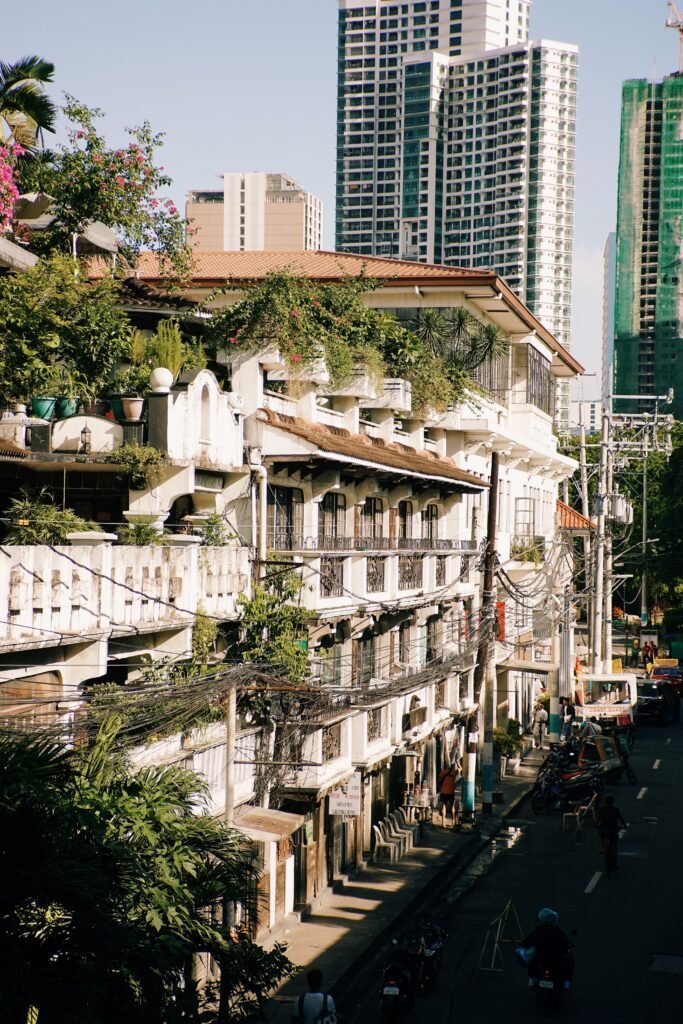
Manila – The Gateway to the Philippines
Although many travelers treat Manila as just an arrival city, it’s worth spending at least a day exploring its fascinating mix of history, culture, shopping, and nightlife before heading to the islands.
Highlights
- Intramuros (Historic Walled City)
- Rizal Park
- National Museum
- Manila Bay Sunset
- Binondo (World’s Oldest Chinatown)
- Mall of Asia
Best Time
December–March
Budget
₹4,000–₹10,000 ($50–120) per day
Days Needed
1–2 Days
Best For
First-time visitors, history lovers, foodies, city explorers
📍 Google Maps Suggestion
Search: Intramuros, Manila
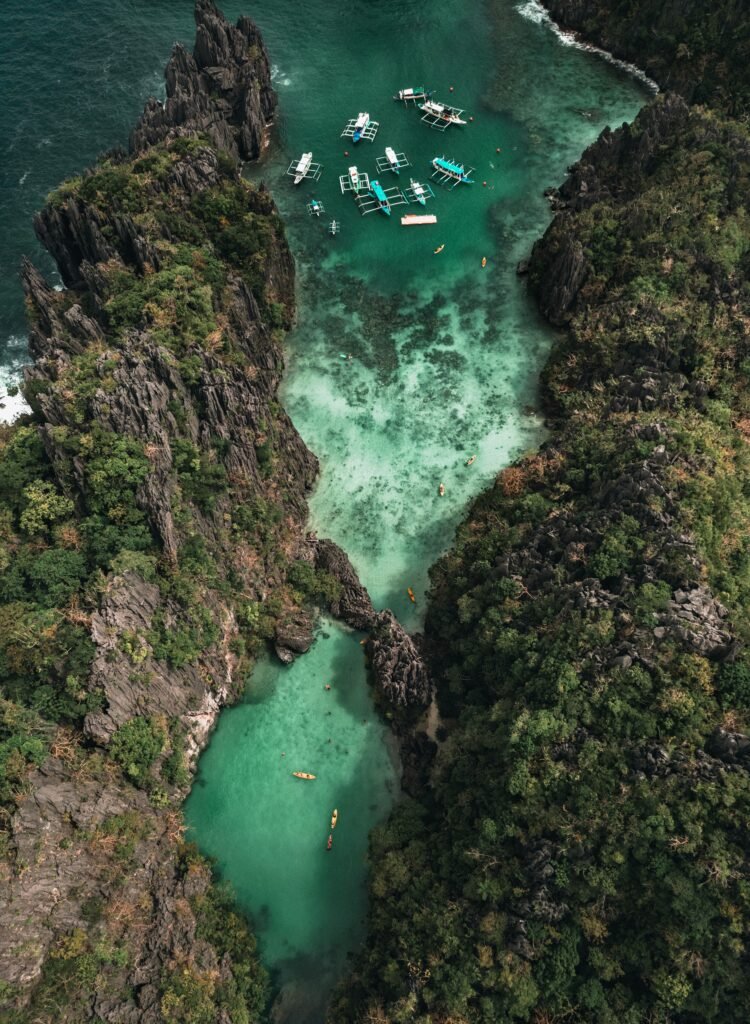
El Nido – Paradise for Island Hopping
If you’ve ever seen photos of turquoise lagoons surrounded by dramatic limestone cliffs, chances are they were taken in El Nido. It’s easily one of the most beautiful destinations in Southeast Asia.
Highlights
- Big Lagoon
- Small Lagoon
- Secret Beach
- Seven Commandos Beach
- Island Hopping Tours A, B, C & D
- Kayaking and snorkeling
Best Time
December–April
Budget
₹5,500–₹12,000 ($65–150) per day
Days Needed
3–4 Days
Best For
Couples, honeymooners, photographers, beach lovers
 Google Maps Suggestion
Search: Big Lagoon, El Nido
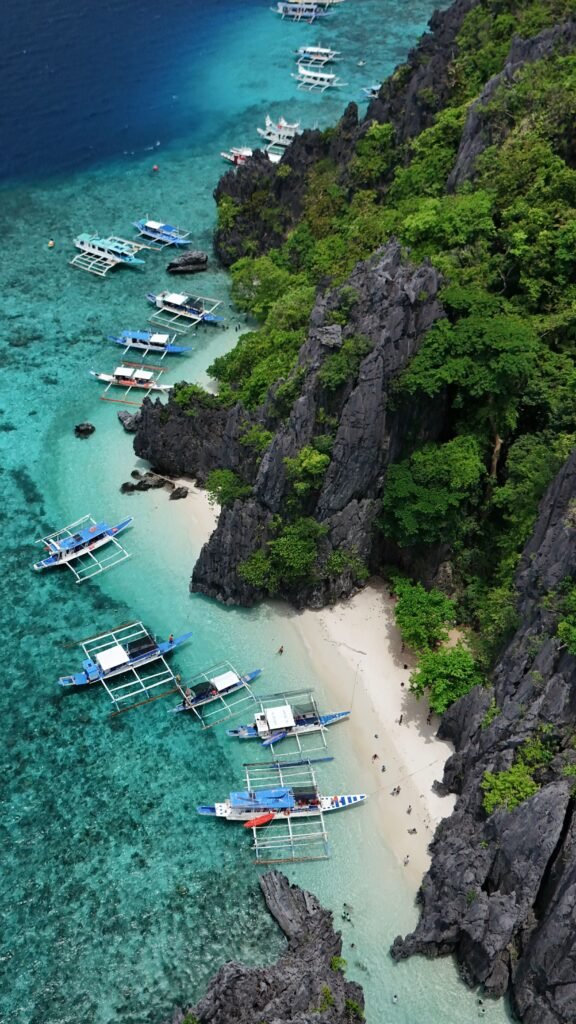
Coron – A Diver's Dream
Coron is famous for crystal-clear lakes, WWII shipwreck diving, and breathtaking viewpoints. It’s slightly quieter than El Nido and perfect for travelers who love adventure.
Highlights
- Kayangan Lake
- Twin Lagoon
- Barracuda Lake
- Malcapuya Island
- WWII Shipwreck Diving
- Mt. Tapyas Viewpoint
Best Time
November–May
Budget
₹5,000–₹11,000 ($60–135) per day
Days Needed
3 Days
Best For
Divers, snorkelers, adventure seekers
📍 Google Maps Suggestion
Search: Kayangan Lake, Coron
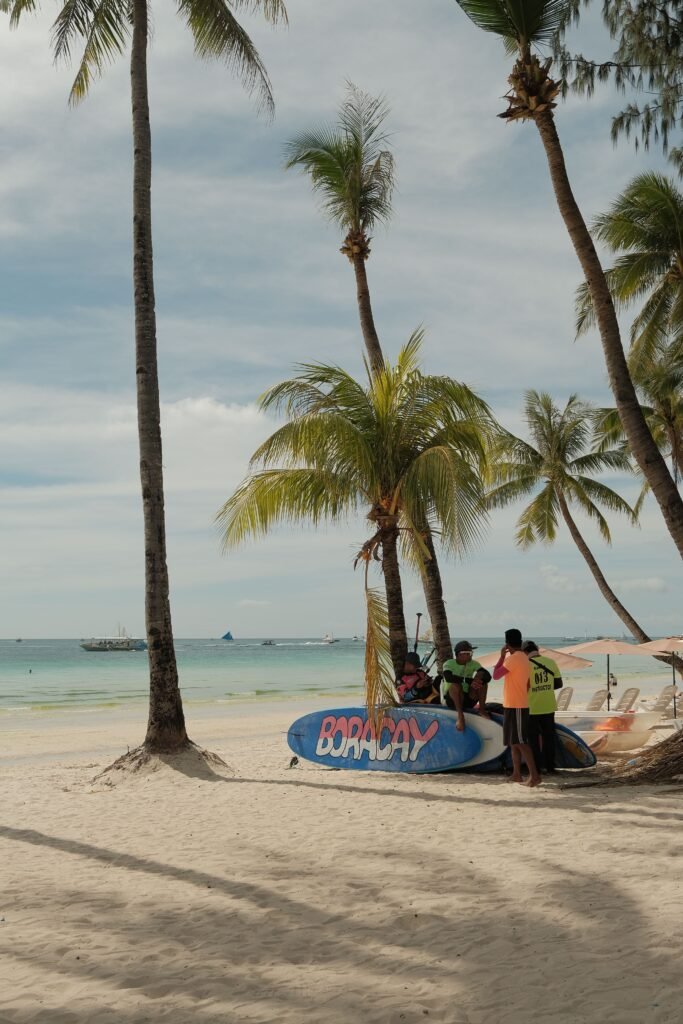
Boracay – The Philippines' Most Famous Beach
Boracay is known for its powdery white sand, vibrant nightlife, luxury resorts, and spectacular sunsets. Whether you’re relaxing on White Beach or trying water sports, it’s an excellent all-round destination.
Highlights
- White Beach
- Puka Beach
- Parasailing
- Sunset Sailing
- Beach Bars
- Water Sports
Best Time
November–May
Budget
₹6,000–₹15,000 ($70–180) per day
Days Needed
3 Days
Best For
Families, couples, nightlife lovers, beach vacations
📍 Google Maps Suggestion
Search: White Beach, Boracay

Cebu – Adventure Meets History
Cebu combines colonial history with thrilling outdoor adventures. From swimming with whale sharks to chasing waterfalls, it’s ideal for active travelers.
Highlights
- Kawasan Falls
- Oslob Whale Sharks
- Magellan’s Cross
- Moalboal Sardine Run
- Osmeña Peak
- Temple of Leah
Best Time
December–May
Budget
₹4,500–₹10,000 ($55–120) per day
Days Needed
3–4 Days
Best For
Adventure travelers, backpackers, history enthusiasts
📍 Google Maps Suggestion
Search: Kawasan Falls, Cebu
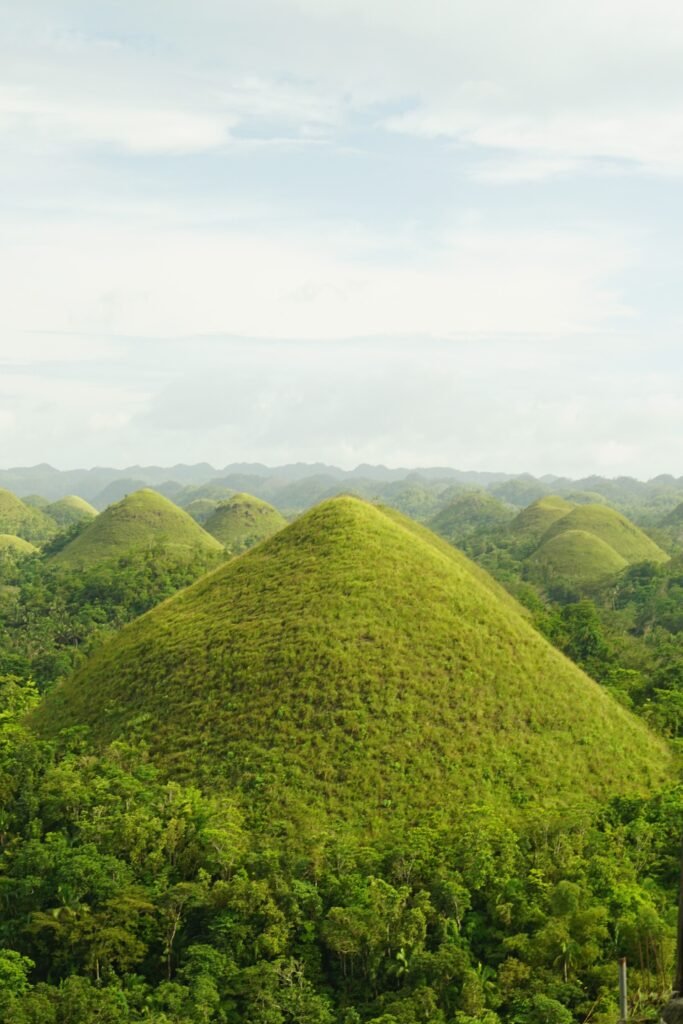
Bohol – Nature's Wonderland
Bohol offers a refreshing mix of nature, wildlife, and peaceful beaches. It’s less crowded than Boracay but packed with unique attractions.
Highlights
- Chocolate Hills
- Tarsier Sanctuary
- Loboc River Cruise
- Panglao Island
- Hinagdanan Cave
Best Time
December–May
Budget
₹4,500–₹9,500 ($55–115) per day
Days Needed
2–3 Days
Best For
Families, couples, photographers
📍 Google Maps Suggestion
Search: Chocolate Hills, Bohol
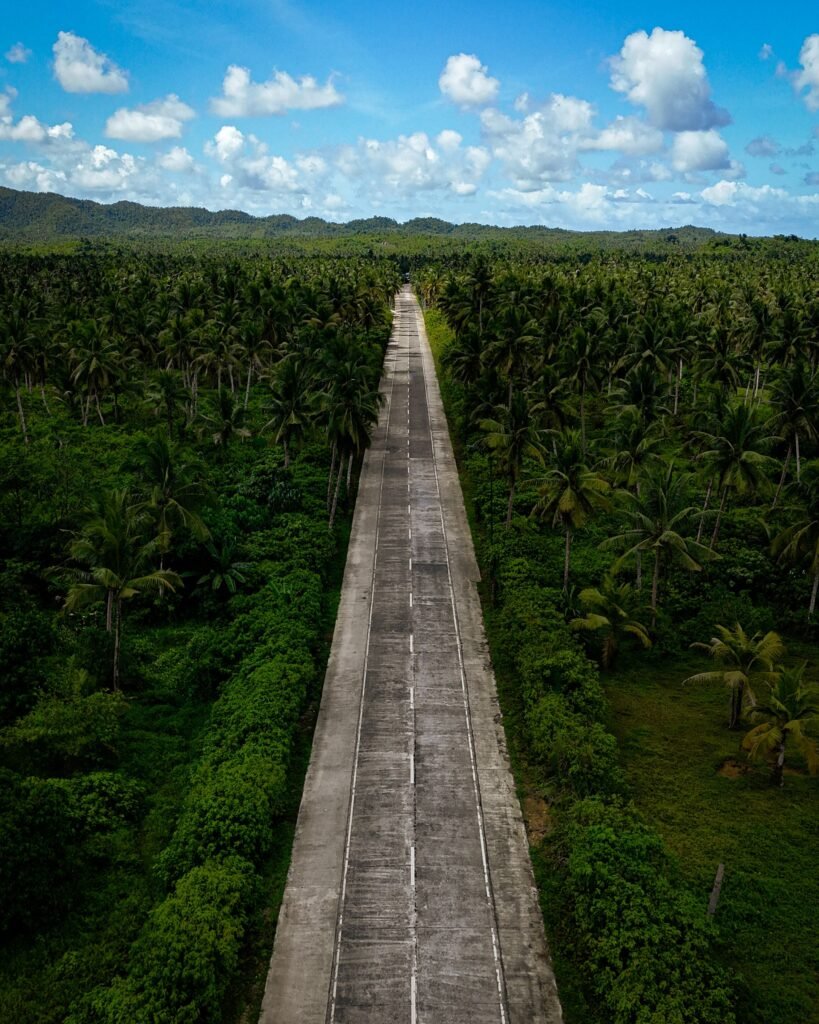
Siargao – The Surfing Capital
Siargao has transformed from a surfer’s paradise into one of the trendiest destinations in the Philippines. Even non-surfers will love its laid-back atmosphere and island lifestyle.
Highlights
- Cloud 9 Surf Break
- Sugba Lagoon
- Magpupungko Rock Pools
- Naked Island
- Guyam Island
- Daku Island
Best Time
March–October (Surfing: September–November)
Budget
₹4,500–₹10,000 ($55–120) per day
Days Needed
3–5 Days
Best For
Surfers, solo travelers, digital nomads
📍 Google Maps Suggestion
Search: Cloud 9, Siargao
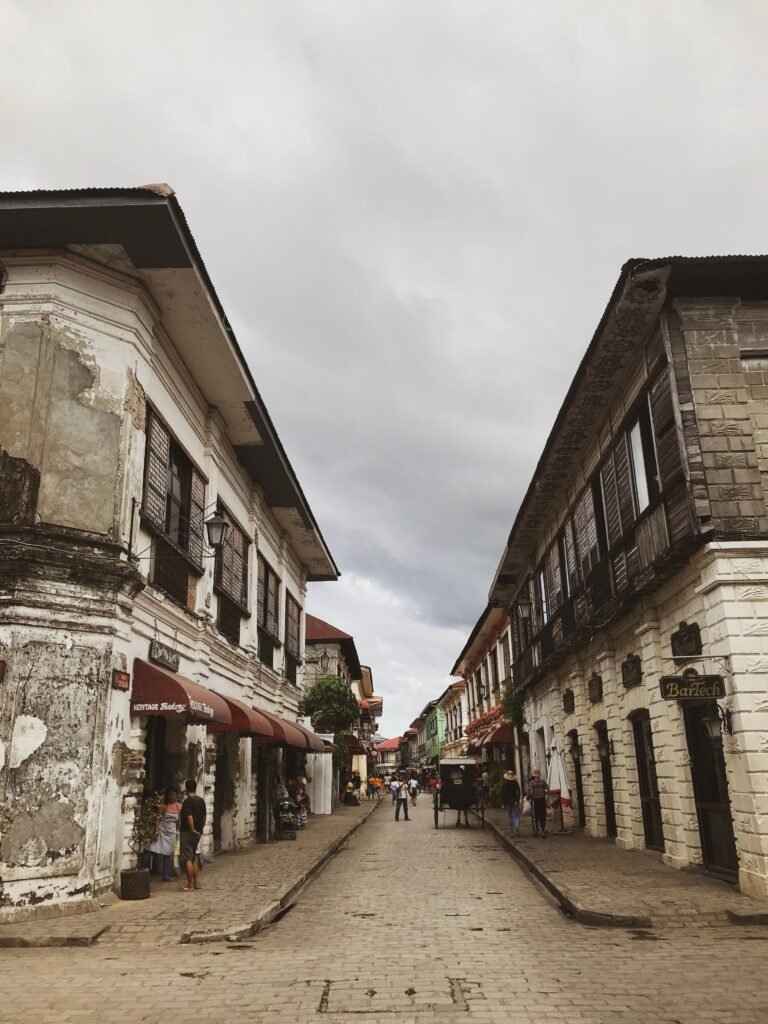
Vigan – A Journey Back in Time
Walking through Vigan feels like stepping into the Spanish colonial era. Its cobbled streets and preserved architecture make it one of the Philippines’ most charming cities.
Highlights
- Calle Crisologo
- Bantay Bell Tower
- Vigan Cathedral
- Heritage Houses
- Local Food Tours
Best Time
November–February
Budget
₹3,500–₹8,000 ($40–95) per day
Days Needed
2 Days
Best For
History lovers, photographers, families
📍 Google Maps Suggestion
Search: Calle Crisologo, Vigan
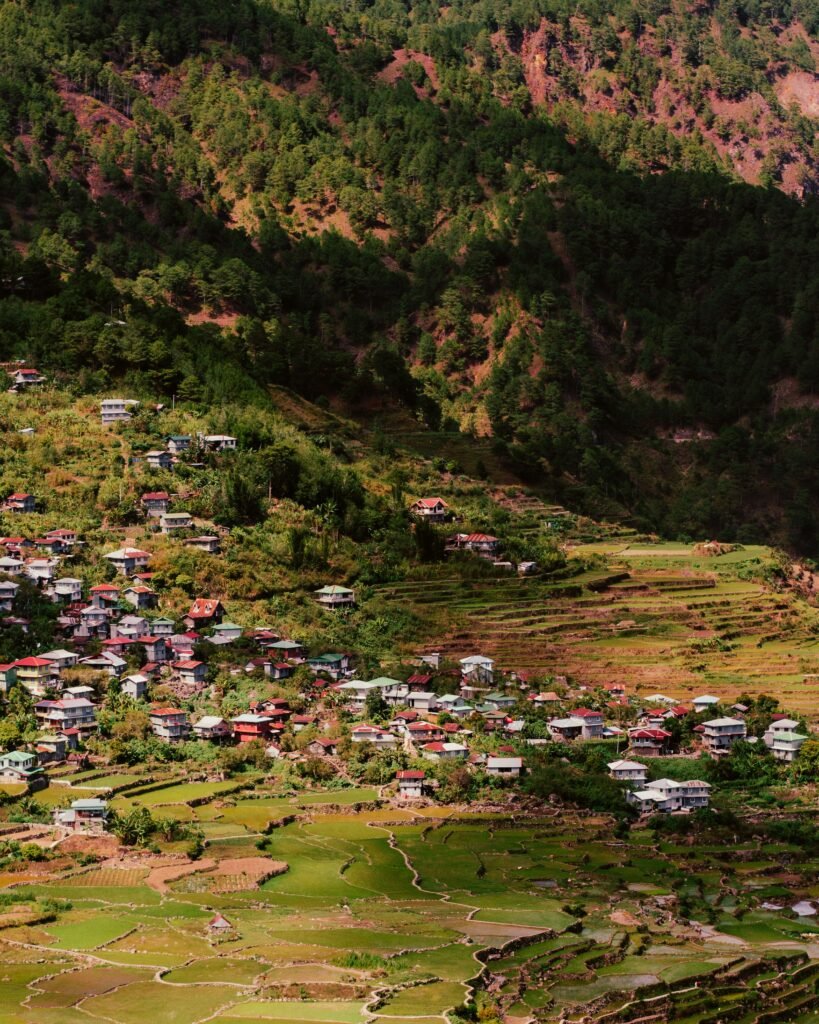
Banaue – Home of the Rice Terraces
A UNESCO-recognized cultural landscape, Banaue is a must-visit for travelers who enjoy hiking and authentic local experiences.
Highlights
- Banaue Rice Terraces
- Batad Rice Terraces
- Tappiya Falls
- Traditional Ifugao Villages
Best Time
February–May
Budget
₹3,500–₹7,500 ($40–90) per day
Days Needed
2 Days
Best For
Nature lovers, hikers, cultural travelers
📍 Google Maps Suggestion
Search: Banaue Rice Terraces
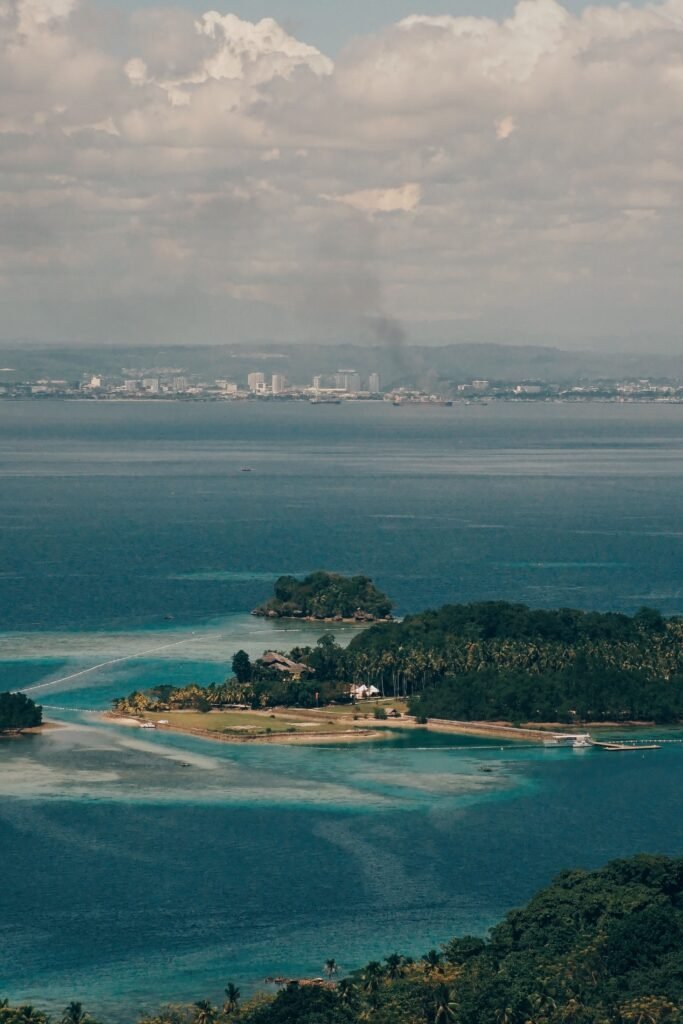
Davao – Nature, Wildlife & Mountain Adventures
Located on Mindanao Island, Davao is one of the cleanest and safest cities in the Philippines. It’s the gateway to Mount Apo and home to unique wildlife experiences.
Highlights
- Philippine Eagle Center
- Mount Apo National Park
- Samal Island
- Eden Nature Park
- Crocodile Park
Best Time
December–May
Budget
₹4,000–₹9,000 ($50–110) per day
Days Needed
2–3 Days
Best For
Adventure travelers, wildlife lovers, families
📍 Google Maps Suggestion
Search: Philippine Eagle Center, Davao
📌 Which Destination Should You Choose?
| Destination | Best For | Recommended Stay |
|---|---|---|
| Manila | History & City Life | 1–2 Days |
| El Nido | Island Hopping | 3–4 Days |
| Coron | Diving & Lagoons | 3 Days |
| Boracay | Beaches & Nightlife | 3 Days |
| Cebu | Adventure | 3–4 Days |
| Bohol | Families & Nature | 2–3 Days |
| Siargao | Surfing & Digital Nomads | 3–5 Days |
| Banaue | Hiking & Culture | 2 Days |
| Vigan | Heritage & Architecture | 2 Days |
| Davao | Wildlife & Mountains | 2–3 Days |
Pro Travel Tip
If you’re visiting the Philippines for the first time, a balanced itinerary is Manila → El Nido → Coron → Cebu or Bohol. This combination gives you history, world-class beaches, island hopping, adventure, and local culture without feeling rushed. Avoid trying to visit more than four destinations in a 10-day trip—you’ll spend more time traveling than enjoying the islands.
Philippines Itinerary Options
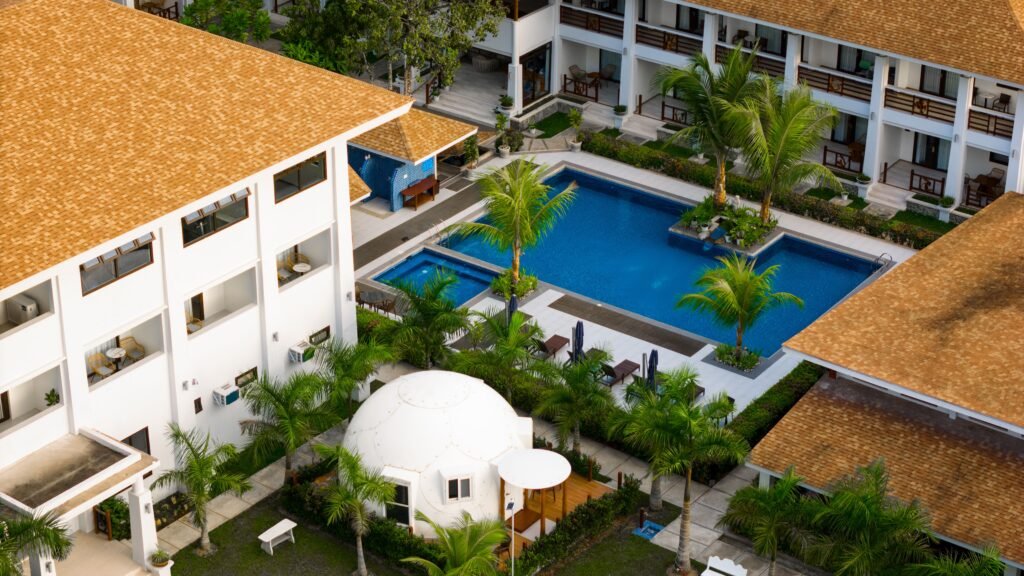
Planning your Philippines itinerary can feel overwhelming because there are thousands of islands to choose from. One of the biggest mistakes first-time visitors make is trying to see too much in too little time. While the map may make destinations look close together, traveling between islands often involves flights, ferries, and road transfers.
From personal experience and countless traveler reviews, it’s much more enjoyable to explore 2–4 destinations properly than to rush through six or seven islands. You’ll spend less time in transit and more time snorkeling in turquoise lagoons, relaxing on white-sand beaches, or discovering local culture.
Whether you’re planning a quick beach holiday, a two-week adventure, a honeymoon, or a backpacking trip, these sample itineraries can help you make the most of your time.
Which Philippines itinerary is best?
A 7 to 10-day Philippines itinerary is ideal for most first-time visitors. It gives you enough time to explore two or three islands such as El Nido, Coron, Cebu, or Bohol without feeling rushed. Travelers with 14 days can comfortably visit four to five destinations.
5-Day Philippines Itinerary (Perfect for a Short Vacation)
Ideal if you’re visiting from nearby countries or combining the Philippines with another Southeast Asian destination.
Suggested Route
Day 1: Arrive in Manila → Explore Intramuros & Manila Bay
Day 2: Fly to Boracay → Relax at White Beach
Day 3: Island Hopping & Water Sports
Day 4: Sunset Sailing & Beach Cafés
Day 5: Return Flight
Best For
- Couples
- Weekend Travelers
- First-Time Visitors
- Beach Lovers
Estimated Budget
₹45,000–₹75,000 ($550–900)
7-Day Philippines Itinerary (Most Recommended) ⭐
If someone asked me which itinerary offers the best balance of beaches, adventure, and relaxation, I’d recommend this one.
Suggested Route
Day 1: Arrive in Manila
Day 2: Fly to El Nido
Day 3: Island Hopping Tour A
Day 4: Big Lagoon & Secret Beach
Day 5: Travel to Coron
Day 6: Kayangan Lake & Twin Lagoon
Day 7: Fly Home
Best For
- Couples
- Friends
- First-Time Travelers
- Photography Enthusiasts
Estimated Budget
₹70,000–₹1,10,000 ($850–1,300)
10-Day Philippines Itinerary (Best Overall Experience)
With ten days, you can experience several of the country’s highlights without constantly changing hotels.
Suggested Route
- Days 1–2: Manila
- Days 3–5: El Nido
- Days 6–7: Coron
- Days 8–10: Cebu or Bohol
Highlights
- Historic attractions
- Island hopping
- Snorkeling
- Waterfalls
- Wildlife
- Local food experiences
Best For
- Families
- Adventure Travelers
- Couples
- First-Time Visitors
Estimated Budget
₹90,000–₹1,50,000 ($1,050–1,800)
14-Day Philippines Itinerary (Ultimate Island Adventure)
If you have two weeks, you’ll have enough time to experience the incredible diversity of the Philippines without feeling rushed.
Suggested Route
- Day 1: Manila
- Days 2–5: El Nido
- Days 6–8: Coron
- Days 9–11: Cebu
- Days 12–14: Bohol or Siargao
Best For
- Long Holidays
- Adventure Travelers
- Photographers
- Repeat Visitors
Estimated Budget
₹1,20,000–₹2,00,000 ($1,450–2,400)
Backpacker Itinerary
The Philippines is one of Southeast Asia’s best backpacking destinations if you travel slowly and use budget accommodations.
Recommended Route
Manila → Cebu → Moalboal → Bohol → Siquijor → Siargao
Backpacking Tips
- Stay in hostels
- Use ferries whenever practical
- Eat at local eateries (Carinderias)
- Join group island-hopping tours
- Book domestic flights early
Daily Budget
₹2,500–₹4,500 ($30–55)
Best For
Solo travelers, students, budget explorers
Luxury Itinerary
Want overwater villas, private island tours, and five-star resorts? The Philippines delivers plenty of luxury experiences.
Suggested Route
Manila → El Nido → Amanpulo (or similar private island) → Boracay
Luxury Experiences
- Private yacht cruises
- Helicopter island tours
- Luxury beachfront villas
- Fine dining
- Spa retreats
- Private diving excursions
Daily Budget
₹20,000–₹50,000+ ($250–600+)
Best For
Luxury travelers, anniversaries, special occasions
Family Itinerary
Traveling with children? Choose destinations with shorter transfer times and family-friendly attractions.
Suggested Route
Manila → Cebu → Bohol → Boracay
Family Activities
- Chocolate Hills
- Tarsier Sanctuary
- Dolphin Watching
- Beach Resorts
- Water Parks
- River Cruises
Recommended Trip Length
8–10 Days
Best For
Families with kids and multi-generational trips
Honeymoon Itinerary
If you’re celebrating a honeymoon, the Philippines offers secluded beaches, romantic sunsets, and unforgettable island experiences.
Suggested Route
El Nido → Coron → Boracay
Romantic Experiences
- Private island-hopping tour
- Sunset sailing
- Beachfront candlelight dinner
- Couples’ spa
- Snorkeling together
- Luxury beach resorts
Recommended Stay
7–10 Days
Best For
Newlyweds and couples
Digital Nomad Itinerary
The Philippines is becoming increasingly popular among remote workers thanks to its tropical lifestyle and welcoming communities.
Recommended Bases
- Siargao
- Cebu City
- Makati (Manila)
- Bohol
Why Digital Nomads Love It
- Affordable cost of living
- Beach lifestyle
- Coworking cafés
- Growing expat community
- Great weekend island trips
Stay Duration
1–3 Months
Tips
- Choose accommodations with reliable Wi-Fi.
- Buy a local SIM card with a generous data plan.
- Carry a portable charger and a lightweight laptop backpack for working on the go.
📊 Quick Comparison of Philippines Itineraries
| Travel Style | Recommended Duration | Top Destinations |
|---|---|---|
| Short Vacation | 5 Days | Manila + Boracay |
| First-Time Visitors | 7 Days | El Nido + Coron |
| Best Overall | 10 Days | Manila + El Nido + Coron + Cebu |
| Complete Experience | 14 Days | Manila + El Nido + Coron + Cebu + Bohol |
| Backpacking | 2–4 Weeks | Cebu, Siquijor, Bohol, Siargao |
| Luxury | 7–10 Days | El Nido, Boracay, Amanpulo |
| Family | 8–10 Days | Cebu, Bohol, Boracay |
| Honeymoon | 7–10 Days | El Nido, Coron, Boracay |
| Digital Nomad | 1–3 Months | Siargao, Cebu, Makati |
Pro Travel Tip
If it’s your first trip to the Philippines, avoid booking flights to a different island every day. Each transfer can take half a day once you factor in airport check-ins, ferry schedules, and local transport. Spending at least three nights in each destination gives you a much more relaxed and enjoyable experience.
Not sure how long to stay? Our detailed guide on how many days in the Philippines breaks down the ideal itinerary for 5, 7, 10, and 14-day trips, helping you choose the perfect route based on your travel style.
Philippines Trip Cost & Budget Breakdown
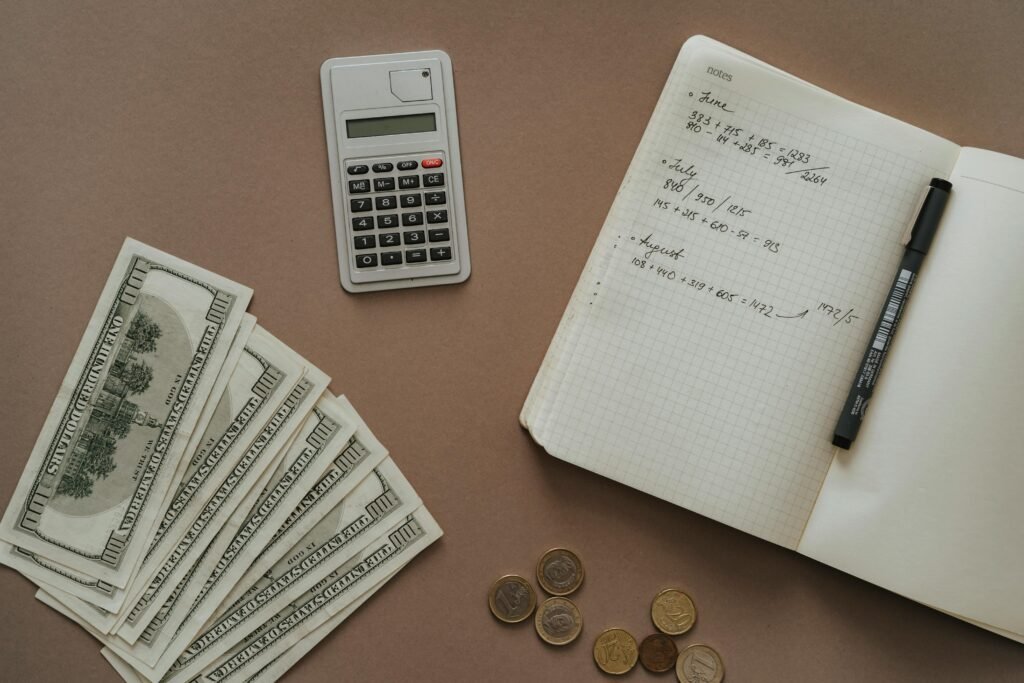
One of the biggest questions travelers ask before booking their flights is, “How much does a trip to the Philippines cost?” The good news is that the Philippines is one of the most affordable tropical destinations in Southeast Asia. Whether you’re backpacking, traveling with family, or planning a luxury honeymoon, you can easily tailor your trip to fit your budget.
From my experience and conversations with other travelers, the biggest expenses aren’t food or accommodation—they’re domestic flights and island transfers. Many first-time visitors budget only for international flights and hotels, then get surprised by the cost of ferries, airport transfers, and island-hopping tours.
If you’re planning your Philippines itinerary, it’s smart to set aside 10–15% of your budget for unexpected expenses, especially if you’re visiting multiple islands.
Average Philippines Trip Cost
A typical traveler spends ₹4,000–₹7,000 ($50–85) per day on a budget trip, ₹8,000–₹15,000 ($95–180) per day for a mid-range vacation, and ₹18,000+ ($220+) per day for a luxury experience. Your total cost depends on your travel style, destinations, and the number of island transfers.
Accommodation
Accommodation is available for every budget, from backpacker hostels to luxury beachfront villas.
| Type | Average Price (Per Night) |
| Hostel Dorm | ₹800–₹1,800 ($10–20) |
| Budget Hotel | ₹2,000–₹4,000 ($25–50) |
| Mid-range Hotel | ₹4,500–₹9,000 ($55–110) |
| Beach Resort | ₹8,000–₹18,000 ($95–220) |
| Luxury Resort | ₹20,000+ ($240+) |
Money-Saving Tip: Book hotels at least 2–3 months in advance if you’re traveling during December to April, when prices rise quickly.
Flights
International airfare varies depending on your departure city and season. Domestic flights are often the quickest way to travel between islands.
Estimated Flight Costs
- India → Manila (Round Trip): ₹25,000–₹45,000
- Domestic Flights: ₹2,500–₹8,000 per sector
Popular domestic routes include:
- Manila → El Nido
- Manila → Cebu
- Cebu → Siargao
- Coron → Manila
Travel Tip: Book domestic flights early, especially during peak season. Morning departures are usually more reliable if weather changes later in the day.
Food
Food in the Philippines is delicious and surprisingly affordable. You’ll find everything from street food stalls to fine-dining restaurants.
Average Meal Costs
- Street Food: ₹150–₹300
- Local Restaurant: ₹350–₹700
- Mid-range Restaurant: ₹800–₹1,500
- Seafood Dinner: ₹1,500–₹3,000
Don’t miss trying:
- Chicken Adobo
- Lechon
- Halo-Halo
- Sinigang
- Pancit
- Fresh Mango Shakes
Money Tip: Eat where locals eat (Carinderias) to enjoy authentic Filipino food at a fraction of tourist prices.
Transportation
Getting around the Philippines often involves combining flights, ferries, buses, and local transport.
| Transport | Typical Cost |
| Grab Ride | ₹150–₹700 |
| Jeepney | ₹20–₹50 |
| Tricycle | ₹80–₹300 |
| Ferry | ₹500–₹2,500 |
| Scooter Rental | ₹700–₹1,200/day |
Pro Tip: Download the Grab app before arriving. It’s safer and more convenient than negotiating taxi fares in major cities.
Activities
Adventure activities are one of the highlights of any Philippines vacation.
Popular Activity Costs
- Scuba Diving: ₹2,500–₹5,500
- Snorkeling: ₹800–₹2,000
- Whale Shark Experience: ₹1,500–₹3,000
- Zipline: ₹500–₹1,200
- River Cruise: ₹800–₹2,000
- Surf Lesson: ₹1,200–₹2,500
If you’re traveling as a group, private tours often offer better value than booking individually.
Island Hopping
Island hopping is the signature experience in the Philippines and should definitely be included in your budget.
| Tour Type | Average Cost |
| Shared Tour | ₹1,500–₹3,000 |
| Private Tour | ₹6,000–₹15,000 |
| Snorkeling Gear Rental | ₹300–₹600 |
| Kayak Rental | ₹700–₹1,200 |
Most tours include lunch, life jackets, and basic snorkeling equipment, but it’s worth confirming before booking.
SIM Card & Internet
Staying connected is easy, especially in cities and popular tourist destinations.
Tourist SIM Plans
- 15–30 GB Data: ₹500–₹900
- Unlimited Data Plans: ₹900–₹1,500
- eSIM (where available): Varies by provider
Popular mobile operators include Globe and Smart.
Tip: Buy your SIM card at the airport or an official telecom store to avoid activation issues.
Miscellaneous Expenses
Don’t forget these small but important costs when planning your travel budget.
- Travel Insurance: ₹2,000–₹6,000
- ATM Withdrawal Fees
- Tips & Gratuities
- Souvenirs
- Laundry
- Airport Transfers
- Drinks & Snacks
- Entry Fees
- Checked Baggage Fees
A small emergency fund can make your trip much less stressful if plans change.
Daily Budget Table
| Expense | Budget Traveler | Mid-Range Traveler | Luxury Traveler |
| Accommodation | ₹1,500 | ₹6,000 | ₹20,000+ |
| Food | ₹1,000 | ₹2,500 | ₹5,000 |
| Transport | ₹700 | ₹2,000 | ₹5,000 |
| Activities | ₹1,200 | ₹3,500 | ₹8,000 |
| Miscellaneous | ₹600 | ₹1,500 | ₹4,000 |
| Estimated Daily Total | ₹5,000 | ₹15,500 | ₹42,000+ |
Estimated Total Trip Cost
| Trip Duration | Budget | Mid-Range | Luxury |
| 5 Days | ₹25,000–₹35,000 | ₹75,000–₹1,00,000 | ₹2,00,000+ |
| 7 Days | ₹35,000–₹50,000 | ₹1,00,000–₹1,40,000 | ₹2,80,000+ |
| 10 Days | ₹50,000–₹70,000 | ₹1,50,000–₹2,00,000 | ₹4,00,000+ |
| 14 Days | ₹70,000–₹1,00,000 | ₹2,10,000–₹2,80,000 | ₹5,50,000+ |
Note: These estimates exclude international airfare and are intended as a general planning guide. Costs vary based on season, destination, booking time, and travel style.
💰 Money-Saving Tips
- Travel during May or November for lower hotel rates.
- Book domestic flights 2–3 months in advance.
- Join shared island-hopping tours instead of private charters.
- Eat at local Carinderias for authentic, budget-friendly meals.
- Withdraw cash in major cities before heading to smaller islands.
- Use Grab instead of negotiating taxi fares.
- Pack essentials like a portable charger, universal travel adapter, and waterproof pouch to avoid buying them at tourist prices.
How to Travel Around the Philippines
Getting around the Philippines is very different from traveling in countries like Thailand or Vietnam. Since the country is made up of more than 7,000 islands, you’ll often combine domestic flights, ferries, buses, and local transport during a single trip.
One mistake I see many first-time visitors make is underestimating travel time. A route that looks like a two-hour journey on the map can easily become a six-hour trip when you factor in airport transfers, ferry schedules, and weather delays. If you’re planning a Philippines itinerary, try not to schedule more than one major transfer per day.
The good news? Once you understand how the transport system works, traveling around the Philippines is relatively easy and surprisingly affordable.
What’s the best way to travel around the Philippines?
The fastest way to travel between islands is by domestic flights, while ferries are ideal for shorter island routes. Within cities, use Grab, jeepneys, and tricycles, while motorbike rentals are perfect for exploring islands like Siargao, Bohol, and Cebu.
Domestic Flights ✈️
Because many islands are separated by hundreds of kilometers, domestic flights are often the quickest and most convenient option.
Popular airlines include:
- Philippine Airlines
- Cebu Pacific
- AirAsia Philippines
Popular Flight Routes
- Manila → El Nido
- Manila → Cebu
- Manila → Boracay (Caticlan)
- Cebu → Siargao
- Coron → Manila
- Cebu → Bohol
Average Cost
₹2,500–₹8,000 ($30–95) per flight
Pros
- Fastest option
- Saves travel time
- Frequent connections
Cons
- Prices increase during peak season
- Weather delays are possible
Pro Tip: Book domestic flights 6–10 weeks in advance, especially if you’re traveling between December and April.
Ferries ⛴️
Ferries connect many popular islands and offer a scenic way to travel.
Popular ferry routes include:
- El Nido ↔ Coron
- Cebu ↔ Bohol
- Batangas ↔ Puerto Galera
- Dumaguete ↔ Siquijor
Average Cost
₹500–₹2,500 ($6–30)
Travel Time
1–8 hours depending on the route.
Best For
- Budget travelers
- Backpackers
- Island hopping
Travel Tip: Sea conditions can change quickly. Morning ferries are generally smoother and less likely to be delayed.
Jeepneys 🚌
No trip to the Philippines feels complete without riding a colorful jeepney. Originally made from post-war military vehicles, they’re now one of the country’s most iconic and affordable forms of public transportation.
Average Fare
₹20–₹50 ($0.25–0.60)
Best For
- Short city journeys
- Budget travelers
- Local experience
Things to Know
- Keep small cash handy.
- Routes can be confusing for first-time visitors.
- Avoid carrying large luggage during busy hours.
Grab 🚖
If you’ve used Uber before, Grab will feel familiar. It’s the safest and most convenient way to get around cities like Manila, Cebu, and Davao.
Average Fare
₹150–₹700 ($2–8)
Why Use Grab?
- Fixed pricing
- Cashless payment options
- GPS tracking
- No need to negotiate fares
Pro Tip: Download and set up the Grab app before arriving in the Philippines.
Tricycles 🛺
Tricycles are one of the easiest ways to travel short distances in smaller towns and islands.
You’ll commonly find them in:
- Bohol
- El Nido
- Coron
- Siargao
- Palawan
Average Fare
₹80–₹300 ($1–4)
Always agree on the fare before starting your journey if there’s no meter.
Buses 🚍
Buses are an economical way to travel across larger islands such as Luzon and Cebu.
Popular routes include:
- Manila → Banaue
- Manila → Vigan
- Cebu City → Moalboal
- Cebu → Oslob
Average Cost
₹300–₹2,000 ($4–24)
Best For
- Long-distance travel
- Budget travelers
- Scenic road trips
Motorbike Rental 🛵
Renting a scooter is one of the best ways to explore islands at your own pace.
Popular destinations include:
- Siargao
- Bohol
- Cebu
- Camiguin
- Siquijor
Rental Cost
₹700–₹1,200 ($8–15) per day
Requirements
- Valid driving licence
- International Driving Permit (recommended)
- Helmet
Safety Tip: Road conditions vary between islands. Drive cautiously, especially during the rainy season.
Quick Transport Comparison
| Transport | Best For | Cost | Speed |
|---|---|---|---|
| Domestic Flights | Long-distance travel | ₹₹₹ | ⭐⭐⭐⭐⭐ |
| Ferries | Island hopping | ₹₹ | ⭐⭐⭐ |
| Grab | Cities | ₹₹ | ⭐⭐⭐⭐ |
| Jeepneys | Budget city travel | ₹ | ⭐⭐ |
| Tricycles | Local transport | ₹ | ⭐⭐ |
| Buses | Long road trips | ₹₹ | ⭐⭐⭐ |
| Motorbike Rental | Exploring islands | ₹₹ | ⭐⭐⭐⭐ |
Pro Travel Tip: Whenever possible, book flights first, then hotels. Domestic flight schedules can change, especially on smaller routes, and having flexible accommodation reservations makes it easier to adjust your itinerary if needed.
Where to Stay in the Philippines
Choosing the right place to stay can completely shape your trip. A luxury beachfront villa in Boracay offers a very different experience from a backpacker hostel in Cebu or a boutique guesthouse in El Nido.
If it’s your first visit, I recommend staying close to the main tourist areas rather than choosing the cheapest accommodation. Spending a little extra often saves hours on transportation and gives you better access to restaurants, beaches, and island tours.
Here’s a breakdown of the best accommodation options for every travel style and budget.
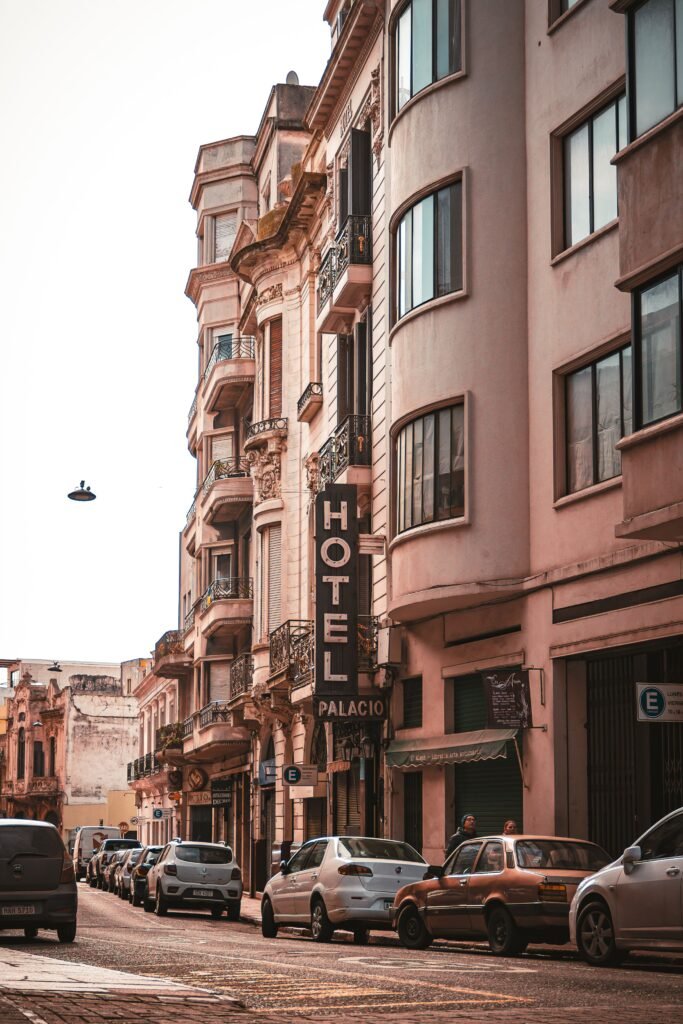
Luxury Hotels & Resorts ⭐⭐⭐⭐⭐
The Philippines is home to some of Southeast Asia’s most spectacular luxury resorts, many with private beaches, overwater villas, and world-class spas.
Best Destinations
- El Nido
- Boracay
- Palawan
- Bohol
Average Price
₹18,000–₹45,000+ ($220–550+) per night
Best For
- Honeymooners
- Luxury vacations
- Anniversary trips
Expect
- Infinity pools
- Private beaches
- Fine dining
- Airport transfers
- Spa facilities

Mid-Range Hotels ⭐⭐⭐⭐
This is the sweet spot for most travelers, offering excellent comfort without breaking the budget.
Average Price
₹4,500–₹10,000 ($55–120)
Best For
- Couples
- Families
- First-time visitors
You’ll typically get:
- Air conditioning
- Breakfast
- Swimming pool
- Good Wi-Fi
- Convenient location

Budget Hotels 💰
Budget hotels are widely available in almost every tourist destination.
Average Price
₹2,000–₹4,500 ($25–55)
Best For
- Budget travelers
- Backpackers wanting private rooms
- Short stays
Look for accommodations with:
- Air conditioning
- Private bathroom
- Strong guest reviews
- Walking distance to attractions
Pro Travel Tip
If you’re planning to visit multiple islands, split your stay strategically. Spend more nights in destinations like El Nido, Coron, or Siargao, where there are plenty of tours and activities, and keep shorter stays in transit cities such as Manila. This approach reduces unnecessary hotel changes and gives you more time to enjoy each destination.
Food You Must Try in the Philippines
One of the best ways to experience the Philippines isn’t through its beaches—it’s through its food. Filipino cuisine is a flavorful blend of Malay, Spanish, Chinese, American, and indigenous influences, creating dishes that are comforting, hearty, and packed with character.
If it’s your first visit, don’t make the mistake of eating only at international fast-food chains or hotel restaurants. Some of my favorite meals came from small family-run eateries and local markets, where recipes have been passed down for generations. Whether you’re exploring Manila, Cebu, or a quiet island town, trying authentic Filipino food is an essential part of the journey.
The best part? Eating well in the Philippines is surprisingly affordable. A delicious local meal often costs less than what you’d spend on coffee in many Western countries.
What food should you try in the Philippines?
The must-try Filipino dishes include Adobo, Sinigang, Lechon, Chicken Inasal, Halo-Halo, Pancit, and Lumpia. These iconic dishes showcase the country’s rich culinary heritage and are widely available across restaurants, local eateries, and street food markets.
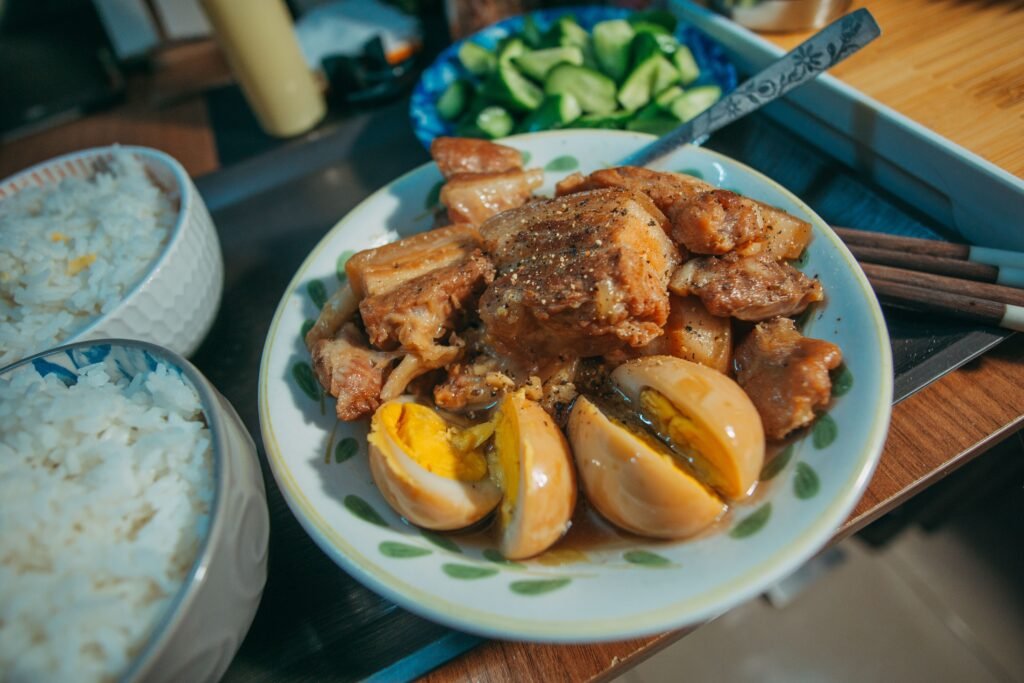
Adobo – The National Favorite 🇵🇭
If you only have time to try one Filipino dish, make it Adobo. Often considered the unofficial national dish, it’s made by slowly simmering chicken or pork in soy sauce, vinegar, garlic, black pepper, and bay leaves until the meat becomes incredibly tender.
Every family has its own recipe, so don’t be surprised if Adobo tastes slightly different from one restaurant to another.
Why You’ll Love It
- Rich, savory flavor
- Perfect with steamed rice
- Great introduction to Filipino cuisine
Average Price
₹180–₹500 ($2–6)
Best Places to Try
Traditional Filipino restaurants and local family-run eateries.
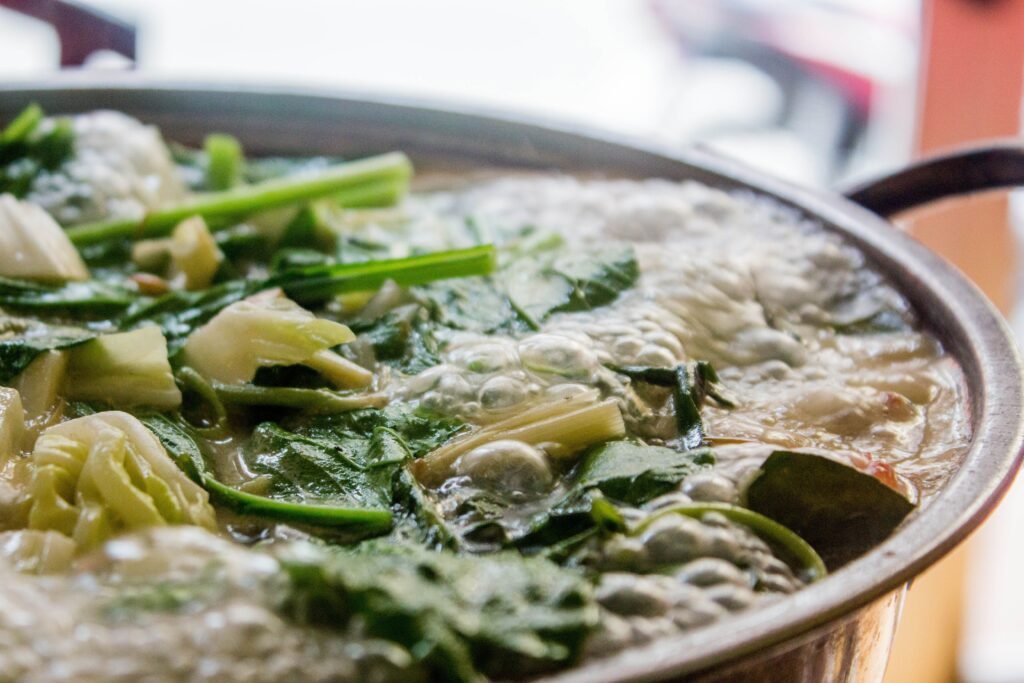
Sinigang – Comfort in a Bowl 🍲
Sinigang is a tangy soup famous for its refreshing sour flavor, usually created using tamarind. It can be prepared with pork, shrimp, fish, or beef and is loaded with fresh vegetables.
It’s especially comforting on rainy days after island hopping or long sightseeing trips.
Highlights
- Refreshing sour broth
- Healthy and filling
- Served with rice
Average Price
₹200–₹450 ($2.5–5)
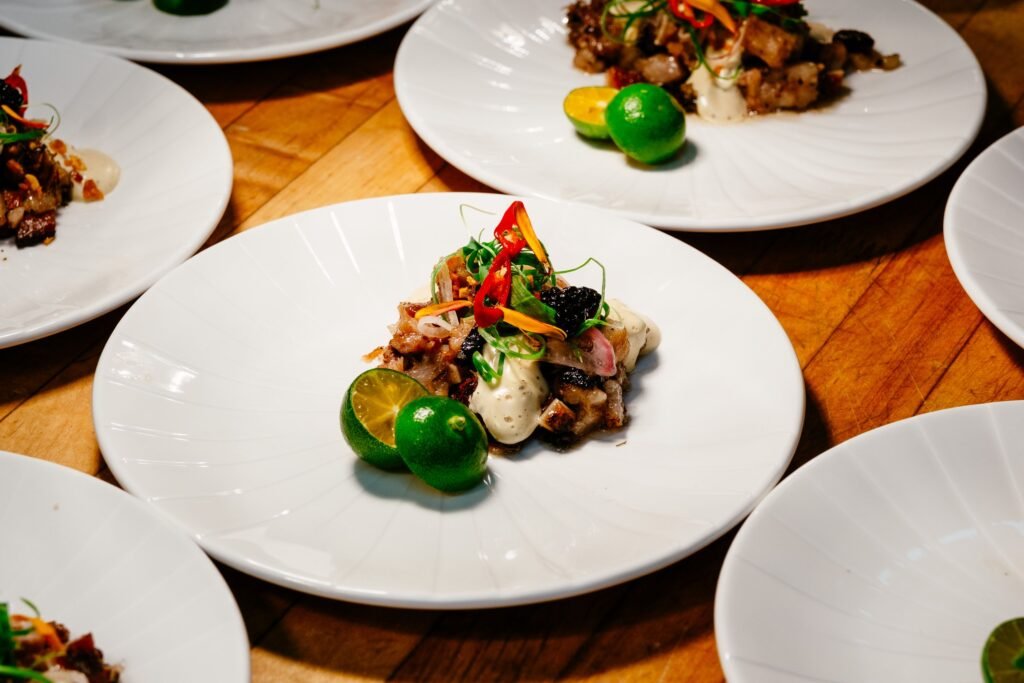
Halo-Halo – The Ultimate Tropical Dessert 🍧
No trip to the Philippines is complete without trying Halo-Halo, which literally means “mix-mix.”
This colorful dessert combines shaved ice, evaporated milk, sweet beans, fruits, jelly, ube (purple yam), flan, and ice cream into one refreshing treat.
It’s the perfect way to cool down after spending the day on the beach.
Best Time to Eat
Hot afternoons
Average Price
₹150–₹350 ($2–4)

Lechon – The King of Filipino Celebrations 🐖
Lechon is a whole roasted pig cooked over charcoal until the skin becomes perfectly crispy while the meat stays juicy and flavorful.
Although it’s traditionally served during festivals and family celebrations, many restaurants offer it every day.
Best Place to Try
Cebu is widely regarded as the home of the country’s best Lechon.
Average Price
₹300–₹900 ($4–10)

Chicken Inasal – A Grilled Delight 🍗
Originating from Bacolod, Chicken Inasal is marinated with vinegar, calamansi, garlic, lemongrass, and annatto before being grilled over charcoal.
The result is smoky, juicy chicken that’s bursting with flavor.
Served With
- Garlic rice
- Pickled papaya
- Dipping sauce
Average Price
₹180–₹450 ($2–5)
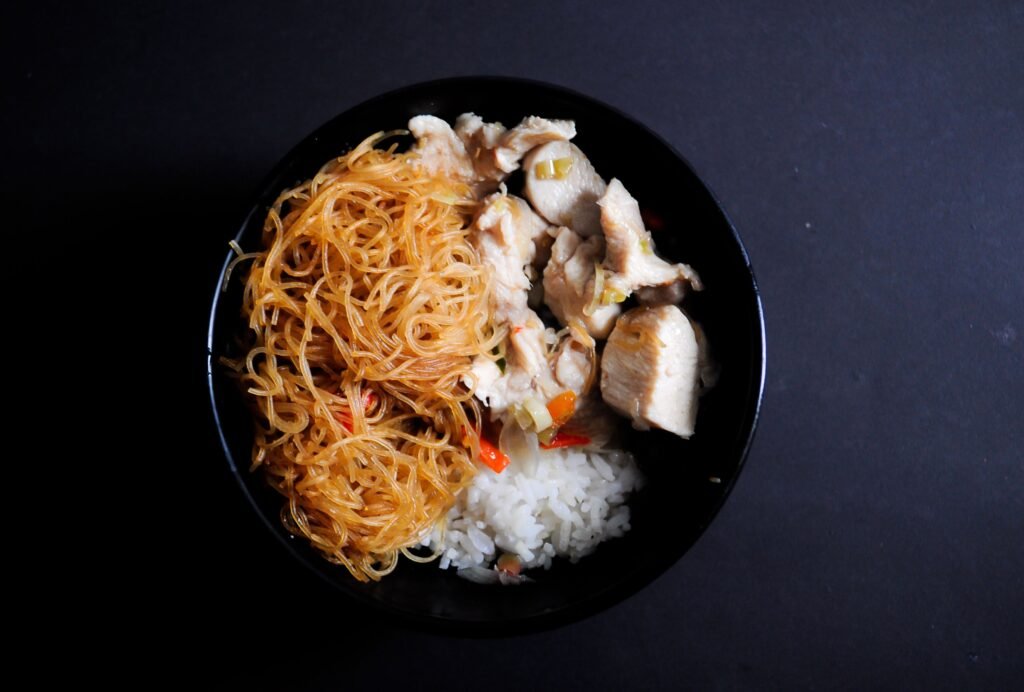
Pancit – Long Noodles for Good Luck 🍜
Pancit refers to several types of Filipino noodle dishes inspired by Chinese cuisine.
Whether it’s Pancit Canton, Pancit Bihon, or Pancit Malabon, it’s a staple at birthdays and celebrations because long noodles symbolize long life.
Why Try It
- Great for sharing
- Light but filling
- Vegetarian options often available
Average Price
₹180–₹450 ($2–5)
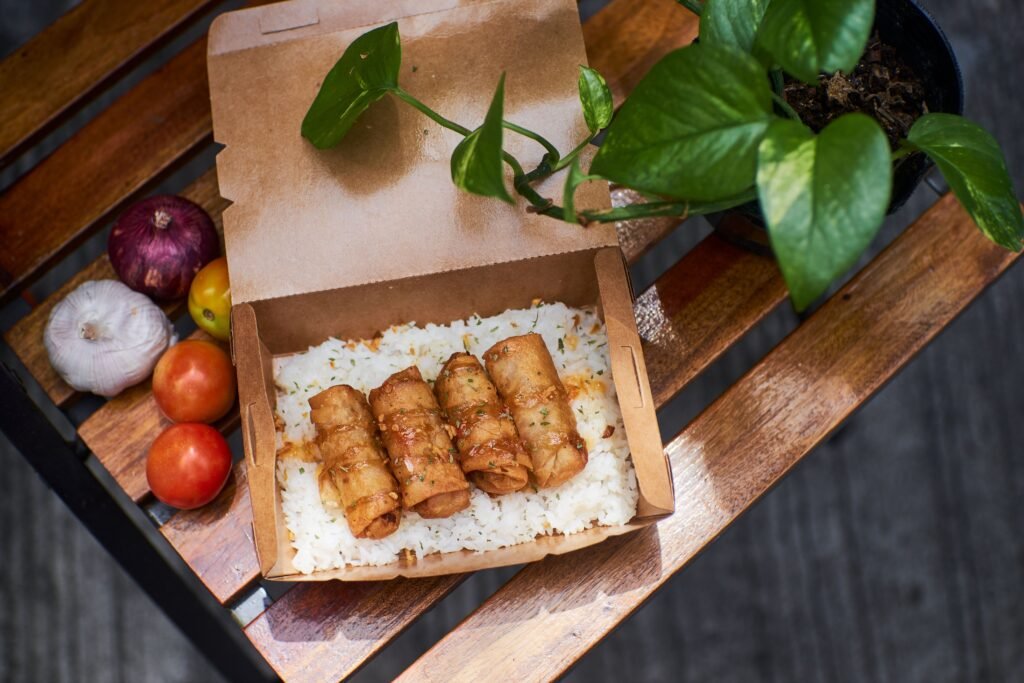
Lumpia – The Filipino Spring Roll 🥢
Lumpia is the Filipino version of spring rolls, filled with vegetables, pork, chicken, or seafood before being deep-fried until perfectly crispy.
It’s one of the country’s most popular appetizers and snacks.
Perfect Pairing
Sweet chili sauce
Average Price
₹120–₹300 ($1.5–3.5)
Street Food Guide 🍢
Street food is an exciting part of Filipino culture and one of the easiest ways to experience authentic local flavors without spending much money.
Some of the most popular street snacks include:
- Fish Balls – Fried fish balls served with sweet or spicy sauces.
- Kwek-Kwek – Hard-boiled quail eggs coated in orange batter and deep-fried.
- Banana Cue – Caramelized fried bananas on skewers.
- Turon – Crispy fried spring rolls filled with banana and jackfruit.
- Isaw – Grilled chicken or pork intestines (popular among adventurous eaters).
- Taho – Warm silken tofu with syrup and tapioca pearls, usually sold in the morning.
- Balut – A fertilized duck egg, considered a local delicacy for adventurous travelers.
Street Food Safety Tips
- Choose stalls with long queues of locals.
- Watch food being cooked fresh.
- Drink bottled or filtered water.
- Avoid seafood that’s been sitting unrefrigerated for long periods.
- Carry hand sanitizer or wet wipes.
One of the easiest ways to judge a good food stall is to see where local families eat. Busy stalls usually mean fresher ingredients and quicker turnover.
Must-Try Filipino Food at a Glance
| Dish | Type | Average Price | Best For |
| Adobo | Main Course | ₹180–₹500 | First-time Visitors |
| Sinigang | Soup | ₹200–₹450 | Comfort Food |
| Halo-Halo | Dessert | ₹150–₹350 | Hot Weather |
| Lechon | Roast Meat | ₹300–₹900 | Food Lovers |
| Chicken Inasal | Grilled Chicken | ₹180–₹450 | Lunch & Dinner |
| Pancit | Noodles | ₹180–₹450 | Sharing |
| Lumpia | Snack/Appetizer | ₹120–₹300 | Quick Bite |
| Street Food | Various | ₹30–₹200 | Budget Travelers |
Pro Travel Tip
Many local restaurants only accept cash, especially outside major cities and tourist hotspots. Keep small Philippine Peso notes with you, and don’t hesitate to ask locals where they eat—the best meals are often found in modest neighborhood restaurants rather than expensive tourist venues.
Is the Philippines Safe for Tourists?
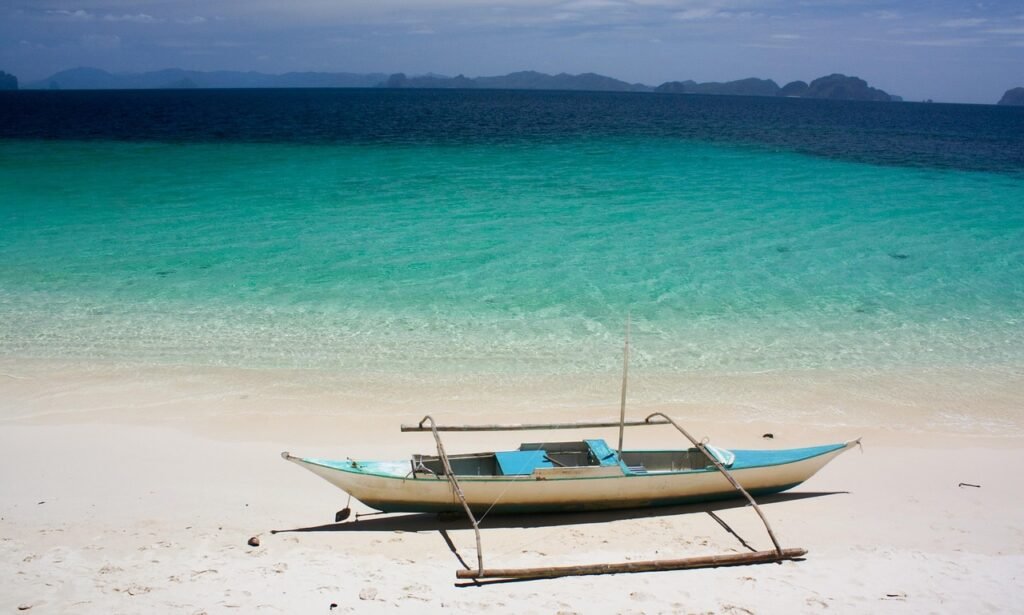
One of the most common questions first-time visitors ask is, “Is the Philippines safe?” Based on my experience and the experiences of many travelers, the answer is yes—most of the country’s popular tourist destinations are safe, provided you take the same common-sense precautions you would anywhere else.
Millions of tourists visit destinations like Boracay, El Nido, Coron, Cebu, Bohol, and Siargao every year without any problems. The majority of incidents involve minor issues such as scams, pickpocketing, or weather-related travel disruptions rather than serious crime.
The key is to stay aware of your surroundings, keep your valuables secure, and monitor local weather forecasts—especially if you’re traveling between islands.
Is the Philippines safe for tourists?
Yes. The Philippines is generally safe for tourists visiting popular destinations such as Manila, Boracay, Palawan, Cebu, Bohol, and Siargao. Like any travel destination, it’s important to stay alert, protect your belongings, avoid isolated areas at night, and follow local travel advisories, especially during typhoon season.
Common Tourist Scams
Most scams are relatively minor and can be avoided with a little preparation.
Common Scams
- Overpriced airport taxis
- Unofficial tour operators
- Inflated tricycle fares
- Fake charity requests
- Currency exchange scams
- “Closed attraction” scams leading to expensive alternative tours
How to Avoid Them
- Use Grab whenever available.
- Book island tours through reputable operators or your hotel.
- Confirm transportation prices before your trip starts.
- Exchange money at authorized exchange counters.
- Be cautious if someone approaches you with deals that seem too good to be true.
Pro Tip: If a local guide insists you can only buy tickets through them, politely decline and verify the information with the official ticket office.
Pickpocketing
Pickpocketing isn’t widespread, but it can happen in crowded places.
Be extra careful in:
- Airports
- Ferry terminals
- Public transport
- Busy markets
- Nightlife districts
- Festivals
Safety Tips
- Carry only the cash you need.
- Keep your passport in your hotel safe when possible.
- Wear an RFID anti-theft crossbody bag or hidden money belt.
- Avoid placing your phone in your back pocket.
Solo Travel
The Philippines is one of the friendliest countries in Southeast Asia for solo travelers. English is widely spoken, locals are welcoming, and hostels make it easy to meet fellow travelers.
Popular destinations for solo travelers include:
- Siargao
- El Nido
- Cebu
- Coron
- Boracay
Solo Travel Tips
- Share your itinerary with someone you trust.
- Avoid walking alone in unfamiliar areas late at night.
- Join organized island-hopping tours to meet other travelers.
- Use registered transportation services.
Safety for Women Travelers
Many women travel independently throughout the Philippines every year and have positive experiences. Tourist areas are generally welcoming, but standard travel precautions still apply.
Helpful Tips
- Choose accommodations with excellent reviews.
- Use Grab instead of unregistered taxis.
- Dress respectfully when visiting churches and rural communities.
- Avoid accepting drinks from strangers.
- Let someone know your daily plans if traveling alone.
Many female travelers find destinations like Bohol, Siargao, and El Nido particularly comfortable because of their relaxed atmosphere and established tourism infrastructure.
LGBTQ+ Travelers
The Philippines is often regarded as one of the more LGBTQ+-friendly countries in Southeast Asia, particularly in major cities and popular tourist destinations. You’ll find LGBTQ+-friendly bars, hotels, and events in places like Manila, Cebu, Boracay, and Siargao.
However, attitudes can be more conservative in some rural communities, so it’s a good idea to be mindful of local customs and social norms.
Natural Disasters
Because the Philippines is located in the Pacific, it can experience:
- Typhoons
- Heavy rainfall
- Flooding
- Earthquakes
- Volcanic activity (in certain regions)
Most travelers never encounter these events, but it’s wise to stay informed.
Before You Travel
- Check the weather forecast regularly.
- Build flexibility into your itinerary.
- Purchase travel insurance that covers weather-related disruptions.
- Follow local authorities if weather warnings are issued.
Travel Tip: Avoid planning tight same-day international connections after domestic flights during the rainy season, as delays can occur.
Emergency Contacts
Save these numbers before you travel.
| Service | Emergency Number |
|---|---|
| Police | 911 |
| Ambulance | 911 |
| Fire Department | 911 |
| Tourist Police | Available in major tourist areas |
| Embassy | Save your country’s embassy contact before departure |
Also keep digital copies of:
- Passport
- Visa (if applicable)
- Travel insurance
- Flight tickets
- Hotel bookings
Travel Insurance
While travel insurance isn’t mandatory for most visitors, it’s something I strongly recommend—especially in a country where domestic flights, ferries, and adventure activities are part of many itineraries.
A good travel insurance policy can cover:
- Medical emergencies
- Hospitalization
- Flight cancellations
- Lost baggage
- Delayed flights
- Trip interruption
- Adventure sports (depending on the plan)
Considering the relatively low cost compared to the price of an international vacation, it’s one of the best investments you can make before your trip.
Quick Safety Checklist
✅ Use Grab in major cities.
✅ Carry copies of important documents.
✅ Avoid displaying expensive jewelry.
✅ Keep an eye on weather forecasts.
✅ Book tours through trusted operators.
✅ Purchase comprehensive travel insurance
Pros & Cons of Visiting the Philippines
Every destination has strengths and challenges, and the Philippines is no exception. While it’s home to some of the world’s most spectacular beaches and friendliest locals, traveling between islands requires more planning than in many other Southeast Asian countries.
The good news is that most of the “cons” can be managed simply by planning ahead.
Pros and Cons of Visiting the Philippines
The Philippines is famous for its stunning beaches, world-class diving, friendly people, and affordable travel. However, travelers should plan for longer island transfers, changing weather conditions, variable internet speeds in remote areas, and limited healthcare facilities outside major cities.
Pros & Cons Comparison
| Pros | Cons |
|---|---|
| 🏝️ Some of the world’s most beautiful beaches | Island transfers can take longer than expected |
| 😊 Friendly and English-speaking locals | Weather can change quickly, especially during the rainy season |
| 💰 Affordable accommodation, food, and activities | Internet speeds vary on remote islands |
| 🤿 Incredible diving, snorkeling, and island hopping | Some remote areas have limited healthcare facilities |
| 🌴 More than 7,000 islands to explore | Domestic flights and ferries may experience weather delays |
| 🍛 Delicious local cuisine | Cash is still preferred in many smaller towns |
| 📸 Amazing landscapes for photography | Planning multi-island trips takes more effort |
| 🎒 Great for backpackers, families, and honeymooners | Peak season hotels can sell out months in advance |
Is the Philippines Worth Visiting?
Absolutely. If your dream vacation includes turquoise lagoons, white-sand beaches, vibrant coral reefs, welcoming locals, and unforgettable island adventures, the Philippines delivers experiences that are difficult to match anywhere else in Southeast Asia.
The only real trade-off is that traveling between islands requires a bit more planning than destinations connected by roads or railways. Once you accept a slower pace and allow extra time for transfers, the rewards far outweigh the inconvenience.
For first-time visitors, a 7–10 day itinerary covering El Nido, Coron, Cebu, or Bohol offers the perfect introduction to everything that makes the Philippines so special.
Pro Travel Tip
Don’t compare the Philippines to Thailand or Bali solely by convenience. The Philippines rewards travelers who enjoy exploring off-the-beaten-path islands and don’t mind a little extra travel time in exchange for quieter beaches, crystal-clear waters, and unforgettable island-hopping experiences.
Still deciding if this destination is right for you? Our article on is the Philippines worth visiting compares the pros, cons, costs, safety, and travel experiences to help you decide.
Common Travel Mistakes to Avoid in the Philippines
Even experienced travelers make mistakes when visiting the Philippines for the first time. Unlike many Southeast Asian countries, traveling here requires a bit more planning because of the country’s geography and weather.
I’ve met travelers who missed flights because a ferry was canceled, paid double for airport taxis, or packed suitcases that became a burden during island hopping. Fortunately, these problems are easy to avoid once you know what to expect.
Here are the most common mistakes—and how you can avoid them.
1. Booking Flights and Hotels Too Late
The Philippines is incredibly popular between December and April. During holidays like Christmas, New Year, and Holy Week, hotel prices can double, and domestic flights sell out quickly.
Avoid This By:
- Booking flights 2–3 months in advance
- Reserving island resorts early
- Booking popular island-hopping tours before arrival
2. Ignoring Ferry Schedules
Many islands are connected by ferries, but schedules aren’t always as frequent as travelers expect. Bad weather can also delay or cancel services.
Avoid This By:
- Checking ferry schedules at least one day in advance
- Avoiding tight flight connections after ferry trips
- Choosing morning departures whenever possible
Pro Tip: Never schedule an international flight immediately after a long ferry journey.
3. Not Carrying Enough Cash
Cards are widely accepted in Manila, Cebu, and Boracay, but many smaller islands still rely on cash.
ATMs can also be limited or occasionally run out of cash during busy seasons.
Avoid This By:
- Withdrawing cash in major cities
- Carrying small denominations
- Keeping emergency cash in a separate location
4. Packing Too Much
Island hopping means carrying your luggage onto boats, ferries, vans, and small aircraft. Heavy suitcases quickly become frustrating.
Pack Smart Instead
- Lightweight clothing
- Flip-flops and sandals
- Swimwear
- Quick-dry towel
- Waterproof phone pouch
- Compact backpack
A 40L travel backpack is usually much easier to manage than a large rolling suitcase.
5. Underestimating Travel Times
This is probably the biggest planning mistake.
A journey that appears short on Google Maps may involve:
- Taxi ride
- Airport check-in
- Domestic flight
- Ferry transfer
- Van ride
- Tricycle ride
What looks like two hours can easily become six.
Smart Planning
Spend at least three nights on each island instead of moving every day.
6. Skipping Travel Insurance
Many travelers skip insurance to save money, only to regret it when flights are delayed or luggage goes missing.
Travel insurance is particularly useful in the Philippines because many trips include:
- Domestic flights
- Ferries
- Adventure activities
- Scuba diving
- Snorkeling
The cost of insurance is small compared to the potential cost of medical treatment or canceled flights.
7. Changing Money at Airports
Airport exchange counters often offer less favorable rates than banks or licensed exchange offices in city centers.
Better Option
- Exchange a small amount at the airport for immediate expenses.
- Withdraw cash from an ATM or use an authorized exchange office in major cities for better rates.
8. Ignoring Weather Forecasts
The Philippines has a tropical climate, and weather conditions can change quickly, especially during the rainy season.
Heavy rain can affect:
- Island-hopping tours
- Ferry services
- Domestic flights
- Diving visibility
Smart Habit
Check the local weather forecast every evening before planning the next day’s activities.
Quick Mistake Checklist
❌ Booking during peak season without reservations
❌ Carrying only credit cards
❌ Trying to visit too many islands
❌ Packing heavy luggage
❌ Ignoring ferry schedules
❌ Skipping travel insurance
❌ Exchanging all your money at the airport
❌ Forgetting to check the weather
Pro Travel Tips for Visiting the Philippines
After exploring the Philippines, you quickly realize that the best experiences often come from local knowledge rather than guidebooks. Small decisions—like catching the first ferry of the day, eating where locals eat, or staying one extra night on an island—can make your trip smoother, cheaper, and far more memorable.
These practical tips will help you travel smarter and avoid common hassles.
💰 Money-Saving Tips
- Travel during May or November for better hotel deals.
- Book domestic flights several weeks in advance.
- Join shared island-hopping tours instead of private charters.
- Eat at local Carinderias for authentic meals at affordable prices.
- Stay longer in one destination instead of moving every day.
🏝️ Discover Hidden Beaches
While White Beach and El Nido are famous for good reason, don’t overlook quieter spots.
Some beautiful alternatives include:
- Nacpan Beach (El Nido)
- Malcapuya Island (Coron)
- Alegria Beach (Siargao)
- Dumaluan Beach (Bohol)
- White Island (Camiguin)
Visiting early in the morning often means fewer crowds and better photos.
📱 Best Apps to Download
Install these before your trip:
- Grab – Taxis and food delivery
- Google Maps – Navigation
- Google Translate – Language assistance
- Klook – Tours and attractions
- Airalo or your preferred eSIM provider – Mobile data (if supported)
- Airline apps for flight updates
Having these apps ready can save both time and money once you arrive.
🗺️ Download Offline Maps
Internet coverage can be inconsistent on smaller islands.
Before leaving your hotel:
- Download offline Google Maps
- Save hotel addresses
- Screenshot ferry tickets
- Save boarding passes
- Store emergency contacts offline
You’ll thank yourself when your signal disappears during island hopping.
🤝 Respect Local Etiquette
Filipinos are known for their hospitality, and showing respect goes a long way.
Simple Etiquette Tips
- Smile and greet people politely.
- Dress modestly when visiting churches.
- Ask permission before photographing locals.
- Respect marine life—never step on coral reefs or feed wildlife.
- Dispose of trash responsibly, especially on beaches.
🚖 Transportation Hacks
- Use Grab in major cities whenever possible.
- Take morning ferries for calmer sea conditions.
- Book domestic flights early in the day to reduce the risk of delays.
- Avoid changing hotels every night.
- Keep transport schedules flexible during the rainy season.
📸 Photography Tips
The Philippines is incredibly photogenic, but timing makes a big difference.
Best Times
- Sunrise: Beaches are quieter and the light is soft.
- Sunset: Ideal for dramatic coastal photography.
- Midday: Best for underwater photography due to clearer visibility.
Don’t forget a waterproof phone pouch if you’re joining snorkeling or island-hopping tours.
📶 Internet Tips
- Buy a local Globe or Smart SIM card.
- Choose accommodations with verified high-speed Wi-Fi if you work remotely.
- Download entertainment before long ferry rides.
- Carry a 20,000mAh portable charger during day trips.
💵 Cash Tips
- Carry enough cash before visiting remote islands.
- Keep emergency money separate from your wallet.
- Use ATMs attached to banks when possible.
- Avoid carrying large amounts of cash in crowded areas.
🎒 Packing Hacks
Pack light—you’ll move around much more comfortably.
Must-Pack Essentials
- Lightweight travel backpack
- Packing cubes
- Waterproof dry bag
- Reef-safe sunscreen
- Universal travel adapter
- Portable charger
- Reusable water bottle
- Microfiber towel
- Waterproof phone pouch
- Basic first-aid kit
Expert Travel Tip
One habit that makes a huge difference is building flexibility into your itinerary. Instead of planning every hour, leave room for unexpected discoveries—a hidden beach recommended by a local, a last-minute boat tour, or simply an extra afternoon watching the sunset. Those unplanned moments often become the highlights of a trip to the Philippines.
Understanding local customs can make your trip smoother. Check out our complete Philippines do’s and don’ts guide to learn about local etiquette, cultural norms, tipping, dress codes, and respectful behavior.
Who Should Visit the Philippines?
The Philippines isn’t a one-size-fits-all destination—and that’s exactly what makes it special. With more than 7,000 islands, you can customize your trip around adventure, relaxation, luxury, culture, or remote work. Whether you’re planning your first international vacation or your tenth backpacking trip through Southeast Asia, there’s an island that suits your travel style.
If you’re wondering “Is the Philippines the right destination for me?”, here’s a quick guide to help you decide.
Solo Travelers 🎒
The Philippines is an excellent destination for solo travelers, especially those who enjoy meeting people from around the world. Hostels, island-hopping tours, and surf camps make it easy to make new friends, while English being widely spoken removes many communication barriers.
Best Destinations
- Siargao
- El Nido
- Coron
- Cebu
- Boracay
Perfect For
- First solo international trip
- Backpacking
- Social hostels
- Adventure activities
Families 👨👩👧👦
Families will appreciate the Philippines for its relaxed atmosphere, family-friendly resorts, wildlife attractions, and calm beaches.
Children especially enjoy:
- Chocolate Hills
- Tarsier Sanctuary
- Dolphin watching
- River cruises
- Beach resorts with pools
Best Destinations
- Bohol
- Cebu
- Boracay
- Manila
Couples ❤️
Few destinations are as romantic as the Philippines. Picture yourselves kayaking through turquoise lagoons, enjoying a private sunset cruise, or having dinner on the beach with the sound of gentle waves in the background.
Best Destinations
- El Nido
- Coron
- Boracay
- Panglao (Bohol)
Perfect For
- Romantic getaways
- Anniversary trips
- Sunset cruises
- Beach dinners
Backpackers 🎒
The Philippines is one of Southeast Asia’s most rewarding backpacking destinations. Budget hostels, affordable food, and inexpensive island-hopping tours make it easy to explore without spending a fortune.
Best Backpacking Route
Manila → Cebu → Siquijor → Bohol → Siargao
Daily Budget
₹2,500–₹4,500 ($30–55)
Luxury Travelers 🌴
Looking for private beaches, luxury villas, fine dining, and personalized service? The Philippines delivers unforgettable luxury experiences that rival some of the world’s top island destinations.
Best Destinations
- El Nido
- Boracay
- Amanpulo
- Panglao
Expect
- Five-star resorts
- Private yacht tours
- Spa retreats
- Helicopter transfers
Digital Nomads 💻
Remote workers are increasingly choosing the Philippines thanks to its tropical lifestyle, affordable living costs, and growing coworking communities.
Best Places to Work Remotely
- Siargao
- Cebu City
- Makati (Manila)
- Bohol
Why You’ll Love It
- Beach lifestyle
- Cafés with Wi-Fi
- Weekend island trips
- Friendly expat communities
Adventure Travelers 🧗
If your perfect vacation involves hiking, diving, waterfalls, surfing, and island hopping, the Philippines is difficult to beat.
Top Adventures
- Scuba diving in Coron
- Sardine Run in Moalboal
- Surfing in Siargao
- Canyoneering at Kawasan Falls
- Hiking Mount Apo
- Snorkeling in El Nido
Beach Lovers 🏖️
This is where the Philippines truly shines.
From the powder-soft sands of Boracay to the hidden lagoons of Palawan, every island offers a different beach experience.
Must-Visit Beaches
- White Beach (Boracay)
- Nacpan Beach (El Nido)
- Alona Beach (Bohol)
- Malcapuya Island (Coron)
- Cloud 9 Beach (Siargao)
Divers 🤿
The Philippines consistently ranks among the world’s best diving destinations thanks to its vibrant coral reefs, rich marine biodiversity, and famous shipwrecks.
Top Dive Sites
- Coron Shipwrecks
- Apo Reef
- Tubbataha Reefs
- Moalboal
- Malapascua
- Anilao
Whether you’re a beginner or an experienced diver, you’ll find sites suitable for every certification level.
Which Traveler Are You?
| Traveler Type | Best Destinations |
|---|---|
| Solo Travelers | Siargao, El Nido, Coron |
| Families | Cebu, Bohol, Boracay |
| Couples | El Nido, Coron, Boracay |
| Backpackers | Cebu, Siquijor, Siargao |
| Luxury Travelers | Amanpulo, El Nido, Boracay |
| Digital Nomads | Siargao, Cebu, Makati |
| Adventure Travelers | Cebu, Coron, Mount Apo |
| Beach Lovers | Boracay, Palawan, Bohol |
| Divers | Coron, Apo Reef, Malapascua |
Is the Philippines Worth Visiting?
If you’re looking for turquoise lagoons, pristine beaches, unforgettable island-hopping adventures, and genuinely warm hospitality, the answer is absolutely yes.
The Philippines isn’t the easiest country to explore because moving between islands requires more planning than destinations connected by roads or railways. However, that’s also part of its charm. Many of its most beautiful beaches and lagoons remain uncrowded precisely because they take a little more effort to reach.
Who Should Visit?
The Philippines is perfect for:
- First-time Southeast Asia travelers
- Couples and honeymooners
- Beach lovers
- Backpackers
- Families
- Divers
- Adventure seekers
- Digital nomads
- Nature photographers
Who May Prefer Another Destination?
You might enjoy another destination more if you:
- Prefer fast-paced city sightseeing over beaches.
- Have only 3–4 days available for your trip.
- Don’t enjoy ferry or domestic flight transfers.
- Want extensive nightlife and easy overland transportation across destinations.
If convenience is your highest priority, destinations like Thailand or Singapore may be easier to navigate. However, if you’re chasing untouched beaches and world-class island hopping, the Philippines offers experiences that are hard to match.
| Trip Duration | Recommendation |
|---|---|
| 5 Days | One island + Manila |
| 7 Days | Two islands |
| 10 Days | Three islands (Recommended) |
| 14 Days | Four to five islands |
Budget Expectations
| Travel Style | Average Daily Budget |
| Budget | $35–60 |
| Mid-range | $80–150 |
| Luxury | $220+ |
Top Experiences You Shouldn’t Miss
- Island hopping in El Nido
- Watching the sunset at Boracay’s White Beach
- Diving the WWII shipwrecks in Coron
- Swimming with the sardine run in Moalboal
- Visiting the Chocolate Hills in Bohol
- Surfing at Cloud 9 in Siargao
- Exploring Intramuros in Manila
- Tasting authentic Filipino cuisine
Ready to Plan Your Philippines Adventure?
The Philippines rewards travelers who slow down, explore beyond the obvious, and embrace island life. Whether you’re snorkeling in crystal-clear lagoons, enjoying fresh seafood by the beach, or watching one of the country’s unforgettable sunsets, every island has a story to tell.
Use this guide to build your itinerary, estimate your budget, pack smart, and avoid common travel mistakes. With the right planning, your first trip to the Philippines can easily become one of your favorite travel experiences.
Start planning today—and get ready to discover why so many travelers return to the Philippines again and again.
If you’re choosing between Southeast Asia’s top island destinations, compare Bali or the Philippines to see which offers better beaches, nightlife, culture, budget, and overall travel experience.
Frequently Asked Questions
Is the Philippines expensive for tourists?
No. The Philippines is generally considered an affordable destination. Budget travelers can expect to spend around $35–60 per day, while mid-range travelers usually spend $80–150 per day, depending on accommodation, transportation, activities, and the number of island transfers.
What is the best month to visit the Philippines?
The best time to visit the Philippines is between December and April, when the weather is mostly dry, sunny, and perfect for island hopping, beach vacations, snorkeling, diving, and other outdoor activities.
How many days are enough for a Philippines trip?
A 10–14 day itinerary is ideal for first-time visitors. It gives you enough time to explore several destinations such as Palawan, Cebu, Boracay, and Bohol without feeling rushed or spending too much time in transit.
Do Indians need a visa for the Philippines?
Visa requirements can change, so it's important to check the latest official regulations before traveling. Depending on current policies and eligibility, some Indian travelers may qualify for visa-free entry or need to apply for a visa in advance. Always verify the latest requirements before booking your trip.
Is the Philippines safe for solo travelers?
Yes. Popular tourist destinations such as El Nido, Boracay, Cebu, Bohol, Coron, and Siargao are generally safe for solo travelers who take normal precautions, use trusted transportation, avoid isolated areas at night, and stay informed about local weather and travel advisories.
What currency is used in the Philippines?
The official currency is the Philippine Peso (PHP). Credit and debit cards are widely accepted in major cities and tourist areas, but it's advisable to carry cash when visiting smaller islands, local markets, or rural destinations.
Which island is the best to visit in the Philippines?
It depends on your travel style:
- Palawan (El Nido & Coron) – Nature, lagoons, island hopping
- Boracay – White-sand beaches and nightlife
- Siargao – Surfing and laid-back island life
- Cebu – Adventure and waterfalls
- Bohol – Families, wildlife, and scenic landscapes
Is the Philippines better than Thailand for a beach vacation?
Both are excellent beach destinations, but they offer different experiences. The Philippines is known for quieter islands, spectacular lagoons, and exceptional island hopping, while Thailand has more developed tourism infrastructure, vibrant nightlife, easier transportation, and a wider range of cultural attractions. If your priority is pristine beaches and marine adventures, the Philippines is an outstanding choice.
Backpacking vs Trekking: What’s the
Tell three different people you're "going backpacking in Nepal" and you'll get three different mental pictures. One person imagines you

What Is the 20% Rule
If you've ever shrugged on a pack that felt perfectly fine in your hallway, and then felt every single gram

Medicines to Pack for Travel:
I'm a travel writer, not a doctor. This guide is general information built from the official sources listed at the

The 3-3-3 Rule for Travel:
Search "3-3-3 rule for travel" and you'll land on a pile of pages that all seem to be talking about
Singapore 30, 60 or 90
You've booked the flight, and now the real question hits: how many days will Singapore actually let you stay? Search