
We landed in Cebu with one backpack each and no fixed itinerary beyond a return flight three weeks later. That’s usually how the Philippines gets you — you plan the first few days and improvise the rest, because the country simply doesn’t move in a straight line. It’s 7,000-plus islands, not a coastline you drive along.
So: is the Philippines actually a good place to travel, or is it just another destination riding a wave of Instagram hype? Short answer — yes, with real caveats most articles gloss over. Here’s the honest version, cost breakdown included.
If you’re still deciding where to go and how to plan your itinerary, our complete Philippines Travel Guide covers the best islands, transportation, budgeting, weather, and practical travel tips for first-time visitors.
Table of Contents
ToggleYes, But It Depends on What You Want
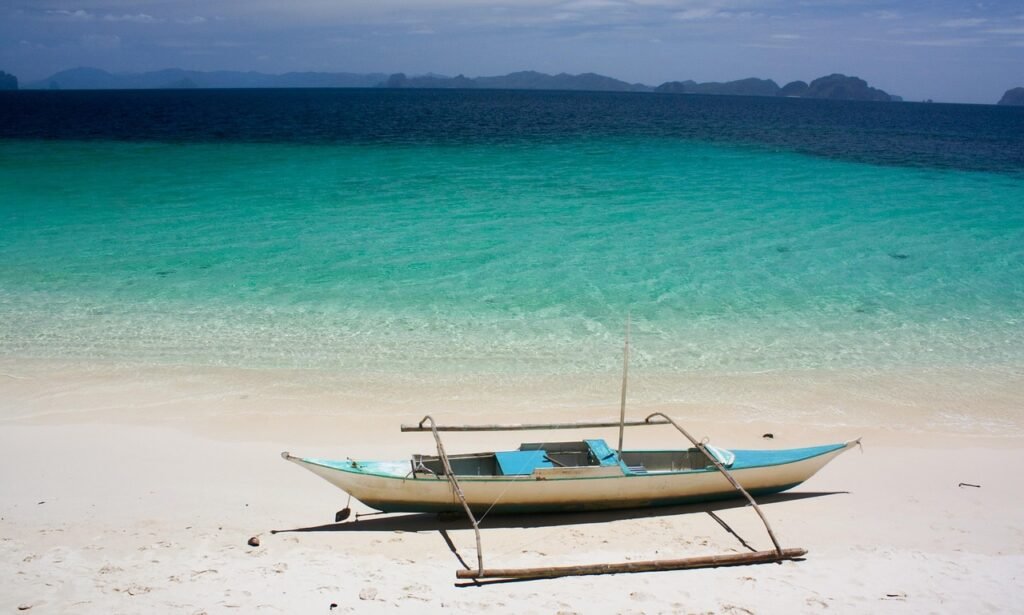
The Philippines is a genuinely good travel destination — cheap, English-speaking, and home to some of the least crowded tropical islands left in Southeast Asia. It’s a better fit for travelers who have flexible time and don’t mind slower, more complicated logistics between destinations than for people trying to cram a lot into a short, tightly scheduled trip. If that trade-off works for you, keep reading — the rest of this guide is the “how.”
Why the Philippines Is Worth Visiting
World-Class, Uncrowded Beaches and Islands
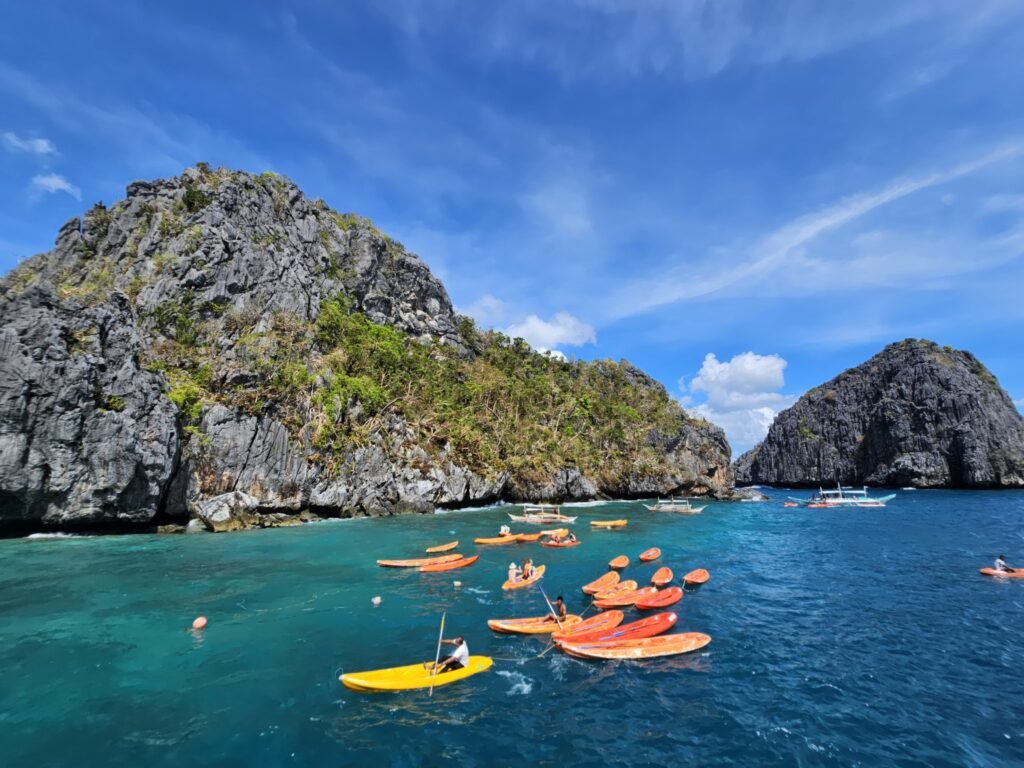
This is the country’s biggest selling point, and for once the hype holds up. El Nido’s limestone cliffs, Siargao’s surf breaks, Siquijor’s quieter beaches — these aren’t manufactured tourist sets, they’re genuinely remote islands that happen to also be stunning. On our own trip, Siargao’s Cloud 9 break area felt noticeably less crowded than comparable surf towns in Bali during the same season — fewer tour buses, fewer beach clubs stacked shoulder to shoulder.
Extremely Low Cost of Travel
The Philippines remains one of the cheapest countries in Southeast Asia to travel through. Budget travelers can realistically get by on $30–50 a day, and even a comfortable mid-range trip — private rooms, restaurant meals, the occasional tour — lands around $70–140 a day. We’ll break the full numbers down in the budget section below.
English Is Widely Spoken
English is an official language of the Philippines and used in schools, government, and most tourism-facing businesses. That removes a friction point a lot of first-time Southeast Asia travelers worry about — menus, directions, and bargaining all happen in English almost everywhere tourists go.
Genuine Filipino Hospitality
It’s an overused line in travel writing — “friendliest people in the world” — so instead of repeating it, here’s a specific example: on a five-hour bus delay outside Legazpi, the driver’s assistant walked the length of the bus checking in with every passenger individually and helped rebook a missed onward ferry connection with a phone call to a relative who worked the route. That’s not a marketing claim, that’s just what happened.
A Genuinely Diverse Food Scene
Filipino food doesn’t get the same global spotlight as Thai or Vietnamese cuisine, but it’s arguably more varied region to region than either. Adobo, sinigang, and lechon are the dishes most visitors know going in, but regional specialties — Bicol’s coconut-milk-and-chili dishes, the Ilocos region’s bagnet, Cebu’s lechon variations — mean the food genuinely changes as you move between islands, not just the scenery. Street food and carinderia meals also happen to be some of the cheapest calories in Southeast Asia, which ties directly into why the country is such good overall value.
A Country Built for Divers and Surfers
Beyond the postcard beaches, the Philippines sits inside the Coral Triangle, one of the most biodiverse marine regions on the planet. Sites like Tubbataha Reef, Apo Island, and Malapascua draw serious divers specifically for the marine life, not just the scenery, and Siargao’s consistent swell has made it the country’s unofficial surf capital. This is a meaningfully different travel niche than the generic “tropical beach vacation” framing most competitor content defaults to, and it’s worth calling out on its own.
The Honest Downsides

Inter-Island Travel Is Slower and Costlier Than It Looks
This is the single biggest thing competitor guides underplay. The Philippines isn’t a loop you drive around like Thailand — every leg between island groups is a flight or a long ferry, and each one comes with hidden add-ons: the tricycle to the pier, the terminal fee, the van on the other side, and half a day of your trip gone. Budget airlines like Cebu Pacific and AirAsia advertise low base fares, but checked baggage typically adds ₱700–1,500 per leg — on a four-flight itinerary, that’s an extra flight’s worth of money in bag fees alone. Book baggage online when you book your seat; airport counter rates are worse.
Typhoon Season Risk
The Philippine national weather agency, PAGASA, tracks typhoon activity primarily between June and October (technically, the country sees storm activity year-round, but this window carries the highest risk of trip-disrupting weather). Flight cancellations, ferry suspensions, and washed-out beach days are all realistic possibilities if you’re traveling during this stretch — worth planning around rather than ignoring.
Uneven Infrastructure Outside Tourist Hubs
Manila, Cebu, and the major resort islands have solid infrastructure. Step outside those hubs and things get inconsistent fast — spotty wifi, cash-only economies, and roads that turn a 40km trip into a two-hour ride. Power outages are also more common in smaller island communities than most first-timers expect, so pack a power bank if you’re heading somewhere less developed. It’s not a dealbreaker, but it’s a planning factor competitor listicles rarely mention with any specificity.
Safety Considerations
Most tourist areas are safe with standard precautions — the usual advice about petty theft, scams, and not flashing valuables applies here as it would anywhere. Common scams to watch for in tourist zones include overpriced “official” tricycle or taxi rates and unlicensed tour operators selling island-hopping trips that never materialize; sticking to recommended operators and agreeing on prices before boarding solves most of this. Certain regions of Mindanao carry specific advisories from government travel-advisory bodies (the US State Department and UK FCDO both publish region-by-region guidance), so it’s worth checking current advisories for your specific route rather than treating “the Philippines” as a single safety zone.
Philippines Travel Cost & Budget Breakdown
| Style | Daily Cost | What’s Included |
| Backpacker | $30–50 | Hostel dorm or budget guesthouse, local food, public transport |
| Mid-range | $70–140 | Private room, occasional restaurant meals, some paid tours |
| Comfort / Luxury | $190+ | Boutique or resort stays, private transfers, chartered excursions |
One detail a lot of older budget guides get wrong: the peso has weakened noticeably through 2025 and into 2026, trading around ₱61 to the US dollar as of mid-2026, compared to the mid-₱50s just a couple of years earlier. Guides still converting at ₱51–56/USD are overstating your costs by 10–20% — worth double-checking before you set a budget.
Hidden Costs to Budget For
The daily-spend numbers above assume you’re not island-hopping constantly. If you are, add a separate transport line of roughly $25–50 per hop, covering:
- Domestic flight base fare
- Checked baggage (₱700–1,500 per leg on budget carriers)
- Terminal fees (₱30–150)
- Tricycle/van transfers to and from ports and airports (₱50–700)
This is the line item most first-time visitors forget to budget for, and it’s the reason a “cheap” Philippines trip can quietly get more expensive than expected on multi-island itineraries.
Money-Saving Tips
- Book Cebu Pacific and AirAsia seats 2–3 months ahead; flash sales occasionally drop fares to under ₱100, but they’re unpredictable.
- Eat at carinderias and turo-turo eateries (₱50–150 a meal) instead of tourist-zone restaurants.
- Negotiate tricycle and boat charter fares — these are rarely fixed-price.
- Join group island-hopping tours rather than booking private charters; per-person cost drops significantly.
Best Time to Visit the Philippines

Best time to visit the Philippines: November through May, the dry season, offers the most reliable weather for beach time, diving, and island hopping — though it’s also peak tourist season, especially December through February.
Dry Season (November–May)
Lower rain risk, calmer seas for island hopping, but higher prices and bigger crowds at name-brand spots like Boracay and El Nido during the December–February peak.
Wet/Typhoon Season (June–October)
Lower prices and thinner crowds, but real risk of flight and ferry disruption. PAGASA’s typhoon tracking makes this window the one to watch most closely if your dates are flexible.
Philippines Pros & Cons
| Pros | Cons |
|---|---|
| Low cost of travel | Inter-island logistics eat time and money |
| Stunning, less-crowded islands | Typhoon season risk (June–October) |
| English widely spoken | Inconsistent infrastructure outside hubs |
| Genuinely welcoming culture | Petty crime/scams in tourist areas |
| Easy visa-free entry for most nationalities | Domestic flight delays are common |
Common Mistakes First-Time Travelers Make
- Trying to see too many islands in one trip. Each transfer costs a half-day or more — three regions in ten days is usually more realistic than five.
- Not booking inter-island flights early enough. Prices climb fast as departure dates near.
- Ignoring baggage fees on budget airlines. They add up faster than the ticket price suggests.
- Underestimating travel time between destinations. A short distance on a map can still mean a full-day journey by boat and van.
- Not carrying enough cash outside major hubs. ATMs thin out fast once you leave the cities.
Honestly, we made mistake #1 ourselves on our first trip — booked four islands in twelve days and spent almost a third of the trip in transit. Two regions, more time in each, would have been the better call.
One of the biggest mistakes is trying to squeeze too many islands into one trip. Our guide on how many days in the Philippines helps you choose the ideal itinerary length based on your travel style and the destinations you want to visit.
Pro Travel Tips

- Download Cebu Pacific and AirAsia’s apps directly — flash sales often post there before anywhere else.
- Complete your eTravel registration online within 72 hours of arrival; it’s free and required for most visa-free entrants.
- Base yourself in one region for your first trip (Palawan or the Visayas, not both) rather than trying to island-hop the whole archipelago.
- Get a local eSIM or SIM on arrival — connectivity outside major hubs is patchy enough that offline maps and downloaded confirmations are worth having as backup.
- If island-hopping tours are on your list, ask locally about joining an existing group rather than booking a private boat — it’s often half the price for the same route.
- Pack light and pack a dry bag — between boat transfers and sudden downpours, a rolling suitcase will fight you the entire trip.
- Withdraw larger amounts of cash in cities before heading to smaller islands, where ATMs are scarce and often out of service.
Who Should (and Shouldn't) Choose the Philippines
Good Fit For:
Backpackers and budget-conscious travelers, divers and surfers, beach-focused trips, and anyone comfortable with a flexible, slower-paced itinerary that leaves room for transit delays.
Maybe Skip (or Plan Very Carefully) If:
You have a tight one-week timeline and want to see multiple regions, you’re highly weather-sensitive and traveling June through October, or you’re prioritizing fast, seamless infrastructure over remote, uncrowded scenery.
Still comparing destinations? Read our detailed Bali or the Philippines guide to compare beaches, costs, nightlife, culture, and overall travel experience so you can choose the destination that best matches your travel style.
Frequently Asked Questions
Is the Philippines a good place to travel for beginners?
Yes — English is widely spoken, costs are low, and it's generally beginner-friendly for first-time Southeast Asia travelers, though inter-island logistics take extra planning.
Is the Philippines safe to visit right now?
Most tourist areas (Cebu, Boracay, Palawan) are safe with normal precautions; check current government travel advisories for region-specific guidance, particularly for parts of Mindanao, before booking.
How much does a week in the Philippines cost?
A budget week runs roughly $300–450 per person; mid-range travelers should plan for $500–1,000, not including international flights.
What is the best time of year to visit the Philippines?
November through May, the dry season, is best. June through October carries higher typhoon risk per PAGASA's seasonal tracking.
Is the Philippines better than Thailand for a first trip?
Thailand generally has easier internal transport; the Philippines offers quieter beaches and lower costs but requires more flexible planning around inter-island travel.
Do I need a visa to visit the Philippines?
Citizens of roughly 157 countries get 30-day visa-free entry (14 days for India and China), provided they have a passport valid six months beyond their stay, an onward ticket, and completed eTravel registration. Check current requirements for your specific passport before booking.
Is the Philippines good for solo female travelers?
Generally yes in established tourist areas with standard precautions; research region-specific advice and stick to well-reviewed accommodations.
How many days do you need in the Philippines?
A minimum of 10–14 days is recommended to comfortably cover two island regions without over-packing the itinerary with back-to-back transfers.