Table of Contents
ToggleWhy You Should Know These Thailand Travel Mistakes
Most travelers don’t ruin their Thailand trip with big, obvious errors—they ruin it with small, repeated mistakes that compound over time. The difference between a smooth, memorable trip and a frustrating one often comes down to what you avoid, not just what you plan.
What Actually Goes Wrong for First-Time Travelers
The biggest gap isn’t knowledge—it’s assumptions.
Many first-time visitors assume Thailand is cheap everywhere. It’s not. While street food can cost ₹100–₹200, a poorly chosen beach café in Phuket can charge ₹800+ for the same meal. Without understanding these price gaps, travelers unknowingly overspend every day.
Another common mistake is misjudging distances and logistics. On Google Maps, Phuket to Krabi looks close—but in reality, it can take 3–5 hours including transfers. Travelers who plan “2 cities in 2 days” end up spending more time in transit than exploring.
There’s also a behavioral gap. Thailand runs on a “soft culture”—calm tone, respect, and patience. Tourists who argue aggressively over prices or speak loudly often get worse service or subtle pushback. It’s not obvious, but it directly impacts your experience.
How These Mistakes Quietly Drain Your Budget, Safety & Experience
Most losses don’t feel like losses in the moment—they feel like “just part of travel.”
- Daily overpaying adds up fast
Paying ₹200 extra for taxis, ₹300 extra for meals, and ₹500 extra for tours can silently cost you ₹5,000–₹10,000 over a week. - Bad decisions reduce trip quality, not just money
Booking a cheap hotel far from the city center might save ₹1,500—but you’ll spend more on transport and lose hours commuting. The real cost is time and energy. - Safety mistakes are often convenience-driven
Renting a scooter “just for fun” without an international license is one of the most common tourist errors. Beyond fines, accidents can lead to uninsured medical bills, which are far more expensive than any tour. - Health mistakes kill itineraries
One wrong food choice from a low-hygiene stall can cost you 1–2 full days of your trip. That’s not just discomfort—it’s missed experiences you can’t get back.
Why Smart Planning Is Your Biggest Advantage
Smart travelers don’t over-research—they focus on high-impact decisions.
Here’s what actually makes a difference:
- Location > Price when booking stays
Staying near BTS/MRT in Bangkok or central areas in Phuket cuts transport costs and saves hours daily. - Time buffering between destinations
Always assume delays in ferries, buses, and island transfers. A tight itinerary is the fastest way to feel rushed. - Pre-book only what matters
Flights, first 1–2 nights, and key experiences—leave flexibility for the rest to avoid overpaying. - Understand “tourist pricing zones”
Areas like Patong Beach or Phi Phi Islands are convenience-priced. Step 10–15 minutes away, and prices drop significantly.
The Real Insight Most Blogs Miss
Thailand isn’t difficult to travel—it’s easy to travel badly.
If you recognize these mistakes early, you don’t just save money—you:
- Travel with confidence
- Avoid stress and confusion
- Experience Thailand more authentically
In short, knowing these Thailand travel mistakes turns you from a typical tourist into a smart traveler who gets more value, better experiences, and fewer regrets.
Pre-Trip Planning Mistakes
Most Thailand travel problems don’t start in Thailand—they start before you even board your flight. Poor planning leads to wasted money, last-minute stress, and avoidable risks. Fix these early, and your trip becomes 10x smoother.
Not Checking Visa Requirements (India-Specific)
Many Indian travelers assume Thailand entry is “automatic.” It’s not.
Thailand offers Visa on Arrival (VoA) for Indians, but there are strict conditions:
- Valid passport (6+ months validity)
- Confirmed return ticket
- Hotel bookings proof
- Minimum funds (usually ~10,000 THB per person)
Before booking flights, travelers should verify the latest entry requirements directly from Thailand’s official immigration authorities. Visa policies, documentation requirements, visa exemptions, and e-Visa programs can change periodically. Checking the official source helps avoid relying on outdated blog information and ensures travelers arrive with the correct documents and eligibility requirements.
Real mistake: Travelers show up without printed documents or insufficient funds proof and get delayed or denied boarding.
Pro tip:
Even if VoA is available, consider applying for an e-visa in advance to skip long airport queues (sometimes 1–2 hours in peak season).
Travelers wanting to avoid airport visa queues can review the official Thailand e-Visa system before departure. The portal provides current eligibility requirements, application procedures, fees, and processing timelines directly from Thai authorities.
Overstay penalties are serious:
- Approx. 500 THB/day fine
- Overstay beyond a certain limit can lead to bans
 Always track your exit date—set a reminder on your phone.
Booking Flights Too Late
Flight pricing for Thailand is highly dynamic, especially from India.
What most travelers do wrong:
They book tickets 7–10 days before departure and end up paying 30–50% more.
Best booking window:
- International flights: 4–8 weeks in advance
- Peak season (Nov–Feb): Book 2–3 months early
Price trend insight:
Flights from Delhi/Mumbai to Bangkok or Phuket spike heavily:
- Around holidays (New Year, Christmas)
- Long weekends
- School vacation periods
Pro tip:
Use price tracking tools (like Google Flights alerts) and book mid-week departures (Tue–Thu) for cheaper fares.
Ignoring Travel Insurance
This is one of the most underestimated Thailand travel mistakes.
Thailand has excellent private hospitals—but they are not cheap for tourists.
Real cost example:
- Minor accident (bike fall): ₹15,000–₹50,000
- Hospital admission: ₹1–3 lakh+
- Emergency evacuation: Even higher
Now compare that to travel insurance:
- Cost: ₹500–₹1,500 for a week
- Coverage: Medical, theft, cancellations
Common mistake:
Travelers skip insurance to “save money,” then pay 100x more in emergencies.
Pro tip:
Choose a plan that covers:
- Adventure activities (if you plan island tours or water sports)
- Medical emergencies
- Trip delays/cancellations
Not Researching Weather & Seasons
Thailand’s weather can completely change your experience—and most blogs oversimplify it.
The biggest mistake:
Assuming Thailand has “good weather all year.”
Reality:
- Nov–Feb (Peak season): Best weather, higher prices
- Mar–May: Extremely hot (35–40°C)
- Jun–Oct (Monsoon): Rain + unpredictable travel delays
Monsoon mistake example:
Booking island hopping tours in Phuket during heavy rains—many tours get canceled or feel rushed.
Peak vs Off-season confusion:
- Peak = better weather but crowded & expensive
- Off-season = cheaper but risk of limited activities
Smart strategy:
- Want beaches? → Visit Phuket/Krabi in Dec–March
- Want budget travel? → Go in shoulder months (Oct or March)
Pro tip:
Don’t just check “Thailand weather”—check city-specific weather (Bangkok ≠ Phuket ≠ Chiang Mai).
Weather conditions vary significantly across Thailand. Travelers should check forecasts for specific destinations rather than relying on country-wide assumptions, especially during monsoon season when ferry schedules and outdoor activities can be affected.
Budget & Money Mistakes
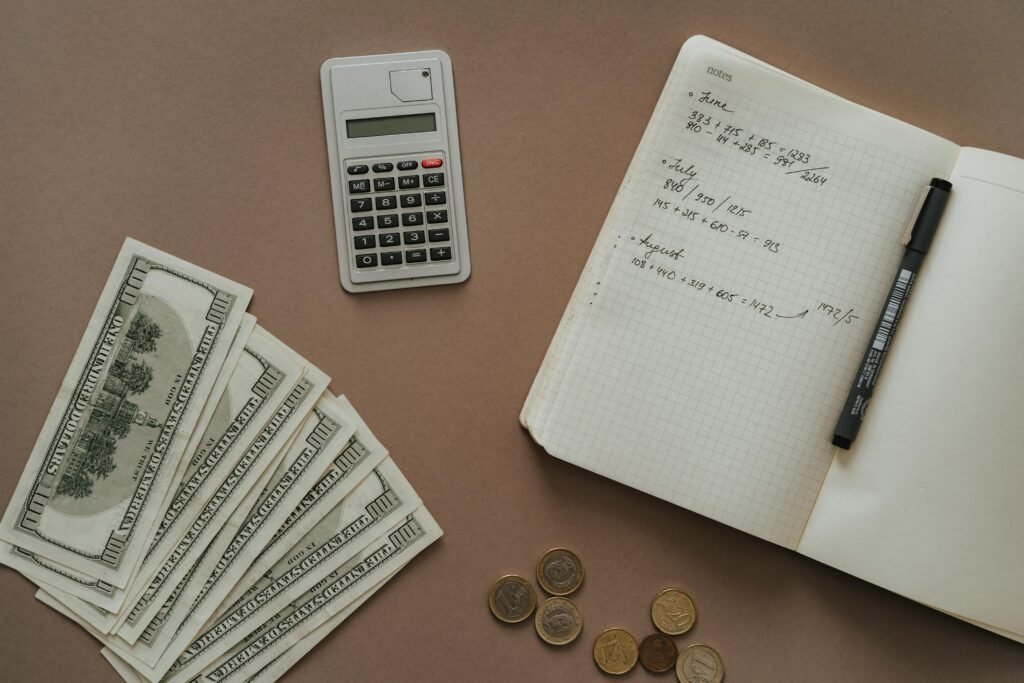
Thailand is often marketed as a “cheap destination”—and that’s exactly why many travelers end up overspending. The real issue isn’t high prices, it’s poor money decisions made daily. Fix these, and you can cut your trip cost by 20–40% without compromising your experience.
Not Exchanging Currency Smartly
Currency exchange is one of the first places travelers lose money—and most don’t even realize it.
Airport vs Local Exchange:
Airports in Thailand (and India) offer convenience, not value. Exchange rates here are often 3–8% worse than city rates.
Real example:
Exchanging ₹50,000 at the airport could cost you ₹2,000–₹3,000 in hidden losses.
Better strategy:
- Exchange a small amount at the airport (for taxi/food)
- Do the rest at local exchange counters in cities like Bangkok or Phuket
Using ATMs:
ATMs are convenient but come with:
- Flat withdrawal fee (~220 THB per transaction)
- Possible bank charges from your home bank
Pro tip:
Withdraw larger amounts in fewer transactions to reduce fees.
Checking real-time exchange rates before converting money helps travelers identify poor exchange offers and understand the true value of Thai Baht against their home currency.
Underestimating Daily Expenses
Thailand can be cheap—but only if you understand where your money goes.
Typical daily costs (mid-range traveler):
- Food: ₹500–₹1,500
- Transport: ₹300–₹1,000
- Activities/Tours: ₹1,500–₹5,000
Where people go wrong:
They budget only for hotels and flights, ignoring daily spending leakage.
Hidden costs that add up:
- National park entry fees (₹300–₹1,000)
- Island ferry transfers
- Taxi surcharges at night
- ATM and currency fees
Real insight:
Even if your hotel is prepaid, you can easily spend ₹3,000–₹6,000 per day without noticing.
Pro tip:
Set a daily spending cap and track expenses using apps—it keeps your budget realistic.
Carrying Too Much Cash
Many travelers believe Thailand is a “cash-only country,” so they carry large amounts. That’s risky and unnecessary.
Safety risks:
- Pickpocketing in crowded areas (markets, nightlife zones)
- Losing cash = no recovery
Better alternatives:
- Use a forex card or international debit card
- Keep 2–3 days’ cash, not your entire budget
- Split money across wallet, bag, and hotel safe
Real tip:
Most malls, hotels, and even many cafes accept cards. Cash is mainly needed for street markets and small vendors.
Falling for Cheap Deals That Cost More
This is one of the most expensive Thailand travel mistakes—because it feels like saving money.
Tour scams & low-quality deals:
You’ll often find tours that are 30–40% cheaper than others. The catch?
- Overcrowded boats
- Rushed itineraries
- Hidden charges (entry fees, equipment rental)
Example:
A “cheap” Phi Phi island tour may exclude national park fees, making it more expensive than premium options.
Low-quality hotels trap:
- Poor hygiene
- Bad location (far from attractions)
- Noisy or unsafe areas
Saving ₹1,000 per night can cost you:
- Extra transport
- Lost time
- Poor sleep (which affects your whole trip)
Pro tip:
Always check:
- Google reviews (not just ratings)
- Location on map
- What’s included vs excluded
Cultural & Etiquette Mistakes
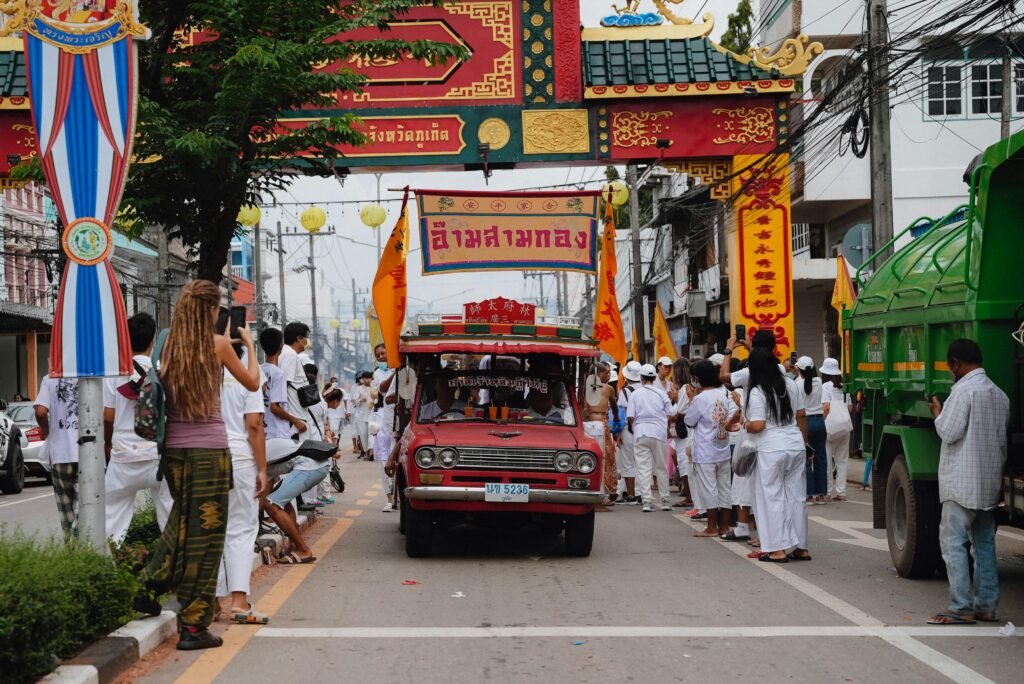
Thailand is known as the “Land of Smiles”, but that warmth comes with deeply rooted cultural values. What many travelers miss is this: you’re not judged by what you see—but by how you behave. Ignoring basic etiquette won’t just feel awkward—it can lead to fines, denied entry, or uncomfortable situations.
Disrespecting the Thai Royal Family
This is not just a cultural mistake—it’s a legal risk.
Thailand has strict lèse-majesté laws, which make it illegal to insult or disrespect the royal family in any form.
What travelers often do wrong:
- Making jokes or casual comments about the monarchy
- Posting insensitive content on social media
- Mishandling Thai currency (which features the King’s image)
Real consequence:
People (including tourists) have faced serious legal action, including jail time, for violations.
Practical rule:
- Never speak negatively about the royal family
- Treat currency respectfully—don’t step on it or crumple it casually
👉 Even accidental disrespect is not taken lightly.
Inappropriate Dress at Temples
Temples (called wats) are not just tourist spots—they are active religious spaces.
Common mistake:
Showing up in:
- Shorts above the knee
- Sleeveless tops
- Crop tops or revealing clothes
This can result in:
- Being denied entry
- Being forced to rent or buy cover-ups at inflated prices
Dress code basics:
- Shoulders covered
- Knees covered
- Avoid tight or transparent clothing
Many of Thailand’s most famous temples maintain dress code requirements to preserve cultural and religious respect. Visitors should review guidelines before arriving.
Pro tip:
Carry a light scarf or shawl in your bag—it instantly solves most dress code issues without extra cost.
Touching Someone’s Head or Pointing Feet
These are subtle but important cultural signals.
Cultural meaning:
- The head is considered the most sacred part of the body
- The feet are considered the lowest and least clean
Mistakes travelers make:
- Touching someone’s head casually (even children)
- Pointing feet at people, Buddha statues, or religious objects
- Sitting with feet facing others in temples
Why it matters:
Even if locals don’t confront you, it’s seen as disrespectful and ignorant.
Practical awareness tip:
- Keep your feet tucked or flat when sitting
- Avoid using your foot to point or move objects
Being Too Loud or Aggressive
Thailand operates on a very different social energy compared to many countries.
Thai social norms prioritize:
- Calmness
- Politeness
- Non-confrontation
Common tourist mistake:
- Raising your voice during disagreements
- Arguing aggressively over prices
- Showing frustration publicly
What actually happens:
- Locals may refuse service
- You may be ignored or overcharged
- Situations escalate quietly rather than openly
Real insight:
In Thailand, losing your temper means losing respect—and often losing the situation.
Pro tip:
- Smile, stay calm, and speak politely—even in disagreements
- A calm tone often gets better results than confrontation
Transportation Mistakes
Getting around Thailand is easy—but getting it wrong is even easier. Transportation mistakes don’t just waste money; they shape your daily experience, from how much you spend to how stressed you feel. Most issues come from choosing convenience over awareness.
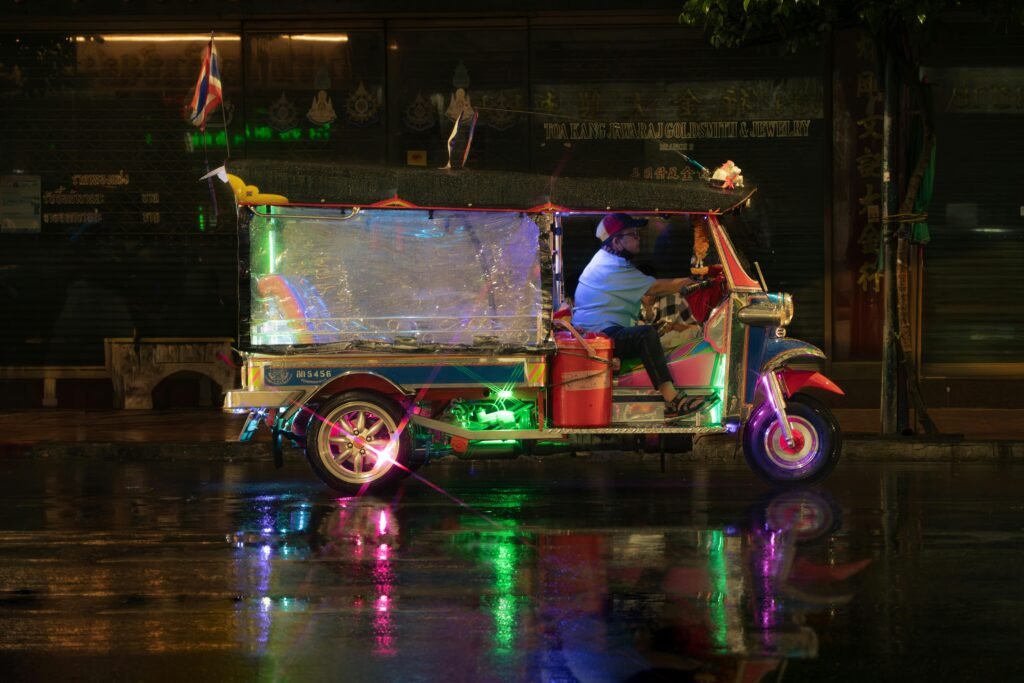
Not Negotiating Tuk-Tuk Prices
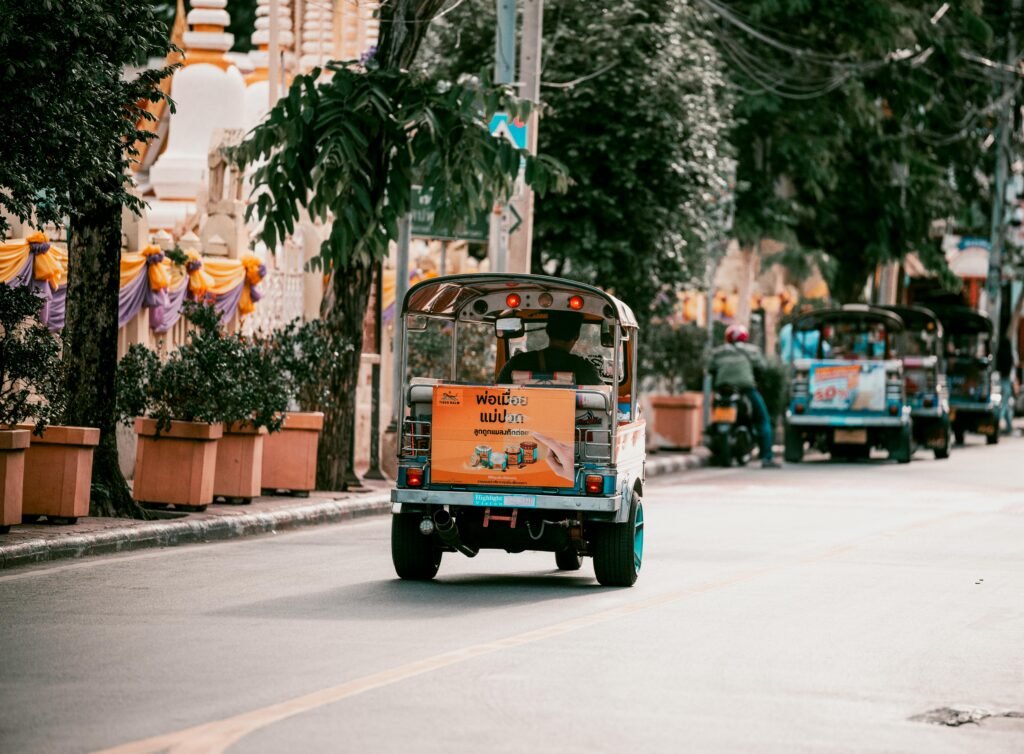
Tuk-tuks look fun, local, and “cheap”—but they’re one of the biggest tourist traps.
What goes wrong:
- No fixed pricing
- Drivers quote 2–3x higher rates to tourists
- “Cheap rides” that include forced stops at shops (commission scams)
Real example:
A 10-minute ride that should cost ~100–150 THB can easily turn into 300–500 THB if you don’t negotiate.
Hidden trap:
Drivers may offer extremely low fares (like 50 THB) but take you to:
- Tailor shops
- Gem stores
- Tour agencies
You’re expected to buy something—or waste time.
Smart strategy:
- Always agree on price before sitting
- Compare with Grab app pricing
- Use tuk-tuks only for short, one-time experiences—not daily transport
Ignoring Public Transport Options (BTS & MRT)
Many tourists rely only on taxis or tuk-tuks, completely ignoring Bangkok’s efficient public transport system.
What they miss:
- BTS Skytrain and MRT Metro are:
- Cheap (₹50–₹150 per ride)
- Air-conditioned
- Traffic-free
Real mistake:
Taking taxis during peak hours in Bangkok can turn a 20-minute journey into 1+ hour—plus higher fares.
Where BTS/MRT shine:
- Airport connections
- Major shopping areas (Siam, Sukhumvit)
- Tourist zones
Pro tip:
- Stay near a BTS/MRT station—it saves both time and money daily
- Use Google Maps—it integrates public transport routes perfectly
The BTS Skytrain network connects many of Bangkok’s most visited neighborhoods, shopping districts, and transport hubs, making it one of the most efficient ways to avoid traffic congestion.
Renting Bikes Without Experience
Renting a scooter feels like freedom—but in Thailand, it’s one of the most risky decisions tourists make.
What travelers underestimate:
- Chaotic traffic (especially in Phuket & Bangkok)
- Left-side driving (confusing for many)
- Poor road conditions in some areas
Real consequences:
- Frequent tourist accidents
- Police fines if you don’t have an International Driving Permit (IDP)
- Insurance claims getting rejected
Cost reality:
- Bike rent: ₹300–₹600/day
- Accident cost: ₹20,000–₹2 lakh+
Smart alternative:
- Use Grab (cheap and reliable)
- Rent bikes only in quieter areas (like small islands) and only if experienced
Not Checking Taxi Meters
Taxis in Thailand are generally affordable—but only if you use them correctly.
Common mistake:
Getting into a taxi without confirming “meter on.”
What happens next:
- Driver quotes a flat fare (usually inflated)
- You end up paying 2x–3x the normal price
Real example:
A metered ride costing 120 THB may be quoted as 300 THB.
Smart strategy:
- Always say: “Meter please” before the ride
- If driver refuses → politely exit and take another taxi
- Use Grab for transparent pricing
Extra tip:
Avoid taxis parked in tourist hotspots—they are more likely to overcharge.
Accommodation Mistakes
Where you stay in Thailand doesn’t just affect your comfort—it directly impacts your daily budget, convenience, and overall experience. Most travelers focus only on price or popularity, but smart accommodation choices are about location, quality, and timing.

Staying Only in Tourist Areas
Tourist hubs like Patong (Phuket), Khao San Road (Bangkok), or Ao Nang (Krabi) seem like obvious choices—but staying only in these areas can limit your experience.
What most travelers don’t realize:
- Prices are inflated (food, taxis, even basic services)
- Overcrowding reduces the “Thailand vibe”
- You interact mostly with other tourists—not local culture
Real example:
A meal near Patong Beach might cost 300–500 THB, while the same dish 10–15 minutes away costs 100–150 THB.
Experience cost:
You miss:
- Authentic street food spots
- Local markets
- Quieter, more scenic neighborhoods
Smart strategy:
- Stay slightly outside tourist hotspots (5–15 minutes away)
- Choose areas with good connectivity (near BTS/MRT in Bangkok)
👉 You’ll save money and get a more authentic experience.
Choosing Cheap Hotels Without Reviews
Budget travel doesn’t mean blind booking. One of the biggest mistakes is choosing the lowest-priced hotel without checking reviews deeply.
What goes wrong:
- Misleading photos (edited or outdated)
- Poor hygiene (common complaint in low-rated stays)
- Unsafe locations or noisy surroundings
Real scenario:
Saving ₹1,000 per night might lead to:
- Noisy streets → poor sleep
- Dirty bathrooms → health risks
- Far location → extra transport costs
What to check (most people don’t):
- Recent reviews (last 3–6 months)
- Comments about cleanliness & location—not just ratings
- Google Maps street view (to see surroundings)
Pro tip:
Anything below 7.5 rating (or 3.5 stars) is a risk unless verified carefully.
Booking Last Minute in Peak Season
Thailand’s peak season (Nov–Feb) attracts global tourists—and accommodation sells out fast.
Common mistake:
Travelers assume they’ll “find something on arrival” to get better deals.
Reality:
- Good hotels get fully booked weeks in advance
- Remaining options are:
- Expensive
- Poor quality
- Badly located
Real impact:
- Paying 2x–3x for average rooms
- Wasting hours searching instead of enjoying your trip
Example:
A ₹3,000 room in October can cost ₹7,000+ in December if booked last minute.
Smart strategy:
- Book at least:
- 3–4 weeks in advance (normal season)
- 6–8 weeks in advance (peak season)
- Use “free cancellation” options to stay flexible
Food & Health Mistakes
Thailand’s food scene is one of the biggest highlights of the trip—but it’s also where many travelers either miss out completely or make avoidable health mistakes. The goal isn’t to play it too safe or too risky—it’s to eat smart so you enjoy the experience without ruining your trip.
Avoiding Street Food Completely
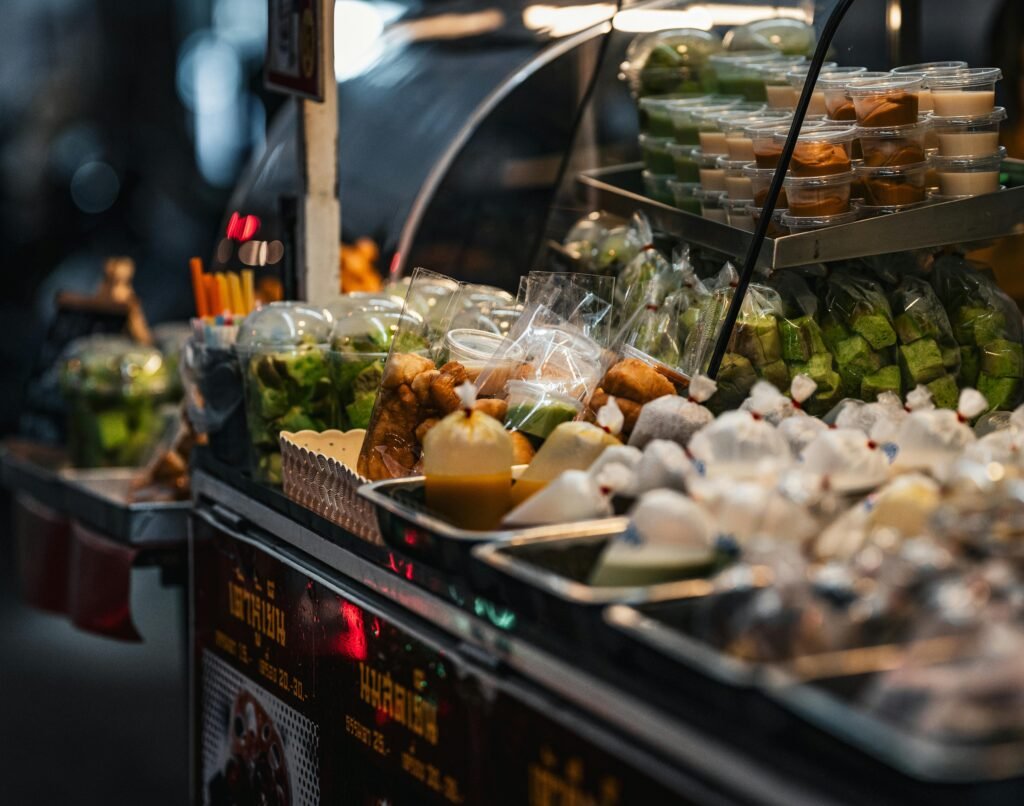
Many first-time travelers skip street food out of fear—and that’s a huge mistake.
What you miss:
- Authentic Thai flavors (often better than restaurants)
- Local favorites like Pad Thai, Mango Sticky Rice, Som Tam
- Meals that cost ₹100–₹300 instead of ₹800+ in tourist restaurants
Reality check:
Street food in Thailand is often fresher than restaurants because:
- High turnover = constant cooking
- Ingredients are used quickly
Real insight:
Some of the best meals you’ll have in Thailand will come from small roadside stalls, not fancy cafes.
Smart approach:
- Choose stalls with long queues (especially locals)
- Watch how food is prepared (fresh cooking = good sign)
👉 Avoiding street food doesn’t make your trip safer—it makes it less authentic.
Drinking Tap Water
This is one mistake you should never ignore.
Tap water in Thailand is not safe for drinking, even in hotels.
Common mistakes:
- Brushing teeth with tap water (generally safe, but sensitive travelers may react)
- Accepting free water at unknown places
- Drinking ice from questionable sources
Real risk:
- Stomach infections
- Food poisoning
- Lost travel days
Safe alternatives:
- Always use sealed bottled water
- Check bottle caps before drinking
- Use bottled water even for brushing if you have a sensitive stomach
Pro tip:
7-Eleven stores are everywhere—stock up cheaply and easily.
Not Checking Food Hygiene
Eating everything without observing basic hygiene is where problems start.
What travelers ignore:
- Cleanliness of utensils
- Storage conditions of ingredients
- How long food has been sitting out
High-risk signs:
- Pre-cooked food sitting for hours
- Flies around food
- Dirty cooking surfaces
Safe eating tips:
- Prefer hot, freshly cooked meals
- Avoid raw or undercooked meat/seafood
- Peel fruits yourself instead of buying pre-cut ones
Real example:
A simple mistake like eating pre-cut fruit from a roadside cart can lead to stomach issues within hours.
Ignoring Spice Levels (“Thai Spicy” Warning)
“Spicy” in Thailand is not the same as Indian spicy—it’s often next level intense.
Common mistake:
Ordering food normally without specifying spice level.
What happens:
- Dishes come extremely spicy
- You can’t finish your meal
- Your stomach suffers later
Smart strategy:
- Say: “No spicy” or “Little spicy” clearly
- Start mild, then adjust based on tolerance
Real tip:
Even locals sometimes say “less spicy”—don’t try to prove anything on day one.
Safety & Scam Mistakes
Thailand is generally safe for tourists—but that doesn’t mean you can switch off awareness. Most problems travelers face aren’t violent crimes; they’re small scams, careless decisions, and avoidable risks. The key is knowing how scams work and where travelers get careless.
Falling for Gem Scams
This is one of the oldest and most common tourist scams in Thailand—and it still works.
How it typically happens:
- A friendly local (often well-dressed) starts a conversation
- They tell you a temple/shop is “closed today”
- They recommend a “special government gem sale” or “limited-time deal”
- You’re taken to a store where you’re pressured to buy overpriced gems
Reality:
The gems are either low-quality or massively overpriced—and nearly impossible to resell.
Why people fall for it:
- The setup feels personal and trustworthy
- It doesn’t feel like a scam initially
Smart rule:
👉 If someone approaches you randomly with a “special deal,” walk away immediately.
Trusting Random Tour Agents
Thailand is full of tour desks, street agents, and “cheap package” offers. Not all are scams—but many are low-quality or misleading.
Common booking mistakes:
- Booking tours from street stalls without reviews
- Choosing the cheapest option without checking inclusions
- Not confirming what’s included (entry fees, meals, transfers)
What can go wrong:
- Overcrowded tours
- Hidden charges later
- Poorly managed schedules
Real example:
A “cheap island tour” may exclude national park fees, equipment, or lunch—making it more expensive than a properly booked tour.
Smart strategy:
- Book through reputable platforms or verified agencies
- Read recent reviews, not just ratings
- Ask clearly: What’s included and what’s not?
Not Protecting Your Belongings
Thailand is safe, but petty theft still happens—especially in tourist-heavy areas.
High-risk situations:
- Crowded night markets
- Busy beaches
- Party zones (like Patong, Khao San Road)
Common mistakes:
- Keeping wallet/phone in back pocket
- Leaving bags unattended on beaches
- Carrying all cash in one place
Real impact:
Losing your phone or wallet abroad is not just expensive—it disrupts your entire trip.
Smart precautions:
- Use a crossbody bag or anti-theft backpack
- Keep valuables split (wallet + backup cash separately)
- Avoid displaying expensive items openly
Ignoring Travel Warnings
Most travelers don’t check local safety updates—and that’s a mistake.
What people ignore:
- Unsafe areas at night
- Weather warnings (especially during monsoon)
- Local advisories about scams or closures
Examples:
- Walking alone late at night in unfamiliar areas
- Booking island tours during rough sea conditions
- Visiting poorly lit or isolated locations
Important insight:
Thailand is safe overall—but safety depends heavily on where you are and how aware you are.
Smart strategy:
- Ask hotel staff about safe/unsafe areas
- Avoid poorly lit streets late at night
- Check weather before planning outdoor activities
Official tourism resources frequently publish updates about seasonal conditions, safety guidance, transportation disruptions, and destination-specific recommendations.
Itinerary Planning Mistakes
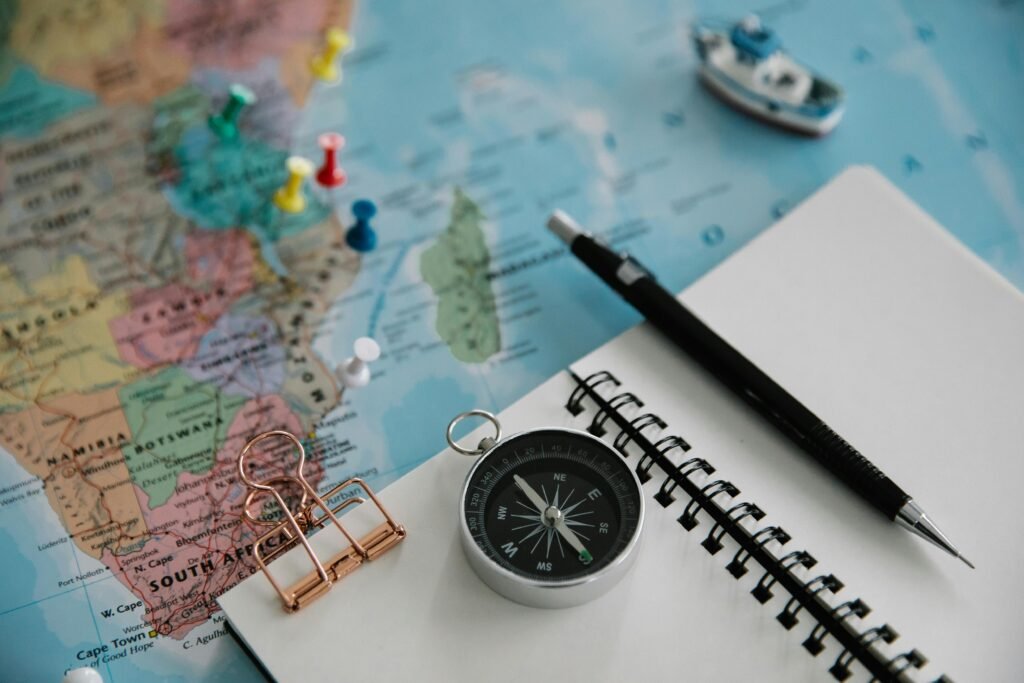
A poorly planned itinerary is one of the fastest ways to turn a dream Thailand trip into a stressful checklist. The biggest mistake? Treating Thailand like a small destination you can “cover quickly.” In reality, it’s a country where less planning = better experience (if done smartly).
Trying to Cover Too Many Places
This is the most common mistake—especially for first-time travelers.
What people plan:
Bangkok → Phuket → Krabi → Phi Phi → Chiang Mai in 6–7 days.
What actually happens:
- Constant packing/unpacking
- Long travel hours (flights, ferries, transfers)
- Very little time to actually enjoy places
Real impact:
You don’t experience Thailand—you just pass through it.
Travel fatigue is real:
- Early checkouts
- Waiting at airports/ferry terminals
- Exhaustion that kills your energy for exploring
Better approach:
👉 Focus on 2–3 destinations max for a 7–10 day trip
Example:
- 3 days Bangkok
- 3–4 days Phuket/Krabi
- 1 buffer/rest day
You’ll enjoy more by doing less.
Not Allocating Enough Time Per City
Even when travelers pick fewer places, they still underestimate how much time each destination deserves.
Common mistake:
Spending:
- 1 day in Bangkok
- 1–2 days in islands
Why this fails:
- You miss key experiences
- You’re always in a rush
- No time for flexibility (which is essential in Thailand)
Ideal duration (practical breakdown):
- Bangkok: 2–3 days (temples, markets, nightlife)
- Phuket/Krabi: 3–4 days (beaches, island tours)
- Chiang Mai: 2–3 days (culture, nature, temples)
Real insight:
The first day in any city is usually “lost” to:
- Check-in delays
- Exploring nearby areas
- Adjusting to surroundings
So if you plan only 1 day, you effectively get half a day of experience.
Ignoring Island Travel Time (Ferry Delays)
Island hopping looks easy on Instagram—but logistics can be unpredictable.
What travelers assume:
“Phi Phi is close to Phuket, so it’ll be quick.”
Reality:
- Ferry schedules are fixed (not always flexible)
- Delays due to weather are common
- Transfers include hotel → pier → ferry → island → hotel
Total travel time can be:
4–8 hours for what looks like a short distance.
Common mistake:
Planning:
- Morning transfer
- Afternoon activity
👉 This rarely works.
Real example:
A delayed ferry can wipe out your entire day’s plan, including tours or hotel check-ins.
Smart strategy:
- Keep buffer time on transfer days
- Avoid planning major activities on the same day as island travel
- Check weather conditions (especially in monsoon season)
Technology & Connectivity Mistakes
Good connectivity in Thailand isn’t a luxury—it’s what keeps your trip efficient, safe, and stress-free. From navigating streets to booking rides, your phone becomes your most important travel tool. Most travelers don’t realize how much time and money they lose by getting this wrong.
Not Getting a Local SIM Card
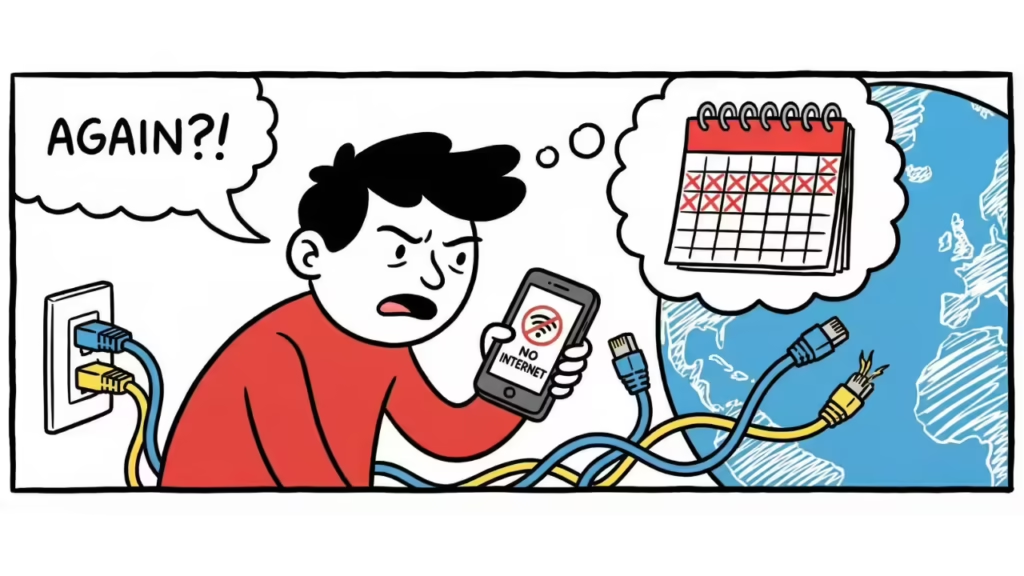
Relying on international roaming is one of the most expensive and limiting mistakes.
Cost comparison (realistic):
- International roaming (India): ₹500–₹1,000/day
- Thailand local SIM: ₹300–₹800 for 5–10 days with unlimited data
What travelers get wrong:
- They delay buying a SIM
- They assume WiFi will be enough
- They rely on hotel internet only
What you actually need:
- Constant access to maps
- Ride-hailing apps (Grab/Bolt)
- Translations and bookings
Where to buy:
- Airport kiosks (slightly expensive but convenient)
- 7-Eleven stores (cheaper)
Pro tip:
Get a SIM immediately on arrival—it pays for itself within a day.
Relying Only on WiFi
Free WiFi sounds convenient—but it’s unreliable when you need it most.
Common situations where WiFi fails:
- While navigating streets
- Booking rides on the go
- Finding restaurants or ATMs
- During island travel
Real problem:
You waste time searching for networks, asking for passwords, or getting stuck in unfamiliar areas.
Hidden cost:
- Missed taxis → higher fares
- Getting lost → wasted time
- Delayed bookings → higher prices
Reality check:
Even good cafes or hotels may have slow or unstable connections.
Smart approach:
👉 Treat WiFi as backup, not your primary connection
Not Using Maps & Travel Apps
Many travelers underestimate how powerful the right apps can be in Thailand.
Common mistake:
Trying to “figure things out manually” instead of using tools that locals and experienced travelers rely on.
Essential apps (must-have):
- Google Maps → Navigation, public transport routes
- Grab / Bolt → Affordable taxis without negotiation
- Google Translate → Useful for menus and communication
- Klook / GetYourGuide → Booking tours with verified reviews
Real advantage:
- Transparent pricing (no overcharging)
- Faster decision-making
- Reduced dependency on strangers
Example:
Without Grab, you might pay 300 THB for a taxi. With the app, the same ride could cost 120–150 THB.
Pro tip:
Download offline maps for key cities—you’ll still navigate even with weak signals.
Packing Mistakes
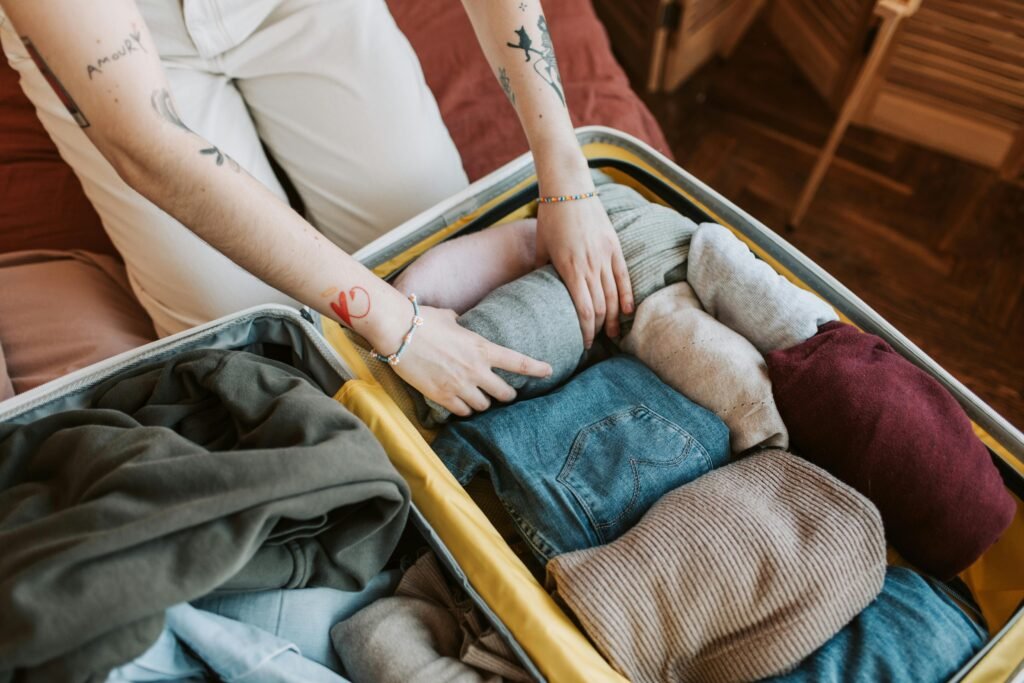
Packing for Thailand looks simple—but most travelers either overpack useless items or forget critical essentials. The result? Extra baggage, discomfort, and unnecessary spending during the trip. Smart packing is not about carrying more—it’s about carrying the right things for the climate and lifestyle.
Overpacking for Thailand Weather
Thailand is hot, humid, and tropical almost all year. Yet many travelers pack like they’re going on a mixed-weather trip.
Common mistake:
- Carrying heavy clothes (jeans, jackets, multiple outfits per day)
- Packing “just in case” items that never get used
Reality:
- You’ll wear light, breathable clothes most of the time
- Laundry services are cheap and easily available
What you actually need:
- Lightweight t-shirts, shorts, summer dresses
- 1 light layer (for flights or malls with strong AC)
- Swimwear (for beaches/islands)
Real insight:
A 20kg suitcase often becomes a burden—especially when moving between cities or islands.
Pro tip:
Pack for 5–6 days max, even for longer trips. Reuse and do laundry instead of overpacking.
Forgetting Essentials
While people overpack clothes, they often forget small essentials that are expensive or inconvenient to buy last minute.
Commonly forgotten items:
- Sunscreen (Thailand sun is intense)
- Universal power adapter
- Basic medicines (fever, stomach issues, allergies)
Why this matters:
- Sunscreen in tourist areas can be overpriced
- Finding the right medicines abroad can be confusing
- Adapters may not always be easily available
Real example:
Skipping sunscreen for a day trip can lead to severe sunburn—impacting the rest of your trip.
Smart checklist:
- Sunscreen (SPF 50+)
- Power bank + adapter
- Personal meds + prescription copy
- Small first-aid kit
Wearing Wrong Footwear
Footwear is one of the most underrated travel decisions—and one of the most impactful.
Common mistake:
- Bringing new shoes (not broken in)
- Wearing heavy sneakers in humid weather
- Choosing style over comfort
What happens:
- Blisters and foot pain
- Discomfort during long walks
- Ruined day plans due to fatigue
Thailand reality:
- You’ll walk a lot (markets, temples, beaches)
- You’ll remove shoes frequently (temples, some shops)
Best footwear choices:
- Comfortable walking shoes (already used)
- Flip-flops or sandals for beaches and casual outings
Pro tip:
Avoid complicated footwear—simple, breathable, and easy-to-remove options work best.
Nightlife & Party Mistakes
Thailand’s nightlife is world-famous—from beach parties to rooftop bars—but it’s also where many travelers make high-risk mistakes that can ruin an otherwise perfect trip. The key isn’t avoiding nightlife—it’s enjoying it with awareness and control.
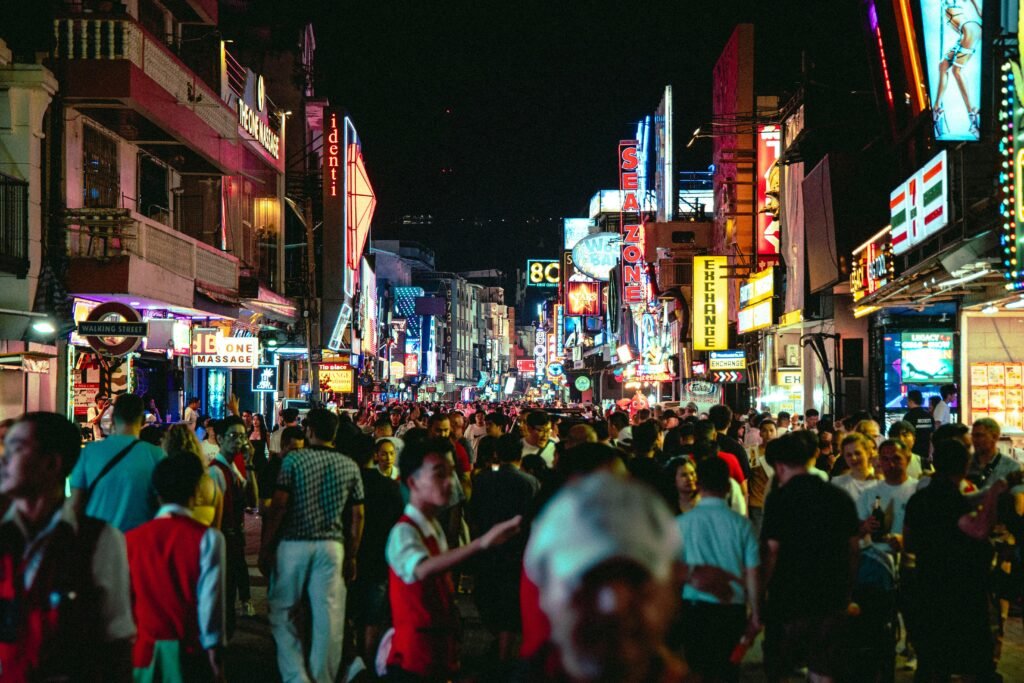
Overdrinking Without Awareness
Cheap alcohol + party atmosphere = easy overconsumption.
What travelers underestimate:
- Alcohol is often stronger than expected
- Drinks can be mixed differently than what you’re used to
- Heat and dehydration increase alcohol impact
Real risks:
- Losing belongings (phone, wallet)
- Getting disoriented in unfamiliar areas
- Becoming an easy target for scams or theft
Common mistake:
Accepting drinks from strangers or leaving your drink unattended.
Smart strategy:
- Set a personal limit before going out
- Always keep your drink with you
- Stay with your group—don’t wander off alone
👉 The goal is to enjoy the night—not lose control of it.
Ignoring Local Laws (Drug Laws Strictness)
This is one area where many travelers make dangerous assumptions.
Reality:
Thailand has strict laws regarding drugs, and penalties can be severe.
Common mistake:
- Assuming party areas are “lenient”
- Accepting substances from strangers
- Not understanding what’s legal vs illegal
Consequences can include:
- Heavy fines
- Arrest or detention
- Serious legal trouble
Important insight:
Even if something seems “normal” in a party environment, that doesn’t mean it’s legal.
Smart rule:
👉 Avoid anything illegal—no exceptions. It’s not worth the risk.
Not Planning Safe Return Transport
The party ends—but your safety shouldn’t.
Common mistake:
- Assuming you’ll “figure out transport later”
- Relying on random taxis late at night
- Walking back to hotel in unfamiliar areas
What can go wrong:
- Overpriced taxi fares
- Unsafe or poorly lit routes
- Difficulty finding transport at peak hours
Real scenario:
After a late night in areas like Patong or Khao San Road, taxis may charge 2–3x higher fares.
Smart strategy:
- Pre-book your return using apps like Grab
- Save your hotel location offline
- Travel in groups when possible
Pro tip:
Always keep enough cash or card balance specifically for your return trip.
Shopping Mistakes
Shopping in Thailand can be one of the most fun parts of your trip—but it’s also where many travelers either overpay, buy poor-quality items, or miss easy savings. The difference between a smart shopper and an average tourist is simple: knowing how the system works.
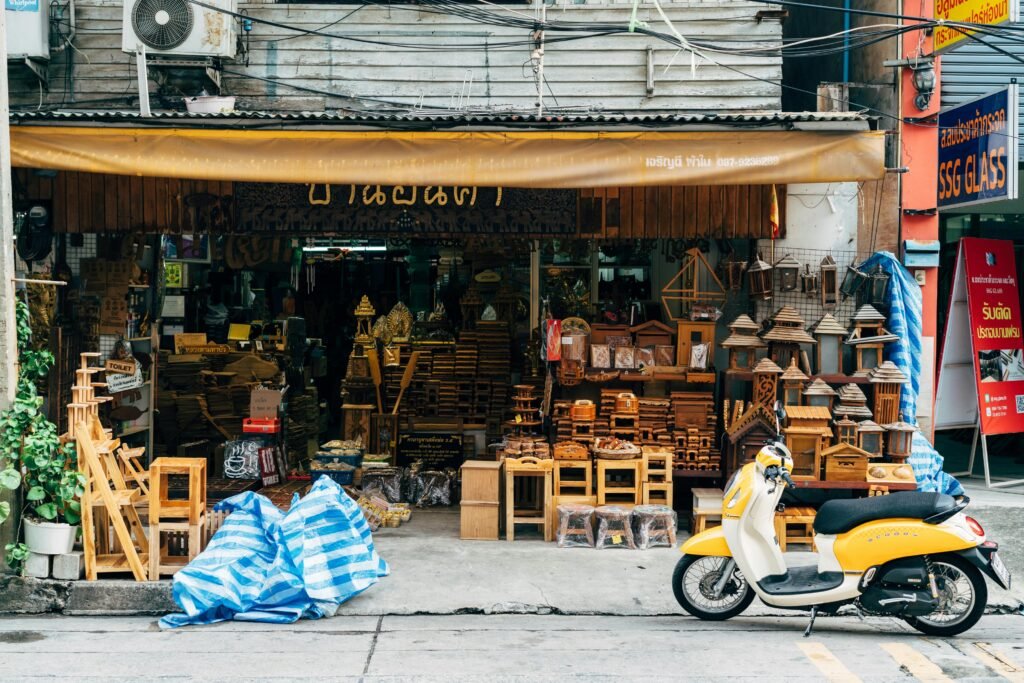
Not Bargaining in Markets
In local markets (like night markets or street stalls), prices are rarely fixed—and not negotiating means you’re almost always overpaying.
What travelers do wrong:
- Accept the first price
- Feel awkward negotiating
- Don’t know what a “fair price” looks like
Reality:
Sellers often quote 20–50% higher prices to tourists, expecting negotiation.
Simple negotiation tips:
- Start by offering 30–40% lower than the asking price
- Smile and stay polite—aggression doesn’t work here
- Be ready to walk away (this is your biggest advantage)
Real example:
An item priced at 500 THB can often be negotiated down to 250–350 THB.
Pro tip:
If multiple shops sell the same item, check 2–3 places before buying—you’ll quickly understand the real price range.
Buying Fake Goods Without Awareness
Thailand is known for its markets selling branded-looking products—but most of these are replicas, not originals.
Common mistake:
- Assuming products are authentic because they look high quality
- Paying premium prices for “fake luxury”
What actually happens:
- Products may look good initially but wear out quickly
- No warranty or return policy
- You overpay for something with low durability
Real insight:
Some replicas are decent for short-term use—but they are never worth high prices.
Smart strategy:
- Buy replicas only if you’re okay with the quality
- Never pay “original-level” prices for them
- For genuine products, shop at malls or official stores
Ignoring VAT Refunds (Tourist Benefit)
This is one of the most overlooked ways to save money—and most travelers don’t even know it exists.
How it works:
Tourists can claim a VAT refund (around 7%) on eligible purchases when leaving Thailand.
What you need:
- Minimum purchase amount (usually 2,000 THB per store)
- Passport at the time of purchase
- VAT refund form from the shop
Where it applies:
- Shopping malls
- Branded stores
- Selected retail outlets
Common mistake:
Not asking for VAT refund documents while purchasing—without them, you can’t claim anything later.
Pro tip:
- Keep all receipts organized
- Arrive early at the airport to process refunds
Bonus: First-Time Thailand Travel Tips (Pro Advice)
If you want your Thailand trip to feel smooth, affordable, and effortless, these are the high-impact tips most blogs don’t tell you. Think of this as your shortcut from “first-time tourist” to smart traveler mode.
Best Apps (Your Travel Toolkit)
The right apps can save you time, money, and stress every single day.
Must-have apps:
- Google Maps → Accurate navigation + public transport routes
- Grab / Bolt → Fixed-price taxis (no negotiation, no scams)
- Google Translate → Translate menus, signs, and basic conversations
- Klook / GetYourGuide → Book tours with real reviews (avoid scams)
Pro insight:
Most overpaying and confusion happens when you don’t use apps. With these, you operate like a local—not a lost tourist.
Local Etiquette Cheat Sheet (Quick Wins)
Understanding a few cultural basics instantly improves how locals treat you.
Do this:
- Smile often (it goes a long way in Thailand)
- Remove shoes before entering temples or some shops
- Dress modestly at religious places
Avoid this:
- Raising your voice in public
- Disrespecting the monarchy (serious legal issue)
- Pointing feet at people or religious objects
Real advantage:
Respectful travelers often get better service, fairer prices, and smoother interactions.
Money-Saving Hacks (That Actually Work)
Saving money in Thailand isn’t about cutting experiences—it’s about making smarter choices.
High-impact hacks:
- Eat where locals eat (better food, lower prices)
- Stay slightly outside tourist hotspots (save 20–40%)
- Use public transport (BTS/MRT) instead of taxis
- Book flights and hotels in advance (avoid surge pricing)
Hidden trick most miss:
👉 Walk 10 minutes away from any tourist area—prices drop instantly.
Hidden Gems (Go Beyond the Obvious)
Most travelers stick to the same places—and miss what makes Thailand truly special.
Instead of only doing this:
- Patong Beach
- Phi Phi Islands
Try this:
- Less crowded beaches near Krabi
- Local night markets instead of tourist-heavy ones
- Quiet cafés and viewpoints outside main zones
Real insight:
The best experiences in Thailand are often not on the main itinerary—they’re just slightly off it.
Travelers interested in Thailand’s cultural heritage may wish to explore UNESCO-recognized sites that showcase the country’s historical and architectural significance.
❓ FAQs About Thailand Travel Mistakes
What should tourists avoid doing in Thailand?
Tourists should avoid disrespecting local culture, overpaying for services, and falling for common scams. Specifically:
- Don’t speak negatively about the royal family
- Avoid agreeing to prices without checking (taxis, tuk-tuks, markets)
- Don’t ignore dress codes at temples
- Avoid “too good to be true” deals
👉 Most problems in Thailand come from lack of awareness, not danger.
Is Thailand safe for first-time travelers?
Yes, Thailand is one of the safest countries in Southeast Asia for first-time travelers—including solo travelers.
However, safety depends on behavior:
- Stay alert in crowded areas
- Avoid late-night isolated places
- Use trusted transport apps like Grab
Real insight:
Thailand is safe by default—but careless decisions (like scams or risky transport choices) can create problems.
What is considered rude in Thailand?
Thailand has subtle but important cultural rules.
Considered rude:
- Touching someone’s head
- Pointing feet at people or religious objects
- Raising your voice or arguing aggressively
- Disrespecting the monarchy
Key rule:
👉 Stay calm, polite, and respectful—Thai culture values soft behavior over confrontation.
How much money do I need per day in Thailand?
Your daily budget depends on your travel style:
- Budget traveler: ₹2,000–₹3,500/day
- Mid-range traveler: ₹3,500–₹7,000/day
- Luxury traveler: ₹8,000+/day
Typical daily breakdown:
- Food: ₹500–₹1,500
- Transport: ₹300–₹1,000
- Activities: ₹1,000–₹3,000
👉 Most travelers underestimate daily expenses due to small but frequent spending.
Is it better to carry cash or card in Thailand?
The best approach is a mix of both.
- Use cash for street food, markets, and small vendors
- Use card/forex card for hotels, malls, and bigger payments
Smart strategy:
- Carry 2–3 days’ cash only
- Use ATMs for withdrawals when needed
- Avoid carrying all money in one place
Can I drink tap water in Thailand?
No, tap water in Thailand is not safe for drinking.
What to do instead:
- Use sealed bottled water
- Avoid ice in unknown places
- Use bottled water for brushing if sensitive
👉 Ignoring this can lead to stomach issues and lost travel days.
What are the biggest scams in Thailand?
The most common scams include:
- Gem scam: Fake “government gem sale” offers
- Tuk-tuk scam: Cheap rides with forced shopping stops
- Tour scams: Low prices with hidden costs
- Taxi overcharging: Drivers refusing to use meters
Golden rule:
👉 If something feels too good to be true—it usually is.
How many days are enough for Thailand?
- Short trip: 5–7 days (2–3 destinations max)
- Ideal trip: 7–10 days (balanced itinerary)
- Extended trip: 10–14 days (multiple regions comfortably)
Real insight:
Trying to cover too much in less time leads to travel fatigue and a poor experience.
👉 Focus on fewer places and spend more time in each—Thailand is best enjoyed slowly, not rushed.