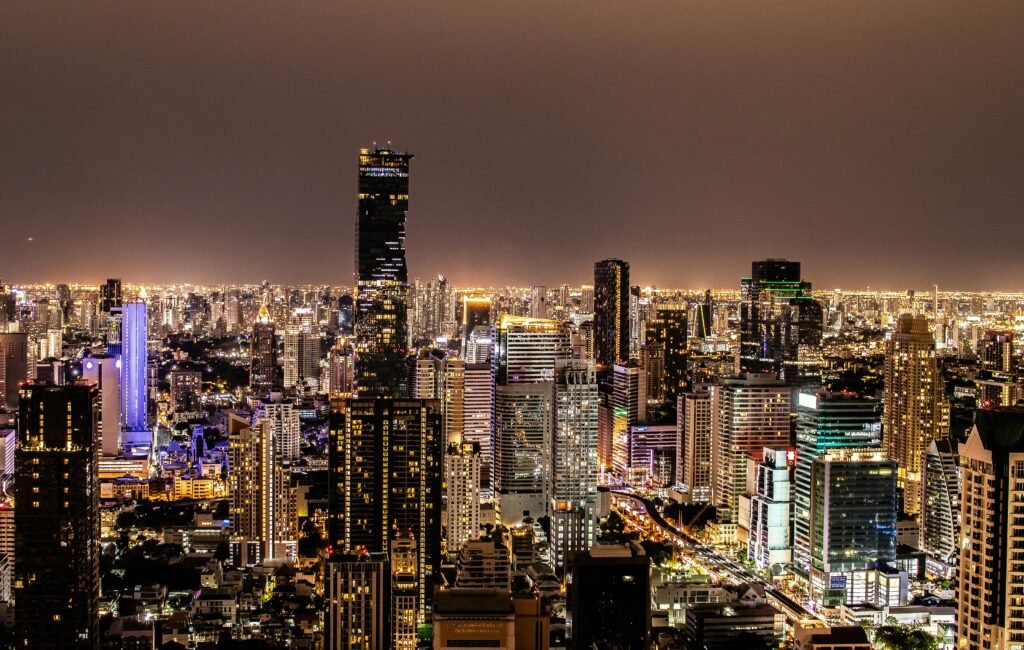
International travel from India has quietly shifted from being “aspirational” to highly achievable on a budget. What’s driving this change isn’t just wanderlust—it’s smarter planning. Indian travelers today are leveraging fare alerts, flexible dates, and visa-friendly destinations to unlock trips that previously seemed expensive. Routes to Southeast Asia and nearby countries have become especially competitive, and with multiple low-cost carriers operating from cities like Delhi, Mumbai, and Bangalore, international trips under ₹1 lakh are no longer rare—they’re repeatable.
Let’s address the real question: Is ₹1 lakh actually enough? Yes—if you optimize the three biggest cost drivers: flights, stay, and on-ground spending. Flights typically take up 40–50% of your budget, so booking 6–10 weeks in advance or during airline sales (like festive or “zero fare” deals) can save ₹10K–₹20K instantly. Accommodation is where travelers often overspend—choosing centrally located hostels or boutique budget hotels instead of luxury resorts can cut costs by half without hurting the experience. For example, in Bangkok or Hanoi, well-rated stays are easily available for ₹1,200–₹2,500 per night. Food is another underrated advantage—countries like Thailand and Vietnam offer incredible local meals for ₹200–₹500, making daily expenses surprisingly low.
The smartest budget travelers also design trips around value density—places where you get more experiences per rupee. Instead of packing multiple cities, they focus on 1–2 destinations and explore deeply, saving on internal flights and transit costs. For instance, a 5-day trip to Bali focused on Ubud + nearby islands often delivers a richer experience than rushing across three locations. Similarly, choosing destinations with visa-on-arrival or e-visa options reduces both cost and planning friction.
This guide is built for travelers who want clarity, not fluff. You’ll find a curated list of the best international destinations under ₹1 lakh from India, each backed by realistic cost breakdowns (flights, stay, food, activities). Beyond that, you’ll get actionable tips—like when exactly to book flights, how to avoid tourist pricing traps, and how to stretch your budget without compromising experiences. We’ll also include sample itineraries that are optimized for both time and cost, so you don’t waste money figuring things out on the go.
If your goal is to travel internationally without overspending—or to travel more often within the same budget—this guide will show you exactly how to do it.
Table of Contents
ToggleCan You Really Travel Abroad Under ₹1 Lakh?
Short answer: yes—but only if you treat your budget like a system, not a guess. A ₹1 lakh international trip works when you control the big expenses early (flights + stay) and keep daily burn low once you land. Here’s a realistic, no-nonsense breakdown.
Cost Breakdown Explained

Flights (₹20K–₹50K)
- This is your biggest lever. For routes like Bangkok, Hanoi, Colombo, or Kuala Lumpur, ₹22K–₹35K return is common if you book 6–10 weeks out.
- Red-eye flights and mid-week departures are cheaper. Avoid weekends and long weekends from India.
- Pro tip: set fare alerts and be flexible by ±2–3 days—you’ll often save ₹5K–₹10K instantly.
Accommodation (₹1K–₹4K per night)
- Hostels (₹800–₹1,800) or budget hotels (₹1,500–₹3,500) in central areas give the best value.
- Don’t chase the cheapest outskirts stay—you’ll lose money on transport.
- Look for free breakfast, luggage storage, and late check-in to cut hidden costs.
Food (₹500–₹1,500/day)
- Southeast Asia is your friend: local meals ₹200–₹400, great coffee ₹100–₹200.
- Mix street food + 1 sit-down meal daily. Avoid tourist strips where prices double.
- Carry a refillable bottle; many hostels/cafés offer free water.
Local Transport (₹300–₹1,000/day)
- Use metro, buses, or app cabs (Grab/Gojek).
- Buy day passes where available; they pay off after 2–3 rides.
- Walkable itineraries (old towns, markets, beaches) reduce spend drastically.
Visa & Insurance (₹0–₹6K)
- Visa-free (Nepal, Bhutan) = ₹0.
- E-visa/VOA (Thailand, Sri Lanka, Indonesia): ₹2K–₹5K typically.
- Basic travel insurance: ₹300–₹800—cheap and worth it for medical or delays.
Reality Check (5–6 days):
- Flights: ₹28K
- Stay (5 nights × ₹2K): ₹10K
- Food (₹800 × 6): ₹4.8K
- Transport & activities: ₹8K–₹12K
- Visa + insurance: ₹2K–₹5K
Total: ~₹53K–₹70K (leaves buffer for activities/shopping and still under ₹1L)
Ideal Trip Duration

4–7 days is the sweet spot.
- Short enough to keep hotel and food costs tight, long enough to explore meaningfully.
- Focus on 1 city + 1 nearby experience (e.g., Bangkok + island day trip, Hanoi + Halong Bay).
- Avoid multi-city hopping—it adds flights, transfers, and wasted hours.
Key Assumptions
- Departure cities: Fares are optimized from metros like Delhi, Mumbai, Bangalore (more routes, more competition).
- Timing: Shoulder/off-season (e.g., May–June or Sept–Nov for Southeast Asia) = cheaper flights + hotels.
- Traveler profile: Budget to mid-range—prioritizing experiences over luxury (clean stays, great local food, smart transport).
Top International Destinations Under ₹1 Lakh
Thailand (Bangkok + Phuket / Krabi)
Thailand continues to rank as the #1 budget international destination from India—and for good reason. It delivers a near-perfect mix of vibrant city life, tropical beaches, rich culture, and incredibly affordable experiences. For Indian travelers, it’s especially appealing because of short flight durations (4–5 hours), visa-on-arrival convenience, and strong value for money. Whether you’re a first-time international traveler or planning a quick getaway, Thailand offers maximum experiences per rupee.
Approx Total Cost: ₹50K–₹90K (5–6 days)
- Flights: ₹22K–₹35K (Delhi/Mumbai to Bangkok or Phuket)
- Stay: ₹1K–₹3K per night (hostels/budget hotels)
- Food: ₹500–₹1,000/day
- Local travel & activities: ₹8K–₹15K
- Visa + insurance: ₹2K–₹5K
With smart planning, many travelers complete a Bangkok + Phuket/Krabi itinerary for under ₹70K, leaving room for activities like island tours or shopping.
Key Attractions
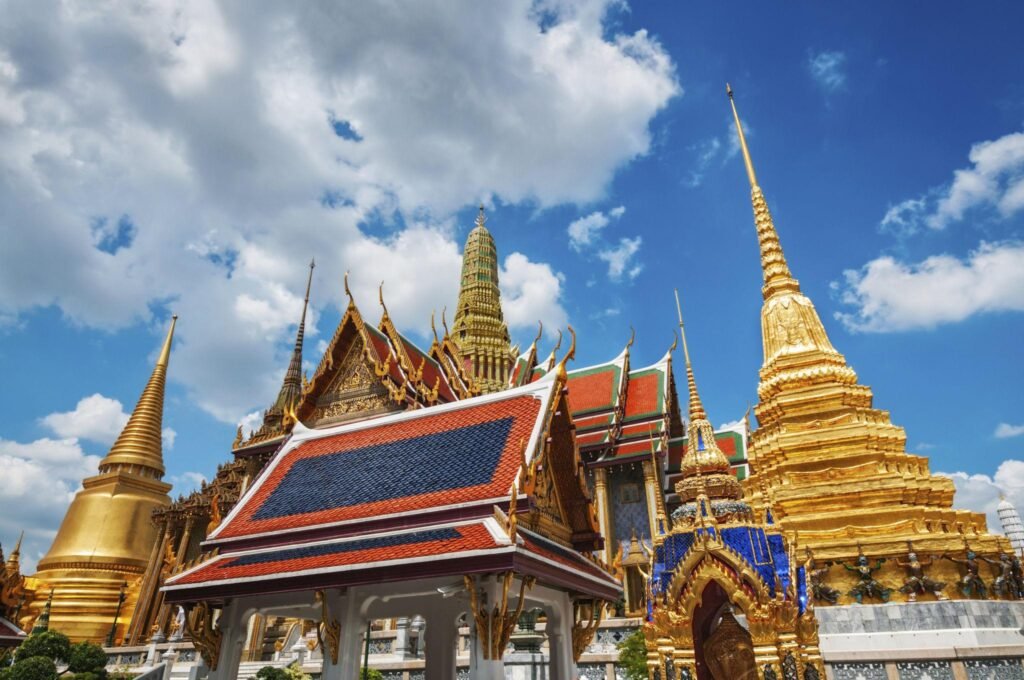
- Grand Palace (Bangkok)
A must-visit for first-timers, the Grand Palace showcases Thailand’s royal heritage with intricate architecture and the famous Emerald Buddha temple. Entry is ~₹1,200, but the experience is worth it. - Phi Phi Islands (from Phuket/Krabi)
Known for crystal-clear waters and dramatic limestone cliffs, Phi Phi is often the highlight of the trip. A full-day island tour costs around ₹2,500–₹4,000 including transfers and lunch. - Night Markets (Bangkok & Phuket)
Places like Chatuchak or local street markets are where Thailand truly shines—cheap shopping, live music, and some of the best street food in the world. You can easily have a full meal for ₹200–₹300.
Budget Tips (Tested & Practical)
- Eat like a local
Skip fancy restaurants—Thai street food is safe, delicious, and incredibly cheap. Pad Thai, mango sticky rice, and grilled meats can keep your daily food cost under ₹600. - Stay smart, not fancy
Choose hostels or 3-star budget hotels in central areas like Sukhumvit (Bangkok) or Patong/Ao Nang (Phuket/Krabi). You’ll save on transport and stay close to attractions. - Use local transport
In Bangkok, rely on the BTS Skytrain and metro instead of taxis. In Phuket/Krabi, shared transfers or rented scooters (if experienced) are cheaper than private cabs. - Book island tours locally
Don’t pre-book everything online. Local agents often offer better deals for Phi Phi or 4-island tours if you negotiate slightly.
Pro Insight:
If your goal is to stay under ₹1 lakh comfortably, avoid peak months like December–January. Traveling in shoulder seasons (May–June or September) can drop flight and hotel prices by 20–30%—without ruining your experience.
Thailand isn’t just affordable—it’s efficient, beginner-friendly, and packed with high-impact experiences, making it one of the smartest choices for a budget international trip from India.
Vietnam (Hanoi + Halong Bay + Ho Chi Minh City)
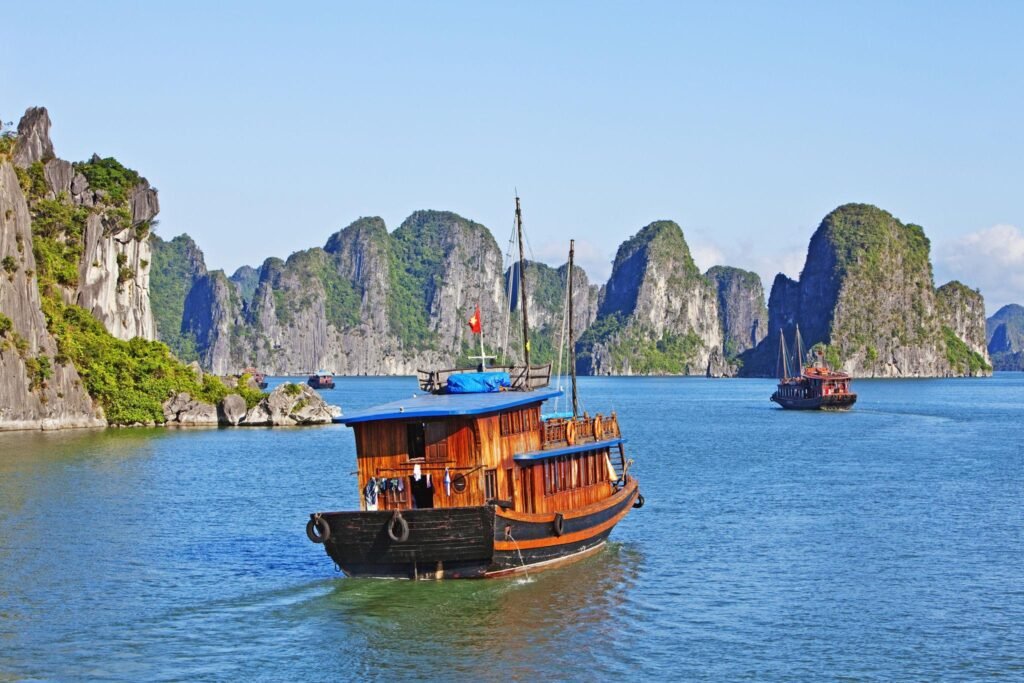
Vietnam is quickly becoming one of the best budget international trips from India, especially for travelers who want scenery + culture + food without paying Bali-level prices. Compared to Thailand, it feels less commercial and more authentic—yet it’s equally affordable if you plan right. With improving flight connectivity from India and easy e-visa access, Vietnam is now a high-value destination under ₹1 lakh.
Approx Cost: ₹60K–₹95K (5–7 days)
- Flights: ₹25K–₹40K (Hanoi/Ho Chi Minh from Delhi/Mumbai)
- Stay: ₹1K–₹3K per night (boutique hotels/hostels)
- Food: ₹400–₹1,000/day
- Internal travel (domestic flight/train): ₹3K–₹8K
- Tours & activities: ₹6K–₹12K
- Visa + insurance: ₹2K–₹4K
Reality insight: If you skip one city (either Hanoi or Ho Chi Minh), you can easily keep the trip closer to ₹70K–₹80K.
Highlights
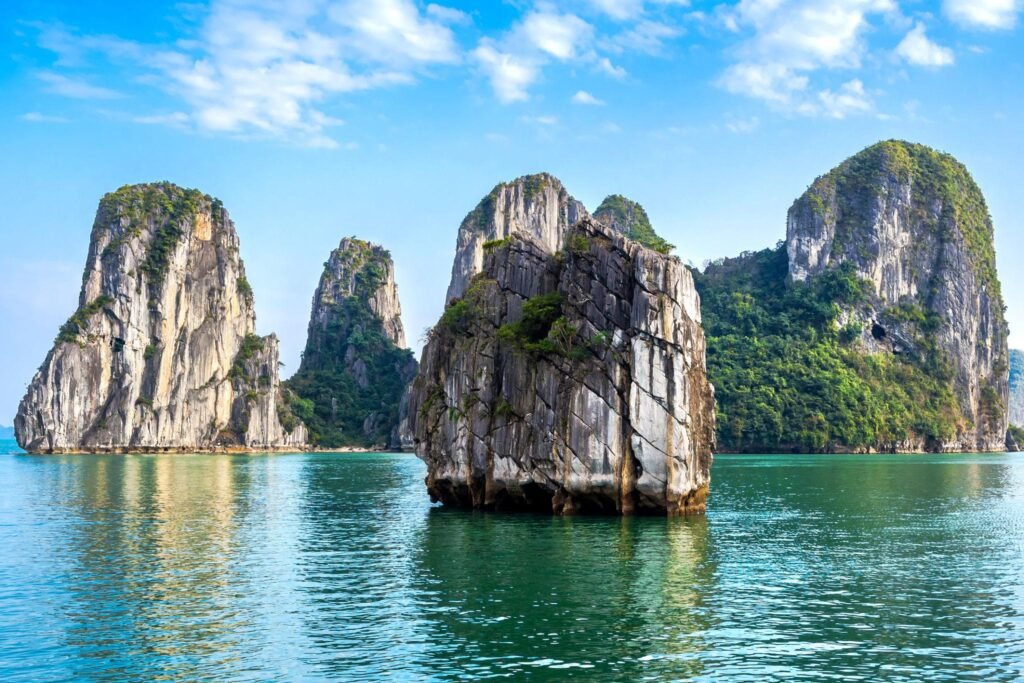
- Halong Bay Cruise (Bucket-list experience)
This is Vietnam’s biggest draw—emerald waters with towering limestone islands.- Day cruise: ₹2,500–₹4,000
- Overnight cruise: ₹6,000–₹10,000
Tip: A premium day cruise often gives 80% of the experience at half the cost.
- Old Quarter, Hanoi
A chaotic yet charming maze of narrow streets, cafés, and street food stalls. Perfect for walking, café hopping, and soaking in local life.
Must-try: Egg coffee (~₹150–₹200) and pho (~₹200). - War Remnants Museum (Ho Chi Minh City)
A powerful and eye-opening experience that gives context to Vietnam’s history. Entry is budget-friendly (~₹150–₹200) but the impact is huge.
Practical Budget Insights (What Most Blogs Don’t Tell You)
- North vs South strategy
Covering both Hanoi (north) and Ho Chi Minh (south) adds a domestic flight (~₹3K–₹6K). If you’re tight on budget, focus on one region + nearby experiences (e.g., Hanoi + Halong Bay + Ninh Binh). - Food is your biggest advantage
Vietnam arguably offers the cheapest high-quality food in Southeast Asia. You can comfortably eat well under ₹500/day if you stick to local spots. - Transport hacks
Use Grab (bike taxis are cheapest). A 3–5 km ride can cost as low as ₹80–₹150. - Stay in boutique hotels
Vietnam offers incredible value—clean, aesthetic hotels for ₹1,500–₹2,500 that would cost double in other countries.
Pro Insight:
Vietnam rewards travelers who slow down and explore deeply rather than rushing cities. A well-planned 5–6 day itinerary focusing on fewer places will not only save money but also give a far richer experience.
If Thailand feels too mainstream, Vietnam is your next-level budget upgrade—raw, scenic, and incredibly cost-efficient.
3. Indonesia (Bali)
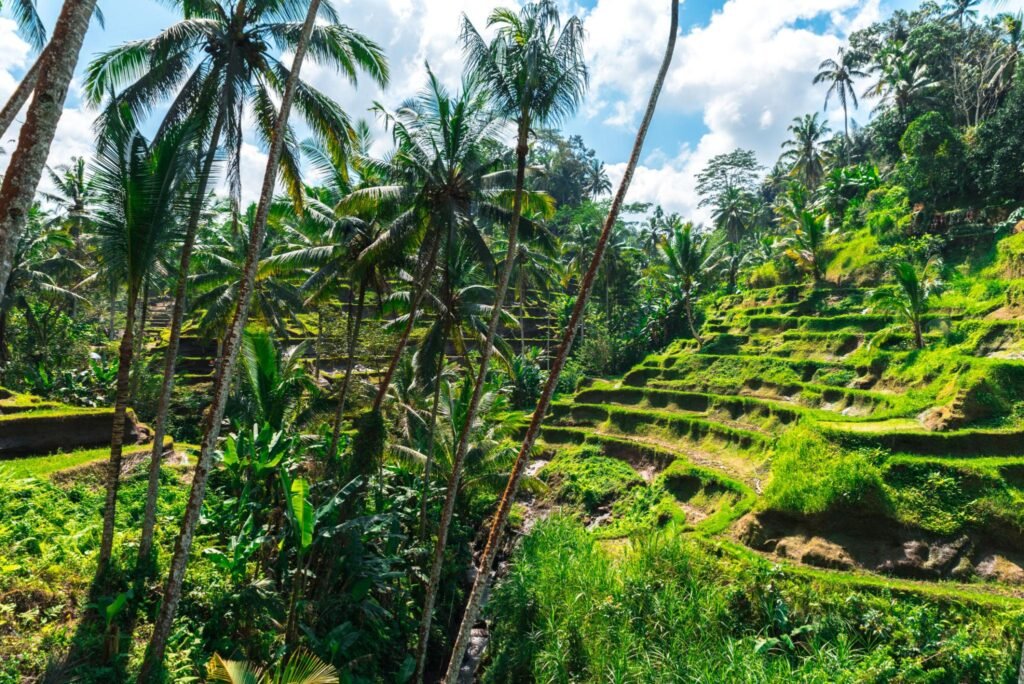
Bali is one of those rare destinations that feels luxurious but can be done on a budget—which is exactly why it’s a favorite among Indian couples and solo travelers. From lush jungles in Ubud to dramatic cliffs in Nusa Penida and vibrant beach clubs in Seminyak/Canggu, Bali offers a premium travel vibe without a premium price tag—if planned smartly.
Cost: ₹70K–₹1L (5–6 days realistic budget)
- Flights: ₹30K–₹45K (biggest cost component)
- Stay: ₹1.5K–₹4K per night (villas/guesthouses)
- Food: ₹600–₹1,200/day
- Local transport & tours: ₹8K–₹15K
- Visa (VoA) + insurance: ₹3K–₹5K
Reality insight: Bali touches the upper limit of ₹1 lakh mainly because of flights. Save on flights = whole trip becomes cheaper.
Must-Visit Places
- Ubud (Nature + Culture Hub)
The heart of Bali. Think rice terraces, waterfalls, temples, and jungle cafés.- Tegallalang Rice Terraces (iconic views)
- Ubud Monkey Forest
- Waterfalls like Tegenungan
Why it matters: Ubud gives you the “Bali aesthetic” without spending much.
- Nusa Penida (Raw, Scenic Island)
Famous for dramatic cliffs and turquoise beaches.- Kelingking Beach (T-Rex cliff view)
- Angel’s Billabong & Broken Beach
Day trip cost: ₹2,500–₹4,000
Tip: Roads are rough—book a guided tour instead of self-driving.
- Beach Clubs (Seminyak / Canggu)
Bali’s beach clubs are globally famous—and surprisingly accessible.- Entry can be free with minimum spend (~₹1K–₹2K)
- Perfect for sunsets, music, and poolside vibes
Budget hack: Visit during daytime to avoid high minimum spends.
Practical Budget Tips (Real Insights)
- Split your stay: Ubud + Beach area
2–3 nights in Ubud + 2 nights in Seminyak/Canggu = balanced experience without extra travel cost. - Rent a scooter or hire a driver
- Scooter: ₹300–₹500/day (only if experienced)
- Private driver: ₹2,500–₹3,500/day (best for groups)
- Choose villas wisely
Bali offers private pool villas starting ₹3K–₹5K/night (if split between 2–3 people, it’s great value). - Eat local (Warungs)
Skip Instagram cafés for daily meals. Local warungs serve delicious food for ₹200–₹400.
Pro Insight:
Bali becomes expensive when you try to “do everything.” The smarter approach is to slow down, pick key experiences, and enjoy the vibe. You’ll spend less and experience more.
For Indian travelers looking for a mix of romance, nature, and Instagram-worthy moments under ₹1 lakh, Bali is easily one of the best choices.
4. Nepal (Kathmandu + Pokhara)

If your goal is to experience an international trip on the lowest possible budget without compromising on beauty or culture, Nepal is unmatched. For Indian travelers, it’s practically the easiest foreign destination—no visa required, minimal language barrier, and multiple low-cost travel options (flight, train + road). Despite being so accessible, Nepal delivers a completely different vibe with Himalayan landscapes, spiritual sites, and adventure activities.
Cost: ₹25K–₹60K (4–6 days)
- Travel: ₹5K–₹15K (bus/train + cab) or ₹12K–₹25K (flights)
- Stay: ₹800–₹2,500 per night
- Food: ₹300–₹800/day
- Local transport & activities: ₹5K–₹15K
- Visa: ₹0 (for Indians)
Reality insight: Nepal is the only international destination where you can comfortably travel under ₹40K if you choose budget transport and stays.
Highlights
- Pashupatinath Temple (Kathmandu)
One of the most sacred Hindu temples dedicated to Lord Shiva. The spiritual energy, riverside ghats, and evening aarti create a deeply immersive experience. Entry is free for Indians. - Annapurna Views (Pokhara)
Waking up to views of the Annapurna range is a highlight you won’t forget.- Sarangkot sunrise point offers breathtaking Himalayan panoramas
- Phewa Lake adds a peaceful, scenic charm
- Adventure Sports (Pokhara)
Nepal is a budget adventure hub:- Paragliding: ₹4K–₹8K
- Ziplining & bungee jumping also available
Why it matters: You get world-class adventure at a fraction of global prices.
Practical Budget Tips (Real Insights)
- Skip flights if you want ultra-budget
Travel via Gorakhpur or Raxaul border using train + cab/bus. It’s slower but can cut your cost by 50%. - Stay near Thamel (Kathmandu) & Lakeside (Pokhara)
These areas are tourist-friendly, walkable, and full of budget hotels, cafés, and travel agencies. - Negotiate activities locally
Adventure sports prices are often flexible—booking on the spot can get you better deals than online. - Carry cash (INR works widely)
Indian currency is accepted in many places, but carry smaller denominations for convenience.
Pro Insight:
Nepal isn’t just “cheap”—it’s high value. You get spirituality, mountains, culture, and adventure in one trip, without worrying about visas or expensive flights.
For travelers who want their first international experience under a tight budget, or a quick escape from India with maximum impact, Nepal is easily the smartest choice under ₹1 lakh—and even under ₹50K.
5. Sri Lanka

Sri Lanka is one of the closest and most underrated international trips from India—a compact island that packs beaches, hills, wildlife, and culture into a budget-friendly 5–6 day itinerary. With short flight times (≈3–4 hours) and an easy e-visa process, it’s ideal for travelers who want variety without complicated planning. The real advantage? You can experience multiple landscapes in one trip without expensive internal flights.
Cost: ₹50K–₹90K (5–6 days)
- Flights: ₹18K–₹30K (often cheaper from South India)
- Stay: ₹1.2K–₹3K per night (guesthouses/boutique stays)
- Food: ₹500–₹1,000/day
- Transport (train + cab): ₹5K–₹10K
- Visa (ETA) + insurance: ₹2K–₹4K
Reality insight: Sri Lanka sits in the perfect middle ground—more diverse than a single-city trip, yet still manageable under ₹1 lakh.
Places to Cover
- Colombo (Quick city stop)
Not the highlight, but a good entry point. Explore Galle Face Green, local markets, and cafés. Spend half to one day max before moving inland. - Kandy (Culture + Hills)
A scenic town surrounded by mountains, known for the Temple of the Tooth Relic. The lake, viewpoints, and relaxed vibe make it a great transition from city to hills. - Ella (The Showstopper)
This is where Sri Lanka truly shines.- Ella Train Ride (Kandy → Ella): One of the most beautiful train journeys in the world, passing through tea plantations and misty hills (₹300–₹1,000 depending on class).
- Nine Arch Bridge & Little Adam’s Peak: Easy hikes with stunning views.
Practical Budget Tips (What Actually Saves Money)
- Use trains over cabs
The Kandy–Ella train is not just scenic—it’s also far cheaper than private taxis. - Choose homestays & guesthouses
Sri Lanka has excellent family-run stays offering clean rooms + home-cooked meals at low prices. - Plan a linear route
Colombo → Kandy → Ella → Colombo avoids backtracking and reduces transport costs. - Book train tickets early (or via agents)
Seats sell out fast. If unavailable online, local agents or hotels can help (sometimes at a small premium).
Pro Insight:
Sri Lanka is best experienced slowly, not rushed. Instead of trying to cover beaches + hills + wildlife in one trip, focus on a hill-country route (Kandy + Ella) for a more relaxed and budget-friendly experience.
For Indian travelers looking for a destination that offers scenic beauty, cultural depth, and unique experiences like the iconic train ride—without stretching the budget, Sri Lanka is easily one of the smartest picks under ₹1 lakh.
6. Dubai (Budget Version)
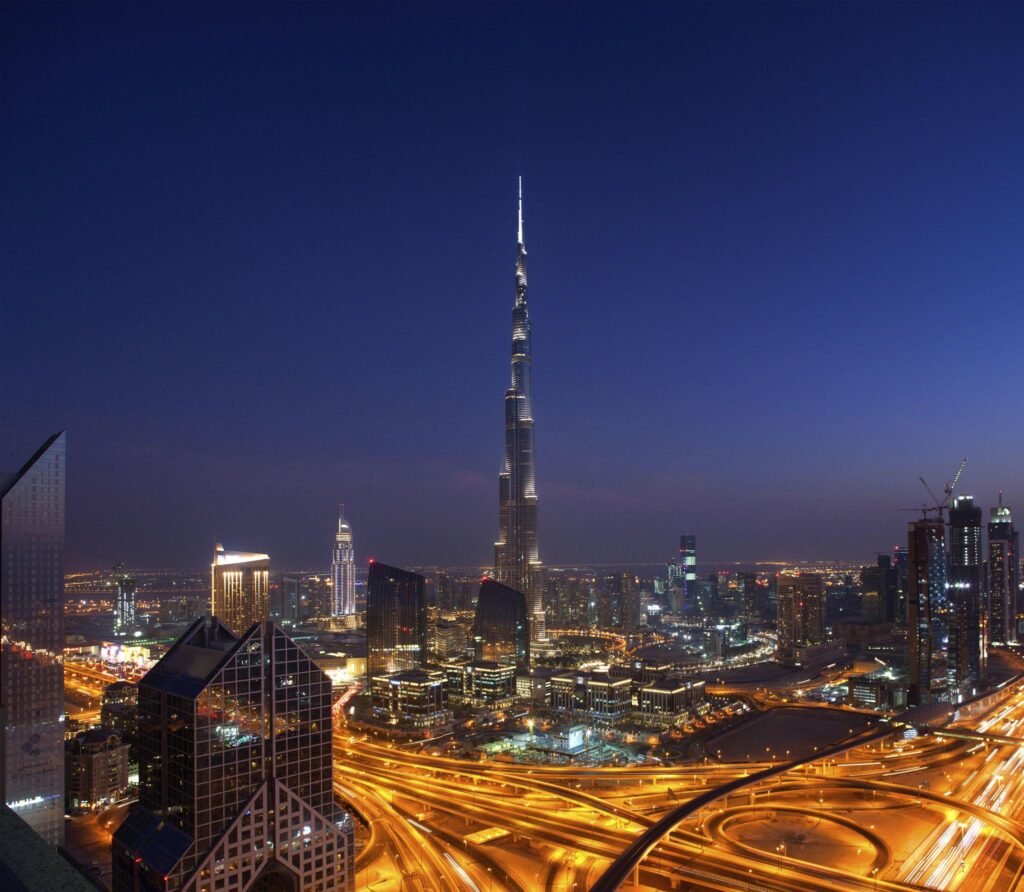
Dubai has a reputation for luxury—but with the right approach, it can absolutely fit into a ₹1 lakh international trip from India. The key is to skip the premium experiences and focus on smart, high-value choices. With frequent flight deals from India and a highly efficient public transport system, Dubai becomes surprisingly manageable for budget travelers.
Cost: ₹80K–₹1L (4–5 days realistic budget)
- Flights: ₹20K–₹35K (often cheaper during sales)
- Stay: ₹2K–₹4K per night (budget hotels in older areas)
- Food: ₹700–₹1,500/day
- Transport: ₹2K–₹4K (metro + Nol card)
- Visa + insurance: ₹6K–₹8K
- Activities: ₹8K–₹15K
Reality insight: Dubai is all about control—if you avoid luxury add-ons, you can experience the city comfortably under ₹1 lakh.
Budget Hacks (That Actually Work)
- Stay in Deira or Bur Dubai
These older districts offer significantly cheaper hotels compared to Downtown or Marina. Plus, they’re well-connected by metro and close to markets and local food spots. - Use the Dubai Metro
Clean, fast, and affordable. A Nol card lets you travel across the city for a fraction of taxi costs. Most major attractions are metro-accessible. - Skip expensive views—choose smart viewpoints
Instead of paying ₹3K–₹4K for Burj Khalifa entry, enjoy stunning views from Dubai Mall promenade or fountain area—for free.
Top Budget-Friendly Attractions
- Burj Khalifa (Outside Experience)
The world’s tallest building is best enjoyed from outside if you’re on a budget.- Dubai Fountain shows (free, every evening)
- Dubai Mall views (perfect photo spots)
- Desert Safari (Must-do experience)
One of the few paid activities worth every rupee.- Cost: ₹2K–₹4K (includes dune bashing, dinner, cultural shows)
Tip: Book through local agents or hotel desks for better deals.
- Cost: ₹2K–₹4K (includes dune bashing, dinner, cultural shows)
Practical Insights (What Most Travelers Miss)
- Food doesn’t have to be expensive
Indian and Pakistani eateries in Deira serve full meals for ₹300–₹600. You don’t need to dine in luxury restaurants. - Avoid taxis unless necessary
Even short rides can cost ₹500–₹1,000. Metro + walking = huge savings. - Travel during off-season (May–September)
Yes, it’s hot—but hotel prices drop significantly, helping you stay within budget.
Pro Insight:
Dubai is not about doing everything—it’s about choosing the right experiences. Focus on iconic sights, free attractions, and one or two paid highlights like a desert safari.
For Indian travelers who want a modern, international city experience under ₹1 lakh, Dubai proves that even a “luxury destination” can be done smartly on a budget.
7. Malaysia (Kuala Lumpur + Langkawi)
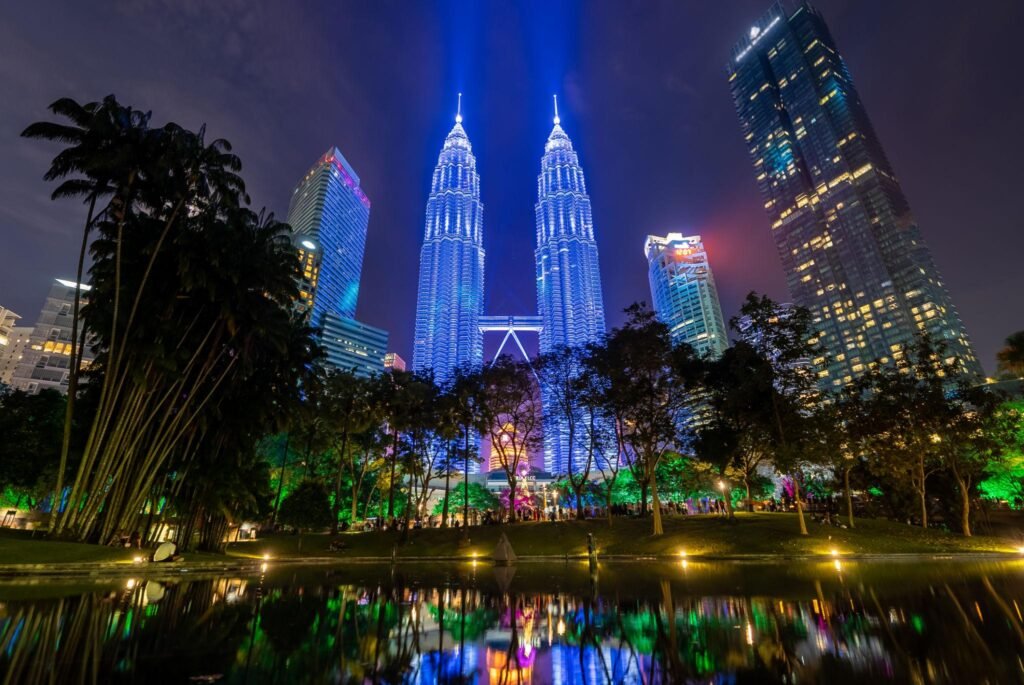
Malaysia is one of the most balanced international trips under ₹1 lakh from India—you get a modern city experience in Kuala Lumpur and a relaxing island vibe in Langkawi, all within a short travel distance. It’s cleaner and more organized than many Southeast Asian destinations, yet still affordable enough for budget travelers. Add visa-free entry for Indians (subject to current policy windows) or easy e-visa options, and Malaysia becomes a very convenient choice.
Cost: ₹70K–₹1L (5–6 days)
- Flights (India ↔ Kuala Lumpur): ₹25K–₹40K
- Internal flight (KL ↔ Langkawi): ₹3K–₹6K
- Stay: ₹1.5K–₹3.5K per night
- Food: ₹600–₹1,200/day
- Transport & activities: ₹6K–₹12K
- Visa + insurance: ₹0–₹4K
Reality insight: Malaysia stays within budget if you book internal flights early and avoid luxury resorts in Langkawi.
Highlights
- Petronas Twin Towers (Kuala Lumpur)
The most iconic landmark in Malaysia.- Outside views and KLCC Park are free
- Skybridge entry (~₹1,500–₹2,000) is optional
Tip: Visit at night for the best skyline views without spending anything.
- Langkawi Sky Bridge (Langkawi)
A stunning curved bridge suspended above mountains, offering panoramic island views.- Cable car + Sky Bridge combo: ~₹1,500–₹2,500
Why it matters: One of the most unique viewpoints in Southeast Asia.
- Cable car + Sky Bridge combo: ~₹1,500–₹2,500
Why It Works for Budget Travelers
- City + beach without long travel
A short 1-hour flight connects Kuala Lumpur to Langkawi, making it easy to combine both experiences in one trip. - Great infrastructure = lower hidden costs
Efficient public transport (like KL metro) reduces reliance on expensive taxis. - Food is diverse and affordable
From street food at Jalan Alor to Indian restaurants, meals can easily stay within ₹500–₹800.
Practical Budget Tips (Real Insights)
- Stay near Bukit Bintang or KLCC (Kuala Lumpur)
Central location = walkable attractions + easy metro access. - Book Langkawi flights early
Prices rise quickly—booking in advance can save ₹2K–₹3K. - Skip overpacking activities
Langkawi is best enjoyed slowly—beaches, cable car, and one island tour are enough. - Use Grab instead of taxis
Cheaper and transparent pricing across Malaysia.
Pro Insight:
Malaysia is ideal for travelers who want a clean, hassle-free international experience without sacrificing variety. It’s less chaotic than Thailand, more affordable than Singapore, and offers a perfect mix of urban + island travel under ₹1 lakh.
If you want a trip that feels both relaxing and modern, Malaysia is one of the smartest choices from India.
8. Bhutan

Bhutan isn’t just another destination—it’s an experience built around peace, culture, and sustainability. Unlike typical tourist-heavy countries, Bhutan limits mass tourism, which is why it feels cleaner, quieter, and deeply authentic. For Indian travelers, it’s especially appealing because of no visa requirement, cultural familiarity, and proximity. If you’re looking for something beyond beaches and nightlife, Bhutan offers a completely different kind of international trip under ₹1 lakh.
Cost: ₹60K–₹1L (5–6 days)
- Travel: ₹10K–₹25K (flight to Paro or train + road via border)
- Stay: ₹2K–₹4K per night (budget hotels)
- Food: ₹500–₹1,000/day
- Local transport & guide: ₹10K–₹20K
- Sustainable Development Fee (SDF): Applicable per day (check latest rates)
- Insurance: ₹500–₹1,000
Reality insight: Bhutan’s cost is influenced by the daily SDF fee, which makes planning crucial. Still, with smart choices, it can fit within ₹1 lakh.
Top Attractions
- Tiger’s Nest Monastery (Paro Taktsang)
The most iconic site in Bhutan, perched dramatically on a cliff.- 2–3 hour hike (moderate difficulty)
- Entry fee applicable
Why it matters: This is the highlight of any Bhutan trip—spiritual, scenic, and unforgettable.
- Thimphu (Capital City)
A unique capital with no traffic lights, blending tradition with modern life.- Buddha Dordenma statue
- Local markets and monasteries
Vibe: Calm, clean, and culturally rich.
Why Bhutan Feels Different
- Focus on happiness, not tourism volume
Bhutan measures Gross National Happiness, and you’ll feel it in the slower pace and respectful culture. - Less commercialization
No aggressive selling, fewer crowds, and preserved traditions make it stand out from typical tourist destinations.
Practical Budget Tips (Important)
- Travel via Phuentsholing (budget route)
Entering Bhutan by road from West Bengal is cheaper than flying directly to Paro. - Plan your itinerary tightly
Since SDF is charged per day, short, well-planned trips save money. - Book hotels + transport together
Many local operators offer packages that reduce overall cost compared to booking separately. - Carry essentials
Limited nightlife and shopping—Bhutan is more about nature and culture than entertainment.
Pro Insight:
Bhutan is not about ticking attractions—it’s about slowing down and experiencing a different way of life. Trying to rush it like Thailand or Dubai will only increase costs without adding value.
For Indian travelers seeking a peaceful, meaningful, and culturally rich international trip under ₹1 lakh, Bhutan is easily one of the most unique choices available.
Looking for more destinations with minimal paperwork? Explore our complete guide to visa-free countries for Indians, where you’ll find the latest entry requirements, permitted stay durations, visa policies, and practical travel tips for planning hassle-free international trips.
Cheapest Countries to Travel from India (Quick List)
If your goal is to travel internationally under ₹1 lakh, choosing the right country makes all the difference. The destinations below consistently rank as the cheapest foreign trips from India because of low flight costs, affordable daily expenses, and easy visa policies.
Top Budget-Friendly Countries
- Nepal – Cheapest overall, no visa, ultra-low daily costs
- Vietnam – Best value for food, culture, and scenery
- Thailand – Most beginner-friendly international trip
- Sri Lanka – Scenic + diverse within a compact route
- Indonesia (Bali) – Premium feel on a budget
- Malaysia – Clean, modern, and well-balanced destination
Quick Comparison Table (Cost, Visa, Flight Time)
| Country | Avg Trip Cost (5–6 Days) | Visa for Indians | Flight Time from India | Budget Level ⭐ |
|---|---|---|---|---|
| Nepal | ₹25K–₹60K | Visa-free | 1–2 hrs | ⭐⭐⭐⭐⭐ (Cheapest) |
| Vietnam | ₹60K–₹95K | E-visa | 4–5 hrs | ⭐⭐⭐⭐ |
| Thailand | ₹50K–₹90K | Visa on Arrival / E-visa | 4–5 hrs | ⭐⭐⭐⭐ |
| Sri Lanka | ₹50K–₹90K | E-visa (ETA) | 3–4 hrs | ⭐⭐⭐⭐ |
| Indonesia | ₹70K–₹1L | Visa on Arrival | 6–7 hrs | ⭐⭐⭐ |
| Malaysia | ₹70K–₹1L | Visa-free / E-visa | 4–5 hrs | ⭐⭐⭐ |
How to Choose the Right One (Quick Insight)
- Tight budget (under ₹50K): Go for Nepal
- Best value overall: Vietnam or Thailand
- Nature + scenic vibes: Sri Lanka or Bali
- Clean & modern experience: Malaysia
Pro Insight
Most travelers make the mistake of picking destinations based only on flight prices. The smarter approach is to consider total trip cost (flight + stay + daily expenses). For example:
- Vietnam may have slightly higher flight costs than Thailand, but cheaper food and stays balance it out
- Bali flights are expensive, but villa stays and experiences offer better value per rupee
Visa Requirements for Budget Travelers
Visa rules can quietly make or break your budget. The smartest way to keep your international trip under ₹1 lakh is to prioritize destinations with visa-free, visa-on-arrival, or simple e-visa processes. These options cut both cost and planning time, and reduce the risk of last-minute rejections or delays.
Visa-Free Countries for Indians
- Nepal
- Visa: Not required
- Documents: Valid ID (Passport or Voter ID)
- Why it’s great: Zero paperwork + zero cost = perfect for ultra-budget travel
- Bhutan
- Visa: Not required (Indians need permit)
- Permit process: Issued at entry points or online
- Extra cost: Sustainable Development Fee (SDF) applies
- Why it’s unique: Easy entry but regulated tourism ensures a premium experience
Visa on Arrival / E-Visa Countries
- Thailand
- Visa Type: Visa on Arrival / E-visa
- Processing: 15–30 minutes at airport (VOA)
- Tip: E-visa saves time at immigration queues
- Sri Lanka
- Visa Type: ETA (Electronic Travel Authorization)
- Processing: Online approval within 24–72 hours
- Tip: Apply at least 3–4 days before travel
- Indonesia (Bali)
- Visa Type: Visa on Arrival
- Validity: 30 days (extendable)
- Tip: Keep cash/card ready at arrival for faster processing
Visa Cost Comparison
| Country | Visa Type | Approx Cost (INR) | Processing Time | Budget Impact |
|---|---|---|---|---|
| Nepal | Visa-free | ₹0 | Instant | ⭐⭐⭐⭐⭐ |
| Bhutan | Permit + SDF | ₹1.2K/day (SDF) | Same day | ⭐⭐ |
| Thailand | VOA / E-visa | ₹2K–₹4K | Instant / 2–5 days | ⭐⭐⭐⭐ |
| Sri Lanka | ETA (E-visa) | ₹2K–₹3K | 1–3 days | ⭐⭐⭐⭐ |
| Indonesia | Visa on Arrival | ₹3K–₹3.5K | Instant | ⭐⭐⭐ |
Want to narrow down your options? Explore our guide to the best visa-free destinations for Indian travelers, featuring destination highlights, estimated trip costs, best times to visit, and itinerary ideas to help you choose your next international adventure.
Practical Visa Tips
- Always check latest rules before booking flights—visa policies change frequently
- Carry printed documents (hotel bookings, return ticket, passport copies) even for VOA countries
- Avoid last-minute applications—rush processing can cost extra
- Keep passport validity ≥ 6 months to avoid entry issues
Pro Insight:
If you want a truly stress-free and budget-friendly international trip, visa-free and e-visa destinations are your best bet. They reduce not just cost, but also uncertainty—making your travel planning faster and smoother.
For Indian travelers planning trips under ₹1 lakh, visa simplicity is as important as flight price.
Best Time to Travel on a Budget
Timing is one of the most underrated factors in planning a budget international trip from India. The difference between peak and off-season travel can easily save (or cost you) ₹20K–₹40K on the same trip. If your goal is to stay under ₹1 lakh, choosing the right month matters as much as choosing the right destination.
Off-Season vs Peak Season
Peak Season (Expensive but Popular)
- Months: December–January, long weekends, school holidays
- Flight prices: 30–80% higher
- Hotels: Surge pricing (even budget stays double)
- Experience: Crowded attractions, long queues
Off-Season / Shoulder Season (Best for Budget Travelers)
- Months: May–June, September–November (varies by destination)
- Flight prices: Cheapest deals available
- Hotels: Discounts + free upgrades possible
- Experience: Fewer crowds, more relaxed travel
Real Insight:
A ₹25K flight to Thailand in September can easily become ₹45K+ in December. That single decision can decide whether your trip stays under ₹1 lakh or not.
Month-Wise Budget Travel Guide
Here’s a practical breakdown of the cheapest months to travel internationally from India:
- January – February
- Post-New Year drop in prices
- Good for: Thailand, Sri Lanka
- Tip: Book after mid-Jan for better deals
- March – April
- Moderate pricing (shoulder season)
- Good for: Vietnam, Malaysia
- Avoid: End of March (school holidays surge)
- May – June (Underrated Budget Window)
- Flights are cheap due to heat/monsoon fear
- Good for: Bali, Thailand, Vietnam
- Reality: Short rains = greener landscapes, fewer crowds
- July – August
- Mixed season (monsoon in many places)
- Cheapest flights available
- Best for: Bali, Vietnam (still very travelable)
- September – October (Sweet Spot)
- One of the best budget travel periods
- Low prices + improving weather
- Ideal for: Thailand, Malaysia, Sri Lanka
- November – December (Peak Season)
- Most expensive time of the year
- Book at least 2–3 months early if traveling
- Tip: Early November is cheaper than late December
Pro Budget Strategy (What Actually Works)
- Travel just before or after peak season (e.g., late November instead of Christmas)
- Avoid Indian long weekends—prices spike even if destination is off-season
- Use flexible dates—shifting by 1–2 days can save ₹5K–₹10K on flights
- Don’t fear “off-season” too much—in many destinations, it means short rain showers, not ruined trips
If you want to consistently plan international trips under ₹1 lakh, master timing. The same destination can feel either expensive or incredibly affordable—depending purely on when you travel.
Budget Travel Tips to Stay Under ₹1 Lakh
Staying under ₹1 lakh isn’t about cutting experiences—it’s about making smarter decisions at every stage of your trip. The difference between a ₹70K trip and a ₹1.2L trip usually comes down to a few avoidable mistakes. Here’s how experienced travelers consistently keep costs low without compromising the experience.
Flight Hacks
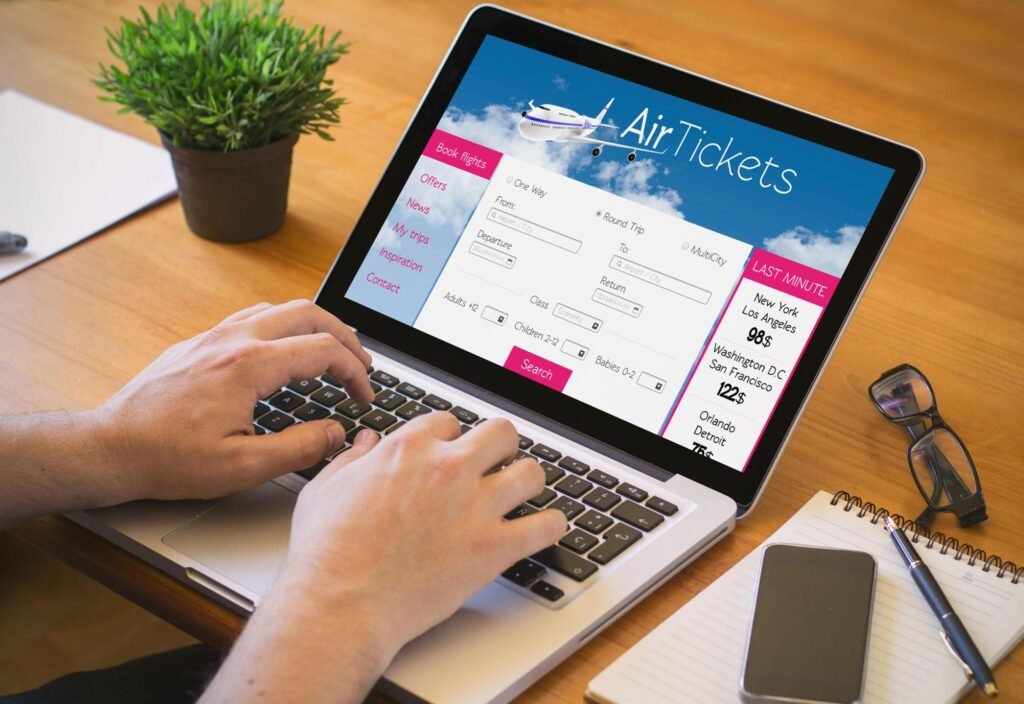
- Book 2–3 months early (non-negotiable)
Waiting for last-minute deals rarely works for international travel. Prices typically rise 30–50% closer to departure. - Use fare comparison tools
Platforms like Skyscanner or Google Flights help you spot the cheapest dates. Always check the “whole month” view. - Be flexible with dates & airports
Shifting your departure by even 1–2 days can save ₹5K–₹10K. Also compare nearby airports (e.g., Bangkok vs Phuket). - Avoid weekends & peak travel days
Flying mid-week (Tue–Thu) is often cheaper than Friday–Sunday departures.
Accommodation Tips
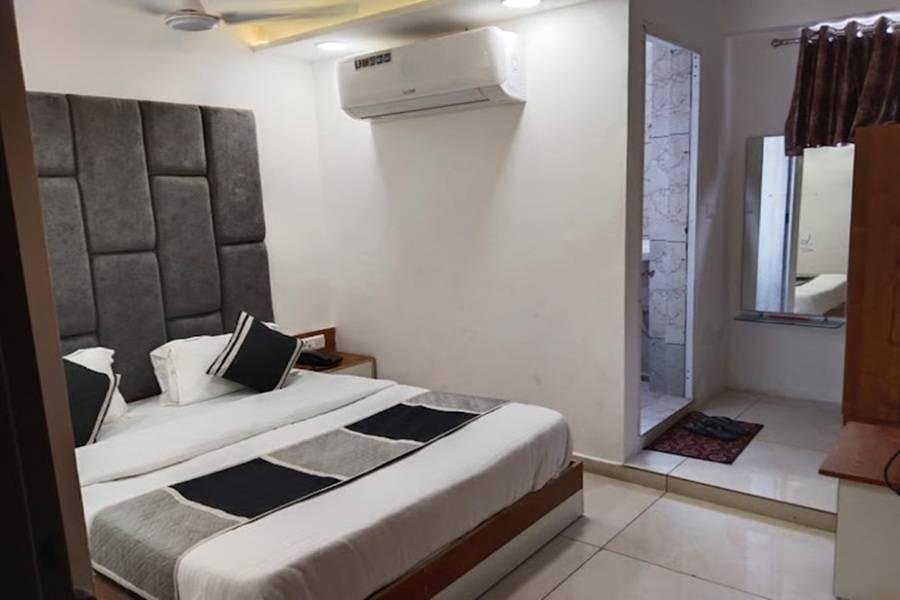
- Choose hostels, Airbnb, or budget hotels
You don’t need luxury—clean, well-located stays are enough.- Hostels: Best for solo travelers
- Airbnb: Great for groups (cost split)
- Location > luxury
Staying in central areas saves daily transport costs and time. - Look for value add-ons
Free breakfast, Wi-Fi, or airport transfers can reduce overall expenses.
Food Savings

- Eat local, not touristy
Street food and local restaurants are cheaper and more authentic.
Example: A meal in Thailand can cost ₹200–₹300 locally vs ₹1,000+ in tourist spots. - Balance your meals
Mix budget meals with 1 good café/restaurant experience per day. - Avoid over-ordering
Portion sizes abroad can be larger—order smart to avoid waste.
Transport Tips
- Use public transport
Metro, buses, and shared rides are significantly cheaper than taxis. - Walk whenever possible
Many attractions are clustered—walking not only saves money but enhances the experience. - Use local apps
Apps like Grab (Southeast Asia) are cheaper and more transparent than traditional taxis.
Currency & Payment Hacks

- Forex cards vs cash
- Forex card: Better exchange rates, safer for large amounts
- Cash: Useful for small payments, street markets
- Avoid airport currency exchange
Rates are usually worse. Exchange a small amount in India, then withdraw locally. - Use international debit/credit cards wisely
Check forex markup fees (usually 2–3%). Some cards offer zero forex markup—huge savings.
Pro Strategy (What Actually Keeps You Under Budget)
- Lock cheap flights first → then plan destination
- Fix daily budget (₹2K–₹4K/day) and track loosely
- Prioritize experiences over luxury
- Leave a ₹10K buffer for unexpected expenses
Traveling under ₹1 lakh isn’t about sacrificing—it’s about optimizing. When you apply these strategies together, you don’t just save money—you travel smarter, longer, and more often.
Sample 5-Day Budget Itinerary (Example: Thailand)
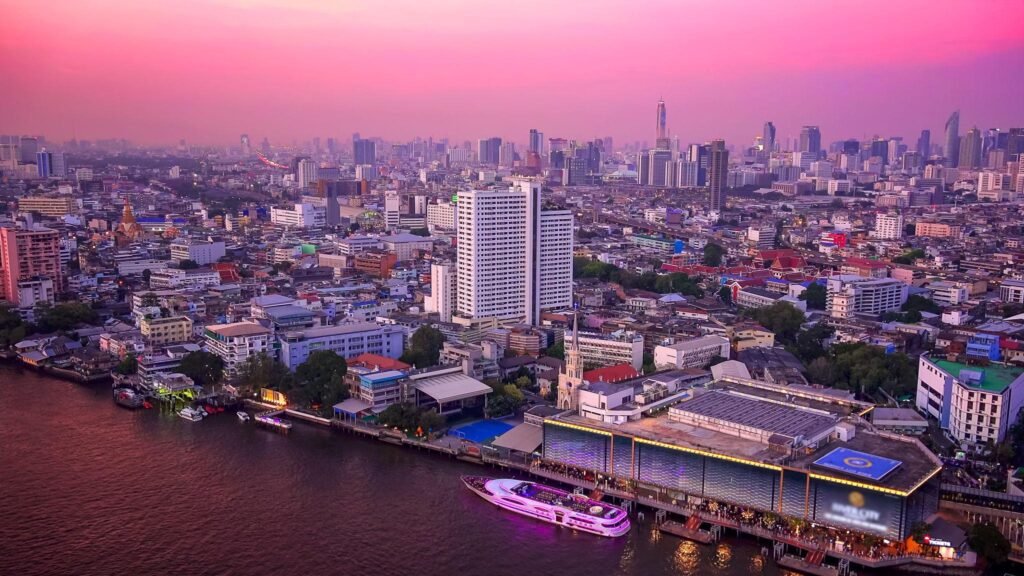
A well-planned itinerary is what actually keeps your trip under budget. Instead of rushing across cities, this plan focuses on Bangkok + a nearby island experience, giving you maximum variety without unnecessary travel costs.
Day-wise Plan
Day 1: Arrival + City Exploration (Bangkok)
- Arrive in Bangkok (Suvarnabhumi/Don Mueang Airport)
- Check into a budget hotel/hostel (Sukhumvit or Pratunam area)
- Explore nearby areas: local markets, street food, cafés
- Evening: Visit a night market (cheap food + shopping)
Budget tip: Use airport rail link + BTS instead of taxi
Day 2: Temples + Markets
- Visit Grand Palace and Wat Phra Kaew (morning)
- Explore Wat Pho (Reclining Buddha)
- Afternoon: Relax or café hop
- Evening: Chatuchak Market or local night markets
Budget tip: Combine nearby temples to avoid multiple transport costs
Day 3: Island Tour (Day Trip)
- Take a budget tour to nearby islands (or fly to Phuket/Krabi if planned)
- Activities: snorkeling, beach hopping, boat rides
- Lunch usually included in tour packages
Cost: ₹2,500–₹4,000
Pro tip: Book locally for better deals than online platforms
Day 4: Shopping + Nightlife
- Visit malls like Platinum Fashion Mall or MBK Center
- Street shopping for souvenirs
- Evening: Explore rooftop views or budget-friendly bars
Budget tip: Set a shopping budget—this is where overspending happens
Day 5: Return
- Light breakfast + last-minute shopping
- Airport transfer via metro or shared cab
- Fly back to India
Total Cost Breakdown (Per Person)
| Category | Cost (INR) |
|---|---|
| Flights (Return) | ₹25K–₹35K |
| Stay (4 nights) | ₹6K–₹12K |
| Food (5 days) | ₹3K–₹6K |
| Local transport | ₹2K–₹4K |
| Island tour/activity | ₹3K–₹5K |
| Visa + insurance | ₹2K–₹4K |
| Total | ₹41K–₹66K |
Reality Check (Why This Works)
- Focuses on one base city → saves internal travel cost
- Mix of free + paid experiences → balanced budget
- Keeps daily spending controlled (~₹1.5K–₹3K/day)
Pro Insight
Most travelers overspend by trying to do too much. This itinerary works because it prioritizes high-impact experiences (temples, islands, markets) while cutting unnecessary expenses.
With the right plan, a Thailand trip isn’t just under ₹1 lakh—it can be done comfortably under ₹70K while still feeling complete and memorable.
Common Mistakes to Avoid

Even with a ₹1 lakh budget, small mistakes can quietly push your trip over budget. The difference between a smart traveler and an over-budget one usually comes down to avoiding these common (and costly) errors.
1. Booking Last-Minute Flights
This is the #1 budget killer. International flight prices rarely drop at the last minute—especially on popular routes from India.
- Booking late can increase costs by ₹10K–₹25K instantly
- Peak season = even worse price spikes
Fix:
Book flights 6–10 weeks in advance and track prices using comparison tools. If you delay, you’re already starting your trip over budget.
2. Overpacking Paid Activities
Trying to “do everything” is a classic mistake. Every extra activity adds ₹2K–₹5K—and most travelers don’t even enjoy half of them fully.
- Example: Booking 3 tours in 2 days = rushed + expensive
- You end up spending more and experiencing less
Fix:
Pick 1–2 high-value experiences per day and leave buffer time. Slow travel = better experience + lower cost.
3. Ignoring Travel Insurance
Many travelers skip insurance to “save” ₹500–₹800—which can turn into a huge financial risk.
- Medical emergencies abroad are expensive
- Flight delays, cancellations, or lost baggage can cost thousands
Fix:
Always buy basic travel insurance. It’s one of the highest ROI expenses in your entire trip.
4. Currency Exchange Mistakes
Poor currency decisions can silently drain your budget.
- Exchanging at airports = worst rates
- Using cards without checking forex markup = hidden charges
- Carrying too much cash = risk + inefficiency
Fix:
- Exchange a small amount in India
- Use forex cards or zero-markup cards for major spending
- Withdraw locally if needed (better rates than airports)
Pro Insight (What Experienced Travelers Do Differently)
- Lock flights early → biggest saving
- Keep itinerary lean → fewer paid activities, more real experiences
- Always insure → avoid financial shocks
- Optimize currency → save 3–5% on every transaction
Budget travel isn’t just about finding cheap options—it’s about avoiding expensive mistakes. Fix these four areas, and you’ll not only stay under ₹1 lakh—you’ll travel smoother and smarter.
Travel Insurance & Safety Tips
Travel insurance and basic safety habits aren’t “optional extras”—they’re what keep a budget trip from turning into an expensive problem. For international travel under ₹1 lakh, protecting your money and your plans matters as much as saving on flights.
Why Insurance is Essential
Skipping insurance to save ₹500–₹800 is one of the most common (and costly) mistakes.
- Medical emergencies abroad are expensive
Even a minor hospital visit can cost ₹20K–₹1L+ depending on the country. Insurance covers hospitalization, doctor visits, and sometimes even medicines. - Flight delays & cancellations
Budget itineraries are tight—one delay can disrupt hotel bookings and tours. Insurance often reimburses these losses. - Lost baggage or passport issues
Losing luggage abroad isn’t rare. Insurance helps recover costs for essentials and replacements. - Peace of mind = better travel decisions
When you’re covered, you don’t hesitate in emergencies or unexpected situations.
Smart tip:
Choose a basic plan that covers medical (at least $50,000), trip delays, and baggage loss. Avoid overpaying for premium add-ons you don’t need.
Basic Safety Tips for International Travel
1. Keep documents secure
- Carry digital + physical copies of passport, visa, and tickets
- Use hotel lockers or anti-theft bags for originals
2. Avoid flashing cash or valuables
- Keep daily cash separate
- Use cards or small denominations for local spending
3. Use trusted transport options
- Prefer official taxis or apps like Grab/Uber
- Avoid random street taxis in unfamiliar areas
4. Stay connected
- Buy a local SIM or international roaming plan
- Offline maps (Google Maps) can be a lifesaver
5. Be aware, not paranoid
- Most destinations are safe—but stay alert in crowded areas (markets, public transport)
- Watch out for common tourist scams (overcharging, fake guides)
Pro Insight (What Experienced Travelers Do)
- They treat insurance as non-negotiable, not optional
- They plan for “what if” scenarios (delays, loss, emergencies)
- They stay low-key and blend in—less attention = less risk
A budget trip isn’t just about saving money—it’s about avoiding unexpected losses. With basic insurance and smart safety habits, you protect both your wallet and your experience while traveling abroad.
Best Travel Apps for Budget Travelers

The difference between overspending and staying under ₹1 lakh often comes down to which apps you use. Smart travelers rely on a small stack of apps to find cheaper flights, better stays, and avoid hidden costs on the ground.
Flight Booking Apps
- Skyscanner
Best for comparing prices across airlines and finding the cheapest dates using the “whole month” view. - Google Flights
Extremely fast and reliable for tracking fare trends and setting price alerts. - MakeMyTrip
Useful for Indian users—frequent deals, combo offers, and easy payment options.
Pro tip: Always cross-check prices across 2–3 apps before booking.
Hotel Booking Apps
- Booking.com
Great for budget hotels and free cancellation options. - Airbnb
Ideal for longer stays or group travel—splitting cost makes it cheaper. - Hostelworld
Best for solo travelers looking for affordable dorms and social stays.
Pro tip: Filter by location + rating (7.5+) instead of just price to avoid bad experiences.
Currency Converters
- XE Currency
Real-time exchange rates with offline mode. - Wise
Useful for checking actual exchange rates and avoiding hidden fees.
Pro tip: Always check conversion before paying—tourist areas sometimes overcharge.
Maps & Navigation
- Google Maps
Essential for directions, reviews, and public transport routes (download offline maps). - Maps.me
Works without internet—perfect for international travel. - Grab
Cheaper and safer alternative to taxis in countries like Thailand, Vietnam, and Malaysia.
Pro tip: Walking routes on maps often reveal nearby attractions and save transport costs.
Pro Insight (What Actually Saves Money)
- Use flight apps for price tracking, not impulse booking
- Combine hotel apps + Google Maps reviews before finalizing stays
- Check currency conversion before every major expense
- Use navigation apps to avoid unnecessary taxi rides
These apps don’t just make travel easier—they directly help you save ₹10K–₹20K across your trip by avoiding overpriced flights, stays, and transport mistakes.
Who Should Choose These Budget Trips?

Solo Travelers
Budget trips are perfect for solo travelers because they offer freedom + affordability.
- Hostels and shared stays reduce accommodation costs
- Easy to join group tours (island trips, walking tours)
- Destinations like Thailand, Vietnam, and Bali are very solo-friendly
Real insight: Solo travelers often spend less overall because they stay flexible and avoid unnecessary luxury.
Couples
These trips are ideal for couples who want a romantic international experience without overspending.
- Budget destinations like Bali or Thailand offer luxury-like experiences at lower cost
- Cost-sharing (stay, transport) makes trips more affordable
- Great mix of relaxation + activities
Real insight: Splitting costs often brings a ₹1 lakh trip down to ₹60K–₹80K per person.
First-Time International Travelers
If you’ve never traveled abroad, these destinations are the safest and easiest starting point.
- Visa-on-arrival or visa-free = less stress
- Short flights (4–6 hours) reduce travel fatigue
- Well-developed tourist infrastructure
Real insight: Countries like Thailand or Sri Lanka are often called “starter international trips” for Indians.
Students
For students, these trips offer maximum experience at minimum cost.
- Cheap stays (hostels) + street food = very low daily expenses
- Group travel reduces per-person costs further
- Flexible schedules = easier to travel in off-season
Real insight: Students who plan well can complete international trips for ₹40K–₹70K.
Pro Insight (Who Should NOT Choose This Style)
- Travelers expecting luxury hotels + premium experiences daily
- People who prefer fully guided, all-inclusive tours
- Those unwilling to compromise on flexibility or comfort
These budget international trips are best for travelers who want more travel, more often—without spending excessively. If you value experiences over luxury, this style of travel will give you the highest return on your money.
Conclusion
International travel from India doesn’t have to be expensive—it just has to be planned smartly. As you’ve seen, with the right destination, timing, and strategy, a budget of ₹1 lakh is more than enough to explore places like Thailand, Vietnam, Bali, or even Dubai. The key is not cutting corners, but making better decisions—booking flights early, choosing value-for-money stays, and focusing on experiences that actually matter.
What really makes the difference is choosing a destination that fits your travel style. If you want something easy and beginner-friendly, Thailand or Sri Lanka is perfect. If you’re chasing scenic landscapes and culture, Vietnam or Bhutan will give you more depth. Looking for a romantic or aesthetic getaway? Bali fits right in. And if you prefer a modern city vibe, Dubai or Malaysia can deliver that without crossing your budget—if done right.
The biggest shift you need to make is this: stop thinking of international travel as a one-time luxury. With the strategies in this guide, it can become something you do once or even multiple times a year, without financial stress.
So now it’s your move.
- Pick a destination that excites you
- Lock your dates early
- Start tracking flight deals today
And if this guide helped you, save it for later, share it with your travel partner, and start planning your next international trip under ₹1 lakh. 🌍✈️
If you’re not ready for an international trip yet, or you’re looking for incredible destinations closer to home, explore our comprehensive India travel guide. It covers the best places to visit, seasonal travel tips, budget itineraries, transportation advice, and expert recommendations for planning unforgettable journeys across India.
FAQs (Frequently Asked Questions)
Can I travel internationally in ₹1 lakh from India?
Yes—comfortably, if you plan it right. Choose budget-friendly destinations (like Thailand or Vietnam), book flights 6–10 weeks in advance, and stick to mid-range stays. Most 4–6 day trips can fit within ₹60K–₹90K, leaving buffer for activities and shopping.
Which is the cheapest country to visit from India?
Nepal and Vietnam consistently rank as the cheapest.
- Nepal: No visa, low transport cost, very cheap stays and food
- Vietnam: Slightly higher flights, but extremely low daily expenses balance it out
Is Bali possible under ₹1 lakh?
Yes, but it’s near the upper limit. The key is to save on flights and split accommodation.
- Book flights early (₹30K–₹40K range)
- Choose budget villas/guesthouses
- Avoid overpacking paid activities
Done right, Bali can be managed in ₹80K–₹1L.
How many days can I travel in ₹1 lakh?
Typically 4–7 days is the sweet spot.
- Short enough to control hotel and food costs
- Long enough to explore 1–2 destinations properly
Trying to stretch beyond 7 days often increases costs significantly.
Which international trip is best for couples under ₹1 lakh?
Top picks for couples:
- Bali → Romantic villas, scenic views
- Thailand → Beaches + nightlife + easy planning
- Sri Lanka → Scenic train rides + peaceful stays
These destinations offer a balance of romance + affordability.
Are flights included in the ₹1 lakh budget?
Yes—and they usually take up the biggest share (₹20K–₹40K).
If you:
- Book early
- Avoid peak season
- Stay flexible with dates
…you can easily include flights and still stay within budget.
Do I need a visa for these countries?
It depends on the destination:
- No visa required: Nepal, Bhutan
- Visa on arrival / e-visa: Thailand, Sri Lanka, Indonesia, Vietnam
Pro tip: Always check the latest visa rules before booking, as policies can change.