

Travel looks easy online. A 15-second reel shows turquoise beaches, rooftop cafés, and smiling travelers catching sunsets perfectly on time. What it doesn’t show is the missed train in Rome, the $80 airport taxi scam in Bali, or the exhaustion of dragging a 23kg suitcase through cobblestone streets at midnight.
That’s exactly why so many first-time travelers struggle during international trips.
Most beginner travelers don’t fail because they’re unprepared — they fail because they prepare for the wrong things. They focus on aesthetic experiences instead of practical travel realities like transportation logistics, hidden costs, local scams, or travel fatigue.
I once met a solo traveler in Thailand who planned visits to Bangkok, Phuket, Krabi, Chiang Mai, and Pattaya in just eight days. On paper, the itinerary looked exciting. In reality, she spent nearly 22 hours inside airports, taxis, ferries, and buses. By the end of the trip, she admitted she barely remembered the places she visited because she was constantly rushing.
That’s one of the biggest travel mistakes first-time travelers make — confusing movement with experience.
The good news? Nearly all beginner travel mistakes are avoidable.
This guide combines real-world travel experience, practical planning strategies, and expert-backed advice to help you avoid stress, overspending, scams, burnout, and poor decisions on your first trip abroad.
Table of Contents
ToggleWhy First-Time Travelers Often Make Costly Mistakes
The biggest reason beginners struggle is simple: travel is different from vacation content online.
Social media shows highlights. Real travel includes:
- Delayed flights
- Currency confusion
- Exhaustion
- Long immigration lines
- Miscommunication
- Budget overruns
- Tourist traps
- Transportation mistakes
First-time travelers often underestimate how mentally demanding travel can be — especially internationally.
Lack of Research
One of the most expensive travel planning mistakes is researching attractions but ignoring logistics.
Many travelers spend hours finding “Instagrammable places” but almost no time understanding:
- Local transport systems
- Airport transfer scams
- SIM card options
- Currency exchange fees
- Neighborhood safety
- Weather realities
For example:
A hotel in Paris may look “budget-friendly” at $70/night, but if it’s located far outside the city center, you could spend an additional $25–40 daily on transportation alone.
Similarly, travelers visiting Southeast Asia often underestimate ferry transfer times between islands. A route that looks short on Google Maps may actually take an entire day with waiting periods.
Actionable Advice:
Before booking anything, research these five things:
- Average daily transportation costs
- Best neighborhood to stay in
- Local scam warnings
- Airport-to-city transport methods
- Typical tourist pricing
Quick Pro Tip:
Search:
“Common tourist scams in [destination] Reddit”
Reddit threads often reveal real traveler experiences that polished travel blogs miss.
Unrealistic Expectations From Social Media
One of the biggest modern travel problems is “content-driven travel.”
Many beginner travelers unknowingly plan trips around TikTok and Instagram instead of practicality.
A beach café that looks peaceful online may actually require:
- A 2-hour drive
- Expensive entry tickets
- Waiting in long photo queues
- Overpriced food
I experienced this personally in Bali at a famous jungle swing attraction. Travelers waited over 90 minutes just for a 20-second photo opportunity. Meanwhile, a nearby local waterfall with almost no tourists became the real highlight of the day.
That’s why experienced travelers focus less on viral locations and more on:
- Local experiences
- Walkable neighborhoods
- Flexible schedules
- Authentic food spots
Better Strategy:
Use the:
- 70/30 Rule
- 70% practical itinerary
- 30% spontaneous exploration
This balance reduces burnout while still allowing adventure.
Underestimating Travel Fatigue
This is one of the most ignored beginner travel mistakes.
Travel fatigue is real — especially during international trips involving:
- Overnight flights
- Time zone changes
- Long walking distances
- Hot weather
- Language barriers
Research published by the Sleep Foundation shows that jet lag and sleep disruption can significantly impact mood, concentration, and energy levels during travel.
Many first-time travelers make the mistake of landing after a 12-hour flight and immediately booking:
- Full-day tours
- Nightlife activities
- Long sightseeing itineraries
By day three, exhaustion usually takes over.
Actionable Advice:
On arrival day:
- Avoid major activities
- Stay hydrated during flights
- Walk lightly to adjust your body clock
- Eat local meals slowly
- Sleep according to local time immediately
Expert Insight:
Experienced travelers often plan “buffer days” after long-haul flights instead of tightly packed itineraries.
That single decision dramatically improves overall trip quality.
Trying to Do Too Much
This is probably the most common mistake first-time international travelers make.
Many people believe:
“If I don’t visit everything, I’m wasting my trip.”
In reality, overplanning ruins more vacations than underplanning.
A common example:
Trying to visit:
- London
- Paris
- Amsterdam
- Rome
…in one week.
Technically possible? Yes.
Enjoyable? Rarely.
You’ll spend more time:
- Packing
- Checking out
- Waiting at stations
- Navigating airports
…than actually experiencing destinations.
Smarter Travel Strategy:
For trips under 10 days:
- Choose 1–2 countries maximum
- Stay at least 3 nights per city
- Leave empty spaces in your itinerary
Experienced travelers understand something beginners don’t:
The best travel memories are usually unplanned.
Sometimes it’s:
- A random sunset walk
- A conversation with locals
- A hidden café
- A street performance
- An unexpected food market
—not the fifth tourist attraction of the day.
Why Do First-Time Travelers Struggle?
First-time travelers struggle because they often underestimate planning, overpack their itineraries, rely too heavily on social media expectations, ignore travel fatigue, and fail to research local transportation, costs, and scams properly.
Booking Flights Without Comparing Prices

One of the fastest ways to overspend on travel is booking the first flight you see.
Many first-time travelers assume airline ticket prices are fixed, but flight pricing changes constantly based on demand, season, departure timing, and even nearby airports. Two people sitting next to each other on the same flight may have paid completely different prices.
I once met a traveler in Dubai who booked a direct flight to Paris for nearly $980 because she searched only on the airline’s website. A quick comparison later showed another route with a short layover for almost $420 less.
That’s why experienced travelers rarely book flights impulsively.
Using Only One Booking Website
One of the most common flight booking mistakes beginners make is relying on a single platform.
Different websites display:
- Different fare classes
- Different baggage policies
- Different hidden fees
- Different cancellation terms
For example:
A flight that appears “cheap” on one website may exclude cabin baggage, while another includes it for nearly the same price.
Actionable Advice:
Always compare flights across:
- Airline websites
- Meta-search engines
- Budget airline platforms
Many low-cost airlines don’t appear on every comparison tool.
Pro Tip:
Search nearby airports too.
Flying into:
- Milan instead of Venice
- Osaka instead of Tokyo
- Brussels instead of Amsterdam
…can sometimes save hundreds of dollars.
Ignoring Incognito Mode Myths
You’ve probably heard:
“Flights become more expensive if you search repeatedly.”
The reality is more complicated.
While airlines use dynamic pricing based on demand, there’s limited evidence that simply searching repeatedly raises prices specifically for you. However, cached browsing sessions can occasionally affect displayed prices.
Instead of obsessing over incognito mode, focus on strategies that actually work:
- Compare multiple dates
- Use fare alerts
- Fly midweek
- Avoid peak holiday periods
- Book during off-season windows
Better Strategy Than Incognito:
Flexible dates matter far more than browser tricks.
For example:
Flying on Tuesday instead of Friday can reduce international airfare by 15–30% during busy seasons.
Booking Too Early vs Too Late
Many beginners either:
- Panic-book flights six months early
OR - Wait until the last minute hoping for deals
Both can backfire.
According to data from Google Flights, international flights are often cheaper when booked approximately:
- 2–6 months before departure
- Earlier for holiday seasons
- Slightly later for low-demand routes
General Booking Window Guide
| Trip Type | Ideal Booking Time |
|---|---|
| Domestic flights | 1–3 months |
| International flights | 2–6 months |
| Peak holiday travel | 4–10 months |
| Europe summer travel | 5–7 months |
Real-World Example:
Flights to Thailand during New Year can double in price within weeks because demand spikes globally.
Hidden Airline Baggage Fees
A “cheap” ticket isn’t always cheap.
Budget airlines often advertise low base fares but charge extra for:
- Cabin baggage
- Checked luggage
- Seat selection
- Airport check-in
- Priority boarding
- Printing boarding passes
I once flew with a European low-cost airline where a traveler paid nearly €70 at the gate because his carry-on exceeded the allowed size by a few centimeters.
That single baggage fee cost more than the flight itself.
Actionable Advice:
Before booking:
- Read baggage dimensions carefully
- Check total trip cost including luggage
- Compare final prices — not just base fares
Sometimes a slightly more expensive airline becomes cheaper overall once baggage is included.
Best Tools for Comparing Flights
Experienced travelers rarely book without comparing multiple sources.
Recommended Flight Comparison Tools
| Tool | Best For |
|---|---|
| Google Flights | Flexible date comparisons |
| Skyscanner | Budget route discovery |
| Kayak | Price forecasting |
| Momondo | Hidden flight deals |
| Hopper | Fare alerts |
Pro Tip:
Set fare alerts at least 2–3 months before your trip instead of checking prices daily manually.
Budget Airline Warning Signs
Budget airlines can save money — but only if you understand the trade-offs.
Red Flags to Watch For:
- Extremely strict baggage limits
- Airports located far outside cities
- No customer support
- Separate fees for everything
- Poor delay compensation policies
Smart Traveler Rule:
If a budget flight is only slightly cheaper than a full-service airline, choose the better airline experience.
Long layovers, baggage stress, and hidden charges can quickly erase “savings.”
When Is the Best Time to Book Flights?
The best time to book flights is usually 1–3 months before domestic trips and 2–6 months before international travel. Booking too early or too late often leads to higher prices, especially during holidays and peak travel seasons.
Overpacking and Carrying Unnecessary Items

Overpacking is almost a rite of passage for first-time travelers.
Most beginners pack for imaginary situations instead of real travel needs:
- “What if it rains?”
- “What if there’s a fancy dinner?”
- “What if I need five pairs of shoes?”
The result?
Heavy luggage, airport stress, baggage fees, sore shoulders, and less flexibility during the trip.
I once watched a traveler struggle up four flights of stairs in a small European hotel carrying two oversized suitcases for a five-day trip. By the second city, she admitted she only used about 30% of what she packed.
Experienced travelers know this:
The lighter you travel, the easier your trip becomes.
Packing “Just in Case” Items
This is one of the biggest packing mistakes first-time travelers make.
People often pack:
- Too many clothes
- Multiple jackets
- Extra shoes
- Full-size toiletries
- Unnecessary gadgets
Most travelers end up wearing the same comfortable outfits repeatedly anyway.
Better Packing Strategy:
Pack for:
- Versatility
- Layering
- Comfort
—not “what if” scenarios.
Smart Packing Rule:
If you can buy it easily at your destination, you probably don’t need to carry it.
Ignoring Airline Baggage Rules
Many travelers only realize baggage restrictions at the airport.
That’s when problems start:
- Overweight luggage fees
- Forced repacking
- Last-minute payments
- Carry-on rejection
Budget airlines are especially strict about:
- Carry-on dimensions
- Weight limits
- Personal item sizes
Actionable Advice:
Before flying:
- Weigh your bag at home
- Measure carry-on dimensions
- Read airline baggage policies carefully
A small digital luggage scale can save you from expensive airport surprises.
Forgetting Universal Adapters
One of the most frustrating beginner travel mistakes is arriving with devices you can’t charge.
Power outlets vary worldwide:
- Europe uses different plugs than the US
- The UK uses unique sockets
- Voltage differences matter for some appliances
Without preparation, travelers end up:
- Buying overpriced airport adapters
- Sharing chargers
- Draining phone batteries during navigation
Actionable Advice:
Carry:
- A universal travel adapter
- A power bank
- Multi-port USB chargers
These three items make international travel dramatically easier.
Carry-On vs Checked Baggage Mistakes
First-time travelers often misunderstand what belongs in checked luggage versus carry-ons.
Common Carry-On Mistakes:
Packing:
- Liquids over limits
- Sharp objects
- Heavy electronics incorrectly
- Important medicines in checked bags
Smart Traveler Rule:
Always keep these in your carry-on:
- Passport
- Wallet
- Medications
- Chargers
- One extra outfit
- Essential toiletries
Lost luggage happens more often than beginners expect.
According to airline industry reports, millions of bags are delayed globally each year during peak travel periods.
Minimalist Packing Checklist
Essentials for a 7-Day Trip
- 4–5 tops
- 2–3 bottoms
- 1 comfortable walking shoe
- Lightweight jacket
- Travel-size toiletries
- Universal adapter
- Passport copies
- Power bank
Packing Tip:
Choose neutral clothing colors so outfits can mix easily.
Essential Travel Gadgets
Useful Gadgets Experienced Travelers Actually Use
| Gadget | Why It Helps |
|---|---|
| Power bank | Prevents dead phone emergencies |
| Universal adapter | Works worldwide |
| Packing cubes | Saves luggage space |
| Digital luggage scale | Avoids overweight fees |
| AirTag/Tracker | Helps locate luggage |
| Noise-canceling earbuds | Reduces flight fatigue |
How Many Clothes Should You Pack for a 7-Day Trip?
For a 7-day trip, most travelers only need 4–5 tops, 2–3 bottoms, comfortable shoes, and versatile layering pieces. Packing light reduces stress, baggage fees, and mobility issues during travel.
Not Budgeting Properly Before the Trip

One of the biggest mistakes first-time travelers make is assuming flights and hotels are the only major expenses.
In reality, hidden travel costs can quietly destroy your budget long before the trip ends.
A traveler might proudly book a “cheap” $600 vacation to Europe — then spend:
- $120 on airport transfers
- $80 on roaming charges
- $150 on tourist taxes and attraction fees
- $200 on last-minute transportation mistakes
Suddenly, the “budget trip” costs nearly double.
I once met a backpacker in Singapore who underestimated daily costs so badly that he spent his final two days eating convenience store noodles because he didn’t leave room for unexpected expenses.
That’s why experienced travelers don’t just budget for the trip — they budget for the surprises.
Airport Transfers
Airport transfers are one of the most ignored hidden travel expenses.
Many first-time travelers focus only on airfare prices and completely forget:
- Taxi fares
- Airport train tickets
- Shuttle buses
- Ferry transfers
- Late-night transportation surcharges
For example:
A “cheap” flight to a secondary airport outside London or Paris may require an additional 1–2 hour transfer costing $25–70 extra.
Some tourists also fall for airport taxi scams immediately after arrival because they’re tired, unfamiliar with local pricing, and desperate to reach their hotel.
Actionable Advice:
Before landing:
- Research official airport transport options
- Download local ride-hailing apps
- Save hotel directions offline
- Avoid unofficial taxi drivers inside terminals
Smart Traveler Tip:
Sometimes paying slightly more for a centrally located hotel actually reduces your total transportation costs significantly.
Currency Conversion Fees
Currency exchange is where many beginners lose money without realizing it.
Common mistakes include:
- Exchanging money at airports
- Using poor exchange counters
- Paying dynamic currency conversion fees
- Withdrawing small ATM amounts repeatedly
One traveler in Turkey told me he lost nearly $90 across a single trip just from repeated ATM withdrawal charges and bad conversion rates.
Biggest Beginner Mistake:
Choosing:
“Pay in your home currency?”
…on international card machines.
This often triggers dynamic currency conversion, which usually gives worse exchange rates than local currency payments.
Better Strategy:
Always:
- Pay in local currency
- Use travel-friendly cards
- Withdraw larger amounts less frequently
- Compare ATM fee structures beforehand
Pro Tip:
Use apps like:
- XE Currency
- Wise
…to track real exchange rates while traveling.
Tourist Taxes
Many travelers don’t realize some destinations charge:
- Hotel taxes
- Environmental fees
- Entry taxes
- Tourism levies
These fees often appear only during final checkout.
For example:
European cities like Amsterdam, Venice, and Paris frequently charge nightly tourist taxes per person, while tropical destinations may charge island or sustainability fees.
Even budget travelers can unexpectedly spend an additional:
- $5–30 per night
depending on destination and accommodation type.
Actionable Advice:
Before booking:
- Read hotel fine print carefully
- Search:
“Tourist taxes in [destination]”
This small research step prevents surprise expenses later.
SIM Cards & Internet Costs
Internet access is something travelers don’t appreciate until they lose it.
Without data access:
- Navigation becomes difficult
- Translation apps stop working
- Ride-hailing services become inaccessible
- Emergency communication becomes harder
Unfortunately, many first-time travelers activate international roaming without checking costs first.
The result?
Huge phone bills after returning home.
Better Strategy:
Experienced travelers usually choose:
- eSIM plans
- Local prepaid SIM cards
- Portable WiFi devices
Depending on destination, local SIM cards can cost 80–90% less than international roaming charges.
Smart Travel Tip:
Download before departure:
- Offline Google Maps
- Hotel confirmations
- Emergency contacts
- Translation packs
Emergency Expenses
This is the category beginners underestimate most.
Unexpected travel costs happen constantly:
- Missed flights
- Medical visits
- Lost luggage
- Sudden weather changes
- Extra hotel nights
- Stolen wallets
- Transportation strikes
One delayed flight in Iceland forced a traveler I met to book a last-minute hotel for nearly $250 because bad weather canceled all remaining transportation.
That single emergency cost more than his original flight ticket.
Actionable Advice:
Always keep:
- Emergency cash
- Backup payment cards
- Reserved emergency funds separate from daily spending
Experienced travelers rarely travel with exactly enough money.
Daily Budget Calculator Example
Sample Mid-Range Daily Budget (Europe Example)
| Expense | Estimated Daily Cost |
|---|---|
| Hotel | $80–150 |
| Food | $25–60 |
| Transportation | $10–30 |
| Attractions | $20–50 |
| Internet/SIM | $2–5 |
| Emergency buffer | $20 |
Estimated Total:
$160–315 per day
Smart Budget Rule:
Add at least:
- 15–20% extra buffer
for unexpected expenses.
Budget vs Luxury Traveler Comparison
| Category | Budget Traveler | Luxury Traveler |
|---|---|---|
| Accommodation | Hostels/Budget hotels | 4–5 star hotels |
| Transportation | Public transit | Private transfers |
| Dining | Street food/local cafés | Fine dining |
| Activities | Free attractions | Premium tours |
| Daily Cost | $40–100 | $250–800+ |
How Much Emergency Money Should Travelers Carry?
Travelers should carry enough emergency funds to cover at least 2–5 extra days of accommodation, food, and transportation. Experts recommend keeping 15–20% of your total trip budget reserved for unexpected expenses.
Ignoring Travel Insurance

Many first-time travelers see travel insurance as an unnecessary expense — until something goes wrong.
Then it becomes the most valuable purchase of the entire trip.
The problem is simple:
Beginners often assume:
“Nothing bad will happen to me.”
But experienced travelers know travel is unpredictable.
Flights get canceled.
Bags get lost.
People get sick.
Weather changes suddenly.
Accidents happen.
I once met a traveler in Bali who crashed a rented scooter and needed emergency medical treatment plus stitches. Without travel insurance, the hospital bill would have cost several thousand dollars.
Instead, most expenses were covered.
That single situation completely changed how everyone in the hostel viewed travel insurance.
Medical Emergencies Abroad
Medical emergencies abroad can become financially devastating very quickly.
In some countries, even basic hospital treatment can cost:
- Hundreds of dollars
- Thousands for emergencies
- Tens of thousands for serious incidents
According to the U.S. Centers for Disease Control and Prevention (CDC), many domestic health insurance plans provide limited or no international coverage.
That means travelers often pay upfront internationally.
Common Medical Situations Travelers Face:
- Food poisoning
- Dehydration
- Injuries
- Altitude sickness
- Infections
- Scooter accidents
- Emergency evacuations
Smart Traveler Advice:
Choose insurance that includes:
- Emergency hospitalization
- Medical evacuation
- 24/7 support
- Adventure activity coverage
Lost Baggage Situations
Lost luggage is more common than many beginners expect — especially during:
- Peak holiday seasons
- Tight layovers
- Multi-airline routes
Imagine arriving in Tokyo while your luggage ends up in another country.
Without insurance, replacing:
- Clothes
- Toiletries
- Electronics
- Medication
…can become expensive immediately.
Actionable Advice:
Even with insurance:
Always keep essentials in your carry-on:
- Passport
- Chargers
- Medicines
- One change of clothes
Flight Cancellations
Weather disruptions, airline strikes, technical issues, and missed connections can suddenly ruin travel plans.
A canceled flight may trigger:
- Extra hotel costs
- Food expenses
- New transportation bookings
- Missed tours
Travel insurance often helps reimburse these unexpected costs depending on your policy.
Smart Traveler Rule:
Always read:
- Delay coverage terms
- Cancellation exclusions
- Claim requirements
Not all policies cover every situation.
Adventure Activity Coverage
This is one of the most overlooked travel insurance mistakes.
Many travelers assume standard insurance covers:
- Scuba diving
- Skiing
- Paragliding
- Trekking
- Scooter riding
Often, it doesn’t.
I met travelers in Thailand whose insurance claims were denied because they rented scooters without proper licenses.
Actionable Advice:
If your trip includes adventure activities:
- Read activity exclusions carefully
- Check altitude/depth limits
- Verify rental vehicle coverage
Is Travel Insurance Worth It?
Yes, travel insurance is worth it because it protects travelers against expensive medical emergencies, lost baggage, flight cancellations, and unexpected travel disruptions that could otherwise cost thousands of dollars.
Trying to Visit Too Many Places in One Trip

One of the most common mistakes first-time travelers make is trying to see an entire country in a single trip.
Beginners often build itineraries based on excitement instead of energy, geography, or realistic transportation time. On paper, visiting five cities in seven days sounds adventurous. In reality, it usually becomes exhausting.
I once met a traveler in Europe attempting:
- Paris
- Amsterdam
- Berlin
- Prague
- Vienna
…all within eight days.
By the end of the trip, he admitted most memories blended together into train stations, hotel check-ins, and Google Maps directions. Instead of experiencing destinations deeply, he spent most of the vacation in transit.
That’s where slow travel principles completely change the experience.
Experienced travelers know:
Seeing less often helps you experience more.
Why Packed Itineraries Cause Burnout
Many first-time travelers underestimate how exhausting constant movement can be.
Every city change includes:
- Packing luggage
- Transportation delays
- Navigation stress
- Hotel check-ins
- Language barriers
- Waiting in lines
Even “short” transfers can consume half a day once you factor in:
- Airport arrival times
- Security checks
- Taxi rides
- Delays
- Train schedules
A vacation that looks exciting online can quickly become physically draining.
Common Signs of Travel Burnout:
- Irritability
- Decision fatigue
- Poor sleep
- Lack of excitement
- Skipping attractions
- Constant rushing
Real-World Example:
Many travelers visiting Japan try to fit:
- Tokyo
- Kyoto
- Osaka
- Nara
- Hiroshima
…into one week.
Technically possible? Yes.
Relaxing? Not at all.
Most end up spending more time moving luggage than enjoying Japan itself.
Actionable Advice:
Leave “empty space” in your itinerary.
Some of the best travel moments happen unexpectedly:
- Discovering a hidden café
- Watching local street performances
- Finding quiet viewpoints
- Talking with locals
- Exploring neighborhoods slowly
Transportation Time Mistakes
Google Maps can be deceptive while trip planning.
A route may look short online but fail to account for:
- Traffic
- Ferry schedules
- Immigration lines
- Walking distances
- Platform changes
- Delayed public transport
For example:
Traveling between Greek islands or Southeast Asian islands often takes much longer than beginners expect because of waiting times and weather disruptions.
Many first-time travelers also forget that airports are rarely located in city centers.
A “1-hour flight” can actually become:
- 45 minutes to airport
- 2-hour early arrival
- Flight duration
- Immigration wait
- Baggage claim
- Hotel transfer
Suddenly, half your day disappears.
Smart Traveler Rule:
Treat travel days as partial rest days — not sightseeing marathons.
Better Planning Strategy:
For trips under 10 days:
- Stay in fewer cities
- Choose centrally located accommodations
- Minimize one-night stays
- Avoid overnight exhaustion schedules
Quality vs Quantity Travel
This is the mindset shift that separates experienced travelers from beginners.
New travelers often focus on:
“How many places can I visit?”
Experienced travelers focus on:
“How deeply can I experience this place?”
There’s a huge difference between:
- Taking a quick photo at a landmark
AND - Spending time understanding the culture, food, people, and atmosphere
One unforgettable evening at a local food market in Bangkok can create stronger memories than rushing through five crowded tourist attractions in one day.
Practical Advice:
Instead of creating attraction-heavy itineraries, build:
- Experience-focused itineraries
Prioritize:
- Local neighborhoods
- Cafés
- Food tours
- Sunset walks
- Cultural experiences
- Slow mornings
Those moments usually become the highlights travelers remember years later.
Ideal Number of Attractions Per Day
Most experienced travelers recommend:
- 2–3 major attractions daily
- 1 flexible activity
- Plenty of walking and rest time
Trying to visit:
- Museums
- Markets
- Viewpoints
- Temples
- Restaurants
- Tours
…all in one day usually creates stress instead of enjoyment.
Smart Itinerary Formula:
- Morning: Major attraction
- Afternoon: Flexible exploration
- Evening: Local food or relaxed activity
This structure creates balance while reducing burnout.
Sample Balanced Itinerary
Example: 7-Day Thailand Trip
| Day | Activity |
|---|---|
| Day 1 | Arrival + rest + local café |
| Day 2 | Major temple tour + night market |
| Day 3 | Floating market + free evening |
| Day 4 | Travel to islands + beach relaxation |
| Day 5 | Island hopping tour |
| Day 6 | Flexible exploration day |
| Day 7 | Shopping + departure |
Why This Works:
- Fewer hotel changes
- Reduced transportation stress
- Built-in recovery time
- Better cultural immersion
Not Researching Local Culture and Etiquette

One of the fastest ways to embarrass yourself abroad is assuming every country follows the same social rules.
Something completely normal in your home country may be considered:
- Rude
- Offensive
- Illegal
- Disrespectful
Most locals understand tourists make mistakes. But travelers who show cultural awareness almost always have better experiences, better interactions, and fewer problems abroad.
I once watched a tourist enter a temple in Southeast Asia wearing revealing clothing while loudly taking selfies during a prayer ceremony. Locals looked visibly uncomfortable, and security eventually asked her to leave.
The problem wasn’t ignorance alone — it was lack of preparation.
Respectful travelers stand out everywhere.
Dress Code Mistakes
Dress expectations vary dramatically worldwide.
Many first-time travelers only pack for weather, not cultural norms.
For example:
- Religious sites in Asia and the Middle East often require covered shoulders and knees
- Some luxury restaurants enforce dress codes
- Conservative destinations may view revealing clothing negatively
Tourists visiting temples in Thailand, mosques in the UAE, or churches in Italy are frequently denied entry because of inappropriate clothing.
Smart Travel Tip:
Always carry:
- A lightweight scarf
- A modest cover-up
- Comfortable clothing suitable for religious sites
Pro Traveler Advice:
Search before visiting:
“Dress code for tourists in [destination]”
That simple step avoids awkward situations.
Tipping Confusion
Tipping culture varies massively around the world.
In some countries:
- Tipping is expected
In others:
- It’s unnecessary
- Uncommon
- Sometimes even rude
For example:
- The United States heavily depends on tipping culture
- Japan generally discourages tipping
- Some European restaurants already include service charges
Many beginners accidentally:
- Overtip
- Undertip
- Double-tip
…because they assume every country works the same way.
Actionable Advice:
Before traveling, research:
- Restaurant tipping expectations
- Taxi etiquette
- Hotel staff customs
- Tour guide tipping norms
Public Behavior Laws
This is where many travelers unknowingly get into trouble.
Some countries enforce strict laws regarding:
- Public drinking
- Smoking
- Drug possession
- Noise levels
- Public affection
- Littering
For example:
Singapore is famous for strict cleanliness laws, while some Middle Eastern countries enforce stricter rules regarding public behavior and alcohol consumption.
Tourists sometimes assume:
“I’m on vacation, rules are relaxed.”
That mindset can lead to fines or serious legal problems abroad.
Smart Traveler Rule:
Never assume local laws match your home country.
Always research:
- Restricted items
- Alcohol laws
- Public transportation rules
- Emergency numbers
Photography Restrictions
Not every place is meant to be photographed.
Many beginners unknowingly take photos:
- Inside religious sites
- Near military buildings
- At immigration checkpoints
- Of local people without permission
In some destinations, photography restrictions are taken very seriously.
I once saw security stop a traveler for photographing restricted airport areas because he thought the architecture looked “cool.”
Respectful Travel Advice:
Before taking photos:
- Watch for signage
- Ask permission politely
- Respect ceremonies and local customs
- Avoid intrusive photography
Pro Travel Tip:
Sometimes the best moments are experienced without a camera.
Country-Specific Etiquette Examples
| Country | Important Etiquette Tip |
|---|---|
| Japan | Avoid loud conversations on trains |
| Thailand | Never disrespect religious statues |
| UAE | Dress modestly in public areas |
| Italy | Cover shoulders inside churches |
| Singapore | Follow strict cleanliness laws |
| India | Remove shoes before entering temples |
| France | Greet shopkeepers before asking questions |
Why Cultural Awareness Matters:
Travel becomes easier, safer, and more meaningful when you respect local customs instead of behaving like every destination exists for tourists.
What Cultural Mistakes Should Tourists Avoid?
Tourists should avoid disrespecting local dress codes, misunderstanding tipping customs, ignoring public behavior laws, and taking photos in restricted or sensitive areas. Researching local etiquette before traveling helps prevent embarrassing or offensive situations abroad.
Depending Completely on Internet Access

One of the biggest modern travel mistakes first-time travelers make is assuming they’ll always have internet access abroad.
At home, we rely on our phones for everything:
- Maps
- Payments
- Hotel bookings
- Translation
- Transportation
- Emergency communication
But international travel changes that quickly.
I once met travelers in Istanbul who couldn’t access their hotel details because airport WiFi required a local phone number. Another tourist in Thailand got lost for hours after mobile data stopped working during island travel.
The reality is simple:
Your trip becomes much harder when your phone stops working.
That’s why experienced travelers always prepare for offline situations before leaving home.
No Offline Maps
This mistake creates immediate stress.
Many beginner travelers assume Google Maps will always work, only to discover:
- Weak airport WiFi
- No roaming signal
- Remote destinations with poor connectivity
- Expensive mobile data limits
Without navigation:
- Finding hotels becomes harder
- Public transport gets confusing
- Safety risks increase
- Taxi scams become easier
Actionable Advice:
Before every trip:
- Download offline maps for your destination
- Save hotel locations
- Screenshot important addresses
- Save transportation routes
Smart Traveler Tip:
Offline maps are especially important for:
- Rural destinations
- Island travel
- Hiking areas
- Underground metro systems
Roaming Charge Surprises
International roaming is one of the most painful hidden travel expenses.
Many first-time travelers accidentally leave roaming enabled and return home to shocking phone bills.
Streaming videos, using maps constantly, or uploading social media content abroad can quickly consume expensive international data.
I once met a traveler in Europe who received a roaming bill higher than his flight ticket because he used mobile data for navigation and Instagram uploads daily.
Better Strategy:
Instead of relying on expensive roaming:
- Buy local SIM cards
- Use eSIM travel plans
- Download offline content
- Use WiFi selectively
Pro Tip:
Always disable:
- Background app refresh
- Automatic cloud backups
- Auto-play videos
These silent data drains increase roaming costs dramatically.
Public WiFi Security Risks
Free airport and café WiFi may seem convenient — but public networks can be risky.
Cybersecurity experts frequently warn travelers about:
- Fake WiFi networks
- Data theft
- Password interception
- Banking security risks
Many travelers unknowingly connect to unsecured public hotspots with names like:
“Free Airport WiFi”
…without verifying legitimacy.
Smart Traveler Advice:
Avoid accessing:
- Banking apps
- Sensitive documents
- Financial accounts
…while connected to public WiFi.
Safer Alternatives:
- Use a VPN
- Activate two-factor authentication
- Use mobile data for sensitive tasks
eSIM vs Local SIM Comparison
Modern travelers now have better connectivity options than ever.
The biggest debate:
- eSIM vs local SIM cards
eSIM Advantages:
- Instant activation
- No physical SIM swapping
- Convenient before arrival
- Great for multi-country trips
Local SIM Advantages:
- Usually cheaper
- Better local coverage
- Larger data packages
Which Is Better?
| Option | Best For |
|---|---|
| eSIM | Short trips & multi-country travel |
| Local SIM | Long stays & budget travelers |
Practical Advice:
For most first-time travelers:
- eSIMs offer easier setup
- Local SIMs offer better long-term value
Best Travel Apps for Offline Use
Experienced travelers rely heavily on offline-ready apps.
Best Offline Travel Apps
| App | Why It Helps |
|---|---|
| Google Maps | Offline navigation |
| Google Translate | Offline translations |
| Maps.me | Hiking & offline maps |
| XE Currency | Currency conversion |
| TripIt | Organizing bookings |
| Rome2Rio | Transportation planning |
Not Informing Your Bank Before Traveling
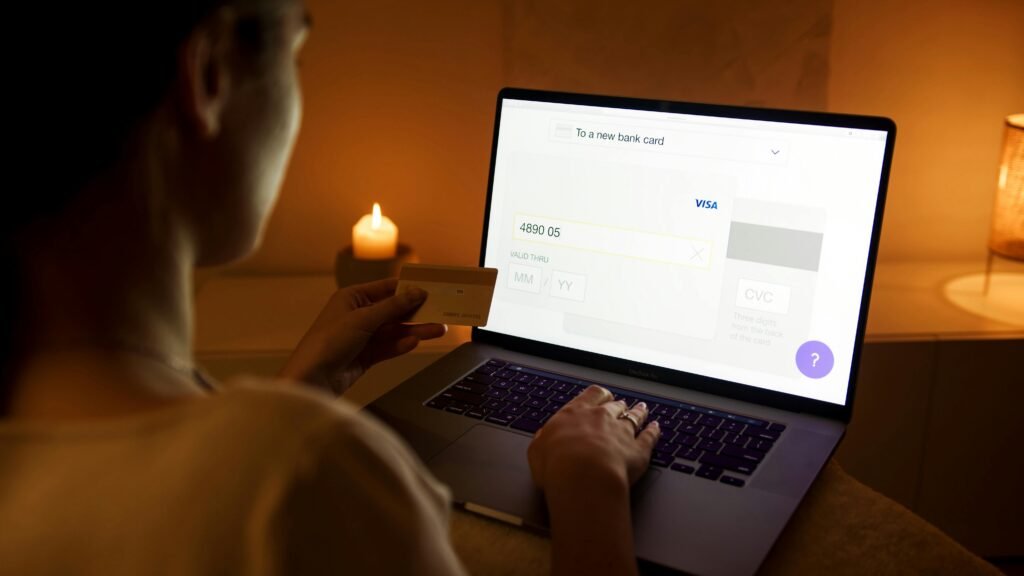
Nothing creates panic faster than having your bank card suddenly stop working abroad.
Many banks automatically flag international transactions as suspicious activity — especially when purchases suddenly appear from another country.
Imagine arriving in Tokyo, Paris, or Bangkok late at night and discovering:
- Your card is blocked
- ATM withdrawals fail
- Banking apps require verification
- Customer support is unavailable بسبب time zones
This happens to first-time travelers more often than people realize.
International Transaction Declines
Banks monitor unusual spending patterns for fraud protection.
If your bank suddenly sees:
- Foreign transactions
- Large purchases
- Multiple ATM withdrawals abroad
…it may freeze your card automatically.
Actionable Advice:
Before traveling:
- Inform your bank of destinations
- Check international transaction settings
- Verify overseas card usage permissions
- Save emergency bank contact numbers
Smart Traveler Tip:
Always travel with:
- At least two payment methods
- Backup cards stored separately
ATM Withdrawal Fees
ATM fees quietly drain travel budgets.
Many travelers pay:
- Foreign transaction fees
- ATM operator charges
- Currency conversion fees
- Poor exchange rates
Repeated small withdrawals make things worse.
I met a backpacker in Europe withdrawing €20 daily because he feared carrying cash. By the end of the trip, ATM fees alone cost him over €70.
Better Strategy:
Withdraw:
- Larger amounts less frequently
- From trusted bank ATMs
- Using travel-friendly cards
Pro Tip:
Avoid airport ATMs whenever possible because fees are often higher.
Currency Conversion Traps
This is one of the most overlooked international travel money mistakes.
Many ATMs and card machines ask:
“Convert to your home currency?”
It sounds helpful — but it’s usually expensive.
This process is called:
Dynamic Currency Conversion (DCC)
And it almost always offers worse exchange rates.
Smart Traveler Rule:
Always choose:
“Pay in local currency”
That single habit can save travelers hundreds during long trips.
Best International Travel Cards
Features to Look For:
- No foreign transaction fees
- ATM fee reimbursements
- Travel insurance benefits
- Emergency card replacement
- Fraud protection
Popular Travel-Friendly Card Types
| Card Type | Best For |
|---|---|
| Travel credit cards | Rewards & protections |
| Multi-currency cards | Frequent travelers |
| Debit travel cards | ATM withdrawals abroad |
Important Tip:
Always carry one backup card separately from your wallet.
Common Mistakes First-Time Solo Travelers Make

Solo travel can be life-changing — but it requires extra awareness.
Traveling alone gives freedom, confidence, and flexibility. But beginners sometimes confuse freedom with invincibility.
Most solo travel problems happen because travelers:
- Overshare online
- Ignore safety instincts
- Take unnecessary risks
- Lack emergency planning
Experienced solo travelers balance adventure with caution.
Sharing Location Publicly
Posting real-time locations publicly is riskier than many people realize.
Some travelers upload:
- Hotel names
- Live locations
- Room views
- Exact itineraries
…while still actively traveling.
This can expose travelers to:
- Theft
- Stalking
- Scams
- Unwanted attention
Smart Solo Travel Rule:
Post memories later — not live in real time.
Safer Strategy:
Share content:
- After leaving locations
- Without exact hotel details
- Privately with trusted contacts only
Unsafe Nightlife Decisions
Many first-time solo travelers underestimate nightlife risks abroad.
Common mistakes include:
- Excessive drinking
- Walking alone late at night
- Accepting drinks from strangers
- Ignoring transportation safety
Tourist nightlife zones often attract scams targeting inexperienced travelers.
Practical Safety Tips:
- Watch drinks carefully
- Use licensed transportation apps
- Avoid isolated streets
- Share plans with trusted contacts
- Trust instincts immediately
Important Reminder:
Feeling uncomfortable is already enough reason to leave a situation.
Ignoring Emergency Contacts
Many beginner travelers assume:
“Nothing bad will happen.”
But emergencies become far harder alone.
Experienced solo travelers always prepare:
- Emergency contacts saved offline
- Embassy information
- Local emergency numbers
- Hotel addresses
- Insurance details
Actionable Advice:
Create both:
- Digital copies
- Printed emergency information
Phones can die, get stolen, or lose internet access unexpectedly.
Booking Unsafe Accommodations
Cheap accommodations sometimes come with safety compromises.
First-time solo travelers often choose:
- Poorly reviewed hostels
- Isolated neighborhoods
- Unverified rentals
…simply to save money.
Smart Accommodation Checklist:
Before booking:
- Read recent reviews carefully
- Check neighborhood safety
- Verify 24-hour reception
- Research transportation access
Solo Travel Tip:
For first-time solo trips:
- Prioritize safety over saving a small amount of money
Pro Tips From Experienced Travelers
Experienced travelers often follow simple habits that dramatically reduce stress during trips.
Expert Travel Tips
- Arrive at international airports at least 3 hours early
- Keep one emergency credit card hidden separately
- Download offline Google Maps before landing
- Carry reusable water bottles to save money
- Learn basic local phrases respectfully
- Use packing cubes to organize luggage efficiently
- Avoid exchanging money at airports when possible
- Carry a lightweight power bank daily
- Save hotel addresses offline
- Keep digital copies of passports and visas
Pro Traveler Insight:
The smoother your logistics are, the more you enjoy the actual destination.
First-Time Traveler Checklist
Preparation reduces travel stress dramatically.
Most experienced travelers follow a simple pre-departure checklist before every international trip.
Essential International Travel Checklist
✔ Passport validity checked
✔ Visa approved
✔ Travel insurance purchased
✔ Currency exchanged or travel card prepared
✔ Hotel bookings confirmed
✔ Offline maps downloaded
✔ Emergency contacts saved
✔ Important documents backed up digitally
✔ International bank usage enabled
✔ Transportation researched from airport
Bonus Tip:
Pack one complete outfit in your carry-on in case checked luggage gets delayed.
What Should I Do Before My First International Trip?
Before your first international trip, check passport validity, confirm visa requirements, buy travel insurance, prepare emergency funds, download offline maps, notify your bank, and save important travel documents digitally.
Smart Travelers vs First-Time Travelers
| First-Time Traveler Mistake | Smart Traveler Alternative |
|---|---|
| Overpacking | Pack versatile clothing |
| Tight itineraries | Leave buffer days |
| Airport currency exchange | Use local ATMs |
| No insurance | Buy basic coverage |
| No backup documents | Save cloud copies |
| No offline maps | Download maps before arrival |
| One payment method | Carry backup cards |
| Booking cheapest hotel blindly | Research safe neighborhoods |
Final Thoughts
Every experienced traveler was once a beginner.
The missed trains, overpacked bags, confusing airports, and budgeting mistakes are all part of the learning process. What matters most is learning smarter travel habits early so your trips become less stressful and far more rewarding.
The truth is:
Perfect trips rarely create the best memories.
Unexpected conversations, hidden cafés, local food stalls, quiet sunsets, and spontaneous moments usually become the stories travelers remember forever.
Travel slowly.
Stay flexible.
Research wisely.
And don’t let social media pressure turn your vacation into a checklist competition.
The goal isn’t to travel perfectly.
The goal is to travel meaningfully.
Frequently Asked Questions About First-Time Travel
What Is the Biggest Mistake First-Time Travelers Make?
The biggest mistake first-time travelers make is poor planning — especially underestimating budgets, transportation time, and travel fatigue.
Many beginners focus heavily on flights and attractions while ignoring practical travel realities like:
- Airport transfers
- Currency exchange fees
- Delayed transportation
- Jet lag
- Hidden travel costs
For example, a trip that looks perfectly manageable online can quickly become exhausting when travelers try to visit multiple cities in a short period.
Expert Travel Tip:
Instead of creating packed itineraries, leave extra buffer time for:
- Rest
- Transportation delays
- Spontaneous experiences
- Unexpected expenses
Smart planning creates smoother and more enjoyable trips.
How Can Beginners Avoid Travel Mistakes?
Beginners can avoid most common travel mistakes by preparing realistically instead of relying only on social media inspiration.
The best way to reduce travel stress is to:
- Research destinations properly
- Budget for hidden expenses
- Buy travel insurance
- Keep flexible itineraries
- Download offline maps
- Learn basic local customs
Experienced travelers also recommend:
- Traveling lighter
- Avoiding overbooked schedules
- Carrying backup payment methods
- Saving digital copies of important documents
Practical Advice:
Before booking anything, ask:
“Will this make my trip easier or more stressful?”
That mindset helps beginners make smarter travel decisions.
Is Travel Insurance Necessary for International Trips?
Yes, travel insurance is highly recommended for international travel because it protects against unexpected situations that can become extremely expensive abroad.
A good travel insurance policy may cover:
- Medical emergencies
- Hospitalization
- Flight cancellations
- Lost luggage
- Emergency evacuations
- Trip interruptions
Many travelers underestimate how costly medical treatment can be overseas.
For example:
Even a short emergency hospital visit in some countries can cost hundreds or thousands of dollars without insurance coverage.
Smart Traveler Tip:
Choose travel insurance that includes:
- Emergency medical support
- Adventure activity coverage
- 24/7 assistance services
Especially for:
- Solo travel
- Long trips
- Adventure destinations
- Multi-country itineraries
How Much Money Should First-Time Travelers Budget?
A safe travel budget should include:
- Accommodation
- Food
- Transportation
- Attractions
- Internet/SIM costs
- Emergency expenses
Experienced travelers also recommend adding:
- 15–20% extra emergency funds
This financial buffer helps cover unexpected situations like:
- Flight delays
- Extra hotel nights
- Medical expenses
- Lost items
- Transportation changes
Simple Daily Budget Formula
| Expense Category | Estimated Share |
|---|---|
| Accommodation | 35–45% |
| Food | 15–25% |
| Transportation | 10–20% |
| Activities | 10–20% |
| Emergency Buffer | 15–20% |
Pro Tip:
Budgeting realistically reduces travel anxiety significantly.
What Should First-Time Travelers Pack?
First-time travelers should focus on packing:
- Essential clothing
- Travel documents
- Chargers
- Medicines
- Universal adapters
- Comfortable walking shoes
- Lightweight versatile outfits
The biggest packing mistake beginners make is carrying too many “just in case” items.
Experienced travelers usually pack:
- Fewer clothes
- More practical essentials
- Multipurpose items
Smart Packing Advice:
Choose clothing pieces that:
- Match multiple outfits
- Work in different weather conditions
- Stay comfortable during long travel days
Why Do Travelers Overpack?
Travelers overpack because they prepare emotionally instead of practically.
Many first-time travelers worry about:
- Weather changes
- Fashion choices
- Unexpected situations
- Running out of clothing
As a result, they bring unnecessary:
- Shoes
- Jackets
- Toiletries
- Gadgets
Most travelers end up using only a small percentage of what they packed.
Minimalist Packing Rule:
If you can easily buy it at your destination, you probably don’t need to carry it.
Packing lighter makes:
- Airport navigation easier
- Transportation smoother
- Travel less stressful overall
What Travel Apps Should Beginners Use?
Some travel apps make international travel dramatically easier — especially for beginners.
Recommended Travel Apps for First-Time Travelers
| App | Best Use |
|---|---|
| Google Maps | Offline navigation |
| Google Translate | Language translation |
| Skyscanner | Cheap flight searches |
| XE Currency | Currency conversion |
| TripIt | Trip organization |
| Rome2Rio | Transportation planning |
Expert Travel Tip:
Download offline maps and translation packs before departure — especially for countries with limited internet access.
What Documents Are Required for International Travel?
Most international travelers need:
- A valid passport
- Visa (if required)
- Flight tickets
- Hotel confirmations
- Travel insurance documents
- Identification copies
Some destinations may also require:
- Vaccination certificates
- Return tickets
- Proof of funds
- Immigration forms
Smart Traveler Advice:
Keep:
- Physical copies
- Digital cloud backups
- Offline screenshots
…of all important travel documents.
Important Tip:
Many countries require passports to remain valid for at least:
- 6 months beyond travel dates
Always verify passport validity rules before booking flights.
What Should First-Time Travelers Know Before Traveling?
First-time travelers should research destinations carefully, budget for hidden expenses, buy travel insurance, pack light, download offline maps, and keep flexible itineraries to reduce stress and avoid common travel mistakes.