
If you’ve ever wondered how some travelers explore the world for $25–$40 a day, while others spend that on a single meal—you’re about to understand the difference.
After years of traveling across Asia, Europe, and South America, one thing becomes clear: cheap travel isn’t about luck—it’s about strategy. The smartest travelers don’t just pick destinations randomly; they choose countries where their currency, timing, and travel style work in their favor.
This guide will help you do exactly that—so you can travel longer, smarter, and significantly cheaper in 2026.
Table of Contents
ToggleWhy Some Countries Are Cheaper to Travel
Not all destinations are created equal. The reason you can live comfortably in one country for $800/month and struggle with $3000/month in another comes down to four key factors:
Currency Differences (Where $1 Feels Like $5)
The biggest “travel hack” most people ignore is currency arbitrage—earning in a strong currency and spending in a weaker one.
👉 Real Data Insight:
- $1 ≈ 23,000 Vietnamese Dong
- $1 ≈ 83 Indian Rupees
- $1 ≈ 1 Euro
This is why Southeast Asia consistently ranks among the cheapest countries to visit.
👉 Real Experience:
In Hanoi, I once spent under $10 for an entire day—including pho, coffee, local transport, and a museum ticket. Try doing that in Paris.
👉 Actionable Tip (Advanced):
- Use tools like Numbeo or Google’s “cost of living comparison”
- Look for countries where your currency has 3x–10x spending power
- Avoid countries with strong currencies (CHF, GBP, EUR) unless off-season
👉 Pro Move:
Set a Google alert for “currency drop + destination name” (e.g., Turkey currency fall)—this is how you catch cheap travel windows early.
Cost of Living (Travel Like a Local, Not a Tourist)
A country’s affordability is directly tied to what locals earn and spend—not tourist pricing.
👉 Comparison:
- Local meal in Vietnam: $1–$3
- Same-style meal in USA: $10–$20
👉 Unique Insight:
Tourists overpay because they follow “comfort habits” instead of local behavior.
👉 Real Scenario:
Two travelers in Bali:
- Traveler A: Cafés, taxis → $50/day
- Traveler B: Warungs + scooters → $20/day
Same destination. 2.5x cost difference.
👉 Actionable Tips:
- Search: “local food near me” instead of “best restaurants”
- Use Grab / Bolt instead of taxis
- Stay in locally owned guesthouses (30–60% cheaper than hotels)
In countries like Indonesia and India, food inflation is low compared to Western countries, which is why daily expenses remain stable even during peak seasons.
Tourism Infrastructure (Why Backpacker Countries Are Cheaper)
Countries with strong budget travel ecosystems naturally become cheaper due to competition.
👉 What this includes:
- Hostels ($5–$15/night)
- Cheap buses & trains
- Shared tours
- Street food culture
👉 Example:
Thailand has over 2,000+ hostels, which keeps prices competitive—even in tourist hotspots.
👉 Hidden Insight (Most Blogs Miss This):
Destinations that rely heavily on tourism (like Thailand or Vietnam) actively keep prices low to stay competitive globally.
👉 Actionable Tip:
Search on Google:
➡️ “Is [country] backpacker friendly?”
If yes → high chance it’s among the cheapest countries to travel.
Exchange Rate Advantages (Timing Can Save You 30–50%)
Most travelers ignore timing—but it’s one of the biggest cost factors.
👉 Real Example:
- Turkey became ~40% cheaper for foreign travelers in recent years
- Argentina often fluctuates, creating huge budget travel opportunities
👉 Advanced Strategy:
- Track exchange rates for 30–60 days before booking
- Travel when the local currency is weak
- Use multi-currency cards (Wise, Revolut) to lock better rates
👉 Voice Search Snippet Ready Answer:
Why are some countries cheaper to visit?
Countries are cheaper due to lower cost of living, weaker currencies, better exchange rates, and strong budget travel infrastructure that reduces daily expenses.
The “Sweet Spot” Formula (How to Identify Cheap Countries Instantly)
Here’s a quick framework used by experienced travelers:
👉 A country is cheap if it has:
- ✅ Weak or favorable currency
- ✅ Low cost of living
- ✅ Strong backpacking infrastructure
- ✅ Affordable local transport
If it checks all four → it’s a budget travel goldmine.
How Much Does Budget Travel Really Cost?
If you’ve been Googling “how much does it cost to travel the world?”, you’ve probably seen everything from $20/day to $200/day. The truth sits in between—and depends on where you go, how you travel, and the choices you make daily.
From my own trips across Southeast Asia, Eastern Europe, and Latin America, here’s the honest takeaway:
👉 You can comfortably travel in many cheap countries to visit for $25–$50 per day—without sacrificing experiences.
But let’s break that down properly so you can plan with confidence, not guesswork.
Average Daily Budget Breakdown (Realistic + Actionable)
Below is a global average for budget travel in affordable destinations like Vietnam, India, Indonesia, and Bolivia.
🏨 Accommodation ($5–$20/night)
- Hostels (dorms): $5–$12
- Budget guesthouses: $10–$20
👉 Pro Insight:
Booking platforms often show higher prices. Walk-in bookings or local apps can be 20–30% cheaper in many countries.
👉 Actionable Tip:
Search: “hostel + area name” on Google Maps, then contact directly via WhatsApp for better rates.
🍜 Food ($5–$15/day)
- Street food meals: $1–$3
- Local restaurants: $3–$6
👉 Real Experience:
In Thailand, I ate full meals (pad thai + drink) for under $2, while tourists next door paid $10+ for the same dish.
👉 Actionable Tip:
Avoid restaurants with English-only menus and aggressive promoters—these are usually priced for tourists.
🚌 Transport ($2–$10/day)
- Local buses: $0.50–$2
- Bike/scooter rental: $3–$7
- Trains (long distance): $5–$15
👉 Hidden Hack:
Apps like Grab (Asia) or Bolt (Europe) are often 30–50% cheaper than taxis.
👉 Actionable Tip:
Use night buses/trains for long distances—you save on both transport + one night of accommodation.
🎟️ Activities ($2–$10/day)
- Entry tickets: $1–$5
- Tours: $10–$20 (optional)
👉 Smart Move:
Many top experiences (temples, beaches, markets, hikes) are either free or very low cost in budget countries.
💰 Quick Daily Budget Summary
| Expense | Budget Range |
|---|---|
| Accommodation | $5–$20 |
| Food | $5–$15 |
| Transport | $2–$10 |
| Activities | $2–$10 |
| Total | $25–$50/day |
How much does budget travel cost per day?
Budget travel typically costs between $25–$50 per day in affordable countries, including accommodation, food, transport, and basic activities.
Budget vs Mid-Range vs Luxury Travel (Global Comparison)
Understanding this difference helps you control your spending intentionally.
💸 Budget Travel ($25–$50/day)
- Hostels or budget stays
- Street food + local eateries
- Public transport
- Free/low-cost activities
👉 Best for: Backpackers, solo travelers, long-term travel
🏨 Mid-Range Travel ($60–$150/day)
- Private rooms / Airbnb
- Mix of local + tourist restaurants
- Occasional taxis
- Paid tours & experiences
👉 Best for: Couples, comfort travelers
💎 Luxury Travel ($200+/day)
- Hotels/resorts
- Fine dining
- Private transport
- Premium experiences
👉 Best for: Short vacations, comfort-first travelers
🧠 Unique Insight (What Most Blogs Don’t Tell You)
👉 The biggest cost difference isn’t the country—it’s your daily decisions.
Two travelers in the same destination can spend:
- $30/day vs $120/day
👉 Simply based on: - Where they eat
- Where they stay
- How they move
🎯 Practical Budget Strategy (Use This Before You Travel)
- Pick a destination where $1 goes far
- Fix a daily budget (e.g., $40/day)
- Split it:
- 40% stay
- 30% food
- 20% transport
- 10% experiences
👉 This method keeps you from overspending without tracking every dollar.
15 Cheapest Countries to Visit in the World
Vietnam – Best Overall Budget Destination

If there’s one country that consistently tops every list of cheapest countries to visit, it’s Vietnam. I’ve traveled here multiple times, and every trip feels like a cheat code—incredible food, diverse landscapes, and ultra-low daily costs.
👉 Daily Budget: $20–$35/day
(Yes, that includes stay, food, transport, and basic experiences)
💸 Why Vietnam is So Cheap (And Stays That Way)
Vietnam hits the perfect “budget sweet spot”:
- Weak local currency (Vietnamese Dong) → your money stretches further
- Low cost of living → food, rent, and services are inexpensive
- Street food culture → meals for $1–$3
- Strong backpacker infrastructure → cheap hostels, buses, tours
👉 Real Experience:
In Hanoi, I spent under $15 in a day—breakfast pho ($1.5), egg coffee ($1), local bus ($0.30), museum entry ($2), dinner + beer ($3), and a hostel bed ($6). That’s cheaper than a single meal in many Western cities.
👉 Actionable Tip:
Skip Western-style cafés and search on Maps: “Bún chả near me” or “Phở local”—you’ll instantly find authentic spots at local prices.
🌟 Top Experiences (High Value, Low Cost)
Vietnam offers some of the best ROI travel experiences in the world—meaning you pay less but get more.
- 🚤 Ha Long Bay Cruise – Limestone cliffs + emerald waters (budget tours from ~$25)
- 🏍️ Ha Giang Loop – Epic motorbike journey through mountains
- 🏮 Hoi An Lantern Festival – Magical streets at night (mostly free to explore)
- 🍜 Street Food Tours in Hanoi – Eat 5–7 dishes for under $10
- 🏖️ Da Nang Beaches – Clean, scenic, and free
👉 Hidden Insight (Most Blogs Miss):
Vietnam’s biggest attractions are nature + culture-based, not expensive theme parks—so your experience cost stays low.
👉 Actionable Tip:
Book tours locally instead of online—prices can be 20–40% cheaper at hostels or street agencies.
📍 Best Cities to Visit (Based on Travel Style)
🏙️ Hanoi (Best for Culture + Food)
- Old Quarter vibes
- Street food capital of Southeast Asia
- Budget: $20–$30/day
🏖️ Da Nang (Best for Beaches + Chill Travel)
- Clean beaches + modern city
- Cheaper than Bali/Phuket
- Budget: $25–$35/day
🏮 Hoi An (Best for Aesthetic + Slow Travel)
- Lantern-lit old town
- Great for couples + photographers
- Budget: $25–$35/day
🌆 Ho Chi Minh City (Best for Urban Energy)
- Nightlife + history
- Slightly more expensive but still affordable
- Budget: $30–$40/day
🧠 Pro Tips to Save Even More in Vietnam
- Use Grab app instead of taxis (saves ~30%)
- Travel via sleeper buses to cut transport + hotel cost
- Carry cash—small vendors don’t accept cards
- Book hostels with free breakfast included
🎯 Quick Summary
Why is Vietnam one of the cheapest countries to visit?
Vietnam is cheap due to its low cost of living, affordable street food, budget accommodation, and favorable currency exchange rates, allowing travelers to explore comfortably for $20–$35 per day.
India – Cheapest Cultural Experience
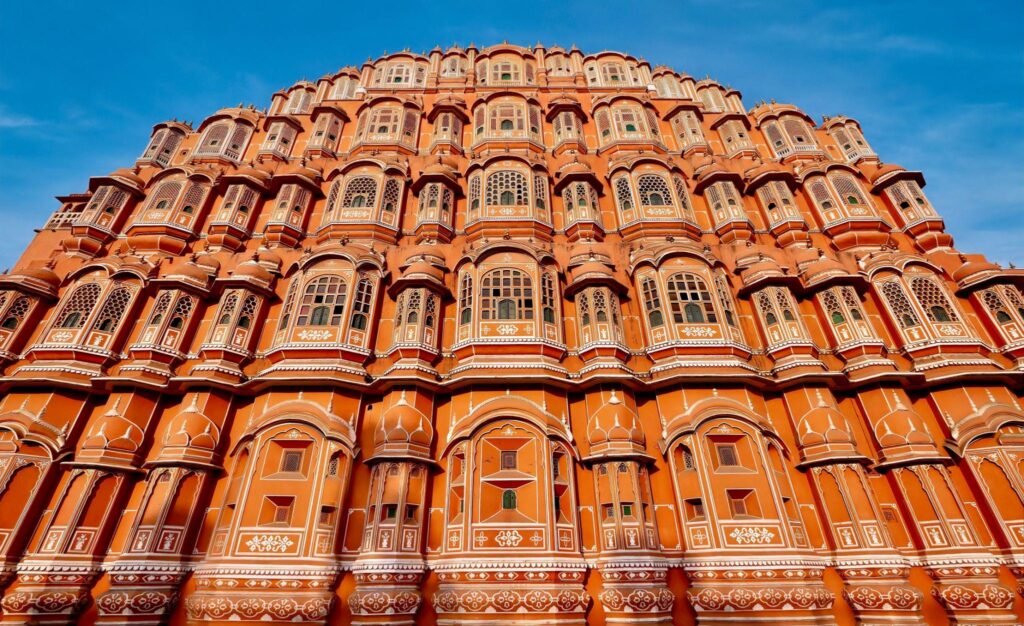
If you’re looking for a destination where culture, chaos, history, and affordability collide, India is hard to beat. It’s one of the cheapest countries to visit—but more importantly, it offers incredible depth of experience for every dollar you spend.
👉 Daily Budget: $15–$30/day
(Comfortable budget travel with local food, trains/buses, and budget stays)
💸 Why India is So Affordable (And Surprisingly Flexible)
India’s pricing isn’t fixed—it adapts to how you travel.
- Low cost of living → accommodation, food, and services are cheap
- Massive street food culture → meals for $1–$3
- Ultra-cheap transport network → trains, buses, metros
- Wide budget range → from $5 hostels to luxury palaces
👉 Real Experience:
In Varanasi, I spent an entire day for under $12—chai by the ghats ($0.20), breakfast ($1), shared auto rides ($0.50), temple visits (free), dinner ($2), and a guesthouse room ($6–$8).
👉 Actionable Tip:
India rewards local behavior. If you travel like a local, your costs drop by 50% or more.
🍛 Food Affordability (Where $2 Feels Like a Feast)
India is arguably one of the best-value food destinations in the world.
- Street food: $0.50–$2
- Local restaurants: $2–$5
- Full thali meals (unlimited servings): $2–$4
👉 Real Scenario:
In Delhi, a plate of chole bhature costs ~$1, while the same dish in a tourist café could be $6–$8.
👉 Actionable Tips:
- Look for places with high local crowd turnover (fresh + cheap)
- Search: “best local food near me” instead of “top restaurants”
- Avoid places with “continental menu + rooftop view” if you’re on a budget
👉 Hidden Insight:
Unlike many countries, India’s street food is not just cheap—it’s culturally essential, meaning you’re not compromising experience to save money.
🚆 Transport Affordability (One of the Cheapest in the World)
India’s transport system is one of the biggest reasons it ranks among low-cost travel destinations.
- Metro rides: $0.30–$1
- Local buses: $0.20–$0.80
- Trains (long distance): $3–$15
- Auto rickshaws: $1–$3
👉 Pro Experience:
A 6-hour train journey can cost less than a short Uber ride in many countries.
👉 Actionable Tips:
- Book trains via IRCTC or apps like ConfirmTkt
- Use metro systems in cities like Delhi—they’re fast, clean, and cheap
- Use Uber/Ola instead of negotiating with local drivers
👉 Advanced Hack:
Choose overnight trains (sleeper class or AC) to save both transport + hotel cost.
📍 Best Places to Experience India on a Budget
🕌 Varanasi (Spiritual + Cheapest Experience)
- Ganga Aarti, temples, ghats
- Budget: $15–$25/day
🏰 Jaipur (Royal Culture on a Budget)
- Palaces, forts, markets
- Budget: $20–$30/day
🏖️ Goa (Affordable Beach Destination)
- Budget stays + cheap food (especially in off-season)
- Budget: $20–$35/day
🏙️ Delhi (Food + History Hub)
- Mix of modern + old India
- Budget: $20–$30/day
🧠 Pro Tips to Travel India Cheaply
- Travel in shoulder seasons (Feb–April, Sept–Nov) for lower prices
- Stay in homestays or guesthouses instead of hotels
- Carry cash—small vendors often don’t accept cards
- Avoid tourist traps around major monuments
🎯 Quick Summary
Why is India one of the cheapest countries to visit?
India is cheap due to its low cost of living, affordable street food, and extremely low-cost transport system, allowing travelers to explore for $15–$30 per day.
Indonesia – Budget Tropical Paradise
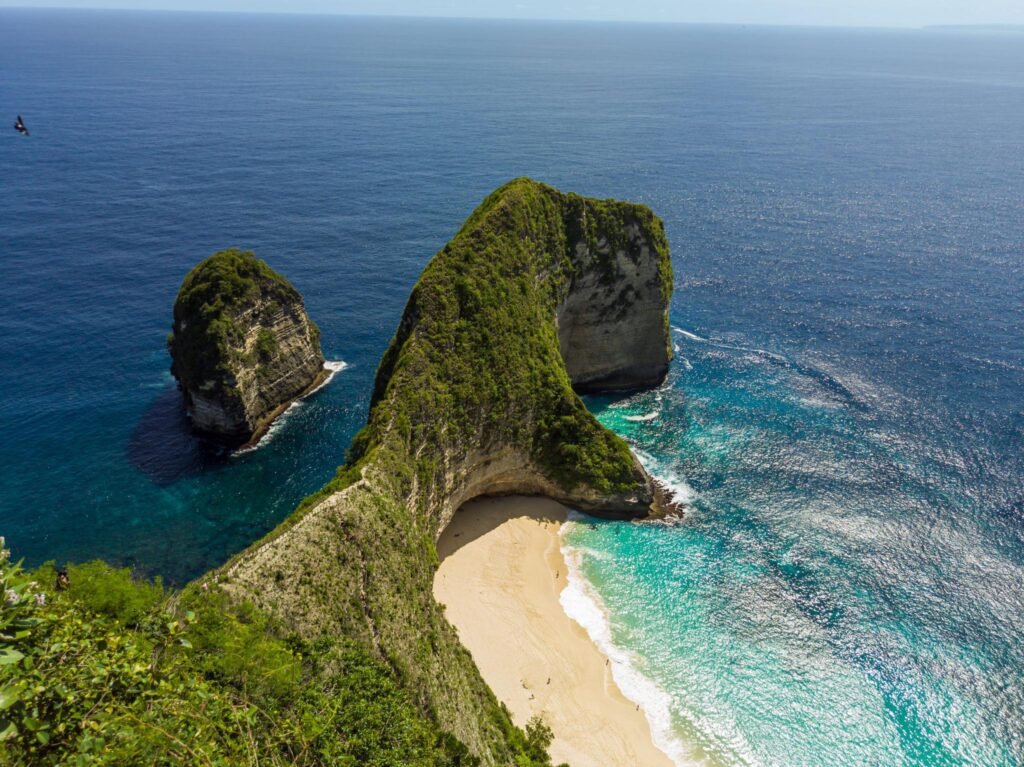
If you’ve ever dreamed of tropical islands, waterfalls, and jungle views without luxury prices, Indonesia delivers—especially if you travel smart. While Bali can get pricey in tourist hotspots, the country overall remains one of the cheapest countries to visit for a beach + nature experience.
👉 Daily Budget: $20–$40/day
(Budget stays, local food, scooter transport, and basic activities)
💸 Why Indonesia is Budget-Friendly (If You Avoid Tourist Traps)
Indonesia’s affordability comes down to:
- Low cost of living outside tourist hubs
- Cheap local food (warungs) → meals for $2–$4
- Affordable transport (especially scooters)
- Huge range of islands → budget options beyond Bali
👉 Real Experience:
In Ubud, I stayed in a private room with jungle view for $12/night, rented a scooter for $5/day, and ate full meals for under $3.
👉 Important Insight (Most Blogs Miss):
Indonesia is not uniformly cheap—areas like Seminyak or Canggu can cost 2–3x more than local towns.
👉 Actionable Tip:
Search stays slightly outside hotspots (10–15 mins away) → prices drop by 30–50% instantly.
🌴 Top Experiences (Luxury Feel, Budget Price)
Indonesia is where budget travel feels premium.
- 🌾 Tegallalang Rice Terraces (Bali) – Entry ~$2–$3
- 🏝️ Nusa Penida Island – Stunning cliffs, beaches (day trips ~$20–$30)
- 🐠 Gili Islands Snorkeling – Clear water + turtles (~$10–$15)
- 💦 Waterfalls in Ubud – Many under $2 entry
- 🧘 Yoga & Wellness – Classes from ~$5–$10
👉 Unique Insight:
Unlike many destinations, Indonesia offers “Instagram-level experiences” at backpacker prices—one reason it’s trending in cheap tropical destinations searches.
👉 Actionable Tip:
Book tours directly from local vendors or your guesthouse → often cheaper than online platforms by 20–40%.
📍 Best Places to Visit in Indonesia
🌿 Ubud (Best Overall Budget Base)
- Nature, culture, waterfalls
- Cheaper than beach areas
- Budget: $20–$30/day
🏝️ Gili Islands (Best for Island Life)
- No cars, peaceful vibe
- Affordable snorkeling & stays
- Budget: $25–$35/day
🌊 Nusa Penida (Best for Scenic Views)
- Dramatic cliffs, beaches
- Slightly higher transport cost
- Budget: $30–$40/day
🏖️ Canggu / Seminyak (Trendy but Pricier)
- Cafés, nightlife, co-working
- Budget: $35–$60/day
🛵 Transport & Food Affordability (Game Changer)
- Scooter rental: $4–$7/day
- Local meals: $2–$5
- Smoothie bowls / cafés: $3–$8
👉 Real Scenario:
Two travelers in Bali:
- Traveler A (cafés + taxis): $60/day
- Traveler B (warungs + scooter): $25/day
👉 Actionable Tips:
- Use Grab/Gojek apps for cheap rides and food delivery
- Eat at “Warung” (local eateries) instead of Western cafés
- Share scooters if traveling as a couple
Always wear a helmet and carry an international driving permit if renting a scooter.
🧠 Pro Tips to Travel Indonesia Cheaply
- Visit during shoulder season (April–June, Sept–Oct) for lower prices
- Avoid peak influencer spots for accommodation
- Book long stays (3–5 nights) → get discounted rates
- Use ATMs for better exchange rates instead of airport currency booths
🎯 Quick Summary
Why is Indonesia a cheap tropical destination?
Indonesia is affordable due to its low cost of living, cheap local food, budget accommodation, and affordable transport, allowing travelers to explore islands and beaches for $20–$40 per day.
Thailand – Best for First-Time Budget Travelers

If you’re planning your first international budget trip, Thailand is hands down one of the easiest and most rewarding places to start. It strikes the perfect balance between affordability, comfort, safety, and convenience—which is why it consistently ranks among the best cheap countries to travel for beginners.
👉 Daily Budget: $25–$40/day
(Comfortable budget with hostels, street food, and local transport)
💸 Why Thailand is Perfect for Budget Beginners
Thailand isn’t just cheap—it’s easy.
- Well-developed tourism infrastructure
- English widely spoken in tourist areas
- Massive backpacker network
- Affordable food, transport, and stays
👉 Real Experience:
In Bangkok, I managed a full day for ~$25—street food ($5), metro rides ($2), temple entries ($3), hostel ($10), and still had room for a Thai massage ($6–$8).
Thailand is one of the few countries where you get “developed country convenience at developing country prices.”
🍜 Food Affordability (Street Food Capital of the World)
Thailand is globally famous for its cheap and delicious street food.
- Pad Thai / fried rice: $1.5–$3
- Fresh fruit shakes: $1–$2
- Local meals: $2–$5
👉 Real Scenario:
At Bangkok night markets, you can eat a full meal for less than a coffee in most Western cities.
👉 Actionable Tips:
- Eat at night markets (best value + variety)
- Look for stalls with locals lining up
- Avoid restaurants with “tourist menus” and inflated pricing
🛵 Transport & Getting Around (Super Budget-Friendly)
Thailand’s transport system is beginner-friendly and affordable.
- BTS/MRT (Bangkok metro): $0.50–$2
- Buses: $0.30–$1
- Scooter rental: $5–$8/day
- Intercity buses/trains: $5–$20
👉 Hidden Hack:
Domestic flights (AirAsia, Nok Air) can be as low as $20–$30 if booked early—often cheaper than long bus rides.
👉 Actionable Tip:
Use Grab app instead of tuk-tuks → saves money and avoids bargaining.
🌴 Top Experiences (High Value, Low Cost)
Thailand offers some of the most diverse budget experiences in the world:
- 🏝️ Island Hopping (Phi Phi, Krabi) – Crystal-clear beaches (~$20–$30 tours)
- 🛕 Temples in Chiang Mai & Bangkok – Entry ~$1–$3
- 🌃 Bangkok Night Markets – Food + shopping + vibes
- 🐘 Ethical Elephant Sanctuaries – ~$40–$80 (premium but worth it)
- 💆 Thai Massage – $6–$10/hour
👉 Unique Insight:
Thailand is one of the few places where luxury-like experiences (spa, beaches, resorts) are accessible even on a budget.
. 📍 Best Places to Visit in Thailand
🌆 Bangkok (Best for First-Time Travelers)
- Street food, temples, nightlife
- Budget: $25–$35/day
🏔️ Chiang Mai (Best for Nature + Culture)
- Mountains, temples, slow travel
- Budget: $20–$30/day
🏝️ Krabi / Phuket (Best for Beaches)
- Islands, water activities
- Budget: $30–$50/day
🎉 Pai (Hidden Budget Gem)
- Chill vibe, waterfalls, cheap stays
- Budget: $20–$30/day
🧠 Pro Tips to Travel Thailand Cheaply
- Travel during shoulder season (May–June, Sept–Oct)
- Book island stays early—prices rise quickly
- Use 7-Eleven meals/snacks for ultra-cheap food options
- Avoid tuk-tuks unless you negotiate hard
🎯 Quick Summary
Why is Thailand best for first-time budget travelers?
Thailand is ideal for beginners due to its low travel costs, excellent infrastructure, affordable food, easy transport, and a strong backpacker network, allowing travel for $25–$40 per day.
Nepal – Cheapest Mountain Destination
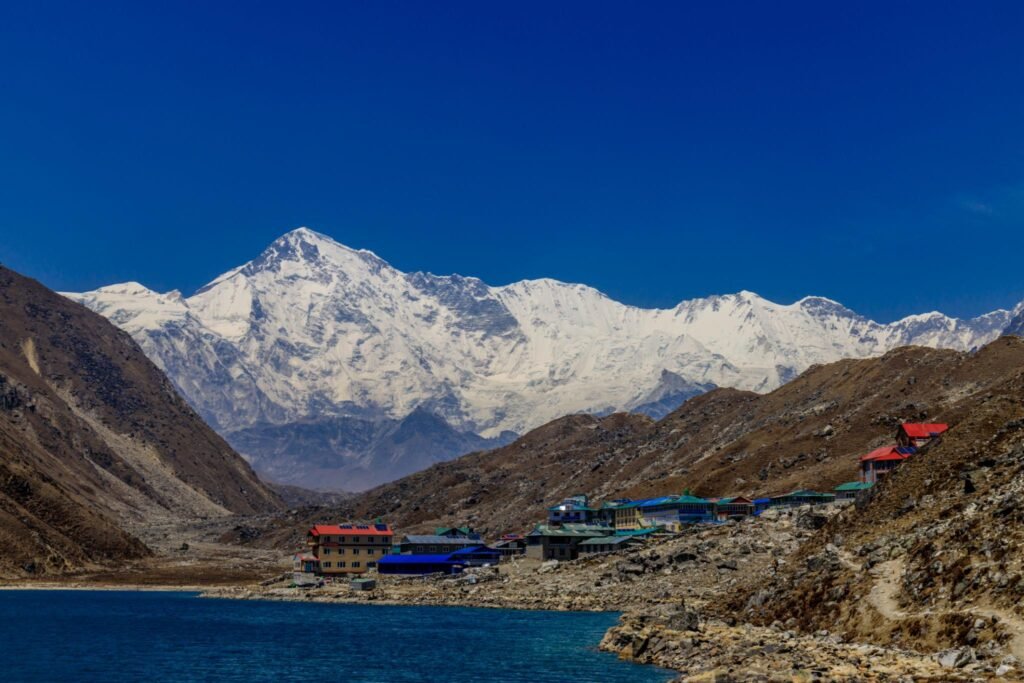
If you’ve ever dreamed of standing in the Himalayas without spending a fortune, Nepal is your answer. It’s easily one of the cheapest countries to visit for mountain travel, offering world-class trekking, spiritual culture, and breathtaking landscapes—at a fraction of the cost of places like Switzerland or New Zealand.
👉 Daily Budget: $15–$30/day
(Comfortable budget with guesthouses, local food, and basic transport)
💸 Why Nepal is So Affordable (Even in the Mountains)
Nepal is unique because high-altitude experiences don’t come with high prices.
- Low cost of living → cheap stays and meals
- Tea house trekking system → budget accommodation during treks
- Simple local lifestyle → fewer luxury markups
- Currency advantage → strong value for foreign travelers
👉 Real Experience:
During a multi-day trek, I spent around $20/day—including a bed in a tea house, dal bhat meals, and stunning Himalayan views all around.
Unlike many mountain destinations, Nepal doesn’t rely on expensive resorts—it’s built for trekkers, not luxury tourists, which keeps costs low.
🏔️ Top Experiences (Bucket List on a Budget)
Nepal offers some of the most iconic travel experiences in the world—without premium pricing.
- 🥾 Everest Base Camp Trek – Once-in-a-lifetime adventure (budget-friendly with planning)
- ⛰️ Annapurna Circuit / Base Camp – Scenic + more affordable than Everest
- 🛶 Pokhara Lakeside – Relaxed vibe with mountain views
- 🛕 Kathmandu Temples & UNESCO Sites – Rich cultural experience (~$1–$5 entry)
- 🌄 Sunrise at Sarangkot – Free/low-cost Himalayan views
👉 Hidden Insight:
The famous “Dal Bhat Power” (local meal) is often unlimited and costs ~$2–$4—making it the most cost-effective trekking fuel.
👉 Actionable Tip:
Skip expensive guided packages online. Book locally in Kathmandu or Pokhara → save 20–40%.
🍛 Food & Accommodation (Simple, Cheap, Reliable)
- Local meals (Dal Bhat): $2–$4
- Tea house stay (trek routes): $3–$8
- Budget hotels (cities): $8–$20
👉 Real Scenario:
In Pokhara, a lakeside guesthouse with mountain views can cost less than $10/night—something impossible in most mountain destinations globally.
👉 Actionable Tips:
- Choose tea houses during treks (cheap + authentic)
- Eat local instead of Western dishes (which are 2–3x more expensive)
- Negotiate prices in off-season
📍 Best Places to Visit in Nepal
🏔️ Pokhara (Best Overall Budget Destination)
- Lakes, mountains, relaxed vibe
- Budget: $15–$25/day
🏙️ Kathmandu (Culture + History Hub)
- Temples, markets, heritage sites
- Budget: $20–$30/day
🥾 Everest Region (Best for Adventure)
- Higher costs but still affordable vs global standards
- Budget: $25–$40/day
🌄 Annapurna Region (Best Value Trekking)
- Balanced cost + scenery
- Budget: $20–$30/day
🧠 Pro Tips to Travel Nepal Cheaply
- Trek independently or hire guides locally (avoid overpriced packages)
- Travel in shoulder seasons (March–May, Sept–Nov) for best value
- Carry cash—ATMs are limited in trekking regions
- Pack essentials before trekking (gear is costlier in mountains)
🎯 Quick Summary
Why is Nepal the cheapest mountain destination?
Nepal is affordable due to its low cost of living, budget trekking infrastructure, cheap local food, and tea house accommodations, allowing travelers to explore the Himalayas for $15–$30 per day.
Turkey – Budget Europe Alternative
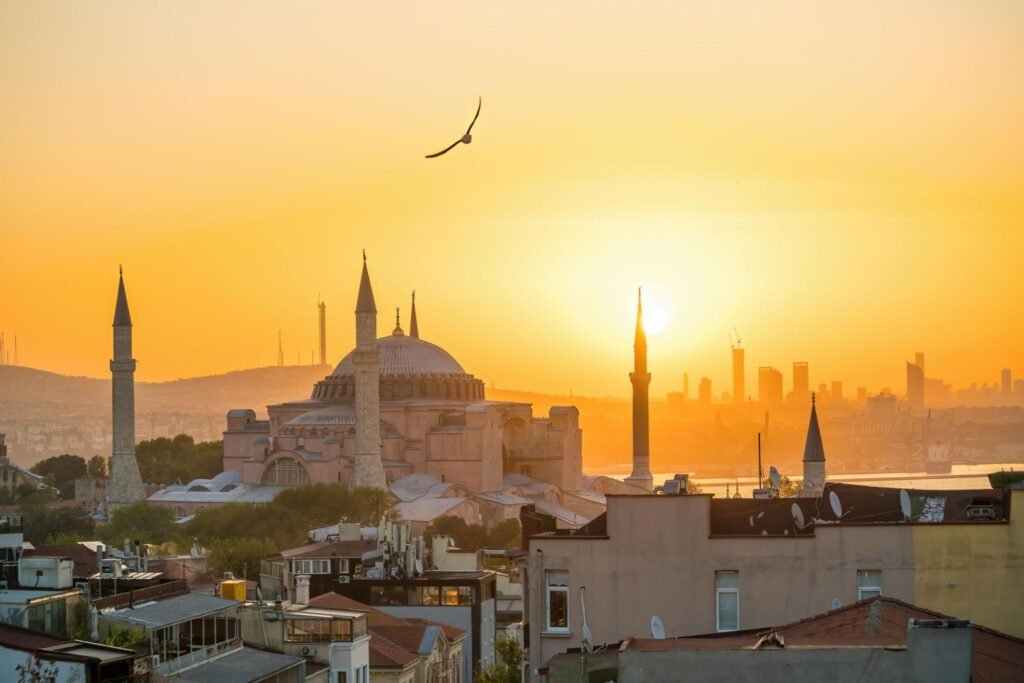
Want the architecture, history, and food of Europe—without European prices? Turkey is your sweet spot. Thanks to favorable exchange rates and a relatively low cost of living, it’s one of the cheapest countries to visit near Europe, offering iconic experiences for a fraction of what you’d pay in places like Italy or France.
👉 Daily Budget: $30–$50/day
(Comfortable travel with budget hotels, local food, and public transport)
💸 Why Turkey is a Budget-Friendly Europe Alternative
Turkey delivers a premium travel experience at mid-range prices:
- Currency advantage (Turkish Lira) → strong value for foreign travelers
- Lower cost of living than Western Europe
- Street food + local eateries → meals for $2–$6
- Extensive public transport network
👉 Real Experience:
In Istanbul, I spent ~$35/day—hostel ($12), meals ($10), metro + ferries ($3), and major attractions ($8–$10).
While Europe’s prices have surged, Turkey remains relatively affordable, making it a smart alternative for budget-conscious travelers who still want a European vibe.
🍢 Food & Daily Costs (Big Flavor, Small Budget)
- Street food (simit, kebabs): $1–$3
- Local restaurants: $4–$8
- Coffee/tea: $1–$2
👉 Real Scenario:
A full Turkish breakfast spread (eggs, bread, olives, cheese, tea) can cost less than a single café meal in Paris.
👉 Actionable Tips:
- Eat at lokantas (local eateries) instead of tourist restaurants
- Try set lunch menus for better value
- Avoid dining right next to major attractions
🏛️ Top Experiences (Affordable Yet Iconic)
Turkey offers some of the most photogenic and culturally rich experiences in the world:
- 🎈 Cappadocia Hot Air Balloons – ~$150–$250 (premium but bucket-list)
- 🕌 Hagia Sophia & Blue Mosque (Istanbul) – Free/low-cost entry
- 🛁 Turkish Hammam – $15–$30
- 🌊 Bosphorus Cruise – $5–$15
- 🏞️ Pamukkale Thermal Pools – ~$10 entry
👉 Hidden Insight:
Even though some experiences (like balloons) are expensive, your daily base costs remain low, keeping the overall trip budget-friendly.
👉 Actionable Tip:
Book activities locally instead of online platforms—you can often save 15–25%.
🚍 Transport & Connectivity (Efficient + Affordable)
- Metro/trams (Istanbul): $0.50–$1
- Intercity buses: $10–$25
- Domestic flights: $25–$60
👉 Pro Tip:
Turkey’s long distances make domestic flights surprisingly cost-effective—often better than buses for saving time.
👉 Actionable Tip:
Use apps like BiTaksi or Uber (limited) and public transport cards in cities.
📍 Best Places to Visit in Turkey (By Travel Style)
🏙️ Istanbul (Best Overall Experience)
- Culture, history, food
- Budget: $30–$50/day
🎈 Cappadocia (Best for Unique Landscapes)
- Balloon rides, cave hotels
- Budget: $40–$70/day
🌊 Antalya (Best for Beaches)
- Mediterranean coast
- Budget: $30–$50/day
🏞️ Pamukkale (Natural Wonder)
- Thermal pools + ruins
- Budget: $30–$45/day
🧠 Pro Tips to Travel Turkey Cheaply
- Visit in shoulder seasons (April–June, Sept–Oct)
- Stay slightly outside tourist centers
- Use public transport instead of taxis
- Carry some cash—small vendors prefer it
🎯 Quick Summary
Why is Turkey a budget alternative to Europe?
Turkey is cheaper than Western Europe due to its lower cost of living, favorable exchange rates, affordable food, and budget transport, allowing travel for $30–$50 per day.
Mexico – Affordable North America Travel
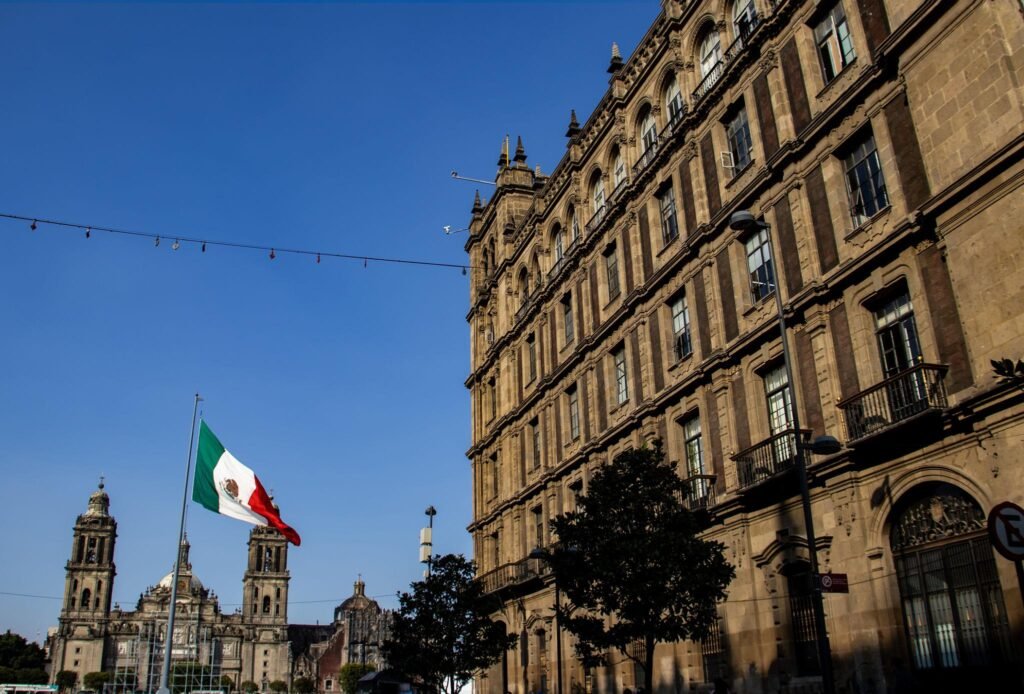
If you want North American comfort without North American prices, Mexico is your best bet. It combines rich culture, world-class food, beaches, and history—all at a fraction of what you’d spend in the US or Canada. That’s why it consistently ranks among the best cheap countries to travel internationally.
👉 Daily Budget: $30–$50/day
(Comfortable budget with local stays, food, and public transport)
💸 Why Mexico is Affordable (Even in Tourist Regions)
Mexico offers a rare mix of developed infrastructure + low daily costs:
- Lower cost of living compared to the US/Canada
- Affordable street food culture → meals for $1–$4
- Budget accommodation options across cities
- Strong public transport system
👉 Real Experience:
In Mexico City, I spent around $35/day—hostel ($12), tacos + meals ($10), metro rides ($2), museums + activities ($5–$8).
Mexico is one of the few destinations where you can enjoy “first-world travel comfort” at developing-world prices—especially outside ultra-touristy zones.
🌮 Food Affordability (Global Street Food Heaven)
Mexican cuisine isn’t just famous—it’s incredibly budget-friendly.
- Street tacos: $1–$2
- Local meals: $3–$6
- Fresh juices: $1–$2
👉 Real Scenario:
You can eat 4–5 tacos for the price of a single fast-food meal in the US.
👉 Actionable Tips:
- Eat at busy taco stands (high turnover = fresh + cheap)
- Look for menus in Spanish → usually lower prices
- Avoid restaurants near major tourist landmarks
👉 Hidden Insight:
Food is one of the biggest cost advantages in Mexico—you can eat well daily for under $10.
🚌 Transport & Getting Around (Cheap + Efficient)
- Metro (Mexico City): ~$0.30
- Buses (intercity): $5–$20
- Collectivos/shared vans: $1–$5
👉 Pro Insight:
Mexico City’s metro is one of the cheapest in the world, making it easy to explore without spending much.
👉 Actionable Tips:
- Use ADO buses for safe, affordable long-distance travel
- Avoid taxis—use Uber or DiDi instead
- Walk in central areas to save more
🏝️ Top Experiences (Affordable + Diverse)
Mexico offers a wide range of experiences for budget travelers:
- 🏛️ Chichen Itza / Mayan Ruins – ~$5–$15 entry
- 🏖️ Tulum Beaches – Scenic + relaxing
- 💦 Cenote Swimming (Yucatán) – ~$5–$10
- 🎨 Mexico City Museums – Many free/cheap
- 🌆 Historic Centers & Markets – Free exploration
👉 Unique Insight:
Mexico’s best experiences are culture and nature-based, not expensive attractions—keeping overall travel costs low.
📍 Best Places to Visit in Mexico (By Budget Style)
🌆 Mexico City (Best Overall Value)
- Food, culture, nightlife
- Budget: $30–$45/day
🏝️ Tulum (Scenic but Slightly Expensive)
- Beaches + ruins
- Budget: $40–$70/day
🌮 Oaxaca (Best for Food + Culture)
- Authentic + cheaper than tourist hotspots
- Budget: $25–$40/day
🌊 Cancún (Budget if Planned Smartly)
- Resorts can be expensive, but budget areas exist
- Budget: $35–$60/day
🧠 Pro Tips to Travel Mexico Cheaply
- Stay in local neighborhoods instead of tourist zones
- Use cash for small purchases (better deals)
- Travel during shoulder season (April–June, Sept–Nov)
- Book tours locally instead of online platforms
🎯 Quick Summary
Why is Mexico an affordable North American destination?
Mexico is cheaper than the US and Canada due to its lower cost of living, cheap street food, affordable transport, and budget accommodations, allowing travel for $30–$50 per day.
Bolivia – Cheapest South America Destination
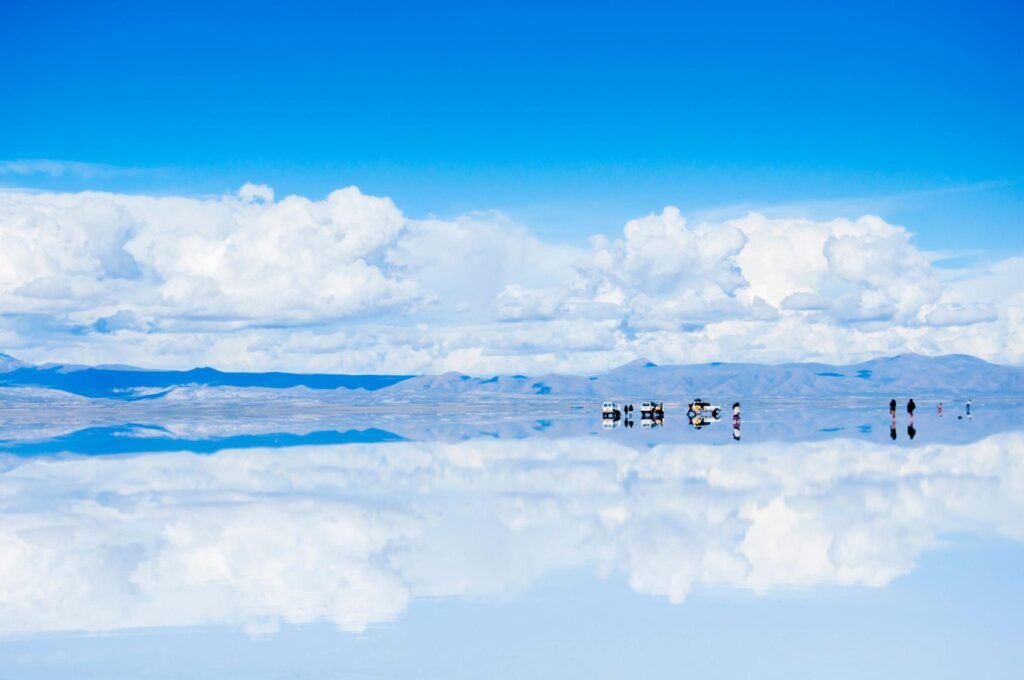
If you want raw, surreal landscapes and true backpacker prices, Bolivia is the standout. It’s widely considered the cheapest country to visit in South America, where you can explore bucket-list sights for a fraction of what you’d pay in Chile, Peru, or Brazil.
👉 Daily Budget: $20–$35/day
(Hostels/guesthouses, local food, buses, and basic activities)
💸 Why Bolivia is So Cheap (High Value, Low Cost)
Bolivia keeps costs low because it’s less commercialized than its neighbors:
- Lower cost of living across cities and rural areas
- Fewer tourist markups compared to Peru/Chile
- Cheap local food & transport
- Competitive tour pricing due to local operators
👉 Real Experience:
In La Paz, a full day cost me ~$22—hostel ($8), meals ($6), cable car rides ($2), attractions + snacks ($6). The views? Priceless.
Because Bolivia is still off the mainstream tourist trail, prices haven’t inflated—making it one of the last places where “old-school budget travel” still exists.
🌄 Top Experiences (World-Class, Budget-Friendly)
Bolivia delivers some of the most unique landscapes on Earth—without premium pricing:
- 🪞 Salar de Uyuni (Salt Flats) – Multi-day tours from ~$100–$150
- 🦩 Laguna Colorada (Red Lagoon) – Flamingos + dramatic scenery
- 🚡 La Paz Cable Cars (Mi Teleférico) – City views for ~$0.50/ride
- 🏜️ Altiplano Desert – Otherworldly landscapes
- 🏛️ Historic Sucre – Colonial charm on a budget
👉 Hidden Insight:
While tours seem expensive upfront, per-day costs are low because they include transport, food, and accommodation.
👉 Actionable Tip:
Compare at least 3–4 local tour agencies in Uyuni—prices and inclusions vary a lot, and you can often negotiate.
🍲 Food & Daily Costs (Simple, Filling, Cheap)
- Local meals (menu del día): $2–$4
- Street food (salteñas, snacks): $1–$2
- Coffee/tea: $1–$2
👉 Real Scenario:
A full lunch (soup + main + drink) can cost less than a snack in many Western countries.
👉 Actionable Tips:
- Look for “menu del día” boards—best value meals
- Eat where locals eat (markets > tourist cafés)
- Carry small cash—cards aren’t widely accepted
🚌 Transport & Getting Around (Budget Backpacker Style)
- Local buses: $1–$5
- Long-distance buses: $10–$25
- Cable cars (La Paz): ~$0.50
👉 Pro Insight:
Bolivia’s transport is cheap but basic—expect longer travel times compared to other countries.
👉 Actionable Tips:
- Book overnight buses to save on accommodation
- Choose reputable bus companies for safety
- Keep essentials in a daypack (comfort varies)
📍 Best Places to Visit in Bolivia
🏔️ La Paz (Best Overall Base)
- Unique city + cable cars
- Budget: $20–$30/day
🪞 Uyuni (Best for Landscapes)
- Salt flats + tours
- Budget: $25–$40/day
🏛️ Sucre (Best for Culture + Relaxed Travel)
- Colonial architecture
- Budget: $20–$30/day
🌴 Rurrenabaque (Amazon Gateway)
- Jungle tours at lower prices than Brazil/Peru
- Budget: $30–$50/day
🧠 Pro Tips to Travel Bolivia Cheaply
- Travel in shoulder season (April–June, Sept–Nov)
- Bring warm clothes—high-altitude regions get cold
- Withdraw enough cash in cities (limited ATMs in remote areas)
- Learn basic Spanish—it helps you negotiate better prices
🎯 Quick Summary
Why is Bolivia the cheapest country to visit in South America?
Bolivia is affordable due to its low cost of living, minimal tourist markups, cheap food and transport, and budget-friendly tours, allowing travel for $20–$35 per day.
Philippines – Cheapest Island Getaway

If your dream trip includes turquoise water, island hopping, and white-sand beaches, the Philippines is one of the cheapest island destinations in the world—especially compared to places like the Maldives or Hawaii.
With over 7,000+ islands, you get endless tropical experiences while still staying within a budget traveler’s range.
👉 Daily Budget: $25–$45/day
(Budget stays, local food, ferries, and shared island tours)
💸 Why the Philippines is Affordable (Island Life Without Luxury Prices)
The Philippines offers a rare mix of paradise + affordability:
- Lower cost of living outside premium resorts
- Affordable island hopping tours
- Budget guesthouses and hostels
- Cheap domestic transport (ferries + flights)
👉 Real Experience:
In El Nido, I spent around $30/day—hostel ($12), meals ($10), island hopping tour ($8 shared), and local transport.
Unlike many tropical destinations, the Philippines doesn’t rely only on luxury tourism—budget travelers are a major part of the ecosystem, keeping prices competitive.
🏝️ Top Experiences (Luxury Feel, Budget Price)
The Philippines delivers some of the best tropical experiences globally—without premium costs:
- 🚤 El Nido Island Hopping – Lagoons, hidden beaches (~$10–$25)
- 🤿 Coron Shipwreck Diving – World-famous dive sites
- 🌊 Siargao Surfing – Beginner-friendly waves (~$5–$10 board rental)
- 🐢 Snorkeling with Turtles – Often included in tours
- 🌅 Sunset Beaches – Free and stunning
👉 Hidden Insight:
Most island tours are group-based, which keeps costs low while still delivering premium experiences.
👉 Actionable Tip:
Book tours directly from local operators on the beach—often cheaper than online bookings.
🍛 Food & Daily Costs (Simple but Affordable)
- Local meals: $2–$5
- Street food: $1–$3
- Western food: $5–$10
👉 Real Scenario:
A local Filipino meal (rice + meat + veggies) can cost under $3, while Western cafés charge 2–3x more.
👉 Actionable Tips:
- Eat at local eateries (“carinderia”) for cheapest meals
- Avoid tourist-heavy beachfront restaurants
- Combine meals with local markets for snacks
🚢 Transport Between Islands (Budget-Friendly but Needs Planning)
- Ferries: $5–$25
- Domestic flights: $20–$60
- Tricycles/local rides: $1–$3
👉 Pro Insight:
Transport can be your biggest cost if not planned well—island hopping between major hubs is key to saving money.
👉 Actionable Tips:
- Book flights early (Cebu Pacific, AirAsia)
- Stick to 1–2 regions per trip to reduce transport costs
- Use ferries for shorter routes
📍 Best Places to Visit in the Philippines
🏝️ El Nido (Best Overall Island Experience)
- Lagoons, beaches, tours
- Budget: $30–$45/day
🤿 Coron (Best for Diving + Nature)
- Shipwrecks, clear waters
- Budget: $30–$50/day
🌊 Siargao (Best for Chill + Surfing)
- Laid-back island vibe
- Budget: $25–$40/day
🌴 Cebu (Best for Budget + Connectivity)
- Waterfalls, whale sharks
- Budget: $25–$40/day
🧠 Pro Tips to Travel Philippines Cheaply
- Travel during shoulder season (May–June, Sept–Oct)
- Avoid peak holiday periods (prices spike fast)
- Stay slightly inland instead of beachfront
- Withdraw enough cash—cards aren’t widely accepted on islands
🎯 Quick Summary
Why is the Philippines one of the cheapest island destinations?
The Philippines is affordable due to its low cost of living, budget accommodations, cheap local food, and affordable island tours, allowing travelers to explore for $25–$45 per day.
Georgia – Europe on a Budget
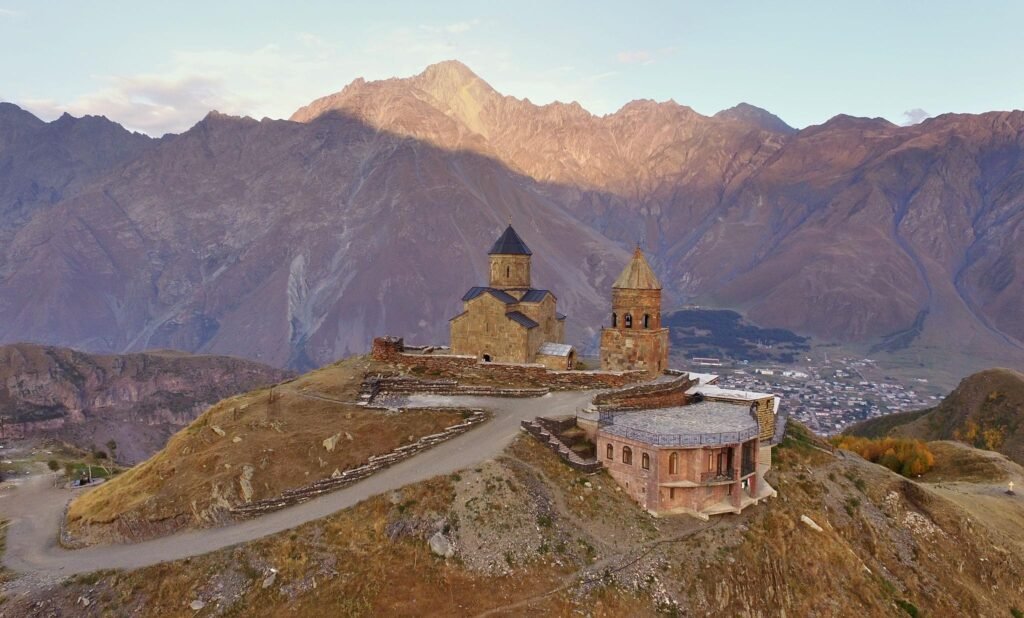
If you want European charm without European prices, Georgia is one of the most underrated gems. Think cobblestone streets, mountain landscapes, wine culture, and rich history—all at a cost that’s closer to Asia than Western Europe. That’s why it’s quickly rising among the cheapest countries to visit in Europe alternatives.
👉 Daily Budget: $25–$45/day
(Budget stays, local food, public transport, and experiences)
💸 Why Georgia is So Affordable (Europe Feel, Asia Pricing)
Georgia sits at the crossroads of Europe and Asia—and that’s exactly why it’s cheap.
- Low cost of living compared to Europe
- Favorable exchange rates for many travelers
- Affordable food, wine, and accommodation
- Visa-free or easy entry for many countries
👉 Real Experience:
In Tbilisi, I spent around $30/day—guesthouse ($12), meals + wine ($10), transport ($2–$3), and attractions ($5).
Unlike Western Europe, Georgia hasn’t fully commercialized its tourism—so you still get authentic experiences without inflated tourist pricing.
🍷 Food & Wine (Luxury Taste, Budget Price)
Georgia is famous for its rich cuisine and world-class wine—and both are incredibly affordable.
- Local meals: $3–$6
- Traditional dishes (khachapuri, khinkali): $2–$5
- Wine (glass): $1–$3
👉 Real Scenario:
You can enjoy a full dinner with wine for under $10—something nearly impossible in most of Europe.
👉 Actionable Tips:
- Eat at local restaurants instead of tourist cafés
- Try set menus or bakeries for cheaper meals
- Visit local wine houses instead of premium tasting tours
🏔️ Top Experiences (High Value, Low Cost)
Georgia offers a mix of nature, culture, and history—without high entry fees:
- ⛪ Tbilisi Old Town – Free to explore
- 🏔️ Kazbegi Mountains & Gergeti Church – Stunning views (~$10–$20 trip)
- 🍇 Kakheti Wine Region – Budget wine tours available
- 🛁 Sulfur Baths (Tbilisi) – $5–$15
- 🏰 Ancient Monasteries & Fortresses – Mostly free/low-cost
👉 Hidden Insight:
Georgia’s biggest attractions are natural and cultural, meaning you don’t spend much on entry tickets.
👉 Actionable Tip:
Join shared day tours or marshrutka (local minibus) instead of private tours → saves 50% or more.
🚐 Transport & Getting Around (Simple + Cheap)
- Metro (Tbilisi): ~$0.20–$0.50
- Marshrutka (shared minibus): $1–$5
- Intercity travel: $5–$15
👉 Pro Insight:
Georgia’s marshrutka system is one of the cheapest ways to travel across the country, though slightly less comfortable.
👉 Actionable Tips:
- Use Bolt app for cheap rides in cities
- Travel early—minibuses fill quickly
- Carry small cash for transport
📍 Best Places to Visit in Georgia
🏙️ Tbilisi (Best Overall Experience)
- Culture, food, nightlife
- Budget: $25–$40/day
🏔️ Kazbegi (Best for Mountains)
- Scenic views + hiking
- Budget: $30–$50/day
🍇 Kakheti (Best for Wine Lovers)
- Vineyards + countryside
- Budget: $25–$45/day
🌊 Batumi (Best for Coastal Vibes)
- Black Sea beaches + nightlife
- Budget: $30–$50/day
🧠 Pro Tips to Travel Georgia Cheaply
- Travel during shoulder seasons (April–June, Sept–Oct)
- Stay in guesthouses or Airbnb (great value)
- Use local transport instead of taxis
- Try homemade meals at guesthouses (often included)
🎯 Quick Summary
Why is Georgia a cheap alternative to Europe?
Georgia is affordable due to its low cost of living, cheap food and wine, budget accommodation, and inexpensive transport, allowing travelers to explore for $25–$45 per day.
Sri Lanka – Budget Island with Culture & Wildlife

If you want a destination that blends beaches, mountains, wildlife, and culture—all on a budget, Sri Lanka is one of the most underrated picks. It’s often compared to Bali or Thailand, but in many cases, it’s cheaper and less crowded, making it a rising star among cheap international travel destinations.
👉 Daily Budget: $20–$40/day
(Budget guesthouses, local food, trains, and basic activities)
💸 Why Sri Lanka is Affordable (Diverse Experiences, Low Cost)
Sri Lanka offers incredible variety without high prices:
- Low cost of living → affordable stays and food
- Cheap public transport (especially trains)
- Locally owned guesthouses dominate tourism
- Currency advantage for foreign travelers
👉 Real Experience:
On the famous Kandy–Ella train route, I spent less than $2 for one of the most scenic train rides in the world—something that would cost 10x more elsewhere.
Sri Lanka is one of the few countries where you can experience beaches, safaris, and mountains in one trip—without increasing your daily budget significantly.
🍛 Food Affordability (Flavorful & Budget-Friendly)
Sri Lankan food is both delicious and extremely affordable.
- Rice & curry meals: $1.5–$3
- Street food/snacks: $0.50–$2
- Local restaurants: $3–$6
👉 Real Scenario:
A full rice and curry platter (with multiple dishes) can cost less than a coffee in many Western countries.
👉 Actionable Tips:
- Eat at local eateries instead of tourist cafés
- Look for places with buffet-style rice & curry (best value)
- Avoid beachfront restaurants for cheaper meals
🚆 Transport (One of the Cheapest Scenic Journeys in the World)
- Trains: $1–$5
- Buses: $0.50–$3
- Tuk-tuks: $2–$5
👉 Pro Insight:
Sri Lanka’s train journeys are not just cheap—they’re among the most scenic experiences globally.
👉 Actionable Tips:
- Book train tickets early for reserved seats
- Use buses for ultra-cheap travel
- Use PickMe app instead of negotiating tuk-tuks
🏝️ Top Experiences (Diverse & Affordable)
Sri Lanka offers a mix of nature + culture + adventure:
- 🚆 Kandy to Ella Train Ride – Iconic and cheap
- 🗿 Sigiriya Rock Fortress – ~$10–$15 entry
- 🐘 Yala National Park Safari – ~$25–$40
- 🏖️ Mirissa / Unawatuna Beaches – Free to explore
- 🌄 Ella (Hikes + Waterfalls) – Mostly free
👉 Hidden Insight:
Most of Sri Lanka’s best experiences are nature-based, keeping your daily costs low compared to theme-park destinations.
📍 Best Places to Visit in Sri Lanka (By Budget Style)
🌿 Ella (Best Overall Budget Spot)
- Mountains, waterfalls, hikes
- Budget: $20–$35/day
🏝️ Mirissa (Best for Beaches)
- Chill vibe + whale watching
- Budget: $25–$40/day
🏛️ Sigiriya (Best for History)
- Ancient rock fortress
- Budget: $25–$45/day
🌆 Colombo (Best for City Experience)
- Modern + cultural mix
- Budget: $30–$50/day
🧠 Pro Tips to Travel Sri Lanka Cheaply
- Travel during shoulder seasons (May–June, Sept–Oct)
- Stay in family-run guesthouses (cheaper + authentic)
- Combine train + bus travel for lowest costs
- Book safaris locally for better deals
🎯 Quick Summary
Why is Sri Lanka a cheap travel destination?
Sri Lanka is affordable due to its low cost of living, cheap food, budget transport, and diverse experiences, allowing travelers to explore beaches, mountains, and wildlife for $20–$40 per day.
Cambodia – Cheapest Cultural Gem in Southeast Asia
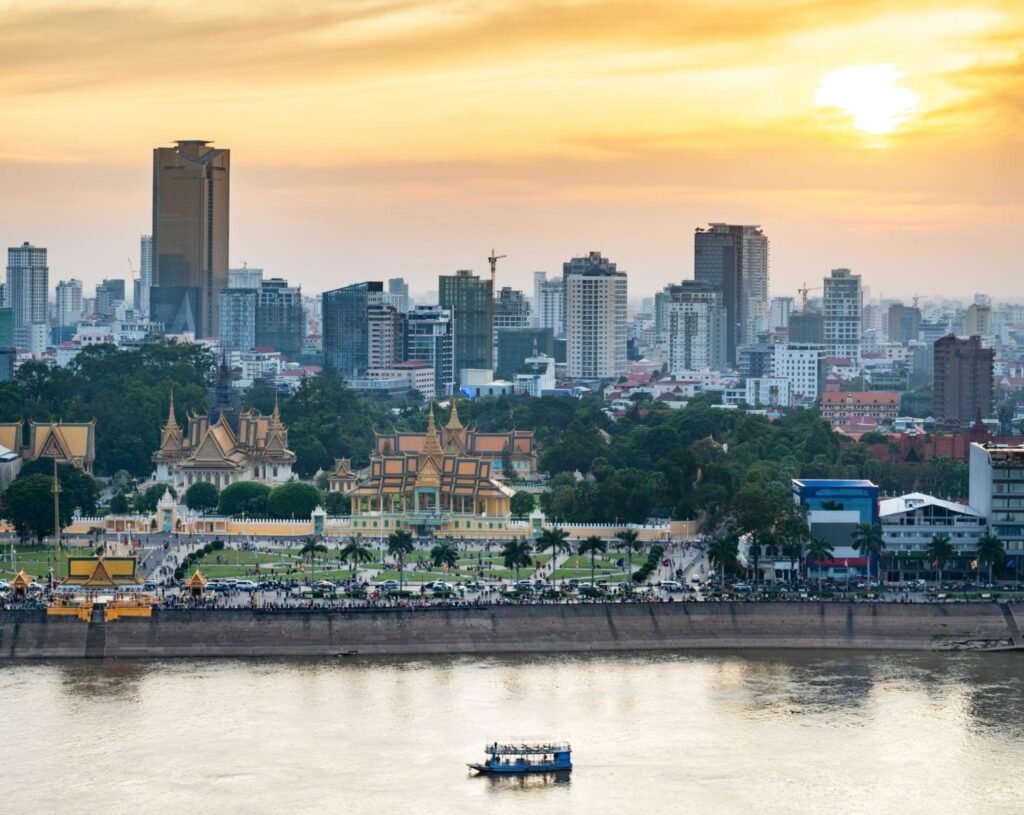
If you want ancient temples, rich history, and ultra-low daily costs, Cambodia is one of the cheapest countries to visit in Southeast Asia—often even cheaper than its neighbors like Thailand and Vietnam.
It’s perfect for travelers who want deep cultural experiences on a tight budget, without sacrificing adventure.
👉 Daily Budget: $15–$30/day
(Hostels/guesthouses, local food, tuk-tuks, and basic sightseeing)
💸 Why Cambodia is So Cheap (Underrated = Lower Prices)
Cambodia remains affordable because it’s still less commercialized than nearby destinations:
- Low cost of living
- Fewer tourist markups outside Angkor Wat
- Cheap accommodation and food
- Simple local lifestyle
👉 Real Experience:
In Siem Reap, I managed a full day for under $18—hostel ($6), meals ($5), tuk-tuk rides ($3), and local attractions.
While places like Thailand have matured tourism industries, Cambodia still offers “early-stage tourism pricing”, making it one of the best-value destinations right now.
🍜 Food & Daily Costs (Simple, Cheap, Filling)
- Street food: $1–$3
- Local meals: $2–$5
- Western food: $4–$8
👉 Real Scenario:
You can eat a full Cambodian meal (rice + curry + sides) for less than $3.
👉 Actionable Tips:
- Eat at night markets for best value
- Try local dishes like Amok curry for authentic experience
- Avoid tourist-heavy restaurants near Angkor Wat
🛺 Transport (Cheap but Basic)
- Tuk-tuks: $1–$5
- Bike rental: $2–$5/day
- Buses (intercity): $5–$15
👉 Pro Insight:
Transport is inexpensive but less developed than Thailand—so plan a bit more time.
👉 Actionable Tips:
- Negotiate tuk-tuk fares or use apps like Grab (in cities)
- Rent bicycles in Siem Reap to save money
- Use buses instead of flights for budget travel
🏛️ Top Experiences (High Cultural Value, Low Cost)
Cambodia is one of the best places for history + culture lovers:
- 🏯 Angkor Wat Sunrise – ~$37 (multi-day passes available)
- 🏙️ Phnom Penh Royal Palace – ~$10
- 🏝️ Koh Rong Islands – Budget beach escape
- 🛍️ Night Markets – Food + shopping
- 🚶 Walking Tours – Often free or tip-based
👉 Hidden Insight:
While Angkor Wat is the biggest expense, it’s a once-in-a-lifetime experience—and everything else in Cambodia balances your budget.
👉 Actionable Tip:
Buy a 3-day Angkor pass if you want better value instead of rushing in one day.
📍 Best Places to Visit in Cambodia (By Budget Style)
🏯 Siem Reap (Best Overall Destination)
- Gateway to Angkor Wat
- Budget: $15–$25/day
🏙️ Phnom Penh (Best for History + City Life)
- Culture, museums, nightlife
- Budget: $20–$30/day
🏝️ Koh Rong (Best for Beaches)
- White sand + clear water
- Budget: $25–$40/day
🌿 Battambang (Hidden Budget Gem)
- Local culture + countryside
- Budget: $15–$25/day
🧠 Pro Tips to Travel Cambodia Cheaply
- Visit during shoulder season (May–June, Sept–Oct)
- Stay in hostels or family-run guesthouses
- Carry USD (widely accepted) for convenience
- Combine Cambodia with Vietnam/Thailand for a budget trip
🎯 Quick Summary
Why is Cambodia one of the cheapest countries to visit?
Cambodia is affordable due to its low cost of living, cheap accommodation, inexpensive food, and budget transport, allowing travelers to explore for $15–$30 per day.
Peru – Budget Adventure in South America
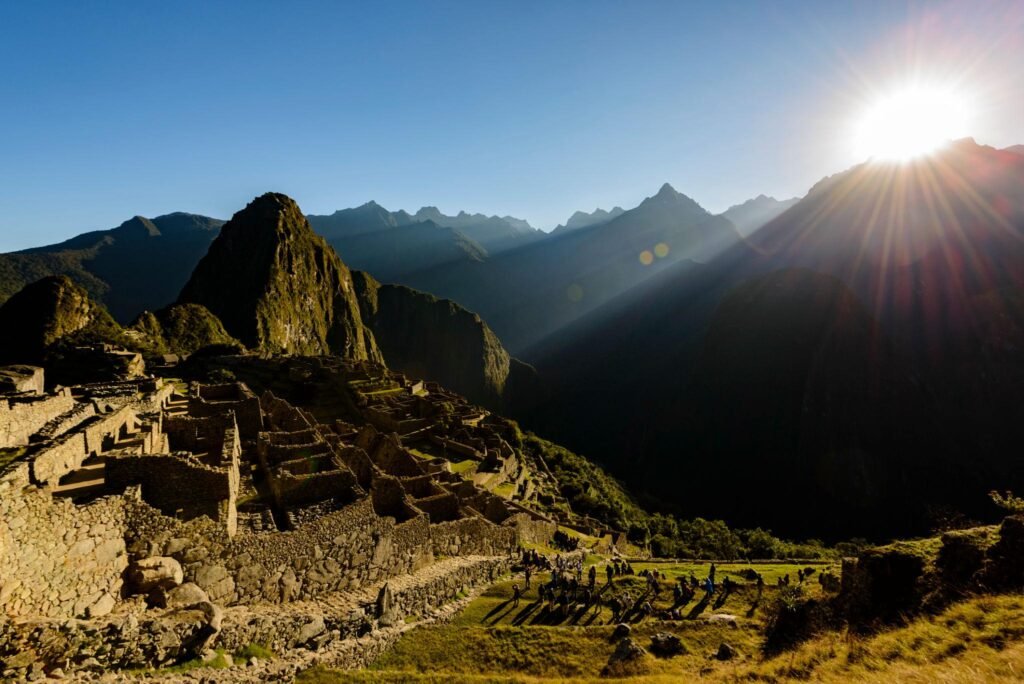
If you’re chasing bucket-list adventures on a budget, Peru delivers big. From Machu Picchu to the Andes and Amazon, it’s one of the best-value destinations in South America—offering epic experiences without the price tag of Chile or Argentina.
👉 Daily Budget: $25–$45/day
(Budget hostels, local meals, buses, and core activities)
💸 Why Peru is Affordable (Adventure + Culture Without High Costs)
Peru balances world-class attractions with manageable daily expenses:
- Lower cost of living than many South American neighbors
- Cheap local food (menu del día)
- Extensive bus network for budget travel
- Wide range of accommodation options
👉 Real Experience:
In Cusco, I averaged ~$30/day—hostel ($10), meals ($8–$10), local transport ($2), and entry fees/activities ($8).
While Machu Picchu can be expensive, everything around it is cheap, which helps balance your total trip cost.
🍽️ Food & Daily Costs (Underrated Value Destination)
Peru’s food scene is globally famous—and surprisingly affordable.
- Menu del día (set lunch): $2–$4
- Street food/snacks: $1–$3
- Local restaurants: $3–$6
👉 Real Scenario:
A full lunch (starter + main + drink) often costs less than $4 in local eateries.
👉 Actionable Tips:
- Look for “menu del día” signs—best value meals
- Eat in local markets instead of tourist restaurants
- Try ceviche at local spots for authentic + cheaper options
🚌 Transport (Long Distances, Low Costs)
- Local buses: $1–$5
- Long-distance buses: $10–$30
- Domestic flights: $30–$80
👉 Pro Insight:
Peru is large, so travel time matters—but buses are comfortable and budget-friendly.
👉 Actionable Tips:
- Use overnight buses to save on accommodation
- Book with reliable companies (Cruz del Sur, Oltursa)
- Fly only when distances are very long
🏔️ Top Experiences (Bucket List Worth Every Dollar)
Peru is packed with iconic and affordable adventures:
- 🏛️ Machu Picchu – ~$40–$70 entry (budget planning required)
- 🌈 Rainbow Mountain – ~$10–$20 tours
- 🏜️ Huacachina Desert (Sandboarding) – ~$5–$15
- 🌿 Amazon Jungle Tours – Budget options available
- 🏙️ Cusco & Sacred Valley – Culture + history
👉 Hidden Insight:
Even though Machu Picchu is expensive, you can reduce costs by:
- Taking the Hydroelectric route instead of trains
- Booking tickets early
- Staying in Aguas Calientes budget hostels
📍 Best Places to Visit in Peru (By Budget Style)
🏔️ Cusco (Best Overall Base)
- Gateway to Machu Picchu
- Budget: $25–$40/day
🏛️ Machu Picchu (Bucket List Destination)
- Higher cost but manageable with planning
- Budget: $40–$80/day
🏜️ Huacachina (Best for Adventure)
- Sand dunes + desert vibes
- Budget: $25–$40/day
🌆 Lima (Best for Food + City Life)
- Coastal capital
- Budget: $30–$50/day
🧠 Pro Tips to Travel Peru Cheaply
- Book Machu Picchu tickets weeks in advance
- Travel during shoulder seasons (April–June, Sept–Nov)
- Use buses instead of flights whenever possible
- Carry some cash—smaller towns may not accept cards
🎯 Quick Summary
Why is Peru a budget-friendly destination?
Peru is affordable due to its low cost of living, cheap local food, budget transport, and diverse experiences, allowing travelers to explore for $25–$45 per day.
Albania – Europe’s Cheapest Coastal Escape
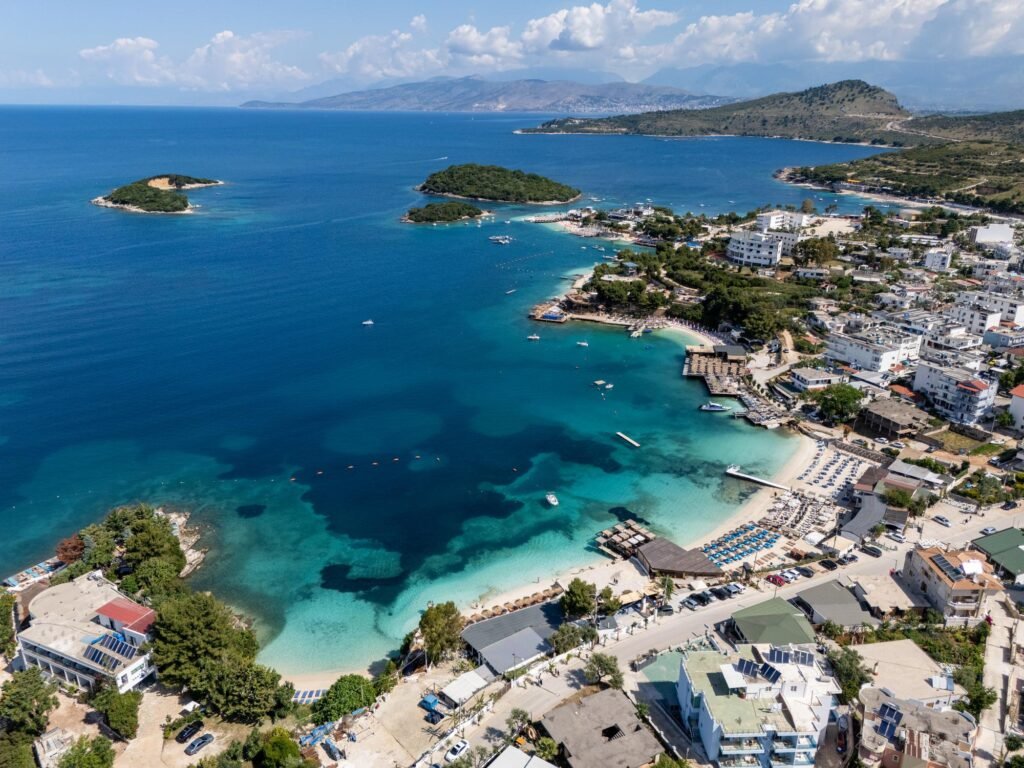
If you want Mediterranean beaches, historic towns, and European vibes—without European prices, Albania is one of the best-kept secrets. It’s often called the “cheap alternative to Greece or Croatia”, and for good reason: similar scenery, much lower costs.
👉 Daily Budget: $25–$45/day
(Guesthouses, local food, buses, and budget activities)
💸 Why Albania is So Affordable (Europe Without the Price Tag)
Albania remains one of the cheapest countries to visit in Europe because:
- Lower cost of living than Western Europe
- Less commercialized tourism (fewer inflated prices)
- Affordable food, transport, and stays
- Favorable exchange rates (Albanian Lek)
👉 Real Experience:
In Ksamil, I stayed near crystal-clear beaches for ~$20/night, ate seafood for $6–$8, and spent almost nothing on activities.
While nearby countries like Greece have become expensive, Albania is still in its “pre-tourism boom phase”, meaning prices are significantly lower—for now.
🍽️ Food & Daily Costs (Mediterranean Taste on a Budget)
- Local meals: $3–$6
- Seafood dishes: $6–$10
- Coffee/espresso: $1–$2
👉 Real Scenario:
A full seafood meal by the beach in Albania can cost less than a fast-food combo in Western Europe.
👉 Actionable Tips:
- Eat at family-run restaurants instead of tourist spots
- Try local dishes like byrek, grilled meats, and fresh seafood
- Avoid beachfront restaurants in peak season for cheaper meals
🚌 Transport (Cheap but Requires Flexibility)
- Local buses/furgons: $2–$10
- Intercity buses: $5–$15
- Car rentals: $20–$40/day
👉 Pro Insight:
Public transport is cheap but less structured—flexibility is key.
👉 Actionable Tips:
- Use furgons (shared minibuses) for the cheapest travel
- Plan routes in advance (limited online schedules)
- Rent a car if exploring coastal areas for convenience
🏖️ Top Experiences (Mediterranean Luxury, Budget Cost)
Albania offers some of Europe’s most underrated and affordable experiences:
- 🌊 Albanian Riviera (Ksamil, Sarandë) – Crystal-clear beaches (free/low-cost)
- 🏛️ Berat (UNESCO City) – “City of a Thousand Windows”
- 🏰 Gjirokastër – Stone houses + castle views
- 🌄 Llogara Pass – Scenic mountain drives
- 🏖️ Himara Beaches – Less crowded, budget-friendly
👉 Hidden Insight:
Unlike Western Europe, many of Albania’s best attractions are free or very low-cost, keeping your daily spend low.
📍 Best Places to Visit in Albania (By Budget Style)
🏖️ Ksamil / Sarandë (Best for Beaches)
- Crystal-clear water, island views
- Budget: $30–$50/day
🏛️ Berat (Best for Culture + History)
- UNESCO heritage town
- Budget: $25–$40/day
🏰 Gjirokastër (Best for Architecture)
- Unique stone city
- Budget: $25–$40/day
🌊 Himara (Best Hidden Gem)
- Quiet beaches + cheaper stays
- Budget: $25–$35/day
🧠 Pro Tips to Travel Albania Cheaply
- Visit in shoulder season (May–June, Sept–Oct)
- Book accommodation early in peak summer
- Carry cash—many places don’t accept cards
- Stay slightly away from main beaches for cheaper rates
🎯 Quick Summary
Why is Albania one of the cheapest countries to visit in Europe?
Albania is affordable due to its low cost of living, cheap food and accommodation, and less commercialized tourism, allowing travelers to explore for $25–$45 per day.
Morocco – Budget Exotic Escape Close to Europe
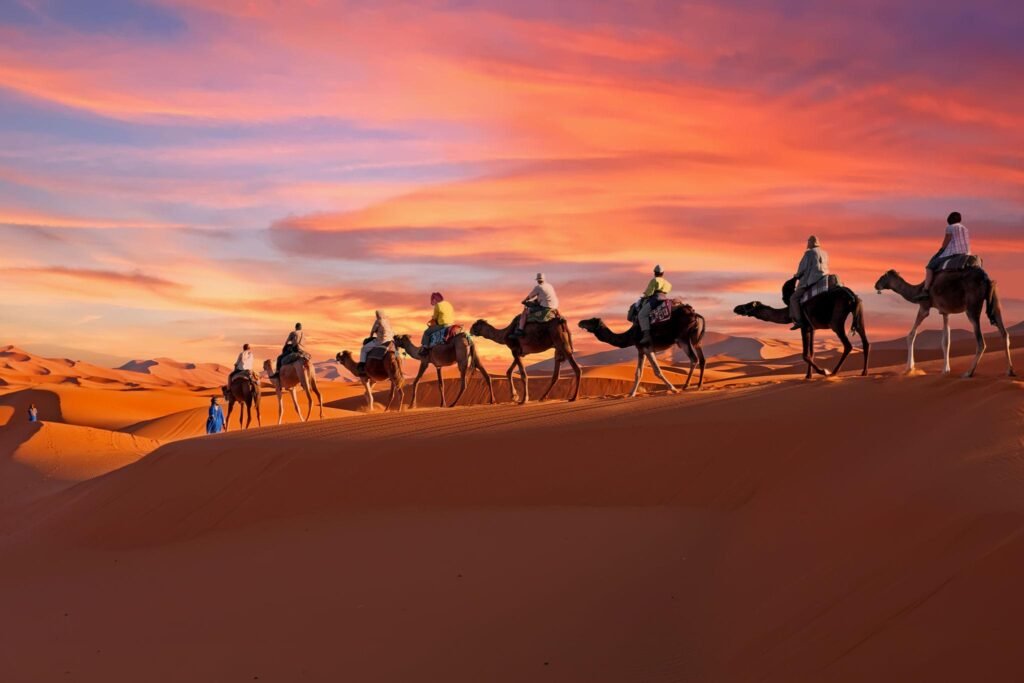
If you want something that feels completely different from Europe—but still affordable and accessible, Morocco is one of the best picks. Think desert landscapes, vibrant markets, blue cities, and rich culture, all at prices that make it one of the cheapest exotic travel destinations.
👉 Daily Budget: $25–$45/day
(Budget riads, local food, buses, and cultural experiences)
💸 Why Morocco is Affordable (Exotic Experience, Low Daily Costs)
Morocco offers a high-value cultural experience at relatively low prices:
- Lower cost of living compared to Europe
- Affordable local food and accommodation
- Budget transport options (trains + buses)
- Wide range of pricing—from backpacker to luxury
👉 Real Experience:
In Marrakech, I spent around $30/day—riad stay ($12), meals ($8–$10), transport ($3), and local experiences ($5–$8).
Morocco feels like a premium, exotic destination, but if you avoid tourist-heavy pricing traps, it becomes surprisingly affordable.
🍲 Food & Daily Costs (Rich Flavors, Budget Prices)
- Street food: $1–$3
- Local meals (tagine, couscous): $3–$6
- Mint tea: $1–$2
👉 Real Scenario:
A traditional Moroccan meal in a local restaurant can cost less than a fast-food combo in Europe.
👉 Actionable Tips:
- Eat in local cafés away from main squares
- Try set menus (menu du jour) for best value
- Avoid restaurants directly inside tourist hotspots like Jemaa el-Fnaa
🚆 Transport (Affordable and Well-Connected)
- Trains: $5–$20
- Buses: $3–$15
- Taxis: $2–$5 (short distances)
👉 Pro Insight:
Morocco has one of the best rail systems in North Africa, making travel easy and cheap.
👉 Actionable Tips:
- Use ONCF trains for comfort and reliability
- Book long-distance tickets early for better prices
- Agree on taxi fares beforehand or use apps where available
🏜️ Top Experiences (Exotic Yet Affordable)
Morocco offers unique experiences that feel luxurious but don’t cost much:
- 🐪 Sahara Desert Tour – ~$50–$100 (multi-day, includes food + stay)
- 🏙️ Marrakech Medina & Souks – Free to explore
- 🔵 Chefchaouen Blue City – Budget-friendly and photogenic
- 🏔️ Atlas Mountains – Day trips ~$20–$40
- 🛁 Traditional Hammam – $5–$15
👉 Hidden Insight:
Many of Morocco’s best experiences are self-explorable, meaning you don’t need expensive tours.
👉 Actionable Tip:
Compare desert tours locally—prices vary widely, and you can negotiate for better deals.
📍 Best Places to Visit in Morocco (By Budget Style)
🏙️ Marrakech (Best Overall Experience)
- Markets, culture, food
- Budget: $25–$40/day
🔵 Chefchaouen (Best for Aesthetic Travel)
- Blue-painted streets
- Budget: $25–$40/day
🏜️ Sahara Desert (Best Adventure)
- Camel rides + desert camps
- Budget: $40–$80/day
🌊 Essaouira (Best Coastal Escape)
- Chill beach town
- Budget: $25–$40/day
🧠 Pro Tips to Travel Morocco Cheaply
- Visit during shoulder seasons (March–May, Sept–Nov)
- Stay in riads (local guesthouses) for better value
- Learn basic negotiation—it helps save money
- Carry cash—small vendors don’t accept cards
🎯 Quick Summary
Why is Morocco a cheap travel destination?
Morocco is affordable due to its low cost of living, cheap food, budget accommodation, and affordable transport, allowing travelers to explore for $25–$45 per day.
Budget Breakdown by Region (Where Your Money Goes the Furthest)
Choosing the right region can cut your travel costs in half—or double them without you realizing it. After traveling across multiple continents, one pattern is clear: your daily budget depends more on the region than the country itself.
If your goal is to find the cheapest countries to visit, understanding regional cost differences will help you plan smarter and travel longer.
Asia vs Europe vs South America (Cost Comparison Guide)
Here’s a realistic comparison based on average daily travel costs.
🌴 Asia (Cheapest Overall Region)
- Daily Budget: $15–$40
- Countries: Vietnam, India, Indonesia, Thailand, Cambodia, Sri Lanka
👉 Why it’s cheap:
- Low cost of living
- Abundant street food ($1–$3 meals)
- Cheap transport (buses, trains, scooters)
- Strong backpacker infrastructure
👉 Real Example:
In Vietnam or India, you can comfortably travel for under $25/day, including food, stay, and transport.
👉 Best For:
✔️ First-time travelers
✔️ Backpackers
✔️ Long-term travel
🇪🇺 Europe (Mixed: Budget to Expensive)
- Daily Budget:
- Western Europe: $80–$150
- Budget Europe (Albania, Georgia, Turkey): $25–$50
👉 Why it varies:
- Strong currencies (Euro, GBP) increase costs
- Higher accommodation prices
- Expensive food unless you go local
👉 Real Example:
You can spend $120/day in France, but only $30–$40/day in Albania or Georgia.
👉 Best For:
✔️ Culture + history lovers
✔️ Travelers looking for comfort
✔️ Budget travelers choosing Eastern Europe
👉 Actionable Tip:
Skip Western Europe → choose budget alternatives like Georgia, Albania, or Turkey.
🌎 South America (Balanced Budget + Adventure)
- Daily Budget: $20–$50
- Countries: Bolivia, Peru, Colombia
👉 Why it’s affordable:
- Lower cost of living
- Cheap local food ($2–$5 meals)
- Budget transport (long-distance buses)
👉 Real Example:
In Bolivia, you can travel for $20–$30/day, while Peru averages around $30–$45/day.
👉 Best For:
✔️ Adventure seekers
✔️ Nature lovers
✔️ Backpackers
👉 Hidden Insight:
Big-ticket experiences (like Machu Picchu) are expensive—but daily costs remain low.
📊 Quick Comparison Table
| Region | Budget/Day | Best For | Cost Level |
|---|---|---|---|
| Asia | $15–$40 | Budget + long trips | ⭐ Cheapest |
| South America | $20–$50 | Adventure + culture | ⭐⭐ Low |
| Europe (Budget) | $25–$50 | Culture + comfort | ⭐⭐ Medium |
| Europe (West) | $80–$150 | Luxury + convenience | ⭐⭐⭐ Expensive |
Which region is cheapest to travel?
Asia is the cheapest region to travel due to its low cost of living, cheap food, affordable transport, and strong budget travel infrastructure, allowing travel for $15–$40 per day.
Cheapest Region for Backpackers (Where You Get Maximum Value)
If you’re planning a long trip or backpacking journey, here’s the truth:
👉 Southeast Asia is the #1 cheapest region for backpackers globally.
Why Backpackers Love Southeast Asia:
- Hostels from $5–$10
- Street food culture (cheap + delicious)
- Easy visa policies
- Well-connected travel routes
- Social travel scene (easy to meet people)
👉 Real Route Example:
Thailand → Vietnam → Cambodia → Indonesia
➡️ Average cost: $25–$35/day for months of travel
🧠 Advanced Insight (What Most Blogs Don’t Tell You)
👉 The cheapest region is not always the best for YOU.
- Want beaches + culture → Asia
- Want mountains + adventure → South America
- Want Europe vibes → Eastern Europe
👉 Smart Strategy:
Combine regions for maximum value:
- Start in Europe (short trip)
- Move to Asia (long budget travel)
🎯 Actionable Budget Strategy
- Start your trip in a cheap region (Asia or South America)
- Allocate 70% of your travel days there
- Use remaining budget for short trips in expensive regions
👉 This method helps you travel longer without increasing your budget.
Cheapest Countries by Travel Style (Find Your Perfect Fit)
Not every destination is cheap for every type of traveler. A country that’s perfect for solo backpackers might not be ideal for couples or remote workers.
From real-world travel experience, the smartest way to save money is to match your destination with your travel style—not just pick the cheapest country blindly.
Cheapest for Solo Travelers
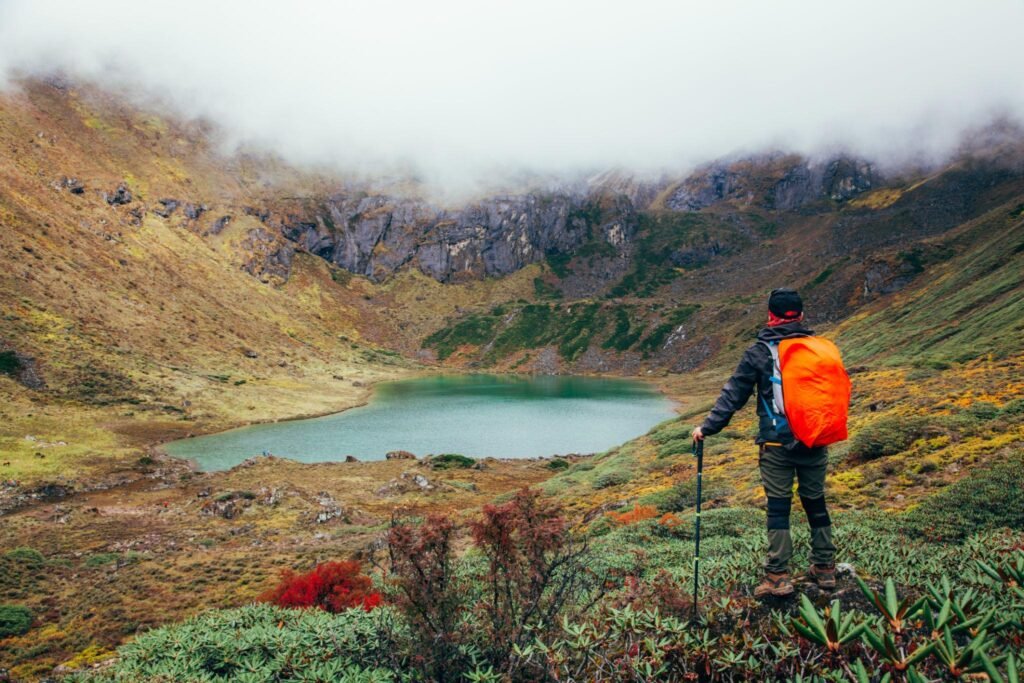
If you’re traveling alone, your priorities are usually:
- Safety
- Social environment
- Easy transport
- Low daily costs
👉 Best Cheap Countries for Solo Travelers:
- 🇹🇭 Thailand
- 🇻🇳 Vietnam
- 🇳🇵 Nepal
- 🇮🇳 India (for experienced travelers)
👉 Why These Work:
- Huge backpacker communities (easy to meet people)
- Cheap hostels ($5–$10/night)
- Well-connected transport systems
- Plenty of solo-friendly activities
👉 Real Insight:
In Thailand, it’s almost impossible to feel alone—hostels, tours, and cafés are designed for social travel.
👉 Actionable Tips:
- Stay in high-rated hostels (4.5★+) for safety + social vibe
- Join free walking tours or group trips
- Use apps like Hostelworld & Meetup to connect
👉 Average Budget: $20–$35/day
Cheapest for Couples (More Comfort, Same Budget)

Traveling as a couple has a hidden advantage: you can split costs.
👉 Best Cheap Countries for Couples:
- 🇮🇩 Indonesia (Bali)
- 🇬🇪 Georgia
- 🇱🇰 Sri Lanka
- 🇹🇷 Turkey
👉 Why These Work:
- Private rooms or villas are cheap when shared
- Romantic experiences at low cost
- Affordable food + transport
👉 Real Scenario:
In Bali, a private villa with pool can cost $25–$40/night → just $12–$20 per person.
👉 Actionable Tips:
- Book private stays instead of hostels (better value when split)
- Choose destinations with cheap experiences (nature > attractions)
- Stay longer in one place to get weekly discounts
👉 Average Budget (per person): $25–$45/day
Cheapest for Digital Nomads (Work + Travel Balance)

For digital nomads, cost isn’t just about travel—it’s about monthly living expenses + work infrastructure.
👉 Best Cheap Countries for Digital Nomads:
- 🇮🇩 Indonesia (Bali)
- 🇹🇭 Thailand (Chiang Mai)
- 🇬🇪 Georgia (Tbilisi)
- 🇲🇽 Mexico (Mexico City)
👉 Why These Work:
- Fast WiFi + coworking spaces
- Affordable long-term rentals
- Strong expat + nomad communities
- Great work-life balance
👉 Real Insight:
In Chiang Mai, many digital nomads live comfortably for $700–$1000/month—including rent, food, and transport.
👉 Actionable Tips:
- Book monthly stays on Airbnb for 30–50% discounts
- Choose areas with co-working spaces + cafés
- Use local SIM cards for reliable internet
👉 Average Monthly Budget: $700–$1500
🧠 Pro Insight
👉 The cheapest country depends on:
- How long you stay
- How you travel (slow vs fast)
- Your lifestyle choices
👉 Golden Rule:
The longer you stay, the cheaper your daily cost becomes.
🎯 Quick Summary
Which are the cheapest countries based on travel style?
Thailand and Vietnam are best for solo travelers, Indonesia and Georgia are ideal for couples, and Thailand, Bali, Georgia, and Mexico are top choices for digital nomads due to low costs and strong infrastructure.
Best Time to Visit Cheap Countries (Save More, Travel Smarter)
Timing your trip is one of the most underrated ways to save money while traveling. The same destination can cost 2x–3x more depending on when you go.
From real-world travel experience, choosing the right season can mean:
- Paying $10 instead of $30 for a room
- Getting cheaper flights
- Avoiding crowds (which improves your experience too)
👉 The goal isn’t just to travel cheap—it’s to travel smart + cheap.
Off-Season vs Peak Season (Where You Save the Most Money)
🔥 Peak Season (High Cost, High Crowds)
- Prices increase by 30%–100%
- Flights + hotels are expensive
- Attractions are crowded
👉 Examples:
- Europe in July–August
- Thailand in December
- Bali during holidays
💸 Off-Season (Cheapest Time to Travel)
- Lowest prices for flights + stays
- Discounts on tours and activities
- Fewer tourists
👉 Real Example:
In Bali, a villa that costs $60/night in peak season drops to $25–$30 in off-season.
👉 Actionable Tips:
- Travel just before or after peak season
- Book accommodation locally during off-season for better deals
- Negotiate prices (works in many budget countries)
⚖️ Shoulder Season (Best Value Strategy)
👉 This is the sweet spot most travelers miss.
- Prices are 20–40% cheaper than peak
- Weather is still good
- Fewer crowds
👉 Best Months Globally:
- March–May
- September–November
👉 Pro Tip:
Search: “best time to visit + country” and choose dates slightly outside peak months.
Weather vs Price Trade-Off (Smart Travelers Know This Balance)
Cheap travel often comes with one trade-off: imperfect weather.
But here’s the truth most blogs don’t tell you:
👉 Bad weather ≠ bad travel experience
🌧️ Rainy Season (Cheapest but Misunderstood)
- Prices drop significantly
- Short rain bursts (not all-day rain)
- Lush landscapes + fewer crowds
👉 Real Insight:
In Southeast Asia, rain often lasts 1–2 hours, not the whole day—meaning you still get plenty of time to explore.
👉 Best For:
- Budget travelers
- Photographers (dramatic landscapes)
- Flexible itineraries
☀️ Perfect Weather (Most Expensive Time)
- Ideal conditions
- High demand → high prices
- Crowded attractions
👉 Example:
Santorini or Bali in peak weather = beautiful but overcrowded + expensive.
🎯 Smart Travel Strategy (What Experts Actually Do)
👉 Combine both:
- Visit during shoulder season
- Accept slightly imperfect weather
- Avoid peak crowds
🧠 Advanced Insight (What 95% of Travelers Miss)
👉 Flights + accommodation prices are driven by demand, not weather.
This means:
- Slightly worse weather = huge savings
- Same destination = completely different budget
🎯 Quick Answer
What is the cheapest time to travel internationally?
The cheapest time to travel is during the off-season or shoulder season, when flight and accommodation prices are lower due to reduced demand, often saving 20%–60%.
💡 Actionable Budget Timing Plan
- Avoid peak season completely
- Target shoulder months
- Book flights 4–8 weeks in advance
- Travel mid-week (cheaper flights)
👉 This alone can reduce your total trip cost by 30–50%.
Pro Tips to Travel Even Cheaper (Real Hacks That Actually Work)
Most blogs will tell you to “travel on a budget”—but they don’t show you how to actually cut your daily costs by 30–60%.
These are real-world strategies used by long-term travelers and backpackers to stretch their money in the cheapest countries to visit—without sacrificing experiences.
🚌 Use Local Transport (Save 50% Instantly)

Tourists overspend the most on transport.
👉 Reality Check:
- Taxi ride: $10
- Local bus: $1
👉 Same destination. 10x price difference.
👉 Real Experience:
In Thailand, I replaced taxis with local buses + Grab → saved $5–$10 per day, which adds up fast.
👉 Actionable Tips:
- Use apps like Grab, Bolt, Uber instead of taxis
- Try local buses, metros, or shared vans
- Take overnight trains/buses → save 1 night’s accommodation
👉 Pro Insight:
Transport is where beginners overspend the most—fix this, and your budget drops instantly.
🏡 Stay in Hostels / Homestays (Comfort Without Cost)

Accommodation is your biggest daily expense—but also the easiest to optimize.
👉 Budget Options:
- Hostels: $5–$15/night
- Guesthouses: $10–$25
- Homestays: often include food + local experience
👉 Real Scenario:
In Vietnam, I stayed in a hostel for $6/night with free breakfast → saving ~$10/day.
👉 Actionable Tips:
- Filter hostels by 4.5★+ rating (safety + quality)
- Stay longer (3–7 days) → get discounted rates
- Book directly with properties → cheaper than platforms
👉 Hidden Insight:
Homestays are often cheaper than hotels AND give you local insights you can’t Google.
🚫 Avoid Tourist Traps (Save Without Missing Out)

Tourist areas are designed to maximize spending—not value.
👉 Real Difference:
- Tourist restaurant: $10 meal
- Local eatery: $3 meal
👉 Same food. Different audience.
👉 Actionable Tips:
- Walk 2–3 streets away from main attractions
- Avoid menus with only English + aggressive staff
- Use Google Maps → filter by “local favorites” (4.5★+)
👉 Pro Insight:
The best experiences (and cheapest ones) are usually where locals actually go.
💱 Use Currency Advantage (Travel Like a Pro)

This is the #1 advanced travel hack most people ignore.
👉 If your currency is stronger, everything feels cheaper.
👉 Example:
- $10 in Vietnam = full day of food + transport
- $10 in Europe = maybe coffee + snack
👉 Actionable Tips:
- Travel to countries where your currency has higher value
- Use ATMs instead of airport exchange counters (better rates)
- Use cards like Wise/Revolut to avoid high conversion fees
👉 Pro Insight (Expert Level):
Track exchange rates before your trip—timing alone can save 10–20% of your total budget.
🧠 Bonus Hack: Slow Travel = Cheapest Travel
👉 The longer you stay, the cheaper everything becomes.
- Weekly/monthly stay discounts
- Less transport cost
- Better local deals
👉 Real Example:
Staying 7 days instead of 2 can reduce your daily cost by 25–40%.
🎯 Quick Summary
How can I travel cheaper internationally?
To travel cheaper, use local transport, stay in hostels or homestays, avoid tourist areas, and take advantage of favorable currency exchange rates to reduce daily expenses by 30–60%.
Common Mistakes to Avoid (That Quietly Kill Your Budget)
Most travelers don’t overspend because a destination is expensive—they overspend because of avoidable mistakes.
I’ve seen people turn a $30/day destination into a $70/day trip just by ignoring a few basics. Fix these, and you’ll instantly travel smarter across even the cheapest countries to visit.
✈️ Booking Last-Minute Flights (Biggest Budget Killer)
Flights can easily become your most expensive expense—especially if you book late.
👉 Reality Check:
- Flight booked 2 months early: $300
- Same flight booked 1 week before: $500–$700
👉 Real Experience:
A friend booked a Thailand flight 5 days before departure and paid almost double what I paid booking 6 weeks earlier.
👉 Actionable Fix:
- Book flights 4–8 weeks in advance (international)
- Use tools like Google Flights + price alerts
- Fly mid-week (Tue–Wed are often cheaper)
👉 Pro Tip:
Always search in incognito mode to avoid price tracking increases.
🛂 Ignoring Visa Costs (Hidden Expense Most People Forget)
Visa fees can quietly add $20–$150+ to your trip.
👉 Examples:
- Visa-free: Thailand, Indonesia (for many travelers)
- Visa on arrival: Cambodia (~$30)
- Pre-approved visas: Some countries cost $50–$100+
👉 Real Scenario:
A traveler planning a “cheap trip” to a country didn’t check visa costs—and ended up spending $80 extra instantly.
👉 Actionable Fix:
- Always Google: “[Country] visa for [your nationality]”
- Factor visa cost into your total travel budget
- Prefer visa-free or e-visa countries for budget trips
👉 Pro Insight:
Visa costs can equal 2–3 days of your travel budget in cheap countries.
💱 Not Checking Exchange Rates (Silent Money Leak)
Bad currency exchange decisions can cost you 10–15% extra without realizing it.
👉 Reality Check:
- Airport exchange: worst rates
- ATMs/local banks: best rates
👉 Real Experience:
Exchanging cash at an airport once cost me ~$25 extra on a small amount—pure loss.
👉 Actionable Fix:
- Avoid airport exchange counters
- Use ATMs or travel cards (Wise/Revolut)
- Always choose “pay in local currency” when using cards
👉 Advanced Tip:
Track exchange rates 1–2 weeks before travel—timing can save real money.
🎟️ Overspending on Attractions (You Don’t Need Every Ticket)
Not every experience needs a ticket—yet most travelers assume it does.
👉 Reality Check:
- Paid attraction: $20–$50
- Free alternative: equally memorable
👉 Real Example:
In many countries, the best experiences—markets, temples, beaches, hikes—are completely free.
👉 Actionable Fix:
- Prioritize 1–2 paid experiences max per day
- Mix with free activities (walking tours, viewpoints, local markets)
- Research: “free things to do in [destination]”
👉 Pro Insight:
The most memorable travel moments are rarely the most expensive ones.
🧠 Bonus Mistake (Most People Don’t Realize)
👉 Trying to “do everything” in one trip
- More cities = more transport cost
- Less time = more spending
👉 Fix:
Slow down. Stay longer in fewer places → save money + enjoy more.
🎯 Quick Summary
What are common budget travel mistakes to avoid?
Common mistakes include booking last-minute flights, ignoring visa costs, not checking exchange rates, and overspending on attractions, all of which can significantly increase your travel expenses.
FAQ
What is the cheapest country to visit in the world?
The cheapest countries to visit include Vietnam, India, and Nepal, where you can travel for $15–$30 per day. These destinations offer low-cost accommodation, affordable street food, and cheap transport, making them ideal for budget travelers.
Which country is cheapest for international travel?
Countries in Southeast Asia—such as Thailand, Vietnam, Cambodia, and Indonesia—are the cheapest for international travel due to their low cost of living, budget-friendly infrastructure, and affordable food and transport.
Can I travel the world on $1000?
Yes, you can travel on $1000 by choosing cheap countries, traveling slowly, and using budget strategies like hostels, local transport, and street food. In regions like Asia, $1000 can last 3–5 weeks if managed well.
What is the cheapest country in Europe?
Georgia and Albania are among the cheapest countries in Europe, with daily costs around $25–$45. They offer European-style experiences at a much lower price than Western Europe.
Which country has the cheapest food?
India and Vietnam are known for the cheapest food in the world, where meals can cost as little as $1–$2, especially when eating local street food.
Is $30 a day enough for travel?
Yes, $30 per day is enough in many budget destinations like Southeast Asia and parts of South America. This can cover accommodation, food, transport, and basic activities if you travel smart.
What is the cheapest island destination?
The Philippines and Indonesia are among the cheapest island destinations, offering beaches, island hopping, and tropical experiences for $25–$45 per day.