
You plan a $1000 trip. Flights locked. Hotel booked. Itinerary looks clean. Then you come back and your total spend is $1600+—without any “luxury” upgrades. That gap isn’t bad luck. It’s the result of hidden travel costs most itineraries never account for.
Here’s the real issue: most travelers build budgets around visible prices (flight + hotel) and ignore transaction costs, behavior-driven spending, and destination-specific fees. These are harder to see upfront—but they’re exactly where budgets break.
Table of Contents
ToggleWhy Travel Budgets Fail (Beyond the Obvious)
1) Fragmented pricing hides the true cost
Airlines and booking platforms unbundle everything—seat selection, cabin baggage, meals, even check-in. A $60 “cheap flight” can realistically become $120 after add-ons. The same applies to hotels that exclude local taxes or charge “resort/service fees” at checkout.
2) Micro-spends compound faster than you think
A €3 coffee, €2 restroom fee, €10 taxi upgrade—individually harmless. But at 6–10 transactions/day, you’re leaking €25–€50 daily. Over a week, that’s €175–€350 unplanned spend.
3) Currency friction silently drains money
- Paying in your home currency abroad (Dynamic Currency Conversion) can cost 3–8% extra per transaction
- ATM withdrawals stack flat fees + FX markup
- Airport exchanges offer the worst rates
These aren’t one-time hits—they repeat throughout your trip.
4) “Vacation mode” changes decision-making
You optimize for convenience, not cost. You’ll pick the faster cab, the better view, the last-minute ticket. It’s normal—but without guardrails, it inflates your daily burn rate.
5) Destination-specific traps differ globally
- Europe: city taxes (€2–€7/night), paid attractions, intercity transport costs
- USA: prices shown pre-tax + tipping (15–25%) can add 20–30% to meals
- Asia: cash reliance → frequent ATM fees; tourist pricing in hotspots
Same traveler, same habits—very different final bill.
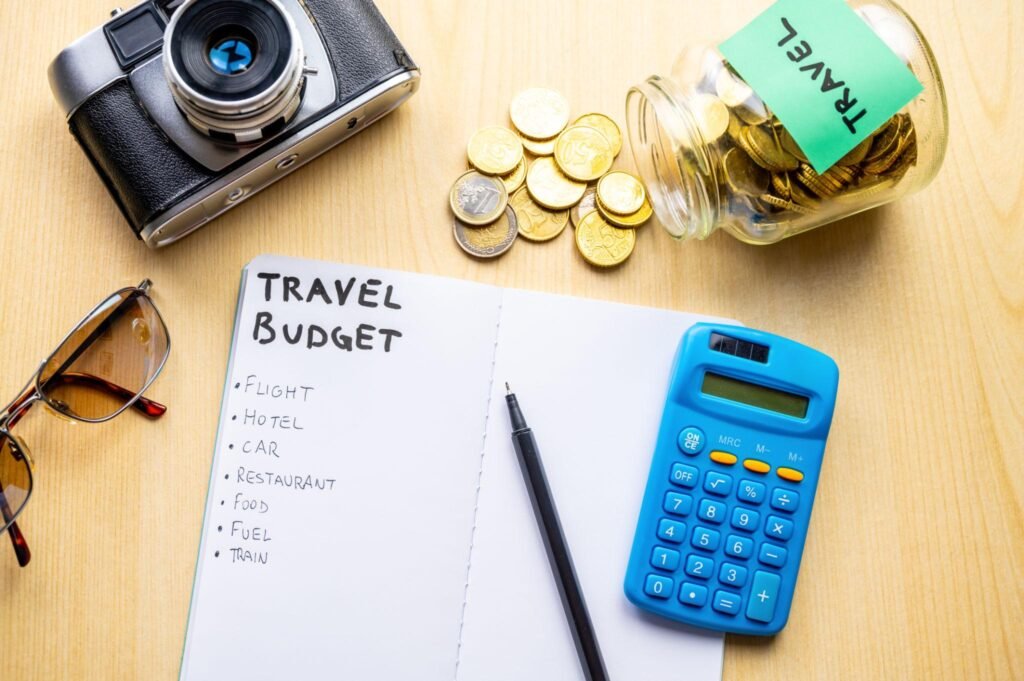
What This Guide Does Differently
Instead of generic “save money” tips, this guide maps every hidden travel cost across the full journey:
- Pre-trip: visas, insurance, forex spread, SIM/eSIM
- In transit: baggage rules, seat fees, airport transfers
- On the ground: taxes, tipping, transport, attraction pricing
- Financial traps: DCC, ATM fees, roaming overages
- Edge cases: delays, deposits, emergency spend
More importantly, you’ll get decision rules you can actually use:
- When to prepay vs pay locally
- When a “cheap” flight/hotel is actually expensive
- How to cap daily micro-spend without killing your experience
Simple benchmark: If you’re not adding a 20–30% buffer to your base budget, you’re underestimating your true travel cost.
Smart travel isn’t about cutting experiences—it’s about seeing the full price before you pay it.
Why Travel Budgets Often Go Wrong
Most travel budgets don’t fail because people are careless—they fail because they’re incomplete. What looks like a well-planned itinerary usually ignores the real cost layers of travel: micro-expenses, behavioral spending, and invisible financial fees. Let’s break down exactly where things go wrong—and how to fix it.
The “Flight + Hotel” Budget Myth
Most travelers build their budget around two numbers: flight + hotel. Everything else is treated as “minor.” That’s the mistake.
In reality, those “minor” costs are where the budget leaks:
- A ₹500 airport transfer (each way)
- ₹300–₹800 daily local transport
- ₹200 bottled water × 3 times/day in Europe
- Attraction tickets (₹1000–₹3000 per site)
Real example:
A “budget” trip to Thailand:
- Flights + hotel: ₹60,000
- Actual spend after 5 days: ₹82,000
→ Extra ₹22,000 came from food, island transfers, entry tickets, and small upgrades.
Practical insight:
Instead of budgeting top-down, use a daily burn rate model:
- Budget per day (all-in): ₹4000–₹8000 depending on destination
- Multiply by number of days
- THEN add flights & hotels
This gives a far more realistic picture than the traditional method.
Psychological Spending Triggers While Traveling

Even with a perfect budget, your behavior can break it.
Travel puts you in a high-spending mindset:
- “It’s just ₹500 more for a better view”
- “This experience is once in a lifetime”
- “I’ll save later, let me enjoy now”
These decisions feel justified—and they are—but they compound fast.
Where it shows up most:
- Upgrading transport (metro → cab)
- Choosing convenience (delivery apps, guided tours)
- Food splurges (tourist restaurants vs local spots)
- Last-minute bookings (always priced higher)
Real insight:
People don’t overspend on big things—they overspend on frequency.
Fix this with one rule:
Set a “flex budget” (20–30%) specifically for guilt-free spending.
Once it’s used, switch back to strict mode.
This way, you enjoy your trip without financial regret later.
Currency Conversion Illusion

This is one of the most overlooked yet most expensive hidden travel costs.
When you’re abroad, prices don’t feel real:
- €5 coffee feels cheap vs ₹450
- $10 Uber feels minor vs ₹800
So you spend more frequently without realizing the impact.
But the bigger problem is how you pay.
Hidden traps:
- Dynamic Currency Conversion (DCC):
Paying in INR instead of local currency adds 3–8% extra per transaction - ATM withdrawals:
₹200–₹500 per withdrawal + forex markup - Bank FX fees:
2–5% on every card swipe
Example:
Spend $1000 on a trip → lose ₹3000–₹8000 just in conversion + fees.
Golden rule:
- Always pay in local currency
- Use zero forex markup cards
- Withdraw larger amounts fewer times
Key Takeaway
Most travel budgets fail because they:
- Focus only on flights and hotels
- Ignore daily micro-expenses
- Underestimate psychological spending
- Lose money in currency conversion fees
👉 Fix: Plan with a full-cost mindset, not a headline price.
Pre-Trip Hidden Costs You Must Consider
Most travelers focus on saving money during the trip—but the biggest budget leaks often happen before you even leave your home. These pre-trip expenses are easy to overlook because they’re fragmented, one-time payments. But combined, they can quietly add 10–25% extra to your total travel cost.
Visa Fees & Processing Charges
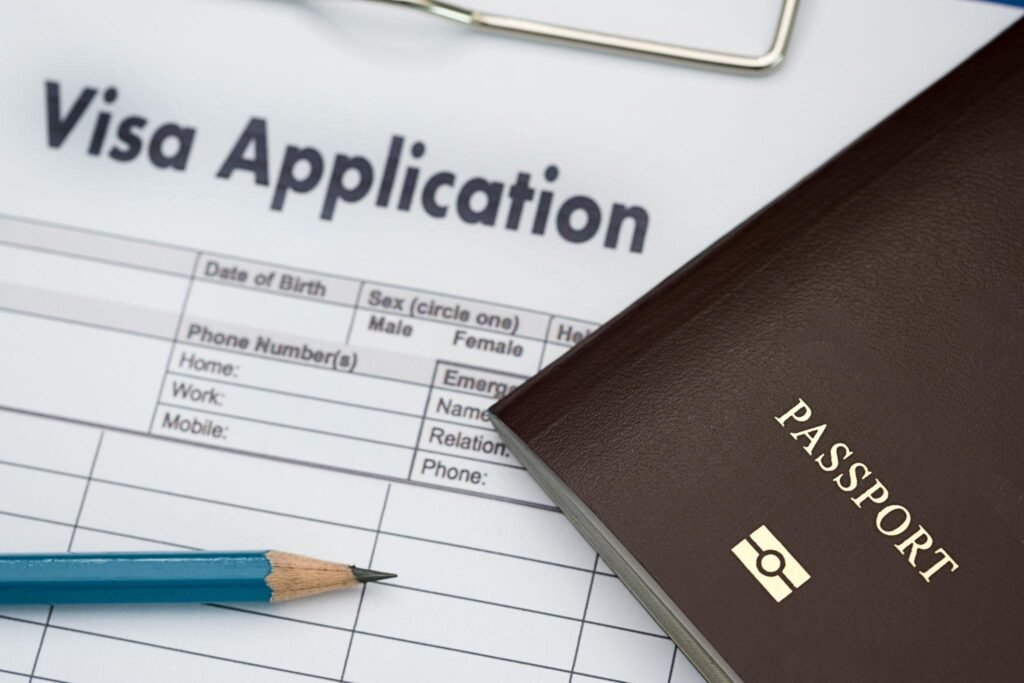
Visa costs vary massively depending on your destination—and they’re rarely just a single fee.
What travelers miss:
- Application fees (₹2000–₹12,000 depending on country)
- Service/agency charges (₹500–₹3000)
- Biometric fees or appointment charges
- Courier/document handling costs
Urgent visa = premium pricing
If you’re short on time, expedited processing can cost 2x–3x more.
Real example:
- Schengen visa: ~₹7000 + VFS fee + travel insurance mandatory
- UAE visa: ₹6000–₹8000 depending on duration
- USA visa: ₹15,000+ (non-refundable, even if rejected)
Pro tip:
Apply early and check official embassy sites only. Third-party agents often add unnecessary markups.
Travel Insurance (Often Ignored, Highly Critical)

Skipping travel insurance to “save money” is one of the most expensive mistakes you can make.
Why it matters:
- Medical treatment abroad can cost ₹50,000 to ₹5,00,000+ for even minor issues
- Emergency hospitalization in countries like the US can bankrupt a trip
- Lost baggage compensation saves you from re-buying essentials
What good insurance covers:
- Medical emergencies & hospitalization
- Trip cancellation/interruption
- Lost/delayed baggage
- Passport loss assistance
Real insight:
For most trips, insurance costs just ₹300–₹1000 per day—but can save lakhs.
Pro tip:
Choose plans with:
- Zero or low deductible
- Cashless hospitalization
- COVID & travel disruption coverage
Vaccinations & Health Requirements

This is a hidden cost many travelers don’t even consider—until it becomes mandatory.
Mandatory vs Optional:
- Mandatory:
- Yellow fever vaccine (required for parts of Africa & South America)
- Recommended:
- Hepatitis A/B, Typhoid, Rabies (depending on destination)
Costs involved:
- Vaccination: ₹1500–₹5000 per dose
- Travel clinic consultation: ₹500–₹2000
Real example:
Traveling to countries like Brazil or Kenya without a Yellow Fever certificate can result in denied entry.
Pro tip:
Visit a travel clinic 4–6 weeks before departure—some vaccines require multiple doses.
International SIM Cards / eSIM

Staying connected abroad isn’t free—and poor planning here leads to massive hidden costs.
Your options:
- International roaming (worst choice)
- ₹500–₹3000/day
- Local SIM card
- Cheap, but requires KYC + setup time
- eSIM (best balance)
- Instant activation, ₹800–₹3000 depending on data
Common mistake:
Using roaming “just for a day” → ends up active for the entire trip.
Real insight:
Google Maps + Instagram + browsing can easily use 1–2 GB/day.
Pro tip:
- Buy eSIMs before departure
- Download offline maps
- Use WiFi for heavy usage
Currency Exchange Fees (The Silent Budget Killer)
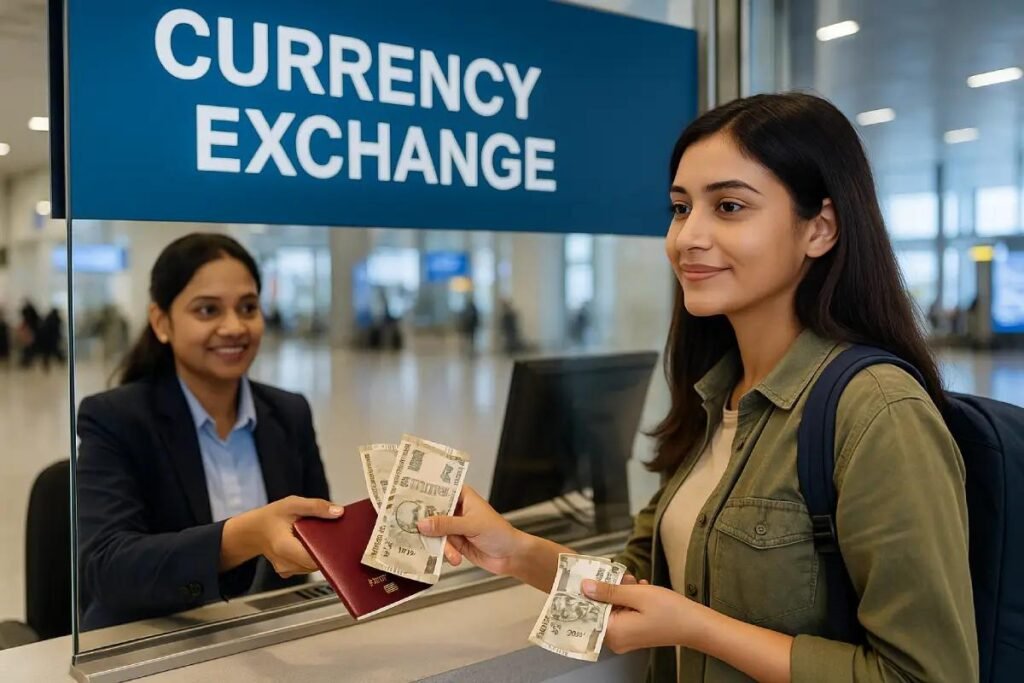
Currency exchange is one of the least visible but most consistent losses in your travel budget.
Where you lose money:
- Airport exchange rates (worst rates, 5–10% loss)
- Credit/debit card forex markup (2–5%)
- ATM withdrawal fees abroad
Real example:
Exchanging ₹1,00,000 at the airport can cost you ₹5000–₹10,000 in hidden margins.
Better options:
- Forex cards (lower markup, fixed rates)
- Zero forex credit cards
- Withdrawing larger amounts fewer times
Golden rule:
👉 Always avoid airport exchanges unless it’s an emergency.
Quick Pre-Trip Cost Checklist
Before you travel, make sure you’ve budgeted for:
- Visa + processing fees
- Travel insurance
- Vaccinations & health checks
- SIM/eSIM or connectivity
- Currency exchange & forex charges
👉 Smart travelers plan these upfront—everyone else pays for them later.
Flight-Related Hidden Costs
Flights look cheap on search results—but that headline price is rarely what you’ll actually pay. Airlines (especially low-cost carriers) rely on unbundled pricing: the ticket gets you from A to B, and almost everything else is an add-on. If you don’t plan for these extras, your “cheap flight” can quietly become expensive.
Baggage Fees (Carry-on Isn’t Always Free)
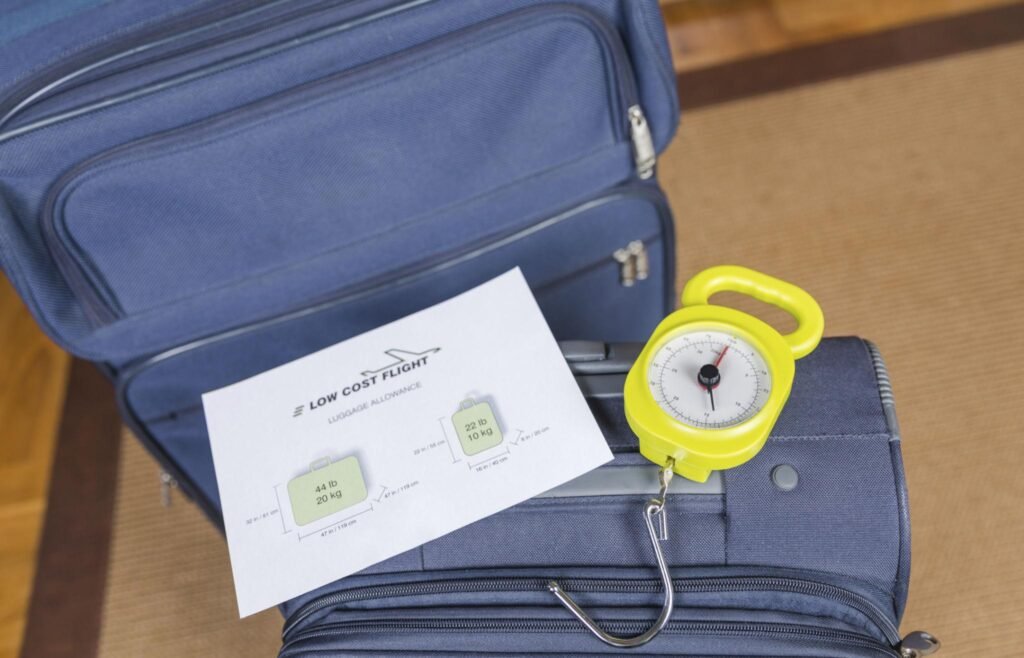
One of the biggest surprises for travelers is that carry-on baggage isn’t always included.
How airlines charge:
- Basic fares may allow only a small personal item (like a laptop bag)
- Cabin baggage (7–10 kg) often costs extra
- Checked baggage fees increase closer to departure
Budget airline tricks:
- Strict size/weight checks at boarding gates
- Heavy penalties for even 1–2 kg extra
- Charging per bag, not total weight
Real example:
A ₹4000 flight can turn into ₹6500 after adding:
- ₹1500 cabin bag
- ₹1000 checked baggage
Pro tips:
- Always read baggage policy before booking
- Pre-book luggage online (cheaper than airport rates)
- Use compression packing to avoid extra bags
Seat Selection Charges
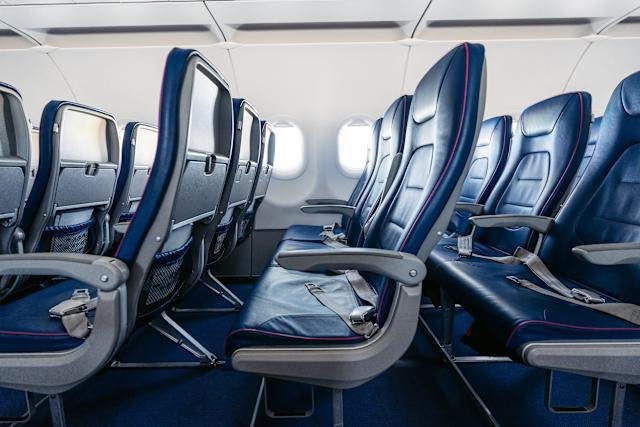
Choosing your seat isn’t free anymore—especially on budget and long-haul flights.
What you’ll pay for:
- Window or aisle seats
- Extra legroom seats
- Sitting together (critical for families)
Why it matters:
- On long flights (6–12 hours), comfort directly impacts your experience
- Families often have to pay to sit together
Real insight:
Seat selection can cost:
- ₹300–₹1500 (short-haul)
- ₹2000–₹8000 (long-haul premium seats)
Hidden catch:
If you skip seat selection, airlines may auto-assign separate seats—even for couples.
Pro tips:
- Check-in early (some airlines release free seats)
- Use airline loyalty programs or credit cards for free selection
- Decide: comfort vs cost before booking
In-flight Food & Drinks
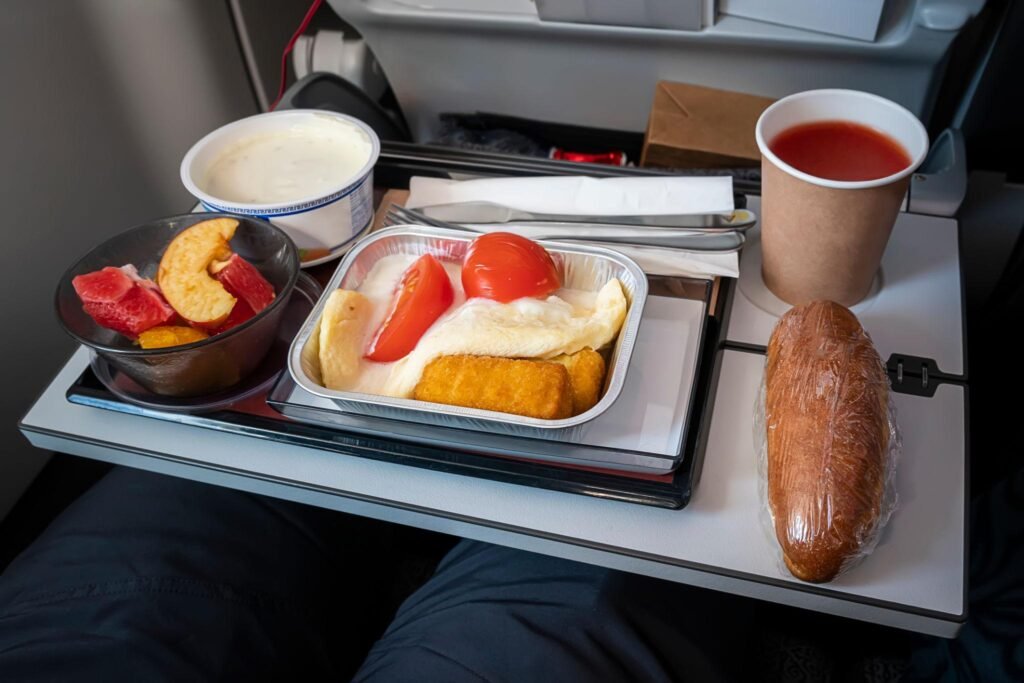
That cheap ticket? It probably doesn’t include food.
Especially on low-cost airlines:
- Meals cost ₹300–₹1000 per item
- Even water may not be free
- Combo meals are overpriced compared to airport food
Real example:
A 4-hour flight:
- Sandwich + drink = ₹700–₹1200
Multiply that for couples/families → noticeable expense
Smart strategies:
- Pre-book meals online (20–30% cheaper)
- Carry snacks from the airport
- Stay hydrated before boarding
Airport Transfers (The First & Last Hidden Expense)

You’ve landed—but your spending hasn’t stopped. Getting to and from the airport is often ignored in budgets.
Your options (cost vs convenience):
- Taxi/Uber: Fast but expensive (₹1000–₹4000 depending on city)
- Airport shuttle: Mid-range, shared ride
- Metro/train: Cheapest, but less convenient with luggage
Where people overspend:
- Late-night arrivals → limited public transport
- Surge pricing on ride apps
- Tourist pricing in unfamiliar cities
Real example:
In cities like London or New York:
- Airport taxi: ₹6000–₹10,000
- Train/metro: ₹800–₹1500
Pro tips:
- Research airport transport before landing
- Save offline maps & routes
- If traveling in a group, taxis may be cost-effective per person
Key Takeaway
Flight tickets are just the base cost. Hidden airline expenses include:
- Baggage fees
- Seat selection charges
- In-flight meals
- Airport transfers
👉 Always calculate the “total flight cost,” not just the ticket price.
Accommodation Hidden Costs
Accommodation prices often look straightforward—until checkout. What you see on booking platforms is rarely the final amount you pay. Hotels, resorts, and even budget stays frequently add layered charges that can increase your total cost by 15–40%.
Resort Fees & Service Charges

These are the most frustrating hidden costs because they’re often mandatory—but not clearly shown upfront.
Where they’re common:
- USA: “Resort fees” ($20–$50 per night)
- Europe: Service charges included or added later
- Southeast Asia: 10% service + 7% tax (Thailand, Bali)
What they claim to cover:
- WiFi access
- Pool/gym usage
- Housekeeping
- “Resort amenities”
Reality:
You pay for facilities you may never use.
Real example:
Hotel listed at $120/night → Final cost becomes $150 after:
- $25 resort fee
- Taxes & service charges
Pro tip:
Always check the “final price breakdown” before booking—not just the headline rate.
Taxes Not Included in Booking Price

This is where most travelers get checkout shock.
Many platforms (and hotels) show prices excluding taxes, especially:
- VAT / GST
- City/tourist taxes (per night, per person)
- Environmental or sustainability fees
Global examples:
- Europe: €2–€7 per person per night (city tax)
- USA: 10–20% added taxes at checkout
- Dubai: Tourism Dirham fee per night
Real insight:
A 5-night stay can easily add ₹5000–₹15,000 extra just in taxes.
Pro tip:
- Look for “price includes taxes” filter
- Always simulate checkout before confirming booking
Early Check-in / Late Check-out Fees

Flight timings rarely match hotel policies—and that mismatch costs money.
Typical policies:
- Check-in: 2 PM–4 PM
- Check-out: 10 AM–12 PM
Hidden cost triggers:
- Early morning arrival → forced to book previous night
- Late departure → charged half-day or full-night
Real example:
Arriving at 6 AM in Bali → pay ₹3000–₹8000 extra for early access.
Pro tips:
- Email hotel in advance (sometimes free based on availability)
- Use luggage storage instead of paying for early check-in
- Book flexible stays if timing is critical
Security Deposits (Refund Delays Included)

Security deposits don’t always cost you—but they block your money.
How it works:
- Hotels place a hold (₹5000–₹20,000 or more) on your card
- Refunded after checkout (can take 3–15 days)
Hidden problems:
- Reduces your available travel budget
- Currency fluctuations may cause small losses
- Refund delays create cash flow issues during trips
Real insight:
Luxury hotels can block ₹30,000+ per stay, especially internationally.
Pro tips:
- Use a credit card (not debit) to avoid cash blockage
- Confirm deposit amount before booking
- Take photos of room condition to avoid disputes
Paid Amenities (WiFi, Gym, Minibar & More)
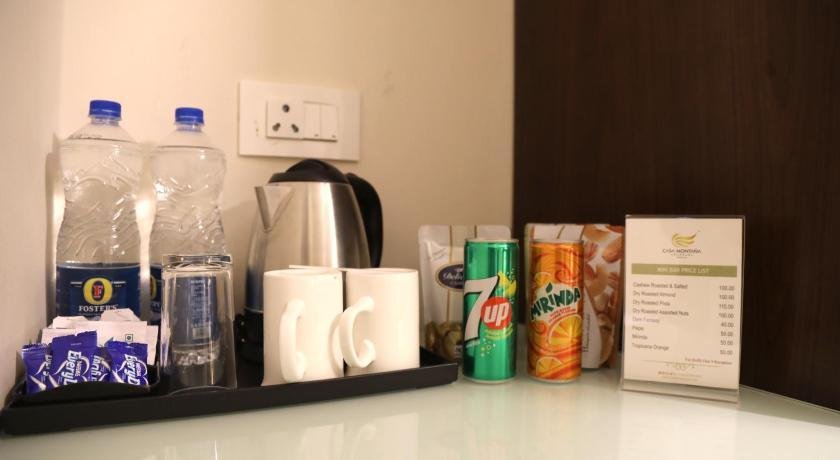
Not everything in your room is free—even if it feels like it should be.
Common paid extras:
- Premium WiFi (basic may be free, high-speed paid)
- Minibar snacks & drinks (often 3–5x market price)
- Laundry services (very expensive)
- Gym/spa access in some hotels
Real example:
- Water bottle from minibar: ₹300–₹800
- Laundry per shirt: ₹500–₹1000
Hidden trap:
Minibar items are auto-charged—even if you just move them.
Pro tips:
- Buy essentials from local stores
- Confirm what’s free vs paid at check-in
- Avoid minibar unless necessary
Key Takeaway
Accommodation costs go beyond the room price. Hidden hotel expenses include:
- Resort & service fees
- Taxes not shown upfront
- Early check-in / late check-out charges
- Security deposit holds
- Paid amenities like WiFi and minibar
👉 Always calculate the “final stay cost,” not just the nightly rate.
Daily Travel Expenses That Add Up Fast
Even if you’ve planned flights and hotels perfectly, it’s the daily, repeat expenses that quietly inflate your total trip cost. These aren’t big-ticket items—but they happen multiple times a day, which makes them the biggest budget killer over time.
Local Transportation Costs
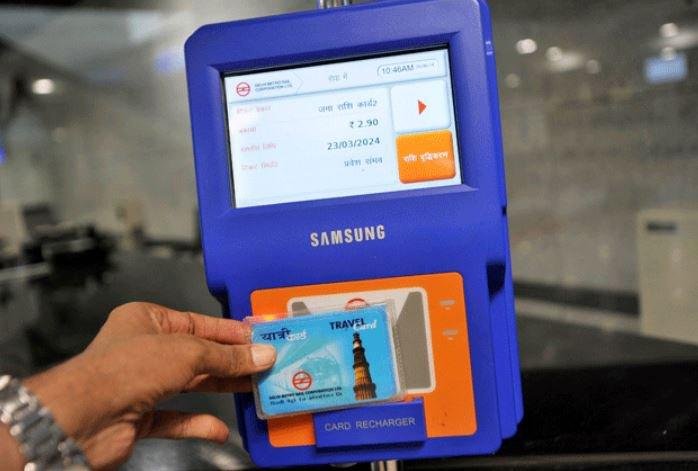
Getting around is unavoidable—and often underestimated.
Typical daily spend:
- Metro/bus pass: ₹200–₹600
- Uber/taxi rides: ₹300–₹1500 per trip
- Scooter rentals (Asia): ₹500–₹1000/day
Where costs spike:
- Choosing taxis over public transport for convenience
- Traveling in large cities (London, New York, Dubai)
- Late-night rides (limited public options → surge pricing)
Real example:
Taking 2–3 Uber rides daily in Europe → ₹2000–₹4000/day just on transport.
Pro tips:
- Buy daily/weekly metro passes (huge savings)
- Walk for short distances (most tourist areas are walkable)
- Use ride-sharing only when necessary
Food & Dining Surprises
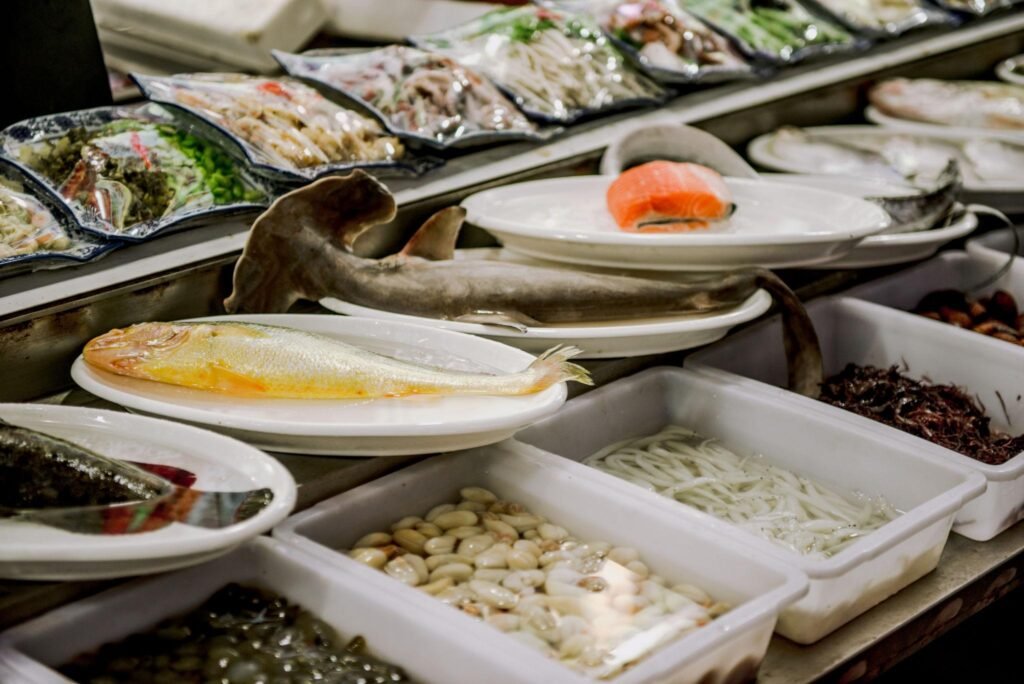
Food isn’t just about the menu price—hidden charges and habits make a big difference.
Common hidden costs:
- Service charges (5–15%)
- Tipping (15–25% in countries like the USA)
- Taxes added after the bill
Global differences:
- USA: Tipping is mandatory → meal cost increases 20–30%
- Europe: Service included, but rounding off/tips expected
- Asia: Mostly no tipping, but tourist restaurants charge more
Real example:
A $20 meal in the US → becomes $26–$30 after tax + tip.
Behavior trap:
Eating at tourist hotspots instead of local spots = 2x–3x higher cost.
Pro tips:
- Eat where locals eat
- Check menu prices outside before entering
- Budget meals separately from “experience dining”
Drinking Water Costs (Often Ignored)

In many countries, water isn’t free—and this becomes a recurring expense.
Where it adds up:
- Europe: €2–€5 per bottle
- Airports: even higher pricing
- Restaurants: bottled water instead of tap
Real example:
Buying 3 bottles/day at €3 each → €9/day → €63/week (~₹5500)
Smart alternatives:
- Carry a reusable bottle
- Use public refill stations (common in Europe)
- Ask for tap water where safe
Tourist Attraction Fees

This is where “experience spending” quietly stacks up.
Typical costs:
- Museums/monuments: ₹500–₹2000 per entry
- Theme parks: ₹3000–₹8000
- Camera/video fees: extra ₹200–₹1000
Hidden factors:
- Higher pricing for foreign tourists
- Separate tickets for different sections
- Skip-the-line passes (tempting but costly)
Real example:
Visiting 3 attractions/day in Europe → ₹3000–₹6000 daily spend.
Pro tips:
- Look for city tourist passes (bundle discounts)
- Prioritize must-visit attractions (avoid overbooking your itinerary)
- Book tickets online (often cheaper)
Public Toilets Charges (Underrated but Real)
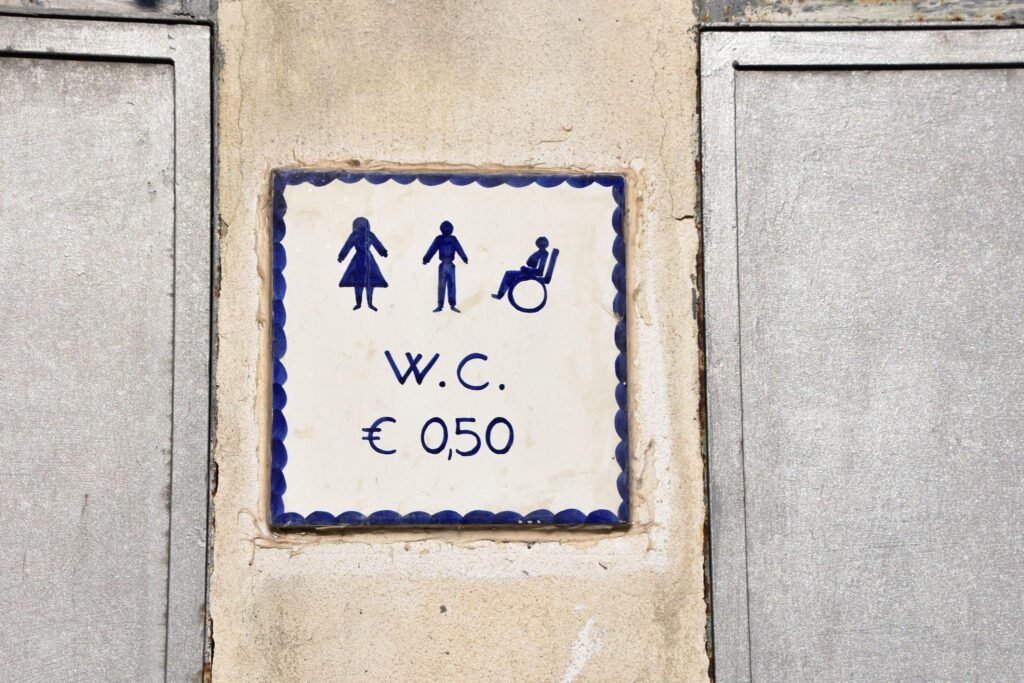
It sounds small—but it’s one of the most unexpected daily expenses.
Where it applies:
- Europe (common): €0.5–€2 per use
- Train stations, tourist areas, malls
Why it matters:
- 2–3 uses/day → €2–€5 daily
- Over a week → €15–€30 (~₹1300–₹2700)
Pro tips:
- Use restrooms in cafes/museums (often free for customers)
- Carry coins (many places don’t accept cards)
- Plan stops to avoid frequent paid usage
Key Takeaway
Daily travel expenses add up because they are:
- Frequent (multiple times per day)
- Easy to ignore individually
- Influenced by convenience and behavior
👉 The biggest hidden daily costs include:
- Transportation
- Food & tipping
- Drinking water
- Attraction tickets
- Public restroom fees
Rule: Control your daily burn rate, or your total budget will spiral.
Smart Traveler Trap Expenses
These are the costs that don’t look like “travel expenses” at all—but they quietly drain your budget through fees, bad payment choices, and convenience traps. Even experienced travelers lose money here because these charges are hidden inside transactions, not shown upfront.
ATM Withdrawal Fees Abroad
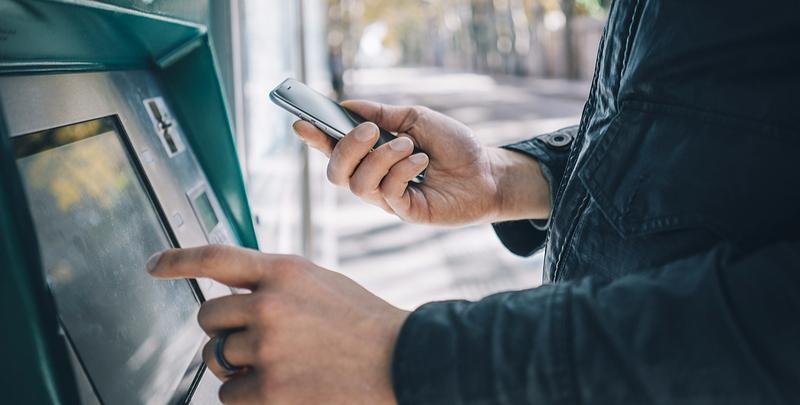
Withdrawing cash abroad seems simple—but it often comes with triple-layer charges.
What you actually pay:
- Your bank’s international withdrawal fee (₹200–₹500 per transaction)
- Local ATM operator fee (₹200–₹600)
- Currency conversion markup (2–5%)
Real example:
Withdraw ₹20,000 equivalent → lose ₹600–₹1500 in combined fees.
Common mistake:
Taking out small amounts frequently → multiplies fixed fees.
Pro tips:
- Withdraw larger amounts fewer times
- Use international-friendly debit/forex cards
- Always decline ATM currency conversion (choose local currency)
Dynamic Currency Conversion (DCC) Scam

This is one of the most common and least understood travel money traps.
When you pay by card abroad, the machine may ask:
👉 “Pay in INR or local currency?”
It feels logical to choose INR—but that’s exactly how you lose money.
Why DCC is expensive:
- Merchants apply their own exchange rate (worse than bank rates)
- Hidden markup of 3–8% per transaction
Real example:
€100 purchase:
- Pay in EUR → bank rate applied (cheaper)
- Pay in INR → ₹300–₹800 extra lost instantly
Golden rule:
👉 Always choose local currency, never your home currency.
Mobile Data Overages (Roaming Bill Shock)

Mobile data is one of the fastest ways to accidentally overspend while traveling.
Roaming costs:
- ₹500–₹3000 per day (depending on country & provider)
- Extra charges if you exceed limits
Where people go wrong:
- Keeping roaming “on” in the background
- Using maps, Instagram, YouTube freely
- Not tracking daily data usage
Real example:
Using roaming casually for 5 days → ₹5000–₹15,000 bill.
Smarter alternatives:
- Buy eSIM or local SIM before arrival
- Use hotel/public WiFi for heavy usage
- Download offline maps (Google Maps offline feature)
Travel Apps & Subscriptions
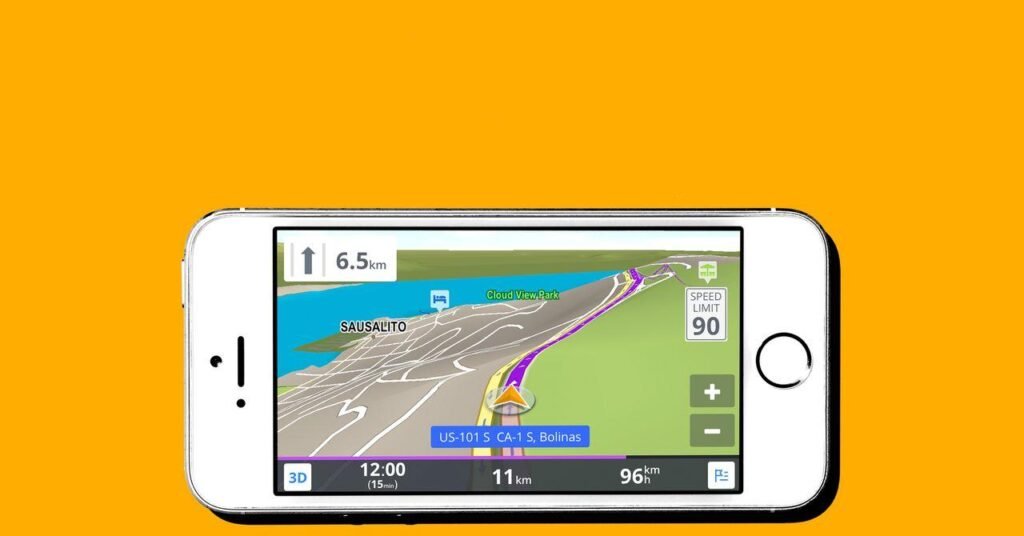
Travel apps make life easier—but they can also introduce hidden recurring costs.
Common paid features:
- Offline maps (premium versions)
- VPN services for secure browsing
- Flight alerts & booking tools
- Translation apps with offline packs
Hidden trap:
- Free trials that auto-renew during your trip
- Small charges (₹200–₹1000) that go unnoticed
Real insight:
Using 3–4 paid tools → ₹2000–₹5000 extra per trip.
Pro tips:
- Download free offline resources in advance
- Cancel trials before they renew
- Use one all-in-one travel app instead of multiple subscriptions
Key Takeaway
Smart travelers still lose money through:
- ATM withdrawal fees
- Dynamic currency conversion (DCC)
- Mobile roaming overages
- App subscriptions & hidden charges
👉 These aren’t obvious expenses—but they can silently add 5–15% extra to your total trip cost.
Rule: Optimize how you pay, not just what you buy.
Shopping & Souvenir Overspending
Shopping is where budgets quietly collapse—not because items are expensive, but because purchases feel optional, emotional, and harmless. A few souvenirs here, a “great deal” there… and suddenly you’ve added 10–30% extra to your trip cost without realizing it.
Tourist Price Inflation

In many destinations, especially across Asia, Africa, and parts of Europe, prices are not fixed—and tourists are often quoted higher rates.
How it works:
- Vendors quote 2x–5x higher prices for tourists
- Prices vary based on appearance, confidence, and negotiation skills
- “Special price for you” is rarely special
Where it’s common:
- Street markets (Thailand, Bali, Morocco, Turkey)
- Souvenir stalls near major attractions
- Beachside vendors
Real example:
A souvenir priced at ₹200 locally → quoted ₹800 to tourists.
Practical strategy:
- Start bargaining at 40–50% of quoted price
- Compare prices at multiple shops before buying
- Walk away—this is your strongest negotiating tool
Pro tip:
If bargaining feels uncomfortable, shop at fixed-price stores to avoid overpaying.
Import Duties & Customs Fees
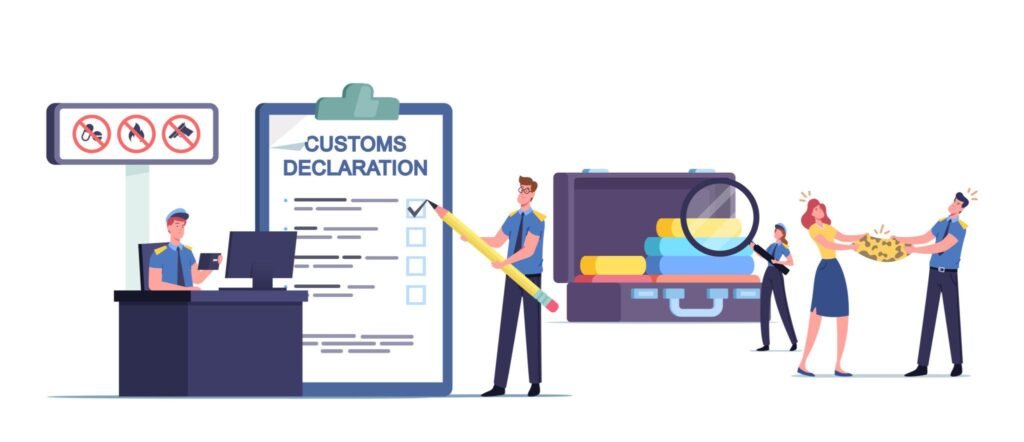
That “great deal abroad” isn’t always a deal once you factor in import duties and customs rules.
What travelers forget:
- Duty-free limits vary by country
- Items above the limit are taxed on arrival
- Electronics and luxury goods attract higher duties
Common high-duty items:
- Smartphones, laptops, cameras
- Luxury watches, handbags
- High-value fashion items
Real example (India context):
- Duty-free allowance: ~₹50,000 (approx., varies by category)
- Exceeding items → 30–40% duty on excess value
Hidden trap:
- Combining multiple purchases → total crosses limit
- Removing packaging doesn’t always avoid duty
Pro tips:
- Know your country’s customs allowance before shopping
- Keep invoices handy (officials may estimate higher value otherwise)
- Split purchases across travelers if allowed
Shipping Costs for Souvenirs
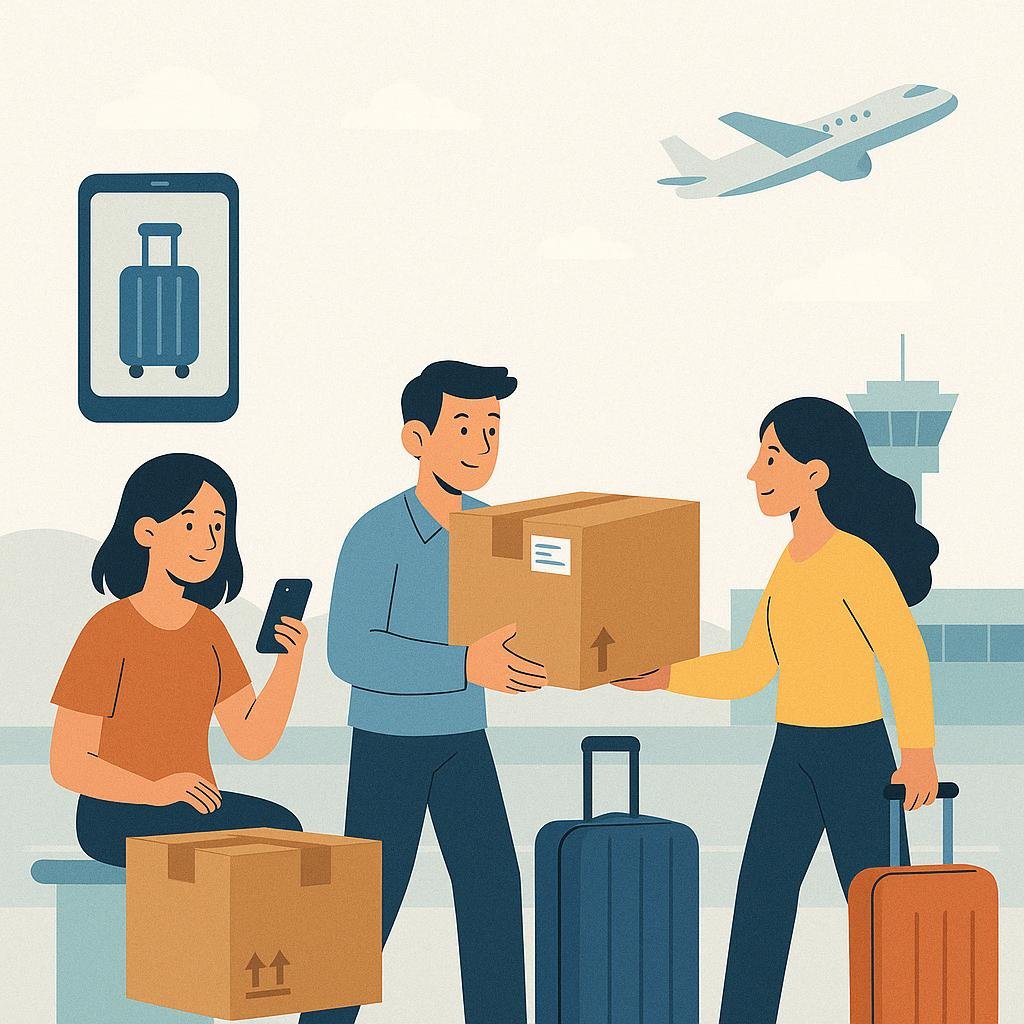
When your luggage fills up, shipping seems like a smart option—but it’s often more expensive than expected.
What you’ll pay for:
- International courier charges (₹2000–₹8000+)
- Packaging and handling fees
- Customs duties on arrival (again)
Where people overspend:
- Shipping heavy items (ceramics, decor, artwork)
- Express delivery options (2x–3x cost)
- Not comparing courier services
Real example:
Shipping a 5 kg package internationally → ₹4000–₹10,000 depending on speed and destination.
Better alternatives:
- Buy lightweight, compact souvenirs
- Use extra baggage allowance instead of shipping
- Check airline baggage upgrade cost vs shipping—it’s often cheaper
Key Takeaway
Shopping abroad can increase your travel budget due to:
- Tourist price inflation
- Import duties & customs taxes
- Expensive international shipping
👉 Rule: A “cheap deal” isn’t cheap unless you calculate the final cost after taxes, duty, and transport.
Emergency & Unexpected Costs
Even the best-planned trips can go sideways. These costs don’t show up in itineraries—but when they do, they hit hard and fast. The difference between a minor inconvenience and a budget disaster usually comes down to preparation, coverage, and quick decisions.
Medical Emergencies Abroad
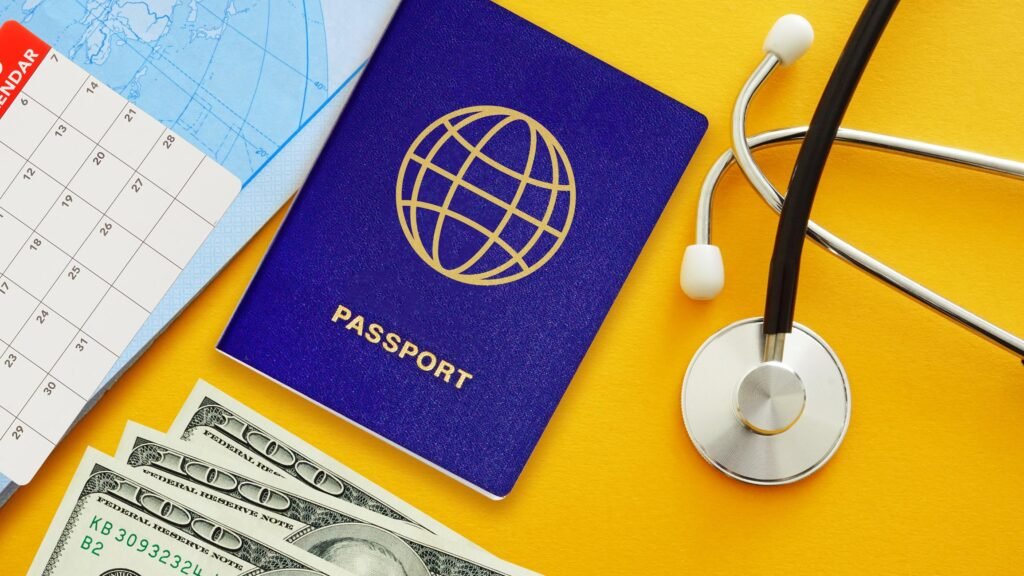
Healthcare costs abroad vary wildly—and without insurance, even a small issue can become a major financial hit.
What it can cost (no insurance):
- Doctor visit: ₹5,000–₹20,000
- Emergency room: ₹30,000–₹1,50,000+
- Hospitalization (1–3 days): ₹1–5 lakh+ (higher in the US)
- Ambulance: ₹10,000–₹80,000 depending on country
Real scenario:
A simple food poisoning case in the US with IV fluids and tests can cross ₹1 lakh. In Europe, public hospitals may be cheaper—but tourists still pay upfront.
What reduces risk (and cost):
- Comprehensive travel insurance (medical + evacuation)
- Cashless network hospitals or 24/7 insurer helpline
- Carrying prescriptions/medical history digitally
Pro tips:
- Don’t skip insurance to “save” ₹1000/day—it’s the highest ROI spend on your trip
- Call your insurer before treatment when possible to activate cashless care
- Keep a small emergency fund (₹20,000–₹50,000) accessible
Lost or Stolen Items

Losing valuables isn’t rare—phones, wallets, and even passports are common targets in crowded tourist areas.
Immediate costs you’ll face:
- Phone replacement: ₹20,000–₹1,00,000+
- Emergency cash/cards: transfer or withdrawal fees
- Passport replacement: ₹5,000–₹15,000 + travel to embassy
- Essentials re-buy (clothes, toiletries): ₹5,000–₹20,000
Hidden costs:
- Time lost (embassy visits, police reports)
- Transport to consulates/airports
- Missed bookings or tours
Real scenario:
A stolen phone + wallet in Barcelona → ₹40,000+ combined impact (device + cards + emergency logistics).
Pro tips:
- Use a money belt/anti-theft bag in crowded areas
- Keep digital copies of passport, visa, tickets
- Split cash/cards across bags
- Enable phone tracking & remote lock before traveling
Trip Delays & Missed Flights
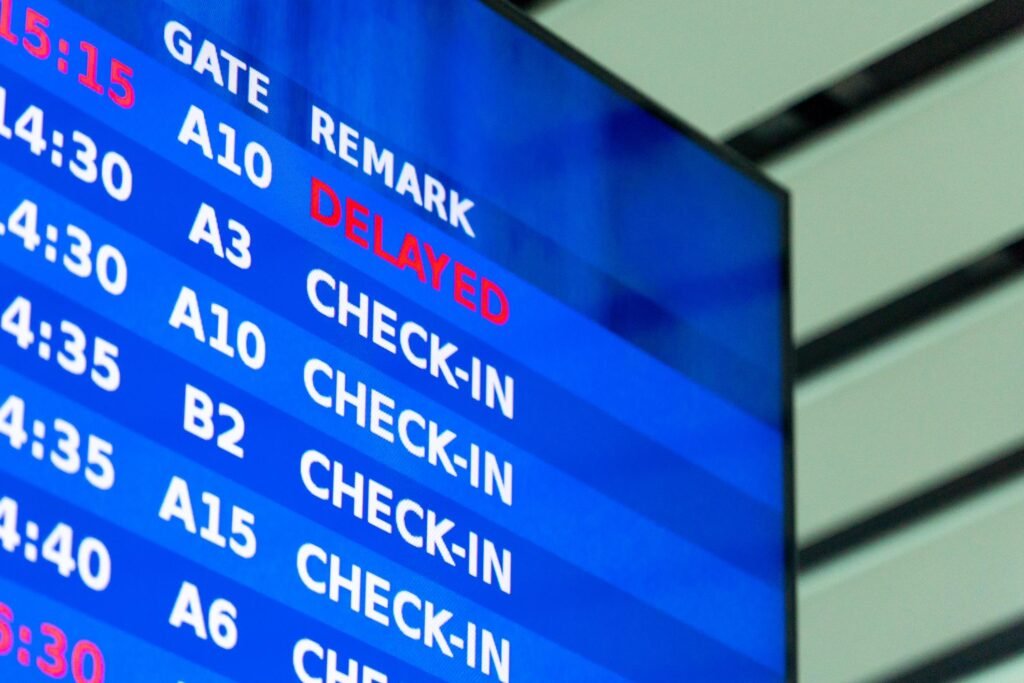
Delays and missed connections don’t just disrupt plans—they create instant, unplanned expenses.
Where costs come from:
- Last-minute rebooking (₹5,000–₹30,000+)
- Extra hotel night (₹3,000–₹15,000)
- Meals & transport during delays
- Lost bookings (non-refundable tours, stays)
High-risk situations:
- Tight layovers (<2 hours for international)
- Separate bookings (self-transfer flights)
- Weather disruptions or peak travel seasons
Real example:
Missing a connecting flight in Dubai → new ticket ₹18,000 + hotel ₹6,000 + meals ₹2,000.
Pro tips:
- Keep minimum 3-hour buffer for international connections
- Prefer single-ticket itineraries (airline responsibility for delays)
- Check if your credit card offers trip delay insurance
- Track flights in real-time and act early if delays start
Key Takeaway
Emergency travel costs can include:
- Medical bills without insurance
- Replacing lost or stolen items
- Rebooking flights after delays
👉 These expenses are unpredictable—but fully manageable with preparation.
Rule: Don’t just budget for the best-case trip—plan for the worst-case scenario.
Hidden Costs by Destination Type
Not all destinations drain your budget in the same way. The type of hidden costs changes by region—tax systems, payment culture, and infrastructure all influence how much you actually spend. Understanding these patterns lets you predict expenses before you book and avoid country-specific traps.
Europe Travel Hidden Costs

Europe looks organized and transparent—but costs are layered and frequent.
Where you’ll spend more than expected:
- City taxes: €2–€7 per person per night (paid at hotel)
- Trains & intercity travel: High-speed rail tickets can exceed flights
- Museum & attraction fees: €10–€30 per site
- Public utilities: Paid toilets, bottled water, luggage storage
Real example:
5 days in Paris/Rome:
- City tax: €25–€50 total
- Attractions: €100–€200
- Transport: €80–€150
Pro tips:
- Buy city passes for bundled attraction access
- Book trains early (prices increase closer to date)
- Carry coins for daily small expenses
Southeast Asia Hidden Costs
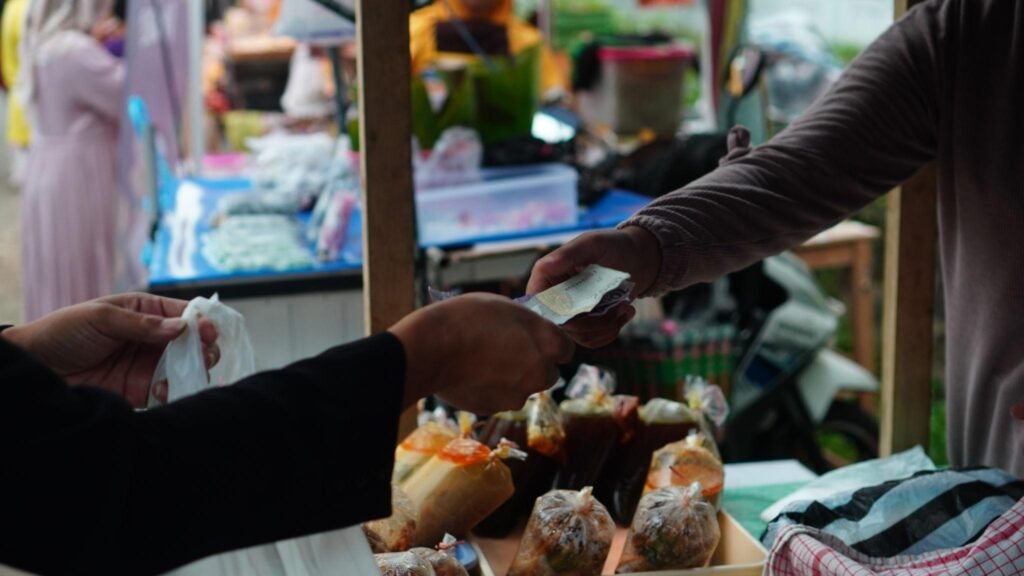
Southeast Asia feels cheap—but costs come from frequency and cash dependency.
Hidden expense patterns:
- Visa runs/extensions: Required for longer stays (₹3000–₹10,000+)
- Cash economy: Frequent ATM withdrawals → repeated fees
- Tour add-ons: Island hopping, activities, entry fees not bundled
- Transport fragmentation: Multiple small payments (boats, tuk-tuks, taxis)
Real example:
Thailand trip:
- ATM fees (5 withdrawals): ₹1500+
- Island tour add-ons: ₹2000–₹5000 extra
Pro tips:
- Carry larger cash amounts to reduce ATM fees
- Always confirm “what’s included” in tours
- Use local apps for fair pricing (avoid tourist markup)
USA Travel Hidden Costs
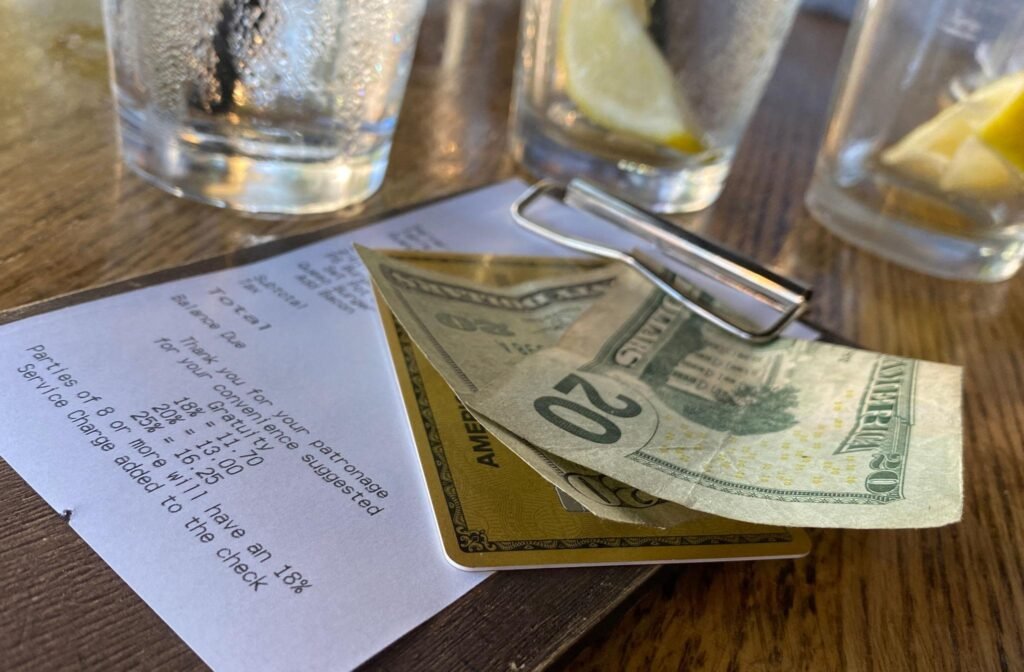
The US is one of the most expensive destinations—not just because of prices, but because of add-on culture.
Major hidden costs:
- Sales tax: 7–10% added at checkout (not shown in price tags)
- Tipping culture: 15–25% mandatory in restaurants, taxis, services
- Transport: Uber/taxis are expensive in major cities
- Hotel resort fees: $20–$50 per night in many hotels
Real example:
$100 meal:
- Tax + tip → $120–$130 actual spend
Pro tips:
- Always mentally add +25% buffer on food/services
- Use public transport where possible (NYC, Chicago)
- Check “final price including taxes” before booking hotels
Middle East Travel Hidden Costs
The Middle East (especially UAE, Qatar) is known for luxury—but the real cost lies in premium add-ons and service culture.
Where budgets increase:
- Tourism taxes: Per-night hotel fees (e.g., Dubai Tourism Dirham)
- Service charges: 10–15% added in hotels/restaurants
- Luxury experiences: Desert safaris, fine dining, attractions
- Transport: Taxis preferred over public transport
Real example (Dubai):
- Hotel listed at ₹8000/night → ₹9500+ after fees
- Desert safari advertised ₹2500 → ₹4000+ with add-ons
Pro tips:
- Pre-book experiences with clear inclusions
- Use metro where available (clean & affordable)
- Set a daily luxury budget to control overspending
Key Takeaway
Hidden travel costs vary by destination:
- Europe: City taxes, attractions, transport
- Southeast Asia: Cash fees, visa runs, activity add-ons
- USA: Taxes + tipping culture
- Middle East: Service fees + luxury pricing
👉 Rule: Don’t just research “cost of travel”—research how money is spent in that destination.
How to Avoid Hidden Travel Costs
Avoiding hidden travel costs isn’t about cutting corners—it’s about building systems that prevent overspending before it happens. Most travelers react after they overspend. Smart travelers design their trip so those costs never appear in the first place.

Build a “Realistic Travel Budget”
The biggest mistake is budgeting only for flights and hotels. A realistic travel budget includes everything you’ll spend daily.
Better approach (used by frequent travelers):
- Estimate daily burn rate (₹3000–₹8000 depending on destination)
- Multiply by number of days
- Add flights + accommodation
- Add 20–30% buffer for hidden costs
Example:
- 5-day trip
- ₹5000/day → ₹25,000
- Flights + hotel → ₹40,000
- Buffer (25%) → ₹16,000
👉 Real budget: ₹81,000 (not ₹65,000)
Pro tip:
Always create 3 budget tiers:
- Minimum (bare essentials)
- Comfortable (realistic)
- Max (worst-case scenario)
Use Travel-Friendly Cards (Zero Forex Markup)
Poor booking strategy is a silent cost multiplier.
Where people lose money:
- Booking flights too late (prices spike 30–100%)
- Ignoring price comparison platforms
- Not checking final price (taxes + fees)
Smart booking system:
- Flights: Book 4–8 weeks in advance (domestic), 2–4 months (international)
- Hotels: Compare across platforms + check direct hotel deals
- Use price alerts and flexible dates
Hidden hack:
Sometimes booking flights + hotels separately is cheaper than packages—but always compare both.
Track Expenses Daily
If you don’t track, you will overspend—it’s that simple.
Why daily tracking works:
- Creates awareness of spending patterns
- Helps you adjust before it’s too late
- Prevents end-of-trip financial shock
Simple method:
- Set a daily limit (e.g., ₹5000/day)
- Track every expense (notes app or budgeting app)
- Review each night for 2 minutes
Real insight:
Travelers who track daily spend 20–30% less than those who don’t.
Tools you can use:
- Splitwise (group trips)
- Trail Wallet
- Even Google Sheets works perfectly
Research Local Costs Before Traveling
Most hidden costs aren’t actually hidden—they’re just not researched.
What to check before your trip:
- Average meal cost
- Transport pricing (Uber vs metro)
- Attraction entry fees
- Tipping culture & taxes
- Cost of essentials (water, SIM, etc.)
Real example:
Knowing that tipping in the US adds 20% → instantly improves budget accuracy.
Pro tips:
- Search: “average daily cost in [destination]”
- Watch recent travel vlogs (real pricing)
- Check Google Maps reviews for menu prices
Key Takeaway
To avoid hidden travel costs:
- Build a realistic budget with a 20–30% buffer
- Use zero forex markup cards
- Book flights and hotels strategically
- Track daily expenses
- Research destination-specific costs
👉 Rule: The more you plan upfront, the less you pay later.
Real-Life Example
Theory is useful—but nothing shows the impact of hidden travel costs better than real numbers. Below is a simplified but realistic breakdown of how budgets actually change once you factor in daily spending, fees, and behavior.
Planned Budget vs Actual Spending Breakdown
Let’s compare three popular trips: Bali, Thailand, and Europe (Paris + Rome) for a 5–6 day itinerary.
1. Bali Trip (5 Days)
| Expense Category | Planned (₹) | Actual (₹) | Why It Increased |
|---|---|---|---|
| Flights + Hotel | 45,000 | 45,000 | Fixed |
| Visa | 3,000 | 3,000 | Fixed |
| Local Transport | 5,000 | 8,000 | Private cabs > scooters |
| Food | 6,000 | 9,000 | Cafes + tourist spots |
| Activities (Tours, Entry) | 5,000 | 9,000 | Add-ons, island tours |
| ATM + Forex Fees | 1,000 | 2,500 | Multiple withdrawals |
| Shopping | 3,000 | 7,000 | Souvenirs + bargaining loss |
| Misc (Water, Tips, etc.) | 2,000 | 4,000 | Daily small spends |
👉 Total:
- Planned: ₹70,000
- Actual: ₹87,500
- Increase: +25%
2. Thailand Trip (5 Days)
| Expense Category | Planned (₹) | Actual (₹) | Why It Increased |
|---|---|---|---|
| Flights + Hotel | 50,000 | 50,000 | Fixed |
| Visa | 2,500 | 2,500 | Fixed |
| Local Transport | 4,000 | 7,000 | Tuk-tuks, taxis |
| Food | 5,000 | 8,000 | Beach dining, cafes |
| Activities | 6,000 | 11,000 | Island hopping extras |
| ATM + Forex Fees | 1,000 | 2,000 | Cash economy |
| Shopping | 4,000 | 9,000 | Night markets |
| Misc | 2,000 | 4,000 | Small daily spends |
👉 Total:
- Planned: ₹74,500
- Actual: ₹93,500
- Increase: +25%
3. Europe Trip (Paris + Rome, 6 Days)
| Expense Category | Planned (₹) | Actual (₹) | Why It Increased |
|---|---|---|---|
| Flights + Hotel | 1,20,000 | 1,20,000 | Fixed |
| Visa + Insurance | 10,000 | 12,000 | Insurance upgrade |
| Local Transport | 8,000 | 12,000 | Trains, taxis |
| Food | 12,000 | 20,000 | Taxes + tipping |
| Attractions | 10,000 | 18,000 | Museums, entry fees |
| City Taxes | 3,000 | 5,000 | Paid at hotel |
| Forex + ATM Fees | 3,000 | 6,000 | Conversion losses |
| Shopping | 5,000 | 12,000 | Souvenirs |
| Misc | 3,000 | 6,000 | Toilets, water, extras |
👉 Total:
- Planned: ₹1,74,000
- Actual: ₹2,11,000
- Increase: +21%
What This Case Study Reveals
1. Hidden costs consistently add 20–30% extra
Across all destinations, the increase is not random—it’s predictable.
2. Biggest budget leaks:
- Activities & experiences
- Food (especially in Europe/USA)
- Local transport
- Shopping & impulse spending
3. “Small expenses” are the real problem
Water, taxis, tips, entry tickets—these don’t feel expensive individually but dominate the final bill.
Hidden Travel Cost Checklist
Most travelers don’t overspend because they’re careless—they overspend because they don’t have a system. This checklist turns everything you’ve learned into a simple, repeatable framework you can use before and during every trip.
👉 Use this as your personal travel budget control system. Save it, screenshot it, or convert it into your own Notion/Excel tracker.
Pre-Trip Checklist (Before You Book & Fly)
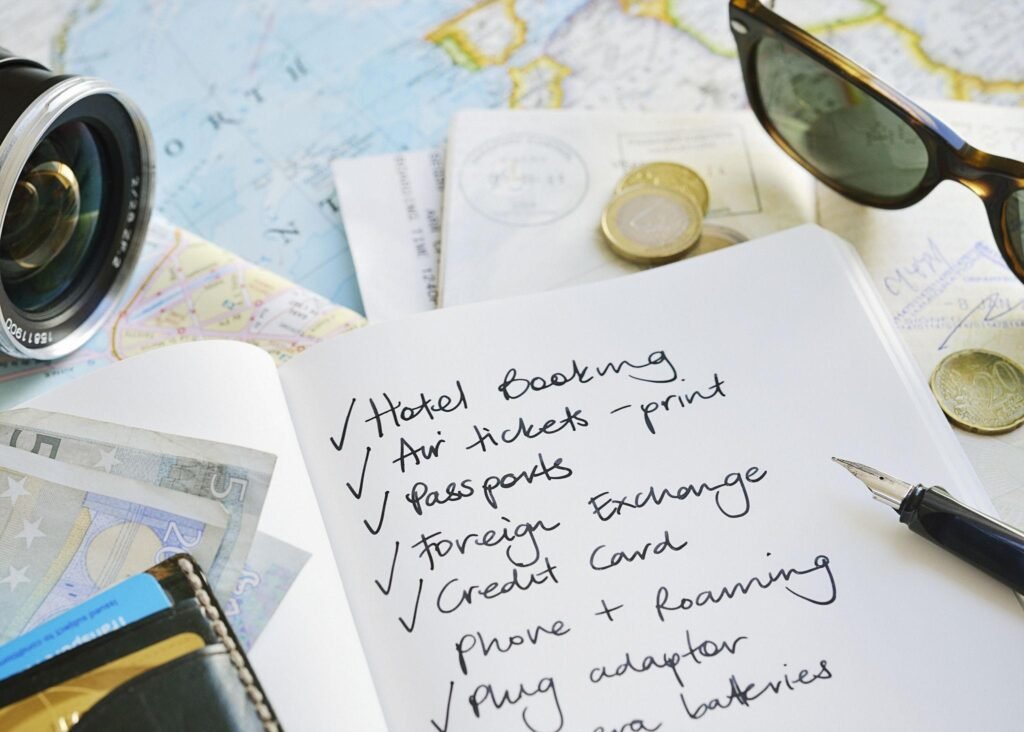
Documents & Mandatory Costs
- ☐ Visa fees + processing charges checked
- ☐ Travel insurance purchased (medical + baggage)
- ☐ Passport validity (6+ months)
Money & Payments
- ☐ Forex card / zero forex credit card ready
- ☐ Local currency arranged (avoid airport exchange)
- ☐ International transaction fees checked with bank
Connectivity & Essentials
- ☐ eSIM / international SIM planned
- ☐ Offline maps downloaded
- ☐ Important bookings saved offline
Booking Strategy
- ☐ Final price checked (taxes + service fees included)
- ☐ Baggage + seat selection costs reviewed
- ☐ Airport transfer planned (not last-minute)
Budget Setup
- ☐ Daily spending limit defined
- ☐ 20–30% buffer added to total budget
On-Trip Checklist (Daily Spending Control)
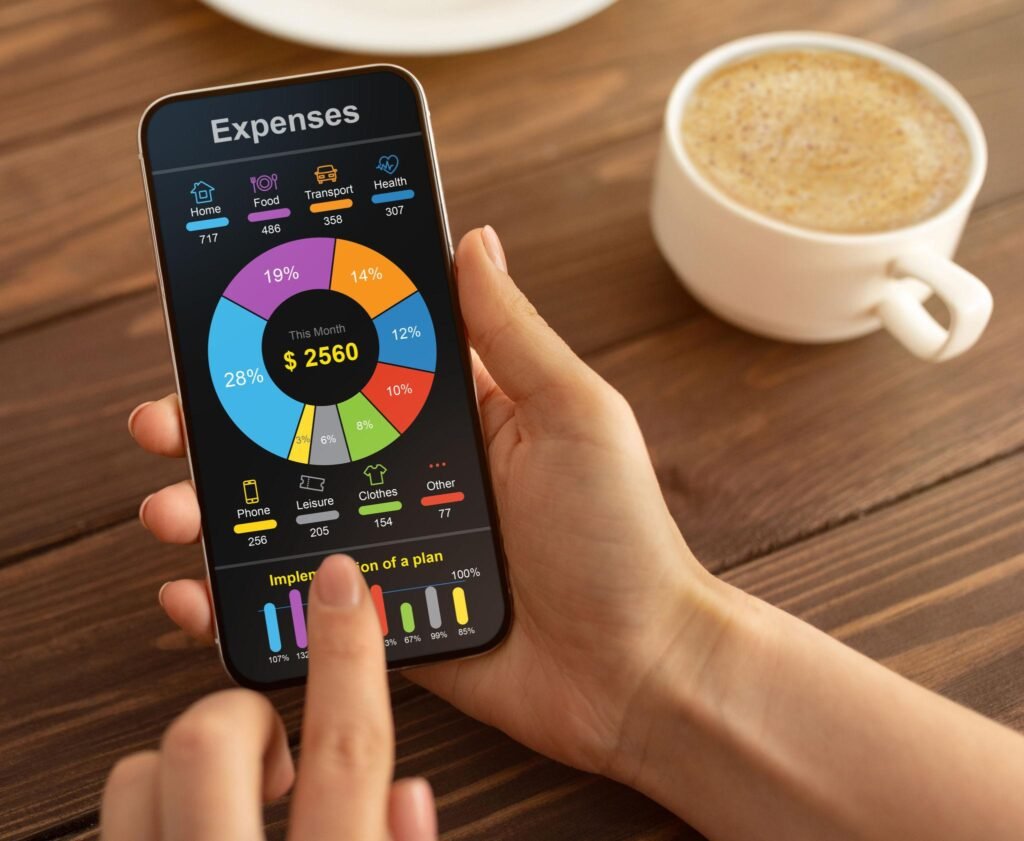
Daily Money Habits
- ☐ Track expenses daily (notes/app)
- ☐ Stay within daily budget limit
- ☐ Separate “experience budget” vs essentials
Smart Payments
- ☐ Always pay in local currency (avoid DCC)
- ☐ Use card wisely to minimize forex fees
- ☐ Withdraw cash in larger amounts (avoid frequent ATM fees)
Spending Awareness
- ☐ Avoid unnecessary taxis (use metro/walk)
- ☐ Check menu prices before ordering
- ☐ Confirm “what’s included” in tours/activities
Micro-Expense Control
- ☐ Carry reusable water bottle
- ☐ Avoid minibar & overpriced hotel services
- ☐ Plan restroom stops (avoid frequent paid toilets)
Emergency Fund Planning (Your Safety Net)
This is the difference between a stressful trip and a controlled one.
How much to keep:
- Short trips: ₹20,000–₹50,000
- International trips: ₹50,000–₹1,00,000
Where to keep it:
- Split between:
- Primary wallet
- Backup card
- Emergency cash (separate location)
What it covers:
- Medical emergencies
- Lost/stolen items
- Last-minute bookings or delays
Critical backups:
- ☐ Extra debit/credit card
- ☐ Digital copies of documents
- ☐ Emergency contact numbers saved offline
Quick Summary
👉 A complete travel cost checklist includes:
Before travel:
- Visa, insurance, forex, bookings, budget buffer
During travel:
- Daily expense tracking, smart payments, controlled spending
Emergency planning:
- Backup funds, extra cards, document copies
Pro Tip
Most travelers plan their itinerary—but smart travelers plan their money flow.
👉 If you follow this checklist, you won’t just save money—you’ll travel stress-free without financial surprises.
Conclusion
If there’s one thing this guide makes clear, it’s this:
👉 Travel doesn’t become expensive because of flights or hotels—it becomes expensive because of what you don’t plan for.
Hidden costs aren’t random. They follow patterns:
- Small daily expenses that repeat
- Fees hidden inside transactions
- Behavioral spending in “vacation mode”
- Destination-specific pricing traps
Once you understand these patterns, travel becomes predictable and controllable.
What Smart Travelers Do Differently
They don’t just plan where to go—they plan how money will flow during the trip.
- They build a realistic budget with a 20–30% buffer
- They optimize payments (local currency, zero forex cards)
- They track daily spending instead of guessing
- They research costs before landing—not after overspending
👉 The result?
Same destination. Same experiences. Less money wasted. More value gained.
Your Next Step
If you apply even 50% of what you’ve learned here, you’ll already be ahead of most travelers.
👉 Plan smarter, travel longer.
Before your next trip:
- Revisit this checklist
- Set your real budget (not just flights + hotels)
- Eliminate hidden costs before they happen
FAQs
What are the most common hidden travel costs?
- Baggage & seat selection fees (flights)
- Taxes, resort fees, and service charges (hotels)
- Currency conversion & ATM withdrawal fees
- Local transport (taxis, transfers, passes)
- Food extras (taxes + tipping)
- Attraction tickets & add-ons
- Mobile roaming/data charges
- Small daily spends (water, toilets, tips)
👉 These are usually not included in your initial booking price but can add 20–30% extra to your trip.
How much extra budget should I keep for hidden costs?
Rule of thumb:
👉 Add 20–30% buffer to your total planned budget.
Example:
- Planned budget: ₹1,00,000
- Add 25% buffer: ₹25,000
👉 Final safe budget: ₹1,25,000
When to increase buffer to 30–40%:
- Traveling to expensive countries (USA, Europe)
- First international trip (higher mistakes)
- Multi-city or luxury travel
Are hidden travel costs higher in Europe or Asia?
Short answer: Both—but in different ways.
Europe:
- Higher fixed costs
- City taxes, transport, attractions, paid utilities
- Predictable but expensive
Asia (Southeast Asia):
- Lower base costs but higher frequency spending
- Cash economy → ATM fees
- Tours, shopping, bargaining → impulse spend
👉 Conclusion:
- Europe = expensive per transaction
- Asia = frequent small expenses that add up
How can I avoid paying extra fees while traveling abroad?
Practical steps:
- Always pay in local currency (avoid DCC charges)
- Use zero forex markup cards
- Book flights/hotels with final price breakdown
- Pre-book baggage, seats, and transfers
- Withdraw cash in fewer, larger amounts
- Track daily spending to stay within limits
👉 The biggest savings come from how you pay, not just what you buy.
Do budget airlines really save money?
Short answer: Sometimes—but not always.
When they save money:
- Short flights (1–3 hours)
- Traveling light (no baggage)
- No seat/meal upgrades
When they become expensive:
- Adding baggage + seat + meals
- Last-minute bookings
- Strict baggage penalties
Example:
- Base fare: ₹3000
- Add-ons: ₹2500–₹4000
👉 Final cost ≈ full-service airline
👉 Rule: Always compare total cost, not just ticket price.
Is travel insurance worth it for short trips?
Yes—almost always.
Why:
- Medical emergencies abroad are extremely expensive
- Covers delays, cancellations, lost baggage
- Costs only ₹300–₹1000 per day
Real logic:
- You might not use it—but if you need it, it saves ₹50,000 to ₹5 lakh+
👉 Best practice:
Always buy insurance for international trips—short or long.