Table of Contents
ToggleWhy Choosing the Right Time to Visit Bali Matters
Choosing the best time to visit Bali isn’t just a seasonal decision—it directly impacts your budget, experience quality, and even what you can realistically do each day. Bali looks dreamy year-round online, but on the ground, timing separates an average trip from an unforgettable one.
Weather in Bali: It Affects More Than Just Rain
Bali’s weather doesn’t just decide if you’ll need an umbrella—it shapes your entire itinerary.
During the dry season (April–October), days are predictable: sunny mornings, low humidity, and clear sunsets. This is when Bali delivers what most travelers expect—crystal-clear water in Nusa Penida, golden sunsets in Uluwatu, and smooth roads for scooter rides.
In the wet season (November–March), rain usually comes in bursts—but here’s what most blogs don’t tell you:
- Mornings can still be sunny and usable
- Humidity can feel exhausting, especially in Ubud
- Water visibility drops → snorkeling/diving becomes disappointing
Real insight: If your trip is activity-heavy (island hopping, trekking, beach hopping), even 2–3 hours of daily rain can disrupt your entire schedule.
Price Fluctuations: Timing Can Cut Your Trip Cost in Half
Bali operates on aggressive seasonal pricing, and this is where smart travelers win.
- Peak season (July–August, Christmas/New Year): Expect inflated prices, early sellouts, and limited choices
- Shoulder season (May, June, September): Best value—premium experience without peak pricing
- Off-season (Jan–Feb): Cheapest, but with trade-offs
Example:
A private pool villa in Canggu:
- August: ₹15,000–₹20,000/night
- February: ₹6,000–₹9,000/night
Flights follow the same pattern—especially from India, where fares spike during summer holidays and December.
Pro tip: If you want luxury on a budget, target late April or late September—same villas, half the price, fewer tourists.
Crowds: The Hidden Factor That Changes Everything
Most travelers underestimate how crowded Bali gets.
- In peak season, hotspots like Canggu, Seminyak, and Ubud feel packed
- Traffic can turn a 20-minute ride into 1 hour
- Popular cafes require waiting (yes, even for breakfast)
In contrast, shoulder season gives you breathing space:
- Easier reservations
- Better service
- Cleaner beaches
Real example: Tegallalang Rice Terrace at 8 AM in May = peaceful and scenic.
Same spot in July at 10 AM = crowded, noisy, and rushed.
Activities Availability: Not Everything Is Year-Round
Your travel timing determines whether your “dream Bali itinerary” actually works.
- Surfing:
- West coast (Canggu, Uluwatu): May–September = best waves
- East coast: works better in wet season
- Diving & Snorkeling:
- Best visibility: April–November
- Worst months: January–February (murky water, strong currents)
- Trekking (Mount Batur):
- Dry season = clear sunrise views
- Rainy season = clouds + slippery trails
Reality check: Many travelers visit in the wrong season and end up skipping key experiences altogether.
Smart Traveler Breakdown – When YOU Should Visit
Instead of “one best time,” here’s what actually works based on your goal:
- For perfect weather + full experience: May, June, September
- For luxury at lower cost: Late April, October
- For budget travel: February (but flexible plans needed)
- For honeymoon vibes: May & September (less crowded, romantic weather)
- For content creators: Early mornings in shoulder season = best lighting + fewer people
Bali Weather Overview – Understanding Seasons
Bali’s climate is simple on paper—dry season vs wet season—but in reality, it’s more nuanced. Understanding how each season actually feels on the ground helps you plan smarter, avoid disappointments, and get the most out of your trip.
Dry Season in Bali (April to October)
The dry season is widely considered the best time to visit Bali, especially for first-time travelers.
Weather Conditions
- Sunny days with minimal rainfall
- Lower humidity compared to the rest of the year
- Comfortable temperatures (around 27–30°C)
- Cool evenings, especially in Ubud and Uluwatu
This is when Bali looks like the Instagram version—clear blue skies, golden sunsets, and calm seas.
Best For
- Beach hopping (Seminyak, Uluwatu, Nusa Penida)
- Outdoor activities (temple visits, waterfalls, rice terraces)
- Trekking (Mount Batur sunrise hikes)
- Island hopping & water sports
Peak Tourist Months Explained
- June to August = peak international travel season
- European summer holidays + Australian tourists
- July & August are the busiest and most expensive
Real insight: Even though the entire dry season has great weather, May and September offer the same conditions with fewer crowds and better prices.
Pros & Cons
Pros:
- Reliable weather for planning
- Best ocean conditions (clear water, safe boat rides)
- Ideal for photography and content creation
Cons:
- Higher prices (especially July–August)
- Crowded hotspots like Canggu, Ubud, and beach clubs
- Traffic congestion in popular areas
Wet Season in Bali (November to March)
The wet season is often misunderstood—it doesn’t mean constant rain, but it does require flexibility.
Rain Patterns
- Short, intense tropical showers (usually afternoon or evening)
- Occasional full-day rain, especially in January
- Sunny mornings are still common
Reality check: You can still explore Bali—but your schedule needs to be adaptable.
Humidity Levels
- High humidity (can feel sticky and tiring)
- Especially noticeable in Ubud and inland areas
- Beaches feel warmer, but less breezy
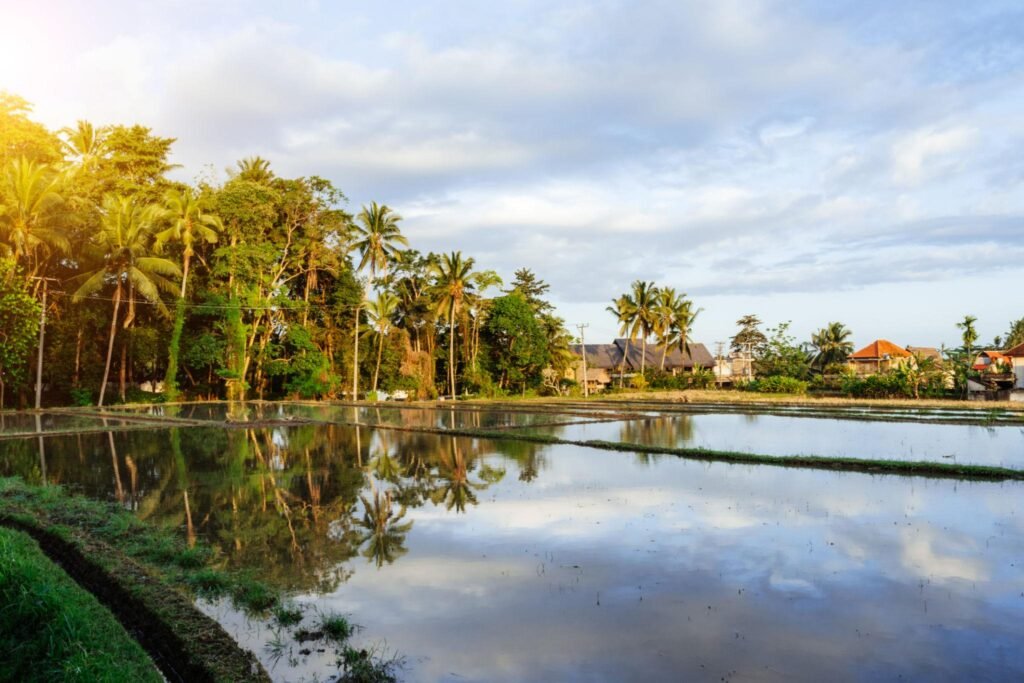
Lush Green Landscapes
- Rice terraces and jungles are at their greenest
- Waterfalls are more powerful and scenic
- Fewer tourists = more peaceful vibe
Pros & Cons
Pros:
- Cheapest time to visit Bali
- Less crowded attractions
- Great for slow travel, cafés, and wellness retreats
Cons:
- Unpredictable weather can disrupt plans
- Poor underwater visibility (not ideal for diving/snorkeling)
- Some boat transfers (like to Nusa islands) may get canceled
Pro tip: If traveling in this season, base yourself in Seminyak or Canggu, where cafés, spas, and indoor experiences balance out rainy hours.
Shoulder Season (Best of Both Worlds)
The shoulder season (April, May, September, October) is where Bali truly shines—and where experienced travelers plan their trips.
Balanced Weather + Fewer Crowds
- Mostly dry, sunny days
- Lower humidity than wet season
- Significantly fewer tourists than peak months
You get the same weather as peak season—without the chaos.
Why Smart Travelers Prefer This Time
- Better hotel deals (luxury for mid-range prices)
- Easier bookings at popular cafes & beach clubs
- More peaceful experiences at temples and attractions
Example:
Visiting Nusa Penida in September = clear waters + manageable crowds
Same trip in August = crowded viewpoints + long queues
Final Insight
If you want the “perfect Bali experience,” don’t just chase good weather—aim for the right balance.
 Dry season = best weather but crowded Wet season = cheapest but unpredictable Shoulder season = smartest choice for most travelers
That’s why seasoned travelers consistently choose May and September—they deliver the best of Bali without the compromises.
Best Time to Visit Bali by Month (Detailed Breakdown)
If you want to truly optimize your trip, don’t just look at seasons—choose the right month. Each month in Bali offers a different mix of weather, pricing, crowd levels, and experiences. Here’s a practical, no-fluff breakdown to help you decide.
January – Heavy Rain but Budget-Friendly
January is the wettest month in Bali, with frequent afternoon showers and high humidity.
- Weather: Cloudy mornings, heavy rain in bursts, occasional full-day showers
- Prices: Lowest of the year (flights + luxury villas heavily discounted)
Who should travel now:
- Budget travelers
- Digital nomads staying long-term
- Café hopping, spa, and slow travel lovers
Reality tip: Avoid planning island hopping—boat rides to Nusa Penida are often rough or canceled.
February – Quiet & Romantic
February is slightly better than January but still part of the rainy season.
- Weather: Shorter rain spells, more usable sunny hours
- Crowds: Very low—Bali feels peaceful and uncrowded
Ideal for:
- Budget honeymooners
- Couples looking for privacy
- Travelers who prefer calm over chaos
Pro tip: Book private villas at nearly half the price compared to peak season.
March – Transition Month
March marks the end of the rainy season, making it a smart “in-between” option.
- Weather: Mixed—sunny mornings, occasional rain
- Experience: Less humidity, improving beach conditions
Best for:
- Flexible travelers
- Early shoulder-season planners
Important note: The Nyepi Festival (Day of Silence) usually falls in March—everything shuts down for 24 hours (a unique cultural experience, but requires planning).
April – Start of Peak Season
April kicks off Bali’s dry season, and the island starts coming alive.
- Weather: Clear skies, low humidity, minimal rain
- Activities: Fully operational—beaches, trekking, diving
Why it’s great:
You get near-perfect weather without peak crowds yet.
Best for: First-time visitors who want a balanced experience.
May – Best Overall Month ⭐
May is often considered the best month to visit Bali—and for good reason.
- Weather: Sunny, dry, and comfortable
- Crowds: Moderate (no peak chaos yet)
- Prices: Still reasonable
Why it stands out:
You get peak-season weather without peak-season downsides.
SEO insight: “Best time to visit Bali in May” is a high-intent keyword—perfect for targeting.
June – Great for Families
June offers a sweet spot before peak crowds hit fully.
- Weather: Excellent—dry, sunny, breezy
- Travel vibe: Family-friendly, school holidays begin
Best for:
- Family vacations
- Multi-activity trips (beaches + temples + adventure)
Tip: Book accommodations early—availability starts tightening.
July – Peak Tourist Season
July is one of the busiest months in Bali.
- Weather: Near-perfect
- Crowds: High across all major areas
- Prices: Expensive (flights, hotels, tours)
What to expect:
- Packed beach clubs
- Traffic in Canggu & Seminyak
- Long waits at popular cafés
Who should visit: Only if you don’t mind crowds and higher costs.
August – Best for Festivals & Culture
August combines great weather with cultural energy.
- Weather: Dry, sunny, slightly cooler evenings
- Highlight: Indonesian Independence Day (August 17)
Experience:
- Local celebrations, decorations, cultural events
- Vibrant atmosphere across villages and towns
Tip: Book early—this is still peak season.
September – Hidden Gem Month
September is one of Bali’s best-kept secrets.
- Weather: Same as peak season (sunny, dry)
- Crowds: Drop significantly after August
Why it’s underrated:
You get perfect conditions + better prices + fewer people.
Best for:
- Honeymooners
- Content creators
- Peaceful luxury travel
October – Shoulder Season Winner
October is the last month before the rains return.
- Weather: Mostly dry, occasional light showers
- Prices: Start dropping
Why it works:
Still great for beaches and activities, but more affordable.
Pro tip: Ideal for last-minute planners looking for value.
November – Start of Rainy Season
November signals the return of rain—but not at full intensity yet.
- Weather: Increasing humidity, occasional showers
- Deals: Hotels and flights become cheaper
Best for:
- Budget-conscious travelers
- Flexible itineraries
Watch out: Sea conditions begin to change—plan water activities early in the day.
November signals the return of rain—but not at full intensity yet.
- Weather: Increasing humidity, occasional showers
- Deals: Hotels and flights become cheaper
Best for:
- Budget-conscious travelers
- Flexible itineraries
Watch out: Sea conditions begin to change—plan water activities early in the day.
December – Holiday Rush
December is a mix of wet weather + peak holiday demand.
- Weather: Rainy but still warm
- Crowds: Extremely high during Christmas & New Year
- Prices: Among the highest of the year
Experience:
- Festive beach parties
- Fully booked resorts
- Lively nightlife
Important tip: Book everything (flights + hotels) at least 2–3 months in advance.
Final Monthly Insight
If you want a quick takeaway:
- Best overall: May, September
- Best budget: January, February
- Best weather: June–August
- Best balance: April, October
👉 The smartest travelers don’t just pick Bali—they pick the right month, and that’s what makes all the difference.
Best Time to Visit Bali Based on Travel Style
The “best time to visit Bali” isn’t the same for everyone. It depends on what kind of trip you want—romantic, budget-friendly, adventure-packed, or work-friendly. Here’s a practical breakdown based on real travel goals.

Best Time for Honeymoon in Bali
If you’re planning a romantic getaway, timing can make or break the experience.
- Ideal months: April, May, September, October
- Why it works: Pleasant weather, fewer crowds, and better hotel deals
These months offer the perfect mix—sunny days for beach outings and peaceful evenings for private villa stays.
Real insight:
In peak months like July, even luxury resorts feel crowded. But in May or September, you’ll get quieter infinity pools, easier reservations, and more personalized service.
Pro tip: Book a private pool villa in Ubud or Uluwatu during shoulder season—you’ll often pay 30–40% less than peak prices.
Best Time for Budget Travelers
If saving money is your priority, Bali can be surprisingly affordable—if you time it right.
- Best months: January, February, November
- Why it works: Lowest demand = cheapest flights and hotel rates
What you’ll save on:
- Flights from India (significant drop compared to summer)
- Luxury villas at mid-range prices
- Discounted tours and activities
Reality check:
You’ll trade perfect weather for lower prices. Expect rain and flexibility in your plans.
Smart strategy: Plan indoor-friendly days (cafés, spas, yoga retreats) during rainy afternoons.
Best Time for Beaches & Island Hopping
For that postcard-perfect Bali experience, timing is everything.
- Best months: May to September
- Why it works: Dry weather, calm seas, and excellent visibility
This is when Bali delivers its best:
- Crystal-clear water in Nusa Penida
- Smooth boat rides between islands
- Golden sunsets in Seminyak & Uluwatu
Avoid: January–February, when rough seas can cancel boats and reduce visibility.
Pro tip: Start island tours early morning—waters are calmer, and crowds are lower.
Best Time for Surfing in Bali
Bali is a world-class surfing destination—but timing depends on coastlines.
- West Coast (Canggu, Uluwatu): May to September → best waves
- East Coast (Sanur, Nusa Dua): November to March → better conditions
Why it matters: Wind direction changes wave quality. Many beginners visit at the wrong time and miss ideal conditions.
Tip:
- Beginners: Try Canggu in May–June
- Advanced surfers: Uluwatu during peak dry season
Best Time for Diving & Snorkeling
Visibility is the key factor here—not just weather.
- Best months: April to November
- Why it works: Calm waters + clear visibility (up to 20–30 meters)
Top spots like Nusa Penida, Amed, and Tulamben are at their best during this window.
Avoid: Peak rainy months (Jan–Feb), when water becomes murky and currents stronger.
Real insight:
Manta Ray sightings in Nusa Penida are more consistent in calmer conditions—timing directly impacts your chances.
Best Time for Digital Nomads
Bali is a hotspot for remote workers—but peak crowds can ruin productivity.
- Avoid: July, August, December (overcrowded cafés, higher rent)
- Ideal months: May, June, September
Why these months work:
- Stable weather (no constant rain interruptions)
- Better WiFi speeds (less network congestion)
- Easier accommodation deals for long stays
Best areas: Canggu (community + cafés), Ubud (quiet + nature)
Pro tip: Monthly villa rentals drop significantly outside peak season—negotiate directly for better rates.
Final Insight
Instead of asking “What is the best time to visit Bali?”, ask:
👉 “What kind of Bali experience do I want?”
- Luxury + romance → May, September
- Budget + flexibility → Feb, Nov
- Adventure + beaches → June–August
When your travel style matches the timing, Bali delivers its best version—without compromises.
Bali Peak Season vs Off Season vs Shoulder Season
Understanding Bali’s travel seasons is the key to planning a trip that matches your expectations. Each season comes with trade-offs—price, weather, crowds, and overall experience—and choosing the right one depends on what you value most.

Peak Season (June – August, December)
Peak season is when Bali is at its most popular—and most crowded.
What to Expect
- Weather: Dry, sunny, and extremely reliable
- Crowds: High across beaches, temples, cafés, and tourist hotspots
- Prices: Flights and hotels can be 30–70% higher than average
June to August aligns with European summer holidays, while December sees a surge due to Christmas and New Year travel.
Real Experience Insight
- Beach clubs in Canggu and Seminyak operate at full capacity
- Traffic can double travel time between locations
- Last-minute bookings are difficult and expensive
Pros & Cons
Pros:
- Best weather of the year
- Ideal for first-time visitors
- Full availability of tours and activities
Cons:
- Overcrowded attractions
- Premium pricing everywhere
- Less “authentic” Bali experience due to tourist volume
👉 Best for: Travelers who prioritize perfect weather and don’t mind paying extra.
Off Season (January – March, November)
Off season is Bali’s most affordable period—but comes with compromises.
What to Expect
- Weather: Frequent rain, high humidity, unpredictable days
- Crowds: Minimal—Bali feels quieter and more relaxed
- Prices: Lowest of the year (luxury becomes affordable)
January and February are the wettest months, while November is a transition into the rainy season.
Real Experience Insight
- You can still explore—but plans need flexibility
- Indoor experiences (cafés, spas, yoga) become more important
- Some water activities may be limited or less enjoyable
Pros & Cons
Pros:
- Cheapest flights and accommodations
- Peaceful, less touristy atmosphere
- Better deals on long stays and villas
Cons:
- Rain can disrupt outdoor plans
- Lower visibility for snorkeling/diving
- Occasional transport delays (boats, tours)
👉 Best for: Budget travelers, long-stay visitors, and those who prefer a slow-paced trip.
Shoulder Season (April, May, September, October)
Shoulder season is where Bali offers its best overall value—and this is what experienced travelers aim for.
What to Expect
- Weather: Mostly dry, sunny, and comfortable
- Crowds: Moderate—far less chaotic than peak months
- Prices: Reasonable, with good deals still available
Why It Stands Out
This period gives you the same experience as peak season—without the downsides:
- Easier restaurant and beach club reservations
- Better hotel upgrades and availability
- More relaxed sightseeing
Example:
Visiting Ubud in May means you can enjoy rice terraces peacefully. In July, the same place feels crowded and rushed.
Pros & Cons
Pros:
- Best value for money
- Great weather for all activities
- Balanced crowd levels
Cons:
- Slight price increase compared to off-season
- Popular spots can still be moderately busy
👉 Best for: Almost everyone—honeymooners, solo travelers, families, and digital nomads.
Final Verdict: Which Season Should You Choose?
- Choose Peak Season if weather is your top priority
- Choose Off Season if budget matters most
- Choose Shoulder Season if you want the perfect balance of price, weather, and experience
👉 In reality, the smartest travelers consistently choose May or September—because that’s when Bali feels just right.
Bali Festivals & Events You Shouldn’t Miss
Bali isn’t just about beaches—it’s a deeply spiritual island where culture, rituals, and festivals shape everyday life. Timing your trip around these events can turn a normal vacation into a once-in-a-lifetime experience. But it also requires planning, because some festivals come with restrictions.
Nyepi Festival (Day of Silence)
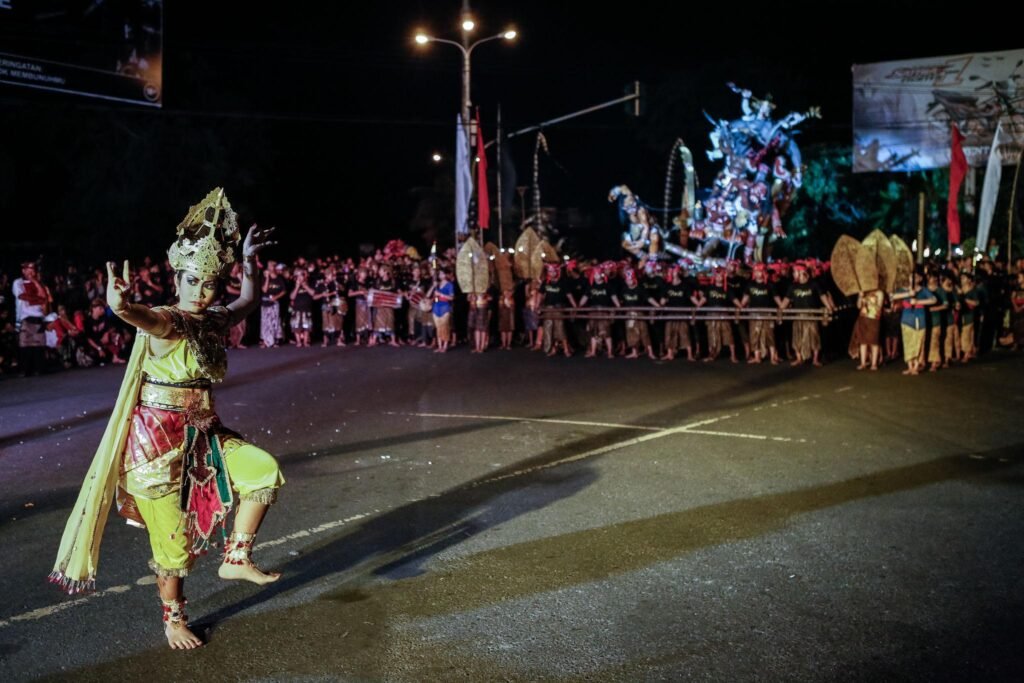
Nyepi is Bali’s most unique and powerful festival—often called the “Day of Silence.”
What Makes It Special
- The entire island shuts down for 24 hours
- No flights, no traffic, no lights, no outdoor activity
- Even the airport is closed
The night before Nyepi features Ogoh-Ogoh parades, where giant demon statues are carried through the streets—creating a dramatic contrast before complete silence.
Travel Restrictions Explained
- You must stay inside your hotel/villa during Nyepi
- No outdoor movement allowed (except emergencies)
- Internet and lights are often limited
Real insight:
Many travelers panic about restrictions—but those who experience Nyepi often call it the most memorable part of their Bali trip. Imagine an entire island under a star-filled sky with zero noise or pollution.
👉 Best tip: Book a comfortable villa or resort and treat it as a digital detox day.
Bali Arts Festival (June–July)
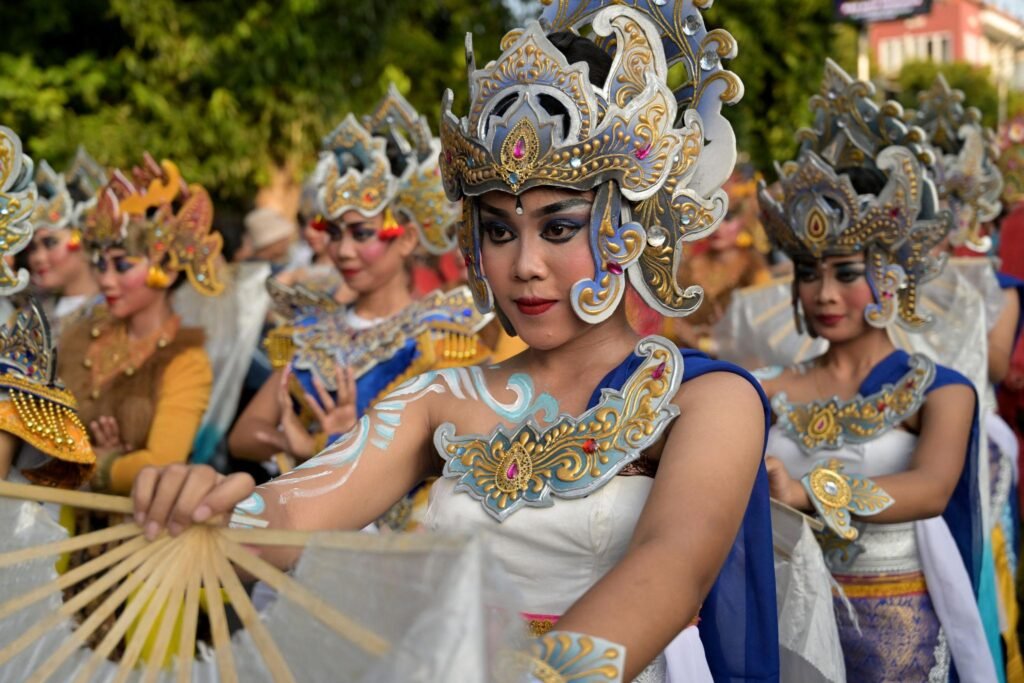
Held annually in Denpasar, the Bali Arts Festival is a month-long celebration of Balinese culture.
What You’ll Experience
- Traditional dance performances (Legong, Barong, Kecak)
- Live gamelan music
- Local handicrafts and art exhibitions
- Cultural parades and storytelling
Why it’s worth it:
This is the best place to experience authentic Balinese culture in one place, without needing to travel across the island.
Pro tip: Evening performances are more vibrant and less crowded than daytime shows.
Galungan & Kuningan
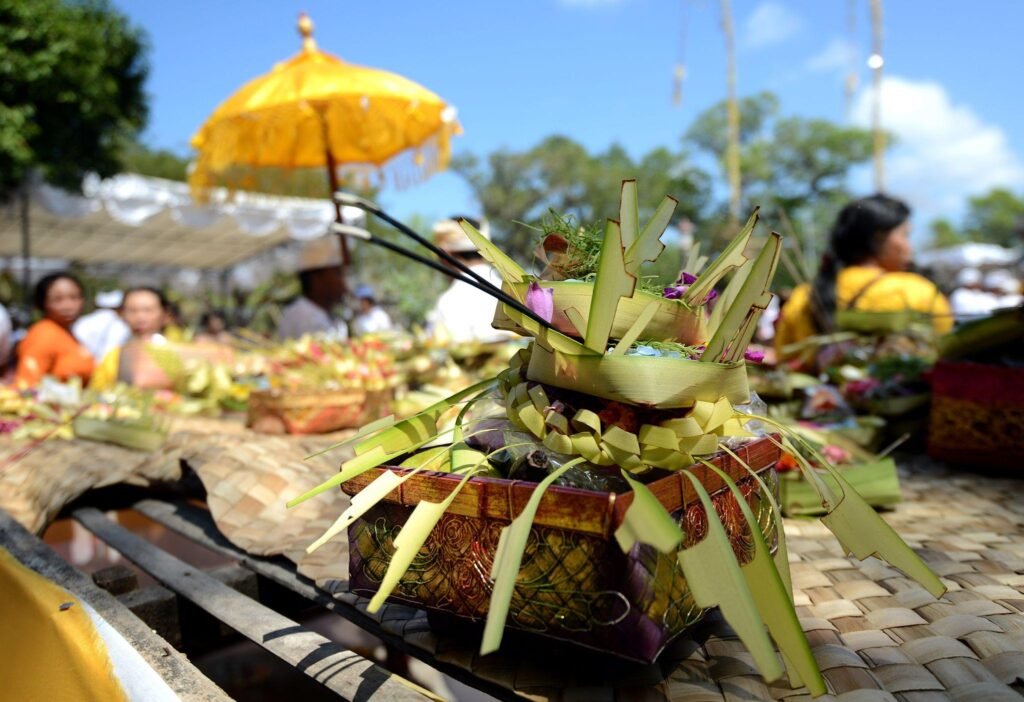
These are among the most important religious festivals in Bali, celebrated every 210 days.
Spiritual Significance
- Marks the victory of good over evil (Dharma over Adharma)
- Ancestors are believed to visit Earth during this time
What You’ll See
- Beautiful penjor (decorated bamboo poles) lining the streets
- Locals in traditional attire visiting temples
- Offerings, rituals, and ceremonies everywhere
Real experience:
Bali feels more alive and spiritual during Galungan—you’ll witness daily rituals that most tourists never see.
👉 Tip: Respect temple etiquette—dress modestly and follow local customs.
Bali Kite Festival

The Bali Kite Festival is a vibrant and visually stunning event, usually held between July and August.
Cultural + Visual Experience
- Massive handcrafted kites (often over 10 meters long)
- Competitive teams flying traditional designs
- Events held mainly in Sanur
These kites aren’t just for fun—they are traditionally flown to please the Hindu gods and bring good harvests.
Why you shouldn’t miss it:
It’s one of the most photogenic events in Bali—perfect for content creators and culture lovers alike.
Final Insight
Most travelers visit Bali for beaches—but those who plan around festivals experience something deeper.
👉 If you want culture + uniqueness → Visit during Nyepi or Galungan
👉 If you want entertainment + art → Visit during June–August festivals
Timing your trip with these events doesn’t just enhance your itinerary—it gives you a completely different side of Bali that most tourists miss.
Best Time to Visit Bali for Different Places
Bali isn’t a one-size-fits-all destination. Weather patterns, crowds, and even ocean conditions vary by region—so choosing the right time for the right place can dramatically improve your experience.
Ubud – Best Time to Visit

- Best time: April to October
- Why it works: Less rain, lower humidity, clearer views
Ubud is Bali’s cultural and nature hub—think rice terraces, waterfalls, temples, and jungle resorts. During the dry season, paths are less slippery, skies are clearer, and outdoor exploration becomes much easier.
Real insight:
In the wet season, Ubud becomes extremely humid and muddy. Trekking trails and waterfall access can get tricky.
Pro tip: Visit rice terraces early morning (7–9 AM) for soft light and fewer tourists.
👉 Best for: Nature lovers, wellness retreats, yoga, slow travel
Seminyak & Canggu – Best Time
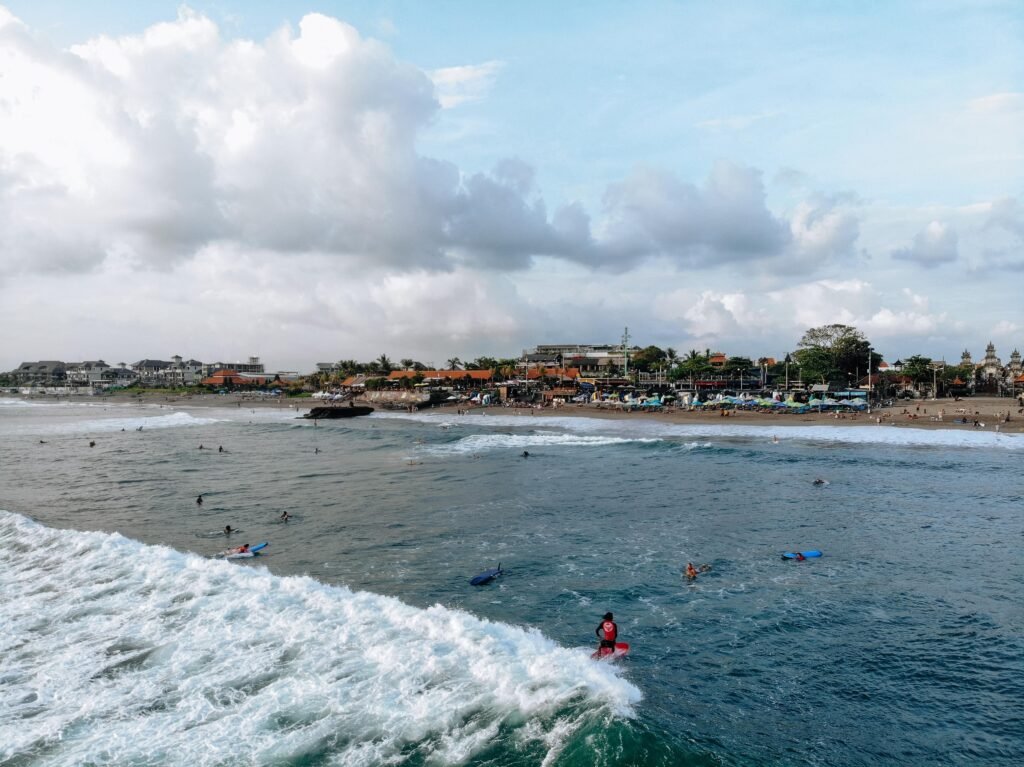
- Best time: May to September
- Why it works: Dry weather + vibrant social scene
These areas are Bali’s lifestyle hotspots—beach clubs, cafés, nightlife, and digital nomad culture.
What changes with timing:
- Dry season = sunset views, buzzing nightlife, beach club vibes
- Wet season = cloudy sunsets, quieter atmosphere
Real insight:
Canggu traffic gets intense in July–August. Visiting in May or September gives you the same vibe with less chaos.
👉 Best for: Nightlife, café culture, social travel, remote work
Nusa Penida & Nusa Lembongan
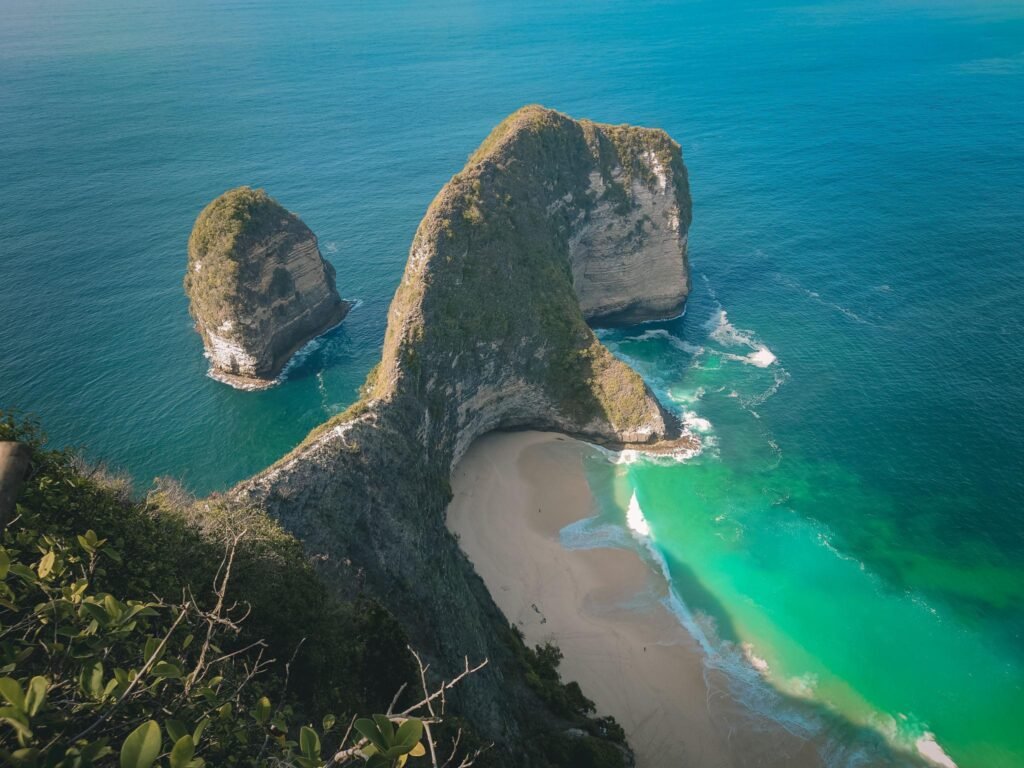
- Best time: April to October
- Why it works: Calm seas + crystal-clear water
These islands are all about dramatic cliffs, beaches, and underwater experiences. Timing is crucial because sea conditions directly affect your trip.
Reality check:
- Dry season = smooth boat rides, better safety
- Wet season = rough waves, possible cancellations
Diving/snorkeling tip: Visibility is significantly बेहतर in dry months—this is when you’ll actually see manta rays and coral clearly.
👉 Best for: Island hopping, photography, snorkeling, adventure
Uluwatu – Best Time

- Best time: Dry season (May to September)
- Why it works: Consistent waves + iconic sunsets
Uluwatu is famous for its cliffs, surf breaks, and dramatic sunsets.
What makes timing important:
- Dry season = world-class surfing conditions
- Clear skies = unforgettable sunset views at Uluwatu Temple
Real insight:
Even a slightly cloudy day can reduce the magic of Uluwatu sunsets—this is why dry season is strongly preferred.
👉 Best for: Surfing, sunset lovers, luxury stays, cliffside views
Final Insight
Different parts of Bali shine at different times—but the dry and shoulder seasons (April–October) consistently deliver the best overall experience.
👉 If your itinerary includes multiple regions:
- Plan island trips (Nusa Penida) in peak dry conditions
- Keep Ubud for early mornings
- Save beach clubs and sunsets for dry evenings
This way, you’re not just visiting Bali—you’re experiencing each place at its absolute best.
Bali Travel Cost by Season
Your Bali budget isn’t fixed—it changes drastically based on when you travel. The same trip can cost 2x more (or less) depending on the month. Here’s a realistic breakdown so you can plan smart and avoid overpaying.
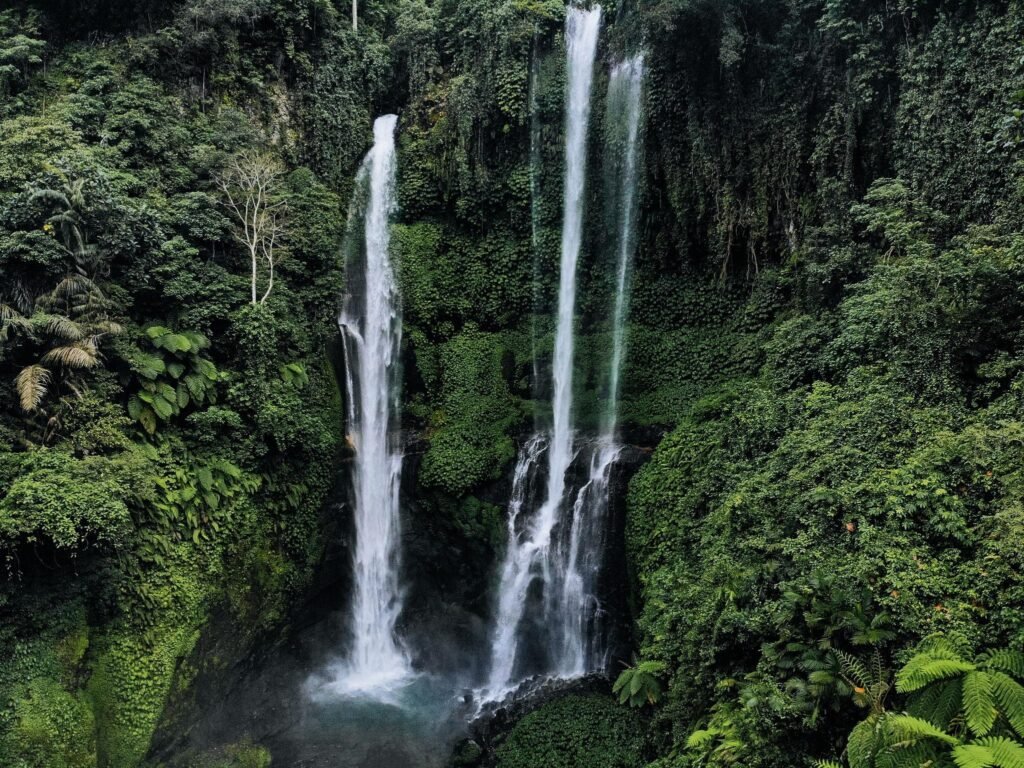
Flight Prices by Month
Flight prices to Bali (especially from India) are highly seasonal and demand-driven.
Cheapest vs Expensive Months
- Cheapest: January, February, November
- Low tourist demand + frequent airline deals
- Return flights can drop significantly
- Moderate: April, May, September, October
- Best balance of price and convenience
- Most Expensive: June–August, December
- Summer holidays + Christmas/New Year rush
- Prices can increase by 40–80%
Real example:
Delhi to Bali return fares:
- February: ₹25K–₹35K
- July: ₹45K–₹70K
Booking Tips
- Book 6–8 weeks in advance for shoulder season
- Book 2–3 months early for peak season
- Use mid-week departures (Tue/Wed) for cheaper fares
- Avoid last-minute bookings in July & December
👉 Pro tip: Set fare alerts and track prices—Bali routes fluctuate frequently.
Hotel Prices Comparison
Accommodation in Bali ranges from budget hostels to luxury villas—and timing affects both heavily.
Budget vs Luxury Stays
- Budget stays: ₹800–₹2,500/night
- Mid-range hotels/villas: ₹3,000–₹8,000/night
- Luxury private villas: ₹10,000–₹30,000+/night
Peak vs Off-Season Rates
| Season | Budget | Mid-Range | Luxury Villa |
|---|---|---|---|
| Off Season | Lowest | Best deals | Huge discounts (30–50%) |
| Shoulder Season | Moderate | Good value | Worth it for upgrades |
| Peak Season | Slight increase | Expensive | Premium pricing |
Real insight:
Luxury becomes surprisingly affordable in off-season. A villa with a private pool in Seminyak that costs ₹18K in August may drop to ₹8K–₹10K in February.
Smart strategy:
- Travel in May or September for the best value
- Stay longer (3–5 nights) → negotiate better rates directly
Daily Budget Estimate
Your daily cost depends on your travel style—but here’s a realistic breakdown.
Budget Traveler (₹2,500–₹4,500/day)
- Hostel or budget hotel
- Local food / street eats
- Scooter rental
- Limited paid activities
👉 Best for backpackers and solo travelers
Mid-Range Traveler (₹5,000–₹12,000/day)
- Private room or boutique villa
- Mix of cafés and restaurants
- Private transport or taxis
- Tours + activities
👉 Best for couples and comfortable travel
Luxury Traveler (₹15,000–₹40,000+/day)
- Private pool villas / 5-star resorts
- Fine dining + beach clubs
- Private drivers + curated experiences
- Premium tours (diving, island hopping)
👉 Best for honeymooners and premium travel
Final Cost Insight
- Cheapest overall trip: February (but flexible plans needed)
- Best value trip: May & September (premium experience at mid-range cost)
- Most expensive: July & December (peak demand)
👉 The smartest way to plan Bali isn’t just setting a budget—it’s choosing the right season to maximize what you get for that budget.
Pros & Cons of Visiting Bali in Each Season
Bali is a year-round destination—but each season comes with clear trade-offs. The key is not choosing a “perfect” time (it doesn’t exist), but understanding what you gain vs what you compromise in each season.

Dry Season Pros & Cons
The dry season (April to October) is widely promoted as the best time to visit Bali—and for good reason. But it’s not perfect.
✅ Pros: Weather, Activities, Experience
- Reliable sunny weather → You can plan full-day itineraries without disruption
- Low humidity → More comfortable for exploring Ubud, temples, and الأسواق
- Best beach conditions → Clear water, ideal for swimming, snorkeling, and island hopping
- Perfect for activities → Surfing, trekking (Mount Batur), waterfalls, beach clubs
Real advantage:
You can stack multiple activities in one day (e.g., sunrise trek + beach sunset) without worrying about rain interruptions.
❌ Cons: Crowds, Higher Prices
- Crowded hotspots → Canggu, Ubud, and Nusa Penida get packed
- Traffic issues → Travel time can double during peak months
- Expensive stays → Hotels and villas charge premium rates
- Overbooked experiences → Beach clubs and tours require advance reservations
Reality check:
In July–August, Bali can feel less like a tropical escape and more like a busy tourist hub.
👉 Best strategy: Visit in May or September—you get dry-season benefits without peak-season chaos.
Wet Season Pros & Cons
The wet season (November to March) is often overlooked—but it offers unique advantages if you plan smart.
✅ Pros: Cheap, Less Crowded, More Peaceful
- Lowest travel costs → Flights, hotels, and villas are heavily discounted
- Fewer tourists → Attractions feel calmer and more authentic
- Lush landscapes → Rice terraces and jungles are at their greenest
- Better deals on long stays → Ideal for digital nomads
Hidden benefit:
You’ll experience a quieter, more local side of Bali—something peak-season travelers rarely see.
❌ Cons: Rain, Humidity, Limited Activities
- Unpredictable rain → Plans can get delayed or canceled
- High humidity → Can feel uncomfortable, especially inland (Ubud)
- Poor sea conditions → Rough waves, reduced visibility for snorkeling/diving
- Limited outdoor windows → You need flexible scheduling
Real challenge:
Even if it rains only 2–3 hours, it can disrupt tours, boat transfers, and sunset plans.
👉 Best strategy: Plan half-day itineraries, prioritize indoor experiences (cafés, spas), and stay in well-connected areas like Seminyak or Canggu.
Final Insight
There’s no universally “best” season—only the best one for your priorities:
- Want perfect weather + full experience → Choose dry season
- Want low cost + fewer crowds → Choose wet season
- Want balance (best overall) → Choose shoulder months
👉 The smartest travelers don’t avoid trade-offs—they plan around them.
Travel Tips for Visiting Bali at the Right Time
Timing your Bali trip is one thing—executing it smartly is another. These practical, on-ground tips will help you avoid common mistakes, save money, and get the best possible experience regardless of when you travel.
How to Avoid Crowds
Bali gets crowded—but most tourists follow predictable patterns. You don’t have to.
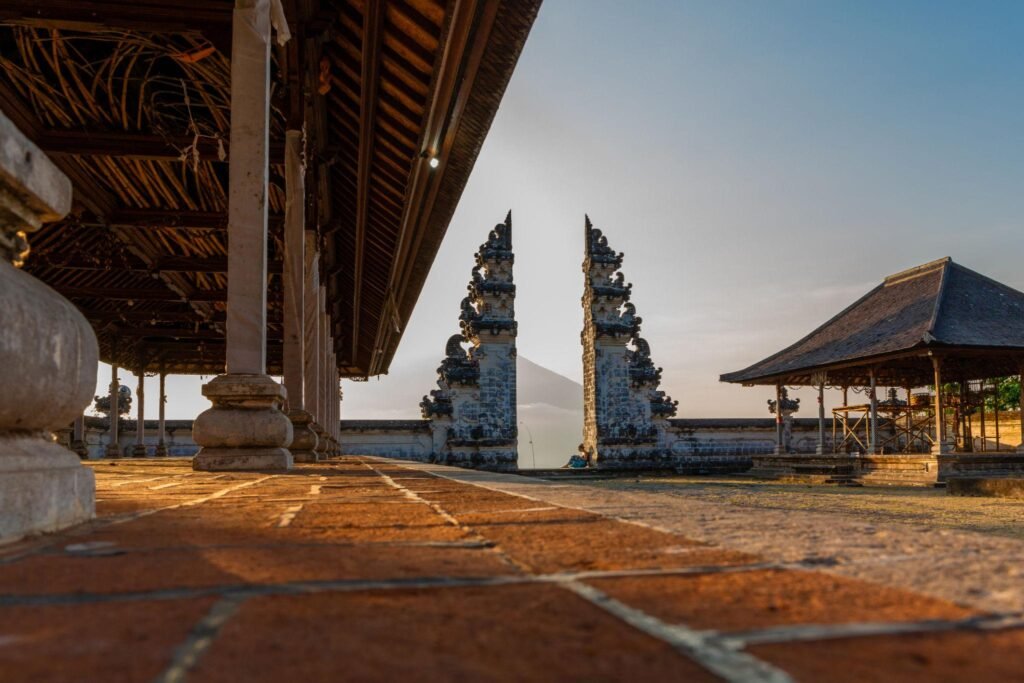
- Start early: Visit hotspots like Tegallalang, Lempuyang Temple, or waterfalls before 8–9 AM
- Avoid midday peak hours: 11 AM–4 PM is when tour buses arrive
- Travel in shoulder months: May & September give you peak-season weather without peak crowds
- Choose alternative areas: Stay in Uluwatu or Ubud outskirts instead of central Canggu
Real insight:
Even in peak season, Bali feels peaceful if you plan your day early and avoid “Instagram timing.”
Booking Hacks (Flights & Hotels)
Smart booking can save you thousands.
- Flights:
- Book 6–8 weeks early (shoulder season)
- Book 2–3 months early (July, December)
- Fly mid-week for cheaper fares
- Hotels & Villas:
- Book early for peak months (best properties sell out fast)
- For off-season → negotiate directly with villas for discounts
- Stay longer (3+ nights) → better rates
Pro tip:
Split your stay—book luxury villas during cheaper months and budget stays during peak.
Packing Tips Based on Season
Packing wrong can quietly ruin your comfort in Bali.
Dry Season (April–October):
- Light cotton clothes
- Sunglasses, sunscreen, hat
- Comfortable footwear for walking & trekking
Wet Season (November–March):
- Compact rain jacket or poncho
- Quick-dry clothes
- Waterproof bags for electronics
Extra tip:
Humidity is real—avoid heavy fabrics, and carry anti-frizz or skincare essentials.
Weather Apps & Planning Tools
Bali weather is unpredictable, so use tools—but don’t rely blindly.
- Google Weather / AccuWeather: For general forecasts
- Windy App: Best for wind, rain patterns, and sea conditions
- Local hotel staff: Surprisingly the most accurate source
Real insight:
Apps may show “rain all day,” but in reality, it could be just 1–2 hours. Always plan flexible itineraries.
Best Time for Photography
If you care about content (or just great memories), timing matters more than location.
- Golden Hour:
- Sunrise (6–7 AM) → best for Ubud, rice terraces
- Sunset (5:30–6:30 PM) → best for beaches & cliffs
- Avoid harsh light: Midday photos look flat and crowded
- Best months for clear skies: May–September
Pro tip:
Iconic spots like Gates of Heaven or Kelingking Beach look completely different at sunrise vs midday—timing = everything.
Final Travel Insight
Most travelers focus only on when to go. Smart travelers focus on how to travel within that time.
👉 Go early, book smart, pack right, and stay flexible.
That’s how you turn a good Bali trip into an effortless, perfectly-timed experience.
When NOT to Visit Bali (Important)
Bali is often marketed as a year-round destination—but there are specific times when your experience can drop significantly. Knowing when not to visit is just as important as choosing the best months.

Peak Monsoon Risks (January – February)
These are the most challenging months to visit Bali, especially if your trip depends on outdoor plans.
- Heavy and frequent rainfall (not just short showers)
- Rough sea conditions → boat cancellations to Nusa Penida & islands
- Flooded streets in some areas (especially Seminyak/Canggu)
- Low visibility for snorkeling and diving
Real experience:
Many travelers plan beach days or island tours—and end up stuck indoors due to unpredictable weather.
👉 Avoid if: Your itinerary is activity-heavy (beaches, trekking, island hopping)
Overcrowded Months (July – August, Late December)
These are the busiest times in Bali—and crowds can seriously impact your experience.
- Packed beaches & beach clubs
- Traffic congestion (20 min → 1–1.5 hours)
- Long queues at cafés, temples, and attractions
- Less personalized service in hotels and restaurants
Reality check:
Bali loses its peaceful charm during peak weeks—it feels more like a tourist hotspot than a tropical escape.
👉 Avoid if: You want relaxation, privacy, or a romantic vibe
When Prices Are Highest (July, August, Christmas–New Year)
This is when Bali becomes least value for money.
- Flights can be 40–80% more expensive
- Hotels and villas charge premium rates
- Popular stays sell out early → limited choices
Example:
A luxury villa that costs ₹8,000 in February can go up to ₹18,000–₹25,000 in peak season.
👉 Avoid if: You want a luxury experience on a reasonable budget
Situations Where Travel Experience Drops
Even outside extreme months, certain situations can reduce your trip quality:
- Wrong timing for activities:
- Visiting during rainy season → poor diving/snorkeling
- Wrong surf season → weak or inconsistent waves
- Midday sightseeing:
- Heat + crowds = exhausting experience
- Unplanned festival days (like Nyepi):
- Entire island shuts down—great if planned, frustrating if not
- Short trips during bad weather windows:
- A 3–4 day trip in peak monsoon can feel wasted
Final Reality Check
Bali is beautiful—but timing mistakes are the biggest reason people feel disappointed.
👉 Avoid:
- January–February (if you want outdoor experiences)
- July–August & late December (if you want peace and value)
👉 Choose wisely:
- Shoulder months (May, September) consistently deliver the best balance
Quick Summary – Best Time to Visit Bali
If you don’t want to overthink it, here’s a clear, decision-focused breakdown of the best time to visit Bali based on your travel goal:

🌟 Best Overall: May & September
These two months offer the perfect balance of everything:
- Dry season weather (sunny, clear skies)
- Fewer crowds compared to peak months
- Better hotel deals and availability
👉 Why it’s ideal: You get the best version of Bali without overpaying or dealing with heavy crowds.
💸 Best Budget: January – February
- Lowest flight and hotel prices
- Luxury stays become affordable
- Less crowded tourist spots
👉 Trade-off: Rain and humidity.
👉 Best for: Flexible travelers, long stays, digital nomads
☀️ Best Weather: June – August
- Most reliable sunny days
- Perfect for beaches, surfing, and outdoor activities
- Ideal sea conditions for island hopping
👉 Downside: Peak crowds + highest prices
👉 Best for: First-time visitors who want guaranteed good weather
💕 Best for Honeymoon: April – October
- Romantic weather with minimal rain
- Stunning sunsets and beach vibes
- Better resort experiences
👉 Sweet spot: May & September (romantic + peaceful + better pricing)
⚡ Final Decision Shortcut
If you’re still confused, use this:
- Want perfect balance → May or September
- Want cheapest trip → February
- Want guaranteed sunshine → July
- Want romantic experience → May / September
Conclusion – When Should YOU Visit Bali?
There’s no single “perfect” time to visit Bali—only the perfect time for your travel style. The difference between an average trip and an unforgettable one comes down to aligning weather, budget, crowds, and your priorities.
🎯 Personalized Recommendation Based on Your Travel Goals
- Want the best overall experience?
👉 Visit in May or September – perfect weather, fewer crowds, better prices - Traveling on a budget?
👉 Choose January, February, or November – cheapest flights and luxury stays at lower cost - Chasing perfect weather?
👉 Go between June and August – sunny days, ideal for beaches and activities - Planning a honeymoon or romantic trip?
👉 Pick April to October, especially May & September for privacy + vibe - Flexible traveler who wants value + experience?
👉 Shoulder season is your best bet—no compromises, just smarter travel
⚡ Final Thought
Bali isn’t just about where you go—it’s about when you go.
👉 The same destination can feel:
- Magical and peaceful
- Or crowded and overpriced
…depending entirely on your timing.
🚀 What Should You Do Next?
- ✔️ Plan your Bali itinerary based on your ideal travel month
- ✔️ Compare with other destinations like Thailand or Maldives
- ✔️ Book early if you’re targeting peak or shoulder season
👉 If you’re serious about planning the perfect trip: Check out our complete Bali travel guide or compare Bali vs Thailand / Bali vs Maldives to choose what fits you best.
FAQs About Best Time to Visit Bali
What is the best month to visit Bali?
The best months are May and September.
You get dry-season weather (sunny, clear skies) without peak-season crowds and high prices.
👉 Perfect balance of weather + cost + experience.
Is Bali good to visit all year round?
Yes, Bali is a year-round destination, but the experience varies.
- Dry season (April–October) → best overall experience
- Wet season (November–March) → cheaper but unpredictable
👉 You can visit anytime—but timing affects what you can do.
When is Bali the cheapest to visit?
The cheapest months are January, February, and November.
- Lowest flight fares
- Big discounts on hotels and villas
👉 Ideal for budget travelers—but expect rain and flexibility.
What is the rainy season in Bali?
The rainy (wet) season runs from November to March, with peak rainfall in January and February.
- Short tropical showers + occasional heavy rain
- Higher humidity
👉 Mornings are often still usable—plan smart.
Is Bali crowded in peak season?
Yes—very crowded in:
- July & August
- Christmas & New Year
Expect:
- Traffic congestion
- Packed beaches and cafés
- Higher prices
👉 If you prefer peace, avoid these months.
What is the best time for honeymoon in Bali?
The best time is April to October, especially:
- May & September → romantic + less crowded
👉 You’ll get better privacy, weather, and resort experiences.
Can I visit Bali during monsoon?
Yes—but with realistic expectations.
- Expect rain and humidity
- Outdoor plans may change
- Better suited for slow travel (cafés, spas, villas)
👉 Not ideal for short, activity-packed trips.
Which month has the best weather in Bali?
June to August offers the most stable weather:
- Sunny days
- Low humidity
- Minimal rain
👉 Downside: peak crowds and higher costs.
Is December a good time to visit Bali?
It depends:
- Pros: Festive vibe, lively nightlife
- Cons: Rain + very high prices + heavy crowds
👉 Good for celebrations, not ideal for a relaxed trip.
How many days are enough for Bali?
- 5–7 days: Covers major highlights (Ubud + beaches)
- 7–10 days: Ideal for a relaxed, well-paced trip
- 10+ days: Best for exploring islands (Nusa Penida, Uluwatu, etc.)
👉 Less than 5 days can feel rushed—especially if weather isn’t perfect.