

Table of Contents
Toggle✈️ Why Travel Costs Are Changing
🌍 Global inflation & currency exchange impact
Travel pricing in 2026 is driven less by “destination popularity” and more by macro forces + dynamic pricing algorithms. Airlines now adjust fares daily based on fuel costs, demand signals, and competitor pricing. Hotels use revenue management systems that spike prices during events, weekends, and even based on browsing behavior.
Inflation has also shifted baseline costs. What used to be a $50/night room in Southeast Asia is now often $70–$90 in peak months. Food, transport, and attraction tickets have followed the same trend.
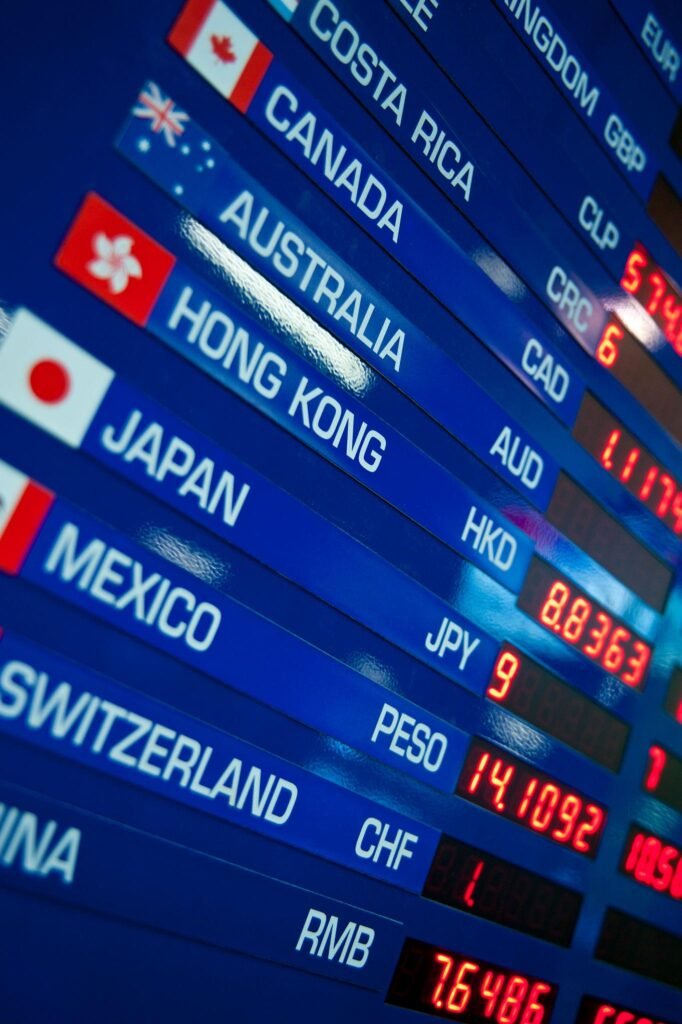
What actually moves prices:
- Jet fuel fluctuations → immediate impact on long-haul flights
- Local inflation → higher daily spend (food, taxis, entry fees)
- Demand spikes (festivals, holidays) → 2–3x accommodation rates
💡 Actionable tip:
Track flights using fare tools and book 6–10 weeks in advance for international trips. For hotels, check prices in incognito mode + compare weekdays vs weekends—you’ll often see 15–25% swings.
💱 Strong vs weak currencies (USD, INR, EUR advantage destinations)
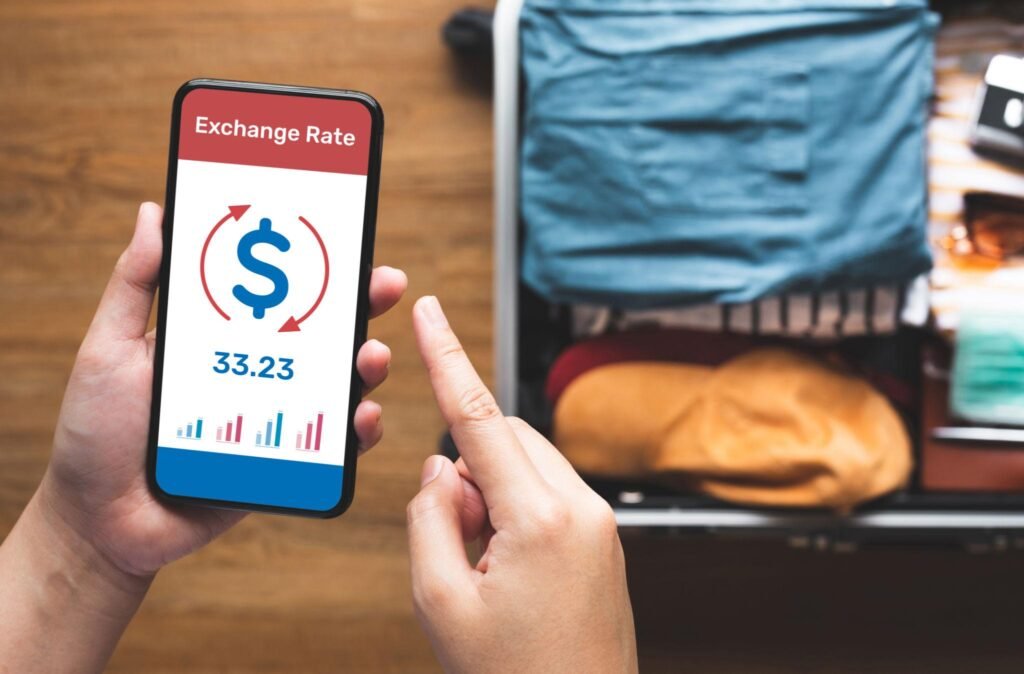
Currency strength is one of the most underrated travel hacks. Your real budget isn’t just what you earn—it’s how far your currency stretches abroad.
Travelers using strong currencies like the US Dollar and Euro consistently get better value in emerging economies. Meanwhile, even with a relatively weaker currency like the Indian Rupee, smart destination choice can dramatically reduce costs.
Real-world examples (2026):
- Vietnam & Indonesia → meals under $3, stays under $25
- Turkey → luxury stays at mid-range European prices
- Eastern Europe → 30–40% cheaper than Western Europe
💡 Actionable tip:
Instead of asking “Where do I want to go?”, ask “Where is my currency strongest right now?”
This single shift can cut your total trip cost by 20–40% without changing your experience level.
💻 Rise of digital nomad destinations

The explosion of remote work has quietly reshaped global travel pricing. Cities like Bali, Lisbon, and Chiang Mai are no longer “cheap escapes”—they’re long-stay economies.
What changed:
- Demand shifted from tourists → long-term remote workers
- Monthly rentals increased, but still cheaper than hotels
- Cafes, co-working spaces, and Wi-Fi infrastructure improved (and priced accordingly)
This creates a pricing paradox:
- Short stays = expensive (tourist pricing)
- Long stays = cheaper (nomad pricing)
💡 Actionable tip:
If staying 7+ days, skip hotel booking platforms.
Search for:
- Monthly Airbnb discounts
- Local Facebook housing groups
- Co-living spaces
You can reduce accommodation costs by 30–50% instantly.
🎒 Budget travel trends (What actually works in 2026)
Budget travel isn’t about sacrificing comfort anymore—it’s about optimizing decisions. The biggest shift is that travelers are trading convenience for savings strategically, not blindly.
What smart travelers are doing now:
- Flying mid-week (Tuesday–Thursday = cheapest fares)
- Traveling in shoulder seasons (up to 50% savings)
- Using carry-on only to avoid baggage fees
- Mixing stays (hostels + boutique hotels instead of only hotels)
- Eating local (street food = authentic + 70% cheaper)
Example:
A 7-day Thailand trip:
- Peak season: ~$1,200
- Shoulder season + smart booking: ~$700–$800
💡 Actionable tip:
Your biggest lever is flexibility. Even shifting your trip by 3–5 days can unlock dramatically lower prices on flights and hotels.
🌍 How We Ranked the Cheapest Countries (Our Methodology)
- Accommodation: Hostels, budget hotels, Airbnb, and mid-range stays
- Food: Street food, local eateries, and mid-range restaurants
- Transport: Local transport (metro, buses), intercity travel, taxis
- Visas & entry costs: Visa fees, travel insurance, and entry requirements
We focused on realistic daily spending, not extreme “survival budgets.” For example, while it’s possible to spend $5/day in some countries, that’s not practical for most travelers.
 Insight: Accommodation and transport usually make up 60–70% of your total cost—optimize these first before worrying about food savings.
🎒 Backpacker vs mid-range vs luxury comparison

Instead of giving one generic number, we categorized countries based on three travel styles, because “cheap” means different things for different people:
- Backpacker ($20–$50/day): Hostels, street food, public transport
- Mid-range ($50–$150/day): Private rooms, mix of dining, taxis occasionally
- Luxury ($150+/day): Boutique hotels, fine dining, private transfers
This comparison helps you see how a destination scales with your budget. For example, Thailand can be ultra-cheap for backpackers but also offers luxury experiences at a fraction of Western prices.
💡 Insight: Some countries are “cheap at all levels” (e.g., Vietnam), while others are only cheap for backpackers but expensive for comfort travelers.
📊 Daily budget estimation methodology
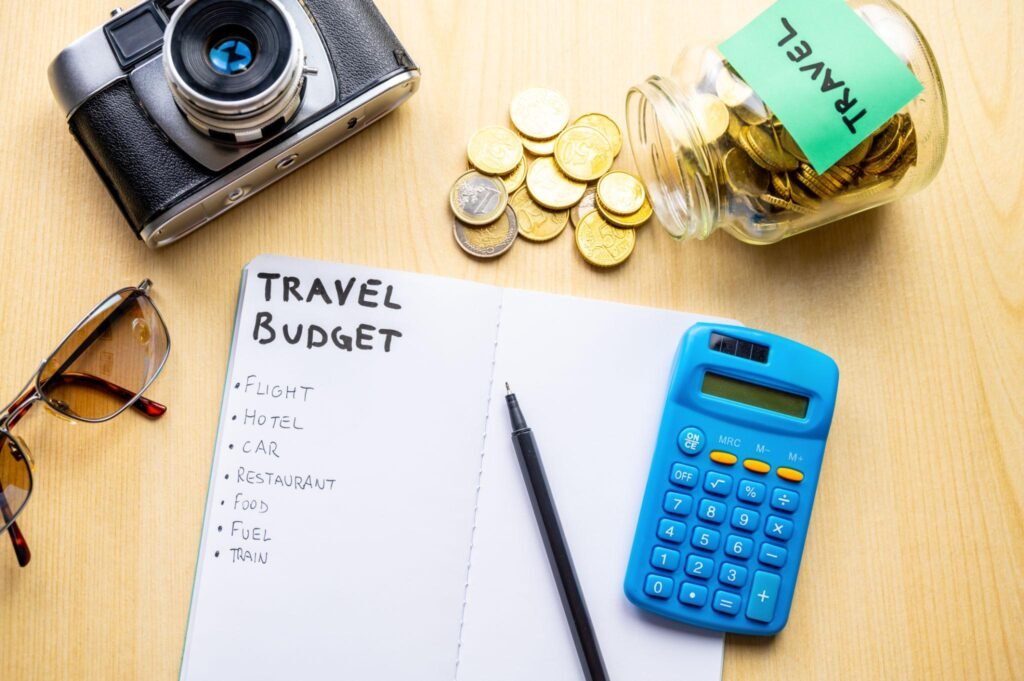
We calculated daily budgets using a blended average model instead of cherry-picked prices.
Here’s how:
- Took average accommodation prices across booking platforms
- Added 2–3 meals per day (local + occasional restaurant)
- Included daily transport + occasional activities
- Factored hidden costs (taxes, service fees, SIM cards, tips)
Then we created a per-day estimate for each travel style.
💡 Insight: Most blogs underestimate costs by ignoring hidden expenses. In reality, add 10–20% buffer to any published budget.
📚 Sources & real traveler data insights

- Booking platforms (hotel & hostel averages)
- Flight aggregators for route pricing trends
- Cost-of-living databases
- First-hand traveler reports from forums and communities
- Digital nomad and long-term traveler insights
We also cross-checked pricing trends across multiple seasons, since costs can vary drastically between peak and off-season.
Insight: Real traveler data often reveals what guides miss—like local hacks, hidden fees, and seasonal price spikes.
Cheapest Countries in 2026
| Country | Avg Daily Budget (USD) | Currency Value Advantage | Best For | Visa (Indians / US / UK) | Safety Level |
|---|---|---|---|---|---|
| Vietnam | $25 – $60 | Very strong for USD, EUR, moderate for INR | Backpackers, food lovers | Visa required / Visa-free (short stay) / Visa-free | ⭐⭐⭐⭐☆ |
| Thailand | $30 – $80 | Strong for USD, EUR | First-time travelers, nightlife | Visa-on-arrival / Visa-free / Visa-free | ⭐⭐⭐⭐☆ |
| Indonesia | $25 – $70 | Strong for USD, EUR | Digital nomads, beaches | Visa-on-arrival / Visa-free / Visa-free | ⭐⭐⭐⭐☆ |
| Turkey | $35 – $90 | Very strong for USD, EUR | Culture, history, luxury on budget | E-visa / Visa-free / Visa-free | ⭐⭐⭐⭐☆ |
| Georgia | $30 – $75 | Strong for all currencies | Budget Europe alternative | Visa-free / Visa-free / Visa-free | ⭐⭐⭐⭐⭐ |
| Mexico | $40 – $100 | Strong for USD | Food, culture, beaches | Visa required / Visa-free / Visa-free | ⭐⭐⭐☆☆ |
| Portugal | $60 – $130 | Moderate for USD, EUR | Western Europe on budget | Visa required (Schengen) / Visa-free / Visa-free | ⭐⭐⭐⭐⭐ |
Top Cheapest Countries to Travel
🇻🇳 Vietnam – Best Overall Budget Destination
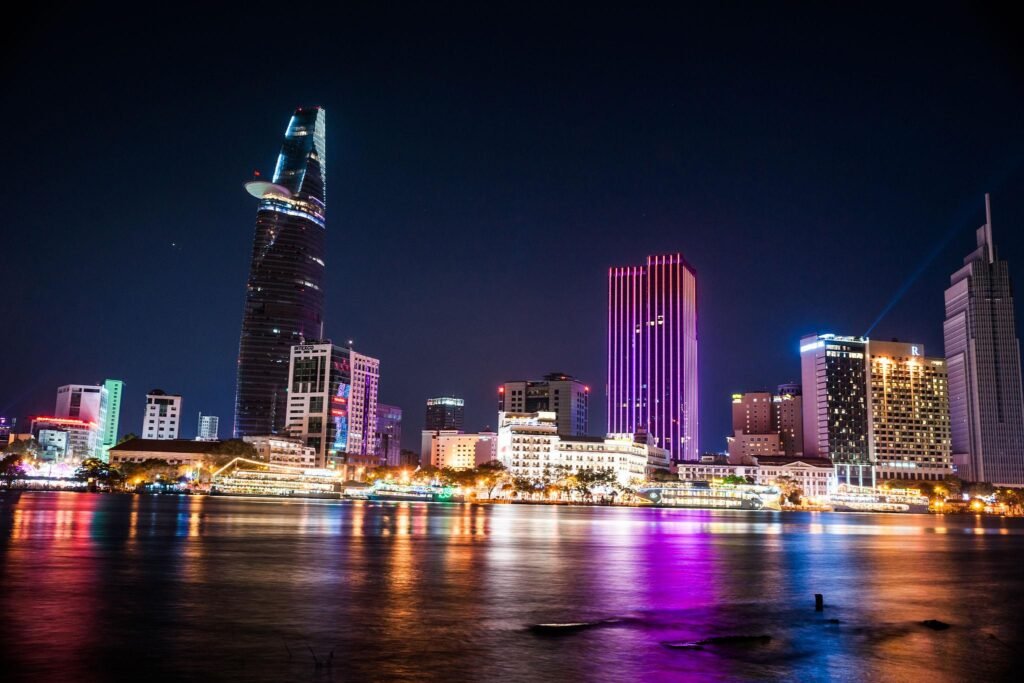
Avg Budget: $20–$40/day
Vietnam consistently delivers the best value-for-money travel experience globally. The local currency is weak against USD/EUR, making everything—from meals to hotels—extremely affordable.
Why it’s cheap:
- Street food culture (meals for $1–$3)
- Budget hotels under $20
- Cheap buses & trains
Top cities: Hanoi, Ho Chi Minh City, Da Nang
Cost breakdown:
- Food: $5–$10/day
- Stay: $10–$20
- Transport: $3–$8
Best experiences: Ha Long Bay cruise, street food tours, motorbike adventures
🇹🇭 Thailand – Budget + Party + Beaches
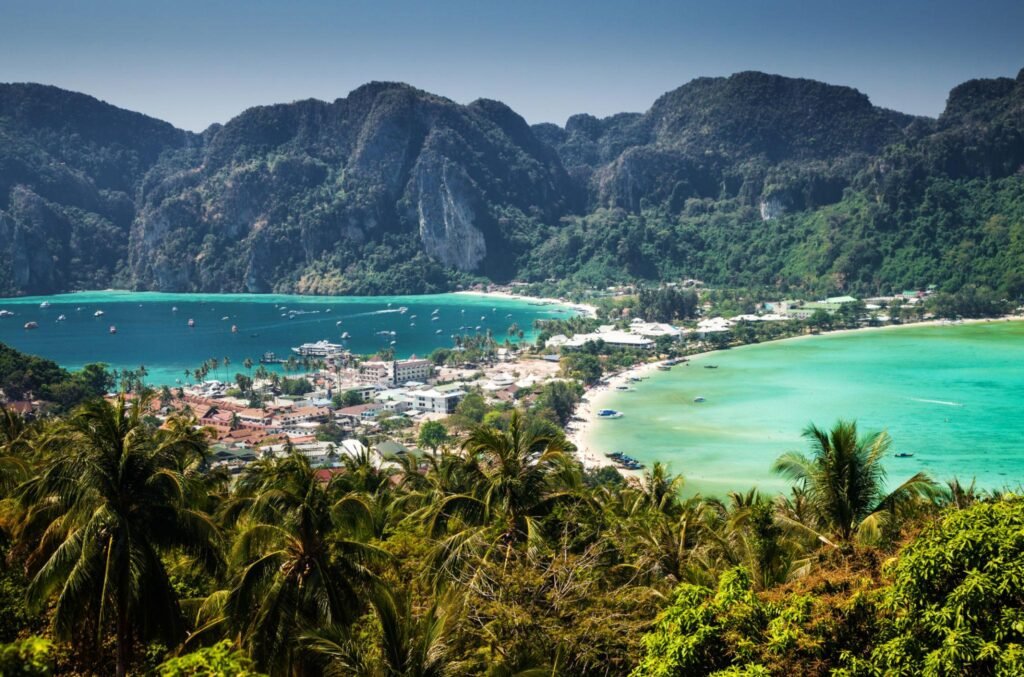
Avg Budget: $25–$50/day
Thailand balances affordability with comfort, making it perfect for both beginners and backpackers.
Cheap vs expensive:
- Cheap: Chiang Mai, Krabi
- Expensive: Phuket, Koh Samui
Street food economy: Meals for $2–$5 keep daily costs low
Backpacker hotspots: Bangkok, Chiang Mai, Koh Phangan
🇮🇩 Indonesia (Bali & Beyond)
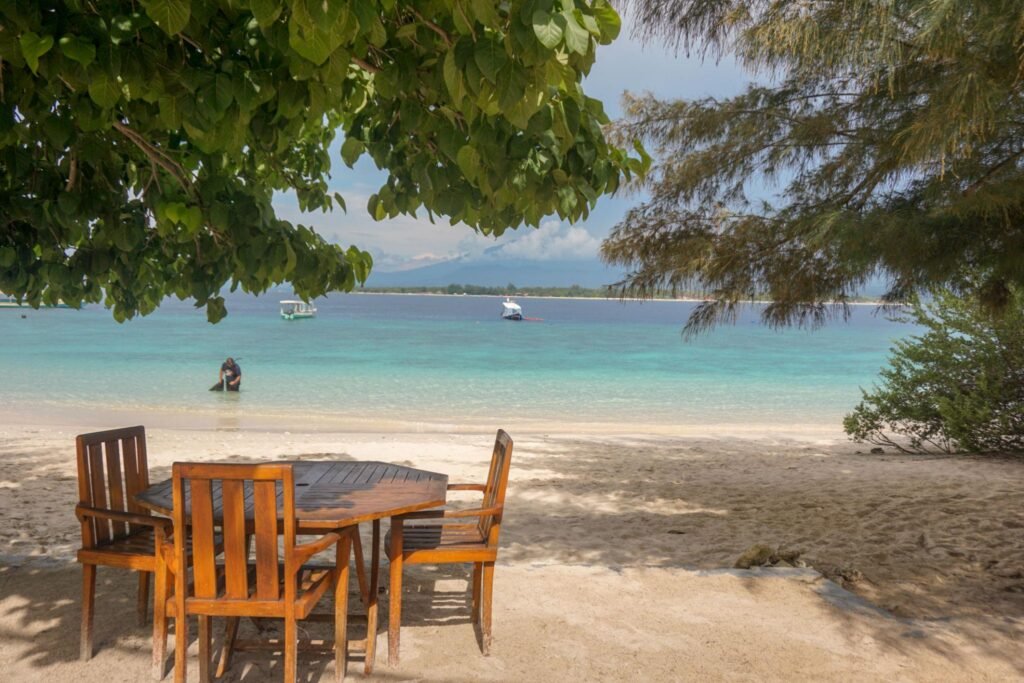
Avg Budget: $25–$45/day
Bali vs other islands:
- Bali = slightly expensive (tourist demand)
- Lombok, Gili Islands = cheaper alternatives
Digital nomad advantage: Monthly rentals + cheap cafes = long-term savings
🇮🇳 India – Ultra Budget Travel Giant
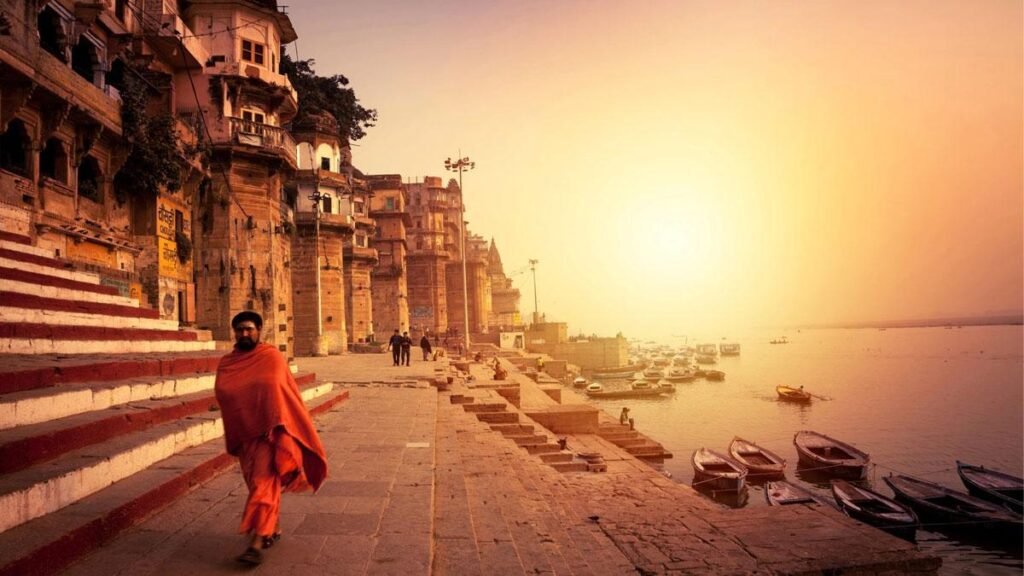
Avg Budget: $10–$30/day
India is one of the cheapest large countries to travel, especially for long-term trips.
Cheapest vs expensive:
- Cheap: Rishikesh, Varanasi
- Expensive: Goa, Mumbai
Cost advantage:
- Food: $2–$6/day
- Transport (trains): extremely low cost
🇳🇵 Nepal – Cheapest Mountain Destination

Avg Budget: $15–$35/day
Trekking costs:
- Budget treks possible under $25/day
- Guides increase cost but improve safety
Budget stays: Tea houses & guesthouses are very cheap
🇰🇭 Cambodia – Hidden Cheap Gem
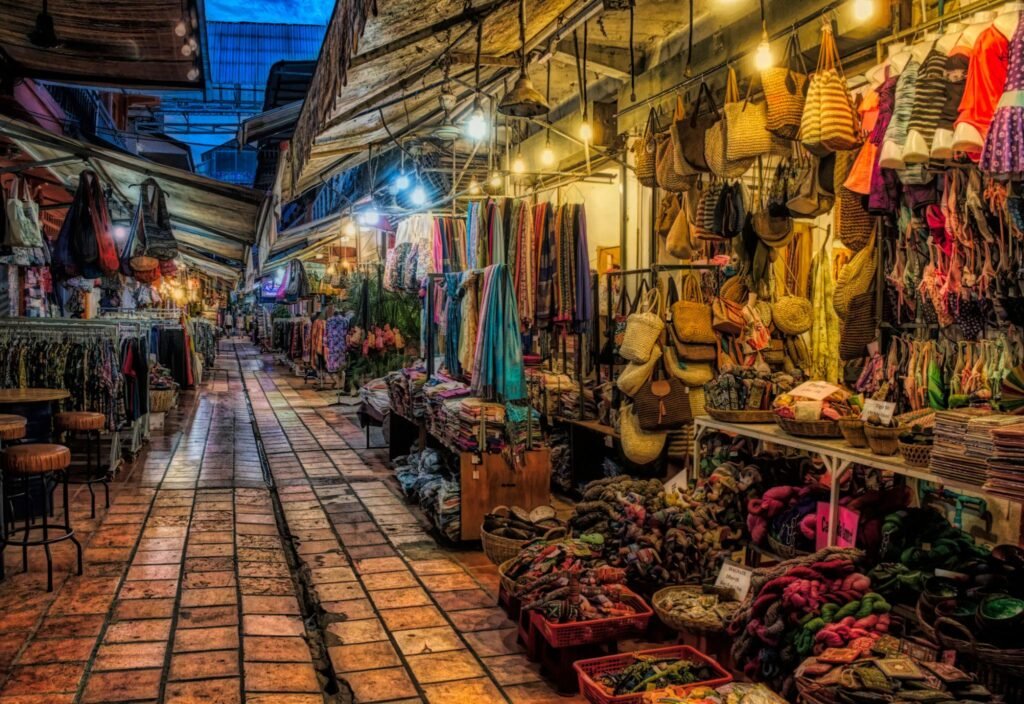
Avg Budget: $20–$40/day
Angkor Wat cost: ~$37 entry (main expense)
Savings: Cheap hostels ($5–$10), affordable food
🇱🇦 Laos – Underrated Budget Paradise

Avg Budget: $15–$30/day
Why it’s unique:
- Slow travel culture = fewer expenses
- Cheap transport + accommodation
🇲🇦 Morocco – Budget Travel in Africa
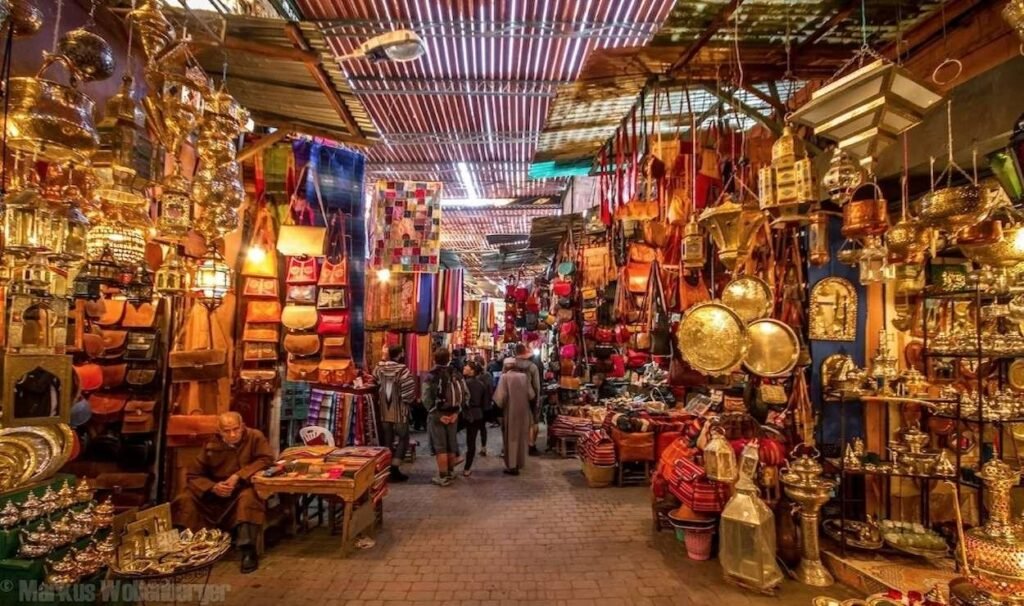
Avg Budget: $30–$60/day
Cost-saving tips:
- Stay in riads (local guesthouses)
- Eat local street food
🇹🇷 Turkey – Affordable Europe Alternative
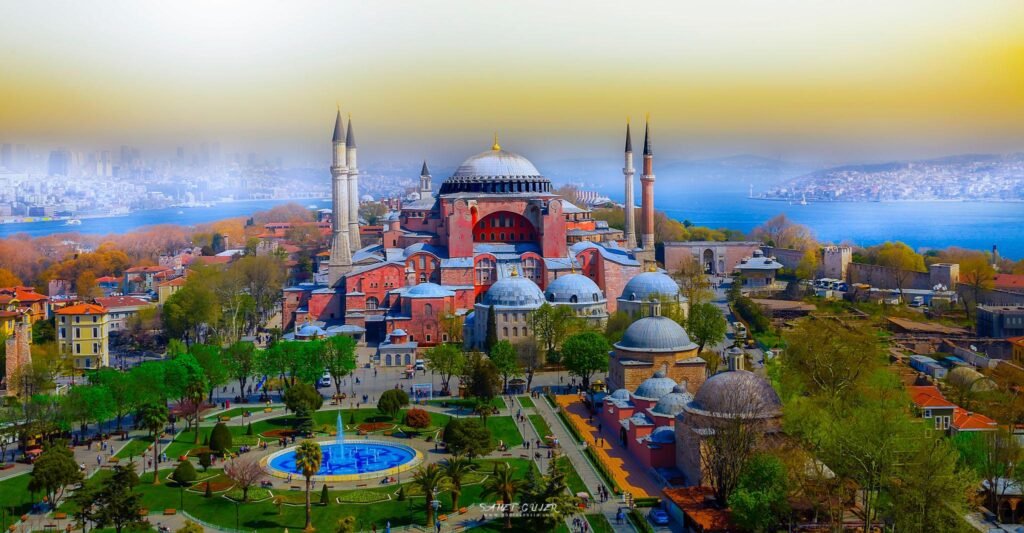
Avg Budget: $30–$55/day
Why it’s cheap:
Currency advantage makes luxury affordable
Bonus: Cheap domestic flights
🇬🇪 Georgia – Europe on a Budget

Avg Budget: $25–$50/day
Highlights:
- Visa-free for many countries
- Cheap wine, food, and transport
🇦🇱 Albania – Europe’s Hidden Budget Secret
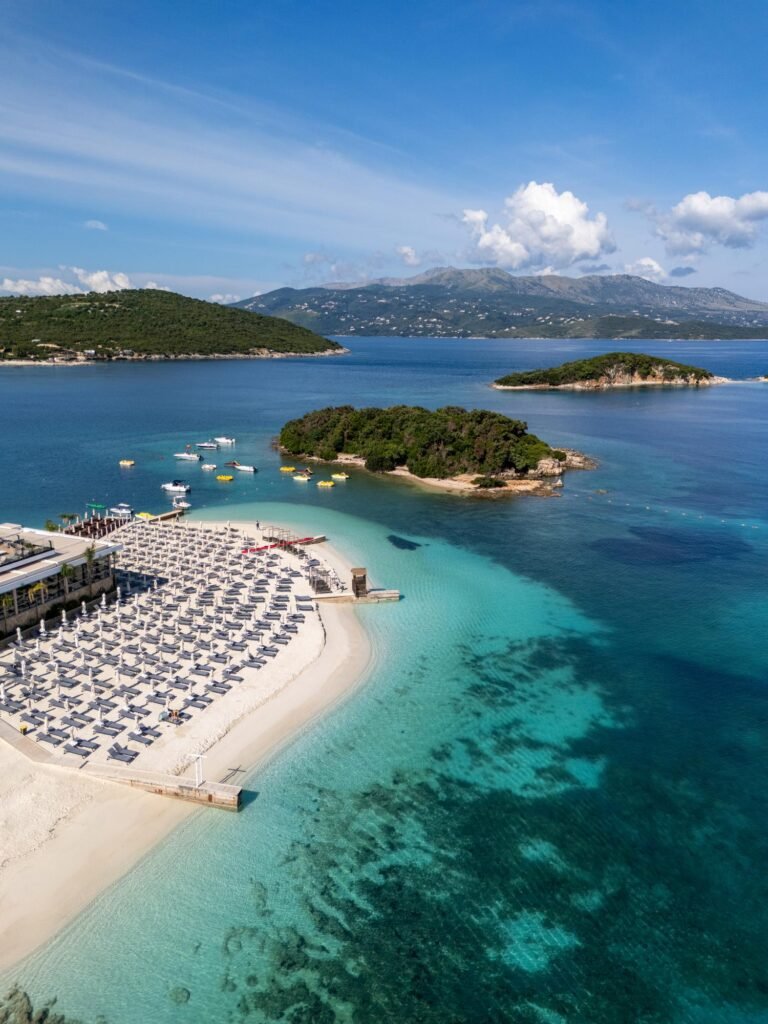
Avg Budget: $30–$55/day
Why go:
- Beaches like Greece—but far cheaper
- Lower accommodation costs
🇧🇴 Bolivia – Cheapest in South America

Avg Budget: $20–$40/day
Highlights:
- Salt flats tours
- Very low transport costs
🇵🇪 Peru – Budget Cultural Destination

Avg Budget: $30–$60/day
Cost hack:
Book Machu Picchu tickets early to save money
🇵🇭 Philippines – Cheap Island Hopping

Avg Budget: $30–$50/day
Transport tip:
Flights save time; ferries save money
🇪🇬 Egypt – History on a Budget
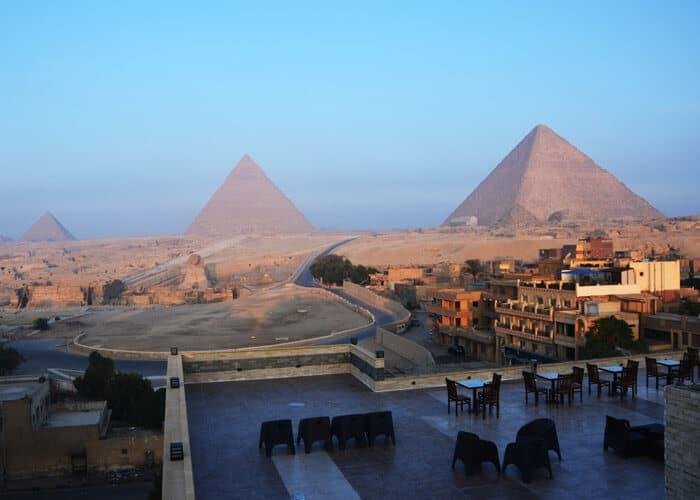
Avg Budget: $25–$45/day
Costs to watch:
- Entry fees for monuments
- Tipping culture
🧳 Cheapest Countries by Travel Style
🎒 Cheapest Countries for Backpackers
Best picks: Vietnam, Laos, India, Bolivia
These countries consistently rank as the cheapest for backpackers because they combine ultra-low daily costs with strong travel infrastructure.
Why they work:
- Dorm beds from $4–$10
- Street food culture ($1–$3 meals)
- Cheap buses, trains, and shared transport
Practical insight:
Vietnam and Laos are ideal for first-time backpackers due to easy routes, while Bolivia offers adventure at a fraction of the cost of other South American countries.
💡 Pro tip:
Use overnight buses/trains to save on both transport + accommodation—a classic backpacker hack that still works in 2026.
💑 Cheapest Countries for Couples
Best picks: Indonesia, Turkey, Georgia
These destinations are perfect for couples looking for luxury experiences at mid-range prices.
Why they work:
- Private villas in Bali for $40–$80
- Boutique hotels in Turkey at budget prices
- Romantic stays + wine culture in Georgia
Real example:
A couple in Bali can book a private pool villa for less than a standard hotel room in Europe.
💡 Pro tip:
Travel during shoulder season (just before/after peak months) to get luxury stays at 30–50% lower prices.
👩💻 Cheapest Countries for Digital Nomads
Best picks: Indonesia, Thailand, Vietnam, Georgia
These countries dominate the digital nomad scene in 2026 due to affordability + infrastructure.
Why they work:
- Monthly rentals starting $300–$800
- Fast Wi-Fi + coworking spaces
- Affordable food + cafes
Key insight:
Nomad costs drop significantly with longer stays—daily costs can fall below $25 when renting monthly.
💡 Pro tip:
Avoid booking via tourist platforms. Instead, use local rental groups or monthly deals to cut costs by up to 40%.
👨👩👧 Cheapest Family-Friendly Destinations
Best picks: Thailand, India, Turkey
Traveling with family requires a balance of cost, comfort, and safety—and these countries deliver all three.
Why they work:
- Affordable family rooms & resorts
- Cheap local transport (trains, metros, taxis)
- Wide variety of activities (beaches, culture, nature)
Real insight:
Thailand is one of the easiest countries for families due to its tourist-friendly infrastructure, while India offers unmatched value for long trips.
💡 Pro tip:
Book family rooms or apartments instead of multiple hotel rooms—this can reduce accommodation costs by 40–60%.
💰 Daily Budget Breakdown
🪙 $20/Day Travel Plan (Ultra Budget)
This is the true backpacker mode—minimal spending, maximum experience. It works best in ultra-cheap destinations like Vietnam, India, or Laos.
Daily breakdown:
- Stay: $5–$8 (hostel dorm)
- Food: $5–$7 (street food/local meals)
- Transport: $2–$5 (buses, shared rides)
- Activities: Free–$3 (walking tours, temples, nature)
What this looks like in real life:
You’re staying in a shared dorm, eating local street food, walking a lot, and using public transport.
What most blogs won’t tell you:
- You’ll need to compromise on comfort (noise, shared bathrooms)
- Tourist attractions with high entry fees won’t fit this budget daily
💡 Pro tip:
Choose cities with free attractions + cheap street food culture. Also, refill water and avoid tourist restaurants—this alone saves $5–$10/day.
💵 $50/Day Travel Plan (Mid-Range Comfort)
This is the sweet spot for most travelers—comfortable, flexible, and still budget-friendly. Works perfectly in countries like Thailand, Indonesia, and Georgia.
Daily breakdown:
- Stay: $20–$30 (private room / budget hotel)
- Food: $10–$15 (mix of street + casual restaurants)
- Transport: $5–$10 (mix of public + taxis)
- Activities: $5–$10
What this looks like:
Private room, AC, good location, occasional Uber/taxi, and the freedom to try local restaurants.
Real insight:
This budget gives you 80% of the experience at 50% of the cost of luxury travel.
💡 Pro tip:
Book stays slightly outside tourist centers—you’ll often save 20–30% while still being well-connected.
💎 $100/Day Travel Plan (Luxury on Budget)
This is where “cheap countries” really shine—you can experience luxury at a fraction of Western prices. Ideal in Turkey, Indonesia, or Thailand.
Daily breakdown:
- Stay: $40–$70 (boutique hotel / villa)
- Food: $15–$25 (restaurants + cafes)
- Transport: $10–$15 (taxis/private transfers)
- Activities: $15–$30 (tours, experiences)
What this looks like:
Private villas, curated experiences, guided tours, and premium dining—without overspending.
Example:
In Bali, $100/day can get you a private pool villa + scooter rental + cafe hopping + spa session.
💡 Pro tip:
Book experiences locally instead of online platforms—you can often negotiate and save 20–40%.
✈️ Cheapest Countries by Region
🌴 Southeast Asia (Vietnam, Thailand, Cambodia, Laos)

Countries: Vietnam, Thailand, Cambodia, Laos
Southeast Asia remains the #1 cheapest region globally due to its combination of low living costs, strong tourism infrastructure, and traveler-friendly routes.
Why it’s cheap:
- Street food meals for $1–$3
- Hostels from $5–$12
- Cheap buses, trains, and flights
Real insight:
Vietnam and Laos are the cheapest overall, while Thailand offers the best balance between cost and comfort.
💡 Pro tip:
Travel overland (bus/train) between countries to save on flights—routes like Thailand → Laos → Vietnam are extremely budget-friendly.
🕌 South Asia (India, Nepal, Sri Lanka)

Countries: India, Nepal, Sri Lanka
South Asia offers the lowest absolute travel costs in the world, especially for long-term travelers.
Why it’s cheap:
- Extremely low food & transport costs
- Budget accommodation widely available
- Strong local travel networks (especially trains in India)
Real insight:
India is the cheapest overall, Nepal is best for mountain experiences, and Sri Lanka offers diversity at slightly higher prices.
💡 Pro tip:
Use trains instead of flights—especially in India and Sri Lanka—to cut transport costs by up to 80%.
🏰 Eastern Europe (Georgia, Albania, Turkey)
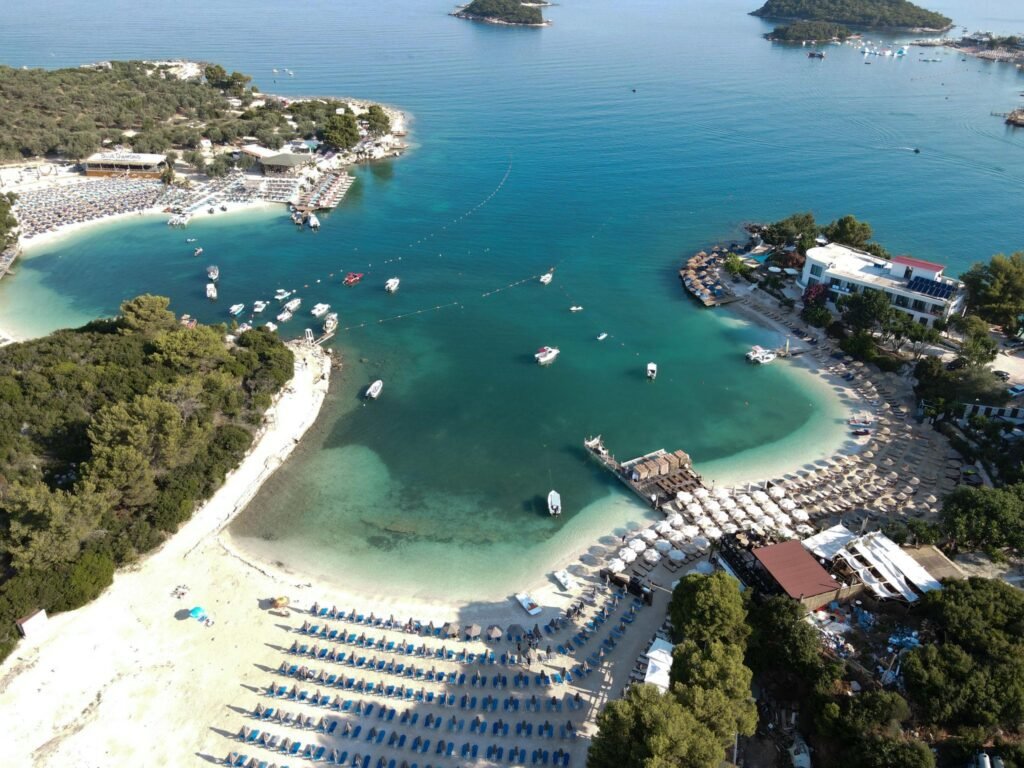
Countries: Georgia, Albania, Turkey
This region is the best budget alternative to Western Europe, offering similar experiences at nearly half the price.
Why it’s cheap:
- Favorable currency exchange
- Lower accommodation costs than Western Europe
- Affordable local food and wine
Real insight:
Georgia is the cheapest, Albania offers stunning beaches, and Turkey delivers luxury experiences at budget prices.
💡 Pro tip:
Avoid peak summer in Albania and Turkey—prices can double. Visit in May–June or September for better deals.
🐪 Africa (Morocco, Egypt)

Countries: Morocco, Egypt
North Africa offers cultural depth + affordability, making it ideal for travelers seeking unique experiences on a budget.
Why it’s cheap:
- Affordable local food and markets
- Budget riads and guesthouses
- Low daily transport costs
Real insight:
Egypt is cheaper overall, but Morocco offers a more polished travel experience.
💡 Pro tip:
Always negotiate in markets and for taxis—prices are rarely fixed and can be reduced significantly.
🏔️ South America (Bolivia, Peru)

Countries: Bolivia, Peru
South America can be expensive overall—but Bolivia and Peru stand out as budget-friendly exceptions.
Why it’s cheap:
- Low-cost local transport (especially buses)
- Affordable food and markets
- Budget tours available
Real insight:
Bolivia is the cheapest in the region, while Peru offers better infrastructure and iconic experiences like Machu Picchu.
💡 Pro tip:
Book tours locally instead of online platforms—especially in Bolivia—to save up to 30%.
📅 Best Time to Visit Cheap Countries
📉 Off-season vs Peak Season (Where You Save the Most)
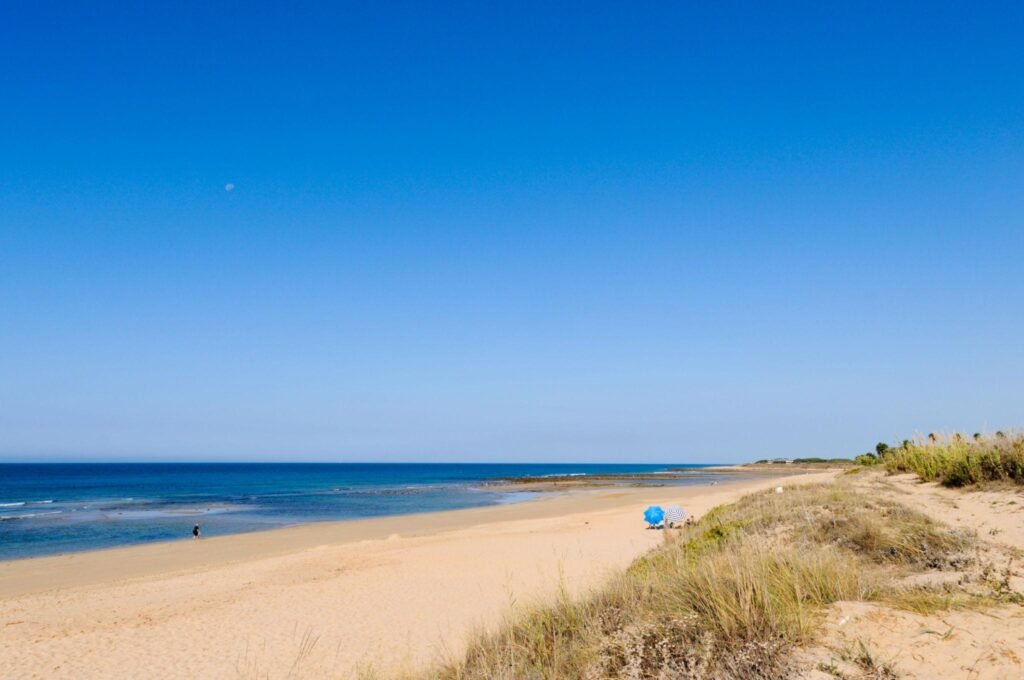
Timing is the #1 factor that can instantly cut your travel cost by 30–60%—often more than choosing a “cheap country.”
Peak season (most expensive):
- Europe: June–August
- Southeast Asia: December–February
- Flights + hotels can double or even triple
Off-season (cheapest):
- Fewer tourists = lower prices
- Hotels drop rates to fill rooms
- Flights are significantly cheaper
But here’s the nuance most blogs miss:
Off-season doesn’t always mean “bad experience.”
👉 Example:
- Thailand in rainy season = short showers, not all-day rain
- Italy in winter = fewer crowds, cheaper hotels
💡 Pro tip:
Aim for shoulder season (just before/after peak)—you get good weather + low prices. This is the sweet spot smart travelers use.
🌍 Cheapest Months to Travel Globally
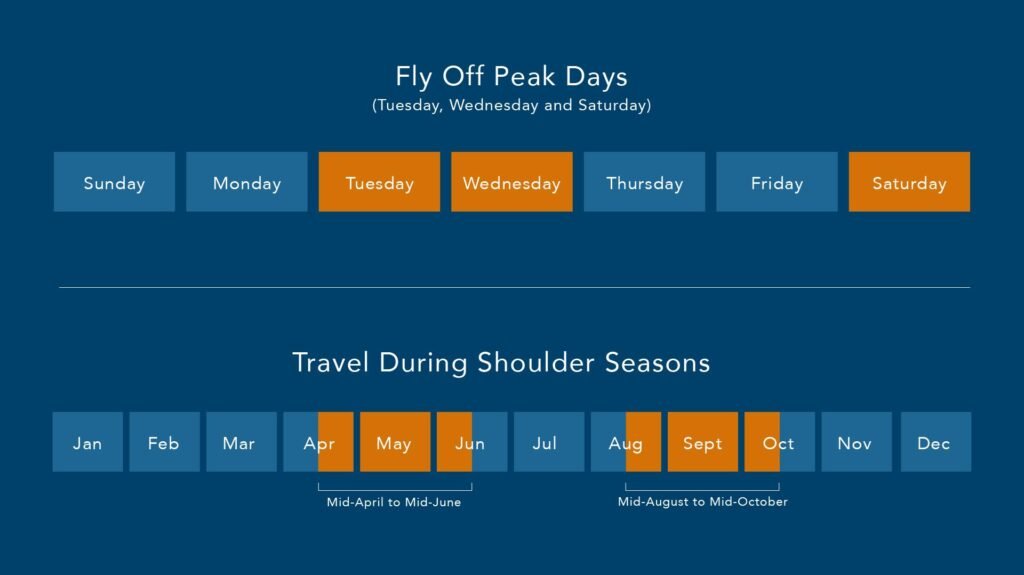
While prices vary by destination, some months are consistently cheaper worldwide due to lower demand.
Globally cheapest travel months:
- January – February: Post-holiday drop (huge flight discounts)
- May: Pre-summer lull (perfect weather in many regions)
- September – early October: After summer crowds
Expensive months to avoid:
- December (Christmas & New Year surge)
- July–August (global summer peak)
Real insight:
Flights booked in January or September are often 20–40% cheaper than peak months for the same routes.
💡 Pro tip:
Use flexible date search tools—shifting your trip by even ±3 days can unlock the cheapest fares.
🌦️ Weather vs Pricing Strategy (Smart Travel Hack)
The biggest mistake travelers make is chasing “perfect weather.” In reality, perfect weather = peak prices.
Smart travelers optimize for value, not perfection.
How to balance weather & cost:
- Tropical countries (Thailand, Bali):
→ Travel in early rainy season (cheaper, still enjoyable) - Europe:
→ Visit in spring (April–May) or autumn (Sept–Oct) - Mountains (Nepal, Peru):
→ Avoid extreme seasons but target shoulder months
Real example:
- Bali in peak season: $80/night villa
- Bali in shoulder season: same villa for $40–$50
💡 Pro tip:
Research “micro-seasons”—some destinations have short rain windows or mild off-seasons where prices drop but experience remains great.
🧠 Smart Budget Travel Tips
✈️ How to Find Cheap Flights

Flight cost is usually 40–60% of your total travel budget, so optimizing this is non-negotiable.
What actually works in 2026:
- Use flight aggregators like Google Flights and Skyscanner
- Set price alerts (don’t manually check every day)
- Book international flights 6–10 weeks in advance
- Use “Everywhere” or flexible destination search to discover cheaper routes
Real insight:
Flying into a nearby city (e.g., Bangkok instead of Phuket) and then taking a local flight can save $100–$300.
💡 Pro tip:
Search flights in one currency (like USD) to compare global pricing consistently.
📅 Booking Hacks (Mid-week, Incognito Myth vs Reality)

There’s a lot of misinformation around booking hacks—let’s clear it up.
What’s true:
- Flights are usually cheaper on Tuesday–Thursday departures
- Hotels are cheaper on weekdays vs weekends
- Prices increase as seats fill (demand-based pricing)
What’s a myth:
- ❌ Incognito mode does NOT magically reduce prices
Airlines don’t track you individually—they adjust prices based on demand, not your search history.
💡 Pro tip:
Instead of relying on myths, focus on flexible dates + early booking—that’s where real savings happen.
💳 Use of Travel Cards & Forex Tips

Currency handling can silently eat into your budget if done wrong.
Smart money strategy:
- Use zero forex markup cards for payments
- Withdraw cash from ATMs instead of airport exchange counters
- Avoid dynamic currency conversion (always pay in local currency)
Example:
Paying in your home currency instead of local currency can cost you 3–8% extra per transaction.
💡 Pro tip:
Carry a mix:
- 70% card
- 30% cash
This gives flexibility and avoids unnecessary fees.
🚆 Local Transport Hacks

Transport within a country is where smart travelers save big.
Best low-cost options:
- Public transport (metro, buses) → cheapest
- Ride-sharing apps → cheaper than taxis
- Scooter rentals in Southeast Asia → $5–$10/day
Real insight:
In cities like Bangkok or Hanoi, taxis can cost 3–5x more than public transport for the same route.
💡 Pro tip:
Download local apps before arrival—this avoids tourist pricing and language barriers.
⚠️ Avoiding Tourist Traps

Tourist traps are where most travelers unknowingly overspend.
Common traps:
- Restaurants near major attractions (2–3x overpriced)
- Taxi scams or inflated fares
- Overpriced tours booked online
What smart travelers do:
- Walk 2–3 streets away from tourist areas to eat
- Compare tour prices locally before booking
- Use reviews, but avoid “too perfect” listings
Real insight:
The same meal can cost $15 in a tourist area vs $5 locally—without any quality difference.
💡 Pro tip:
If a place has aggressive sellers or “special tourist menus,” walk away—it’s almost always overpriced.
⚠️ Common Budget Travel Mistakes to Avoid
🧭 Overplanning vs Flexible Travel
Overplanning looks efficient—but it often kills both savings and experience.
The problem:
- Locking everything in advance = no room for cheaper deals
- Pre-booked tours and hotels are usually priced for convenience, not value
- You miss local opportunities (cheaper stays, hidden spots)
Real example:
Booking all hotels in advance in Thailand can cost 20–30% more compared to booking locally or adjusting plans.
What smart travelers do:
- Book only the first 1–2 nights
- Keep itinerary flexible for better deals
- Adjust based on local recommendations
💡 Pro tip:
Flexibility = savings. The less rigid your plan, the more chances you have to optimize cost in real-time.
💱 Ignoring Currency Exchange Rates
Most travelers lose money without realizing it—not on flights or hotels, but on currency conversion mistakes.
Common mistakes:
- Exchanging money at airports (worst rates)
- Paying in home currency instead of local currency
- Ignoring exchange rate fluctuations
Example:
Using dynamic currency conversion instead of local currency can cost 5–10% extra per transaction.
Smart approach:
- Use cards with low or zero forex markup
- Withdraw cash from local ATMs
- Track rates for currencies like US Dollar, Euro, or Indian Rupee before traveling
💡 Pro tip:
Always choose “pay in local currency” when using your card—it’s the simplest way to avoid hidden fees.
🏨 Booking Last-Minute Stays
Last-minute bookings are one of the fastest ways to blow your budget—especially in popular destinations.
What happens:
- Limited availability → higher prices
- You’re forced into overpriced or low-quality stays
- Peak season = almost no budget options left
Real insight:
In places like Italy or Bali, booking even 3–5 days late can increase hotel prices by 25–50%.
Better strategy:
- Book key stays in advance (especially first destination)
- Keep flexibility for later parts of the trip
- Use free cancellation options
💡 Pro tip:
Balance is key—don’t overplan, but don’t rely entirely on last-minute deals either.
📄 Not Researching Visa Rules
This is the most expensive mistake—not just financially, but emotionally.
What can go wrong:
- Denied boarding at the airport
- Unexpected visa fees
- Delays that force rebooking flights
Real example:
Some countries require e-visas or onward tickets, even if they seem “visa-free.”
What smart travelers do:
- Check official visa rules before booking flights
- Verify requirements for your passport (rules differ for Indians, US, UK travelers)
- Keep digital + printed copies of documents
💡 Pro tip:
Always double-check visa rules 1–2 weeks before travel—policies can change quickly.
🔐 Safety Tips for Cheap Travel Destinations
🛡️ Safe vs Risky Countries
“Cheap” doesn’t mean unsafe—but safety varies by region, city, and behavior.
Generally safer budget destinations:
- Vietnam, Thailand, Georgia
Low violent crime, strong tourism infrastructure
Moderate-risk (safe with awareness):
- India, Morocco, Peru
Petty theft, scams, crowded areas
Higher caution zones (specific areas, not entire countries):
- Bolivia, Egypt
What actually matters (not talked about enough):
- Tourist areas are usually safe—but also where scams happen
- Night safety varies more than daytime safety
- Your behavior matters more than the destination
💡 Pro tip:
Follow the “local rule”—if locals avoid a street or area, you should too.
🏥 Travel Insurance Importance
Skipping travel insurance to “save money” is one of the costliest mistakes travelers make.
Why it’s essential:
- Medical emergencies abroad can cost $500–$5,000+
- Covers flight cancellations, delays, lost luggage
- Required for entry in some countries (e.g., Schengen region)
Real scenario:
A minor injury in Thailand or Bali can cost more than your entire trip budget without insurance.
What to look for:
- Medical coverage (minimum $50,000 recommended)
- Trip cancellation protection
- Emergency evacuation
💡 Pro tip:
Choose insurance that covers adventure activities if you plan trekking, diving, or biking—many basic plans don’t.
⚠️ Scam Awareness (Where Travelers Lose Money Fast)
Scams are the #1 hidden cost in budget travel—and they happen even in safe countries.
Most common travel scams:
- Taxi overcharging or “meter broken”
- Fake tour guides or inflated tour prices
- Currency exchange scams
- “Closed attraction” trick (redirecting you elsewhere)
Where it happens most:
Busy tourist zones in cities like Bangkok, Marrakech, or Cairo—not remote areas.
How to avoid them:
- Use ride apps instead of street taxis
- Book tours from verified providers or compare locally
- Always check official prices before paying
Real insight:
If someone approaches you first offering help or deals—it’s often a setup for a scam.
💡 Pro tip:
Adopt a simple rule:
👉 “If it feels rushed or too good to be true, walk away.”
🌐 Cheapest Countries for Different Travelers (Global View)
🇮🇳 For Indian Travelers
For travelers from India, affordability depends on visa ease + flight cost + currency strength (INR).
Best cheap countries:
- Vietnam – low daily cost + great food culture
- Thailand – visa-friendly + budget infrastructure
- Nepal – no visa + ultra-low cost
- Indonesia – affordable stays + flights deals
Why these work:
- Flights from India are relatively cheap (₹15K–₹35K range)
- Visa-on-arrival or visa-free access reduces hassle
- Daily budgets can go as low as $20–$40
💡 Real insight:
For Indian travelers, flight cost matters more than daily cost—a cheap country with expensive flights isn’t truly budget-friendly.
🇺🇸 For US Travelers
US travelers benefit from a strong US Dollar, making many countries significantly cheaper.
Best cheap countries:
- Mexico – cheap flights + strong USD advantage
- Colombia – low cost of living + vibrant cities
- Vietnam – best value globally
- Portugal – cheapest Western Europe option
Why these work:
- Strong USD increases purchasing power
- Close destinations like Mexico reduce flight costs
- Long stays become very affordable
💡 Real insight:
For US travelers, combining cheap destinations + strong currency can reduce overall trip cost by 30–50%.
🇬🇧🇪🇺 For UK / EU Travelers
Travelers from the UK and Europe benefit from proximity and strong currencies like the Euro.
Best cheap countries:
- Albania – Mediterranean experience at half the price of Greece
- Georgia – visa-free + ultra-affordable
- Turkey – luxury at budget prices
- Morocco – close + culturally rich
Why these work:
- Short flights = lower travel cost
- Favorable exchange rates
- High-quality experiences at lower prices
💡 Real insight:
For EU travelers, Eastern Europe and nearby regions offer the best cost-to-experience ratio, often 40–60% cheaper than Western Europe.
📊 Cheapest vs Expensive Destinations (Comparison)
🇹🇭 Thailand vs 🇲🇻 Maldives
| Factor | Thailand | Maldives |
|---|---|---|
| Avg Daily Budget | $25–$50 | $150–$500+ |
| Stay | Budget hostels, hotels | Luxury resorts, villas |
| Food | $2–$5 street food | Expensive resort dining |
| Transport | Cheap public transport | Speedboats/seaplanes ($50–$300) |
| Best For | Budget + variety | Luxury honeymoon |
Verdict:
👉 Thailand offers 5–10x more value per dollar.
Maldives is not a budget destination—it’s a premium experience.
💡 Insight:
If you want Maldives-style beaches on a budget, go to Krabi or Koh Phi Phi in Thailand.
🇮🇩 Bali vs 🇪🇺 Europe
| Factor | Bali | Europe |
|---|---|---|
| Avg Daily Budget | $25–$60 | $80–$200+ |
| Stay | Villas, budget hotels | Expensive hotels |
| Food | $3–$10 | $15–$30 |
| Transport | Cheap scooters/taxis | Expensive trains & taxis |
| Experience | Luxury on budget | Premium pricing |
Verdict:
👉 Bali gives luxury at budget prices, while Europe charges premium for similar comfort.
💡 Insight:
A private villa in Bali can cost less than a basic hotel room in cities like Paris or Rome.
🇻🇳 Vietnam vs 🇯🇵 Japan
| Factor | Vietnam | Japan |
|---|---|---|
| Avg Daily Budget | $20–$40 | $100–$250 |
| Food | $1–$5 street food | $10–$25 meals |
| Stay | $10–$20 hotels/hostels | $50–$150 hotels |
| Transport | Cheap buses/trains | Expensive bullet trains |
| Travel Style | Budget-friendly | High-cost developed |
Verdict:
👉 Vietnam is one of the cheapest countries globally, while Japan is a premium destination.
💡 Insight:
Japan can still be done on a budget—but it requires strict planning, unlike Vietnam where budget travel is effortless.
❓ FAQs About Cheapest Countries to Travel
💰 What is the cheapest country to travel in 2026?
The cheapest country depends on your travel style, but overall, Vietnam consistently ranks #1.
You can comfortably travel on $20–$40/day with great food, cheap stays, and solid infrastructure.
👉 Close contenders: India, Laos, Bolivia
🇮🇳 Which country is cheapest for Indians to travel?
For Indian travelers, the cheapest options combine low flight cost + visa ease + affordable daily spend.
👉 Best choices:
- Nepal (no visa, ultra cheap)
- Vietnam
- Thailand
Real insight: Nearby countries are often cheaper overall than distant “cheap” destinations due to flight costs.
🌍 What is the cheapest place to travel internationally?
Globally, Southeast Asia remains the cheapest region.
👉 Top picks:
- Vietnam
- Thailand
- Cambodia
These countries offer low daily costs + strong tourism infrastructure.
💵 How much money do I need per day for budget travel?
It depends on your travel style:
- Budget (backpacker): $20–$40/day
- Mid-range: $50–$100/day
- Luxury (in cheap countries): $100+/day
👉 In places like Vietnam or Indonesia, even $50/day feels comfortable.
🌴 Is Southeast Asia still the cheapest region in 2026?
Yes—100%.
Countries like Vietnam, Thailand, and Indonesia still offer the best value globally.
Why it stays cheap:
- Strong street food culture
- Affordable accommodation
- Competitive tourism markets
🇮🇳➡️🌍 Which countries are cheaper than India?
India is already very cheap—but a few countries match or beat it in value:
👉 Comparable or cheaper:
- Vietnam
- Laos
- Nepal
Insight: While India is cheaper overall, these countries can feel easier for travelers due to better tourist infrastructure.
🇪🇺 What is the cheapest country in Europe to visit?
The best budget-friendly European options are:
👉 Top picks:
- Georgia
- Albania
- Turkey
These destinations offer European experiences at 40–60% lower cost than Western Europe.
✈️ How can I travel internationally on a low budget?
Focus on these high-impact strategies:
- Travel in off-season or shoulder season
- Book flights 6–10 weeks early
- Choose countries where your currency is strong
- Use public transport + local food
👉 Smart planning can reduce your total trip cost by 30–50%.
🛡️ Are cheap countries safe to travel?
Yes—most popular budget destinations are safe if you travel smart.
👉 Generally safe:
- Thailand
- Vietnam
👉 Moderate caution:
- Morocco, Peru
Rule: Safety depends more on your behavior than the destination.
📅 What is the cheapest time to travel abroad?
The cheapest months globally are:
- January–February (post-holiday drop)
- May (pre-summer lull)
- September–October (after peak season)
👉 Avoid:
- December (holiday surge)
- July–August (peak travel season)
Insight: Traveling in the right month can cut your cost by 30–60% instantly.