Table of Contents
Toggle🌏 Overview – When is the Best Time to Visit Thailand?
If you want the short, accurate answer: the best time to visit Thailand is from late November to early February. This is when the country experiences its cool, dry season, offering the most reliable weather for beaches, city exploration, and island hopping.
But here’s what most blogs don’t tell you: “best” depends heavily on what you want from your trip. Thailand isn’t one uniform destination—weather varies by region, prices fluctuate sharply, and travel experiences change dramatically across seasons.
🌦️ Thailand Seasons — What Actually Matters (Not Just Labels)
Instead of memorizing seasons, understand how they affect your trip experience:
- November to February (Cool & Dry Season – Peak Travel Window)
Expect clear skies, low humidity, and calm seas—perfect for island tours in Phuket, Krabi, and Phi Phi.
👉 Reality check: This is also when Thailand is at its most crowded and expensive. Popular spots like Maya Bay or Bangkok temples can feel packed by mid-day. - March to May (Hot Season – Underrated for Smart Travelers)
Temperatures can hit 35–40°C, especially in Bangkok.
👉 But here’s the advantage: fewer tourists + better hotel deals. If you plan your days right (early mornings + evenings), this can be a surprisingly good time. - June to October (Rainy Season – Misunderstood but Valuable)
Rain is usually short, intense bursts, not all-day downpours.
👉 Key insight: The Gulf islands (Koh Samui, Koh Tao) often have better weather than Phuket during this period, making them a smart alternative.
🧳 When Should You Go? (Based on Real Travel Goals)
This is where most articles stay surface-level—let’s go deeper:
💑 For Honeymoon & Luxury Travelers
Best Time: Late Nov – Feb
You want perfect photos, smooth island transfers, and calm turquoise water.
👉 Pro tip: Avoid Christmas–New Year week unless budget isn’t a concern—prices can spike 2–3x.
💸 For Budget Travelers
Best Time: May, September, early October
These are pricing sweet spots, not just “cheap months.”
👉 Flights from India and hotels drop significantly, and you can often upgrade to better properties for the same budget.
🎉 For Party & Nightlife Seekers
Best Time: December to March
This is when Thailand is at its liveliest—beach clubs, rooftop bars, and events are in full swing.
👉 Example: Full Moon Party in Koh Phangan is bigger and more energetic during this period.
🎒 For Backpackers & Slow Travelers
Best Time: July to October
Fewer crowds = more authentic experiences.
👉 Northern Thailand (Chiang Mai, Pai) becomes lush green and peaceful, ideal for long stays and cultural exploration.
⚠️ Critical Insight Most Guides Miss
- December isn’t always the “best” month → It’s the most crowded.
- Rainy season doesn’t ruin your trip → It changes how you travel.
- Thailand has micro-climates → One island can be sunny while another has rain.
💡 Smart Timing Strategy
If you want the best overall experience without peak-season chaos:
👉 Travel in late November or early February
You’ll get:
- Near-perfect weather
- Lower prices than peak weeks
- Fewer crowds at major attractions
🌦️ Thailand Weather & Seasons Explained
Thailand’s climate isn’t just about temperature—it directly affects crowds, pricing, island accessibility, and overall travel experience. Understanding how each season behaves on the ground will help you plan smarter—not just safer.
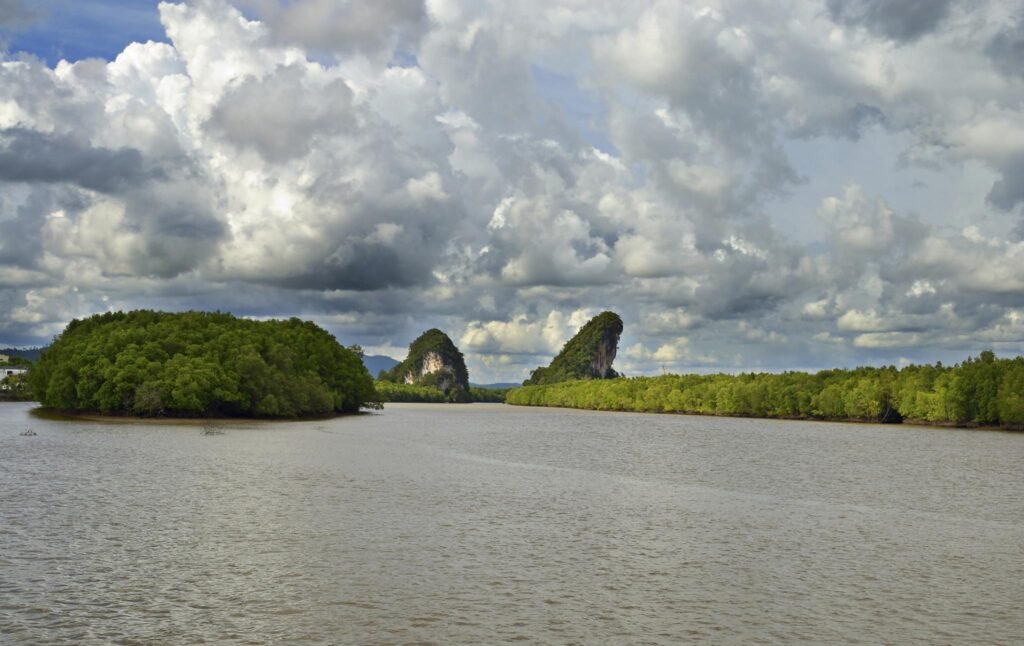
❄️ Cool Season (November to February)
This is widely considered the best time to visit Thailand, especially for first-time travelers.
- Weather Conditions:
Expect pleasant temperatures (20–30°C), low humidity, and minimal rainfall. Skies are clear, and the sea is calm—ideal for boat tours and beach activities. - Why It’s the Best for First-Time Visitors:
You don’t need to “plan around weather.” Whether you’re exploring Bangkok’s temples, island hopping in Krabi, or trekking in Chiang Mai, conditions are consistently favorable. - Peak Tourist Season Reality:
This comfort comes at a cost—higher prices and heavy crowds. Hotels in Phuket or Koh Phi Phi can be 2x more expensive than off-season rates.
👉 Expert Tip:
Travel in late November or early February to get peak-season weather without peak-season crowds. Avoid Christmas–New Year unless you book months in advance.
🔥 Hot Season (March to May)
Often overlooked, but strategically useful if planned right.
- Temperature Overview:
Expect 30–40°C heat, especially in cities like Bangkok and inland areas. Coastal destinations feel slightly better due to sea breeze. - Who Should Travel Now:
- Budget travelers (lower hotel rates)
- Repeat visitors who can handle heat
- Travelers focused on islands over cities
👉 Example: Phuket or Koh Samui mornings and evenings are still enjoyable, while mid-day is best for indoor or pool time.
- Heat Management Tips (Real, Not Generic):
- Plan outdoor activities before 11 AM or after 4 PM
- Choose hotels with pools or beach access
- Use malls, cafes, and massages as “cooling breaks”
- Stay hydrated—Thailand’s humidity drains energy faster than expected
👉 Hidden Advantage: Fewer crowds mean better photos, shorter queues, and more relaxed experiences.
🌧️ Rainy Season / Monsoon (June to October)
This is the most misunderstood season in Thailand travel.
- Rain Patterns (What It’s Really Like):
Rain usually comes in short, heavy bursts (30–90 minutes), often in the afternoon or evening—not all-day rain. - Pros (Where Smart Travelers Win):
- Lowest prices of the year (flights + hotels)
- Fewer tourists → more authentic experience
- Landscapes turn lush green, especially in Northern Thailand
👉 Example: Chiang Mai during monsoon is incredibly scenic and peaceful compared to peak season chaos.
- Cons (What You Must Plan For):
- High humidity (can feel tiring)
- Occasional flooding in cities like Bangkok
- Rough seas can disrupt island transfers (especially Phuket side)
👉 Critical Insight:
Not all islands are equal during monsoon.
- Avoid: Phuket, Krabi (Andaman side)
- Better choice: Koh Samui, Koh Tao (Gulf side)
💡 Final Insight
Thailand doesn’t have a “bad” season—it has different versions of a good trip.
- Want perfect weather? → Cool season
- Want value + fewer crowds? → Hot or rainy season
- Want unique landscapes + slower travel? → Monsoon
The key is not avoiding seasons—but choosing the right experience for your travel style.
📅 Best Time to Visit Thailand by Month
This month-by-month guide is designed to capture real travel conditions—not just weather data. Use it to decide exactly when to go based on your priorities: cost, crowds, or experience.
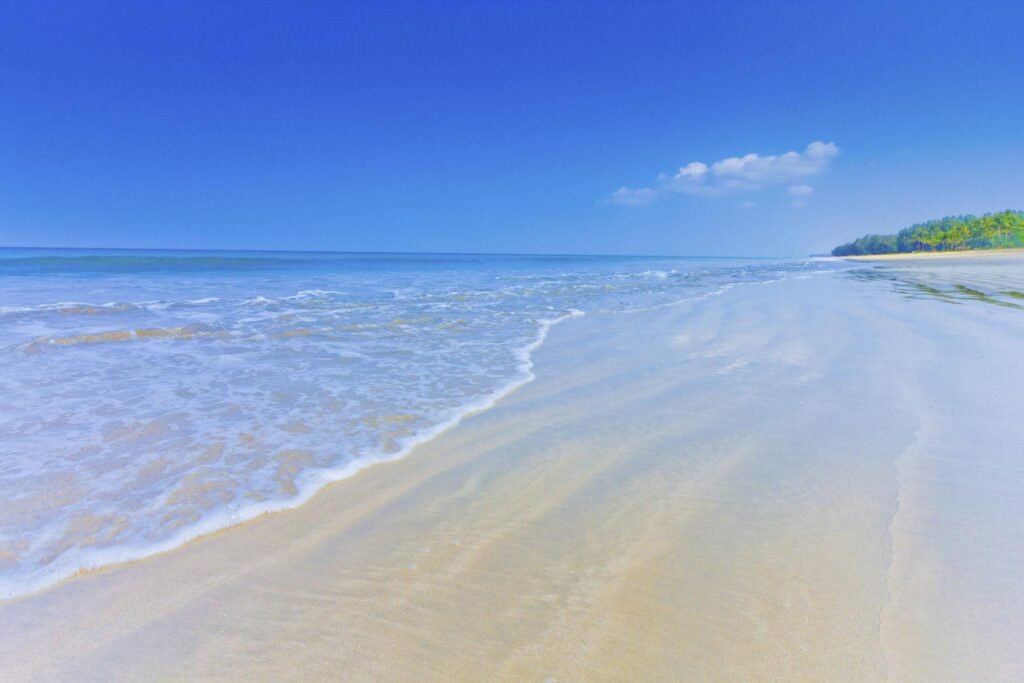
🌴 Thailand in January
- Weather: Cool, dry, perfect (20–30°C)
- Crowds: Very high (peak season)
- Pricing: Expensive
- Best Places: Phuket, Krabi, Bangkok, Chiang Mai
👉 Insight: Ideal for first-time travelers, but book hotels 2–3 months in advance.
🌴 Thailand in February
- Weather: Similar to January, slightly warmer
- Crowds: High but slightly less than January
- Pricing: Still premium but better deals appear
- Best Places: Koh Phi Phi, Chiang Mai, Bangkok
👉 Pro Tip: One of the best balanced months—great weather + slightly fewer crowds.
🔥 Thailand in March
- Weather: Hot begins (30–35°C)
- Crowds: Moderate
- Pricing: Starts dropping
- Best Places: Islands (Phuket, Koh Samui), avoid too much city time
👉 Insight: Beaches are still excellent; cities feel hotter.
💦 Thailand in April (Songkran Festival)
- Weather: Hottest month (up to 40°C)
- Crowds: High due to festival
- Pricing: Mixed (spikes during Songkran)
- Best Places: Bangkok, Chiang Mai (festival hubs), islands
👉 Highlight: Songkran (Thai New Year) turns the country into a massive water fight—fun, chaotic, unforgettable.
👉 Reality: Expect soaked clothes, closed shops, and travel disruptions for a few days.
🔥 Thailand in May
- Weather: Very hot + start of humidity
- Crowds: Low
- Pricing: Cheaper hotels
- Best Places: Koh Samui, indoor-heavy city plans
👉 Smart Move: Great for budget luxury—5-star hotels become more affordable.
🌧️ Thailand in June
- Weather: Start of monsoon (short rains)
- Crowds: Low
- Pricing: Budget-friendly
- Best Places: Koh Samui, Koh Tao (better weather than Phuket)
👉 Insight: Rain usually doesn’t ruin your day—plan flexibly.
🌧️ Thailand in July
- Weather: More consistent rain, but not constant
- Crowds: Moderate (European summer travelers)
- Pricing: Mid-range
- Best Places: Gulf islands, Chiang Mai
👉 Tip: Expect lush green landscapes, great for photography.
🌧️ Thailand in August
- Weather: Similar to July
- Crowds: Moderate
- Pricing: Slight increase due to holidays
- Best Places: Koh Samui, indoor + nature mix
👉 Reality: Mix of sun + rain—still very travelable.
💸 Thailand in September (Cheapest Month)
- Weather: Peak monsoon
- Crowds: Very low
- Pricing: Lowest of the year
- Best Places: Koh Samui (best option), Bangkok (indoor activities)
👉 Best for Budget Travelers: You can save 40–60% on hotels.
👉 Trade-off: Limited island hopping due to rough seas.
🌤️ Thailand in October
- Weather: Rain starts reducing
- Crowds: Low to moderate
- Pricing: Still affordable
- Best Places: Bangkok, Chiang Mai, improving beach conditions
👉 Insight: Shoulder season sweet spot—good deals + improving weather.
🎄 Thailand in December
- Weather: Perfect (cool, dry)
- Crowds: Very high (holiday rush)
- Pricing: Peak (most expensive time)
- Best Places: Everywhere—best overall conditions
👉 Reality Check: Book everything early—Thailand becomes one of the busiest destinations in Asia.
💡 Final Monthly Strategy
- Best Overall: February, November
- Best Budget: September, May
- Best for Festivals: April (Songkran), November (Lantern Festival)
- Best for Balance (Weather + Price): October, early March
🎯 Best Time to Visit Thailand by Travel Purpose
The “best time” to visit Thailand isn’t universal—it depends on what you want to experience. Beaches, nightlife, culture, and budget travel all peak at different times. Here’s how to time your trip like a pro.
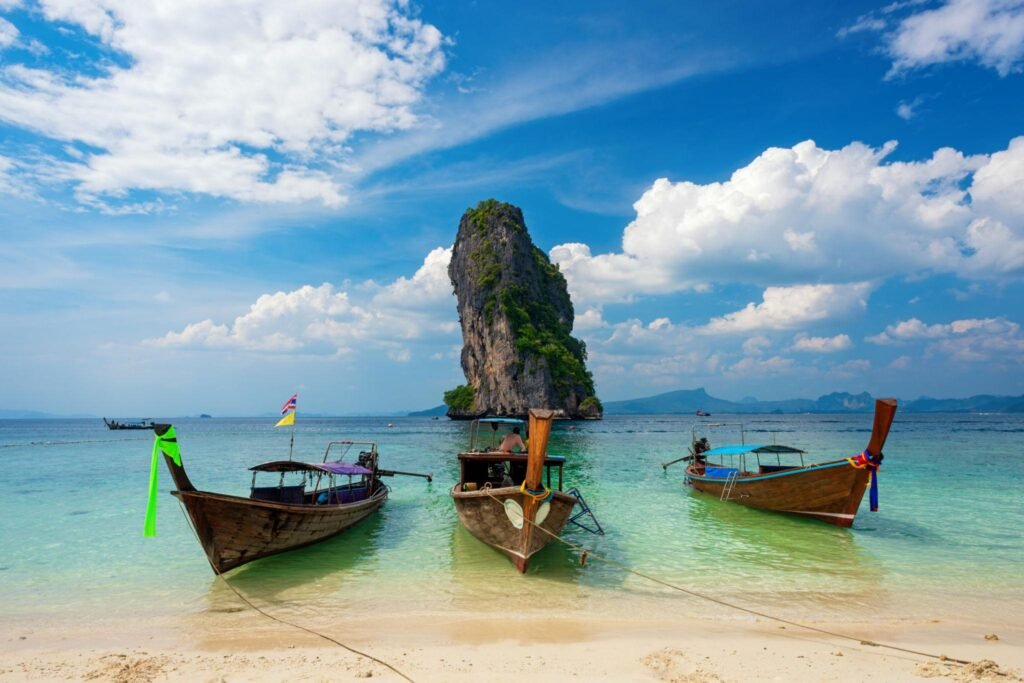
🏝️ Best Time for Beaches & Island Hopping
- Andaman Coast (Phuket, Krabi, Phi Phi):
👉 Best: November to April
👉 Avoid: May to October (rough seas, limited boat tours) - Gulf of Thailand (Koh Samui, Koh Phangan, Koh Tao):
👉 Best: January to September
👉 Rainy peak: October to December
👉 Key Insight Most Travelers Miss:
When Phuket is rainy, Koh Samui is often sunny—this is Thailand’s biggest travel hack.
👉 Example:
Planning a July trip? Skip Phuket—go to Koh Samui or Koh Tao for better beach conditions.
💑 Best Time for Honeymoon in Thailand
- Best Months: November to February
- Why: Calm seas, golden sunsets, and postcard-perfect weather
👉 But here’s the nuance:
- December = beautiful but crowded
- February = same weather + fewer crowds
👉 Perfect Balance Tip:
Travel in late November or early February for romance without tourist chaos.
👉 Best honeymoon destinations:
- Krabi (luxury + scenery)
- Koh Samui (privacy + resorts)
- Phi Phi (vibrant + scenic)
💸 Best Time for Budget Travelers
- Cheapest Months: May, September, early October
- Savings: Up to 40–60% on hotels, cheaper flights from India
👉 Real Example:
A ₹10,000 beachfront hotel in December can drop to ₹4,000–₹6,000 in September.
👉 Smart Budget Strategy:
- Travel during shoulder months (May or October)
- Choose Gulf islands during monsoon for better weather
- Book flights 4–6 weeks early for best deals
👉 Bonus: Less crowd = better service + upgrades.
🎉 Best Time for Nightlife & Parties
- Best Season: December to March
- Peak Energy: New Year, Christmas, and winter months
👉 Full Moon Party (Koh Phangan):
Happens every month, but the biggest and craziest parties are between Dec–March.
👉 Best nightlife hubs:
- Bangkok (rooftop bars, clubs)
- Phuket (Bangla Road)
- Koh Phangan (Full Moon Party)
👉 Reality Check:
Rainy season parties still happen—but vibe and turnout drop.
🏯 Best Time for Sightseeing & Culture
- Best Months: November to February
👉 Ideal for:
- Bangkok temples (Grand Palace, Wat Pho)
- Chiang Mai mountains & temples
- Cultural tours and walking itineraries
👉 Why timing matters:
Exploring temples in 40°C heat (April) can be exhausting. Cooler months make sightseeing far more enjoyable.
👉 Pro Tip:
Start early mornings to avoid both heat and crowds.
🛍️ Best Time for Shopping in Thailand
- Best Months: June to August (Amazing Thailand Grand Sale)
- Peak Areas: Bangkok malls, Chatuchak Market
👉 What to Expect:
- Massive discounts on fashion, electronics, souvenirs
- Air-conditioned malls = perfect escape during rainy season
👉 Smart Insight:
Combine shopping + budget travel during monsoon for maximum value.
💡 Final Strategy
Instead of asking “What’s the best time to visit Thailand?”, ask:
👉 “What do I want from this trip?”
- Beaches → Match coast to season
- Honeymoon → Avoid peak crowds
- Budget → Target shoulder months
- Party → Winter months
- Culture → Cool season
- Shopping → Rainy season sales
That’s how you turn a good Thailand trip into a perfectly timed one.
🌍 Best Time to Visit Thailand by Region
Thailand’s biggest travel mistake? Treating it like one destination.
In reality, each region has its own microclimate, and choosing the right place at the right time can completely transform your trip.
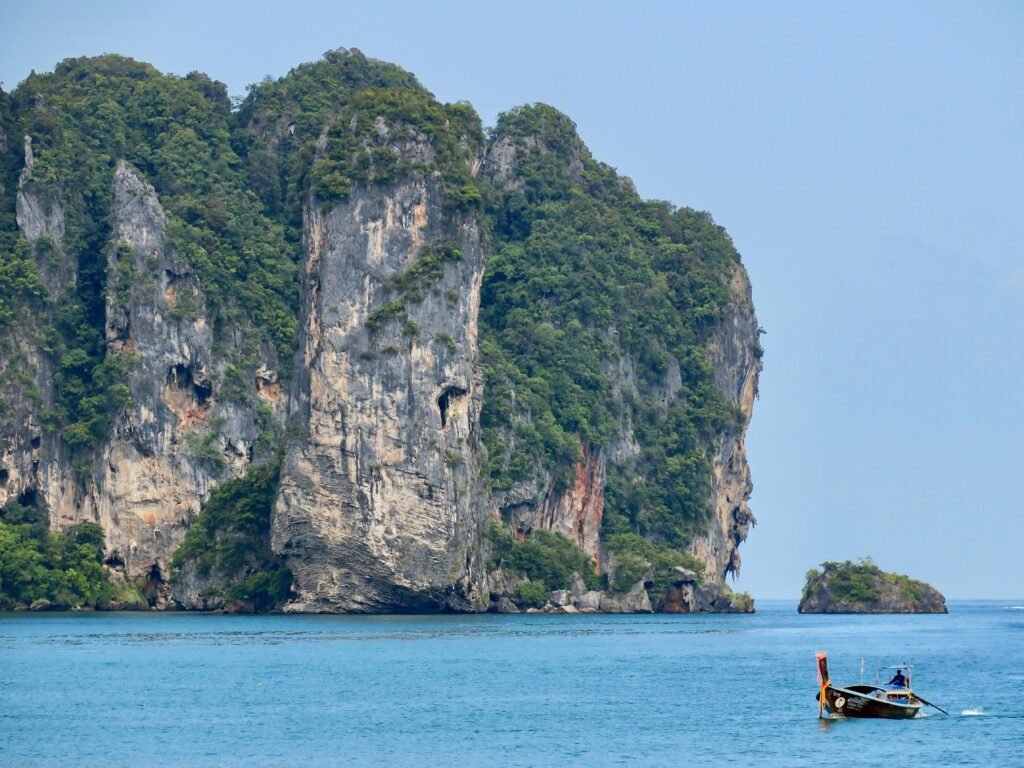
🏙️ Bangkok – Best Time to Visit
- Ideal Months: November to February
- Weather: Pleasant (25–30°C), lower humidity
- Crowds: High, especially December–January
Bangkok is a year-round destination, but weather dramatically affects your experience.
👉 Why timing matters:
Walking through the Grand Palace or Chatuchak Market in April heat (40°C) can feel exhausting. In contrast, winter months make city exploration far more comfortable.
👉 Crowd Strategy:
- December = festive but packed
- February = similar weather, fewer crowds
👉 Real Tip:
Start sightseeing before 9 AM and explore malls, cafes, or rooftop bars during peak afternoon heat.
🏝️ Phuket & Krabi – Best Time
- Best Months: November to April
- Avoid: May to October (monsoon season)
These are part of Thailand’s Andaman Coast, where weather directly affects sea conditions.
👉 What changes with season:
- Nov–April → Calm seas, clear water, perfect for island hopping
- May–Oct → Rough waves, boat tours canceled, limited visibility for snorkeling
👉 Critical Insight:
Even if it’s not raining heavily, sea conditions can still ruin your beach plans.
👉 Example:
Phi Phi island tours may be canceled last-minute during monsoon—even on cloudy (not rainy) days.
👉 Best Use Case:
If your trip is focused on beaches, Instagram spots, and boat tours, stick to peak season here.
🌴 Koh Samui, Koh Phangan & Koh Tao (Gulf Side)
- Best Time: January to September
- Rainy Peak: October to December
This region follows a completely different weather cycle than Phuket.
👉 Why this matters:
When Phuket is experiencing heavy monsoon (June–August), Koh Samui is often sunny or lightly rainy.
👉 Best Months Breakdown:
- Jan–April → Excellent weather
- May–Sept → Still good (best alternative during Phuket monsoon)
- Oct–Dec → Heavier rainfall
👉 Smart Travel Hack:
If you’re traveling mid-year (June–August), skip Phuket → go to Koh Samui instead.
👉 Bonus:
Koh Phangan = Full Moon Party hub
Koh Tao = Best for diving
⛰️ Chiang Mai & Northern Thailand
- Best Months: November to February
- Avoid: March to April (burning season/smog)
Northern Thailand has a completely different climate challenge—air quality.
👉 Cool Season (Nov–Feb):
- Crisp weather, mountain views, ideal for trekking
- Best time for temples, cafes, and nature
👉 Burning Season (Feb–April):
- Farmers burn crops → heavy smog
- Air quality drops significantly
👉 Reality Check:
Even if temperatures are manageable, visibility and breathing conditions can be poor during this time.
👉 Rainy Season (June–October):
- Lush greenery, waterfalls at peak
- Fewer tourists, peaceful vibe
👉 Best for:
- Nature lovers → rainy season
- First-time visitors → cool season
💡 Final Regional Strategy
Instead of asking “When should I visit Thailand?”, ask:
👉 “Which part of Thailand fits my travel month?”
- Visiting in December? → Anywhere works
- Visiting in July? → Choose Koh Samui over Phuket
- Visiting in March? → Avoid Chiang Mai smog, go south
🎉 Thailand Festivals & Events You Shouldn’t Miss
Thailand isn’t just about beaches—it’s a country where timing your trip around festivals can completely transform your experience. These events aren’t tourist shows; they’re deeply cultural, energetic, and unforgettable.
💦 Songkran (Thai New Year – April)
- When: 13–15 April (can extend in some cities)
- Where: Bangkok, Chiang Mai, Phuket
Songkran is the world’s biggest water fight, but it’s also a traditional Thai New Year rooted in cleansing and renewal.
👉 What to Expect:
- Entire streets turn into water battlegrounds
- Locals and tourists splash water using buckets, guns, hoses
- Music, street parties, and cultural rituals
👉 Real Experience Insight:
This is fun but chaotic. You will get soaked—phones, clothes, everything.
👉 Pro Tips:
- Carry waterproof pouches
- Avoid moving between cities (transport disruptions)
- Chiang Mai offers the best mix of tradition + fun
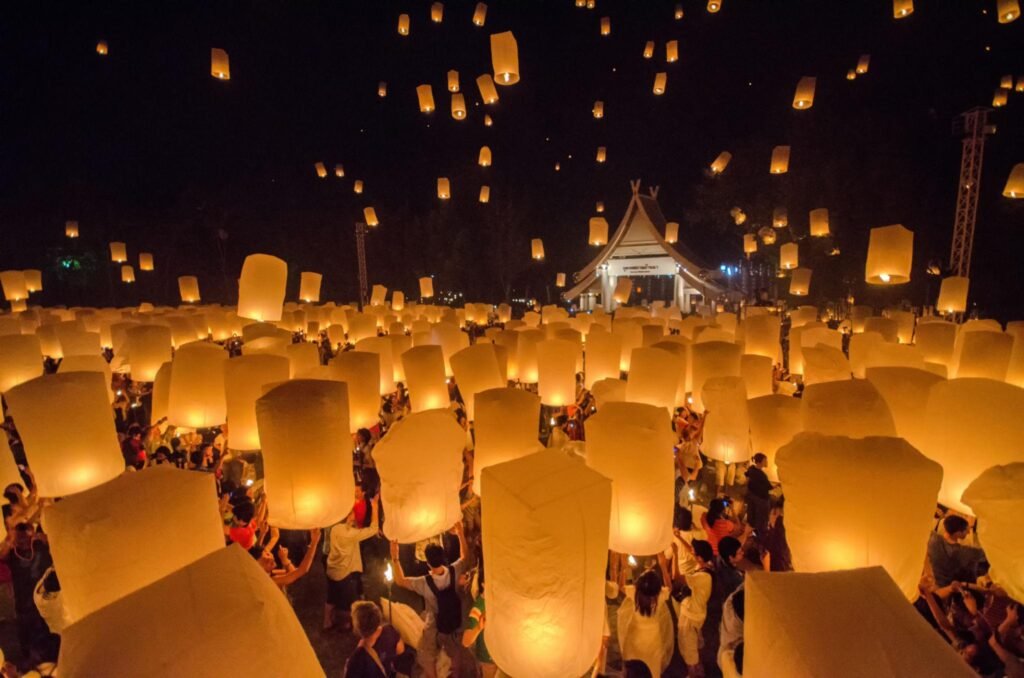
🏮 Loy Krathong & Yi Peng Lantern Festival (November)
- When: November (full moon night)
- Where: Chiang Mai (Yi Peng), nationwide (Loy Krathong)
This is Thailand’s most magical festival, where thousands of lanterns light up the night sky.
👉 What Happens:
- People release floating baskets (krathongs) into rivers
- Lanterns are released into the sky (mainly in Chiang Mai)
👉 Why It’s Special:
- Symbolizes letting go of negativity
- Visually one of the most stunning festivals in the world
👉 Reality Check:
- Extremely crowded
- Hotels in Chiang Mai sell out months in advance
👉 Best Strategy:
Book early + choose a paid lantern event for a more organized experience.
🌕 Full Moon Party (Monthly – Koh Phangan)
- When: Every full moon night
- Where: Haad Rin Beach, Koh Phangan
Thailand’s most famous party—drawing travelers from around the world.
👉 What to Expect:
- Beach transformed into a neon-lit dance floor
- Fire shows, DJs, drinks, all-night partying
👉 Best Months: December to March (peak energy)
👉 Real Tip:
Stay on nearby islands like Koh Samui or Koh Tao if you want better accommodation and take a boat for the party.
👉 Safety Insight:
Fun but intense—watch your belongings and avoid over-drinking.
🧧 Chinese New Year (January/February)
- Where: Bangkok (Yaowarat/Chinatown), Phuket
Thailand has a large Chinese community, and this festival is celebrated with full energy.
👉 What to Expect:
- Dragon dances, fireworks, street food markets
- Red decorations, cultural performances
👉 Why It’s Worth It:
- Bangkok’s Chinatown becomes one of the liveliest places in the country
👉 Travel Tip:
Great time for food lovers, but expect crowds and higher hotel demand in key areas.
🥦 Vegetarian Festival (Phuket – October)
- Where: Phuket
- When: Usually October
This is one of Thailand’s most intense and unique festivals—not your typical celebration.
👉 What Happens:
- Strict vegetarian diet followed for spiritual cleansing
- Rituals include extreme acts like fire-walking and body piercing
👉 Why It’s Unique:
- Deeply spiritual with dramatic visuals
- Less touristy, more authentic cultural immersion
👉 Important Note:
Not for everyone—some rituals can be shocking.
💡 Final Festival Strategy
Most travelers ignore festivals when planning—but this is where Thailand becomes extraordinary.
👉 Plan your trip around:
- April → Songkran (fun + chaos)
- November → Lantern Festival (romantic + magical)
- Dec–March → Parties + nightlife peak
📊 Peak Season vs Off Season in Thailand
Choosing the right season in Thailand isn’t just about weather—it directly impacts cost, crowd levels, and overall travel experience. Here’s a clear, no-fluff breakdown to help you decide.
🌴 Peak Season (November–February)
- Weather: Best of the year (cool, dry, 20–30°C)
- Crowds: Very high
- Pricing: Most expensive
This is the classic “best time to visit Thailand”, especially for first-time travelers.
✅ Pros:
- Perfect beach conditions (calm, clear water)
- Ideal for sightseeing, island hopping, and outdoor activities
- Festivals, nightlife, and overall vibe at peak energy
❌ Cons:
- Overcrowded hotspots (Phi Phi, Bangkok temples, Phuket beaches)
- Higher flight and hotel prices
- Advance bookings required
💰 Pricing Insight:
- Hotels can be 2x–3x more expensive vs off-season
- Flights from India spike during December–New Year
👉 Real Tip:
If you want peak-season weather without chaos, travel in late November or early February—this is the sweet spot.
🌤️ Shoulder Season (March–May, October)
- Weather: Mixed (hot in Mar–May, improving in Oct)
- Crowds: Moderate
- Pricing: Mid-range
This is the most underrated time to visit Thailand.
✅ Why It’s a Smart Choice:
- Fewer tourists → shorter queues, better photos
- Hotel prices drop but conditions are still manageable
- October offers a great post-monsoon freshness
⚠️ What to Watch:
- March–May can be very hot (35–40°C)
- October may still have occasional rain
👉 Example:
A beachfront hotel that costs ₹10,000 in December may drop to ₹6,000–₹7,000 in March or October.
👉 Best For:
- Travelers who want balance between cost & experience
- Repeat visitors who can handle heat
🌧️ Low Season (June–September)
- Weather: Monsoon (short, heavy rains)
- Crowds: Low
- Pricing: Cheapest
This is Thailand’s best-kept secret for budget travel.
✅ Pros:
- Lowest hotel and flight prices (up to 50–60% savings)
- Fewer tourists → peaceful beaches and attractions
- Lush green landscapes, especially in Northern Thailand
❌ Cons:
- Rain + humidity
- Rough seas (affects island hopping on Andaman side)
- Occasional flooding in cities
💡 Smart Travel Hack:
Don’t avoid Thailand—switch regions:
- June–Sept → Choose Koh Samui (Gulf side)
- Avoid → Phuket/Krabi (rough seas)
👉 Reality Insight:
Rain rarely lasts all day—you’ll still get plenty of travel time if you plan flexibly.
💡 Final Strategy
Instead of blindly choosing “peak season,” match your travel style:
- Want perfect weather, no compromise → Peak Season
- Want best value + decent conditions → Shoulder Season
- Want cheapest + fewer crowds → Low Season (with smart planning)
💸 Cheapest Time to Visit Thailand
If your goal is to travel Thailand on a budget without compromising too much on experience, timing is everything. The difference between peak and low season isn’t small—it can mean saving 40–60% on your total trip cost.

📅 Months with the Lowest Prices
- Cheapest Months: May, September, early October
- Low Season Window: June to September
👉 Why these months are cheapest:
- Fewer international tourists
- Monsoon season reduces demand
- Hotels and airlines drop prices to fill inventory
👉 Real Pricing Example:
- Phuket beachfront hotel in December → ₹8,000–₹12,000/night
- Same hotel in September → ₹3,500–₹6,000/night
👉 Best Sweet Spot:
- September = cheapest overall
- May & October = best balance (lower prices + manageable weather)
✈️ Flight Trends from India (What Actually Saves You Money)
Flight prices fluctuate more than hotels—and most travelers get this wrong.
👉 Cheapest Flight Periods:
- Late May to mid-June
- August to September
👉 Expensive Periods to Avoid:
- December (Christmas & New Year)
- April (Songkran festival spike)
👉 Smart Booking Strategy:
- Book flights 4–8 weeks in advance for best fares
- Mid-week departures (Tue/Wed) are often cheaper
- Red-eye or early morning flights cost less
👉 Insight:
Flights from Delhi/Mumbai to Bangkok or Phuket can drop by ₹5,000–₹10,000 during off-season compared to peak months.
💡 Budget Hacks (That Actually Work)
🏨 1. Upgrade Your Stay for Less
Low season = luxury becomes affordable
👉 You can often book 4-star resorts at 2-star prices
📍 2. Choose the Right Region (Critical Hack)
Don’t fight the weather—work with it:
- June–Sept → Go to Koh Samui (better weather)
- Avoid → Phuket/Krabi during peak monsoon
📲 3. Use Smart Booking Platforms
- Use price comparison tools (Google Flights, Skyscanner)
- Track price drops with alerts
- Check hotel apps for last-minute discounts
🍜 4. Eat Local, Save Big
- Street food meals: ₹100–₹300
- Tourist restaurants: ₹800–₹1500
👉 Thailand is one of the few places where cheap food = amazing quality
🚕 5. Avoid Tourist Traps
- Use Grab/Bolt instead of taxis
- Book tours locally instead of online packages
🎯 6. Travel During Shoulder Weeks
Avoid extreme lows (heavy rain weeks) and aim for:
- Early May
- Late September
- Early October
🔥 Final Budget Strategy
If you want the absolute cheapest trip:
👉 Go in September + choose the Gulf islands
If you want cheap + enjoyable weather:
👉 Go in May or October
⚠️ Worst Time to Visit Thailand (When to Avoid)
Thailand is a year-round destination—but there are specific periods where your experience can drop significantly if you don’t plan carefully. Instead of avoiding Thailand completely, the smarter move is to avoid the wrong place at the wrong time.
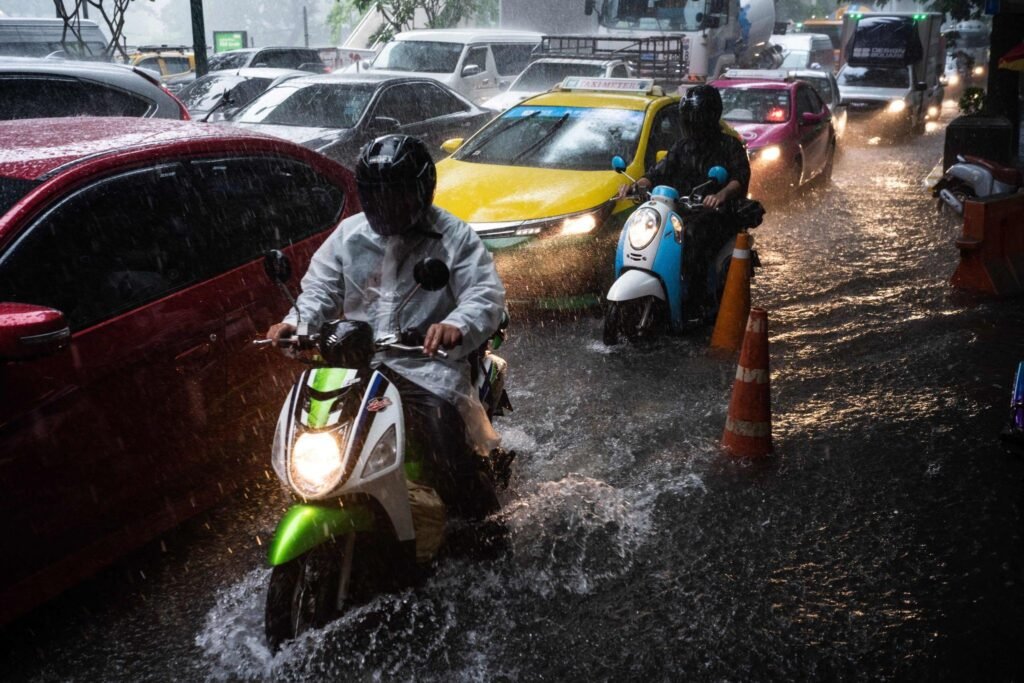
🌧️ Heavy Monsoon Regions (June to October – Andaman Coast)
- Worst Affected Areas: Phuket, Krabi, Phi Phi Islands
- What Happens:
- Rough seas → island tours canceled
- Red flags on beaches (no swimming)
- Cloudy water → poor snorkeling/diving
👉 Reality Check:
Even if it’s not raining all day, sea conditions alone can ruin your itinerary.
👉 Example:
You might plan a Phi Phi island tour—but it gets canceled due to waves, not rain.
👉 What to Do Instead:
- Choose Koh Samui / Koh Tao (Gulf side) during these months
- Or focus on cities + indoor experiences
🌫️ Burning Season in Northern Thailand (February to April)
- Worst Affected Areas: Chiang Mai, Chiang Rai, Pai
- Main Issue: Air pollution (crop burning)
👉 What Actually Happens:
- Thick smog reduces visibility
- Air Quality Index (AQI) can reach unhealthy levels
- Mountain views completely disappear
👉 Why It Matters:
- Trekking and outdoor experiences become unpleasant
- Health concerns (especially for sensitive travelers)
👉 Reality Insight:
This isn’t just “bad weather”—it’s one of the few times Thailand becomes uncomfortable to explore outdoors.
👉 Best Alternative:
Skip the north and head to southern islands or Bangkok during this period.
Lorem ipsum dolor sit amet, consectetur adipiscing elit. Ut elit tellus, luctus nec ullamcorper mattis, pulvinar dapibus leo.
🔥 Extreme Heat Months (March to May)
- Worst Period: April (hottest month)
- Temperatures: Up to 40°C + high humidity
👉 What Makes It Challenging:
- Walking tours become exhausting
- Sightseeing (temples, markets) feels draining
- Daytime productivity drops significantly
👉 Example:
Exploring Bangkok’s Grand Palace at noon in April can feel overwhelming due to heat + crowds.
👉 Exception:
- Songkran Festival (April) makes heat fun—but it’s still physically intense
👉 Smart Strategy:
- Plan activities early morning / evening
- Focus on islands or resorts with pools
- Use malls, cafes, and spas as cooling breaks
💡 Critical Insight Most Travelers Miss
There is no single “worst time” for all of Thailand—only:
👉 Wrong region + season combination
- July in Phuket = bad ❌
- July in Koh Samui = good ✅
- March in Chiang Mai = bad ❌
- March in Krabi = good ✅
🧳 Thailand Travel Tips Based on Season
Traveling to Thailand becomes 10x smoother when you adapt to the season instead of fighting it. These are practical, real-world tips that most guides overlook.
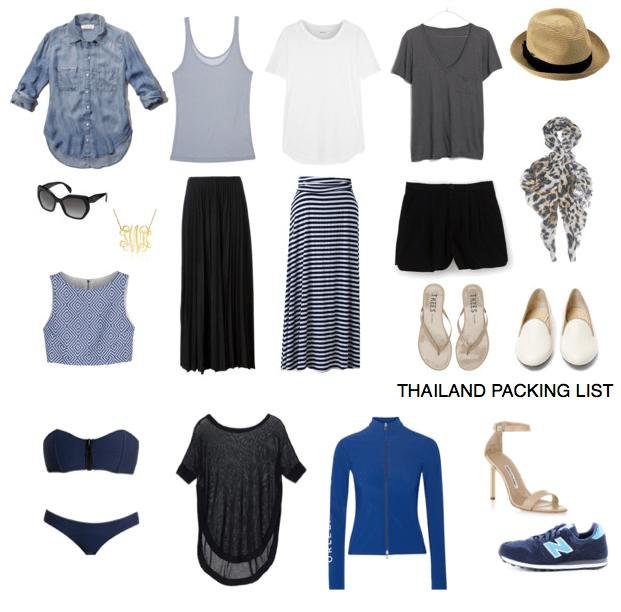
🎒 What to Pack (Based on Season)
❄️ Cool Season (Nov–Feb)
- Light cotton clothes + one light jacket (evenings in Chiang Mai can be cool)
- Comfortable walking shoes (temples, markets)
- Sunglasses + sunscreen
👉 Insight: Don’t overpack—laundry services are cheap everywhere.
🔥 Hot Season (Mar–May)
- Breathable clothes (linen, cotton)
- High SPF sunscreen + cap
- Reusable water bottle (hydration is critical)
👉 Pro Tip: Avoid denim—it becomes uncomfortable in humidity.
🌧️ Rainy Season (Jun–Oct)
- Compact umbrella or poncho
- Waterproof bag or phone pouch
- Quick-dry clothes & sandals
👉 Real Tip: Skip heavy raincoats—it’s too humid. Light gear works better.
Lorem ipsum dolor sit amet, consectetur adipiscing elit. Ut elit tellus, luctus nec ullamcorper mattis, pulvinar dapibus leo.
🛂 Visa Tips for Indians
- Visa on Arrival (VoA) available (check latest rules before travel)
- Stay allowed: typically 15 days (VoA) or longer with e-visa
👉 Important Tips:
- Carry return ticket + hotel bookings
- Keep cash proof (~10,000 THB per person) (rarely checked but required)
- Passport validity: 6 months minimum
👉 Pro Insight:
Apply for e-visa in advance to skip long airport queues, especially in peak season.
💱 Currency & Budgeting Tips
- Currency: Thai Baht (THB)
- ₹1 ≈ ~0.4 THB (approx, fluctuates)
💡 Smart Money Strategy:
- Carry some cash (THB) for street markets
- Use forex cards or international debit cards for hotels & malls
👉 Avoid:
- Exchanging at airports (worst rates)
- Carrying only cash (risk + inconvenience)
👉 Real Budget Breakdown (Per Day):
- Budget traveler → ₹2,000–₹4,000
- Mid-range → ₹4,000–₹8,000
- Luxury → ₹10,000+
Lorem ipsum dolor sit amet, consectetur adipiscing elit. Ut elit tellus, luctus nec ullamcorper mattis, pulvinar dapibus leo.
🩺 Health & Safety (Season-Based Reality)
☀️ Heat (Mar–May)
- Risk: Dehydration, exhaustion
👉 Drink electrolytes, take breaks, avoid mid-day sun
Lorem ipsum dolor sit amet, consectetur adipiscing elit. Ut elit tellus, luctus nec ullamcorper mattis, pulvinar dapibus leo.
🌧️ Rain (Jun–Oct)
- Risk: Slippery streets, mosquitoes
👉 Wear good grip footwear, carry repellent
Lorem ipsum dolor sit amet, consectetur adipiscing elit. Ut elit tellus, luctus nec ullamcorper mattis, pulvinar dapibus leo.
🦟 Mosquitoes (Year-Round, worse in monsoon)
- Use mosquito repellent creams/sprays
- Prefer hotels with good ventilation or AC
Lorem ipsum dolor sit amet, consectetur adipiscing elit. Ut elit tellus, luctus nec ullamcorper mattis, pulvinar dapibus leo.
🍜 Food Safety
- Street food is generally safe—but:
- Choose busy stalls (high turnover)
- Avoid stale seafood in hot months
💡 Final Travel Hack
👉 Pack light, plan flexible, and adapt daily.
Thailand isn’t a destination where everything goes “as per plan”—
but if you prepare for the season, it becomes one of the easiest countries to travel.
💰 Thailand Travel Cost by Season
Thailand’s pricing isn’t fixed—it changes dramatically by season. The same trip can cost 2x more (or less) depending on when you go. Here’s a realistic breakdown so you can plan your budget accurately.

🌴 Peak Season Costs (November–February)
- Flights (India → Thailand): ₹18,000 – ₹35,000 (round trip)
- Hotels:
- Budget: ₹2,500 – ₹5,000/night
- Mid-range: ₹6,000 – ₹12,000/night
- Luxury: ₹15,000 – ₹40,000+/night
- Daily Expenses (Food + Transport + Activities):
₹2,500 – ₹6,000 per person
👉 Why prices are high:
- Perfect weather → maximum demand
- Christmas & New Year surge pricing
- Limited availability in top destinations (Phuket, Krabi)
👉 Reality Insight:
You’re paying a premium for convenience, not better experiences. Beaches and attractions are also more crowded.
👉 Smart Tip:
Travel in late November or early February to reduce costs without losing peak-season weather benefits.
🌧️ Off-Season Costs (May–October)
- Flights: ₹12,000 – ₹22,000 (can drop even lower during sales)
- Hotels:
- Budget: ₹1,000 – ₹3,000/night
- Mid-range: ₹3,500 – ₹7,000/night
- Luxury: ₹8,000 – ₹20,000/night
- Daily Expenses:
₹1,500 – ₹4,000 per person
👉 Why it’s cheaper:
- Lower tourist demand due to monsoon
- Hotels offer aggressive discounts
- Airlines reduce fares to fill seats
👉 Real Example:
A 5-star Phuket resort costing ₹20,000 in December can drop to ₹8,000–₹10,000 in September.
👉 Hidden Advantage:
- Less crowd → better service
- Easier upgrades and deals
👉 Important:
Choose the right region (Koh Samui over Phuket) to avoid weather disruptions.
Lorem ipsum dolor sit amet, consectetur adipiscing elit. Ut elit tellus, luctus nec ullamcorper mattis, pulvinar dapibus leo.
🆚 Budget vs Luxury Comparison (What You Actually Get)
| Category | Budget Travel | Mid-Range Travel | Luxury Travel |
|---|---|---|---|
| Stay | Hostels, guesthouses | 3–4★ hotels | 5★ resorts, villas |
| Food | Street food (₹100–₹300) | Cafes, casual dining | Fine dining, beach clubs |
| Transport | Public + Grab | Private taxis, ferries | Private transfers |
| Experience | Backpacking vibe | Balanced comfort | Premium experiences |
💸 Budget Traveler (₹2,000–₹4,000/day)
- Street food, hostels, local transport
- Best during off-season for max savings
Lorem ipsum dolor sit amet, consectetur adipiscing elit. Ut elit tellus, luctus nec ullamcorper mattis, pulvinar dapibus leo.
🧳 Mid-Range Traveler (₹4,000–₹8,000/day)
- Comfortable hotels, mix of food options
- Best during shoulder season
🏝️ Luxury Traveler (₹10,000+/day)
- Resorts, private tours, premium dining
- Best during off-season for value or peak season for perfect weather
💡 Final Cost Strategy
- Want cheapest trip possible → Travel in September
- Want best value for money → Travel in May or October
- Want perfect experience (no compromise) → Travel in Nov–Feb
📊 Quick Comparison Table – Best Time to Visit Thailand
If you’re short on time and just want the best months based on your travel goal, this table gives you a quick, practical answer.
🧭 Best Time to Visit Thailand – Quick Comparison
| 🎯 Travel Goal | 📅 Best Months | 💡 Why This Timing Works |
|---|---|---|
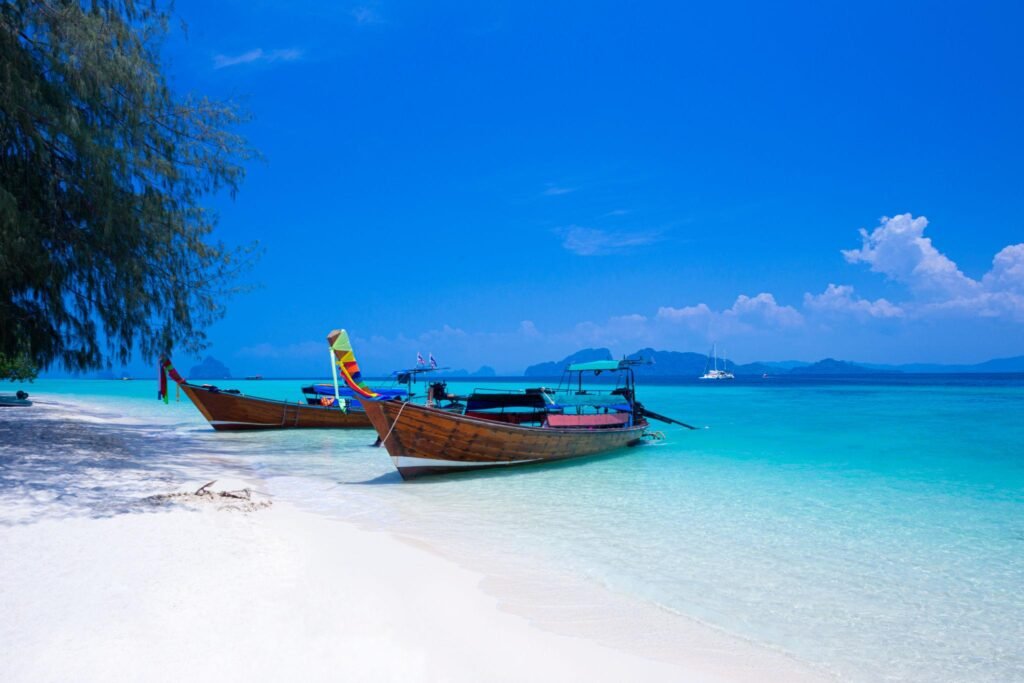
| 🏝️ Beaches & Island Hopping | Nov – April | Calm seas, clear water, ideal for Phuket, Krabi, Phi Phi |
| 💸 Budget Travel | May – Oct | Lowest prices on flights & hotels, fewer crowds |
| 💑 Honeymoon | Nov – Feb | Best weather, romantic sunsets, smooth travel experience |
| 🎉 Festivals | April & November | Songkran (April) + Lantern Festival (Nov) |
| 🍹 Party & Nightlife | Dec – March | Peak energy, Full Moon Parties, nightlife at its best |
💡 How to Use This Table
This table works best when you combine it with region selection:
- Visiting in July?
👉 Still good for beaches—but choose Koh Samui, not Phuket - Visiting in April?
👉 Expect extreme heat—but enjoy Songkran festival - Visiting in December?
👉 Perfect weather—but book early due to peak crowds
Lorem ipsum dolor sit amet, consectetur adipiscing elit. Ut elit tellus, luctus nec ullamcorper mattis, pulvinar dapibus leo.
📌 Final Takeaway
There is no single “best time” for Thailand—only:
👉 Best time for YOUR type of trip
Use this table as a shortcut, then fine-tune your plan based on:
- Region
- Budget
- Experience you want
Final Verdict – When Should You Visit Thailand?
If you’re looking for one clear answer:
👉 The best overall time to visit Thailand is from late November to early February.
This period offers the perfect combination of weather, accessibility, and overall experience—clear skies, comfortable temperatures, calm seas, and ideal conditions across almost all regions.
But here’s the truth most guides miss:
👉 The “best time” depends on your travel style—not just the weather.
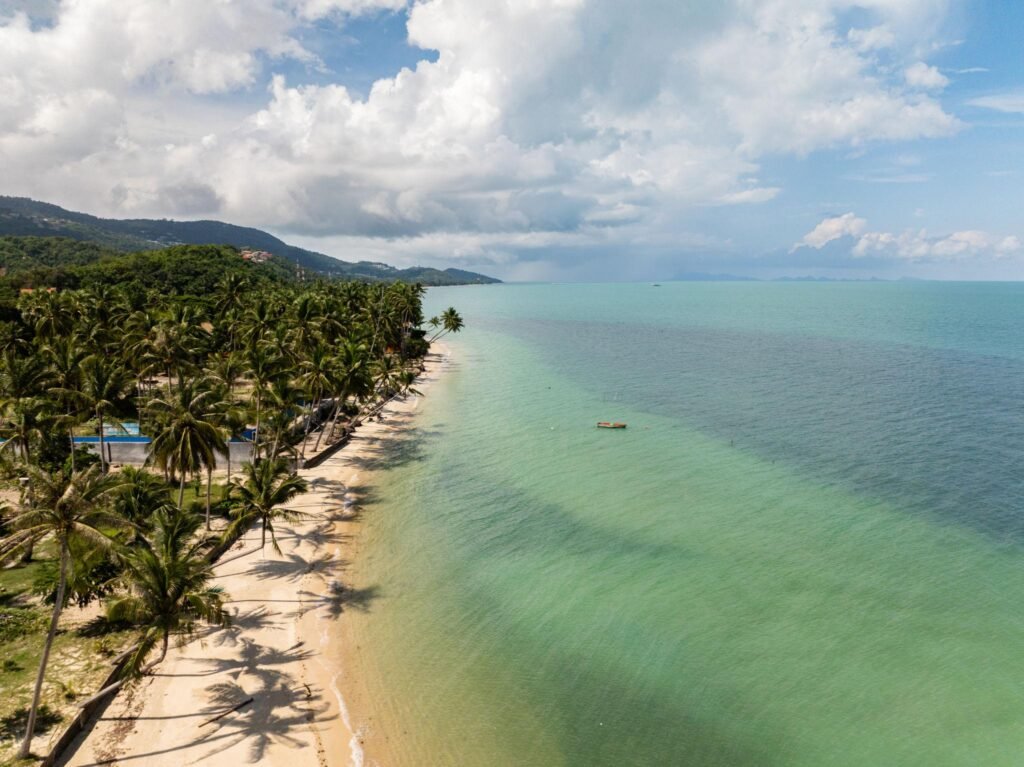
🌟 Best Overall Months (No-Brainer Choice)
- Late November → Early February
Why this window works:
- Pleasant temperatures (20–30°C)
- Low humidity + minimal rainfall
- Best conditions for beaches, cities, and mountains
👉 Expert Insight:
Avoid peak holiday rush (mid-Dec to early Jan) if possible.
Late November and February are the real sweet spots—same weather, fewer crowds, better prices.
🎯 Personalized Recommendation (Based on Travel Style)
Instead of following generic advice, match your timing to your goal:
🏝️ For First-Time Travelers
👉 November – February
- Safest choice with predictable weather
- Ideal for covering Bangkok + islands + Chiang Mai
Lorem ipsum dolor sit amet, consectetur adipiscing elit. Ut elit tellus, luctus nec ullamcorper mattis, pulvinar dapibus leo.
💑 For Honeymoon & Luxury Travel
👉 Late Nov, Jan, early Feb
- Romantic weather + calm seas
- Avoid peak December crowds for privacy
💸 For Budget Travelers
👉 May, September, early October
- Lowest prices (flights + hotels)
- Trade-off: some rain, but manageable with planning
🎉 For Party Lovers
👉 December – March
- Full Moon Parties, beach clubs, nightlife at peak
🎒 For Backpackers & Slow Travelers
👉 July – October
- Fewer crowds, greener landscapes
- More authentic, less touristy experience
📸 For Content Creators / Instagram Travelers
👉 November or February
- Best lighting, clear skies, fewer crowds than December
⚠️ The Smart Traveler Rule
Don’t just ask:
❌ “What’s the best time to visit Thailand?”
Instead ask:
✅ “What’s the best time for MY kind of trip?”
📌 Final Takeaway
- Want perfect weather, no compromise → Go in Nov–Feb
- Want best value for money → Go in May or October
- Want unique experiences + fewer crowds → Try rainy season with smart planning
❓ FAQs About Best Time to Visit Thailand
📅 What is the best month to visit Thailand?
The best month is February. It offers perfect weather, fewer crowds than December–January, and great conditions across all regions—ideal for beaches, sightseeing, and island hopping.
🌧️ Is Thailand good to visit during monsoon?
Yes—if you plan smartly.
Rain usually comes in short bursts, not all day.
👉 Best strategy:
- Visit Koh Samui, Koh Tao (better weather)
- Focus on food, cafes, temples, and relaxation
👉 Bonus: You’ll save 40–60% on costs.
💸 Which is the cheapest time to visit Thailand?
The cheapest time is September, followed by May and early October.
👉 Expect:
- Lowest hotel prices
- Cheaper flights from India
- Fewer crowds
👉 Trade-off: Some rain, but manageable with flexible plans.
⚠️ When should I avoid visiting Thailand?
Avoid these situations:
- Phuket/Krabi (May–Oct) → rough seas
- Chiang Mai (Feb–April) → heavy smog (burning season)
- April afternoons → extreme heat
👉 Instead of avoiding Thailand, avoid the wrong region at the wrong time.
🏝️ What is the best time to visit Phuket?
👉 November to April
- Calm seas
- Clear water
- Perfect for island tours
Avoid May–October, when waves can disrupt plans.
🔥 Is April too hot to visit Thailand?
Yes, it’s the hottest month (up to 40°C).
👉 But there’s a twist:
- Songkran Festival (water festival) makes it fun
- Best if you stay near beaches or pools
👉 Avoid heavy sightseeing during daytime.
⏳ How many days are enough for Thailand?
- 5–7 days: Bangkok + one island
- 7–10 days: Bangkok + islands + Chiang Mai
- 10–14 days: Full Thailand experience
👉 Pro Tip: Don’t try to cover everything—Thailand is best enjoyed slowly.
🎄 Is Thailand crowded in December?
Yes—very crowded.
- Peak tourist season
- High hotel prices
- Busy attractions
👉 Best alternative: Late November or February for similar weather with fewer crowds.
🌴 Which part of Thailand is best year-round?
👉 Koh Samui (Gulf side)
- More balanced weather across the year
- Best alternative when Phuket has monsoon
👉 This makes it one of the most reliable destinations year-round.
💑 When is the best time for honeymoon in Thailand?
👉 November to February
- Best weather
- Calm seas
- Romantic sunsets
👉 For fewer crowds:
- Choose late November or early February