
Vietnam Travel Guide: Everything You Need to Know Before Visiting Vietnam
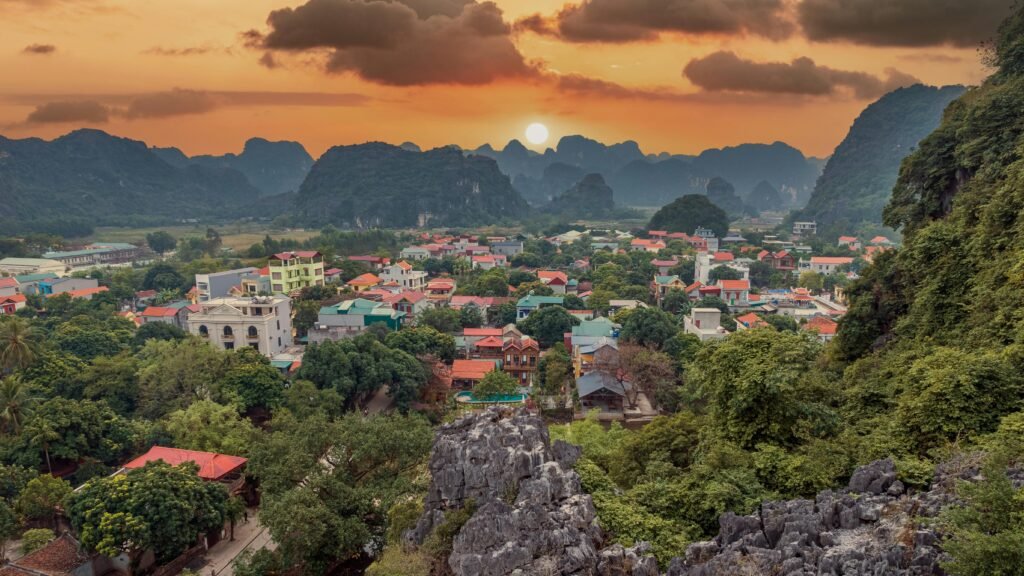
If you’re planning your first trip to Vietnam, prepare for a destination that feels chaotic, beautiful, affordable, and unforgettable all at once. One moment you’re sipping strong egg coffee in Hanoi while scooters rush past like organized madness, and the next you’re watching limestone cliffs rise dramatically from emerald waters during a Halong Bay cruise.
This Vietnam Travel Guide is designed for first-time visitors, backpackers, couples, solo travelers, and even digital nomads looking for a complete guide to Vietnam without the overwhelming fluff most travel blogs include.
The best way to travel Vietnam? Honestly, it depends on your style. Backpackers usually follow the classic north-to-south route using sleeper buses in Vietnam and budget flights, while couples often prefer a slower Vietnam holiday itinerary focused on comfort and experiences. If you’re short on time, a 2 weeks Vietnam itinerary for first timers works perfectly to cover the country’s highlights without feeling rushed.
What surprises most travelers is how diverse Vietnam feels from region to region. Northern Vietnam offers mountain treks, cooler weather, and old-world charm. Central Vietnam is known for lantern-lit towns and coastal escapes, while southern Vietnam brings tropical energy, floating markets, and vibrant nightlife.
And unlike many tourist-heavy destinations, Vietnam still feels authentic in many places.
You’ll find street vendors cooking bowls of steaming pho at 6 AM, locals gathering on tiny plastic stools for coffee, and families running guesthouses where hospitality feels genuinely personal. During my first visit, a café owner in Hoi An spent 20 minutes helping me understand Vietnamese coffee culture — then refused to charge extra for the second cup.
That’s Vietnam.
Another reason travelers love Vietnam is the value for money. Compared to many Southeast Asian destinations, the Vietnam travel budget is surprisingly manageable. You can eat incredible local meals for a few dollars, stay in boutique hotels at budget prices, and travel long distances cheaply using trains or sleeper buses. For Indian travelers especially, Vietnam has become one of the most accessible international destinations thanks to easier visa options and affordable flights.
If you’re wondering, “Is Vietnam worth visiting?” — absolutely yes.
Why Visit Vietnam?
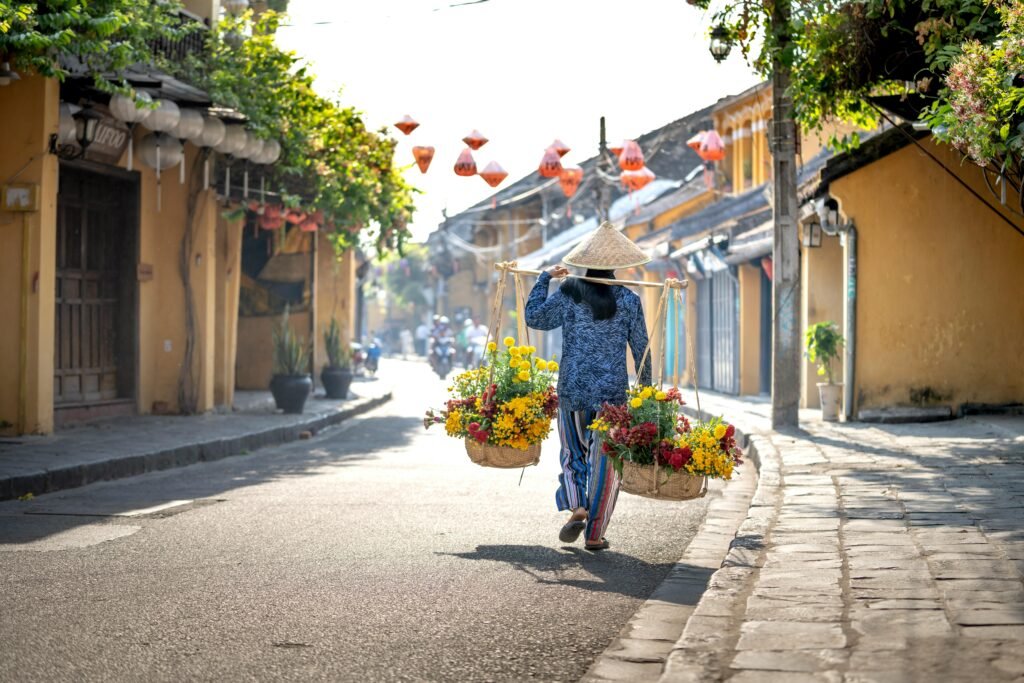
A Culture That Feels Alive Everywhere
Vietnam isn’t a country where culture sits inside museums. It’s visible in daily life. Morning tai chi sessions near lakes, lantern festivals in Hoi An, incense-filled temples, and chaotic night markets all make the experience feel immersive rather than staged for tourists.
Even crossing the street becomes part of the adventure.
One of the Best Food Destinations in Asia
The Vietnam food guide alone could justify the trip. From Hanoi street food tours to fresh seafood near Da Nang beaches, every region has distinct flavors.
Don’t leave without trying:
- Pho
- Banh Mi
- Bun Cha
- Vietnamese iced coffee
- Fresh spring rolls
A practical tip: look for busy local food stalls with high turnover. That’s usually where the freshest and safest food is.
Landscapes That Constantly Change
Few countries offer this much geographical variety in one trip. You can go from rice terraces in Sapa to limestone islands in Halong Bay and then relax on tropical beaches in southern Vietnam within days.
If you plan on Vietnam island hopping or motorbike travel, pack a lightweight waterproof pouch and portable charger — sudden rain and long travel days are common.
Budget-Friendly Without Feeling Cheap
One of Vietnam’s biggest strengths is affordability without sacrificing experiences. Whether you’re a backpacker or traveling as a couple, the Vietnam trip cost often feels lower than expected.
You can:
- Stay in stylish hotels for budget prices
- Enjoy cheap domestic flights
- Eat world-class food affordably
- Explore cities using inexpensive Grab rides
That balance between adventure, comfort, and affordability is exactly why Vietnam keeps attracting travelers year after year.
Best Time to Visit Vietnam
One of the biggest mistakes first-time travelers make in Vietnam is assuming the weather is the same across the entire country. Vietnam stretches over 1,600 km from north to south, so while one region enjoys sunny beach weather, another may be dealing with heavy rain or chilly mountain temperatures.
That’s why the best time to visit Vietnam really depends on the kind of trip you want.
If you’re planning a complete north-to-south Vietnam itinerary, the sweet spot is usually March to April. During these months, most regions experience comfortable temperatures, lower humidity, and fewer storms — making it ideal for sightseeing, backpacking, and beach hopping.
So if you’re asking, “Which month is best for Vietnam?” — March and April are generally the safest all-around choices.
Vietnam Weather by Region
North Vietnam
Northern Vietnam includes destinations like Hanoi, Sapa, and Halong Bay.
The region experiences four distinct seasons, which surprises many travelers expecting tropical weather year-round.
- Best time to visit: October to April
- Cool & dry season: November to February
- Hot & humid season: May to August
Winter in Hanoi can actually feel chilly, especially during early mornings. In Sapa, temperatures sometimes drop low enough for foggy mountain views and layered clothing.
I learned this the hard way after arriving in Hanoi in December wearing only light summer outfits. Buying a hoodie from the night market instantly became part of the travel experience.
For trekking and photography, September and October are especially beautiful because rice terraces around Sapa turn golden.
Central Vietnam
Central Vietnam covers destinations like Hoi An, Da Nang, and Hue.
This region has a different weather cycle compared to the north and south.
- Best time to visit: February to August
- Rainy season: September to January
If your trip includes Da Nang beaches or the famous Hoi An lantern festival, aim for March to May. The weather is warm, skies stay clear, and humidity is manageable.
Typhoon season can affect Central Vietnam later in the year, so always check forecasts before booking coastal stays.
A useful travel tip: if you’re carrying electronics during monsoon months, a lightweight waterproof pouch becomes surprisingly useful during sudden tropical downpours.
South Vietnam
Southern Vietnam includes Ho Chi Minh City, the Mekong Delta, and Phu Quoc.
The south stays warm year-round and has only two main seasons:
- Dry season
- Rainy season
- Best time to visit: December to April
- Rainy season: May to November
The rain here usually comes in short bursts rather than all-day storms. During my visit to Ho Chi Minh City in June, heavy rain lasted barely 40 minutes before cafés filled up again and nightlife resumed like nothing happened.
That’s part of Vietnam’s charm — life rarely slows down.
Best Months for Different Experiences
Best Time for Beaches
For beach lovers heading to Da Nang or Phu Quoc, February to May offers sunny skies, calmer waters, and ideal swimming conditions.
Best Time for Backpacking
If you’re following a Vietnam backpacking route from north to south, March and April provide the best balance across regions.
This is also the most comfortable period for sleeper buses in Vietnam and long train journeys.
Best Time for Festivals
Visit during:
- January or February for Lunar New Year (Tet Festival)
- Monthly lantern nights in Hoi An
- Mid-Autumn celebrations in major cities
Festival periods bring incredible energy, but hotel prices can rise quickly.
Best Time for Adventure Travel
For trekking, motorbike loops, and outdoor adventures:
- September to November works best in the north
- Dry months are safer for Vietnam motorbike travel
If you’re planning long road trips, carrying a portable charger and reliable travel backpack makes life significantly easier — especially on overnight buses and remote mountain routes.
Before booking your flights, it’s important to understand the latest entry requirements. Our complete Vietnam visa guide explains visa options, e-visa eligibility, required documents, application steps, processing times, fees, and practical tips to help you prepare for a smooth arrival.
Vietnam Visa Guide
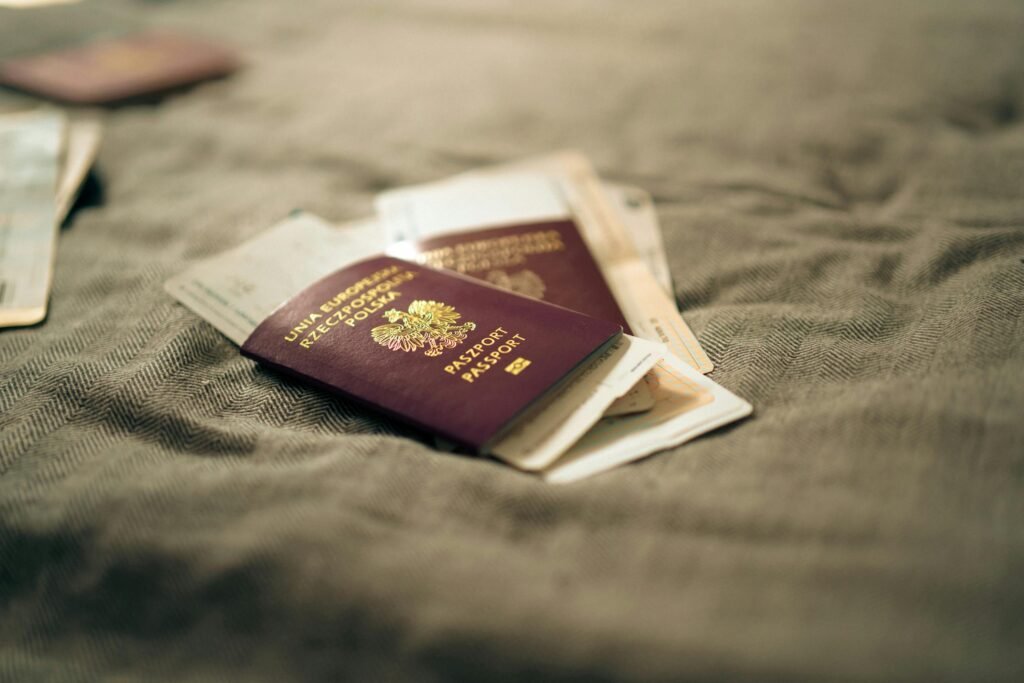
Planning a trip to Vietnam is exciting, but sorting out the visa is usually the first thing travelers stress about — especially first-time visitors from India. The good news? Vietnam’s e-visa system has become much smoother in recent years, and the entire process can usually be completed online without visiting an embassy.
If you’re searching for Vietnam visa for Indians, this guide breaks down everything step by step, including documents, visa fees, approval timelines, and practical tips that most travel blogs forget to mention.
Visa Rules by Country
Vietnam’s visa policy varies depending on nationality.
Travelers from several countries in Europe and parts of Asia can enter visa-free for a limited duration, while others — including Indian passport holders — generally need an e-visa before arrival.
For Indian travelers:
- An e-visa is usually the easiest option
- Tourist visas are commonly issued for short stays
- Passport validity should typically be at least 6 months from arrival date
- Immigration officers may ask for proof of onward travel or hotel bookings
One mistake many travelers make is waiting until the last week before departure. While approvals often arrive quickly, delays can happen during holidays or peak travel seasons.
A safer approach is applying at least 2–3 weeks before your flight.
Vietnam E-Visa Process
If you’re wondering, “How to get Vietnam visa?” — the process is fairly straightforward.
Step 1: Prepare Required Documents
Before applying, keep these ready:
- Passport scan
- Passport-size photo with plain background
- Flight details (recommended)
- Hotel address for first stay
- Valid email address
- Debit or credit card for payment
A small but important tip: ensure your passport scan is crystal clear. Blurry uploads are one of the most common reasons applications get delayed.
Step 2: Fill Out the Online Application
You’ll need to:
- Enter passport details carefully
- Select entry and exit dates
- Mention arrival airport or border crossing
- Upload photo and passport copy
Double-check spellings before submission. Even small passport number mistakes can create issues at immigration.
Step 3: Pay the Visa Fee
Once payment is completed, you’ll receive an application reference number by email.
Save this carefully.
Step 4: Wait for Approval
Processing times vary, but most travelers receive approval within a few business days.
During busy travel periods like Tet Festival or year-end holidays, approvals may take longer.
Step 5: Download & Print the E-Visa
Once approved:
- Download the PDF copy
- Keep a digital version on your phone
- Carry at least one printed copy
At immigration counters in Vietnam, having a printed copy can save time — especially if airport Wi-Fi becomes unreliable.
Visa Fees & Documents
The Vietnam trip cost is generally affordable, and fortunately, visa fees are usually reasonable too.
Typical costs depend on:
- Single-entry vs multiple-entry visa
- Processing speed
- Nationality
Besides your passport and application form, immigration officers may occasionally ask for:
- Return ticket
- Hotel booking confirmation
- Proof of sufficient funds
If you’re traveling with gadgets, cameras, or planning long transit journeys, this is also a good place in the article to naturally recommend:
- RFID passport wallets
- Waterproof document pouches
- Portable chargers for airport delays
These small travel essentials genuinely help during international trips, especially for first-time travelers.
One final tip from experience: keep digital backups of your visa, passport, travel insurance, and bookings in cloud storage. During my own Southeast Asia trip, losing internet access at the airport made offline document backups incredibly valuable.
For most travelers today, getting a Vietnam e-visa is no longer the difficult part of planning the trip — choosing between Hanoi street food, Halong Bay cruises, and Hoi An lantern nights is much harder.
Vietnam Travel Budget Breakdown

One of the biggest reasons travelers fall in love with Vietnam is simple — it offers incredible experiences without destroying your budget.
You can eat fresh street food for the price of a coffee back home, stay in stylish boutique hotels at surprisingly affordable rates, and travel across the country using sleeper buses, trains, or cheap domestic flights.
But the actual Vietnam trip cost depends heavily on your travel style.
A backpacker traveling slowly through Vietnam will spend very differently compared to a couple booking beachfront resorts in Phu Quoc or luxury cruises in Halong Bay.
The good news? Vietnam works well for almost every budget.
If you’re asking, “How much does a Vietnam trip cost?” — here’s a realistic breakdown based on real traveler experiences rather than outdated internet estimates.
Backpacker Budget
A backpacking trip through Vietnam is one of the cheapest ways to explore Southeast Asia comfortably.
Estimated Daily Budget:
$25–$45 USD per day
This usually covers:
- Hostel dorms or budget guesthouses
- Local street food
- Sleeper buses in Vietnam
- Budget activities
- Grab rides within cities
Many backpackers follow a north-to-south Vietnam backpacking route starting in Hanoi and ending in Ho Chi Minh City.
One thing that surprises first-time travelers is how good budget stays can be. In cities like Da Nang or Hoi An, even low-cost hostels often include:
- Air conditioning
- Free breakfast
- Wi-Fi
- Scooter rentals
A practical tip: overnight sleeper buses save both transport and hotel costs, but carrying a neck pillow and lightweight hoodie makes long rides far more comfortable.
Mid-Range Budget
This is where Vietnam becomes exceptional value for money.
Estimated Daily Budget:
$60–$120 USD per day
Perfect for:
- Couples
- Remote workers
- First-time international travelers
- Comfort-focused tourists
A mid-range Vietnam travel budget usually includes:
- Boutique hotels
- Domestic flights
- Café hopping
- Guided tours
- Comfortable transportation
- Occasional nightlife
During my stay in Hoi An, a riverside boutique hotel with breakfast cost less than a basic city hotel in many other countries. That balance between comfort and affordability is what keeps travelers returning to Vietnam.
This budget also works well for a Vietnam travel budget for couples, especially outside peak holiday seasons.
Luxury Budget
Vietnam also caters surprisingly well to luxury travelers.
Estimated Daily Budget:
$150–$400+ USD per day
Luxury experiences include:
- 5-star beach resorts
- Halong Bay overnight cruises
- Fine dining experiences
- Private transportation
- Spa retreats
- Luxury train journeys
Compared to destinations like Singapore or the Maldives, luxury travel in Vietnam feels significantly more accessible.
You can stay in oceanfront resorts near Da Nang beaches for a fraction of what similar experiences cost elsewhere in Asia.
Daily Cost Breakdown
Hotels
Accommodation costs vary by city and season.
Budget:
- Hostels & guesthouses
Mid-Range:
- Boutique hotels
- Riverside stays
- Beach resorts
Luxury:
- International hotel chains
- Private villas
- Luxury cruises
Major tourist areas like Hanoi Old Quarter and Ho Chi Minh City District 1 usually cost slightly more.
Internal Link Opportunity:
- Cheap hotels in Vietnam
Food
Vietnam is one of the best-value food destinations in the world.
Street food meals are incredibly affordable while still feeling authentic and filling.
Typical food expenses include:
- Pho & local noodles
- Vietnamese iced coffee
- Seafood meals
- Night market snacks
A useful tip from experience: busy food stalls with locals are usually safer and fresher than empty tourist-focused restaurants.
The Hanoi street food scene alone can become a major highlight of your trip.
Transport
Transportation in Vietnam is generally cheap and efficient.
Popular options include:
- Sleeper buses
- Domestic flights
- Trains
- Grab taxis
- Scooter rentals
For long journeys, flights save significant time, while buses remain the cheapest option for backpackers.
Internal Link Opportunity:
- Vietnam transportation guide
If you’re planning Vietnam motorbike travel, budgeting for fuel, parking, and occasional rain gear is important.
Activities
Activity costs depend on your travel style.
Popular experiences include:
- Halong Bay cruises
- Cooking classes
- Lantern workshops in Hoi An
- Cave tours
- Trekking in Sapa
- Island hopping tours
Adventure travelers usually spend slightly more due to guided tours and transport costs.
A portable charger becomes genuinely useful during long sightseeing days, especially while using maps, translation apps, and ride-booking services constantly.
Best Places to Visit in Vietnam
One of the best things about traveling through Vietnam is how dramatically the experience changes from one destination to another. You can go from chaotic city streets and historic cafés to peaceful rice terraces and tropical islands within a single trip.
If you’re planning your first Vietnam itinerary, these are the best places to visit in Vietnam that genuinely deserve a spot on your route.
Whether you’re a backpacker, couple, foodie, or adventure traveler, each destination offers something completely different.
Hanoi
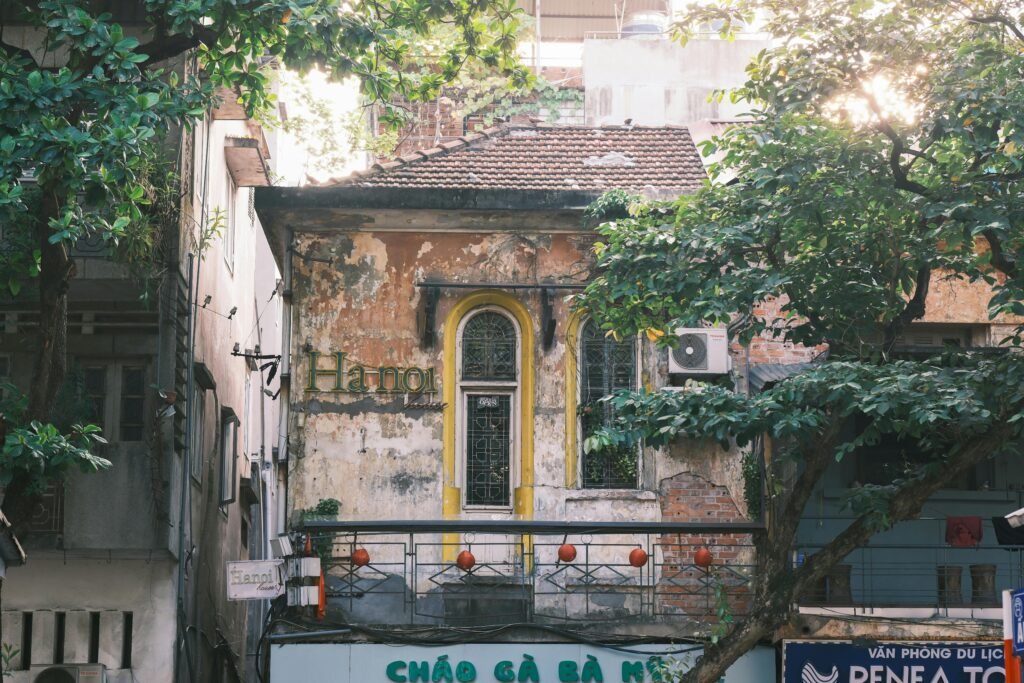
Why Visit Hanoi?
Hanoi feels like the soul of Vietnam. It’s chaotic, charming, historic, and full of energy. Between colonial buildings, buzzing scooters, hidden cafés, and temples tucked into narrow streets, the city constantly keeps you curious.
The Hanoi street food culture alone makes the city worth visiting.
Best Things to Do
- Explore Hanoi Old Quarter
- Try a street food tour
- Visit Train Street
- Watch sunset at Hoan Kiem Lake
- Experience Vietnamese coffee culture
Ideal Stay Duration
3–4 days
Budget Expectations
- Budget: $25–$40/day
- Mid-range: $70–$120/day
Best Food to Try
- Pho
- Bun Cha
- Egg coffee
- Banh Mi
A useful tip: mornings in Hanoi are quieter and cooler, making them ideal for walking tours before traffic intensifies.
Halong Bay
Why Visit Halong Bay?
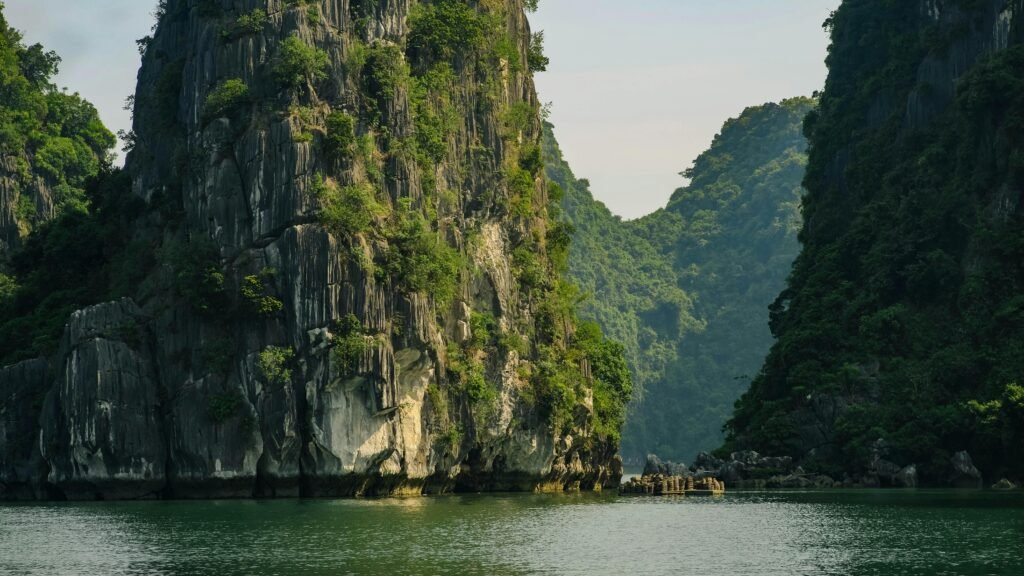
Halong Bay looks almost unreal in person. Massive limestone cliffs rise dramatically from emerald water, creating one of the most iconic landscapes in Southeast Asia.
It’s easily one of the top tourist places in Vietnam.
Best Things to Do
- Overnight Halong Bay cruise
- Kayaking through limestone caves
- Visit floating fishing villages
- Sunset deck experiences
- Squid fishing at night
Ideal Stay Duration
2 days / 1 night
Budget Expectations
- Budget cruises: $60–$100
- Luxury cruises: $200–$500+
Best Food to Try
- Fresh seafood
- Grilled squid
- Vietnamese spring rolls
A waterproof pouch becomes surprisingly useful here, especially during kayaking tours.
Hoi An
Why Visit Hoi An?
Hoi An is the kind of place travelers plan to visit for two days and accidentally stay for a week.
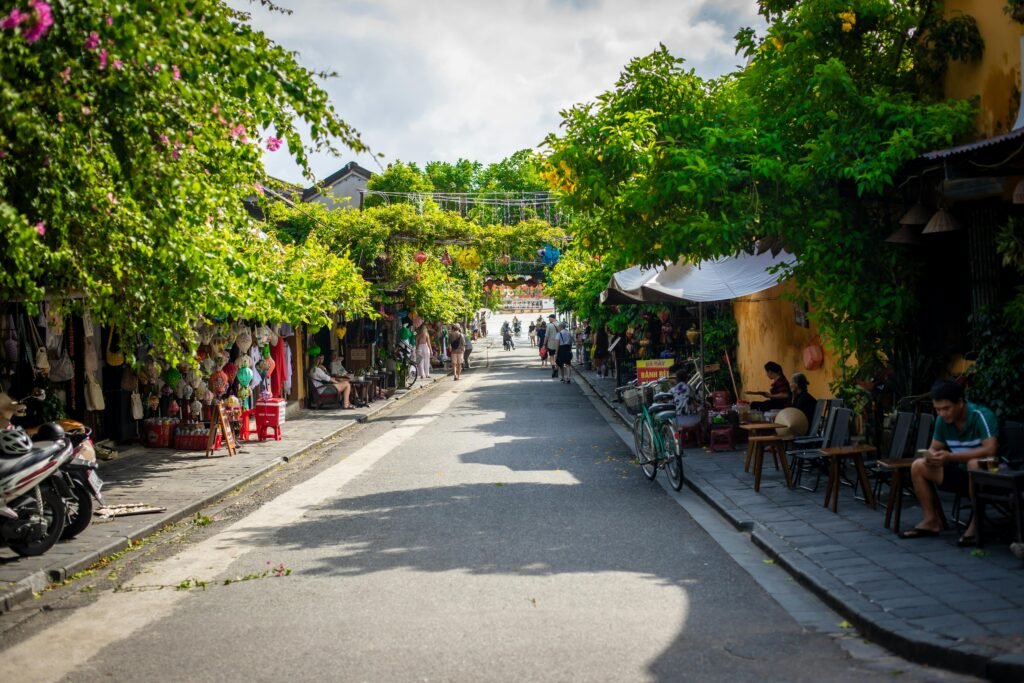
The lantern-lit streets, riverside cafés, tailor shops, and relaxed atmosphere make it one of the most photogenic towns in Vietnam.
Best Things to Do
- Explore Ancient Town
- Attend the Hoi An lantern festival
- Get custom clothes tailored
- Take a Vietnamese cooking class
- Relax at An Bang Beach
Ideal Stay Duration
3–5 days
Budget Expectations
- Budget: $30–$50/day
- Mid-range: $80–$150/day
Best Food to Try
- Cao Lau noodles
- White rose dumplings
- Banh Xeo
Evenings here feel magical. Walking along the river under glowing lanterns genuinely feels like stepping into a movie scene.
Da Nang
Why Visit Da Nang?
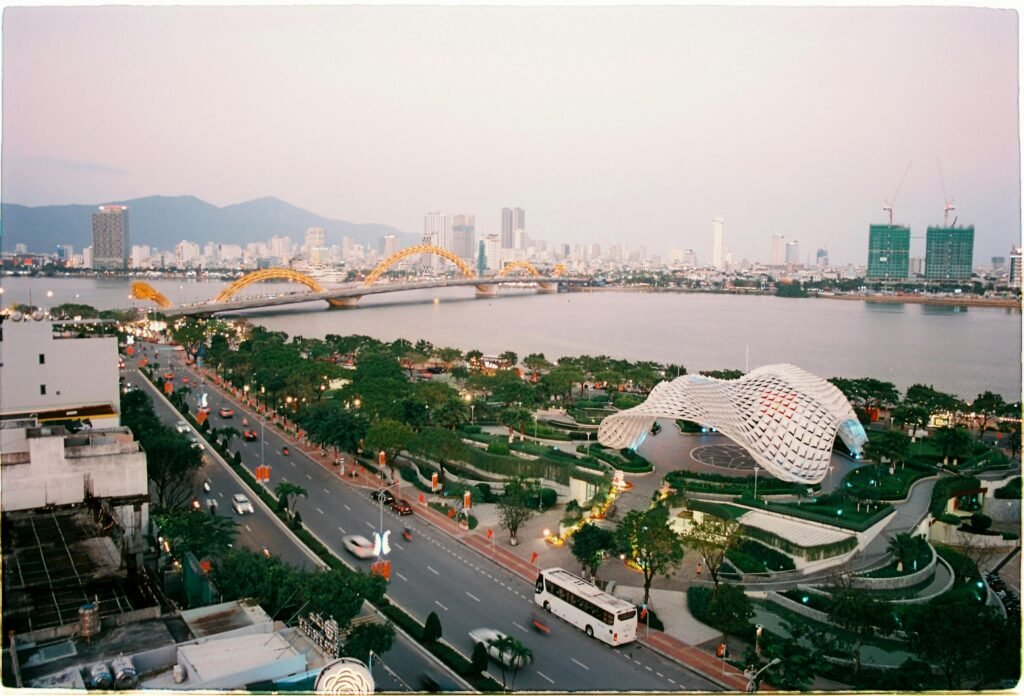
Da Nang offers the perfect balance between city life, beaches, and affordability.
Compared to busier tourist hubs in Asia, Da Nang feels cleaner, calmer, and easier to navigate.
Best Things to Do
- Relax on My Khe Beach
- Visit Marble Mountains
- Explore Ba Na Hills
- Enjoy rooftop cafés
- Experience local seafood markets
Ideal Stay Duration
3–4 days
Budget Expectations
- Budget: $30–$45/day
- Mid-range: $70–$130/day
Best Food to Try
- Mi Quang noodles
- Seafood hotpot
- Grilled seafood
Da Nang is also one of the best bases for digital nomads thanks to cheap cafés, fast internet, and beachside living.
Ho Chi Minh City
Why Visit Ho Chi Minh City?
Formerly Saigon, this city feels fast-paced, modern, and energetic.
The nightlife, rooftop bars, food culture, and nonstop movement create a completely different atmosphere compared to Hanoi.
Best Things to Do
- Visit Ben Thanh Market
- Explore War Remnants Museum
- Experience Ho Chi Minh City nightlife
- Try rooftop bars
- Take a Mekong Delta day trip
Ideal Stay Duration
3 days
Budget Expectations
- Budget: $30–$50/day
- Mid-range: $80–$150/day
Best Food to Try
- Broken rice dishes
- Vietnamese iced coffee
- Hu Tieu noodles
Traffic here can feel intense initially, but Grab taxis make getting around much easier for first-time visitors.
Sapa
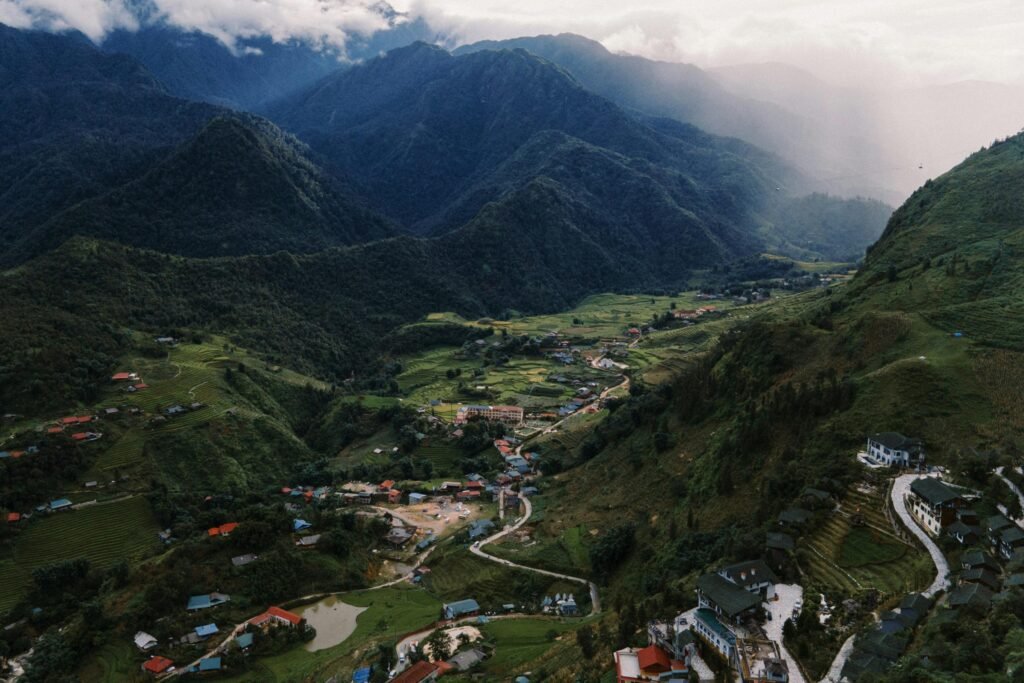
Why Visit Sapa?
If you want mountains, rice terraces, and cooler weather, Sapa is unforgettable.
The region feels completely different from Vietnam’s cities and coastlines.
Best Things to Do
- Trek through rice terraces
- Visit local ethnic villages
- Ride the Fansipan cable car
- Stay in mountain homestays
Ideal Stay Duration
2–4 days
Budget Expectations
- Budget: $25–$40/day
- Mid-range: $60–$120/day
Best Food to Try
- Salmon hotpot
- Sticky rice dishes
- Mountain barbecue
A quality travel backpack matters here because uneven roads and trekking routes make rolling luggage frustrating.
Phu Quoc
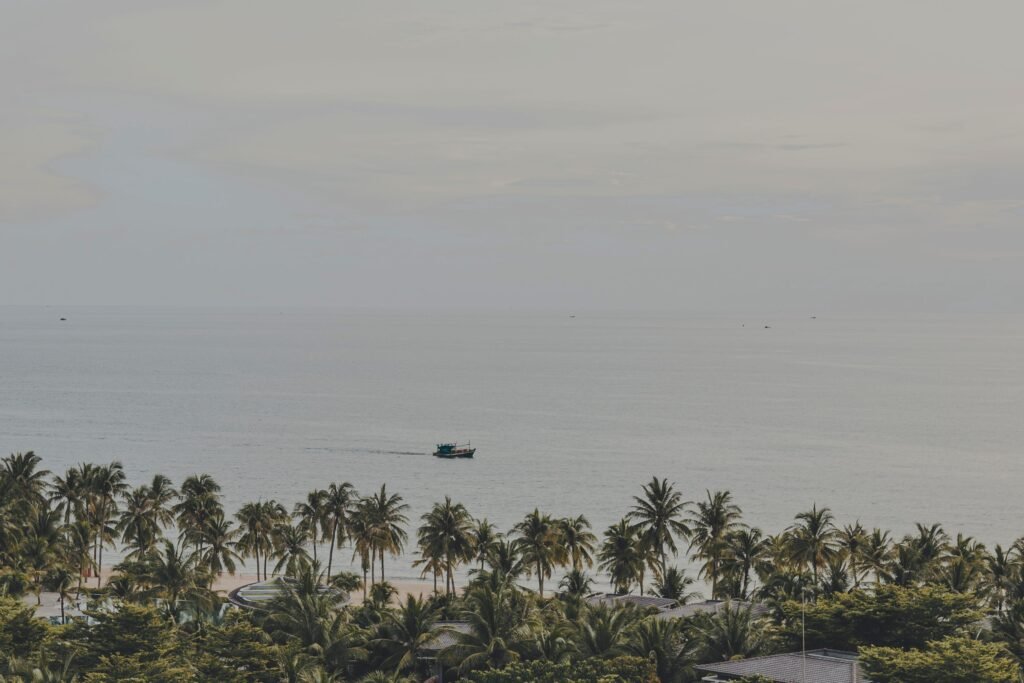
Why Visit Phu Quoc?
Phu Quoc is Vietnam’s tropical escape.
Think white-sand beaches, island hopping, seafood dinners, and relaxed sunsets.
It’s especially popular for couples and slower vacations.
Best Things to Do
- Island hopping tours
- Snorkeling & diving
- Visit Sao Beach
- Explore night markets
- Watch sunset beach bars
Ideal Stay Duration
3–5 days
Budget Expectations
- Budget: $40–$60/day
- Mid-range: $100–$200/day
Best Food to Try
- Grilled seafood
- Fish sauce specialties
- Sea urchin dishes
If you’re traveling during sunny months, beach essentials like quick-dry towels, sunglasses, and portable chargers become genuinely useful.
Why These Are the Best Places to Visit in Vietnam
What makes Vietnam special isn’t just the destinations individually — it’s the contrast between them.
You can:
- Drink egg coffee in Hanoi
- Cruise through Halong Bay
- Walk lantern streets in Hoi An
- Relax on Da Nang beaches
- Experience Saigon nightlife
- Trek through Sapa mountains
- End your trip island hopping in Phu Quoc
Few countries offer this much diversity while remaining so affordable and beginner-friendly.
Suggested Vietnam Itineraries
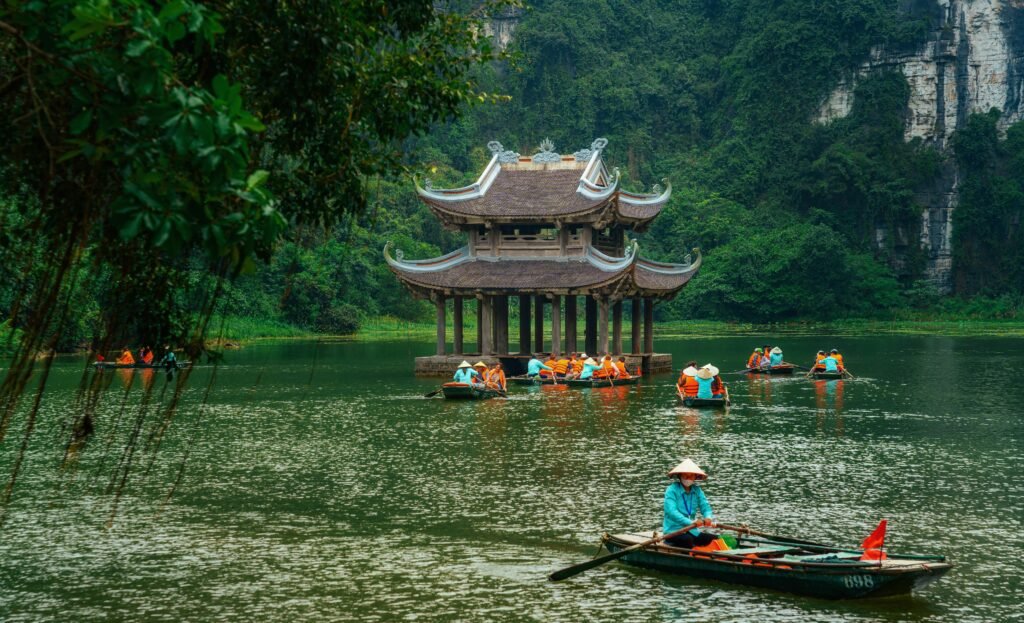
Planning a trip to Vietnam can feel overwhelming at first because the country offers mountains, beaches, historic towns, mega cities, islands, and food experiences all in one destination.
The biggest mistake first-time travelers make is trying to see everything too quickly.
Vietnam is longer than many people expect, and constantly changing cities every day can turn an exciting trip into an exhausting checklist. A smarter Vietnam itinerary balances sightseeing, travel time, and recovery days — especially if you’re using sleeper buses in Vietnam or taking overnight trains.
Whether you have one week or two, these routes are practical, beginner-friendly, and realistic based on actual travel pace.
7-Day Vietnam Itinerary
If you only have one week, don’t try to cover the entire country. Focus on one region properly instead of rushing from north to south.
This itinerary works best for travelers wanting culture, food, and iconic scenery.
Day 1–3: Hanoi
Start your Vietnam travel guide experience in Hanoi.
Things to Do:
- Explore Old Quarter
- Try Hanoi street food
- Visit Hoan Kiem Lake
- Experience Vietnamese coffee culture
- Watch Train Street
Day 4–5: Halong Bay
Take an overnight cruise through limestone islands and emerald waters.
Recommended:
- Kayaking
- Cave tours
- Sunset deck views
- Seafood dinners onboard
A waterproof pouch and portable charger become genuinely useful here, especially during boat activities.
Day 6–7: Sapa
Head into Northern Vietnam’s mountain region for trekking and rice terrace views.
Best Experiences:
- Village homestays
- Trekking tours
- Fansipan cable car
- Local mountain food
Best For:
- First-time visitors
- Backpackers
- Nature lovers
Estimated Budget:
- Backpacker: $300–$500
- Mid-range: $700–$1,200
Internal Link Opportunity:
- North Vietnam itinerary
10-Day Vietnam Itinerary
A 10-day Vietnam itinerary gives you enough time to experience both northern culture and central coastal destinations without rushing excessively.
This is one of the best options for couples and travelers wanting variety.
Day 1–3: Hanoi
Focus on:
- Food tours
- Historical attractions
- Night markets
- Café hopping
Day 4–5: Halong Bay
Choose:
- 1-night luxury cruise
OR - Budget day cruise
Day 6–8: Hoi An + Da Nang
This becomes the relaxing portion of the trip.
In Hoi An:
- Lantern festival
- Tailor shops
- Riverside cafés
- Cooking classes
In Da Nang:
- Beach time
- Marble Mountains
- Seafood restaurants
One thing many travelers don’t expect is how easy it becomes to slow down in Hoi An. What starts as a quick stop often turns into several extra days.
Day 9–10: Ho Chi Minh City
Finish with Vietnam’s energetic southern city.
Highlights:
- Rooftop bars
- Ben Thanh Market
- War Remnants Museum
- Ho Chi Minh City nightlife
Best For:
- Couples
- Food lovers
- Balanced travel style
Estimated Budget:
- Backpacker: $500–$800
- Mid-range: $1,200–$2,000
2-Week Vietnam Itinerary
A 2 weeks Vietnam itinerary for first timers is the ideal duration if you want to experience Vietnam properly without feeling constantly rushed.
This route covers North, Central, and South Vietnam comfortably.
Day 1–3: Hanoi
- Street food
- Temples
- Coffee culture
- Walking tours
Day 4–5: Halong Bay
- Overnight cruise
- Kayaking
- Island scenery
Day 6–8: Sapa
- Rice terrace trekking
- Village stays
- Fansipan mountain views
Day 9–11: Hoi An + Da Nang
- Beaches
- Lantern town evenings
- Café culture
- Relaxation days
This section of the trip feels like a reset after overnight buses and mountain trekking.
Day 12–14: Ho Chi Minh City + Mekong Delta
- Nightlife
- Markets
- Day tours
- Local floating villages
Optional Extension:
Add Phu Quoc if you want beaches and island hopping before flying home.
Best For:
- Complete Vietnam experience
- Solo travelers
- Couples
- Digital nomads
Estimated Budget:
- Backpacker: $700–$1,200
- Mid-range: $1,800–$3,000
A reliable travel backpack matters significantly on longer Vietnam trips because internal transport often involves stairs, buses, ferries, and uneven sidewalks.
Which Vietnam Itinerary Is Best?
Choose 7 Days If:
- You’re short on time
- You prefer slower travel
- You only want North Vietnam
Choose 10 Days If:
- You want culture + beaches
- You prefer balanced pacing
- You’re traveling as a couple
Choose 2 Weeks If:
- You want the full Vietnam experience
- You enjoy varied landscapes
- You’re comfortable with domestic travel
Vietnam rewards slower travel more than rushed sightseeing.
Some of the best moments happen unexpectedly — late-night pho in Hanoi, random café conversations in Hoi An, or watching rainstorms roll across rice fields in Sapa.
That’s the part most itineraries don’t tell you.
Vietnam Transportation Guide
One of the first things travelers realize in Vietnam is that getting around the country is part of the adventure itself.
You’ll move between chaotic scooter-filled cities, mountain villages, coastal towns, and tropical islands — often using completely different types of transport along the way.
The good news? Vietnam is surprisingly easy to navigate once you understand how each transportation option works.
If you’re wondering, “What is the best transport in Vietnam?” — the answer depends on your budget, travel style, comfort level, and how much time you have.
For long distances, domestic flights save time. Backpackers usually rely on sleeper buses in Vietnam, while trains offer a slower but scenic experience. Inside cities, Grab taxis are often the easiest and safest option for first-time visitors.
Here’s a realistic breakdown based on actual travel experience.
Getting around Vietnam is easier once you understand the different transport options available. For a detailed comparison of domestic flights, trains, sleeper buses, Grab taxis, motorbike rentals, estimated costs, and practical travel tips, read our complete Vietnam transportation guide before planning your route.
Domestic Flights
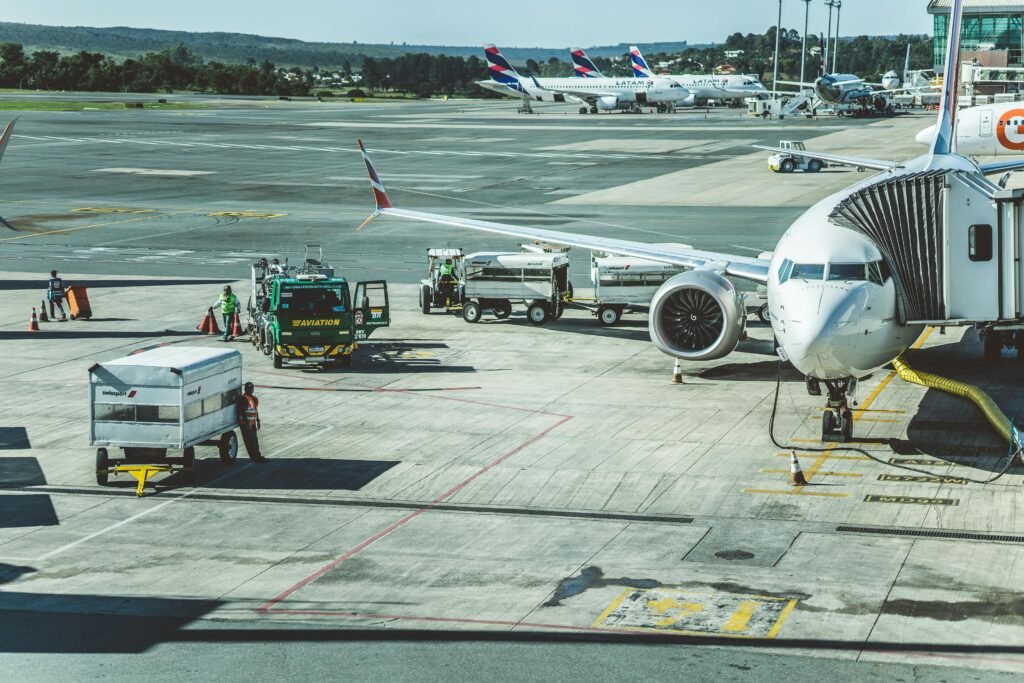
Vietnam is a long country, and many travelers underestimate travel times between regions.
For example:
- Hanoi to Ho Chi Minh City can take over 30 hours by train
- Flights usually take around 2 hours
That’s why domestic flights are often the smartest choice if your itinerary is limited.
Best For:
- Short trips
- Couples
- Families
- Mid-range travelers
- Travelers covering multiple regions
Popular Flight Routes:
- Hanoi → Da Nang
- Da Nang → Ho Chi Minh City
- Ho Chi Minh City → Phu Quoc
Flights in Vietnam are usually affordable if booked early, especially outside holiday periods.
A practical tip from experience: budget airlines often have strict baggage policies. A lightweight travel backpack helps avoid unnecessary luggage fees.
Pros
- Fast
- Affordable
- Saves energy on long routes
Cons
- Airport transfers add extra time
- Delays occasionally happen during storms
Sleeper Buses
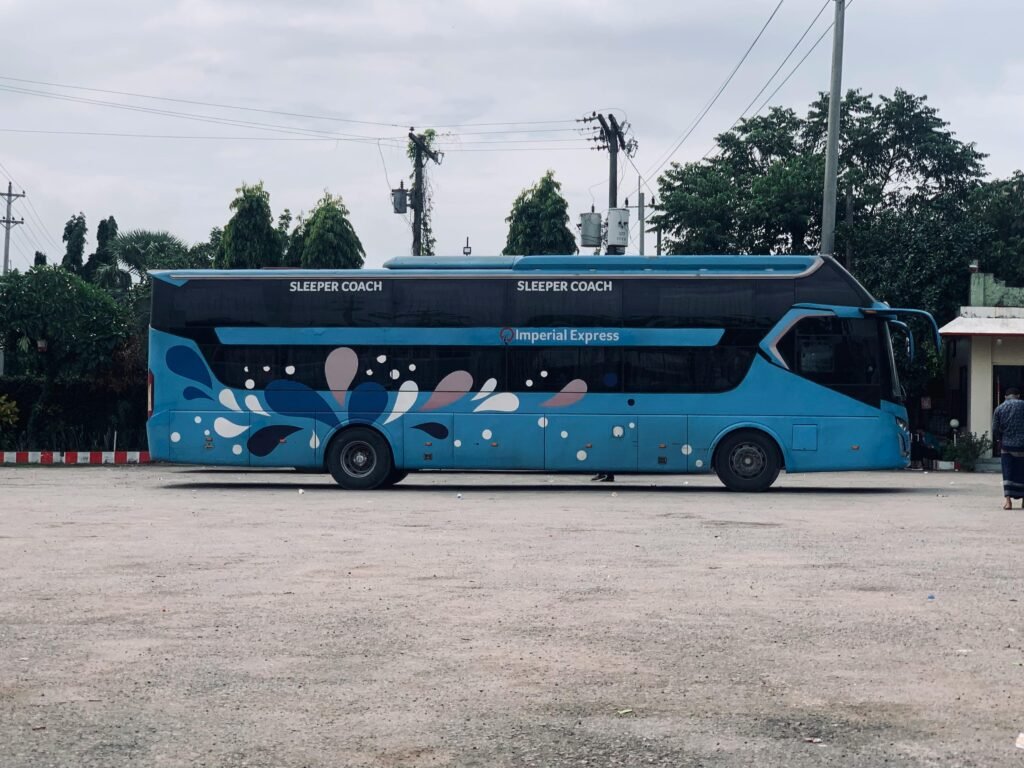
Sleeper buses in Vietnam are almost a backpacker rite of passage.
Instead of regular seats, many buses include reclining bunk-style beds for overnight journeys.
Best For:
- Backpackers
- Budget travelers
- Flexible itineraries
Common Routes:
- Hanoi → Sapa
- Hanoi → Hoi An
- Da Nang → Ho Chi Minh City
They’re cheap and surprisingly efficient, but comfort levels vary heavily between operators.
During my overnight ride from Hanoi to Sapa, the journey was smoother than expected — but having a neck pillow, hoodie, and portable charger made a huge difference.
Things to Know:
- Shoes are usually removed before boarding
- Blankets are sometimes provided
- Wi-Fi quality varies
- Overnight routes save hotel costs
Pros
- Extremely budget-friendly
- Convenient overnight travel
- Good for long distances
Cons
- Limited personal space
- Not ideal for tall travelers
- Roads can feel bumpy in mountain areas
If you’re sensitive to noise or motion sickness, trains may feel more comfortable.
Trains in Vietnam
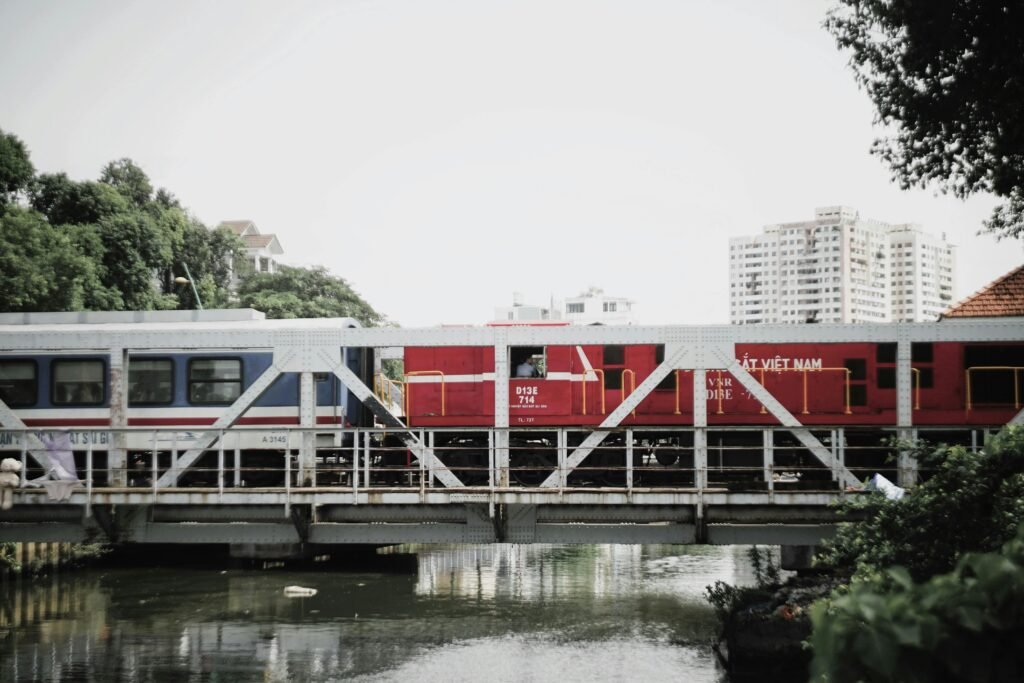
Vietnam’s railway system offers one of the most scenic ways to explore the country.
The route between Da Nang and Hue is especially beautiful, with ocean views and mountain landscapes throughout the journey.
Best For:
- Slow travelers
- Scenic journeys
- Comfortable overnight travel
Popular Routes:
- Hanoi → Sapa (via Lao Cai)
- Hue → Da Nang
- Hanoi → Ho Chi Minh City
Compared to buses, trains feel safer and more relaxed, especially for solo travelers.
Pros
- More spacious
- Scenic views
- Better for longer journeys
Cons
- Slower than flights
- Tickets can sell out during holidays
If you’re carrying electronics or camera gear, trains also provide a more comfortable setup compared to crowded buses.
Renting Motorbikes
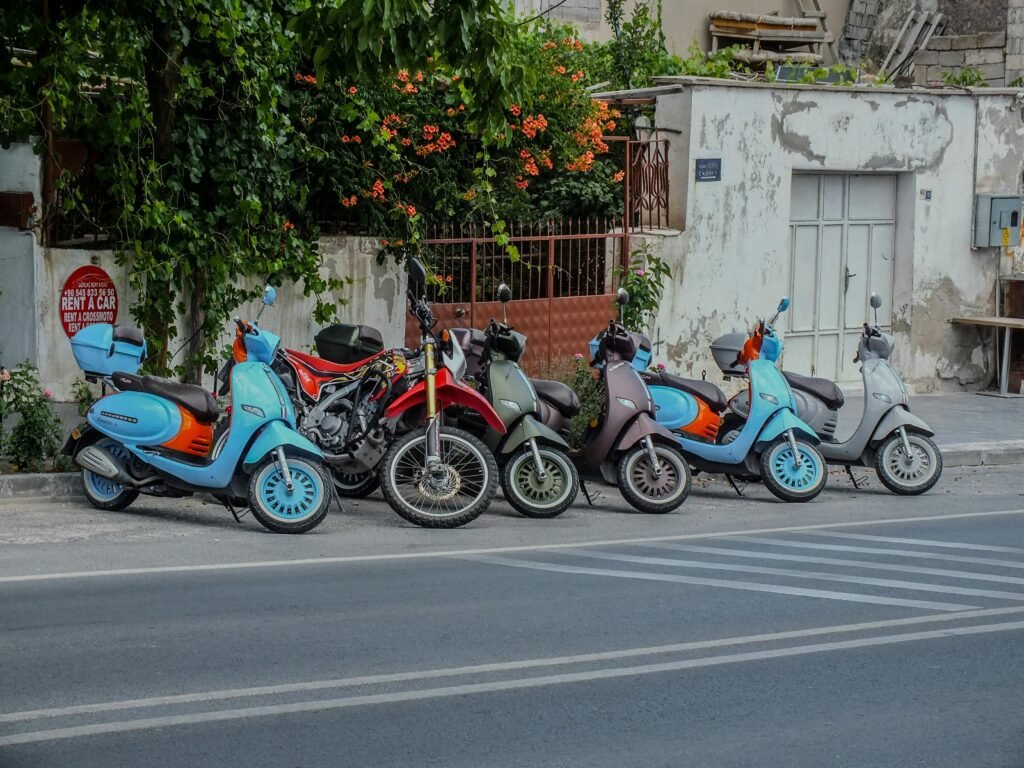
Vietnam motorbike travel is iconic — but it’s not for everyone.
You’ll see travelers riding through mountain passes, coastal roads, and countryside villages all across Vietnam.
Best For:
- Adventure travelers
- Experienced riders
- Flexible itineraries
Popular Areas:
- Ha Giang Loop
- Sapa
- Da Nang coastal roads
The freedom feels incredible, but traffic in major cities can overwhelm first-time riders quickly.
One important reality most travel blogs skip:
Vietnam traffic looks chaotic because local driving patterns are very different from Western countries.
If you’ve never ridden a motorbike before, don’t learn in Hanoi or Ho Chi Minh City.
Pros
- Total flexibility
- Incredible scenic routes
- Cheap fuel costs
Cons
- Traffic can feel stressful
- Weather changes quickly
- Accident risks are real
A waterproof pouch becomes useful here because sudden tropical rainstorms happen frequently.
Grab Taxi App
For most travelers, Grab becomes essential within the first 24 hours in Vietnam.
Think of it as Southeast Asia’s version of Uber.
Why Travelers Love Grab:
- Transparent pricing
- No bargaining
- Easy airport pickups
- Safer than random taxis
It’s especially helpful in:
- Hanoi
- Ho Chi Minh City
- Da Nang
Grab offers:
- Car rides
- Motorbike taxis
- Food delivery
Motorbike taxis are often the fastest way through heavy traffic, though they can feel intimidating initially.
Pros
- Cheap
- Reliable
- Tourist-friendly
Cons
- Requires internet connection
A local SIM card or eSIM becomes incredibly useful here because relying on public Wi-Fi constantly gets frustrating fast.
What Is the Best Transport in Vietnam?
Best Overall Options by Travel Style:
| Travel Style | Best Transport |
|---|---|
| Backpackers | Sleeper buses |
| Couples | Domestic flights + Grab |
| Scenic travel | Trains |
| Adventure travelers | Motorbikes |
| City travel | Grab taxis |
The smartest Vietnam itineraries usually combine multiple transportation types instead of relying on just one.
That flexibility is part of what makes traveling through Vietnam feel exciting rather than repetitive.
Vietnamese Food Guide
If there’s one thing travelers remember most about Vietnam, it’s the food.
Vietnamese cuisine feels fresh, balanced, affordable, and deeply connected to local culture. One day you’re sitting on a tiny plastic stool in Hanoi eating smoky grilled pork with noodles, and the next you’re trying seafood hotpot near Da Nang beaches while watching fishing boats return at sunset.
The best part? Incredible meals in Vietnam often cost less than a coffee in many countries.
Unlike tourist-focused destinations where restaurants feel repetitive, food in Vietnam changes noticeably from region to region. Northern dishes are usually lighter and subtler, central Vietnam is known for bold flavors and spice, while southern cuisine tends to be sweeter and more tropical.
If you’re wondering, “What food is famous in Vietnam?” — these are the dishes every traveler should try at least once.
Must-Try Vietnamese Dishes
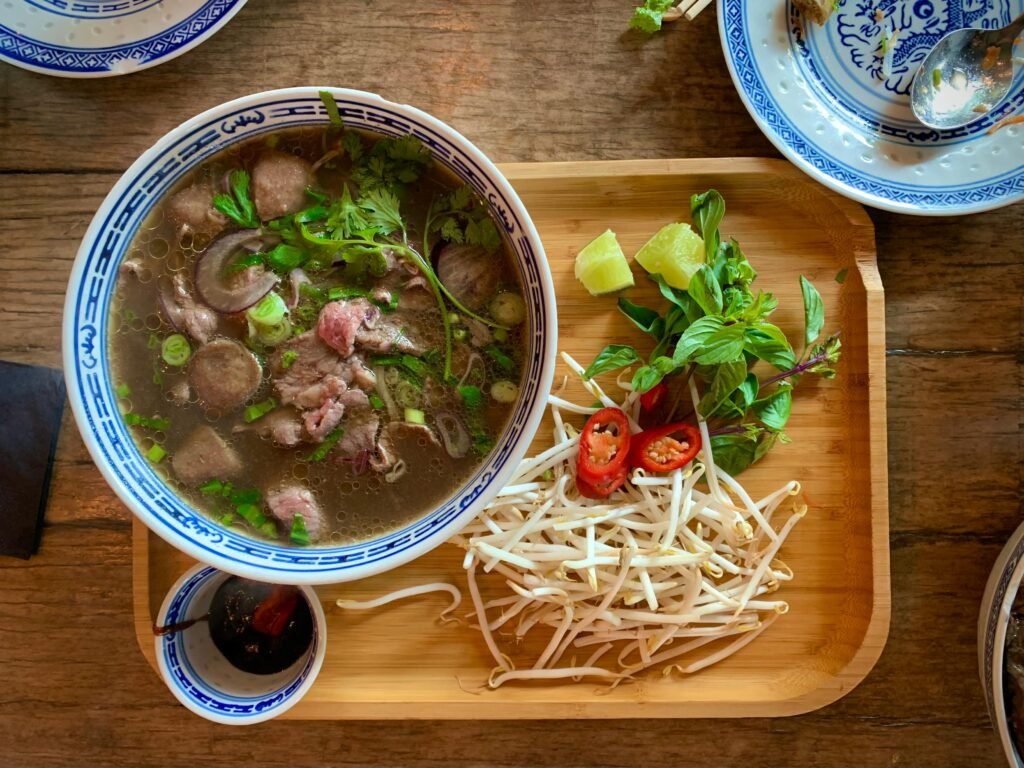
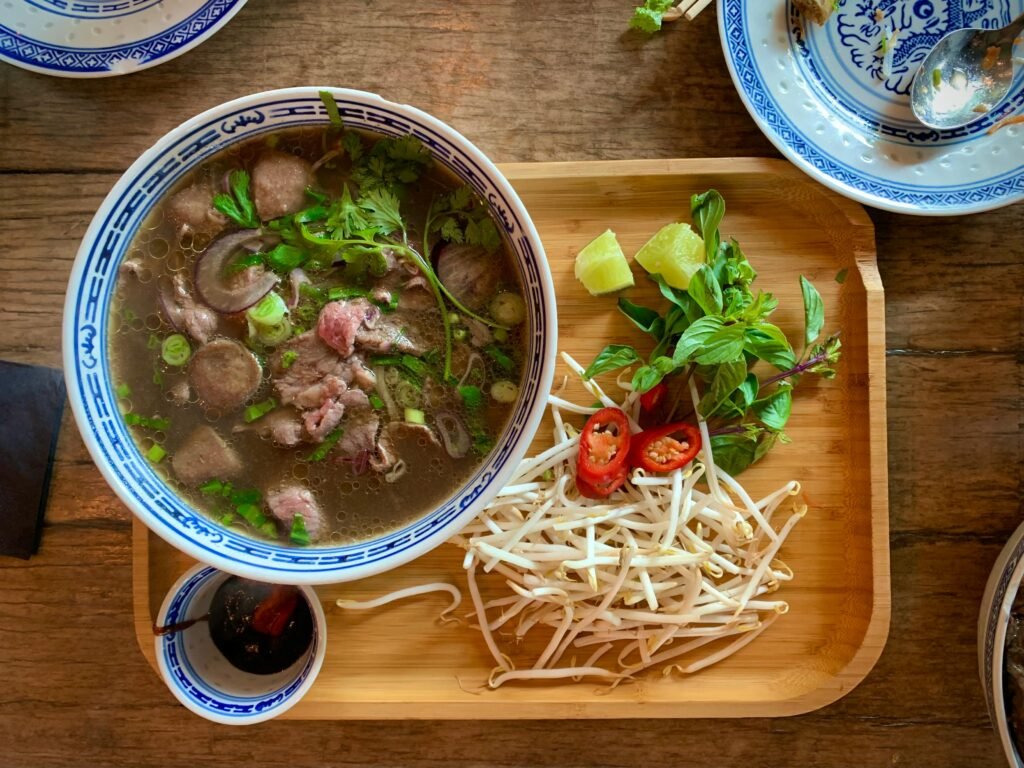
Pho
Pho is Vietnam’s most internationally recognized dish, but eating it in Vietnam feels completely different.
The broth is lighter, fresher, and far more aromatic than many versions abroad.
In Hanoi especially, early morning pho stalls become part of daily life. Locals eat bowls before work while scooters rush past nonstop.
Best Place to Try:
- Hanoi street food stalls
Banh Mi
Vietnam’s famous baguette sandwich is one of the country’s best cheap meals.
Filled with meats, herbs, pickled vegetables, chili sauce, and pâté, banh mi became my go-to meal during long travel days because it’s quick, filling, and affordable.
Best Place to Try:
- Hoi An
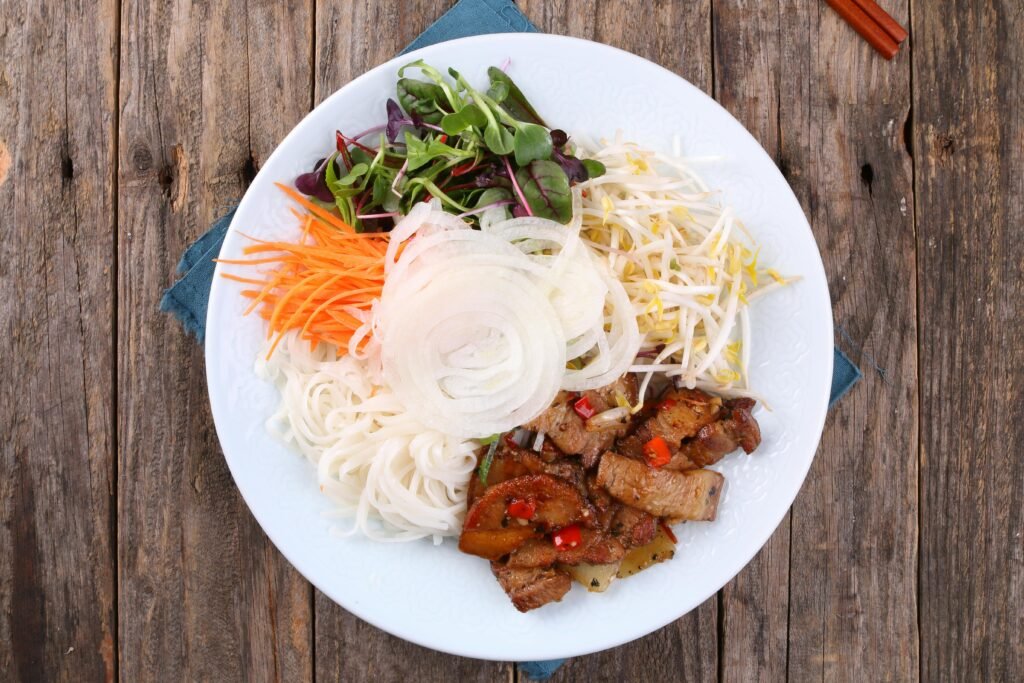
Bun Cha
A Hanoi specialty featuring grilled pork, rice noodles, herbs, and dipping sauce.
Simple but unforgettable.
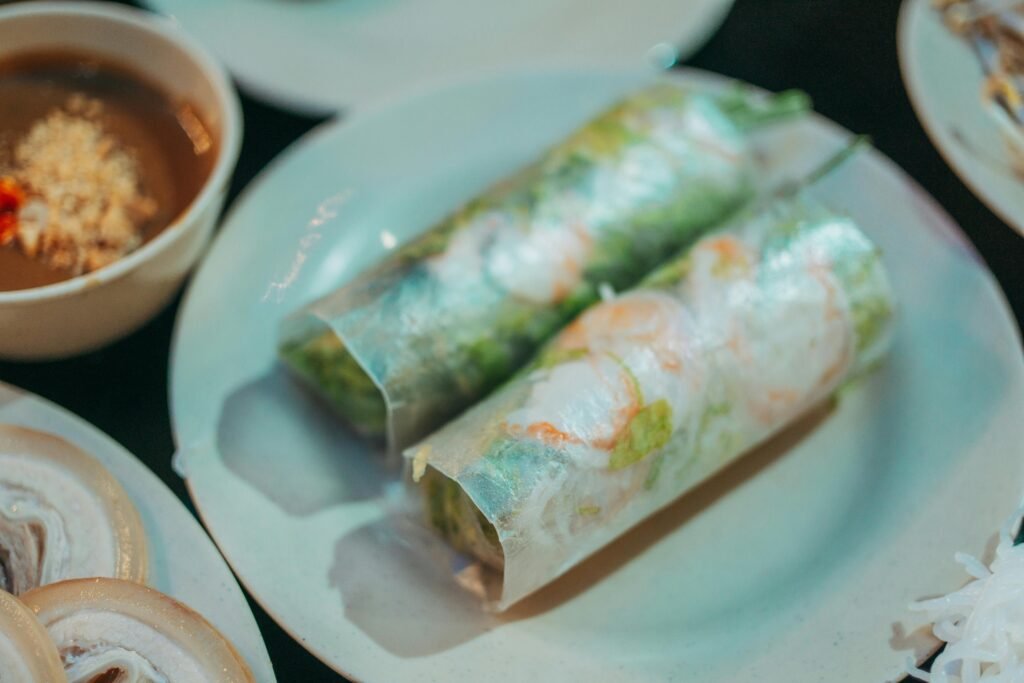
Goi Cuon
Fresh rice paper rolls stuffed with herbs, vegetables, shrimp, or pork.
Perfect for hot weather days when heavy meals feel exhausting.
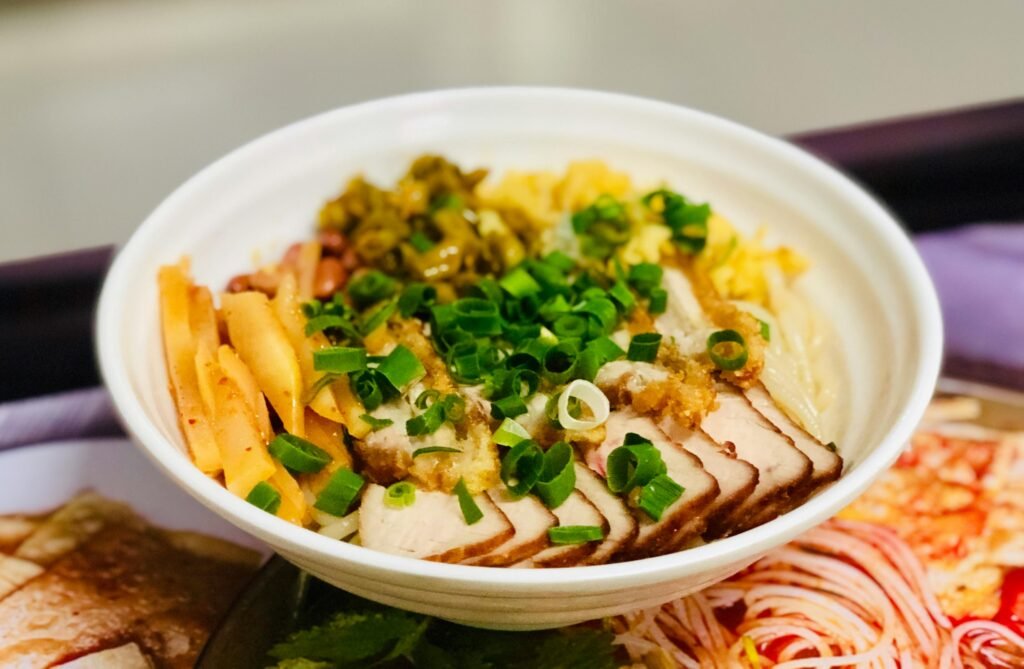
Cao Lau
This iconic Hoi An noodle dish has a smoky flavor and thick noodles unlike anything else in Vietnam.

Vietnamese Coffee
Vietnamese coffee culture deserves its own section entirely.
From strong iced coffee with condensed milk to creamy egg coffee in Hanoi, cafés become part of the travel experience itself.
One practical tip: Vietnamese coffee is significantly stronger than many travelers expect.
Street Food Safety Tips
Street food is one of the highlights of any Vietnam travel guide, but first-time visitors often worry about hygiene.
Honestly, most travelers eat street food throughout Vietnam without major issues if they follow a few smart habits.
Look for Busy Local Stalls
Crowded stalls usually mean:
- Faster ingredient turnover
- Fresher food
- Better local reputation
If locals are lining up, that’s usually a good sign.
Avoid Food Sitting Out Too Long
Freshly cooked meals are generally safer than dishes left exposed for hours.
Watch the Ice Carefully
In major tourist cities like Ho Chi Minh City and Hanoi, filtered ice is common, but smaller rural areas may vary.
Carry Tissues & Hand Sanitizer
Many local eateries are casual and may not always provide napkins.
A small travel organizer or sling bag becomes genuinely useful for keeping essentials easily accessible during food tours.
Start Slowly
Your stomach may need time to adjust to local spices, oils, and ingredients.
On my first day in Hanoi, I made the classic mistake of trying five different street foods within hours. Delicious? Absolutely. Smart decision? Not entirely.
Vegetarian Food in Vietnam
Many travelers assume Vietnam is difficult for vegetarians, but that’s not really true — especially in larger cities.
In fact, Buddhist influence makes vegetarian food surprisingly accessible.
Look for the word:
- “Chay” = vegetarian food
Popular Vegetarian Dishes
- Vegetarian pho
- Tofu banh mi
- Vegetable spring rolls
- Mushroom hotpot
- Stir-fried morning glory
Cities like Hoi An and Da Nang have excellent vegetarian cafés, especially popular with backpackers and digital nomads.
A useful tip for Indian travelers:
Learning a few food-related Vietnamese phrases or using translation apps can help avoid accidental fish sauce or meat ingredients in local dishes.
Offline translation apps and portable chargers become especially helpful during long sightseeing days centered around food markets and walking tours.
Why Vietnamese Food Is So Loved
What makes Vietnamese cuisine special isn’t just taste — it’s balance.
Meals often combine:
- Fresh herbs
- Light broths
- Smoky grilled meats
- Citrus flavors
- Crunchy textures
- Minimal heaviness
You rarely finish a Vietnamese meal feeling overly full or sluggish, which makes eating your way across Vietnam incredibly enjoyable.
For many travelers, the food becomes just as memorable as Halong Bay cruises, Hoi An lantern nights, or Sapa mountain views.
And honestly, that’s exactly how it should be.
Pros & Cons of Traveling in Vietnam
Traveling through Vietnam is one of those experiences that feels exciting, unpredictable, exhausting, rewarding, and unforgettable — sometimes all in the same day.
One moment you’re drinking Vietnamese iced coffee beside a peaceful lake in Hanoi, and an hour later you’re trying to cross a road filled with hundreds of scooters coming from every direction.
That contrast is exactly what makes Vietnam memorable.
But if you’re planning your first trip, it’s important to understand both the good and challenging sides realistically rather than relying on overly romantic travel content.
So, is Vietnam worth visiting?
For most travelers, absolutely yes — especially if you enjoy culture, food, adventure, and budget-friendly travel. But knowing the pros and cons beforehand helps you prepare smarter and avoid frustration later.
| Pros | Cons |
|---|---|
| Affordable travel costs | Traffic chaos in major cities |
| Incredible street food | Language barriers outside tourist areas |
| Diverse landscapes | Tourist scams in busy areas |
| Backpacker friendly | Weather unpredictability |
| Great café culture | Long travel distances |
| Easy domestic transportation | Noise in crowded cities |
| Strong digital nomad scene | Sidewalks can feel chaotic |
Why Travelers Love Vietnam
Affordable Without Feeling “Cheap”
Vietnam delivers excellent value for money.
You can:
- Stay in boutique hotels affordably
- Eat amazing local food daily
- Use cheap transportation
- Enjoy luxury experiences at lower prices compared to many countries
For backpackers especially, Vietnam remains one of the best-value destinations in Asia.
The Food Is Genuinely Exceptional
The Vietnamese food guide alone could justify the trip.
From Hanoi street food to seafood dinners near Da Nang beaches, food becomes part of the travel experience itself rather than just something between activities.
Incredible Variety
Few countries offer mountains, beaches, lantern towns, mega cities, rice terraces, and island hopping within one trip.
You can:
- Trek in Sapa
- Cruise through Halong Bay
- Explore lantern streets in Hoi An
- Experience nightlife in Ho Chi Minh City
That diversity keeps Vietnam from ever feeling repetitive.
The Downsides Travelers Should Know
Traffic Can Feel Intense
Crossing roads in Hanoi or Ho Chi Minh City feels terrifying initially.
The trick?
Walk slowly and predictably instead of hesitating mid-road.
Locals flow around you surprisingly well.
Weather Planning Matters
One of the most common Vietnam travel mistakes is assuming the weather stays consistent nationwide.
Northern Vietnam can feel chilly while southern beaches remain tropical.
Tourist Scams Exist
Like many popular destinations, tourist-heavy areas sometimes include:
- Taxi overcharging
- Fake tours
- Currency confusion
- Inflated market pricing
Most scams are avoidable with basic awareness.
Using Grab taxis instead of random street taxis significantly reduces problems.
Common Mistakes Travelers Make in Vietnam
Vietnam is beginner-friendly in many ways, but there are a few mistakes almost every first-time traveler makes.
Honestly, most of them happen because people underestimate how different Vietnam feels compared to other destinations.
If you know these in advance, your trip becomes much smoother.
Ignoring Regional Weather
One of the biggest travel planning mistakes is packing for only one climate.
Vietnam stretches across multiple weather zones, meaning:
- Hanoi may feel cool and rainy
- Central Vietnam could be sunny
- Southern Vietnam may experience tropical showers
A traveler arriving in Sapa with only beach clothes quickly realizes the problem.
Before your trip, check weather region-by-region instead of searching only “Vietnam weather.”
A lightweight rain jacket or compact waterproof pouch becomes genuinely useful year-round.
Overpacking
Vietnam is easier to travel with lighter luggage.
Why?
Because many journeys involve:
- Sleeper buses
- Narrow sidewalks
- Stair-heavy guesthouses
- Train stations
- Ferry transfers
Dragging oversized suitcases through crowded streets in Hanoi Old Quarter becomes exhausting fast.
A comfortable travel backpack usually works better than large hard-shell luggage for multi-city Vietnam trips.
Not Using Grab App
Some travelers still rely entirely on random taxis and end up overpaying unnecessarily.
Grab is one of the best tools for:
- Airport pickups
- Cheap rides
- Transparent pricing
- Avoiding taxi scams
It becomes especially useful in Ho Chi Minh City and Hanoi where traffic and navigation can feel overwhelming.
A local SIM card or eSIM helps massively here because public Wi-Fi isn’t always reliable while moving around cities.
Currency Conversion Mistakes
Vietnamese Dong has a lot of zeros, and many first-time travelers accidentally overspend because prices look confusing initially.
For example:
- 100,000 VND sounds expensive
- But it’s often only a few dollars
One traveler I met in Hoi An accidentally tipped far more than intended simply because they misread the notes quickly during a busy café stop.
Using a currency conversion app during your first few days helps avoid mistakes.
Falling for Tourist Scams
Most Vietnam scams are small annoyances rather than dangerous situations, but they still affect many tourists.
Common examples include:
- Taxi meter tricks
- Overpriced market items
- Fake booking agents
- “Friendly local” tour scams
The safest approach:
- Use reputable booking platforms
- Confirm prices beforehand
- Avoid overly pushy sellers
- Trust your instincts
If something feels unusually aggressive or rushed, walking away is usually the best decision.
What Should Tourists Avoid in Vietnam?
For travelers looking for a quick answer:
Tourists in Vietnam should avoid ignoring regional weather differences, using unlicensed taxis, carrying oversized luggage, exchanging money at unreliable locations, and booking tours from random street sellers without reviews.
With basic preparation, Vietnam becomes far more enjoyable than stressful.
And honestly, most travelers leave wishing they had stayed longer.
Vietnam Travel Safety Tips
One of the most common questions travelers ask before visiting Vietnam is simple:
“Is Vietnam safe?”
For most travelers, the answer is yes.
Vietnam is generally considered one of the safer destinations in Southeast Asia for tourists, including solo travelers, couples, and backpackers. Violent crime against tourists is relatively uncommon, and millions of travelers explore the country every year without major issues.
But like anywhere popular with tourism, Vietnam does come with certain challenges — especially around scams, traffic, petty theft, and food hygiene awareness.
The good news? Most problems are avoidable with a little preparation and street awareness.
After traveling through cities like Hanoi, Ho Chi Minh City, and smaller towns like Hoi An, the biggest lesson many travelers learn is this:
Vietnam rewards alert travelers, not fearful ones.
Common Scams
Tourist scams in Vietnam are usually more annoying than dangerous, but they can still ruin your mood if you’re unprepared.
Taxi Overcharging
One of the oldest scams involves unofficial taxis charging inflated prices or taking unnecessarily long routes.
Safer Alternative:
Use the Grab Taxi App whenever possible.
It shows pricing upfront, reduces bargaining stress, and works well in major cities.
Fake Tour Operators
In tourist-heavy areas, some street vendors sell “cheap tours” that don’t match what’s advertised.
A practical rule:
If the deal sounds unrealistically cheap, there’s usually a reason.
Always check reviews before booking cruises, transport, or day trips.
Currency Confusion
Vietnamese Dong includes large numbers, which can confuse first-time travelers.
Scammers sometimes rely on tourists misreading bills quickly during busy transactions.
Take a few extra seconds before handing over cash.
Motorbike Rental Damage Scams
Some rental shops may charge tourists for damage that already existed.
Before renting:
- Record a video of the bike
- Photograph scratches
- Check brakes and lights carefully
This becomes especially important if you’re planning Vietnam motorbike travel routes like the Ha Giang Loop.
Pickpocketing in Crowded Areas
Busy markets and nightlife zones can attract petty theft.
Keep valuables secure, especially in:
- Ben Thanh Market
- Night markets
- Crowded walking streets
An anti-theft crossbody bag or RFID wallet can genuinely help in crowded tourist zones without feeling overly paranoid.
Solo Travel Safety
Vietnam is one of the most popular destinations in Asia for solo travelers.
You’ll meet:
- Backpackers
- Remote workers
- Solo female travelers
- Group tour travelers
Hostel culture is especially social in Vietnam, making it easy to connect with people during tours, food walks, or overnight transport.
Tips for Solo Travelers
- Share live location with someone during long journeys
- Avoid isolated areas late at night
- Book accommodations with strong reviews
- Use Grab instead of random taxis after nightlife
Solo Female Travel
Many women travel through Vietnam safely every year, but basic precautions still matter.
In nightlife districts, staying aware of surroundings and avoiding excessive intoxication helps reduce risks.
One thing solo travelers often appreciate in Vietnam is how active public spaces remain late into the evening. Cafés, food stalls, and streets usually stay busy, which can feel reassuring compared to quieter destinations.
Food & Water Safety
Vietnamese food is incredible, but your stomach may need a day or two to adjust.
Most travelers experience little or no food-related issues if they eat smartly.
Safer Street Food Tips
- Choose busy stalls with local customers
- Eat freshly cooked food
- Avoid raw seafood in questionable places
- Carry hand sanitizer during food tours
The busiest food stalls are often the safest because ingredients rotate quickly.
Water Safety
Avoid drinking tap water directly.
Instead:
- Buy sealed bottled water
- Refill from trusted filtered stations
- Use hotel-provided water
Ice in major tourist cities is usually filtered, but caution is still reasonable in remote areas.
A reusable filtered water bottle becomes useful for travelers doing long day trips or trekking around Sapa.
Emergency Numbers
It’s always smart to save emergency contacts before arriving in Vietnam.
Important Emergency Numbers
- Police: 113
- Fire: 114
- Ambulance: 115
Helpful Extras
Also save:
- Hotel address screenshots
- Travel insurance information
- Passport backup copies
- Offline Google Maps
A portable charger becomes especially important during long sightseeing days when using maps, translation apps, Grab rides, and emergency contacts constantly.
One underrated safety tip:
Download offline maps before arriving in Vietnam. Internet connections occasionally fail while traveling between regions, especially during overnight train or bus journeys.
Is Vietnam Safe for Tourists?
For most travelers, Vietnam feels exciting rather than dangerous.
The biggest challenges are usually:
- Traffic
- Minor scams
- Weather surprises
- Navigation confusion
With common sense, reliable transportation apps, and basic awareness, Vietnam becomes one of the most rewarding countries to explore in Southeast Asia.
And honestly, most travelers end up worrying far more before arriving than they do during the actual trip.
Pro Vietnam Travel Tips
Traveling through Vietnam becomes much easier once you understand a few local habits, travel shortcuts, and practical tricks that experienced travelers learn after a few days on the road.
Most first-time visitors arrive expecting Vietnam to feel chaotic — and honestly, sometimes it does. But once you figure out transportation apps, money exchange basics, café culture, and local etiquette, the country suddenly feels surprisingly manageable.
These are the kinds of Vietnam travel tips that genuinely improve your trip rather than just repeating generic advice.
SIM Cards & Internet
One of the smartest things you can do after landing in Vietnam is getting a local SIM card or eSIM immediately.
Why?
Because you’ll constantly rely on your phone for:
- Grab taxis
- Google Maps
- Translation apps
- Food recommendations
- Hotel communication
- Currency conversion
Trying to navigate cities like Ho Chi Minh City or Hanoi without mobile internet quickly becomes frustrating.
Best Places to Buy SIM Cards
- Airport kiosks
- Official mobile stores
- Convenience stores in major cities
Popular Providers
- Viettel
- Vinaphone
- Mobifone
In my experience, Viettel usually offered the strongest coverage during mountain trips near Sapa and long bus journeys.
Useful Tip:
Avoid random street sellers offering “unlimited” tourist SIMs without packaging or activation details.
A portable charger becomes incredibly useful here because constant navigation, translation, and ride-booking apps drain battery life quickly.
Money Exchange Tips
Vietnamese Dong can feel confusing initially because of the large numbers.
For many travelers, the first few days involve repeatedly checking conversion apps before paying for anything.
Best Places to Exchange Money
- Airport counters (small amounts only)
- Gold shops in cities
- Authorized exchange counters
- ATMs in major tourist areas
Avoid:
- Random street exchanges
- Unofficial money changers
A common beginner mistake is carrying too many large notes after ATM withdrawals. Smaller vendors sometimes struggle with change for high-value bills.
Practical Tip:
Keep smaller denominations separately for:
- Street food
- Grab rides
- Night markets
- Café stops
An RFID wallet or hidden money pouch becomes genuinely useful in crowded tourist areas and overnight transport.
Local Etiquette
Vietnamese people are generally friendly and welcoming, especially when travelers show basic cultural respect.
You don’t need to behave perfectly — just avoid acting overly loud, impatient, or disrespectful.
Helpful Etiquette Tips
- Remove shoes when entering some homes or guesthouses
- Dress modestly at temples
- Don’t point feet toward religious statues
- Use both hands when giving or receiving something politely
Crossing Roads in Vietnam
This sounds strange, but crossing roads calmly is almost an art form in Vietnam.
Instead of stopping suddenly:
- Walk slowly
- Stay predictable
- Avoid panicking mid-crossing
Scooters usually move around you naturally.
It feels terrifying on day one and surprisingly normal by day four.
Café Culture Tip
Vietnamese coffee culture is massive.
In cities like Hanoi and Hoi An, cafés are more than coffee stops — they’re social spaces where people work, meet friends, and relax for hours.
Slow down and enjoy them instead of rushing constantly between attractions.
Bargaining Tips
Bargaining is common in:
- Markets
- Souvenir shops
- Tourist-heavy areas
But it’s less common in:
- Restaurants
- Convenience stores
- Shopping malls
- Grab rides
Smart Bargaining Advice
- Stay friendly
- Smile often
- Don’t negotiate aggressively over tiny amounts
- Be prepared to walk away politely
One thing many travelers realize later:
Saving a few cents aggressively usually isn’t worth ruining the interaction.
Where Bargaining Works Best
- Ben Thanh Market
- Night markets
- Tailor shops in Hoi An
If prices feel dramatically inflated, asking local hotel staff for approximate pricing beforehand helps a lot.
Apps Every Traveler Needs
A few apps make Vietnam travel significantly smoother.
Grab
Essential for:
- Taxis
- Motorbike rides
- Food delivery
Google Maps
Still the most reliable navigation tool overall.
Download offline maps before long train or sleeper bus journeys.
Google Translate
Especially useful outside major tourist hubs where English becomes less common.
Currency Converter Apps
Helpful during your first few days adjusting to Vietnamese Dong.
Booking Apps
Useful for:
- Last-minute hotels
- Overnight transport
- Tours
Food Review Apps
Great for discovering local cafés and street food spots beyond tourist areas.
During my own Vietnam trip, some of the best meals came from small local places I found through map reviews rather than popular influencer recommendations.
That’s often where Vietnam feels most authentic.
Final Insider Tip
The travelers who enjoy Vietnam the most usually aren’t the ones trying to rush through a checklist of attractions.
They’re the people who:
- Stop for random coffee breaks
- Take slower evenings in Hoi An
- Explore side streets
- Stay flexible with plans
Vietnam rewards curiosity more than strict itineraries.
And honestly, that’s what makes it unforgettable.
Who Should Visit Vietnam?
One of the reasons Vietnam continues to rank among Asia’s most popular destinations is its versatility.
Some countries are perfect for beach vacations. Others are better for adventure, food, or cultural experiences.
Vietnam manages to combine all of those into one trip.
Whether you’re planning a backpacking adventure, a romantic getaway, a food-focused holiday, or a remote work escape, Vietnam offers something that fits your travel style and budget.
If you’re still wondering whether Vietnam is the right destination for you, here’s a breakdown of who tends to enjoy it the most.
Best for Backpackers
Vietnam is often considered one of the best backpacking destinations in the world.
The combination of affordable accommodation, cheap transportation, excellent hostel culture, and diverse experiences makes it ideal for budget-conscious travelers.
A typical Vietnam backpacking route takes travelers from Hanoi to Ho Chi Minh City, with stops in Halong Bay, Sapa, Hoi An, and Da Nang.
Why Backpackers Love Vietnam
- Affordable daily costs
- Extensive hostel network
- Sleeper buses connecting major destinations
- Easy to meet other travelers
- Incredible street food
Ideal Travel Style
- Solo travel
- Long-term travel
- Budget travel
Typical Budget
$25–$45 per day
For first-time backpackers in Asia, Vietnam is often an easier and more rewarding starting point than many expect.
Best for Couples
Vietnam offers a surprisingly romantic side that many travelers overlook.
Beyond the busy cities, you’ll find lantern-lit streets, luxury cruises, beachfront resorts, and scenic mountain retreats.
Couples can enjoy both adventure and relaxation without spending a fortune.
Best Romantic Destinations
- Hoi An Ancient Town
- Halong Bay overnight cruises
- Phu Quoc beaches
- Da Nang resorts
- Sapa mountain retreats
Why Couples Love Vietnam
- Excellent value for money
- Boutique hotels at affordable prices
- Beautiful sunset experiences
- Great food and café culture
One of the most memorable experiences for many couples is simply wandering through Hoi An after sunset while thousands of colorful lanterns illuminate the riverfront.
Ideal Travel Style
- Mid-range travel
- Luxury travel
- Honeymoon trips
Typical Budget
$100–$250 per day for two people
Best for Food Lovers
If food is one of the main reasons you travel, Vietnam should be high on your bucket list.
Many travelers arrive expecting good food and leave believing Vietnam has some of the best cuisine in Asia.
Every region offers different specialties, making the journey feel like a moving food tour.
Highlights for Foodies
- Hanoi street food tours
- Vietnamese coffee culture
- Seafood in Da Nang
- Cao Lau in Hoi An
- Night markets in Ho Chi Minh City
Why Food Lovers Enjoy Vietnam
- Affordable dining
- Huge variety of dishes
- Strong regional food identities
- Fresh ingredients and herbs
A typical day might include pho for breakfast, banh mi for lunch, fresh seafood for dinner, and multiple coffee stops in between.
Ideal Travel Style
- Culinary travel
- Cultural tourism
- Slow travel
Typical Budget
Food-focused travelers can eat exceptionally well without spending heavily.
Best for Adventure Travelers
Vietnam is much more than cities and beaches.
Adventure travelers will find mountains, caves, waterfalls, motorbike routes, and trekking opportunities across the country.
Top Adventure Experiences
- Trekking in Sapa
- Ha Giang Loop motorbike route
- Kayaking in Halong Bay
- Cave exploration in central Vietnam
- Island hopping near Phu Quoc
Why Adventure Travelers Love Vietnam
- Diverse landscapes
- Affordable outdoor activities
- Stunning scenery
- Opportunities for independent travel
The contrast between mountain adventures in northern Vietnam and tropical islands in the south makes every part of the journey feel different.
Ideal Travel Style
- Independent travelers
- Nature enthusiasts
- Outdoor explorers
Typical Budget
$40–$100 per day, depending on activities and guided tours.
A quality travel backpack, portable charger, and waterproof pouch become especially valuable for adventure-focused itineraries.
Best for Digital Nomads
Vietnam has quietly become one of Asia’s fastest-growing digital nomad destinations.
Cities like Da Nang and Ho Chi Minh City attract remote workers thanks to affordable living costs, reliable internet, excellent cafés, and a strong international community.
Popular Digital Nomad Bases
- Da Nang
- Ho Chi Minh City
- Hanoi
- Hoi An
Why Digital Nomads Choose Vietnam
- Affordable accommodation
- Fast internet
- Strong café culture
- Excellent food scene
- Good work-life balance
Da Nang, in particular, offers a combination that’s difficult to beat: beach access, modern infrastructure, affordable living, and a relaxed atmosphere.
Ideal Travel Style
- Long-term stays
- Remote work
- Slow travel
Typical Monthly Budget
$800–$2,000+ per month, depending on lifestyle.
Many digital nomads initially plan to stay for a month and end up extending their stay significantly.
So, Who Is Vietnam Best For?
Vietnam works best for travelers who enjoy variety.
It’s perfect if you want:
- Affordable travel
- Incredible food
- Diverse landscapes
- Cultural experiences
- Adventure opportunities
- Flexible itineraries
Vietnam Is Ideal For:
✅ Backpackers seeking value
✅ Couples wanting affordable romance
✅ Food lovers chasing authentic cuisine
✅ Adventure travelers exploring mountains and coastlines
✅ Digital nomads looking for a low-cost base
Vietnam May Not Be Ideal For:
❌ Travelers seeking luxury-only experiences
❌ People uncomfortable with busy cities and traffic
❌ Travelers wanting a completely relaxed resort-style vacation
For most travelers, however, Vietnam offers one of the most rewarding combinations of culture, food, scenery, and affordability anywhere in Asia.
That’s why so many visitors arrive curious—and leave planning their next trip back.
Even with a well-planned itinerary, first-time visitors can make avoidable mistakes. Before you travel, read our guide to Vietnam travel mistakes to learn how to avoid common issues like transportation scams, itinerary planning errors, cultural misunderstandings, and budgeting mistakes for a smoother trip.
Is Vietnam Worth Visiting?
After exploring bustling cities, lantern-lit towns, mountain villages, tropical islands, and some of the best street food in Asia, one question remains:
Should you visit Vietnam?
For most travelers, the answer is a resounding yes.
Vietnam offers something that many destinations struggle to deliver: incredible diversity without a huge price tag. Within a single trip, you can cruise through the limestone landscapes of Halong Bay, trek rice terraces in Sapa, wander lantern-filled streets in Hoi An, relax on Phu Quoc beaches, and experience the energy of Hanoi and Ho Chi Minh City.
Few countries offer that much variety in such an accessible and affordable way.
What makes Vietnam truly memorable isn’t just the famous attractions. It’s the small moments that happen between them:
- Drinking egg coffee in a hidden Hanoi café
- Watching lanterns float along the river in Hoi An
- Sharing a meal at a local street food stall
- Waking up to mountain views in Sapa
- Taking an unexpected detour that becomes your favorite memory
Those experiences are difficult to plan for, but they’re often the reason travelers fall in love with Vietnam.
Who Should Visit Vietnam?
Vietnam is an excellent choice for:
✅ Backpackers looking for affordable adventure
✅ Couples seeking romantic experiences without luxury prices
✅ Food lovers interested in one of Asia’s most exciting cuisines
✅ Adventure travelers wanting mountains, caves, beaches, and motorbike routes
✅ Digital nomads searching for affordable long-term bases
✅ First-time Southeast Asia travelers looking for a relatively easy introduction to the region
Best Travel Style for Vietnam
The best way to experience Vietnam is to travel slowly.
Rather than trying to visit every destination, focus on fewer places and spend more time in each one.
A 10 to 14-day Vietnam itinerary offers the best balance between sightseeing and enjoying the journey.
Recommended travel style:
- Mix flights and trains for longer distances
- Use Grab for city transportation
- Stay flexible with your schedule
- Leave room for spontaneous experiences
Vietnam rewards curious travelers more than rushed tourists.
Budget Expectations
One of Vietnam’s biggest advantages is value for money.
Backpacker Budget
$25–$45 per day
Mid-Range Budget
$60–$120 per day
Luxury Budget
$150–$400+ per day
Whether you’re traveling on a tight budget or seeking luxury resorts, Vietnam offers options for almost every type of traveler.
Overall Recommendation
If you’re looking for a destination that combines:
- Incredible food
- Rich culture
- Diverse landscapes
- Affordable travel
- Friendly locals
- Memorable experiences
Vietnam deserves a place near the top of your travel list.
No destination is perfect. The traffic can be overwhelming, weather varies significantly between regions, and occasional tourist scams exist.
But the positives far outweigh the negatives.
For many travelers, Vietnam isn’t just a trip — it’s the destination that sparks a deeper love for travel itself.
Rating for First-Time Visitors: ⭐ 9.5/10
Affordable, diverse, authentic, and unforgettable.
❓ Frequently Asked Questions About Vietnam Travel
Is Vietnam cheap for tourists?
Yes, Vietnam is one of the most budget-friendly destinations in Southeast Asia. Travelers can find affordable accommodation, inexpensive transportation, and excellent local food at very reasonable prices. Backpackers often travel comfortably on a modest daily budget.
What is the best month to visit Vietnam?
March and April are generally considered the best months to visit Vietnam. During this period, most regions experience pleasant temperatures, lower humidity, and favorable conditions for sightseeing, beaches, and outdoor activities.
How many days are enough for Vietnam?
For first-time visitors, 10–14 days is ideal. This allows enough time to explore North, Central, and South Vietnam without feeling rushed. Travelers with limited time can focus on a single region for a shorter trip.
Is Vietnam safe for solo travelers?
Yes, Vietnam is generally safe for solo travelers, including solo female travelers. Most visits are trouble-free, but travelers should remain aware of petty theft, tourist scams, and busy traffic in major cities.
Do Indians need a visa for Vietnam?
Yes, Indian passport holders typically need a Vietnam e-visa before entering the country. Applying online before departure is usually the easiest and most convenient option.
What currency is used in Vietnam?
Vietnam uses the Vietnamese Dong (VND). Most everyday purchases, transportation, and local restaurants accept VND, though some hotels and tours may also accept card payments.
Can you travel Vietnam on a budget?
Absolutely. Vietnam is one of Asia's best destinations for budget travelers. Affordable hostels, street food, sleeper buses, and low-cost attractions make it possible to travel comfortably without spending a lot.
What is the best way to travel around Vietnam?
The best way to travel around Vietnam depends on distance and budget. Domestic flights are ideal for long routes, trains offer scenic journeys, sleeper buses are popular with backpackers, and Grab taxis are the easiest option within cities.
Is Vietnam better for backpackers or couples?
Vietnam works exceptionally well for both. Backpackers love the affordability and social travel scene, while couples enjoy romantic destinations like Hoi An, Halong Bay, and Phu Quoc without the high costs often associated with similar destinations.