
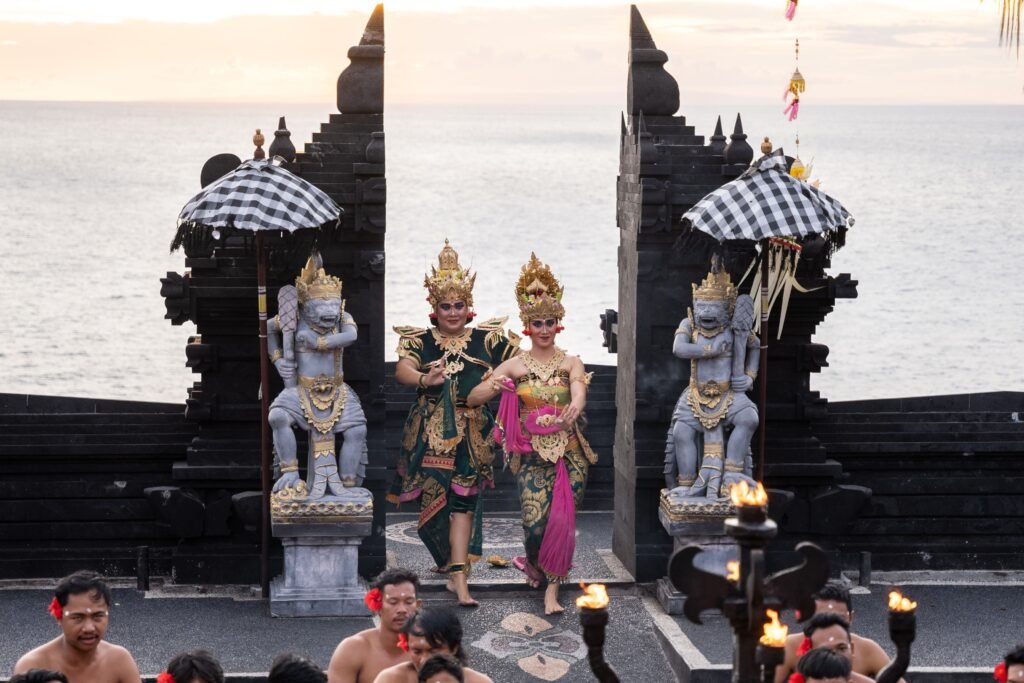
Bali is one of the most beautiful destinations in Southeast Asia, attracting millions of travelers every year. From stunning beaches and lush rice terraces to vibrant nightlife and ancient temples, it’s easy to see why Bali remains a favorite vacation spot.
However, like many popular tourist destinations, Bali has its share of scams targeting visitors. While Bali is generally safe, being unaware of common tourist traps can lead to lost money, ruined experiences, and unnecessary stress.
The good news? Most Bali scams are easy to avoid once you know what to look for.
In this guide, you’ll learn about the most common Bali tourist scams, how they work, warning signs to watch for, and practical tips to protect yourself while traveling.
Table of Contents
ToggleCommon Bali Tourist Scams to Avoid
1. Money Exchange Scams
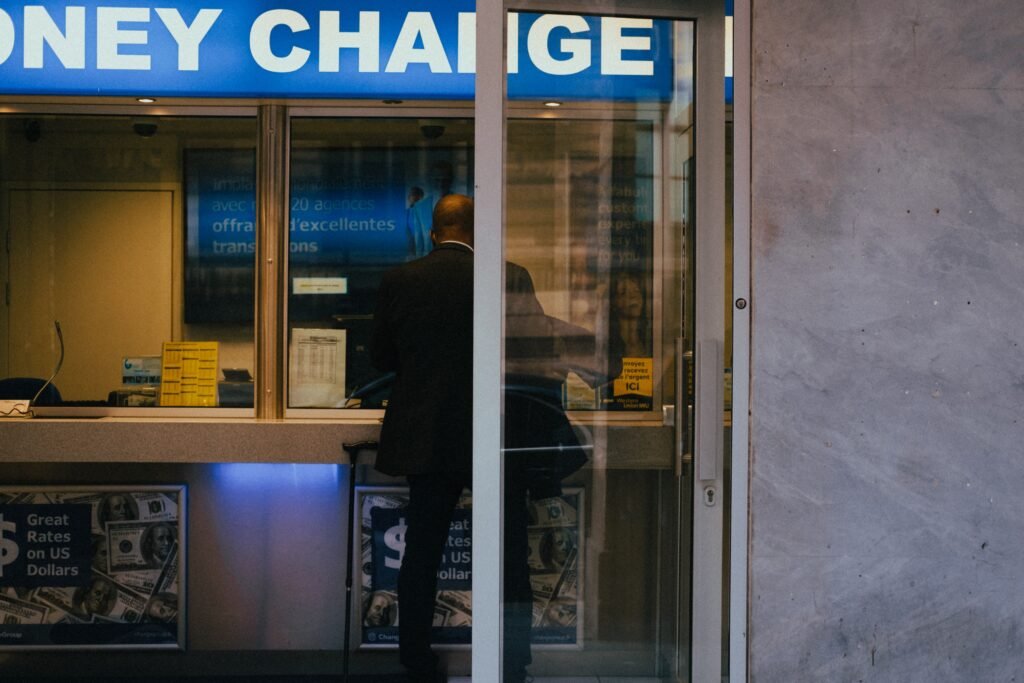
One of the oldest scams in Bali involves unofficial currency exchange booths.
Many small money changers advertise exchange rates significantly higher than banks or authorized exchangers. The attractive rate often lures tourists inside.
How the Scam Works
The cashier counts your money quickly and distracts you during the transaction. Through sleight of hand, some bills may disappear before they’re handed back to you.
In other cases, hidden fees reduce the final amount.
How to Avoid It
- Use authorized money changers only.
- Count your money carefully before leaving.
- Avoid exchange booths offering rates that seem too good to be true.
- Use ATMs located inside banks whenever possible.
Pro Tip: Authorized exchange services usually display official licenses and transparent pricing.
2. Taxi Meter Manipulation
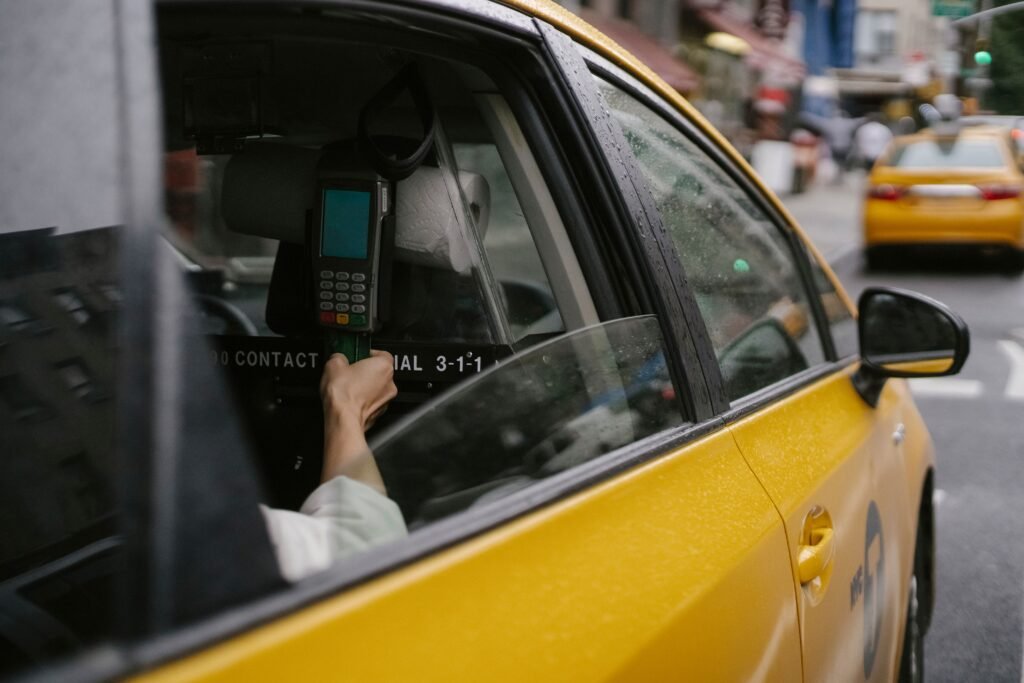
Although ride-hailing apps are widely available in Bali, some taxi drivers still target tourists.
How the Scam Works
Drivers may:
- Refuse to use the meter
- Claim the meter is broken
- Quote inflated fixed prices
- Take longer routes
A ride that should cost a few dollars can end up costing several times more.
How to Avoid It
- Use Grab or Gojek whenever possible.
- Confirm the fare before starting the ride.
- Use reputable taxi companies.
- Follow your route using Google Maps.
3. Scooter Rental Damage Scams
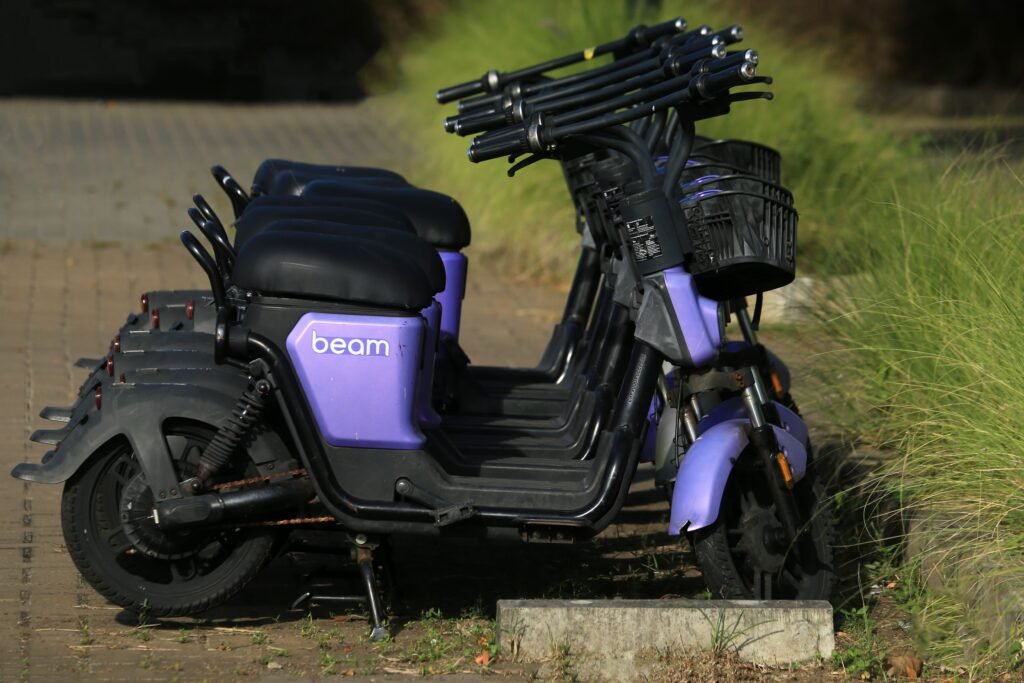
Renting a scooter is one of the most popular ways to explore Bali.
Unfortunately, some rental operators exploit tourists.
How the Scam Works
After you return the scooter, the owner points out scratches or damages that allegedly occurred during your rental period and demands compensation.
How to Avoid It
Before leaving the rental shop:
- Take photos of the scooter from every angle.
- Record a video showing existing scratches.
- Check brakes, mirrors, and lights.
- Keep a copy of the rental agreement.
4. Fake Tour Operators
Bali offers countless tours, from volcano hikes to island-hopping adventures.
Not all operators are legitimate.
Warning Signs
- Extremely low prices
- No online reviews
- Requests for full payment upfront
- No physical office
How to Avoid It
Research operators before booking.
Check:
- Google Reviews
- TripAdvisor reviews
- Social media presence
- Recent customer feedback
5. Temple Donation Scams
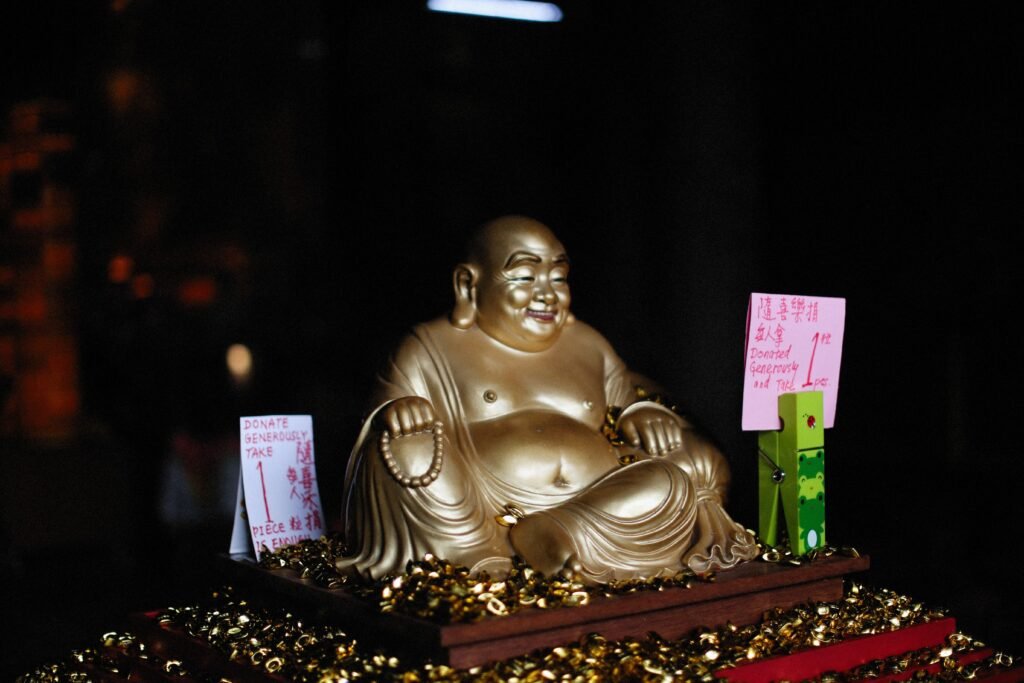
Many temples in Bali accept voluntary donations.
However, some individuals outside temple entrances may pressure tourists into paying excessive “mandatory” fees.
How the Scam Works
Someone approaches visitors and claims additional donations are required to enter.
How to Avoid It
- Pay only official entrance fees.
- Purchase tickets from designated counters.
- Verify information with temple staff.
6. Fake Entry Tickets

This scam is occasionally reported near busy attractions.
How the Scam Works
Unofficial sellers offer discounted tickets outside popular sites.
The tickets may be invalid or entirely fake.
How to Avoid It
Always purchase tickets:
- Through official websites
- At official ticket counters
- Via trusted travel platforms
7. Beach Vendor Overcharging

Popular beaches such as Kuta and Seminyak attract numerous vendors.
While most are honest, some charge tourists much higher prices.
Common Examples
- Inflated drink prices
- Expensive beach chair rentals
- Overpriced souvenirs
How to Avoid It
- Ask for prices before agreeing.
- Compare prices with nearby vendors.
- Carry small denominations.
8. ATM Card Skimming
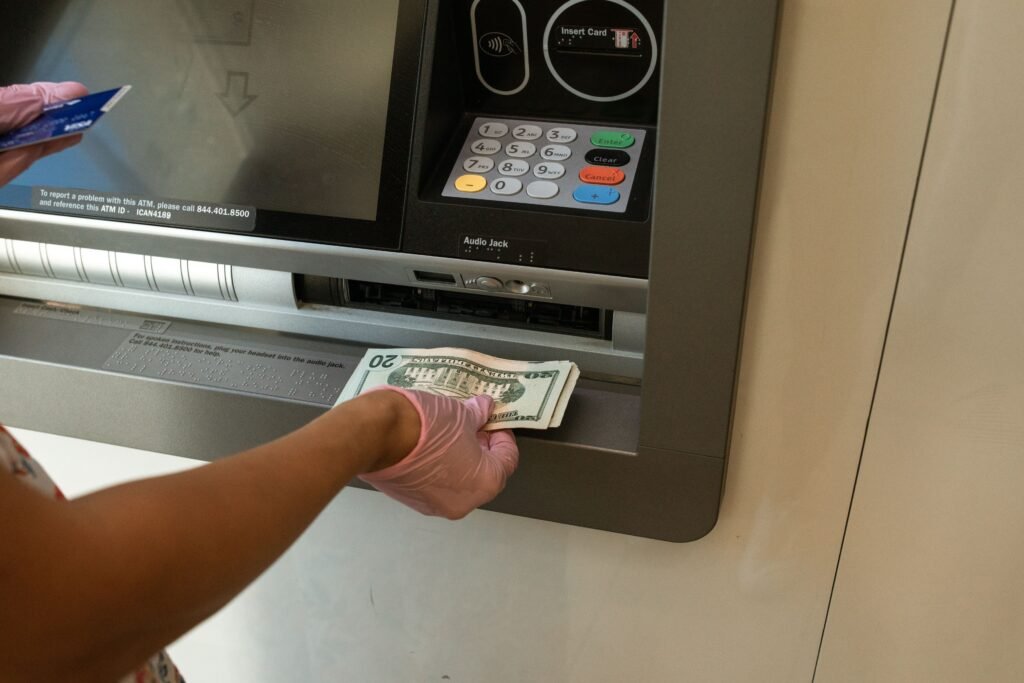
ATM fraud can happen anywhere in the world, including Bali.
How the Scam Works
Criminals install hidden devices that copy card information.
Warning Signs
- Loose card slots
- Unusual attachments
- Hidden cameras nearby
How to Avoid It
- Use ATMs inside bank branches.
- Cover your PIN.
- Check machines before use.
- Monitor bank transactions regularly.
9. Timeshare and Vacation Club Scams

Tourists may be approached in shopping areas or tourist districts.
How the Scam Works
You’re told you’ve won:
- A free vacation
- A luxury dinner
- Spa vouchers
To claim the prize, you’re required to attend a sales presentation.
The goal is often to pressure visitors into buying expensive memberships.
How to Avoid It
Politely decline unsolicited offers.
If something is genuinely free, it rarely requires hours of your time.
10. Jet Ski and Water Sports Pricing Tricks

Water sports are popular around Bali’s beaches.
How the Scam Works
Operators advertise low prices but add extra fees later.
Additional charges may include:
- Equipment rental
- Insurance
- Service fees
- Fuel surcharges
How to Avoid It
Request the total price before booking.
Ask:
- What’s included?
- Are there extra charges?
- Is insurance included?
11. Fake Charity Donations
Tourists are sometimes approached by individuals claiming to collect donations for schools, orphanages, or local causes.
How the Scam Works
They present paperwork or donation lists that appear legitimate.
The funds often never reach any charity.
How to Avoid It
Donate directly through verified organizations rather than street solicitors.
12. Bar and Nightlife Scams

Bali’s nightlife is generally safe, but visitors should remain cautious.
Common Tactics
- Inflated drink bills
- Hidden service charges
- Unauthorized card transactions
How to Avoid It
- Review menus before ordering.
- Ask about service fees.
- Check receipts carefully.
- Use reputable venues.
13. "Closed Attraction" Scam
This scam is common near major tourist attractions worldwide.
How the Scam Works
A friendly stranger tells you:
“The temple is closed today.”
They then suggest an alternative attraction, shop, or tour where they receive a commission.
How to Avoid It
Verify closures directly with official staff or online sources.
14. Fake Police or Official Impersonators
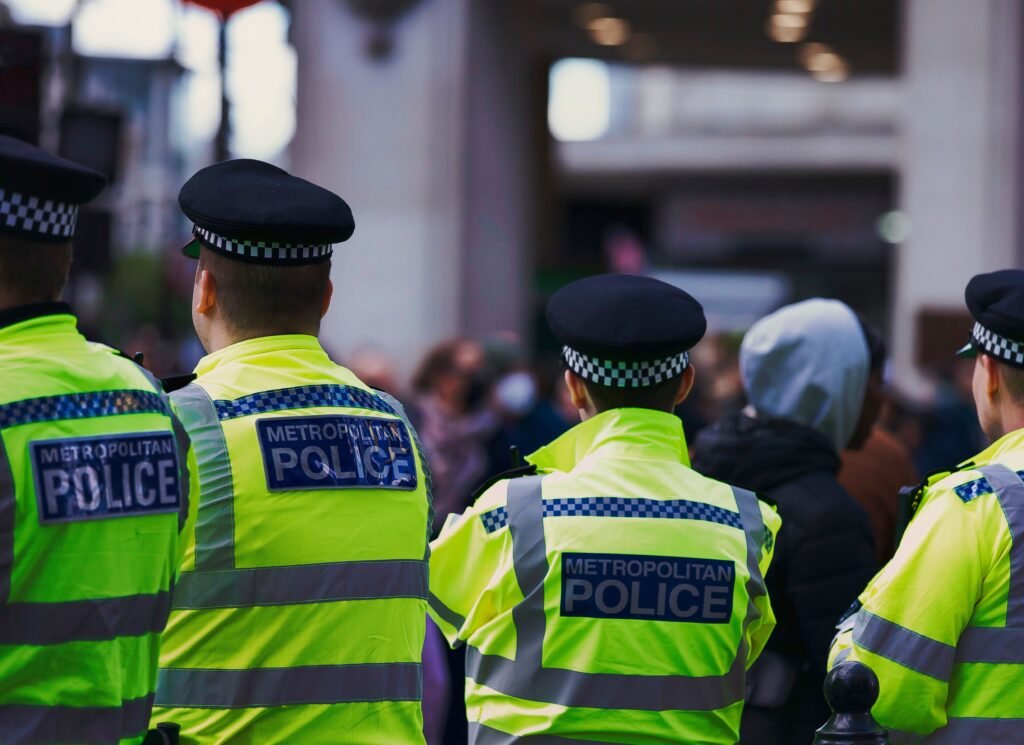
Though uncommon, some travelers report encounters with individuals pretending to be authorities.
How the Scam Works
The scammer claims you’ve violated a rule and requests an immediate cash fine.
How to Avoid It
- Ask for identification.
- Request official documentation.
- Never hand over your passport.
- Contact local authorities if uncertain.
15. SIM Card and Mobile Data Overcharging
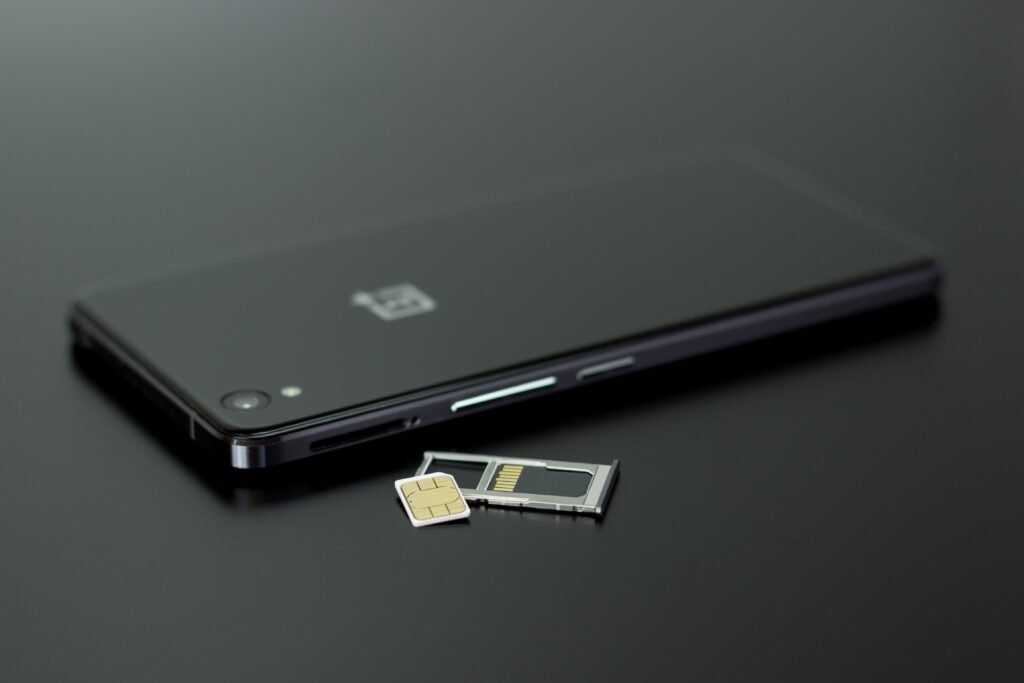
Tourists often buy SIM cards immediately after arrival.
How the Scam Works
Vendors charge significantly more than market rates or provide less data than promised.
How to Avoid It
Purchase SIM cards from:
- Official telecom stores
- Airport provider counters
- Authorized retailers
Bali Scam Prevention Tips
Quick Checklist Before Your Trip
Do:
✅ Use official booking platforms
✅ Carry travel insurance
✅ Use ride-hailing apps
✅ Keep digital copies of important documents
✅ Research attraction fees beforehand
✅ Read recent reviews
Don't:
❌ Exchange money at suspicious booths
❌ Hand over passports unnecessarily
❌ Accept unsolicited “free” offers
❌ Leave without checking bills
❌ Rent scooters without documenting their condition
Common Mistakes Travelers Make in Bali
Many scams succeed because travelers:
- Trust strangers too quickly.
- Ignore online reviews.
- Chase unrealistically cheap deals.
- Fail to verify prices beforehand.
- Carry too much cash.
A little preparation can prevent most problems.
What Is the Most Common Tourist Scam in Bali?
The most common tourist scam in Bali is the money exchange scam. Unauthorized currency exchange booths may advertise attractive rates but use distraction tactics, hidden fees, or incorrect counting methods to give travelers less money than expected. Using authorized money changers and counting cash carefully can help avoid this scam.
- Bali is generally safe for tourists.
- Most scams target visitors who are unfamiliar with local practices.
- Money exchange scams remain the most commonly reported issue.
- Use trusted services for transportation, tours, and currency exchange.
- Verify prices before agreeing to any service.
- Keep records and photos when renting scooters.
- Stay alert but don’t let fear ruin your trip.
Bali offers incredible beaches, rich culture, amazing food, and unforgettable experiences. While tourist scams do exist, they shouldn’t discourage you from visiting. Most scams are easy to avoid with basic awareness, common sense, and a little preparation.
Before your trip, research common scams, use trusted services, and verify prices whenever possible. By staying informed, you’ll spend less time dealing with problems and more time enjoying everything Bali has to offer.
FAQs
Is Bali safe for tourists?
Yes. Bali is considered one of the safest destinations in Southeast Asia. Most visits are trouble-free, but travelers should remain aware of common tourist scams and petty theft.
What is the biggest scam in Bali?
Money exchange scams are often considered the most common scam targeting tourists in Bali.
Are taxis in Bali trustworthy?
Many are, but some drivers may refuse meters or overcharge tourists. Ride-hailing apps like Grab and Gojek typically provide more transparent pricing.
Can tourists safely rent scooters in Bali?
Yes, but always inspect the vehicle, take photos before renting, wear a helmet, and ensure you have the proper license and insurance coverage.
Are Bali temples free to enter?
Some temples are free, while others charge official entrance fees. Be cautious of individuals demanding additional unofficial donations.
Should I exchange money at the airport?
Airport rates may be slightly less favorable, but they are usually safer than unauthorized exchange booths.
How can I avoid fake tour operators in Bali?
Check reviews, verify business information, book through reputable platforms, and avoid operators offering unusually low prices.
Is ATM fraud common in Bali?
It can happen, particularly at standalone ATMs. Use machines located inside banks whenever possible.
What should I do if I get scammed in Bali?
Contact local authorities, notify your bank if financial information is involved, keep evidence, and report the incident to your travel insurance provider.
Do I need travel insurance for Bali?
Yes. Travel insurance can help cover theft, accidents, medical emergencies, and trip disruptions.