
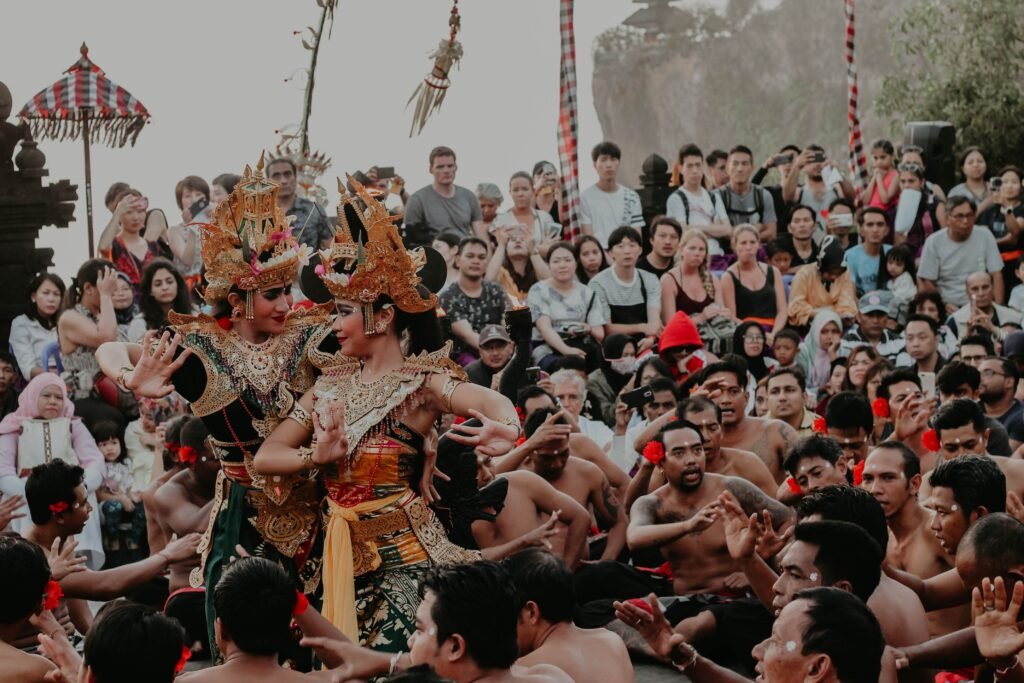
Bali is one of the most beautiful travel destinations in the world. From stunning beaches and rice terraces to vibrant nightlife and ancient temples, it’s easy to see why millions of travelers visit every year.
But like many popular tourist destinations, Bali has its share of scams targeting visitors. While most locals are honest and welcoming, a few scammers take advantage of travelers who are unfamiliar with local prices, customs, or transportation systems.
The good news is that most Bali scams are easy to avoid once you know how they work.
In this guide, you’ll learn about the most common Bali tourist scams, real-world examples of how they happen, and practical tips to protect your money, belongings, and travel experience.
Table of Contents
ToggleBali Tourist Scams to Avoid
What Are the Most Common Tourist Scams in Bali?
The most common scams in Bali include:
- Taxi meter scams
- Fake tour guides
- Currency exchange scams
- Motorbike rental damage scams
- Inflated attraction fees
- ATM card skimming
- Fake charity donations
- Beach vendor overcharging
- Timeshare presentations
- Social media villa scams
Knowing these scams beforehand can save you hundreds of dollars and prevent unnecessary stress during your trip.
1. Taxi Meter Scams
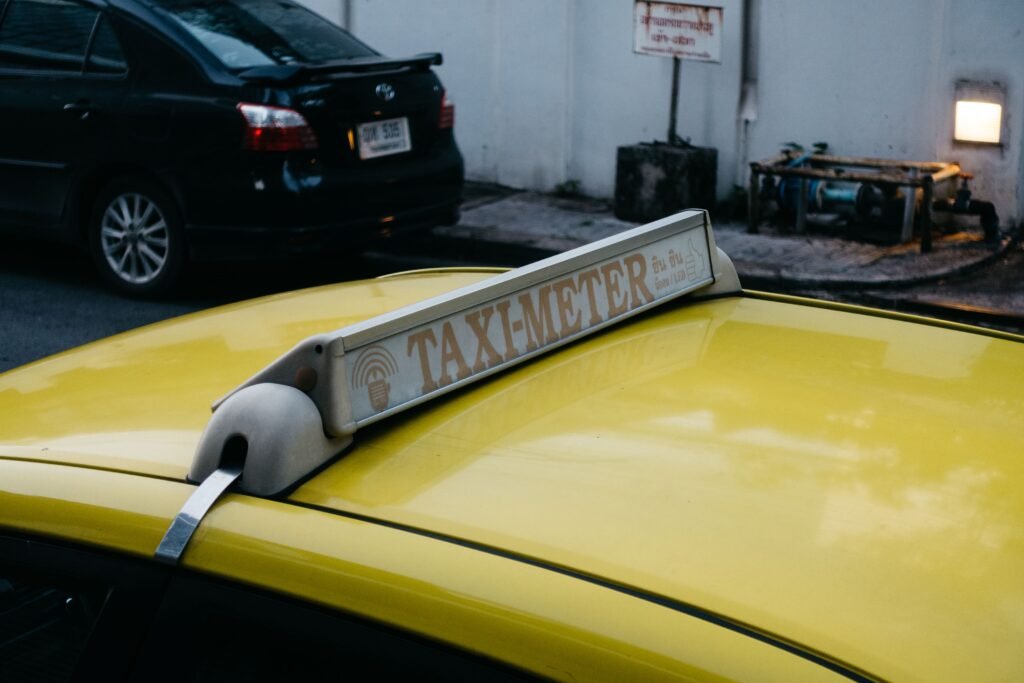
One of the oldest scams in Bali involves taxis refusing to use the meter.
Some drivers may quote a fixed fare that is two to five times higher than the actual price. Others may claim their meter is broken.
How to Avoid It
- Use ride-hailing apps like Grab or Gojek.
- Confirm that the meter is running before starting the trip.
- Avoid drivers who aggressively approach tourists at airports or attractions.
- Check estimated fares on your phone before accepting a ride.
Real-Life Example
A trip that should cost around IDR 80,000 may be quoted at IDR 250,000 to unsuspecting tourists.
2. Currency Exchange Scams
Many travelers lose money at unofficial money changers.
Scammers use sleight-of-hand techniques during cash counting or offer unusually attractive exchange rates to lure tourists.
Warning Signs
- Rates significantly higher than banks.
- No official signage or license.
- Staff rushing you during counting.
How to Stay Safe
- Use authorized money changers.
- Count your money carefully before leaving.
- Use ATMs inside banks whenever possible.
3. ATM Card Skimming
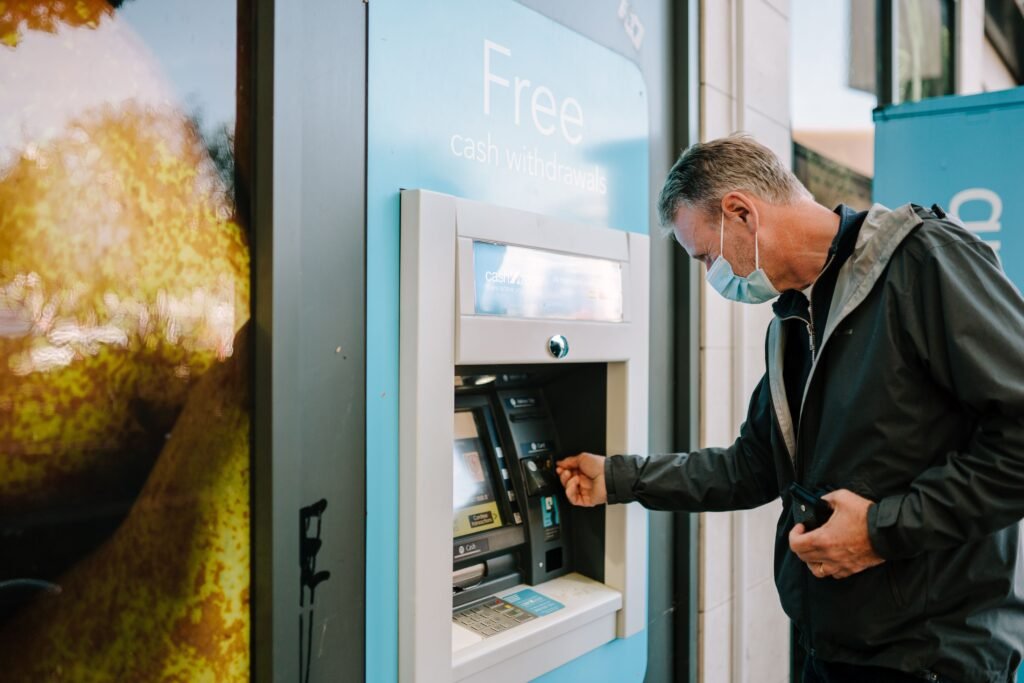
Tourists occasionally become victims of ATM skimming devices that steal card information.
How It Works
A hidden device captures your card details while a tiny camera records your PIN.
Prevention Tips
- Use ATMs inside banks or shopping malls.
- Cover your PIN while entering it.
- Inspect card slots for unusual attachments.
- Enable transaction alerts on your banking app.
4. Motorbike Rental Damage Scams
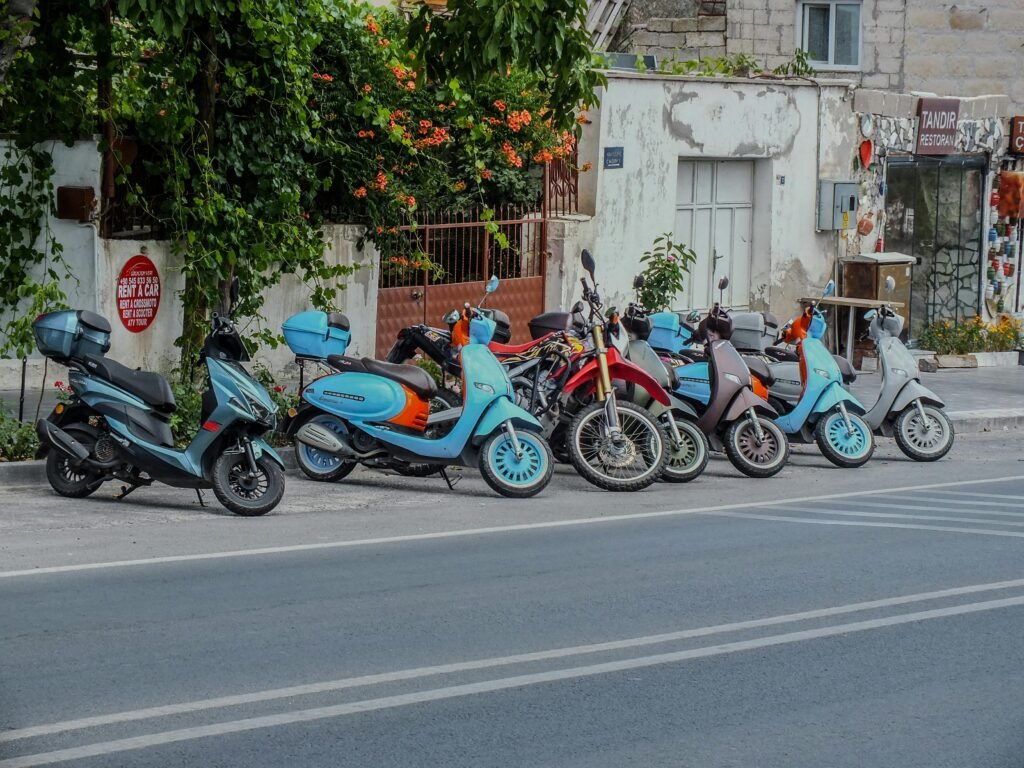
Renting a scooter is common in Bali, but some rental operators charge tourists for damage that was already there.
Before Renting
- Take photos and videos from every angle.
- Record scratches, dents, and tire conditions.
- Verify fuel levels.
- Keep copies of rental agreements.
Red Flags
- No written contract.
- Requests to leave your passport as collateral.
- Extremely cheap rental prices.
5. Fake Tour Guide Scams

At popular attractions, unofficial guides may approach tourists claiming their services are mandatory.
In some cases, they provide misleading information and demand excessive fees afterward.
How to Avoid It
- Book tours through reputable agencies.
- Verify guide credentials.
- Confirm prices before starting any tour.
- Politely decline unsolicited guide offers.
6. Inflated Temple and Attraction Fees

Some unofficial individuals stand near attractions pretending to collect entrance fees.
Tourists may pay extra without realizing they are being charged twice.
Safety Tips
- Buy tickets only at official counters.
- Check attraction websites beforehand.
- Ask for printed tickets or receipts.
7. Beach Vendor Overcharging

Popular beaches such as Kuta and Seminyak attract vendors selling drinks, souvenirs, and beach services.
Prices may increase significantly once tourists show interest.
Smart Shopping Tips
- Ask for prices upfront.
- Compare prices from multiple vendors.
- Negotiate politely.
- Carry small denominations of cash.
8. Fake Charity and Donation Requests
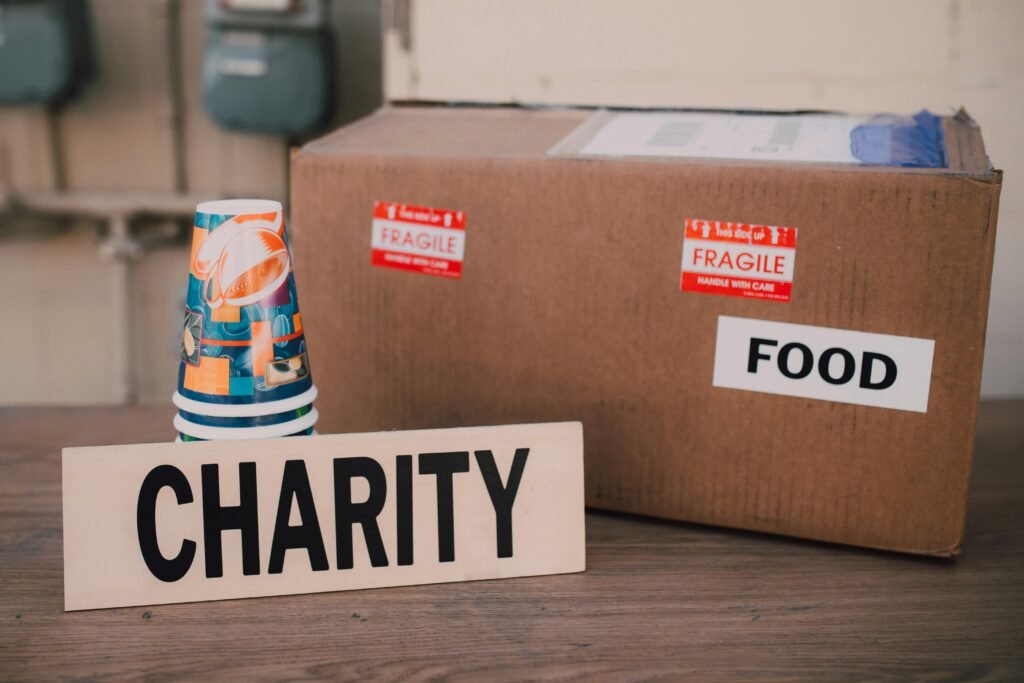
Tourists may be approached by individuals collecting money for schools, orphanages, or local projects.
Some requests are genuine, but others are not.
What to Do
- Donate directly to registered organizations.
- Research charities online.
- Avoid handing over cash on the street.
9. Villa Booking Scams

The rise of social media has led to an increase in fake villa listings.
Scammers copy photos from legitimate properties and request full payment before arrival.
Common Warning Signs
- Prices far below market rates.
- Pressure to pay immediately.
- No verified reviews.
- Communication only through messaging apps.
How to Protect Yourself
- Book through reputable platforms.
- Read recent guest reviews.
- Verify the property’s location using maps.
- Avoid direct bank transfers to unknown individuals.
Choosing the right area to stay is just as important as booking through a trusted platform. Whether you’re looking for beachfront resorts in Seminyak, peaceful jungle retreats in Ubud, surf-friendly accommodation in Canggu, or luxury cliffside villas in Uluwatu, staying in the right location can improve both your travel experience and your safety. Before booking, explore our guide on where to stay in Bali to find the best area for your travel style and budget.
10. Timeshare and "Free Gift" Scams
Visitors are sometimes offered free meals, tours, or vouchers in exchange for attending a short presentation.
The presentation often turns into a high-pressure sales pitch.
Best Approach
Simply decline offers that sound too good to be true.
Remember:
There is rarely a free gift without a sales agenda attached.
11. Jet Ski and Water Sports Price Tricks
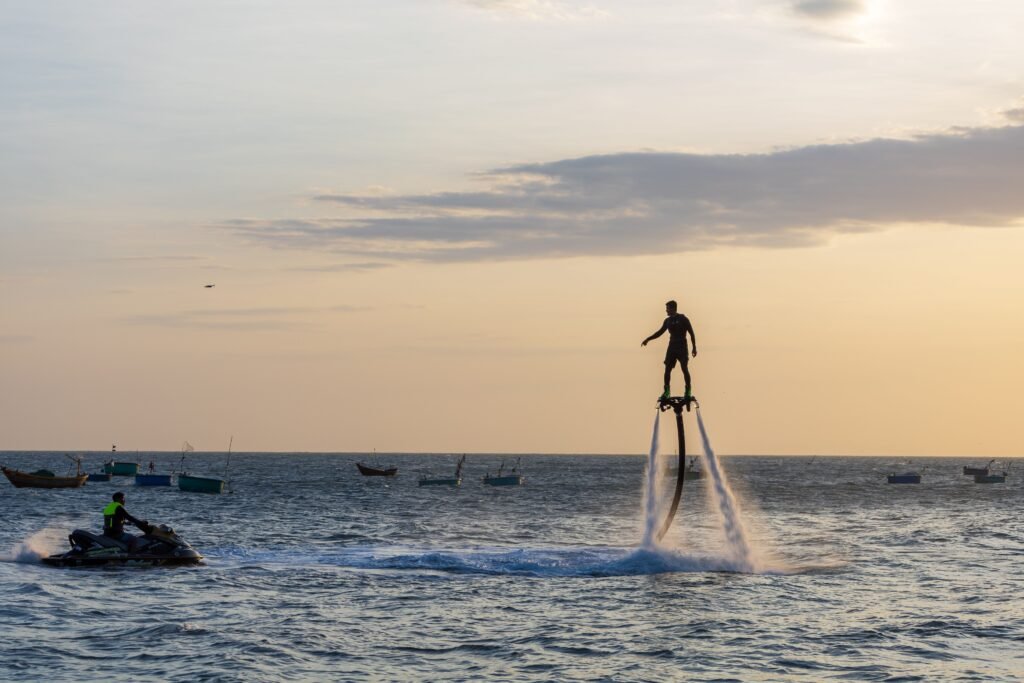
Some operators advertise low prices but add hidden charges afterward.
Additional fees may include:
- Equipment rental
- Insurance
- Fuel charges
- Photography packages
How to Avoid Surprise Costs
Ask for the total price in writing before participating.
12. Fake Parking Attendants
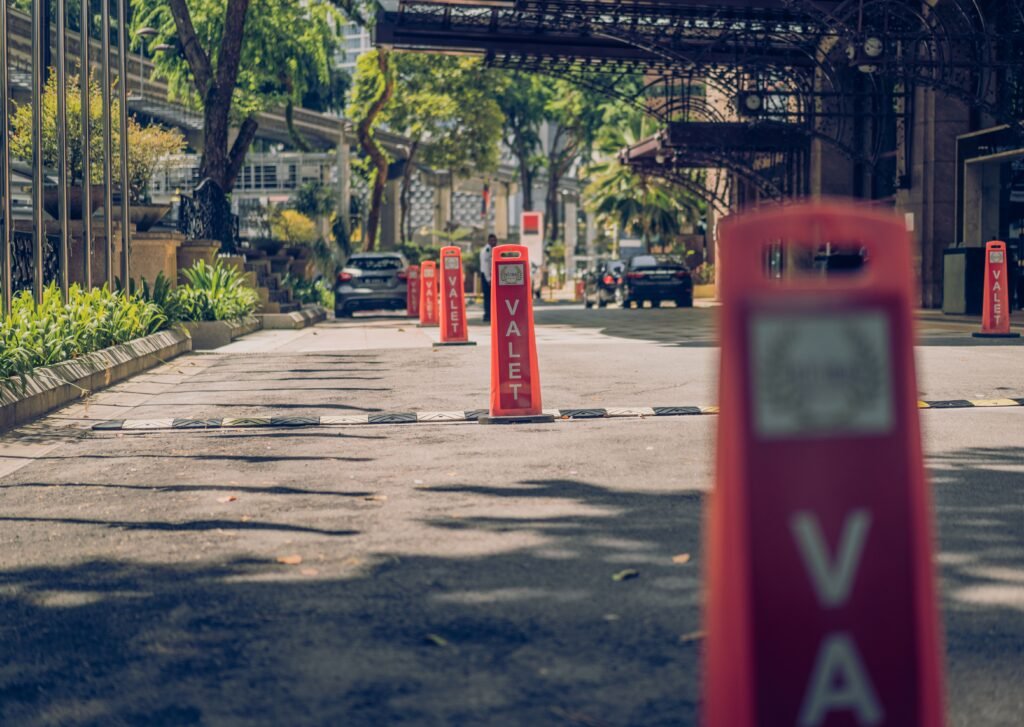
Near beaches and attractions, unofficial attendants may demand parking fees.
Stay Safe
- Use designated parking areas.
- Ask for official parking tickets.
- Verify rates beforehand.
13. Jewelry and Gem Scams

Tourists may be told they have discovered a “rare bargain” on gemstones or jewelry.
The products are often overpriced or fake.
Expert Advice
Purchase jewelry only from established stores with certifications and receipts.
14. Bar and Nightlife Scams
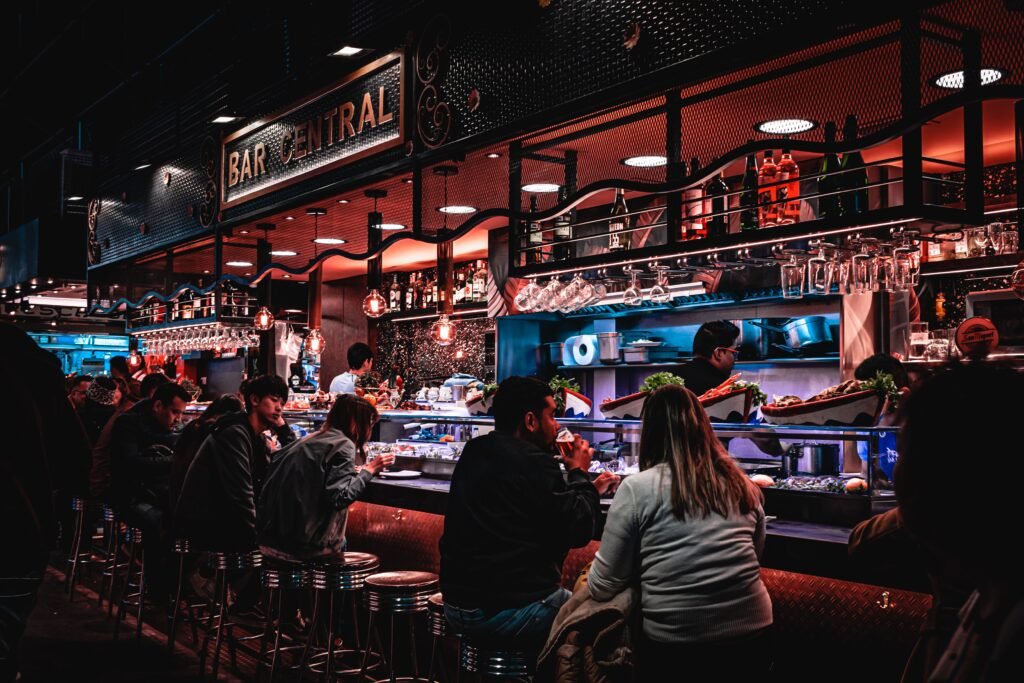
Although uncommon in Bali compared to some destinations, visitors should still watch out for:
- Inflated drink bills
- Unannounced service charges
- Unauthorized credit card transactions
Safety Measures
- Review menus carefully.
- Keep your card in sight.
- Check receipts before paying.
15. Fake Wi-Fi Networks

Cybercriminals sometimes create fake public Wi-Fi hotspots in tourist areas.
Risks
- Stolen passwords
- Banking information theft
- Identity fraud
Protection Tips
- Avoid accessing banking apps on public Wi-Fi.
- Use a VPN.
- Verify network names with staff.
Bali Scam Warning Signs Every Tourist Should Know
Watch out for situations where:
- Someone pressures you to make a quick decision.
- Prices seem unrealistically cheap.
- You are asked for upfront payment without documentation.
- A stranger insists on helping when assistance wasn’t requested.
- Payment methods seem unusual or suspicious.
If something feels wrong, trust your instincts.
Essential Safety Tips for Visiting Bali
Before Your Trip
- Purchase travel insurance.
- Notify your bank of international travel.
- Save emergency contacts.
- Research local transportation options.
During Your Trip
- Use reputable booking platforms.
- Keep copies of important documents.
- Carry limited cash.
- Monitor bank transactions regularly.
For Solo Travelers
- Share your itinerary with family.
- Avoid isolated areas at night.
- Use trusted transportation services.
- Stay aware of your surroundings.
Common Bali Scams vs How to Avoid Them
| Scam Type | Risk Level | Prevention |
|---|---|---|
| Taxi Meter Scam | Medium | Use Grab or Gojek |
| Currency Exchange Scam | High | Use authorized exchangers |
| ATM Skimming | High | Use bank ATMs |
| Rental Damage Scam | Medium | Photograph vehicle |
| Villa Scam | High | Book through trusted platforms |
| Fake Guides | Low-Medium | Verify credentials |
| Donation Scam | Medium | Donate directly to organizations |
| Beach Overcharging | Low | Confirm prices first |
| Fake Wi-Fi | Medium | Use VPN |
- Most Bali scams target tourists unfamiliar with local prices and procedures.
- Transportation and currency exchange scams are among the most common.
- Always verify prices before paying.
- Use official businesses whenever possible.
- Book accommodation and tours through trusted platforms.
- Stay cautious of deals that seem unusually cheap.
- A little preparation can prevent most scam-related problems.
Bali remains one of the most rewarding destinations in Southeast Asia. The island’s culture, landscapes, food, and hospitality attract millions of visitors every year.
Most scams in Bali are not sophisticated. They rely on tourists being rushed, distracted, or unfamiliar with local practices. By understanding the most common tricks and taking a few simple precautions, you can avoid unnecessary problems and focus on enjoying your trip.
Before you travel, research transportation options, use trusted booking platforms, keep an eye on your finances, and trust your instincts when something doesn’t feel right. A little awareness goes a long way toward ensuring a safe and memorable Bali adventure.
Frequently Asked Questions
Is Bali safe for tourists?
Yes. Bali is generally considered safe for tourists. Most visits are trouble-free, but travelers should remain alert to common scams and petty theft.
What is the biggest scam in Bali?
Taxi overcharging and currency exchange scams are among the most frequently reported issues affecting tourists.
Should I use cash or cards in Bali?
Both are widely accepted. However, using cards at reputable businesses and withdrawing cash from bank-operated ATMs is generally safer.
Are Bali money changers trustworthy?
Authorized money changers are generally reliable. Avoid unofficial exchange booths offering unusually high rates.
Is it safe to rent a scooter in Bali?
Yes, if you rent from reputable companies, inspect the vehicle carefully, and have the proper license and insurance.
Can tourists use Grab and Gojek in Bali?
Yes. Both services operate in many parts of Bali and are often safer and more transparent than negotiating fares with unofficial drivers.
How do I know if a villa listing is fake?
Check reviews, verify the location, compare pricing, and avoid sending money directly to unknown individuals.
Are scams common in Bali nightlife areas?
Most nightlife venues are legitimate, but travelers should always review bills carefully and monitor card transactions.