Getting around Thailand is surprisingly easy—but choosing the wrong transportation can waste hours of your trip and significantly increase your costs. Many first-time visitors assume the cheapest option is always the best, only to spend an entire day on a bus when a short domestic flight would have given them an extra day at the beach.
Thailand’s transportation system is one of the biggest reasons the country remains Southeast Asia’s most popular travel destination. From modern metro systems in Bangkok to overnight sleeper trains, low-cost domestic flights, island ferries, and ride-hailing apps, travelers have transportation options for every budget and travel style.
The key is understanding when to prioritize speed, comfort, or cost.
For example, an overnight train from Bangkok to Chiang Mai is often chosen not because it’s the fastest option, but because it saves a night’s accommodation and offers a memorable travel experience. On the other hand, flying from Bangkok to Phuket is usually worth the extra cost because it cuts a 12-hour journey down to around 90 minutes.
Whether you’re backpacking across Thailand, planning a family vacation, or hopping between islands, choosing the right transportation can make your trip smoother, cheaper, and far more enjoyable.
If this is your first visit to Thailand, our First-Time Thailand Travel Guide will help you plan every part of your journey. From choosing the best destinations and understanding visa requirements to budgeting, accommodation, and itinerary planning, it brings together everything you need for a smooth and memorable Thailand adventure.
Table of Contents
ToggleWhy Thailand Has One of Southeast Asia's Best Transport Networks
Thailand’s transportation infrastructure is more developed than that of many neighboring countries, making independent travel relatively stress-free. The country is connected by an extensive network of highways, railways, airports, and ferry routes that link major cities, tourist destinations, and islands.
Bangkok acts as the country’s transportation hub. Nearly every major destination—from Chiang Mai in the north to Phuket, Krabi, Pattaya, and Koh Samui in the south—can be reached directly from the capital.
What makes Thailand particularly tourist-friendly is the variety of transportation choices available for the same route. For instance, traveling between Bangkok and Chiang Mai can be done by plane, train, bus, or private transfer, allowing travelers to choose based on budget and travel preferences.
Local transportation is equally accessible. Bangkok’s BTS Skytrain and MRT Metro help visitors avoid traffic, while destinations such as Chiang Mai, Pattaya, and Phuket offer ride-hailing apps, shared taxis, and local transport services that are easy to use even if you don’t speak Thai.
Local Insight: Traffic is often the biggest challenge rather than the lack of transportation. In Bangkok, a 10-kilometer taxi journey during rush hour can take longer than traveling 30 kilometers on the BTS Skytrain. Experienced travelers frequently choose rail transport over taxis whenever possible.
Transportation Costs Compared to Other Countries
One of Thailand’s biggest advantages is that transportation remains affordable even for budget-conscious travelers.
Compared with Europe, Australia, Japan, or North America, transportation costs in Thailand are significantly lower. However, the gap between budget and premium transportation has narrowed in recent years, making it important to compare both time and cost before booking.
Typical transportation costs include:
- BTS Skytrain or MRT ride: $0.50–$2
- Grab ride within Bangkok: $3–$15
- Intercity bus journey: $8–$30
- Overnight sleeper train: $20–$60
- Domestic flight: $30–$120
- Island ferry transfer: $10–$40
A common mistake among first-time visitors is focusing solely on ticket prices. A $15 bus ticket may seem cheaper than a $45 flight, but if the bus journey takes 12 hours and the flight takes 90 minutes, the value equation changes dramatically—especially on shorter vacations.
Money-Saving Tip: Domestic flights are often cheapest when booked 4–8 weeks in advance. During peak travel periods such as December, Songkran, and major holidays, prices can double or even triple.
Choosing the Right Transport Based on Distance and Budget
There is no single “best” way to travel around Thailand. The ideal option depends on distance, budget, available time, and the type of experience you’re looking for.
For city travel, public transportation and ride-hailing apps offer the best combination of convenience and value. In Bangkok, the BTS and MRT are usually faster than taxis due to heavy traffic.
For journeys under 300 kilometers, buses and minivans are generally the most economical option. Routes such as Bangkok to Pattaya or Phuket to Krabi are straightforward and inexpensive.
For journeys over 500 kilometers, domestic flights often provide the best balance of time and cost. This is particularly true for routes like Bangkok to Phuket, Bangkok to Krabi, or Chiang Mai to Koh Samui.
For island travel, ferries remain essential. Most popular islands—including Koh Phi Phi, Koh Lanta, Koh Tao, and Koh Phangan—can only be reached by boat.
Quick Transport Decision Guide
Choose BTS/MRT if:
- You’re traveling within Bangkok.
- You want to avoid traffic.
- You are visiting major tourist attractions.
Choose Buses or Minivans if:
- You’re traveling short to medium distances.
- Budget is your priority.
Choose Trains if:
- You want a scenic journey.
- You’re traveling overnight.
- Comfort matters more than speed.
Choose Domestic Flights if:
- Your vacation is limited.
- You’re covering long distances.
- You’re visiting multiple regions of Thailand.
Choose Ferries and Speedboats if:
- You’re island hopping.
- You’re visiting destinations inaccessible by road.
The smartest travelers don’t rely on one transportation method. Instead, they combine flights, trains, ferries, and local transport strategically to maximize both their budget and their time—turning transportation from a logistical challenge into a seamless part of the Thailand travel experience.
Transportation Options in Thailand
Thailand offers one of the most diverse transportation networks in Southeast Asia. Whether you’re looking for the fastest way to travel between major cities, the cheapest option for backpacking, or the most scenic route through the countryside, there’s a transportation method to suit your needs. Understanding the advantages and drawbacks of each option will help you save both time and money while traveling around Thailand.
Domestic Flights
For long-distance travel, domestic flights are often the most efficient way to get around Thailand. The country has an extensive network of airports, making it possible to reach most major tourist destinations within a few hours.
Major Airports
Thailand’s busiest airports include:
- Bangkok Suvarnabhumi Airport (BKK)
- Bangkok Don Mueang Airport (DMK)
- Chiang Mai International Airport (CNX)
- Phuket International Airport (HKT)
- Krabi International Airport (KBV)
- Koh Samui Airport (USM)
- Hat Yai International Airport (HDY)
- Udon Thani International Airport (UTH)
Bangkok serves as the primary hub, with direct connections to nearly every region of the country.
Popular Domestic Flight Routes
Some of Thailand’s most frequently traveled routes include:
- Bangkok → Chiang Mai
- Bangkok → Phuket
- Bangkok → Krabi
- Bangkok → Koh Samui
- Bangkok → Hat Yai
- Chiang Mai → Phuket
- Chiang Mai → Krabi
Flights on these routes typically take between 1 and 2 hours, making them significantly faster than buses or trains.
Budget Airlines in Thailand
Thailand has a highly competitive domestic aviation market, which helps keep fares affordable. Popular low-cost carriers include:
- Thai AirAsia
- Nok Air
- Thai Lion Air
- Thai VietJet
Travelers can often find one-way tickets for less than the cost of a sleeper train if they book several weeks in advance.
When Flying Is Worth It
Flying makes the most sense when:
- Traveling more than 500 km.
- You have limited vacation time.
- Visiting multiple destinations within a short period.
- Traveling between northern and southern Thailand.
Example: Bangkok to Phuket takes approximately 90 minutes by air compared to 12–14 hours by bus.
Travel Tip: Always compare the total travel time, including airport transfers and check-in requirements. For shorter routes, trains or buses may offer similar door-to-door travel times.
Trains
Thailand’s railway network is one of the most enjoyable ways to explore the country. While trains are generally slower than flights, they offer a comfortable and scenic travel experience.
Thailand Railway System
The State Railway of Thailand operates four main lines connecting Bangkok with:
- Northern Thailand (Chiang Mai)
- Northeastern Thailand (Isan region)
- Eastern Thailand
- Southern Thailand
Most long-distance trains depart from Bangkok and connect major cities throughout the country.
Sleeper Trains
Overnight sleeper trains are particularly popular among travelers.
Benefits include:
- Saving on hotel costs
- Comfortable sleeping berths
- More luggage space than airlines
- Scenic daytime views on certain routes
The Bangkok to Chiang Mai sleeper train remains one of the most famous train journeys in Southeast Asia.
High-Speed Rail Developments
Thailand is currently investing heavily in rail modernization. Several high-speed rail projects are under development, including routes connecting Bangkok with major cities and regional destinations. Once completed, these projects are expected to reduce travel times significantly and further strengthen Thailand’s transportation infrastructure.
Best Scenic Train Routes
If you’re looking for memorable travel experiences, consider:
Bangkok to Chiang Mai
- Mountain scenery
- Rice fields
- Rural villages
Bangkok to Surat Thani
- Coastal landscapes
- Southern countryside views
Death Railway Route (Kanchanaburi)
- Historic bridges
- River crossings
- Stunning natural scenery
Local Insight: The lower berth on sleeper trains is generally wider and more comfortable than the upper berth and is worth the small extra cost.
Long-Distance Buses
Thailand’s long-distance bus network reaches destinations that trains and flights cannot. For many travelers, buses offer the best balance between affordability and accessibility.
VIP vs Regular Buses
Most operators offer multiple service classes.
Regular Buses
- Lowest fares
- Basic seating
- Limited amenities
VIP Buses
- Larger reclining seats
- More legroom
- Blankets and snacks
- Fewer passengers
For overnight journeys exceeding six hours, VIP buses are usually worth the additional cost.
Overnight Buses
Overnight buses are a popular option for routes such as:
- Bangkok to Phuket
- Bangkok to Krabi
- Bangkok to Surat Thani
- Bangkok to Chiang Rai
They allow travelers to save a night’s accommodation while maximizing sightseeing time.
Safety Considerations
While buses are generally safe, travelers should:
- Use reputable operators.
- Keep valuables in a small personal bag.
- Avoid storing passports or electronics in checked luggage.
- Wear seat belts when available.
Travel Tip: Night buses can be heavily air-conditioned. Carry a light jacket or hoodie, even during Thailand’s hot season.
Minivans
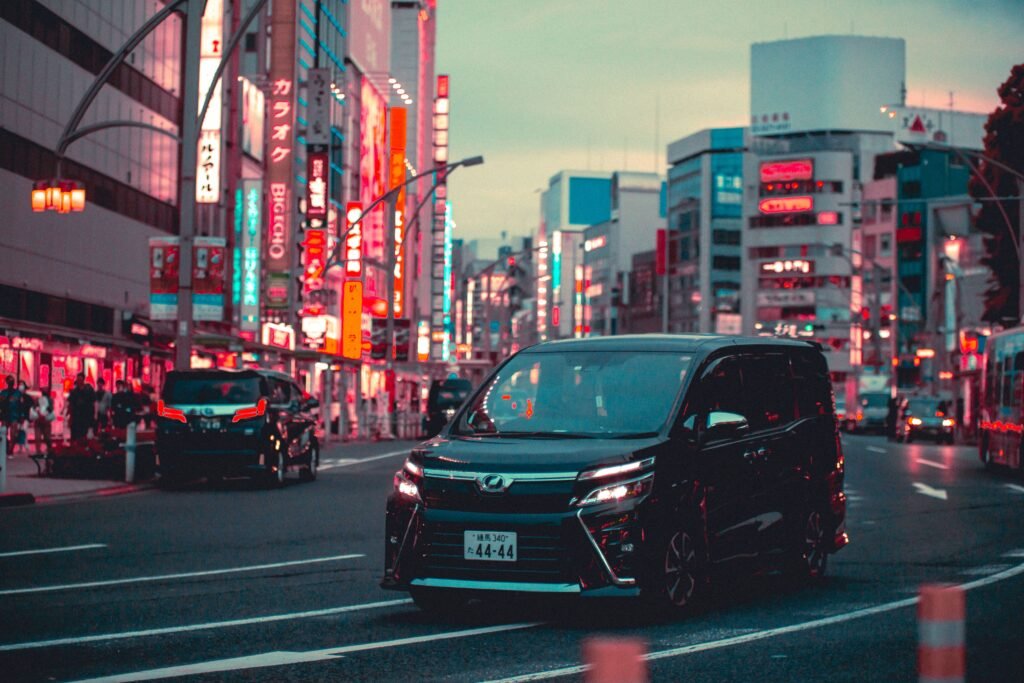
Minivans are one of the most commonly used transportation options for short and medium-distance routes throughout Thailand.
Popular Tourist Routes
Minivans frequently operate between:
- Bangkok and Pattaya
- Bangkok and Hua Hin
- Phuket and Krabi
- Krabi and Koh Lanta
- Chiang Mai and Pai
- Bangkok and Ayutthaya
Their high frequency makes them particularly convenient for travelers who prefer flexibility.
Pros and Cons
Advantages
- Faster than many buses
- Frequent departures
- Affordable fares
- Convenient pick-up locations
Disadvantages
- Limited luggage space
- Less legroom
- Can feel crowded
- Drivers may travel at high speeds
The Chiang Mai to Pai route is particularly famous for its winding mountain roads, which can be uncomfortable for travelers prone to motion sickness.
Booking Tips
To ensure a smooth experience:
- Book early during peak season.
- Confirm luggage allowances before departure.
- Choose morning departures for better road conditions.
- Reserve seats near the front if you’re susceptible to motion sickness.
Expert Tip: Minivans are ideal for journeys under four hours. For longer trips, buses, trains, or flights typically provide a more comfortable travel experience.
Getting Around Bangkok
Bangkok is Thailand’s largest city and one of Southeast Asia’s busiest urban centers. With more than 10 million residents, heavy traffic is a daily reality, especially during morning and evening rush hours. Fortunately, Bangkok offers a wide range of transportation options that make navigating the city relatively easy for tourists.
The smartest travelers don’t rely on just one transportation method. Instead, they combine the BTS Skytrain, MRT Metro, river boats, and ride-hailing apps to move efficiently between attractions while avoiding traffic congestion.
Local Tip: In Bangkok, distance can be misleading. A taxi ride that appears to take 15 minutes on a map may take over an hour during rush hour. Rail transport is often the fastest option for sightseeing.
BTS Skytrain
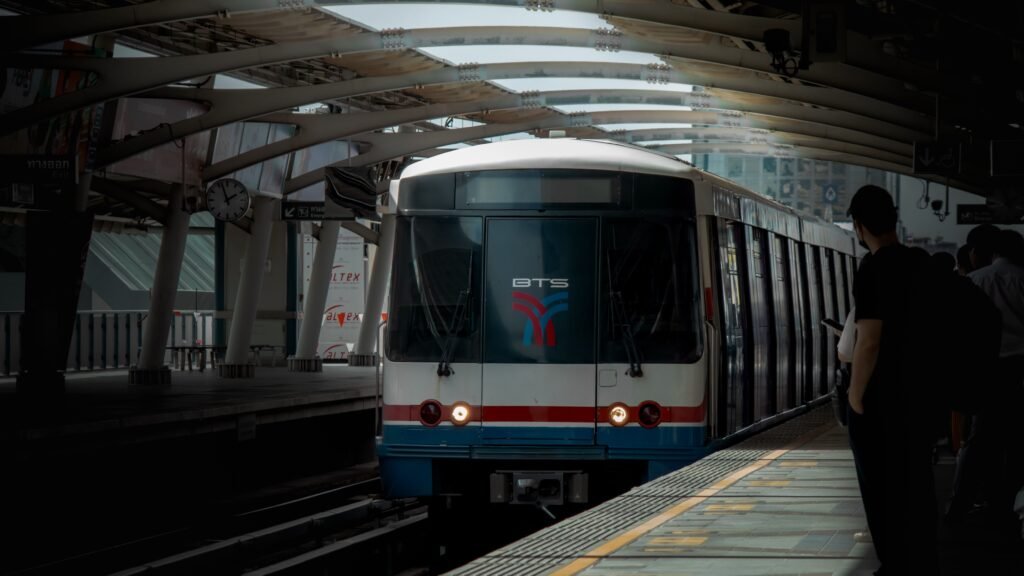
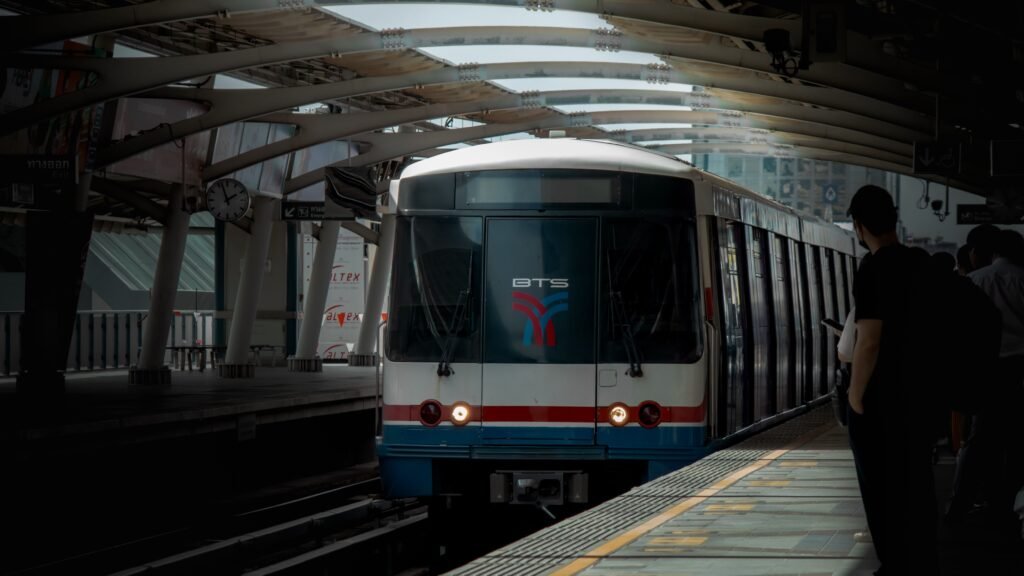
The BTS Skytrain is one of the easiest and most tourist-friendly ways to travel around Bangkok. The elevated railway system operates above street traffic, making it a fast and reliable transportation choice.
Routes and Stations
The BTS consists of two primary lines:
Sukhumvit Line
- Khu Khot to Kheha
- Serves Sukhumvit Road, Siam, Mo Chit, and popular shopping districts
Silom Line
- National Stadium to Bang Wa
- Connects central Bangkok with business and riverside areas
Major interchange stations include:
- Siam Station
- Asok Station
- Mo Chit Station
- Sala Daeng Station
Ticket Prices
BTS fares vary based on distance traveled.
Typical fare range:
- Short journeys: 17–25 THB
- Longer journeys: 40–62 THB
Tickets can be purchased from vending machines or ticket counters at stations.
Tourist-Friendly Areas Served
The BTS provides direct access to many popular attractions and neighborhoods:
- Siam Paragon
- MBK Center
- CentralWorld
- Terminal 21
- Chatuchak Weekend Market
- Erawan Shrine
- Sukhumvit nightlife districts
For first-time visitors, the BTS is often the fastest and most convenient transportation option in Bangkok.
Expert Tip: Stay near a BTS station when booking accommodation. It can significantly reduce daily transportation costs and travel time.
MRT Metro
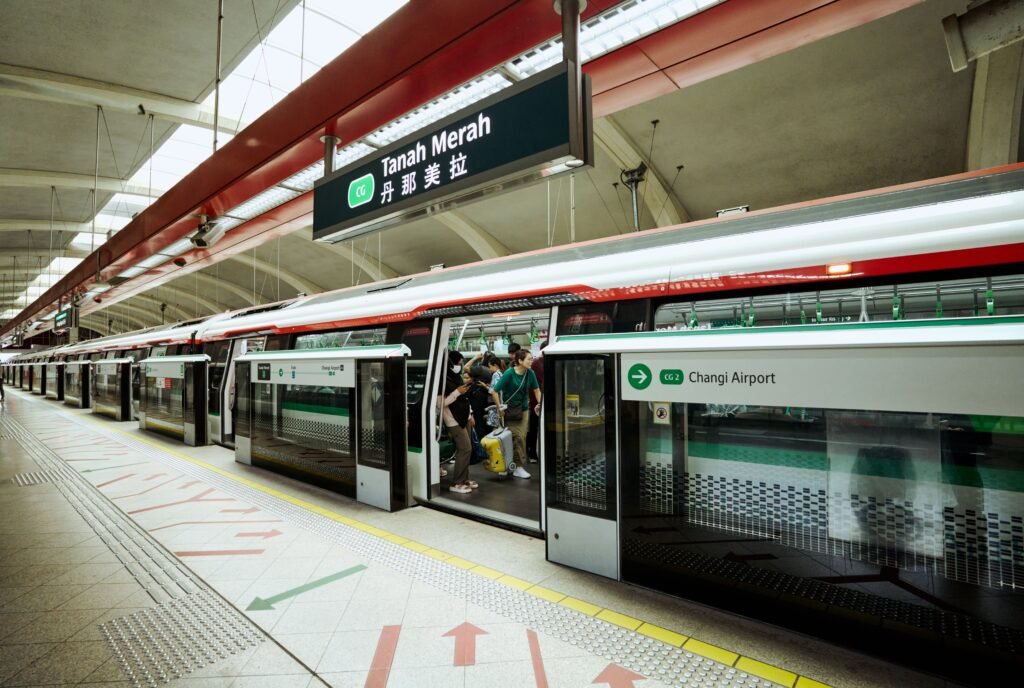
The MRT complements the BTS by serving areas that are not covered by the Skytrain network.
Coverage and Connections
The MRT Blue Line connects:
- Bang Sue
- Chatuchak
- Sukhumvit
- Chinatown
- Hua Lamphong
- Tha Phra
The system integrates with BTS stations at several interchange points, allowing seamless transfers between networks.
Tourists frequently use the MRT to visit:
- Chinatown (Yaowarat)
- Chatuchak Market
- Wat Mangkon
- Bangkok Railway Station
- Various shopping and business districts
Payment Methods
Passengers can pay using:
- Single-journey tokens
- Stored-value cards
- Contactless bank cards (on selected routes)
Most ticket machines offer English-language options, making them easy for international visitors.
Travel Tip: The MRT is the easiest way to reach Bangkok’s Chinatown, especially during evenings when road traffic becomes extremely congested.
Public Buses
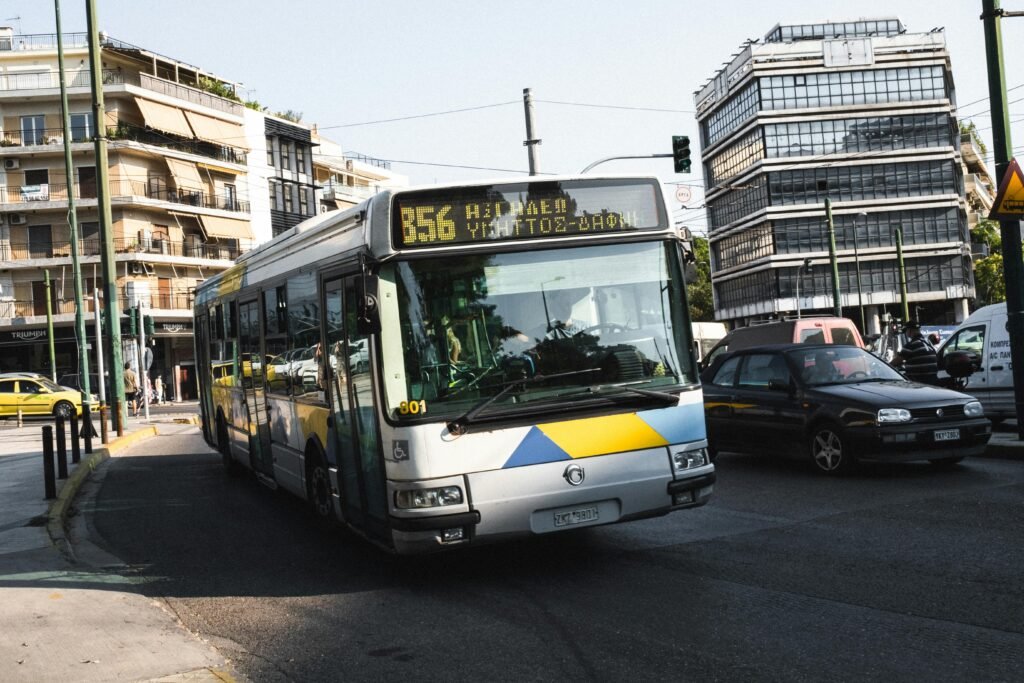
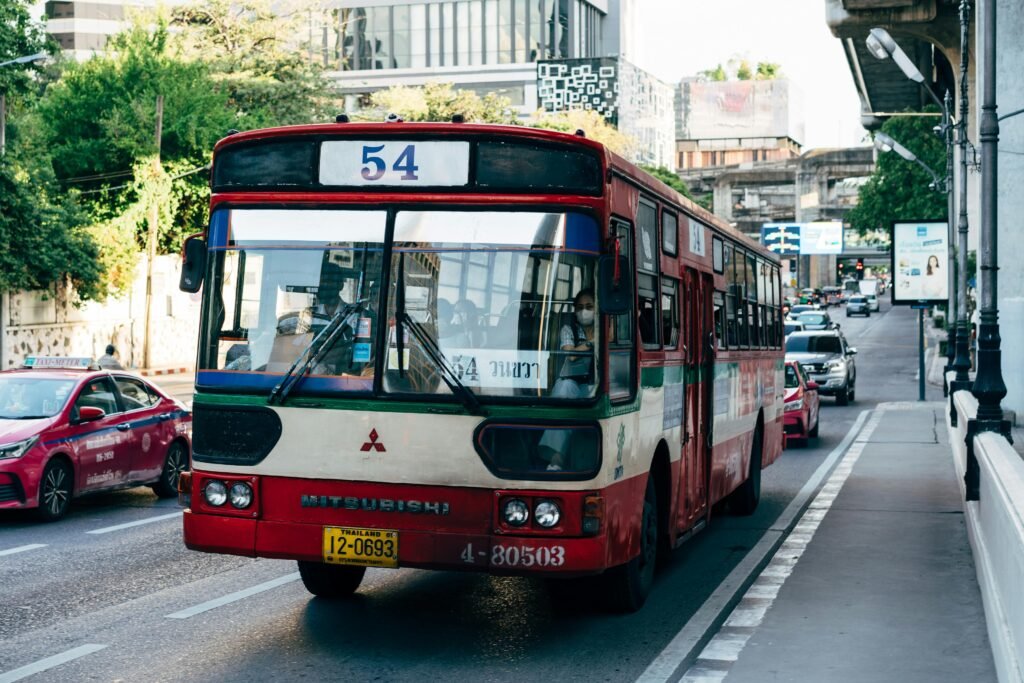
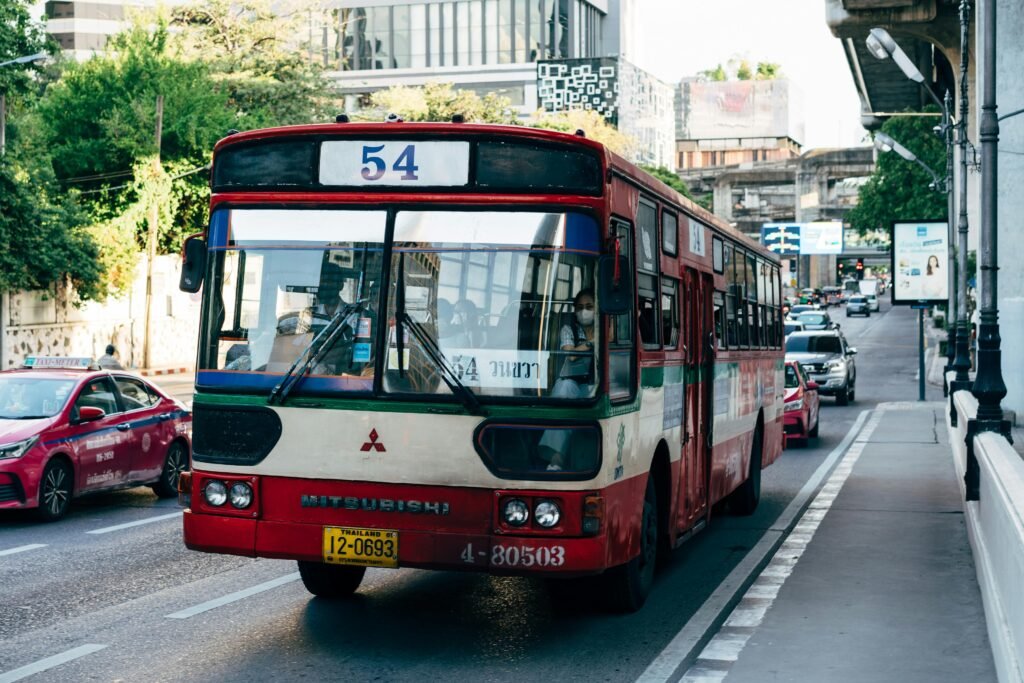
Bangkok’s public bus network covers areas beyond the BTS and MRT systems, making it one of the most extensive transportation options in the city.
Cost Advantages
Public buses are the cheapest transportation option available.
Typical fares range from:
- 8–25 THB depending on bus type and distance
Air-conditioned buses cost slightly more but provide significantly greater comfort during Bangkok’s hot weather.
Navigation Tips
While buses are inexpensive, they can be challenging for first-time visitors.
Helpful strategies include:
- Use Google Maps for route planning.
- Check destination signs carefully.
- Carry small cash for fare payment.
- Allow extra time due to traffic delays.
For most tourists, buses are best used when BTS or MRT routes are unavailable.
Local Insight: Unless you’re staying in Bangkok for an extended period, BTS and MRT systems are usually more convenient than buses.
Tuk-Tuks
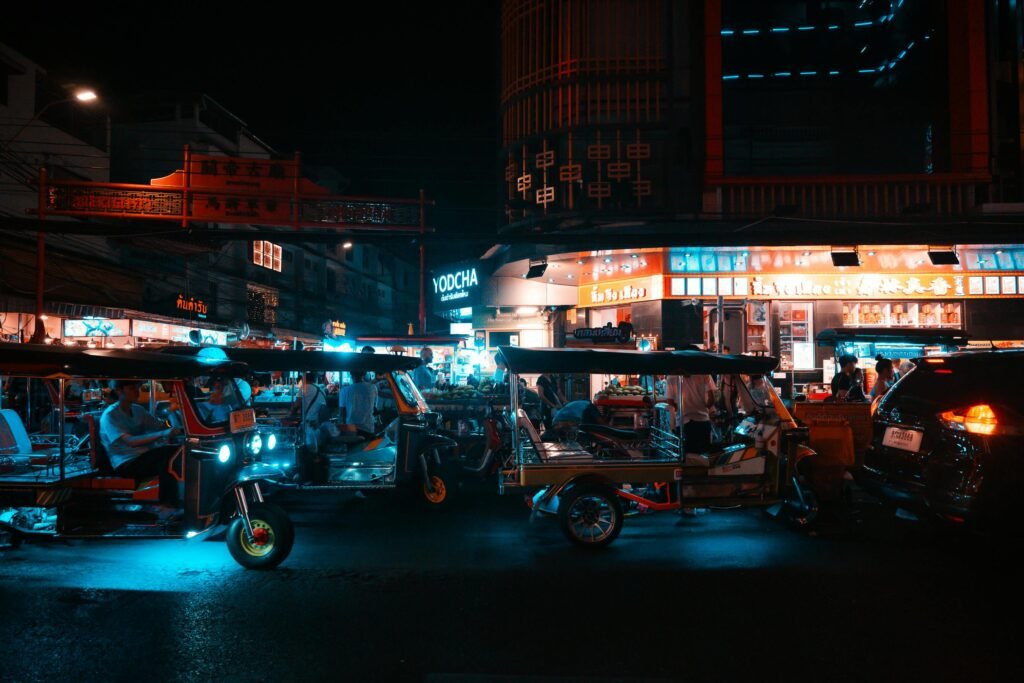
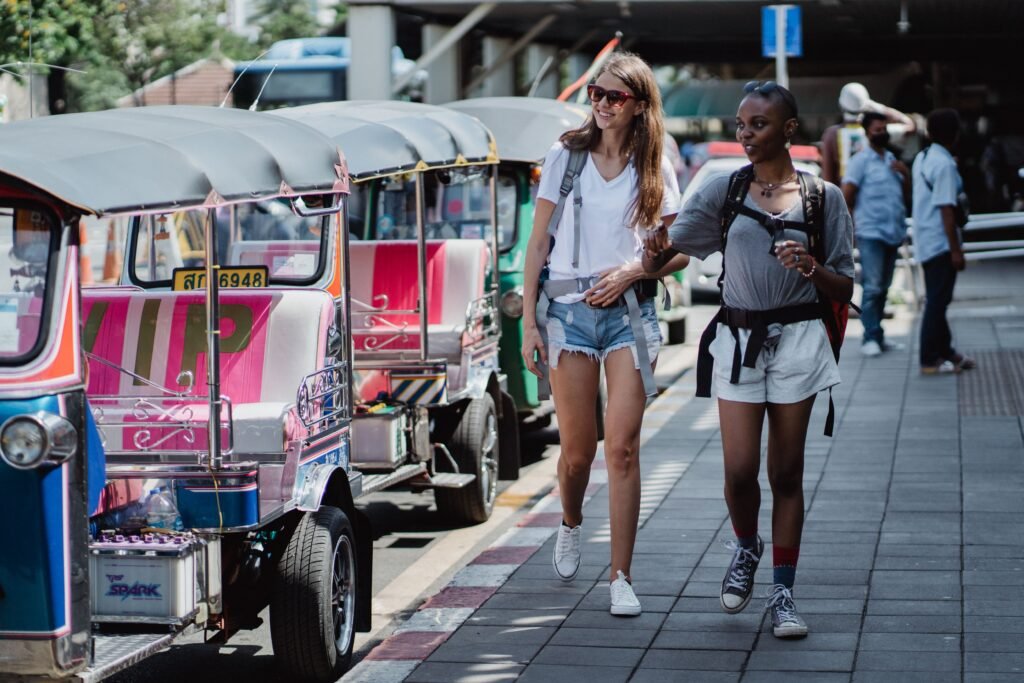
Few vehicles are more iconic in Thailand than the colorful three-wheeled tuk-tuk. While not always the cheapest option, they remain a fun and memorable way to experience Bangkok.
Average Fares
Typical tuk-tuk fares include:
- Short journeys: 100–200 THB
- Medium journeys: 200–300 THB
- Tourist areas may charge higher rates
Unlike taxis, tuk-tuks generally do not use meters.
Avoiding Scams
Common tuk-tuk scams include:
- Extremely cheap “city tours”
- Forced stops at jewelry shops
- Claims that attractions are closed
To avoid problems:
- Agree on a price before departure.
- Avoid drivers offering unusually low fares.
- Use Google Maps to monitor your route.
When to Use Them
Tuk-tuks are best for:
- Short sightseeing trips
- Nighttime rides
- Unique travel experiences
- Exploring older parts of Bangkok
Expert Tip: Consider tuk-tuks an experience rather than a budget transportation option.
Motorcycle Taxis
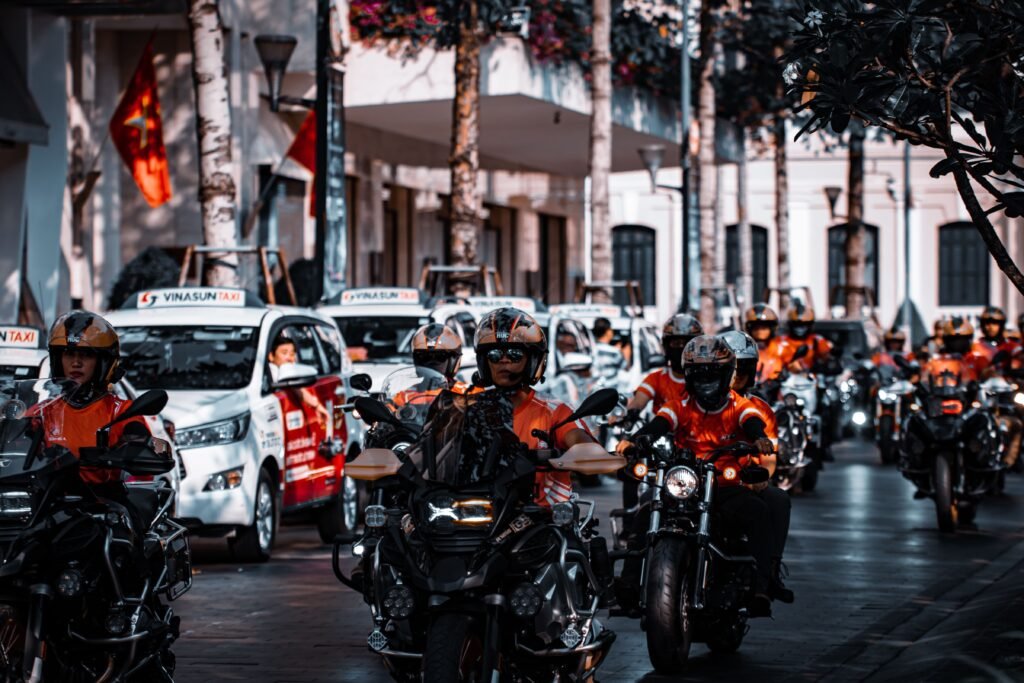
Motorcycle taxis are among the fastest transportation options in Bangkok, especially during peak traffic hours.
Speed and Convenience
Motorcycle taxi drivers wait at designated stands throughout the city.
They are useful for:
- Short-distance travel
- Reaching BTS or MRT stations
- Navigating traffic jams
- Traveling through narrow streets and alleys
For journeys under 2–3 kilometers, they are often the quickest option available.
Safety Considerations
Before using a motorcycle taxi:
- Wear the provided helmet.
- Hold onto the hand grips securely.
- Avoid carrying large luggage.
- Use caution during rainy weather.
While convenient, motorcycle taxis are best suited for confident travelers comfortable riding on busy city roads.
Grab and Ride-Hailing Apps
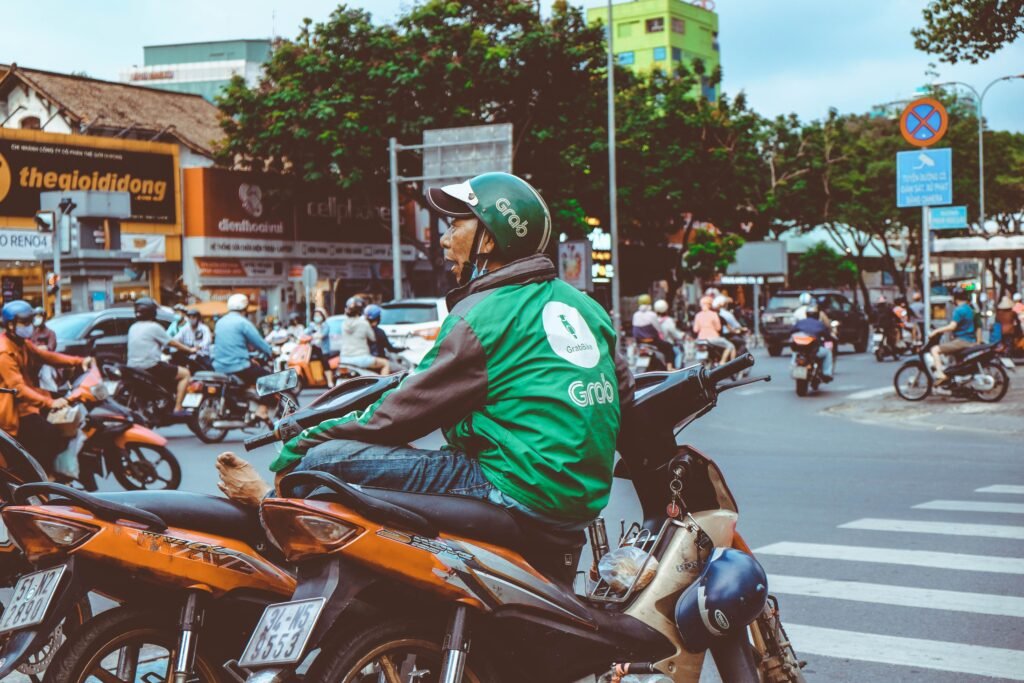
Ride-hailing apps have transformed urban transportation in Bangkok and are now widely used by both locals and tourists.
How Grab Works
Grab functions similarly to Uber.
Users can:
- Book private cars
- Book taxis
- Pay by card or cash
- Track drivers in real time
- View estimated fares before booking
Grab is especially useful when language barriers make traditional taxi rides more difficult.
Alternatives to Grab
Popular alternatives include:
- Bolt
- InDrive
- Traditional metered taxis
In many cases, Bolt offers lower fares than Grab, although driver availability may vary depending on location.
Money-Saving Tip: Compare fares between Grab and Bolt before booking, particularly during peak demand periods.
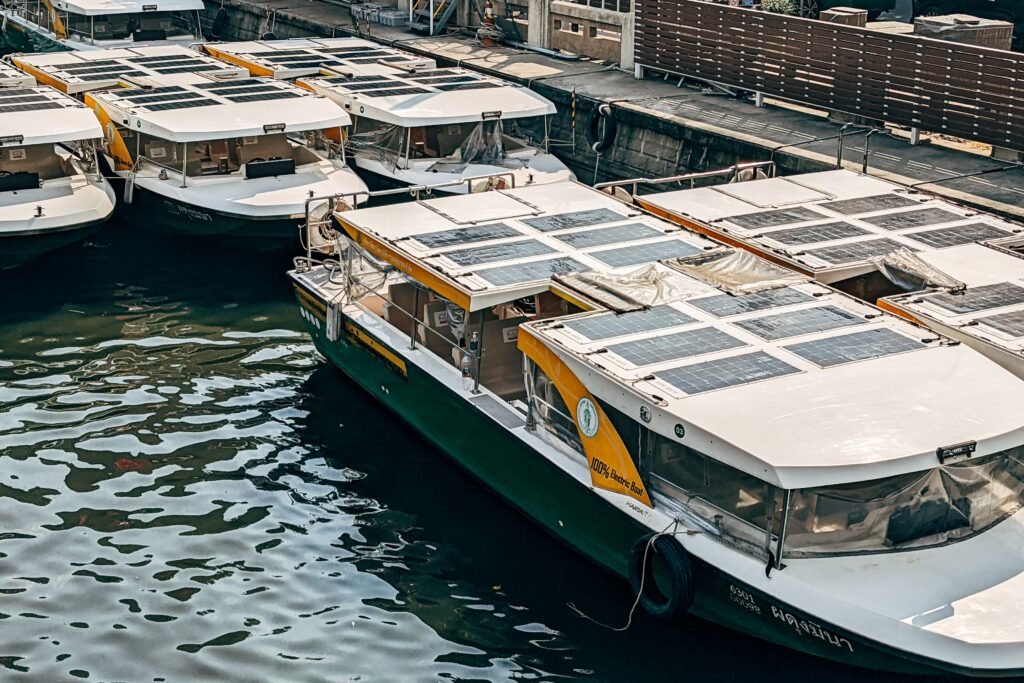
Chao Phraya River Boats
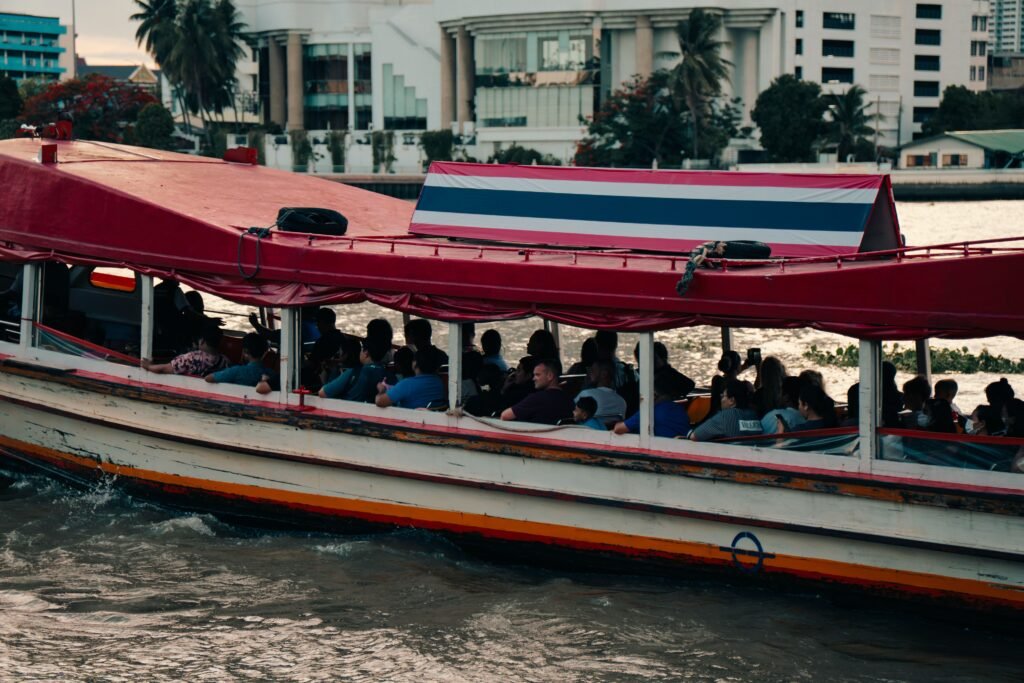
The Chao Phraya River serves as Bangkok’s historic transportation corridor and remains one of the city’s most enjoyable ways to travel.
Routes
Several boat services operate along the river, including:
- Express boats
- Tourist boats
- Local commuter boats
Major piers connect central Bangkok with many famous attractions.
Tourist Attractions Accessible by Boat
River boats provide easy access to:
- Grand Palace
- Wat Arun
- Wat Pho
- Chinatown
- Asiatique The Riverfront
- ICONSIAM
Many visitors combine river boats with BTS services by transferring at Saphan Taksin Station.
Local Insight: River boats often provide faster access to Bangkok’s historic district than taxis, especially during weekends and public holidays.
Best Transportation Method for Bangkok Tourists
If you’re visiting Bangkok for the first time, a simple strategy works best:
- Use BTS Skytrain for shopping districts and modern neighborhoods.
- Use MRT for Chinatown and areas beyond BTS coverage.
- Use river boats for temples and riverside attractions.
- Use Grab or Bolt when public transportation isn’t convenient.
- Use tuk-tuks for short rides and the experience.
- Use motorcycle taxis only for quick local trips.
Combining these transportation options will help you avoid traffic, save money, and experience Bangkok like a seasoned traveler.
Transportation Between Major Cities
Thailand’s well-developed transportation network makes it easy to travel between major destinations. However, the “best” option often depends on your budget, available time, luggage, and travel style. Below is a practical breakdown of the most popular tourist routes.
Bangkok to Chiang Mai
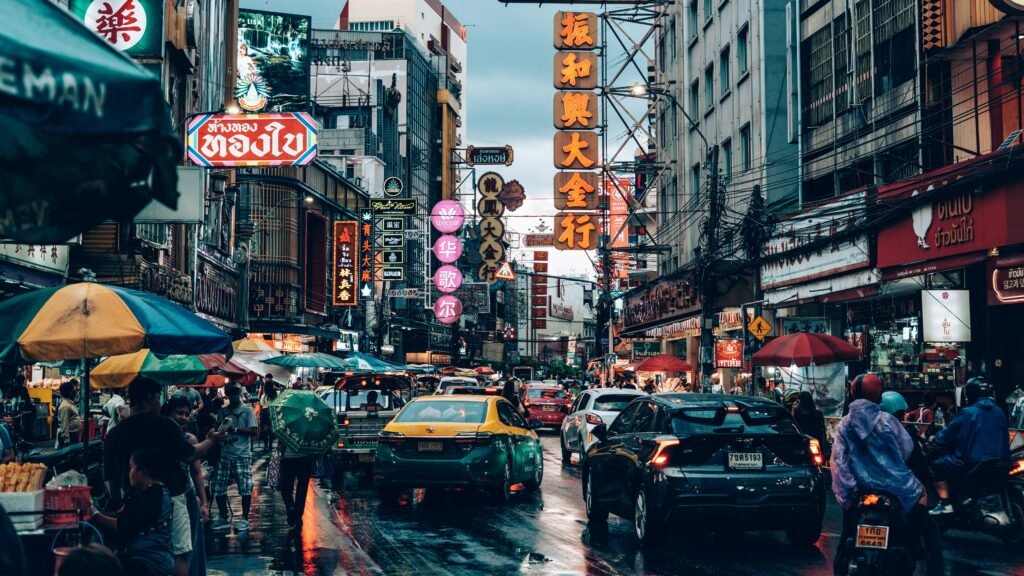
The journey between Bangkok and Chiang Mai is one of Thailand’s most traveled routes.
Flight vs Train vs Bus Comparison
Flight
- Duration: 1 hour 15 minutes
- Cost: 800–3,500 THB
- Comfort: High
- Best For: Short vacations and travelers prioritizing convenience
Sleeper Train
- Duration: 11–14 hours
- Cost: 900–1,800 THB
- Comfort: Medium to High
- Best For: Scenic travel and saving a night’s hotel cost
Bus
- Duration: 9–12 hours
- Cost: 600–1,200 THB
- Comfort: Medium
- Best For: Budget travelers
Expert Recommendation: If you have less than two weeks in Thailand, flying is usually worth the extra cost. If you’re backpacking or want a classic Thailand travel experience, take the overnight sleeper train.
Bangkok to Phuket
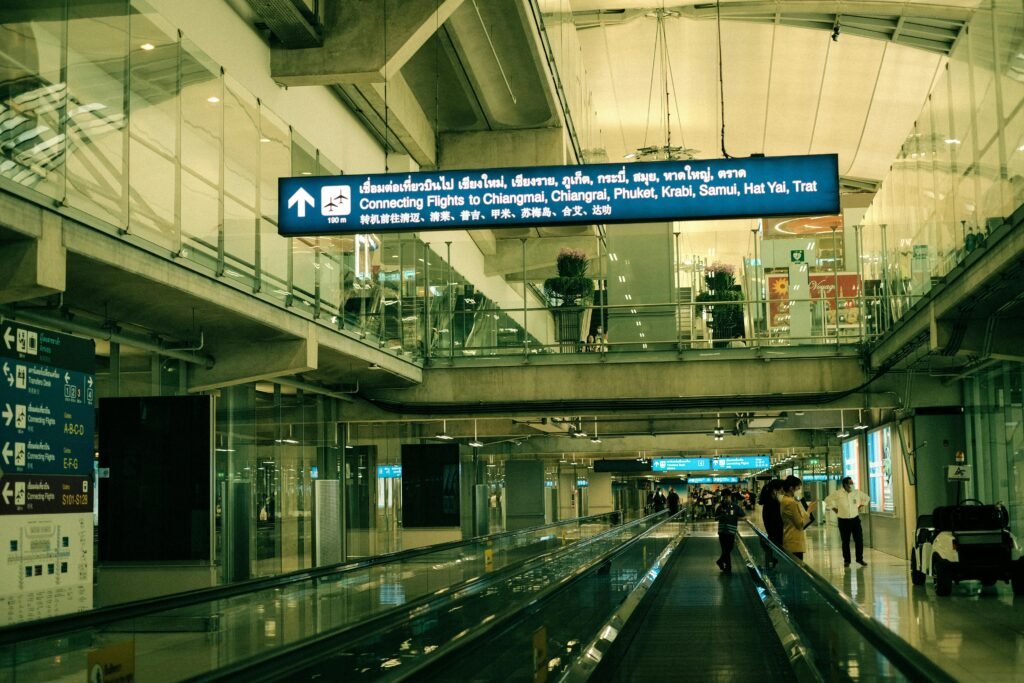
This route connects Thailand’s capital with its most popular beach destination.
Best Transport Options
Flight
- Duration: 1 hour 30 minutes
- Cost: 1,000–4,000 THB
- Recommended for most travelers
Bus
- Duration: 12–14 hours
- Cost: 700–1,500 THB
Train + Bus Combination
- Duration: 14–16 hours
- Cost: 1,200–2,500 THB
Since Phuket has no railway station, train travelers must continue by bus from Surat Thani.
Local Insight: Budget airlines often make flights cheaper than train-and-bus combinations when booked in advance.
Bangkok to Krabi
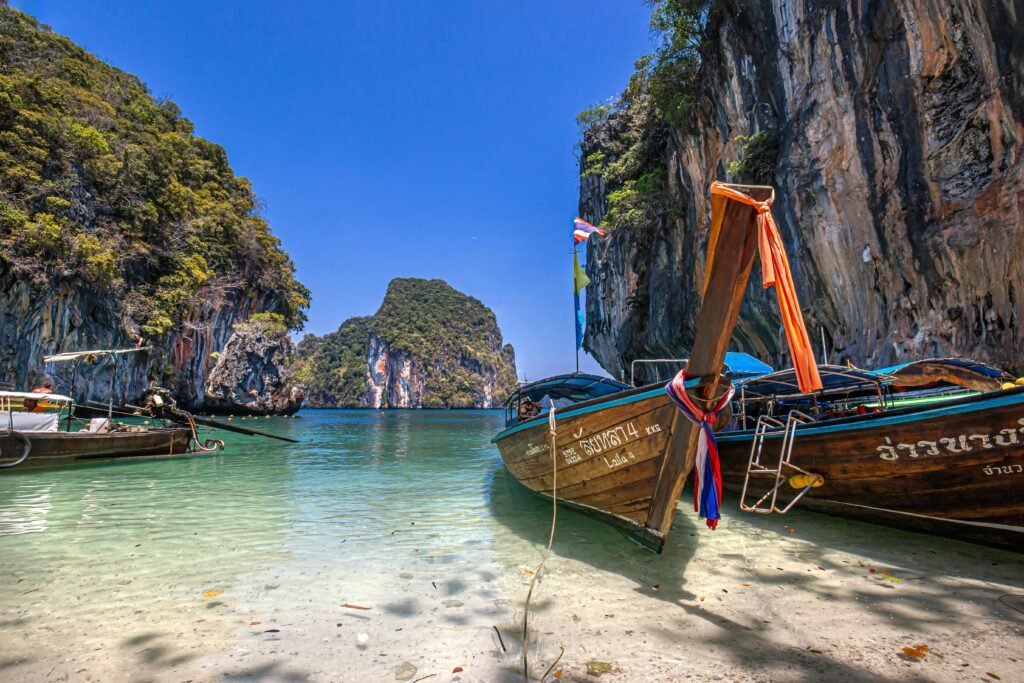
Krabi is a major gateway to destinations such as Railay Beach, Koh Phi Phi, and Koh Lanta.
Cost and Travel Time
Flight
- Duration: 1 hour 20 minutes
- Cost: 900–3,500 THB
Bus
- Duration: 10–13 hours
- Cost: 600–1,300 THB
Train + Bus
- Duration: 13–15 hours
- Cost: 1,000–2,200 THB
For travelers planning to visit southern Thailand’s islands, flying to Krabi usually offers the best balance of time and value.
Travel Tip: Krabi Airport often has lower airfares than Phuket Airport, making it an excellent arrival point for island-hopping itineraries.
Bangkok to Pattaya
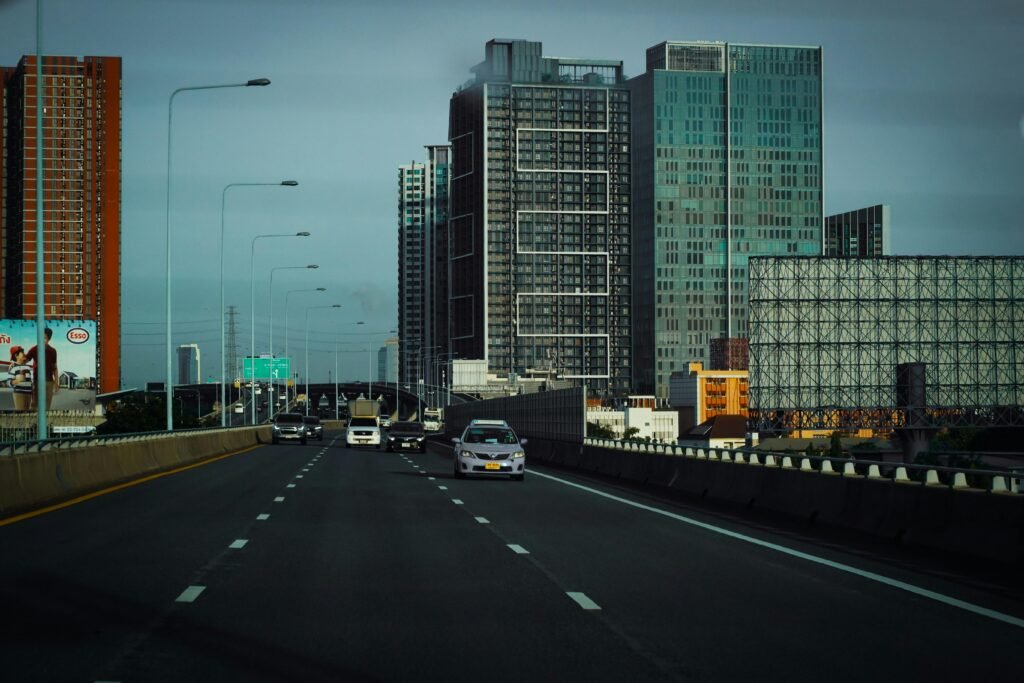
Pattaya is one of the easiest destinations to reach from Bangkok.
Fastest and Cheapest Methods
Bus
- Duration: 2–3 hours
- Cost: 120–250 THB
- Most popular option
Minivan
- Duration: 2–2.5 hours
- Cost: 150–350 THB
Taxi or Private Transfer
- Duration: 1.5–2 hours
- Cost: 1,200–2,500 THB
Train
- Duration: 2.5–4 hours
- Cost: Very affordable but limited schedules
Expert Recommendation: Buses offer the best combination of affordability, reliability, and frequency.
Chiang Mai to Phuket
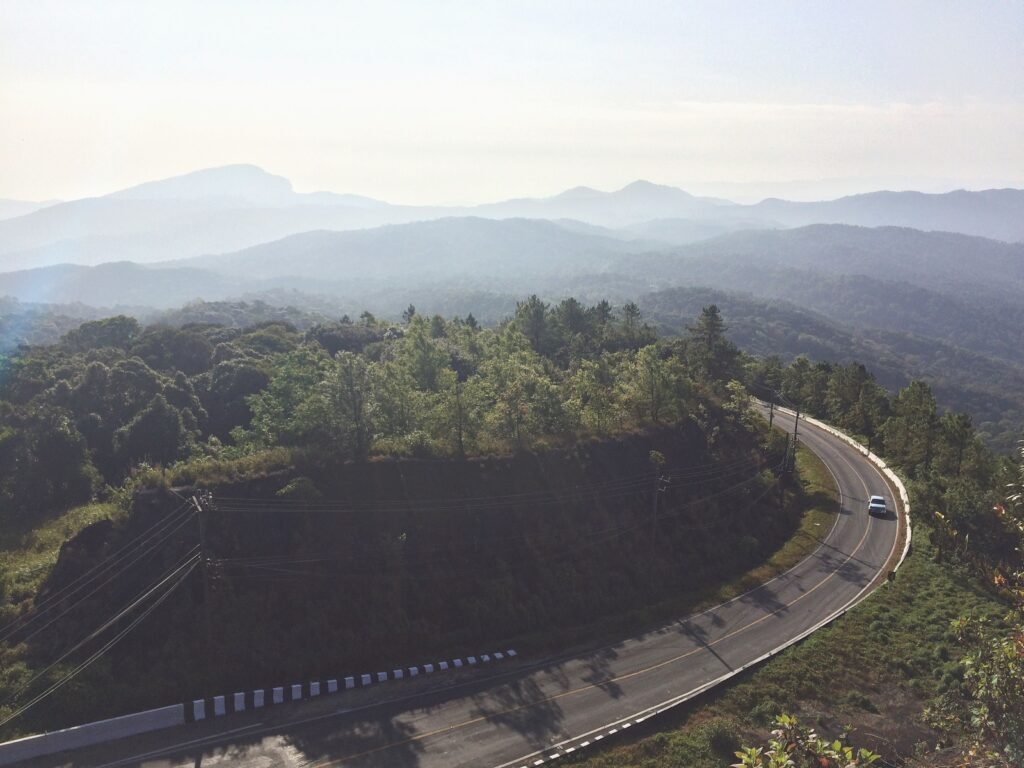
Traveling between northern and southern Thailand covers more than 1,400 kilometers.
Travel Recommendations
Flight
- Duration: 2–2.5 hours
- Cost: 1,500–5,000 THB
- Best overall option
Bus
- Duration: 24+ hours
- Cost: 1,000–2,000 THB
Train + Bus
- Duration: 20+ hours
- Multiple transfers required
Unless you’re intentionally traveling slowly, flying is strongly recommended for this route.
Local Insight: Direct flights between Chiang Mai and Phuket eliminate the need to return to Bangkok and can save an entire day of travel.
Popular Thailand Travel Routes Comparison Table
| Route | Best Option | Duration | Typical Cost | Comfort Level |
| Bangkok → Chiang Mai | Flight | 1.25 hrs | 800–3,500 THB | High |
| Bangkok → Chiang Mai | Sleeper Train | 11–14 hrs | 900–1,800 THB | Medium-High |
| Bangkok → Phuket | Flight | 1.5 hrs | 1,000–4,000 THB | High |
| Bangkok → Krabi | Flight | 1.3 hrs | 900–3,500 THB | High |
| Bangkok → Pattaya | Bus | 2–3 hrs | 120–250 THB | Medium |
| Chiang Mai → Phuket | Flight | 2–2.5 hrs | 1,500–5,000 THB | High |
| Phuket → Krabi | Minivan | 2.5–3 hrs | 300–600 THB | Medium |
| Krabi → Koh Lanta | Ferry/Van | 1–2 hrs | 400–900 THB | Medium |
Island Transportation in Thailand
Thailand’s islands are among its biggest attractions, but reaching them requires a combination of ferries, speedboats, buses, and flights. Understanding how island transportation works can help you avoid missed connections and expensive last-minute bookings.
Ferry Services
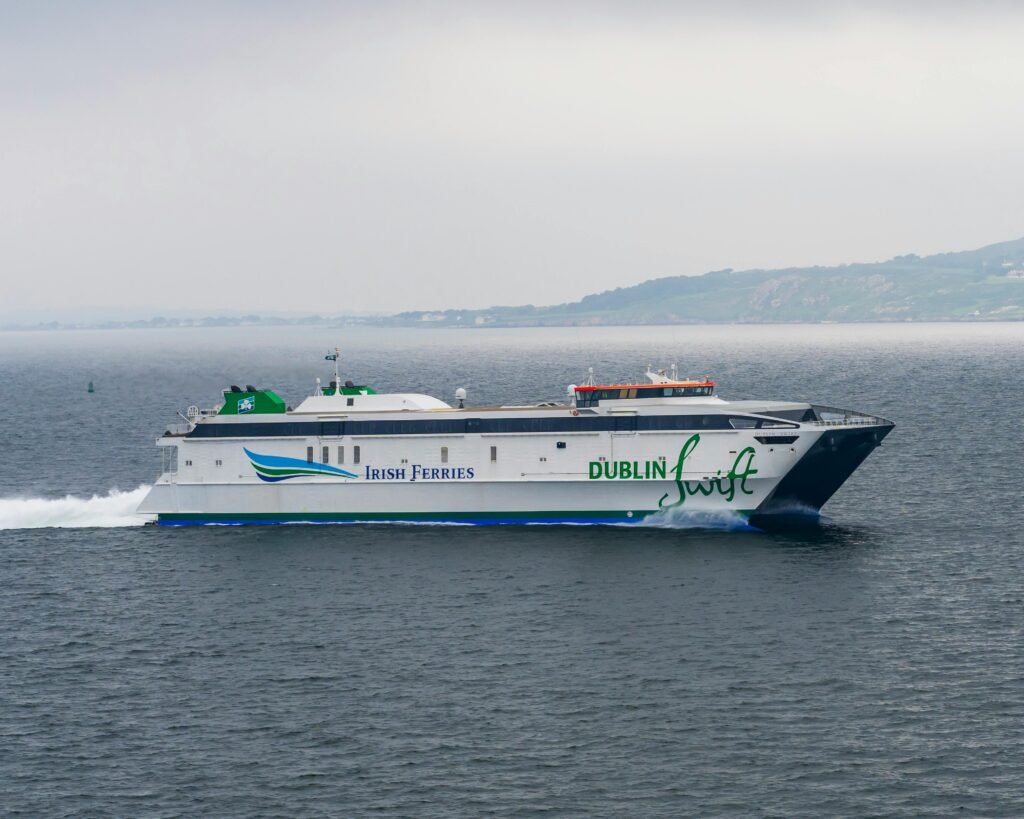
Ferries are the primary transportation method connecting Thailand’s islands.
If this is your first time traveling between Thailand’s islands, it’s worth learning how the ferry system works before booking your tickets. Our detailed Thailand ferry guide explains the major ferry operators, ticket booking tips, luggage rules, popular routes, safety precautions, and common mistakes to help you enjoy a smooth island-hopping experience.
Major Ferry Operators
Popular operators include:
- Lomprayah
- Seatran Ferry
- Raja Ferry
- Phi Phi Cruiser
- Songserm
- Bundhaya Speed Boat
Most operators provide combined tickets that include transfers from airports, train stations, or hotels.
Booking Tickets
You can purchase tickets:
- Online in advance
- Through hotels and guesthouses
- At ferry terminals
- Via local travel agencies
Expert Tip: During peak season (December–March), book ferry tickets at least a few days ahead, especially for routes serving Koh Phi Phi, Koh Tao, and Koh Phangan.
Speedboats
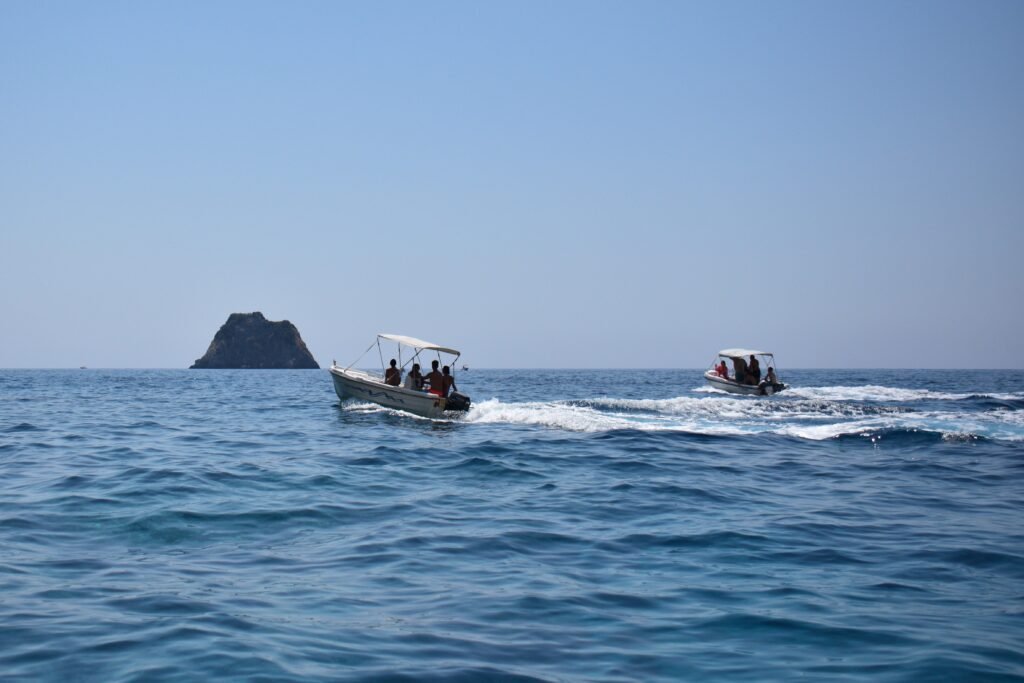
Speedboats are commonly used on shorter island routes and where quick transfers are required.
Pros
- Faster than ferries
- More departure times
- Ideal for island hopping
- Useful for day trips
Cons
- More expensive
- Rougher ride during bad weather
- Limited luggage capacity
- Less comfortable on longer journeys
Local Insight: If you’re prone to seasickness, choose larger ferries whenever possible, especially during monsoon season.
Island Hopping Routes

Thailand offers numerous island-hopping opportunities.
Phuket to Phi Phi Islands
- Duration: 1–2 hours
- Transport: Ferry or speedboat
- Most popular island route in Thailand
Krabi to Koh Lanta
- Duration: 1–2 hours
- Transport: Ferry, speedboat, or minivan
- Easy connection for beach travelers
Koh Samui to Koh Phangan
- Duration: 20–60 minutes
- Transport: High-speed ferry
- Popular for Full Moon Party visitors
Koh Tao Connections
Koh Tao is accessible from:
- Koh Samui
- Koh Phangan
- Chumphon
- Surat Thani
Travelers frequently combine Koh Samui, Koh Phangan, and Koh Tao into a single island-hopping itinerary.
Recommended Island-Hopping Route:
Phuket → Phi Phi Islands → Krabi → Koh Lanta
Alternative Gulf Route:
Koh Samui → Koh Phangan → Koh Tao
Weather Considerations for Sea Travel
Weather can significantly impact ferry and speedboat operations.
The Andaman Coast (Phuket, Krabi, Phi Phi, Koh Lanta) typically experiences rougher seas between May and October.
The Gulf of Thailand (Koh Samui, Koh Phangan, Koh Tao) generally sees its wettest period from October to December.
Before traveling:
- Check weather forecasts.
- Allow flexibility in your itinerary.
- Avoid tight international flight connections after ferry journeys.
- Purchase travel insurance covering weather disruptions.
Important Tip: During monsoon season, ferries may be delayed or canceled with little notice. Always build a buffer day into your itinerary if you’re connecting to an international flight.
For most travelers, combining domestic flights with ferries provides the fastest and most convenient way to explore Thailand’s diverse regions and world-famous islands.
Transportation in Popular Tourist Destinations
Transportation varies significantly across Thailand’s most popular tourist destinations. Unlike Bangkok, many beach towns and island destinations have limited public transportation, making ride-hailing apps, local shared transport, scooters, and taxis more important. Understanding how locals get around can help you save money and avoid common tourist mistakes.
Phuket Transportation Guide
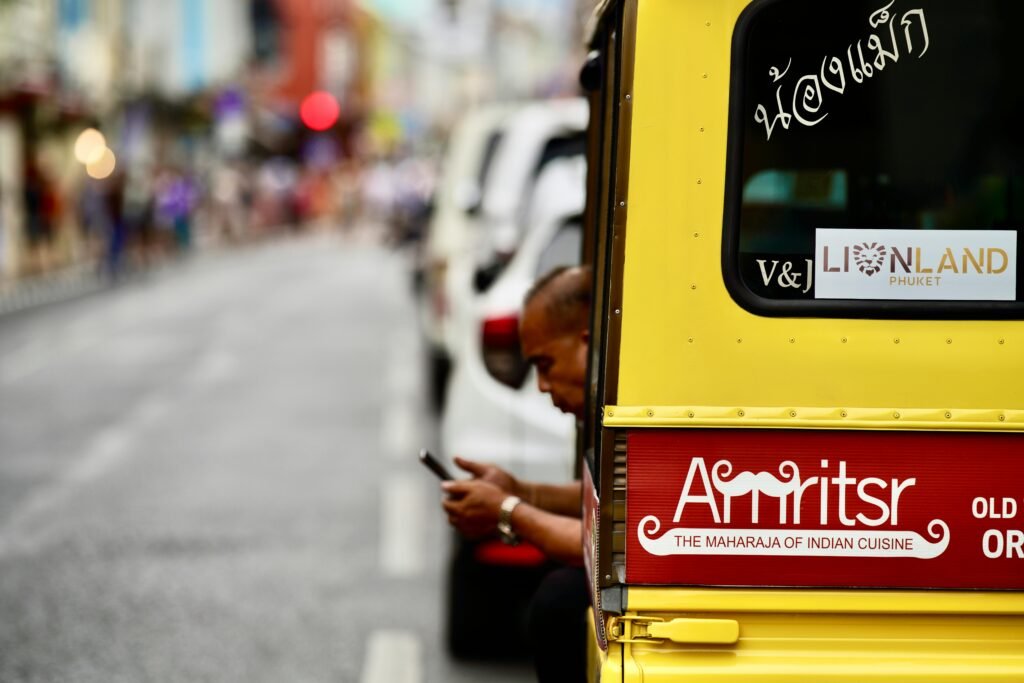
Phuket is Thailand’s largest island and one of its busiest tourist destinations. Transportation can be more expensive here than in other parts of the country, so planning ahead is important.
Songthaews
Phuket’s blue songthaews (shared pickup trucks with bench seating) are the cheapest way to travel between major areas.
Popular routes include:
- Phuket Town ↔ Patong
- Phuket Town ↔ Kata
- Phuket Town ↔ Karon
- Phuket Town ↔ Rawai
Fares are affordable, but services generally operate during daytime hours and may not be convenient for direct hotel-to-hotel travel.
Grab
Grab is widely available throughout Phuket and is often the easiest option for tourists.
Benefits include:
- Upfront pricing
- No language barriers
- Cashless payment options
- Convenient airport pickups
However, fares can increase significantly during peak demand periods.
Scooter Rentals
Many travelers rent scooters to explore Phuket independently.
Typical rental costs:
- 200–400 THB per day
- Weekly discounts often available
Scooters provide easy access to beaches, viewpoints, and hidden attractions that are difficult to reach by public transport.
Local Insight: Phuket’s roads can become congested, especially around Patong Beach and major tourist areas. Early morning exploration is often more enjoyable and less stressful.
Airport Transfers
Phuket International Airport is approximately 30–40 kilometers from most popular beach areas.
Common transfer options:
- Airport buses (cheapest)
- Shared minivans
- Grab
- Private taxis
- Hotel transfers
For families or groups, private transfers often provide the best value.
Pattaya Transportation Guide
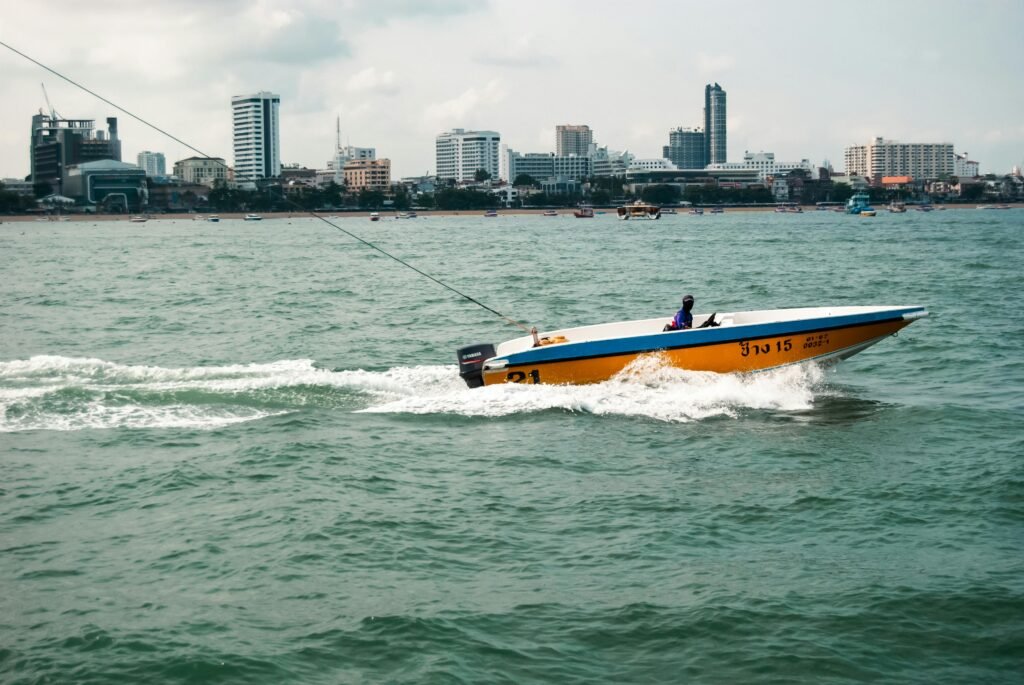
Pattaya is compact, easy to navigate, and offers some of Thailand’s most affordable local transportation.
Baht Buses
Baht buses (songthaews) are Pattaya’s primary transportation system.
These shared pickup trucks operate along major routes such as:
- Beach Road
- Second Road
- Jomtien Beach
Passengers simply flag them down and ring the bell when they want to get off.
Motorbike Taxis
Motorbike taxis are available throughout Pattaya and are ideal for short journeys.
They are especially useful for:
- Avoiding traffic
- Quick hotel transfers
- Reaching destinations not served by baht buses
Ride-Hailing Services
Popular ride-hailing options include:
- Grab
- Bolt
- InDrive
Bolt is often the cheapest option in Pattaya and is widely used by both locals and tourists.
Expert Tip: For most visitors, baht buses combined with occasional Grab rides provide the cheapest and most efficient way to explore Pattaya.
Chiang Mai Transportation Guide
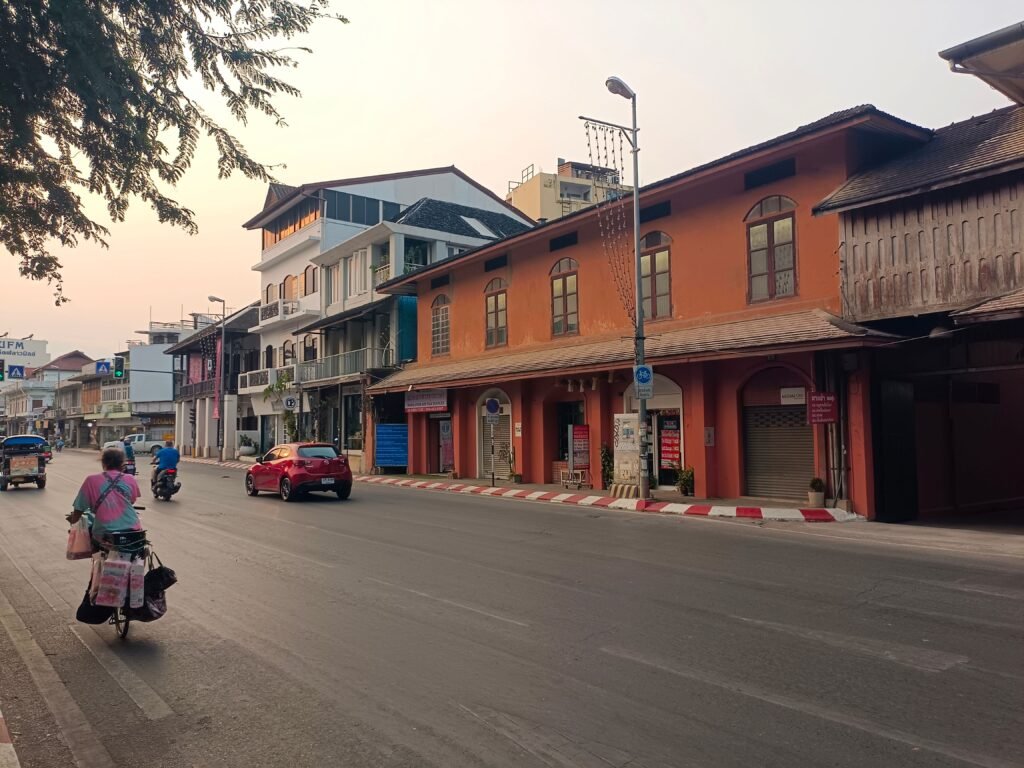
Chiang Mai is one of Thailand’s easiest cities to navigate. Most major attractions are located within a relatively compact area.
Red Trucks (Songthaews)
Red trucks are Chiang Mai’s most recognizable transportation option.
These shared vehicles operate throughout:
- Old City
- Nimmanhaemin
- Night Bazaar
- University areas
- Doi Suthep routes
Unlike Phuket’s fixed-route songthaews, Chiang Mai’s red trucks often operate more flexibly and may accept custom routes if negotiated.
Scooter Rentals
Scooters are extremely popular in Chiang Mai.
Average rental costs:
- 200–350 THB per day
They provide easy access to:
- Doi Suthep Temple
- Waterfalls
- Mountain viewpoints
- Rural villages outside the city
Local Insight: Chiang Mai’s roads are generally calmer than Phuket’s or Bangkok’s, making it one of the best places in Thailand for experienced scooter riders.
Local Buses
Chiang Mai has local bus services connecting various districts and attractions.
Advantages include:
- Very low fares
- Air-conditioned vehicles on some routes
- Useful for longer city journeys
However, most tourists find red trucks and ride-hailing apps more convenient.
Krabi Transportation Guide
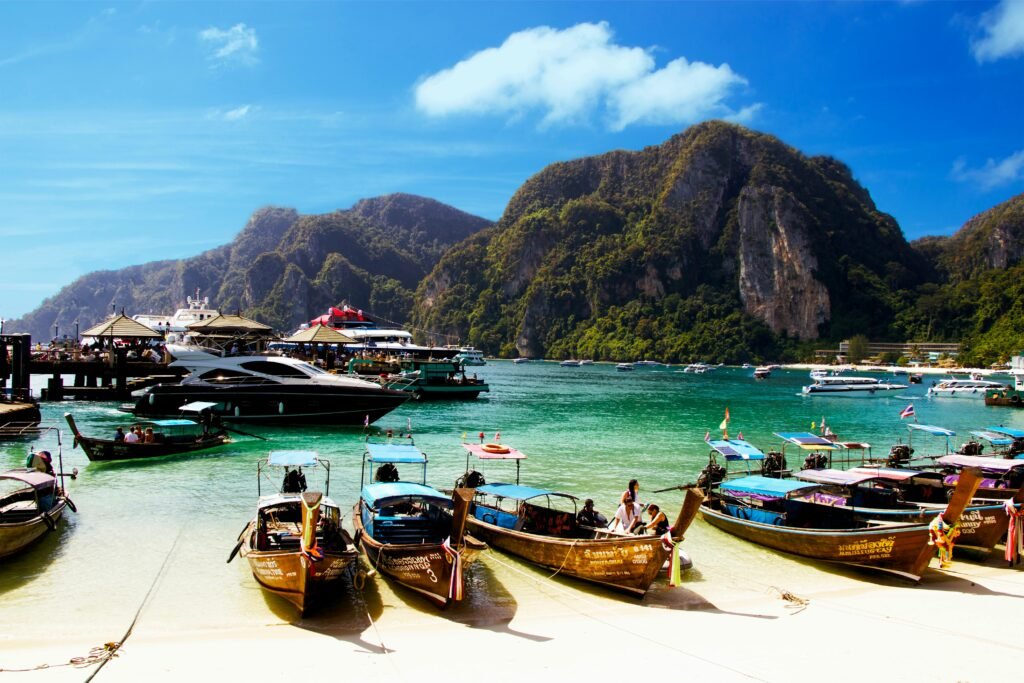
Krabi acts as a transportation gateway to many of Thailand’s most famous beaches and islands.
Shared Vans
Shared minivans connect:
- Krabi Town
- Ao Nang
- Krabi Airport
- Railay transfer points
- Ferry terminals
They are affordable and commonly used by travelers moving between accommodations and transport hubs.
Boats
Boat transportation is essential in Krabi.
Long-tail boats and ferries connect travelers to:
- Railay Beach
- Koh Phi Phi
- Koh Lanta
- Nearby islands
In many cases, boats are the only way to reach certain destinations.
Taxis
Taxi services are available but can be relatively expensive compared to other transportation options.
Ride-hailing coverage may be more limited than in Bangkok or Chiang Mai.
Expert Tip: If staying in Ao Nang, many attractions can be reached through organized boat tours, reducing the need for frequent taxi use.
Renting a Vehicle in Thailand
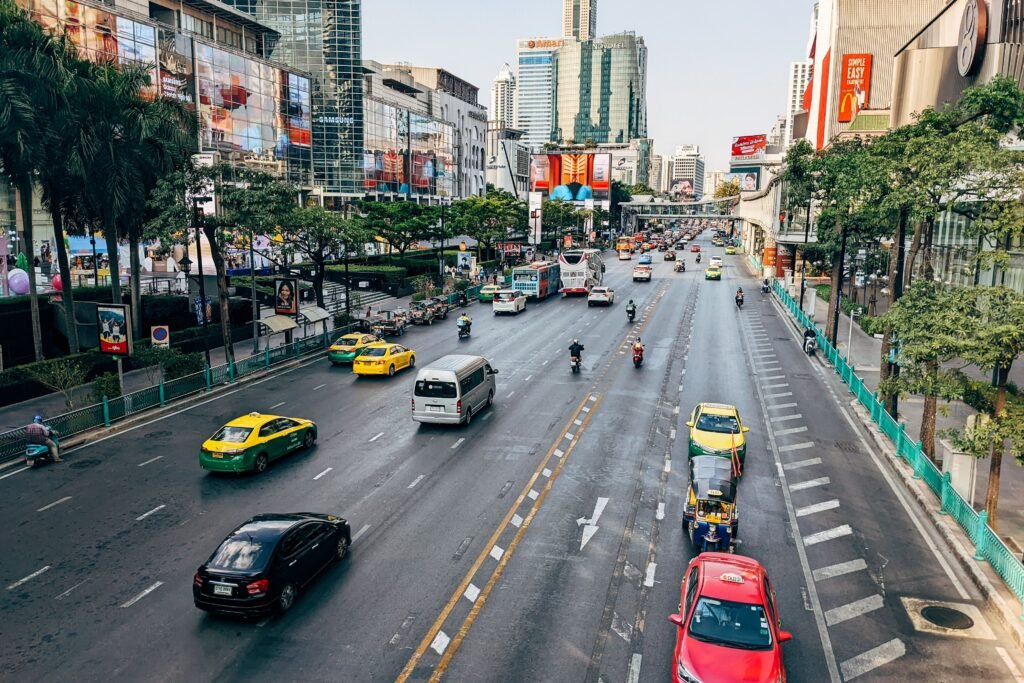
Renting a vehicle provides flexibility that public transportation cannot match. It can be particularly useful when exploring rural areas, islands, national parks, or destinations with limited public transport.
However, driving conditions in Thailand may be very different from what many international travelers are accustomed to.
Renting a Car
Renting a car is ideal for families, groups, photographers, and travelers planning extensive road trips.
Requirements
Most rental companies require:
- A valid driver’s license
- Passport
- Credit card
- Minimum age (usually 21–25)
International rental agencies and local operators are available at major airports and tourist destinations.
International Driving Permit (IDP)
Foreign visitors should carry:
- Their home country’s driver’s license
- A valid International Driving Permit (IDP)
Many travelers mistakenly assume their domestic license alone is sufficient. In the event of an accident, insurance claims may be denied if the required documents are missing.
Insurance Considerations
Before renting:
- Verify collision coverage
- Check liability protection
- Review deductible amounts
- Photograph the vehicle before departure
Expert Recommendation: Comprehensive insurance is strongly recommended, particularly for travelers unfamiliar with local driving conditions.
Renting a Scooter
Scooters are one of the most popular transportation options among tourists because they offer freedom and affordability.
Costs
Typical rental prices:
- Daily: 200–400 THB
- Weekly: 1,200–2,500 THB
- Monthly: Often discounted significantly
Fuel costs are generally low.
Common Mistakes Tourists Make
Many visitors underestimate the risks associated with scooter rentals.
Common mistakes include:
- Riding without experience
- Driving without proper licenses
- Ignoring insurance requirements
- Riding without helmets
- Riding after drinking alcohol
- Failing to inspect the scooter before rental
These mistakes account for a large percentage of tourist accidents in Thailand.
Safety Tips
Before renting a scooter:
- Wear a quality helmet.
- Inspect brakes and tires.
- Take photos of existing damage.
- Avoid driving during heavy rain.
- Drive defensively at all times.
Local Insight: Most tourist scooter accidents occur not because of dangerous roads, but because travelers overestimate their riding ability.
Driving Rules in Thailand
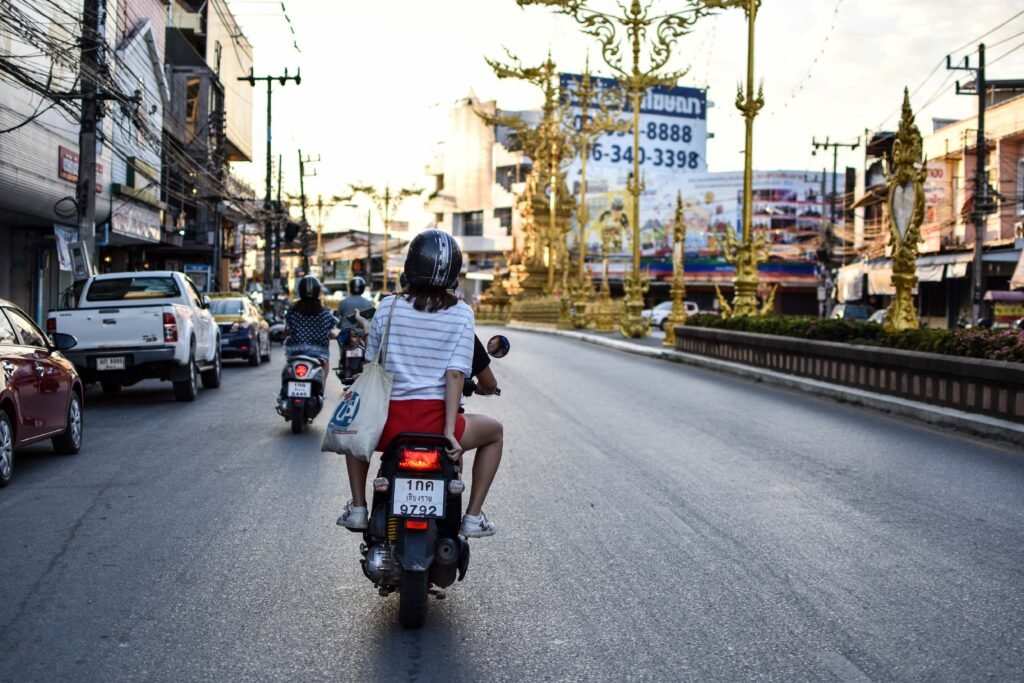
Thailand drives on the left-hand side of the road, which can take adjustment for visitors from countries that drive on the right.
Road Signs
Most major road signs include English translations, particularly in tourist areas.
Important signs commonly encountered:
- Speed limits
- Directional signs
- U-turn indicators
- Toll road notices
- Hazard warnings
Navigation apps such as Google Maps generally work very well throughout Thailand.
Local Driving Culture
Thai driving culture may feel more flexible than in many Western countries.
Travelers should expect:
- Frequent lane changes
- Heavy motorcycle traffic
- Limited use of turn signals
- Sudden U-turns
- Congested city traffic
Defensive driving is essential.
Expert Tip: If you’ve never driven in Southeast Asia before, consider using public transportation and ride-hailing services rather than renting a vehicle. The convenience often outweighs the savings, particularly in cities and tourist hotspots.
For most visitors, renting a scooter or car is only worthwhile when exploring destinations beyond the reach of regular transportation. In cities such as Bangkok, Chiang Mai, Pattaya, and Phuket, combining public transport with ride-hailing apps is often easier, safer, and more cost-effective.
Transportation Costs in Thailand
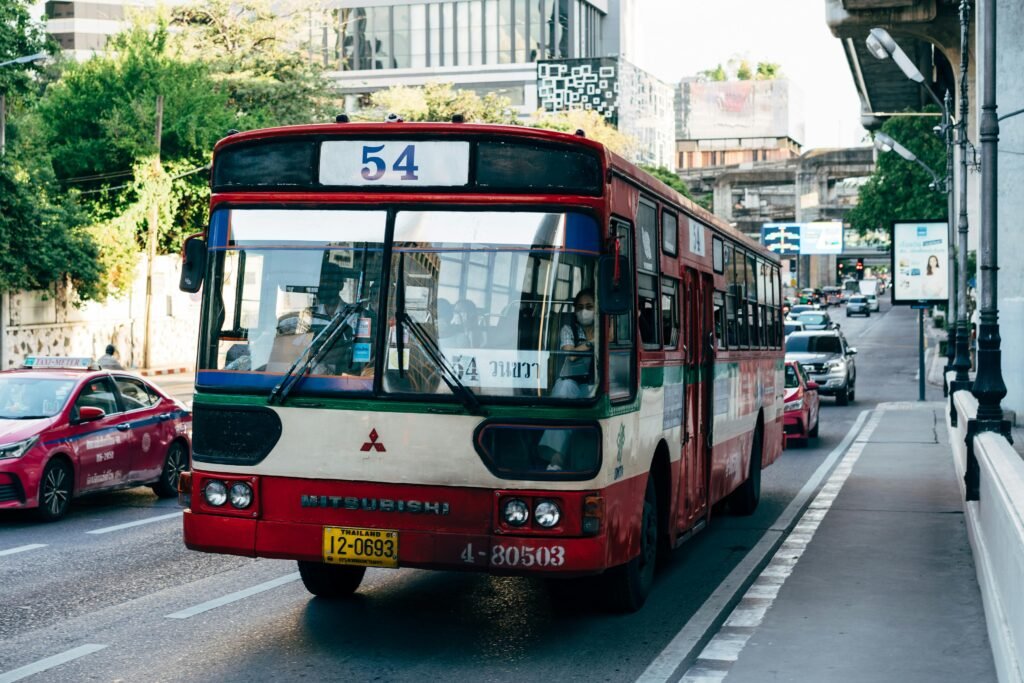
One of Thailand’s biggest advantages as a travel destination is its affordable transportation. Whether you’re backpacking on a tight budget or traveling in luxury, getting around the country is relatively inexpensive compared to Europe, North America, Australia, or Japan.
However, transportation costs can vary dramatically depending on your travel style. A backpacker using buses and local transport may spend less than 300 THB ($8–$10) per day, while a luxury traveler relying on private transfers and domestic flights may spend several thousand baht daily.
Average Daily Transportation Budget
A realistic daily transportation budget depends on how often you change destinations and the type of transport you use.
As a general rule:
- Budget travelers: 150–500 THB per day
- Mid-range travelers: 500–1,500 THB per day
- Luxury travelers: 1,500–5,000+ THB per day
Transportation costs tend to be highest during days involving flights, ferry transfers, or long-distance travel.
Budget Traveler Costs
Budget travelers can comfortably explore Thailand using:
- Public buses
- Songthaews
- Local trains
- Overnight buses
- Shared minivans
Typical daily transportation spending:
- Local transport: 50–150 THB
- Intercity travel: 300–800 THB
- Island transfers: 300–1,000 THB
Money-Saving Strategy: Overnight trains and buses reduce accommodation costs while covering long distances.
Mid-Range Traveler Costs
Most visitors fall into this category.
Common transportation choices include:
- BTS and MRT
- Grab and Bolt
- Domestic flights
- Ferries
- Private airport transfers
Typical daily transportation spending:
- Local transportation: 200–600 THB
- Domestic flights: 1,000–4,000 THB
- Island transportation: 500–1,500 THB
Luxury Traveler Costs
Luxury travelers often prioritize convenience and time savings.
Typical transportation choices include:
- Private drivers
- Premium airport transfers
- Direct domestic flights
- Private speedboats
- Chauffeured day tours
Typical daily transportation spending:
- 2,000–10,000+ THB depending on itinerary
| Transportation Type | Typical Cost |
| BTS/MRT Ride | 17–62 THB |
| Local Bus | 8–25 THB |
| Tuk-Tuk Ride | 100–300 THB |
| Grab Ride (City) | 100–500 THB |
| Motorbike Taxi | 30–150 THB |
| Intercity Bus | 300–1,200 THB |
| Sleeper Train | 900–1,800 THB |
| Domestic Flight | 800–5,000 THB |
| Ferry Transfer | 300–1,500 THB |
| Scooter Rental | 200–400 THB/day |
Booking Transportation in Thailand
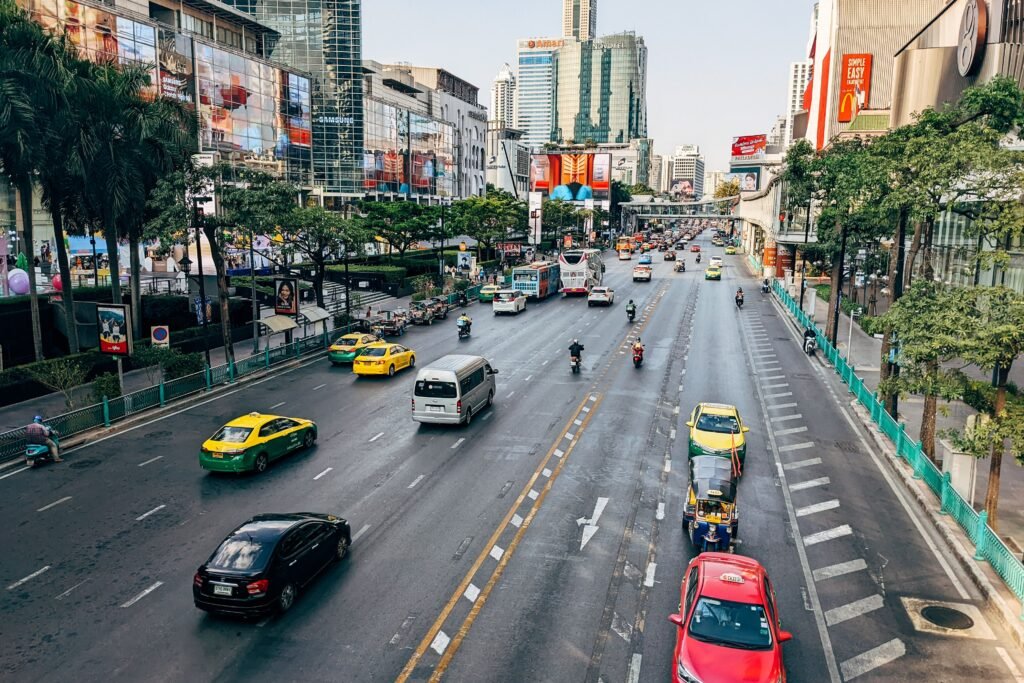
Booking transportation has become significantly easier in recent years. Most routes can now be arranged online before arrival, helping travelers avoid long queues and last-minute price increases.
Best Apps for Transportation
Grab
Grab is Thailand’s most widely used ride-hailing app.
Benefits include:
- Fixed pricing
- Cashless payment
- Driver tracking
- English-language interface
It is particularly useful in Bangkok, Phuket, Pattaya, and Chiang Mai.
Bolt
Bolt often offers lower fares than Grab and is increasingly popular among locals.
Advantages include:
- Lower prices
- Faster driver matching in some cities
- Transparent fare estimates
Google Maps
Google Maps is arguably the most important transportation tool for visitors.
Use it for:
- BTS and MRT navigation
- Bus routes
- Ferry schedules
- Walking directions
- Traffic estimates
Expert Tip: Download offline maps before traveling to islands or rural areas with weaker mobile coverage.
Best Websites for Booking Trains
For train reservations:
- Official State Railway booking platform
- 12Go Asia
- Travel agencies for sleeper train reservations
Popular routes such as Bangkok–Chiang Mai often sell out during peak season.
Best Platforms for Ferries and Buses
Most travelers use:
- 12Go Asia
- Ferry operator websites
- Local travel agencies
- Hotel booking desks
Booking in advance is strongly recommended during December, January, Songkran, and Full Moon Party periods.
Airport Transfer Booking Options
Common airport transfer choices include:
- Grab
- Bolt
- Hotel transfers
- Shared minivans
- Private transfer companies
For groups of three or more people, private transfers are often surprisingly cost-effective.
Thailand Transportation Safety Tips
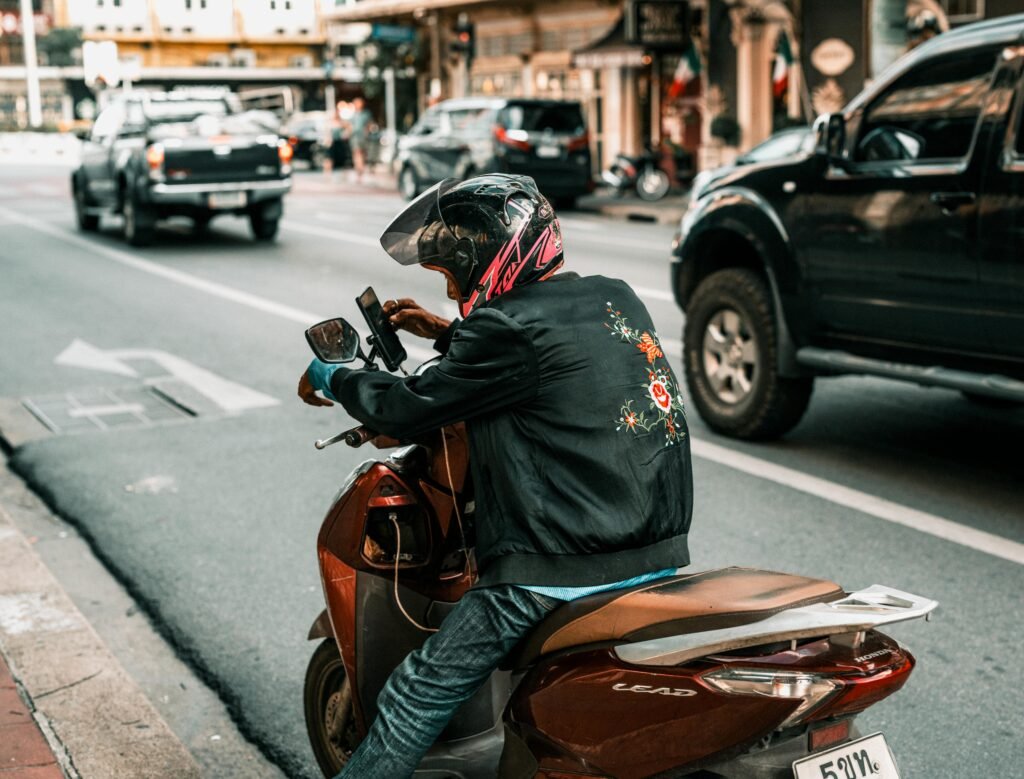
Thailand is generally safe for travelers, but transportation-related scams and accidents still occur. Understanding common issues can help you avoid unnecessary problems.
Common Tourist Scams
Watch out for:
- Tuk-tuk “special tours”
- Fake attraction closures
- Inflated taxi fares
- Unofficial ticket sellers
- Overpriced private transfers
A common scam involves a driver claiming a temple is closed and offering an alternative tour.
Rule: Always verify attraction information independently.
Safe Taxi Practices
For safe taxi use:
- Use metered taxis whenever possible.
- Confirm meter usage before departure.
- Use Grab or Bolt if a driver refuses the meter.
- Track routes using Google Maps.
Night Travel Safety
When traveling after dark:
- Use reputable transportation providers.
- Avoid isolated pickup locations.
- Share ride details with companions.
- Keep valuables secure.
Solo travelers should generally prefer ride-hailing apps over street-hail taxis at night.
Ferry and Boat Safety Tips
Before boarding:
- Monitor weather forecasts.
- Avoid overcrowded boats.
- Follow crew instructions.
- Wear life jackets when provided.
Monsoon conditions can create rough sea crossings, particularly on smaller vessels.
Road Safety for Scooter Riders
Scooter accidents are one of the most common tourist injuries in Thailand.
Reduce risks by:
- Wearing a helmet.
- Avoiding alcohol.
- Driving cautiously in rain.
- Carrying proper licenses.
- Staying within your skill level.
Important: If you have little or no riding experience, do not learn to ride a scooter in Thailand.
Thailand Transportation Tips for First-Time Visitors
Carry Small Cash
Many transportation providers still prefer cash.
Useful denominations:
- 20 THB
- 50 THB
- 100 THB
This is particularly important for buses, ferries, and local transport.
Download Offline Maps
Offline navigation can be invaluable when:
- Mobile data is unavailable
- Ferry terminals have weak signals
- Traveling through remote areas
Google Maps offline mode can prevent unnecessary stress.
Learn Basic Thai Transport Phrases
Helpful phrases include:
- “Pai…” (Go to…)
- “Tao Rai?” (How much?)
- “Rot Fai” (Train)
- “Rot Tour” (Bus)
- “Sanam Bin” (Airport)
Even basic Thai often improves interactions with local drivers.
Peak Travel Seasons and Transportation Demand
Transportation demand rises significantly during:
- December–February
- Songkran (April)
- New Year holidays
- Full Moon Party events
Flights and ferries can sell out weeks in advance.
How to Save Money on Transportation
Practical strategies include:
- Booking flights early
- Using public transportation in Bangkok
- Taking overnight trains
- Comparing Grab and Bolt prices
- Combining ferry and flight packages
Best Transportation Method Based on Travel Style
Budget Backpackers
Best options:
- Local buses
- Songthaews
- Sleeper trains
- Overnight buses
- Shared ferries
Families
Best options:
- Domestic flights
- Private transfers
- Grab
- Airport pickup services
Families often value convenience more than minor cost savings.
Solo Travelers
Best options:
- BTS and MRT
- Grab
- Sleeper trains
- Shared minivans
These options balance affordability, safety, and flexibility.
Digital Nomads
Best options:
- BTS and MRT in Bangkok
- Scooter rentals in Chiang Mai
- Grab for daily commuting
Many digital nomads choose accommodation close to transportation hubs.
Luxury Travelers
Best options:
- Private drivers
- Domestic flights
- VIP ferry services
- Premium airport transfers
The time savings often justify the additional expense.
Thailand Transportation Cheat Sheet
Fastest Transport Options
- Bangkok → Chiang Mai: Flight
- Bangkok → Phuket: Flight
- Bangkok → Krabi: Flight
- Bangkok → Pattaya: Private transfer
- Island transfers: Speedboat
Cheapest Transport Options
- Public buses
- Songthaews
- Local trains
- Shared minivans
Most Scenic Routes
- Bangkok → Chiang Mai sleeper train
- Kanchanaburi railway route
- Chao Phraya River boats
- Phuket → Phi Phi ferry
Best Transport for Island Hopping
- Ferries
- Speedboats
- Combined ferry-transfer tickets
Best Transport for Long Distances
- Domestic flights
- Overnight sleeper trains
- VIP buses
Frequently Asked Questions
Is public transportation good in Thailand?
Yes. Thailand has one of Southeast Asia's most developed transportation networks, including trains, buses, ferries, metros, and domestic flights.
What is the cheapest way to travel around Thailand?
Public buses, songthaews, local trains, and shared minivans are usually the cheapest transportation options.
Is Grab available throughout Thailand?
Grab is widely available in major destinations such as Bangkok, Chiang Mai, Phuket, Pattaya, and Krabi.
Are trains better than buses in Thailand?
Trains are generally more comfortable and scenic, while buses often provide more route options and flexibility.
How much does transportation cost in Thailand?
Most travelers spend between 150 and 1,500 THB per day on transportation, depending on travel style and distance.
Can tourists rent scooters in Thailand?
Yes, but travelers should carry the proper licenses and only rent scooters if they have previous riding experience.
Is it safe to use tuk-tuks in Thailand?
Yes, provided you agree on a fare beforehand and avoid drivers offering suspiciously cheap sightseeing tours.
What is the best way to travel between Bangkok and Phuket?
Flying is usually the fastest and most convenient option.
How do tourists get around the Thai islands?
Most travelers use ferries, speedboats, shared transfers, and local taxis.
Do I need an International Driving Permit in Thailand?
Yes. Foreign visitors should carry both their home driver's license and an International Driving Permit (IDP).
What transportation apps should I use in Thailand?
Grab, Bolt, Google Maps, and airline or ferry booking apps are the most useful.
Is Thailand transportation safe for solo travelers?
Generally yes. Using reputable transportation providers, ride-hailing apps, and basic travel precautions makes Thailand a very safe destination for solo travelers.