

After plenty of trips across Southeast Asia and India, I’ve thrown out more “essential” packing lists than I’ve followed. Most of them are recycled bullet points with no explanation of why an item matters or what happens if you skip it. This is the list I actually carry now — built from what worked, what I learned the hard way, and what I’d tell a friend before their first international trip.
Here’s the short version: the right travel kit isn’t about packing more. It’s about carrying the handful of things that prevent a small problem — a dead phone, a lost document, a stomach bug — from turning into a ruined trip.
Table of Contents
ToggleWhy a Proper Travel Kit Matters
Most packing advice treats this as a convenience question. It’s actually a risk question. Lost passports, expired travel insurance, and untreated minor illnesses are among the most common reasons trips get derailed — The items below aren’t about comfort first — they’re about making sure one bad moment doesn’t become the whole story of your trip.
Essential Documents to Carry While Traveling
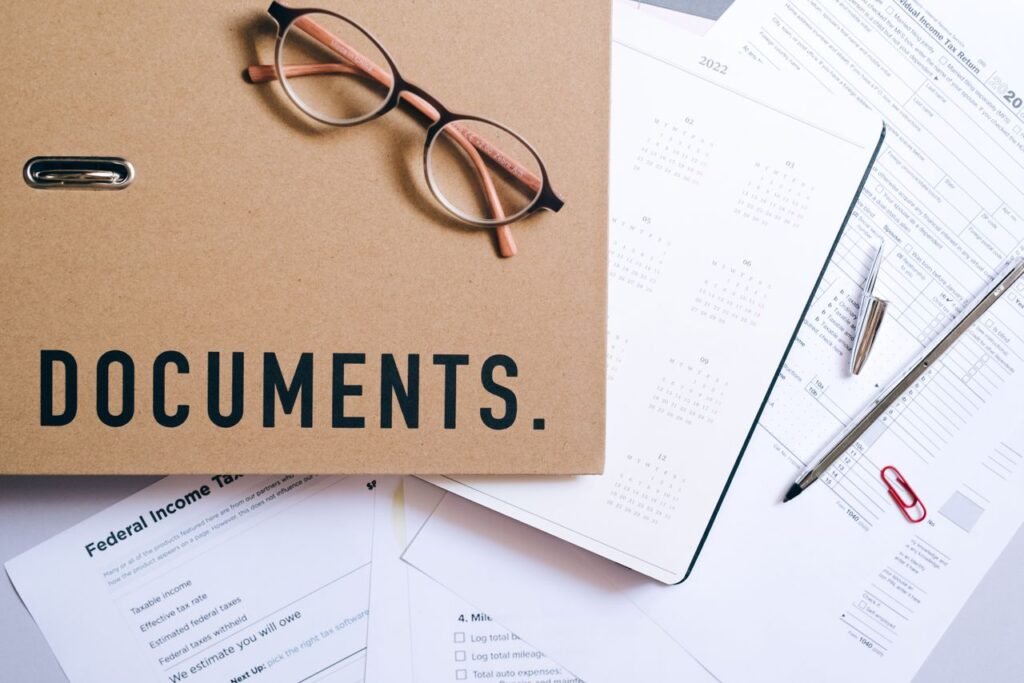
This is the category most “things to pack” articles rush through — and it’s the one where a mistake actually costs you your trip.
1. Passport + Physical and Digital Copies
Carry your passport, plus one physical photocopy packed separately from the original, and a digital copy stored in your email or a secure cloud folder. If your passport is lost or stolen, this cuts replacement time significantly at an embassy or consulate.
2. Visa / e-Visa / e-Arrival Card Printouts
Many countries now require a printed or downloaded confirmation even if the process is fully digital — immigration officers don’t always accept a screenshot on a low-battery phone. If you’re heading to India, the Philippines, or Singapore, check our destination-specific guides — each country’s rules have changed.
3. Travel Insurance Documents
Print your policy number and the insurer’s emergency contact line. If your phone is lost along with your bag, you still need a way to reach them.
4. Vaccination / Health Certificates
Some countries require proof for specific vaccines depending on your travel history. Check requirements at least a few weeks ahead — this isn’t something to sort out at the airport.
Tech and Connectivity Essentials

5. Universal Power Adapter
Plug types vary by region — Southeast Asia alone uses at least three different standards. A universal adapter with USB-A and USB-C ports saves you from carrying multiples.
Recommended:

6. Portable Power Bank
Aim for at least 10,000mAh — enough for two full phone charges — and check it’s under airline carry-on limits (typically 100Wh, or roughly 27,000mAh, without airline approval). Note your own power bank capacity and a real moment it saved you — e.g., a delayed flight, a full day of navigation with no outlet.
Recommended:

7. eSIM or Local SIM Card
On our Vietnam trip we used and had data working within minutes of landing at Tan Son Nhat — no hunting for a SIM counter with a jet-lagged brain. Compare eSIM apps against physical SIM cost before you land; sometimes the airport SIM kiosk is still cheaper for longer stays.
8. Offline Maps and Translation Apps
Download offline map regions before you leave Wi-Fi range. This matters more than people expect — rural or mountain routes in places like Ladakh or Sapa often have unreliable signal.
Health and Safety Items to Carry

9. Basic First Aid Kit
Not a vague “first aid kit” — specifically: adhesive bandages, antiseptic wipes, oral rehydration salts, motion sickness tablets, and any antihistamine you personally tolerate well.
10. Prescription Medications + Doctor's Note
Keep medications in original packaging and carry a doctor’s note for anything that could raise questions at customs, especially controlled substances.
11. Hand Sanitizer / Water Purification Tablets
Useful well beyond flights — long bus rides, street food stalls, and public restrooms in areas with inconsistent access to soap and water.
12. Travel Insurance Card / Emergency Contact Card
A physical card with your insurer, policy number, and an emergency contact back home. If you’re unconscious or your phone is dead, this is what a stranger or hospital staff will find first.
Money and Payment Essentials

Don’t rely on cards alone — many smaller vendors and rural areas across Southeast Asia and India are still cash-first. Our breakdown on cash vs. card for the Philippines covers the reasoning in more depth, and the same logic mostly holds region-wide.
13. Anti-Theft Pouch
A slim under-clothing pouch for your passport, backup card, and emergency cash — not your everyday spending money, which should stay in an easily accessible wallet.
Recommended:

Comfort and Practical Carry Items

14. Reusable Water Bottle
Most international airports now have refill stations past security, and many hotels across Asia provide filtered water dispensers — a reusable bottle pays for itself within a few days.
15. Neck Pillow / Eye Mask (Long-Haul Flights)
Skip the inflatable ones — they add setup time and rarely hold shape well. A compressible memory-foam pillow packs down small and actually helps on 6+ hour flights.
16. Daypack / Anti-Theft Crossbody Bag
Look for lockable zippers and slash-resistant straps if you’re spending time in crowded markets or public transit hubs.
17. One Full Backup Outfit in Carry-On
If your checked bag is delayed, this is the single item that saves your first day. Applies double if you’re headed straight to a meeting, event, or multi-day trek from the airport.
18. Universal Sink Stopper + Travel-Size Detergent
Small, cheap, and genuinely useful for longer trips where doing a sink wash beats packing ten days of clothes.
What a Proper Travel Kit Costs
| Category | Budget Pick | Quality Pick |
|---|---|---|
| Universal Adapter | ₹700 / $9 | ₹1,800 / $22 |
| Power Bank (10,000mAh) | ₹1,000 / $12 | ₹2,800 / $34 |
| First Aid Kit | ₹500 / $6 | ₹1,500 / $18 |
| Anti-Theft Money Belt | ₹600 / $7 | ₹1,400 / $17 |
| Packing Cubes (Set) | ₹900 / $11 | ₹2,200 / $27 |
| Total | ~₹3,700 / $45 | ~₹9,700 / $118 |
Best Time to Prepare Your Travel Kit
Documents need lead time — visa processing, e-arrival card windows, and vaccination requirements often have specific submission windows (some as tight as 72 hours before arrival, others requiring weeks). Buy travel insurance before you finalize other bookings, not the week of departure — most policies won’t cover trip cancellation if you buy after a covered event (like a family emergency) has already started. Gear (adapters, power banks, packing cubes) has no real “best time” — buy it once and reuse it every trip.
Packing Light vs. Packing Thorough — Pros and Cons
| Approach | Pros | Cons |
|---|---|---|
| Packing Light (carry-on only) | No checked bag risk, faster airport transit, easier on multi-city trips | Less backup gear, tighter laundry cycle, harder in cold/varied climates |
| Packing Thorough (checked bag) | Room for backups, better for long or multi-climate trips | Delay/loss risk, slower transit, heavier to manage solo |
Our take: pack carry-on only for trips under 10 days in a single climate; go checked-bag for longer or multi-climate itineraries — but always keep the “one backup outfit + documents + medications” carry-on rule regardless of which approach you choose.
Common Mistakes to Avoid When Packing
- Skipping physical document copies. A dead phone or lost bag means your only backup is gone too. Fix: one photocopy in your bag, one digital copy emailed to yourself.
- Keeping all cash and cards in one place. One theft or misplaced wallet wipes out your entire trip’s money access. Fix: split across your daypack, money belt, and a hotel safe.
- No backup charger or power bank. A dead phone during a delay or in an unfamiliar city removes maps, translation, and boarding passes all at once.
- Ignoring destination-specific customs and dress norms. Rules vary more than people expect — see our Bali and Vietnam etiquette guides before you pack for those destinations specifically.
- Overpacking “just in case” items. Most destinations have pharmacies, laundry, and convenience stores — you rarely need a week of backup toiletries.
Pro Travel Tips
- Photograph every document (passport, visa, insurance, tickets) and email the set to yourself before you leave — retrievable from any device, anywhere.
- Check destination-specific customs restrictions before packing, not after — some countries restrict specific medications or electronics that are completely normal at home.
- Pack one full outfit and all medications in your carry-on, even if you’re checking a bag — assume the checked bag could be delayed by a day.
- Screenshot your hotel address in the local language — useful for showing a taxi driver when translation apps fail or lose signal.
What to Prioritize Based on Trip Type
Solo backpacker (multi-country, weeks-long): Prioritize documents, power bank, and packing cubes — you’re managing everything alone with no backup support.
Family trip: Prioritize first aid kit, backup outfits for kids, and a larger power bank — more people means more variables.
Business trip: Prioritize documents, universal adapter, and one polished backup outfit in carry-on — reputational risk if a bag is delayed.
Long-haul international (10+ hours): Prioritize neck pillow, offline entertainment, and a larger reusable water bottle.
Frequently Asked Questions
What are the top 5 things to carry while traveling?
Your passport with copies, a travel insurance document, a portable power bank, a basic first aid kit, and a mix of cash and cards. These five cover the highest-risk failure points: lost documents, dead devices, minor illness, and payment access.
What should I always carry in my hand luggage?
All travel documents, medications, valuables, one backup outfit, and your chargers — anything you can't afford to lose if your checked bag is delayed or misrouted.
What documents do I need to carry while traveling internationally?
Your passport plus a physical and digital copy, your visa or e-visa/e-arrival card printout, travel insurance documents, and vaccination proof if your destination requires it.
How much cash should I carry while traveling?
Enough for 2-3 days of expenses in local currency, split between your daypack and a money belt — with the rest accessible via card or ATM rather than carried in bulk.
What should I not pack when traveling?
Excess "just in case" clothing, all your cash and cards in a single location, and no digital backup of your key documents.
Do I need travel insurance for every trip?
For international trips, yes — medical costs and trip disruptions abroad are typically far more expensive than a policy premium, and many destinations now require proof of coverage for entry.
What's the difference between a carry-on essentials list and a full packing list?
A carry-on essentials list covers what you can't afford to lose — documents, medications, valuables, chargers. A full packing list includes everything else: clothing, toiletries, and gear that can survive a delayed checked bag.

