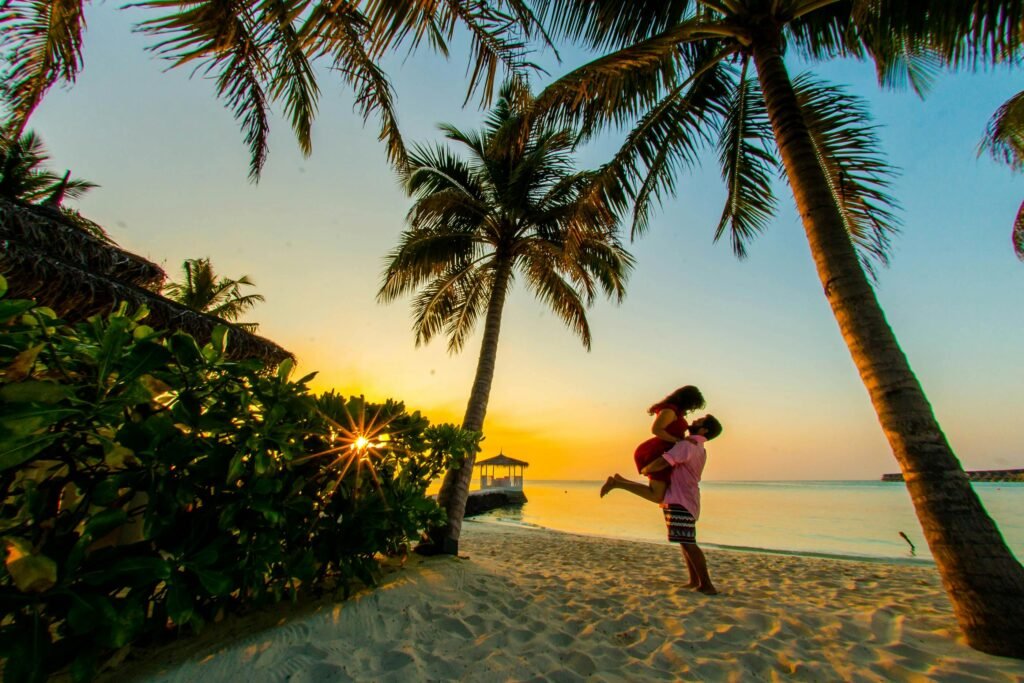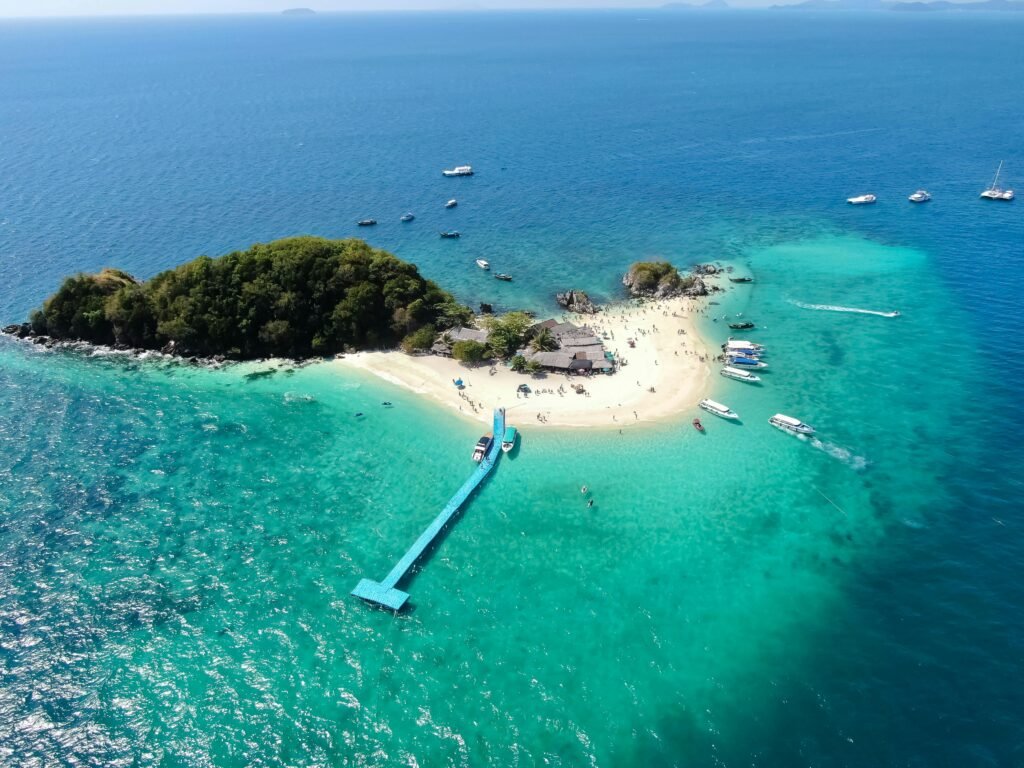

The first thing I remember about Radhanagar Beach isn’t the sand — it’s how quiet it was. We got there just after sunrise on our first full day, and for about twenty minutes it felt like we had the whole beach to ourselves. No touts, no jet skis, just water that genuinely does look photoshopped until you’re standing in it. That’s the moment I understood why people keep telling you Havelock Island is different from anywhere else in India.
This guide covers the whole trip, not just the highlight reel. Port Blair is your gateway — that’s where you fly in, and it’s worth a day on its own. Havelock Island (officially renamed Swaraj Dweep) is where most people spend the bulk of their time, and it’s the real subject of this guide. Neil Island is the optional extra a lot of travelers tack on if they have a few spare days. I’ll walk through all three, but if you’re short on time, skip straight to the sections on permits, ferries, and budget — those are the parts that actually make or break how smooth your trip feels.
Table of Contents
ToggleAndaman & Havelock at a Glance
| Nearest airport | Veer Savarkar International Airport, Port Blair (IXZ) |
|---|---|
| How to reach Havelock | Ferry only — no airport on Havelock (1.5–2.5 hrs from Port Blair) |
| Ideal trip length | 5–7 days for Havelock alone; 3 days minimum |
| Best season | November–February (cool, calm seas, best visibility) |
| Currency | Indian Rupee (₹) — carry cash, cards aren’t universal |
| Permit — Indian citizens | None required |
| Permit — foreign nationals | Restricted Area Permit (RAP), free, issued on arrival |
| Language | Hindi, English, Bengali, Tamil widely understood |
| Time zone | IST (same as mainland India, no separate zone) |
Where Is Havelock Island and How Is It Different From Andaman?

This trips people up more than you’d think. “Andaman” isn’t one island — it’s an archipelago of over 300 islands, and only a handful of them are set up for tourism. Havelock Island is one specific island inside that archipelago, about 57 km northeast of Port Blair. It was officially renamed Swaraj Dweep in 2018, though almost everyone — locals included — still calls it Havelock.
So when people say they’re “going to Andaman,” they usually mean: fly into Port Blair, spend a day or two there, then ferry out to Havelock for the beaches and diving. Neil Island (renamed Shaheed Dweep) is a smaller, quieter island in the same direction, often added as a stopover. Understanding this upfront saves a lot of confusion when you’re booking ferries and figuring out how many days you actually need.
Do You Need a Permit to Visit Andaman & Havelock?

Indian Nationals
No permit required. You’ll need a valid government photo ID — Aadhaar card, voter ID, driving licence, or passport — but that’s it. You can stay as long as you like in the tourist areas.
Foreign Nationals
You’ll need a Restricted Area Permit (RAP). The good news: it’s free and issued on the spot at Veer Savarkar International Airport when you land in Port Blair. It takes a few minutes at the immigration counter, it’s valid for 30 days, and it can be extended by another 15 days with approval from the Superintendent of Police in Port Blair. This covers all the popular tourist islands — Havelock, Neil Island, Baratang, and 27 others.
One exception: citizens of Pakistan, China, and Afghanistan — and foreign nationals whose origin traces to those countries — need prior clearance from the Ministry of Home Affairs before a RAP can be issued. If that applies to you, start the process well before your trip.
Tribal Reserve Restrictions
This applies to everyone, Indian and foreign alike: entry into tribal reserves — home to the Jarawa, Sentinelese, Onge, and Great Andamanese communities — is strictly prohibited. If your route from the airport to a ferry crosses the Andaman Trunk Road near the Jarawa Reserve, photography is banned and convoys are escorted. Don’t test this one; it’s taken seriously and enforced.
Quick clarification: the RAP is separate from the e-Arrival Card that’s now required for all foreign visitors entering mainland India. If you’re flying internationally into Chennai, Kolkata, Delhi, or Mumbai before connecting to Port Blair, you’ll need the e-Arrival Card for that mainland entry — and then the RAP separately once you land in Port Blair. They’re not the same document and one doesn’t replace the other.
How to Reach Havelock Island From Port Blair

Step 1 — Flying Into Port Blair
Veer Savarkar International Airport (IXZ) has direct flights from Chennai, Kolkata, Bangalore, Delhi, and Mumbai, with Chennai and Kolkata typically the shortest routes (around 2 hours). There’s no airport on Havelock — the only way in is by boat.
Step 2 — Choosing Your Ferry
This is the single biggest logistics decision of the trip, and it’s genuinely confusing the first time because there are five operators running the route with different schedules, classes, and prices. Here’s how it breaks down:
Government Ferry (Directorate of Shipping Services)
The cheapest option by a wide margin — fares run roughly ₹630–₹920 depending on class. The catch is booking: tickets open only 2 days before travel through the STARS portal, and the tourist quota can sell out in 10–15 minutes during peak season. The crossing also takes longer, around 2–2.5 hours. If your dates are flexible and you’re comfortable checking the portal repeatedly, it’s worth trying — otherwise don’t count on it as your only plan.
Private Ferries (Makruzz, Green Ocean, Nautika, ITT Majestic)
Faster (roughly 90 minutes to 2 hours), air-conditioned, and bookable up to 60 days in advance. Prices vary by class:
- Economy/Premium class: roughly ₹1,100–₹1,800 per person
- Business/Royal class: roughly ₹2,900–₹3,400 per person
All ferries — government and private — add a ₹50 Port Security Fee per person per leg, and some operators add GST on top of the listed fare, so the number you see advertised isn’t always the final checkout price. We booked Makruzz for the outbound leg and it cost us roughly ₹X per adult after fees — the crossing took just under 90 minutes and the boat was comfortable enough that seasickness wasn’t an issue, even for a first-timer in our group.
Booking Tips and Timing
Book at least 2–3 weeks ahead if you’re traveling in peak season (December–February). Seat selection on some operators only opens 48 hours before departure, so don’t panic if you can’t pick a seat right away — that’s normal. If you’re prone to seasickness, ask for a seat lower and more central in the boat, and consider taking motion sickness medication about 30–45 minutes before boarding, especially if the sea is choppy that day.
Best Time to Visit Andaman & Havelock Island

Peak Season — November to February
Cool, dry, and calm seas. This is when diving visibility is best and ferries run most reliably. It’s also when prices peak and everything from resorts to ferry tickets books out fastest.
Shoulder Season — March to May
Hot and increasingly humid as you approach summer, but noticeably fewer crowds and still generally good diving conditions. A reasonable trade-off if you don’t mind the heat.
Monsoon — June to September
This is genuinely the season to avoid unless you have no other choice. Rough seas mean ferry cancellations are common, which can strand you on an island longer than planned or make it hard to reach one at all. Some ferry operators reduce their schedules or pause certain routes entirely during this stretch. Prices drop, but the unpredictability usually isn’t worth the savings for a first trip.
| Month | Conditions | Crowd Level | Price Tier |
|---|---|---|---|
| Nov–Feb | Cool, dry, calm seas | High | Peak pricing |
| Mar–May | Hot, humid | Moderate | Mid-range |
| Jun–Sep | Monsoon, rough seas | Low | Lowest, but risky |
| Oct | Transitional, improving | Rising | Rising toward peak |
How Many Days Do You Need for Andaman & Havelock?

Three days is the bare minimum to see Havelock without feeling rushed — enough for Radhanagar Beach, Elephant Beach, and one relaxed day. Five to seven days is the sweet spot for most travelers: it allows time for a dive certification course if you want one, a day trip to Neil Island, and buffer days in case a ferry gets cancelled. If you have 10 days or more, you can realistically add Baratang Island or push further north to Diglipur, though those require more government-ferry dependence and planning.
A Sample 6-Day Itinerary
| Day | Plan |
|---|---|
| Day 1 | Fly into Port Blair, settle in, evening at Corbyn’s Cove Beach |
| Day 2 | Cellular Jail and Light & Sound Show in the morning, ferry to Havelock in the afternoon |
| Day 3 | Radhanagar Beach — go early, stay through sunset |
| Day 4 | Elephant Beach snorkeling, or a discover scuba dive if you’re not certified |
| Day 5 | Day trip to Neil Island — Bharatpur Beach and the Natural Bridge |
| Day 6 | Ferry back to Port Blair, buffer time before flight home |
Build in at least half a day of buffer somewhere in this itinerary — ferries do get delayed or cancelled for weather, and you don’t want that eating into your flight home.
Don't Skip Port Blair: What to Do Before or After Havelock

A lot of guides treat Port Blair as a pure transit point, but it’s worth a proper day, especially on your way in or out.
Cellular Jail National Memorial
A former British colonial prison used to house Indian freedom fighters, now a national memorial. The daytime visit is worth doing for the history alone, but the evening Light & Sound Show — a dramatized retelling of the jail’s history projected onto the building itself — is genuinely moving and worth timing your schedule around.
Corbyn's Cove Beach
A short drive from the airport, and a easy, low-effort way to spend an evening if you land with daylight left. It’s not going to compete with Radhanagar, but it’s a pleasant way to ease into island time.
Ross Island (Netaji Subhash Chandra Bose Dweep) and North Bay Island
Both reachable on a short boat trip from Port Blair, and often bundled together as a half-day excursion. Ross Island has old colonial ruins slowly being reclaimed by the forest — genuinely atmospheric. North Bay has decent snorkeling and glass-bottom boat rides if you want a preview of Havelock before you get there.
Samudrika Naval Marine Museum
A smaller, low-key stop — worth an hour if you’re interested in the marine ecology of the islands and want context before you’re snorkeling over the real thing.
Top Things to Do in Havelock Island

Radhanagar Beach (Beach No. 7)
Havelock’s headline beach, and for good reason. Wide, powder-soft sand, water that shifts through shades of turquoise depending on the light, and one of the best sunset spots in the islands. It’s also India’s cleanest and highest-rated Blue Flag beach — we covered that in more depth in our Cleanest Beach in India guide. Go early morning or late afternoon; midday sun and midday crowds both peak around the same window.
Elephant Beach

The go-to for snorkeling — coral is visible close to shore and the water is generally calm. You can reach it by a short trek through the forest (about 40 minutes, muddy after rain) or by a quicker speedboat transfer. The coral wasn’t as vibrant as some photos suggest, but the ease of snorkeling right off the beach made it worth the trip for a first-timer who’d never snorkeled before.
Scuba Diving and Snorkeling

Havelock is genuinely one of India’s best diving destinations — the reefs around dive sites like Nemo Reef, Lighthouse, and Aquarium are well-regarded even among divers who’ve done trips elsewhere in Southeast Asia. Several PADI and SSI certified dive schools operate here, and it’s worth choosing based on instructor reviews rather than just price, since group size and instructor attentiveness matter a lot for a first dive.
A single introductory/discover dive (no certification needed, one dive with an instructor) typically runs a few thousand rupees. A full Open Water certification course spans 3–4 days, includes classroom and pool sessions plus open-water dives, and costs significantly more — budget for it as a dedicated activity on its own rather than something you squeeze in alongside beach days. Visibility is best November through May, and drops noticeably during and right after monsoon as runoff clouds the water near shore.
If you’re not ready to commit to a full dive, snorkeling at Elephant Beach or on a Marine National Park boat trip gives you a genuine look at the coral without the time or cost commitment of certification.
Kalapathar Beach

Quieter than Radhanagar, with a rockier shoreline and a genuinely peaceful sunrise. Fewer people make the trip out here, which is exactly its appeal if you want a slower morning.
Bioluminescent Kayaking

A seasonal, weather-dependent night tour where the water lights up faintly around your paddle on darker, moonless nights. Not guaranteed every night — ask your operator about current conditions before booking, since cloud cover and moon phase both affect visibility.
Mahatma Gandhi Marine National Park

A short trip from Port Blair (or bookable as a day excursion), with glass-bottom boat rides and snorkeling over coral. Forest Department entry fees differ for Indian and foreign visitors — expect a modest fee for Indians and a higher one for foreign tourists, plus a small charge if you want to bring an underwater camera.
Havelock Island vs. Neil Island — Which Should You Add to Your Trip?
Havelock Island | Neil Island | |
| Vibe | Livelier, more resorts and dive schools | Quieter, laid-back, fewer tourists |
| Best for | Diving, beach time, honeymooners | Slow travel, day-trippers, budget stays |
| Main draw | Radhanagar & Elephant Beach | Bharatpur Beach, Natural Bridge |
| Ideal length | 3–5 days | 1–2 days as an add-on |
If you only have time for one, Havelock wins for most travelers — it has more to actually do. Neil Island is worth adding on if you have an extra day or two and want a genuinely quiet stretch to counterbalance a busier Havelock itinerary.
What Does an Andaman & Havelock Trip Cost?

Backpacker Budget
Dorm beds or basic guesthouses, government ferries when you can get tickets, street food and local thalis, mostly free or low-cost beach time. Realistic daily spend: roughly ₹1,500–₹2,500 per person, not including flights.
Mid-Range Budget
Private ferries, a clean 3-star resort or well-reviewed homestay, a mix of local food and the occasional resort meal, one or two paid activities like snorkeling or a discover dive. Realistic daily spend: roughly ₹4,000–₹7,000 per person, not including flights.
Luxury Budget
Beachfront resort, Business/Royal class ferries, speedboat transfers, a private dive charter or guided excursions. Realistic daily spend: ₹10,000+ per person, not including flights.
Sample 5-Day Cost Table (Per Person, Mid-Range)
| Item | Estimated Cost (₹) |
|---|---|
| Round-trip domestic flight (Chennai/Kolkata–Port Blair) | 8,000–14,000 |
| Ferry (Port Blair ↔ Havelock, private, round-trip) | 2,500–3,500 |
| Accommodation (4 nights, mid-range) | 8,000–14,000 |
| Food | 3,000–4,500 |
| Activities (snorkeling, discover dive, one boat trip) | 3,000–5,000 |
| Permit (Indian citizens) | ₹0 |
| Total (excluding flights) | ~16,500–27,000 |
On our own trip we spent roughly ₹X per day once flights were excluded — the ferry and activities ended up being the two line items that moved the most depending on which class and operator we chose.
Where to Stay in Havelock Island

Beach No. 5 / Vijaynagar Beach
The largest concentration of resorts and restaurants — the most convenient base if you want easy access to food, dive schools, and a lively-but-not-crazy atmosphere.
Beach No. 3 / Govind Nagar
Quieter and generally more budget-friendly, with a more local, low-key feel. Good if you’re on a tighter budget or just want fewer neighbors.
Near Radhanagar Beach
Where most of the premium and luxury resorts sit, giving you direct or near-direct access to Havelock’s best beach without needing transport every time you want to visit it.
Pros & Cons of Visiting Andaman & Havelock Island
Pros
- Genuinely pristine, uncrowded beaches compared to most mainstream beach destinations in Asia
- No permit hassle at all for Indian citizens
- Strong diving conditions with certified schools at reasonable prices
- Feels remote and calm without being genuinely hard to reach
Cons
- Patchy mobile network and internet outside Port Blair — don’t count on reliable connectivity on Havelock
- Entire trip is weather-dependent; a rough sea day can cancel your ferry and derail your schedule
- More expensive than most mainland Indian trips once flights and ferries are factored in
- Limited nightlife — this is not the destination if you want an active evening scene
Common Mistakes to Avoid in Andaman & Havelock

Booking ferries too late
Private ferry seats and government ferry quota both sell out fast in peak season. Book private ferries as soon as your dates are fixed, and if you’re relying on the government ferry, have a backup plan.
Underestimating seasickness
Even short 90-minute crossings can be rough on a choppy day. If you’re prone to motion sickness, take medication before boarding, not after symptoms start.
Assuming cards work everywhere
Port Blair is mostly fine for cards and UPI. Havelock has plenty of cash-only pockets — smaller restaurants, some ferry counters, local shops. Carry more cash than you think you’ll need.
Skipping travel insurance if you're diving
Standard travel insurance sometimes excludes scuba diving, or only covers it up to a certain depth. If you’re planning to dive — even just a discover dive — check your policy specifically covers it before you book, rather than assuming a general travel policy has you covered.
Treating Havelock like a one-day stop
Some travelers try to squeeze Havelock into a single day trip from Port Blair. It’s technically possible, but between the ferry crossing each way and the time it takes to actually get to Radhanagar from the jetty, you’re left with only a couple of usable hours on the beach. If Havelock is the reason you’re making this trip at all, give it at least two full nights.
Not checking Jarawa Reserve photography rules
If your road transfer passes through the Jarawa Reserve, photography is banned and convoys are escorted for a reason — this isn’t a suggestion, it’s enforced.
Packing the wrong sunscreen
Reef-safe sunscreen matters here, especially around the Marine National Park and any coral snorkeling spots. Regular sunscreen with oxybenzone or octinoxate can damage coral over time.
Pro Travel Tips for Andaman & Havelock

- Carry more cash than feels necessary — Havelock’s smaller vendors and some ferry counters don’t take cards
- Book any dive certification course well in advance during peak season; good instructors fill up
- Download offline maps before you leave Port Blair — signal drops out fast once you’re on Havelock
- Confirm your return ferry time before locking in your flight departure from Port Blair — missed connections due to ferry delays are a common and avoidable headache
- Pack light layers for boat rides; open-deck ferry classes get windy even on a warm day
Who Should Choose Andaman & Havelock?

Best for Honeymooners
Radhanagar’s sunsets and the general seclusion of the resorts make this an easy pick — just budget mid-range or above for privacy.
Best for Divers and Snorkelers
Havelock’s dive schools and visibility season make it one of India’s strongest diving destinations, well worth building a trip specifically around.
Best for Families
Elephant Beach’s calm snorkeling and Port Blair’s Cellular Jail and museums make for an easier, less physically demanding itinerary than some other beach destinations.
Best for Budget Backpackers
Doable with government ferries and Beach No. 3 stays, but be ready for more planning friction — ferry tickets and budget rooms both require more legwork to secure.
Who Should Skip It, For Now
If you want an active nightlife scene or you’re traveling during peak monsoon without flexible dates, this probably isn’t the trip for that window — the weather risk alone can undo a tightly scheduled visit.
Getting Around Once You're There
Havelock doesn’t have app-based cabs the way mainland cities do. Auto-rickshaws are the main way to get between beaches and your resort, and most drivers are used to quoting flat fares for common routes — Beach No. 5 to Radhanagar, for instance, is a well-worn trip. Scooter rental is also common and genuinely useful if you want flexibility to move between beaches on your own schedule, though roads can be uneven in patches and there’s limited lighting after dark. Port Blair, by contrast, has more standard taxis and a wider road network, so getting around there is more straightforward.
What to Pack for Andaman & Havelock
Beyond the obvious swimwear and sunscreen, a few things are easy to forget and genuinely useful here: a dry bag for boat trips and snorkeling gear, a light rain jacket even outside monsoon season (island weather shifts fast), a printed or downloaded copy of your ferry tickets in case connectivity drops right when you need to show them, and any prescription medication you need — pharmacies exist in Port Blair but are far less accessible once you’re on Havelock. If you’re diving, bring your certification card if you already have one; it saves time at the dive school.
Frequently Asked Questions About Andaman & Havelock Island
Is a permit required to visit Havelock Island?
Indian citizens need no permit. Foreign nationals need a free Restricted Area Permit (RAP), issued on arrival at Port Blair, valid for 30 days.
How do you get from Port Blair to Havelock Island?
By ferry only. Government ferries are cheapest (₹630–920) but book only 2 days ahead; private ferries like Makruzz, Green Ocean, and Nautika are faster and bookable up to 60 days ahead, starting around ₹1,100.
What is the best time to visit Andaman and Havelock?
November to February, for cool weather and calm seas. Avoid June–September monsoon, when ferry disruptions are common.
How many days are enough for Havelock Island?
A minimum of 3 full days covers Radhanagar and Elephant Beach comfortably. Five to seven days allows time for diving and a Neil Island add-on.
Is Havelock Island expensive to visit?
It varies widely by tier — budget travelers can manage on government ferries and guesthouses for a few thousand rupees a day, while private ferries and resorts push daily costs toward mid-range or luxury domestic trip pricing.
Is Havelock Island safe for solo travelers?
Generally considered safe with standard precautions. The bigger practical risks are connectivity gaps and weather-dependent transport rather than personal safety concerns.
Do you need a visa to visit Andaman as a foreigner?
Yes — a standard Indian visa, since Andaman is part of India. On top of that, you'll need the free on-arrival RAP specifically for the islands.
What is the currency and are cards accepted in Havelock?
Indian Rupee. Cards and UPI work at larger resorts and in Port Blair, but Havelock has cash-preferred spots — especially ferry counters and smaller vendors — so carry cash.
Is there an ATM on Havelock Island?
Yes, a small number of ATMs exist near the main market area, but they can run out of cash during peak season and aren't something you should rely on last-minute. Withdraw what you need for the trip while you're still in Port Blair, where ATMs are more plentiful and reliable.
Can foreigners dive in Havelock without prior certification?
Yes — discover dives don't require certification and are run by an instructor who stays with you throughout. If you want to dive independently on future trips, that's when a full Open Water certification course, available at several Havelock dive schools, becomes worth doing.