If there’s one mistake I see travelers make before visiting Thailand, it’s packing for the country as if the weather is the same everywhere and all year round.
During my first trip to Thailand, I landed in Bangkok with a suitcase full of jeans, heavy shirts, and unnecessary gadgets. Within two days, I realized that Thailand’s tropical weather, high humidity, frequent rain showers, and beach lifestyle require a completely different packing strategy.
Whether you’re planning to explore Bangkok’s bustling markets, island-hop around Phuket and Krabi, trek through Chiang Mai’s mountains, or enjoy Pattaya’s nightlife, having the right gear can make your trip significantly more comfortable.
This Thailand Packing List for Every Season is designed for every type of traveler—from backpackers and solo adventurers to couples, families, and digital nomads. You’ll learn what to pack for Thailand, what to leave at home, and how to prepare for the country’s hot, rainy, and cool seasons without overpacking.
One of the best things about Thailand is that many essentials are inexpensive and readily available. However, certain items such as quality mosquito repellent, a reliable travel adapter, and a lightweight waterproof bag are often better purchased before departure.
If you’re still organizing your itinerary, our Thailand Trip Planning Guide is a great companion to this packing checklist. It covers everything from choosing the best time to visit and planning your route to understanding visa requirements, transportation, budgeting, and practical travel tips, so you’re fully prepared before you even start packing.
If you’re wondering:
- What should I pack for a trip to Thailand?
- What clothes are best for Thailand weather?
- Do I need a rain jacket in Thailand?
- What travel essentials do I need for Thailand?
You’ll find all the answers in this complete Thailand travel packing guide.
Table of Contents
ToggleQuick Thailand Packing Checklist
If you’re short on time, use this Ultimate Thailand Packing Checklist before boarding your flight.
Category | Essential Items |
Clothing | Lightweight clothing, shorts, t-shirts, humidity-friendly clothes, swimwear |
Footwear | Comfortable walking shoes, sandals, flip-flops |
Weather Protection | Sunscreen, sunglasses, hat, rain jacket (monsoon season) |
Electronics | Phone, camera, power bank, travel adapter |
Health & Safety | Mosquito repellent, basic medicine kit, hand sanitizer |
Beach Essentials | Dry bag, waterproof phone pouch, quick-dry towel |
Documents | Passport, travel insurance, hotel bookings, copies of documents |
Money | Debit card, credit card, emergency cash |
Temple Visits | Long pants, scarf, modest clothing following temple dress code |
Transportation | Offline maps, ride-hailing apps, eSIM |
Backpacking Gear | Packing cubes, reusable water bottle, luggage lock |
Digital Nomads | Laptop, portable charger, universal adapter |
Nightlife | Smart casual outfit, crossbody bag |
Island Hopping | Waterproof bag, snorkeling gear (optional) |
Photography | Camera, memory cards, portable SSD |
Emergency Items | Safety whistle, emergency contacts |
Travel Comfort | Neck pillow, eye mask, earplugs |
Rainy Season | Waterproof jacket, umbrella, waterproof backpack cover |
Winter Season (North Thailand) | Light jacket, long pants |
Everyday Essentials | Refillable water bottle, tissues, wet wipes |
Top 10 Must-Pack Items for Thailand
If you pack nothing else, bring these:
- Lightweight breathable clothing
- Comfortable walking shoes
- High-quality mosquito repellent
- Universal travel adapter
- Portable power bank
- Waterproof phone pouch
- Sunscreen SPF 50+
- Quick-dry travel towel
- Reusable water bottle
- Anti-theft daypack
Pro Traveler Tip
Many first-time visitors underestimate Thailand’s humidity. Even during the so-called “cool season,” temperatures can feel much hotter than expected. Leave heavy jackets and bulky clothing at home and prioritize breathable fabrics like cotton, linen, and moisture-wicking materials.
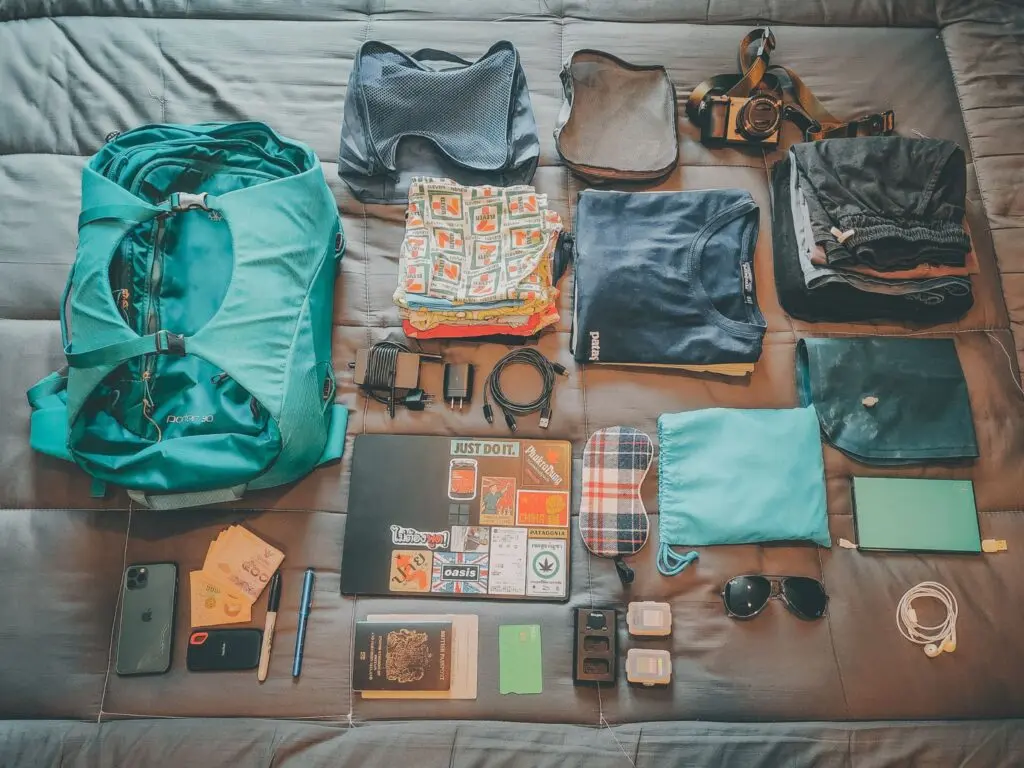
Another common mistake is bringing too much luggage. Domestic airlines often charge extra for checked baggage, and moving large suitcases through ferry terminals, train stations, and crowded streets can quickly become frustrating. A well-organized carry-on backpack is often all you need for a 1-2 week Thailand trip.
In the next sections, we’ll break down exactly what to wear in Thailand, provide a detailed Thailand rainy season packing guide, explain the best time to visit Thailand, and show you how to build the perfect packing list based on your travel style and budget.
Understanding Thailand Weather Before You Pack
One of the biggest reasons travelers either overpack or forget important items is that they don’t fully understand Thailand’s climate before their trip.
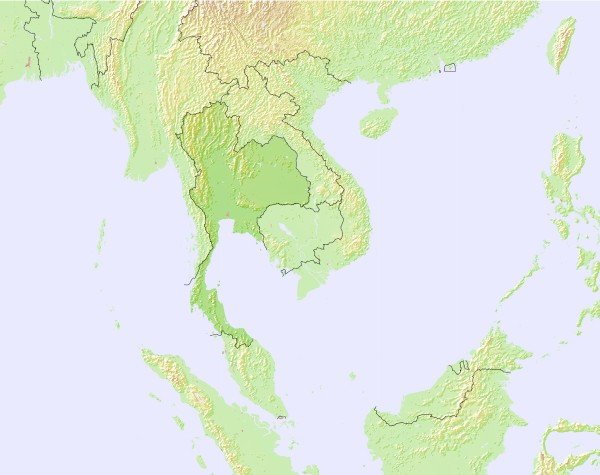
Although Thailand is known for its tropical weather, the country doesn’t experience the same conditions everywhere. The weather in Bangkok can feel completely different from Chiang Mai in northern Thailand or the islands of Phuket and Krabi in the south.
Before deciding what to pack for Thailand, it’s essential to understand how temperatures, humidity levels, and rainfall change throughout the year.
The good news? Thailand is warm year-round. The challenge is dealing with heat, humidity, sudden rain showers, and occasional cooler temperatures in northern regions.
Thailand Weather by Season at a Glance
Season | Months | Average Temperature | Weather Conditions | Packing Focus |
Hot Season | March–May | 30°C–40°C | Very hot, humid, sunny | Lightweight clothing, sun protection |
Rainy Season | June–October | 25°C–34°C | Frequent rain, high humidity | Waterproof gear, quick-dry clothing |
Cool Season | November–February | 18°C–32°C | Pleasant, dry, less humid | Layering pieces, light jackets |
Thailand Weather by Region
Different regions require slightly different packing strategies.
Bangkok & Central Thailand
Expect heat and humidity throughout most of the year. Air-conditioned malls, trains, and cafes can feel surprisingly cold compared to outdoor temperatures.
Northern Thailand (Chiang Mai & Chiang Rai)
The coolest temperatures in the country occur here, especially between December and January. Early mornings and evenings can feel chilly, particularly in mountain areas.
Southern Thailand (Phuket, Krabi, Koh Samui)
Warm tropical weather dominates year-round. Sudden rain showers are common even during dry months, making waterproof travel gear a smart investment.
What Clothes Are Best for Thailand Weather?
For most travelers, the best clothing includes:
- Lightweight cotton or linen shirts
- Breathable shorts
- Quick-dry activewear
- Comfortable sandals
- Moisture-wicking underwear
- Light rain protection
- Modest clothing for temple visits
Avoid heavy denim, thick jackets, and bulky shoes unless you’re visiting mountainous regions during winter.
Thailand's Hot Season (March–May)

Thailand’s hot season is exactly what it sounds like—hot, humid, and often intense.
During my visit to Bangkok in April, simply walking between attractions during midday felt exhausting. Locals often schedule outdoor activities early in the morning or after sunset to avoid peak temperatures.
This period also includes the famous Songkran Festival, Thailand’s water festival, where getting soaked is almost guaranteed.
What to Pack for Thailand's Hot Season
- Breathable clothing
- Lightweight t-shirts
- Linen shirts
- Shorts
- Sunglasses
- Wide-brim hat
- High-SPF sunscreen
- Reusable water bottle
- Comfortable sandals
Pro Tip
Pack clothing that dries quickly. High humidity means even freshly washed clothes can take longer to dry than expected.
Common Tourist Mistake
Many travelers bring jeans and heavy sneakers. After a few hours in 38°C heat, they usually end up shopping for lighter clothes in local markets.
Thailand's Rainy Season (June–October)
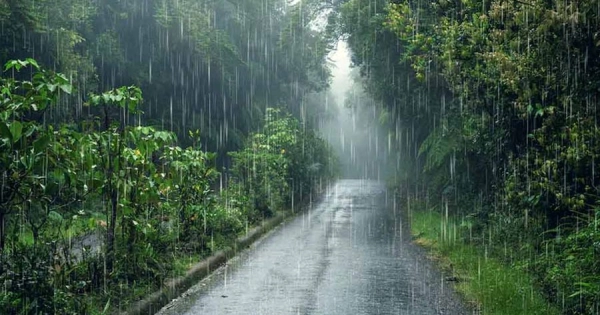
The rainy season often scares travelers away, but it’s actually one of the most underrated times to visit Thailand.
Rain rarely falls all day. Instead, you’ll often experience short but intense tropical downpours followed by sunshine.
I’ve spent rainy-season afternoons exploring Bangkok temples and Phuket cafés while avoiding the crowds and benefiting from lower hotel prices.
What to Pack for Thailand's Rainy Season
- Waterproof backpack cover
- Lightweight rain jacket
- Waterproof phone pouch
- Quick-dry clothing
- Waterproof sandals
- Dry bag
- Travel umbrella
- Extra zip-lock bags for electronics
Money-Saving Tip
This season often offers the best hotel deals and cheaper flights. Travelers willing to carry basic rain gear can save significantly on accommodation and transportation costs.
Common Tourist Mistake
Packing a heavy waterproof jacket designed for cold climates. Thailand’s rain is warm, and lightweight rain gear is far more comfortable.
Thailand's Cool Season (November–February)
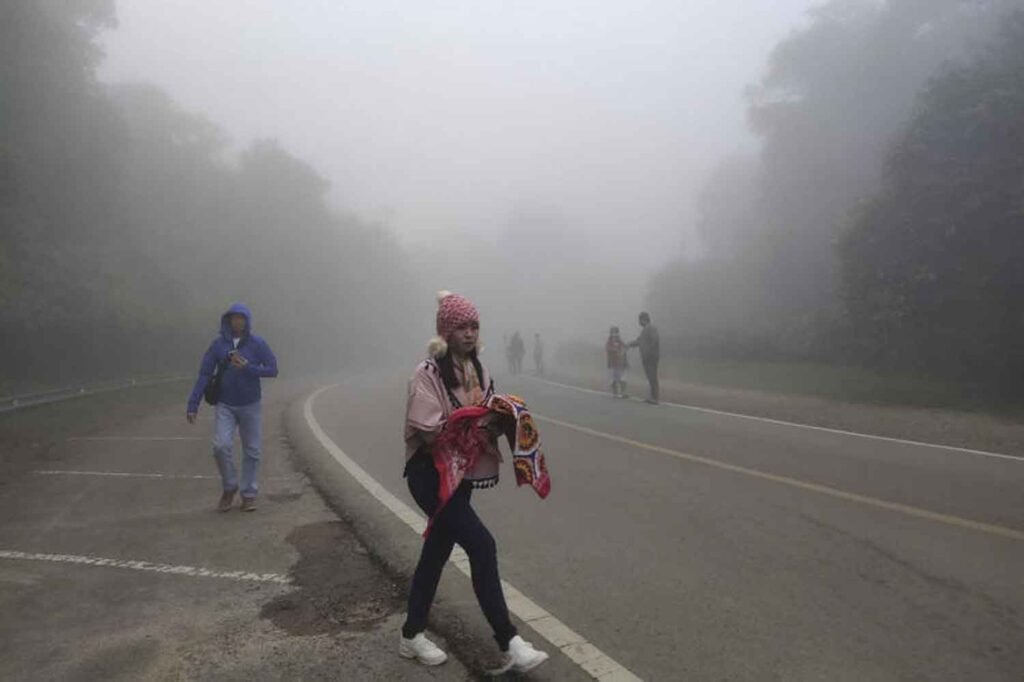
For many travelers, this is the best time to visit Thailand.
The weather is generally sunny, humidity levels drop, and sightseeing becomes far more comfortable.
This is also peak tourist season, so expect higher prices for hotels and flights.
While beach destinations remain warm, northern cities like Chiang Mai can experience surprisingly cool mornings and evenings.
What to Pack for Thailand's Cool Season
- Light jacket
- Long pants
- Comfortable walking shoes
- Lightweight sweater
- Scarf for mountain areas
- Layer-friendly clothing
Transportation Hack
If you’re planning overnight train journeys between Bangkok and Chiang Mai, bring a light jacket. Train air conditioning is often much colder than expected.
Common Tourist Mistake
Assuming Thailand is hot everywhere all year. Travelers heading north frequently end up buying extra layers after arrival.
The key to building the perfect Thailand Packing List for Every Season is packing for the specific months and regions you’ll visit—not just Thailand as a whole.
A traveler spending January in Chiang Mai will need different clothing than someone island hopping around Phuket in July. Understanding Thailand’s weather patterns before departure helps you pack lighter, stay comfortable, and avoid spending unnecessary money on gear after arrival.
Thailand Packing List by Category
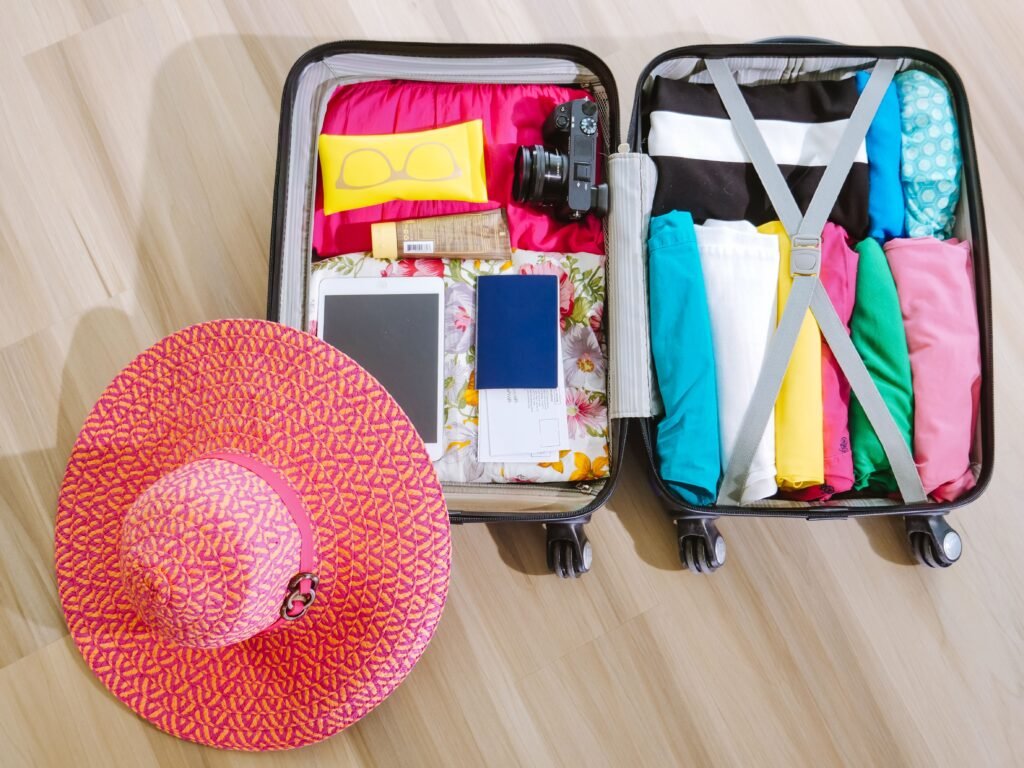
After multiple trips across Thailand—from Bangkok’s busy streets and Chiang Mai’s mountain temples to the beaches of Phuket and Krabi—I’ve learned that successful packing isn’t about bringing more items. It’s about bringing the right ones.
Many first-time visitors search for a complete Thailand packing list and end up overwhelmed by endless recommendations. The reality is that Thailand is traveler-friendly, and most forgotten items can be purchased locally. However, certain essentials can save you money, improve comfort, and prevent travel headaches.
Use this detailed Thailand travel checklist as your master guide, whether you’re planning a short holiday, a two-week adventure, or a long-term backpacking trip.
Clothing Essentials
Thailand’s tropical climate means lightweight, breathable clothing should dominate your suitcase. Think comfort, quick-drying fabrics, and versatility.
Men
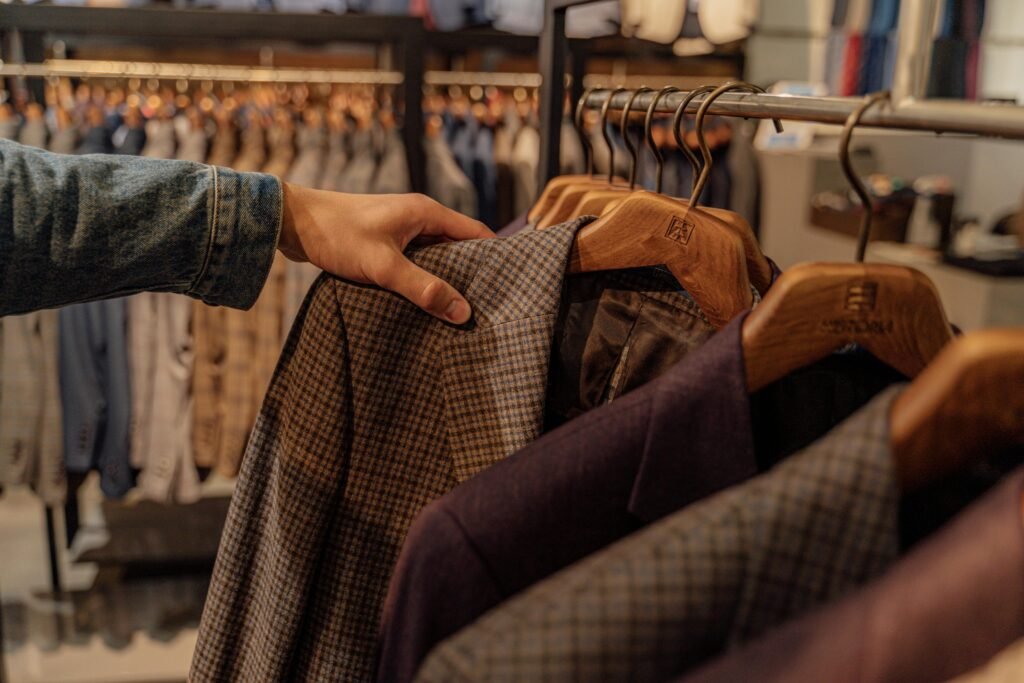
For most destinations in Thailand, men can comfortably travel with:
- 5–7 lightweight t-shirts
- 2–3 breathable button-down shirts
- 3–4 pairs of shorts
- 1–2 pairs of lightweight pants
- Swim trunks
- Moisture-wicking underwear
- Sleepwear
- Light rain jacket (rainy season)
- Light jacket (cool season)
Local Insight: Linen and moisture-wicking fabrics perform much better than denim in Thailand’s humidity. Most travelers stop wearing jeans after the first few days.
Women
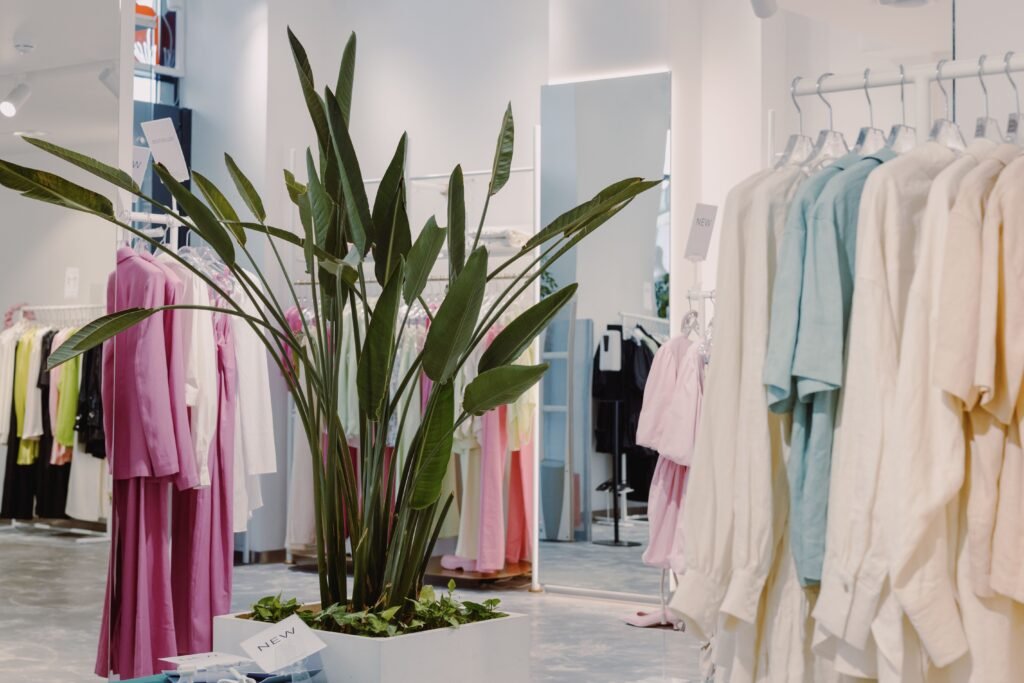
Women’s packing lists vary depending on travel style, but these essentials work for most trips:
- Lightweight dresses
- Tank tops and t-shirts
- Loose-fitting trousers
- Shorts and skirts
- Swimsuits
- Cover-up for beaches
- Lightweight cardigan
- Sports bra and comfortable undergarments
- Rain jacket during monsoon season
Many Thai temples and cultural sites require modest clothing, making versatile outfits particularly valuable.
Money-Saving Tip: Pack neutral-colored clothing that can be mixed and matched, reducing the number of outfits needed.
Kids

If you’re traveling as a family, keep children’s clothing simple and comfortable.
Recommended items include:
- Lightweight t-shirts
- Comfortable shorts
- Swimwear
- Sandals
- Sun hat
- Lightweight rain jacket
- Extra socks
- Comfortable sleepwear
Thailand’s heat can be exhausting for children, so prioritize breathable fabrics and hydration.
Temple-Appropriate Clothing
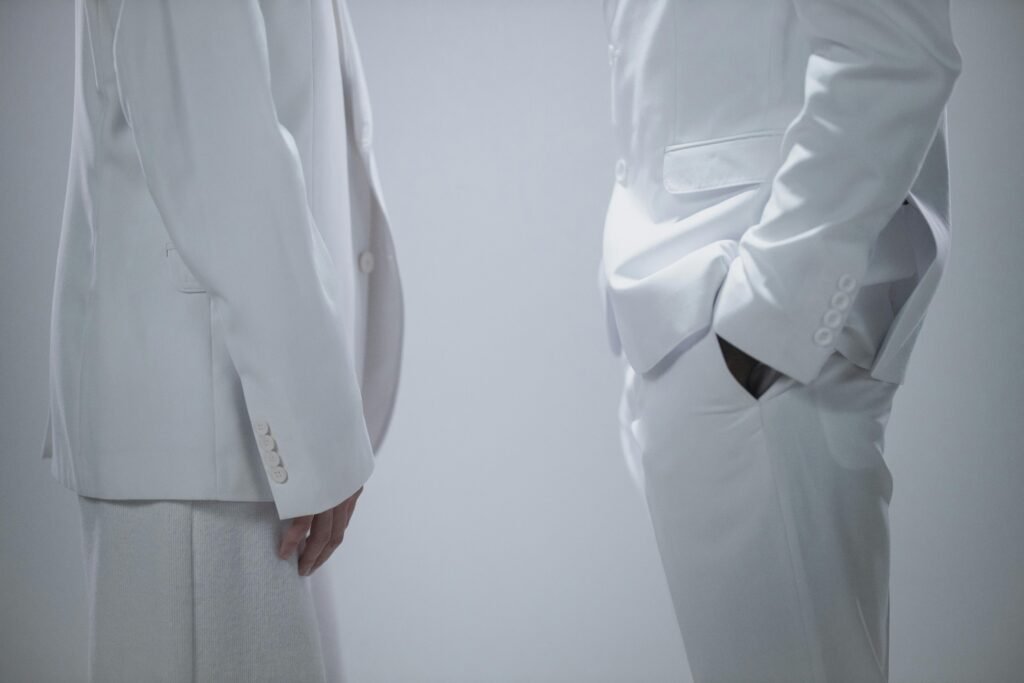
One of the most common tourist mistakes is arriving at a temple wearing clothing that violates local dress codes.
When visiting famous temples such as Bangkok’s Grand Palace, shoulders and knees should be covered.
Pack:
- Long pants or maxi skirts
- Lightweight shawl or scarf
- Sleeved shirts
- Modest dresses
- Lightweight cover-up
Tourist Trap Warning: Some attractions rent cover-up clothing near the entrance at inflated prices. Bringing your own scarf or lightweight pants saves both time and money.
Footwear Essentials
Thailand involves more walking than most travelers expect. Between temples, markets, airports, ferry terminals, and island excursions, comfortable footwear becomes essential.
Walking Shoes
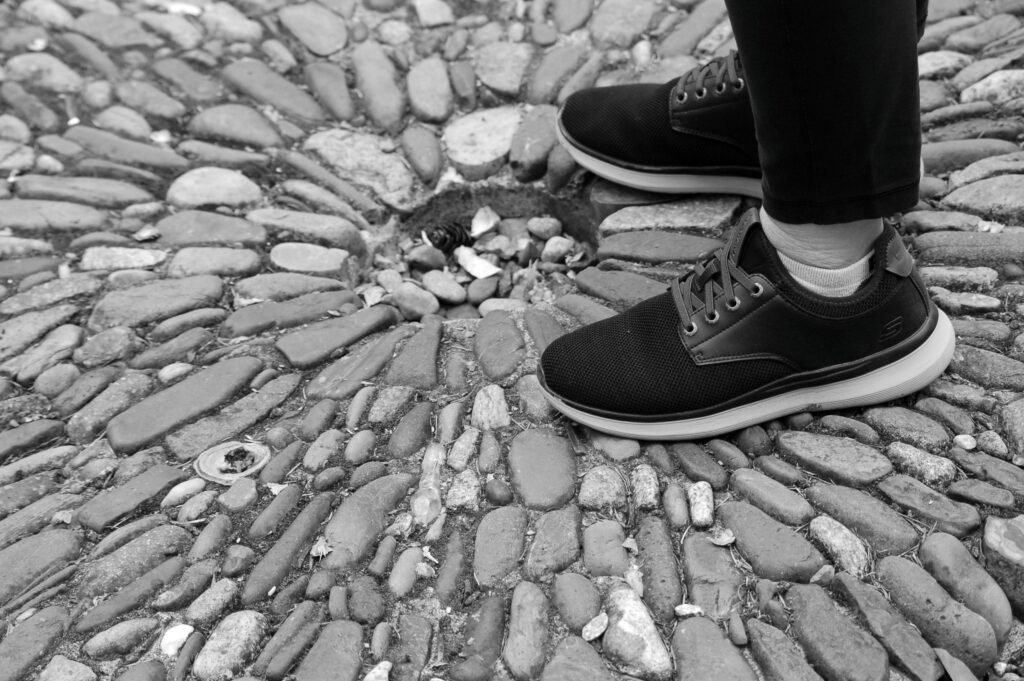
A quality pair of walking shoes will likely become your most-used item.
Look for:
- Breathable materials
- Lightweight construction
- Good arch support
- Quick-drying features
Transportation Hack: If you’re taking ferries between islands, shoes that dry quickly are incredibly useful.
Flip Flops
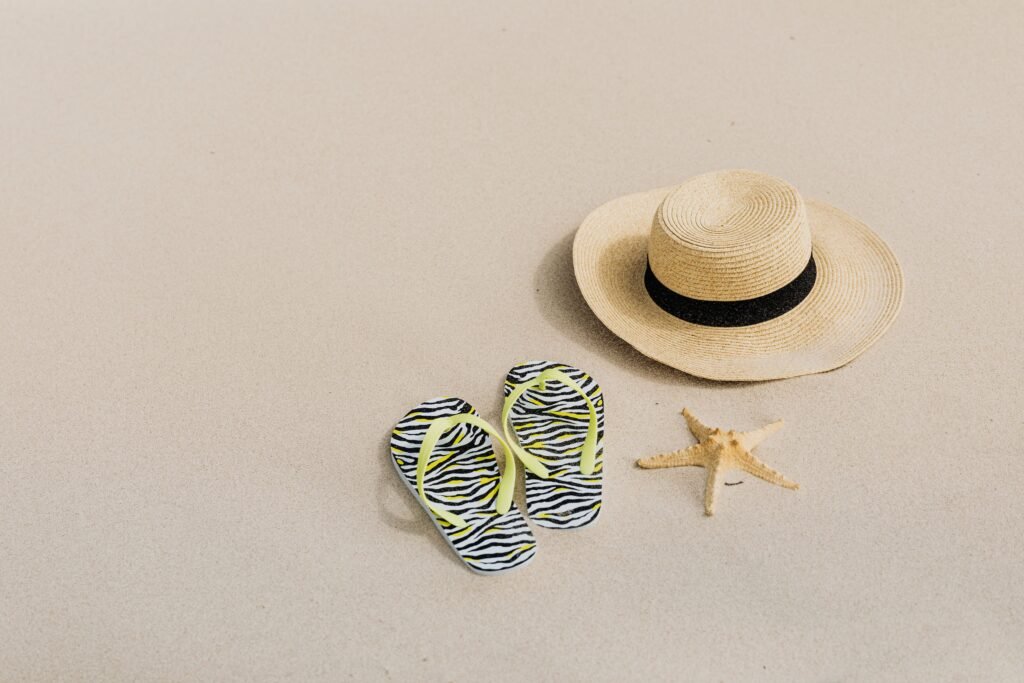
Flip flops are practically a necessity in Thailand.
They’re ideal for:
- Beaches
- Hostel showers
- Pool areas
- Island hopping
- Casual sightseeing
You’ll notice locals and travelers wearing them almost everywhere.
Water Shoes

Not essential for every traveler, but highly recommended if you plan to:
- Snorkel
- Kayak
- Visit rocky beaches
- Explore waterfalls
- Join island tours
Many beaches have sharp rocks, coral fragments, and uneven surfaces.
Toiletries & Personal Care
Thailand has pharmacies and convenience stores everywhere, but a few personal care essentials are worth bringing from home.
Sunscreen

Thailand’s sun can be intense year-round.
Bring:
- SPF 50+ sunscreen
- Lip balm with SPF
- After-sun lotion
Many imported sunscreen brands are significantly more expensive in tourist areas.
Pro Tip: Apply sunscreen even on cloudy days during monsoon season. UV levels remain surprisingly high.
Insect Repellent
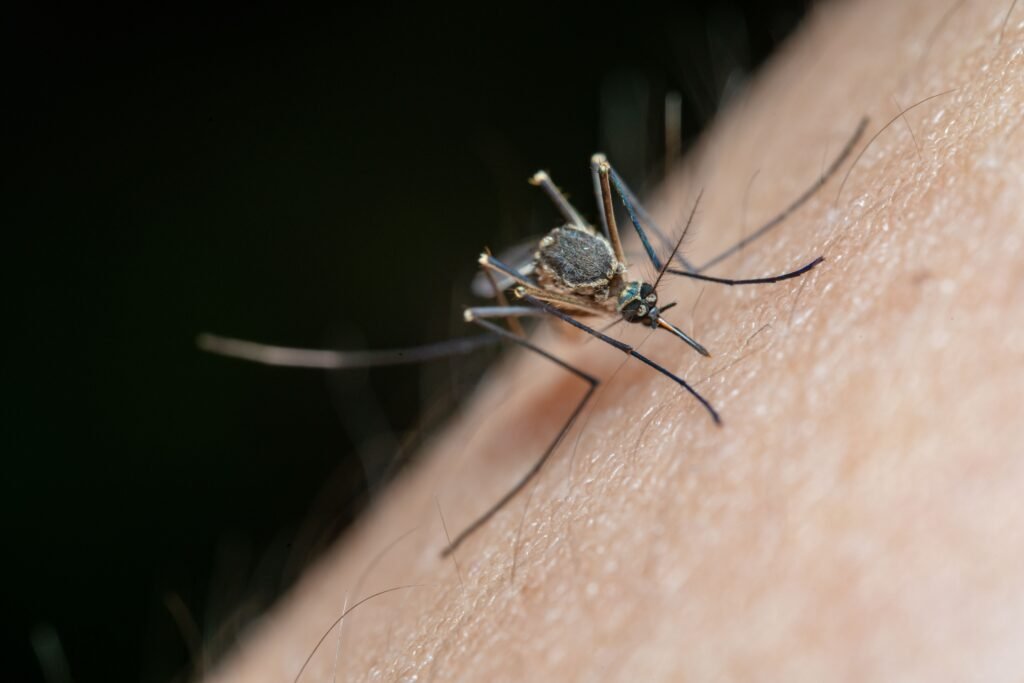
If there is one item that belongs on every Thailand travel essentials list, it’s insect repellent.
Mosquitoes are common, particularly near:
- Beaches
- Jungles
- National parks
- Rivers
- Rural areas
Choose a high-quality repellent before departure.
Do You Need Mosquito Repellent in Thailand?
Yes. Mosquito repellent is recommended throughout Thailand, especially during the rainy season and when visiting outdoor attractions, islands, and nature reserves.
Travel Medicine Kit
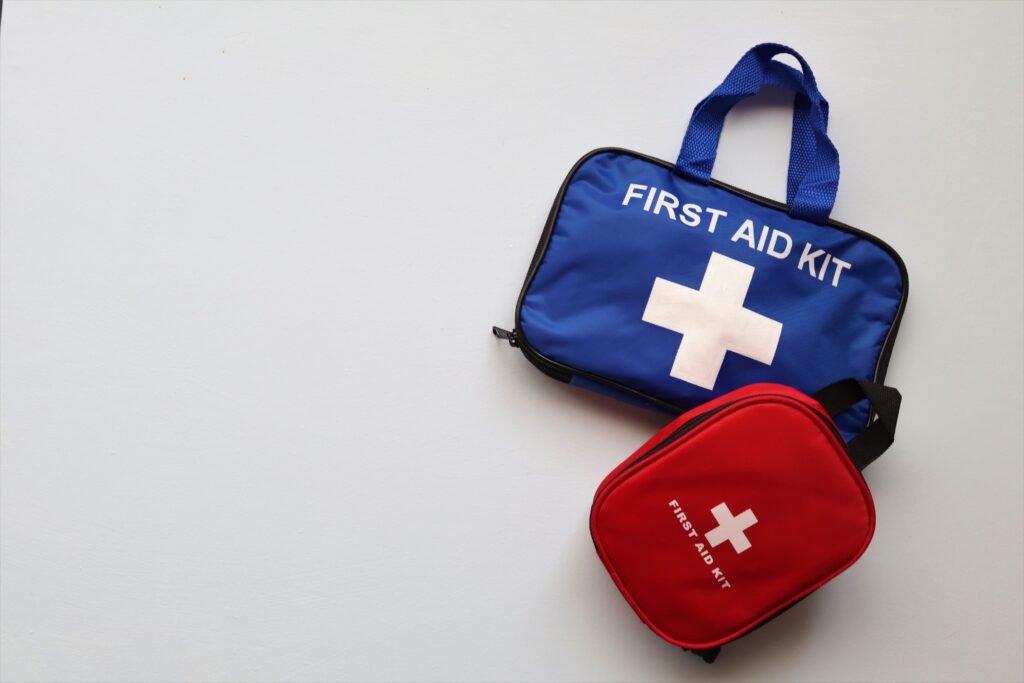
Although pharmacies are easy to find, carrying a small travel medicine kit provides peace of mind.
Include:
- Pain relievers
- Motion sickness tablets
- Allergy medication
- Diarrhea relief medication
- Bandages
- Antiseptic wipes
- Prescription medications
- Oral rehydration salts
Real Traveler Scenario: Street food is one of Thailand’s greatest experiences, but even experienced travelers occasionally encounter stomach issues. Having basic medication readily available can save an entire day of sightseeing.
Quick Thailand Packing Checklist
If you’re building your suitcase today, prioritize these essentials:
- Lightweight clothing
- Comfortable walking shoes
- Flip flops
- Swimwear
- Travel adapter
- Portable charger
- Sunscreen
- Mosquito repellent
- Waterproof bag
- Rain jacket
- Travel medicine kit
- Temple-appropriate clothing
These items cover nearly every situation you’ll encounter, whether you’re exploring Bangkok, trekking in Chiang Mai, island hopping in Krabi, or enjoying Phuket’s beaches.
Thailand Nightlife Packing Tips

Thailand’s nightlife is legendary—and for good reason.
From rooftop bars in Bangkok and beach clubs in Phuket to Pattaya’s neon-lit entertainment districts and the world-famous Full Moon Party on Koh Phangan, the country offers a nightlife experience for every type of traveler.
One mistake many first-time visitors make is assuming nightlife in Thailand is entirely casual. While flip-flops and tank tops may work at some beach bars, upscale venues often have dress codes, and certain items can make your evenings far more comfortable and secure.
The good news is that you don’t need an entirely separate wardrobe. A few carefully chosen pieces can take you from sightseeing during the day to enjoying Thailand’s nightlife after sunset.
Whether you’re planning cocktails overlooking Bangkok’s skyline or dancing barefoot on the beach until sunrise, here’s exactly what to pack.
Item | Why You Need It |
Smart casual outfit | Many rooftop bars enforce dress codes |
Lightweight shirt or dress | Comfortable in tropical evenings |
Comfortable shoes | Long walks and standing |
Crossbody bag | Safer than carrying valuables in pockets |
Portable charger | Essential for maps, rides, and photos |
ID or passport copy | Age verification if required |
Waterproof phone pouch | Beach parties and island nightlife |
Light jacket or cover-up | Air-conditioned venues can be chilly |
Minimal valuables | Reduces theft risk |
Cash and card | Some smaller venues remain cash-only |
What Should You Wear for Nightlife in Thailand?
For most nightlife venues, smart casual is the safest choice.
Men
- Polo shirts
- Casual button-down shirts
- Chinos or tailored shorts
- Clean sneakers or loafers
Women
- Summer dresses
- Stylish tops
- Skirts or lightweight trousers
- Comfortable sandals or flats
Avoid
- Swimwear
- Dirty flip-flops
- Gym clothing
- Sleeveless shirts at upscale venues
Pro Traveler Tip
Thailand’s nightlife often starts later than many visitors expect. Many bars become busiest after 9 PM, while clubs may not peak until midnight or later.
Bangkok Nightlife
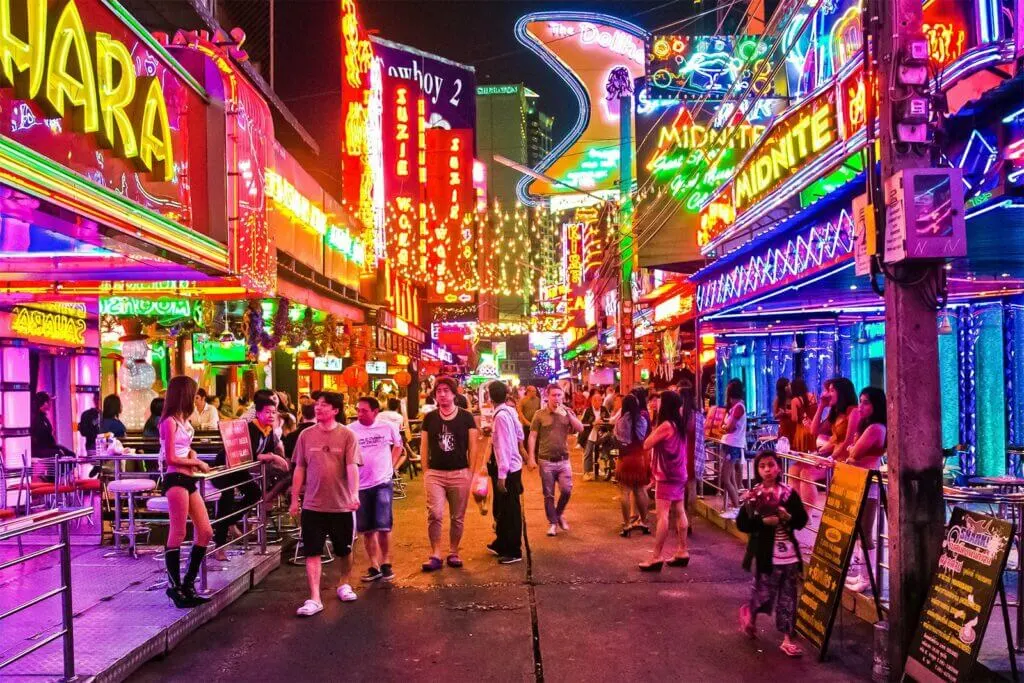
Bangkok offers some of Asia’s most diverse nightlife experiences.
You can spend the evening sipping cocktails at a luxury rooftop bar, exploring lively night markets, enjoying live music, or dancing at world-class clubs.
What to Pack for Bangkok Nights
- Smart casual outfit
- Comfortable walking shoes
- Portable charger
- Crossbody bag
- Lightweight shirt or dress
Local Insight
Many of Bangkok’s rooftop bars have strict dress codes. Arriving in beachwear, athletic clothing, or flip-flops may result in denied entry.
Real Traveler Scenario
After spending a day exploring temples and markets, many travelers head directly to rooftop venues. Packing one versatile evening outfit saves time and prevents last-minute shopping.
Safety Tip
Use ride-hailing apps such as Grab instead of accepting transportation offers from strangers outside nightlife areas.
Phuket Nightlife
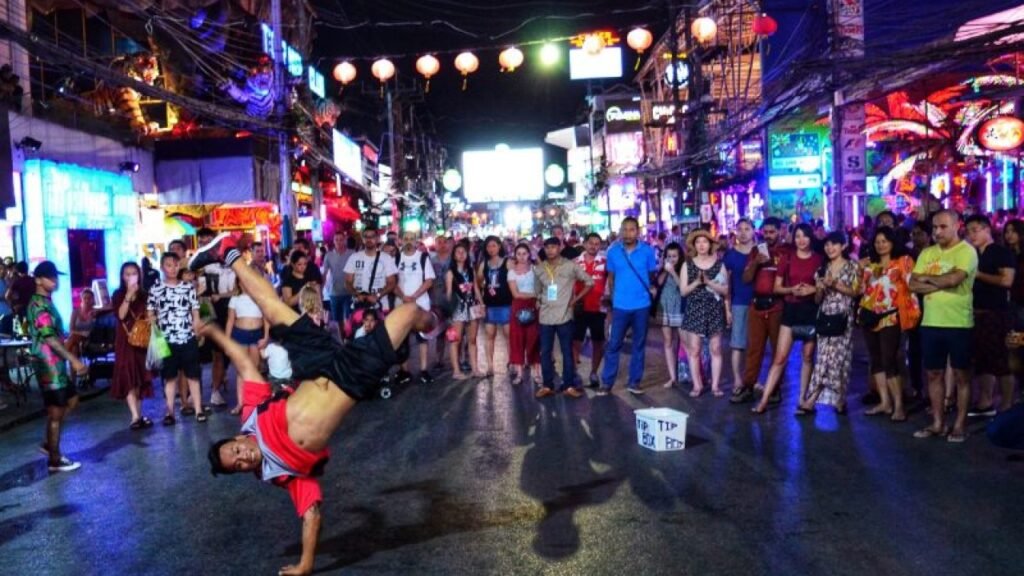
Phuket combines beach culture with nightlife on a scale few destinations can match.
Whether you’re visiting Patong Beach, Kata Beach, or one of Phuket’s trendy beach clubs, nightlife here is generally more relaxed than Bangkok.
What to Pack for Phuket Nightlife
- Lightweight beachwear
- Breathable clothing
- Waterproof phone pouch
- Sandals
- Portable charger
Best Situations for These Items
- Beach clubs
- Sunset bars
- Pool parties
- Night markets
- Island boat events
Local Insight
Humidity remains high even after sunset, making lightweight and breathable fabrics far more comfortable than heavier clothing.
Tourist Trap Warning
Many visitors bring expensive jewelry and accessories to beach parties. Sand, water, and crowded environments increase the risk of loss.
Pattaya Nightlife
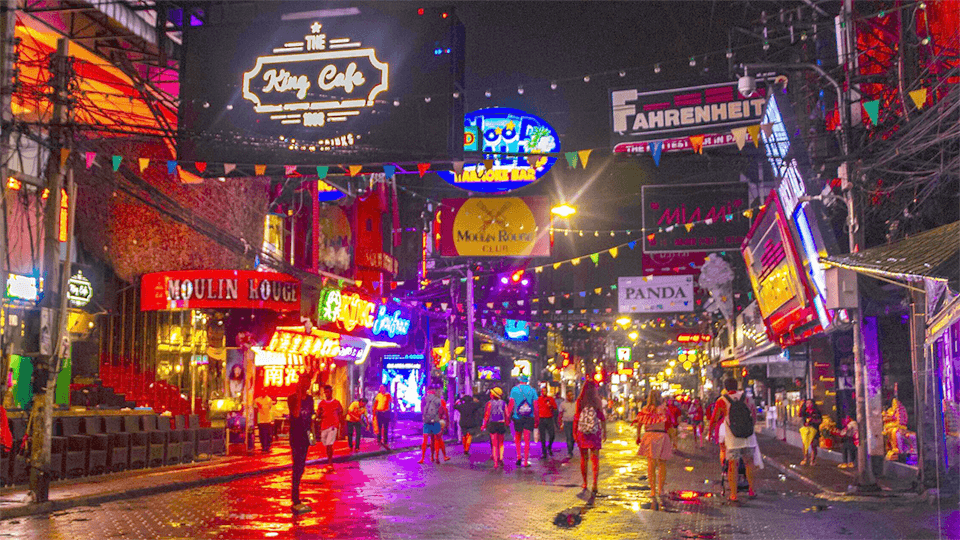
Pattaya is famous for its energetic nightlife scene and entertainment districts.
The atmosphere is generally casual, but you’ll still want practical clothing and secure storage for valuables.
What to Pack for Pattaya Nights
- Lightweight shirts
- Casual dresses
- Comfortable footwear
- Portable charger
- Small crossbody bag
Transportation Hack
If you’re staying outside central nightlife districts, save local taxi numbers or use ride-hailing apps before heading out.
Real Traveler Scenario
Many travelers spend hours moving between bars, restaurants, markets, and entertainment venues. Comfortable footwear becomes far more important than fashion.
Safety Tip
Avoid carrying large amounts of cash. Most venues accept cards, and carrying only what you need reduces potential losses.
Full Moon Party Essentials
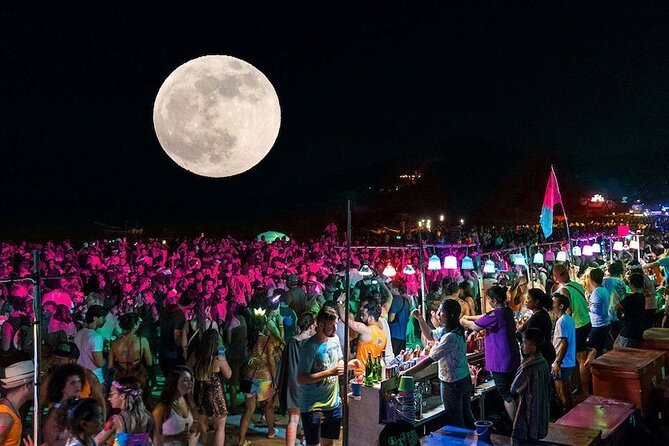
If you’re heading to Koh Phangan for the famous Full Moon Party, your packing strategy should be slightly different.
This is not a typical nightclub experience. It’s a massive beach party that attracts travelers from around the world.
You’ll likely spend hours outdoors, surrounded by sand, water, music, and large crowds.
Full Moon Party Packing Checklist
- Waterproof phone pouch
- Crossbody bag
- Portable charger
- Lightweight clothing
- Flip-flops or sandals
- Cash in small denominations
- Reusable water bottle
- ID copy
- Travel insurance information
What Not to Bring
- Expensive jewelry
- Luxury watches
- Large amounts of cash
- Passport
- Valuable electronics
Real Traveler Scenario
Every year, countless travelers lose phones, wallets, and valuables simply because they brought items they didn’t need.
Keeping belongings minimal dramatically reduces stress.
Safety Tip
Stay hydrated throughout the night. Thailand’s tropical temperatures combined with dancing and crowded conditions can lead to dehydration quickly.
Tourist Trap Warning
Only purchase drinks from reputable vendors and always keep an eye on your belongings in crowded areas.
What to Pack for Thailand Nightlife
For most travelers, the essential nightlife packing list includes:
- Smart casual outfit
- Crossbody bag
- Portable charger
- Comfortable shoes
- Waterproof phone pouch
- ID copy
- Lightweight clothing
- Reusable water bottle
- RFID wallet
- Minimal valuables
Final Nightlife Packing Advice
Thailand’s nightlife is incredibly diverse, and the best packing strategy is flexibility.
A rooftop bar in Bangkok, a beach club in Phuket, a nightlife district in Pattaya, and a Full Moon Party on Koh Phangan all have different expectations and environments.
Pack light, dress appropriately for the venue, protect your valuables, and prioritize comfort over fashion. You’ll enjoy your nights far more when you’re not worrying about sore feet, dead phone batteries, or lost belongings.
With the right gear, you’ll be ready for everything from sunset cocktails to sunrise beach parties.
Safety Tips & Travel Security Checklist
Thailand is widely considered one of the safest countries in Southeast Asia for tourists. Millions of travelers visit every year without experiencing any major issues.
That said, smart travelers know that safety isn’t about being fearful—it’s about being prepared.
Most problems tourists encounter in Thailand aren’t serious crimes. Instead, they’re usually preventable situations such as scams, lost belongings, transportation misunderstandings, or avoidable accidents.
After traveling through Bangkok, Chiang Mai, Phuket, Krabi, Pattaya, and several Thai islands, I’ve found that a little awareness goes a long way.
The goal isn’t to make you worry. It’s to help you enjoy Thailand with confidence.
Before heading out each day, make sure you have:
✅ Phone fully charged
✅ Portable charger
✅ Emergency contacts saved
✅ Hotel address offline
✅ Travel insurance details
✅ Small amount of emergency cash
✅ Passport copy (not original)
✅ RFID wallet or secure bag
✅ Water bottle
✅ Local SIM or eSIM
Is Thailand Safe for Tourists?
Yes. Thailand is generally very safe for tourists.
The most common issues involve:
- Tourist scams
- Pickpocketing in crowded areas
- Scooter accidents
- Lost belongings
- Overpriced transportation
Most of these can be avoided with simple precautions.
Protecting Your Valuables
Thailand’s biggest security risk for most travelers isn’t violent crime—it’s losing valuable items.
Busy night markets, crowded transit hubs, nightlife districts, and beach destinations can all create opportunities for theft or accidental loss.
Best Practices
- Carry only the cash you need.
- Leave expensive jewelry at home.
- Keep a digital copy of important documents.
- Use hotel safes when available.
- Store backup cards separately.
What to Carry Daily
- Phone
- Small amount of cash
- One payment card
- Passport copy
- Hotel information
Real Traveler Scenario
A traveler I met in Phuket lost his wallet on a ferry transfer. Fortunately, he kept a backup card and emergency cash in a separate location, preventing a major disruption to his trip.
Anti-Theft Products Worth Bringing
- RFID wallet
- Lockable backpack
- Hidden money belt
- Anti-theft crossbody bag
- Luggage lock
Emergency Essentials
Most Thailand trips are trouble-free, but carrying a few emergency items can make unexpected situations much easier to manage.
Must-Have Emergency Items
- Portable charger
- Travel insurance information
- Emergency contacts
- Small first-aid kit
- Prescription medication
- Flashlight
- Reusable water bottle
- Emergency cash
Important Numbers to Save
- Local emergency services
- Embassy or consulate
- Travel insurance hotline
- Hotel reception
- Trusted transportation apps
Transportation Safety Tip
Before entering a taxi or ride-share vehicle, confirm the destination and check that the vehicle matches the booking details.
Health Safety Tip
Thailand’s heat and humidity can lead to dehydration faster than many travelers expect. Carrying water throughout the day is one of the simplest ways to stay healthy.
Thailand Travel Security Checklist
Before leaving your accommodation:
- Carry emergency cash
- Save emergency contacts
- Charge your phone
- Bring a power bank
- Carry a passport copy
- Use a secure bag
- Keep valuables hidden
- Carry travel insurance details
Final Safety Advice
Thailand is a welcoming and tourist-friendly destination. Most travelers never encounter serious issues.
The key is practicing the same common-sense precautions you would use anywhere in the world: stay aware, secure your valuables, avoid suspicious offers, and keep emergency information accessible.
With a little preparation, you’ll spend less time worrying about safety and more time enjoying everything Thailand has to offer.
Best Activities and What to Pack for Them
Thailand offers an incredible variety of experiences.
One week you might be snorkeling around tropical islands, exploring ancient temples, trekking through mountain villages, and working remotely from a Bangkok café.
The best packing strategy isn’t simply preparing for Thailand’s weather—it’s preparing for the activities you actually plan to do.
Below are the most popular activities in Thailand and the gear you’ll want to bring for each one.
Island Hopping
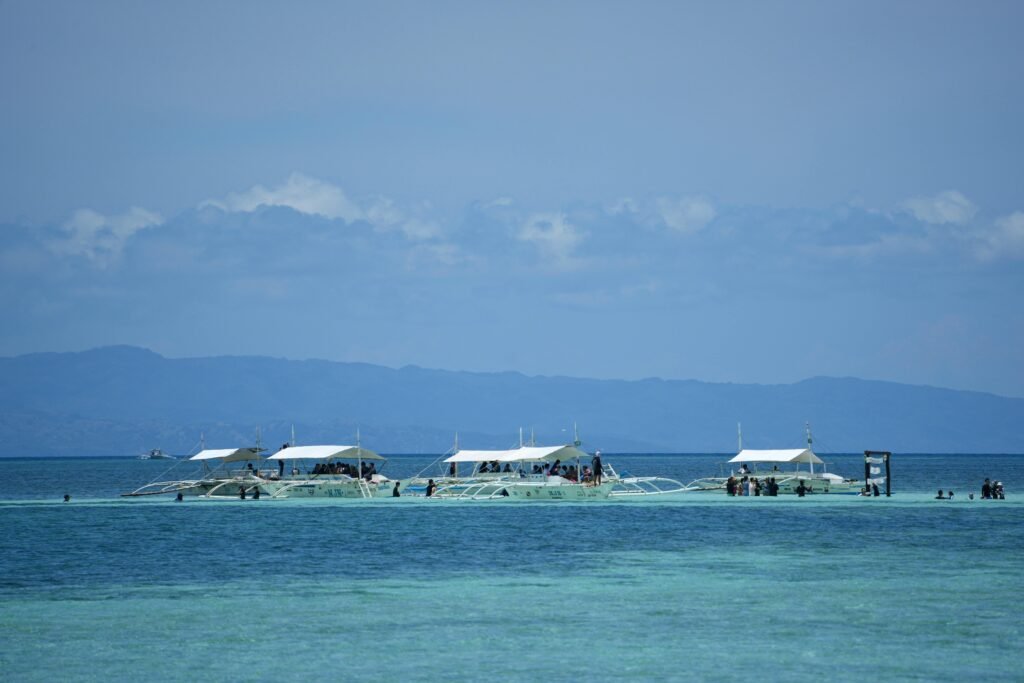
Island hopping is one of the most popular experiences in Thailand.
Whether you’re exploring Phuket, Krabi, Koh Phi Phi, Koh Samui, or Koh Tao, you’ll spend plenty of time around boats, beaches, and water.
What to Pack
- Waterproof bag
- Waterproof phone pouch
- Swimwear
- Quick-dry clothing
- Reef-safe sunscreen
- Sunglasses
- Hat
- Reusable water bottle
Real Traveler Tip
Always assume your belongings may get wet during ferry transfers, even during the dry season.
Temple Visits
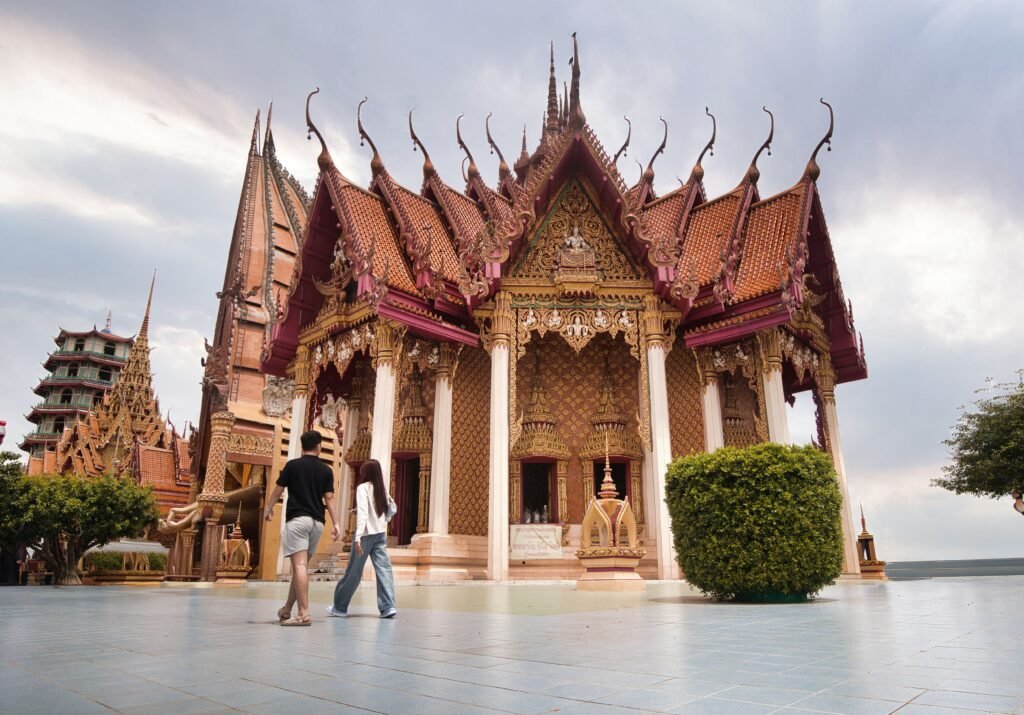
Thailand’s temples are among the country’s most rewarding cultural experiences.
Many visitors are surprised to discover that certain clothing is required for entry.
What to Pack
- Long pants
- Maxi skirt
- Lightweight scarf
- Sleeved shirt
- Comfortable walking shoes
- Refillable water bottle
Temple Dress Code Reminder
- Cover shoulders
- Cover knees
- Avoid revealing clothing
- Remove shoes when required
Local Insight
Carrying a lightweight scarf can instantly make most outfits temple-appropriate.
Trekking
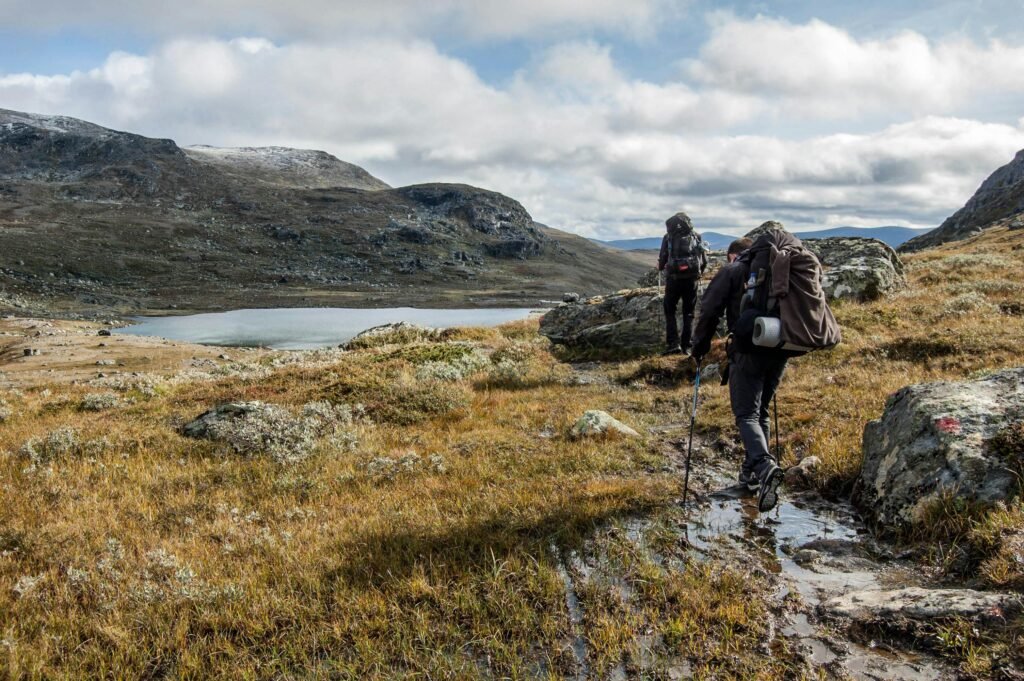
Northern Thailand offers fantastic trekking opportunities, particularly around Chiang Mai, Chiang Rai, and Pai.
Conditions can vary dramatically depending on season and elevation.
What to Pack
- Hiking shoes
- Moisture-wicking clothing
- Daypack
- Rain jacket
- Sunscreen
- Insect repellent
- Reusable water bottle
- Portable charger
Pro Travel Tip
Leeches and muddy trails are common during the rainy season. Waterproof footwear can make a huge difference.
Diving & Snorkeling

Thailand is one of the world’s most popular diving destinations.
Locations such as Koh Tao, Similan Islands, and Phuket attract divers from around the globe.
What to Pack
- Waterproof phone pouch
- Rash guard
- Reef-safe sunscreen
- Quick-dry towel
- Water shoes
- Dry bag
Money-Saving Tip
Most operators provide snorkeling equipment, so purchasing your own is usually unnecessary unless you’re planning multiple excursions.
Real Traveler Scenario
A dry bag became my most-used item during diving trips because it protected electronics, cash, and travel documents from saltwater exposure.
Digital Nomad Work Trips
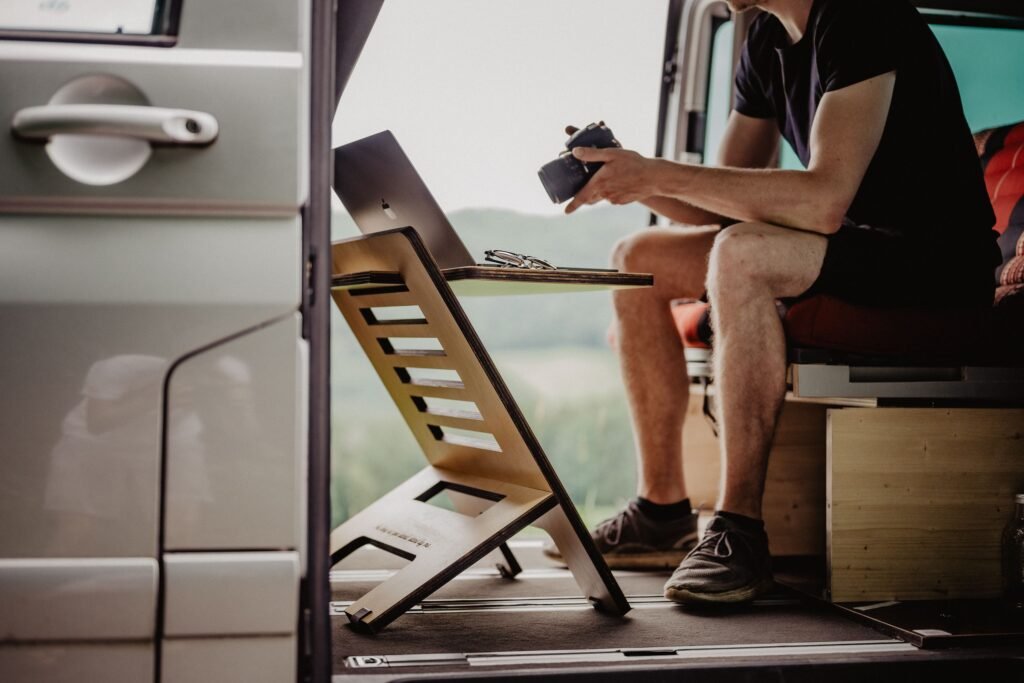
Thailand is one of the world’s top destinations for remote workers.
Bangkok, Chiang Mai, Phuket, and Koh Samui all offer strong digital nomad communities and excellent coworking infrastructure.
What to Pack
- Laptop
- Portable charger
- Universal adapter
- Noise-canceling headphones
- Laptop sleeve
- Portable SSD
- Backup charging cables
Productivity Tip
Carry a power bank even when working from cafés. Popular coworking spaces can become crowded, and power outlets aren’t always available.
Local Insight
Chiang Mai remains one of the most affordable and popular digital nomad destinations in Asia.
What Should You Pack for Activities in Thailand?
Island Hopping
- Waterproof pouch
- Swimwear
- Dry bag
Temple Visits
- Long pants
- Scarf
- Covered shoulders
Trekking
- Hiking shoes
- Rain jacket
- Daypack
Diving & Snorkeling
- Dry bag
- Reef-safe sunscreen
- Water shoes
Digital Nomad Travel
- Laptop
- Universal adapter
- Portable charger
Final Activity Packing Advice
The best Thailand packing list isn’t about packing everything—it’s about packing strategically.
Focus on the activities you genuinely plan to do. A traveler spending two weeks island hopping will need very different gear from someone working remotely in Chiang Mai or exploring Bangkok’s temples.
By matching your packing list to your itinerary, you’ll travel lighter, spend less money, and enjoy a much smoother experience throughout your Thailand adventure.
Common Packing Mistakes Travelers Make
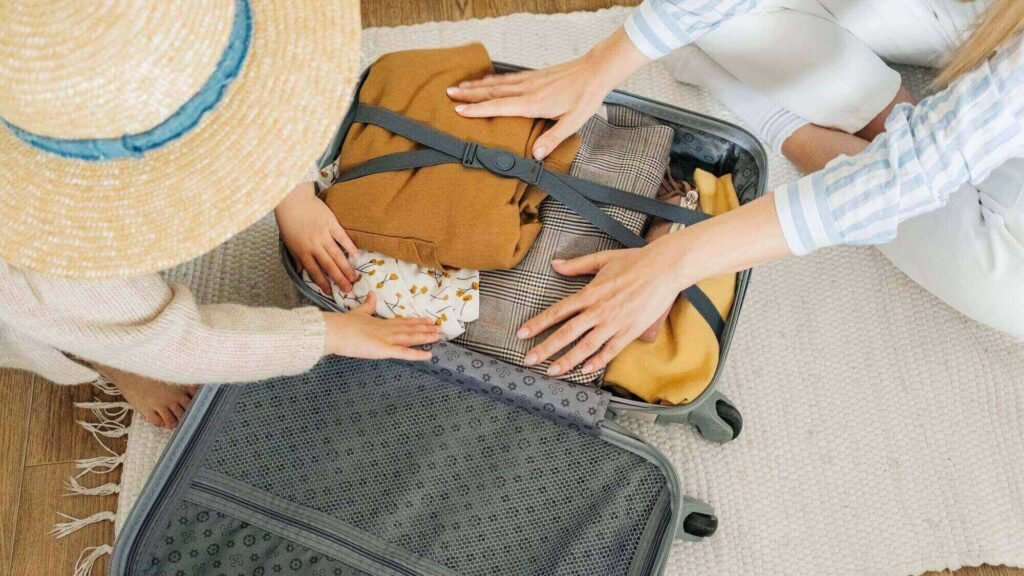
After years of travel and conversations with countless visitors, I’ve noticed the same packing mistakes appear again and again.
Fortunately, they’re easy to avoid.
Top 10 Thailand Packing Mistakes
- Overpacking clothing
- Forgetting rain gear
- Ignoring temple dress codes
- Bringing heavy luggage
- Packing too many shoes
- Forgetting mosquito repellent
- Not bringing a power bank
- Carrying expensive jewelry
- Ignoring weather differences by region
- Bringing heavy winter clothing
Overpacking
The number one mistake travelers make is packing too much.
Thailand’s casual lifestyle means most people wear the same comfortable outfits repeatedly.
What Happens
- Heavy bags
- Extra airline fees
- Difficult ferry transfers
- Less flexibility
Pro Travel Tip
For a two-week trip, most travelers need far fewer clothes than they think.
Many accommodations offer affordable laundry services.
Better Alternative
Pack versatile clothing that can be mixed and matched.
Forgetting Rain Gear
Many travelers focus only on sunshine and beaches.
Then the first tropical shower arrives.
Essential Rainy Season Items
- Lightweight rain jacket
- Waterproof backpack cover
- Waterproof phone pouch
- Quick-dry clothing
Real Traveler Scenario
I’ve seen travelers spend significantly more buying emergency rain gear at tourist shops than they would have spent purchasing quality equipment before departure.
Ignoring Temple Dress Codes
Thailand’s temples are cultural and religious sites, not just tourist attractions.
Arriving in inappropriate clothing can prevent entry.
Common Mistakes
- Shorts above the knee
- Sleeveless tops
- Revealing outfits
What to Bring
- Lightweight long pants
- Maxi skirt
- Scarf
- Sleeved shirt
Money-Saving Tip
Bring your own cover-up instead of renting one near major attractions.
Bringing Heavy Luggage
Large suitcases can become frustrating surprisingly quickly.
Thailand often involves:
- Ferry terminals
- Train stations
- Uneven sidewalks
- Multiple hotel changes
Why Backpacks Often Win
- Easier mobility
- Faster transportation transfers
- Less physical strain
- Better for island hopping
Real Traveler Experience
Travelers with compact backpacks often move between destinations far more comfortably than those carrying oversized suitcases.
Final Packing Advice
The perfect Thailand Packing List for Every Season isn’t about bringing more items—it’s about bringing smarter items.
Pack for your travel style, your activities, and the specific season you’re visiting.
Lightweight clothing, practical travel gear, weather protection, and a few thoughtful accessories will serve you far better than an oversized suitcase filled with “just in case” items.
When in doubt, pack lighter. Thailand is one of the easiest countries in the world to buy forgotten essentials if you truly need them.
Pro Travel Tips for Thailand
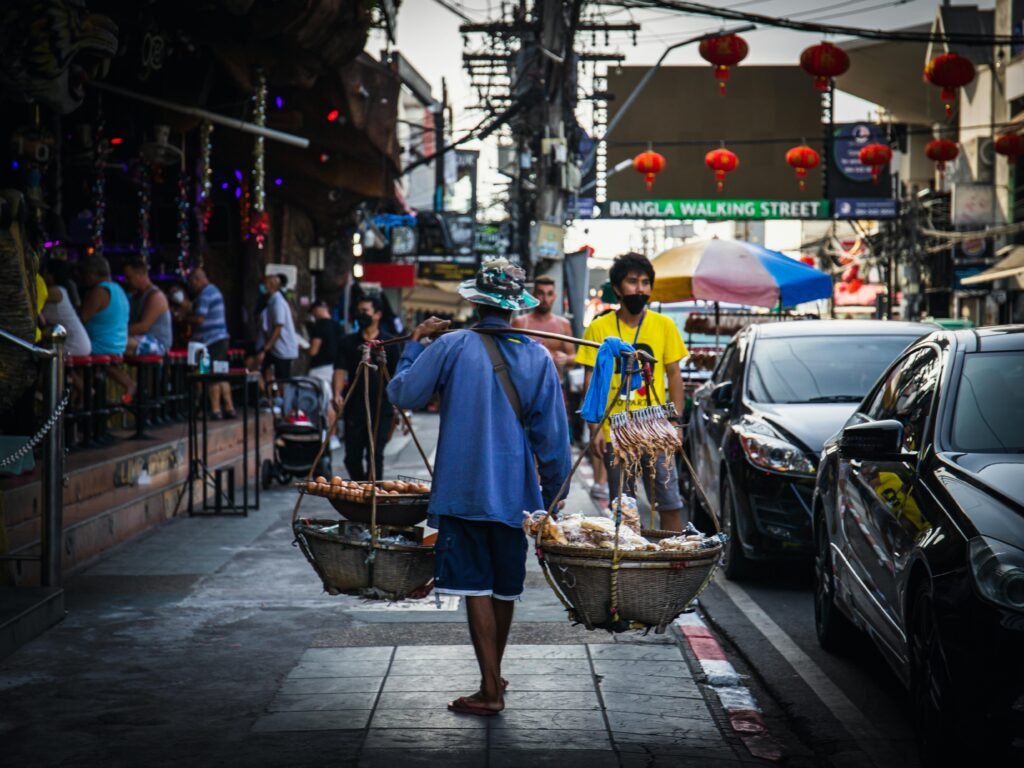
After multiple trips across Thailand—from navigating Bangkok’s bustling streets and exploring Chiang Mai’s mountain temples to island hopping through Krabi and Phuket—I’ve realized that smart packing isn’t about bringing more items. It’s about packing for your travel style.
A backpacker exploring Thailand for a month needs a completely different setup than a family on a one-week holiday or a couple celebrating a honeymoon.
The following tips will help you pack more efficiently, avoid common mistakes, and make the most of your Thailand adventure.
Packing Like a Backpacker
Backpacking Thailand is one of the most popular travel experiences in the world.
The biggest mistake new backpackers make is bringing too much.
Remember: you’ll likely carry everything you pack through airports, ferry terminals, train stations, hostels, and city streets.
What Backpackers Should Prioritize
- Lightweight clothing
- Quick-dry fabrics
- Travel backpack (40–50L)
- Packing cubes
- Portable charger
- Universal adapter
- Reusable water bottle
- Lightweight rain jacket
- Waterproof phone pouch
Backpacker Packing Rule
If you haven’t used an item during your last three trips, leave it at home.
Real Traveler Tip
Laundry services are available almost everywhere in Thailand, often for just a few dollars.
Instead of packing 14 outfits for a two-week trip, pack 5–7 versatile outfits and wash clothes as needed.
Must-Have Backpacker Gear
- Osprey Farpoint Backpack
- Packing Cubes
- Portable Power Bank
- Waterproof Dry Bag
Packing for Families
Family travel requires a balance between preparedness and practicality.
Parents often overpack “just in case” items, which can make transportation and hotel changes unnecessarily stressful.
Family Travel Essentials
- Lightweight children’s clothing
- Sunscreen
- Insect repellent
- First-aid kit
- Portable snacks
- Refillable water bottles
- Wet wipes
- Portable fan
- Entertainment for flights
Local Insight
Thailand’s convenience stores are everywhere. Diapers, snacks, drinks, and basic toiletries are easy to purchase locally.
Money-Saving Tip
Instead of checking multiple large suitcases, consider sharing luggage and doing laundry midway through the trip.
Family-Friendly Packing Priorities
- Sun protection
- Hydration
- Comfortable footwear
- Basic medication
Packing for Solo Travelers
Thailand consistently ranks among the best destinations in the world for solo travel.
Whether you’re exploring Bangkok’s markets, joining island tours, or working remotely in Chiang Mai, solo travelers benefit from packing light and staying organized.
Solo Traveler Essentials
- Crossbody bag
- Portable charger
- RFID wallet
- Universal adapter
- Digital copies of documents
- Lightweight backpack
- Emergency contact list
Safety Tip
Avoid carrying all your money and cards in one place.
Keep a backup card and emergency cash separate from your primary wallet.
Real Traveler Scenario
Many solo travelers spend entire days exploring cities before returning to their accommodation. A reliable power bank often becomes one of the most valuable items they carry.
Best Solo Travel Gear
- RFID Wallet
- Anti-Theft Daypack
- Portable Charger
- Door Lock Alarm
Packing for Couples
Couples often have a unique advantage: you can share gear.
Instead of packing duplicate items, coordinate before departure.
Items Couples Can Share
- Sunscreen
- First-aid kit
- Travel adapter
- Toiletries
- Portable charger
- Waterproof bag
- Travel documents organizer
Space-Saving Tip
Sharing selected items creates more room for souvenirs and reduces baggage fees.
Romantic Travel Packing Ideas
- Smart-casual evening outfit
- Compact camera
- Lightweight beachwear
- Waterproof phone pouch for island adventures
Best Destinations for Couples
- Phuket
- Krabi
- Koh Samui
- Chiang Mai
- Bangkok Rooftop Hotels
Must-Have Couple Travel Gear
- Travel Organizer
- Waterproof Phone Case
- Portable Power Bank
- Packing Cubes
Pro Traveler Summary
No matter your travel style, focus on:
- Packing lighter than you think you need
- Choosing versatile clothing
- Prioritizing comfort over fashion
- Bringing quality travel gear
- Leaving room for purchases during your trip
The best Thailand travelers aren’t the ones with the biggest suitcases—they’re the ones carrying only what they truly need.
What You Really Need for Thailand
After covering every season, activity, budget level, and travel style, here’s the truth:
You don’t need a giant suitcase to enjoy Thailand.
The most successful travelers pack light, stay flexible, and focus on essentials rather than “just in case” items.
Thailand is modern, affordable, and incredibly traveler-friendly. If you forget something, there’s a good chance you can buy it locally.
Essential Thailand Packing List Summary
If you’re looking for the shortest possible answer to “What should I pack for Thailand?”, bring:
Clothing
- Lightweight clothing
- Breathable shirts
- Shorts
- Swimwear
- Temple-appropriate clothing
- Light jacket (cool season)
Travel Gear
- Travel backpack
- Packing cubes
- Portable charger
- Universal adapter
- Waterproof pouch
Safety Essentials
- RFID wallet
- Travel insurance
- Emergency cash
- First-aid kit
Weather Protection
- Sunscreen
- Sunglasses
- Hat
- Rain jacket (rainy season)
- Insect repellent
Technology
- Smartphone
- Charging cables
- Power bank
- Laptop (if needed)
Essential Thailand Packing List
For most travelers, the essential Thailand packing list includes:
- Lightweight clothing
- Comfortable walking shoes
- Travel backpack
- Portable charger
- Universal adapter
- Sunscreen
- Insect repellent
- Waterproof pouch
- RFID wallet
- Travel insurance
Internal Resources
For more planning help, see:
- Thailand Budget Guide
- Thailand Safety Guide
- Best Time to Visit Thailand
Recommended Travel Gear Roundup
If you’re investing in only a few travel products before departure, prioritize:
- Travel Backpack
- Portable Charger
- Universal Adapter
- Waterproof Phone Pouch
- RFID Wallet
- Packing Cubes
- Lightweight Rain Jacket
- Reusable Water Bottle
- Anti-Theft Daypack
- Travel First-Aid Kit
Final Thought
Thailand is one of the easiest countries in the world to travel independently.
Pack light, stay adaptable, respect local customs, and focus on experiences rather than luggage.
Whether you’re backpacking through Chiang Mai, relaxing on Phuket’s beaches, partying in Pattaya, or working remotely in Bangkok, the right packing strategy will make your trip smoother, cheaper, and far more enjoyable.
Frequently Asked Questions
What should I pack for Thailand?
Pack lightweight clothing, comfortable walking shoes, swimwear, sunscreen, insect repellent, a portable charger, universal adapter, waterproof pouch, and temple-appropriate clothing.
What clothes should I wear in Thailand?
Breathable fabrics such as cotton, linen, and moisture-wicking materials work best. Lightweight clothing is ideal due to Thailand's tropical climate.
Is Thailand hot all year round?
Yes. Thailand experiences warm temperatures year-round, although northern regions can become noticeably cooler between November and February.
Do I need a rain jacket in Thailand?
Yes, especially if you're visiting during the rainy season (June-October). A lightweight rain jacket is far more useful than a heavy waterproof coat.
What should I not bring to Thailand?
Avoid bringing:
- Heavy winter clothing
- Excessive luggage
- Expensive jewelry
- Too many shoes
- Large amounts of cash
How much money should I bring to Thailand?
This depends on your travel style. Most visitors spend between $50 and $150 per day, including accommodation, food, transportation, and activities.
Can I buy essentials in Thailand?
Absolutely. Thailand has countless convenience stores, pharmacies, shopping malls, and supermarkets where travelers can easily purchase forgotten items.
Is a backpack better than a suitcase for Thailand?
For most travelers, yes. Backpacks are easier to manage on ferries, trains, buses, and uneven sidewalks commonly found throughout Thailand.
What travel adapter is needed in Thailand?
Thailand commonly uses Type A, B, and C outlets. A universal travel adapter is the safest option for international travelers.
How many outfits do I need for a 2-week Thailand trip?
Most travelers only need 5-7 versatile outfits. Laundry services are inexpensive and widely available throughout the country.