On a trip to Phuket, we based ourselves in Phuket for 8 nights and worked through nearly every activity on this list — some worth repeating, a few not worth the hype. This guide skips the generic “something for everyone” filler and gets straight to what’s actually worth your time, what it costs, when to go, and the mistakes most first-timers make.
Phuket is Thailand’s largest island and its most developed tourist destination, split between a busy, resort-heavy west coast (Patong, Karon, Kata) and a quieter, more local east and north. Whether you’re planning a beach week, a family trip, or a base for island-hopping into the Andaman Sea, here’s what to actually do — and how to decide what fits your trip.
Where you stay can completely shape your Phuket experience. Explore the best areas to stay in Phuket to find the ideal base for beaches, nightlife, family vacations, or a quieter local atmosphere before booking your accommodation.
Table of Contents
ToggleHow Many Days Do You Need in Phuket?
Most travelers need 5–7 days to see Phuket properly without rushing — enough time for 2–3 beach days, one or two boat day trips, and a day in Old Town. If you’re combining Phuket with island-hopping to Phi Phi or Krabi, 4–5 days on the island itself is enough before moving on.
Best Time to Visit Phuket for These Activities
Dry Season (November–April)
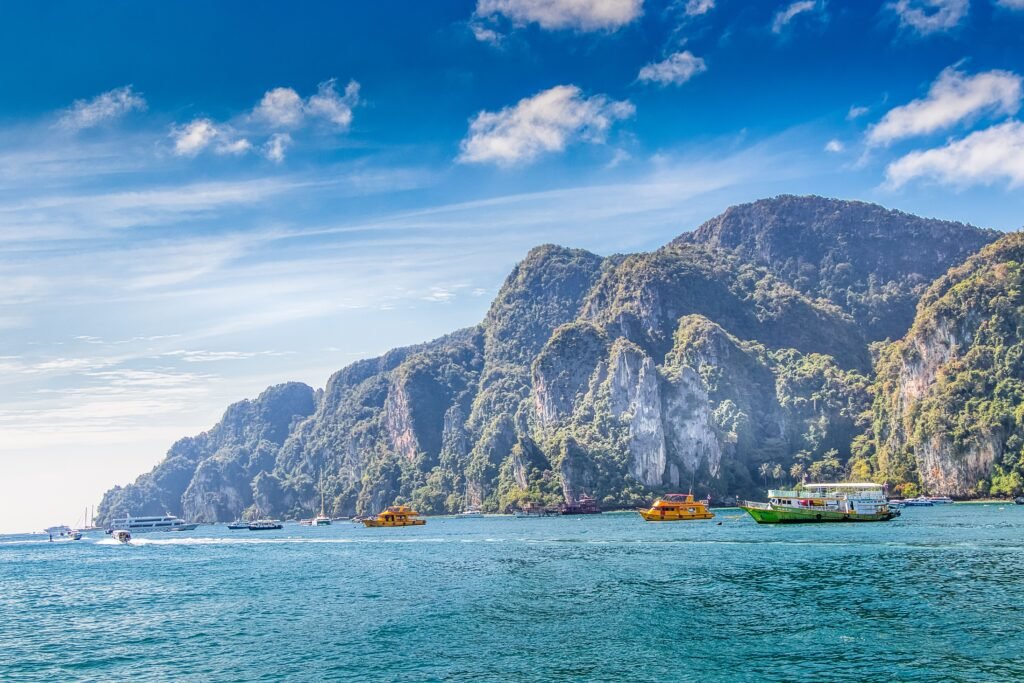
This is peak season for a reason: calm seas, minimal rain, and the best visibility for diving and snorkeling. December–February is the most comfortable weather-wise but also the most crowded and expensive; March–April is hotter but quieter and cheaper.
Green Season (May–October)
Rain is heavier and more frequent, and some boat trips get cancelled or rerouted around storms, but it rarely rains all day. Green season is genuinely a good time to visit if you’re prioritizing lower prices and thinner crowds over guaranteed sun — just build a buffer day into any island-hopping itinerary in case of rescheduling.
| Month | Weather | Best For |
|---|---|---|
| Nov–Feb | Dry, cooler, minimal rain | Diving, island hopping, first-time visitors |
| Mar–Apr | Hot, dry | Beaches, lower crowds than Dec–Feb |
| May–Jun | Start of rains, still mostly sunny | Value season, fewer crowds |
| Jul–Oct | Heaviest rain, rough seas at times | Budget travel, indoor/cultural activities |
What Phuket Activities Actually Cost
| Activity | Approx. Price (THB) | Approx. Price (USD) |
|---|---|---|
| Phi Phi Islands speedboat day trip | 1,200–2,000 | $33–55 |
| Phang Nga Bay / James Bond Island tour | 1,000–1,800 | $28–50 |
| Big Buddha entry | Free (donation-based) | Free |
| Wat Chalong temple entry | Free | Free |
| Scuba diving (2-tank, licensed diver) | 2,500–3,800 | $70–105 |
| Ziplining (half-day) | 1,800–2,500 | $50–70 |
| Grab/taxi across town | 150–400 | $4–11 |
| Street food meal | 60–150 | $1.50–4 |
Budget vs. Mid-Range vs. Splurge, Per Day
- Budget: ~800–1,200 THB/day (street food, public transport, free temples/beaches, occasional shared boat tour)
- Mid-range: ~2,500–4,000 THB/day (restaurant meals, private tours, scooter rental, occasional spa/dive)
- Splurge: 6,000+ THB/day (private charters, fine dining, beach club days)
Note: national park and marine park entry fees are regulated and change periodically.
Best Things to Do in Phuket
Beaches & Coastal Areas
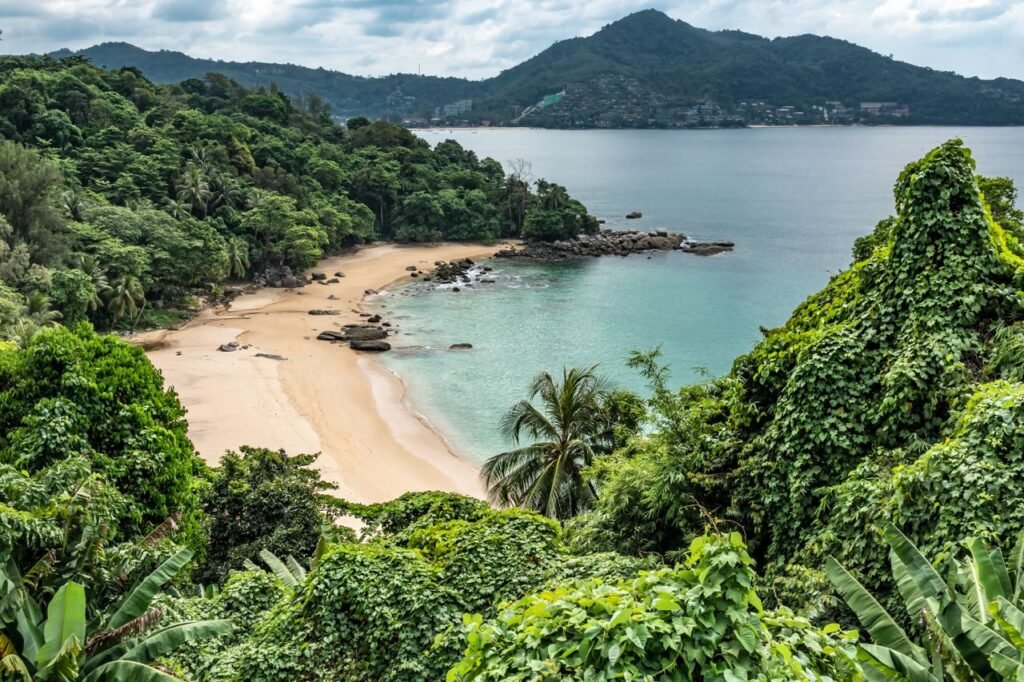
Patong Beach — the busiest, most developed stretch, walkable to Bangla Road nightlife. Good for first-timers who want everything within walking distance; not the place for a quiet swim.
Kata & Karon Beach — calmer than Patong, still well set up with restaurants and beach chairs, better for families and couples.
Freedom Beach — accessible by longtail boat or a steep hike; smaller crowds, no beach-chair touts.
Nai Harn Beach — consistently rated among the island’s best for swimming, quieter, popular with locals on weekends.
Island Hopping & Boat Trips
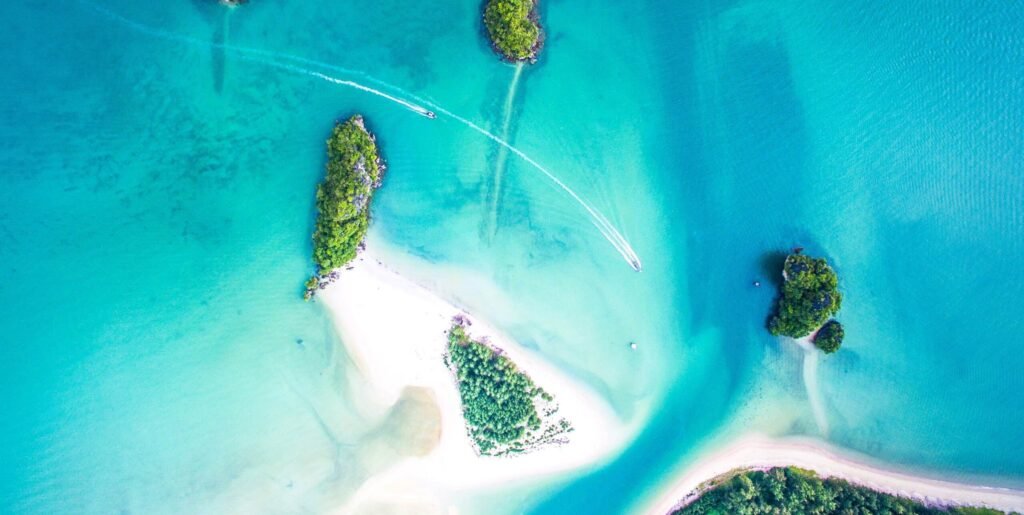
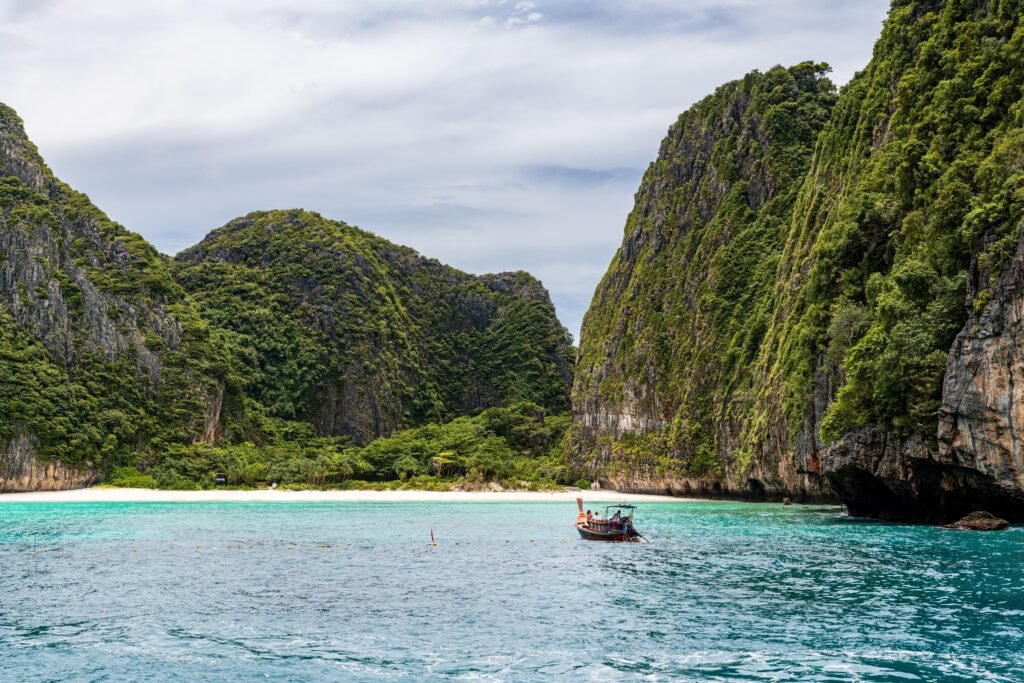
Phi Phi Islands — the most popular day trip; Maya Bay, snorkeling stops, and lunch on Phi Phi Don. Expect crowds regardless of season.
If you’re still deciding which Andaman destination deserves more time in your itinerary, our Phuket vs Krabi comparison breaks down beaches, island hopping, nightlife, costs, and overall travel experience to help you choose.
Phang Nga Bay / James Bond Island — limestone karsts, sea caves you can canoe through, and Koh Panyi, the stilt village. Generally calmer water than the Phi Phi route.
Coral Island (Koh Hae) — the closest island option, good for a half-day if you’re short on time.
Racha Islands — better for snorkeling and diving visibility than Phi Phi, fewer crowds, longer boat ride.
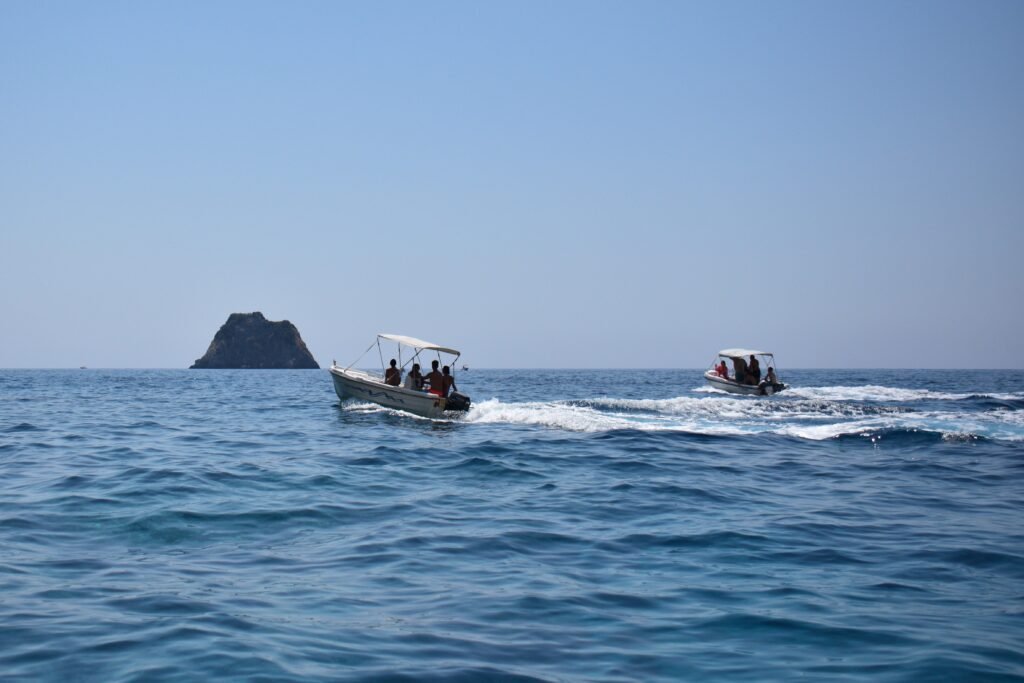
Speedboat tours are faster and more common; longtail boats are cheaper and slower but feel more local. A private charter costs more but lets you set your own stops and timing — worth it for families or groups who don’t want to share a boat with 30 strangers.
Speedboat vs. Longtail vs. Private Charter
| Option | Typical Cost | Best For |
|---|---|---|
| Shared speedboat tour | 1,000–2,000 THB/person | Solo travelers, couples, budget-conscious groups |
| Longtail boat (local, short routes) | 500–1,000 THB/person | Short hops, Coral Island, more local feel |
| Private charter (full day) | 8,000–20,000+ THB total | Families, groups wanting flexible stops |
Culture & History
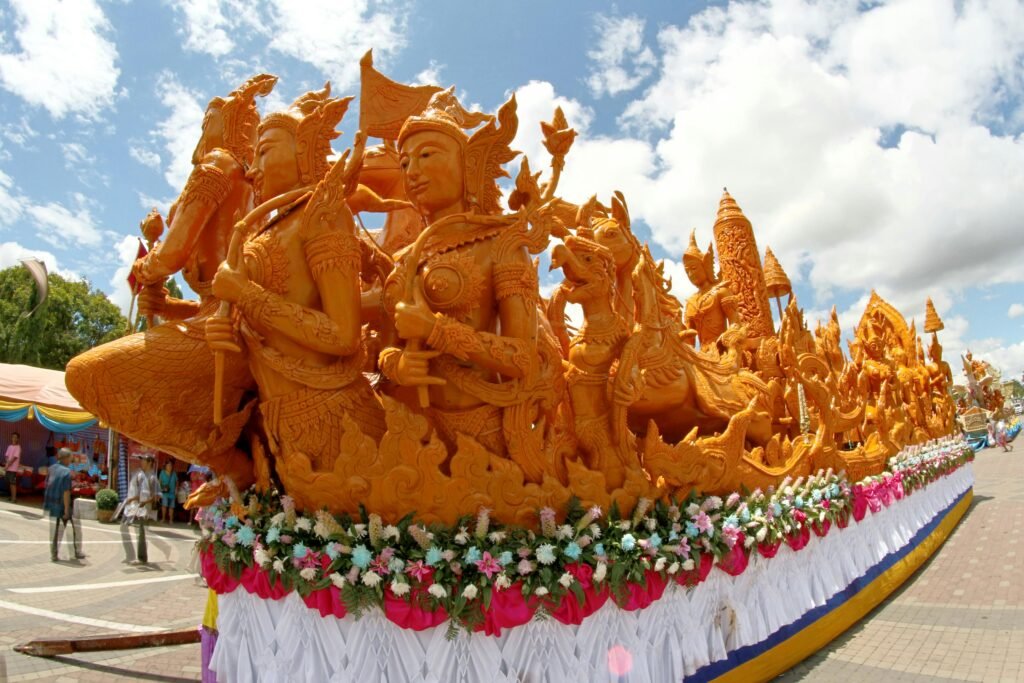
Phuket Old Town — Sino-Portuguese shophouses along Thalang Road, now cafes, galleries, and street food. The Sunday Walking Street market only runs in the evening — showing up midday will find it mostly closed.
Big Buddha — a 45-metre marble statue on Nakkerd Hill with panoramic views over Chalong Bay; free entry.
Wat Chalong — the island’s most important Buddhist temple, active and still used for worship, not just a tourist stop. Dress modestly — shoulders and knees covered — as with any temple visit in Thailand.
Cultural shows (Siam Niramit, Phuket FantaSea) — large-scale stage productions covering Thai history and folklore. Not for everyone, but a reasonable option on a rainy-season evening when outdoor plans are rained out.
Getting Around Phuket
Phuket is bigger than most first-time visitors expect — it’s roughly 48 km north to south, and traffic in Patong and around the airport road can be heavy in high season. Grab (the regional ride-hailing app) covers most of the island and is the easiest way to avoid haggling over taxi fares. Renting a scooter is common and cheap (200–300 THB/day) but requires an international driving permit to be legally covered by insurance — a rule that’s loosely enforced until there’s an accident, at which point it matters a great deal. For day trips further afield, most tour operators include hotel pickup in the price, which is worth confirming before you book.
Adventure & Adrenaline
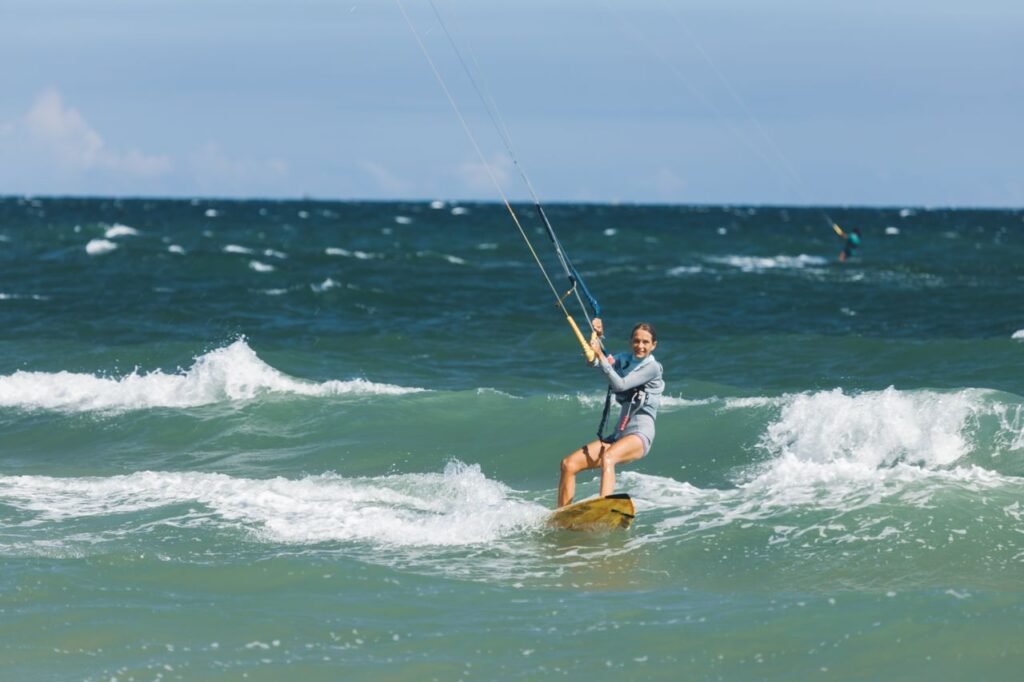
Diving — Phuket is a launch point for some of Thailand’s best dive sites, including the Similan Islands (seasonal, roughly Nov–May only). Open Water certification is required for most dive trips beyond shallow discovery dives; check PADI’s site for current certification requirements if you’re not yet certified.
Ziplining — several jungle canopy operators near Kathu; good half-day activity, book with an operator that publishes safety certifications.
Snorkeling — Racha and Coral Islands generally offer better visibility than the more crowded Phi Phi stops.
Family-Friendly Activities
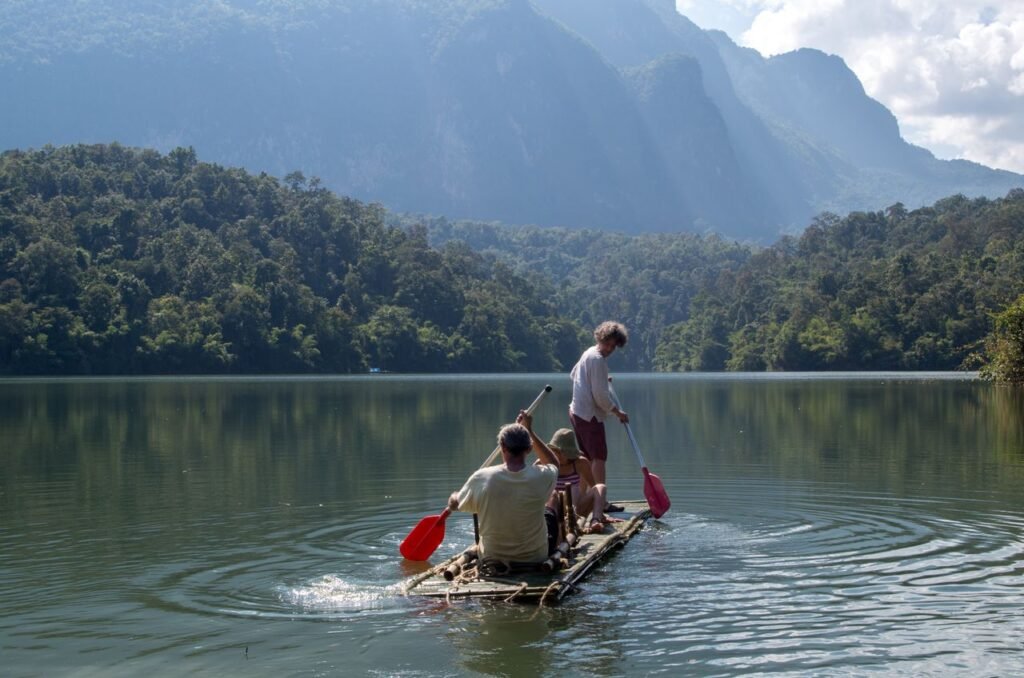
Andamanda Phuket — large waterpark with zones for different age groups; useful to check current opening hours and any height/age restrictions before visiting with young kids.
Karon and Kata beaches are generally calmer and more manageable for families than Patong.
Nightlife & Entertainment

Bangla Road (Patong) — the island’s best-known nightlife strip; loud, crowded, and unapologetically touristy. Basic safety habits apply: stick to metered/Grab transport home, and be cautious with drink prices at unmarked bars.
For a quieter evening, beach clubs in Bang Tao or Kata offer a lower-key alternative with sunset views instead of a club scene.
What to Eat in Phuket
Phuket’s food scene reflects its mixed Chinese-Malay-Thai heritage, and it’s worth building at least one meal around it rather than defaulting to hotel restaurants.
- Moo hong — a Phuket-style braised pork belly, sweeter and softer than mainland Thai pork dishes, a direct product of the island’s Hokkien Chinese influence.
- Oh aew — a local shaved-ice dessert with sea-moss jelly, mostly found in Old Town.
- Fresh seafood at Rawai — pick your seafood at the market stalls, then have it grilled at an adjacent restaurant; prices are negotiated by weight, so it’s worth checking the going rate before agreeing.
- Street food along Thalang Road — best in the evening when the Walking Street market is running, quieter and thinner during the day.
Pros & Cons of Visiting Phuket
| Pros | Cons |
|---|---|
| Most developed tourism infrastructure in Thailand | Patong can feel overdeveloped and touristy |
| Direct international flights via HKT airport | Traffic can be heavy in peak season |
| Wide range of day trips and activities | Popular beaches and boat trips get crowded |
| Good infrastructure for families and less-experienced travelers | Less “off the beaten path” than smaller islands |
None of this is a reason to skip Phuket — it’s a reason to pick your base carefully. The same island that feels overrun in Patong in high season can feel genuinely relaxed in Rawai or Nai Harn a 20-minute drive away. The cons here are mostly about location choice, not the island as a whole.
Common Mistakes First-Timers Make in Phuket
- Booking Patong when you wanted quiet. If you want a calm beach trip, Patong’s nightlife-driven energy will work against you — pick Kata, Karon, or Bang Tao instead.
- Overpaying for tuk-tuks. Tuk-tuk fares in Phuket are notoriously high compared to the rest of Thailand; Grab or metered taxis are almost always cheaper.
- Ignoring the beach flag warning system. Red flags mean dangerous currents — this isn’t a formality, and drownings happen most years during monsoon season.
- Underestimating travel time between beaches. The island is bigger than it looks on a map; Patong to Nai Harn can take 30–45 minutes by road.
- Not checking boat trip cancellation policies before booking, especially in green season — some budget operators don’t offer refunds, only rescheduling, which matters if you’re on a tight itinerary.
- Skipping travel insurance. Between scooter accidents and water-based activities, Phuket is a destination where insurance actually gets used — check that any policy covers scooter riding specifically, as many exclude it by default.
Pro Travel Tips
- Use Grab for transport instead of flagging taxis — fixed pricing avoids the negotiation.
- Get an eSIM before arrival (or a local SIM at the airport) rather than relying on hotel wifi.
- Renting a scooter legally requires an international driving permit — insurance often won’t cover you without one, and this is strictly enforced after accidents.
- Avoid Patong roads during evening peak traffic in high season if you’re on a tight schedule.
Who Should Choose What
- First-time visitors: Base in Kata or Karon, do 2–3 day trips, add one Old Town day.
- Divers: Base near Chalong or Rawai, closer to dive boat departure points.
- Nightlife-focused travelers: Patong, walking distance to Bangla Road.
- Families: Bang Tao or Laguna area — calmer beaches, resort infrastructure built for kids.
- Budget travelers: Karon or inland guesthouses, prioritize street food and shared boat tours over private charters.
Frequently Asked Questions
How many days do you need in Phuket?
Most travelers need 5–7 days to cover beaches, one or two island day trips, and Old Town without rushing. 4–5 days is enough if combining Phuket with a Phi Phi or Krabi trip.
What is the best time of year to visit Phuket?
November through April is the dry season and generally the best time to visit, with calm seas and minimal rain. December–February is peak season; March–April is hotter but less crowded.
Is Phuket good for families?
Yes — Karon, Kata, and Bang Tao offer calmer beaches and family-oriented resorts, plus attractions like Andamanda waterpark, making Phuket one of Thailand's more family-friendly island destinations.
How much does a day trip in Phuket cost?
Boat day trips like Phi Phi Islands or Phang Nga Bay typically run 1,000–2,000 THB ($28–55 USD) per person, depending on the operator and how far in advance you book.
What should I avoid doing in Phuket?
Avoid ignoring beach flag warnings, overpaying for tuk-tuks instead of using Grab, and booking Patong if you want a quiet beach trip — it's the island's busiest nightlife area.
Is Phuket or Phi Phi better for a first visit?
Phuket offers more infrastructure, flight access, and variety, making it a better base for first-time visitors — Phi Phi is best visited as a day trip or short add-on from Phuket rather than a primary base.
Do I need a visa to visit Phuket?
Visa requirements depend on nationality and length of stay; many nationalities qualify for visa-exempt entry for short tourist stays. Check Thailand's official immigration site for current requirements before booking.
What's the best area to stay in Phuket for beaches?
Kata, Karon, and Nai Harn offer some of the island's best swimming beaches with a quieter atmosphere than Patong.