On our first morning in Bangkok, we made the classic first-timer mistake: we showed up to Wat Pho at 9am thinking we’d beaten the crowds. We hadn’t. The heat was already climbing past 33°C, the tour buses had gotten there before us, and we spent the first twenty minutes just looking for shade instead of looking at the reclining Buddha. That one morning taught us more about how to actually see Bangkok than any guidebook had — and it’s the reason timing gets its own section further down, instead of a throwaway line about “the weather.”
This guide isn’t a generic top-25 list padded out to hit a word count. It’s organized the way we’d actually plan a Bangkok trip for a friend: what to prioritize if you only have two or three days, what’s worth adding if you have more time, what things really cost right now, and which “tourist traps” are worth knowing about before you land. If you’re planning things to do in Bangkok, Thailand, this should save you the trial-and-error we went through.
Table of Contents
ToggleTop Bangkok Highlights at a Glance
| Attraction | Area | Best For | Time Needed |
|---|---|---|---|
| Grand Palace & Wat Phra Kaew | Old City (Rattanakosin) | First-timers, history | 2–3 hours |
| Wat Arun | Riverside (Thonburi side) | Photography, sunset | 1 hour |
| Wat Pho | Old City | Reclining Buddha, massage | 1–1.5 hours |
| Chatuchak Weekend Market | Chatuchak | Shopping, weekends only | 3+ hours |
| Chao Phraya River Cruise | Riverside | Sightseeing, relaxation | 1–2 hours |
| Chinatown (Yaowarat) | Yaowarat | Street food, night atmosphere | 2–3 hours |
| Jim Thompson House | Siam area | Art, architecture, quieter pace | 1 hour |
Best Time to Visit Bangkok for Sightseeing
Weather and Seasons
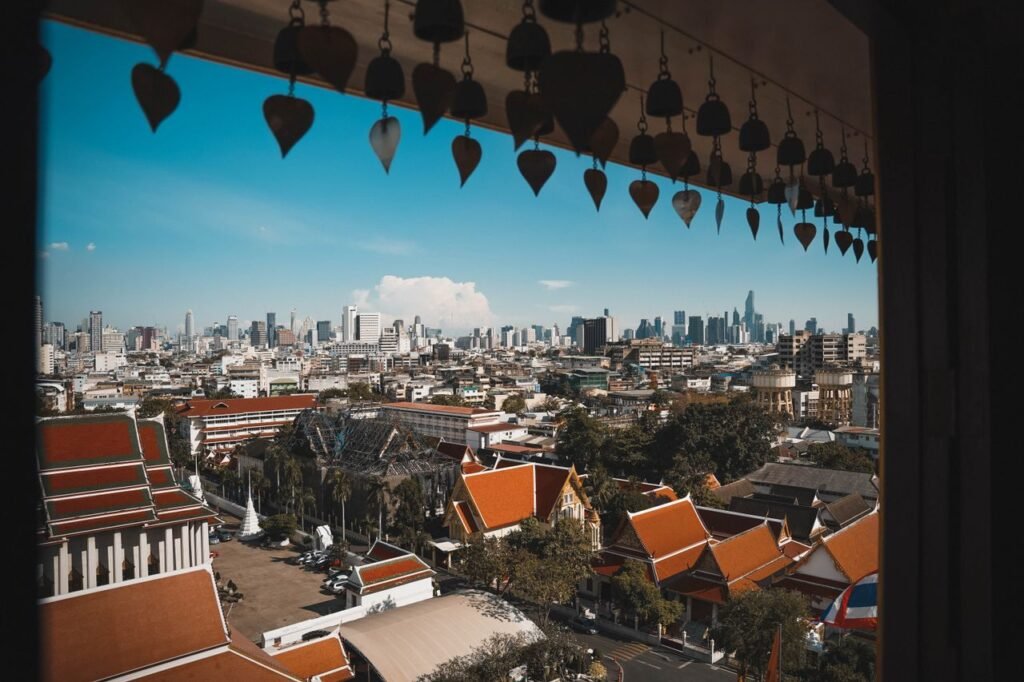
Bangkok has three real seasons, and they matter more for sightseeing than most guides let on. November through February is the cool season — “cool” being relative, since daytime temperatures still sit around 26–32°C, but the humidity drops and it’s genuinely the most comfortable stretch for walking between temples. March through May is hot season, and it earns the name: this is when afternoon heat can make outdoor sightseeing miserable by midday. June through October is the rainy season, which doesn’t mean constant rain, but does mean short, heavy downpours that are worth planning around rather than fighting.
Best Time of Day for Popular Attractions
This is the part we wish someone had told us plainly: go to the Grand Palace, Wat Pho, and Wat Arun as close to opening time as you can manage, ideally before 9am. Not only is it cooler, but the tour bus groups tend to arrive in waves starting mid-morning. Markets and Chinatown flip the other way — they’re better in the late afternoon and evening, both for temperature and for atmosphere.
Festivals Worth Timing Your Trip Around
If your dates are flexible, Songkran (mid-April, the Thai New Year water festival) and Loy Krathong (November, the festival of lights) both transform the city, though Songkran also shuts down some normal sightseeing in favor of citywide water fights. Worth checking the current calendar year’s exact dates with the Tourism Authority of Thailand before you book, since both follow lunar or traditional calendars and shift slightly year to year.
What Bangkok Sightseeing Actually Costs
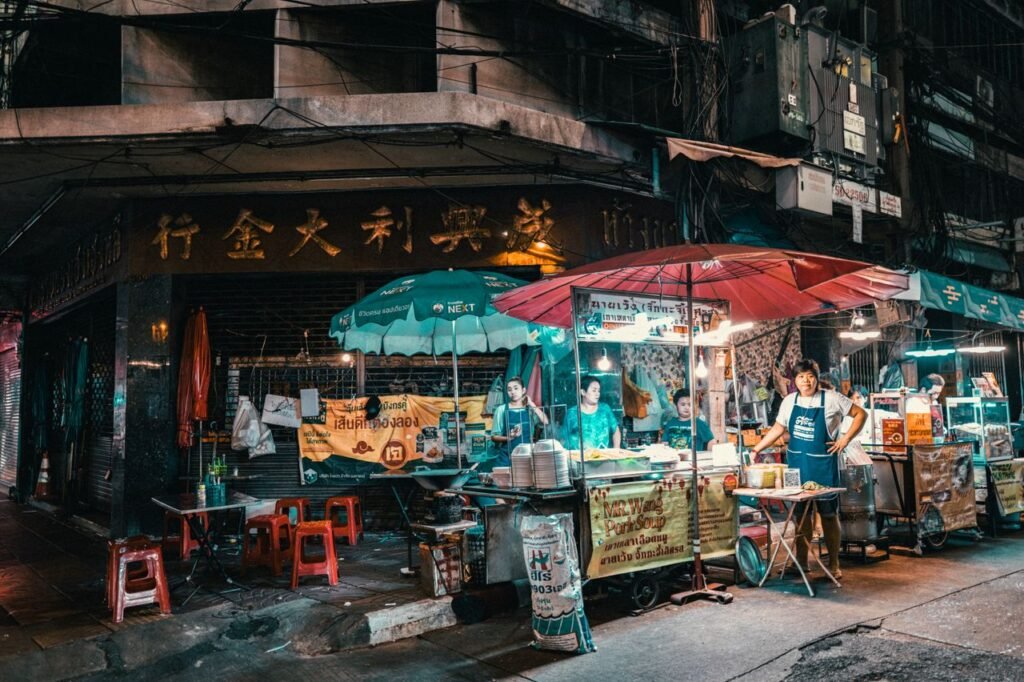
Bangkok’s reputation as a cheap destination is mostly true for food and accommodation, but sightseeing costs add up faster than people expect. Here’s a realistic breakdown by traveler style.
| Budget Tier | Daily Estimate (per person) | What’s Included |
|---|---|---|
| Backpacker | ~1,000–1,500 THB | Street food, public transit, hostel dorm, free/low-cost sights |
| Mid-range | ~2,500–4,000 THB | Mix of street food and restaurants, Grab rides, paid attractions, 3-star hotel |
| Comfort | 6,000+ THB | Restaurants, private transport, guided tours, 4-star+ hotel |
Entry Fees for Major Attractions
- Grand Palace & Wat Phra Kaew: around 500 THB for foreign visitors
- Wat Arun: around 100 THB
- Wat Pho: around 200 THB (often includes a bottled water and a small souvenir coupon)
- Jim Thompson House: around 200 THB, guided tour included
Prices at Thai attractions change without much notice, so treat these as planning estimates rather than guarantees — it’s worth checking the official ticket pages for the Grand Palace and other sites shortly before your trip.
Transport Costs
A single BTS Skytrain ride typically runs 17–62 THB depending on distance, and a one-day unlimited pass is worth it if you’re hopping between three or more BTS stops. Grab rides across the city center are usually in the 80–200 THB range depending on traffic and distance — and Bangkok traffic is genuinely unpredictable, so budget extra time, not just extra money.
Hidden or Unexpected Costs
Temples with a strict dress code sometimes charge a small rental fee (around 20–50 THB) if you show up in shorts or a sleeveless top and need a wrap or sarong. It’s a minor cost, but it catches people off guard when they assumed “free entry” temples were entirely free.
Between entry fees for the big three sites alone, we spent more than we expected on our first day — something close to 800 THB per person just on tickets, before food or transport. If you’re budgeting a “free and cheap” Bangkok trip, build in room for this.
If you’re unfamiliar with Thai Baht, exchange rates, or the best ways to pay while traveling, our Thailand currency guide explains cash vs. cards, ATM fees, money exchange tips, and how to avoid unnecessary charges.
Must-See Bangkok Attractions (Don't Skip These)
The Grand Palace & Wat Phra Kaew
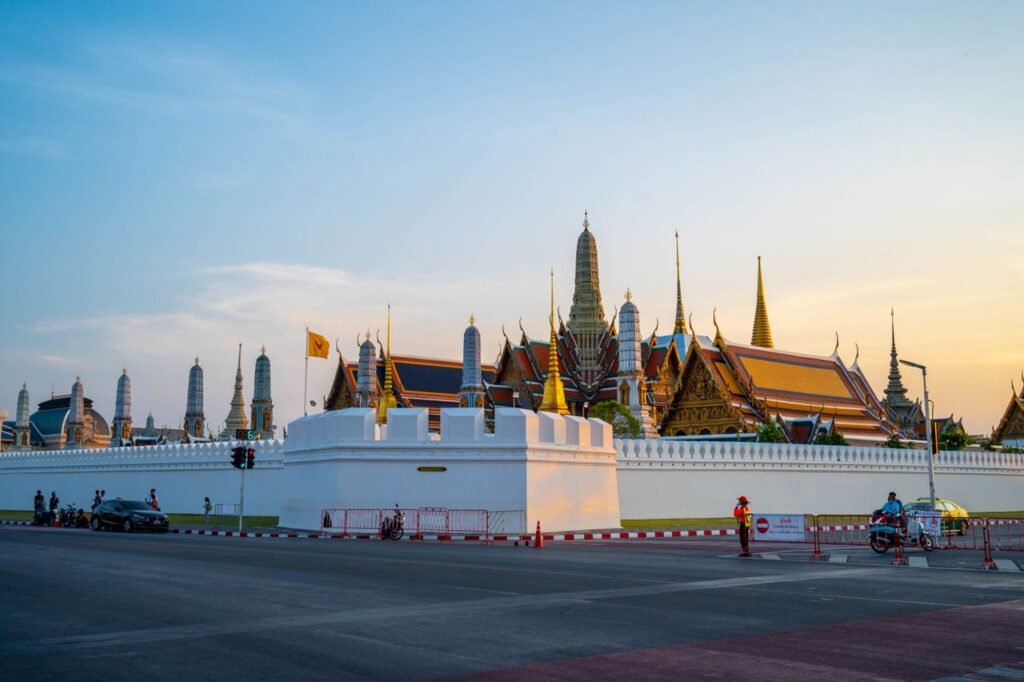
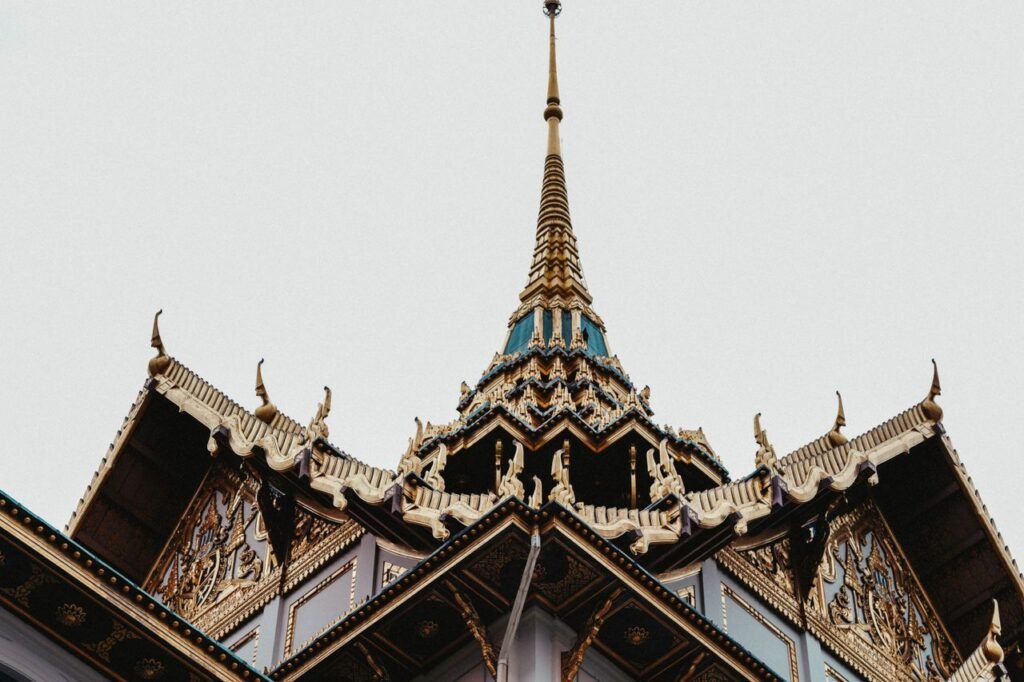
This is Bangkok’s single most-visited site, and for good reason — it’s the former royal residence and home to the Emerald Buddha. The dress code is strictly enforced: shoulders and knees covered, no flip-flops. Budget 2–3 hours, and go early. It’s walkable from Wat Pho, so pairing the two in one morning is the most efficient way to see both.
Wat Arun (Temple of Dawn)
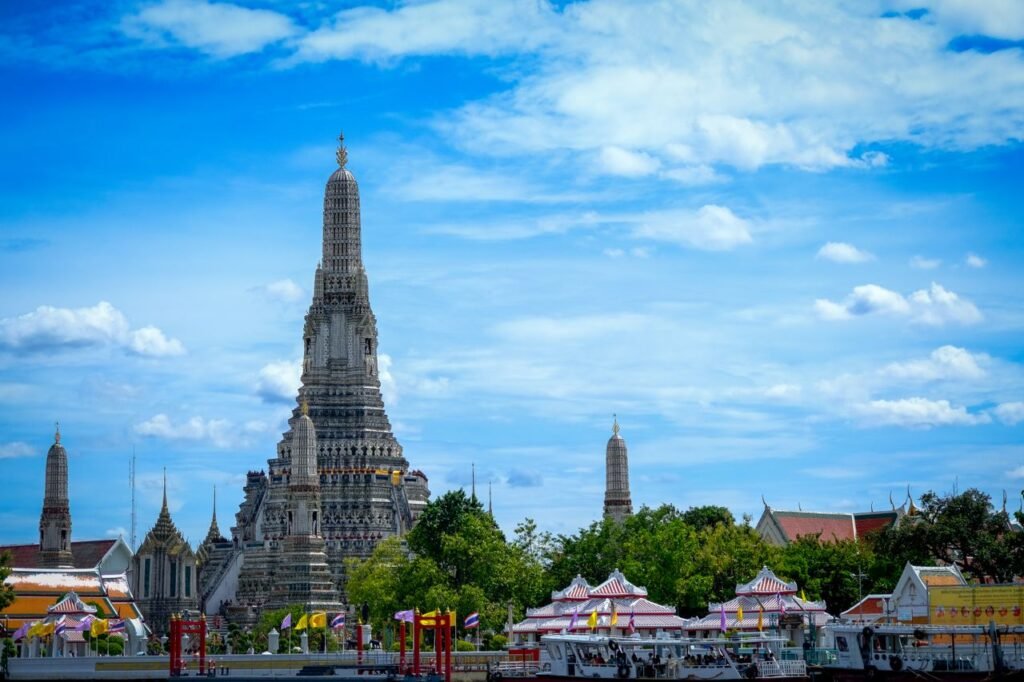
Despite the name, Wat Arun is arguably more striking at sunset, when the light hits the porcelain-and-seashell-inlaid spires from across the river. A short cross-river ferry (a few baht) gets you there from the Wat Pho side. It’s smaller than the Grand Palace, so an hour is usually enough unless you’re there specifically for photography.
Wat Pho (Reclining Buddha)
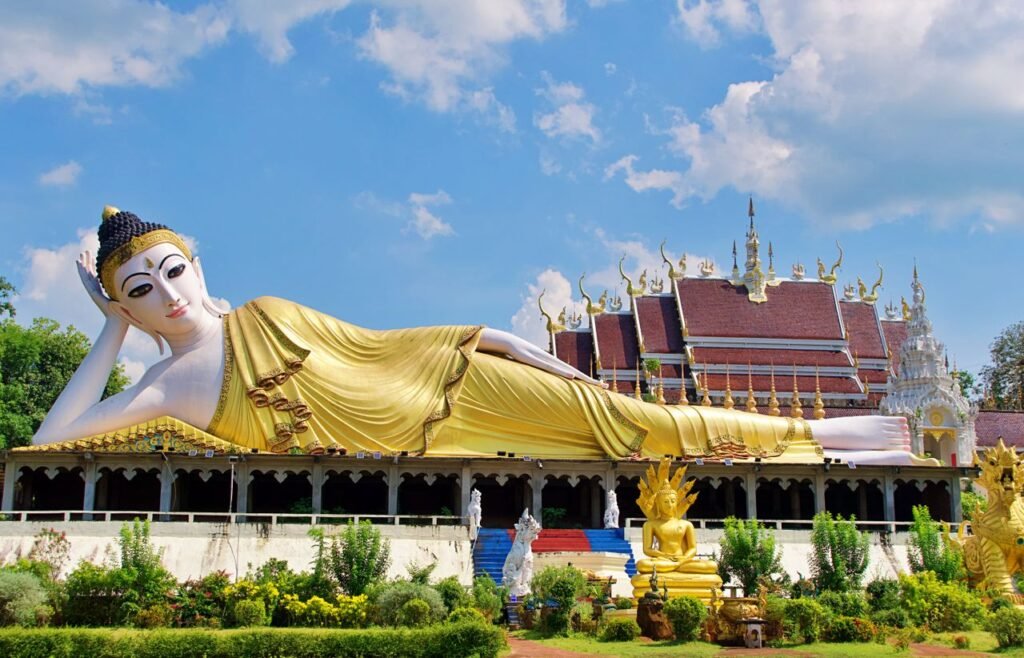
Home to the 46-meter reclining Buddha and considered the birthplace of traditional Thai massage — there’s an on-site massage school where you can book a session after sightseeing. Combine this with the Grand Palace since they’re a short walk apart; doing both back-to-back in one morning is more efficient than treating them as separate outings.
Chatuchak Weekend Market
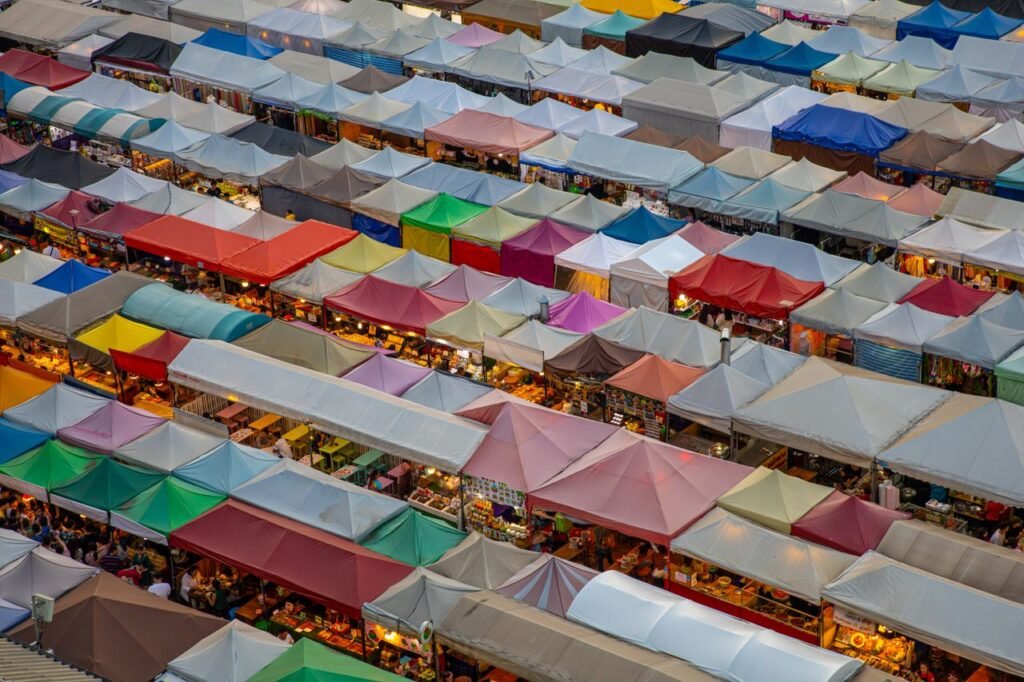
One of the largest markets in the world, and also one of the most misunderstood by first-time visitors: it’s only fully open on Saturdays and Sundays. Showing up on a weekday means a fraction of the stalls are running. With over 8,000 stalls across roughly 27 sections, going in without any plan means you’ll wander in circles — it’s worth picking two or three sections (clothing, home goods, food) rather than trying to see all of it.
Worth Your Time If You Have More Days
Chao Phraya River Cruise / Boat Rides
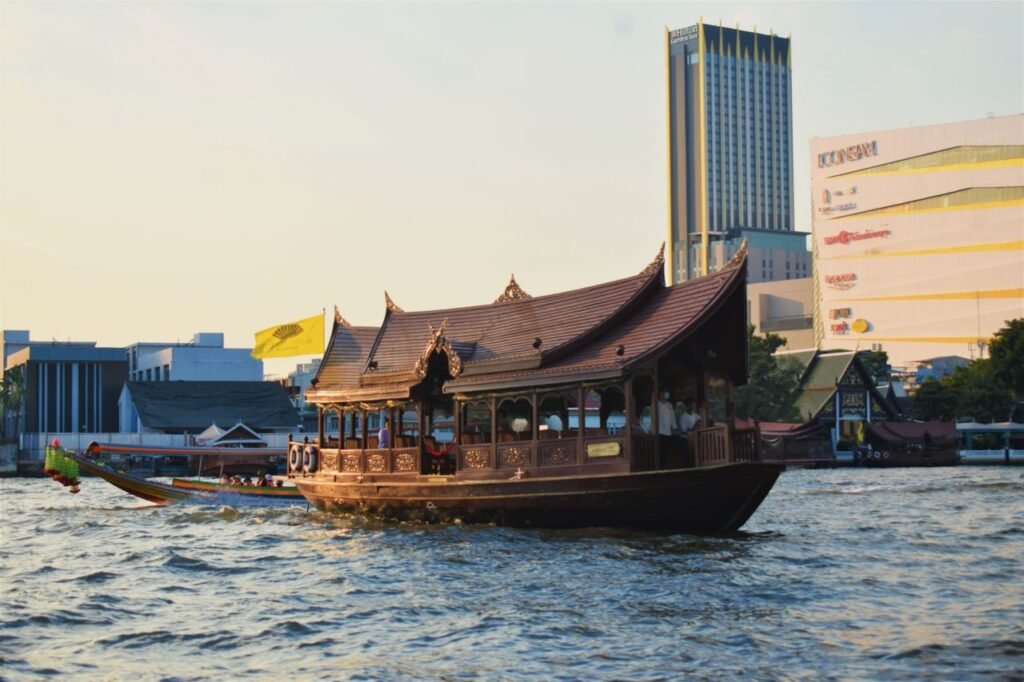
Public river ferries are a cheap and genuinely scenic way to see the city from the water, and a dedicated dinner cruise is a nice option for an evening if you want something less DIY.
Jim Thompson House
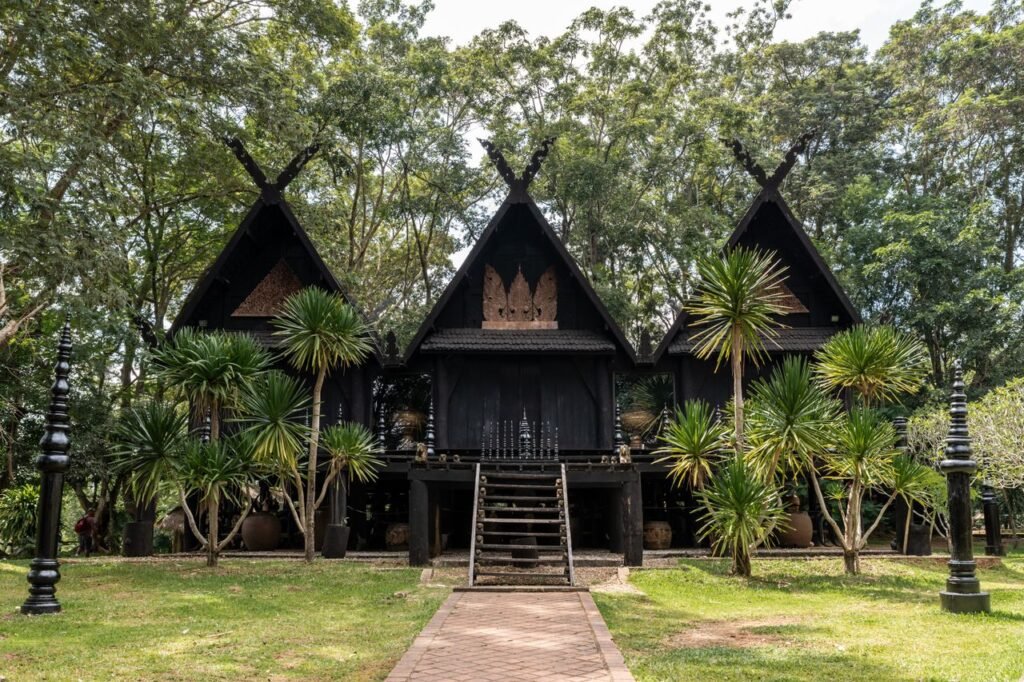
A quieter, more contemplative stop — the teakwood home of the American silk entrepreneur who revived Thailand’s silk industry, set around a garden that feels a world away from the traffic outside. Good option for a slower afternoon between busier sightseeing days.
Lumpini Park
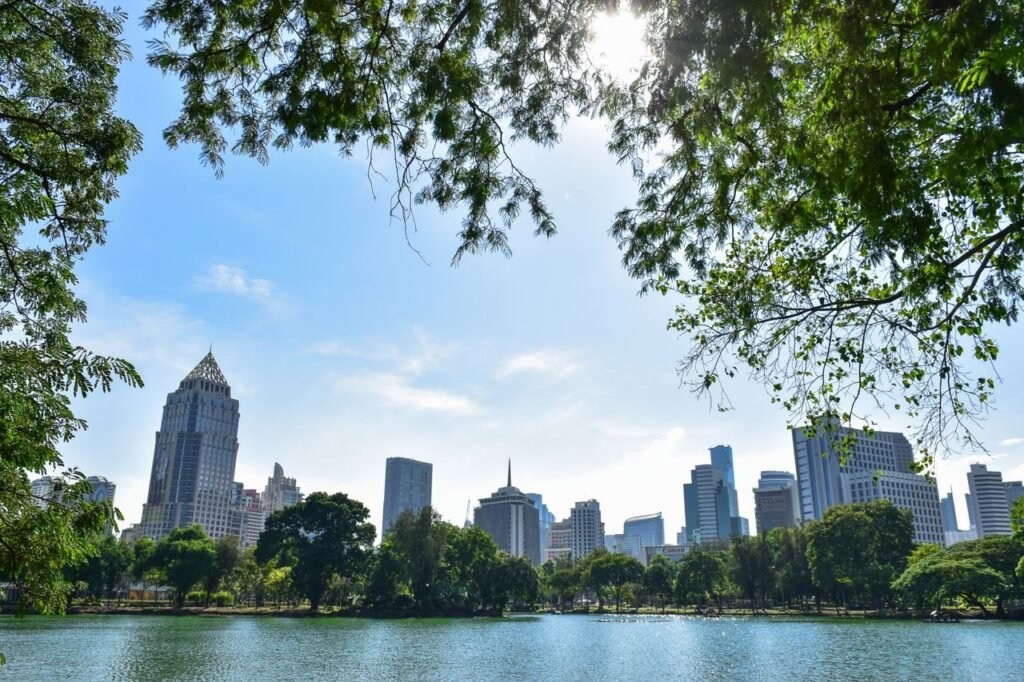
Bangkok’s answer to a proper city park — worth an early morning visit if you want to see locals doing tai chi, or an evening visit to escape the heat and traffic for an hour.
Chinatown (Yaowarat) at Night
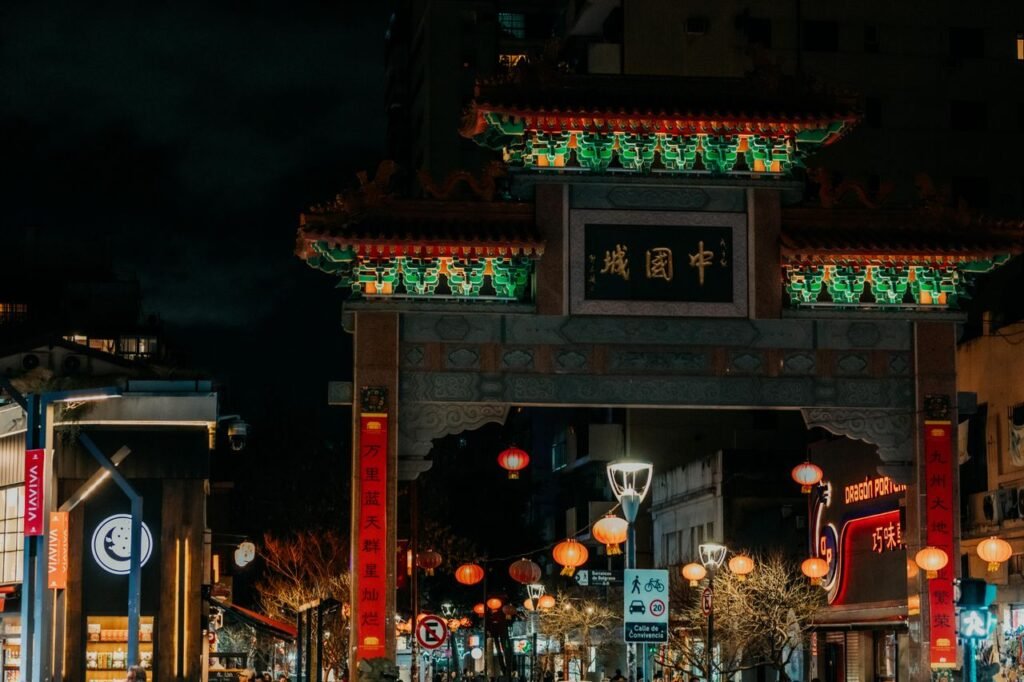
Yaowarat Road comes alive after dark, with neon signs, street food stalls, and a completely different energy from the temple-heavy Old City. This is one to do in the evening specifically — daytime Chinatown is comparatively quiet.
Best Bangkok Markets and Street Food Experiences
Floating Markets
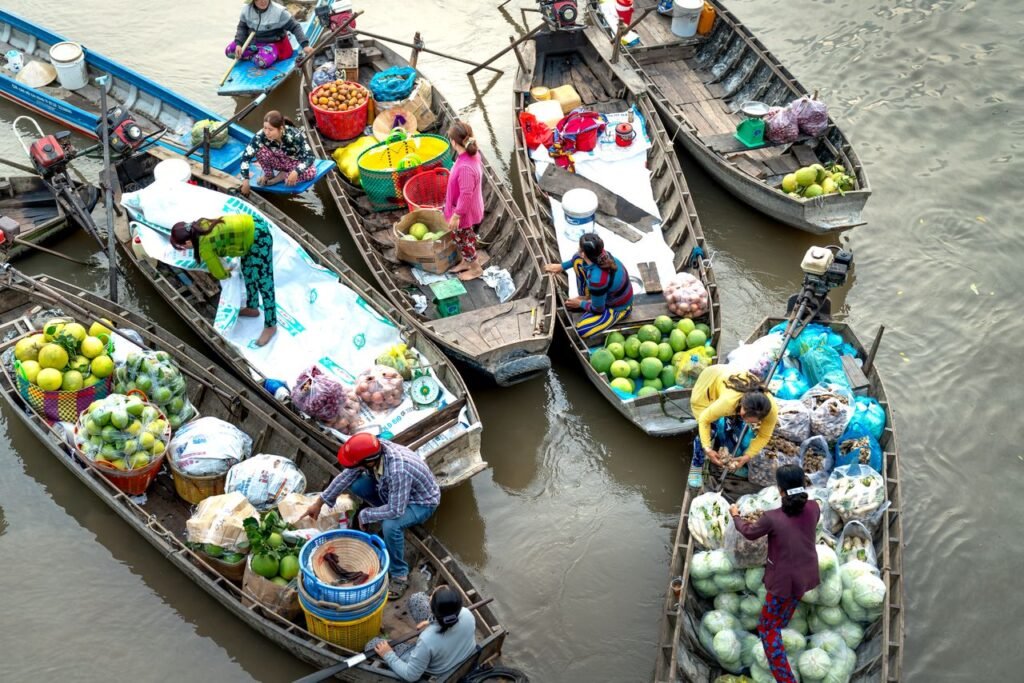
Damnoen Saduak is the most famous floating market, but it’s about 1.5 hours outside the city and has become fairly touristy, with prices to match. If you’re short on time or want something closer, Taling Chan floating market operates on weekends much closer to the city center and feels noticeably more local.
Street Food Areas Worth Seeking Out
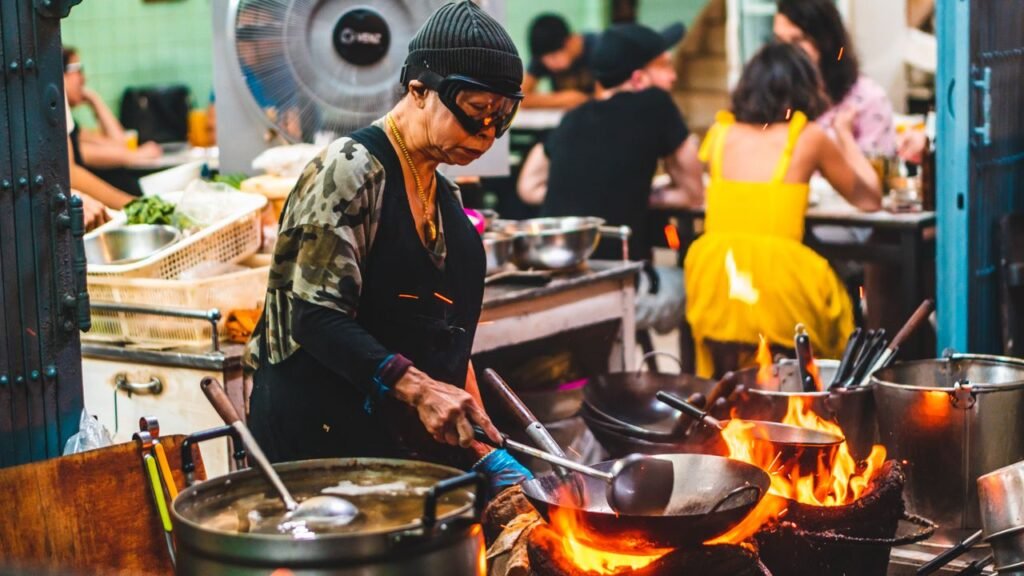
Beyond Chinatown, the streets around Chinatown, Silom’s Convent Road, and various night market pop-ups all offer solid street food. Look for stalls with a steady line of local customers — it’s a more reliable signal than any online “best of” list.
Rooftop Bars for an Evening View
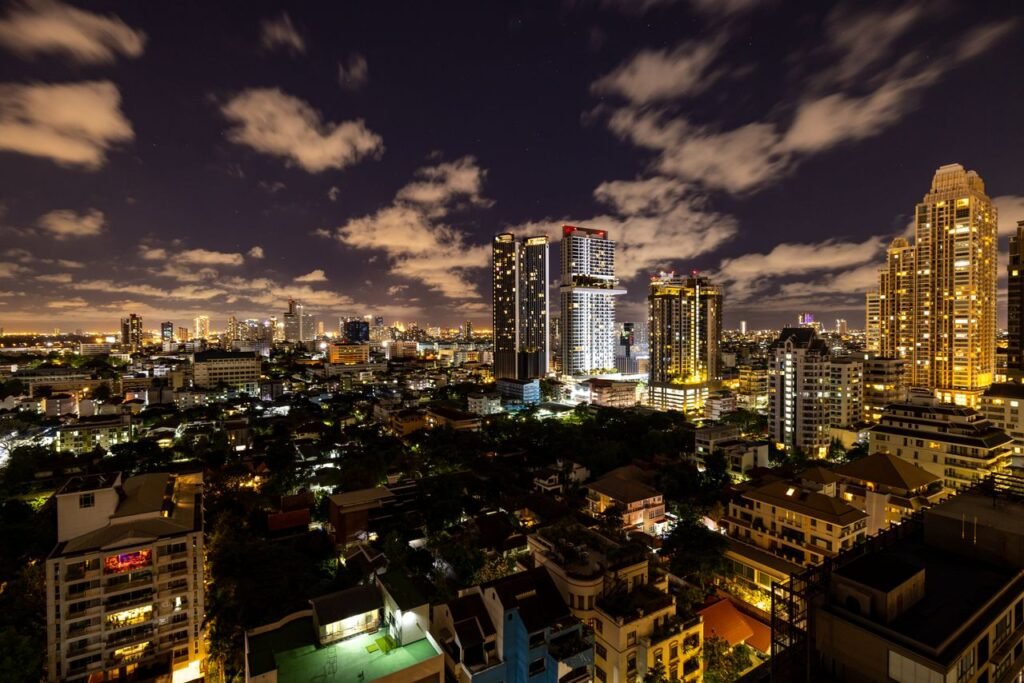
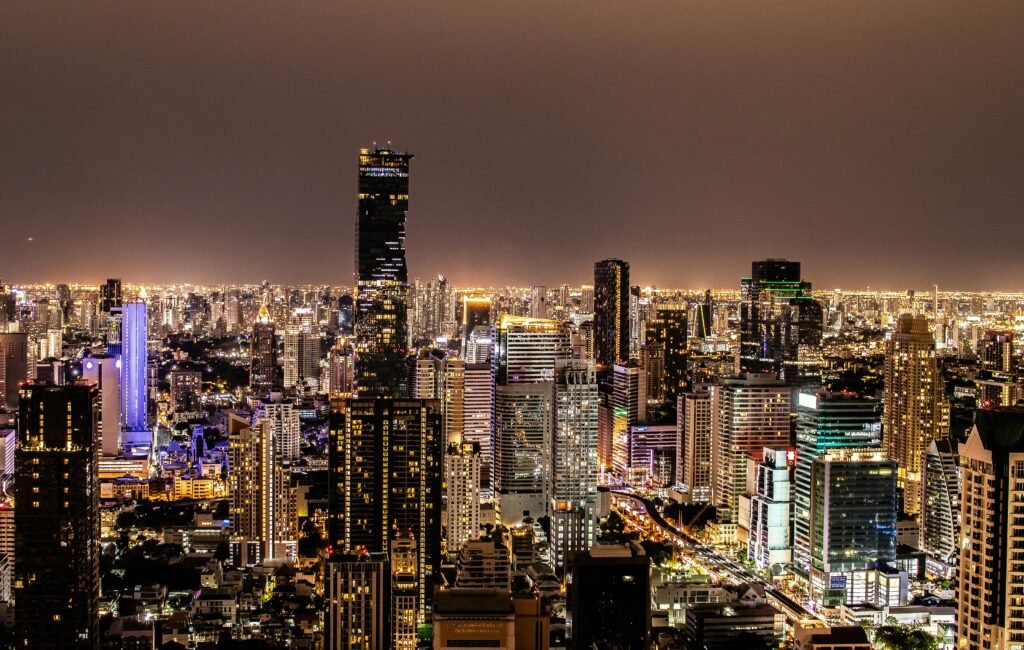
Bangkok’s skyline is genuinely dramatic after dark, and rooftop bars are one of the more distinctive ways to see it. Note that most enforce smart-casual dress codes and a minimum spend, so this is more of a splurge activity than a budget one.
Bangkok is just one part of Thailand’s vibrant after-dark scene. Explore our complete Thailand nightlife guide to compare rooftop bars, beach clubs, night markets, and party destinations across the country.
Pros & Cons of Sightseeing in Bangkok
| Pros | Cons |
|---|---|
| Dense concentration of major sights, many walkable to each other | Heat and humidity can make midday sightseeing exhausting |
| Affordable food and transport compared to many major cities | Traffic is often unpredictable and can eat into your schedule |
| Wide range of experiences: temples, markets, food, nightlife | Common tourist scams target first-time visitors near major sites |
| Excellent public transit (BTS/MRT) in the city center | Some major attractions get very crowded by mid-morning |
Common Mistakes to Avoid When Sightseeing in Bangkok
The "Temple Is Closed" Gem Scam
This is one of Bangkok’s longest-running scams: someone near the Grand Palace tells you it’s “closed for a ceremony” and offers to take you somewhere else by tuk-tuk — usually ending at a gem or tailor shop working on commission. The Grand Palace’s actual opening hours are posted at the entrance and rarely change; if someone outside the gates tells you otherwise, that’s the signal to walk on.
Overpaying for Tuk-Tuks
Tuk-tuks rarely use meters, and drivers near tourist hotspots often quote first-timers several times the fair local rate. We were quoted 300 THB for a ride that a Grab car ended up costing us under 100 THB for. If you do want the tuk-tuk experience, agree on a price before getting in, and treat it as something to do for the novelty rather than as your main transport.
Ignoring the Dress Code at Temples
Shoulders and knees covered, closed-toe or at least secure footwear, no see-through fabrics. Staff at major temples will turn you away or make you rent a cover-up on the spot — easy to avoid by just packing accordingly.
Trying to See Too Much in One Day
The Old City temples, Chatuchak, and Chinatown are all in different parts of the city. Cramming all three into one day usually means rushing everything and sitting in traffic between them. Group attractions by area instead of by “importance.”
Pro Travel Tips for Getting Around Bangkok
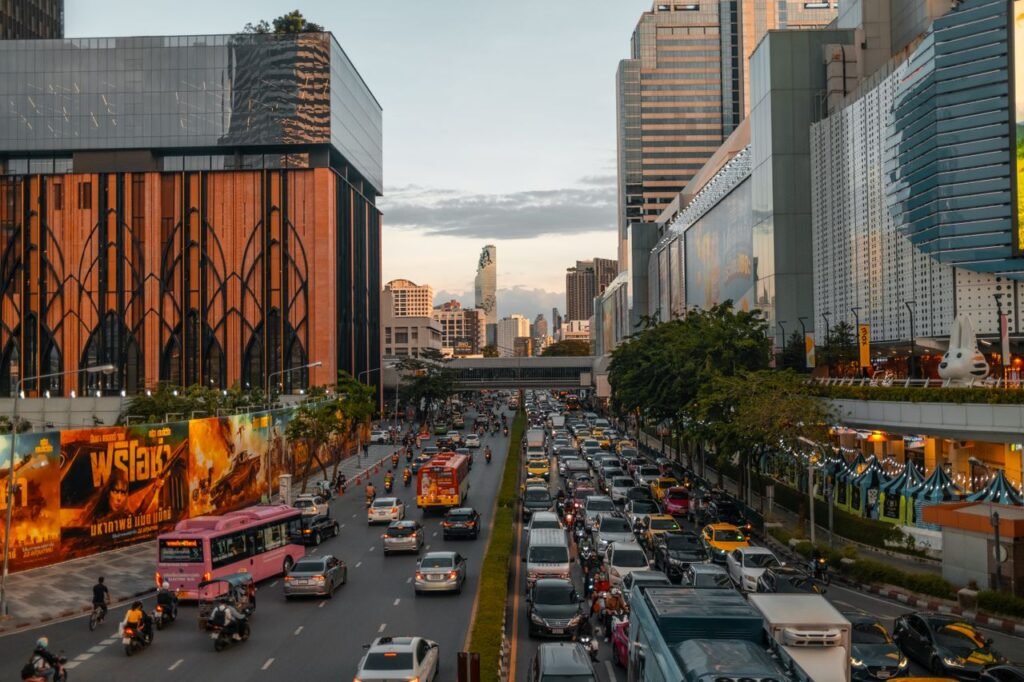
BTS Skytrain & MRT Basics
The BTS (elevated) and MRT (underground) cover most of the areas travelers care about — Siam, Sukhumvit, Silom, Chatuchak — though notably not the Old City temple cluster, which requires a taxi, Grab, or river boat instead.
When to Use Grab vs. Taxi vs. Tuk-Tuk
Grab is the most predictable option since the price is fixed before you accept the ride. Metered taxis are fine as long as the driver actually uses the meter — ask before getting in if unsure. Tuk-tuks are best treated as a short, fun experience rather than a practical way to get around.
Walking Between Attractions
The Grand Palace, Wat Pho, and the river ferry to Wat Arun are close enough to combine into one walkable loop. Chatuchak and Chinatown, on the other hand, are far enough from the Old City that they need to be planned as separate outings.
Where to Stay for Easy Access to Attractions
Best Areas for First-Timers
The Old City (Rattanakosin) puts you closest to the Grand Palace, Wat Pho, and Wat Arun, but has fewer BTS connections. Sukhumvit and Silom offer the best BTS/MRT access for reaching Chatuchak and other spread-out sights, at the cost of being a taxi or boat ride from the Old City temples. Riverside hotels split the difference, with river ferry access to both the Old City sites and a scenic base for evenings.
Who Should Prioritize What
First-Time Visitors (2–3 Days)
Stick to the Tier 1 must-sees: Grand Palace, Wat Pho, Wat Arun, and Chatuchak if your trip includes a weekend. That alone is a full, satisfying introduction to the city.
Culture & History Travelers
Add Jim Thompson House and consider a half-day trip to explore beyond the main temple cluster.
Foodies
Prioritize Chinatown at night and a street food crawl over ticking off every temple — Bangkok’s food scene rewards wandering more than scheduling.
Repeat Visitors or Longer Stays
This is when Tier 2 attractions and the floating markets earn their place, along with slower, less touristy neighborhoods.
Frequently Asked Questions
How many days do you need in Bangkok?
Three full days comfortably covers the essential sights at a reasonable pace; two days is workable if you plan tightly and accept you'll skip Tier 2 attractions.
Is Bangkok safe for tourists?
Generally yes in tourist areas, with common-sense precautions against scams like the "temple is closed" gem scam and inflated tuk-tuk fares, both covered above.
What is the best time of year to visit Bangkok?
November through February, for cooler temperatures and lower humidity compared to the hot and rainy seasons.
Do you need to dress modestly to visit temples in Bangkok?
Yes — shoulders and knees covered is required at the Grand Palace, Wat Pho, and Wat Arun, with rental cover-ups available on-site if needed.
Is Chatuchak Market open every day?
No, it's primarily open Saturday and Sunday, with only a small fraction of stalls running on weekdays.
How much does a day of sightseeing in Bangkok cost?
A mid-range budget of roughly 2,500–4,000 THB per day covers attraction entry fees, transport, and a mix of street food and restaurant meals.
What's the best way to get around Bangkok?
BTS and MRT for the city center, Grab for door-to-door trips and areas not covered by transit, and walking within compact areas like the Old City temple cluster.
Is Bangkok worth visiting if I've already seen Chiang Mai or Phuket?
Yes — Bangkok offers a different experience centered on history, food, and city energy rather than nature or beaches, making it a worthwhile complement rather than a repeat.