
Bangladesh Travel Guide: Visa, Costs, Safety & Where to Go
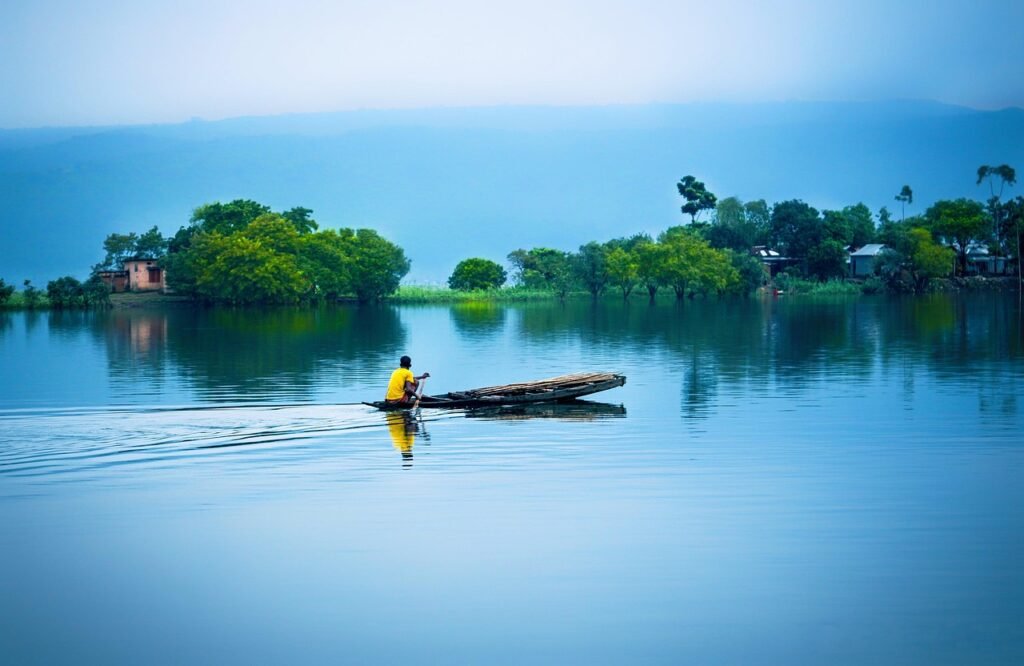
Bangladesh doesn’t appear on many bucket lists, and that is exactly why this Bangladesh travel guide exists. It is a country of rivers, tea hills, the world’s largest mangrove forest and a capital that never stops moving. It is also a place where tourist infrastructure is thin, English is limited outside the big cities, and rules change often enough that an old blog post can send you the wrong way.
So this guide does three things. First, it gives you the practical facts (visa, money, safety, transport) along with the official sources to double-check them. Second, it tells you where to go and how many days each place really needs. Third, it is honest about who will love Bangladesh and who should pick somewhere easier.
A quick note on how to read it: anything that changes quickly (visa fees, advisory levels, ferry schedules) is marked, and I tell you where to confirm it. Where I give a price range, treat it as a planning estimate, not a promise.
Detail | What to know |
|---|---|
Capital | Dhaka |
Population | Roughly 170 million, one of the most densely populated countries on earth |
Currency | Bangladeshi taka (BDT). Around 120 taka to 1 USD in 2025–26, so check the live rate |
Language | Bengali (Bangla). English is limited outside cities and hotels |
Time zone | UTC+6 |
Electricity | 220 V, 50 Hz. Plug types C, D, G and K are all in use, so bring a universal adapter |
Weekend | Friday and Saturday |
Best months | November to February |
Visa | Required for most nationalities. Apply only through the official Bangladesh government portal |
Typical daily budget | About USD 25–35 (budget), 50–90 (mid-range), 120+ (comfort). Estimates, see the cost section |
Biggest watch-out | Chittagong Hill Tracts and Myanmar-border areas are flagged by several governments |
Is Bangladesh Worth Visiting?
Short answer: yes, if you like places that feel real rather than polished. No, if you want smooth logistics and plenty of English-language help.
What makes Bangladesh different
Water is everywhere. Bangladesh sits on the world’s largest river delta, where the Ganges, Brahmaputra and Meghna meet. Boats are not a tourist activity here. They are how people go to work, take produce to market and visit family. A river launch overnight from Dhaka is one of the great slow-travel experiences in South Asia.
Heritage most people have never heard of. Bangladesh has three UNESCO World Heritage Sites: the Sundarbans mangrove forest, the Historic Mosque City of Bagerhat, and the ruins of the Buddhist Vihara at Paharpur. Add Mughal forts in Dhaka, terracotta temples in the north and one of the oldest archaeological sites in the region at Mahasthangarh, and the history is far deeper than the country’s reputation suggests.
Nature that surprises people. Tigers in the Sundarbans (rarely seen, but real), hoolock gibbons in Lawachara, a flooded swamp forest at Ratargul, and rolling tea estates around Srimangal.
Food. Rich, spicy, mustard-forward and very different from what many people expect if they have only eaten Indian restaurant food. More on this below.
People. Foreign visitors are still rare outside Dhaka, so expect curiosity, selfie requests and a lot of “Which country?” questions. Most of it is friendly. Some of it gets tiring. Both are true.
What Bangladesh is not
- It is not a resort-style destination. Cox’s Bazar has a famous beach, but it is a busy domestic holiday town, not a polished tourist strip.
- It is not an easy first Asia trip. Crowds, heat, traffic and slow transit are part of the deal.
- It is not well set up for independent foreign visitors. Booking systems often assume a local phone number, and some hotels are not licensed to host foreigners.
- It does not move fast. A 250 km journey can take most of a day.
If that list excites you more than it worries you, keep reading.
Is Bangladesh Safe for Tourists?
Honest answer: it depends on where, when and how you travel, so a plain yes or no would be misleading. Most of the country is visited without drama. A few regions carry serious official warnings. And the situation has shifted several times recently, so you should check on the day you book.
What governments currently say
The Chittagong Hill Tracts (the districts of Khagrachari, Rangamati and Bandarban) are the one area where governments agree. The US rates it Level 4: Do Not Travel, citing unrest, crime, terrorism and kidnapping. The UK’s FCDO advises against all but essential travel there. Canada advises avoiding all travel. Travel there needs prior government permission, and both the UK and Canadian pages say to give the authorities about ten days’ notice.
The US also flags areas near the Myanmar border and the refugee camps near Cox’s Bazar. You should not plan to visit the camps.
Country-level ratings have moved around during 2026. The US rating was reported as Level 3 (Reconsider Travel) in January 2026 and was later reported as lowered to Level 2 (Exercise Increased Caution) in a July 2026 embassy notice. The UK’s advice also changed more than once in early 2026 before settling on advising against all but essential travel only to the Hill Tracts. Please do not rely on my summary. Check these pages the week you travel:
- US State Department: travel.state.gov (Bangladesh)
- UK FCDO: gov.uk/foreign-travel-advice/bangladesh
- Canada: travel.gc.ca (Bangladesh)
One practical point from the UK page: your travel insurance can be invalidated if you travel against official advice, so read your policy before you book anything in a flagged area.
Area | What to expect | My advice |
|---|---|---|
Dhaka and major cities | Pickpocketing, phone snatching, heavy traffic, occasional demonstrations | Normal big-city caution, plus avoid crowds and protests |
Sundarbans, Khulna, Bagerhat | Wildlife, weather and boat safety matter more than crime | Use a licensed operator, check the weather forecast |
Cox’s Bazar town and beaches | Busy domestic tourist zone | Stay on the tourist side, do not visit refugee camps |
Sylhet and Srimangal | Popular with domestic travelers, seasonal flooding | Check road conditions in the rainy season |
Chittagong Hill Tracts | Official warnings, permit rules | Not recommended. If you go anyway, get permission first |
Myanmar border areas | Flagged by the US | Skip |
Petty crime and scams
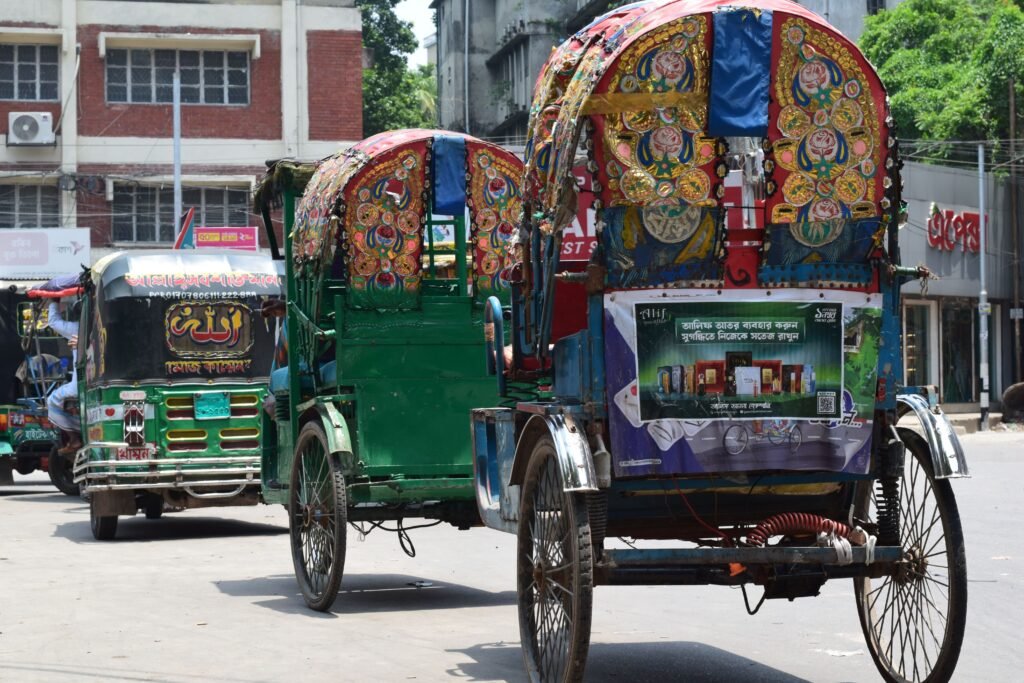
The most common problems are small: pickpocketing in crowded areas, phone snatching through open rickshaw or bus windows, and foreigner pricing. Agree the fare before you get in a rickshaw or CNG (the green three-wheeler), or use a ride app such as Pathao or Uber, where the price is shown upfront. Keep your phone out of sight in traffic. Carry a photocopy or photo of your passport and keep the original in your hotel safe when you are just wandering around the city.
Demonstrations and hartals
A hartal is a strike called by a political group, and it can shut down roads and transport for a day or more. Protests can also turn tense quickly. Avoid gatherings, follow local news (The Daily Star, Prothom Alo English and bdnews24 are good starting points), and leave a buffer day before any international flight.
Solo and women travelers
Women do travel Bangladesh, but it requires realistic expectations. Staring is common and unwanted attention happens, particularly in crowded places. What helps most: dress modestly (shoulders and knees covered, loose clothing), choose well-reviewed accommodation, travel in daylight, use ride apps and share your trip with someone, and get a local SIM early. A scarf is useful for mosques and for deflecting attention when you need to.
Health basics
- Water: drink bottled or filtered water only. Avoid ice unless you trust the venue.
- Vaccines: see a travel clinic four to six weeks before departure. The CDC commonly lists hepatitis A, typhoid and routine vaccines for Bangladesh, and discusses others such as hepatitis B, rabies and Japanese encephalitis depending on your plans. Confirm on the CDC travel page.
- Dengue: present in Bangladesh, with peaks during and after the monsoon. Use repellent and cover up at dawn and dusk.
- Malaria: the CDC lists risk in some parts of the country, mainly the east and northeast. Check the map for your exact route.
- Air quality: Dhaka’s air is often among the worst in the world in winter, which is also peak tourist season. Pack a good mask (N95 or FFP2) and check an AQI app.
- Insurance: get a policy with medical cover and evacuation, and read the exclusions.
Related reading: How to Avoid Getting Sick While Traveling, Basic Medicines to Pack.
Bangladesh Visa and Entry Requirements

Most nationalities need a visa to enter Bangladesh. This is the area where websites disagree the most, so here is what I can say with confidence and what you should verify.
What is consistent across sources:
- A visa is required in advance for most passport holders.
- A standard tourist visa is typically for up to 30 days per entry.
- Fees reported for a single-entry tourist visa cluster around USD 50, with multiple-entry visas around double that. Fees and rules can vary by nationality.
- Processing times are usually reported as a few working days, but allow more.
What is not consistent:
- Whether visa on arrival is available to you. Some aggregator sites claim it, others say you must apply online first. Do not count on it.
- The exact fee, the exact processing time and whether the online e-visa is available for your nationality and entry point.
There is also a pending change. Bangladesh’s visa rules date back to 2006, and a draft Visa Policy 2026 has been published by the Ministry of Home Affairs, with a possible shift toward an e-visa system. Until that is confirmed, use the official government portal or your nearest Bangladesh embassy as the source of truth, not a visa agency or a blog, including this one.
How to apply: step by step
- Check your nationality’s rules on the official Bangladesh visa portal or your nearest embassy’s website.
- Make sure your passport has at least six months’ validity and blank pages.
- Prepare a digital passport photo, passport scan, an itinerary and proof of accommodation.
- Submit the application and pay the fee through the official channel only.
- Print the approval and carry it with your passport. Take a copy of your hotel booking too.
Extensions and special permits
Extensions are handled by the Department of Immigration and Passports in Dhaka. Do not assume you can extend, and never overstay. If you want to enter restricted areas such as the Chittagong Hill Tracts, you need separate government permission.
Best Time to Visit Bangladesh

Bangladesh has a subtropical monsoon climate. The German Foreign Office describes the dry season as running roughly from November to March, which matches what most travelers experience. For most people, November to February is the sweet spot.
Season | Months | Weather | Good for | Watch out for |
|---|---|---|---|---|
Cool and dry | Nov – Feb | Mild days, cooler nights, low rain | Almost everything: Sundarbans, Cox’s Bazar, Sylhet, Dhaka | Peak prices, crowds, and Dhaka’s winter air pollution |
Hot | Mar – May | Very hot and humid, sudden thunderstorms | Budget travel, fewer visitors | Heat, nor’wester storms, cyclone risk in April–May |
Monsoon | Jun – Oct | Heavy rain, flooding, lush scenery | Ratargul swamp forest, haor boat trips, cheaper rooms | Road delays, flooded areas, dengue, many boat services restricted |
Best time by destination
- Sundarbans: Tours generally run in the dry season, roughly October to March. Cooler weather also makes the boat days far more comfortable.
- Cox’s Bazar and Saint Martin’s Island: Winter is best for the beach. Saint Martin’s ferries run mainly in the dry season and can be paused for weather or other reasons.
- Sylhet and Srimangal: Winter is pleasant for tea gardens and hiking. The wet season is the time for the flooded forest at Ratargul and the haor wetlands, so it depends on what you want.
- Dhaka: Winter weather is best, but air quality is worst. Spring is hot. Pick based on what you can tolerate.
- Barisal and Kuakata: Winter for comfort, though guava markets near Barisal peak in the rainy season.
Festivals and holidays that change your plans
- Ramadan: Daytime restaurants are often closed or quiet, and travel can be tiring. Eat discreetly in public during the day. Evenings are lively and the iftar (breaking the fast) atmosphere is a highlight.
- Eid al-Fitr and Eid al-Adha: Dhaka empties as millions travel home. Trains, buses and launches sell out well ahead. Avoid intercity travel around Eid unless you have tickets.
- Pohela Boishakh (Bengali New Year, 14 April): Colourful and crowded, especially in Dhaka. It is wonderful and hard to move around in.
- Durga Puja (autumn): A major Hindu festival with elaborate pandals, especially in Dhaka.
Bangladesh Travel Cost: Budget Breakdown
Bangladesh is cheap by most standards, but your costs depend heavily on whether you stay in a foreigner-friendly hotel, how many domestic flights you take, and whether you book a Sundarbans tour. All figures below are planning estimates based on commonly reported ranges. I show you where to plug in your own receipts.
Daily budget by travel style
Style | Daily total | Typical setup |
|---|---|---|
Budget | USD 25–35 | Basic guesthouse, local meals, buses and trains, ride apps for short trips |
Mid-range | USD 50–90 | Comfortable hotel with AC, mix of restaurants, some domestic flights, one guided tour |
Comfort | USD 120+ | International-standard hotels in Dhaka, private cars, guided tours |
Typical costs by category
Item | Approximate cost |
|---|---|
Basic hotel or guesthouse | BDT 1,500–3,000 per night (about USD 12–25) |
Good mid-range hotel | BDT 4,000–9,000 per night (about USD 33–75) |
International-standard hotel in Dhaka | USD 100–250 per night |
Local meal (rice, curry, dal) | BDT 120–300 |
Restaurant meal | BDT 400–900 |
Street snacks (fuchka, singara, tea) | BDT 20–100 each |
Rickshaw, short ride | BDT 50–200, negotiate first |
Ride app, short city trip | BDT 150–500 |
Dhaka Metro Rail | BDT 20–100 depending on distance |
Intercity bus | BDT 500–1,500 depending on class and route |
Intercity train | BDT 300–1,500 depending on class and route |
Domestic flight (one way) | USD 40–100 |
Heritage site entry (foreigner rate) | A few hundred taka |
Sundarbans boat tour (2–3 nights, all-in) | Often BDT 12,000–25,000 per person. Prices vary widely by operator and group size |
Treat these as ranges to sanity-check, not quotes. Prices for foreigners can be higher than for locals, and tourist season pushes rooms up.
Money tips
- Cash is king. Cards work in upscale hotels and some restaurants, but most daily spending is in cash.
- ATMs are widespread in cities but can be unreliable in rural areas. Withdraw when you can.
- Bring some clean USD for exchange. Exchange counters at the airport and banks are the safer option than street changers.
- Tipping is not mandatory. Many restaurants add a service charge and VAT, so check the bill. Small tips for guides, drivers and boat crews are appreciated.
- Bargaining is normal for rickshaws, markets and some tours. Stay polite and good-humoured.
- Mobile money (bKash, Nagad) is how locals pay, but it generally needs a local registration, so do not count on it.
Where to Go: The Best Places to Visit in Bangladesh
Bangladesh is bigger than it looks on a map, and almost every trip is hub-and-spoke from Dhaka. Here are the places worth your time, with how long to give each.
Dhaka (2–3 days)
Best for: history, food, street life, river scenes.
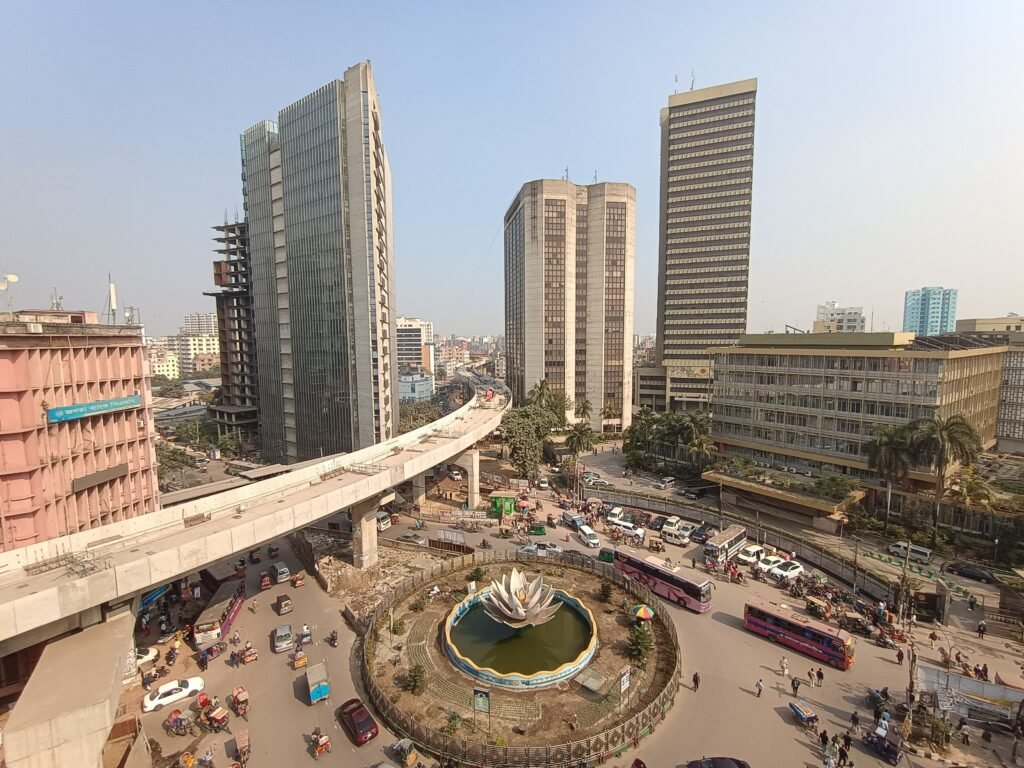
Dhaka is loud, crowded and exhausting, and it is also where Bangladesh makes the most sense. Split your time between the old and new city.
Old Dhaka is the heart of it. Start at Sadarghat, the river terminal where hundreds of boats and launches come and go. Early morning or late afternoon is best. Then visit Lalbagh Fort, a 17th-century Mughal fort that was never finished, and Ahsan Manzil, the pink riverside palace of the Nawabs of Dhaka, now a museum. Nearby you will find the Armenian Church (built in 1781), the Star Mosque with its mosaic of tiles, and Shankhari Bazar, a lane of Hindu craftsmen. Wander slowly, because the best parts are the alleys between the sights.
Newer Dhaka has two stops worth your time. The Jatiya Sangsad Bhaban (National Parliament House), designed by the architect Louis Kahn, is one of the most striking modern buildings in South Asia. Interior visits may need permission, but the exterior and the lake are worth seeing on their own. The Liberation War Museum tells the story of 1971 and gives context that makes the rest of the country easier to understand.
Half-day trip: Sonargaon (Panam City), the old capital of Bengal, about an hour outside the city, with crumbling merchant mansions and a folk art museum.
Practical tips:
- Friday mornings are the quietest time on the roads. Use them for sightseeing.
- The Dhaka Metro Rail, opened in 2022, is the cleanest and fastest way to cover its route. Use it when it fits your plan.
- Allow double the time you think you need for any cross-city trip.
The Sundarbans (2–3 days)
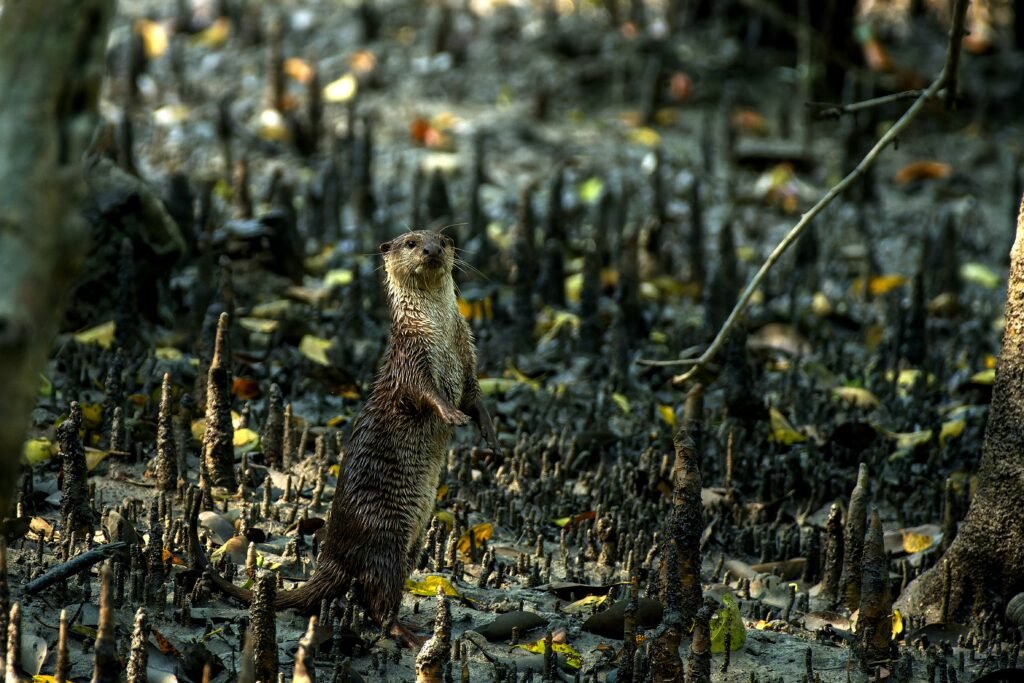
Best for: wildlife, mangrove scenery, slow boat travel.
The Sundarbans is the largest mangrove forest in the world and a UNESCO World Heritage Site since 1997. It is shared with India, and the Bangladesh side is the larger part. Rivers, tidal creeks and dense forest fill the area, and you explore it almost entirely by boat.
Be realistic about the tigers. The Royal Bengal tiger lives here, with recent counts putting the population at roughly a hundred, but sightings by visitors are rare. You are much more likely to see spotted deer, monkeys, wild boar, saltwater crocodiles, kingfishers and other birds, and, on the rivers, dolphins. If someone promises you a tiger, be skeptical.
How it works: Most visitors go on a multi-day boat package arranged through an operator in Khulna or Mongla, which includes the boat, meals, a guide, an armed forest guard and the forest permits. You can reach Khulna from Dhaka by bus, train, overnight river steamer or by flying to Jessore and driving. Popular stops include Karamjal (a crocodile breeding centre), Hiron Point, Katka and the fishermen’s settlements.
Tips: Book a licensed operator and ask exactly what is included. Go in the cooler dry season. Bring insect repellent, a hat and binoculars. Phone signal is patchy.
Cox’s Bazar and Saint Martin’s Island (2–4 days)
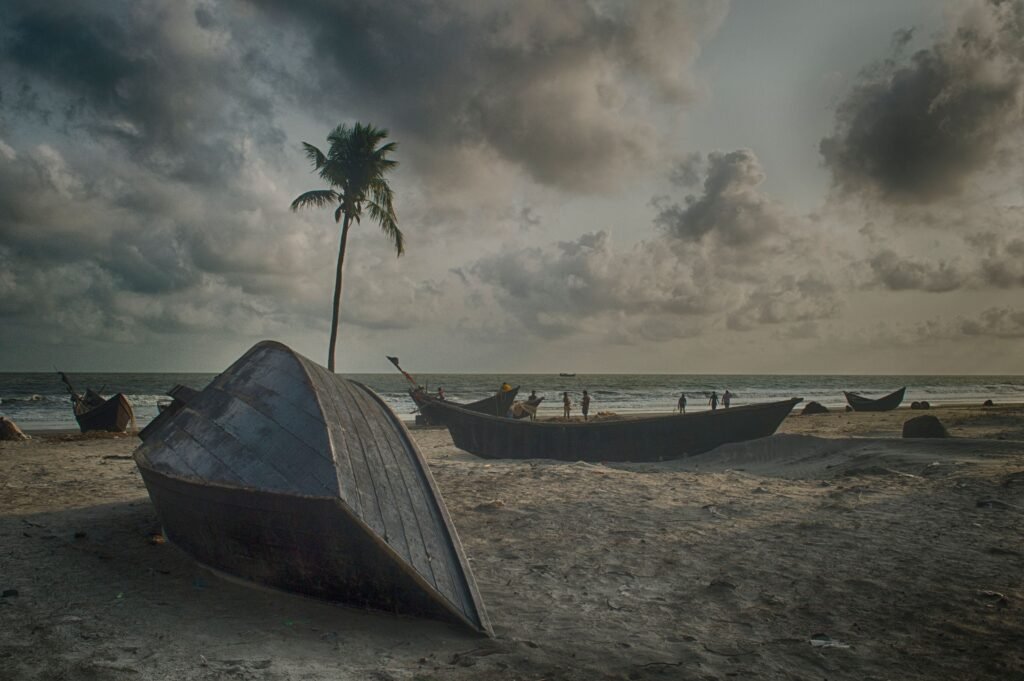
Best for: beach time, sunsets, seafood.
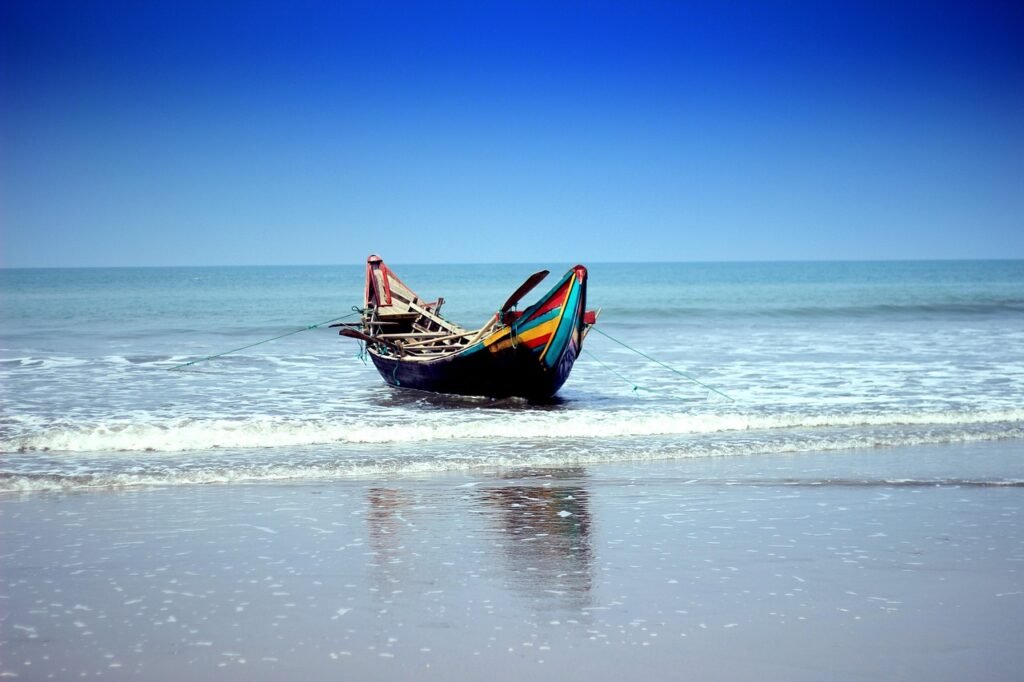
Cox’s Bazar is promoted as the world’s longest natural sea beach, stretching about 120 km. The main strip (Laboni and Kolatoli) is busy, noisy and popular with Bangladeshi families, so go in with the right expectations. For something calmer, head south to Inani Beach, known for its coral-stone shoreline, or look at Himchari National Park for a short hike and waterfall. Maheshkhali island, a short boat ride away, adds a temple, salt farms and betel leaf plantations.
Saint Martin’s Island is the country’s only coral island, reached by ferry from Teknaf. The route runs close to the Myanmar coast and the service has been suspended at times for weather or security reasons, and rules on visitor numbers and overnight stays have changed over the years. Confirm the current situation with your hotel and the operator before you build a plan around it.
Important: Refugee camps near Cox’s Bazar are flagged by governments and are not tourist sites. Do not go.
Getting there: Domestic flights from Dhaka take about an hour. A direct train now runs from Dhaka after the rail line was extended to Cox’s Bazar. Overnight buses are the cheapest option but long.
Sylhet and Srimangal (2–4 days)
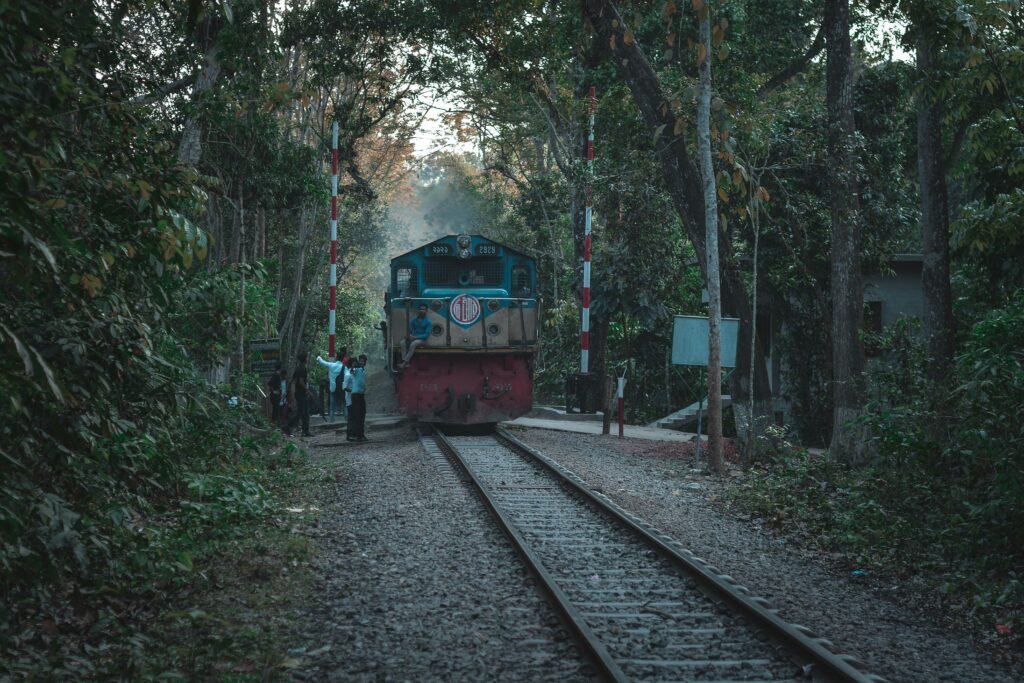
Best for: tea gardens, hills, waterfalls, wetlands.
The northeast is the green side of Bangladesh. In Sylhet, visit the Shrine of Hazrat Shah Jalal, the Malnicherra tea estate (among the oldest in the region), and the scenic spots across the Meghalaya border hills such as Jaflong, Bichanakandi and Lalakhal, where the water turns blue-green. Ratargul Swamp Forest is a freshwater swamp forest that you explore by small boat. It is at its best in the rainy season, when the water is high.
Srimangal is the tea capital. Walk or cycle through the estates, visit Lawachara National Park (home to hoolock gibbons, best early in the morning), and try the famous seven-layer tea at a local tea cabin. Madhabkunda waterfall is a good day trip.
If you want a quieter, more remote experience, look at the haor wetlands near Sunamganj, including Tanguar Haor, a Ramsar-listed wetland. Boat trips are best during and just after the rains.
Getting there: Trains and flights run from Dhaka. The train takes roughly six to eight hours, the flight about 45 minutes.
Bagerhat and Khulna (1 day, combine with the Sundarbans)
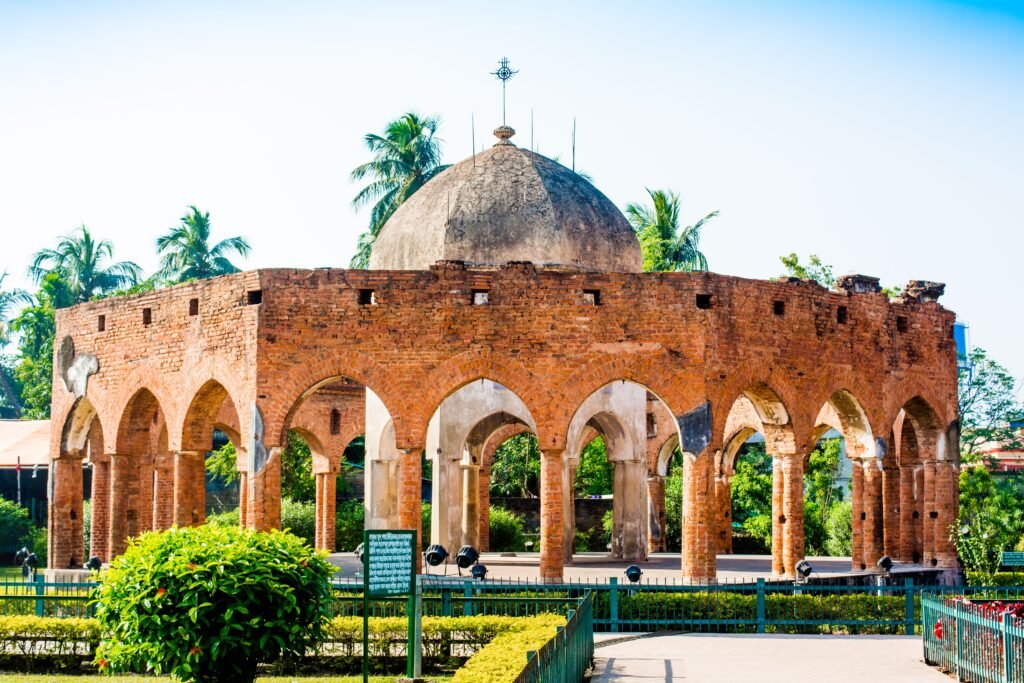
The Historic Mosque City of Bagerhat is a UNESCO site, built in the 15th century by the saint-general Khan Jahan Ali. The star is the Shait Gumbad Mosque (Sixty Dome Mosque), a quiet brick building with a remarkable atmosphere. Nearby, Khan Jahan Ali’s tomb has a pond with sacred crocodiles. It sits close enough to Khulna to pair neatly with a Sundarbans trip.
Northern heritage: Paharpur, Mahasthangarh and Puthia (2–3 days)
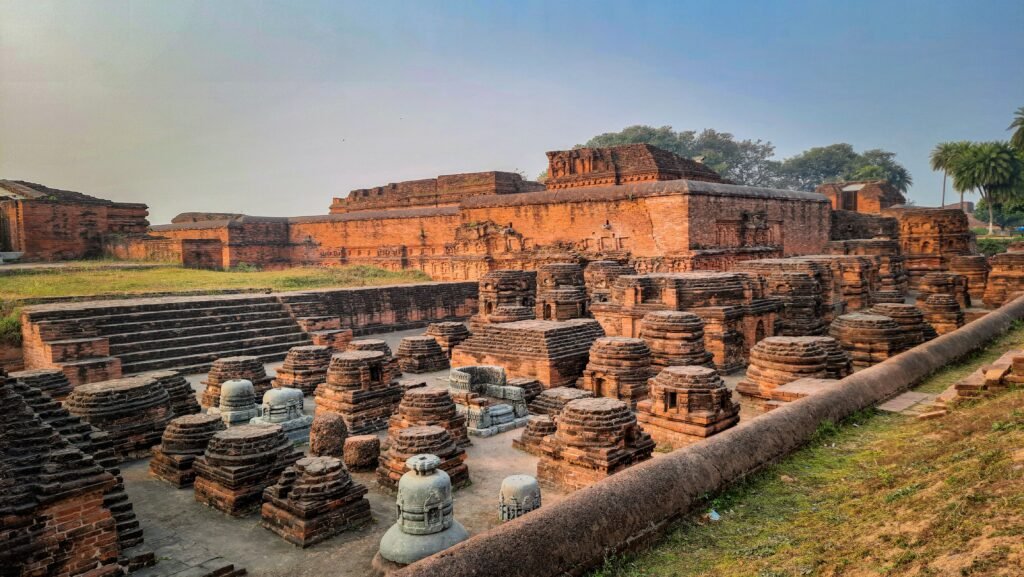
Best for: history lovers who want to get off the standard route.
The ruins of the Somapura Mahavihara at Paharpur (8th century, UNESCO) are among the largest Buddhist monasteries south of the Himalayas. Mahasthangarh, near Bogura, is one of the oldest archaeological sites in the region and dates back roughly to the third century BCE. Further on, the terracotta temples at Puthia (Rajshahi) and the Kantajew Temple near Dinajpur show a different side of Bengal. Rajshahi is also known for silk and, in season, mangoes.
This region takes time to reach and has limited tourist services, so plan well and expect to rely on local drivers and guides.
Barisal and Kuakata (2–3 days)
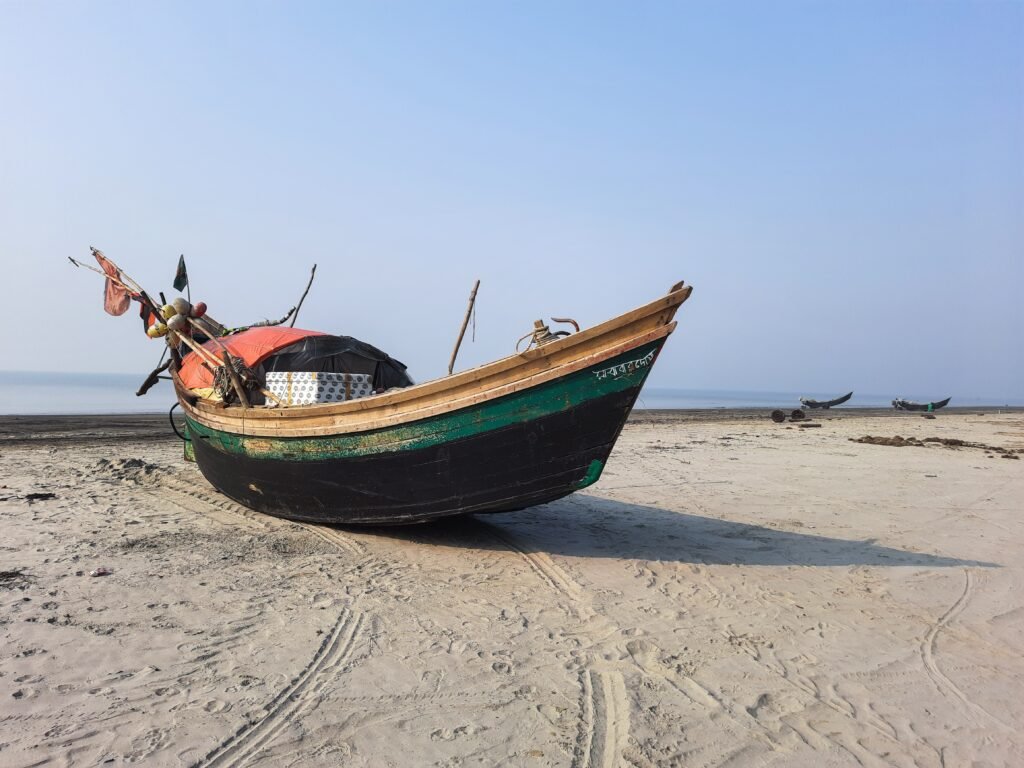
Barisal is sometimes called the Venice of Bengal because canals and rivers form its roads. During guava season in the rainy months you can visit the floating guava markets near Swarupkathi. Kuakata, further south, is famous for being a beach where you can watch both sunrise and sunset over the sea. The Padma Bridge, opened in 2022, has made southern trips from Dhaka far easier than they used to be. It is still a long day by road.
Chittagong Hill Tracts (information only)
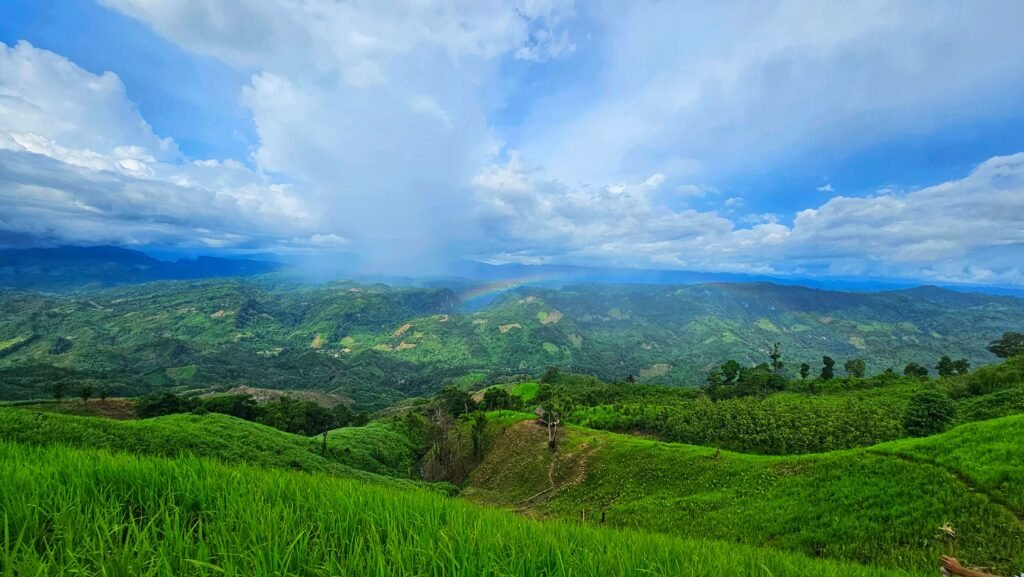
Bandarban, Rangamati and Khagrachari are known for lakes, hills and Indigenous communities, and they are popular with Bangladeshi travelers. For foreign visitors the picture is different. The US rates the area Level 4, the UK advises against all but essential travel, and Canada advises avoiding all travel. Permission from the authorities is required, with about ten days’ notice suggested by the UK and Canada. I am not recommending these districts. If you decide to go anyway, check the official advisories, get permission first, and make sure your insurance covers it.
Where to go at a glance
Region | Best for | Time needed | Best season |
|---|---|---|---|
Dhaka | History, food, river life | 2–3 days | Nov – Feb |
Sundarbans | Wildlife, boat travel | 2–3 days | Oct – Mar |
Cox’s Bazar | Beach, seafood | 2–4 days | Nov – Mar |
Sylhet and Srimangal | Tea, hills, wetlands | 2–4 days | Nov – Feb, wetlands in the rains |
Bagerhat | UNESCO mosque city | 1 day | Nov – Feb |
Northern heritage | Buddhist and Hindu ruins | 2–3 days | Nov – Feb |
Barisal and Kuakata | Canals, sunrise and sunset beach | 2–3 days | Nov – Feb |
Getting Around Bangladesh
Transport is the hardest part of a Bangladesh trip, so plan it first. Journeys take longer than the map suggests, and many tickets sell out.
Domestic flights
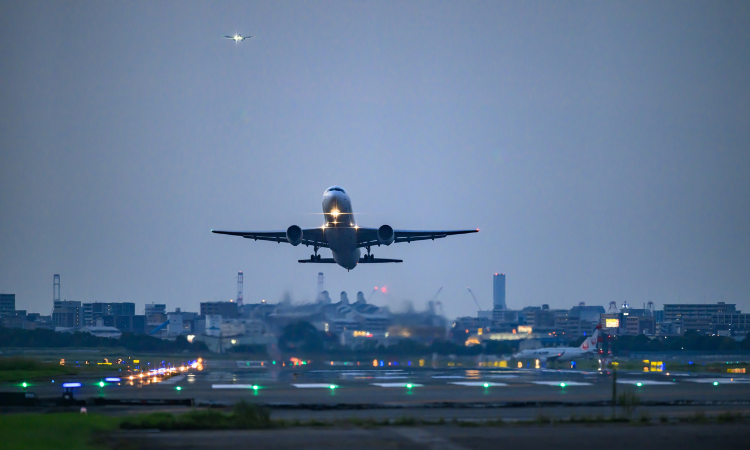
The fastest option for long hops. Biman Bangladesh Airlines, US-Bangla, Novoair and Air Astra fly routes such as Dhaka to Cox’s Bazar, Sylhet, Jessore and Saidpur. Book ahead for popular winter dates and holidays. Flights can be delayed by weather and strikes.

Trains
Bangladesh Railway is the most comfortable and scenic ground option for the main routes (for example Dhaka to Chittagong and Dhaka to Sylhet). Classes range from basic seats to air-conditioned seats and cabins. Tickets are sold through the railway’s e-ticket system and apps, and they usually open about ten days before departure. Booking online can require a local phone number, so ask your hotel for help or buy at the station counter. Tickets sell out around Eid.

Buses
Buses reach everywhere and are the cheapest option. Choose reputable AC coach operators for long routes and avoid cramped local buses where you can. Road safety is a real concern in Bangladesh, so avoid overnight buses when a daytime or train alternative exists, and try not to travel at the most congested times.
River launches and steamers
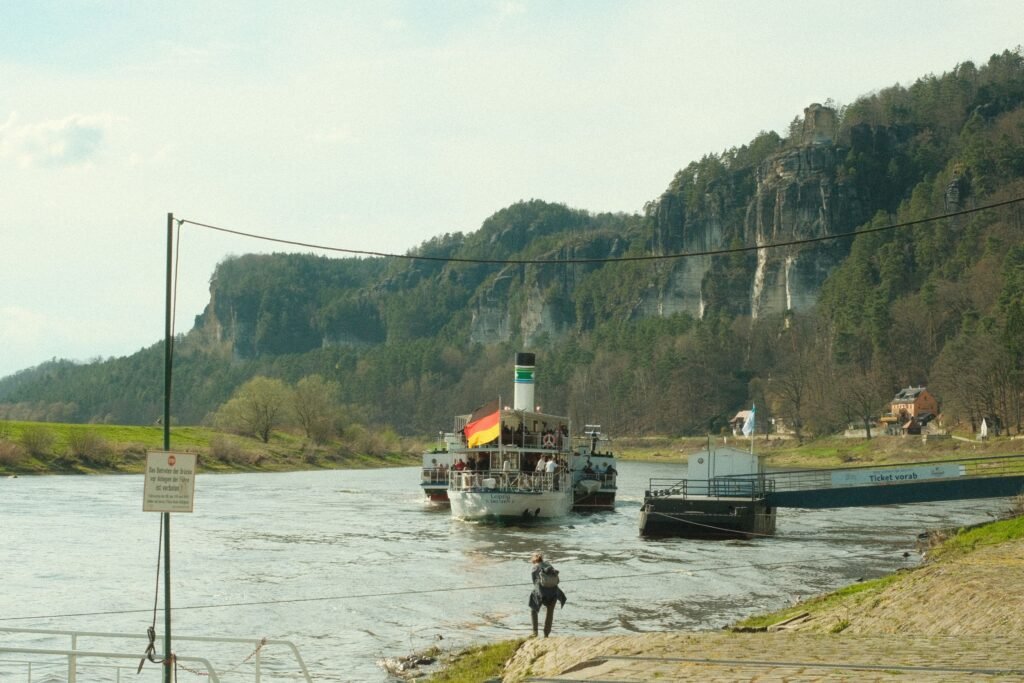
Overnight launches run between Dhaka and cities such as Barisal and Khulna. A private cabin is comfortable and a memorable way to travel. Check the schedule and safety standards of the specific vessel, avoid overloaded boats, and avoid sailing in bad weather. Historic paddle steamers (known locally as Rocket) have run on the Dhaka to Khulna route for decades, but check their current status before you plan around one.
In the cities
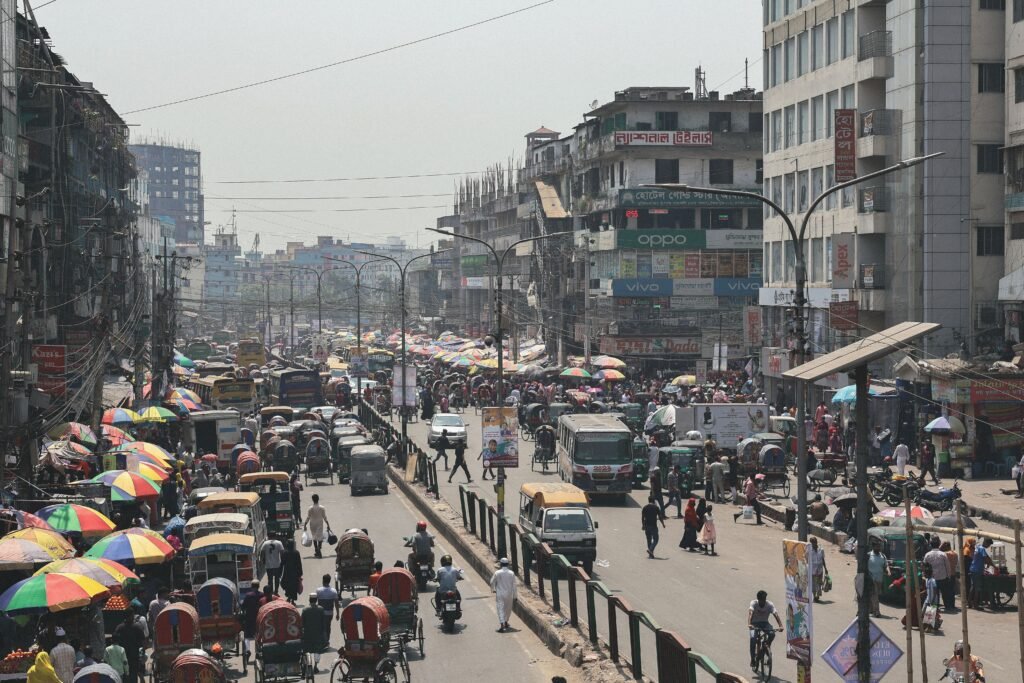
- Ride apps (Pathao, Uber and others): transparent pricing and a safer feel for solo travelers.
- Cycle rickshaws: great for short distances and old city lanes. Agree the price first.
- CNG auto-rickshaws: the green three-wheelers, cheaper than a taxi, bargaining expected.
- Metro (Dhaka): fast, clean and cheap on its line.
Typical journey times (approximate)
Route | Mode | Approximate time |
|---|---|---|
Dhaka to Chittagong | Train | 5–6 hours |
Dhaka to Sylhet | Train | 6–8 hours |
Dhaka to Sylhet | Flight | About 45 minutes |
Dhaka to Cox’s Bazar | Flight | About 1 hour |
Dhaka to Cox’s Bazar | Bus | 9–12 hours |
Dhaka to Khulna | Bus | 5–8 hours depending on traffic |
Times vary hugely with traffic, flooding and holidays. Add a buffer on every leg.
What to Eat in Bangladesh
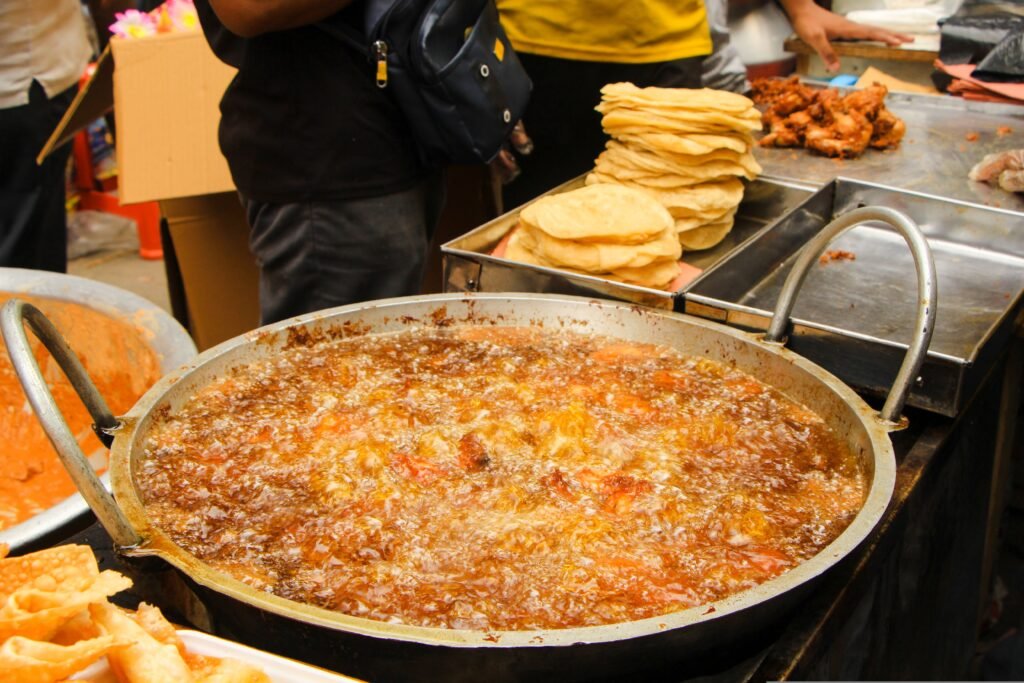
Bangladeshi food rewards curiosity. It is generous with mustard oil, chilli, fresh fish and rice, and it is very different from the restaurant version of South Asian food you may know.
- Hilsa (ilish): the national fish and the soul of Bengali cooking. Try it steamed in mustard sauce (shorshe ilish) or fried. It is bony, so eat carefully.
- Kacchi biryani: Dhaka’s famous rice dish with marinated mutton and potato, often served with a spiced yogurt drink called borhani.
- Bhuna khichuri: rice and lentils slow-cooked with spices, a comfort food especially on rainy days.
- Bhorta: mashed vegetables or fish mixed with mustard oil, onion and chilli. Simple and addictive.
- Panta bhat: fermented rice with fried fish, strongly associated with the Bengali new year.
- Street snacks: fuchka (crisp shells with tamarind water), chotpoti, singara (samosas) and jhalmuri (spiced puffed rice).
- Pitha: rice cakes, especially popular in winter.
- Sweets: mishti doi (sweet yogurt), rasmalai from Cumilla and a huge range of milk sweets.
- Tea: street-side milk tea is a daily ritual. In Srimangal, try the seven-layer tea.
Eating safely: choose busy stalls with high turnover and food cooked fresh in front of you. Avoid raw salads and ice if your stomach is sensitive, drink bottled water, and carry hand sanitiser and basic medicines.
Culture and Etiquette
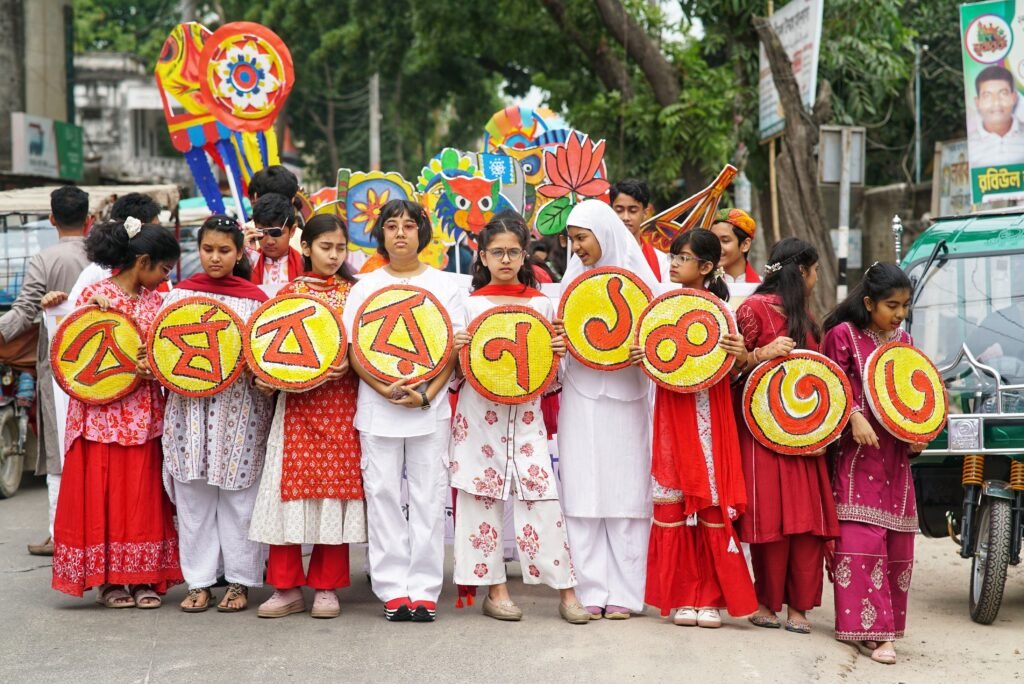
Bangladesh is a Muslim-majority country with significant Hindu, Buddhist and Christian minorities, and religion shapes daily life. A little respect goes a very long way.
- Dress modestly. Cover shoulders and knees, and loose clothing is more comfortable in the heat anyway. Women should carry a scarf for mosques.
- Remove your shoes before entering mosques and many homes.
- Use your right hand for eating and passing things.
- Greetings: Assalamu alaikum is the common Muslim greeting, and the reply is Wa alaikum assalam. A smile works anywhere. Men should wait for a woman to offer her hand before shaking.
- Photography: always ask before photographing people, especially women. Do not photograph military sites, bridges or airports.
- Alcohol is hard to find and not part of public life. Do not expect bars.
- Public affection is frowned on.
- Prayer times and Fridays: Friday is the main day of prayer, and some shops close around midday.
- Staring and questions: common and usually curious rather than hostile. A calm smile and short answers help.
A few Bengali words
Bengali | Meaning |
|---|---|
Dhonnobad | Thank you |
Koto taka? | How much? |
Bhalo | Good |
Pani | Water |
Na | No |
Thik ache | Okay, fine |
Combining Bangladesh with India
Many travelers pair Bangladesh with West Bengal or the northeast of India. Common crossings include Benapole and Petrapole (near Jessore and Kolkata), Akhaura and Agartala, and Tamabil and Dawki (Sylhet and Meghalaya). Dhaka to Kolkata flights take about an hour, and cross-border trains such as the Maitree Express have run between Dhaka and Kolkata.
Before you plan around any of it, confirm that your visa allows entry at that specific land border, and check current rules on both sides. Visa services and border services between the two countries have been disrupted at times, and schedules can change at short notice.
Sample Itineraries
Bangladesh is hub-and-spoke through Dhaka, so most routes involve some backtracking. Domestic flights make it manageable.
7 days: Culture and tea
- Days 1–2: Dhaka (Old Dhaka, Lalbagh Fort, Ahsan Manzil, museums)
- Day 3: Half-day trip to Sonargaon, then travel to Sylhet
- Days 4–6: Sylhet and Srimangal (tea gardens, Lawachara, Ratargul or Jaflong depending on the season)
- Day 7: Return to Dhaka and depart
10 days: Classic Bangladesh
- Days 1–2: Dhaka
- Days 3–6: Khulna, Bagerhat and a Sundarbans boat trip
- Day 7: Fly back to Dhaka
- Days 8–10: Cox’s Bazar (beach, Inani, Maheshkhali), then fly out
14 days: Deeper loop
- Days 1–2: Dhaka
- Days 3–5: Sylhet and Srimangal
- Day 6: Return to Dhaka
- Days 7–10: Khulna, Bagerhat and the Sundarbans
- Days 11–12: Barisal and Kuakata by road or launch
- Days 13–14: Cox’s Bazar, then fly out
Always keep a spare day. Strikes, floods and flight delays are normal.
Pros and Cons of Visiting Bangladesh
Pros | Cons |
|---|---|
Far fewer tourists than neighbouring countries | Limited tourist infrastructure |
Rich, distinctive food | Heat, humidity and monsoon disruption |
Rivers, mangroves, tea hills and heritage | Long, slow transit and crowded roads |
Warm, curious people | Constant staring and attention can wear you down |
Low costs for most things | Limited English outside cities |
Authentic, unpolished travel | Regional advisories and changing official guidance |
Three UNESCO sites | Winter air pollution in Dhaka |
Common Mistakes to Avoid in Bangladesh

- Relying on old visa information. Rules and fees are under review. Verify through the official portal or embassy before you pay anyone.
- Planning the Chittagong Hill Tracts casually. Foreign access involves official warnings and permission requirements. Do not wing it.
- Underestimating journey times. A short distance can take half a day. Build in buffers and avoid same-day connections to international flights.
- Traveling around Eid without tickets. Trains, buses and launches sell out and prices rise. Plan around the holiday.
- Carrying too little cash. ATMs fail, cards are not widely accepted. Carry enough taka for the day and a reserve.
- Dressing for the beach everywhere. Even at Cox’s Bazar, modest clothing is the norm outside your hotel.
- Booking a Sundarbans trip on price alone. Cheap packages may skip permits, safety equipment or meals. Check what is included.
- Ignoring the political calendar. A strike can close roads. Follow local news and keep a spare day.
- Skipping insurance. Medical care outside Dhaka can be limited, and evacuation can be costly. Read your policy for excluded areas.
Pro Travel Tips

- Get a local SIM early. Ride apps, maps and train booking all depend on data. Registration requires your passport and usually biometrics at the shop.
- Download offline maps and the main ride apps before you land.
- Book trains and domestic flights early in winter and well before holidays.
- Pack a universal adapter that covers several plug types, plus a power bank.
- Carry small notes. Drivers and rickshaw pullers often cannot change large bills.
- Keep a printed hotel booking and visa copy. You may be asked for them.
- Choose hotels licensed to host foreigners. Some small hotels cannot take foreign guests, so confirm before you arrive.
- Stay flexible. The best days in Bangladesh often come from a suggestion from a local.
- Pack light, breathable layers, a rain jacket, sunscreen, repellent and a mask for winter pollution.
Who Should Choose What
If you are… | Bangladesh is… | Focus on |
|---|---|---|
A budget backpacker who likes off-the-beaten-path travel | A great fit | Dhaka, Sylhet, Sundarbans, trains and launches |
A culture and history traveler | A strong fit | Old Dhaka, Bagerhat, Paharpur, Mahasthangarh |
A nature and wildlife lover | A strong fit, with realistic expectations | Sundarbans, Lawachara, haors |
A beach holiday traveler | Not the best fit | Cox’s Bazar is busy and basic. Look elsewhere in Asia |
A first-time Asia traveler | Probably not the best starting point | Start with an easier country, come back later |
A family with young children | Challenging | Short, well-planned trips with private transport |
A solo woman traveler | Possible with preparation | Daylight travel, ride apps, modest dress, a guide in remote areas |
My honest view: Bangladesh rewards patience. If you want comfort and ease, it will frustrate you. If you want a country that still feels like it belongs to its own people, it is one of the most rewarding places in Asia.
Bangladesh Travel FAQ
Is Bangladesh safe for tourists?
Most of Bangladesh is visited without major incident, but risk varies by region. The Chittagong Hill Tracts are flagged by the US, UK and Canada, and the US also flags Myanmar-border areas and refugee camps near Cox’s Bazar. Pickpocketing, traffic and demonstrations are the everyday concerns. Check your government’s advisory the week you travel.
Do I need a visa to visit Bangladesh?
Yes, most nationalities need a visa in advance. A tourist visa is usually for up to 30 days, and reported single-entry fees cluster around USD 50, but rules vary by nationality and are under review. Apply only through the official Bangladesh government portal or an embassy, and do not rely on visa on arrival.
What is the best month to visit Bangladesh?
November to February is the best time to visit Bangladesh, with dry weather and milder temperatures. March to May is hot, and June to October is the monsoon, with flooding and heavy rain. Expect higher prices and worse air pollution in Dhaka in winter.
How many days do you need in Bangladesh?
Ten to fourteen days lets you see Dhaka plus two or three regions without exhausting yourself. A week covers Dhaka and one region, such as Sylhet or the Sundarbans. Because journeys are slow, add a buffer day rather than packing in more stops.
How much money do you need per day in Bangladesh?
Budget travelers can manage on roughly USD 25–35 per day, mid-range travelers USD 50–90, and comfort travelers USD 120 or more. Domestic flights and Sundarbans tours are the biggest extras. Most spending is in cash, so carry enough taka.
Can women travel to Bangladesh solo?
Yes, women do travel Bangladesh solo, but it takes preparation. Expect staring and occasional unwanted attention. Dress modestly, choose well-reviewed accommodation, travel in daylight, use ride apps, get a local SIM and share your plans with someone. Many women prefer a guide for remote areas.
What is Bangladesh famous for?
Bangladesh is known for the Sundarbans mangrove forest and its Bengal tigers, the world’s largest river delta, the long beach at Cox’s Bazar, tea estates in Sylhet, hilsa fish and its textile industry. It also has three UNESCO World Heritage Sites, including Bagerhat and Paharpur.
Sources and How This Guide Was Checked
Safety, visa and health details change. Before you travel, confirm them with these official sources:
- US State Department travel advisory for Bangladesh (travel.state.gov)
- UK FCDO foreign travel advice for Bangladesh (gov.uk)
- Government of Canada travel advice for Bangladesh (travel.gc.ca)
- German Foreign Office travel and safety information for Bangladesh
- CDC Travelers’ Health page for Bangladesh (vaccines, malaria, food and water)
- Official Bangladesh government visa portal and the Department of Immigration and Passports
- Bangladesh Railway e-ticket system and your chosen airline for schedules