

The moment that stays with me from the Singapore Night Safari isn’t a photo — it’s a sound. Somewhere past the entry plaza, just after the gates opened for the evening, a chorus of cicadas dropped away almost on cue, and the whole park went quiet in a way that daytime zoos never do. That hush, more than any single animal sighting, is what makes this place different from every other wildlife attraction in Singapore.
If you’re trying to figure out whether the Singapore Night Safari is worth building an evening around, what it costs, and how to avoid the mistakes most first-timers make, this guide covers all of it — pricing straight from Mandai’s official ticketing page, the tram-versus-walking-trail decision, getting there and back, and the honest limits of what you’ll actually see.
Table of Contents
ToggleWhat Is the Singapore Night Safari?

The Night Safari is a 40-hectare wildlife park inside the Mandai Wildlife Reserve, purpose-built to let you observe nocturnal animals during the hours they’re naturally active — rather than watching drowsy animals in a daytime zoo enclosure. It opened in 1994 as the world’s first nocturnal wildlife park, and it’s still the model most nocturnal zoos elsewhere have tried to copy. The park is home to roughly 900 animals across dozens of species, spread over several geographic zones designed to mimic real habitats, from the Himalayan foothills to the jungles of Southeast Asia.
You explore it two ways: a guided tram ride that loops through most of the park, and four walking trails that get you closer to specific animals on foot. Most visitors do a mix of both in one evening.
What separates this from a standard zoo-at-night gimmick is the lighting design. Instead of bright floodlights, the whole park is lit with subtle, moonlight-style illumination calibrated to keep animals comfortable and active rather than stressed. Enclosures are also built as open, moated habitats rather than caged pens, which is part of why the park has picked up recognition from the World Association of Zoos and Aquariums (WAZA) and certification from the Global Sustainable Tourism Council (GSTC) — worth knowing if you care about how the animals in an attraction like this are actually treated, not just what the marketing photos show.
A Quick Word on Conservation

Mandai Wildlife Group, which runs the Night Safari alongside Singapore Zoo, River Wonders, and Bird Paradise, frames every admission ticket as contributing to conservation work through its “Conservation Included” initiative. I’d take any conservation claim from a for-profit attraction with a healthy dose of skepticism, but it’s a genuinely different operating model from a roadside zoo — the animals here are part of active breeding and habitat-education programs, not just a static exhibit.
How Much Does the Singapore Night Safari Cost?
Pricing depends on whether you’re a Singapore resident and whether you’re visiting on a regular or peak day. Here’s what Mandai’s official site lists:
| Ticket Type | Non-Resident | Resident (Regular Days) | Resident (Peak Days: Fri/Sat/PH) |
|---|---|---|---|
| Adult | S$58 | S$48 | S$52 |
| Child (Ages 3–12) | S$41 | S$32 | S$36 |
| Senior (60+) | — | S$25 | S$25 |
| Under 3 | Free, when accompanied by an adult 21+ holding a ticket | ||
A few things worth knowing before you check out:
- Admission includes the tram ride — you don’t pay extra for it, and it runs on a first-come, first-served basis rather than a scheduled add-on.
- Prices include Singapore’s 9% GST and are subject to change without notice, so treat these as a strong estimate rather than gospel on the day you book.
- If you’re also doing the Singapore Zoo, River Wonders, Bird Paradise, or the newer attractions, the 6-Attraction Destination Pass starts from around S$118 for adults and S$90 for children, and can work out cheaper than buying single tickets if you’re stacking two or more parks into your trip.
- Third-party resellers (Klook, Trip.com, GetYourGuide, Traveloka) often list discounted or bundled prices that undercut the gate rate — it’s worth comparing before you book direct, though I’d always cross-check the current price against Mandai’s own site first since third-party listings can lag behind official pricing.
Other Costs to Budget For
The ticket price is rarely the whole picture. Here’s what else tends to add up on an actual visit:
| Item | Approx. Cost |
|---|---|
| Mandai Khatib Shuttle (each way) | S$2.50 per person |
| Grab/taxi from city centre (each way) | S$20–30, plus S$5 late-night surcharge |
| On-site parking (self-drive) | From S$3 for the first hour, capped around S$10/day |
| Dinner inside or near the park | S$15–35 per person, depending on the outlet |
| Photo Pass / professional photo package (optional) | Varies — check current pricing on-site |
| Creatures of the Night show (if booked separately) | Check current requirement and fee via the Mandai app |
For a couple visiting on a regular weekday without a car, a realistic all-in evening — tickets, shuttle both ways, and a simple dinner — lands somewhere in the S$130–160 range for two non-resident adults. Add a bundle pass or a second park and that number moves quickly, so it’s worth deciding upfront whether you’re doing Night Safari as a standalone evening or folding it into a bigger Mandai day.
Best Time to Visit the Singapore Night Safari

Best Time of Year
Singapore doesn’t really have a “closed season” — the park runs year-round. The main variable is rain. Singapore’s wetter months tend to run from November through January, so if you’re visiting during that window, build in a buffer in case a downpour delays your entry slot or pushes you toward the covered sections of the trails first.
Best Time of Day to Arrive
The park opens at 6:30pm, with entry typically staggered into timed slots — commonly around 7:15pm, 8:15pm, 9:15pm, and 10:15pm, with last entry around 11:15–11:30pm depending on the day. Animals tend to be at their most active in the first couple of hours after dark, before things cool down and some species settle. Arriving on the earliest slot you can get also means you’re moving through the tram queue before it peaks.
Weekday vs. Weekend
Weekday evenings — especially Sunday through Thursday, outside school holidays — are noticeably quieter than Friday, Saturday, and public holiday nights, which are also priced higher for residents. If your schedule allows it, a Tuesday or Wednesday night visit gives you shorter tram queues and a calmer walk along the trails.
What to Pack for the Weather
Singapore sits almost exactly on the equator, so temperature doesn’t swing much by season — what changes is rainfall and humidity. Expect:
- Warm, humid air throughout the evening, generally in the high 20s Celsius even after dark
- A noticeable breeze along the more open trail sections, which can feel cool if you’ve spent the day in air-conditioned malls or hotels
- A real chance of a short, heavy tropical downpour with little warning, especially November through January
A light rain jacket packs down small and covers you far better than an umbrella does when you’re also trying to hold a phone or camera on a walking trail.
Tram Ride vs. Walking Trails — Which Should You Choose?

What the Tram Ride Covers
The tram is a roughly 40-minute guided ride with live or recorded commentary, looping through around six to seven zones and giving you a broad overview of the park — free-roaming animals like Malayan tapirs, plus enclosures for lions, hyenas, and other species you’d struggle to get close to on foot anyway. It’s included in your admission and is the easiest option if you’re visiting with young kids, older relatives, or anyone with mobility considerations.
The Walking Trails
There are four trails, each with a different focus:
- Fishing Cat Trail — recreates a Southeast Asian jungle trek along a stream, home to the Fishing Cat itself and the newer Explorer Outpost exhibit, which recently added the Southern Three-banded Armadillo. This is a good pick if you want a shorter, self-contained loop rather than a long walk.
- Leopard Trail — the largest collection of wildlife native to Southeast Asia on any single trail, and generally the most popular of the four, which also means it’s the one most likely to feel crowded after 8–9pm.
- East Lodge Trail — a quieter option that tends to draw a smaller crowd than the Leopard Trail, worth prioritizing if you’re visiting specifically for calmer, less rushed animal viewing.
- Wallaby Trail — a shorter, more open trail centred on free-roaming wallabies, easy to fit in even if you’re short on time.
Each trail typically takes 20–45 minutes depending on your pace and how long you linger, so realistically you can comfortably cover two of the four trails alongside the tram in a single 3-hour visit — trying to do all four plus the tram in one evening usually means rushing through at least one of them.
Trails get you much closer to individual animals than the tram does, which matters if photography is part of why you’re visiting. The trade-off is that they’re on foot, humid, and can bottleneck at the more popular stretches later in the evening.
Can You Do Both?
Yes, and most visitors do. The sequencing matters more than people expect. [Insert your own sequencing story here — which you did first, how the queues changed by the time you finished, and what you’d do differently next time.] As a general rule: if the tram queue is short when you arrive, do that first and save the trails for after, since trail queues tend to build more slowly through the evening than the tram’s does.
What Animals Will You See?

The park is home to roughly 900 animals, and a meaningful share of them are threatened species. You have a strong chance of encountering species like leopards, hyenas, tapirs, civets, and various nocturnal primates, along with the Fishing Cat that the trail is named for.
What most articles don’t tell you: sightings are not guaranteed, and that’s fine — it’s a real wildlife park, not a stage show. Some animals will be resting out of view, tucked into foliage, or simply uninterested in coming close to the path on a given night. Go in expecting a genuine wildlife encounter with some unpredictability, not a curated checklist, and you’ll enjoy it more.
Sample Evening Itinerary
If you want a rough shape for the night rather than winging it, this is close to how a well-paced first visit tends to go for a couple or small family arriving on an early slot:
| Time | What to Do |
|---|---|
| 6:00–6:30pm | Arrive early, grab a quick dinner at the entry plaza before the park opens |
| 7:15pm | Enter on the earliest available slot; head straight for the tram queue |
| 7:30–8:15pm | Tram ride through the main zones |
| 8:15–9:00pm | Walk the Leopard Trail while animal activity is still high |
| 9:00–9:30pm | Catch the Creatures of the Night show, if booked |
| 9:30–10:15pm | Second trail — East Lodge or Fishing Cat, depending on remaining energy |
| 10:15–10:45pm | Wind down at the gift shop, grab a last drink, head for the shuttle before the closing rush |
Adjust this earlier if you’re visiting with young children who’ll tire faster, or push it later and skip dinner beforehand if you’re coming straight from a full daytime park.
Accessibility and Visiting with Kids or Limited Mobility

The tram is the more accessible of the two ways to see the park, since it requires no walking beyond getting to and from the boarding point, and it’s the option most families with strollers or visitors with mobility limitations default to. The walking trails are paved but do involve inclines, steps in places, and low lighting by design — worth factoring in if you or someone in your group has mobility concerns, and worth checking current accessibility details directly with Mandai if you need specific accommodations, since infrastructure can be updated over time. For young children, the darkness itself can be more of an adjustment than the walking distance, so a first visit with a toddler is generally smoother if you lean on the tram and keep trail time short.
Where to Eat

You don’t need to leave the reserve to eat well before or after your visit. Inside the Night Safari itself, Ulu Ulu Safari Restaurant offers a full sit-down menu including buffet options, while Bongo Burgers is the faster, more casual choice if you’re short on time before your entry slot. Just outside the gates, options like The Rainforest Restaurant give you a sit-down alternative if you’d rather eat before entering rather than mid-visit. Given how dark the park gets and how much walking is involved, eating beforehand tends to work better than trying to fit a proper meal in partway through the evening.
The Creatures of the Night Show

This is a live presentation showcasing nocturnal animal behavior up close, and on at least one recent itinerary account, it required a separate booking on top of general admission — so don’t assume your park ticket automatically secures you a seat. Check the current showtimes and booking requirement on Mandai’s official site or app before you go, and if you want to catch it, book it as soon as you lock in your entry slot rather than leaving it for the night itself.
How to Get to the Singapore Night Safari

By Public Transport
- MRT + Shuttle: Take the North-South Line to Khatib MRT (NS14), then the Mandai Khatib Shuttle (bus M2) directly to the reserve. It runs roughly every 15 minutes (every 20 minutes late in the evening) and takes about 15–20 minutes. Fare is S$2.50, cashless only (EZ-Link or contactless card) — children under 7 ride free.
- Public bus: Bus 138 connects from Ang Mo Kio MRT (NS16) or Springleaf MRT (TE4) straight to a stop serving the Zoo, River Wonders, and Night Safari. Bus 927 connects from Choa Chu Kang MRT (NS4). Both run at standard EZ-Link fares — no special ticket needed.
By Car or Grab
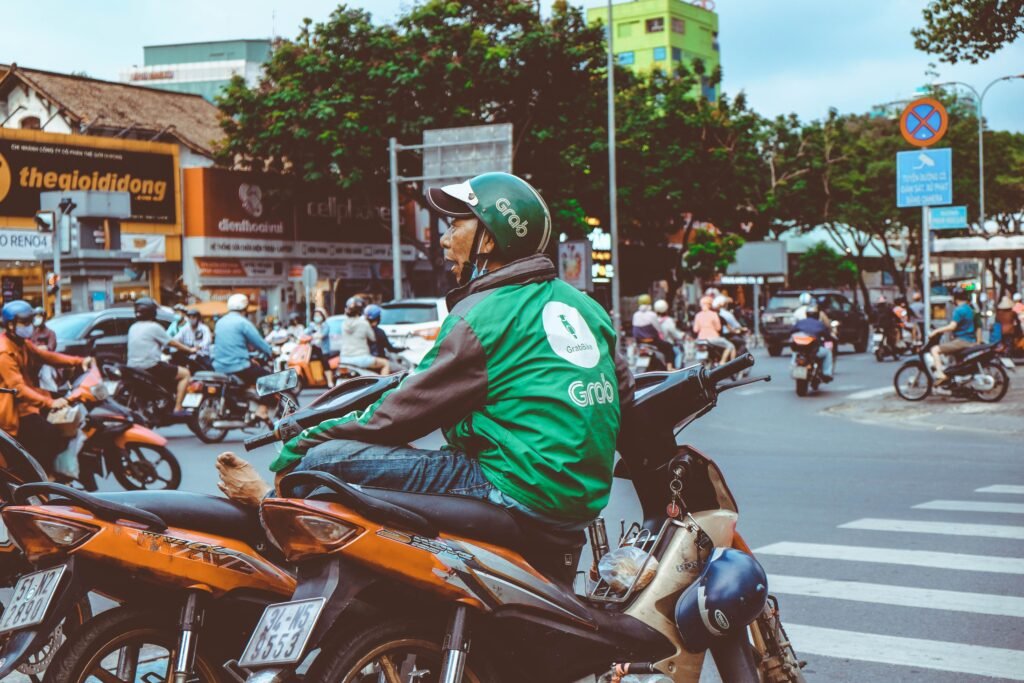
From the city centre, allow around 30 minutes by taxi or private-hire, with fares typically in the S$20–30 range depending on traffic — note a S$5 taxi surcharge applies from 1pm to 11:59pm daily. If you’re driving, on-site parking is available at the Mandai Wildlife East car park (nearest to Night Safari), with rates starting around S$3 for the first hour and a daily cap around S$10.
Getting Back Late at Night
This is the part most guides skip. If you’re relying on the Mandai Khatib Shuttle to get back to Khatib MRT, it keeps running until around midnight, which lines up with the park’s closing time — but it’s worth checking the current last-shuttle time on the day, since schedules do shift. If you’re planning to grab a Grab or taxi instead, book it about 15 minutes before you’re ready to leave; ride-hail cars can be genuinely hard to find at the reserve right at closing time when everyone leaves at once.
Common Mistakes First-Time Visitors Make

- Arriving right at 6:30pm expecting full darkness. The park opens before it’s fully dark, so the “night” effect and peak animal activity really kick in later — don’t rush the earliest slot assuming it’s the same experience as 8pm.
- Not booking the tram or Creatures of the Night show early. Both can fill up or queue heavily later in the evening, especially on weekends.
- Using flash photography. It disturbs nocturnal animals and is generally discouraged or restricted — bring a phone with a strong night mode or a fast lens instead.
- Wearing bright or white clothing. It stands out under low light and can make animals more skittish, especially on the trails.
- Skipping the walking trails entirely. The tram gives you breadth, but the trails give you the close encounters people actually remember.
- Underdressing for humidity. It’s Singapore — even at night, expect warm, humid air on the trails, but also a light breeze that can feel cool if you’ve been in air-conditioning all day. Layering beats guessing.
- Leaving the shuttle or taxi as an afterthought. Getting to the reserve is easy; getting back at 11pm or midnight with a few thousand other visitors leaving at once is the part people underestimate. Decide your return method before you enter, not after.
- Trying to fit in every trail plus the tram in one visit. With four trails, the tram, and the show, the math rarely works in a single evening without rushing. Pick your priorities before you go rather than deciding on the fly.
Pro Travel Tips

- Book your entry slot and the tram (if it requires a separate queue ticket on arrival) as early in the evening as your schedule allows.
- Bring a light jacket or shawl — the breeze near the trails at night can be surprisingly cool compared to daytime Singapore heat.
- Pack a portable charger; between navigating the Mandai app, photos, and the shuttle schedule, your phone works harder here than on a typical day out.
- If you’re combining this with a daytime Mandai park, build in a proper break beforehand — trying to do a full daytime park and the Night Safari back-to-back is exhausting and rushed.
- Load EZ-Link or a contactless card before you go — none of the Mandai shuttles or most local buses accept cash.
- Download the Mandai app before you arrive — it covers real-time shuttle timings, an interactive park map, and any current updates to entry slots or showtimes, which is genuinely useful once you’re inside and trying to plan your route between trails.
- If you’re travelling with a group that has mixed energy levels or interests, agree on a meeting point in advance — cell signal can be patchy in parts of the park, and it’s easy to lose track of each other on a dim trail.
- Consider a weekday visit outside school holidays if your dates are flexible; the difference in queue length between a quiet Tuesday and a Saturday night is significant enough to change how much of the park you can comfortably cover.
Is the Singapore Night Safari Worth It? Pros & Cons
| Pros | Cons |
|---|---|
| A genuinely unique nocturnal wildlife experience, hard to replicate elsewhere | Wildlife sightings aren’t guaranteed on any given night |
| Good for families, first-time Singapore visitors, and repeat visitors alike | Can feel rushed if squeezed into the same day as a daytime park visit |
| Two distinct ways to explore (tram + trails) suit different visitor needs | Queues build quickly after 8–9pm, especially on weekends |
| Well-run, accessible infrastructure with English commentary | Pricier than a standalone daytime zoo ticket |
Who Should Choose What

- First-time Singapore visitors and families with young kids: Book an early slot, do the tram first, then walk the Leopard Trail if there’s time.
- Photography-focused or repeat visitors: Skip or deprioritize the tram, spend your time on the walking trails instead, and aim for a weekday visit.
- Budget-conscious travelers: Go on a regular (non-peak) weekday, compare official pricing against third-party platforms before booking, and consider the multi-attraction Destination Pass if you’re visiting more than one Mandai park.
- Short layover or single-evening travelers: Stick to the tram and one nearby trail rather than trying to cover all four — you won’t have time to rush all of it and still enjoy it.
Frequently Asked Questions
How long does the Singapore Night Safari take?
Most visitors spend 2–4 hours in the park — enough time for the tram ride plus one or two walking trails. If you want to see everything unhurried, including the Creatures of the Night show and a proper walk along two trails, budget closer to 4 hours and arrive on one of the earlier entry slots so you're not racing the midnight close.
Is the Singapore Night Safari better than the Singapore Zoo?
They're different experiences rather than one being strictly better. The daytime Zoo gives you longer viewing windows, easier photography in natural light, and a wider range of species active during the day. The Night Safari trades that for a genuinely unique atmosphere and animals you simply won't see behaving naturally in a daytime setting. If you can only pick one, choose based on whether you value variety of species (Zoo) or a distinctive, one-time experience (Night Safari). If your schedule allows it, doing both — on separate days or with a real break between — gives you the fullest picture of Mandai's wildlife.
Is the Singapore Night Safari safe for young children?
Yes — it's a well-established, family-oriented attraction with paved paths, lighting along the trails, and the tram option for younger or less mobile visitors. That said, it is dark and can feel overwhelming for very young children unused to nighttime outdoor settings.
Can I bring my own food into the Night Safari?
Outside food policies can vary and are set by Mandai directly, so it's worth checking the current Parks Rules and Conditions on their official site before you go. There are dining options inside the park, including Ulu Ulu Safari Restaurant and Bongo Burgers, plus restaurants just outside the gates.
Can I use a stroller or wheelchair at the Night Safari?
Strollers and wheelchairs are generally accommodated on the tram and along the main paved paths, though the walking trails include inclines and sections with lower lighting that are worth scouting in person or confirming with staff on arrival if mobility is a concern. If you're unsure, leaning on the tram for most of your visit is the safer choice.
Do I need to book tickets in advance?
It's strongly recommended, especially for weekend and school-holiday visits, since the Night Safari uses timed entry slots that can book out one to two weeks ahead during peak periods.
What should I wear to the Night Safari?
Light, breathable, muted-colored clothing works best — avoid bright white, which can be more visible to animals on the trails. A light jacket for the evening breeze and comfortable closed shoes for the trail sections are worth packing.
Is photography allowed at the Night Safari?
Yes, but flash photography is discouraged or restricted in most areas since it can distress nocturnal animals. Bring a phone with a strong night mode or a fast lens for better low-light shots.
Can I visit the Night Safari and Singapore Zoo on the same day?
Yes — the Zoo and Night Safari are both part of Mandai Wildlife Reserve, and a combo/Destination Pass can make this cheaper than buying separately. Just build in a real break between the two rather than going straight from one into the other.
What happens if it rains during the Night Safari?
The park generally stays open through light rain, since much of the trail network has natural cover, but heavier downpours can affect the tram and trail experience and may cause temporary delays. Singapore's wetter months run roughly November through January, so pack a compact rain jacket if you're visiting then, and check the forecast the morning of your visit rather than assuming clear skies.
How do I get back to the city after the Night Safari closes?
The Mandai Khatib Shuttle typically runs until around midnight, roughly matching the park's closing time, so it's usually your most reliable option if you're relying on public transport. If you'd rather use Grab or a taxi, request it about 15 minutes before you plan to leave — ride-hail vehicles can be scarce right at closing time when a large crowd exits the reserve at once.