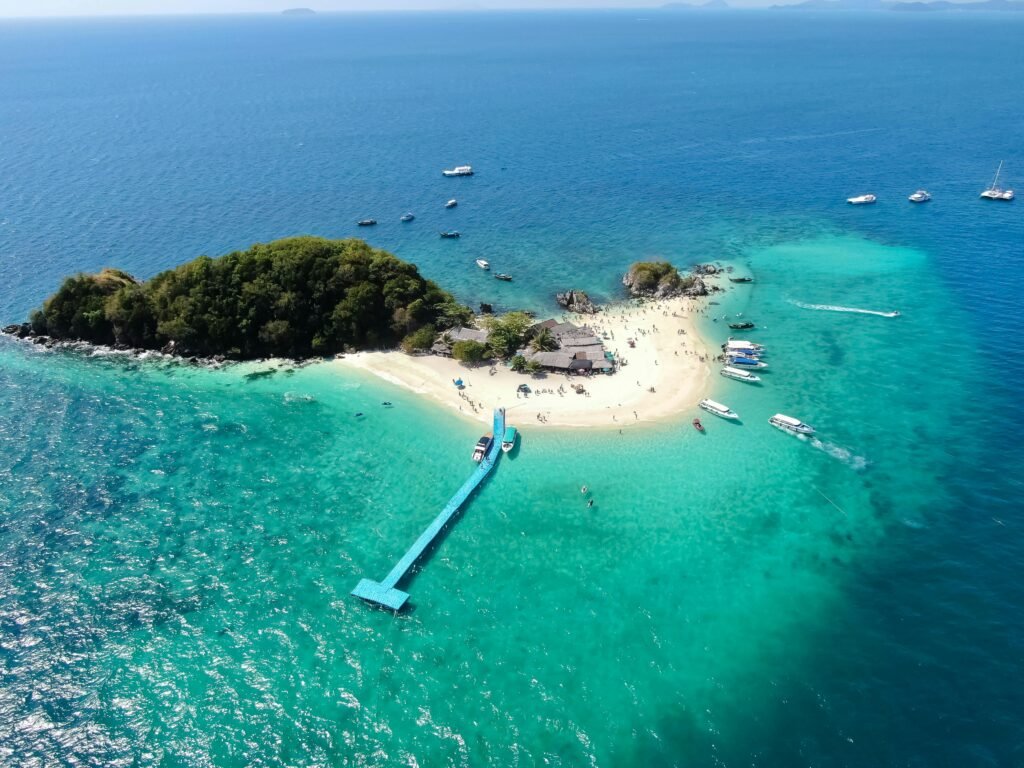
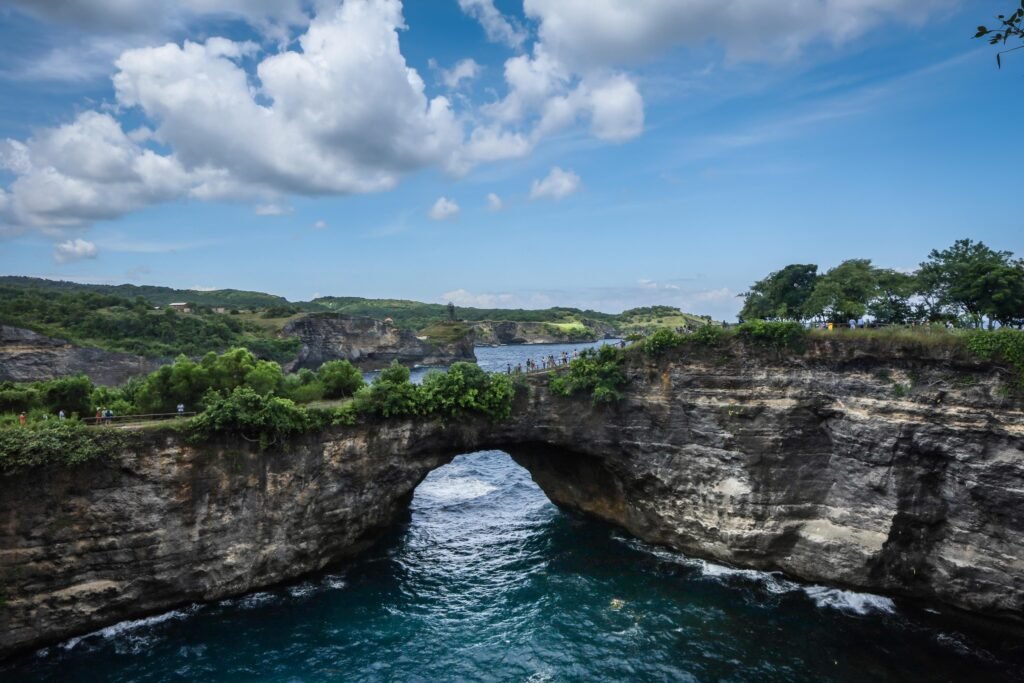
If you’re planning a Bali vacation, one of the biggest questions you’ll face is Ubud vs Canggu. Both destinations are among the island’s most popular places to stay, but they offer completely different experiences. The right choice depends on the kind of trip you want—not which place is “better.”
Ubud is ideal for culture, nature, and wellness, while Canggu is best for surfing, beaches, nightlife, and digital nomads. If you’re dreaming of sunrise walks through lush rice terraces, temple visits, yoga retreats, and a slower pace, Ubud is likely the perfect fit. If your idea of a great holiday includes beach clubs, surf lessons, trendy cafés, coworking spaces, and vibrant sunsets, Canggu won’t disappoint.
Many first-time visitors ask, “Should I stay in Ubud or Canggu?” The honest answer is that both deserve a place on your Bali itinerary if your schedule allows. They complement each other surprisingly well. One shows you Bali’s cultural and spiritual heart, while the other introduces its modern, energetic coastal lifestyle.
When we visited Bali, we split our stay between four nights in Ubud and three nights in Canggu. The contrast became obvious from the very first morning. In Ubud, we woke before sunrise, walked along the Campuhan Ridge Walk, and enjoyed breakfast overlooking emerald-green rice fields for around IDR 90,000 for two people. A few days later, in Canggu, our mornings began with surfers catching waves at Batu Bolong Beach, followed by specialty coffee at one of the area’s stylish cafés before spending the afternoon watching the sunset near Tanah Lot Temple. Neither experience felt better than the other—they simply suited different moods.
That’s why this guide isn’t about declaring a winner. Instead, it’s designed to help you decide where to stay in Bali based on your travel style, budget, and interests. Whether you’re a couple planning a romantic escape, a family searching for kid-friendly activities, a solo backpacker, or a remote worker looking for reliable Bali coworking spaces, you’ll find practical comparisons that go beyond the usual list of attractions.
Throughout this guide, we’ll compare everything that matters, including accommodation costs, food, nightlife, beaches, Bali rice terraces, surfing, transportation, internet quality, and the overall atmosphere. We’ll also answer common questions like “Is Ubud or Canggu better for first-time visitors?”, “Which is cheaper, Ubud or Canggu?”, and “How many days should you spend in Ubud and Canggu?” so you can plan with confidence.
If you’re still exploring Bali, don’t miss our Bali Travel Guide for destination ideas, check our Best Time to Visit Bali guide to avoid the busiest months and daily expenses before you book.
Table of Contents
ToggleUbud vs Canggu
If you’re short on time, this table highlights the biggest differences between Ubud vs Canggu Bali and helps you quickly decide which destination matches your travel style.

| Feature | Ubud | Canggu |
|---|---|---|
| Budget | Better value for villas, guesthouses, and local warungs | Slightly more expensive, especially near the beach |
| Beaches | ✖ No beaches | ✔ Black-sand beaches with excellent surfing |
| Nightlife | Quiet bars and cultural performances | Beach clubs, live music, bars, and nightlife |
| Nature | Rice terraces, waterfalls, jungles, and river valleys | Ocean views, sunsets, coastal scenery |
| Families | Great for nature activities and cultural experiences | Better for older children who enjoy beaches |
| Couples | Romantic resorts, spas, yoga retreats, and peaceful escapes | Sunset dinners, beach clubs, and social atmosphere |
| Digital Nomads | Relaxed cafés with growing coworking options | One of Bali’s top hubs for remote workers and entrepreneurs |
| Luxury | Jungle villas, boutique resorts, wellness retreats | Modern beachfront villas and luxury stays |
| Food Scene | Traditional Balinese cuisine, healthy cafés, fine dining | International restaurants, brunch cafés, and trendy eateries |
| Surfing | Limited | One of the best places for surfing in Bali |
| Shopping | Artisan markets, handmade crafts, local art | Boutique fashion stores and surf brands |
| Culture | Temples, dance performances, galleries, and the Monkey Forest | Contemporary beach lifestyle with less traditional culture |
| Relaxation | Excellent for yoga, spas, and wellness holidays | Relaxed by day but lively after sunset |
| Adventure | Waterfalls, ATV rides, rafting, and Mount Batur sunrise trek | Surf lessons, beach hopping, skate parks, and nearby Uluwatu day trips |
Choose Ubud if you want culture, nature, wellness, and a slower pace. Choose Canggu if beaches, surfing, cafés, nightlife, and a social atmosphere are at the top of your list. If you have a week or more in Bali, combining both destinations offers the most rewarding experience.
Where Are Ubud and Canggu Located?
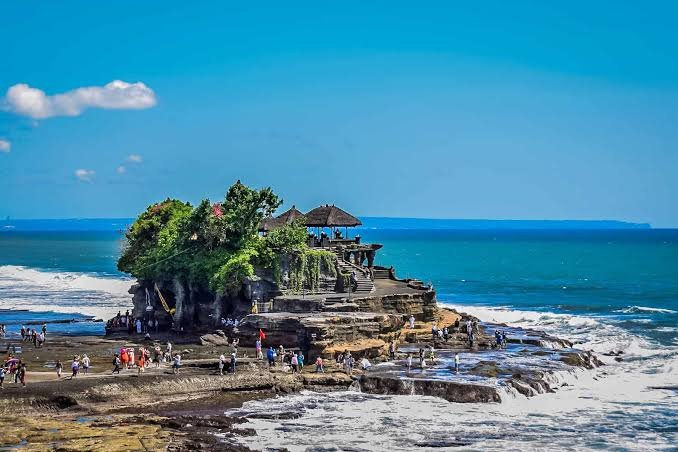
One of the biggest differences in the Ubud vs Canggu debate is their location. Although they’re both on the island of Bali, the experience couldn’t be more different. Ubud sits in the lush highlands of central Bali, surrounded by jungles and rice terraces, while Canggu lies on Bali’s southwest coast, famous for its surf beaches, beach clubs, and café culture. Understanding where each destination is located will help you choose the best place to stay in Bali based on your travel style and how you plan to explore the island.
Ubud Location: Bali's Cultural and Spiritual Heart
Located in central Bali, Ubud is about 35–40 km (22–25 miles) north of Ngurah Rai International Airport (Denpasar). Nestled among rolling hills, tropical forests, and iconic Bali rice terraces, it’s often considered the island’s cultural capital.
Unlike Bali’s coastal towns, Ubud doesn’t have beaches. Instead, you’ll find ancient temples, traditional villages, art galleries, yoga retreats, waterfalls, and scenic walking trails. Famous attractions such as the Sacred Monkey Forest Sanctuary, Tegalalang Rice Terrace, Campuhan Ridge Walk, and nearby Mount Batur sunrise trek make Ubud the perfect base for travelers seeking nature, wellness, and authentic Balinese culture.
Because of its inland location, mornings are usually cooler and quieter than the coast. During our visit, leaving the hotel around 7:00 AM meant enjoying nearly empty rice terrace viewpoints before the tour buses arrived—a simple change that made the experience far more memorable and photography much easier.
Canggu Location: Bali's Trendy Beach Destination
Canggu is located on Bali’s southwest coast, approximately 18–20 km (11–12 miles) from Ngurah Rai International Airport. Thanks to its coastal setting, it’s one of the easiest destinations to reach after landing, making it a popular choice for first-time visitors.
Known for beaches like Batu Bolong, Echo Beach, and Berawa Beach, Canggu has become Bali’s surfing and digital nomad hotspot. You’ll find beach clubs, boutique shops, international restaurants, fitness studios, and modern Bali coworking spaces within a relatively compact area.
Its location also makes it convenient for day trips to Tanah Lot Temple, Seminyak, and Uluwatu, while surfers can easily access some of the island’s most popular beginner-friendly waves.
Distance and Travel Times
| Route | Approximate Distance | Typical Travel Time |
|---|---|---|
| Ngurah Rai Airport → Ubud | 35–40 km | 1.5–2 hours (depending on traffic) |
| Ngurah Rai Airport → Canggu | 18–20 km | 45–60 minutes |
| Ubud ↔ Canggu | 27–30 km | 1.5–2 hours |
Travel Tip: Bali traffic can be much heavier than the distance suggests, especially between 3:00 PM and 7:00 PM. If you’re traveling between Ubud and Canggu, aim to leave early in the morning to avoid long delays and make the most of your day.
Atmosphere and Overall Vibe
When comparing Ubud vs Canggu, the biggest difference isn’t the attractions or accommodation—it’s the atmosphere. Both destinations showcase different sides of Bali, and the overall vibe can have a bigger impact on your trip than you might expect. If you’re wondering “Should I stay in Ubud or Canggu?”, think about how you want your days to feel. Do you picture peaceful mornings surrounded by nature, or energetic afternoons by the beach followed by vibrant nightlife?
Ubud Atmosphere: Peaceful, Traditional, and Surrounded by Nature

Ubud is often described as the cultural and spiritual heart of Bali, and it truly lives up to that reputation. The pace of life is noticeably slower, making it an excellent choice for travelers looking to disconnect from busy schedules and reconnect with nature.
The town is surrounded by lush Bali rice terraces, tropical forests, temples, and rivers, creating a calm setting that feels worlds away from the bustling coastal areas. It’s common to hear birds singing, flowing streams, and traditional gamelan music instead of traffic or loud nightlife. You’ll also find countless yoga studios, wellness retreats, meditation centers, and locally owned cafés where people linger over coffee rather than rush through the day.
During our stay in Ubud, mornings started with quiet walks through the rice terraces, while evenings were spent at small local cafés. One evening, after watching a traditional Balinese dance performance near Ubud Palace, we ended the day at a family-run café tucked away on a quiet street. The peaceful atmosphere, friendly conversations with local staff, and the sound of distant temple ceremonies created the kind of travel memory that’s difficult to replicate anywhere else.
If you’re planning a honeymoon, wellness retreat, cultural getaway, or simply want a slower pace, Ubud offers one of the most relaxing experiences in Bali.
Canggu Atmosphere: Young, Modern, and Full of Energy

Canggu offers a completely different side of Bali. Once a quiet surf village, it has grown into one of the island’s most exciting destinations for surfers, entrepreneurs, content creators, and digital nomads. The vibe here is modern, social, and energetic from morning until late at night.
The streets are lined with stylish Bali cafés, beach clubs, fitness studios, boutique shops, and some of the island’s most popular Bali coworking spaces. Days often revolve around surf sessions at Batu Bolong or Echo Beach, brunch at trendy cafés, and afternoons spent working remotely before heading to a sunset beach club.
In Canggu, we found the atmosphere completely different, with busy beach clubs and lively cafés from afternoon until late night. Watching surfers catch the last waves of the day while live DJs played in the background perfectly captured Canggu’s vibrant personality. Even after sunset, the streets remained full of travelers enjoying restaurants, bars, and live music, giving the area an energy that contrasts sharply with Ubud’s quiet evenings.
Which Atmosphere Is Right for You?
If you prefer culture, wellness, temples, and nature, Ubud is the better choice. If you’re looking for surfing, beach clubs, nightlife, and a social community, Canggu will feel like a better fit.
For many travelers, the best Bali itinerary includes both destinations. Spending a few days in Ubud before heading to Canggu lets you experience two completely different sides of the island—one rooted in tradition and tranquility, the other defined by its modern beach lifestyle.
What Can You Actually Do in Ubud and Canggu?
Choosing between Ubud vs Canggu often comes down to the experiences you’re looking for. While both destinations offer plenty to see and do, their attractions appeal to very different types of travelers. Ubud is packed with cultural landmarks, lush landscapes, and wellness activities, whereas Canggu is all about beaches, surfing, nightlife, and a modern lifestyle.
If you’re planning your Bali itinerary, here’s what you can expect from each destination.
Things to Do in Ubud
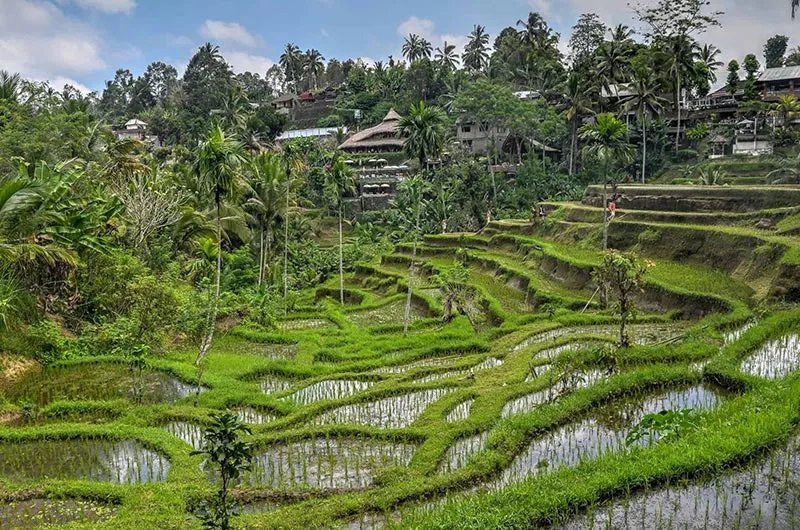
Ubud is the perfect destination for travelers who want to experience Bali’s natural beauty and rich cultural heritage. Most attractions are surrounded by jungle landscapes, rice fields, and traditional villages, making every day feel like an adventure.
Some of the best things to do in Ubud include:
- Visit the Sacred Monkey Forest Sanctuary, where hundreds of long-tailed macaques roam freely among ancient temples and lush greenery.
- Walk through the Tegalalang Rice Terrace, one of Bali’s most photographed landscapes, especially beautiful in the early morning before the crowds arrive.
- Hike the Campuhan Ridge Walk, a free scenic trail offering panoramic views of rolling hills and tropical valleys.
- Chase waterfalls such as Tegenungan, Tibumana, Kanto Lampo, and Tukad Cepung, all within a short drive from Ubud.
- Join a traditional Balinese cooking class and learn to prepare dishes like Nasi Goreng, Satay Lilit, and Gado-Gado using fresh local ingredients.
- Relax at a yoga retreat or wellness spa, with Ubud being home to some of Bali’s most renowned yoga studios and holistic wellness centers.
- Explore centuries-old temples like Goa Gajah (Elephant Cave), Tirta Empul, and Pura Taman Saraswati to learn more about Balinese Hindu culture.
- Visit a local coffee plantation to see how Bali’s famous coffee is produced and sample varieties ranging from traditional Balinese coffee to herbal teas.
Travel Tip: We visited the Tegalalang Rice Terrace around 7:30 AM, and it was far quieter than later in the day. The soft morning light also made it one of the best photography spots of our entire Bali trip.
Things to Do in Canggu
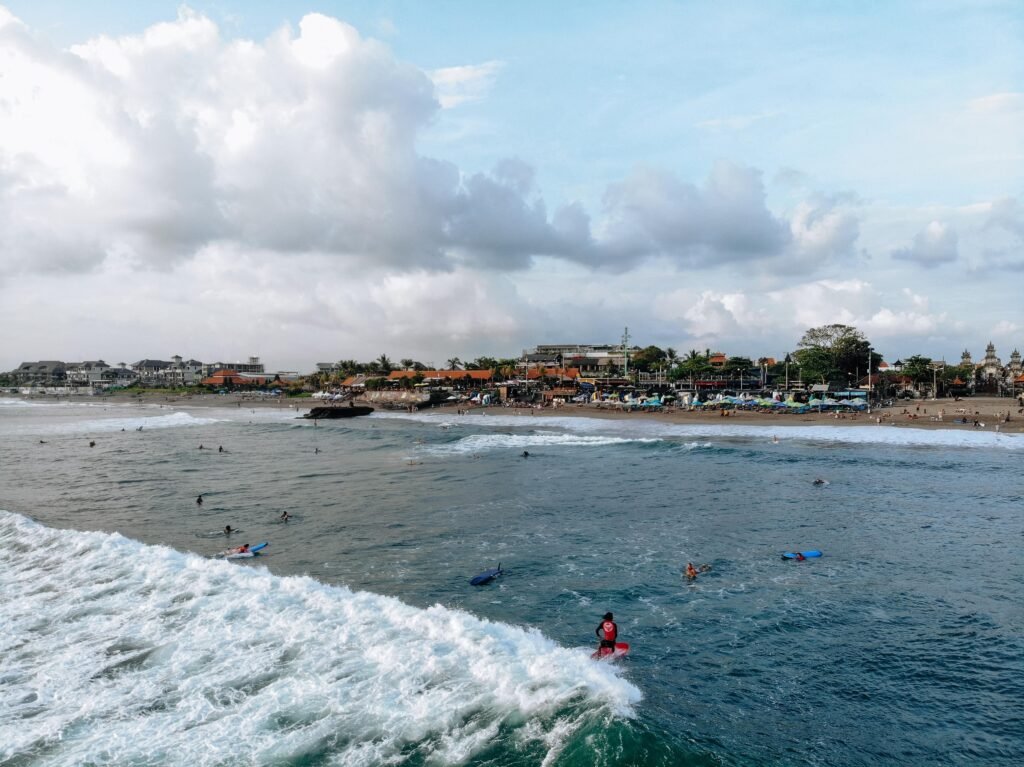
Canggu offers a completely different experience, making it one of the best places in Bali for travelers who enjoy an active, social, and beach-focused lifestyle.
Top attractions and activities include:
- Learn to surf at Batu Bolong Beach or Echo Beach, where consistent waves make Canggu one of the best destinations for beginners and intermediate surfers.
- Watch the sunset from popular beach clubs like The Lawn, Finns Beach Club, or Atlas Beach Club while enjoying live music and ocean views.
- Take a short trip to Tanah Lot Temple, one of Bali’s most iconic sea temples and a spectacular place to watch the sunset.
- Explore boutique shops selling handmade jewelry, surfwear, local fashion, and unique home décor.
- Work remotely from modern coworking spaces, making Canggu a favorite base for freelancers, entrepreneurs, and digital nomads.
- Visit local skate parks or spend time at fitness centers offering CrossFit, Muay Thai, yoga, and strength training.
- Experience Bali’s nightlife, with everything from relaxed beachfront bars and live music venues to lively clubs that stay open well into the night.
- Discover Canggu’s café scene, where you’ll find everything from smoothie bowls and artisan coffee to international cuisine.
One evening, we walked from Batu Bolong Beach toward Echo Beach just before sunset. Surfers were catching their final waves, street musicians were performing near the beach, and every café was buzzing with travelers. It perfectly captured why Canggu has become one of Bali’s most popular coastal destinations.
If your ideal holiday includes rice terraces, waterfalls, temples, yoga, and cultural experiences, Ubud is the clear winner. If you prefer surfing, beach clubs, shopping, fitness, coworking spaces, and vibrant nightlife, Canggu is hard to beat.
Many experienced travelers recommend splitting your stay between both destinations, allowing you to experience Bali’s peaceful cultural heart before enjoying its lively beach scene. This combination offers the most balanced and rewarding Bali adventure.
Which Is Cheaper, Ubud or Canggu?
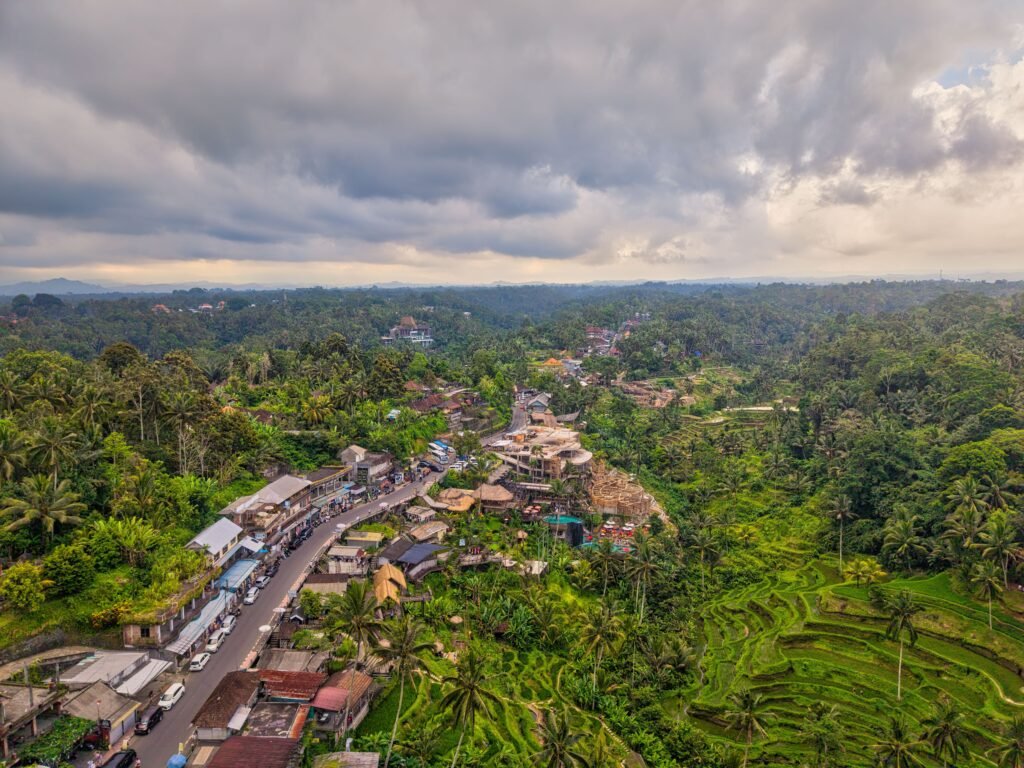
If your travel budget is an important factor, you’ll be pleased to know that both destinations can suit backpackers, mid-range travelers, and luxury vacationers. However, when comparing Ubud vs Canggu, Ubud is generally 10–20% more affordable for accommodation, local food, and wellness activities, while Canggu’s popularity has pushed prices higher—especially near the beach.
During our trip, we stayed in a boutique guesthouse in central Ubud for around IDR 650,000 (≈US$40) per night, including breakfast and a pool overlooking rice fields. In Canggu, a similar-quality hotel within walking distance of Batu Bolong Beach cost about IDR 950,000 (≈US$58) per night. We also rented a scooter for IDR 90,000 per day, and a typical meal at a local warung cost IDR 45,000–60,000 per person, while brunch at a popular café in Canggu was closer to IDR 120,000–180,000.
| Budget Level | Ubud | Canggu |
|---|---|---|
| Budget | IDR 250,000–500,000/night | IDR 350,000–650,000/night |
| Mid-range | IDR 600,000–1,500,000/night | IDR 800,000–2,000,000/night |
| Luxury | From IDR 2,000,000/night | From IDR 2,500,000/night |
Best value: Ubud offers more spacious villas, jungle resorts, and boutique stays for the same budget.
Food Costs

Whether you’re eating at traditional warungs or trendy cafés, Bali has options for every budget.
| Dining Style | Average Cost (per person) |
|---|---|
| Local Warungs | IDR 35,000–70,000 |
| Western Cafés | IDR 100,000–180,000 |
| Fine Dining | IDR 300,000–800,000+ |
Ubud is known for healthy cafés and authentic Balinese restaurants, while Canggu has a larger selection of international cuisine, specialty coffee shops, and beachfront dining. If you eat mostly at local restaurants, you’ll spend noticeably less in Ubud.
Transportation Costs
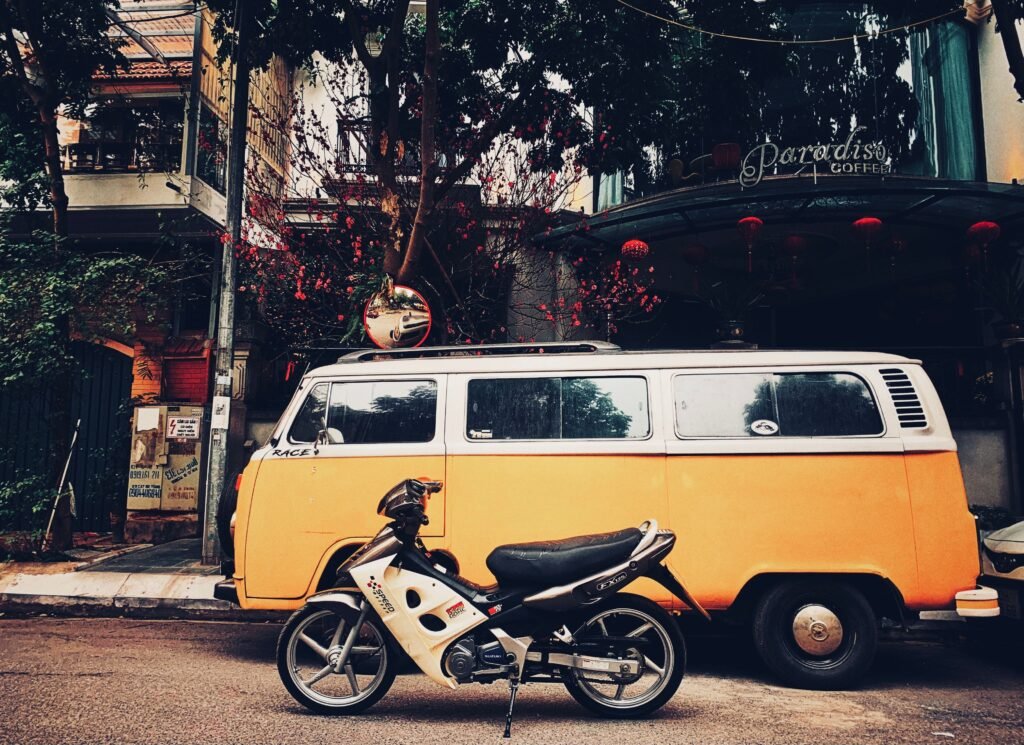
Getting around Bali is relatively affordable, but costs depend on how you travel.
| Transport | Average Cost |
|---|---|
| Scooter Rental | IDR 80,000–120,000/day |
| Grab or Gojek | IDR 40,000–150,000/trip |
| Private Driver | IDR 700,000–900,000/day |
Travel Tip: If you’re not comfortable riding a scooter, hiring a private driver for a full-day tour is often better value and far less stressful, especially when exploring multiple attractions around Ubud.
Activity Costs

| Activity | Typical Price |
|---|---|
| Yoga Class (Ubud) | IDR 120,000–200,000 |
| Surf Lesson (Canggu) | IDR 300,000–500,000 |
| Temple Entry Tickets | IDR 50,000–100,000 |
| Day Tours | IDR 500,000–1,200,000 |
Ubud is better for cultural experiences such as yoga retreats, cooking classes, and temple visits, while Canggu offers surfing, beach activities, and fitness-focused experiences.
Average Daily Budget
| Travel Style | Ubud | Canggu |
|---|---|---|
| Budget Traveler | IDR 600,000–900,000 | IDR 750,000–1,100,000 |
| Mid-range Traveler | IDR 1,200,000–2,000,000 | IDR 1,500,000–2,400,000 |
| Luxury Traveler | IDR 3,000,000+ | IDR 3,500,000+ |
If you’re asking “Which is cheaper, Ubud or Canggu?”, Ubud generally offers better value for accommodation, food, and cultural experiences. Canggu costs a little more, but its beaches, nightlife, surfing, and modern amenities justify the higher prices for many travelers. A balanced Bali itinerary that combines both destinations lets you enjoy the best of each while keeping your overall budget under control.
Beaches vs Nature: Which Destination Matches Your Travel Style?
One of the easiest ways to decide between Ubud vs Canggu is to ask yourself a simple question: Do you picture your perfect Bali holiday by the beach or surrounded by nature? While both destinations showcase Bali’s beauty, they offer completely different landscapes and outdoor experiences.
If You're a Beach Lover, Choose Canggu
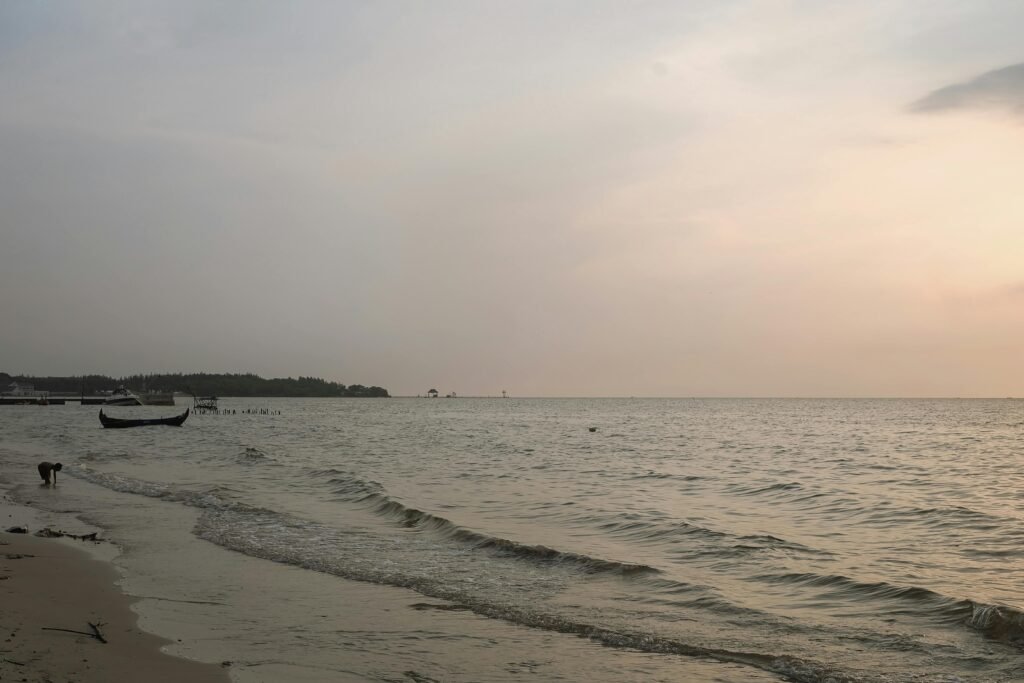
Canggu is one of Bali’s most popular coastal destinations, known for its volcanic black-sand beaches, consistent surf, and unforgettable sunsets. Beaches like Batu Bolong, Echo Beach, and Berawa Beach are perfect for spending the day surfing, relaxing at beachfront cafés, or watching the sky turn orange as the sun sets over the Indian Ocean.
Although the beaches aren’t famous for crystal-clear water like Nusa Penida or the Gili Islands, they’re among the best spots on the island for surfing in Bali. Whether you’re taking your first surf lesson or simply enjoying the lively beach atmosphere, Canggu delivers an energetic coastal experience.
Swimming is possible on calmer days, but strong waves and currents mean many visitors spend more time surfing or relaxing at beach clubs than swimming in the sea. Always pay attention to local safety flags before entering the water.
If You Love Nature, Choose Ubud

Ubud offers a completely different kind of scenery. Instead of beaches, you’ll discover emerald-green Bali rice terraces, dense jungles, rivers, waterfalls, and ancient temples hidden among tropical forests.
Nature lovers can spend their days exploring the Tegalalang Rice Terrace, hiking the Campuhan Ridge Walk, visiting waterfalls like Tibumana and Tegenungan, or taking a sunrise trip to Mount Batur. The peaceful landscapes also make Ubud one of the best destinations in Bali for yoga retreats, wellness escapes, and slow travel.
For photographers, Ubud is a dream destination. The soft morning light over the rice terraces, mist-covered valleys, and centuries-old temples create some of the island’s most iconic images. During our visit, arriving at Tegalalang just after sunrise meant fewer crowds and some of the best photos we captured in Bali.
Choose Ubud if you:
- Love lush rice terraces, waterfalls, and jungle landscapes.
- Enjoy hiking, photography, temples, and peaceful surroundings.
- Prefer wellness retreats and nature-based experiences over nightlife.
Choose Canggu if you:
- Want easy access to beaches, surfing, and ocean sunsets.
- Enjoy beach clubs, cafés, and a lively social atmosphere.
- Plan to spend your days by the coast and your evenings watching the sunset with a drink in hand.
If your dream Bali holiday revolves around nature, waterfalls, and cultural landscapes, Ubud is the clear winner. If you can’t imagine visiting Bali without beaches, surfing, and sunset vibes, Canggu is the better choice. Many travelers find that spending a few days in each destination provides the perfect balance of adventure, relaxation, and authentic Balinese experiences.
Food and Cafés: Ubud vs Canggu for Food Lovers
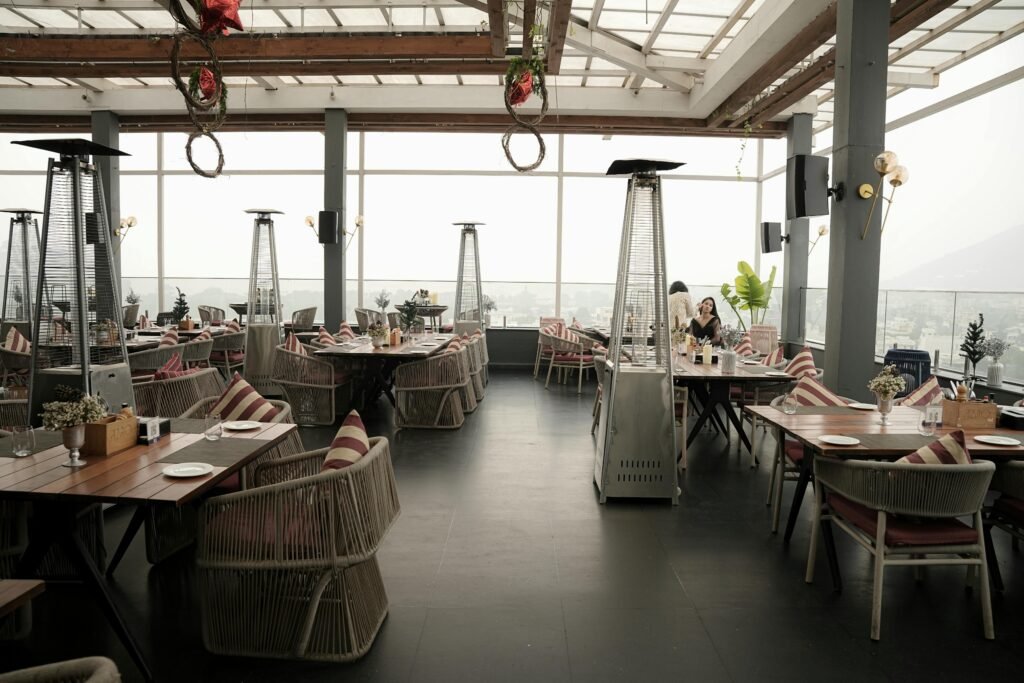
For many travelers, the food scene is a major factor when choosing between Ubud vs Canggu. The good news is that you can’t go wrong—both destinations are culinary hotspots. The difference lies in the type of dining experience you’re after. Ubud is known for its healthy cafés, traditional Balinese cuisine, and wellness-focused restaurants, while Canggu stands out for trendy brunch spots, specialty coffee, international cuisine, and vibrant nightlife cafés.
Ubud: Healthy Eating Meets Balinese Tradition
Ubud has earned a reputation as Bali’s wellness capital, making it one of the best places on the island for vegetarian and vegan travelers. Many cafés serve fresh smoothie bowls, plant-based meals, organic salads, and locally sourced ingredients, making healthy eating both easy and affordable.
Beyond wellness food, Ubud is also an excellent place to try authentic Balinese dishes. Don’t miss local favorites such as Babi Guling (roast pork), Bebek Betutu (slow-cooked duck), Nasi Campur, and Satay Lilit, which are often served in family-run warungs at very reasonable prices. Coffee lovers can also visit nearby plantations to learn about Balinese coffee production and enjoy freshly brewed local beans.
Canggu: Trendy Cafés and International Flavors
Canggu has become Bali’s café capital, with stylish brunch spots, artisan bakeries, and specialty coffee shops on almost every street. Whether you’re craving avocado toast, handcrafted espresso, sushi, tacos, Italian pasta, or gourmet burgers, you’ll find an impressive range of international dining options.
As the sun goes down, many cafés transform into lively evening hangouts with live music, cocktails, and late-night menus, creating a relaxed social atmosphere that’s especially popular with surfers and digital nomads.
Food Prices
- Local warungs: IDR 35,000–70,000 per meal
- Popular cafés: IDR 100,000–180,000 per person
- Fine dining restaurants: IDR 300,000+ per person
Choose Ubud if you enjoy healthy cafés, traditional Balinese cuisine, and peaceful dining surrounded by nature. Choose Canggu if you prefer modern brunch cafés, diverse international restaurants, specialty coffee, and vibrant night cafés.
Looking for the best places to eat? Check out our Best Cafés in Bali guide for our favorite coffee shops, brunch spots, and local restaurants across the island.
Ubud vs Canggu After Dark

If nightlife is high on your Bali wishlist, Canggu is the clear winner. While Ubud offers peaceful evenings with cultural performances and cozy bars, Canggu comes alive after sunset with beach clubs, live music, rooftop bars, and late-night cafés.
Canggu has the best nightlife for beach clubs, bars, live music, and late-night dining, while Ubud is better for travelers seeking a relaxed evening with cultural shows, quiet cafés, and intimate cocktail bars.
Ubud: Relaxed Evenings and Cultural Experiences
Nightlife in Ubud is all about slowing down rather than partying. After sunset, many visitors enjoy traditional Balinese dance performances at Ubud Palace, followed by dinner at a local restaurant or drinks at a laid-back cocktail bar.
You’ll also find acoustic live music in several cafés, small wine bars, and wellness-focused venues where the atmosphere remains calm and conversation-friendly. Although Ubud has a few pubs, don’t expect large clubs or all-night parties.
For food lovers, many local warungs and cafés stay open until around 9:00–10:00 PM, making it easy to enjoy authentic Balinese cuisine without the crowds.
Canggu: Bali's Beach Party Capital
Canggu offers one of the liveliest nightlife scenes in Bali. As the sun sets, beach clubs like Finns Beach Club, Atlas Beach Club, and The Lawn fill with travelers enjoying live DJs, ocean views, and spectacular sunsets.
Beyond the beach clubs, you’ll discover stylish cocktail bars, rooftop lounges, live music venues, sports bars, and vibrant streets packed with restaurants serving everything from Indonesian street food to gourmet burgers and late-night pizza. Many cafés and eateries remain open until midnight or later, making Canggu an excellent choice if you enjoy dining and socializing well into the evening.
Although Canggu doesn’t have large traditional night markets like Bangkok or Taipei, you’ll occasionally find local pop-up markets, food events, and weekend artisan markets featuring street food, handmade products, and live entertainment.
Who Wins?
- Choose Ubud if you want: Quiet evenings, cultural performances, intimate bars, and relaxed dinners.
- Choose Canggu if you want: Beach clubs, live music, nightlife, late-night food, and a lively social atmosphere.
Winner: 🏆 Canggu
For most travelers looking for the best area to stay in Bali for nightlife, Canggu easily takes first place. However, if your ideal evening involves watching a traditional dance performance before enjoying dinner in a peaceful setting, Ubud delivers a more authentic and relaxing Balinese experience.
Where Should You Stay in Ubud or Canggu?
Choosing the right accommodation can make a huge difference to your Bali trip. Whether you’re traveling on a tight budget, planning a honeymoon, working remotely, or visiting with family, both Ubud and Canggu offer excellent places to stay. The key is matching your accommodation to your travel style rather than simply choosing the cheapest hotel.
Best for Budget Travelers

If you’re backpacking or traveling on a limited budget, Ubud offers better overall value. You’ll find plenty of clean guesthouses, homestays, and boutique hotels starting from IDR 250,000–500,000 per night, often including breakfast and access to a swimming pool. Local neighborhoods just outside the town center provide an even better balance of price and comfort.
Canggu also has budget hostels and guesthouses, but rooms close to Batu Bolong or Berawa Beach usually cost more because of high demand.
Best for Luxury Travelers

Both destinations excel in luxury, but they offer different experiences.
Choose Ubud if you dream of private jungle villas, infinity pools overlooking rice terraces, luxury wellness resorts, and world-class spas. It’s perfect for travelers seeking privacy and relaxation.
Choose Canggu if you prefer stylish beachfront villas, modern boutique hotels, rooftop pools, and luxury resorts within walking distance of cafés, beach clubs, and nightlife.
Best for Couples

For honeymooners and romantic getaways, Ubud is the clear favorite. Peaceful surroundings, candlelit dinners, couples’ spa treatments, and scenic jungle views create an intimate atmosphere that’s hard to beat.
Canggu is better suited to couples who enjoy beach sunsets, surfing together, lively restaurants, and a more social holiday.
Best for Families

Families with young children often appreciate Ubud’s quieter environment, spacious villas, and easy access to nature, waterfalls, and cultural attractions.
Older children and teenagers may enjoy Canggu more thanks to its beaches, surf schools, skate parks, and family-friendly beach clubs.
Best for Solo Travelers

Both destinations are excellent for solo travelers.
Choose Ubud if you’re looking for wellness retreats, yoga classes, cooking workshops, and a peaceful atmosphere where it’s easy to unwind.
Choose Canggu if you want to meet other travelers through surf lessons, coworking spaces, fitness classes, cafés, and nightlife. The town has a strong international community, making it easy to socialize.
Best for Digital Nomads

When it comes to Ubud vs Canggu for digital nomads, Canggu takes the top spot.
It offers fast internet, numerous coworking spaces, networking events, modern cafés with reliable Wi-Fi, and a vibrant remote-working community. Many entrepreneurs and freelancers choose Canggu as their long-term base because everything—from accommodation and cafés to gyms and beach clubs—is within easy reach.
Ubud is also growing in popularity among remote workers, especially those seeking a quieter lifestyle focused on productivity and wellness. However, if networking opportunities and convenience are your priorities, Canggu remains the stronger choice.
- 💰 Budget: Ubud
- 🌿 Luxury Retreats: Ubud
- ❤️ Couples: Ubud
- 👨👩👧👦 Families: Ubud (young children) / Canggu (older kids)
- 🎒 Solo Travelers: Tie (depends on travel style)
- 💻 Digital Nomads: Canggu 🏆
If you’re still wondering “Should I stay in Ubud or Canggu?”, choose the destination that matches your priorities. Better yet, if you have 7–10 days in Bali, split your stay between both. Spending three to four nights in Ubud followed by three to four nights in Canggu gives you the perfect mix of Bali’s cultural heart and its vibrant beach lifestyle.
Which Destination Fits Your Travel Style?
If you’re still wondering “Should I stay in Ubud or Canggu?”, the answer depends entirely on the kind of holiday you want. Both destinations are among the best places to stay in Bali, but they cater to different travelers. Instead of asking which one is better, ask which one matches your travel style. The comparison below makes choosing between Ubud vs Canggu much easier.
Choose Ubud for honeymoons, wellness retreats, culture, families with young children, and nature lovers. Choose Canggu for backpackers, digital nomads, surfers, nightlife enthusiasts, and travelers who want a lively beach atmosphere.
| Travel Style | Best Choice | Why? |
|---|---|---|
| ❤️ Honeymoon | Ubud | Romantic jungle villas, private pool resorts, couples’ spa treatments, and peaceful surroundings create an intimate escape. |
| 🎒 Backpackers | Canggu | Social hostels, surf culture, nightlife, and easy opportunities to meet fellow travelers. |
| 👨👩👧👦 Families | Ubud | Spacious villas, cultural attractions, waterfalls, and a quieter environment ideal for younger children. |
| 💻 Remote Workers | Canggu | Excellent coworking spaces, reliable Wi-Fi, networking events, cafés, and a thriving digital nomad community. |
| 🏨 Luxury Travelers | Ubud | World-class jungle resorts, wellness retreats, infinity pools, and luxury villas with breathtaking views. |
| 🥾 Adventure Seekers | Tie | Ubud offers hiking, rafting, ATV tours, waterfalls, and the Mount Batur sunrise trek, while Canggu excels in surfing, skate parks, and coastal adventures. |
| 🧘 Wellness Travelers | Ubud | Bali’s leading destination for yoga retreats, meditation, holistic healing, and healthy cafés. |
| 🌴 First-Time Visitors | Both | Split your trip between Ubud and Canggu to experience Bali’s cultural heart and vibrant beach lifestyle in one holiday. |
If you have 4–5 days, choose the destination that best matches your interests. However, if your trip lasts 7–10 days, we strongly recommend experiencing both.
A popular itinerary is 3–4 nights in Ubud to explore temples, rice terraces, waterfalls, and local culture, followed by 3–4 nights in Canggu for surfing, beach clubs, sunsets, shopping, and nightlife. During our own Bali trip, this combination gave us the perfect balance of relaxation, adventure, and authentic local experiences without feeling rushed.
Bottom line: There isn’t a single winner in the Ubud vs Canggu debate. Ubud is perfect for travelers seeking culture, nature, romance, and wellness, while Canggu is ideal for those looking for beaches, surfing, nightlife, and a vibrant social scene. If your schedule allows, combining both destinations is the best way to experience the diverse beauty of Bali.
Best Time to Visit Ubud and Canggu

The good news is that there’s no bad time to visit Bali, but the best time to visit Ubud or Canggu depends on your priorities. Weather, crowds, surfing conditions, and accommodation prices all change throughout the year. In general, May to September offers the best balance of sunny weather and outdoor activities, while the rainy season rewards travelers with lush landscapes and lower prices. Bali has a tropical climate with a dry season (May–October) and a rainy season (November–April).
Dry Season (May–October)
This is the most popular time to visit both destinations. Expect sunny days, lower humidity, and ideal conditions for exploring Ubud’s rice terraces, waterfalls, temples, and hiking trails. It’s also the best season for relaxing on Canggu’s beaches, learning to surf, and enjoying outdoor cafés and beach clubs. July and August are the busiest months, so book hotels and tours well in advance.
Rainy Season (November–April)
Rain usually arrives as short but heavy afternoon showers rather than all-day storms. Ubud becomes even greener, waterfalls are at their most impressive, and you’ll often find discounted hotels and quieter attractions. Canggu remains lively year-round, although beach days can occasionally be interrupted by rain. If you’re traveling on a budget, this season offers some of the best accommodation deals.
Surf Season, Festivals, Crowds & Prices
Canggu offers consistent surf throughout the year, with the dry season generally bringing cleaner waves on Bali’s west coast, making it the preferred time for many surfers. Ubud’s cultural attractions are enjoyable year-round, and festivals such as Galungan and Nyepi provide a unique opportunity to experience Balinese traditions (check the festival calendar before booking, as dates vary each year).
For the best combination of pleasant weather, manageable crowds, and reasonable prices, consider visiting in May, June, or September. These shoulder-season months typically offer sunny days without the peak-season crowds or highest hotel rates.
Best Time at a Glance
- ☀️ Best Weather: May–September
- 🌊 Best for Surfing: May–October
- 🌿 Best for Nature & Waterfalls: November–March
- 💰 Best for Budget Travelers: February, March, October, and November
- 👥 Busiest Months: July, August, and the Christmas–New Year holiday period
Pros and Cons: Ubud vs Canggu
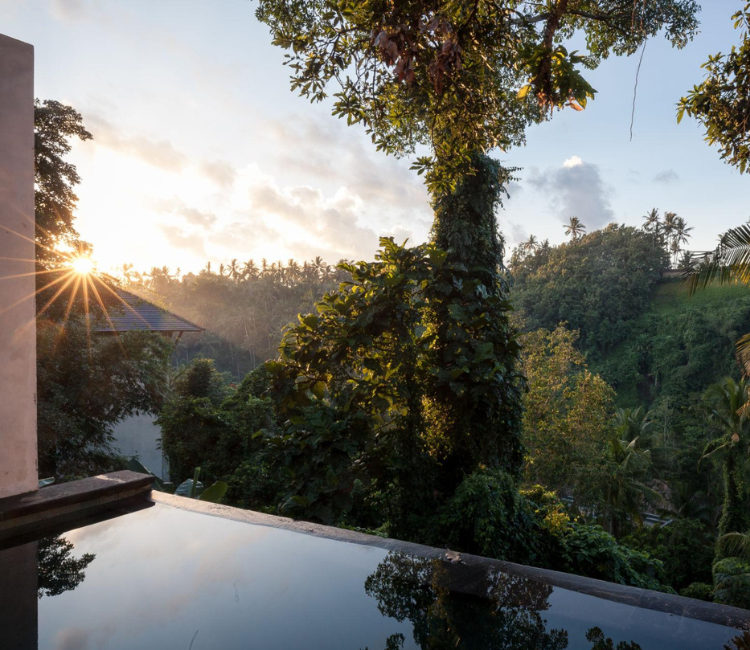
There isn’t a universal winner in the Ubud vs Canggu comparison because each destination excels in different areas. Ubud is ideal for travelers seeking culture, nature, and relaxation, while Canggu is perfect for those who love beaches, surfing, cafés, and nightlife. Before deciding where to stay in Bali, consider the strengths and limitations of each destination.
| Destination | Pros | Cons |
|---|---|---|
| 🌿 Ubud | ✔ Beautiful rice terraces and lush jungle scenery.✔ Rich Balinese culture with temples, dance performances, and local markets.✔ Excellent yoga retreats, wellness resorts, and spa experiences.✔ Better value for accommodation and traditional food.✔ Ideal for couples, families, photographers, and nature lovers. | ✖ No beaches or surfing.✖ Traffic can be slow in the town center during peak hours.✖ Quieter nightlife with limited bars and entertainment.✖ Airport transfers take longer than coastal destinations. |
| 🌊 Canggu | ✔ Fantastic beaches and some of the best spots for surfing in Bali.✔ Vibrant nightlife with beach clubs, bars, and live music.✔ Trendy cafés, international restaurants, and specialty coffee.✔ Excellent coworking spaces and a thriving digital nomad community.✔ Convenient base for visiting Tanah Lot and nearby beaches. | ✖ Accommodation and dining are generally more expensive.✖ Popular areas can become crowded, especially during sunset.✖ Traffic congestion is common around Batu Bolong and Berawa.✖ Less traditional Balinese culture compared to Ubud. |
- Choose Ubud if you want: Nature, temples, waterfalls, yoga retreats, authentic culture, and a peaceful atmosphere.
- Choose Canggu if you want: Beaches, surfing, beach clubs, nightlife, shopping, and a lively social scene.
For most travelers—especially first-time visitors to Bali—the best option is not choosing one over the other. Spending 3–4 nights in Ubud followed by 3–4 nights in Canggu lets you experience Bali’s cultural heart and its modern beach lifestyle in a single trip. This balanced itinerary combines adventure, relaxation, and local culture, giving you a far more complete Bali experience than staying in just one destination.
Common Mistakes to Avoid When Visiting Ubud and Canggu
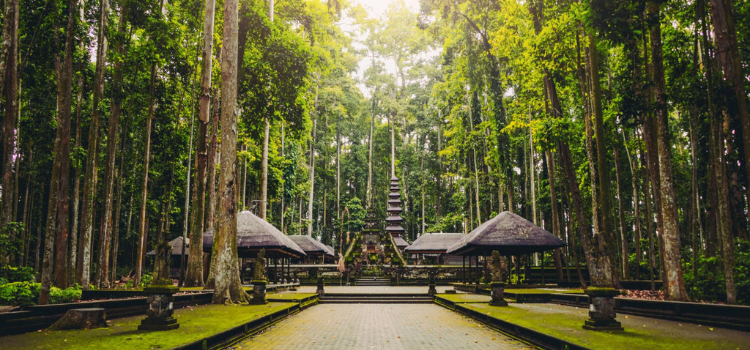
Whether you choose Ubud, Canggu, or both, avoiding a few common mistakes can save you time, money, and unnecessary stress. These are the lessons many travelers—including us—learn after spending time exploring Bali.
1. Choosing Only One Destination
Many first-time visitors stay in just one place and miss out on a completely different side of Bali. If your itinerary allows, spend 3–4 nights in Ubud and 3–4 nights in Canggu to experience both the island’s cultural heart and its vibrant beach lifestyle.
2. Ignoring Bali’s Traffic
The distance between attractions may look short on Google Maps, but traffic can significantly increase travel times. A 30 km journey can easily take 90 minutes or more, especially during late afternoons. Start sightseeing early whenever possible.
3. Not Renting a Scooter (or Planning Alternative Transport)
Scooters are one of the most convenient ways to explore Bali, but they’re only a good option if you’re confident riding in busy traffic and have the appropriate license and insurance. If not, use Grab, Gojek, or hire a private driver for day trips—it’s often more relaxing and surprisingly affordable.
4. Booking Accommodation Too Late
Hotels and villas in both Ubud and Canggu, especially those with excellent reviews, can sell out quickly during the dry season. Booking a few months in advance usually provides more choices and better prices.
5. Skipping Local Warungs
Don’t limit yourself to Instagram-famous cafés. Some of our most memorable meals came from small family-run warungs, where authentic Balinese dishes were fresher, more affordable, and far more flavorful than many tourist restaurants.
6. Underestimating the Humidity
Bali’s tropical climate can feel hot and humid, even on cloudy days. Carry a reusable water bottle, wear lightweight clothing, apply sunscreen regularly, and take breaks during the hottest hours of the afternoon.
7. Missing Sunrise Activities
Some of Bali’s most iconic attractions are best experienced early in the morning. Visiting places like Tegalalang Rice Terrace, the Campuhan Ridge Walk, or nearby waterfalls shortly after sunrise means cooler temperatures, softer light for photography, and far fewer crowds.
Pro Tip: The biggest mistake isn’t choosing Ubud or Canggu—it’s trying to rush through both. Slow down, spend at least three nights in each destination, and you’ll enjoy a much more authentic and rewarding Bali experience.
Pro Travel Tips for Visiting Ubud and Canggu
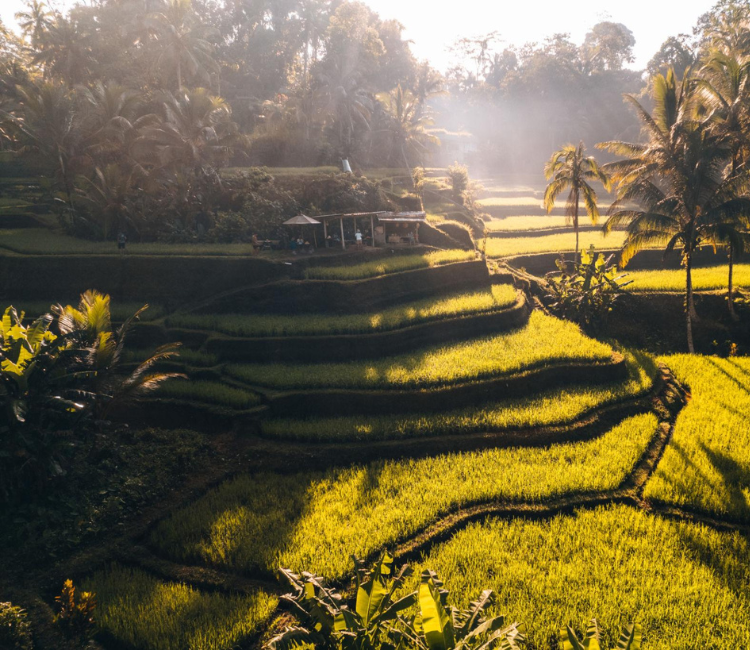
After spending time exploring both destinations, we picked up a few practical tips that made our trip smoother, more affordable, and far more enjoyable. Whether you’re visiting Ubud, Canggu, or planning to experience both, these simple recommendations will help you avoid common hassles and make the most of your Bali adventure.
- Start your mornings early. Popular attractions such as Tegalalang Rice Terrace, Campuhan Ridge Walk, and Tanah Lot Temple are quieter before 8:00 AM. You’ll enjoy cooler weather, fewer crowds, and much better lighting for photography.
- Book villas and boutique hotels in advance. If you’re traveling during the dry season (May to September), reserve your accommodation at least 2–3 months ahead to secure the best locations and prices.
- Use Grab or Gojek wisely. These ride-hailing apps are affordable for airport transfers and short journeys, but some tourist areas have designated pickup points. For full-day sightseeing around Ubud, hiring a private driver is often more convenient.
- Carry some cash. While cards are widely accepted in hotels and larger cafés, many local warungs, small shops, temples, and parking areas still prefer cash.
- Respect temple etiquette. Wear a sarong and modest clothing when visiting sacred sites, follow local customs, and avoid entering restricted areas. Respectful behavior goes a long way in preserving Bali’s cultural heritage.
- Avoid peak sunset crowds. Beach clubs and popular sunset viewpoints in Canggu become very busy between 5:00 PM and 7:00 PM. Arriving an hour earlier gives you a better choice of seats and a more relaxed experience.
- Stay at least 3–4 nights in each destination. Trying to squeeze everything into a short stay often feels rushed.
During our trip, we found staying three nights in Ubud and four nights in Canggu gave enough time to enjoy both without constantly changing hotels. It allowed us to experience Bali’s peaceful rice terraces, waterfalls, and temples before finishing the trip with surfing, beach cafés, and sunset views along the coast.
Pro Tip: If it’s your first time in Bali, don’t choose between Ubud and Canggu—combine both. This itinerary gives you the perfect mix of culture, nature, beaches, and nightlife, creating a well-rounded Bali experience that most travelers remember long after they’ve returned home.
Sample 7-Day Bali Itinerary: Experience the Best of Ubud and Canggu
If you can’t decide between Ubud vs Canggu, the easiest solution is simple—visit both. A 7-day Bali itinerary gives you enough time to experience Bali’s cultural heart before enjoying its vibrant beach lifestyle. This balanced itinerary is ideal for first-time visitors, couples, families, and even digital nomads who want a well-rounded introduction to the Island of the Gods.
Days 1–3: Explore Ubud
Stay: Boutique guesthouse, jungle villa, or wellness resort near Ubud Town.
Recommended Activities:
- Visit the Sacred Monkey Forest Sanctuary
- Watch sunrise at Tegalalang Rice Terrace
- Walk the Campuhan Ridge Walk
- Explore Tirta Empul Temple or Goa Gajah
- Visit nearby waterfalls such as Tibumana or Tegenungan
- Enjoy a Balinese cooking class or evening cultural dance performance
- Relax with a traditional spa or yoga session
Transport: Hire a private driver for sightseeing or rent a scooter if you’re comfortable riding in Bali.
Days 4–7: Relax in Canggu
Travel from Ubud to Canggu by private transfer or ride-hailing app. The journey usually takes 1.5–2 hours, depending on traffic.
Stay: Beachfront hotel, boutique villa, or modern apartment near Batu Bolong or Berawa Beach.
Recommended Activities:
- Take a beginner surf lesson at Batu Bolong Beach
- Spend an afternoon at a beach club like Finns or The Lawn
- Visit Tanah Lot Temple for sunset
- Explore Canggu’s cafés, boutiques, and local markets
- Enjoy a fitness class or work from one of Bali’s popular coworking spaces
- End your trip with dinner overlooking the ocean
7-Day Bali Itinerary at a Glance
| Days | Base | Highlights | Recommended Stay | Getting Around |
|---|---|---|---|---|
| 1–3 | Ubud | Rice terraces, Monkey Forest, temples, waterfalls, yoga, cooking class | Jungle villa, boutique resort, guesthouse | Private driver or scooter |
| 4–7 | Canggu | Surfing, beach clubs, Tanah Lot, cafés, nightlife, shopping | Beach hotel, boutique villa, apartment | Scooter, Grab/Gojek, walking |
Why This Itinerary Works
This itinerary lets you experience two completely different sides of Bali without rushing from one attraction to another. You’ll begin your trip surrounded by lush jungles, ancient temples, and peaceful landscapes in Ubud before ending it with beaches, surfing, sunsets, and vibrant nightlife in Canggu.
During our own visit, this split gave us enough time to settle into each destination instead of constantly packing and moving hotels. It also reduced travel fatigue and made every day feel more relaxed and enjoyable.
Planning a longer trip? Check out our complete Bali Itinerary guide for 10-day and 14-day travel plans, including day trips to Uluwatu, Nusa Penida, Mount Batur, and other must-visit destinations across Bali.
Should You Choose Ubud, Canggu, or Both?

After comparing Ubud vs Canggu across budget, attractions, accommodation, food, nightlife, beaches, and travel styles, one thing becomes clear—there isn’t a single winner. The best destination depends entirely on what you want from your Bali holiday.
If you’re looking for peace, culture, and nature, Ubud will likely become your favorite place on the island. If your dream vacation includes surfing, beach clubs, trendy cafés, and vibrant nightlife, Canggu is the better choice. However, if your itinerary allows, combining both destinations offers the most complete Bali experience.
| Choose… | If You Want… |
|---|---|
| 🌿 Ubud | Rice terraces, waterfalls, temples, yoga retreats, authentic Balinese culture, romantic jungle villas, photography, and a slower pace of life. |
| 🌊 Canggu | Surfing, beaches, beach clubs, nightlife, specialty cafés, shopping, coworking spaces, and a lively social atmosphere. |
| ✨ Both Ubud & Canggu | A balanced Bali trip that combines culture, adventure, relaxation, beaches, and nightlife in one itinerary. Ideal for first-time visitors staying 7 days or more. |
- ❤️ Best for Couples & Honeymooners: Ubud
- 👨👩👧👦 Best for Families: Ubud
- 💻 Best for Digital Nomads: Canggu
- 🏄 Best for Surfing & Beaches: Canggu
- 🌿 Best for Nature & Wellness: Ubud
- 🎉 Best for Nightlife: Canggu
- 🎒 Best for Backpackers: Canggu
- 🌏 Best for First-Time Visitors: Both
From our own experience, splitting the trip between the two destinations made Bali feel like two completely different holidays. We spent our mornings exploring peaceful rice terraces and ancient temples in Ubud before finishing the trip with sunset surf sessions, beachfront cafés, and lively evenings in Canggu. That contrast is what makes Bali such a special destination.
If you’re still asking “Should I stay in Ubud or Canggu?”, here’s the simplest answer:
- Choose Ubud if you want culture, nature, wellness, and a peaceful escape.
- Choose Canggu if you want beaches, surfing, nightlife, and a modern social scene.
- Choose both if you have at least one week in Bali—it’s the option we recommend for most travelers because it lets you experience the island’s two most iconic destinations without compromise.
Recommendation: If we were planning our first Bali trip again, we’d still spend 3 nights in Ubud and 4 nights in Canggu. It provides the perfect balance of adventure, relaxation, local culture, and coastal fun—making it the most rewarding itinerary for first-time visitors to Bali.
Frequently Asked Questions
Is Ubud or Canggu better for first-time visitors?
It depends on the type of holiday you're planning. Ubud is the better choice if you want to experience Bali's cultural side, including temples, rice terraces, waterfalls, and wellness retreats. Canggu is ideal if you're looking for beaches, surfing, trendy cafés, shopping, and nightlife. For most first-time visitors, combining both destinations offers the best introduction to Bali and provides a more complete travel experience.
Which is cheaper, Ubud or Canggu?
Ubud is generally slightly cheaper than Canggu, especially for accommodation, local warungs, and cultural activities. Budget guesthouses, yoga classes, and traditional restaurants usually cost less in Ubud. Canggu tends to be more expensive because of its popularity with surfers, digital nomads, and beachgoers, particularly in areas close to Batu Bolong and Berawa Beach.
Can you visit Ubud and Canggu in one trip?
Yes. In fact, we highly recommend it. A 7–10 day Bali itinerary gives you enough time to spend 3–4 days in Ubud exploring nature and culture, followed by 3–4 days in Canggu enjoying beaches, surfing, cafés, and nightlife. This combination lets you experience two completely different sides of Bali without feeling rushed.
Is Canggu better than Ubud for nightlife?
Yes. If nightlife is important to you, Canggu is the clear winner. It offers lively beach clubs, rooftop bars, cocktail lounges, live music venues, and late-night restaurants. Ubud, on the other hand, is much quieter and focuses more on cultural performances, relaxed cocktail bars, and intimate cafés, making it better suited to travelers looking for peaceful evenings.
Is Ubud worth visiting if you don't like temples?
Absolutely. Although Ubud is famous for its temples, there's much more to explore. Visitors come for the Tegalalang Rice Terrace, the Sacred Monkey Forest Sanctuary, scenic waterfalls, jungle hikes, yoga retreats, art galleries, coffee plantations, cooking classes, and traditional Balinese markets. Even if temples aren't your priority, Ubud offers plenty of memorable experiences.
Which is better for digital nomads: Ubud or Canggu?
Canggu is generally the better option for digital nomads thanks to its fast internet, modern coworking spaces, networking events, fitness studios, and vibrant café culture. However, Ubud has become increasingly popular among remote workers who prefer a quieter environment focused on wellness, productivity, and nature. If you value networking and convenience, Canggu is the stronger choice.
How many days should you spend in Ubud and Canggu?
For most travelers, 3–4 days in Ubud and 3–4 days in Canggu is the ideal balance. This gives you enough time to visit major attractions, enjoy local food, experience the different atmospheres, and travel at a relaxed pace. If you're staying in Bali for longer than a week, you can easily extend your stay in either destination depending on your interests.
Is it easy to travel between Ubud and Canggu?
Yes. Traveling between Ubud and Canggu is straightforward. The journey is approximately 27–30 km (17–19 miles) and usually takes 1.5–2.5 hours, depending on traffic conditions. Private drivers are the most comfortable option for travelers with luggage, while Grab and Gojek are convenient for smaller groups. If you're confident riding in Bali, renting a scooter is another flexible way to travel between the two destinations.