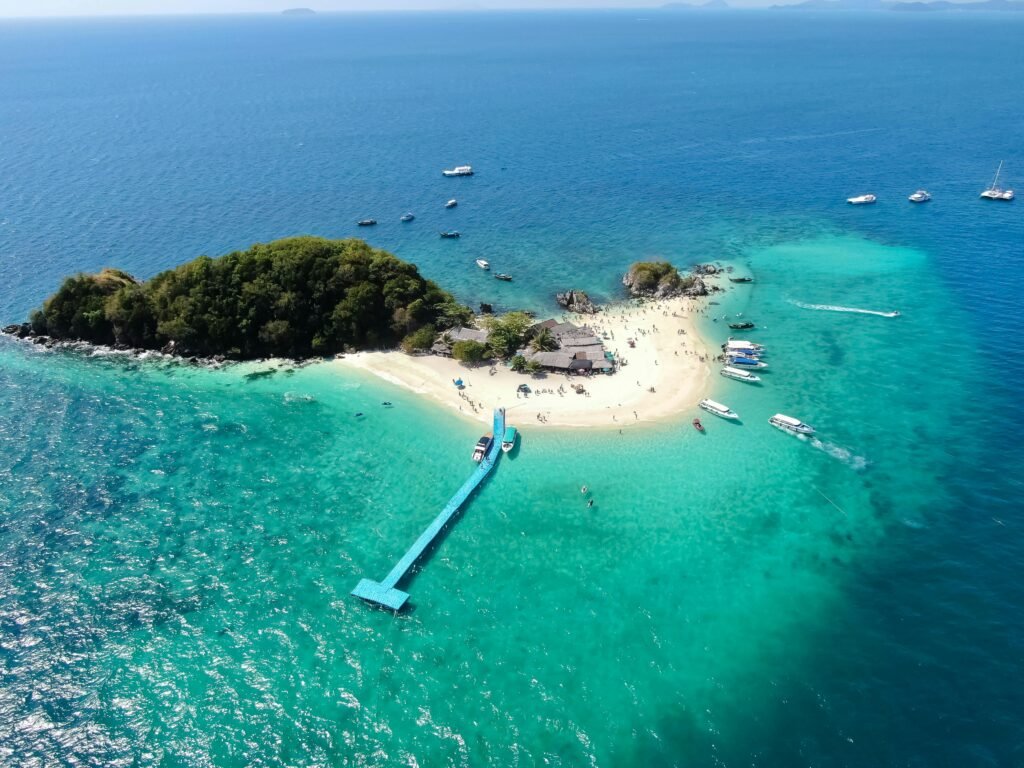

Everyone asks this question like there’s a clean answer, and most articles duck it with “it depends on your travel style.” That’s a cop-out. Having split six weeks between Ubud, Canggu, El Nido, and Siargao across two separate trips, I can tell you there is a real answer — it just depends on which four or five things actually matter to you, not on vague vibes.
This guide breaks down the real costs, the actual weather patterns (not just “dry season”), the beaches worth the hype, and the mistakes that quietly ruin a lot of first-time trips to either country. By the end you’ll know which one fits your trip — or whether you should just do both.
Table of Contents
ToggleBali or Philippines at a Glance
| Category | Bali | Philippines |
|---|---|---|
| Best for | Wellness, culture, easier first trip | Beaches, diving, adventure, variety |
| Daily budget (mid-range) | $50–90/day | $40–75/day |
| Getting around | Easy — one island, short drives | Harder — often requires flights between regions |
| Beaches | Good, but not the country’s strongest suit | World-class (El Nido, Siargao, Boracay) |
| Best time to go | April–October | December–May |
| English spoken | Common in tourist areas | Widely spoken almost everywhere |
| Ideal trip length | 7–10 days | 12–18 days |
If you want one easy-to-navigate island with strong food, wellness, and culture — Bali. If you want the best beaches and diving in Southeast Asia and don’t mind more logistics — the Philippines.
Bali vs Philippines — What You're Actually Choosing Between

Bali is one island. Roughly 95 miles across at its widest, you can drive from Canggu to Ubud in under two hours, or reach the Gili Islands by a short boat. Everything is reachable without a flight.
The Philippines is an archipelago of over 7,000 islands. Planning to explore the islands? Our complete Philippines Travel Guide covers the best destinations, transportation, budgets, weather, and practical tips for planning your first trip. According to the Philippine Statistics Authority, the country spans three major island groups — Luzon, Visayas, and Mindanao — and popular destinations like El Nido (Palawan), Siargao, and Boracay are often a domestic flight apart, not a drive. That’s the single biggest structural difference between these two trips, and it changes almost everything about how you should budget your time and money.
This is why “Bali or the Philippines” isn’t really a fair fight in terms of scale — Bali is a destination, the Philippines is a country with dozens of destinations inside it.
Bali vs Philippines Budget Breakdown
Forget vague “$30–50 a day” ranges. Here’s what things actually cost.
| Style | Bali (per day) | Philippines (per day) |
|---|---|---|
| Backpacker | $25–40 | $20–35 |
| Mid-range | $50–90 | $40–75 |
| Luxury | $150+ | $120+ |
Accommodation by Region
- Ubud: A private guesthouse room ran us roughly $18/night in low season; a nicer villa with a pool starts around $45–60/night.
- Canggu / Seminyak: Expect $35–70/night for a comfortable mid-range stay, more during July–August peak.
- El Nido, Palawan: A simple private room was about $25/night; beachfront resorts push $80–150+.
- Siargao: Surf hostels run $10–15/night for a dorm bed; private cottages near Cloud 9 average $35–55/night.
- Boracay: More developed and pricier — expect $40–90/night for a comfortable mid-range room.
Food & Local Transport
Bali’s warungs (local eateries) are genuinely cheap — a full meal for $2–4 is normal outside tourist zones. Scooter rental runs about $5–7/day. In the Philippines, local carinderias offer similarly cheap meals ($2–5), and tricycle/jeepney rides are inexpensive, but scooter rental in island destinations like El Nido or Siargao tends to run slightly higher, around $8–12/day.
The Hidden Cost Most Articles Skip: Inter-Island Flights
This is where the Philippines quietly gets expensive. Flying El Nido to Siargao, for example, usually means routing through Manila or Cebu, and round-trip domestic flights across the country typically run $60–150 depending on season and booking window. If your itinerary hops between three or four islands, budget an extra $150–400 in flights alone — something almost no comparison article accounts for.
Bali has no equivalent cost, since everything is reachable by road or a short, cheap boat ride.
Per-day costs favor the Philippines slightly, but factor in inter-island flights and a two-week Philippines trip can end up costing about the same as — or more than — a comparable Bali trip. For general cost baselines, aggregated data from sites like Numbeo and BudgetYourTrip lines up closely with what we spent on the ground.
Best Time to Visit — Bali vs Philippines Weather Guide

Bali: Dry Season vs Wet Season
- April–October (dry season): The best window overall. July–August is peak tourist season and also peak pricing.
- November–March (wet season): Expect short, heavy afternoon downpours rather than all-day rain. January and February are the wettest months.
Philippines: More Regional Variation Than People Expect
The Philippines doesn’t have one climate — it has several, and most comparison articles flatten this into a single “dry season” claim, which isn’t accurate.
- December–May: Generally the driest window across most of the country, and typhoon risk is lowest.
- June–November: Typhoon season, concentrated mainly in Luzon and the Visayas. According to PAGASA (the Philippine weather bureau), the country sees an average of 20 tropical cyclones a year, though not all make landfall.
- Palawan (El Nido) and Siargao sit slightly outside the worst typhoon belt and often have decent weather even in shoulder months, but it’s still worth checking regional forecasts rather than assuming the whole country shares one season.
Best Value Shoulder Months
- Bali: May and September — good weather, thinner crowds, lower prices than July–August.
- Philippines: Late November and early December, before the December–January holiday surge.
Beaches, Nature & Things to Do
Bali's Beaches, Rice Terraces, and Temple Culture
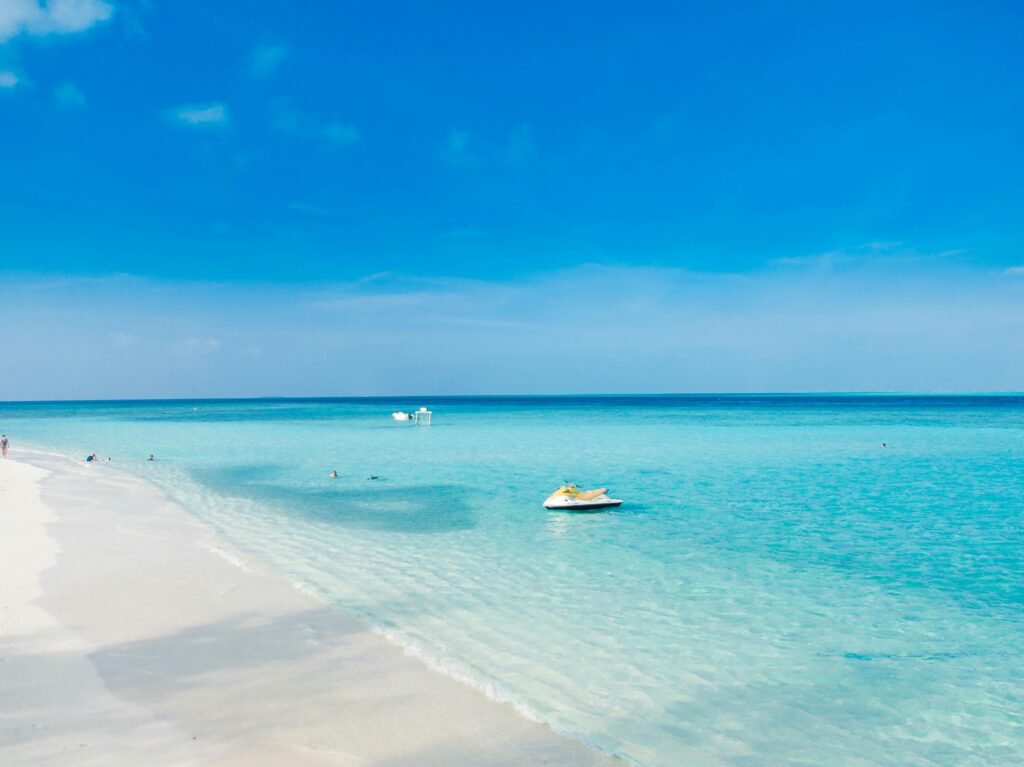
Bali’s real strength isn’t its beaches — Kuta and central Seminyak have grey-brown sand and can get crowded — it’s everything around them: the Tegallalang rice terraces, Uluwatu’s clifftop temples, waterfall hikes near Ubud, and a genuinely excellent café and wellness scene. Nusa Dua and the Gili Islands (a short boat ride away) offer noticeably better swimming water than Bali’s main coastline.
Philippines' Beaches, Lagoons, and Island-Hopping
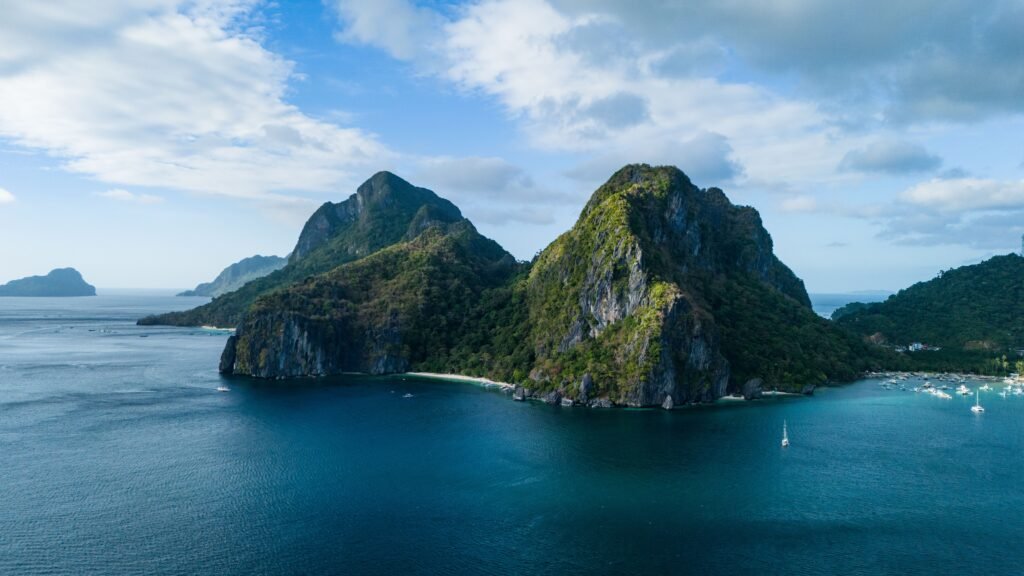
This is where the Philippines wins outright. El Nido’s Big Lagoon has water clear enough to count fish several meters down. Siargao pairs a serious surf scene (Cloud 9) with quieter lagoons like Sugba. Boracay’s White Beach is the most postcard-famous stretch of sand in the country, powder-fine and squeaky underfoot. If beaches are your main criterion, the Philippines isn’t close.
Diving & Snorkeling
The Philippines sits inside the Coral Triangle, one of the most biodiverse marine regions on Earth, and diving spots like Tubbataha Reef and Malapascua consistently rank among the best in Southeast Asia. Bali has solid diving too — Amed and Nusa Penida are worth it for manta rays and mola mola — but the Philippines has more range and consistency for serious divers.
Nightlife & Wellness
Bali leads clearly here: Canggu and Seminyak have an extensive beach club, bar, and live-music scene, alongside Ubud’s yoga and wellness retreats. The Philippines’ nightlife is more localized (Boracay and Siargao have decent scenes) but it’s not the country’s focus the way it is in Bali.
Culture, Food & People

English is an official language in the Philippines and spoken fluently almost everywhere, which removes a lot of friction for first-time visitors. In Bali, English is common in tourist hubs but thinner in rural areas, and Bahasa Indonesia dominates outside the main resort zones.
Food-wise, Bali’s scene leans toward an excellent international and health-food café culture (especially in Canggu), alongside traditional dishes like babi guling and nasi campur. Filipino food is heartier and more homestyle — think adobo, sinigang, and fresh seafood straight off the boat in coastal towns. Both destinations are known for warm hospitality, though Filipino hospitality is frequently singled out by visitors as especially personal and unhurried.
Pros and Cons — Bali vs Philippines
Bali
Pros: Easy to get around, strong wellness/café culture, well-developed tourist infrastructure, short flights from most of Asia and Australia.
Cons: Overtourism in Kuta/Seminyak, worsening traffic in the south, a tourist levy now applies to foreign visitors, beaches aren’t the country’s strongest feature.
Philippines
Pros: Genuinely world-class beaches and diving, English widely spoken, friendly and unhurried hospitality, huge variety of experiences across islands.
Cons: Inter-island logistics add time and cost, infrastructure varies a lot by region, more planning required to string together a multi-island itinerary.
Common Mistakes to Avoid When Choosing Between Bali and the Philippines

- Underestimating inter-island flight costs and time in the Philippines. A “quick hop” between islands often means a half-day of travel and a $60–150 flight — plan fewer stops rather than more.
- Booking Bali in July–August without planning ahead. Peak season prices spike and popular areas get genuinely crowded; book accommodation 2–3 months out if traveling then.
- Ignoring Bali’s tourist levy. Foreign visitors are required to pay a one-time entry fee — check current requirements before you land so it’s not a surprise.
- Assuming one week covers “the Philippines.” Given the archipelago’s size, one week is realistically enough for one or two regions, not a national tour.
- Treating Philippine weather as one climate zone. Check region-specific forecasts (Palawan vs Visayas vs Luzon) rather than assuming the whole country shares a single dry season.
If you’re planning your itinerary, our guide on how many days in the Philippines explains the ideal trip length for first-time visitors, island hopping, and multi-destination vacations.
Pro Travel Tips for Bali and the Philippines

- Bali: Rent a scooter only if you’re comfortable with genuinely chaotic traffic in the south; otherwise use Grab. Get a local SIM (Telkomsel) at the airport rather than relying on hotel Wi-Fi.
- Philippines: Book inter-island flights (Cebu Pacific, AirSwift, Philippine Airlines) as early as possible — prices climb fast closer to departure, and we learned this the hard way paying nearly double for a last-minute El Nido–Cebu route.
- Both: Carry more cash than you think you’ll need in smaller towns and islands — card acceptance drops off quickly outside main tourist areas, and ATM fees add up if you’re withdrawing frequently.
- Both: Photograph your passport and visa/entry documents and store them offline — connectivity on smaller islands can be unreliable when you need documents fastest.
Bali or Philippines — Who Should Choose What

Choose Bali if you're:
- A first-time visitor to Southeast Asia wanting an easier logistical learning curve
- Focused on wellness, yoga, or a strong café/wellness culture
- Traveling on a shorter timeline (one week or less)
- Looking for a honeymoon with private villas and a romantic, curated feel
Choose the Philippines if you're:
- Prioritizing beaches and diving above everything else
- A surfer, diver, or serious nature/adventure traveler
- Willing to invest extra planning time for a multi-island itinerary
- Traveling for two weeks or more, giving you room to island-hop properly
Still unsure whether the Philippines matches your travel style? Read our guide on is the Philippines worth visiting for an honest look at the country’s beaches, costs, logistics, and who will enjoy it most.
Consider doing both: Manila and Bali have direct or one-stop flight connections from most major Asian hubs, and a split trip — say, a week in Bali followed by ten days in Palawan or Siargao — lets you experience both without compromising on either.
Frequently Asked Questions
Is Bali or the Philippines cheaper?
The Philippines is slightly cheaper on a per-day basis for accommodation and food, but factoring in inter-island flights, a multi-stop Philippines trip can cost about the same as a comparable Bali trip.
Which is better for a honeymoon, Bali or the Philippines?
Bali is generally better for a honeymoon thanks to private pool villas and a more curated, romantic setup, while the Philippines suits couples who want an adventure-driven trip with dramatic scenery.
Which has better beaches, Bali or the Philippines?
The Philippines has noticeably better beaches overall — spots like El Nido and Boracay are considered among the best in Southeast Asia, while Bali's main coastline is more about surf and sunsets than swimming.
How many days do you need in Bali vs the Philippines?
Bali works well in 7–10 days since everything is close together; the Philippines' archipelago geography makes 12–18 days more realistic if you want to visit more than one region.
Is Bali or the Philippines safer for solo travelers?
Both are generally considered safe for solo travelers with standard precautions; Bali's more compact geography makes it slightly easier to navigate solo, while the Philippines requires a bit more route planning.
Which is better for diving, Bali or the Philippines?
The Philippines is generally considered the stronger diving destination, sitting within the biodiverse Coral Triangle with sites like Tubbataha Reef, though Bali's Nusa Penida is excellent for manta ray encounters.
Can you visit both Bali and the Philippines in one trip?
Yes — flight connections between Bali and Manila or Cebu are reasonably convenient, and splitting a trip into roughly a week in each is a popular way to experience both destinations.
Which is better for first-time visitors to Southeast Asia?
Bali tends to be the easier first trip due to its compact size, developed tourist infrastructure, and lower logistical learning curve compared to navigating the Philippines' island geography.
Neither destination is objectively “better” — they’re built for different trips. Bali rewards travelers who want ease, culture, and wellness in a tight geographic package. The Philippines rewards travelers willing to plan a bit more for genuinely world-class beaches and diving. If you can only pick one for this trip, let your priorities — not the internet’s consensus — make the call.