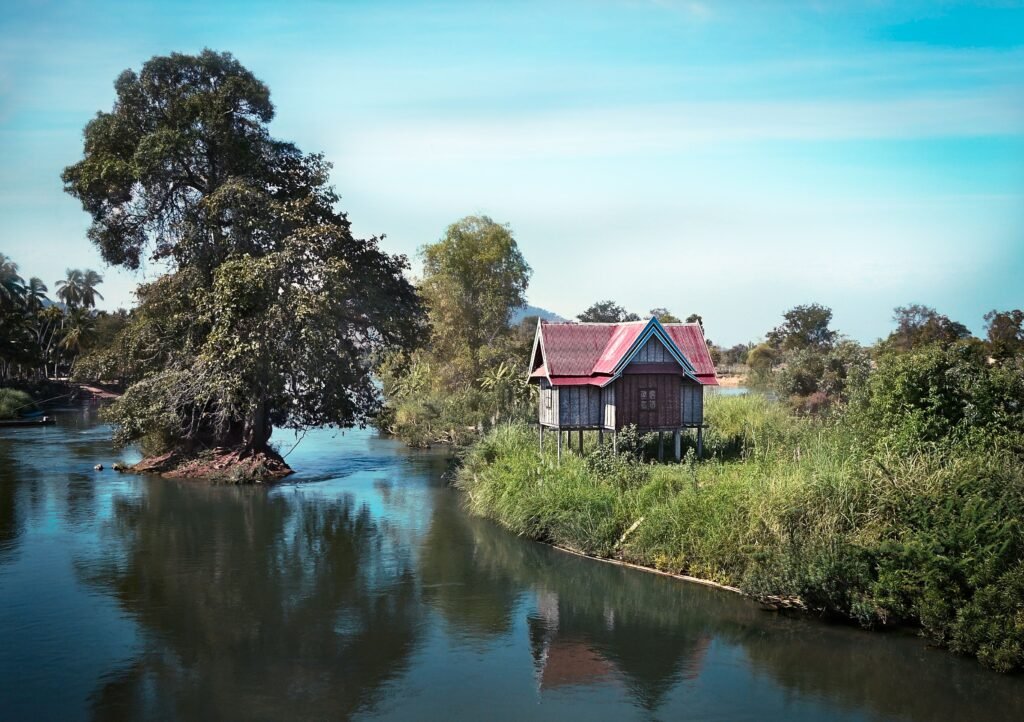
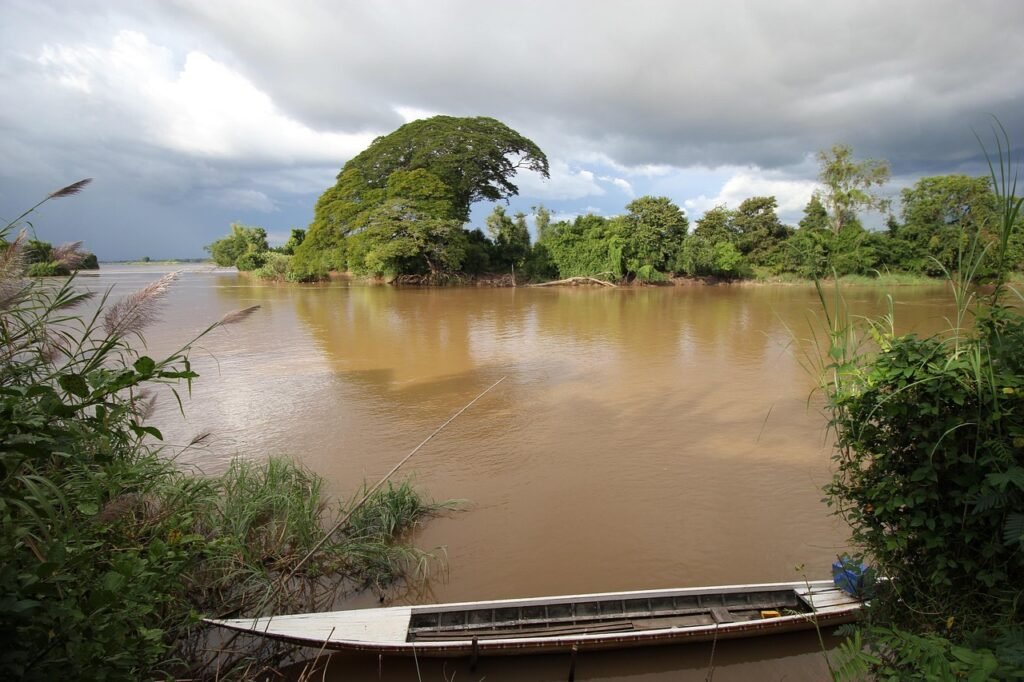
The boat engine cut out about fifty metres from shore, and for a second the only sound left was the Mekong lapping against the hull. Then the driver poled us the rest of the way in, and I stepped off onto a wooden jetty on [Don Det / Don Khon], bag over one shoulder, into a place that genuinely feels like it’s running on a different clock than the rest of Southeast Asia.
That’s Si Phan Don, or the 4000 Islands — a scattering of river islands in the far south of Laos, right up against the Cambodian border, where the Mekong spreads out and slows down before it squeezes through the largest waterfall in Southeast Asia. This guide covers everything you actually need to plan the trip: how to get there, what it costs, which island fits your travel style, and a couple of things most articles either get wrong or just don’t mention — including one persistent bit of tourist misinformation involving dolphins that’s worth knowing before you hand over money for a tour.
Table of Contents
ToggleWhat Is Si Phan Don (The 4000 Islands)?
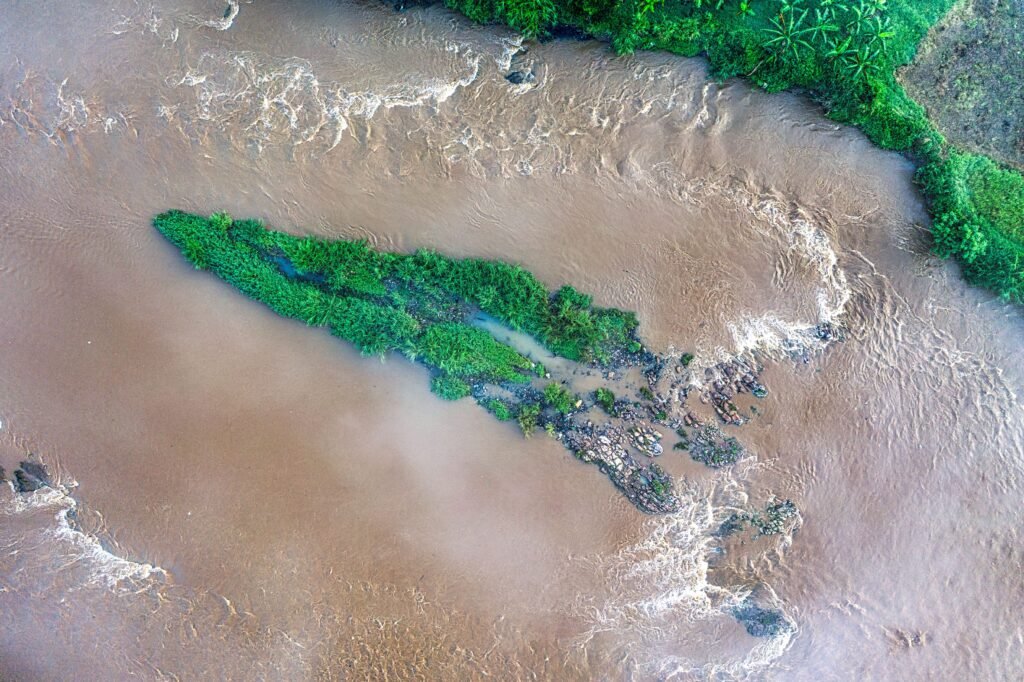
Si Phan Don translates literally to “four thousand islands,” and it’s the local name for a stretch of the Mekong River in Laos’s Champasak province, right at the border with Cambodia, where the river fans out into a maze of islands, sandbars, and channels. The “4,000” isn’t a precise count — it’s a description, and an accurate one, because the number of visible islands genuinely changes with the seasons. In the dry season, when water levels drop, hundreds of small sandy islets and rock outcrops emerge that simply disappear underwater again once the rains come back in May.
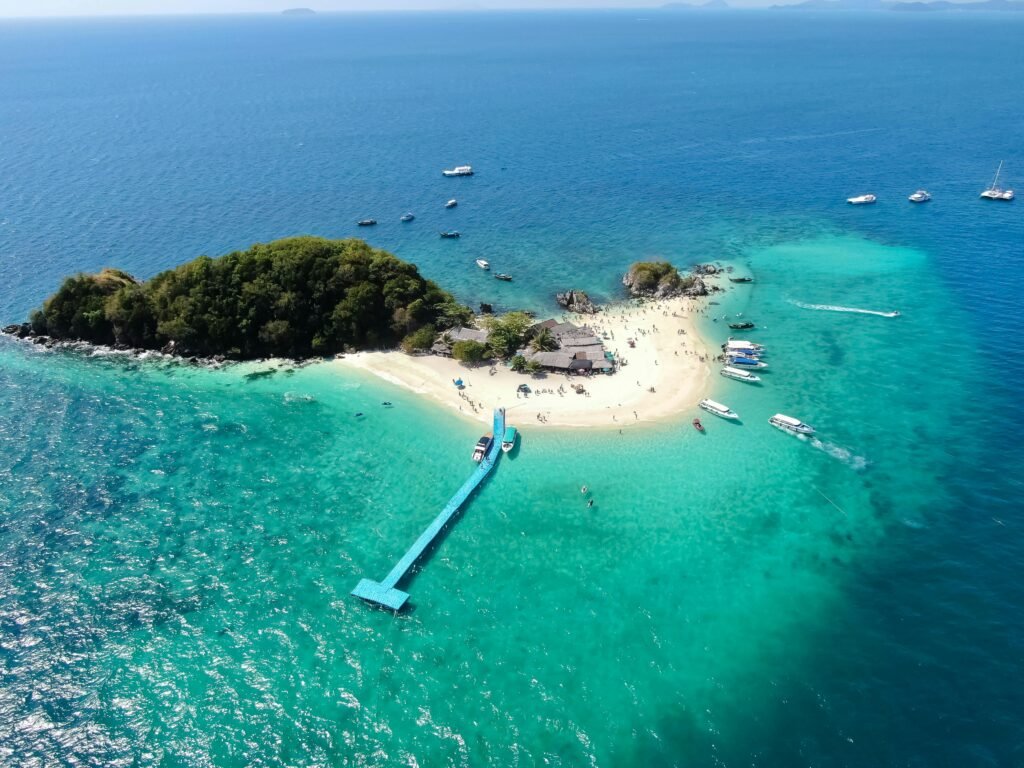
Only a handful of islands are large enough to be permanently inhabited, and only three are set up for tourism: Don Khong, Don Det, and Don Khon. Everything else is water buffalo, rice paddy, and river.
Geographically, this is about as far south as you can go in Laos before you hit Cambodia — the Mekong itself forms part of the border here, and the seasonal flooding and channel-splitting that defines the region is a direct result of the river’s gradient dropping sharply as it approaches the Khone Falls, the reason boats have never been able to travel this stretch of the Mekong in one continuous route between Laos and Cambodia.
Don Det vs. Don Khon vs. Don Khong — Which Island Should You Actually Choose?
This is the decision most people get wrong, because most articles just describe all three islands and leave you to figure it out. Here’s the actual breakdown.
Don Det: the backpacker hub
Don Det is where almost every foreign traveler ends up first, and for a lot of people, it’s also where they stay. It has the widest range of guesthouses, the most restaurants (menus heavy on banana pancakes, fruit shakes, and Beerlao), and a small but real nightlife strip on the northwest side of the island — a handful of bars with fire shows and cheap buckets that stay open until around midnight. Outside that one corner, though, Don Det is quiet. Most of the island is still rice paddies, wooden stilt houses, and hammocks strung across guesthouse balconies.
Don Khon: quieter, more scenic, better for couples
Connected to Don Det by an old French colonial railway bridge (more on that below), Don Khon is the calmer, prettier sibling. It has fewer guesthouses, a more spread-out layout, and direct access to Li Phi Falls and the old French locomotive relic. [On our trip, we found Don Khon noticeably quieter after dark than Don Det — worth knowing if you’re a light sleeper or traveling as a couple rather than solo.] If your priority is scenery and sleep over socializing, this is the island.
Don Khong: the least touristy option
Don Khong is the largest island in Si Phan Don, and it’s also the one most travelers skip entirely — which is exactly its appeal. It has a morning market, a slower pace even than Don Det and Don Khon, and almost no backpacker infrastructure. If you want to see what daily life along the Mekong actually looks like without a tourist strip built around it, Don Khong is worth the extra effort to reach.
| Island | Vibe | Nightlife | Wi-Fi | Best for |
|---|---|---|---|---|
| Don Det | Backpacker energy, social | Yes (one strip, low-key) | Patchy | Solo travelers, budget backpackers, first-timers |
| Don Khon | Calm, scenic, waterfalls | Minimal | Patchy | Couples, photographers, light sleepers |
| Don Khong | Local, rural, authentic | None | Very limited | Slow travelers, repeat visitors to Laos |
How to Get to the 4000 Islands
From Pakse (the most common route)
Almost everyone reaches Si Phan Don via Pakse, the nearest city with an airport and a bus terminal. From Pakse’s Southern Bus Terminal, regular departures run to Nakasong roughly every hour between 7am and 3pm. The trip takes around 3 to 3.5 hours, and a bus + boat combo ticket — covering the bus to Nakasong and the boat onward to your island — typically runs somewhere between $5 and $9 per person, depending on where you buy it and whether it’s high or low season. Buy the combo ticket rather than doing it in stages; it removes the hassle of finding a boat driver yourself at Nakasong.
Try not to leave Pakse later than early-to-mid afternoon — the last boats from Nakasong to the islands generally leave in the late afternoon (roughly 4:30–5pm), and getting stuck in Nakasong overnight is an avoidable annoyance.
From Vientiane and northern Laos
If you’re coming from Vientiane, Luang Prabang, or Vang Vieng, you’re looking at a long day (or an overnight sleeper bus) down to Pakse first, then the same Pakse-to-Nakasong route above. There’s no shortcut here — southern Laos is genuinely far from the north, and most travelers treat the 4000 Islands as the last stop on a south-to-north (or north-to-south) route through the country rather than a standalone weekend trip.
From Cambodia (Siem Reap or Phnom Penh)
This is the route a lot of competing guides skip, and it’s genuinely useful if you’re linking Laos and Cambodia on the same trip. Direct bus + boat tickets between Don Det and Siem Reap are sold by shops right on Don Det’s main strip, run by companies like VET (Asia Bus) and Asia Van Transfer (AVT), with departures typically starting around 9am and pricing around $35 as of 2026. Phnom Penh is a much longer, less direct journey and isn’t commonly done straight from the islands.
If you’d rather cross independently rather than book a through-ticket, the relevant land border is Veun Kham on the Laos side and Dom Kralor on the Cambodian side — this is the crossing that connects directly to the Si Phan Don region. Visas on arrival are available at the border in both directions, payable in US dollars, so bring cash and passport photos rather than assuming you can pay by card or get change in the exact currency you’re carrying.
Getting between the islands
Don Det and Don Khon are connected by a narrow bridge built by the French during the colonial-era railway project (more below) — it’s now used by pedestrians, bicycles, and motorbikes, with a small crossing fee of around 20,000 kip if you’re staying on Don Det and visiting Don Khon for the day (you can skip this fee if you’re staying overnight on Don Khon itself). Getting to Don Khong is a separate boat trip from the mainland, not a direct island-to-island hop.
Best Time to Visit the 4000 Islands

Dry season (November–April): the standard recommendation, with caveats
Most guides simply say “visit in dry season” and leave it there, but the six-month window isn’t uniform. November through February is genuinely the most comfortable stretch — daytime temperatures are warm but manageable, the landscape is still lush from the tail end of the previous wet season, and the falls are running at a dramatic, photogenic volume without being dangerously high. March and April, by contrast, are the hottest months of the year across Laos, with temperatures regularly climbing into the high 30s°C and the landscape turning dry and dusty. It’s still doable, but it’s a noticeably harsher version of “dry season.”
Wet season (May–October): what actually changes
This is the detail most competing articles gloss over: during the wet season, many of the smaller islands that give Si Phan Don its name are partially or fully submerged, and some sections of the falls become impassable by boat or simply less visually dramatic because the water level masks the rock formations that make them striking in the dry season. It’s not that the islands are unpleasant in the wet season — it’s quieter and greener — but if the waterfalls and the “thousands of islands” visual are the reason you’re coming, dry season delivers on that promise in a way wet season doesn’t.
| Period | Conditions | Crowd level |
|---|---|---|
| Nov – Feb | Warm, comfortable, lush scenery, falls running well | Peak season |
| Mar – Apr | Very hot, dry, dusty | Lower |
| May – Oct | Rainy, humid, some islands/falls submerged | Low |
How Much Does a Trip to the 4000 Islands Cost?
| Expense | Shoestring | Mid-range |
|---|---|---|
| Accommodation (per night) | $3–6 (basic riverside bungalow, shared or cold-water bathroom) | $25–50 (en-suite bungalow, some with hot water/AC; floating rooms on Don Khon can run around $50) |
| Food (per day) | $5–8 (local noodle shops, guesthouse restaurants) | $12–20 (Western options, riverside restaurants) |
| Bicycle rental | ~$1.25/day | — |
| Motorbike rental (Don Khong) | — | ~$6–7.50/day + ~$2.50 fuel |
| Kayaking tour (half/full day) | Varies by operator — confirm current rate on arrival | — |
| Khone Phapheng Falls entrance | ~30,000 kip (roughly $3.50–4, check current exchange rate) | |
| Inter-island bridge crossing (day-trippers) | ~20,000 kip | |
| Estimated daily total | ~$10–16/day | ~$40–70/day |
The one thing you cannot budget around casually: there are no functioning ATMs on Don Det, Don Khon, or Don Khong. The nearest ATM is on the mainland in Nakasong, at the bus terminal where you first arrive. Some guesthouses will exchange currency for you, but the rates are consistently bad — you’re paying a real premium for the convenience. The safest plan is to withdraw more Lao kip than you think you’ll need before you board the boat to the islands, and treat anything left over as a buffer rather than cutting it close.
A rough exchange-rate anchor (verify the current rate before you travel, since it moves): historically around 8,000 kip to the US dollar, though this fluctuates enough that it’s worth checking a live rate the week you fly rather than trusting any number in a blog post, including this one. If you’re transiting through Pakse, that’s your last realistic chance at a reliable bank or ATM with a fair rate before the islands — plan your withdrawal there rather than at the smaller counter in Nakasong.
Best Things to Do in the 4000 Islands
Khone Phapheng Falls — the "Niagara of Asia"
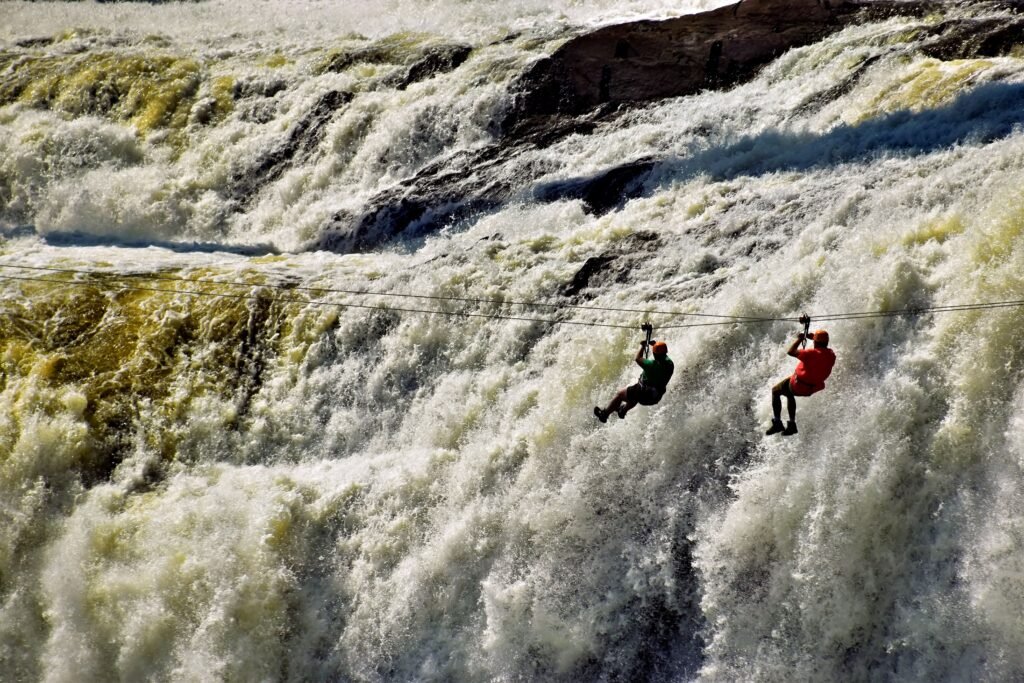
This is the single biggest natural landmark in the area, and it earns the comparison: Khone Phapheng is the largest waterfall by volume in all of Southeast Asia, stretching over ten kilometres of churning rapids with a flow rate that swings from roughly 11,000 cubic metres per second in the dry season up to nearly 49,000 cubic metres per second at the height of the wet season. It’s also the geological reason the Mekong has never been navigable in a continuous route between Laos and Cambodia — no boat has ever been able to pass through this stretch of river. Entrance is around 30,000 kip, and you can reach it either as part of a kayaking tour from Don Det or by boat back to Nakasong followed by a short tuk-tuk or minivan ride.
Li Phi Falls (Tat Somphamit) and the old French railway
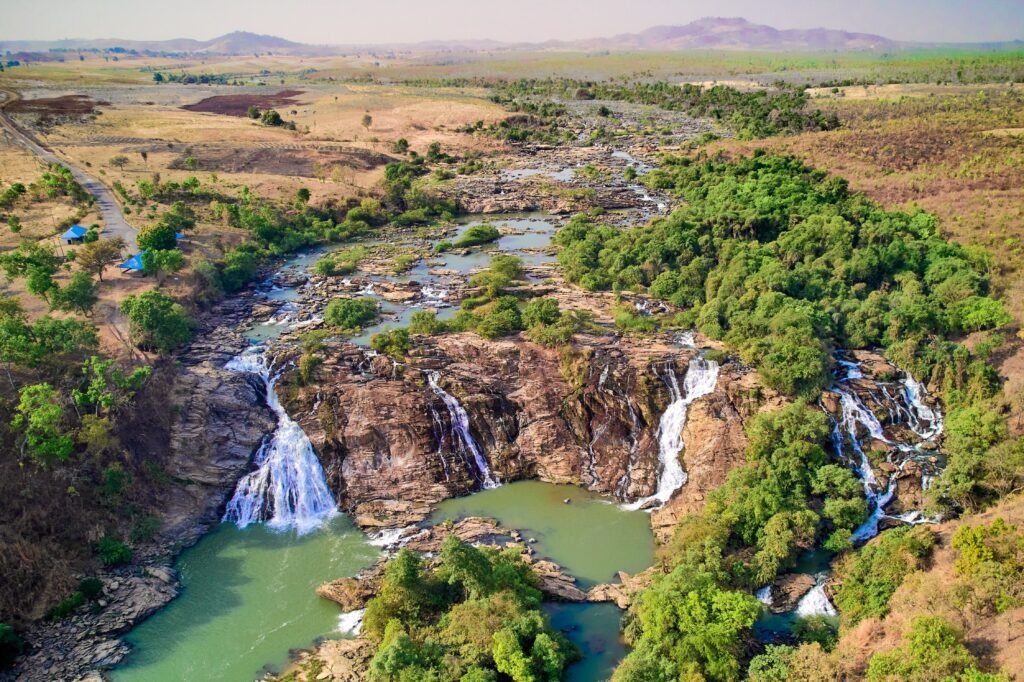
On Don Khon, Li Phi Falls is smaller than Khone Phapheng but arguably more dramatic up close — the water forces itself through a narrow rock gorge with a genuinely intimidating amount of force. Nearby, you’ll find the remnants of a French colonial-era railway, including a rusted steam locomotive left behind after the line was abandoned in 1953. The original rail bridge connecting Don Det and Don Khon still stands, though the tracks themselves were removed decades ago and the bridge now carries pedestrians, bicycles, and motorbikes instead.
Kayaking the Mekong
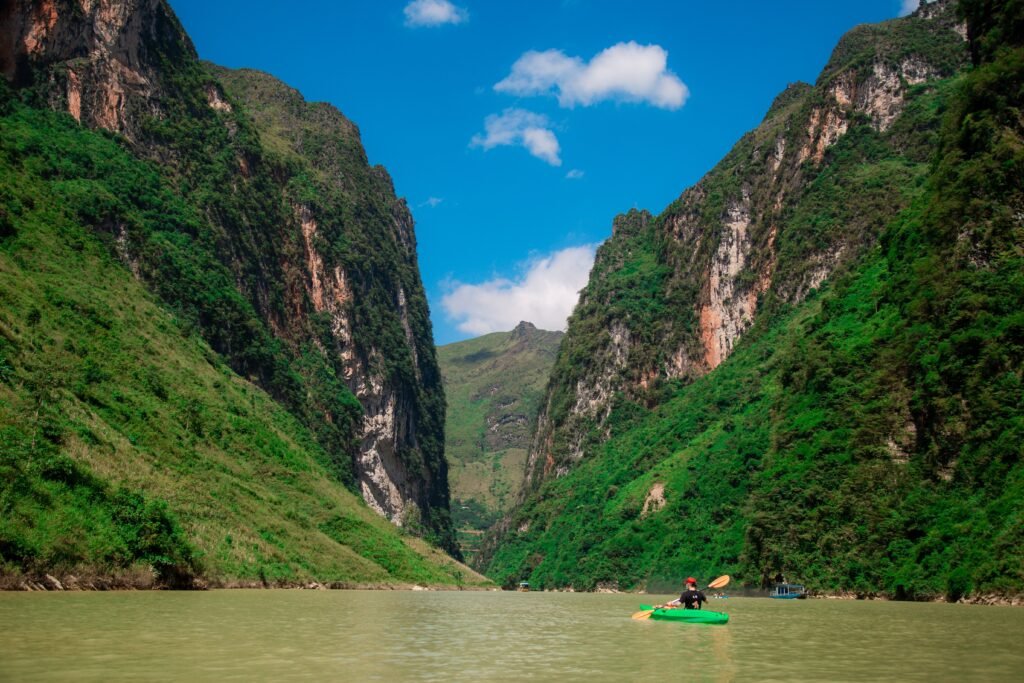
Multiple operators on Don Det run half-day and full-day kayaking trips through the islands, typically combining paddling with stops at Li Phi Falls, Khone Phapheng, and the quieter backwaters between islands where you’ll pass grazing water buffalo at close range. It’s genuinely one of the better ways to see the geography of the area rather than just one fixed viewpoint.
Cycling the islands
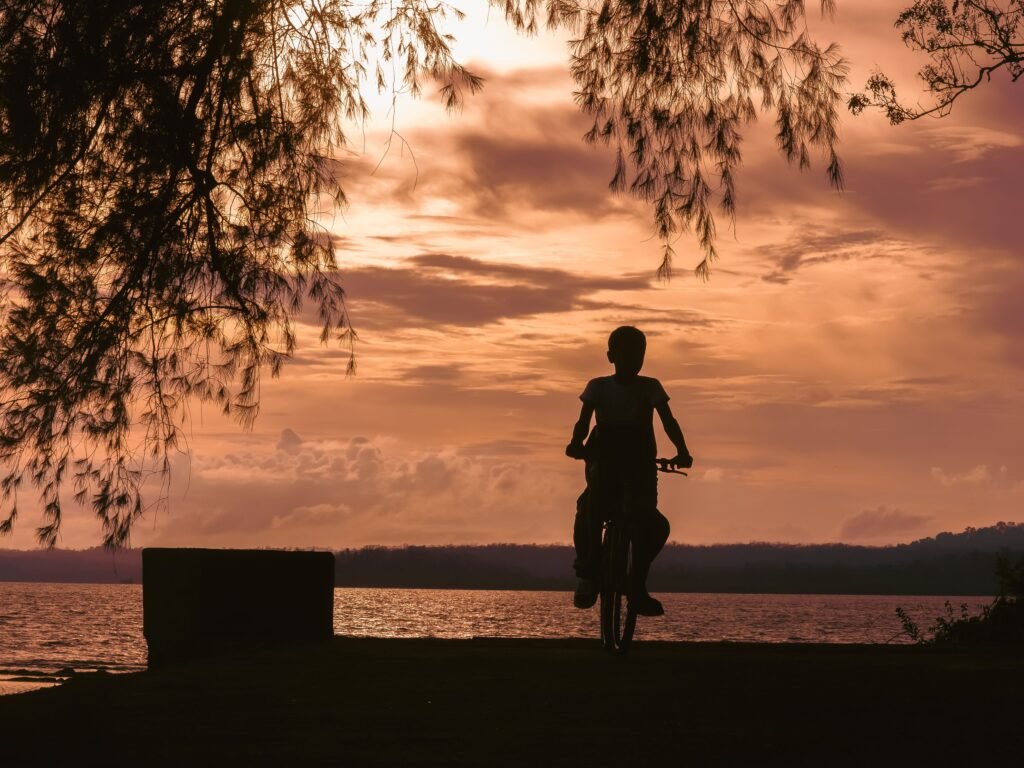
Bicycles rent for around 10,000–12,500 kip a day and are the default way to get around Don Det and Don Khon — the islands are flat, small enough to cover in an afternoon, and the heat makes an early-morning or late-afternoon ride far more comfortable than midday.
Sunset boat trips
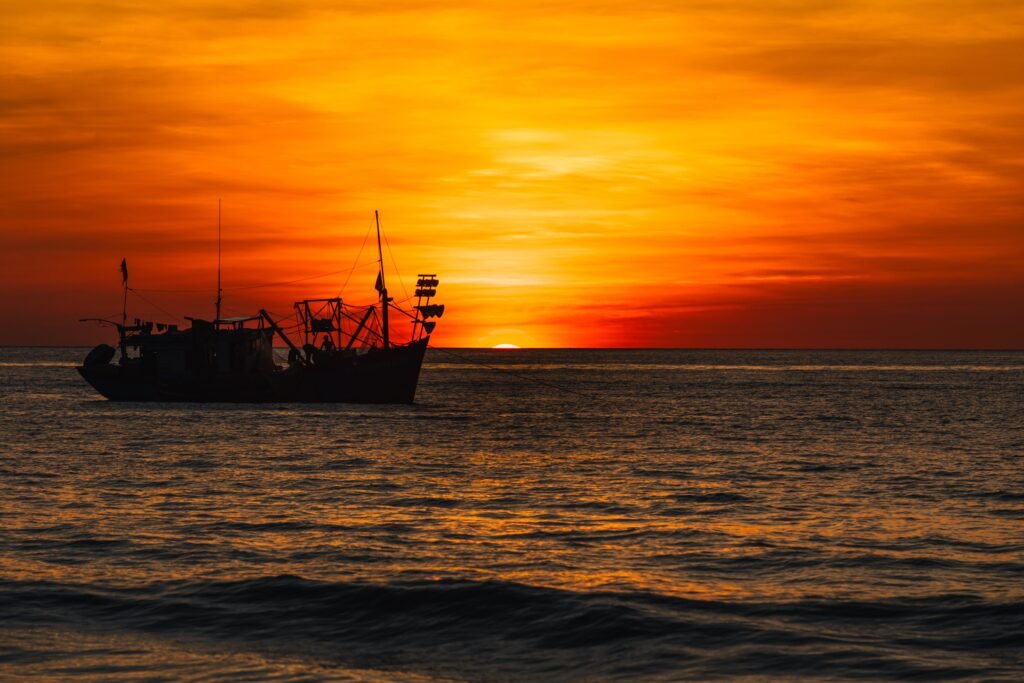
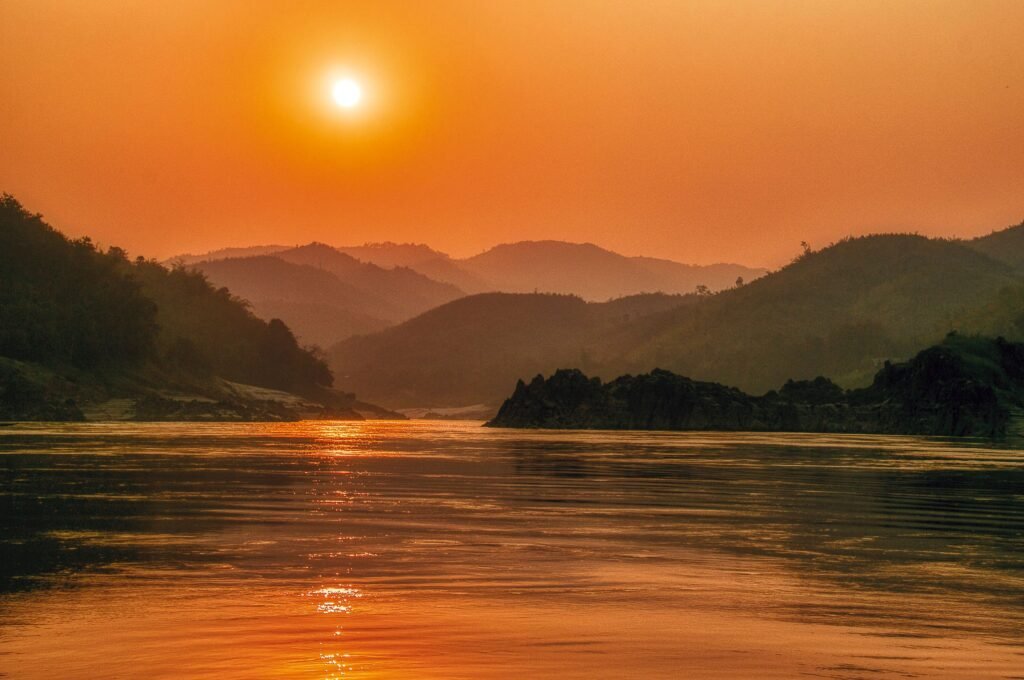
A short evening boat ride out onto the open river, timed for sunset, is one of the simplest and most consistently recommended things to do here — the Mekong is wide enough at this point that you get a genuinely uninterrupted horizon, which is rarer than it sounds in a region this densely vegetated.
The truth about "dolphin watching" tours
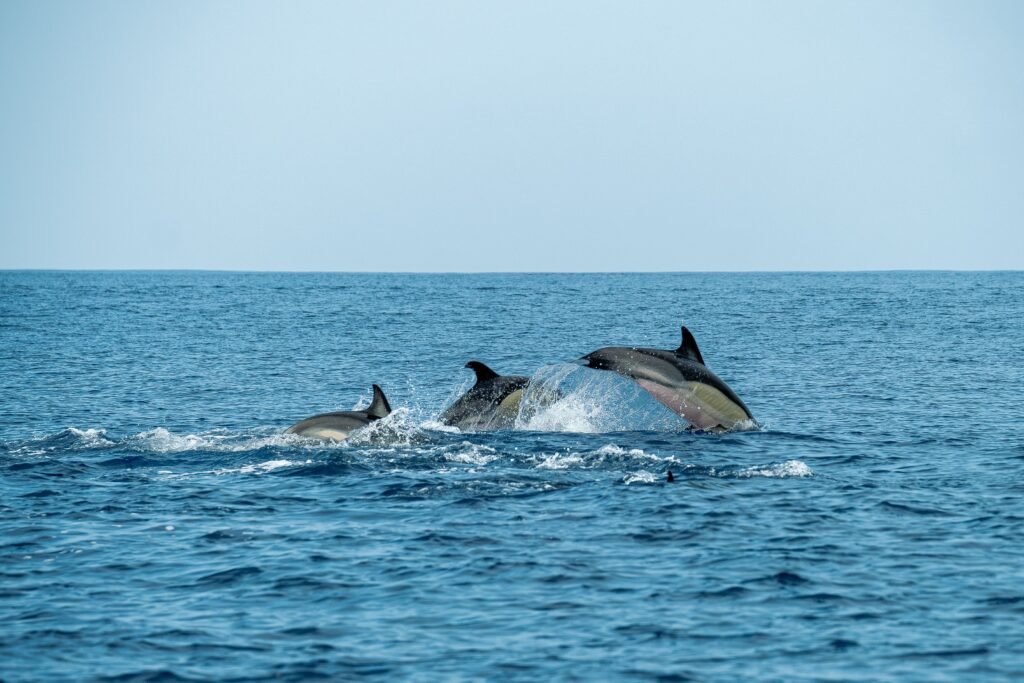
Here’s the section most competing guides either skip or get wrong, and it matters because it involves people paying for something that no longer exists. Tour agencies on Don Det and Don Khon still advertise “Irrawaddy dolphin watching” trips toward the Cambodian border — but as of February 2022, the Irrawaddy dolphin population in Lao waters is functionally extinct; the last known dolphin on the Laos side of the border died that month. The species survives only in a roughly 180-kilometre stretch of the Mekong further downstream in Cambodia, centered around Kratie, where an estimated 80–90 individuals remain — a population the IUCN classifies as Critically Endangered.
Some operators are upfront that you’re really just kayaking near the border with a small (honest) chance of nothing; others still frame it as a dolphin-watching trip in a way that’s misleading. If seeing an Irrawaddy dolphin is genuinely a priority for your trip, Kratie in Cambodia is where that’s still realistically possible — not the 4000 Islands. It’s worth booking any “dolphin tour” here with your eyes open: you’re paying for a scenic border kayak trip, not a wildlife sighting.
Fishing trips
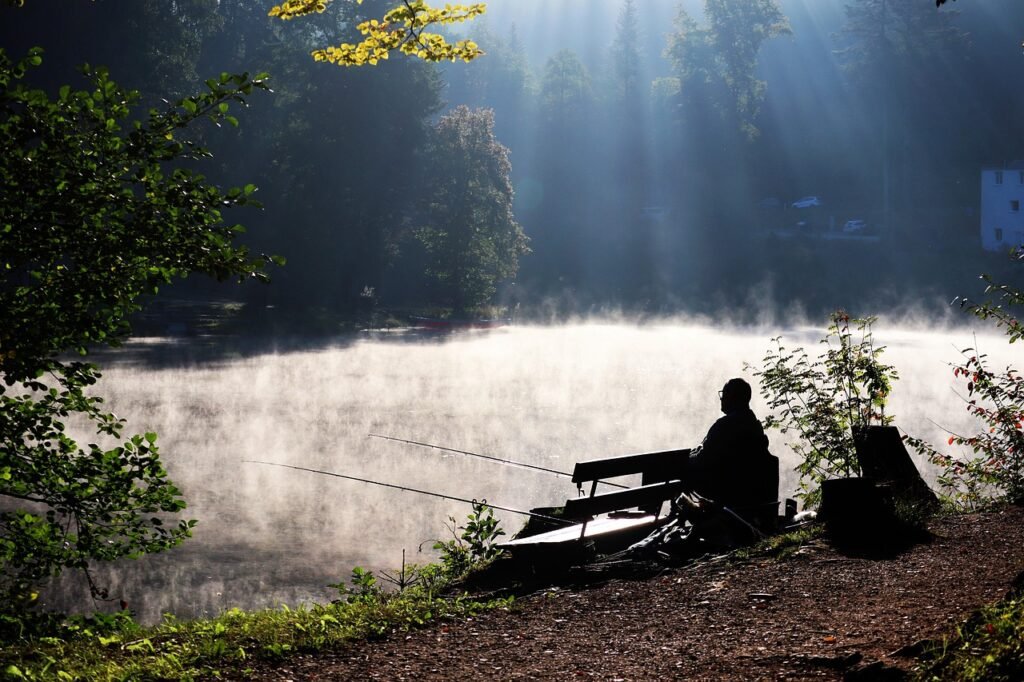
The Mekong through this stretch is home to roughly 1,148 recorded fish species, making it the third most biodiverse river system in the world — a fact most visitors never hear despite it being the reason local fishing culture here is so central to daily life. Evening fishing trips are sold on Don Det, usually combined with a simple barbecue on the boat, and while you won’t land a giant Mekong catfish (some specimens have been recorded at over 250kg further upstream), it’s a relaxed, low-effort way to spend a sunset that doesn’t involve a tour bus.
Where to Stay on Each Island
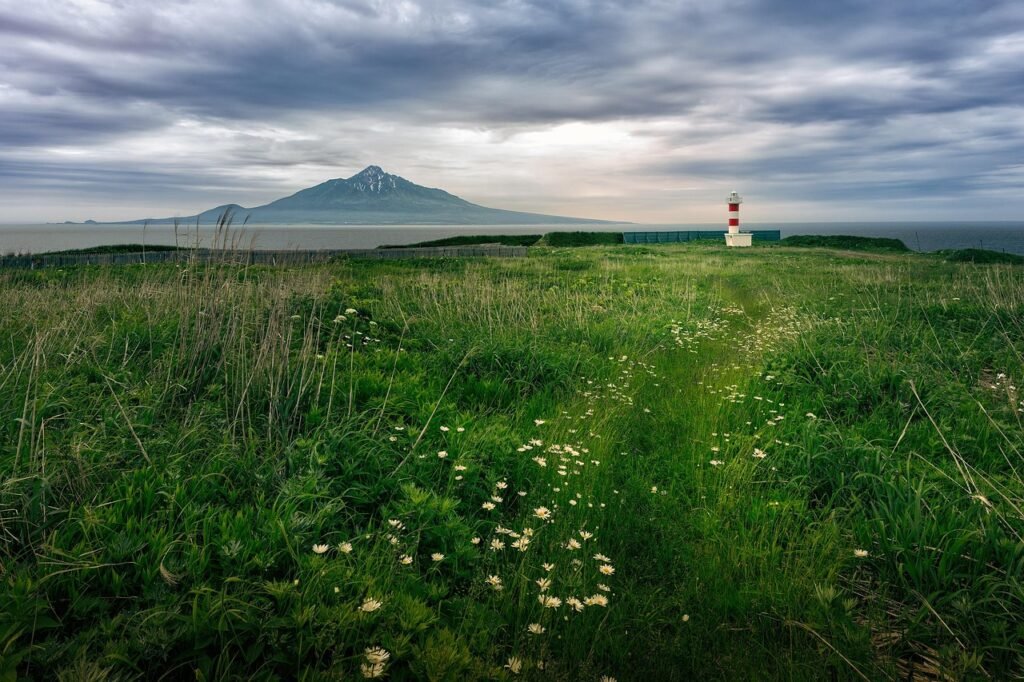
Accommodation across Si Phan Don skews simple by international standards, and that’s part of the appeal — you’re paying for a hammock and a river view, not a spa. On Don Det, budget riverside bungalows with a shared or cold-water bathroom typically run $3–6 a night, and they’re everywhere along the main strip and the quieter east side of the island. Don Khon has fewer options overall but a wider range at the top end — including a small number of nicer floating rooms overlooking the river that run closer to $50 a night, aimed at travelers who want the scenery without roughing it entirely. Don Khong has the least tourist infrastructure of the three, so options are more limited and more local in character; if you’re heading there, it’s worth confirming a room is available before you commit to the boat crossing, since it doesn’t have Don Det’s density of guesthouses to fall back on.
Pros & Cons of Visiting the 4000 Islands
| Pros | Cons |
|---|---|
| Genuinely low prices, especially for accommodation and food | No ATMs on any of the islands — cash planning is mandatory |
| Real, unhurried “island time” pace that’s hard to find elsewhere in Laos | Wi-Fi is patchy at best; don’t count on reliable connectivity |
| Access to Southeast Asia’s largest waterfall by volume | Some “dolphin tours” oversell a sighting that’s no longer realistic in Laos |
| Easy, well-established onward route into Cambodia | Infrastructure is basic — expect cold-water bathrooms and simple bungalows at the budget end |
| Three distinct islands, so you can pick your pace (social vs. quiet vs. local) | Getting there takes real time — it’s not a quick detour from anywhere |
Common Mistakes to Avoid

- Booking a “dolphin tour” without knowing the context. As covered above, Laos’s dolphin population is gone — go in expecting a scenic kayak trip near the border, not a guaranteed wildlife encounter, and ask the operator directly what they’re actually offering before you pay.
- Arriving without enough cash. There is no ATM on Don Det, Don Khon, or Don Khong — the closest one is back on the mainland in Nakasong. Withdraw more kip than feels necessary before you cross.
- Underestimating the trip from Pakse and missing the last boat. The Pakse–Nakasong leg alone is 3 to 3.5 hours, and boats to the islands generally stop running by late afternoon. Leave Pakse early, not “sometime after lunch.”
- Choosing Don Det when what you actually want is quiet. Don Det’s backpacker strip is small but real — if peace and early nights matter to you, Don Khon or Don Khong is the better call, not Don Det with earplugs.
- Underpacking mosquito protection. You’re on a river delta; repellent and, ideally, a room with a mosquito net or screened windows make evenings on the water noticeably more pleasant.
- Assuming you can pay by card anywhere on the islands. Almost everything — guesthouses, restaurants, tours, the bridge crossing fee — is cash-only in kip.
Pro Travel Tips

- Buy the combined bus + boat ticket in Pakse rather than arranging transport in stages — it’s cheaper and removes a layer of hassle at Nakasong.
- Download offline maps (Maps.me or Google Maps offline areas) before you arrive — connectivity on the islands is unreliable enough that you don’t want to depend on it for navigation.
- If you’re island-hopping between Don Det and Don Khon, walking the bridge at sunset is free and arguably prettier than most paid sunset boat trips.
- Bring a padlock for budget bungalows — many of the cheapest options have simple latch-style doors rather than built-in locks.
Who Should Visit, and Which Island Fits You?
If you want the honest, no-fluff version: the 4000 Islands are worth the detour if slow travel, river scenery, and genuinely cheap prices matter more to you than convenience. It’s not a place to rush — budget at least 2 to 3 days to make the transport time from Pakse worthwhile, and 4+ if you want to split your stay across two islands rather than day-tripping between them.
- Backpackers and solo travelers who want a social scene: Don Det.
- Couples and photographers who want quiet and waterfalls: Don Khon.
- Slow travelers who’ve already seen the backpacker trail and want something more local: Don Khong.
- Travelers short on time, or specifically chasing nightlife: skip it — Vang Vieng or Luang Prabang will serve you better, and you can put the days saved toward one of those instead.
How many days do you need in the 4000 Islands?
Two to three days covers the highlights — the falls, one activity like kayaking, and a sunset boat trip. Four or more days lets you split your stay across two islands without feeling rushed.
Is Don Det or Don Khon better?
Don Det has more energy, more guesthouses, and a small backpacker nightlife scene. Don Khon is quieter, more scenic, and better suited to couples or anyone prioritizing sleep over socializing.
Can you still see Irrawaddy dolphins in the 4000 Islands?
No. The last known Irrawaddy dolphin in Lao waters died in February 2022. The remaining population — an estimated 80–90 individuals, classified as Critically Endangered — now lives further downstream in Cambodia, near Kratie.
Is there an ATM in the 4000 Islands?
No. None of the three tourist islands (Don Det, Don Khon, Don Khong) have a functioning ATM. The nearest one is on the mainland in Nakasong, where you'll pass through before boarding a boat to the islands.
How do you get from Pakse to the 4000 Islands?
Take a combined bus + boat ticket from Pakse's Southern Bus Terminal to Nakasong (roughly 3–3.5 hours), then a short boat crossing to your chosen island. Combo tickets typically cost $5–9 per person.
Can you cross into Cambodia from the 4000 Islands?
Yes. You can buy a direct bus + boat combo ticket to Siem Reap from shops on Don Det, or cross independently via the Veun Kham (Laos)–Dom Kralor (Cambodia) land border, where visas on arrival are available in both directions.
What is the best time of year to visit?
Dry season, November through April, with November through February being the most comfortable window — warm but not extreme, and the waterfalls running at their most dramatic without the peak heat of March and April.
Is Wi-Fi available on the islands?
Only in limited, patchy pockets, mostly at guesthouses. Treat your time here as a partial digital detox rather than counting on reliable connectivity.
Is the 4000 Islands safe to visit?
Yes, in the sense most travelers mean the question — theft and violent crime aren't a notable concern here, and the atmosphere is relaxed rather than sketchy. The real safety considerations are practical: river currents near the falls are genuinely dangerous (swim only in clearly marked, calm areas), roads and paths are unlit at night, and medical facilities on the islands themselves are minimal, so anything serious means a trip back to Pakse.
Do you need a visa to visit the 4000 Islands?
You need whatever visa or entry document is required for Laos generally — most nationalities can arrange a visa on arrival or an e-visa in advance. If you're combining this trip with a crossing into or out of Cambodia via Veun Kham–Dom Kralor, check current Laos and Cambodia entry requirements separately, since the rules for each country are handled independently at that border.