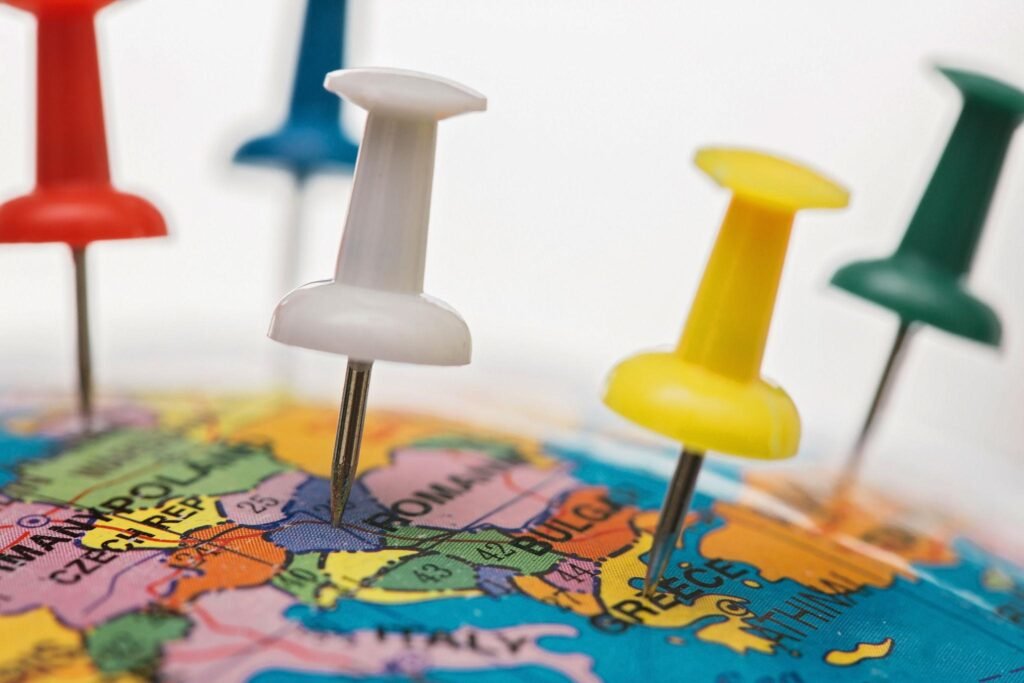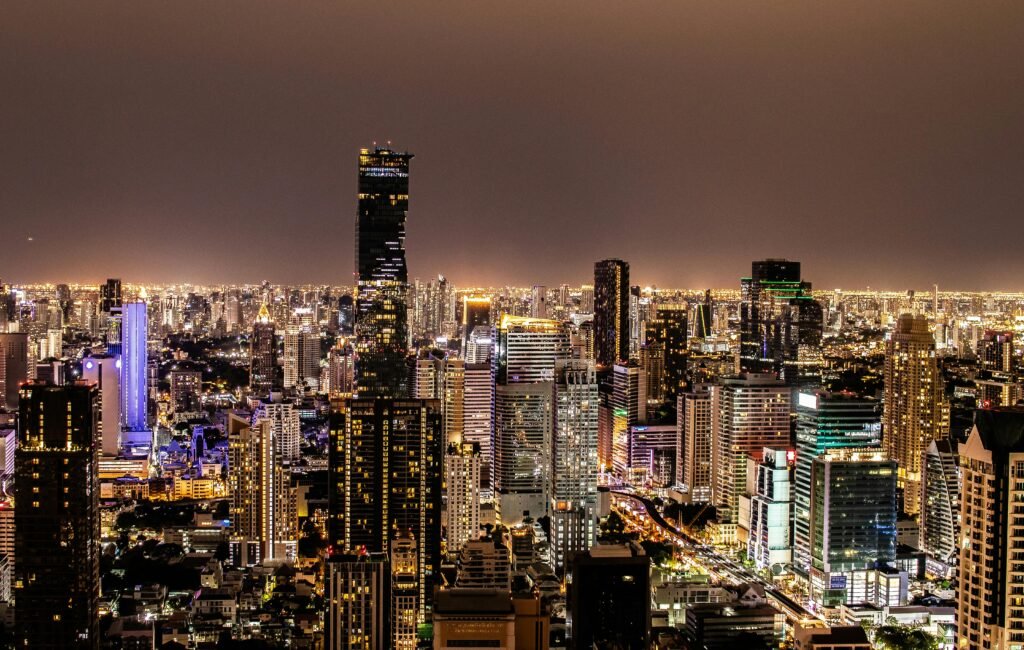
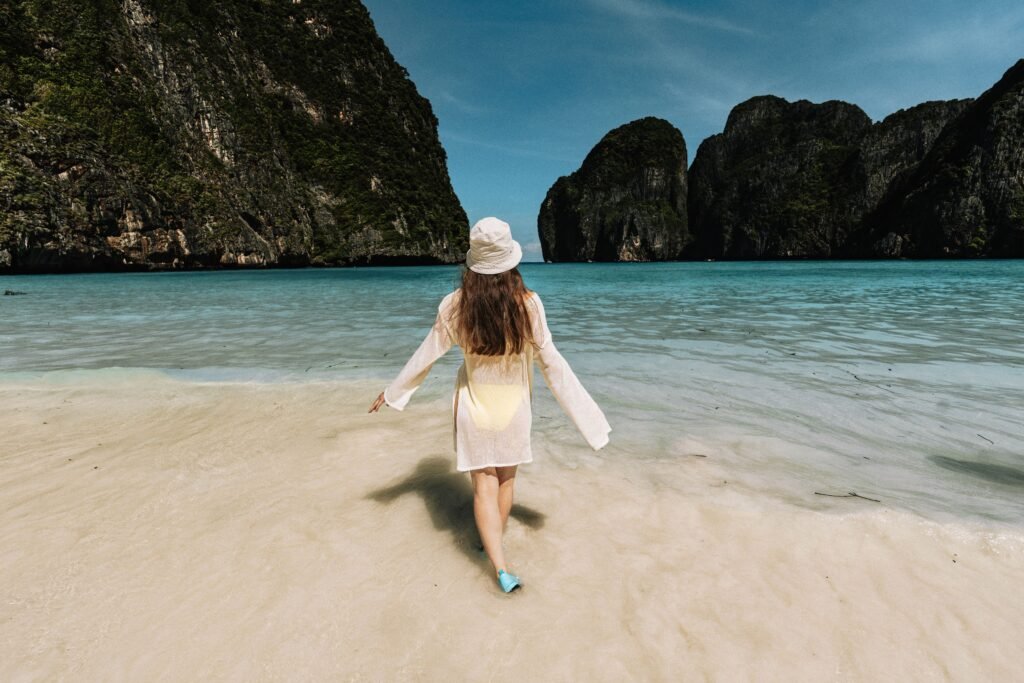
Yes, Thailand is generally safe for a woman traveling alone. Millions of solo travelers visit every year, and most go home with great stories and nothing worse than a sunburn.
But “generally safe” is not the same as “nothing can go wrong.” The real risks in Thailand are not the ones people usually worry about. Violent crime against tourists is uncommon. What actually catches travelers out is road accidents, scams, and nights out that go wrong.
This guide breaks down what those risks look like, which parts of the country suit solo women best, what a safe trip costs, and the small habits that make the biggest difference.
Table of Contents
ToggleThailand Safety at a Glance
| Overall risk | Low to moderate for most tourist routes |
| Biggest real risks | Scooter accidents, scams, drink spiking, bag snatching |
| Areas to avoid | Thai-Cambodian border zone, deep south (Yala, Pattani, Narathiwat) |
| Best for first-timers | Bangkok, Chiang Mai, Krabi, Koh Lanta |
| Go with extra care | Party islands, Patong (Phuket), isolated bungalows |
| Emergency numbers | Tourist Police 1155 · Police 191 · Medical emergency 1669 |
What "Safe" Actually Means for Different Travelers

When someone asks “is Thailand safe?”, they usually mean one of three different things, and the answer changes depending on which.
Will I be a victim of serious crime? For the vast majority of tourists, no. Serious violent crime against visitors is rare compared with the number of people who pass through, and it tends to cluster around specific situations: heavy drinking, isolated places late at night, and going off with people you barely know. If you avoid those combinations, you’ve removed most of the risk.
Will something go wrong with my trip? This is more likely, and it’s where Thailand earns its mixed reputation. A scam, a stolen phone, a bad scooter fall or a bout of food poisoning can all happen, and they’re usually preventable with a little preparation.
Will I feel comfortable? This one is personal. Some women find Thailand relaxed and friendly from the first day. Others feel overwhelmed by the heat, noise and attention in the first 48 hours, especially in Bangkok. Both reactions are normal, and both usually settle once you find your rhythm.
It also helps to be honest about the context. A woman traveling alone in her twenties on a hostel circuit has a very different experience from a woman in her fifties staying in mid-range hotels, and both differ from someone traveling with a tour group. This guide tries to cover the range, but your own comfort level, budget and travel style should shape your plan.
What the Official Travel Advisories Say
Before anything else, check what governments say. These pages change, so treat what I write here as a snapshot and always click through on the day you book.
US State Department
As of the advisory dated 7 July 2026, the US State Department lists Thailand at Level 1, “Exercise normal precautions,” which is the lowest level it issues. The same advisory gives separate Level 2 “increased caution” guidance for the Thai-Cambodian border area and for the southern provinces of Yala, Pattani and Narathiwat.
UK and Australia
The UK Foreign Office (FCDO) and Australia’s Smartraveller publish their own Thailand advice, and their wording and levels do not always match the US one. Australia has listed an elevated level for Thailand overall, with stronger warnings near the Cambodian border. It’s worth reading all three if you can.
What a “Level 1” does not tell you
An advisory level is about country-wide risks like unrest, terrorism and crime. It doesn’t tell you that scooters are the thing most likely to send you to a hospital, or that a drink in a crowded bar can be spiked. That’s why the next section matters more than the advisory badge.
If you’re planning a land crossing from or to Cambodia, read my guide to Cambodia land border crossings first, because border conditions have changed this year.
The Real Risks, Ranked
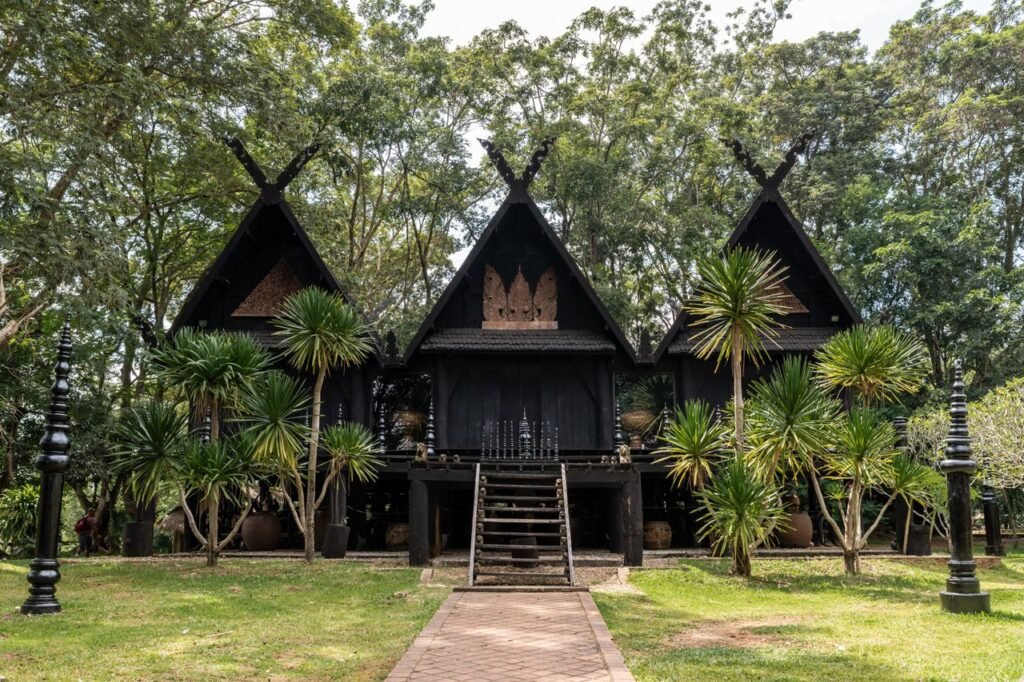
I’ve ranked these by how likely they are and how bad they can get, not by how scary they sound.
1. Road and scooter accidents
This is the biggest genuine danger. Thailand has one of the highest road-death rates in the world according to the WHO. Many tourists rent scooters on islands like Phuket, Samui and Koh Phangan with no real experience, and hospitals there see the results every week.
If you’re not an experienced rider with a proper license, don’t rent one. Use Grab, Bolt, songthaews or a hired driver instead. Also check your travel insurance: many policies don’t pay out if you were riding without a valid motorcycle license.
2. Scams and overcharging
These are annoying more than dangerous, but they can ruin a day. The classics:
- “The Grand Palace is closed today.” A friendly stranger tells you the attraction is shut and offers a cheap tuk-tuk tour of “other temples” (and gem shops). It’s usually not closed.
- Taxis refusing the meter. Insist on the meter or use Grab.
- Jet ski “damage” claims. Common in Phuket and Pattaya: you return the jet ski and are told you damaged it. Photograph and video it before and after, or skip it.
- Gem and tailor “deals.” If someone you’ve just met is excited about a deal for you, walk away.
3. Drink spiking and nightlife risks
Most nights out in Thailand are fine, but it’s the area where solo women need the most discipline. Buckets, shots and crowded bars make it easy to lose track of your drink. Never leave a drink unattended, don’t accept drinks from strangers, and don’t go home alone if you feel unwell. Tell a friend, hostel staff or bar staff if you feel strange.
4. Bag snatching and petty theft
Phone snatching from passing motorbikes happens in some busy areas. Carry your bag on the side away from the road, use a crossbody bag with a zip, and keep your phone out of sight when walking beside traffic. Night buses and crowded trains are another spot where valuables go missing. Keep your passport, cash and phone on your body, not in the overhead rack.
5. Harassment
Thailand is generally less hostile to women than some other travel destinations, but unwanted attention does happen: stares, comments, or being followed in nightlife areas, and the odd grabby moment in crowded transit. Keep your tone firm, move toward other people or into a shop, and speak to staff or the Tourist Police if it escalates.
City-by-City and Island-by-Island Safety
Thailand varies a lot by place. Here’s how the main stops compare for a woman on her own.
| Place | Solo-friendliness | Main risk | Best for |
|---|---|---|---|
| Bangkok | High | Scams, nightlife, traffic | First-timers, food, culture |
| Chiang Mai | Very high | Scooters, smoke season | Slow travel, temples, cafes |
| Krabi / Ao Nang | High | Rough seas in monsoon | Beaches, climbing, day trips |
| Koh Lanta | High | Remote roads at night | Quiet beach time |
| Koh Samui | Medium-high | Scooters | Resorts, relaxed trips |
| Koh Phangan | Medium | Party nights, scooters | Yoga, wellness (outside party weeks) |
| Koh Tao | Medium | Isolated bungalows, night walks | Diving |
| Phuket (Patong) | Medium | Nightlife, scams, jet skis | Base for island trips |
| Pai | Medium-high | Scooter crashes, winding road | Backpacker scene |
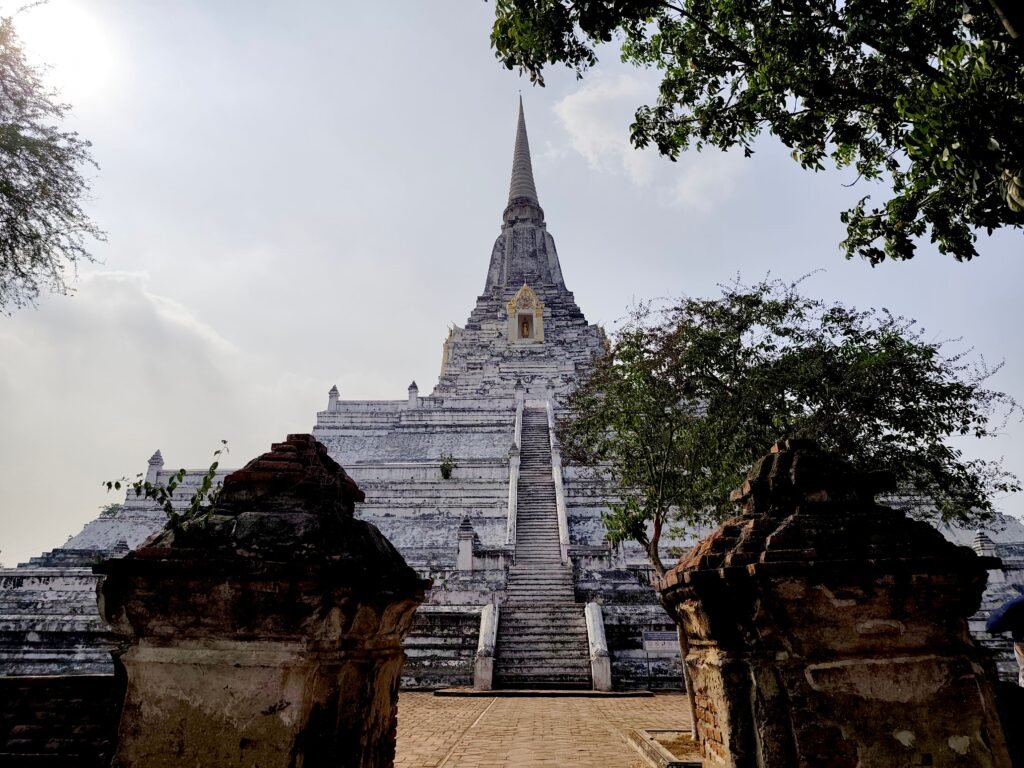
| Ayutthaya / Kanchanaburi | High | Heat, remote sites | History day trips |
Best for first-timers
Bangkok is bigger and more chaotic than people expect, but it has a good transport system, plenty of English-speaking help and a huge range of places to stay. In the central areas around Sukhumvit, Silom and Old Town you’ll see other solo women constantly. Chiang Mai is the usual “easy mode” city: walkable old town, lots of cafes, cooking classes and temples. Both pair well with the sights in my Top 5 things to do in Thailand guide.
Go with extra care
The party islands (Koh Phangan around Full Moon, Phi Phi) and Patong in Phuket are where most nightlife incidents happen. You can still go. Just stay in a central, busy place, travel with someone you’ve met, and have a plan for how you’ll get back.
Where not to go
Avoid the border zone with Cambodia and the deep south provinces of Yala, Pattani and Narathiwat. The advisories above are clear on these. No itinerary for a first-timer needs them.
Your First 48 Hours: A Soft Landing Plan
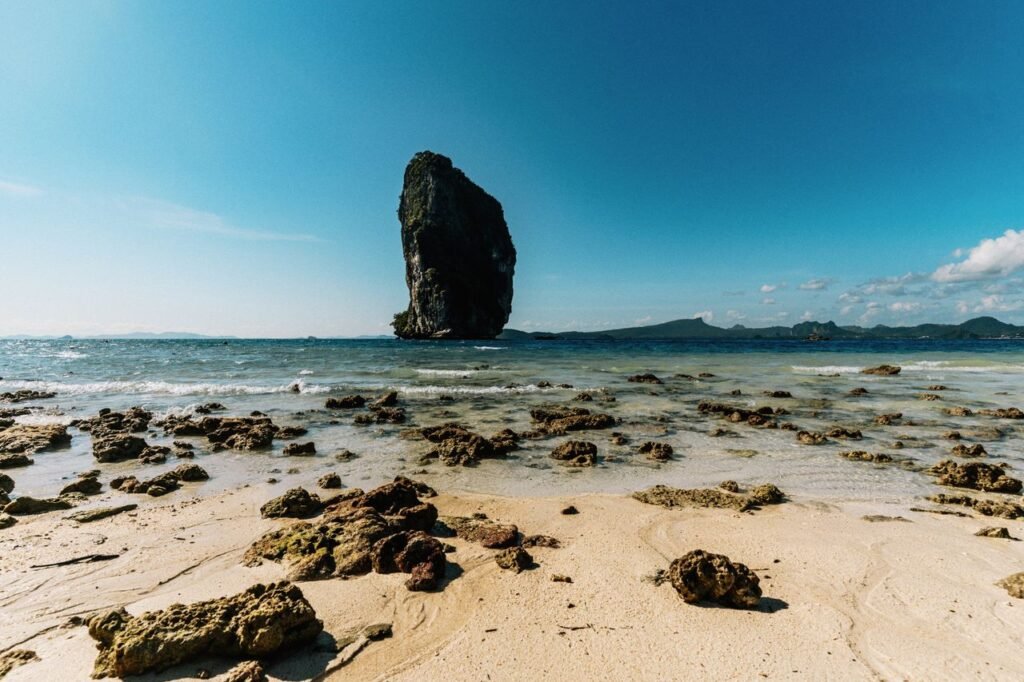
The first two days set the tone for the whole trip. Tired, hot and jet-lagged is when most people make bad decisions, so I’d build in an easy start.
Getting from the airport
At Bangkok’s Suvarnabhumi Airport you have three sensible options: the Airport Rail Link into the city, a metered taxi from the official queue (expect a small airport surcharge on top of the fare), or a Grab or Bolt booked on the airport wifi. Skip anyone inside the arrivals hall who offers you a “special price” taxi. Whichever you choose, screenshot your hotel’s name and address in Thai and English before you leave the terminal.
The first evening
Check in, shower, and go for a short walk close to your hotel before it gets dark. Find a busy place for dinner, preferably one where other solo travelers or local families are eating. Skip alcohol on night one. You’re tired, you don’t know the area yet, and you don’t have a feel for the strength of the drinks.
The first full day
Book something structured, like a walking tour, a food tour or a cooking class. It gets you oriented, you meet other travelers, and you hear current local advice from someone who actually lives there. Save the unstructured wandering for day two, when you’ve got your bearings.
What Safe Solo Travel Costs
Solo travel costs more per person than traveling with a partner, because you don’t split the room. And a few of the best safety choices cost a little extra. The good news is that Thailand is still affordable.
| Item | Backpacker | Mid-range | Comfort |
|---|---|---|---|
| Accommodation (per night) | ฿300-600 (dorm) | ฿1,000-2,000 (private AC room) | ฿2,500-5,000+ (hotel) |
| Food (per day) | ฿250-400 | ฿500-900 | ฿1,000+ |
| Local transport (per day) | ฿100-250 | ฿250-500 | ฿500+ (Grab, private driver) |
| Activities (per day) | ฿0-500 | ฿500-1,500 | ฿1,500+ |
| Rough daily total | ฿700-1,500 | ฿2,000-4,500 | ฿5,000+ |
Where it's worth paying a bit more
- A private room or female-only dorm. The difference is often only a few dollars, and it gives you a door that locks.
- Grab or Bolt at night. The fare is shown upfront, the trip is tracked, and you can share it with a friend.
- Travel insurance. Make sure it covers medical care, evacuation, theft and scooters if you plan to ride. A basic policy is a small part of a trip budget.
- A local SIM or eSIM. Having data for maps and calls is a real safety tool. Airport counters and apps from the main networks (AIS, TrueMove, dtac) all offer tourist plans.
Small costs people forget
ATM fees on foreign cards are around ฿220-250 per withdrawal [VERIFY current fee], so take out larger amounts less often. Entry fees to temples and parks add up.
Money safety
Use ATMs inside bank branches or malls rather than isolated machines, and cover the keypad. Carry a small amount of cash for the day and keep the rest, plus a spare card, in your accommodation or a hidden pouch. Cards work in hotels, malls and many restaurants, but street stalls, markets and songthaews are cash-only. Tell your bank you’re traveling so your card isn’t blocked, and keep a backup way to pay in case one card fails.
Best Time to Visit Thailand as a Solo Woman
The weather affects safety more than you’d think. Rough seas, flooded roads and heat all change what’s sensible to do alone.
| Season | Months | What it’s like |
|---|---|---|
| Cool and dry | Nov-Feb | Best weather, busiest and most expensive. Ideal for first-timers. |
| Hot | Mar-May | Very hot, especially in the north. Burning season brings smoke to Chiang Mai. |
| Rainy | Jun-Oct | Cheaper and quieter. Andaman side (Phuket, Krabi) gets rough seas. |
Why the coast matters
Thailand’s two coasts have different weather. The Andaman side (Phuket, Krabi, Koh Lanta) is at its best from roughly November to April. The Gulf side (Koh Samui, Koh Phangan, Koh Tao) tends to be wetter later in the year, around October to December, and does better in the first half of the year. If you’re island hopping, match the coast to the month. Ferries get cancelled in bad weather, and swimming in rough seas alone is genuinely dangerous.
Events to know about
- Songkran (mid-April): The water festival. Fun, but crowded and chaotic, with more drinking than usual.
- Full Moon Parties (Koh Phangan): Monthly. Go with people, watch your drink, and plan your way back.
- Loy Krathong (around November): Beautiful, especially in Chiang Mai, and generally a gentle festival.
Pros and Cons of Solo Female Travel in Thailand
| Pros | Cons |
|---|---|
| Well-developed tourist infrastructure | Scooter culture and pressure to rent one |
| Easy to meet other travelers (hostels, tours, classes) | Scams aimed at tourists |
| Great food that’s easy to eat alone | Nightlife culture can be risky with alcohol |
| Affordable, so you can pay for safety | Heat, humidity and rain wear you down |
| Good private hospitals in main cities | Limited help in remote areas |
| Female-only dorms and women’s groups available | Unwanted attention in some places |
Meeting People (and Not Feeling Lonely)
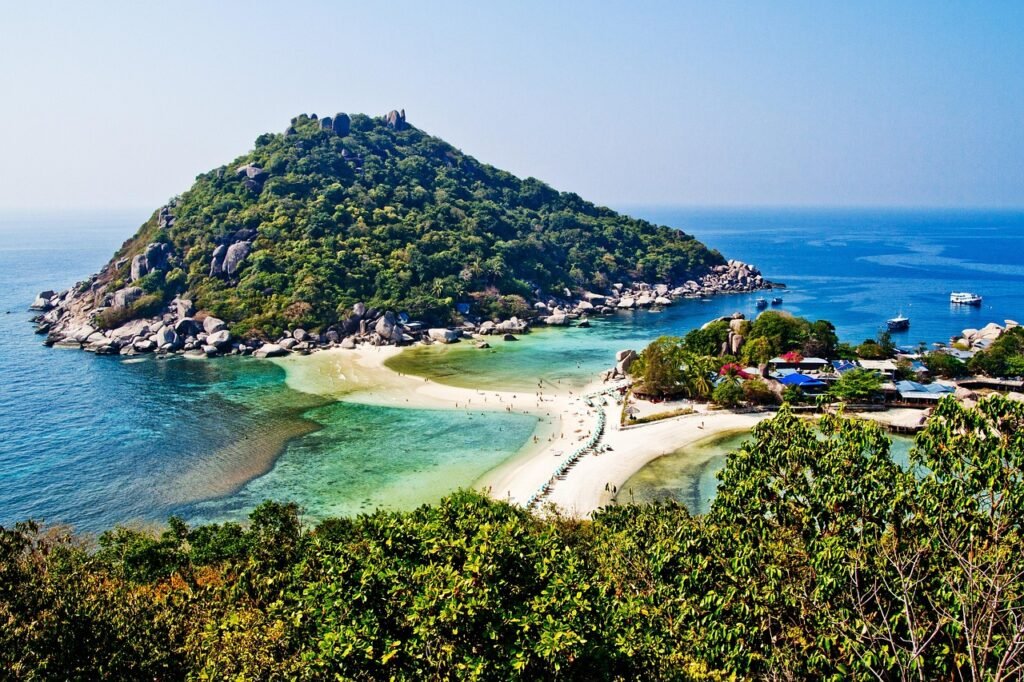
Solo doesn’t have to mean alone all day. Thailand makes it very easy to build company into your trip when you want it, and that’s also a safety benefit: people you’ve met know where you are.
- Hostels with social areas. Even if you book a private room, choose a place with a common space or rooftop. Many run daily activities like pub quizzes, temple visits and sunset walks.
- Classes. Thai cooking, Muay Thai, yoga, pottery and language lessons are easy to book and attract other solo travelers.
- Day tours. A one-day trip to Ayutthaya, Kanchanaburi, Doi Inthanon or Phang Nga Bay gets you out of the city with a guide and a group.
- Women’s travel groups. Online communities for women travelers often share current, specific advice and arrange meet-ups.
- Dining solo. Eating alone is completely normal in Thailand. Food courts, night markets and counter-style restaurants are all easy, and no one will look twice at a woman eating by herself.
One rule I’d keep: meet new people in public, in the daytime, and share your plans with someone else before going anywhere together. Most travelers you meet are lovely, but you don’t need to take that on trust with a stranger on night one.
How to Stay Safe: The Practical Playbook

Before you land
Get travel insurance, save digital copies of your passport and insurance, and complete your arrival card. Thailand now uses a digital arrival card, which I cover step by step in my TDAC guide. Share your itinerary and accommodation details with someone at home.
Choosing where to stay
Read recent reviews written by women, and look for words like “safe,” “locks,” “staff helpful” and “well-lit.” Pick a central location over a cheap but isolated one, especially on your first night. Many hostels offer female-only dorms, and a lot of them have curtains and personal lockers. Ask for a room that isn’t on the ground floor or next to an unlit stairwell.
Getting around
- Cities: The BTS and MRT in Bangkok are clean, fast and easy. Grab and Bolt are good for evenings.
- Between cities: Trains, VIP buses and short domestic flights are all fine. On night buses, keep your valuables on you.
- Islands: Use official ferries, taxis and songthaews. Be cautious with unofficial shared rides at night.
- Pai: The road from Chiang Mai is famously winding. Take motion-sickness tablets if you’re prone to it.
Nights out
Go with people you’ve met in the daytime, keep your drink in your hand, and agree a way to get home before you start. If you’re alone, a quiet bar or night market is usually a better bet than a packed club. Leave if something feels off. You don’t owe anyone an explanation.
Scooters
If you do ride, get a proper license that covers motorcycles (your home license or an International Driving Permit with the right category [VERIFY current requirements]), wear a helmet, don’t ride at night or on wet roads, and photograph the bike before you take it. Read your insurance wording before you sign anything.
Dress and etiquette
You can wear what you like at the beach and in most places. At temples, cover your shoulders and knees. Don’t touch monks, and don’t hand things to them directly. Also remember that insulting the monarchy is a serious offense in Thailand, so stay away from the topic.
If something goes wrong
- Tourist Police: 1155 (English-speaking)
- Police: 191
- Medical emergency: 1669
- Save your embassy’s number and your insurer’s 24-hour helpline.
For what to pack for a first-aid kit, see my basic medicines to pack and things you should carry guides.
Myths About Solo Female Travel in Thailand

A lot of the worry around this topic comes from half-truths. Here are the ones I hear most.
“It’s dangerous for women on their own.”
Not in general. Most women who travel alone in Thailand have a smooth trip. The danger lies in specific situations (scooters, heavy drinking, isolated places at night), not in simply being a woman on her own.
“If you dress modestly, you won’t have problems.”
Modest dress helps at temples and in rural areas, and it’s respectful. But it won’t protect you from scams, theft or a spiked drink, and plenty of women travel without trouble in shorts and tank tops in beach towns. Dress for the heat and the setting.
“The islands are safer than the cities.”
Not necessarily. Islands feel relaxed, but they often have fewer police, poorer lighting, unpaved roads and more scooter accidents. Some of the most reported tourist incidents happen on party islands. Choose your island based on its vibe, not an assumption.
“Tourist Police are useless.”
They’re not perfect, but the Tourist Police line (1155) has English speakers and is set up for exactly this kind of situation. It’s worth saving the number before you go.
“You need to join a tour to be safe.”
Tours help with confidence and logistics, but they’re not required. Plenty of women travel independently and simply use tours for the harder parts, like remote hikes or boat days.
Health, Hygiene and Women-Specific Practicalities
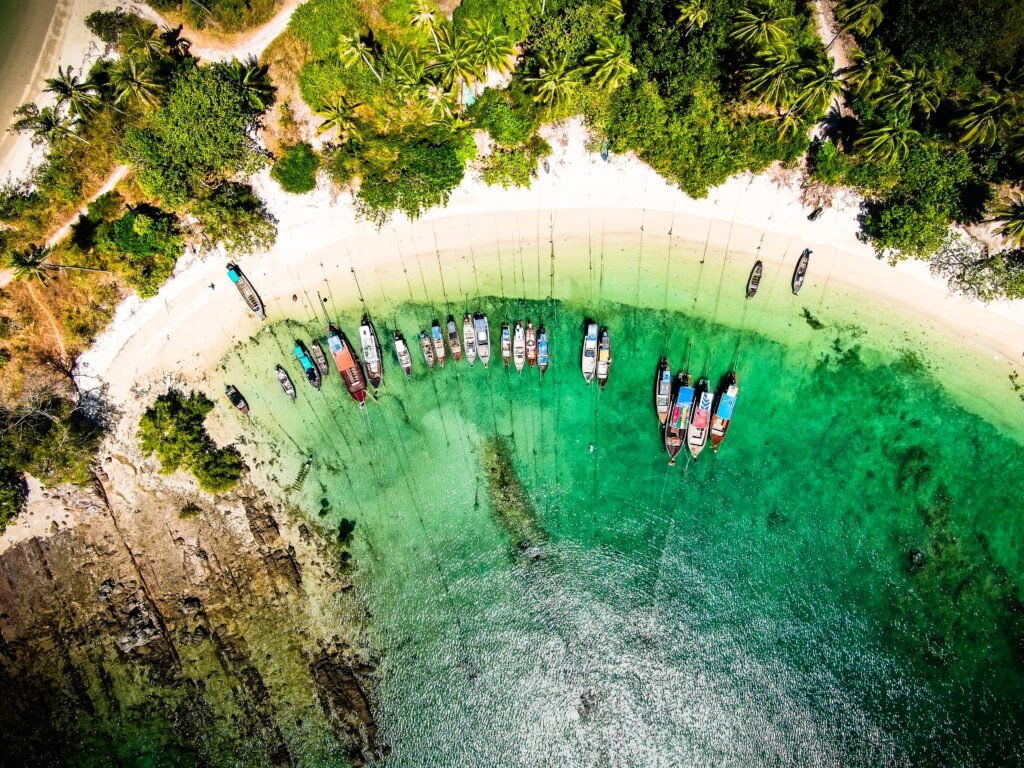
Safety isn’t only about crime. A few health basics will save you a lot of trouble, and some of the practical things women worry about are rarely covered in generic guides.
Food and water
Street food in Thailand is one of the best things about it, and most of it is fine. Eat at busy stalls with fast turnover, choose food that’s cooked in front of you, and be cautious with anything that’s been sitting out in the heat. Drink bottled or filtered water, and be careful with ice from unknown sources. Pack rehydration salts, because a stomach bug in the heat can hit hard.
Heat and sun
Heat exhaustion is a very common issue for first-timers. Drink more than you think you need, wear sun protection, take a break in air conditioning in the middle of the day, and don’t schedule too much on your first days.
Mosquitoes
Dengue exists in Thailand, so use repellent and wear light long sleeves at dusk. Check the CDC and Thai Department of Disease Control pages for the latest health notices before you travel.
Hospitals and pharmacies
Bangkok, Chiang Mai, Phuket and Samui have good private hospitals that treat tourists regularly, and pharmacies are common and well stocked in towns. In remote areas, help can be much further away, which is one more reason to think carefully before heading somewhere isolated alone.
Periods, contraception and personal items
Pads are easy to find in 7-Eleven stores and supermarkets. Tampons and menstrual cups are harder to find in small towns and on islands, so bring what you need. If you take regular medication or contraception, pack enough for the whole trip plus a few extra days, along with a copy of your prescription.
Using private areas safely
Public toilets vary widely in quality, and many don’t have paper, so carry tissues and hand sanitizer. In hostel dorms, use the lockable cubicles and keep valuables with you in the shower area.
Common Mistakes to Avoid

- Renting a scooter with no license or experience. This is the single most common way tourists get hurt. If you must ride, do it on quiet roads in daylight.
- Following a “helpful” stranger. If someone you’ve just met redirects your plans, say no thanks and keep walking.
- Leaving your drink alone. Even for a moment. Order a new one if you do.
- Booking the cheapest isolated bungalow. Saving a few dollars isn’t worth a dark path home at night.
- Skipping insurance or not reading it. Many policies exclude scooters, adventure activities, or alcohol-related incidents.
- Overpacking your first day. Heat and jet lag make you less alert. Take it slowly.
- Swimming alone in rough seas. Look for flags and local advice, and don’t swim after drinking.
- Carrying your passport everywhere. Keep it locked up and carry a copy instead.
Pro Travel Tips

- Download offline maps and pin your hotel before you leave it.
- Use the share-trip feature in Grab or Bolt so a friend can follow your ride.
- Choose your first night carefully. A reliable hotel near the airport or a central area takes the pressure off.
- Eat at busy places. Street food stalls with lots of locals are both safer and tastier.
- Join a class or tour on day one. Cooking classes, day trips and walking tours are an easy way to meet people.
- Learn a few Thai phrases. “Thank you” (khop khun ka), “no, thank you” (mai ao ka) and “how much?” (tao rai ka) go a long way.
- Use LINE or hotel staff for bookings and help. Locals are often the best source for current conditions.
- Keep small notes. Drivers and stalls often can’t change big bills.
- Trust your gut. If a place or person feels off, leave. You won’t offend anyone who matters.
A Safe-and-Simple 10-Day Route for a First Solo Trip

If you’re not sure where to start, this route is built around places with good infrastructure, plenty of other travelers and a gentle pace. Adjust it for the season, and [REPLACE with your own route if you’ve done it].
- Days 1-3: Bangkok. Temples, river boats, markets and a food tour. Stay central, near a BTS or MRT station.
- Days 4-7: Chiang Mai. Fly or take the train. Old Town walks, a cooking class and a day trip to an ethical elephant sanctuary or Doi Inthanon.
- Days 8-10: Krabi or Koh Lanta. Fly south for beaches in the dry season. Choose a hotel near other businesses, not an isolated bungalow.
This gets you a mix of city, culture and coast, keeps travel days manageable, and avoids the places that need extra caution. If you have more time, add Ayutthaya as a day trip from Bangkok or a few quiet days on Koh Samui.
Who Should Go, and How
Thailand is one of the easiest countries in Asia for a first solo trip, as long as you respect its real risks and don’t treat it like a theme park.
| If you are… | Choose… |
|---|---|
| A first-time solo traveler | Bangkok + Chiang Mai, staying in central areas |
| Nervous about going alone | Group tours, female-only dorms, or a short guided start |
| Into beaches and quiet time | Krabi and Koh Lanta, in the dry season |
| Into nightlife | Party islands with a buddy and a plan |
| On a tight budget | The hostel circuit, with Grab at night |
| Looking for remote adventure | Go with a reputable operator, not alone |
Frequently Asked Questions
Is Thailand safe for a woman traveling alone?
Yes. Thailand is generally safe for solo women, and most trips are trouble-free. The real risks are road accidents, scams and nightlife incidents rather than violent crime. Normal precautions apply.
Is Bangkok safe for solo female travelers?
Yes, in busy central areas. Use Grab at night, watch your bag on crowded transit, and stay alert in nightlife districts like Khao San Road.
Is it safe to walk alone at night in Thailand?
Busy, well-lit tourist areas are usually fine. Quiet streets and beaches late at night carry more risk. Take a Grab for longer trips and avoid walking alone after drinking.
What are the safest places in Thailand for solo women?
Chiang Mai, central Bangkok and quieter islands like Koh Lanta suit first-timers well. Party islands and Patong need more caution.
Should solo women rent a scooter in Thailand?
Only if you're an experienced rider with a valid license and insurance. Scooter crashes are the biggest danger to tourists, and many insurance policies exclude unlicensed riding.
What areas of Thailand should women avoid?
The Thai-Cambodian border zone and the southern provinces of Yala, Pattani and Narathiwat. Check the latest advisory before you book.
What emergency number should I call in Thailand?
Call the Tourist Police on 1155 (English-speaking) or 191 for general police, and 1669 for a medical emergency. Save your embassy and insurer numbers too.