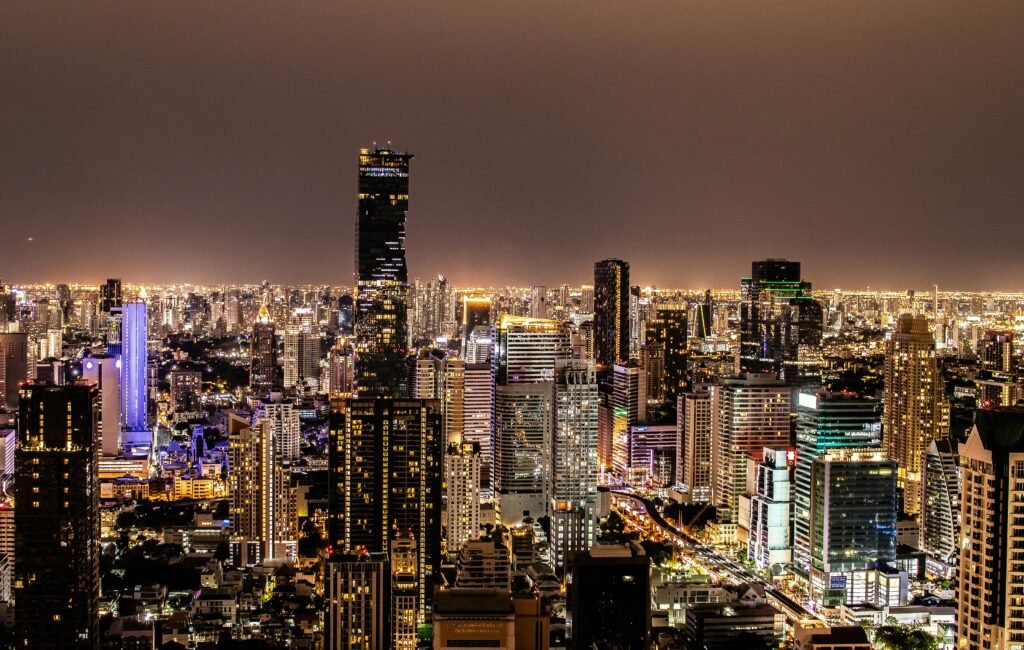
On our second morning in Bangkok, a temple guard waved us away from the entrance to the Grand Palace — my travel partner was in shorts, and no amount of pointing at the ticket would change his mind. We ended up renting a sarong from a stall outside for ฿100 just to get in. It’s a small thing, but it’s exactly the kind of detail that never makes it into most “Top Things to Do in Thailand” lists, and it set the tone for how we planned the rest of the trip.
Table of Contents
ToggleTop 5 Things to Do in Thailand
- Explore Bangkok’s Grand Palace and temple circuit — the cultural heart of the country, from roughly ฿500 per person.
- Island hop through Phi Phi and Krabi — limestone cliffs, snorkeling, and longtail boats, from roughly ฿1,500 per day trip.
- Meet elephants ethically and explore Chiang Mai’s Old City — sanctuary visits and temple-hopping in the north, from roughly ฿2,500.
- Eat your way through Thai street food and floating markets — some of the best food in the world, often under ฿100 a dish.
- Choose your island vibe — the Full Moon Party at Koh Phangan or a quiet escape on Railay Beach, depending on the trip you actually want.
Each one covers a different side of the country — history and culture, coastline, nature, food, and nightlife — which is deliberate. A trip built around all five gives you a genuinely rounded sense of Thailand rather than a single-region snapshot.
Why Trust This Guide
This article was written and fact-checked by Hrithik, who has spent years traveling and writing about Southeast Asia, with this Thailand research most recently updated. Every price and opening-hours figure below was checked against official sources at the time of writing — details like temple ticket prices and boat tour costs change, so treat the numbers here as a strong planning baseline rather than gospel, and double-check anything time-sensitive closer to your trip. You can read more about [AUTHOR NAME]’s background on the About page, and you can see how this list compares to our broader Thailand travel guide and unique things to do in Thailand for options beyond this top five.
1. Explore Bangkok's Grand Palace and Temple Circuit

What to Expect
The Grand Palace, Wat Phra Kaew (Temple of the Emerald Buddha), Wat Arun, and Wat Pho form a cluster you can realistically cover in a single, long day — though we’d argue you shouldn’t try to rush all four into one afternoon. The Grand Palace complex alone is enormous, all gold spires and mirrored mosaic that genuinely looks better in person than in any photo we took. It was also the former residence of the Thai royal family and remains the ceremonial center of the monarchy, which is part of why the rules around dress and conduct inside are so strictly enforced.
Wat Arun, the Temple of Dawn, sits across the Chao Phraya River and is best seen either early morning or right before sunset, when the light hits the porcelain-inlaid spire and turns it a deep gold. Wat Pho, home to the 46-meter reclining Buddha, is a short walk from the Grand Palace and is also Bangkok’s oldest and largest temple complex, plus the birthplace of traditional Thai massage — you can get an hour-long massage on-site for a fraction of what a spa elsewhere in the city charges.
Getting There and How Much Time to Allow
The easiest route from most central Bangkok hotels is a river taxi to Tha Chang or Tha Tien pier, followed by a short walk. Taxis and tuk-tuks can get you there too, but river traffic near the palace at midday can eat up more time than the boat. We’d budget a full day for all three sites — roughly three hours for the Grand Palace and Wat Phra Kaew alone, an hour at Wat Pho, and thirty to forty minutes at Wat Arun including the river crossing.
Entry Fees, Hours, and Dress Code Rules
| Site | Entry Fee (Foreigners) | Hours |
|---|---|---|
| Grand Palace & Wat Phra Kaew | ฿500 | 8:30 AM – 3:30 PM daily |
| Wat Arun | ฿200 | 8:00 AM – 6:00 PM daily |
| Wat Pho | ฿300 | 8:00 AM – 6:30 PM daily |
The dress code is strictly enforced at the Grand Palace: no shorts, no sleeveless tops, no exposed shoulders, no flip-flops, no see-through clothing. Sarongs and oversized t-shirts are rented or sold just outside the entrance if you get caught out — which, as noted above, we did. Wat Arun and Wat Pho are somewhat more relaxed but still expect shoulders and knees covered, so it’s worth just dressing modestly for the whole day rather than switching outfits between stops.
Our Visit: What We'd Do Differently
We arrived at the Grand Palace around 10 AM and it was already dense with tour groups, shuffling single-file through the main hall. If we went back, we’d be at the gate before it opens at 8:30 to get roughly an hour of breathing room before the buses arrive — by 11 AM, several of the smaller courtyards were genuinely difficult to photograph without twenty strangers in frame. We’d also skip the “helpful” tuk-tuk drivers who approach near the entrance claiming the palace is closed for a holiday and offering to take you on a “better” tour instead — it’s a well-known scam route designed to redirect tourists to commission-paying gem shops and tailors, and the palace was open the entire time we were there.
2. Island Hop Through Phi Phi and Krabi

Longtail Boats, Snorkeling, and Maya Bay
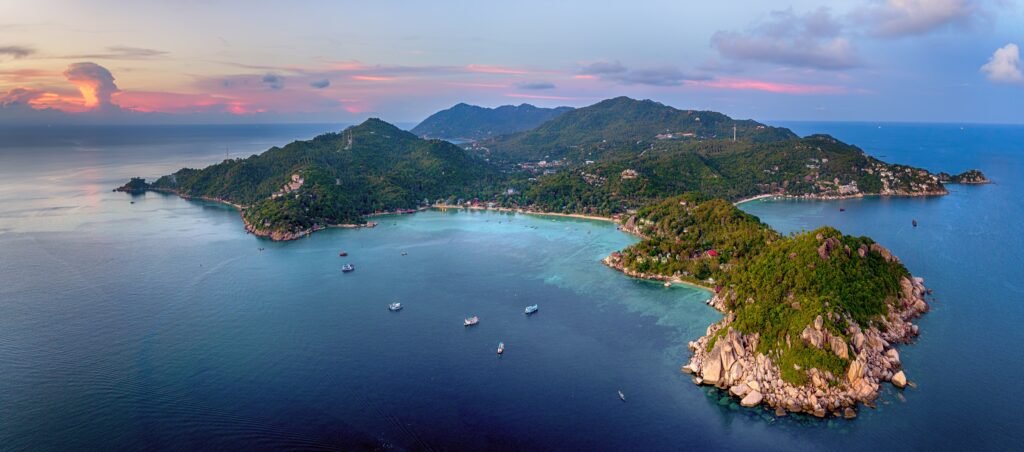
This is the postcard version of Thailand — limestone karsts rising straight out of turquoise water, longtail boats idling in coves, and Maya Bay (yes, the The Beach bay) now managed under a visitor cap and timed entry to let the reef recover after years of overtourism damage. Snorkeling around Bamboo Island and the smaller bays near Phi Phi Leh was, for us, the highlight of the entire trip — clear enough water to see reef fish without needing to swim far from the boat, and calm enough for non-confident swimmers.
Day Trip from Krabi/Phuket | Overnight on Phi Phi | |
| Cost | ~฿1,500–2,000 | ~฿3,000–5,000+ (incl. accommodation) |
| Crowds | Heavy midday | Quieter early morning/evening |
| Best for | Tight itineraries | Slower trips, night swimming |
If you only have a few days on the coast, a day trip covers the highlights efficiently — most tours hit four to five stops between roughly 8 AM and 4 PM. If Thailand’s islands are the main reason for your trip, staying overnight lets you see Maya Bay and the surrounding bays without the day-tripper crowds, since most tour boats clear out by late afternoon. Mornings and evenings there are a genuinely different experience from the midday rush.
How to Book and What to Bring
Boat tours are sold everywhere along the coast — through hotels, street-front travel agencies, and online platforms — and prices vary more than you’d expect for what’s functionally the same route. Booking a day or two ahead in high season is worth it, since the more reputable operators do sell out. Bring reef-safe sunscreen (some marine parks now restrict regular sunscreen), a dry bag for your phone, and cash in small notes for lunch add-ons or drinks that aren’t included in the base tour price.
What It Actually Cost Us
We booked a shared longtail day tour out of Ao Nang for ฿1500 per person, which included snorkel gear, lunch, and stops at four bays. The one downside worth flagging, honestly: Maya Bay itself, even with the visitor cap, was still crowded with boats queued waiting for their entry slot — worth knowing before you go in expecting an empty beach straight out of the movie.
3. Meet Elephants Ethically and Explore Chiang Mai's Old City

Choosing an Ethical Sanctuary (What to Avoid)
This is where a lot of Thailand guides go quiet, and it shouldn’t be a footnote. Elephant riding and shows involve training methods that welfare organizations have documented as harmful, typically involving young elephants being broken of their natural instincts through fear-based methods before they’re considered safe to ride. A genuine sanctuary will never offer rides, shows, or bathing sessions that involve scrubbing the elephants on command for photos. Look instead for places that let you observe, feed, and interact with elephants on the animals’ terms, with visible space for them to roam and no hooks, chains, or bullhooks in use during your visit.
A few practical questions worth asking before you book: Do the elephants have visible space to move away from visitors? Are rides offered at all, even as an “optional” add-on? What happens to elephants who are no longer able to work? A sanctuary that answers these openly, rather than deflecting, is generally a good sign.
Old City Temples and the Sunday Night Bazaar
Chiang Mai’s walled Old City is dense with temples you can walk between in a single afternoon — Wat Phra Singh and Wat Chedi Luang are the two we’d prioritize if time is short, both within a fifteen-minute walk of each other and considerably less crowded than Bangkok’s big-name sites. The Sunday Walking Street market, which takes over the entire main road through the Old City from late afternoon into the night, is worth building an evening around: food stalls, local crafts, live music at intervals, and a noticeably less touristy feel than Bangkok’s bigger night markets.
Our Sanctuary Pick and Why
We visited Elephant Nature Park on for ฿2500, a half-day visit that included feeding and a mud bath with the elephants, no riding offered or available at any point. What stood out was how much space the elephants had to move away from visitors if they wanted to — which, from what we understood from staff on-site, is one of the clearer signs a sanctuary is operating on the animals’ terms rather than a tourist schedule. Transport to and from most Chiang Mai hotels was included in the price, which is worth checking for when comparing options, since some sanctuaries charge extra for pickup.
4. Eat Your Way Through Thai Street Food and Floating Markets

Bangkok Street Food Streets Worth Prioritizing
Yaowarat Road (Bangkok’s Chinatown) turns into a food market after dark, and it’s the single best place we found to eat well without much planning — grilled seafood, noodle stalls, and mango sticky rice carts lining several blocks, with vendors who’ve often been running the same stall for decades. Most dishes run ฿40–100. Chatuchak Weekend Market, while primarily a shopping market, also has a large food section worth an afternoon on its own, and it’s really only open Saturdays and Sundays, so plan around that if it’s on your list.
Damnoen Saduak vs. Amphawa Floating Market
Damnoen Saduak | Amphawa | |
| Distance from Bangkok | ~1.5 hours | ~1.5 hours |
| Best time | Early morning | Afternoon/evening (weekends) |
| Vibe | More touristy, classic postcard shots | More local, fewer tour buses |
If you want the iconic photo of boats stacked with fruit and vegetables, go to Damnoen Saduak early, before the tour buses arrive around 10 AM — after that, it can feel more like a set piece than a working market. If you’d rather eat well and skip the crowds, Amphawa on a weekend evening is the better call, with vendors cooking fresh seafood directly off boats moored along the canal.
A Note on Food Safety and Ordering
Stick to stalls with high turnover and a visible line of local customers — it’s a simple but reliable signal of freshness. Bottled water is sold everywhere, and most street food is cooked fresh to order in front of you, which we found reassuring compared to buffet-style setups. If you’re cautious about spice levels, “mai phet” (not spicy) is a phrase worth learning early.
5. Choose Your Island Vibe — Full Moon Party or Quiet Beaches

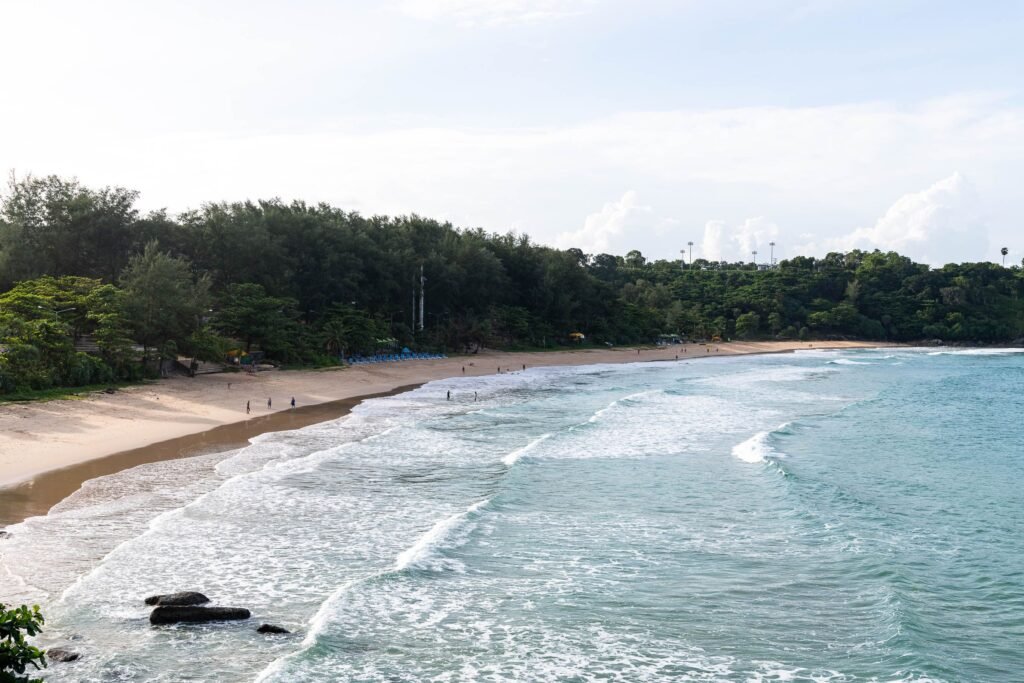
The Full Moon Party at Haad Rin Beach happens roughly once a month, timed to the lunar calendar, and draws tens of thousands of people to one beach. It’s a genuine bucket-list night for a lot of travelers, but it’s also worth being honest about the risks: heavy drinking, uneven sand and broken glass on the beach, and periodic reports of drink-spiking are all real concerns that don’t always make it into the highlight-reel version of the party. Wearing shoes, sticking with people you trust, watching your drink being poured, and avoiding the water at night are basic but genuinely useful precautions here.
Alternative — Railay Beach or Koh Lanta for a Quieter Trip
If a beach party isn’t the trip you’re after, Railay Beach (accessible only by boat, wedged between limestone cliffs on the Andaman coast) or Koh Lanta (larger, slower-paced, considerably fewer crowds) deliver the same dramatic Thai coastline without the noise. Both are better suited to travelers prioritizing diving, rock climbing, or simply doing nothing on a quiet beach for a few days. Railay in particular is a well-known rock climbing destination, with routes for both beginners and experienced climbers available through several outfitters right on the beach.
Getting Between Regions: Flights, Trains, and Buses
One thing that surprised us going in was how much of the trip planning ends up being about logistics between regions rather than the activities themselves. Thailand is bigger than it looks on a map, and Bangkok, the Andaman coast, and Chiang Mai are each a meaningful journey apart.
| Route | Best Option | Approx. Time | Approx. Cost |
|---|---|---|---|
| Bangkok → Krabi/Phuket | Domestic flight | ~1.5 hours | ฿1,200–2,500 |
| Bangkok → Chiang Mai | Domestic flight | ~1.25 hours | ฿1,000–2,000 |
| Krabi → Koh Phangan | Ferry + connection | ~5–6 hours | ฿800–1,200 |
| Bangkok → Chiang Mai | Overnight sleeper train | ~12–14 hours | ฿800–1,800 |
Domestic flights are cheap enough in Thailand that they’re often the better trade-off over long bus or train rides, unless the journey itself is part of the experience — the overnight sleeper train to Chiang Mai, for example, is slower than flying but genuinely enjoyable if you have the extra day to spare. Budget at least half a travel day for any inter-region move, even by air, once you factor in airport transfers on both ends.
Sample 10-Day Itinerary Combining All Five Experiences
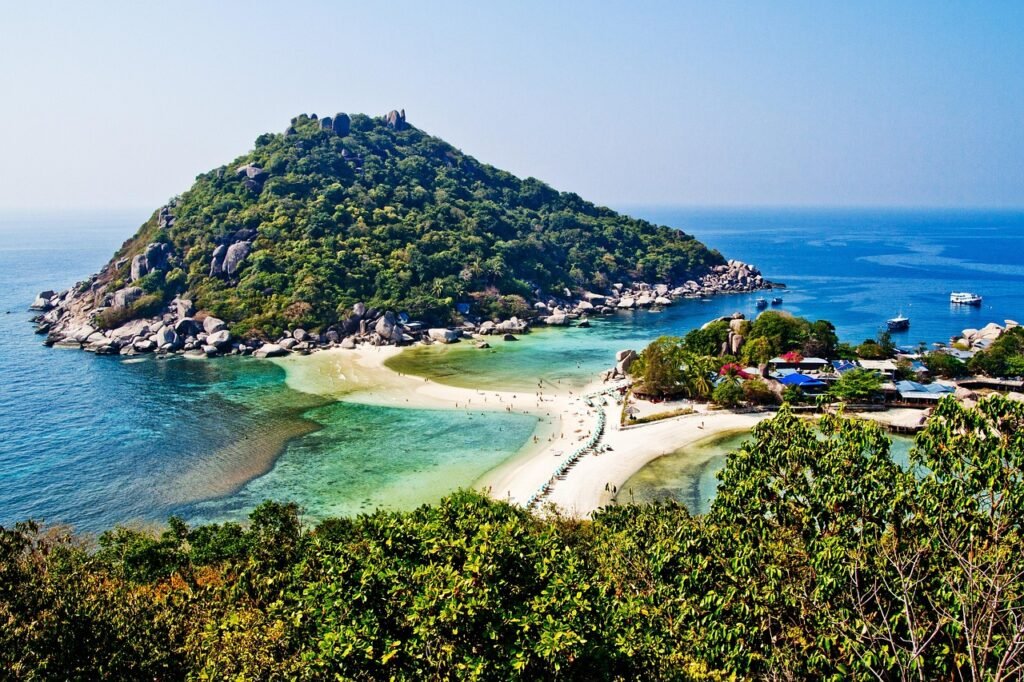
If you’re trying to picture how these five experiences actually fit together on a calendar, here’s roughly how we’d sequence a first trip:
- Days 1–3: Bangkok. Grand Palace, Wat Arun, and Wat Pho on day one or two; Yaowarat street food and Chatuchak Market (if it lands on a weekend) worked in around temple visits.
- Day 4: Floating markets. A day trip to Damnoen Saduak (early start) or Amphawa (afternoon/evening), then back to Bangkok or straight on to the airport for the next leg.
- Days 5–7: Andaman coast (Krabi or Phuket base). One full day for a Phi Phi island tour, plus time to relax on the mainland beaches or do a second, smaller boat trip.
- Days 8–10: Chiang Mai. Ethical elephant sanctuary visit, Old City temples, and the Sunday Walking Street market if your dates line up with a Sunday.
This sequence deliberately leaves out Koh Phangan, since fitting the Full Moon Party into a 10-day trip usually means either starting the whole itinerary around the lunar calendar or accepting a longer trip. If the party is a priority, we’d suggest treating it as its own 3–4 day add-on rather than squeezing it between the other four.
What These 5 Experiences Cost
| Experience | Budget | Mid-Range | Splurge |
|---|---|---|---|
| Bangkok temples (all 3 sites) | ~฿1,000/person | ~฿1,500 (with guide) | ~฿3,000+ (private tour) |
| Island day trip | ~฿1,200 | ~฿2,000 | ~฿5,000+ (private longtail) |
| Elephant sanctuary | ~฿1,500 (half-day) | ~฿2,500 (full-day) | ~฿4,000+ (overnight programs) |
| Street food/markets (per day) | ~฿300 | ~฿600 | ~฿1,500+ (guided food tour) |
| Full Moon Party / island stay (per night) | ~฿500 (hostel) | ~฿1,500 (guesthouse) | ~฿4,000+ (resort) |
Stacked together, a trip covering all five experiences at a mid-range budget over roughly ten days lands somewhere around ฿25,000–35,000 per person (excluding international flights), not counting accommodation on nights not already listed above. Budget travelers who lean on hostels, street food, and shared tours can bring that down meaningfully; travelers who want private tours and resort stays across the board should expect it to climb well past that range.
Common Mistakes to Avoid

- Wearing shorts or tank tops to temples — you’ll be turned away or forced to rent cover-up clothing at the gate, which costs money and time you didn’t plan for.
- Not negotiating longtail boat prices upfront — agree on the total price and number of stops before boarding, not after, since prices can mysteriously “increase” mid-trip otherwise.
- Booking an elephant “riding” experience without checking welfare practices — read reviews specifically mentioning whether riding or hooks are used, not just star ratings.
- Arriving at Damnoen Saduak after 10 AM — the market is noticeably more crowded and less photogenic once tour buses arrive.
- Underestimating Full Moon Party safety basics — no shoes on a glass-strewn beach, and unattended drinks, are avoidable risks that catch a lot of first-timers off guard.
- Trusting tuk-tuk drivers who claim an attraction is “closed today” — this is one of Bangkok’s oldest scam routes, and it’s almost always false.
- Trying to fit all five experiences into a rushed week — domestic flights and transfers between regions eat more time than the actual activities do.
Pro Travel Tips

- Visit the Grand Palace right at 8:30 AM opening to beat tour bus arrivals by roughly an hour.
- Book Phi Phi day trips a day or two ahead in high season — boats do sell out, especially around holidays.
- Ask sanctuary staff directly whether elephants are ever ridden or chained — a straightforward answer either way tells you a lot about how the place operates.
- Bring small baht notes for street food stalls; vendors often can’t break large bills, especially early in the day before they’ve made change.
- If attending the Full Moon Party, book accommodation on the quieter side of Koh Phangan and taxi in, rather than staying in the middle of the noise all night.
- Download an offline map app before heading between regions — signal in some ferry crossings and mountain roads in the north can be patchy.
Who Should Choose What
| Traveler Type | Prioritize |
|---|---|
| First-timer, limited days | Bangkok temples + one island day trip |
| Budget backpacker | Chiang Mai + street food, skip pricier island resorts |
| Family trip | Elephant sanctuary + Bangkok temples, skip Full Moon Party |
| Party/social traveler | Koh Phangan Full Moon Party + Phi Phi islands |
| Culture-focused traveler | Chiang Mai Old City + Bangkok temple circuit |
If you’re planning one trip and trying to decide where to trim, the honest answer is that the Bangkok temple circuit and one island experience (day trip or overnight) form the strongest, most efficient core. Everything else — Chiang Mai, the floating markets, Koh Phangan — is worth adding as your trip length and interests allow, rather than treated as mandatory stops.
Frequently Asked Questions
What is the number one thing to do in Thailand?
For most first-time visitors, exploring Bangkok's Grand Palace and temple circuit is the top pick — it's the most iconic cultural experience in the country and pairs easily with a day trip to the islands or the north.
How many days do you need to see the top attractions in Thailand?
A realistic minimum is 7–10 days: 2–3 days in Bangkok, 2–3 on the Andaman coast for islands, and 2–3 in Chiang Mai for the north. Two weeks lets you cover all five experiences in this guide without rushing between regions.
Is Thailand expensive or cheap to visit?
Thailand is generally affordable compared to Western Europe or the US. Budget travelers can get by on roughly ฿1,500–2,000 a day; mid-range travelers should expect ฿3,000–4,000 a day including better accommodation and tours.
What is the best time of year to visit Thailand?
November through February is the best overall window for most of the country — cool, dry weather across Bangkok, the Andaman coast, and Chiang Mai, with the Gulf islands slightly more flexible outside of October and November.
Do you need a visa to visit Thailand?
Many nationalities can enter Thailand visa-free for a set number of days, though rules vary by passport and change periodically. Check Thailand's official immigration or embassy guidance for your specific nationality before booking flights.
Is Phuket or Phi Phi better for a first trip?
Phuket has more infrastructure, nightlife, and direct flights, making it an easier base. Phi Phi has more dramatic scenery but is smaller and more crowded with day-trippers. Many travelers base themselves in Phuket or Krabi and visit Phi Phi as a day trip rather than staying there.
Are elephant sanctuaries in Thailand actually ethical?
It depends entirely on the specific venue. Genuine sanctuaries never offer elephant riding and allow the animals significant freedom of movement away from visitors. Always check recent reviews and ask directly about riding and training methods before booking.
Is the Full Moon Party safe for solo travelers?
It can be, with basic precautions — wearing shoes, staying with people you trust, watching your drink being poured, and avoiding deep water at night, since drownings have occurred at past events.
Can you see all five of these experiences in one trip?
Yes, but it takes at least 10–14 days given the travel time between Bangkok, the Andaman coast, and Chiang Mai. Trips shorter than a week are usually better spent focusing on two or three of the five rather than rushing through all of them.
What should I pack for a trip covering all five of these activities?
Modest clothing for temple visits (covered shoulders and knees), quick-dry clothes for boat days, closed-toe shoes for both hiking-style activities and the Full Moon Party beach, and a dry bag for anything electronic that's coming on a boat.