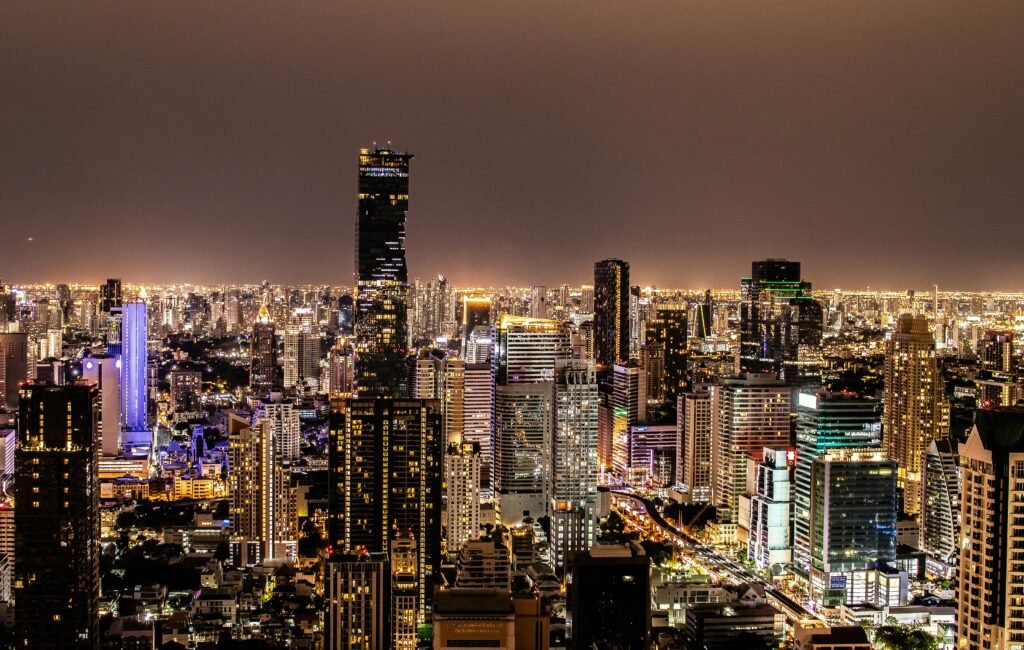
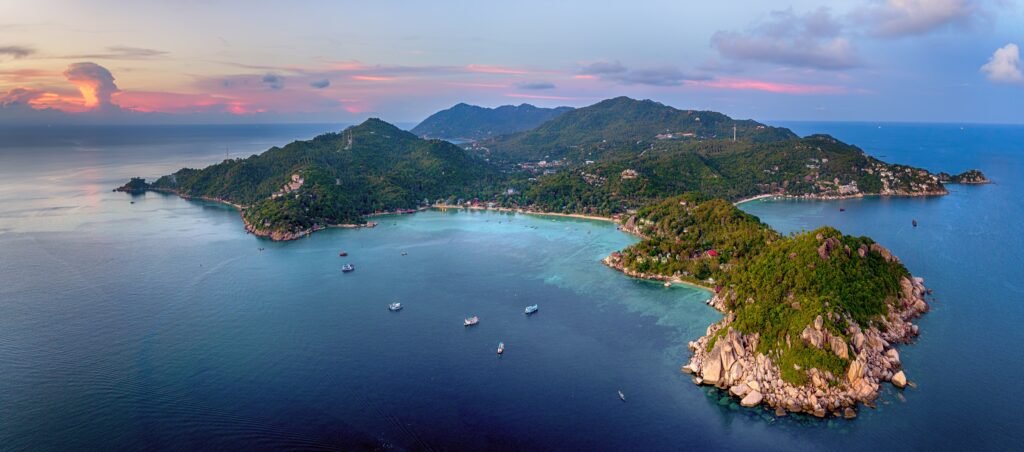
Search “unique things to do in Thailand” and you’ll get the same fifteen photos on every site: the Grand Palace, a floating market, an elephant with a mahout, Phi Phi Islands at sunset. Beautiful places, all of them — and none of them unique. They’re the default Thailand itinerary, repackaged with the word “unique” bolted onto the headline.
This list skips the obvious stops. What’s below are experiences that are genuinely harder to find in a five-minute Google search, organized by what kind of trip you’re building: cultural, nature and adventure, food and local life, or somewhere unusual to sleep. Each one comes with what it actually costs, how to find or book it, and a practical tip so you’re not figuring it out on the ground.
Many of these offbeat experiences are seasonal, so choosing the best time to visit Thailand can make a huge difference in weather, accessibility, and crowd levels before you finalize your itinerary.
Table of Contents
ToggleWhat Makes an Experience "Unique" in Thailand?
In this guide, “unique” means an activity that isn’t on a standard tour bus itinerary, involves direct contact with local life rather than a staged photo-op, and can’t be replicated in five other Southeast Asian countries. That rules out most temple visits and beach clubs — not because they’re bad, but because they’re the same everywhere. What’s left is smaller in scale, harder to book online, and more dependent on timing and location.
Best Time to Visit for These Experiences
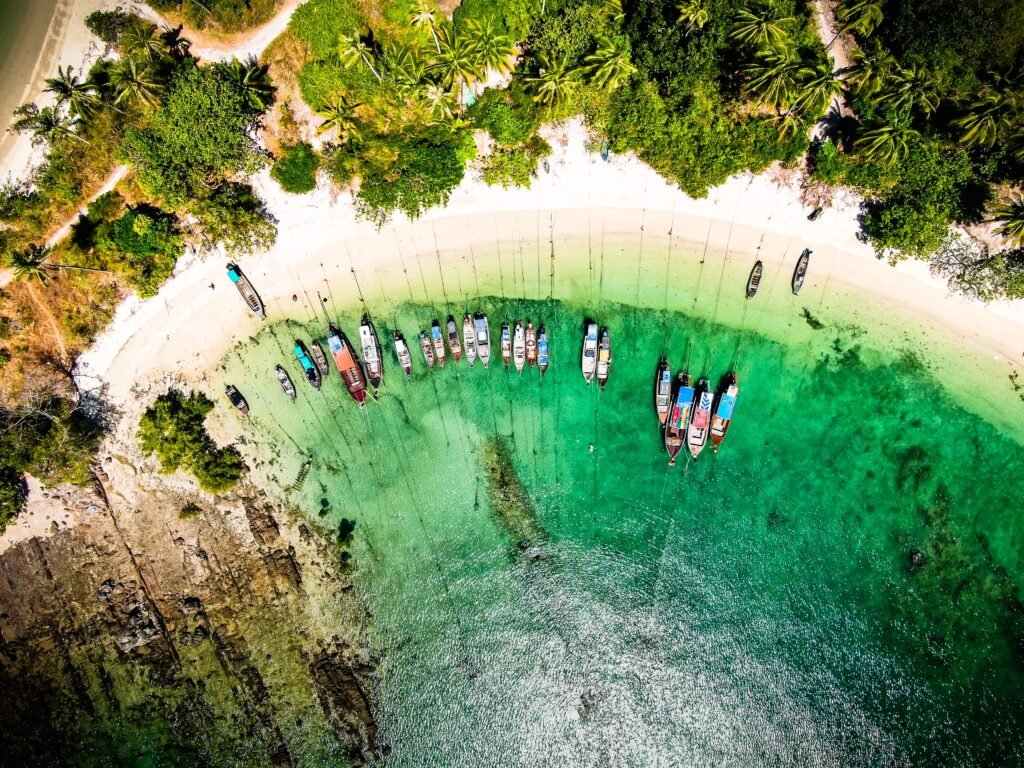
Thailand’s three seasons affect these activities more than they affect standard sightseeing, because several of them are outdoors, rural, or weather-dependent.
Cool Season (November–February)
The best window for hill tribe trekking, cycling through rice paddies, and anything in the mountainous north around Mae Hong Son and Chiang Rai. Daytime temperatures are manageable and trails aren’t muddy.
Hot Season (March–May)
Better suited to island-based unusual stays and water-based activities. Save strenuous trekking for cooler months — April in particular regularly pushes past 38°C (100°F) inland.
Rainy Season (June–October)
Counterintuitively one of the best times for this kind of trip. Rates on floating bungalows and jungle lodges drop, crowds thin out at lesser-known waterfalls, and rain tends to arrive in short afternoon bursts rather than all-day downpours. Some national park zones close seasonally for conservation, so check the Thai Department of National Parks before planning a trip around a specific trail.
21 Unique Things to Do in Thailand
Cultural & Spiritual Experiences
1. Join a Monk Blessing Ceremony
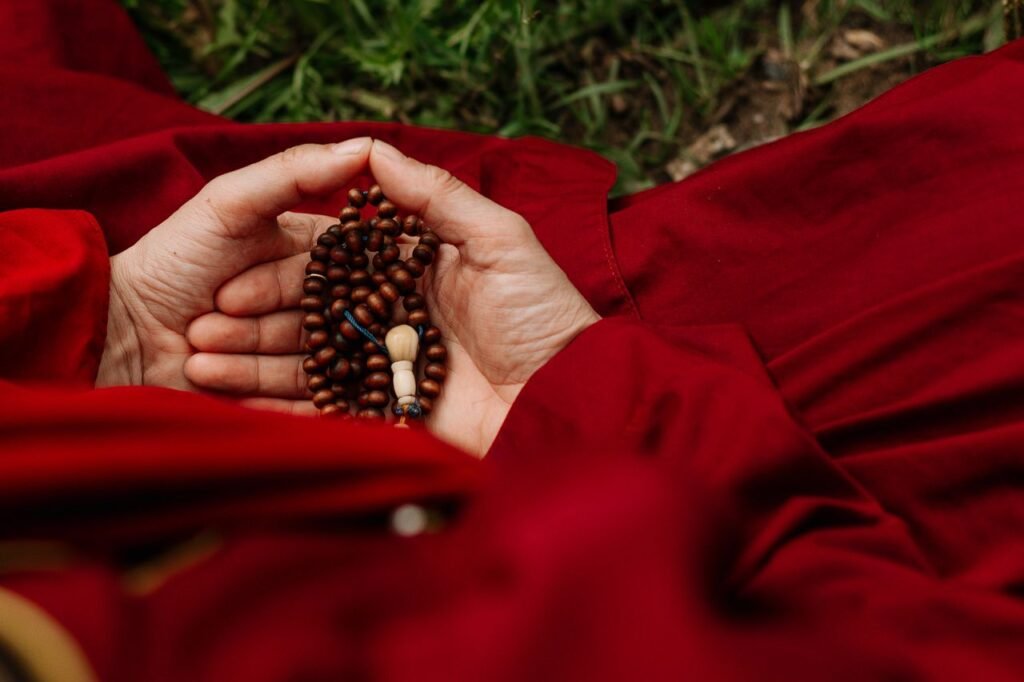
Smaller neighborhood temples (not the major tourist ones) offer blessing ceremonies where you can purchase a simple alms package outside, hand it to a monk, and receive a water-blessing and chanted blessing in return. It’s quiet, short, and about as far from a staged cultural show as it gets.
Cost: Roughly 100–300 baht for an alms package. Tip: Ask your guesthouse for a neighborhood temple recommendation rather than searching online — the well-known ones are already on every tour route.
2. Browse a Thai Amulet Market
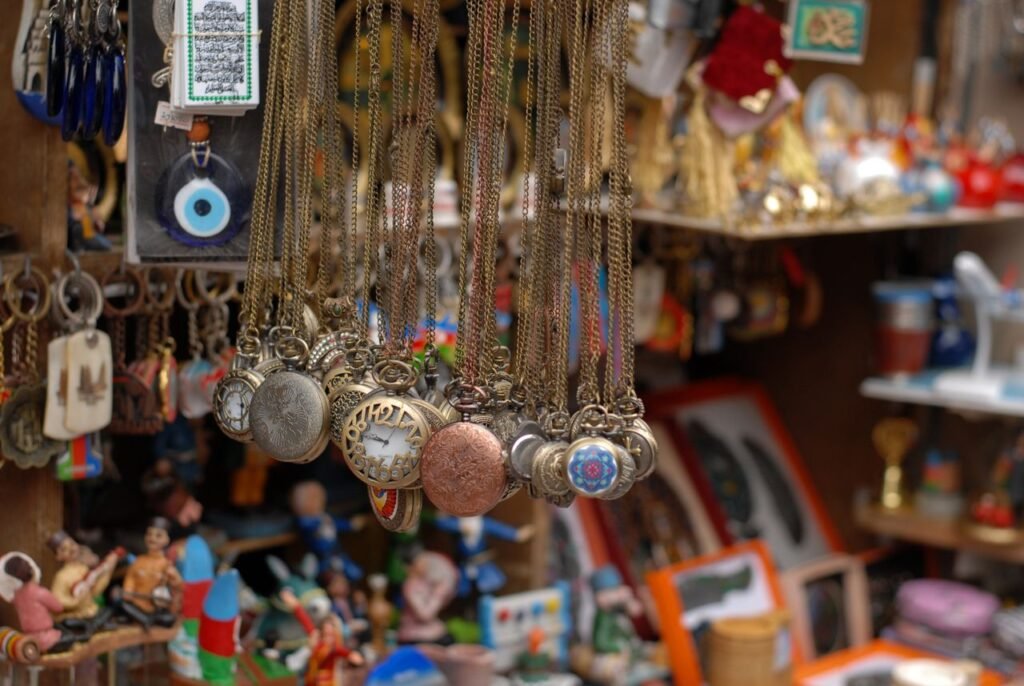
Amulet markets are a genuine subculture in Thailand — small stalls selling protective charms, with serious collectors examining pieces under magnifying loupes. Bangkok’s riverside amulet market near Wat Mahathat is the best-known, but smaller versions turn up near almost any major temple.
Cost: Free to browse; amulets range from under 100 baht to thousands for rare pieces. Tip: You don’t need to buy anything — it’s worth the visit purely to watch how seriously collectors take it.
3. Stay in an Isaan Village Homestay
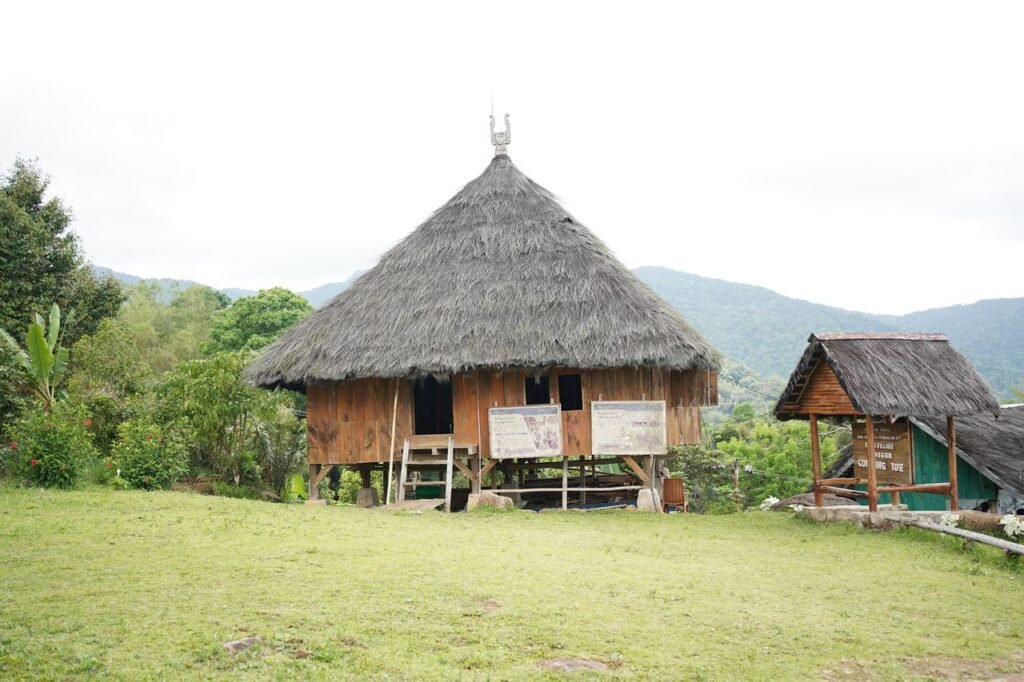
Thailand’s northeastern Isaan region is the least-visited by international tourists despite being the country’s most populous region. Homestay programs run through smaller NGOs and local cooperatives put you in a family’s home, eating what they eat, for a fraction of what a mainstream tour costs.
Cost: Typically 500–1,000 baht per night including meals. Tip: Book through a regional tourism cooperative rather than a large booking platform — the money goes directly to the host family.
4. Time a Trip Around Songkran or Loy Krathong
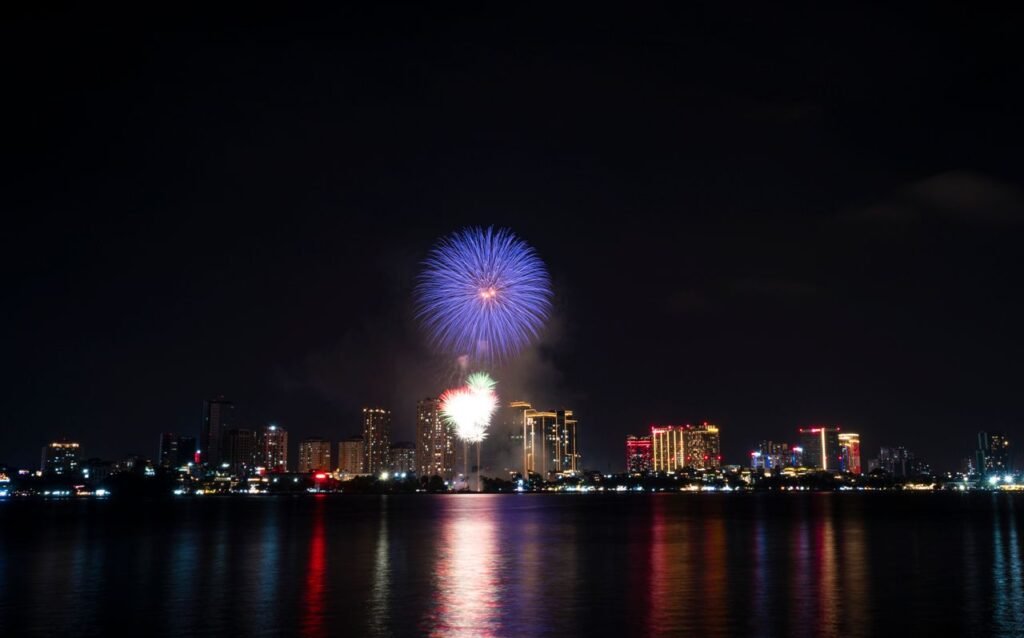
Songkran (mid-April) is Thailand’s New Year and turns into a nationwide water fight after two days of temple visits and family time. Loy Krathong (November) is quieter and more visually striking — floating lantern releases on rivers and lakes across the country. Both are far more meaningful experienced in a smaller town than in the tourist-saturated stretches of Bangkok or Phuket.
Cost: Free to participate; krathong (floating offerings) cost 20–50 baht. Tip: Chiang Mai’s Loy Krathong is popular enough now that Sukhothai or a smaller northern town gives a more local feel.
5. Train at a Working Muay Thai Gym

Rather than watching a stadium match as a spectator, several gyms around Chiang Mai and the islands offer short-term stays where you train alongside working fighters, not other tourists. It’s physically demanding but gives a far closer look at Thai sporting culture than a ringside seat does.
Cost: From roughly 500 baht per single session up to several thousand baht per week for a training package with accommodation. Tip: Look for gyms that train professional fighters, not tourist-only camps — the atmosphere is noticeably different.
Nature & Adventure (Off the Main Trail)
Many of these unforgettable adventures take place on some of the best islands in Thailand, where hidden beaches, sea caves, and crystal-clear waters offer experiences far beyond the typical tourist trail.
6. Take a Night Safari at Khao Yai National Park
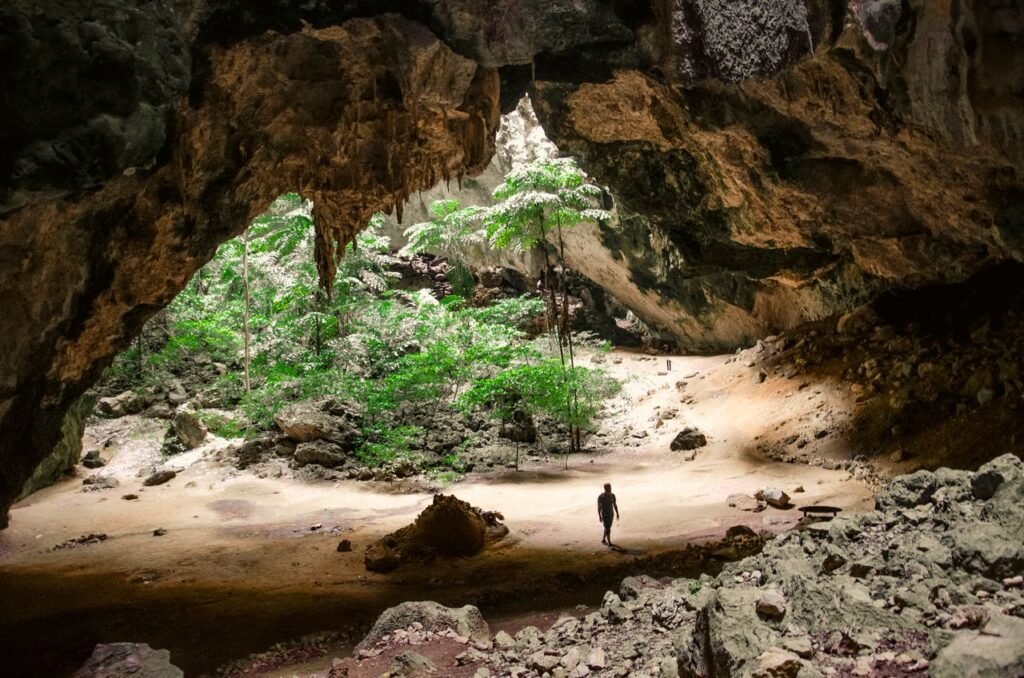
Khao Yai, a UNESCO World Heritage site a few hours from Bangkok, runs ranger-led night drives to spot civets, deer, and — with real luck — elephants, without the crowds of the country’s more famous parks. Entry fees go directly to conservation and are published by the Department of National Parks.
Cost: Park entry roughly 400 baht for foreign visitors, plus a separate fee for the night safari vehicle. Tip: Book the safari slot in advance during high season; vehicles are limited and fill up.
7. Kayak Through Hidden Lagoons in Krabi or Phang Nga
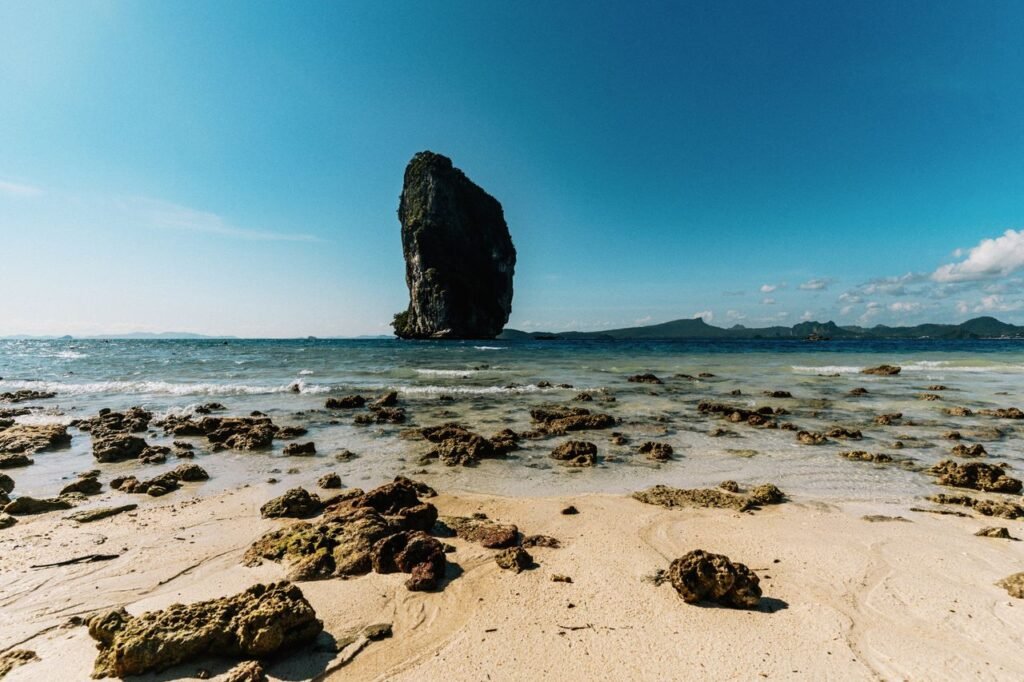
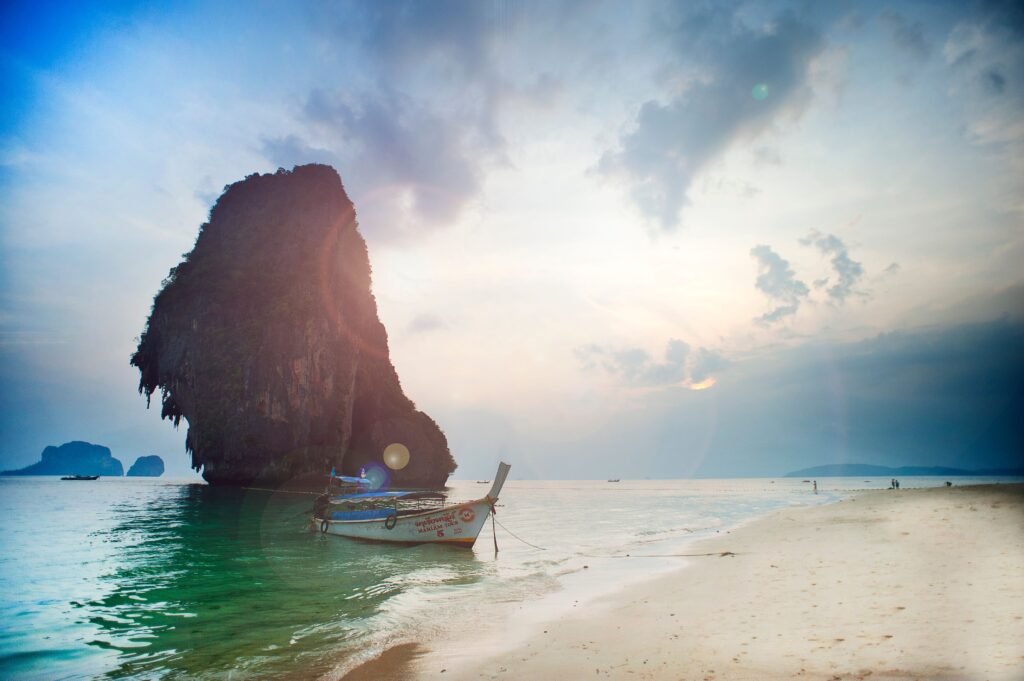
Beyond the well-photographed limestone karsts, sea kayaking trips reach hidden lagoons (hongs) accessible only at certain tide levels — sea caves that open into hidden pools ringed by cliffs.
Cost: 1,500–2,500 baht for a half-day guided kayak tour. Tip: Go with a smaller operator running trips of 6–8 people rather than a large group tour; the hongs feel very different without a crowd.
8. Chase Lesser-Known Waterfalls

Erawan Falls gets the tour buses. Waterfalls in less-marketed parks — such as those in Namtok Phlio or deeper into Khao Sok — see a fraction of the visitors and are just as striking.
Cost: Park entry typically 100–300 baht. Tip: Weekday visits, especially outside school holidays, cut crowds dramatically even at popular spots.
9. Trek to Hill Tribe Villages Near Mae Hong Son
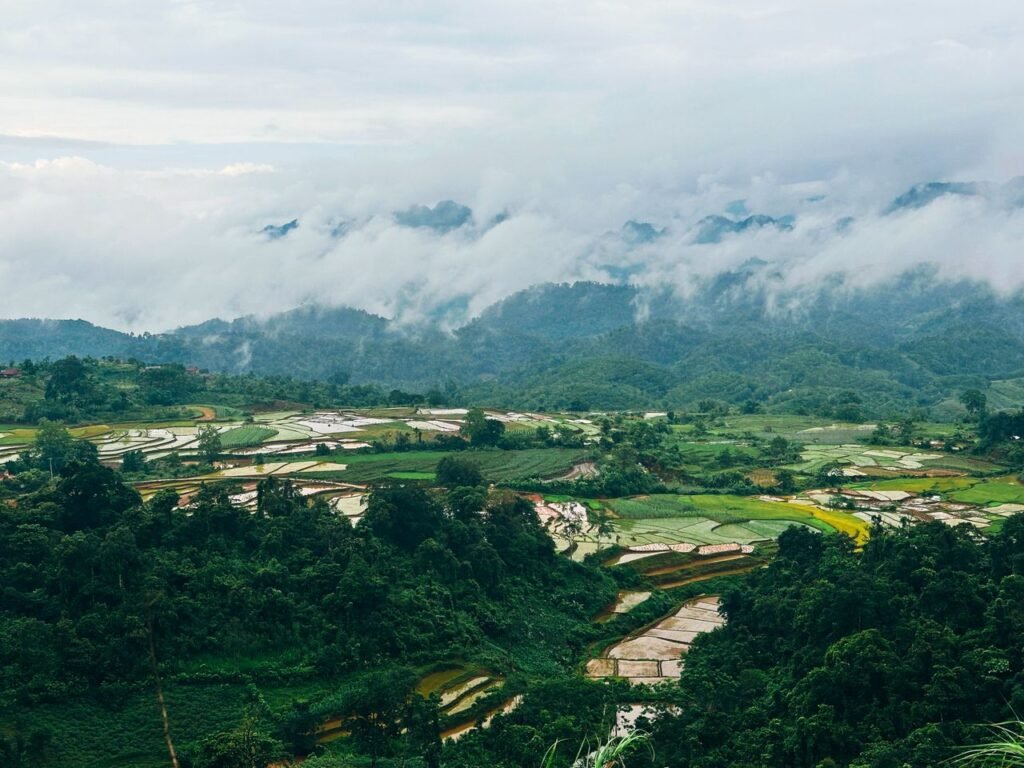
Mae Hong Son province, tucked against the Myanmar border, is home to several hill tribe communities. Treks organized through community-based tourism groups (rather than large Chiang Mai tour operators) put a larger share of the cost directly into local hands and avoid the “human zoo” criticism leveled at some larger operations.
Cost: 1,500–3,000 baht per day depending on group size and inclusions. Tip: Ask any operator directly how the community is compensated before booking — reputable ones will have a clear answer.
10. Cycle Through Rice Paddies in Sukhothai or Chiang Rai
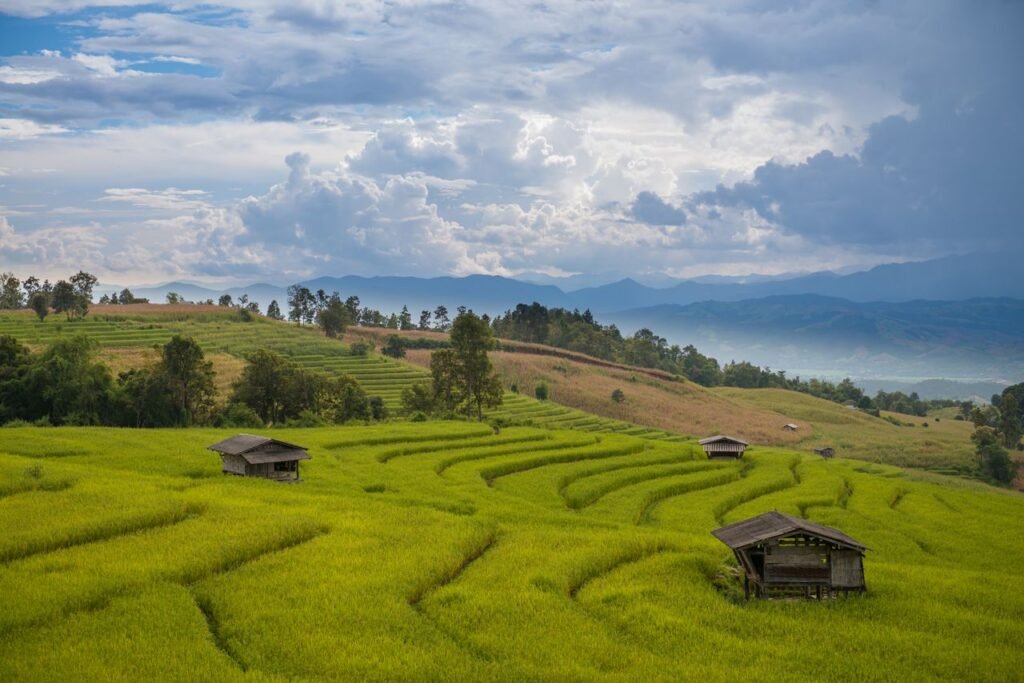
Renting a bike and riding through working rice fields, past small temple ruins with almost no other visitors, is one of the simplest and cheapest ways to see rural Thailand.
Cost: Bike rental roughly 50–150 baht per day. Tip: Early morning riding avoids both the heat and the tour groups that arrive at major sites by mid-morning.
Food & Local Life
11. Visit a Local-Only Night Market Before the Tour Buses Arrive
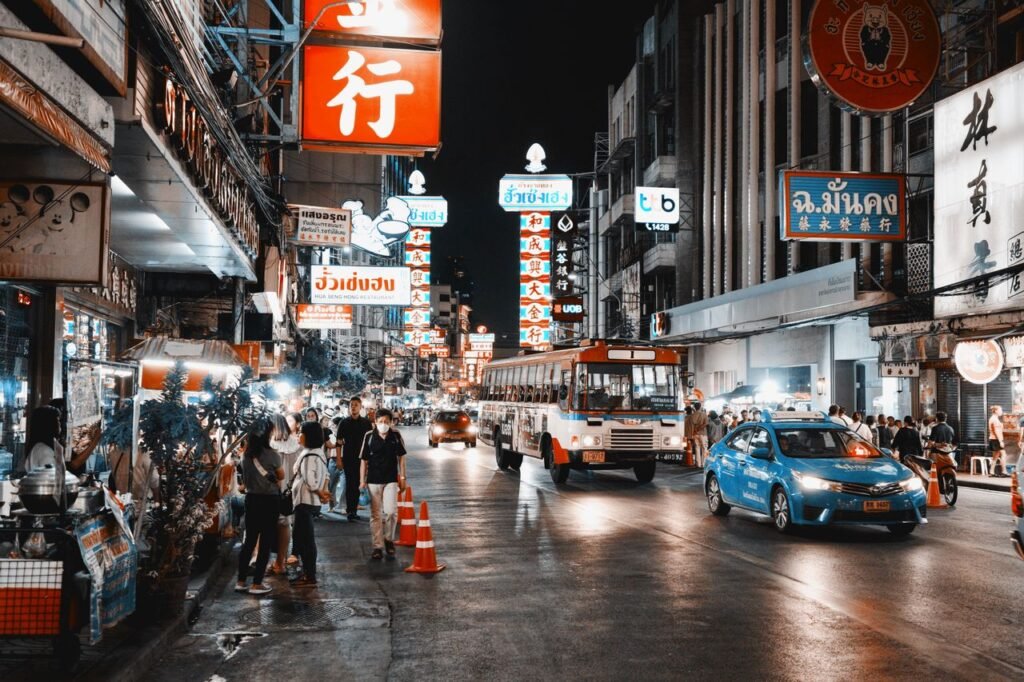
Every major Thai city has at least one night market that’s still mostly used by residents rather than visitors — smaller, cheaper, and with a completely different vendor mix than the well-known tourist markets.
Cost: Street food dishes typically 40–80 baht. Tip: Ask a local guesthouse owner which market they shop at, not which one they recommend to tourists — the two lists are usually different.
12. Take a Home-Based Thai Cooking Class
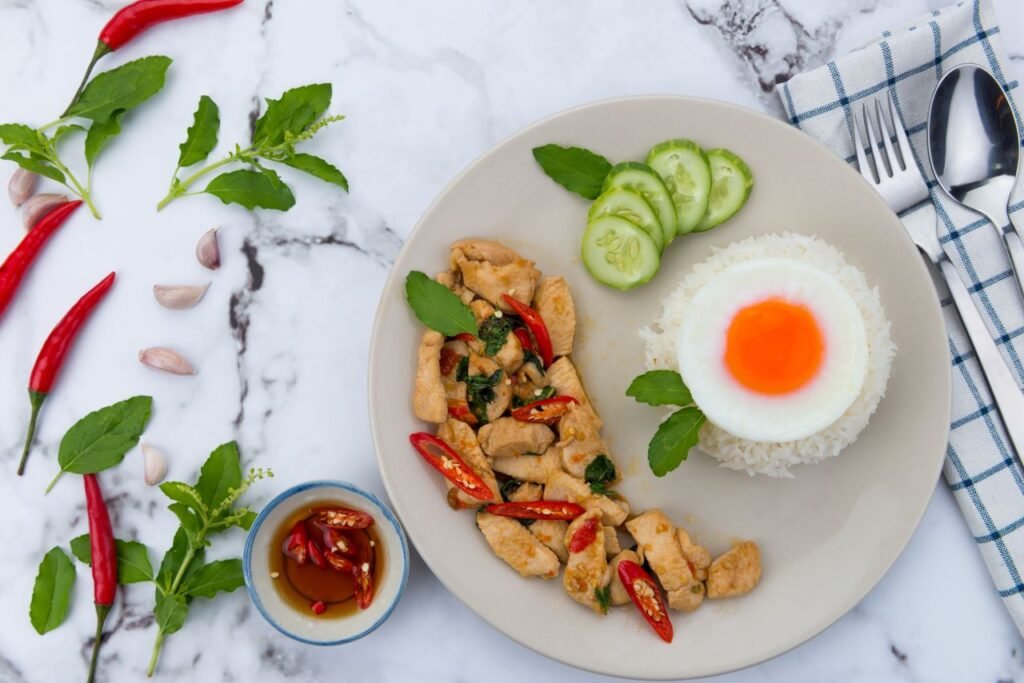
Rather than a large commercial cooking school, smaller classes run out of a family’s actual kitchen — often starting with a market trip to select ingredients — give a much closer look at how Thai food is really made day to day.
Cost: 1,000–1,800 baht for a half-day class including a market visit. Tip: Classes capped at 6 or fewer students tend to be the home-based ones; larger classes are usually commercial operations.
13. Follow a Regional Food Trail in Isaan or the South
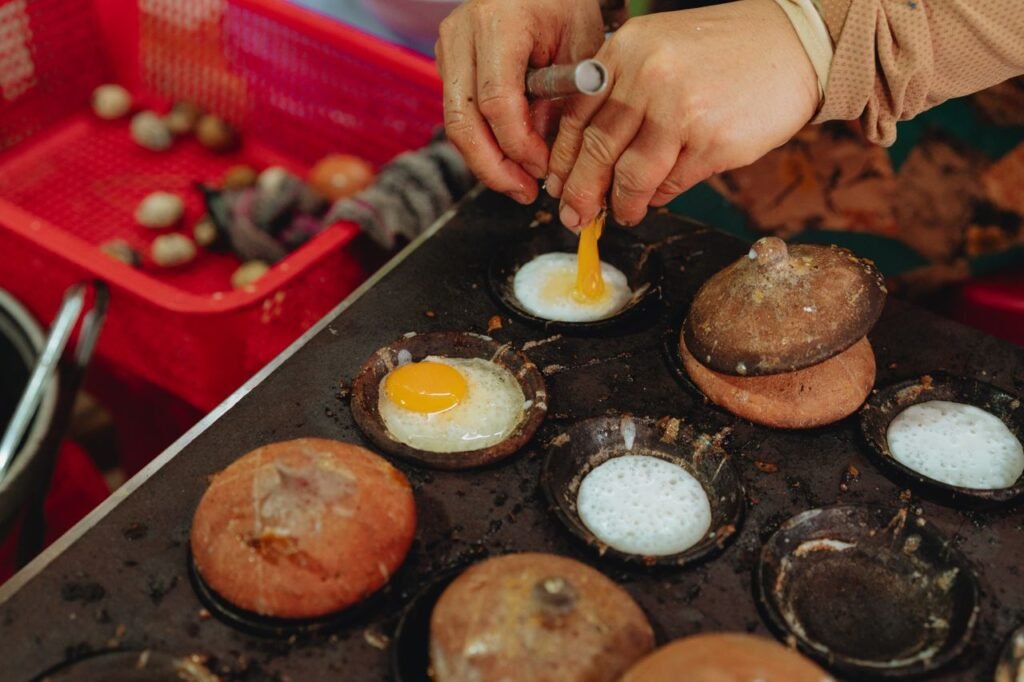
Isaan cuisine (heavy on grilled meats, som tam, and sticky rice) and southern Thai cuisine (built around fresh seafood and intensely spiced curries) are distinct enough from central Thai food that they’re worth treating as a separate culinary trip.
Cost: Meals typically 60–150 baht. Tip: Isaan food is noticeably spicier than what’s served in Bangkok tourist areas — ask for it “not spicy” if you’re unsure, then adjust up.
14. Visit a Floating Market Before 7 a.m.
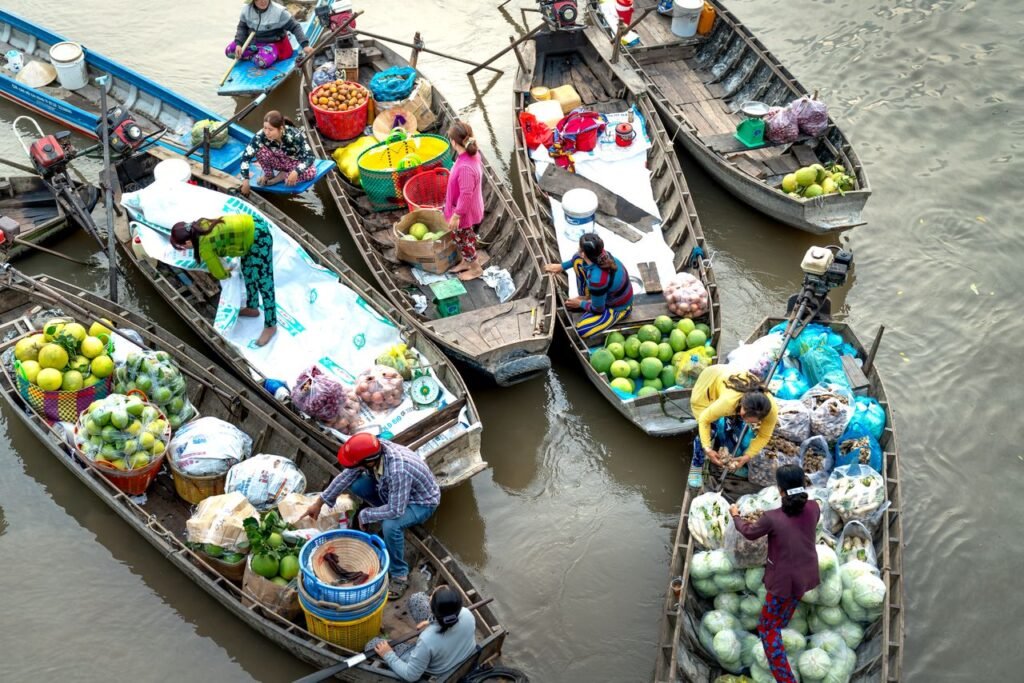
Floating markets are on every “unique things to do” list, but almost none of them mention that by 9 a.m. they’re mostly tour groups. Arriving before 7 a.m. — when vendors are still selling to local shoppers, not visitors — is a genuinely different experience from the version most people see.
Cost: Free to enter; food and goods priced normally rather than at tourist markup. Tip: Damnoen Saduak is the famous one; Amphawa or Taling Chan are smaller and less overrun even mid-morning.
Unusual Stays & Only-in-Thailand Moments
15. Sleep in a Floating Bungalow
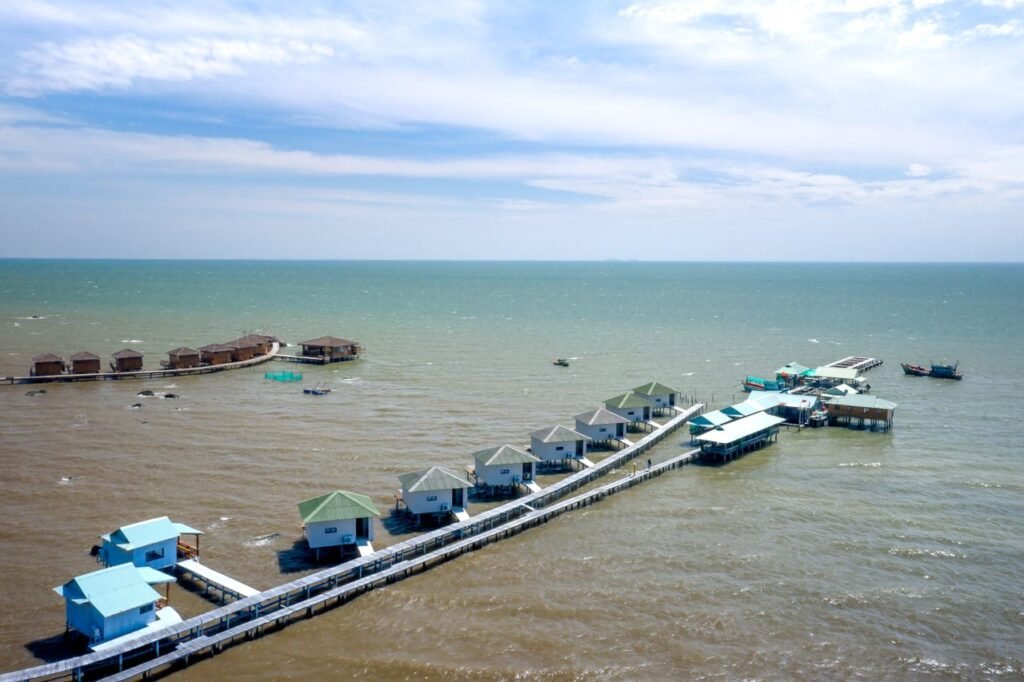
A handful of properties, particularly around lakes in Kanchanaburi province, offer simple wooden bungalows built directly on the water. Waking up to mist over the lake and the sound of gibbons in the surrounding forest is a genuinely different way to experience rural Thailand.
Cost: Roughly 800–2,500 baht per night depending on the property. Tip: Book ahead in cool season (November–February); these are small properties with limited rooms.
16. Stay at a Riverside Jungle Lodge
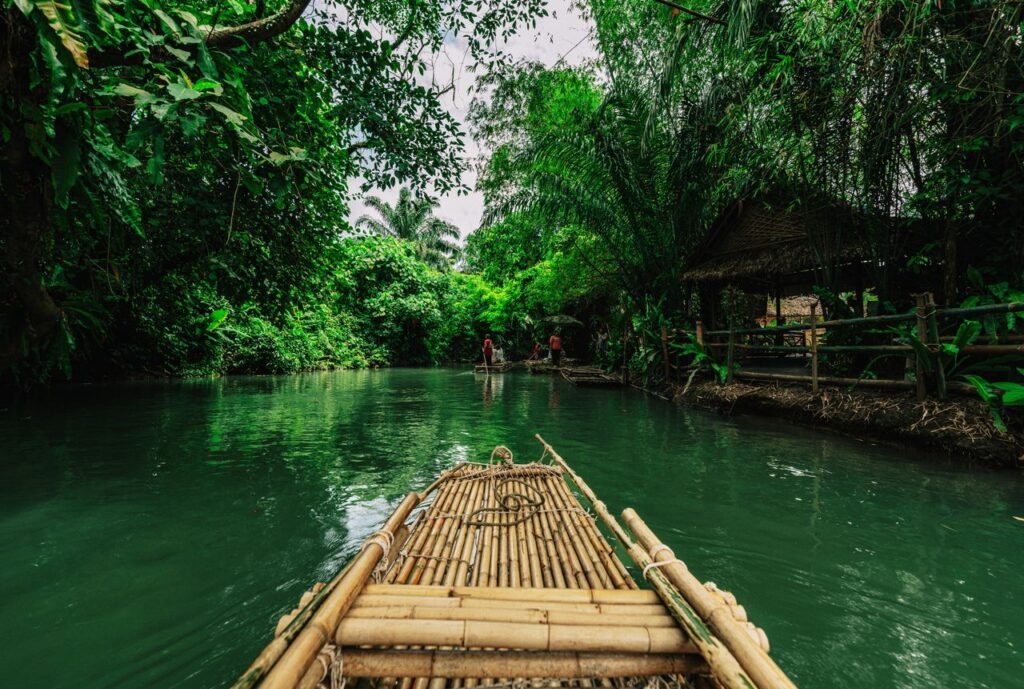
Smaller lodges along rivers in Kanchanaburi or near national parks offer a quieter, more immersive alternative to a city hotel — often with no wifi and a lot of natural sound at night.
Cost: 1,000–3,000 baht per night. Tip: Confirm transport arrangements before booking; several of these lodges are only reachable by boat or a rough road.
17. Take an Overnight Sleeper Train
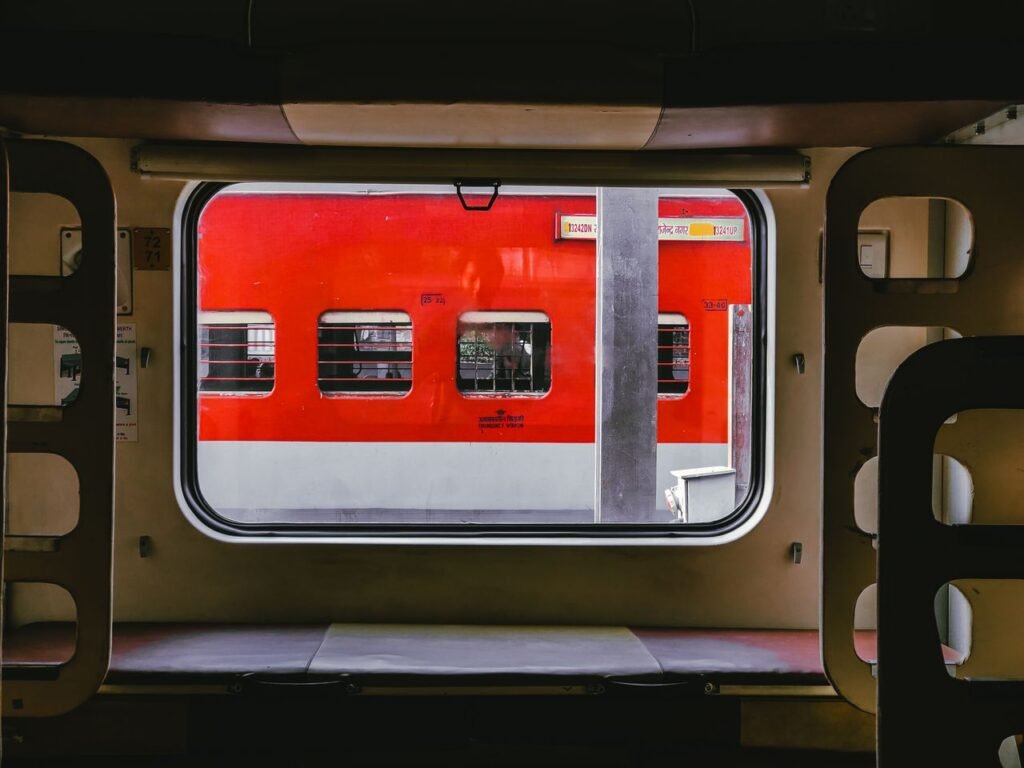
The State Railway of Thailand runs overnight sleeper trains between Bangkok and the north or south, with fold-down bunks and a dining car. It’s slower than flying, but it’s also one of the more genuinely local travel experiences left in the country.
Cost: Second-class sleeper berths typically 600–1,300 baht depending on route and class. Tip: Book directly through the State Railway of Thailand site or at the station a few days ahead in high season — popular routes sell out.
18. Watch the Sunset from a Local (Not Tourist-Marketed) Rooftop Bar
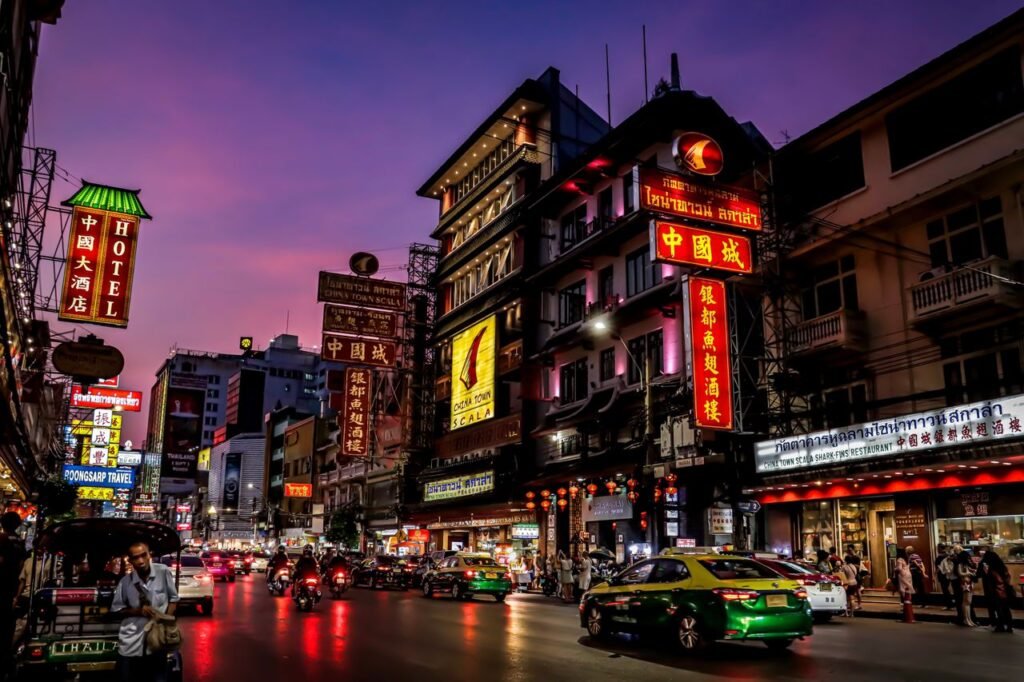
Bangkok’s famous sky bars are worth seeing once, but smaller rooftop bars attached to boutique hotels — without the dress code and cover charge — offer a similar skyline view with a fraction of the crowd.
Cost: Drinks typically 150–300 baht, versus 400+ baht at the well-known sky bars. Tip: Boutique hotel rooftop bars rarely require a reservation on weeknights.
19. Visit a Genuinely Ethical Elephant Sanctuary
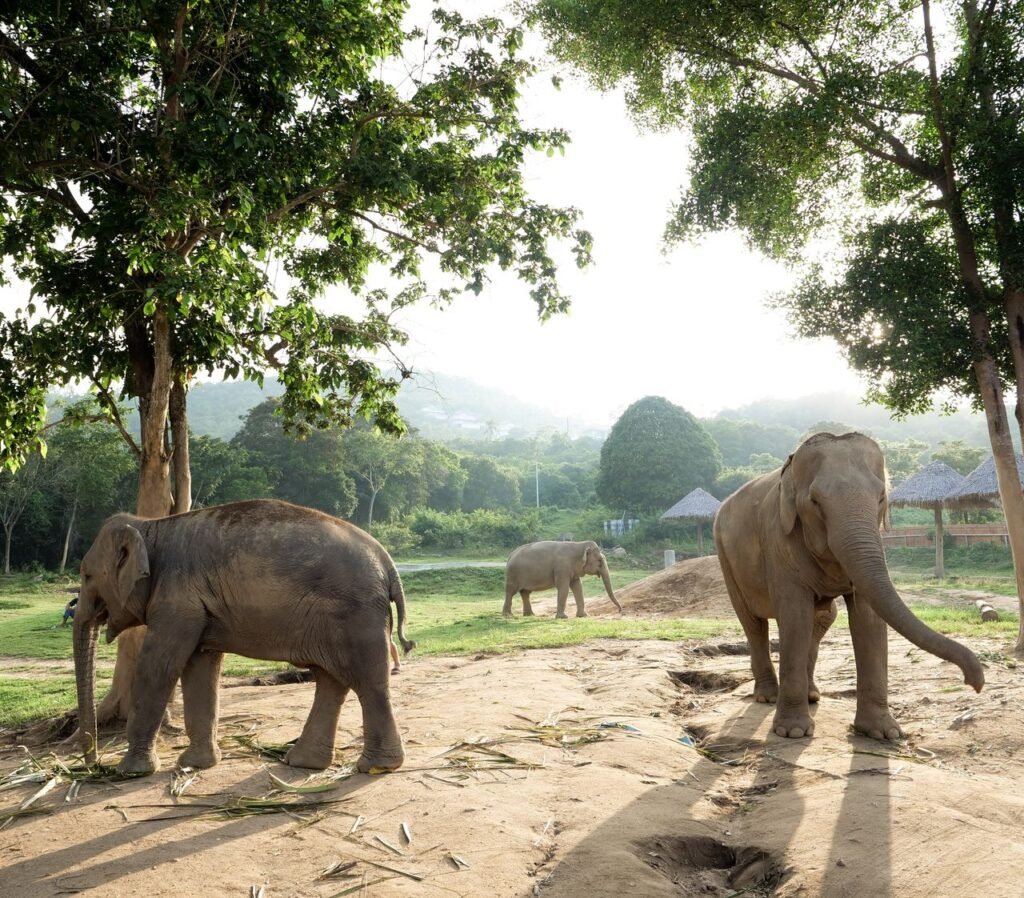
Not all “sanctuaries” are equal — some still offer rides or performances under a rebranded name. Look specifically for hands-off, observation-based sanctuaries where elephants are not ridden or made to perform.
Cost: 1,500–3,000 baht for a half-day visit. Tip: If a listing advertises elephant rides, it is not an ethical sanctuary regardless of how it’s marketed.
20. Explore Bangkok's Green Lung by Bike
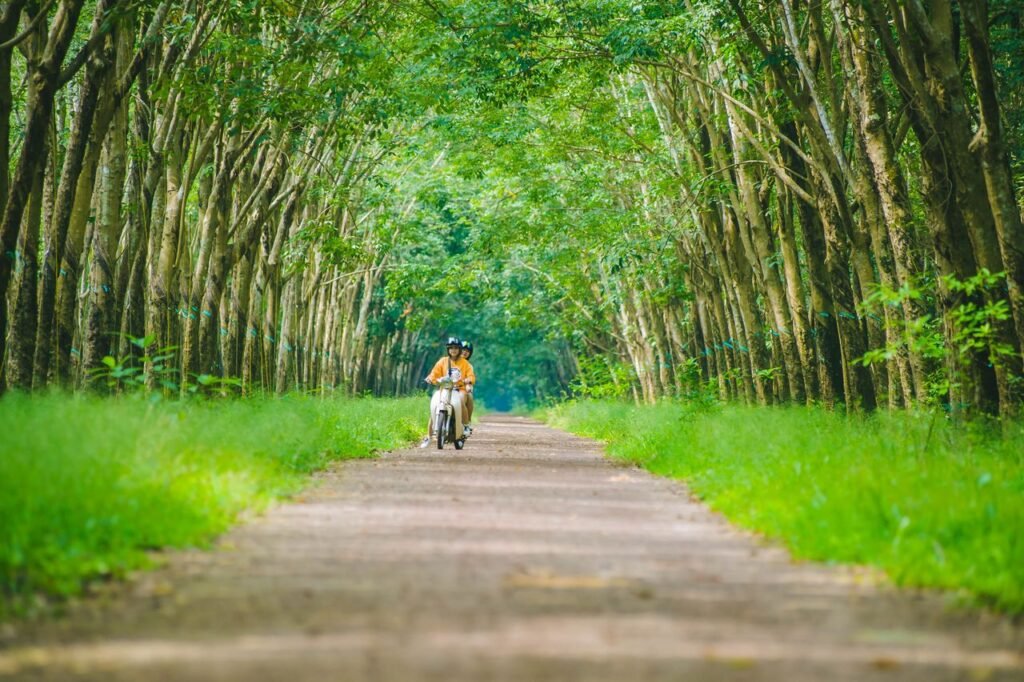
Bang Kachao, an artificial island in the Chao Phraya River known locally as Bangkok’s “green lung,” is a network of elevated bike paths through mangrove forest — a few minutes by ferry from the city center but a world away from it.
Cost: Ferry crossing under 10 baht; bike rental roughly 50 baht per day. Tip: Weekday mornings are close to empty; weekends draw local cyclists in large numbers.
21. Sit in on a Local Boxing Stadium Match, Not a Tourist Show
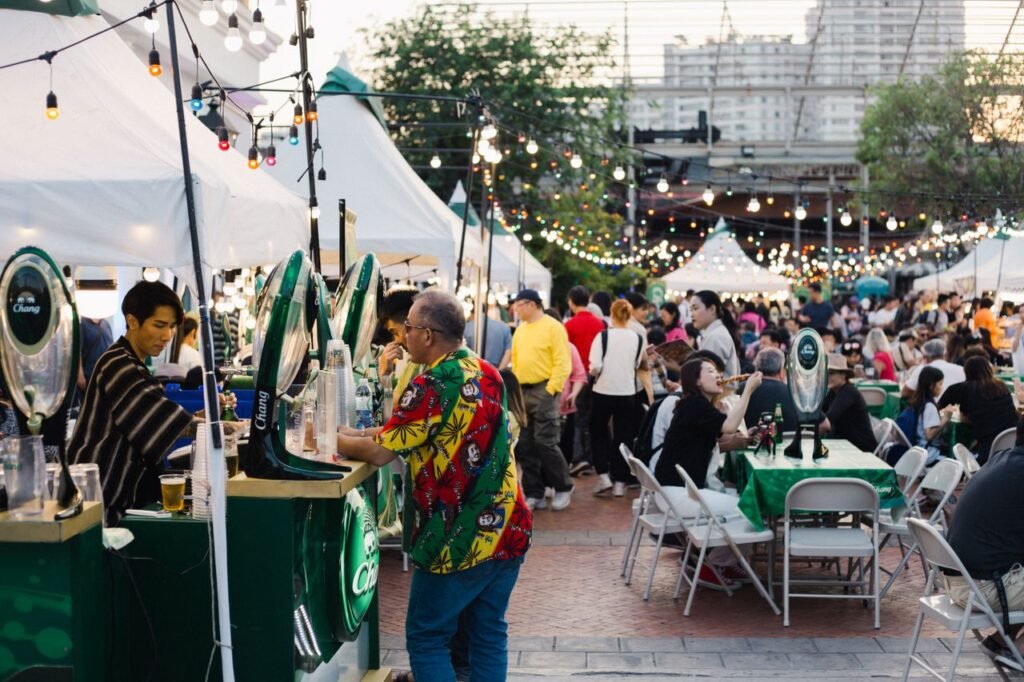
Skip the staged tourist muay thai shows and go to a working local stadium match instead — the crowd, the betting, and the atmosphere are entirely different from a performance built for visitors.
Cost: Ringside seats can run over 1,000 baht at major Bangkok stadiums; smaller provincial stadiums are considerably cheaper. Tip: Provincial stadium matches, outside Bangkok, are where you’ll find mostly local spectators rather than tour groups.
What These Unique Experiences Actually Cost
Prices are in Thai baht (THB) per person and reflect typical rates; exchange rates fluctuate, so check a current converter before budgeting in your home currency.
| Category | Budget (THB) | Mid-Range (THB) | Higher-End (THB) |
|---|---|---|---|
| Cultural experiences (blessing, market, homestay) | 100–500 | 500–1,500 | 1,500+ |
| Nature & adventure (safari, kayak, trek) | 400–1,500 | 1,500–3,000 | 3,000+ |
| Food experiences (market visit, cooking class) | 40–800 | 800–1,800 | 1,800+ |
| Unusual stays (per night) | 800–1,500 | 1,500–3,000 | 3,000+ |
A trip built around five or six of these experiences over a two-week visit typically adds somewhere between 8,000–20,000 baht to a standard budget, depending on how many higher-end stays are included.
Pros & Cons of Seeking Out Unique Experiences vs. Popular Attractions
Pros
- Genuinely different experience from what most visitors see
- Often significantly cheaper than well-marketed tourist attractions
- Money spent tends to go more directly to local families and small operators
- Fewer crowds, more room for spontaneous moments
Cons
- Logistics are less predictable — fewer set schedules, more reliance on local transport
- Language barriers are more likely outside major tourist areas
- Fewer online reviews to vet quality or safety in advance
- Harder to book last-minute; some experiences require advance arrangement
Common Mistakes to Avoid
- Booking remote activities through unverified operators. For anything involving wildlife, trekking, or water activities, check for reviews specific to that operator, not just the region.
- Ignoring seasonal park closures. Some national parks close sections annually for conservation — confirm current status on the Department of National Parks site before building an itinerary around a specific trail.
- Underestimating travel time between offbeat locations. Rural roads and infrequent public transport mean two “nearby” villages can take hours to connect between.
- Not verifying ethical standards at animal encounters. “Sanctuary” is not a protected term in Thailand — confirm hands-off, no-riding policies directly before booking.
- Skipping travel insurance for adventure activities. Standard policies sometimes exclude trekking, kayaking, or motorbike use — check the fine print if your trip includes any of these.
Pro Travel Tips for Finding Your Own Unique Experiences
- Regional tourism authority websites and local Facebook community groups often list experiences that never make it onto major booking platforms.
- Ask guesthouse owners what they’d recommend to a Thai friend visiting from another region, not what they recommend to foreign tourists — the answers are often different.
- For a two-region trip (e.g., north and south), build in a buffer day between regions rather than a same-day connection; flight and bus schedules to smaller towns are less frequent than between major cities.
- Hiring a local guide is worth the cost specifically for hill tribe treks and wildlife-focused activities; it’s less necessary for markets, food trails, or cycling.
Who Should Choose What
First-time visitors
Mix two or three unique experiences into a broader first trip rather than skipping the well-known sites entirely — a floating market at dawn or a home-based cooking class pairs well alongside standard sightseeing.
Repeat visitors
If you’ve already covered Bangkok, Chiang Mai, and the main islands, this is the trip to go deeper into Isaan or Mae Hong Son — regions most first-time visitors skip entirely.
Budget travelers
Prioritize free or low-cost cultural experiences (amulet markets, early floating markets, temple blessings) and the cycling and local transport options — several of the best experiences here cost under 500 baht.
Comfort-focused travelers
Unusual stays (floating bungalows, riverside lodges, sleeper trains) deliver a distinctive experience without the physical demands of trekking or multi-day village stays.
Frequently Asked Questions
What is the most unique thing to do in Thailand?
There's no single answer, but experiences that combine direct local contact with something you can't easily replicate elsewhere — a home-based cooking class, an Isaan village homestay, or a floating market visited before 7 a.m. — consistently stand out more than staged tourist attractions.
Are there hidden gems in Thailand that tourists don't know about?
Yes. Regions like Isaan and Mae Hong Son, along with smaller local night markets and provincial boxing stadiums, see a fraction of the foreign visitors that Bangkok, Phuket, and Chiang Mai receive.
Is it safe to visit off-the-beaten-path places in Thailand?
Generally yes, with standard travel precautions. Check current government travel advisories for your specific route, confirm operator reviews for adventure activities, and carry appropriate travel insurance.
How much does it cost to do unique activities in Thailand?
Most individual experiences range from 100 to 3,000 baht, with cultural and food-based activities at the lower end and multi-day treks or premium stays at the higher end. See the cost guide above for a full breakdown by category.
What is the best time of year for offbeat travel in Thailand?
November through February for northern trekking and hill tribe visits; June through October for cheaper rates and quieter conditions at island stays and lesser-known waterfalls.
Can you find unique experiences in Thailand without a tour guide?
Many of them, yes — cycling, food markets, and floating markets are easy to do independently. Hill tribe treks and wildlife-focused activities are worth arranging through a local guide for both access and safety.
What's the difference between touristy and authentic experiences in Thailand?
Touristy experiences are typically staged for visitors, run on a fixed schedule for large groups, and priced accordingly. Authentic experiences tend to be smaller scale, tied to how local communities actually live day to day, and priced closer to what residents pay.