Ask ten travelers this question and you’ll get ten different answers. Someone will say Vietnam because dinner costs less than a coffee back home. Someone else will say Japan or Iceland because they never once worried about their bag. Both are right, and both are missing half the picture.
The truth is that the cheapest countries are rarely the safest, and the safest countries are rarely cheap. What you actually want is the sweet spot: a place where your money stretches a long way and you can walk back to your hotel at night without a knot in your stomach.
That’s what this guide is about. I’ll show you how I score countries on both cost and safety, which destinations come out on top, what a week there really costs, and where people get tripped up. Most of it is focused on Asia, because that’s where I do most of my travelling and writing. I’ve also added a short section on two places outside Asia that keep showing up in “cheap and safe” conversations.
Table of Contents
ToggleOur Top Picks at a Glance
If you want one country: Malaysia is the best balance of low cost and low risk for most travelers. It’s affordable, easy to get around, English is widely spoken, the food is superb, and serious crime against tourists is uncommon. Vietnam is cheaper and a close second. Cambodia is the cheapest of the group but asks for more street-smarts. Singapore is among the safest places on earth but isn’t cheap, so it doesn’t make this list.
Here’s the quick view. The daily figures are rough mid-range planning numbers per person (stay, food, local transport, a couple of activities), not including flights.
| Country | Rough daily budget (per person) | Safety feel | Best for |
|---|---|---|---|
| Malaysia | $40–65 | High | First-timers, solo travelers, families |
| Vietnam | $35–55 | Good, with scam and traffic caution | Budget-minded travelers who want variety |
| Thailand | $40–70 | Good, with tourist-trap caution | First-timers who want easy logistics |
| Cambodia | $30–50 | Moderate, higher petty-crime risk in hubs | Tightest budgets, history lovers |
| Indonesia (Bali) | $40–70 | Moderate, traffic and scam caution | Beach and culture trips |
Keep reading if you want the reasoning, because the “why” matters more than the ranking. A country that wins on paper can still be the wrong choice for you.
How I Define "Cheap" and "Safe"

Most “cheapest and safest” lists never tell you how they decided. They just hand you a list. I think that’s a big reason they feel interchangeable, so here’s exactly how I think about it.
What “cheap” means here
I don’t just look at the nightly hotel price. A country can look cheap until you add everything else. I count:
- Day-to-day spending: a clean private room, three meals, local transport, and a couple of paid activities.
- Entry costs: visa fees, e-visa service charges, and arrival-card requirements.
- Getting there: flights from major source markets, because a $25-a-day country is not cheap if the flight costs $1,400.
- Hidden extras: travel insurance, SIM or eSIM, tourist-site entry fees, and the markup you pay at tourist traps.
What “safe” means here
Safe doesn’t mean nothing ever goes wrong. It means the risks are low and manageable if you use basic common sense. I look at:
- Official travel advisories from the US State Department and the UK Foreign Office. A Level 1 or Level 2 country is a very different story from a Level 3 or 4.
- The Global Peace Index, which ranks countries on conflict, crime, and political stability.
- Petty crime and scams. For tourists, this is the thing that actually happens. Bag snatching, rigged taxi meters, and “closed today” scams affect far more people than violent crime.
- Traffic and health. In much of Asia, the road is statistically the biggest danger to a traveler. I count it.
- How solo travelers and women report their experience. Their stories are often more honest than a statistic.
My scorecard
I score each country out of 10 on three things and weight them: cost (40%), safety (40%), and ease of travel (20%). Ease covers visas, English, transport, and how smooth arrival feels. These are my own editorial judgments, not hard data, so treat them as a starting point rather than gospel.
| Country | Cost | Safety | Ease | Weighted score |
|---|---|---|---|---|
| Malaysia | 7 | 8 | 9 | 7.8 |
| Vietnam | 9 | 7 | 6 | 7.6 |
| Thailand | 7 | 7 | 9 | 7.4 |
| Cambodia | 9 | 6 | 6 | 7.2 |
| Indonesia (Bali) | 8 | 6 | 7 | 7.0 |
How Each Country Really Stacks Up
Each country below gets the same treatment so you can compare them fairly: what it costs, how safe it feels, what to watch for, and who it suits best.
Malaysia: The Best All-Round Balance
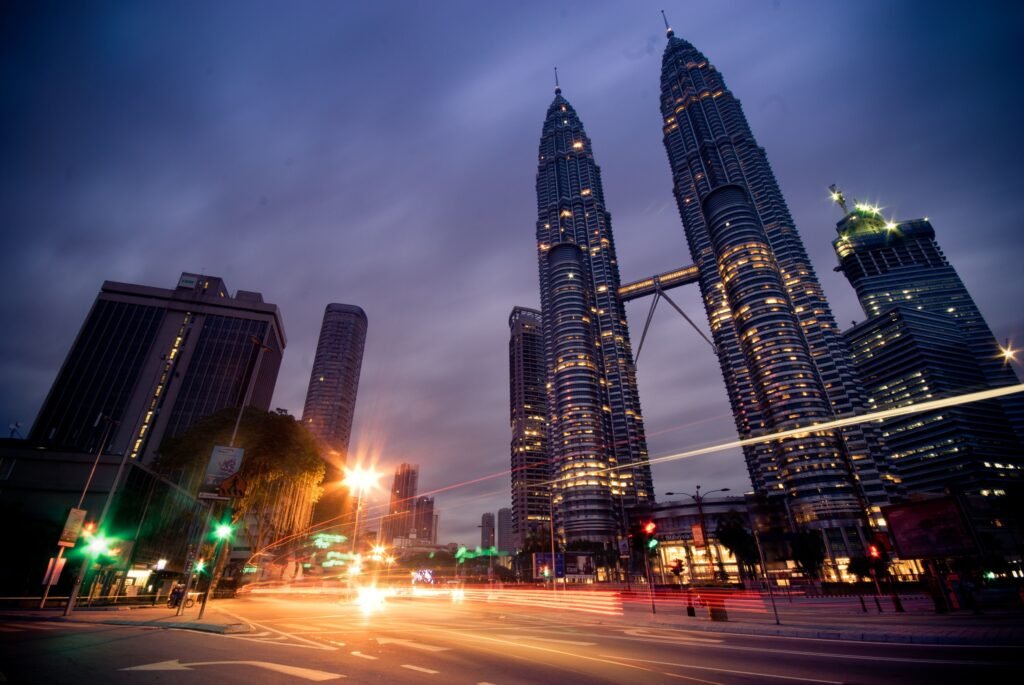
Cost: Malaysia sits in the middle of the Southeast Asian price range. It isn’t as rock-bottom as Cambodia or Vietnam, but it gives you more comfort for the money: modern metros, excellent air-conditioned buses, clean hotels, and some of the best street food in the world for a few dollars a meal. A decent private room in Kuala Lumpur or Penang is very doable on a modest budget.
Safety: This is where Malaysia shines. Violent crime against tourists is uncommon, and the country is politically stable. The most common issues are the same ones you’d see in any big city: bag snatching from motorbikes in busy areas, pickpocketing, and the occasional taxi that “forgets” the meter. Use Grab (the ride-hailing app) and most of that goes away.
Easy to travel: English is widely understood, signs are in English and Malay, and public transport in Kuala Lumpur is straightforward. For a lot of first-time visitors to Asia, that smoothness makes a huge difference.
Watch out for: Heat and humidity year-round, the occasional haze season, and snatch theft near busy streets. Walk with your phone on the side away from the road.
Best for: First-timers, solo travelers, families, and anyone who wants “easy Asia” without paying Singapore prices.
Vietnam: The Best Value, With a Bit More Street-Smarts
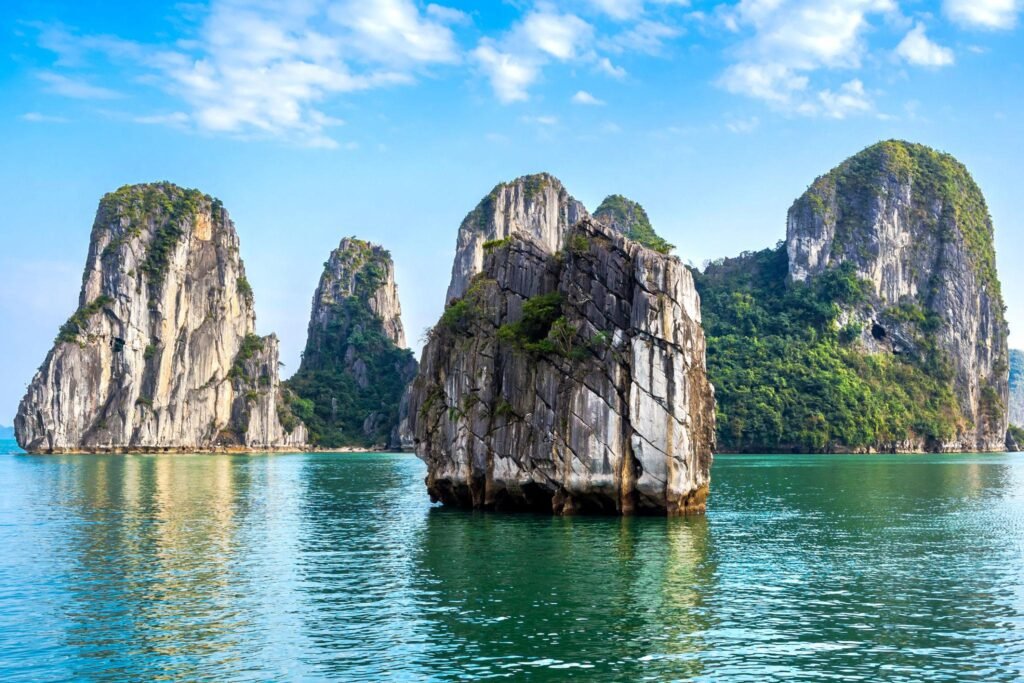
Cost: Vietnam is one of the best-value countries in Asia. Food is outstanding and very cheap, rooms are inexpensive, and domestic transport (buses, trains, short flights) won’t wreck your budget. You can eat well for a few dollars a meal, and your money goes a long way in Hanoi, Hoi An, and Ho Chi Minh City.
Safety: Serious crime against tourists is rare, and most travelers feel comfortable. But Vietnam has a reputation for small-time scams, and the traffic is genuinely intense. Crossing the road for the first time feels like a test of nerve. The rule is simple: walk steadily at a constant pace and let the motorbikes flow around you. Don’t stop or run.
The most common issues I’d flag for tourists are:
- Taxis with rigged meters (use Grab instead).
- Motorbike snatch theft near busy roads, especially phones in hand.
- Overpriced items when no price is shown. Always agree a price first.
- Rental scams where a bike is “damaged” when you return it. Take photos before you ride off.
Easy to travel: English is less common than in Malaysia, especially outside tourist areas, so a translation app helps. Visa rules depend on your passport, so check the current requirements before booking. Many travelers use the official e-visa system, and the fee has been modest, but confirm the latest on the official government portal.
Best for: Budget-conscious travelers who want food, culture, and variety, and who don’t mind a little hustle.
Thailand: The Easiest First Trip
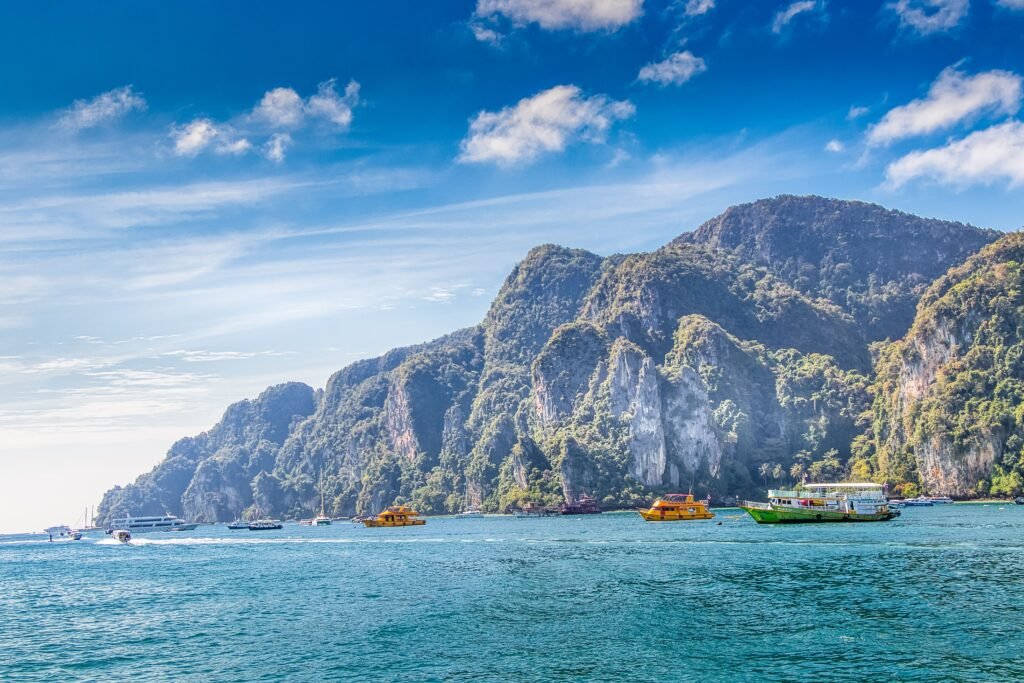
Cost: Thailand is cheap by Western standards but no longer the rock-bottom bargain it was years ago. Popular islands and Bangkok’s tourist zones can feel pricey, while Chiang Mai and smaller towns are noticeably cheaper. Street food remains superb and inexpensive.
Safety: Thailand receives huge numbers of visitors and has built a lot of infrastructure around them, which makes it feel easy. Violent crime against tourists is uncommon, but the tourism industry brings its own problems: tuk-tuk drivers who take you to gem shops, jet-ski rental scams in beach areas, and inflated prices in tourist zones. Road accidents involving rented scooters are the single biggest risk for visitors. If you haven’t ridden before, a holiday isn’t the time to learn.
Easy to travel: Excellent. Tourism infrastructure is everywhere, and English is common in tourist areas. Entry rules change fairly often, including the digital arrival card, so always check the latest on the official source before you fly.
Best for: First-timers who want the smoothest possible start in Asia.
Cambodia: The Cheapest, With the Most Caution Needed

Cost: Cambodia is the cheapest country on this list for most travelers. Rooms, food, and local transport cost very little. The big-ticket item is the Angkor temple pass, which is worth every dollar but adds up if you stay several days.
Safety: Most travelers have wonderful, trouble-free trips. But Cambodia scores lower on my safety scale because petty crime and scams are more common in tourist hubs like Siem Reap and Phnom Penh. Bag snatching from passing motorbikes happens, and phones and handbags are common targets. Keep valuables away from the street side, don’t carry more cash than you need, and avoid walking alone late at night in quiet areas.
Also be thoughtful about orphanage “tourism” and children selling things on the street. Responsible travel guidance from child-protection organisations generally recommends not supporting these, because they can fuel exploitation.
Easy to travel: Reasonable. The US dollar is widely used alongside the riel, which is convenient. The e-visa process is simple, but the fee is separate from any arrival requirements, so check the official site.
Best for: Travelers on the tightest budgets who are comfortable being a little more alert, and anyone who wants to see Angkor Wat.
Indonesia (Bali): Cheap Paradise, Real Risks
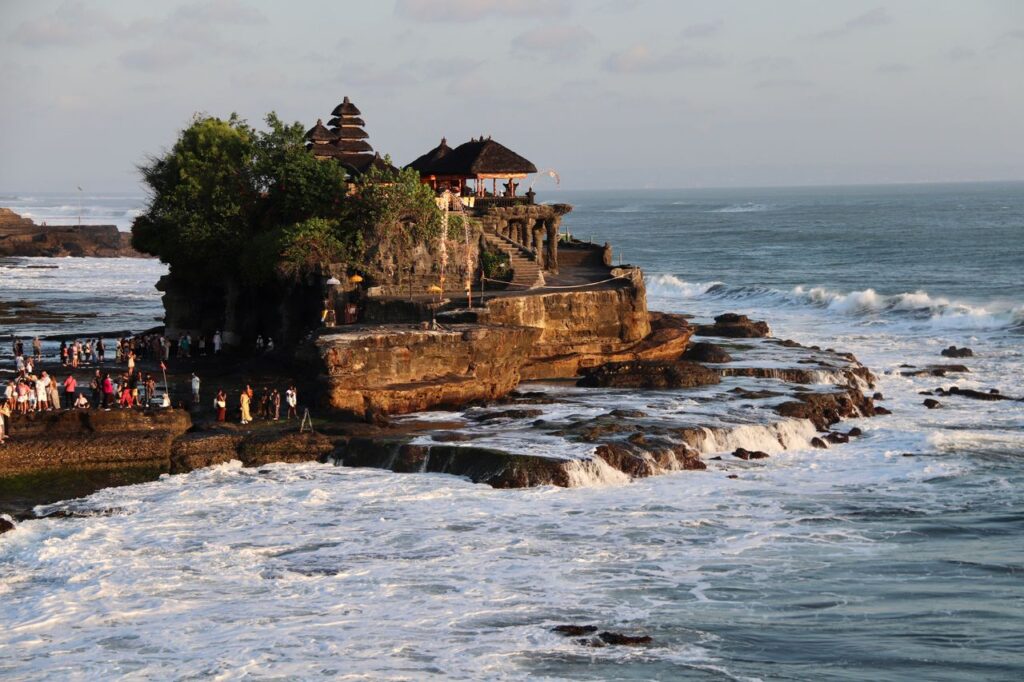
Cost: Bali can be as cheap or as expensive as you make it. A simple guesthouse and warung (local restaurant) meals are very affordable. Beach clubs, villas, and trendy cafés in areas like Seminyak and Canggu can quickly rival Western prices.
Safety: Bali is a very popular destination and most trips go fine. The main risks are traffic (scooter accidents injure many tourists every year), petty theft, scams involving money-changers, and occasional health issues from tap water or street food. Natural hazards are also part of the picture, since Indonesia sits in an active volcanic and earthquake zone. Check current conditions before you go.
Easy to travel: Good in tourist areas. Entry is through visa on arrival or e-VOA for many nationalities, so check the current fee and rules on the official immigration site.
Best for: Beach and culture travelers who are happy to rent a driver rather than a scooter.
Outside Asia: Portugal and Georgia

Since the question is about “any country,” here’s a short, honest note on two places outside Asia that often come up.
Portugal is consistently ranked among the safest countries in the world and is one of the cheaper options in Western Europe. It isn’t cheap by Asian standards, but compared with France or Italy, your money goes further. Lisbon has gotten more expensive in recent years, so the smaller cities (Porto, Coimbra, the Algarve in off-season) offer better value.
Georgia (the country, not the US state) is affordable, welcoming, and offers dramatic mountains, wine regions, and great food. It’s generally considered safe for tourists, but travelers should avoid the Russian-occupied regions of Abkhazia and South Ossetia, which carry serious government advisories.
Why Some Famous Countries Didn't Make the List
Singapore is one of the safest places you can visit, but it’s expensive, especially for accommodation. It’s a wonderful short stop but not a budget pick.
Myanmar is cheap but carries a very high government travel advisory level due to conflict and instability, so it fails the “safe” half of the test.
Japan is extremely safe and has become better value in recent years thanks to a weaker yen, but it still costs more day-to-day than Southeast Asia.
What a Week Really Costs
Daily averages are useful, but they hide the details. Here’s how I’d break down a week in the cheaper, safer corner of Asia, per person, and where the money actually goes. These are planning ranges, so adjust them to your travel style.
| Travel style | Approx. per day | Approx. per week | What it looks like |
|---|---|---|---|
| Backpacker | $20–35 | $140–245 | Hostel or basic guesthouse, street food, buses, free or cheap sights |
| Mid-range | $40–70 | $280–490 | Private room with air-con, mix of street food and restaurants, some tours |
| Comfort | $90–150 | $630–1,050 | Good hotel, nicer restaurants, private drivers, a few experiences |
Accommodation
This is usually your biggest cost, and it’s also where you control the most. Hostels and guesthouses are the cheapest, but a private room with air-conditioning and a decent bed is what most people prefer after a long day in the heat. In the countries above, you can usually find a clean, safe private room for a modest price, especially outside peak season.
One thing I’d say about safety and price: don’t squeeze the budget so hard that you end up in a remote room with no lock and no reception. Paying a little more for a place with good reviews, a lockable door, and a front desk is one of the cheapest forms of safety you can buy.
Food
This is the joy of budget travel in Asia. Street stalls and local restaurants serve incredible meals for very little. The trick is to eat where locals eat: look for busy places with high turnover, because fresh food is both tastier and safer. Tourist-facing restaurants near major sights tend to charge more for the same dishes.
Getting around
Ride-hailing apps like Grab are cheap and remove the haggling and the meter-scam risk, which is a safety and a money win. Buses and trains are the cheapest way to cover longer distances. Budget airlines can be very cheap if you book ahead, but watch for add-on fees for baggage and seat selection.
Entry costs and hidden extras
This is where “cheap” trips quietly get more expensive. Count all of these before you decide:
- Visa or e-visa fees. They vary by country and by your passport. Always confirm on the official government site, not a third-party “visa service” that adds markups.
- Travel insurance. It’s not optional in my book. A single scooter accident or hospital visit can cost more than your whole trip.
- SIM or eSIM. A local data plan is cheap and also helps you stay safe, since you’ll have maps and ride-hailing everywhere.
- Attraction fees. Temple passes and national park fees can add up. Cambodia’s Angkor pass is a good example: a 1-day pass costs $37, a 3-day pass $62, and a 7-day pass $72.
- Flights. The flight is often the biggest single expense. Compare departure airports and be flexible with dates.
Best Time to Visit

Timing affects both your wallet and your safety. Peak season means higher prices and bigger crowds. Rainy season means cheaper rooms but possible flooding, transport disruption, and for some regions, typhoon risk. Here’s a rough guide. Southeast Asia has distinct dry and wet seasons that differ by region, so confirm the details for your exact destination.
- Malaysia: Peninsular Malaysia is warm year-round. The west coast (Penang, Langkawi, Kuala Lumpur) is generally nicer from roughly December to March, while the east coast islands such as Perhentians and Redang are best from roughly March to October and mostly close during the monsoon months.
- Vietnam: The country is long, so the weather varies a lot. The north is nicest in spring and autumn, central Vietnam is best in the drier months, and the south is generally pleasant in the dry season. Typhoon season can affect central and northern areas in the later part of the year.
- Thailand: The cooler, drier months from roughly November to February are the most popular and the most expensive. The rainy season is cheaper and greener, with some afternoon downpours.
- Cambodia: The dry season, roughly November to March, is the most comfortable for temples. April is extremely hot. The green season brings lower prices and fewer crowds.
- Bali: The dry season, roughly April to October, is the most popular. The wet season is cheaper and quieter, but expect heavy rain and some travel disruption.
My general rule for cheap and safe travel: aim for the shoulder season, the weeks just before or after peak. You get lower prices, fewer crowds, and usually decent weather. It’s the best compromise, and it makes scams easier to spot too, because you aren’t in a tourist stampede.
Is It Safe for Solo Women, Families, and Older Travelers?

“Safe” means different things depending on who’s travelling. A country that’s perfectly comfortable for a couple in their thirties can feel very different for a solo woman, a family with toddlers, or someone travelling in their seventies. Here’s how I’d think about each.
Solo women
Plenty of women travel solo through Southeast Asia every year and have a great time. The usual issues are unwanted attention, overly persistent touts, and the occasional taxi driver who tries something. Practical habits help a lot: book accommodation with strong recent reviews from other solo women, arrive in daylight when you can, use ride-hailing apps instead of hailing cars on the street, and keep your phone charged. Dress norms also matter. In more conservative areas, covering shoulders and knees is both respectful and often makes things smoother, especially around temples and in smaller towns. Malaysia, Thailand, and Vietnam are commonly mentioned as comfortable starting points.
[EXPERIENCE MARKER: If you have a female travel partner, friend, or reader who shared their experience, add a short, genuine quote or note. Otherwise, remove this block rather than inventing one.]
Families with children
For families, the questions are different: healthcare, hygiene, car seats, and how tiring the logistics are. Malaysia and Thailand tend to be the easiest, with good private hospitals in major cities, plenty of family-friendly hotels, and lots of familiar food options. Pack a small first-aid kit and any regular medicines, and check which vaccinations your doctor recommends well before you go. Heat and long travel days wear small children out quickly, so build rest into your plans.
Older travelers
Mobility and medical access matter most. Look for destinations with good healthcare in the cities you’ll visit, flat or easily accessible sights, and comfortable transport. Travel insurance that actually covers pre-existing conditions and medical evacuation matters more here than anywhere else. Malaysia, Thailand, and Portugal are often considered comfortable choices, but always confirm the details with your doctor and your insurer.
Travelers on a very tight budget
The risk here isn’t the country, it’s the compromises. Skipping insurance, staying in an isolated room to save a few dollars, or taking the cheapest unlicensed transport are the choices that cause trouble. A small cushion for emergencies is worth more than an extra few days on the road.
Scams and Risks to Watch For, Country by Country
Knowing the usual tricks takes away most of their power. This isn’t meant to scare you. Most travelers never run into anything serious, and the people you’ll meet are overwhelmingly kind. It’s just that a little preparation saves a lot of annoyance.
| Country | Common issues | Simple fix |
|---|---|---|
| Malaysia | Snatch theft from motorbikes, unmetered taxis, occasional haze | Phone away from the road side, use Grab, check air quality in haze season |
| Vietnam | Rigged taxis, rental bike damage claims, overcharging, traffic | Use Grab, photograph rentals, agree prices first, cross roads slowly and steadily |
| Thailand | Tuk-tuk gem-shop detours, jet-ski scams, scooter accidents | Skip unsolicited tours, photograph rentals, avoid riding if inexperienced |
| Cambodia | Bag snatching, overcharging, scams around tourist sites | Keep bags on the far side from traffic, confirm prices, use trusted drivers |
| Indonesia (Bali) | Money-changer tricks, scooter accidents, overpriced services | Use reputable changers, hire a driver, check prices in advance |
How to Check Safety Yourself Before You Book
Don’t just take my word, or anyone else’s. Here’s a quick routine you can run in about fifteen minutes for any destination.
- Read the official advisory. Search your government’s travel advisory page for the country, and read the details, not just the level number. The text often explains which regions to avoid.
- Look at the Global Peace Index rank to get a broad sense of overall stability.
- Read recent traveler reports, not old ones. Forums and travel groups from the last few months are far more useful than a post from 2019.
- Check local news for the specific region you’re visiting, especially for protests, natural hazards, and health alerts.
- Check health guidance from your national health authority or the World Health Organization, including recommended vaccinations and any disease outbreaks.
- Read reviews for your actual accommodation, and look for comments about safety, location, and noise from other solo travelers.
That small routine will tell you more than any “top ten” list, including this one. I’d always rather you make an informed choice than follow a ranking blindly.
A Sample Budget Week: Mid-Range in Malaysia
To make the numbers feel real, here’s how a mid-range week could be organised on a sensible budget. It’s an illustrative plan, not an exact quote, so use it as a template and fill in your own numbers.
- Days 1–3, Kuala Lumpur: Private room in a well-reviewed hotel, street food and food-court meals, the metro, and a few paid sights such as the Petronas Towers observation deck.
- Days 4–5, a day trip or short stay: Options include the Batu Caves (free to enter), a tea-plantation highland trip, or a short domestic flight to Penang.
- Days 6–7, Penang: Heritage streets, street food in George Town, and a ride-hailing app for getting around.
Pros and Cons Comparison
Here’s an honest side-by-side. No country is perfect, and pretending otherwise is the fastest way to lose a reader’s trust.
| Country | Pros | Cons |
|---|---|---|
| Malaysia | Safe, easy, English widely spoken, great food, good transport | Humid, not the very cheapest, some areas close in monsoon |
| Vietnam | Very good value, outstanding food, great variety | Chaotic traffic, taxi and small scams, less English |
| Thailand | Easiest logistics, huge range of experiences, excellent food | Tourist-trap pricing, scooter accidents, entry rules change |
| Cambodia | Very cheap, Angkor Wat, friendly people | More petty crime in hubs, scams, fewer comforts |
| Indonesia (Bali) | Beaches, culture, lots of budget options | Scooter risk, scams, natural hazards, can get expensive |
Common Mistakes to Avoid

These are the slip-ups that turn a cheap, safe trip into a stressful, expensive one.
Choosing only by price
The cheapest destination isn’t automatically the best value. If you spend half your trip worried about scams or sick from a bad meal, you didn’t save anything. Balance cost with safety and comfort.
Skipping travel insurance
This is the single most expensive mistake on a budget trip. One scooter accident or hospital stay can cost more than the entire trip, and medical evacuation costs even more. Insurance is cheap compared with the risk.
Renting a scooter without experience
Scooter accidents are one of the most common ways tourists get hurt in Southeast Asia. If you’ve never ridden before, a busy foreign road is the wrong place to learn. Use ride-hailing apps or hire a driver instead. If you do ride, wear a proper helmet and check that your insurance and licence actually cover it.
Using street taxis and unmetered rides
Agreeing a price before you get in, or using an app like Grab, avoids the most common scam in the region.
Carrying everything on you
Don’t walk around with your passport, a pile of cash, and every card. Carry what you need for the day, and keep a backup card and a photo of your passport stored separately.
Trusting “closed today” and “special price” stories
If a stranger tells you a famous sight is closed and offers to take you somewhere else, walk away and check for yourself. It’s a classic tourist-trap setup.
Not checking entry rules
Visa and arrival-card rules change regularly. Check the official government source before you book, not a forum post from three years ago.
Booking only the cheapest accommodation
Read reviews, check the location, and make sure the door locks properly. Saving a few dollars isn’t worth a stolen laptop.
Pro Travel Tips for Staying Cheap and Safe

- Check your government’s travel advisory before you book. Look at the US State Department or UK Foreign Office page for each country, and re-check a week before departure.
- Use ride-hailing apps. They give you a fixed price, a record of your ride, and often a safer experience than a street taxi.
- Get a local SIM or eSIM on arrival. Maps, translation, and ride-hailing all depend on data.
- Carry a small amount of local cash and use cards where you can. ATM fees add up, so withdraw larger amounts less often and use machines inside banks.
- Keep digital and paper copies of your documents, stored separately from the originals.
- Eat where it’s busy. High turnover usually means fresh food.
- Drink bottled or filtered water in places where tap water isn’t safe.
- Share your itinerary with someone back home, and check in occasionally.
- Travel in the shoulder season for lower prices and fewer crowds.
- Trust your gut. If a situation feels off, leave. You don’t owe anyone politeness at the cost of your safety.
Who Should Choose What
So, what is the cheapest and safest country to vacation in? If I had to pick one for the widest range of travelers, I’d say Malaysia. It strikes the best balance of low cost, low risk, and easy logistics. But the right answer depends on who you are.
- First-time travelers to Asia: Malaysia or Thailand. Both are easy, well set up for visitors, and forgiving of beginner mistakes.
- Tightest budget: Cambodia or Vietnam. You’ll stretch your money furthest, but stay alert for scams and petty theft.
- Solo travelers, especially women: Malaysia is a strong choice thanks to its stability and ease. Thailand and Vietnam are also popular with solo travelers, with the usual precautions.
- Families: Malaysia and Thailand offer good facilities, healthcare, and comfortable options.
- Food lovers: Vietnam, Malaysia, and Thailand, honestly all three.
- History and culture: Cambodia for Angkor, Vietnam for variety, Indonesia for Bali’s temples and traditions.
- Beach holidays: Thailand’s islands, Bali, or Malaysia’s east coast in season.
- Maximum safety, with a bigger budget: Look at Singapore, Japan, or Portugal.
The best advice I can give is this: don’t chase a single “winner.” Pick the country that matches your budget, your comfort level, and the kind of trip you want, and then take the sensible precautions covered above. That’s what keeps a trip both cheap and safe.
Frequently Asked Questions
What is the cheapest and safest country to travel to?
For most travelers, Malaysia offers the best balance of low costs and low risk, with Vietnam a close second for value. Cambodia is cheaper still but requires more caution around petty theft and scams. The best choice depends on your budget and travel style.
What is the safest cheap country in Southeast Asia?
Malaysia is generally considered one of the safest budget-friendly countries in Southeast Asia, thanks to political stability, low violent crime against tourists, and good infrastructure. Singapore is safer but much more expensive.
How much money do I need per day in the cheapest countries?
A backpacker can often manage on roughly $20–35 a day in countries like Vietnam, Cambodia, and Malaysia. A comfortable mid-range trip typically costs around $40–70 a day, not including flights. Check current prices before you travel.
Is it safe to travel to cheap countries as a solo female traveler?
Many women travel solo through Southeast Asia safely, and Malaysia, Thailand, and Vietnam are popular choices. Stay in well-reviewed accommodation, avoid isolated areas at night, use ride-hailing apps, and keep someone informed of your plans.
What is the cheapest country to visit from the USA?
Flight cost is the biggest factor from the US. Within Southeast Asia, Vietnam and Cambodia are among the cheapest on the ground, though flights to the region are expensive. Mexico and parts of Central America can be cheaper overall because flights are shorter.
Is cheap travel more dangerous?
Not necessarily. Cheap destinations often have more petty crime and scams, but serious danger to tourists is rare in the countries covered here. Smart choices, like insurance, trusted transport, and reliable accommodation, matter more than the price tag.
What is the safest country to travel in the world?
Rankings like the Global Peace Index regularly place countries such as Iceland, Ireland, and several in Western Europe near the top. Safe destinations in Asia include Singapore and Japan. Check the latest edition of the index for current rankings.
When is the cheapest time to travel to these countries?
Generally, the rainy or "green" season and the shoulder months offer the lowest prices on rooms and tours. Peak dry-season months and holiday periods are the most expensive.