Ask ten travelers to name the number one vacation spot in the world and you’ll get ten different answers. One says Paris. Another swears by a beach in Bali. A third has never been happier than at a Bangkok street market at 11 p.m.
They’re all right, and that’s the problem. “Best” depends on what you measure: how many people go, what reviewers say, what it costs, or how it actually feels when you’re standing there.
I’ve spent years writing about travel in Asia, and what I’ve learned is that an honest answer to this question is more useful than a neat ranking. So here’s what I’ll do in this guide. I’ll give you the straight answer first. Then I’ll show you what the data says, with real sources. And then I’ll help you find your number one, with costs, seasons, common mistakes and a simple “who should pick what” chart at the end.
One note before we start. I’m an Asia specialist. Where I write from experience, you’ll see it: dates, prices, what went wrong. Where I’m relying on published data (mostly Europe and the Americas), I’ll say so and name the source. No pretending.
Table of Contents
ToggleWhat Is the #1 Vacation Spot in the World?
There is no official number one vacation spot. No single body crowns one. But the major rankings do point to clear winners, depending on what you’re asking:
| What you’re measuring | Who tends to win | Source |
|---|---|---|
| Most visited country | France | UN Tourism |
| Most visited city | Bangkok, Istanbul and London trade the top spots | Mastercard Global Destination Cities Index |
| Top-rated by travelers | Changes every year; islands and big cities dominate | Tripadvisor Travelers’ Choice |
| Best value for money | Vietnam, Thailand, Indonesia | Cost comparison later in this guide |
If you force me to pick a single name, France wins on pure visitor numbers, and Bangkok wins as the most visited city. But for most first-time travelers who want great food, easy logistics and a budget that stretches, Thailand is the destination I’d put at the top of the list. The rest of this guide explains why, and when you should pick something else.
Why do the answers disagree so much? Because each ranking answers a different question. Arrivals tables count volume. City indexes count overnight stays. Review sites count opinions. And none of them count your budget, your calendar or your idea of a good time. That’s why I use four lenses rather than one.
How I'm Defining "#1": My Method
Most “best vacation spots” articles never tell you how they chose. They just give you a list with nice photos. I’d rather show my work, because a ranking is only as good as the question behind it.
The four lenses I used
1. Most visited. How many international tourists show up. This tells you what’s popular, not necessarily what’s good.
2. Most popular city. Which cities get the most international overnight visitors. This is a better test of pull, because cities have fewer “pass-through” visitors than whole countries.
3. Top-rated by travelers. What real reviewers say, based on review platforms. Useful, but it leans toward places with lots of reviews and lots of resorts.
4. Best value. How much comfort, food and experience you get per dollar. This is where my own travel experience in Asia counts most.
What I left out
I ignored paid “best of” lists, sponsored rankings and anything that didn’t show where its numbers came from. I also didn’t rank places I haven’t been based on “vibes.” If I haven’t visited, I tell you the data and nothing more.
A note on dates
Rankings change every year, and prices change faster. Wherever you see a number in this guide, treat it as a guide and check the official source before you book. I’ve linked the main ones as we go.
Lens 1: The Most Visited Country in the World
By international arrivals, France has been at or near the top of the UN Tourism rankings for years, with figures around the 100 million mark in recent years. Spain, the United States and Italy are usually close behind, with Turkey, Mexico, the United Kingdom, Germany and Greece also in the top group.
That sounds like a definitive answer. It isn’t, and here’s why.
Arrivals count crossings, not vacations. A traveler driving through France on the way to Spain gets counted. So does a business visitor, someone visiting family, or a day-tripper from a neighboring country. In Europe, where borders are short and open, those numbers add up fast.
Size matters. France is big, well connected and sits at the crossroads of Europe. It would get lots of visitors even if it were less appealing, because so many people pass through it.
It tells you what’s popular, not what’s right for you. A crowded Paris in August and a quiet Vietnamese beach in March are very different vacations, and neither number shows up in an arrivals table.
That said, France earns its spot. Paris is the world’s great museum city, the food is a reason to travel on its own, and the country gives you cities, coast, mountains and countryside in one trip. If you want classic, easy-to-plan travel with deep history, France is a fair candidate for number one. Just don’t mistake “most visited” for “most enjoyable for everyone.”
Lens 2: The Most Popular City for Visitors
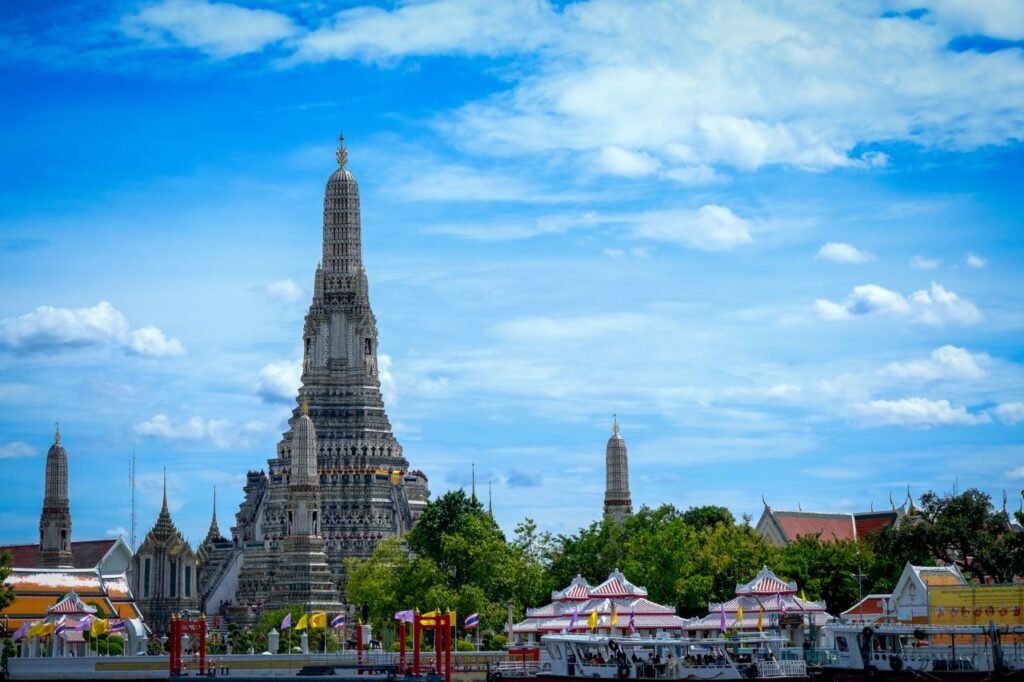
City rankings are where Asia gets interesting. The Mastercard Global Destination Cities Index tracks international overnight visitors, and Bangkok has taken the top spot in several editions, with Istanbul and London regularly sharing the top ranks. Cities like Dubai, Hong Kong, Singapore and Tokyo often follow. [
Why Bangkok keeps winning
It isn’t an accident. Bangkok combines things that are hard to find in the same place:
- Low costs for what you get. Good hotels, great meals and efficient transport cost far less than in comparable big cities.
- Food at every price. You can eat well from a street cart for a few dollars or at a world-class restaurant for much more.
- Easy movement. The BTS Skytrain and MRT make it simple to get around without a car.
- A major hub. Bangkok is a gateway to Phuket, Chiang Mai, Cambodia, Vietnam and beyond, so many trips pass through it.
The catch
Bangkok is hot, loud and busy. The traffic can be punishing, and in tourist areas you’ll meet scams (the “the temple is closed today” tuk-tuk trick is a classic). Go in knowing that, and it’s easy to handle. For the full picture, my Thailand travel guide covers the practical side, including the Thailand Digital Arrival Card you now need to complete before arriving.
Lens 3: What Travelers Rate Highest
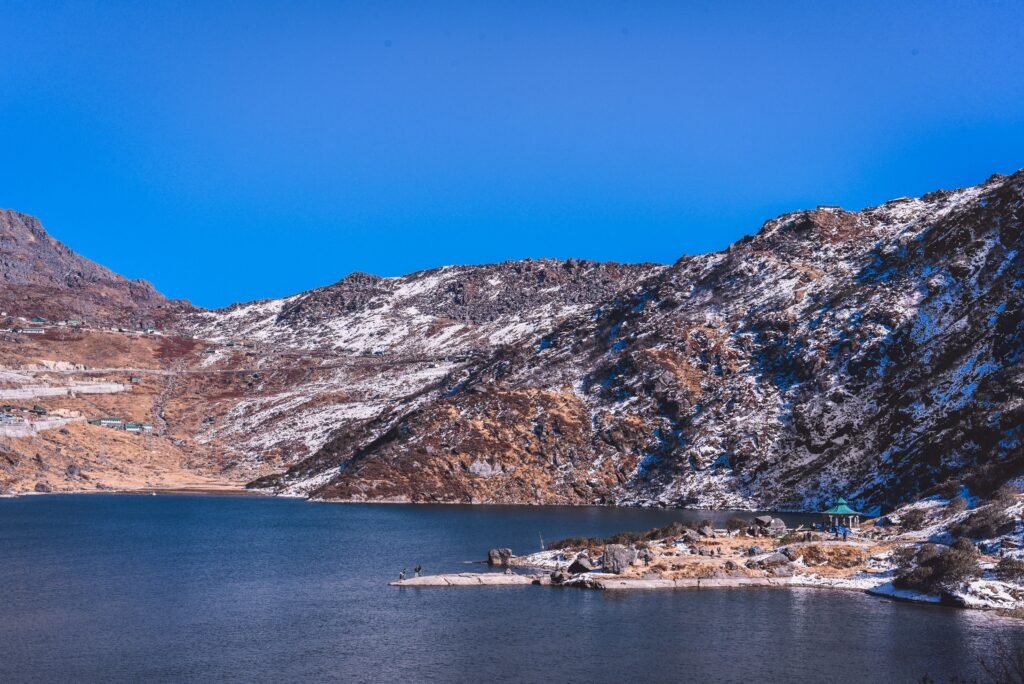
Review-based rankings, like Tripadvisor’s Travelers’ Choice awards, tell you what actual visitors liked enough to write about. Names like Bali, London, Paris, Rome and Dubai appear regularly near the top.
These lists are useful, but read them with a little suspicion:
- They favor places with lots of reviews. A quiet gem with fewer visitors can’t compete with a giant tourist magnet.
- They lean toward resort and hotel experiences. Reviews often rate the hotel, not the place.
- They reflect who reviews. Travelers from certain countries write far more reviews, which tilts the results.
- They move. A destination that tops the list one year can drop the next.
Use these rankings to build a shortlist, not to make the final call.
Lens 4: Best Value, Where Your Money Goes Furthest
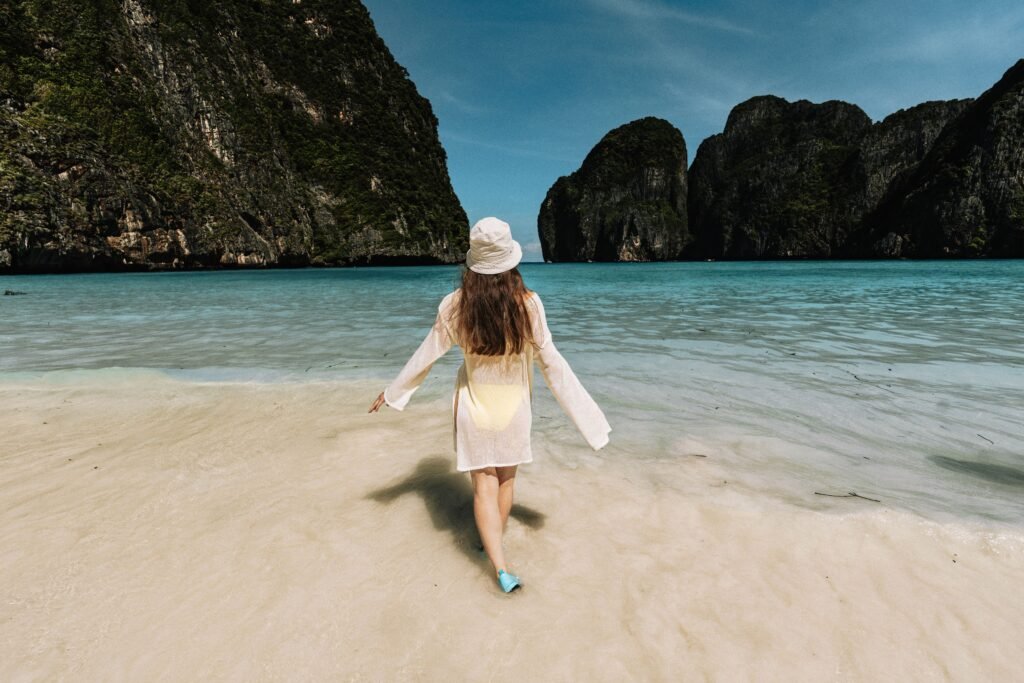
This is the lens most articles skip, and it’s the one that matters most to me. A “number one” destination you can’t afford is just a photo.
In my experience, Southeast Asia gives the best return on a travel budget anywhere in the world. You can sleep in a clean, comfortable room, eat three good meals a day, get around easily and still have money left for activities. Vietnam, Thailand and Indonesia lead on this front. Compare that with a week in Western Europe or Japan’s big cities, where the same level of comfort costs noticeably more.
A 10-Minute Method to Find Your Own Number One
Rankings are a starting point. Here’s the quick process I use when I’m choosing where to go, and when readers ask me for help.
Step 1: Set your total budget. Write down the most you’re willing to spend, flights included. Then divide it by the number of days you have. That daily figure instantly rules out some destinations. If it’s $60 a day, the Maldives resort and Paris in July are off the table, and Vietnam is wide open.
Step 2: Count your real days. Subtract travel days at both ends. A seven-day vacation to a place that takes 30 hours to reach is really a four-day trip. Long-haul destinations reward longer stays.
Step 3: Pick your top two priorities. Food, beaches, history, nature, nightlife, calm, adventure. You can’t have everything in one trip, so choose two. A destination that does both well beats one that does five things in a mediocre way.
Step 4: Check the season. Look at the best months table above. If your dates fall in a bad season, either move the dates or move the destination.
Step 5: Check the entry rules. Do you need a visa or an online arrival form, and how long does it take? If the answer is “a lot of paperwork,” factor that in early.
Step 6: Shortlist and compare. You should now have two or three options. Compare them on total cost, travel time and fit with your priorities. The winner is usually obvious by then.
That’s it. It takes ten minutes, and it works better than reading five more “top ten” lists.
10 Contenders for the Title

Here are ten destinations that have a real claim to “number one,” each for a different reason. I’ve kept each one honest, with who it suits and what the downside is. I’ve only written from personal experience where I’ve actually been, and I’ve marked where a section relies on published data instead.
1. Bangkok and Thailand
Best for: first-timers, food lovers, travelers on a mid-range budget.
Thailand packs more variety per dollar than almost anywhere. You get big-city energy in Bangkok, mountains and temples in Chiang Mai, and beaches in Phuket, Krabi and the islands, all with good infrastructure. The downside: heat from March to May, crowds in the best-known spots, and a few well-worn scams. See my Thailand travel guide.
2. Bali, Indonesia
Best for: couples, longer stays, wellness and surf.
Rice terraces, temples, beaches and a culture that feels distinct from the rest of Indonesia. It’s also easy to build a trip around, whether you want a villa with a pool or a simple guesthouse. The downside: traffic and crowds in Canggu, Seminyak and Ubud, and extra costs for foreign visitors, including a tourist levy. Start with my Bali itinerary and Indonesia e-VOA guide.
3. Singapore
Best for: first-time Asia visitors, families, short stays and layovers.
Spotless, safe, easy to navigate and full of great food, from hawker centers to high-end dining. It’s the “Asia on easy mode” destination. The downside: it’s one of the pricier places in the region, especially for hotels, and the weather is hot and humid all year. See my guide to the 25 best things to do in Singapore.
4. The Maldives
Best for: honeymooners and anyone who wants a classic beach holiday.
Clear water, white sand and overwater villas, with some of the best snorkeling you’ll find. The downside: cost. Resorts can be very expensive, and everything is more complicated because each resort sits on its own island. The good news is that staying on a local island can cut the bill sharply. I break down both options in my Maldives guide.
5. Tokyo and Japan
Best for: food, culture, and travelers who love efficiency.
Ancient temples next to neon-lit streets, some of the best food in the world and a train network that runs on time to the minute. Japan is also known for being very safe. The downside: crowds during cherry blossom season, a language barrier outside big cities, and the need to book popular things well ahead.
6. Bhutan
Best for: travelers who want something truly different and are happy to pay for it.
Bhutan deliberately limits tourism. You get dramatic mountain scenery, living Buddhist culture and very few crowds. The downside: it’s costly, partly because visitors pay a daily Sustainable Development Fee, and independent travel is restricted. Read my Bhutan guide before you plan.
7. Paris and France
Best for: culture, food, art and first-time Europe trips.
France is the world’s most visited country for good reason. Paris alone has enough museums, cafés and neighborhoods for a lifetime, and the rest of the country adds the Riviera, Provence, Normandy and the Alps. The downside: peak-season crowds, high prices in the center and pickpockets around the main sights.
8. Istanbul, Türkiye
Best for: history lovers and travelers who want two continents in one trip.
Istanbul sits across Europe and Asia, with mosques, bazaars and ferries over the Bosphorus. It regularly ranks among the most visited cities in the world. The downside: the main historic district is very crowded in summer, and haggling in the bazaars takes some patience.
9. Santorini, Greece
Best for: romance and views.
Whitewashed villages on a volcanic cliff above a deep blue bay. It looks exactly like the pictures. The downside: it’s famously overcrowded, especially on days when several cruise ships dock, and prices are high. Go in May, June or late September if you can.
10. Cancún and the Riviera Maya, Mexico
Best for: beach trips with day excursions, particularly for travelers from North America.
Warm Caribbean water, Maya ruins like Tulum and Chichén Itzá and cenotes for swimming. It’s close and easy to reach from the US. The downside: the resort strip can feel like a bubble, and hurricane season runs through the second half of the year.
The Part of "Number One" Nobody Mentions: Overtourism
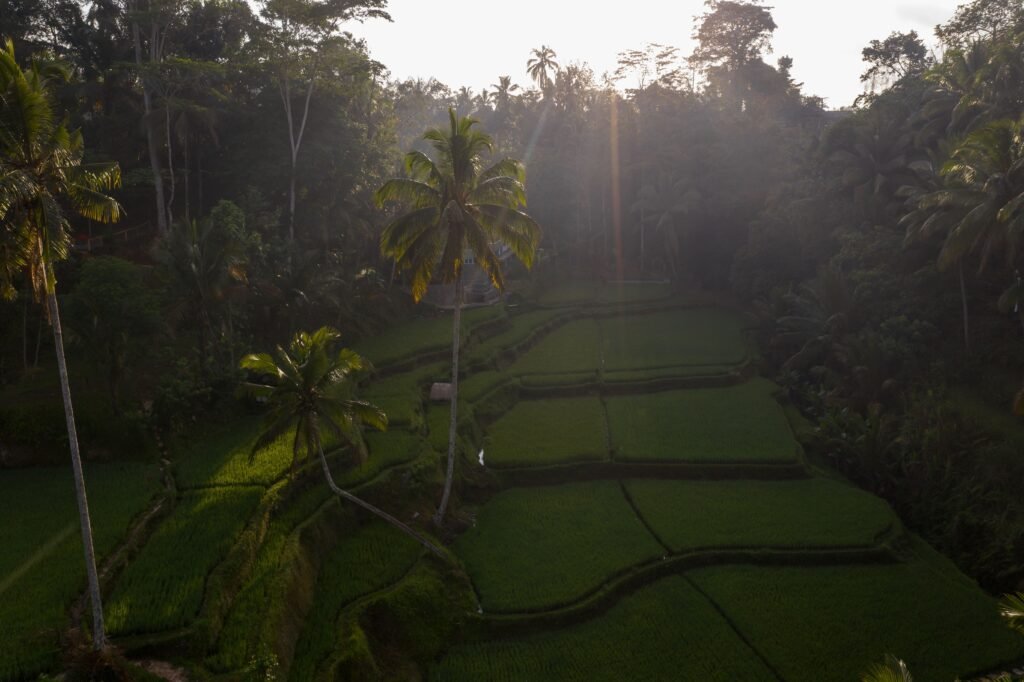
There’s a catch to being the world’s favorite destination. When too many people arrive at the same time, the place itself changes. Residents get priced out of their own neighborhoods, famous sights turn into queues and the quality of the experience drops for everyone, including you.
You can see the response in many top destinations. Some limit visitor numbers, some add entry fees or tourist taxes, and some, like Bhutan, have built their whole tourism model around keeping numbers low. These aren’t just annoyances. They’re signs that “most visited” and “best to visit” can pull in opposite directions.
What can you do about it as a traveler?
- Travel off-peak. It’s the single most effective thing you can do, and it’s also better for your wallet.
- Look beyond the headline spots. Chiang Mai or Krabi instead of only Phuket. Sidemen or Munduk instead of only Canggu. Smaller places often give a better experience.
- Stay longer in fewer places. You spend more in local businesses and less time in transit.
- Use local guides and locally owned places. More of your money stays in the community.
- Respect the rules. Temple dress codes, wildlife protections and local laws exist for good reasons.
Picking a less famous destination doesn’t mean settling. In my experience, it’s often where the best trips happen.
What a "Number One" Vacation Actually Costs
This is where most articles get vague. Let me be specific. The table below gives rough daily costs per person, assuming two people sharing a room, and not counting flights. These are estimates to help you compare, not quotes.
| Destination | Budget (per day) | Mid-range (per day) | Luxury (per day) |
|---|---|---|---|
| Vietnam | $30–45 | $60–100 | $150+ |
| Thailand | $35–55 | $70–120 | $200+ |
| Bali | $35–55 | $70–130 | $250+ |
| Singapore | $80–110 | $150–250 | $350+ |
| Japan | $70–100 | $130–220 | $300+ |
| France | $90–130 | $180–280 | $400+ |
| Maldives (local island) | $70–110 | $120–200 | n/a |
| Maldives (resort) | $400+ | $700+ | $1,500+ |
Flights: where you’re flying from changes everything
The cheapest destination on paper isn’t always the cheapest in practice. A flight from the US to Southeast Asia is usually longer and pricier than one to Europe or Mexico, which can wipe out the savings on the ground for short trips. From India, the reverse is true: Thailand, Singapore, Vietnam and Bali are short, often cheap flights. Work out your total cost, flights included, before you decide. As a rule, the further you’re going, the longer your trip should be.
The costs people forget
- Visas and entry fees. Some countries are visa-free, others charge fees. Check each one.
- Arrival cards and online forms. Thailand’s TDAC, Singapore’s SG Arrival Card and Indonesia’s e-VOA each have their own rules and timing. Use official government sites only.
- Special fees. Bhutan’s daily fee, tourist levies in places like Bali, and a per-night tax in the Maldives all add up.
- Transfers. In the Maldives, a seaplane or speedboat to your resort can cost a lot on its own.
- Travel insurance. Not optional for me, especially for long-haul trips.
- Phone data. An eSIM is usually cheaper than roaming.
- Card fees. Foreign transaction fees and ATM charges quietly add up.
What a Week Looks Like: Three Sample Plans

To make the comparison real, here’s how a typical seven-day trip is shaped in three of the contenders. These are simple frameworks, not strict schedules.
7 days in Thailand: city, culture and coast
- Days 1 to 3, Bangkok: Grand Palace and Wat Pho, a canal or river trip, street food in Chinatown and a rooftop at sunset.
- Days 4 and 5, Chiang Mai: temples, a cooking class and an ethical elephant sanctuary visit. It’s a short flight from Bangkok.
- Days 6 and 7, Krabi or Phuket: beaches and island boat trips before your flight home.
7 days in Bali: culture first, then beach
- Days 1 to 3, Ubud: rice terraces, temples, a morning at a local market and a cooking or craft class.
- Days 4 and 5, Uluwatu or Nusa Dua: cliffside views and calmer beaches.
- Days 6 and 7, Canggu or Seminyak: beach clubs, surf lessons and shopping.
7 days in Japan: the classic triangle
- Days 1 to 3, Tokyo: Shibuya and Shinjuku, Asakusa’s old streets and a food-focused evening in a small neighborhood bar district.
- Days 4 and 5, Kyoto: temples, Fushimi Inari’s gates early in the morning and the old Gion district.
- Days 6 and 7, Osaka: street food, a castle visit and a day trip to Nara.
Notice what all three have in common: two or three bases, no more. That’s the formula for a week that feels full but not frantic.
Best Time to Visit Each Top Destination
Pick the right season and the same destination can feel like two different places. Here’s a quick guide. Use it as a starting point and check the current forecast.
| Destination | Best months | Be careful |
|---|---|---|
| Thailand | November to February (cooler and drier) | March to May is very hot; June to October is the rainy season |
| Bali | April to October (dry season) | July and August are busiest; December to March is wetter |
| Singapore | Year-round; February to April can be a bit drier | Sudden heavy rain any month |
| Maldives | December to April | May to November is wetter |
| Japan | Late March to April and October to November | Golden Week, mid-August Obon and the June to July rainy season |
| Bhutan | March to May and September to November | Monsoon months bring heavy rain and landslides |
| France | May, June and September | August has big crowds and some closures |
| Istanbul | April, May and September to November | Summer heat and crowds |
| Santorini | May, June and late September | July and August crowds and prices |
| Cancún | December to April | Hurricane season, June to November |
Pros and Cons of Chasing the "Number One" Spot
| Pros | Cons |
|---|---|
| Proven infrastructure: easy flights, hotels and transport | Crowds, especially at the famous sights |
| Lots of reviews and advice to help you plan | Higher prices in the most popular areas |
| Less planning stress for first-time travelers | “Popular” doesn’t mean “right for you” |
| Plenty of English-friendly services | Overtourism can harm local communities and the places themselves |
| Easier to find a travel companion with the same plan | You may miss a quieter, better-fit alternative |
Common Mistakes When Choosing a Vacation Spot

These are the errors I see most often, and a few I’ve made myself.
1. Picking by ranking instead of by fit. A destination can be number one and still be wrong for you. If you hate crowds, a top-ranked city in peak season will make you miserable.
2. Ignoring entry rules until the last minute. Visa lead times, arrival cards and passport validity rules can sink a trip. Check them before you book flights, not after. Always use the official government site, because look-alike sites charge extra fees.
3. Booking in peak season by default. School holidays and public holidays raise prices and thicken crowds. If your dates are flexible, move them.
4. Underestimating travel time. Flying from the US to Southeast Asia can take the better part of two days with a connection. Add jet lag and a three-day trip makes no sense.
5. Cramming too much in. Trying to see four cities in seven days means you spend your trip in transit. Fewer places, more time, always works better.
6. Forgetting the “total cost.” A cheap hotel rate doesn’t help if you’re paying a lot for transfers, fees and food. Add everything up.
7. Skipping travel insurance. One medical bill or a canceled flight can cost more than the insurance would have in the first place.
Pro Travel Tips From Years on the Road

- Travel in shoulder season. It’s the best balance of weather, price and crowds in almost every destination.
- Go early. Popular sights are far more pleasant at opening time. Temples and viewpoints can feel like a different place at 7 a.m.
- Stay central for short trips, local for long ones. A central hotel saves transit time on a three-day visit. On longer stays, a quieter neighborhood saves money and feels more real.
- Eat where locals eat. A busy stall with a short menu is usually a better bet than a restaurant with a photo menu and no customers.
- Carry a little local cash. Cards work in cities, but markets, small shops and taxis often want cash.
- Download offline maps and an eSIM before you land. It makes the first hour much calmer.
- Keep copies of your documents. Photos of your passport, insurance and bookings, stored offline and in the cloud.
- Leave room in the plan. Some of my best days came from an unplanned afternoon.
Safety, Health and Paperwork: The Boring Part That Saves Trips

It’s not the fun part of planning, but a little preparation here protects the rest of your trip. Whichever destination you choose, do these five things.
1. Check your government’s travel advisory. US travelers can use the State Department’s travel advisories, UK travelers the Foreign, Commonwealth and Development Office pages, and Indian travelers the Ministry of External Affairs. Advisories change, so check close to departure, not just when you start planning.
2. Check vaccine and health guidance. The CDC’s travelers’ health pages and the NHS Fit for Travel site list recommended vaccines and health risks by country. Speak to a doctor or travel clinic well before you go, because some vaccines need several weeks.
3. Check passport validity. Many countries require your passport to be valid for at least six months after arrival and to have blank pages. Look up the exact rule for each country on its official immigration site.
4. Complete arrival forms through official sites only. Several Asian countries now require online arrival forms, and scam sites charge fees for what is free on the official portal. Type the address in yourself instead of following an ad.
5. Get proper travel insurance. Make sure it covers medical care, emergency evacuation and trip cancellation, and read what it excludes. Some activities, like scuba diving or riding a scooter, are often excluded unless you add cover.
Who Should Choose What
So, what’s the number one vacation spot in the world? Here’s my honest answer. By the numbers, France is the most visited country and Bangkok is the most visited city. By value and ease, Southeast Asia is hard to beat. But the best choice is the one that matches who you are and what you want. Use this table to find yours.
| If you are… | Choose | Why |
|---|---|---|
| A first-time international traveler | Thailand or Singapore | Easy logistics, lots of English, wide range of budgets |
| On a tight budget | Vietnam, Thailand or Indonesia | Best value per dollar |
| Planning a honeymoon | Maldives, Bali or Santorini | Romantic settings, with a wide range of prices |
| A food lover | Bangkok, Tokyo or Istanbul | World-class eating at every price point |
| A culture and history fan | France, Istanbul or Japan | Deep layers of art and history |
| Traveling with kids | Singapore or Japan | Safe, clean, easy to move around |
| Wanting solitude and mountains | Bhutan | Few crowds and dramatic landscapes |
| A beach-and-day-trips traveler from North America | Cancún and Riviera Maya | Short flights and plenty of excursions |
| Flying from India | Thailand, Singapore or Bali | Short, affordable flights |
If you’re still stuck, ask yourself three questions: how much can I spend in total, how many days do I really have, and what do I want to feel when I’m there? The answers will point you to a winner faster than any ranking.
Whatever you choose, remember that the “best” vacation spot is the one where you’ll feel glad you went. Plan it well, go in the right season, keep an open mind and let the place surprise you. If you tell me where you’re leaning, I’m happy to help you narrow it down.
Frequently Asked Questions
What is the #1 vacation spot in the world?
There's no single official number one. By international arrivals, France leads the UN Tourism rankings. By city visits, Bangkok, Istanbul and London trade the top spots. Traveler-review rankings change every year, so the best choice depends on your budget, season and travel style.
What is the most visited country in the world?
France has topped international arrivals for years, according to UN Tourism. Spain, the United States and Italy usually follow, though the exact order shifts from year to year.
What is the most visited city in the world?
Bangkok, Istanbul and London regularly lead city rankings such as the Mastercard Global Destination Cities Index. Check the latest edition for the current order.
What is the best vacation spot for first-time travelers?
Thailand, Singapore and Japan suit first-timers well thanks to easy transport, a wide range of budgets and strong tourist infrastructure.
What is the cheapest great vacation destination?
Vietnam, Thailand and Indonesia consistently give you comfortable mid-range travel at a fraction of Western European or Japanese costs.
When is the best time to take a vacation?
Shoulder seasons, the months just before or after peak season, usually give the best balance of good weather, fair prices and smaller crowds.
What is the most beautiful vacation spot in the world?
Beauty is subjective, but popular picks include the Maldives, Bali, Santorini and Bhutan, each for different reasons: beaches, culture, views and mountains.