Ask five travelers what the largest tourist attraction in the world is, and you’ll get five different answers. One will say the Great Wall. Another will say Disney World. A third will say the Eiffel Tower, simply because it feels like it should be the answer.
Here’s the thing: they can all be right. “Largest” can mean the attraction with the most visitors. It can mean the one that covers the most ground. Or people may really be asking about the most visited countries and cities. Most articles on this topic mash those three questions into one list, which is why so many of them feel confusing.
This guide separates them. You’ll get a ranking by visitors, a ranking by physical size, and a close look at the giants in Asia, since that’s where a lot of the biggest crowds and the biggest monuments are. I’ve also added what each place costs, when to go, what mistakes to avoid, and who should pick what.
- Most visited museum or palace: Beijing’s Palace Museum (the Forbidden City), with about 19 million visitors in 2025.
- Most visited theme park: Magic Kingdom at Walt Disney World, with 17.8 million visits in 2025.
- Largest religious monument complex: Angkor in Cambodia.
- Longest: The Great Wall of China.
- Largest resort by area: Walt Disney World, Florida.
Table of Contents
ToggleWhat Does "Largest" Actually Mean?
Before the rankings, you need to know which kind of “largest” you’re looking at. Mixing them up is how you end up comparing a theme park to a mountain range.
1. Most visited (attendance)
This is the number of people who walk through the gate in a year. It’s the fairest way to compare attractions that sell tickets, like theme parks and museums, because they actually count entries.
2. Physically biggest (size)
This is about area, length, or height. Angkor sprawls across a huge archaeological park. The Great Wall stretches across northern China. Neither is “visited” in the way a theme park is, since you can’t count everyone who steps onto a wall that has dozens of access points.
3. Most visited countries and cities
Sometimes people searching for the “largest tourist attraction” really want to know which destination gets the most travelers. France kept its title as the world’s most visited country in 2025 and set a new record, according to figures from its Economy Ministry. Reported totals vary a lot by source, from roughly 89 million to around 100 million, because outlets use different methods and some are projections. Among cities, Euromonitor’s ranking has Bangkok on top with more than 30 million international visitors.
Why free landmarks can’t be ranked fairly
You’ll see lists that put Times Square or the Eiffel Tower area at the top with enormous numbers. Be careful with those. Open public spaces don’t have turnstiles, so those figures are estimates, and they aren’t comparable with audited ticket counts. In this article I rank only what can be counted or measured, and I tell you when a figure is an estimate.
Where the numbers in this guide come from
Attendance figures come mainly from the TEA Global Experience Index, the annual attendance report from the Themed Entertainment Association. The 2025 edition was published on October 27, 2026, so everything here reflects calendar-year 2025. For country and city arrivals I looked at Euromonitor and UN Tourism-based reporting. For size claims, I rely on UNESCO and official site sources.
One honest caveat: attendance numbers are estimates, even from the best sources. Treat them as a ranking and a scale, not as an exact headcount.
The World's Largest Tourist Attractions at a Glance
| Attraction | Type | What makes it “largest” | Figure |
|---|---|---|---|
| Palace Museum (Forbidden City), Beijing | Museum / palace | Most visited museum | ~19 million visitors (2025) |
| Magic Kingdom, Florida | Theme park | Most visited theme park | 17.8 million (2025) |
| Disneyland Park, California | Theme park | Second most visited | 17.4 million (2025) |
| Shanghai Disneyland | Theme park | Top-ranked park in China, fifth worldwide | ~15 million (2025) |
| Angkor Archaeological Park, Cambodia | Heritage site | Largest religious monument complex | ~400 sq km |
| Great Wall of China | Heritage site | Longest man-made structure | ~21,000 km |
| Forbidden City, Beijing | Palace complex | Largest palace complex | ~72 hectares |
| Walt Disney World, Florida | Resort | Largest resort by area | ~25,000 acres |
| Burj Khalifa, Dubai | Skyscraper | Tallest building | 828 m |
Sources: TEA Global Experience Index (2025 attendance), Euronews and SCMP reporting on the TEA data; size figures from UNESCO and official sites.
The Most Visited Theme Parks in the World

If you want the biggest crowds, start here. Theme parks are the most reliably counted attractions on earth, because every guest scans a ticket.
Magic Kingdom (Florida): still number one
Magic Kingdom at Walt Disney World remained the world’s most visited theme park in 2025 with 17.8 million visits. That was a tiny dip of 0.2% from the year before. Spread across the calendar, it works out to roughly 48,000 guests a day on average. That’s more than the population of many towns, walking down one main street toward one castle.
Right behind it is Disneyland Park in Anaheim, California, at 17.4 million, which actually grew slightly (about 0.4%). The gap between first and second place is small, so don’t be surprised if they swap places in a future report.
The big picture: crowds stopped growing
Here’s something most listicles skip. The world’s top 25 theme parks drew a combined 245.4 million visits in 2025, down 0.2% from 245.9 million in 2024. In other words, the post-pandemic rebound has leveled off. Disney dominates the list: eight of the top ten parks are Disney parks, and all 12 Disney theme parks made the top 20.
One new name to watch is Universal’s Epic Universe in Orlando. It welcomed an estimated 4 million visitors, but in a partial first year of operation, so it isn’t a fair comparison with parks that were open all twelve months.
The Asian parks that belong in the conversation
Asia has a lot of the world’s busiest parks. Shanghai Disneyland came in fifth worldwide in 2025 with about 15 million visitors, and it’s the highest-ranked Chinese park. Japan’s big parks (Tokyo Disneyland, Tokyo DisneySea, and Universal Studios Japan) and China’s Chimelong Ocean Kingdom regularly sit near the top of the global rankings as well.
If you’re building an Asia trip around large attractions, a day at one of these gives you a very different experience from temples and palaces. It’s worth knowing they exist, especially if you’re traveling with kids.
Planning a Singapore stop? Sentosa and the wider city attractions are covered in our 25 best things to do in Singapore guide.
The Most Visited Museums, Palaces, and Heritage Sites
Museums and heritage sites are the other category that gets properly counted, and this is where one attraction clearly stands out.
The Palace Museum (Forbidden City), Beijing
The Palace Museum welcomed about 19 million visitors in 2025, making it the most visited museum in the world. For comparison, that’s more than any theme park on the list. It’s housed in the former imperial palace in the middle of Beijing, a huge walled complex of courtyards, halls, and gates that was home to emperors for centuries.
The top 20 museums worldwide recorded about 161.4 million visits in 2025, up 5.4% from the previous year. So museums are growing while theme parks are flat. Five of the top 20 are in Europe, but the very top spot belongs to Beijing.
Europe’s heavyweights
Europe still has some of the busiest cultural sites on earth. The British Museum and the Natural History Museum in London each drew more than 6 million visitors in 2024. The Palace of Versailles near Paris pulls in around 10 million visitors a year across its palace and gardens. The Louvre is another long-time leader. All of them are free to research, but most need advance booking.
Grand Palace and Bangkok
Thailand’s Grand Palace and Wat Phra Kaew are among the most visited landmarks in Southeast Asia. Bangkok itself was the most visited city in the world in Euromonitor’s ranking, with more than 30 million international visitors. Thailand as a whole welcomed roughly 39.8 million foreign tourists in 2025 by most estimates.
If Thailand is on your list, our Thailand travel guide covers the Grand Palace and what to do around it.
The Physically Largest Tourist Attractions
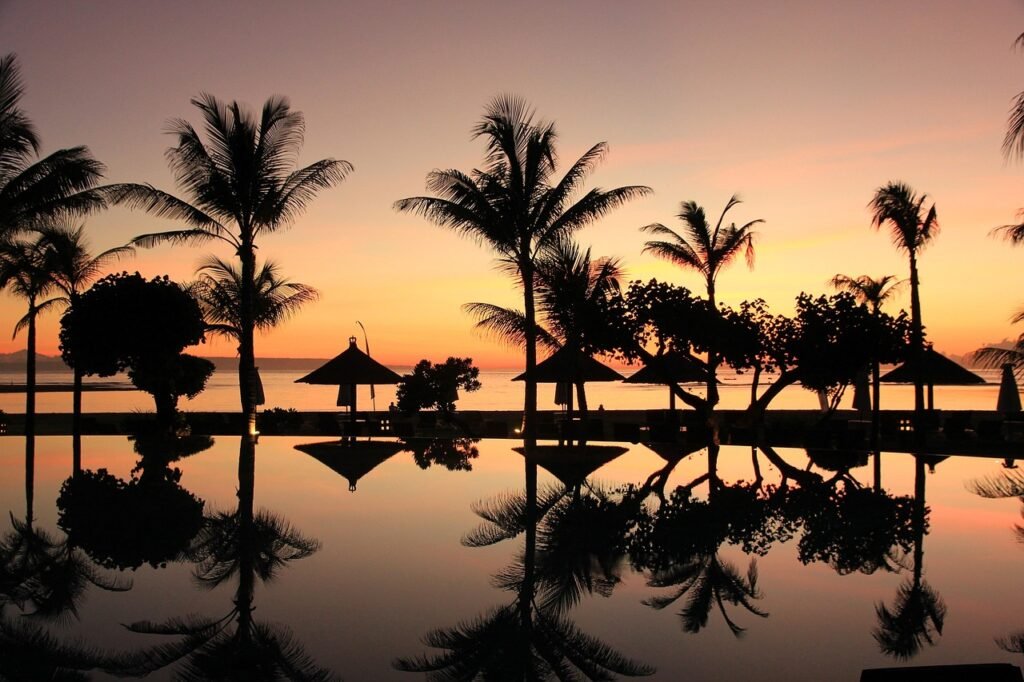
Now for the other meaning of “largest.” These attractions aren’t ranked by headcount. They’re ranked by sheer scale, and each one changes how you plan a visit, because big means more walking, more time, and more heat.
A note on numbers: size figures for ancient sites vary between sources, depending on what’s counted. I’ve used widely cited figures and marked them for double-checking against UNESCO or official pages.
Angkor Archaeological Park, Cambodia: the largest religious monument complex
Angkor is usually described as the largest religious monument complex in the world. The park covers roughly 400 square kilometers near Siem Reap, and it holds many temples, not just Angkor Wat itself. Angkor Wat is the famous one, but Bayon with its stone faces and Ta Prohm with its tree roots wrapped around the walls are just as memorable.
The size is the point. Most visitors underestimate it and try to squeeze it into a single morning. You’ll see far more if you give it at least two or three days, and the park has pass options for exactly that reason. As a reference point, the standard pass options have been around $37 for one day, $62 for three days, and $72 for seven days.
The Great Wall of China: the longest man-made structure
The Great Wall isn’t one wall. It’s a collection of walls built across many centuries, and a Chinese government survey measured its total length at around 21,000 kilometers. That makes it the longest structure ever built by people.
Because it’s so long, it isn’t a single attraction with one gate. Different sections near Beijing offer different experiences, from heavily restored and busy sections to wilder, crumbling ones that see far fewer people. Choosing the right section matters more than anything else you plan for this visit.
The Forbidden City: the largest palace complex
The same Palace Museum that tops the visitor charts is also considered the largest ancient palace complex in the world, covering roughly 72 hectares with hundreds of buildings. It’s rare for one place to win both categories, and it’s a big reason this is the single best answer if someone asks you for “the largest tourist attraction.”
Walking from the south gate to the north gate in a straight line is a long stroll. Add the side courtyards and you’re looking at a full day if you want to see it properly.
Walt Disney World, Florida: the largest resort by area
Walt Disney World is often cited as the largest single-site resort in the world, at roughly 25,000 acres, with four theme parks, water parks, and dozens of hotels. It’s also home to Magic Kingdom, the most visited theme park, which makes it the rare place that leads on both size and visitors.
Natural giants and tall things
A few more “largest” attractions deserve a mention, even though they’re different in kind. The Grand Canyon in the US is about 446 kilometers long. The Great Barrier Reef in Australia is the largest coral reef system on the planet, stretching roughly 2,300 kilometers. And Dubai’s Burj Khalifa, at 828 meters, is the tallest building in the world. [VERIFY: all three figures.] They’re famous, but they’re measured and experienced differently, so I’ve kept them out of the visitor rankings.
Asia's Mega-Attractions: Why the Biggest Crowds Are in the East
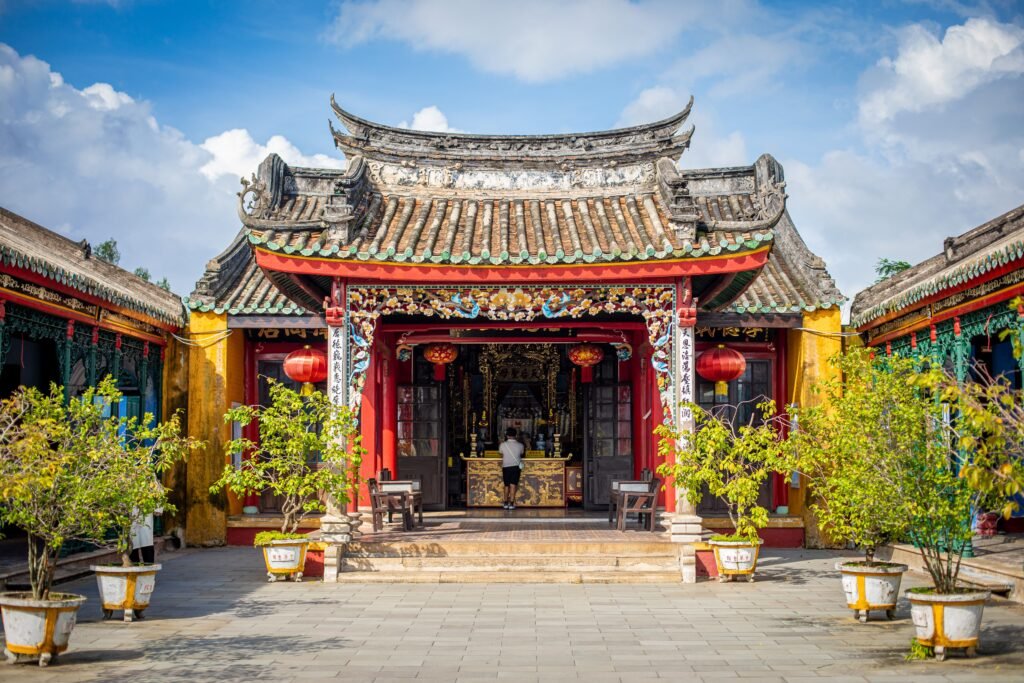
If you look at the lists above, a pattern jumps out. The top museum is in Beijing. A top-five theme park is in Shanghai. The largest religious monument is in Cambodia. The longest wall is in China. The most visited city, by Euromonitor’s count, is Bangkok. Asia isn’t just well represented. It’s winning.
Why? Three reasons stand out, and the first two are my own reading of the data rather than a published finding:
- Domestic tourism at huge scale. In big countries, a large share of visitors are local travelers on their own holidays. That pushes up attendance at the national landmarks.
- Growing travel infrastructure. New airports, high-speed trains, and easier visa rules (Euromonitor linked Bangkok’s rise partly to visa relaxations and new direct flights) make big sites easier to reach.
- Ancient sites built at an enormous scale. Angkor, the Forbidden City, and the Great Wall were built to impress, and they still do.
What this means for you as a visitor
Crowds in Asia come in waves. National holidays (China’s Golden Week in early October is the famous one), school vacations, and festivals like Songkran in Thailand can double the number of people you share a site with. The best trips are planned around those dates, not through them.
How to Plan a Day at a Giant Attraction

The biggest sites reward a little planning more than almost anything else in travel. A rough plan turns a tiring, crowded day into a good one. This is the simple routine I’d follow for any of the places in this guide.
The week before
- Book your entry. If the site uses timed tickets, reserve the earliest slot you can manage. Screenshot the confirmation and save it offline.
- Check opening days. Many museums and palaces close one day a week. Finding that out at the gate is a painful way to lose a day.
- Read the rules. Bag size limits, drone bans, dress codes, and ID requirements differ by site. Some require a passport for entry, so keep it handy.
- Look at the weather. Heat and rain change what you wear, what you carry, and when you go.
The night before
- Charge your phone and a power bank. Big sites drain batteries quickly because you’re using maps, tickets, and the camera all day.
- Lay out clothes that meet the dress code and comfortable walking shoes.
- Decide on a rough route. Pick the two or three things you most want to see, so you can skip the rest without guilt.
On the day
- Head to your must-see spot first, while energy and daylight are best.
- Drink water before you feel thirsty, especially in tropical heat.
- Schedule a proper break around midday. At huge sites, an hour in the shade saves the afternoon.
- Leave before you’re exhausted. Fatigue is the quiet enemy of big-attraction days, and the last hour of a long day is rarely the best hour.
Where to Stay Near the Biggest Attractions
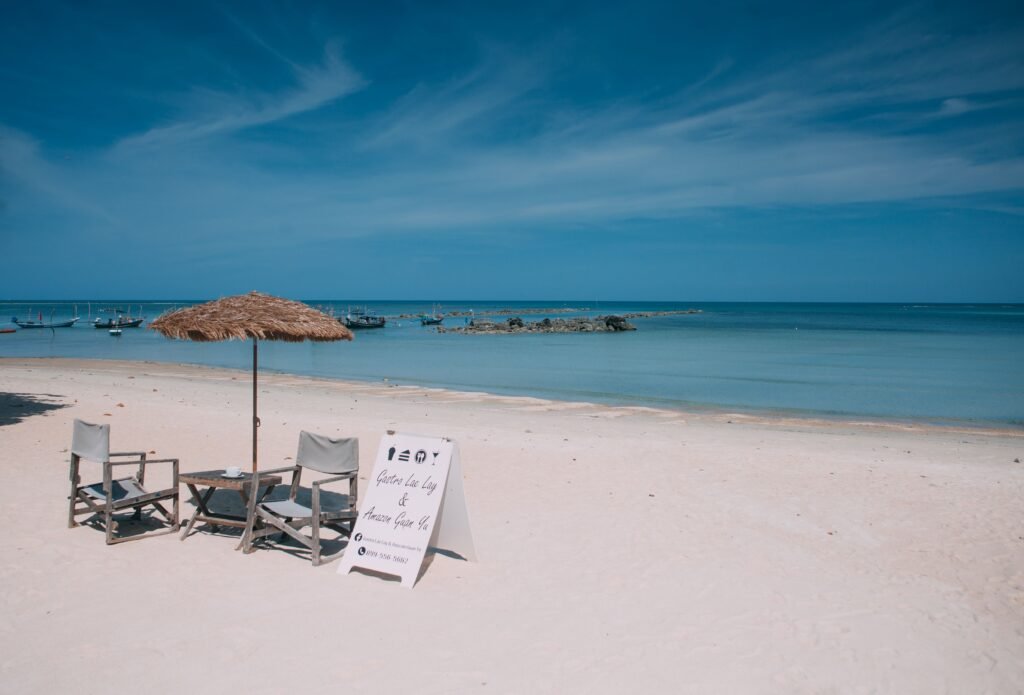
Where you sleep changes how you experience a giant attraction. Stay close, and you can beat the crowds. Stay far, and you may spend half your day in transit.
Angkor: base yourself in Siem Reap
Siem Reap is the gateway town for Angkor. Staying there puts you a short ride from the temples, with plenty of restaurants, guesthouses, and tuk-tuk drivers. If you want to catch sunrise at Angkor Wat, staying in town lets you leave in the dark without a long trip. Our Siem Reap itinerary includes ideas for how to structure your days.
Forbidden City: central Beijing
Staying near the city center makes early entry far easier and saves a lot of time on the metro or in taxis. Many travelers also like to be near a metro line, since it’s often the easiest way to reach both the palace and the Great Wall transport points.
Great Wall: choose by section
The Great Wall is not in the city, so your base is your choice of section. Some sections can be done as a day trip from Beijing. Others are far enough that staying overnight nearby makes sense. Decide on your section first, then book a hotel to match.
Walt Disney World: on-site or off-site
Staying on property can make mornings easier, because transport to the parks is built in. Staying off property is often cheaper but adds driving and parking. Weigh the cost against how much you value an easy start to the day.
Bangkok: near the river or a train line
The Grand Palace sits in the old city area. Staying near the river or close to a metro or BTS line makes it easy to combine with temples and markets, and helps you avoid the worst of the traffic.
Visiting With Kids, Seniors, or Mobility Needs
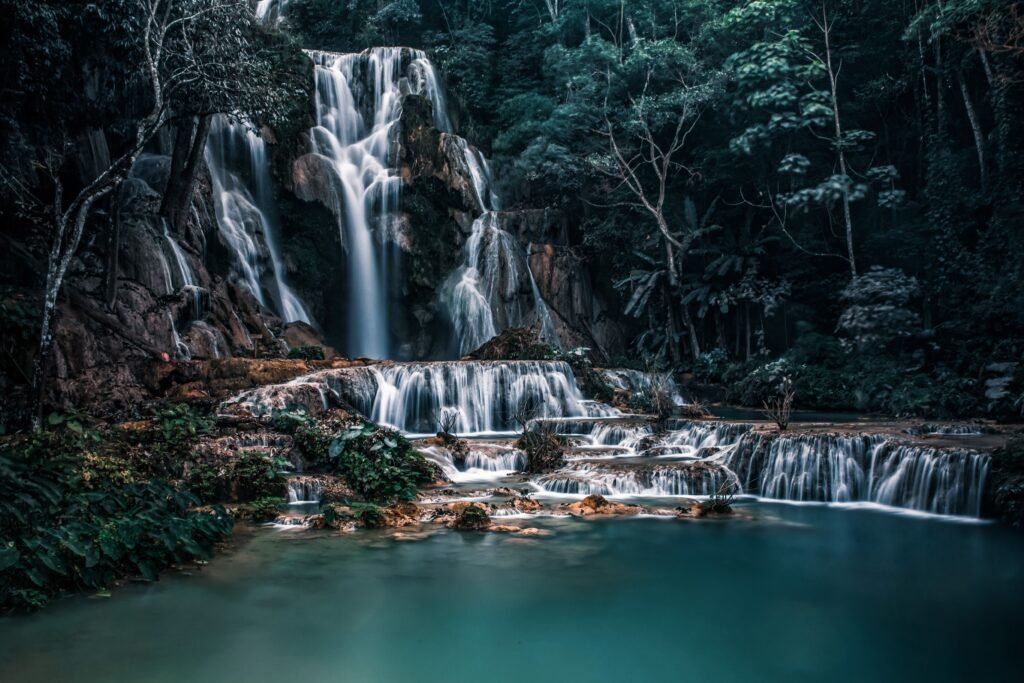
Big attractions can be demanding. A little honesty about your group’s energy and mobility goes a long way.
- With young kids: Theme parks are built for them, but ancient sites can be hot, steep, and dull for little ones. If you’re visiting Angkor with children, keep it to short morning sessions and focus on the most visual temples.
- With older travelers: Check for seating, shade, and shorter routes. Many temples have steep stairs, and large palaces involve a lot of walking. Hiring a car and driver for the day often helps more than any other single choice.
- With limited mobility: Accessibility varies widely. Research each site’s official accessibility information in advance, since ancient sites often have uneven stone, steps, and long distances. Newer attractions like theme parks usually have better provisions, including mobility aids and accessible routes.
- With a mixed group: Agree on one “must-do” for each person, then let everyone choose a free hour. Compromise keeps the peace on long days.
Visiting Responsibly: A Quick Word on Overtourism
The same crowds that make these places famous can also damage them. Popular sites deal with erosion, litter, and the strain of heavy foot traffic, and local communities feel it too. You can enjoy the giants and still be a considerate visitor.
- Stay on marked paths. Ancient stone and old brick don’t recover from being climbed on.
- Don’t touch or lean on carvings and walls. The oils and pressure add up over millions of visitors.
- Respect sacred spaces. Angkor Wat and the temples around it are still religious places. Dress modestly, keep your voice down, and follow local guidance.
- Take your trash with you. It sounds obvious, but it matters at huge sites.
- Spread your spending. Eat at local places, hire local guides, and buy from local vendors so your money stays in the community.
- Consider a quieter time or site. Going off-peak or choosing a lesser-known alternative reduces pressure on the headline spots.
Best Time to Visit the World's Biggest Attractions

The right month can be the difference between an unforgettable visit and an exhausting one. Here’s the general pattern for the big ones. Always check local weather and holiday calendars before you book.
| Attraction | Best months | Avoid if you can |
|---|---|---|
| Angkor (Cambodia) | November to March: drier and cooler | April to May: very hot; rainy season can mean mud and heavy showers |
| Forbidden City and Great Wall (China) | Spring (April to May) and autumn (September to October) | Golden Week (early October), Chinese New Year, and the hot, crowded summer holidays |
| Magic Kingdom (Florida) | Late winter and early spring, plus late autumn outside holiday weeks | Summer heat, spring break, and Christmas week |
| Grand Palace (Bangkok) | November to February: coolest and driest | Mid-April for Songkran crowds and heat; heavy-rain months |
How to beat the crowds, whatever the month
- Go first or go late. The first hour after opening and the last two hours before closing are the quietest.
- Weekdays beat weekends, almost every time.
- Check the holiday calendar for the country, not just your own. A local public holiday can fill a site even in the off-season.
Pros and Cons of Visiting the Giants
The world’s biggest attractions are famous for a reason. They’re also famous for being crowded. Here’s an honest look at both sides.
| Pros | Cons |
|---|---|
| Truly spectacular scale that photos can’t capture | Crowds, especially in peak season and on holidays |
| Good infrastructure: tickets, signage, transport links | Higher prices than lesser-known sites |
| Rich history and cultural context | Long queues and timed-entry rules |
| Easy to combine with nearby cities and other sights | Touts, scams, and overpriced services around the gates |
| Easier to find guides and good information | Heat, long walking distances, and tiring days |
When a smaller attraction is the better choice
Bigger isn’t always better. If you hate crowds, have limited time, or you’re traveling with very young children or older family members, a lesser-known site can be a smarter pick. Kampot and Kep in Cambodia, for example, are a calm contrast to Angkor. You can read about them in our Kampot and Kep guide.
Common Mistakes to Avoid

These are the mistakes that cost travelers the most time and money at big attractions.
1. Not booking timed entry in advance
Many top sites, including the Forbidden City, require reserved entry slots. Turning up without a booking can mean being turned away. Book as soon as your dates are fixed.
2. Underestimating the size
Angkor, the Forbidden City, and Disney World all take more time than people expect. Trying to “do it in half a day” leads to rushing and sore feet. Plan realistic hours, and build in rest breaks.
3. Visiting on a public holiday
This is the single most common regret. A site that’s calm on a Tuesday in November can be shoulder-to-shoulder during a national holiday week. Check the calendar first.
4. Buying tickets from random sellers
Fake and overpriced tickets are a real problem at popular sites. Use the official website or the official ticket office, and be cautious of anyone selling “skip the line” deals at the gate.
5. Ignoring the dress code
Temples and palaces such as Angkor Wat and Bangkok’s Grand Palace require covered shoulders and knees. Being refused entry after traveling a long way is avoidable.
6. Wearing the wrong shoes and forgetting water
Heat plus miles of walking is hard on the body. Comfortable shoes, a hat, sunscreen, and plenty of water matter more than any camera gear.
7. Forgetting the entry paperwork
Before you even reach the attraction, you need to get into the country. Rules for visas and arrival cards change. Check the current requirements well before you fly.
Pro Travel Tips

These are the habits that make big-attraction days smoother.
- Arrive early. Be at the gate when it opens. You’ll get better light, cooler weather, and fewer people.
- Use official apps and websites. They give you accurate opening times, closure notices, and the best prices.
- Break up long visits. At massive sites, take a midday break back at your hotel, then return for the late afternoon.
- Carry small cash. Many sites, vendors, and local transport options don’t take cards.
- Bring a light layer and a scarf. It handles temple dress codes and air conditioning alike.
- Download offline maps. Signal can be patchy in large complexes.
- Pace the trip. Don’t stack three giant attractions in three days. You’ll remember less.
- Pack a small first aid kit. Blisters, heat, and stomach upsets happen on big trips.
Which Attraction Should You Choose?
So, what’s the real answer to “What is the largest tourist attraction in the world?” It depends on what you’re asking, and now you know how to ask it. Here’s how I’d choose.
- If you want the single most visited place with real history: Beijing’s Palace Museum (Forbidden City). It leads on visitors, and it’s also the largest palace complex.
- If you want pure scale and a multi-day adventure: Angkor, Cambodia. Give it at least two or three days.
- If you’re traveling with kids: Walt Disney World (Magic Kingdom), or Shanghai Disneyland if you’re already in Asia.
- If you’re on a tighter budget: A multi-day Angkor pass and Southeast Asian daily costs usually go further than theme-park-style trips.
- If you hate crowds: Choose shoulder season, go early, and consider a quieter alternative to the headline site.
- If you only have a layover or a few days: Pick one major attraction and do it well, rather than rushing three.
Frequently Asked Questions
What is the largest tourist attraction in the world?
It depends on how you measure "largest." By audited visitors among museums, Beijing's Palace Museum (the Forbidden City) led in 2025 with about 19 million visits. By physical size, Angkor in Cambodia is widely cited as the largest religious monument complex, and the Great Wall is the longest structure.
What is the most visited tourist attraction in the world?
Free-access landmarks don't have audited counts, so rankings rely on ticketed attractions. Among those, the Palace Museum in Beijing (about 19 million) leads museums, and Magic Kingdom in Florida (17.8 million) leads theme parks.
What is the most visited theme park in the world?
Magic Kingdom at Walt Disney World, with 17.8 million visits in 2025. Disneyland Park in Anaheim came second with 17.4 million, according to the TEA Global Experience Index.
What is the most visited museum in the world?
The Palace Museum in Beijing, with roughly 19 million visitors in 2025. The world's top 20 museums combined for about 161.4 million visits that year, up 5.4%.
What is the biggest tourist attraction in Asia?
It depends on the measure. Angkor in Cambodia is the largest religious monument complex, the Great Wall is the longest, and the Forbidden City is the largest palace complex and the most visited museum. Choose the measure first, then the answer is clear.
What is the most visited country in the world?
France kept the top spot in 2025 and set a visitation record, according to its Economy Ministry. Published totals range from about 89 million to around 100 million depending on the source, so check UN Tourism for the official figure.
When is the best time to avoid crowds at major attractions?
Visit on weekdays, in shoulder season, and in the first hour after opening. Avoid national holidays such as China's Golden Week and festivals like Songkran, which can double crowd levels at popular sites.