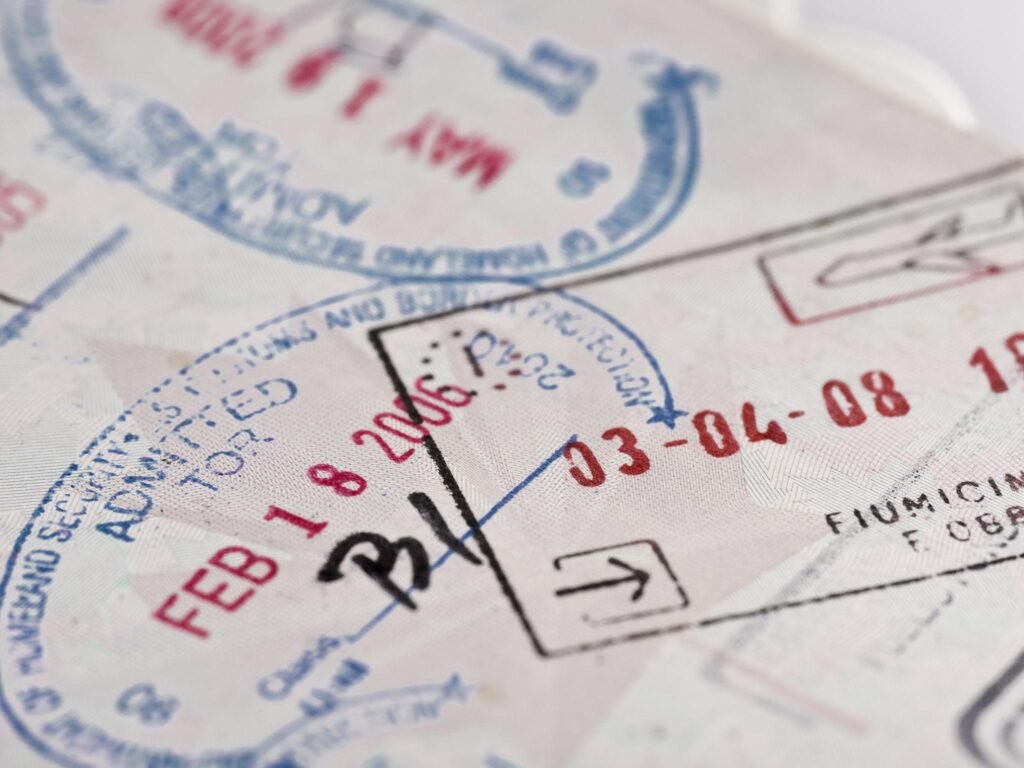
If you’ve ever dropped a travel plan because of visa delays, paperwork, or embassy appointments—you’re not alone. In fact, according to global travel trend reports, over 40% of travelers abandon international trips due to visa complexity. That’s exactly why visa-free countries are becoming the smartest way to travel in 2026.
I’ve personally planned last-minute trips where the deciding factor wasn’t budget—it was how fast I could enter the country. When you remove visa friction, travel becomes spontaneous, cheaper, and far less stressful.
Visa-free countries are destinations where you can travel without applying for a visa in advance. You only need a valid passport and basic travel documents.
Table of Contents
ToggleWhat Are Visa-Free Countries?
Visa-free countries allow you to enter without pre-approval from an embassy. Unlike traditional visas that can take days or weeks, this removes one of the biggest barriers to international travel.
But here’s the real-world truth most blogs skip:
👉 Immigration officers still assess your entry.
From experience, even in visa-free destinations, I’ve been asked:
- “How many days are you staying?”
- “Where are you staying?”
- “Do you have a return ticket?”
If you hesitate, it raises red flags.
✅ Actionable Checklist (Use Before You Fly):
- Passport valid for 6+ months
- Return or onward ticket (mandatory in most countries)
- Hotel booking OR local host address
- Minimum funds (usually $50–$100/day)
- Travel insurance (increasingly required post-2024)
💡 Expert Tip: Keep all documents in a single mobile folder + printed backup. Immigration delays often happen due to slow access—not missing documents.
Visa-Free vs Visa on Arrival vs eVisa
Here’s a clearer, decision-making comparison—not just definitions:
| Type | Processing Time | Risk Level | Best For | Real Example |
|---|---|---|---|---|
| Visa-Free | Instant | Very Low | Beginners, spontaneous trips | Nepal, Maldives |
| Visa on Arrival | 15–60 mins | Low | Flexible planners | Indonesia, Jordan |
| eVisa | 24–72 hours | Medium (form errors) | Planned travel | Vietnam, Turkey |
Visa-free requires no application, visa on arrival is issued at entry, and eVisa must be applied online before travel.
🔍 Practical Insight (From Experience):
- Visa on arrival queues can be long (1–2 hours in peak season)
- eVisa rejection often happens due to photo size or document errors
- Visa-free = fastest immigration clearance (often under 10 minutes)
💡 Pro Tip:
If you’re traveling during peak months (Dec–Jan, June), prefer visa-free over visa-on-arrival to avoid long airport delays.
Why Visa-Free Travel Is Growing in 2026
This isn’t just a trend—it’s a global shift.

🌍 1. Passport Power Is Improving
India now has access to 60+ visa-free or visa-on-arrival destinations, and this number is growing as countries compete for tourism revenue.
✈️ 2. Rise of “Quick International Trips”
Weekend international travel is booming. Routes like India → Southeast Asia are now cheaper than some domestic flights.
👉 Example:
A round-trip flight to Thailand or Vietnam can cost as low as ₹18,000–₹30,000 if booked early.
💸 3. Budget Travel Is Driving Decisions
Travelers are actively searching for:
- “cheapest visa-free countries”
- “budget international trips under ₹50,000”
Visa-free destinations reduce:
- Visa fees ($25–$150 saved)
- Processing delays
- Rejection risks
💻 4. Remote Work + Digital Nomads
Countries are easing entry rules to attract long-stay travelers. Visa-free access acts as a gateway for extended stays.
⚠️ 5. Policy Flexibility (Post-2024 Travel Boom)
Many countries introduced temporary visa-free policies to boost tourism—and extended them due to high demand.
💡 Unique Insight:
The future of travel isn’t just “where to go”—it’s “where can I enter easily?”
Ease of entry is now a top-ranking decision factor, even above cost for many travelers.
“Which countries are visa-free for Indians?”
→ Indians can travel to 60+ countries visa-free or with visa-on-arrival, including Maldives, Nepal, Thailand, and Mauritius.
How Many Countries Can Indians Visit Without Visa?
If you’re planning international travel, this is probably the first question on your mind—and the answer has improved in 2026.
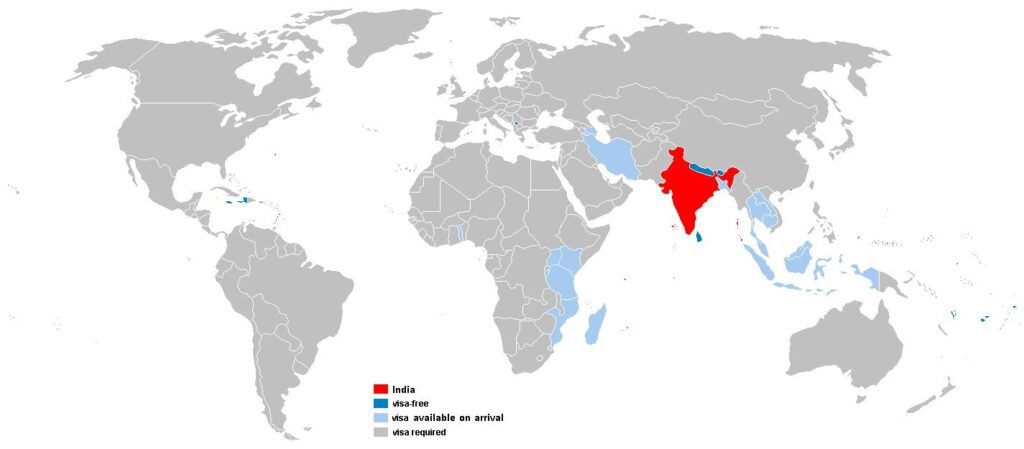
Indian passport holders can visit around 56 countries without a prior visa (including visa-free, visa-on-arrival, and eVisa destinations).
🌍 Latest Data (2026 Updated)
As per the latest Henley Passport Index 2026, India has seen a noticeable jump in global mobility:
- 56 destinations accessible without a pre-approved visa
- Includes visa-free, visa-on-arrival, and electronic travel authorization (eTA/eVisa)
- Global passport ranking: ~75th position (up from 85th in 2025)
That’s a 10-position jump in just one year, which is a strong signal of improving diplomatic ties and travel access.
🧠 What This Actually Means (Real-World Perspective)
Now here’s where most blogs oversimplify things.
That “56 countries” number is not purely visa-free. It includes:
- ~20–25 truly visa-free countries
- Several visa-on-arrival destinations
- Many eVisa-required countries
👉 So when someone says:
“Indians can travel to 50+ countries without visa”
…it actually means “without needing a traditional embassy visa.”
💡 Expert Insight (from experience):
If your goal is maximum ease, focus on:
- Visa-free countries (zero paperwork)
- Select visa-on-arrival countries (minimal hassle)
Avoid eVisa countries for last-minute trips—they still require planning.
📊 Global Comparison
To understand passport power, let’s compare:
| Country | Visa-Free Access | Global Rank |
|---|---|---|
| Singapore | 190+ countries | #1 |
| Japan / South Korea | 180+ | Top 3 |
| India | 56 | ~75th |
👉 This gap shows why visa-free travel is still a luxury advantage globally.
But here’s the opportunity:
Even with 56 countries, Indian travelers can still access:
- Beach destinations (Maldives, Mauritius)
- Budget hotspots (Thailand, Indonesia)
- Unique regions (Africa, Caribbean)
🚀 Why This Number Is Increasing Every Year
The rise from ~52 countries (2025) to 56 in 2026 reflects:
- Stronger bilateral travel agreements
- Tourism-driven economies opening borders
- Simplified entry policies post-pandemic
However, access can also change quickly (countries may remove visa-free status), so always verify before booking.
⚠️ Actionable Travel Tip
Before choosing a destination:
- Check official embassy or airline website (IATA data)
- Confirm:
- Stay duration (often 14–90 days)
- Entry conditions (cash, insurance, bookings)
- Screenshot visa rules (in case of disputes at immigration)
💡 Pro Tip:
Use visa-free travel as a filter when planning trips.
Instead of asking “Where do I want to go?”, ask:
👉 “Where can I go easily, cheaply, and quickly?”
How many countries can Indians travel without visa?
👉 Indians can travel to around 56 countries without a prior visa, including visa-free, visa-on-arrival, and eVisa destinations.
Complete List of Visa-Free Countries for Indians
This is the section most readers come for—and where most blogs fall short. Instead of dumping a long list, here’s a curated, practical breakdown of visa-free countries for Indians with stay duration, entry rules, and realistic budgets you can actually plan around.
Popular visa-free countries for Indians include Thailand, Nepal, Maldives, Serbia, Mauritius, and Barbados, with stays ranging from 14 to 90 days depending on the destination.
💡 How to use this list:
- Want a cheap trip? → Focus on Asia
- Want unique experiences? → Explore Europe & Africa
- Want exotic + offbeat? → Try Caribbean
Asia (Closest & Cheapest Options)

These are the most searched visa-free destinations because they’re budget-friendly, close to India, and beginner-friendly.
| Country | Stay Duration | Entry Requirements | Approx Budget (5–6 days) |
|---|---|---|---|
| Thailand | 30 days (policy-based) | Passport, return ticket, hotel proof | ₹30K–₹60K |
| Nepal | Unlimited | Govt ID (passport not mandatory for Indians) | ₹15K–₹30K |
| Indonesia (Bali) | 30 days | Passport, onward ticket | ₹40K–₹70K |
| Maldives | 30 days | Hotel booking + proof of funds | ₹60K–₹1.2L |
🔍 Real Travel Insight:
- Nepal is the easiest international trip—no passport stress
- Thailand = best mix of nightlife + budget
- Bali is slightly expensive due to flights
- Maldives can be cheap if you skip luxury resorts
💡 Actionable Tip:
Book flights 6–8 weeks early for Southeast Asia to save up to 30–40% on airfare.
Europe (Hidden Gems)

Europe without a Schengen visa? Yes—these underrated countries offer that rare advantage.
| Country | Stay Duration | Entry Requirements | Approx Budget (6–7 days) |
|---|---|---|---|
| Serbia | 30 days | Passport, return ticket | ₹70K–₹1.2L |
| Albania | 90 days | Passport, accommodation proof | ₹80K–₹1.3L |
| Georgia | 1 year (visa-free) | Passport, travel insurance recommended | ₹60K–₹1L |
🔍 Real Travel Insight:
- Georgia is a hidden gem—Europe vibes at Asian prices
- Albania has beaches comparable to Greece (but cheaper)
- Serbia is perfect for nightlife + culture
💡 Pro Tip:
Carry travel insurance in Europe—even if not mandatory, it increases approval chances at immigration.
Africa (Underrated Destinations)
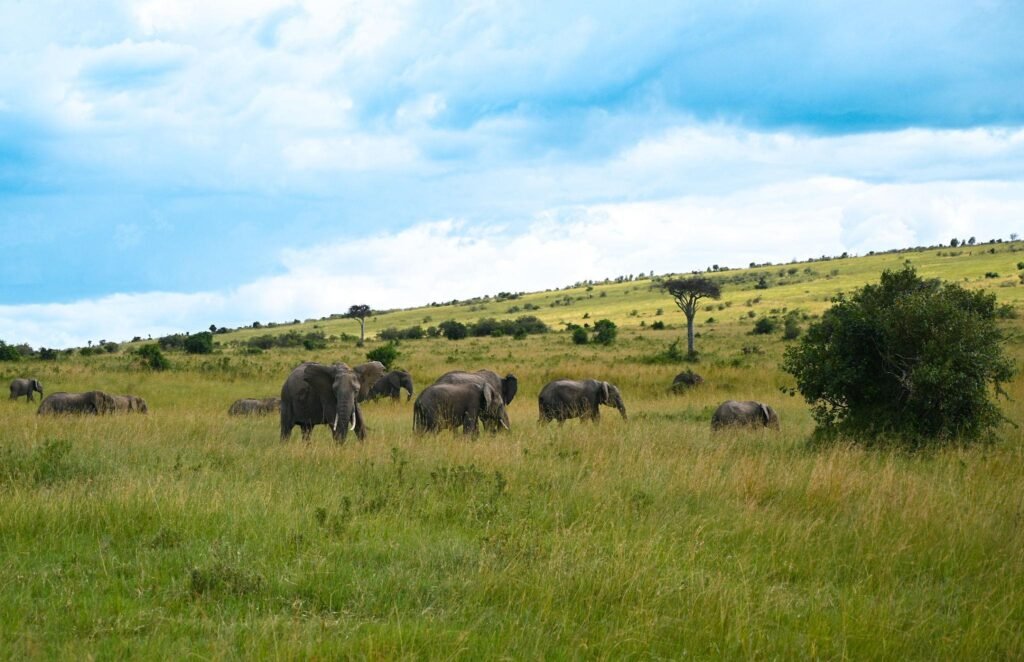
Africa offers some of the best luxury + nature experiences with relatively simple entry.
| Country | Stay Duration | Entry Requirements | Approx Budget (5–7 days) |
|---|---|---|---|
| Mauritius | 90 days | Hotel booking, return ticket | ₹70K–₹1.3L |
| Seychelles | 30 days | Proof of funds + accommodation | ₹90K–₹1.5L |
| Kenya | Visa-free/eTA (check latest) | Passport, onward ticket | ₹80K–₹1.4L |
🔍 Real Travel Insight:
- Mauritius = best value honeymoon destination
- Seychelles = luxury + Instagram-perfect
- Kenya = unmatched wildlife safaris
💡 Actionable Tip:
Travel in shoulder seasons (April–June, Sept) to save 20–30% on hotels.
Caribbean & Americas
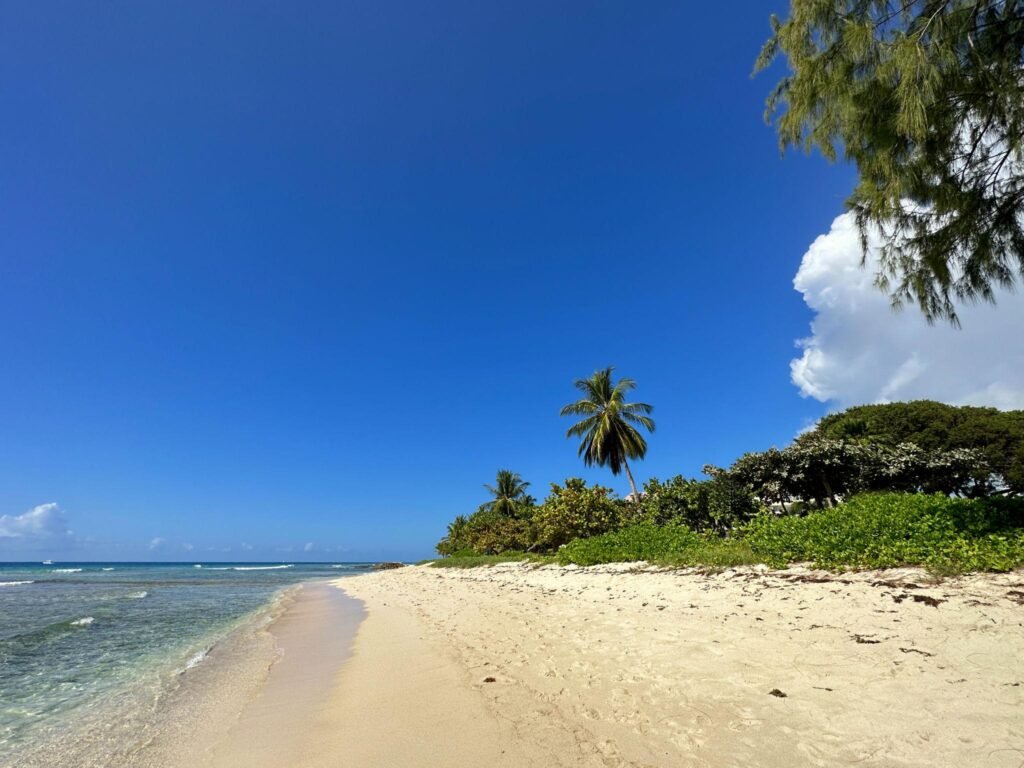
These are less explored by Indian travelers—but perfect if you want something unique.
| Country | Stay Duration | Entry Requirements | Approx Budget (6–8 days) |
|---|---|---|---|
| Barbados | 90 days | Passport, return ticket | ₹1.2L–₹2L |
| Dominica | 180 days | Accommodation proof | ₹1L–₹1.8L |
| Haiti | 90 days | Passport, basic funds proof | ₹1L–₹1.7L |
🔍 Real Travel Insight:
- Flights are expensive—this is the biggest cost factor
- Ideal for longer trips or combining destinations
💡 Pro Tip:
Use multi-city flights (e.g., US + Caribbean combo) to optimize cost.
⚠️ Important Entry Rules
Even for visa-free countries:
- Immigration can deny entry without reason
- You must prove intent to return
- Overstaying can lead to fines or bans
👉 Always check latest rules before booking (policies change frequently).
🎯 Smart Travel Strategy
Instead of choosing a destination randomly:
👉 Use this formula:
Low Flight Cost + Visa Ease + Weather = Best Travel Choice
Example:
- December → Thailand (cheap + festive)
- April → Bali (shoulder season deals)
- June → Georgia (perfect weather + budget)
Cheapest Visa-Free Countries to Visit from India 💸
If your goal is international travel on a budget, visa-free destinations are your biggest advantage. You skip visa fees (₹2,000–₹8,000 saved) and reduce planning time—meaning more money for experiences.
From my own trips, the sweet spot is this:
👉 Pick destinations with cheap flights + low daily costs + visa-free entry.
That’s how you turn a “maybe someday” trip into something you can book this month.
Countries Under ₹50,000 Budget
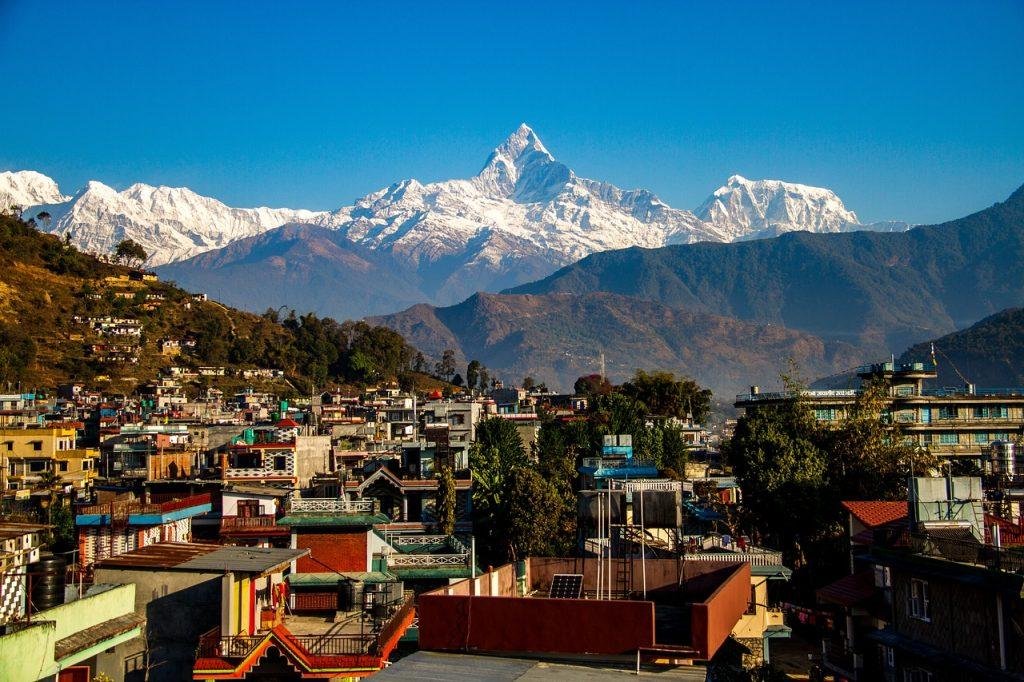
These are the best visa-free or easy-entry countries where you can realistically travel under ₹50K for 4–6 days.
| Country | Flights | Stay (per night) | Food (per day) | Total Budget |
|---|---|---|---|---|
| Nepal | ₹6K–₹12K | ₹800–₹2,000 | ₹500–₹1,000 | ₹15K–₹30K |
| Thailand | ₹12K–₹20K | ₹1,200–₹3,000 | ₹800–₹1,500 | ₹30K–₹50K |
| Sri Lanka (VOA) | ₹10K–₹18K | ₹1,000–₹2,500 | ₹700–₹1,200 | ₹35K–₹50K |
🔍 Real Travel Breakdown
- Flights: ₹15,000
- Hostel/Hotel: ₹6,000
- Food + Local Travel: ₹8,000
👉 Total: ~₹29,000–₹35,000 (if planned smartly)
🎒 Backpacker Tips
- Book hostels or Airbnb instead of hotels
- Eat local street food (safe + cheap + authentic)
- Use public transport or bike rentals
- Travel in shoulder season (May–June / Sept)
- Avoid weekend flights (prices spike 20–25%)
💡 Pro Tip:
Set flight alerts on platforms like Skyscanner or Google Flights to catch deals under ₹15K.
Countries Under ₹1 Lakh Budget

If you can stretch your budget, these destinations offer better experiences, longer stays, or luxury upgrades.
| Country | Flights | Stay (per night) | Food (per day) | Total Budget |
|---|---|---|---|---|
| Indonesia (Bali) | ₹25K–₹40K | ₹1,500–₹4,000 | ₹1,000–₹2,000 | ₹60K–₹90K |
| Maldives (budget islands) | ₹25K–₹35K | ₹3,000–₹6,000 | ₹1,500–₹2,500 | ₹70K–₹1L |
| Georgia | ₹30K–₹45K | ₹1,500–₹3,500 | ₹800–₹1,500 | ₹60K–₹1L |
🔍 Real Travel Insight:
- Bali is affordable once you land—your main cost is flights
- Maldives can be budget-friendly if you stay on local islands (not resorts)
- Georgia offers Europe-like experience at half the cost
🎒 Smart Budget Hacks:
- Split stays: 2 nights luxury + 3 nights budget
- Book flights with layovers (save ₹5K–₹10K)
- Use forex cards instead of currency exchange counters
- Pre-book airport transfers to avoid tourist pricing
💡 Expert Tip:
If flights cross ₹35K, reconsider destination—flight cost should ideally be 40–50% of your total budget, not more.
⚡ Quick Comparison
- ₹20K–₹30K Trip? → Nepal
- ₹30K–₹50K Trip? → Thailand / Sri Lanka
- ₹60K–₹1L Trip? → Bali / Georgia / Maldives
👉 This simple framework helps you choose faster instead of overthinking.
If you’re open to destinations beyond visa-free countries, explore our guide to budget international trips. It features carefully planned overseas vacations under ₹1 lakh, including estimated costs, sample itineraries, and money-saving tips for travelers departing from India.
Best Visa-Free Countries Based on Travel Style
Most blogs just give you a long list. But in real life, where you should go depends on how you travel.
Are you planning a romantic honeymoon, a solo reset trip, or an adrenaline-packed adventure? Choosing the right destination based on your travel style saves money, avoids disappointment, and massively improves your experience.
The best visa-free countries for Indians vary by travel style—Maldives for honeymoon, Thailand for solo travel, Kenya for adventure, and Seychelles for luxury experiences.
For Honeymoon 💑
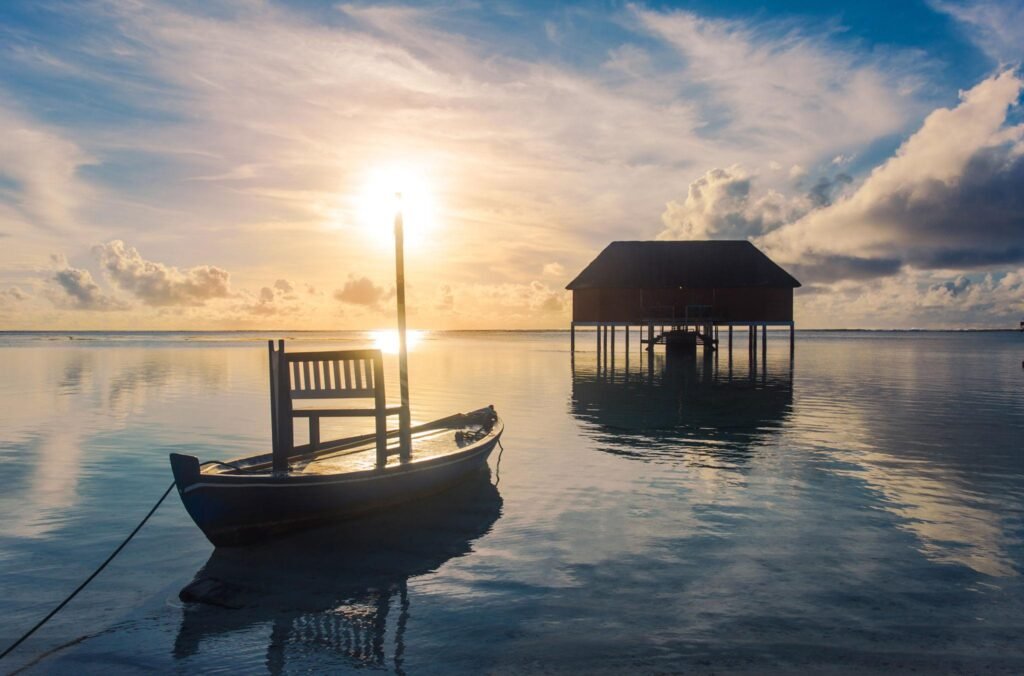
If you’re planning your first trip together, you want privacy, scenic beauty, and stress-free entry—which is why visa-free destinations are perfect.
Top Picks:
- Maldives → Overwater villas, crystal-clear lagoons
- Mauritius → Beaches + activities (great mix of relaxation + adventure)
- Seychelles → Luxury + secluded islands
💡 Real Insight:
Most couples assume Maldives = expensive. But if you stay on local islands instead of resorts, you can do it under ₹80K–₹1L.
❤️ Pro Tips:
- Book sunset-facing stays (small detail, huge impact)
- Travel in shoulder season for better deals + fewer crowds
- Pre-book transfers—last-minute options are expensive
For Solo Travelers 🎒

Solo travel is all about ease, safety, and social experiences. Visa-free destinations remove the biggest barrier—planning stress.
Top Picks:
- Thailand → Easy, social, backpacker-friendly
- Indonesia (Bali) → Digital nomad hubs + cafes
- Georgia → Safe, affordable, underrated Europe vibe
💡 Real Insight:
Thailand is often the first international trip for solo travelers because everything is easy—from transport to food to meeting people.
🎒 Pro Tips:
- Stay in hostels (not hotels) to meet travelers
- Join local tours or walking groups
- Use apps like Meetup or Couchsurfing
For Adventure Lovers 🏔️

If you travel for experiences, not just views—these destinations offer thrill + nature + raw experiences.
Top Picks:
- Nepal → Trekking, mountains, spiritual journeys
- Kenya → Wildlife safaris (once-in-a-lifetime experience)
- Sri Lanka → Surfing, hiking, train journeys
💡 Real Insight:
Nepal is one of the best value adventure destinations globally—you can trek the Himalayas at a fraction of European costs.
⚡ Pro Tips:
- Always get travel insurance for adventure trips
- Pack light but smart (layered clothing)
- Book activities locally—it’s often cheaper than online packages
For Luxury Travel 🏝️

If your goal is comfort, exclusivity, and premium experiences, these visa-free destinations deliver world-class luxury without visa hassle.
Top Picks:
- Seychelles → Ultra-luxury + pristine beaches
- Maldives → Private villas, premium resorts
- Mauritius → Luxury resorts + activities
💡 Real Insight:
Luxury doesn’t always mean expensive—booking off-season or weekday stays can cut costs by 25–40%.
🏝️ Pro Tips:
- Look for all-inclusive packages (better value)
- Use credit card reward points for flights
- Book directly with hotels for free upgrades or perks
🎯 Smart Travel Strategy
Instead of choosing randomly, match your style:
- Want romance → Maldives / Seychelles
- Want freedom → Thailand / Bali
- Want adventure → Nepal / Kenya
- Want luxury → Mauritius / Maldives
👉 This reduces decision fatigue and helps you book faster with confidence.
Still deciding where to go? Our complete visa-free destinations guide compares the best options for couples, solo travelers, families, backpackers, and luxury vacations, making it easier to find the destination that suits your travel style.
Entry Requirements You Still Need to Know ⚠️
“Visa-free” doesn’t mean “no checks.” It simply means no pre-approved visa—you still have to prove you’re a genuine visitor at the border. I’ve seen travelers denied entry despite having tickets, just because they couldn’t show a hotel booking or answer basic questions confidently.
Documents required for visa-free travel include a valid passport (6+ months), return or onward ticket, proof of accommodation, sufficient funds, and sometimes travel insurance.
Documents Required
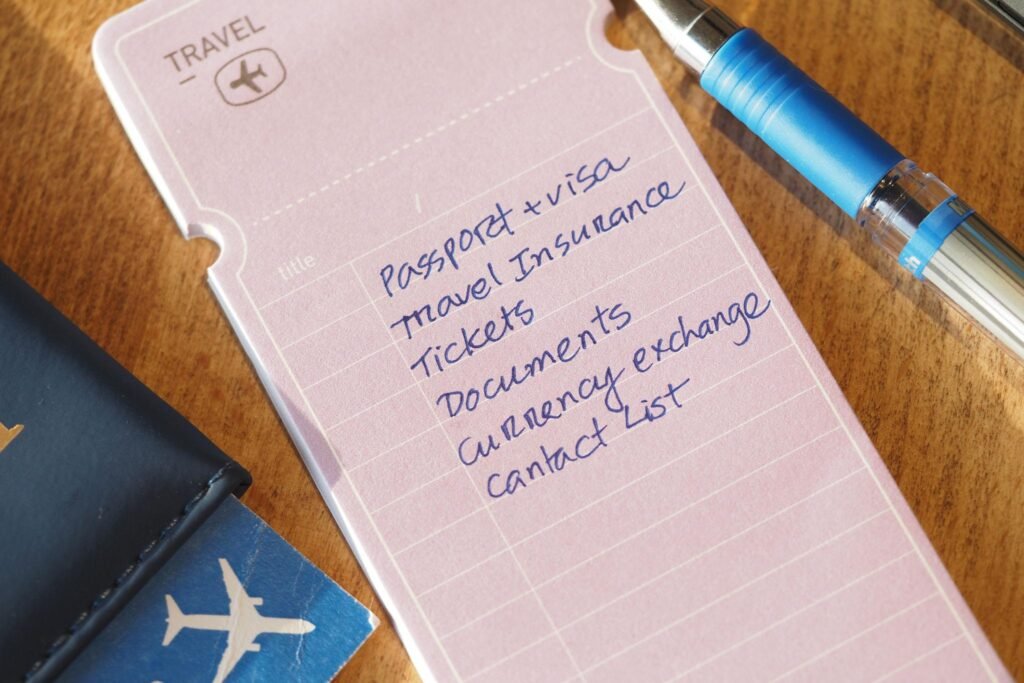
Here’s the non-negotiable checklist most immigration counters expect—regardless of destination:
1) Passport Validity (6+ months)
- Many countries enforce a strict 6-month validity rule from your entry date.
- At least 1–2 blank pages recommended.
💡 Actionable tip: Renew if you’re under 7 months—don’t risk last-minute issues at the airline check-in.
2) Return or Onward Ticket
- Proves you won’t overstay.
- Some airlines won’t let you board without it.
💡 Hack: Use refundable tickets or 24-hour holds if your plan isn’t fixed.
3) Proof of Accommodation
- Hotel booking, Airbnb confirmation, or a host’s address.
- Border officers may ask for full address + contact number.
💡 Tip: Keep the first night booking confirmed even if you plan to move later.
4) Proof of Funds
- Cash, bank statements, or a forex card.
- Rule of thumb: $50–$100 per day (varies by country).
💡 Tip: Split money across cash + card to avoid single-point failure.
5) Travel Insurance (increasingly expected)
- Not always mandatory, but often requested in Europe/Africa.
- Covers medical emergencies and trip disruptions.
💡 Tip: Buy a basic plan (₹300–₹800 for a week)—it can smooth immigration checks.
Hidden Rules Travelers Ignore
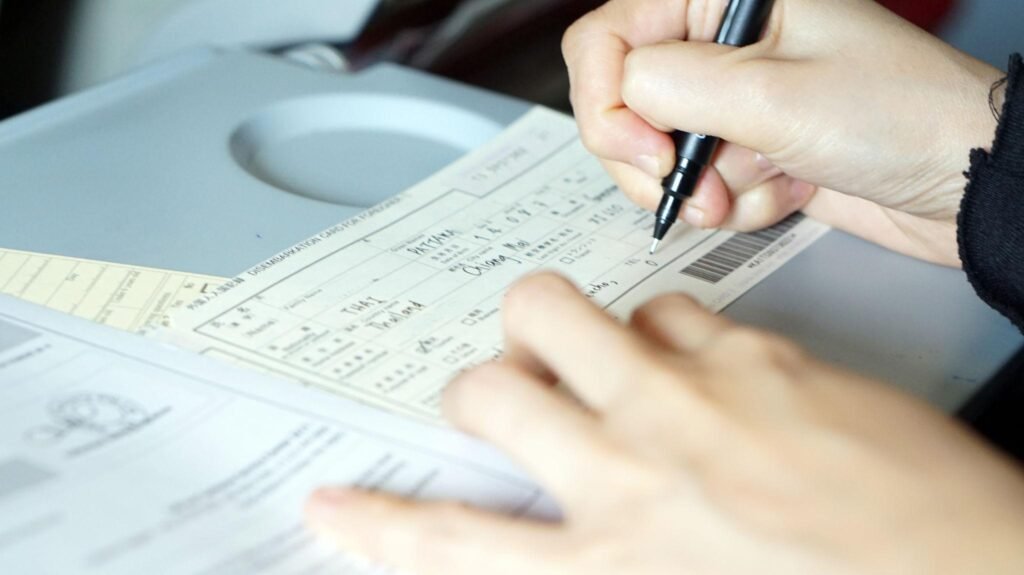
This is where most blogs stop—and where real travel experience matters. These “unwritten rules” decide whether you’re waved through or pulled aside.
1) Immigration Questions (Your Answers Matter)
Common questions:
- “What’s the purpose of your visit?”
- “How many days will you stay?”
- “Where are you staying?”
👉 Best practice: Answer clearly, confidently, and consistently with your documents.
💡 Real insight: Hesitation or conflicting answers = secondary screening.
2) Consistency Across Documents
- Your dates, hotel, and ticket should match your story.
- If you say 5 days, your booking shouldn’t be 2 nights only.
💡 Tip: Keep a simple itinerary note on your phone.
3) Appearance & Demeanor
- You’re being assessed for intent to return.
- Casual is fine—but be organized and respectful.
💡 Tip: Keep documents in one folder; don’t scroll through emails at the counter.
4) Travel Insurance Can Be a Gatekeeper
- Some officers ask for proof on the spot.
- Lack of insurance can lead to delays or extra questioning.
5) Stay Duration & Overstay Risks
- Visa-free stays are typically 14–90 days.
- Overstaying can mean fines, deportation, or future bans.
💡 Tip: Set a calendar alert 3 days before expiry.
⚡ Quick Pre-Departure Checklist
- Passport valid 6+ months
- Return/onward ticket booked
- First-night accommodation confirmed
- Funds ready ($50–$100/day)
- Travel insurance purchased
- Digital + printed copies saved
Pro Tips for Visa-Free Travel ✈️
Visa-free travel looks easy on the surface—but the difference between a smooth trip and a stressful one comes down to small, smart decisions.
These are not generic tips. These are real-world strategies I’ve personally used (and seen other travelers miss) that can save you money, avoid airport issues, and make your trip seamless.
💵 Always Carry USD Backup
Even in visa-free countries, cash is king in emergencies.
- Some immigration officers may ask: “How much cash are you carrying?”
- Smaller vendors, taxis, or remote areas may not accept cards
- Currency exchange counters at airports often have poor rates
💡 Actionable Tip:
Carry at least $200–$300 in USD as backup. USD is globally accepted and easier to exchange than INR.
👉 Real scenario:
In Bali, my card didn’t work at a local café—USD saved the situation instantly.
💳 Use Multi-Currency Forex Cards
Avoid using your debit/credit card blindly abroad.
- Indian bank cards often charge 3–5% forex markup fees
- Currency conversion rates can fluctuate
💡 Smart Move:
Use multi-currency forex cards from providers like Wise or Thomas Cook India
Benefits:
- Better exchange rates
- Lock-in currency when rates are low
- Safer than carrying large cash
👉 Pro Tip: Load currency when INR is strong—it can save ₹2,000–₹5,000 per trip.
🎟️ Book Refundable Tickets
This is one of the most underrated travel hacks.
Many countries require:
- Proof of return or onward travel
But what if your plan isn’t fixed?
💡 Solution:
- Book fully refundable tickets
- Or use “hold fare” options
👉 Why it matters:
I’ve seen travelers denied boarding because they didn’t have a return ticket—even for visa-free countries.
🌐 Check Embassy Updates Before Travel
Visa rules change more often than you think.
- Temporary visa-free policies can expire
- Entry requirements (insurance, funds) may update
- Airlines follow latest IATA rules, not outdated blogs
💡 Actionable Tip:
Check:
- Official embassy website
- Airline travel guidelines
👉 Do this 48–72 hours before departure, not just while planning.
🌤️ Travel During Shoulder Season
Timing can make or break your budget.
Shoulder season = just before or after peak season
Benefits:
- Flights cheaper by 20–40%
- Hotels discounted
- Fewer crowds
👉 Examples:
- Thailand → May–June / September
- Bali → April / October
- Europe → April–May / September
💡 Real Insight:
Same destination, same experience—but half the price if you time it right.
⚡ Bonus Pro Tips
- 📶 Buy a local SIM or eSIM at the airport (cheaper than roaming)
- 🧾 Screenshot all bookings (internet may fail at immigration)
- 🕒 Arrive early—visa-on-arrival queues can take 1–2 hours
- 📍 Save your hotel location offline on maps
🎯 Quick Recap
👉 What are the best tips for visa-free travel?
Carry USD backup, use forex cards, book refundable tickets, check embassy updates, and travel during shoulder season to save money and avoid issues.
Common Mistakes to Avoid ❌
Visa-free travel feels easy—but that’s exactly why people make costly mistakes. These aren’t theoretical errors; I’ve seen travelers miss flights, get questioned at immigration, and even face fines because of these avoidable issues.
👉 Quick Reality Check:
Visa-free does NOT mean risk-free. Small mistakes can lead to delays, denied entry, or unexpected expenses.
❌ Assuming Visa-Free = No Rules

This is the #1 mistake beginners make.
Just because a country is visa-free doesn’t mean you can walk in casually. Immigration still checks:
- Your travel intent
- Your documents
- Your financial ability
👉 Real scenario:
A traveler heading to Thailand was denied boarding because he didn’t have a return ticket—even though the destination was visa-free.
💡 Fix:
Treat visa-free travel like a visa application—just without paperwork. Be prepared with:
- Clear itinerary
- Return proof
- Hotel booking
❌ Not Checking Stay Limits
Every visa-free country has a strict stay duration:
- 14 days (some countries)
- 30 days (common)
- 90 days (select destinations)
👉 The mistake?
People assume they can “stay as long as they want.”
💡 Actionable Tip:
- Check your entry stamp carefully at immigration
- Set a reminder 3 days before expiry
- If needed, check extension rules in advance
👉 Real insight:
Overstaying even by 1–2 days can create issues for future travel.
❌ Ignoring Currency Requirements

Many countries expect you to carry a minimum amount per day.
- Typical requirement: $50–$100/day
- Some immigration officers may ask:
👉 “How much money are you carrying?”
👉 The mistake:
- Traveling with only INR
- Relying fully on one card
💡 Fix:
- Carry USD backup (minimum $200–$300)
- Use a forex card + small cash mix
- Keep proof (bank app or statement screenshot)
❌ Overstaying (Penalties Explained)
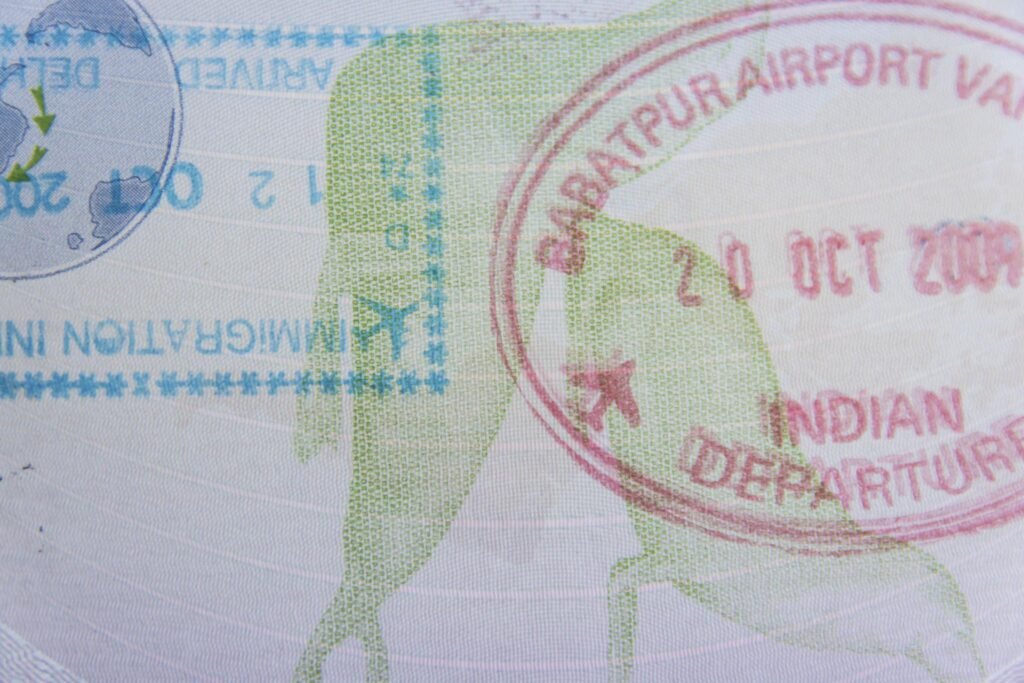
Overstaying is one of the most serious travel mistakes.
👉 What can happen:
- Daily fines ($20–$100 per day depending on country)
- Airport delays or questioning
- Deportation in extreme cases
- Future visa rejections
👉 Real example:
In Southeast Asia, even a 2–3 day overstay can result in fines + immigration flags.
💡 Actionable Tip:
- Always calculate your exit date from the entry stamp (not your memory)
- Keep a buffer—leave 1 day before expiry
⚡ Quick Mistake-Proof Checklist
Before your trip, ask yourself:
- Do I have all required documents ready?
- Do I know my maximum stay duration?
- Do I have enough funds + backup currency?
- Is my return ticket confirmed?
👉 If you can answer YES to all, you’re good to go.
👉 What are common mistakes in visa-free travel?
Assuming no rules apply, ignoring stay limits, not carrying enough funds, and overstaying—these can lead to fines, delays, or denied entry.
Budget Breakdown / Cost Guide 💰
If you’re serious about booking a trip, this is the section that decides yes or no.
Most blogs throw random numbers. Here’s a realistic, experience-based budget breakdown for visa-free travel—covering daily costs + a sample 5-day plan so you can actually act on it.
A visa-free international trip can cost anywhere between ₹30,000 to ₹1.5 lakh+ depending on your travel style, destination, and timing.
Budget Traveler (₹30K–₹60K)

Perfect for students, solo travelers, or first-time international trips.
Best Destinations: Nepal, Thailand, Sri Lanka, Indonesia (budget style)
💸 Daily Expense Estimate:
- Stay (hostel/budget hotel): ₹800–₹2,000
- Food (local meals): ₹500–₹1,000
- Transport + activities: ₹500–₹1,000
👉 Total per day: ₹2,000–₹4,000
🧾 Sample 5-Day Budget (Thailand Example)
- Flights: ₹15,000
- Stay (₹1,200 × 5): ₹6,000
- Food + local travel: ₹8,000
- Activities + misc: ₹5,000
👉 Total: ₹30,000–₹40,000
🎒 Budget Travel Hacks:
- Stay in hostels or shared Airbnb
- Eat street food (safe + cheap + authentic)
- Use public transport instead of taxis
- Avoid peak tourist areas for stays
💡 Real Insight:
Your biggest cost is flights—crack that, and the trip becomes surprisingly affordable.
Mid-Range Traveler (₹60K–₹1.2L)
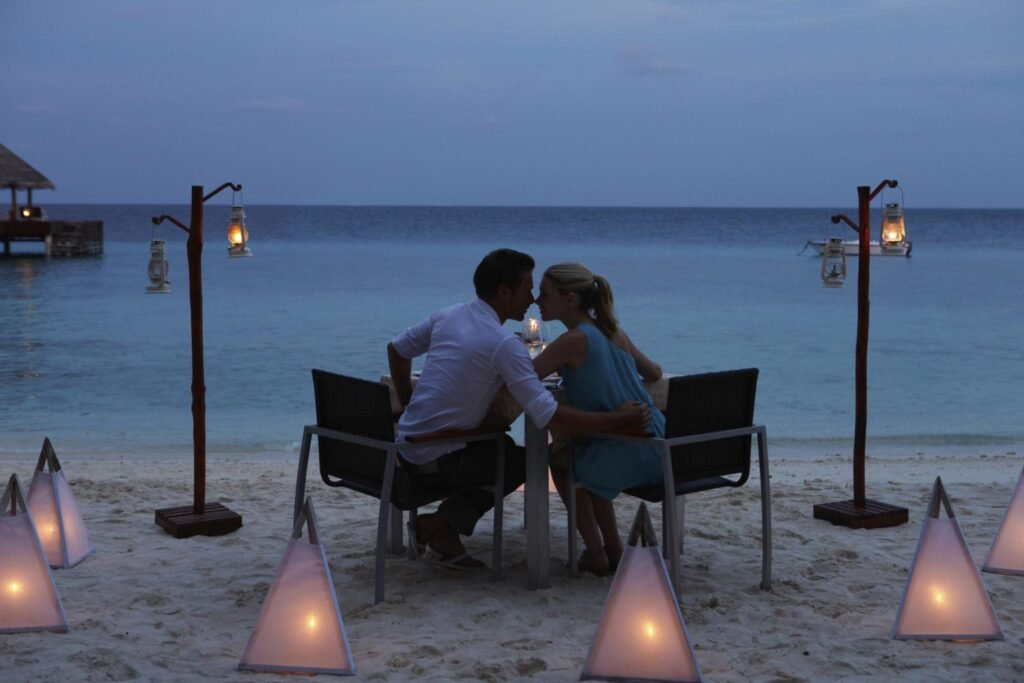
Ideal for couples, working professionals, or comfort-focused travelers.
Best Destinations: Bali, Georgia, Mauritius (budget resorts), Thailand (upgraded)
💸 Daily Expense Estimate:
- Stay (3-star hotel/private Airbnb): ₹2,500–₹6,000
- Food (mix of local + restaurants): ₹1,000–₹2,500
- Transport + activities: ₹1,000–₹2,000
👉 Total per day: ₹5,000–₹10,000
🧾 Sample 5-Day Budget (Bali Example)
- Flights: ₹30,000
- Stay (₹3,000 × 5): ₹15,000
- Food + transport: ₹12,000
- Activities (tours, entry fees): ₹10,000
👉 Total: ₹65,000–₹90,000
✨ Smart Upgrade Tips:
- Split stay: 3 nights budget + 2 nights luxury
- Book private scooters or shared taxis
- Choose combo tours instead of individual bookings
💡 Expert Insight:
Mid-range travel gives the best value-for-money experience—comfort without overspending.
Luxury Traveler (₹1.5L+)

For travelers who want premium comfort, privacy, and unforgettable experiences.
Best Destinations: Maldives, Seychelles, Mauritius (luxury resorts)
💸 Daily Expense Estimate:
- Stay (4–5 star resorts): ₹10,000–₹40,000+
- Food (fine dining): ₹3,000–₹8,000
- Activities + transfers: ₹3,000–₹10,000
👉 Total per day: ₹15,000–₹50,000+
🧾 Sample 5-Day Budget (Maldives Example)
- Flights: ₹30,000
- Resort (₹20,000 × 5): ₹1,00,000
- Food + activities: ₹30,000
👉 Total: ₹1.5L–₹2L+
🏝️ Luxury Travel Hacks:
- Book off-season deals (save up to 40%)
- Look for all-inclusive packages
- Use credit card points or travel rewards
- Book directly with hotels for free upgrades
💡 Real Insight:
Luxury travel isn’t just about spending more—it’s about spending smartly for premium experiences.
⚡ Quick Budget Decision Guide
- ₹30K–₹40K → Backpacking (Thailand, Nepal)
- ₹60K–₹90K → Comfortable trip (Bali, Georgia)
- ₹1.5L+ → Luxury escape (Maldives, Seychelles)
👉 This framework helps you decide instantly based on your budget.
👉 How much does a visa-free international trip cost?
A visa-free trip can cost between ₹30,000 and ₹1.5 lakh+ depending on your travel style, destination, and preferences.
Best Time to Visit Visa-Free Countries 🌤️
Timing isn’t just about weather—it directly affects your budget, crowd levels, and overall experience.
From years of travel planning, one pattern is clear:
👉 The same destination can feel premium or frustrating depending on when you go.
This section helps you pick the right month, avoid peak pricing, and travel smarter.
📅 Month-Wise Recommendations
Here’s a simplified month-by-month guide based on popular visa-free destinations:
| Month | Best Destinations | Why Travel Now |
|---|---|---|
| Jan – Feb | Thailand, Maldives, Sri Lanka | Pleasant weather, peak beach season |
| Mar – Apr | Bali, Nepal, Mauritius | Shoulder season = fewer crowds |
| May – June | Thailand, Indonesia | Lower prices, good deals |
| July – Aug | Georgia, Kenya | Great weather in Europe/Africa regions |
| Sept – Oct | Bali, Thailand | Best balance of price + weather |
| Nov – Dec | Maldives, Seychelles | Peak season (luxury + perfect weather) |
👉 Quick Insight:
If you want the best mix of budget + experience, target March–April or September–October
💸 Avoid Peak Pricing Periods

Peak seasons can increase your total trip cost by 30–70%.
🚫 Avoid These Periods:
- Christmas & New Year (Dec 20 – Jan 5)
- Summer vacations (May–June flights spike)
- Long weekends & festivals
👉 Example:
- Maldives in December → ₹1.5L+
- Same trip in May → ₹80K–₹1L
💡 Actionable Tip:
Book flights 45–60 days in advance for peak seasons—or skip them entirely.
🌤️ What is Shoulder Season (Your Secret Weapon)?
Shoulder season = just before or after peak season
✅ Why It’s the Best Time:
- Flights cheaper by 20–40%
- Hotels offer discounts or upgrades
- Less crowded attractions
- Better local experiences
👉 Examples:
- Bali → April & October
- Thailand → May & September
- Europe (Georgia) → April & September
💡 Real Insight:
Most experienced travelers don’t travel in peak season—they travel just before or after it.
🌍 Destination-Specific Timing Strategy
Instead of guessing, use this smart rule:
- Beach destinations (Maldives, Thailand) → Best in winter
- Mountain/adventure (Nepal, Georgia) → Spring & autumn
- Luxury travel (Seychelles, Mauritius) → Shoulder season for deals
👉 This simple mapping helps you avoid bad weather + high prices.
⚡ Quick Decision Framework
- Want cheap travel? → Shoulder season
- Want perfect weather? → Peak season (pay more)
- Want balanced experience? → Early shoulder months
👉 What is the best time to visit visa-free countries?
The best time is usually during shoulder seasons (March–April and September–October) when prices are lower, crowds are fewer, and weather is still good.
Visa-Free vs Visa on Arrival – Which Is Better?
Choosing between visa-free and visa on arrival (VOA) can change your entire travel experience—especially if you’re planning a quick or budget trip.
Most travelers assume they’re the same. They’re not.
Visa-free travel is better for convenience and speed since no visa is required, while visa on arrival is useful when visa-free access is unavailable but still offers easy entry at the airport.
🔍 Quick Comparison
| Factor | Visa-Free | Visa on Arrival |
|---|---|---|
| Application | Not required | Done at airport |
| Processing Time | Instant entry | 15–60 mins wait |
| Cost | Free | Usually $20–$100 |
| Risk Level | Very low | Moderate (queue delays/issues) |
| Best For | Beginners, quick trips | Flexible travelers |
✅ Visa-Free Travel: Pros & Cons
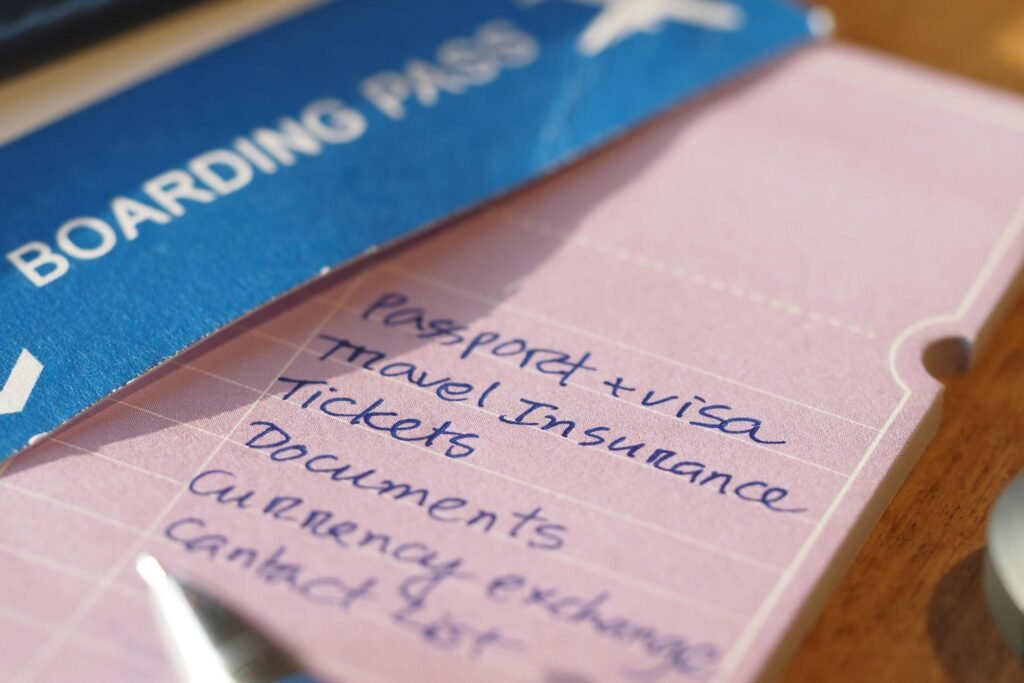
✔️ Pros:
- No paperwork or pre-approval
- Faster immigration clearance
- No visa fees (budget-friendly)
- Ideal for last-minute travel plans
❌ Cons:
- Limited country options
- Strict entry checks at immigration
- Shorter stay durations in some cases
💡 Real Insight:
If you’re traveling for the first time, visa-free countries are the safest and easiest starting point.
✅ Visa on Arrival: Pros & Cons
✔️ Pros:
- Wider destination options
- No embassy visits required
- Simple process compared to traditional visas
❌ Cons:
- Long queues (especially peak season)
- Visa fees apply
- Risk of delays or additional questioning
💡 Real Insight:
In destinations like Southeast Asia, visa-on-arrival queues can take 1–2 hours during peak travel months.
⚖️ When to Choose Visa-Free vs Visa on Arrival
👉 Choose Visa-Free if:
- You want a stress-free, quick trip
- You’re a first-time international traveler
- You’re traveling during peak season (avoid queues)
- You want to save on visa fees
👉 Choose Visa on Arrival if:
- Your desired destination isn’t visa-free
- You’re okay with waiting at the airport
- You’re planning a flexible or extended itinerary
🧠 Smart Travel Strategy (What Experts Do)
Experienced travelers follow this rule:
👉 Visa-Free > Visa on Arrival > eVisa
Why?
- Less paperwork
- Fewer risks
- Faster entry
⚡ Real-Life Scenario
- Option 1: Thailand (Visa-Free) → Exit airport in 15 minutes
- Option 2: Indonesia (Visa on Arrival) → Wait 45 minutes + pay fee
👉 Same region, completely different experience.
👉 Which is better, visa-free or visa on arrival?
Visa-free is better for ease and speed, while visa on arrival is a good alternative when visa-free access is not available.
Final Thoughts – Where Should You Travel First?
You’ve seen the lists, budgets, and tips—but the real question is:
👉 Where should you go first?
Instead of overwhelming you with 50+ options, here are 3 smart, beginner-friendly visa-free destinations—picked based on ease, affordability, and overall experience.
🥇 1. Thailand — Best Overall (Budget + Ease + Experience)
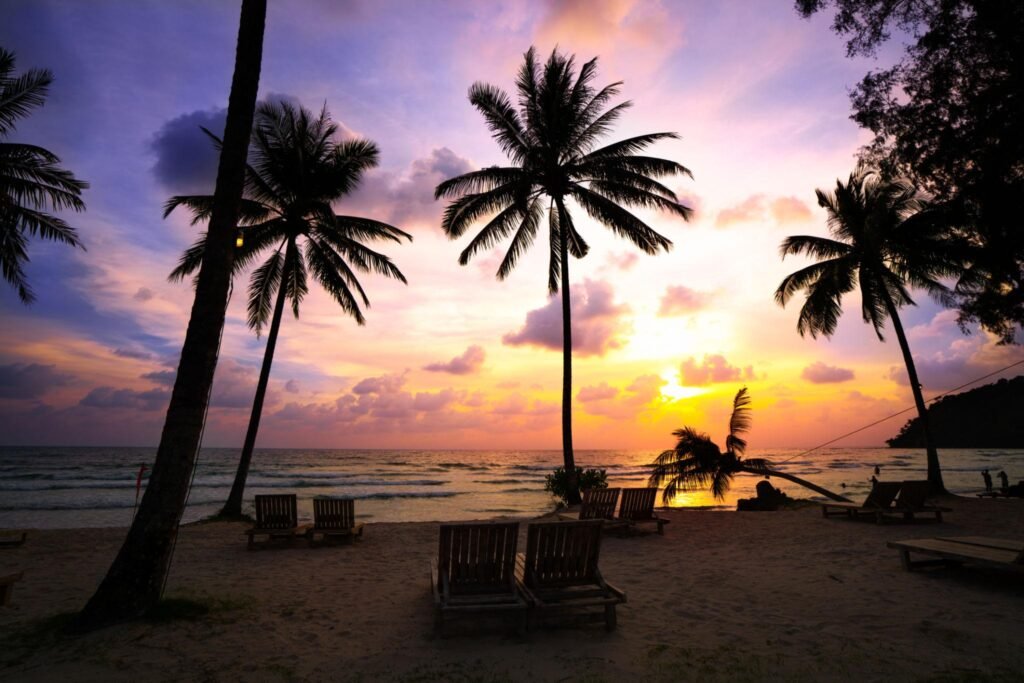
If you want the perfect first international trip, this is it.
- 💸 Budget: ₹30K–₹50K
- ✈️ Ease: Direct flights + tourist-friendly
- 🎯 Why choose it: Beaches, nightlife, food, shopping—all in one
💡 Why it works:
Thailand is built for travelers. Everything is simple—from airport transfers to local transport.
👉 Best for: First-time travelers, solo trips, friends’ trips
🥈 2. Nepal — Cheapest & Easiest International Trip
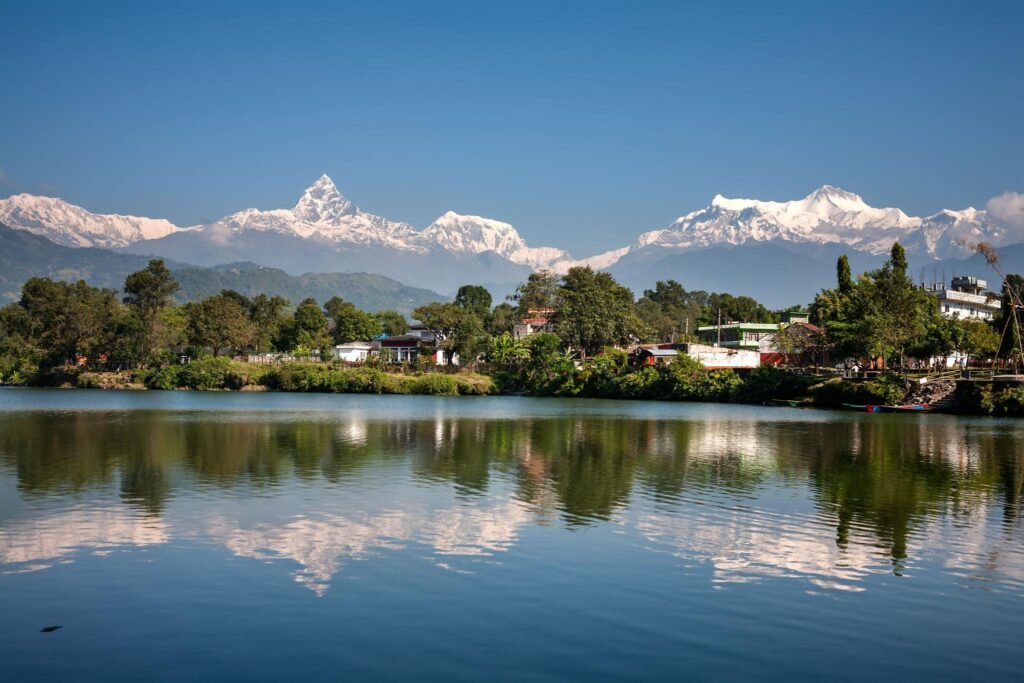
If you want to start international travel with zero stress, Nepal is unbeatable.
- 💸 Budget: ₹15K–₹30K
- ✈️ Ease: No passport required for Indians (ID works)
- 🎯 Why choose it: Mountains, culture, nature, affordability
💡 Why it works:
It feels international—but without the usual travel complications.
👉 Best for: Budget travelers, quick trips, nature lovers
🥉 3. Bali (Indonesia) — Best Value International Experience

If you want a premium experience without a premium budget, Bali is your spot.
- 💸 Budget: ₹60K–₹90K
- ✈️ Ease: Visa-free / easy entry + strong tourist infrastructure
- 🎯 Why choose it: Cafes, beaches, temples, luxury villas
💡 Why it works:
Bali gives you a luxury feel at mid-range cost—perfect for couples and content-worthy trips.
👉 Best for: Couples, digital nomads, Instagram-worthy travel
⚡ Quick Decision Guide
- Want cheapest & easiest? → Nepal
- Want balanced trip (fun + budget)? → Thailand
- Want premium experience on budget? → Bali
👉 Don’t overthink it. Pick one, book it, and start your international travel journey.
Most people delay travel waiting for the “perfect time.”
But in reality:
👉 The best trip is the one you actually take.
Start with an easy, visa-free destination. Gain confidence. Then explore the world bigger.
International travel is exciting, but you don’t always have to leave the country to enjoy unforgettable experiences. If you’re planning your next domestic adventure, explore our comprehensive India travel guide for the best destinations, regional highlights, seasonal travel tips, suggested itineraries, and practical advice for exploring every corner of India.
❓ FAQ Section
Which countries are visa-free for Indians?
👉 Indians can travel visa-free to popular destinations like Thailand, Nepal, Maldives, Mauritius, and more. In total, there are 50+ visa-free or easy-entry countries across Asia, Africa, and the Caribbean.
How many countries can Indians travel without visa?
👉 Indian passport holders can visit around 60+ countries without a prior visa, including visa-free, visa-on-arrival, and eVisa destinations.
What is the cheapest visa-free country to visit?
👉 The cheapest options include Nepal, Thailand, and Indonesia (Bali), where you can travel within a ₹30,000–₹50,000 budget if planned smartly.
Is Thailand visa-free for Indians in 2026?
👉 Yes, Thailand offers visa-free entry for Indian travelers (subject to policy updates). Always check the latest rules before booking your trip.
Do I need documents for visa-free travel?
👉 Yes. Even for visa-free travel, you typically need:
- A valid passport (6+ months)
- Return or onward ticket
- Hotel booking or address proof
- Proof of sufficient funds
Which is the best visa-free country for honeymoon?
👉 The best visa-free honeymoon destinations include Maldives, Mauritius, and Seychelles, known for luxury stays, beaches, and romantic experiences.
Can I travel internationally with ₹50,000?
👉 Yes, you can travel internationally within ₹50,000 by choosing budget-friendly destinations like Nepal, Sri Lanka, or Thailand, especially during off-season.
What happens if I overstay in a visa-free country?
👉 Overstaying can lead to:
- Daily fines
- Immigration penalties
- Deportation in serious cases
- Future visa rejections
💡 Always leave before your allowed stay expires.