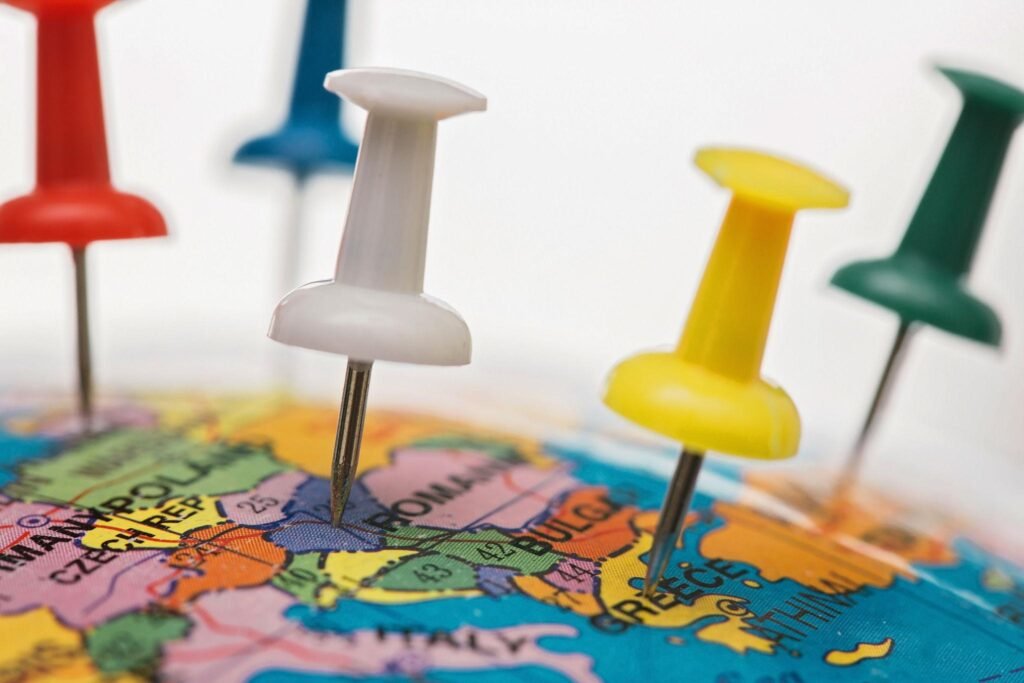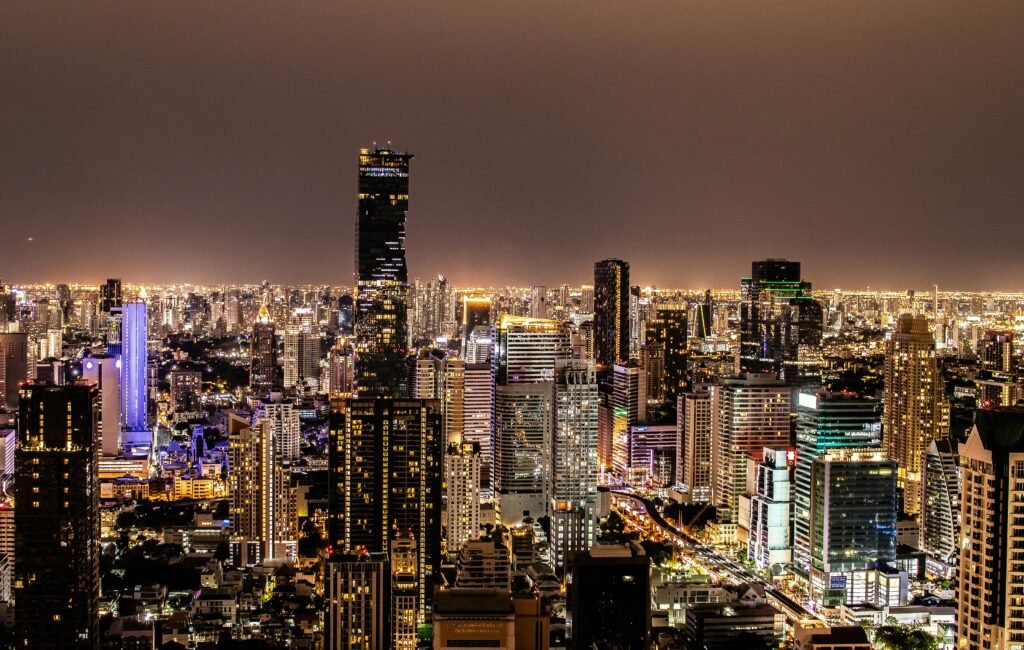
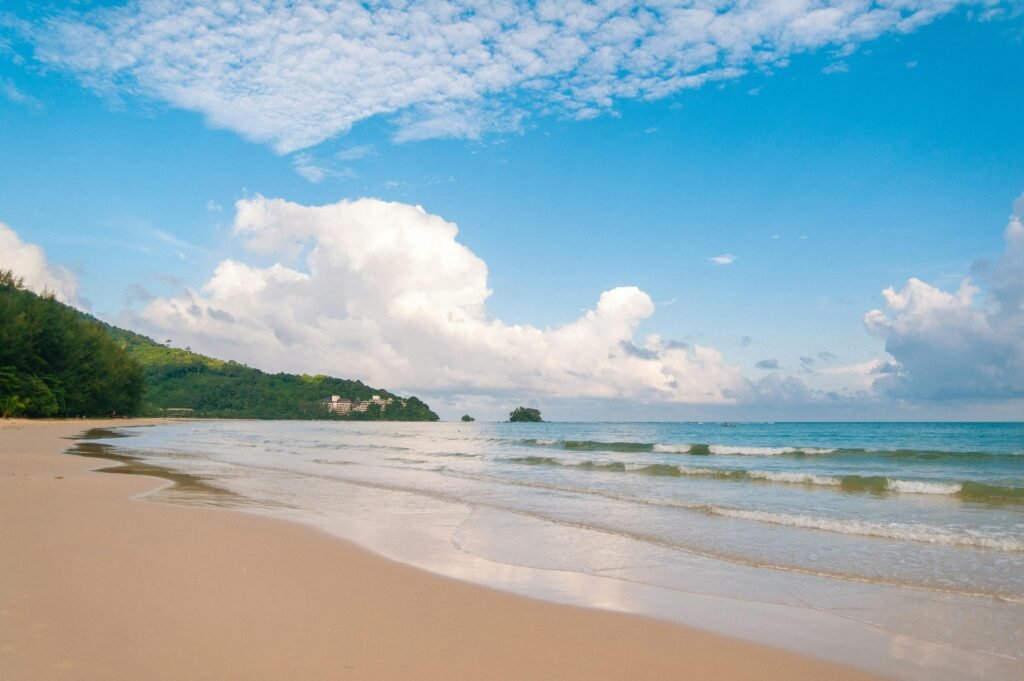
Planning a trip to Thailand and wondering how much you’ll actually spend? You’re not alone. One of the most common questions travelers ask is, “How much does a Thailand trip cost from India?” The good news is that Thailand remains one of the most affordable international destinations, whether you’re a backpacker exploring Bangkok’s street markets or a couple enjoying a beachfront resort in Phuket.
The total Thailand trip cost depends on your travel style, destinations, season, and activities. A budget traveler can comfortably explore Thailand without spending a fortune, while luxury travelers can enjoy world-class resorts, private island tours, and fine dining experiences.
Before finalizing your travel budget, explore our Thailand Travel Guide. It covers everything you need to plan a successful trip, including the best time to visit, visa requirements, transportation, destination recommendations, itinerary ideas, and practical travel tips that can help you save both time and money.
Table of Contents
ToggleHow Much Does a Thailand Trip Cost?
If you’re looking for a quick estimate, here’s a simple breakdown of the average Thailand travel cost:
Thailand Cost at a Glance
| Traveler Type | Daily Budget | 7 Days |
| Budget | ₹3,000–₹5,000 | ₹25,000–₹45,000 |
| Mid-Range | ₹6,000–₹12,000 | ₹50,000–₹90,000 |
| Luxury | ₹15,000+ | ₹1,20,000+ |
These estimates typically include accommodation, local transportation, food, and sightseeing but exclude international flights.
For example, during my first Thailand trip, I spent around ₹42,000 for seven days, including hostel stays, street food meals, island tours, and local transportation. On a later trip with better hotels and domestic flights, my expenses nearly doubled. That’s why creating a realistic Thailand trip planning budget is essential before booking.
For deeper planning, don’t miss our guides on Best Time to Visit Thailand and detailed Thailand Itinerary Guides, as travel seasons can significantly affect your overall spending.
Thailand Trip Cost Breakdown
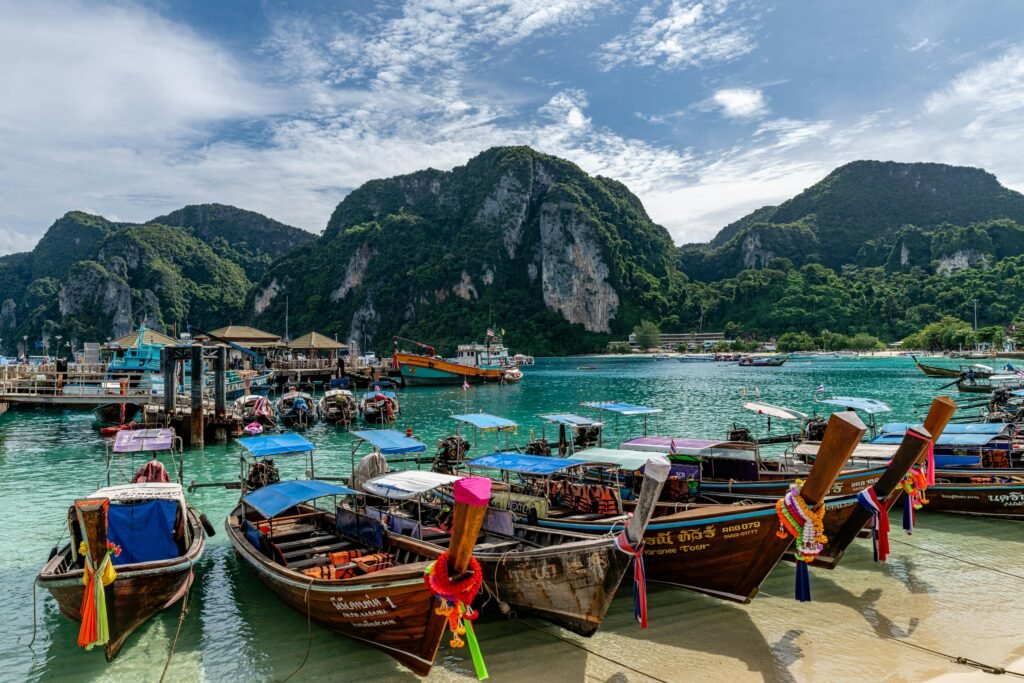
To understand the real cost of visiting Thailand, let’s break down the major expenses you’ll encounter.
The biggest cost is usually your flight. Travelers flying from Delhi, Mumbai, or Bangalore can often find round-trip fares between ₹15,000 and ₹35,000 if booked early. Peak travel months like December and January can push prices much higher.
Accommodation is where Thailand shines. Budget travelers can find clean hostels for ₹700–₹1,500 per night, while comfortable hotels typically cost ₹2,500–₹6,000. Luxury beachfront resorts in Phuket or Koh Samui can easily exceed ₹15,000 per night.
Food is surprisingly affordable. Thailand’s famous street food scene allows travelers to enjoy authentic meals for as little as ₹100–₹300. Even dining at local restaurants rarely breaks the budget. Travelers who prefer international restaurants and rooftop bars should expect significantly higher costs.
Transportation costs vary depending on where you travel. Bangkok’s BTS Skytrain and MRT are efficient and budget-friendly, while island destinations often require ferries, speedboats, and taxis. If you’re planning multiple destinations, domestic flights can save time but increase your overall Thailand travel expenses.
Many travelers also underestimate activity costs. Popular experiences such as island hopping tours, snorkeling trips, elephant sanctuaries, and floating market visits can add several thousand rupees to your budget. A realistic Thailand daily budget should always include sightseeing expenses.
One question I often hear is: “Which is cheaper, Phuket or Krabi?” In general, Krabi tends to be slightly more affordable for accommodation and dining, while Phuket offers more luxury options and nightlife. Similarly, couples often ask, “Is Phuket or Krabi better for couples?” Phuket is ideal for resort experiences and nightlife, whereas Krabi appeals more to travelers seeking quieter beaches and natural scenery.
A practical tip that saved me money on multiple trips: carry a portable charger and a waterproof pouch, especially if you’re planning island hopping. It prevents unexpected expenses like emergency phone charging or replacing water-damaged electronics.
The key takeaway? Thailand can fit almost any budget. Whether you’re planning a Thailand backpacking budget, a family holiday, or a luxury honeymoon, understanding your major expenses upfront helps you avoid surprises and enjoy the trip with confidence.
Flight Costs

For most travelers, flights are the biggest upfront expense when calculating a Thailand trip cost breakdown. Fortunately, Thailand is one of the most accessible international destinations for Indian travelers, with frequent direct flights from major cities and competitive airline pricing throughout the year.
The exact Thailand flight cost from India depends on your departure city, travel season, booking window, and destination within Thailand.
Flights from India
Delhi to Bangkok
Delhi offers some of the most affordable flight options to Thailand. With multiple airlines operating direct routes daily, round-trip fares typically range between ₹15,000 and ₹30,000 when booked 1–3 months in advance.
Budget airlines often run promotional sales, making Bangkok one of the cheapest international destinations from Delhi.
Mumbai to Bangkok
Travelers flying from Mumbai can expect similar pricing, usually between ₹18,000 and ₹35,000 for a return ticket. Flights during holidays such as New Year, Christmas, and long weekends can increase significantly.
If your dates are flexible, flying mid-week often results in lower fares.
Bangalore to Phuket
Direct flights to Phuket are generally more expensive than Bangkok routes. Expect round-trip fares between ₹22,000 and ₹45,000, depending on the season.
However, many travelers choose to fly into Bangkok first and then take a low-cost domestic flight to Phuket, which can sometimes reduce overall travel expenses.
Pro Travel Tip: If you’re planning a multi-city itinerary including Bangkok, Krabi, and Phuket, use the “multi-city” flight search option instead of booking separate tickets. I’ve personally saved over ₹8,000 on Thailand trips using this approach.
Average Airfare by Season
Flight prices fluctuate dramatically throughout the year. Understanding seasonal trends can help you find cheap flights to Thailand and reduce your overall travel budget.
| Season | Months | Average Return Fare from India |
| Peak Season | November – February | ₹25,000–₹50,000+ |
| Shoulder Season | March – May | ₹18,000–₹35,000 |
| Low Season | June – October | ₹15,000–₹28,000 |
Peak season offers Thailand’s best weather, but it also attracts the highest number of tourists. Hotels, tours, and flights are all more expensive during this period.
For budget-conscious travelers, the shoulder and low seasons often provide the best value. While you may encounter occasional rain, you’ll save substantially on airfare and accommodation.
A useful rule of thumb: booking international flights at least 6–10 weeks before departure usually delivers the best fares. Last-minute bookings can increase your Thailand vacation cost significantly.
Thailand Visa Costs
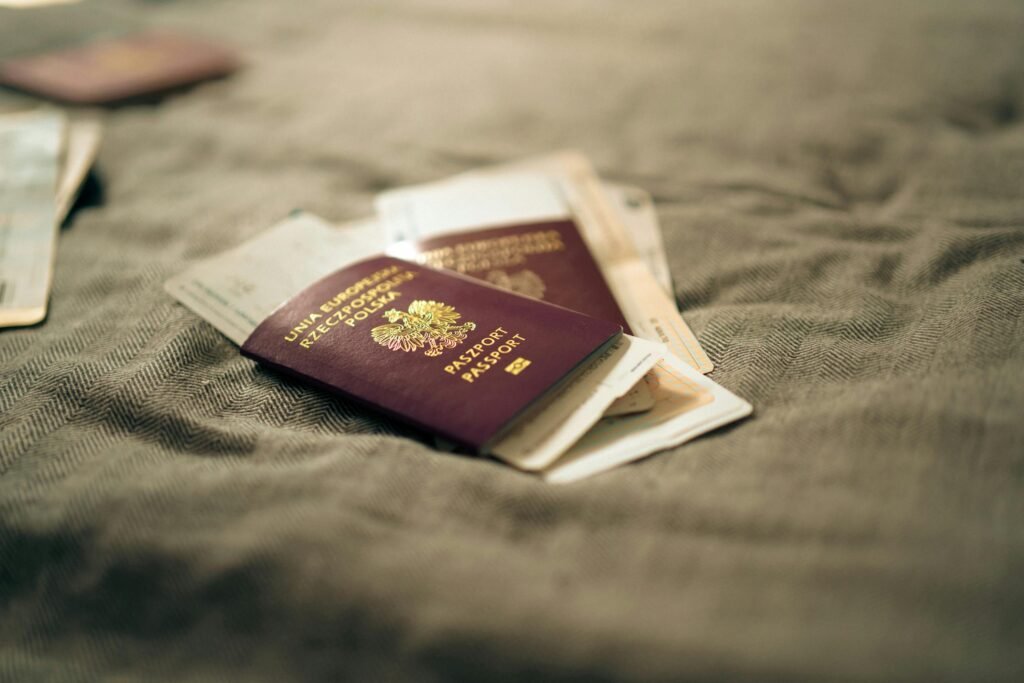
One of the reasons Thailand remains popular among Indian travelers is its relatively simple entry process.
Visa-Free Rules (Latest Updates)
Thailand periodically updates its entry policies for Indian passport holders. Depending on current government regulations, travelers may qualify for visa-free entry or visa-on-arrival options for short tourist stays.
Before booking your trip, always verify the latest requirements through official immigration channels, as visa policies can change.
For most tourists, the visa process is straightforward and requires minimal paperwork compared to many other international destinations.
Immigration Expenses
Although visa requirements may be relaxed, travelers should still budget for potential immigration-related expenses.
These may include:
- Passport-size photographs (if required)
- Travel insurance
- Proof of accommodation bookings
- Return flight confirmation
- Emergency travel documentation
- Currency exchange charges
Many first-time travelers overlook these small expenses when planning their Thailand trip budget from India. While individually minor, they can collectively add several thousand rupees to your total travel cost.
Pro Travel Tip: Keep both printed and digital copies of your hotel reservations, return tickets, and passport. Having organized documents can speed up immigration clearance and prevent unnecessary delays at the airport.
Accommodation Costs
Accommodation is one of the easiest areas to customize based on your travel style. Whether you’re a backpacker looking for a social hostel in Bangkok or a honeymooner dreaming of a beachfront villa in Phuket, Thailand offers excellent value compared to many other international destinations.
The good news? Even travelers on a modest Thailand holiday budget can find clean, comfortable places to stay without sacrificing location or convenience.
Hostels
Thailand is a paradise for backpackers. Modern hostels in Bangkok, Chiang Mai, Phuket, and Krabi often include air conditioning, free Wi-Fi, lockers, and even swimming pools.
Expect to pay:
- Dorm beds: ₹500–₹1,200 per night
- Private hostel rooms: ₹1,500–₹3,000 per night
During my first solo trip to Thailand, I stayed in a hostel near Bangkok’s Sukhumvit area for less than ₹900 a night. The location alone saved me money on transportation throughout the trip.
For travelers building a Thailand backpacking budget, hostels offer the best value.
Budget Hotels
Budget hotels are ideal for couples and travelers who want more privacy without significantly increasing their expenses.
Average prices:
- Bangkok: ₹1,500–₹3,500 per night
- Chiang Mai: ₹1,200–₹3,000 per night
- Krabi: ₹1,800–₹4,000 per night
Many budget hotels include breakfast, which can further reduce your daily travel expenses.
Mid-Range Hotels
This is where Thailand delivers incredible value for money.
For ₹4,000–₹8,000 per night, travelers can enjoy:
- Swimming pools
- Fitness centers
- Excellent locations
- Spacious rooms
- Daily housekeeping
Many travelers planning a Thailand trip cost for couples choose this category because it balances comfort and affordability.
Luxury Resorts
Thailand is famous for luxury travel at prices often lower than Europe, Dubai, or the Maldives.
Expect rates of:
- ₹10,000–₹25,000 per night for upscale resorts
- ₹25,000+ per night for premium beachfront villas and five-star properties
Phuket and Koh Samui are particularly popular for honeymooners seeking luxury experiences.
Airbnb Costs
Airbnb can be an excellent option for families, groups, and long-term travelers.
Typical nightly costs:
- Studio apartments: ₹2,000–₹5,000
- Condos with pools: ₹4,000–₹10,000
- Villas: ₹10,000+
A practical tip: compare Airbnb prices with hotels before booking. In cities like Bangkok, hotels are often surprisingly competitive once cleaning fees and service charges are added.
Pro Travel Tip: Stay near BTS stations in Bangkok or beach areas within walking distance in Phuket and Krabi. Spending slightly more on location can save thousands in transportation costs during your trip.
Food & Dining Costs

One of the biggest reasons Thailand remains a favorite among budget-conscious travelers is the food. The country offers everything from world-famous street food to luxury rooftop restaurants, making it easy to control your Thailand daily budget.
Street Food Budget
Street food is where you’ll find some of Thailand’s best meals.
Typical prices:
- Pad Thai: ₹80–₹150
- Fried rice: ₹100–₹180
- Mango sticky rice: ₹80–₹200
- Fresh fruit shakes: ₹50–₹120
Many travelers can comfortably eat three delicious meals a day for under ₹500.
Local Restaurants
Local Thai restaurants offer excellent value and air-conditioned comfort.
Average meal costs:
- Casual restaurant meal: ₹200–₹500
- Seafood dishes: ₹400–₹1,000
- Family dining: ₹500–₹1,500 per person
These restaurants are perfect if you want authentic Thai flavors without relying solely on street vendors.
Fine Dining
Thailand’s luxury dining scene has grown rapidly in recent years.
Expect prices of:
- Rooftop dining: ₹2,000–₹5,000 per person
- Fine dining tasting menus: ₹5,000–₹15,000+
Bangkok is home to several internationally recognized restaurants that attract food lovers from around the world.
Alcohol & Nightlife Costs
Nightlife can quickly increase your overall Thailand vacation expenses.
Average prices:
- Local beer: ₹150–₹300
- Cocktails: ₹300–₹800
- Beach clubs: ₹1,000–₹3,000+
- Nightclub entry: ₹500–₹2,000
Travelers often ask, “Is Phuket or Krabi better for couples?” If nightlife is important, Phuket generally offers more entertainment options. However, if you’re wondering “Which is cheaper, Phuket or Krabi?”, Krabi usually wins when it comes to dining and evening expenses.
Transportation Costs
Transportation is generally affordable in Thailand, especially when compared to Western countries. Understanding your options can significantly lower your overall Thailand travel cost.
BTS & MRT
Bangkok’s BTS Skytrain and MRT subway systems are fast, clean, and inexpensive.
Average fare:
- ₹40–₹150 per trip
If you’re staying in Bangkok for several days, public transportation is usually the cheapest and fastest option.
Grab App
Grab is Thailand’s version of Uber and is highly recommended.
Average fares:
- Short rides: ₹100–₹300
- Airport transfers: ₹500–₹1,500
Using Grab helps avoid tourist pricing and language barriers.
Tuk-Tuks
Tuk-tuks are fun for first-time visitors but aren’t always the cheapest option.
Typical fares:
- ₹150–₹500+ per ride
Always negotiate the fare before starting your journey.
Domestic Flights
Thailand’s low-cost airlines make domestic travel incredibly convenient.
Average fares:
- Bangkok to Phuket: ₹2,000–₹5,000
- Bangkok to Krabi: ₹2,000–₹4,500
- Bangkok to Chiang Mai: ₹1,500–₹4,000
Booking a few weeks in advance usually secures the best prices.
Ferries & Island Transfers
If your itinerary includes Phuket, Krabi, Koh Phi Phi, or Koh Samui, ferries are unavoidable.
Typical costs:
- Island ferries: ₹500–₹2,000
- Speedboats: ₹1,000–₹4,000
Many travelers underestimate their island hopping budget, so it’s wise to include transportation between islands when planning your expenses.
Pro Travel Tip: Download offline maps and carry a portable charger before long travel days. Between ferry rides, island tours, and sightseeing, you’ll rely heavily on your phone for navigation and bookings.
Sightseeing & Activity Costs

Accommodation and food are easy to estimate, but activities are where many travelers underestimate their Thailand trip cost. Whether you’re exploring Bangkok’s temples, island hopping in Phuket, or kayaking through Krabi’s limestone cliffs, sightseeing expenses can quickly add up if they’re not included in your budget planning.
A realistic Thailand travel budget calculator should always account for attractions, tours, transportation to activities, and optional upgrades.
Bangkok Attractions
Bangkok offers some of Thailand’s most iconic cultural experiences, many of which are surprisingly affordable.
Typical attraction costs:
- Grand Palace: ₹1,200–₹1,500
- Wat Pho (Reclining Buddha): ₹500–₹800
- Wat Arun: ₹300–₹500
- Chao Phraya River Cruise: ₹500–₹2,500
- Floating Market Tours: ₹1,500–₹4,000
During my first visit to Bangkok, I spent an entire day exploring temples, local markets, and river ferries for less than ₹3,000. Compared to major cities in Europe or the Middle East, Bangkok offers excellent value for sightseeing.
Phuket Activities
Phuket is where many travelers spend the largest portion of their activity budget.
Average costs:
- Phi Phi Islands Tour: ₹2,000–₹5,000
- James Bond Island Tour: ₹2,500–₹5,500
- Scuba Diving: ₹5,000–₹12,000
- Parasailing: ₹2,000–₹4,000
- ATV Adventure Tours: ₹2,000–₹6,000
If you’re planning a beach-focused vacation, Phuket’s activities can significantly increase your overall Thailand vacation cost, especially during peak season.
A waterproof pouch becomes incredibly useful here, particularly during boat tours and snorkeling excursions.
Krabi Adventures
Krabi is often slightly cheaper than Phuket while offering equally stunning natural scenery.
Popular activities include:
- Railay Beach Day Trips: ₹500–₹2,000
- Kayaking Tours: ₹1,000–₹3,000
- Emerald Pool & Hot Springs: ₹500–₹1,500
- Rock Climbing: ₹1,500–₹5,000
- Four Islands Tour: ₹1,500–₹4,000
Many travelers searching for “Which is cheaper, Phuket or Krabi?” discover that Krabi generally offers lower tour prices and fewer tourist markups.
Island Hopping Tours
No Thailand itinerary feels complete without at least one island-hopping adventure.
Average costs:
- Shared speedboat tours: ₹1,500–₹4,500
- Premium tours: ₹4,000–₹8,000
- Private boat charters: ₹10,000–₹40,000+
For travelers planning multiple island excursions, setting aside ₹5,000–₹15,000 for activities is a realistic estimate.
Pro Travel Tip: Book tours through reputable local operators after arriving instead of purchasing expensive packages from airports or hotel desks. I’ve consistently found prices 20–40% lower by comparing local providers.
Thailand Trip Cost by Travel Style

One of the reasons Thailand remains so popular is its flexibility. The country can accommodate backpackers surviving on a tight budget as well as luxury travelers staying in private villas overlooking the Andaman Sea.
Your actual Thailand trip budget from India will largely depend on your travel style.
Backpacker Budget
A backpacker can comfortably explore Thailand for:
- ₹3,000–₹5,000 per day
- ₹25,000–₹45,000 for 7 days
This typically includes:
- Hostel dorms
- Street food meals
- Public transportation
- Budget-friendly tours
Backpackers who focus on Bangkok, Chiang Mai, and Krabi often get the best value.
Solo Traveler Budget
Solo travelers generally spend slightly more because accommodation costs aren’t shared.
Average budget:
- ₹4,000–₹7,000 per day
- ₹35,000–₹60,000 for 7 days
This allows for:
- Private hostel rooms or budget hotels
- Grab rides when needed
- Several paid attractions
- Occasional restaurant meals
Couple Budget
A comfortable Thailand trip cost for couples usually falls between:
- ₹8,000–₹15,000 per day
- ₹60,000–₹1,20,000 for 7 days
This budget typically includes:
- Mid-range hotels
- Island tours
- Restaurant dining
- Domestic flights
Many couples ask, “Is Phuket or Krabi better for couples?” Phuket offers luxury resorts and nightlife, while Krabi is ideal for romantic scenery and a more relaxed atmosphere.
Family Budget
Families should plan for:
- ₹12,000–₹25,000 per day
- ₹1,00,000–₹2,00,000+ for 7 days
Key expenses include:
- Larger hotel rooms
- Airport transfers
- Family-friendly attractions
- Higher food and transportation costs
Booking accommodations early can significantly reduce overall expenses.
Luxury Traveler Budget
Luxury travelers can easily spend:
- ₹15,000–₹50,000+ per day
- ₹1,20,000–₹4,00,000+ for 7 days
This includes:
- Five-star resorts
- Private airport transfers
- Fine dining experiences
- Private yacht tours
- Spa treatments
Thailand remains one of the few destinations where luxury experiences cost substantially less than comparable vacations in Europe or the Maldives.
How Much Money Should I Carry for Thailand?
For most travelers, carrying the equivalent of ₹5,000–₹10,000 in Thai Baht for immediate expenses is sufficient, while the majority of your travel budget can remain on international debit or credit cards.
A practical 7-day estimate:
- Budget Traveler: ₹25,000–₹45,000
- Mid-Range Traveler: ₹50,000–₹90,000
- Couple: ₹60,000–₹1,20,000
- Luxury Traveler: ₹1,20,000+
The ideal amount depends on your itinerary, shopping habits, and preferred travel style, but planning ahead ensures you enjoy Thailand without constantly worrying about expenses.
Best Time to Visit Thailand
One of the biggest factors affecting your Thailand trip cost breakdown is when you travel. The same hotel room that costs ₹3,500 in September might cost ₹8,000 or more during December. Likewise, flights, tours, and even popular attractions become more expensive during peak tourist periods.
If your goal is to maximize value rather than simply chase perfect weather, understanding Thailand’s travel seasons can save you thousands of rupees.
The good news? Thailand is a year-round destination. The best time for you depends on whether you prioritize sunshine, fewer crowds, or the lowest possible travel costs.
High Season (November–February)
Cost Level: Highest
This is Thailand’s most popular travel season. Pleasant temperatures, low rainfall, and clear skies attract millions of visitors from around the world.
Expect higher prices for:
Flights to Thailand
Hotels and resorts
Island tours
Ferry transfers
Popular attractions
A hotel that costs ₹2,500 during the rainy season may easily charge ₹5,000–₹8,000 during December and January.
Pros
Best weather across most regions
Ideal beach conditions
Excellent for island hopping
Perfect for outdoor activities and sightseeing
Cons
Higher accommodation prices
Expensive flights
Crowded beaches and attractions
Increased traffic in tourist hotspots
If you’re planning a honeymoon or your first visit to Thailand, the extra expense may be worth it. However, budget-conscious travelers should book flights and hotels at least 2–3 months in advance.
Shoulder Season (March–May)
Cost Level: Moderate
The shoulder season offers one of the best balances between cost and weather. While temperatures can be hot, especially in Bangkok and central Thailand, prices are noticeably lower than during peak season.
Average savings compared to high season:
Flights: 10–30% cheaper
Hotels: 15–40% cheaper
Tours: Often discounted
This period is ideal for travelers looking for a more affordable Thailand holiday budget without dealing with heavy monsoon rains.
One of my most enjoyable Thailand trips was in April. Hotel rates were lower than winter prices, beaches were less crowded, and booking tours at the last minute was much easier.
Pros
Lower prices than peak season
Fewer tourists
Easier hotel availability
Great deals on resorts
Cons
Hot and humid weather
Midday sightseeing can be uncomfortable
Popular islands remain relatively busy
Low Season (June–October)
Cost Level: Lowest
If your primary goal is minimizing your Thailand travel expenses, this is usually the best time to visit.
The low season coincides with Thailand’s rainy season, but many first-time visitors overestimate how much rain they’ll actually experience. In many areas, showers are short and intense rather than constant.
This season offers the biggest savings on:
International flights
Domestic flights
Hotels
Island tours
Transportation
Travelers can often save 30–50% compared to peak-season prices.
Pros
Cheapest flights to Thailand
Lowest hotel prices
Less crowded attractions
Better opportunities for luxury stays on a budget
Cons
Increased rainfall
Rougher seas in some island destinations
Occasional tour cancellations
Less predictable weather
For budget travelers, digital nomads, and backpackers, this season often provides the best overall value.
Cheapest Month to Visit Thailand
If you’re wondering, “What is the cheapest month to visit Thailand?”, the answer is typically September, followed closely by August and October.
During September:
Airfares are often at their lowest
Hotels offer aggressive discounts
Tourist attractions are less crowded
Luxury resorts become surprisingly affordable
A traveler who spends ₹90,000 on a 7-day trip during December may spend closer to ₹60,000–₹70,000 for a similar experience in September.
The cheapest month to visit Thailand is usually September. Travelers can save significantly on flights, hotels, and tours during this low-season period while enjoying fewer crowds and lower overall travel costs.
Which Season Offers the Best Value?
If you’re looking for the sweet spot between cost and experience, March and April often provide the best balance.
If your goal is the absolute lowest Thailand trip budget from India, September is usually the winner.
For travelers prioritizing weather above all else, November through February remains the best choice despite the higher costs.
Ultimately, the best time to visit Thailand depends on whether you’re optimizing for sunshine, savings, or a combination of both.
Thailand Trip Cost Comparison
Many travelers researching a Southeast Asian vacation eventually ask the same question: “Is Thailand the best value for money?”
The answer depends on your travel style, expectations, and destination preferences. While Thailand is known for its affordability, nearby destinations like Bali, Vietnam, and Malaysia also compete for budget-conscious travelers. On the other hand, destinations such as Dubai offer a completely different travel experience at a much higher cost.
If you’re comparing international vacation budgets, this section will help you understand where Thailand stands in terms of overall travel affordability.
Thailand vs Bali
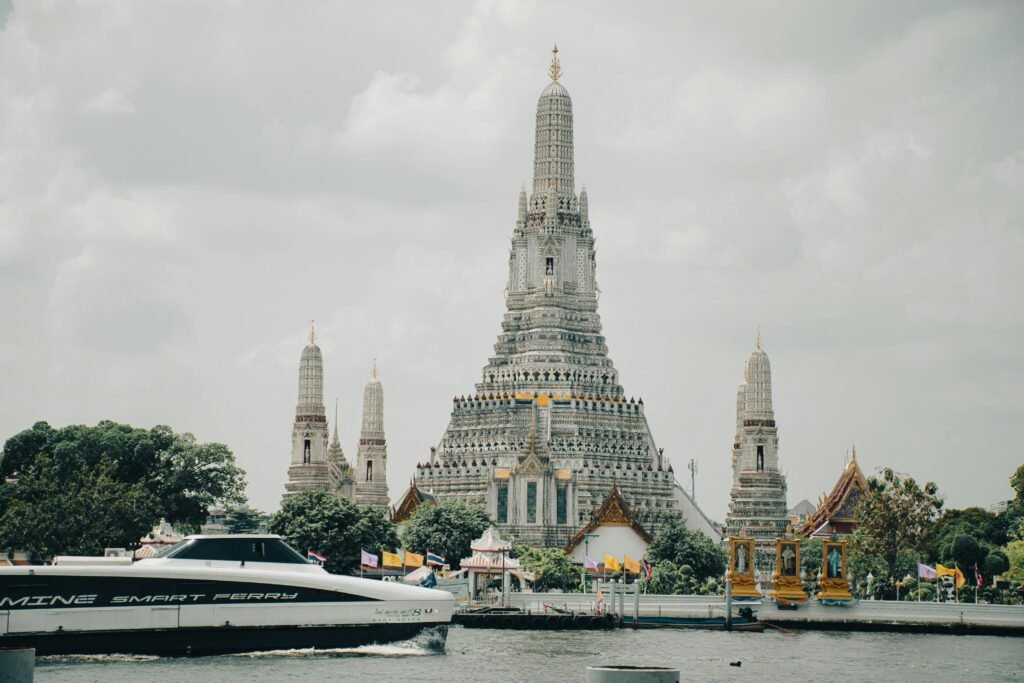
Thailand and Bali are two of the most popular destinations for Indian travelers, but their costs can vary depending on how you travel.
| Expense Category | Thailand | Bali |
| Flights from India | ₹15,000–₹35,000 | ₹20,000–₹40,000 |
| Budget Hotels | ₹1,500–₹3,500 | ₹1,500–₹4,000 |
| Mid-Range Hotels | ₹4,000–₹8,000 | ₹5,000–₹10,000 |
| Local Food | ₹100–₹400 | ₹150–₹500 |
| Transportation | Affordable | Moderate |
| Activities | Moderate | Moderate to High |
Thailand generally offers cheaper transportation and a wider variety of budget accommodation options. Bali, however, excels in luxury villas and wellness retreats.
For travelers seeking nightlife, island hopping, and diverse cities, Thailand often provides better value. Bali is usually preferred by digital nomads, honeymooners, and travelers looking for a slower-paced tropical experience.
Winner for Budget Travelers: Thailand
Thailand vs Vietnam

Vietnam is often considered Thailand’s biggest competitor when it comes to affordable travel.
| Expense Category | Thailand | Vietnam |
| Daily Budget | ₹3,000–₹5,000 | ₹2,500–₹4,500 |
| Street Food | Affordable | Very Affordable |
| Hotels | Moderate | Slightly Cheaper |
| Domestic Transport | Good | Excellent Value |
| Tours & Activities | Moderate | Lower Cost |
Vietnam typically edges out Thailand in terms of pure affordability. Street food, transportation, and accommodation are often slightly cheaper.
However, Thailand offers a more developed tourism infrastructure, making it easier for first-time international travelers.
If your primary goal is minimizing expenses, Vietnam usually wins. If you want convenience, nightlife, beaches, and smoother travel logistics, Thailand often provides a better overall experience.
Winner for Lowest Overall Cost: Vietnam
Winner for Ease of Travel: Thailand
Thailand vs Malaysia
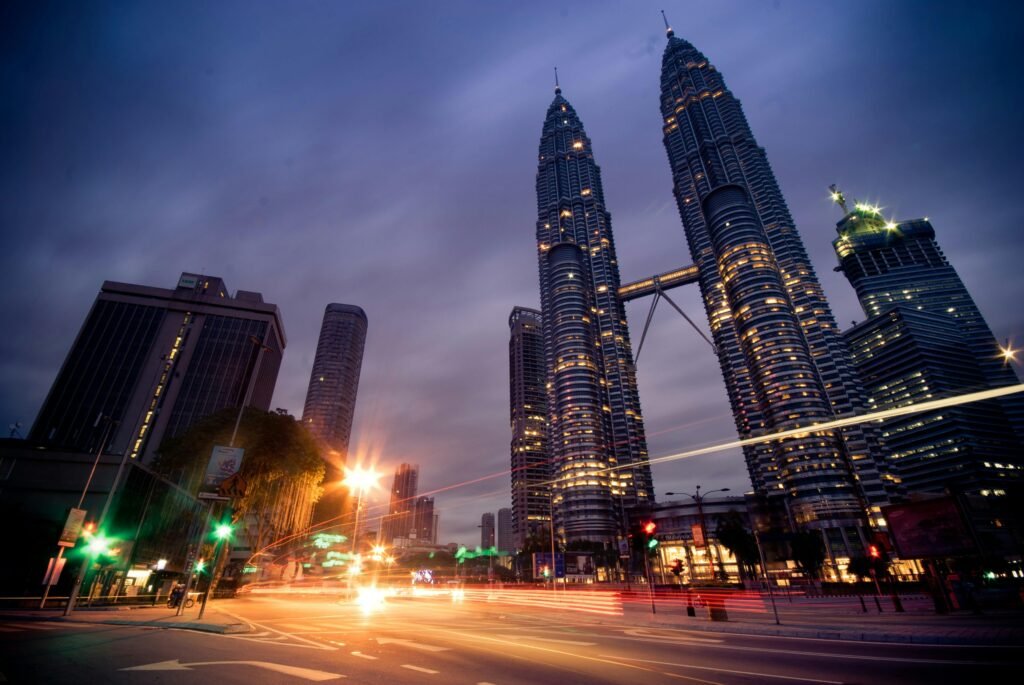
Malaysia is often overlooked, but it offers excellent value for travelers seeking a mix of modern cities, islands, and cultural experiences.
| Expense Category | Thailand | Malaysia |
| Flights | Similar | Similar |
| Accommodation | Slightly Cheaper | Moderate |
| Food | Cheaper | Moderate |
| Transportation | Affordable | Efficient but Slightly Higher |
| Attractions | Affordable | Moderate |
Thailand generally wins when it comes to budget travel. Food, hostels, local transportation, and entertainment tend to be cheaper.
Malaysia, however, offers excellent infrastructure, cleaner urban environments, and often a more relaxed travel experience.
Families and first-time travelers often appreciate Malaysia’s ease of navigation, while backpackers typically find Thailand more affordable.
Winner for Value: Thailand
Thailand vs Dubai
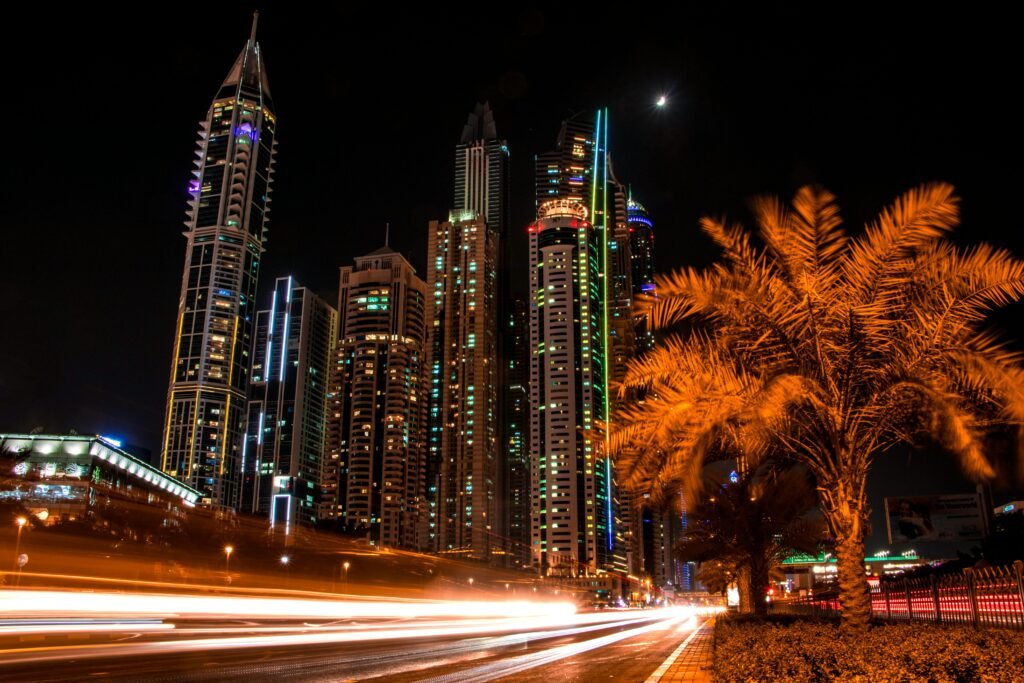
This comparison is popular among Indian travelers deciding between a beach vacation and a luxury city break.
The reality is that these destinations serve very different purposes.
| Expense Category | Thailand | Dubai |
| Flights | ₹15,000–₹35,000 | ₹20,000–₹45,000 |
| Budget Hotels | ₹1,500–₹3,500 | ₹5,000–₹10,000 |
| Mid-Range Hotels | ₹4,000–₹8,000 | ₹10,000–₹20,000 |
| Food | ₹100–₹500 | ₹500–₹2,500 |
| Transportation | Affordable | Expensive |
| Attractions | Budget-Friendly | Premium Pricing |
A traveler spending ₹60,000–₹80,000 on a week-long Thailand vacation could easily spend ₹1,20,000–₹2,00,000 on a similar-length Dubai trip.
Dubai offers luxury shopping, iconic skyscrapers, desert safaris, and world-class entertainment. Thailand offers beaches, islands, cultural attractions, nightlife, and a much lower daily budget.
For travelers focused on affordability, Thailand is the clear winner.
Winner for Budget Travel: Thailand
Winner for Luxury Urban Experiences: Dubai
Which Destination Offers the Best Value?
The answer depends on your priorities:
- Choose Thailand for the best balance of affordability, beaches, nightlife, food, and ease of travel.
- Choose Vietnam if minimizing travel expenses is your top priority.
- Choose Bali for luxury villas, wellness retreats, and a slower island lifestyle.
- Choose Malaysia for modern infrastructure and family-friendly travel.
- Choose Dubai for luxury experiences, shopping, and iconic attractions.
For most Indian travelers planning their first international trip, Thailand continues to offer one of the strongest combinations of affordability, convenience, and unforgettable experiences. That’s why it consistently ranks among the best destinations for travelers seeking maximum value from their travel budget.
Hidden Costs Travelers Often Forget
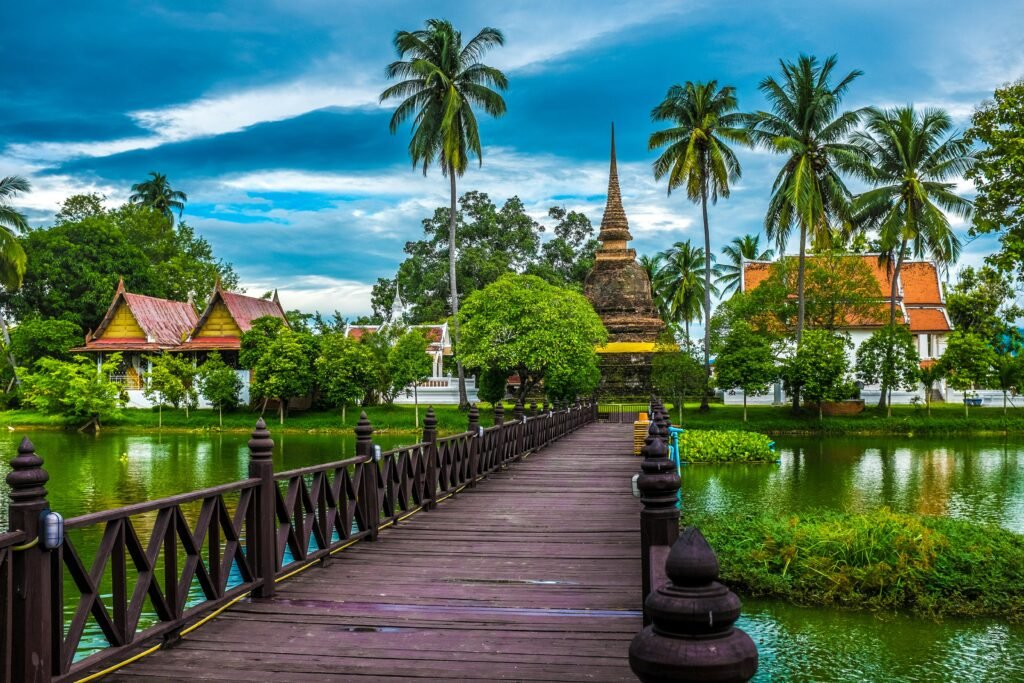
When travelers calculate their Thailand trip cost, they usually account for flights, hotels, food, and sightseeing. However, it’s often the small, unexpected expenses that push a trip over budget.
I’ve met countless travelers who planned a ₹60,000 vacation and ended up spending ₹75,000 simply because they overlooked hidden travel costs. These expenses may seem minor individually, but together they can have a noticeable impact on your overall Thailand travel budget.
Here are the most commonly forgotten costs that should be included in your trip planning.
Airport Transfers
After landing in Thailand, you’ll need transportation to your hotel.
Typical costs:
- Bangkok Airport to city center: ₹300–₹1,500
- Phuket Airport to Patong Beach: ₹800–₹2,000
- Krabi Airport transfers: ₹500–₹1,500
Many travelers only budget for flights and forget the cost of getting from the airport to their accommodation.
Money-Saving Tip: Use Grab or airport rail links where available instead of private taxis.
SIM Cards
Reliable internet is essential for maps, bookings, translations, and ride-hailing apps.
Average costs:
- Tourist SIM cards: ₹500–₹1,500
- Unlimited data plans: ₹800–₹2,000
While inexpensive, this is a common expense travelers forget when calculating their Thailand daily budget.
Currency Exchange Fees
Currency conversion charges can quietly increase your travel expenses.
Potential costs include:
- Airport exchange counters
- Bank conversion fees
- Credit card foreign transaction fees
Exchanging money at airports usually provides less favorable rates than city-based exchange counters.
ATM Withdrawal Charges
Thailand is known for charging foreign cardholders ATM withdrawal fees.
Typical charges:
- ATM fees: ₹400–₹700 per transaction
- Additional fees from your home bank
Multiple withdrawals during a trip can easily add up to several thousand rupees.
Travel Insurance
Many travelers skip travel insurance to save money, but it can be one of the smartest travel investments.
Typical costs:
- Basic coverage: ₹500–₹2,500
- Comprehensive coverage: ₹2,000–₹5,000+
A minor medical emergency can cost far more than the insurance premium itself.
Tourist Taxes
Thailand occasionally introduces tourism-related fees, local taxes, or hotel service charges.
These may include:
- Hotel taxes
- Environmental fees
- Tourism development charges
While not usually expensive, they should still be factored into your overall Thailand vacation expenses.
Luggage Fees
Low-cost airlines often advertise attractive fares but charge separately for checked baggage.
Common fees:
- Domestic baggage fees
- Excess luggage charges
- Sports equipment fees
This becomes particularly relevant for travelers who enjoy shopping in Bangkok or Phuket.
Emergency Medical Costs
Even a simple clinic visit abroad can be expensive without insurance.
Potential costs include:
- Doctor consultations
- Prescription medication
- Minor injuries
- Food poisoning treatment
Having a small emergency fund can prevent unexpected financial stress during your trip.
Pro Travel Tip: Set aside at least 10–15% of your total trip budget specifically for hidden and emergency expenses. If you don’t need it, that’s great. If you do, you’ll be glad you planned ahead.
Common Budgeting Mistakes to Avoid
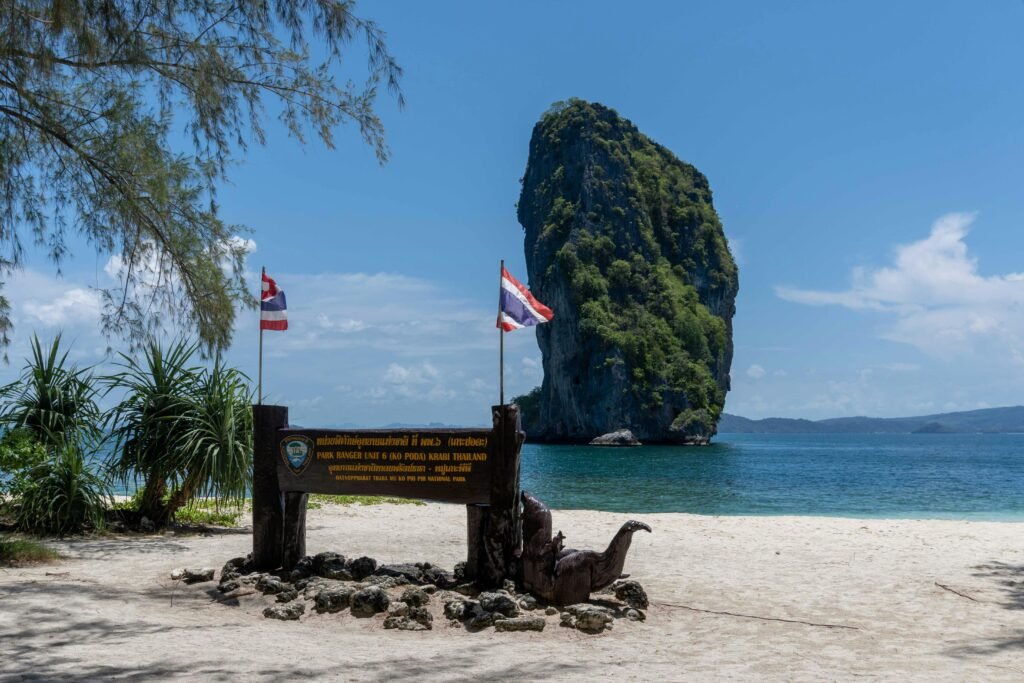
One of the easiest ways to reduce your Thailand travel cost isn’t finding cheaper hotels or flights—it’s avoiding the mistakes that cause travelers to overspend.
After multiple trips to Thailand and conversations with fellow travelers, I’ve noticed the same budgeting mistakes appear again and again.
Booking Flights Too Late
Flight prices often increase significantly as departure dates approach.
For example, a Delhi-to-Bangkok flight available for ₹18,000 two months before departure may cost ₹30,000 or more just a few weeks later.
Better Strategy: Start tracking fares 2–3 months before your trip and book when prices are reasonable rather than waiting for the “perfect deal.”
Overpaying for Island Tours
Island-hopping tours are one of the biggest spending traps in Thailand.
Many travelers purchase expensive tour packages through airports, hotel desks, or online resellers without comparing local prices.
In many cases, identical tours are available locally for 20–40% less.
Better Strategy: Compare prices from multiple tour operators after arriving at your destination.
Ignoring Exchange Rates
A small difference in exchange rates may not seem important, but over an entire trip it can make a noticeable impact.
Poor exchange rates often occur at:
- Airports
- Tourist hotspots
- Hotel exchange counters
Better Strategy: Compare rates before exchanging large amounts of money.
Taking Airport Taxis
Airport taxis are convenient but often more expensive than alternative transportation options.
Many first-time visitors pay significantly more than necessary simply because they’re unfamiliar with local transport systems.
Better Strategy: Use Grab, airport trains, or pre-booked transfers whenever possible.
Not Comparing Hotels
Many travelers book the first hotel they find without comparing nearby alternatives.
This often results in:
- Paying more for similar properties
- Poor locations
- Higher transportation costs
Sometimes a hotel that costs ₹500 more per night can save thousands in daily commuting expenses due to a better location.
Underestimating Shopping Expenses
This is arguably the most common budgeting mistake in Thailand.
Bangkok’s malls, night markets, and street vendors make impulse purchases incredibly tempting.
Popular shopping categories include:
- Clothing
- Souvenirs
- Electronics
- Cosmetics
- Local snacks
Many travelers budget carefully for accommodation and sightseeing but forget to allocate money for shopping.
Pro Travel Tip: Create a separate shopping budget before your trip. Once that amount is spent, avoid dipping into funds intended for transportation, accommodation, or emergencies.
The Biggest Budgeting Lesson
The cheapest Thailand trip isn’t necessarily the best Thailand trip.
The goal isn’t to spend as little as possible—it’s to spend intentionally. Smart planning allows you to enjoy experiences that matter while avoiding unnecessary expenses.
A well-planned budget creates a more enjoyable trip, fewer financial surprises, and a much better overall travel experience.
Pro Travel Tips to Save Money in Thailand

After several trips across Bangkok, Phuket, Krabi, Chiang Mai, and the Thai islands, I’ve realized that saving money in Thailand isn’t about sacrificing experiences—it’s about making smarter choices.
Small decisions throughout your trip can easily save ₹10,000–₹30,000 or more without affecting your overall experience. These are the strategies experienced travelers use to keep their Thailand trip cost under control while still enjoying everything the country has to offer.
Use Grab Instead of Taxis
One of the quickest ways to overspend in Thailand is relying on traditional taxis, especially in tourist-heavy areas.
While many drivers are honest, some may refuse to use meters or quote inflated tourist prices.
Why Grab is better:
- Transparent pricing
- No fare negotiation
- Cashless payment options
- GPS tracking
- Reliable pickup locations
On a recent trip to Bangkok, I compared a taxi quote of nearly ₹700 for a short ride with a Grab fare of around ₹300. Those savings add up quickly over a week.
Money-Saving Tip: Download Grab before arriving in Thailand and connect your payment method in advance.
Stay Near Public Transport
Many travelers focus solely on hotel prices and forget to consider location.
A cheaper hotel located far from transportation hubs can actually increase your overall travel expenses through daily taxi rides.
In Bangkok, look for hotels near:
- BTS Skytrain stations
- MRT subway stations
- Airport Rail Link stations
Paying an extra ₹500–₹1,000 per night for a central location often saves significantly more in transportation costs.
Travel During Shoulder Season
If you’re flexible with your travel dates, shoulder season offers some of the best value in Thailand.
Traveling between March and May can result in:
- Lower airfare
- Discounted hotels
- Fewer crowds
- Easier attraction bookings
Many travelers automatically choose December and January, but shoulder season often delivers a better balance of weather and affordability.
For anyone building a realistic Thailand holiday budget, this is one of the easiest ways to save money.
Eat Local Street Food
Thailand’s street food isn’t just affordable—it’s one of the country’s biggest attractions.
Some of the best meals I’ve had in Thailand came from local food stalls rather than expensive restaurants.
Popular budget-friendly options include:
- Pad Thai
- Fried rice
- Mango sticky rice
- Grilled seafood
- Fresh fruit smoothies
A traveler eating primarily local food can often spend less than ₹500 per day on meals.
Besides saving money, you’ll also experience a more authentic side of Thai culture.
Use Multi-Day Attraction Passes
If you plan to visit multiple attractions in Bangkok or Phuket, attraction passes can reduce your overall sightseeing expenses.
Benefits include:
- Lower per-attraction cost
- Priority entry at some locations
- Simplified planning
These passes are especially useful for families and travelers with packed itineraries.
Always compare the pass price against the attractions you genuinely plan to visit before purchasing.
Book Tours in Advance
Popular tours often become more expensive closer to travel dates, especially during peak season.
Activities worth booking early include:
- Phi Phi Island tours
- James Bond Island tours
- Scuba diving excursions
- Elephant sanctuary visits
- Snorkeling trips
Advance booking often provides:
- Better pricing
- More departure options
- Access to highly rated operators
Pro Travel Tip: Compare online prices with local operators after arrival. Sometimes you’ll find excellent last-minute deals, but during busy periods, early booking usually provides better value.
The Smart Traveler's Formula
The most affordable Thailand trips typically combine:
- Shoulder season travel
- Grab instead of taxis
- Hotels near public transportation
- Local food
- Early tour planning
These simple adjustments can dramatically reduce your Thailand travel expenses without reducing the quality of your trip.
Sample Thailand Budgets
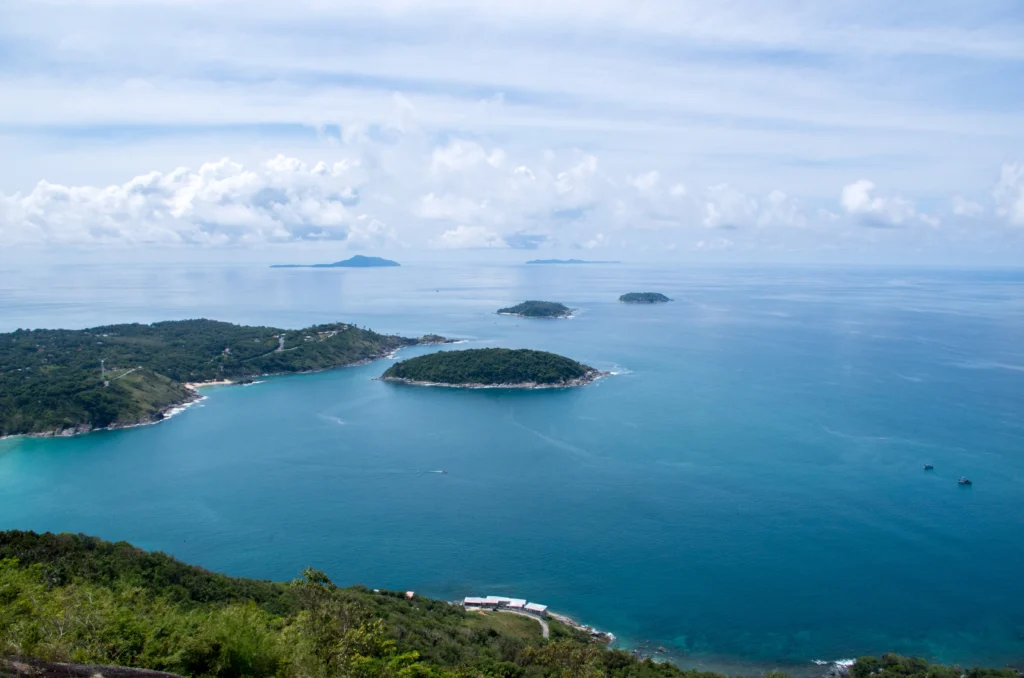
One of the most common questions travelers ask is:
“How much money should I carry for Thailand?”
The answer depends on your travel style, but these sample budgets provide realistic estimates based on current travel costs.
These examples assume a mid-range travel style with comfortable accommodation, regular sightseeing, local transportation, and a mix of street food and restaurant meals.
5-Day Thailand Budget
| Expense Category | Estimated Cost |
| Flights | ₹18,000–₹30,000 |
| Accommodation | ₹8,000–₹20,000 |
| Food | ₹2,500–₹6,000 |
| Transportation | ₹1,000–₹3,000 |
| Activities | ₹3,000–₹10,000 |
| Miscellaneous | ₹2,000–₹5,000 |
| Total | ₹35,000–₹74,000 |
Ideal for travelers visiting only Bangkok or combining Bangkok with Pattaya.
7-Day Thailand Budget
| Expense Category | Estimated Cost |
| Flights | ₹18,000–₹35,000 |
| Accommodation | ₹12,000–₹30,000 |
| Food | ₹4,000–₹8,000 |
| Transportation | ₹2,000–₹5,000 |
| Activities | ₹5,000–₹15,000 |
| Miscellaneous | ₹3,000–₹6,000 |
| Total | ₹50,000–₹99,000 |
This is the most popular Thailand itinerary length and allows travelers to combine Bangkok with Phuket or Krabi.
10-Day Thailand Budget
| Expense Category | Estimated Cost |
| Flights | ₹18,000–₹35,000 |
| Accommodation | ₹18,000–₹45,000 |
| Food | ₹6,000–₹12,000 |
| Transportation | ₹3,000–₹8,000 |
| Activities | ₹8,000–₹20,000 |
| Miscellaneous | ₹4,000–₹8,000 |
| Total | ₹57,000–₹1,28,000 |
Perfect for exploring Bangkok, Phuket, and Krabi without feeling rushed.
14-Day Thailand Budget
| Expense Category | Estimated Cost |
| Flights | ₹18,000–₹35,000 |
| Accommodation | ₹25,000–₹60,000 |
| Food | ₹8,000–₹18,000 |
| Transportation | ₹5,000–₹12,000 |
| Activities | ₹10,000–₹30,000 |
| Miscellaneous | ₹5,000–₹10,000 |
| Total | ₹71,000–₹1,65,000 |
A two-week trip allows travelers to experience Bangkok, Chiang Mai, Phuket, Krabi, and several islands while maintaining a comfortable pace.
How Much Money Should I Carry for Thailand?
For most travelers, a realistic Thailand budget ranges from ₹50,000–₹1,00,000 for a 7-day trip, excluding luxury experiences. Budget travelers can spend less, while luxury travelers may spend significantly more depending on accommodation, dining, and activities.
The key is planning your budget around your travel style rather than relying on generic estimates.
Pros and Cons of Traveling to Thailand

Thailand consistently ranks among the world’s most visited countries, and after spending time exploring its bustling cities, tropical islands, vibrant night markets, and cultural landmarks, it’s easy to understand why.
However, no destination is perfect. Understanding both the advantages and challenges can help travelers set realistic expectations and plan a smarter trip.
Pros
Affordable Compared to Europe
One of Thailand’s biggest advantages is affordability.
A week-long vacation that might cost ₹2,00,000–₹3,00,000 in many European destinations can often be enjoyed in Thailand for a fraction of the price.
Accommodation, transportation, food, and activities generally provide excellent value, making Thailand especially attractive for Indian travelers.
Great Food
Thailand is a dream destination for food lovers.
From street-side Pad Thai and mango sticky rice to fresh seafood and fine dining restaurants, there’s something for every budget.
Even travelers on a modest Thailand daily budget can enjoy delicious meals without overspending.
Amazing Beaches
Whether you’re visiting Phuket, Krabi, Koh Samui, or the Phi Phi Islands, Thailand offers some of the most beautiful beaches in Southeast Asia.
Crystal-clear waters, dramatic limestone cliffs, and world-class island-hopping experiences make beach lovers feel right at home.
Strong Tourism Infrastructure
Thailand has spent decades developing its tourism industry.
Benefits include:
- Reliable transportation networks
- Thousands of accommodation options
- English-speaking tourism services
- Easy domestic travel
- Well-developed tourist facilities
This makes Thailand particularly beginner-friendly for first-time international travelers.
Excellent Value for Money
Few destinations offer the same combination of affordability, comfort, adventure, food, and luxury.
Whether you’re planning a Thailand backpacking budget, a family vacation, or a luxury honeymoon, Thailand consistently delivers strong value for every rupee spent.
Cons
Tourist Scams
Like many popular destinations, Thailand has its share of tourist scams.
Common examples include:
- Overpriced tuk-tuk rides
- Gem store scams
- Inflated taxi fares
- Tour pricing tricks
Most are easy to avoid with basic research and common sense.
Seasonal Crowds
Thailand’s popularity can be a downside during peak travel periods.
Popular destinations such as Bangkok, Phuket, and Phi Phi Islands become significantly more crowded between November and February.
Travelers seeking a quieter experience may prefer shoulder or low-season travel.
Traffic in Bangkok
Bangkok’s traffic can be challenging, especially during rush hours.
A journey that appears short on a map can sometimes take much longer than expected.
Using the BTS Skytrain and MRT can save both time and money.
Peak Season Price Spikes
Flights, hotels, and tours become considerably more expensive during high season.
Travelers who visit during Christmas, New Year, or major holidays should expect higher overall Thailand travel expenses.
Is Thailand Worth Visiting?
For most travelers, absolutely.
The affordability, accessibility, food, beaches, culture, and variety of experiences make Thailand one of the strongest value-for-money destinations in Asia.
The key is understanding both the benefits and potential challenges so you can plan accordingly.
How Much Should You Budget for Thailand?
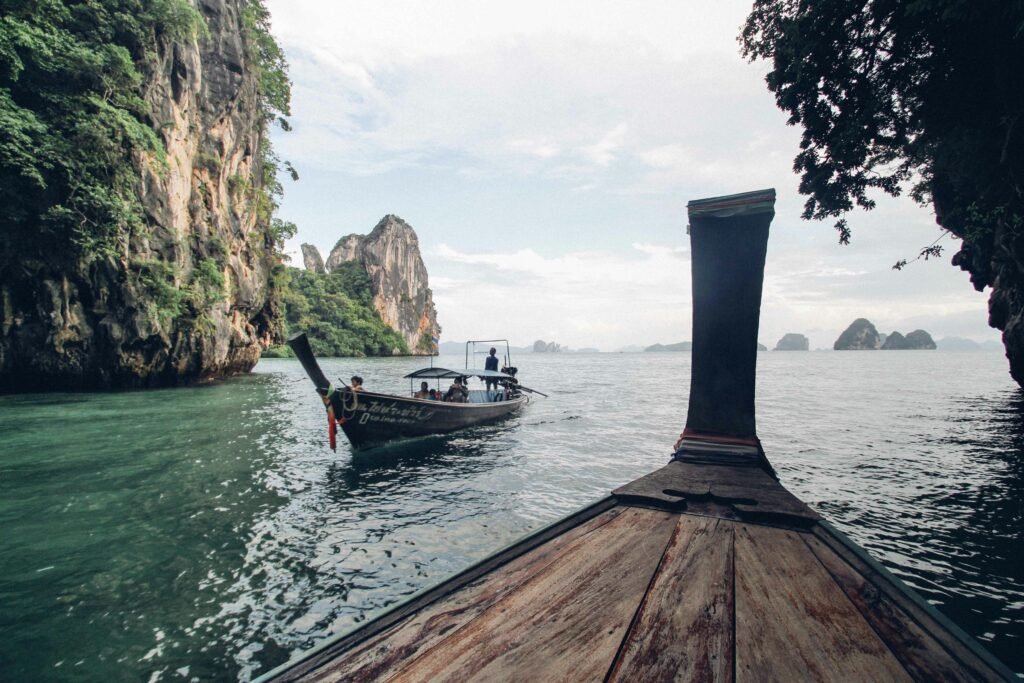
After breaking down flights, accommodation, food, transportation, activities, hidden expenses, and seasonal costs, one thing becomes clear:
Thailand can accommodate almost any budget.
Whether you’re backpacking through Bangkok, enjoying a romantic escape in Krabi, or staying at a luxury beachfront resort in Phuket, your total trip cost largely depends on your travel style and spending habits.
Budget Travelers
Estimated Budget: ₹25,000–₹45,000
Ideal for:
- Hostel stays
- Street food meals
- Public transportation
- Budget-friendly sightseeing
Budget travelers can comfortably enjoy Thailand while keeping expenses relatively low.
Couples
Estimated Budget: ₹60,000–₹1,20,000
Ideal for:
- Mid-range hotels
- Island tours
- Domestic flights
- Restaurant dining
This range provides a comfortable balance between affordability and convenience.
Families
Estimated Budget: ₹1,00,000–₹2,50,000+
Ideal for:
- Larger hotel rooms
- Family-friendly attractions
- Airport transfers
- More comfortable transportation options
Family budgets vary significantly depending on group size and travel style.
Luxury Travelers
Estimated Budget: ₹1,50,000+
Ideal for:
- Five-star resorts
- Private transfers
- Premium dining experiences
- Exclusive island tours
- Luxury shopping
Thailand remains one of the few destinations where luxury travel feels attainable compared to Europe, the Maldives, or Dubai.
What Is the Ideal Budget for Thailand?
The ideal Thailand budget for most travelers is between ₹50,000 and ₹1,00,000 for a 7-day trip. Budget travelers can spend as little as ₹25,000–₹45,000, while couples typically spend ₹60,000–₹1,20,000 depending on accommodation, activities, and travel style.
The best budget is one that matches your priorities. Spending a little more on experiences that matter while avoiding unnecessary expenses often leads to the most memorable trip.
FAQs About Thailand Trip Cost
How much money do I need for a 7-day Thailand trip?
A budget traveler can spend approximately ₹25,000–₹45,000, while mid-range travelers generally spend ₹50,000–₹90,000 for a 7-day Thailand trip. Luxury travelers can spend significantly more depending on accommodation and activities.
Is Thailand expensive for Indians?
No. Thailand remains one of the most affordable international destinations for Indian travelers. Affordable flights, budget-friendly hotels, inexpensive food, and reasonably priced attractions make it an excellent value-for-money destination.
How much does a Thailand trip cost for couples?
A comfortable 7-day Thailand trip for couples typically costs ₹60,000–₹1,20,000, including flights, accommodation, food, transportation, and sightseeing.
What is the cheapest month to visit Thailand?
September is usually the cheapest month to visit Thailand, followed by August and October. During this period, travelers often find lower airfare, discounted hotels, and fewer crowds.
How much should I budget per day in Thailand?
Most travelers spend between ₹3,000 and ₹12,000 per day depending on their travel style. Backpackers can spend less, while luxury travelers often spend considerably more.
Is Phuket more expensive than Bangkok?
Yes. Phuket is generally more expensive than Bangkok when it comes to accommodation, transportation, island tours, and dining, particularly in popular beach areas.
Can I travel Thailand on ₹50,000?
Yes. Many travelers comfortably complete a 6–8 day Thailand trip on a budget of around ₹50,000, especially when traveling during the shoulder or low season and choosing budget-friendly accommodation.
Should I carry cash or cards in Thailand?
A combination of both is ideal. Credit and debit cards are widely accepted in hotels, malls, and restaurants, but cash remains essential for street food vendors, local markets, small shops, and some transportation services.
Which Is Cheaper, Phuket or Krabi?
Krabi is generally cheaper than Phuket in terms of accommodation, dining, and local transportation. Phuket offers more nightlife and luxury options, while Krabi is often preferred by travelers seeking better value and a more relaxed atmosphere.
Is Phuket or Krabi Better for Couples?
Both destinations are excellent for couples. Phuket is ideal for luxury resorts, nightlife, and entertainment, while Krabi offers quieter beaches, dramatic scenery, and a more romantic atmosphere.