
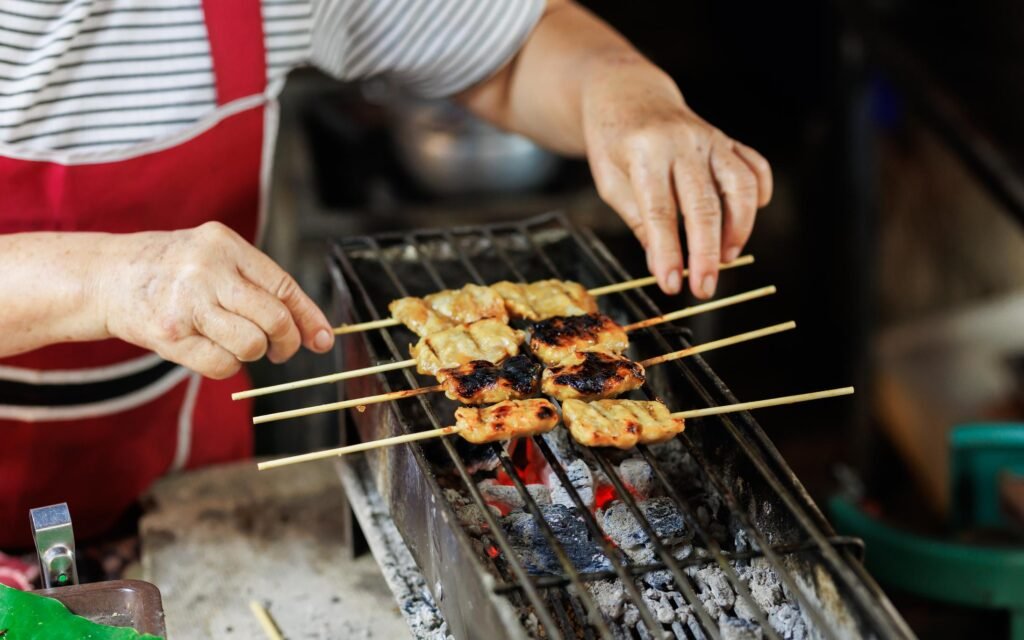
Thai food sounds simple until you’re standing at a street stall at 8 a.m., staring at a menu you can’t read, while a smiling cook waits for your order.
This guide is built for that exact moment. You’ll find the best foods to try in Thailand, what each dish actually tastes like, how spicy it is, what it should cost, and how to order it without feeling lost. There’s also a regional food map, a budget breakdown, a safety checklist, and a few mistakes I’d hate for you to repeat.
If you’re short on time, here’s the quick version.
Table of Contents
ToggleWhat to Eat in Thailand at a Glance
| Dish | Best for | Spice (1–5) | Typical price |
|---|---|---|---|
| Pad Kra Pao | Your first everyday Thai meal | 4 | 50–80 THB |
| Pad Thai | Beginners and picky eaters | 1–2 | 60–100 THB |
| Khao Man Gai | A mild, comforting lunch | 1 | 50–70 THB |
| Som Tum | Spice lovers | 5 (adjustable) | 40–80 THB |
| Tom Yum Goong | Hot and sour soup fans | 3–4 | 120–300 THB |
| Massaman Curry | People who avoid heat | 1–2 | 100–250 THB |
| Khao Soi | Chiang Mai and the north | 2–3 | 50–90 THB |
| Mango Sticky Rice | Dessert, in season | 0 | 80–150 THB |
Prices are ballpark street and casual-restaurant figures. Tourist areas cost more.
Thai Food 101: What to Know Before You Order
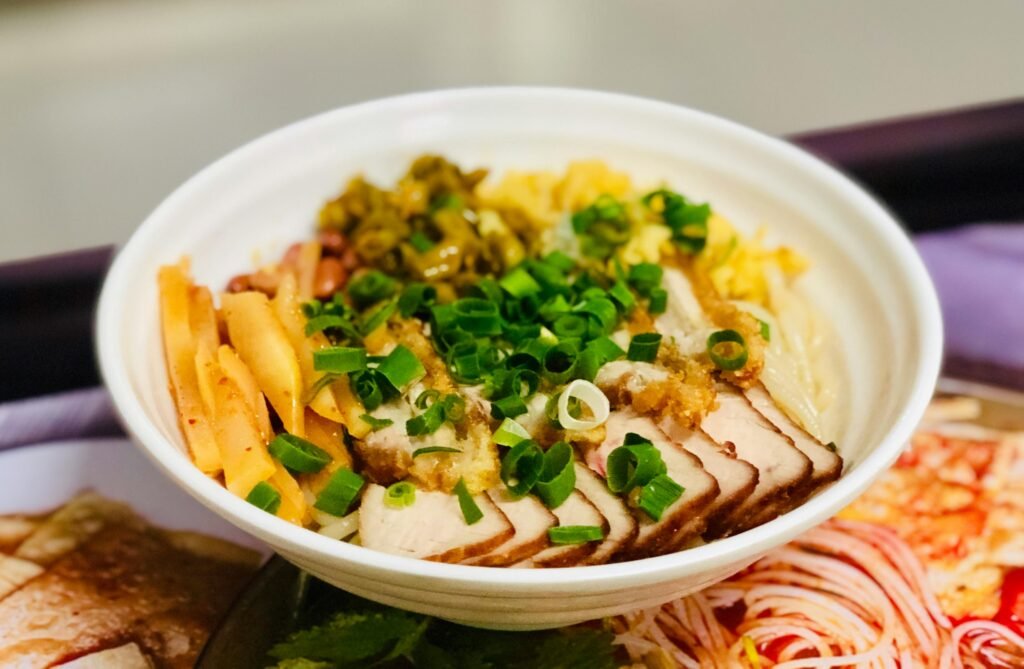
The balance behind almost every dish
Thai cooking aims for balance: sweet, sour, salty and spicy, often with something creamy or bitter in the mix. That’s why a single bowl can taste complex but still feel easy to eat. Fish sauce brings the salt, lime or tamarind brings the sour, palm sugar brings the sweet, and fresh chilies bring the heat.
Most tables also have a small condiment caddy with sugar, dried chili flakes, chilies in vinegar, and chilies in fish sauce (prik nam pla). Use it. Cooks often season the dish a little mild, and the caddy is how you fix it to your taste.
How Thais actually eat
- Spoon in your right hand, fork in your left. The fork pushes food onto the spoon. The fork usually doesn’t go in your mouth.
- Chopsticks are for noodle soups, not for rice dishes or curries.
- Meals are shared. Order a few dishes for the table and one plate of rice per person.
- Sticky rice is eaten by hand, especially in the northeast. Roll it into a small ball and use it to scoop.
Ordering cheat sheet
You don’t need fluent Thai. A few phrases go a long way. Add khrap (men) or kha (women) at the end to sound polite.
| You want to say | Say this |
|---|---|
| Not spicy | Mai phet |
| A little spicy | Phet nit noi |
| Very spicy | Phet mak |
| Without fish sauce | Mai sai nam pla |
| Without cilantro | Mai sai pak chi |
| I eat vegetarian (jay) food | Gin jay |
| Delicious | Aroy |
| The bill, please | Check bin |
Ingredients you’ll keep seeing
Once you know a few ingredients, menus and market stalls start to make sense.
- Lemongrass: a citrusy, fragrant stalk used in soups, curries and sausages. You don’t eat the tough pieces.
- Galangal (kha): a cousin of ginger with a sharper, piney taste. It’s the backbone of tom yum and tom kha.
- Kaffir lime leaves: floral, zesty leaves that perfume soups and curries.
- Fish sauce (nam pla): the salty, savory base of Thai cooking. It’s in far more dishes than you’d guess.
- Palm sugar: a soft, caramel-like sweetener that balances the sour and the heat.
- Tamarind: a sour fruit paste, the key to pad thai’s tangy flavor.
- Holy basil vs. Thai basil: holy basil (kra pao) is peppery and goes in stir-fries. Thai basil (horapa) is sweeter, with an anise note, and goes in curries.
- Bird’s-eye chilies (prik kee noo): tiny and very hot. These are the ones to respect.
What if there’s no English menu?
This happens a lot, and it’s fine. Many stalls specialize in one or two dishes, so you often don’t need a menu at all. Look at what the locals are eating and point. Photo menus help, and so does a quick translation app. A smile and a thumbs-up gets you further than you’d expect.
The 20 Best Foods to Try in Thailand
I’ve grouped these by how you’ll actually meet them: street staples, soups and curries, regional specialties, seafood and rice, and desserts. Each one comes with a spice level, a rough price, and a tip for ordering like a local.
Street Food Staples
These are the quick, cheap, cooked-to-order dishes you’ll find on almost every corner. Start here.
1. Pad Kra Pao (Holy Basil Stir-Fry)
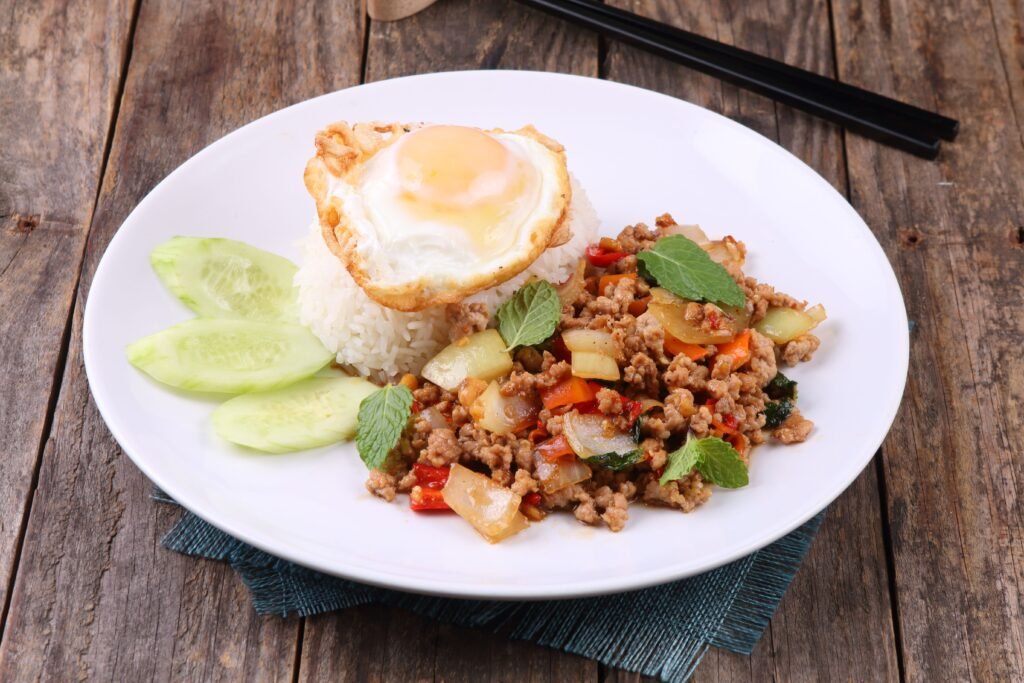
Spice: 4/5 | Price: 50–80 THB | Where: Everywhere
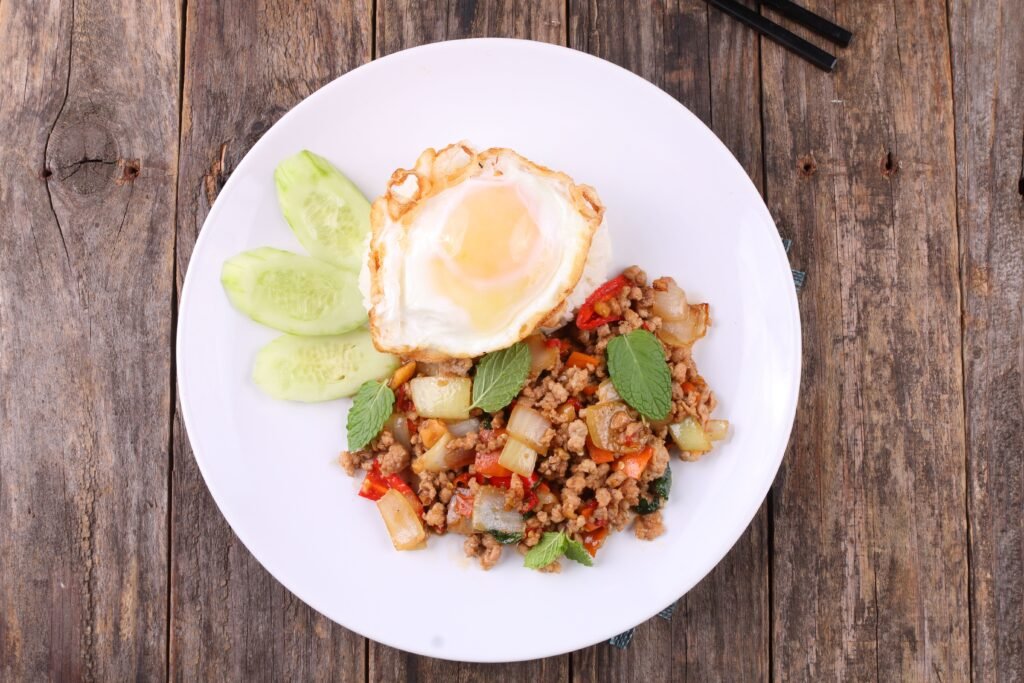
If you ask many Thais what they eat on an ordinary day, this comes up again and again. Minced pork or chicken is wok-fried with garlic, chilies and holy basil, then served over rice. It’s savory, peppery and a little smoky. Add a crispy fried egg on top by asking for kai dao. Note that holy basil is not the same as the sweet Thai basil in many restaurant versions abroad, and the flavor is quite different.
2. Pad Thai
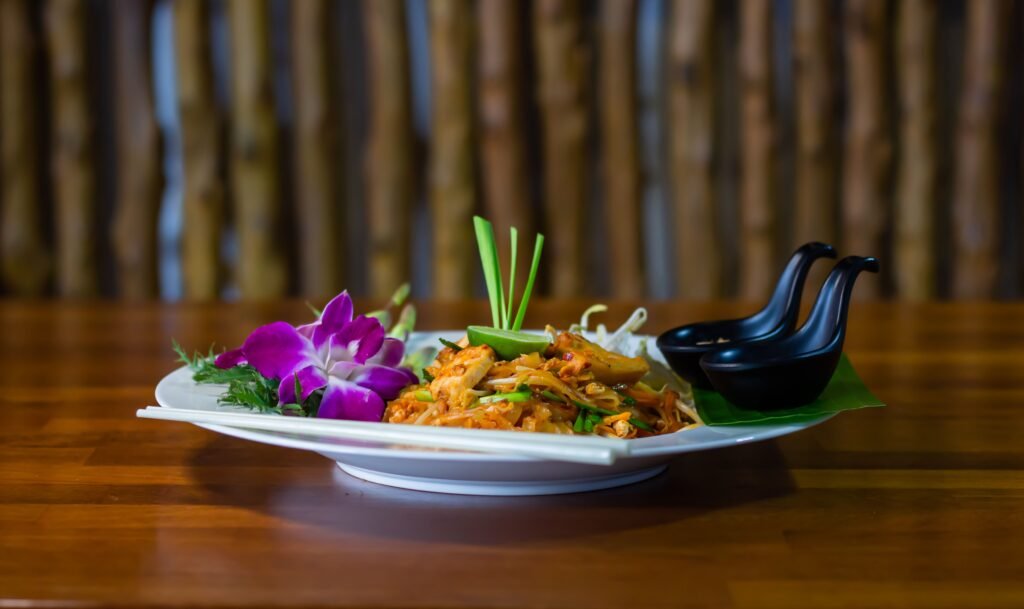
Spice: 1–2/5 | Price: 60–100 THB | Where: Street stalls and casual restaurants
Stir-fried rice noodles with tamarind, fish sauce, palm sugar, egg, bean sprouts, chives and crushed peanuts. It’s sweet-tangy and easy to love. Pad Thai became a national dish in the 20th century, partly as a nation-building effort (cite a source here), so it’s younger than most people assume. Skip the stalls with huge photo banners aimed at tourists and look for a cook working a hot wok with a short line of locals.
3. Khao Man Gai (Chicken Rice)
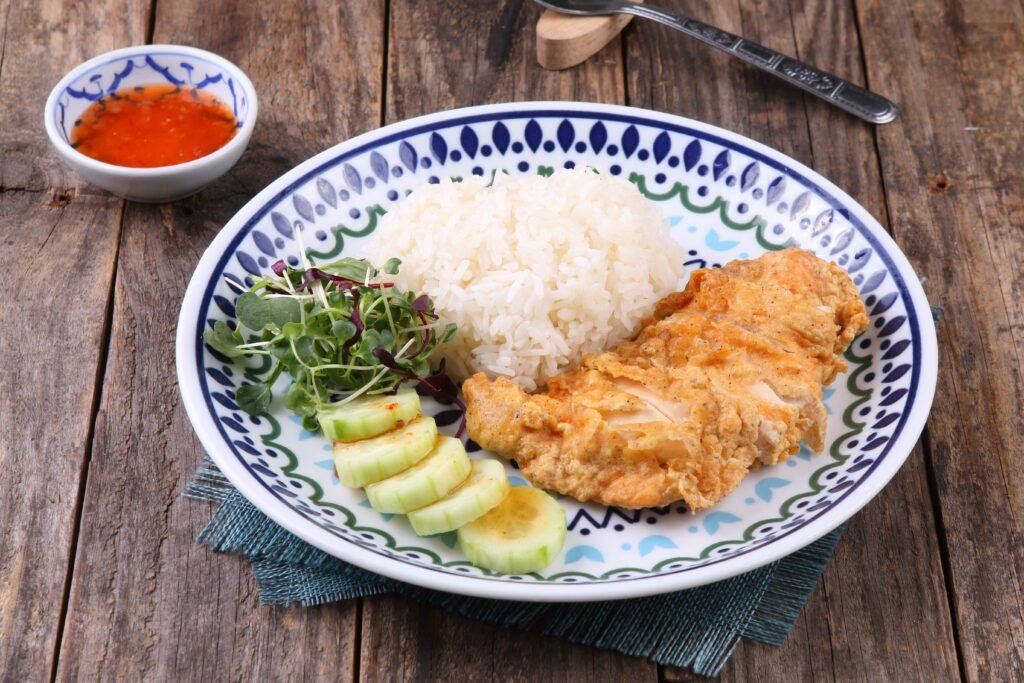
Spice: 1/5 | Price: 50–70 THB | Where: Small shops and markets
Poached chicken on rice cooked in chicken broth with garlic and ginger, served with a clear soup and a punchy dipping sauce. The dish traces back to Hainanese migrants, so it’s a cousin of Singapore’s famous chicken rice, but the Thai sauce is tangier and has a touch of chili. It’s gentle, filling and a good “reset” meal after a few spicy days. If you’ve read my Singapore guides, this is the Thai version of that comfort plate.
4. Som Tum (Green Papaya Salad)
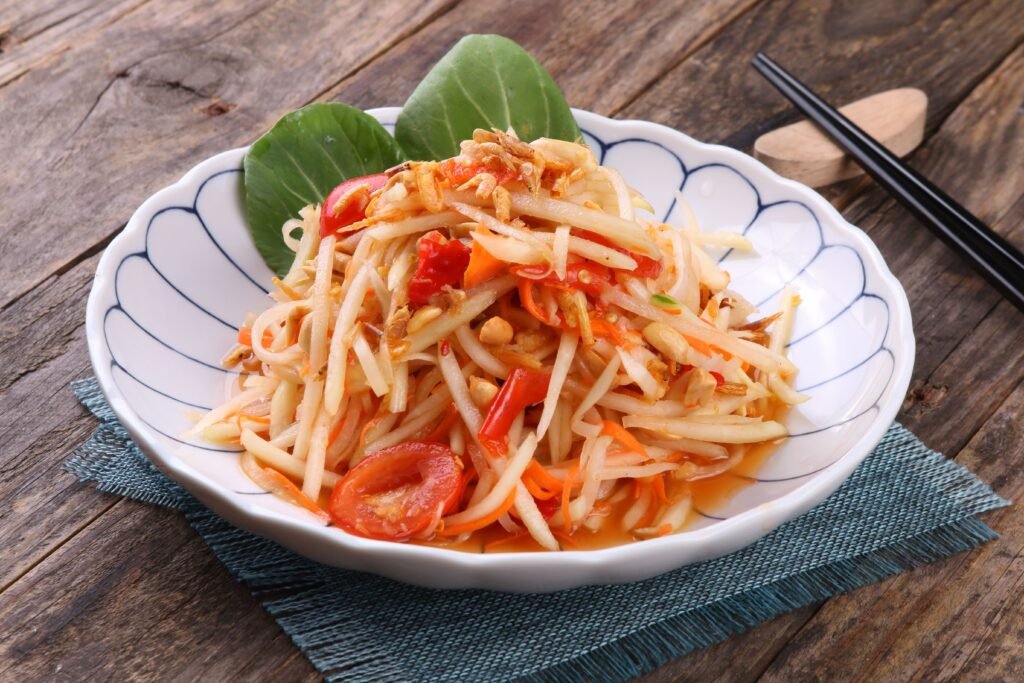
Spice: 5/5 by default | Price: 40–80 THB | Where: Street carts and Isaan restaurants
Shredded green papaya is pounded in a mortar with lime, fish sauce, palm sugar, chilies, peanuts, tomatoes and long beans. The result is crunchy, sour, sweet and fiery. Always say how spicy you want it. Say mai phet or phet nit noi, because a default order can be very hot. The northeastern version often includes fermented fish (pla ra) and is funkier. The central-Thai version is sweeter and nuttier.
5. Moo Ping (Grilled Pork Skewers)
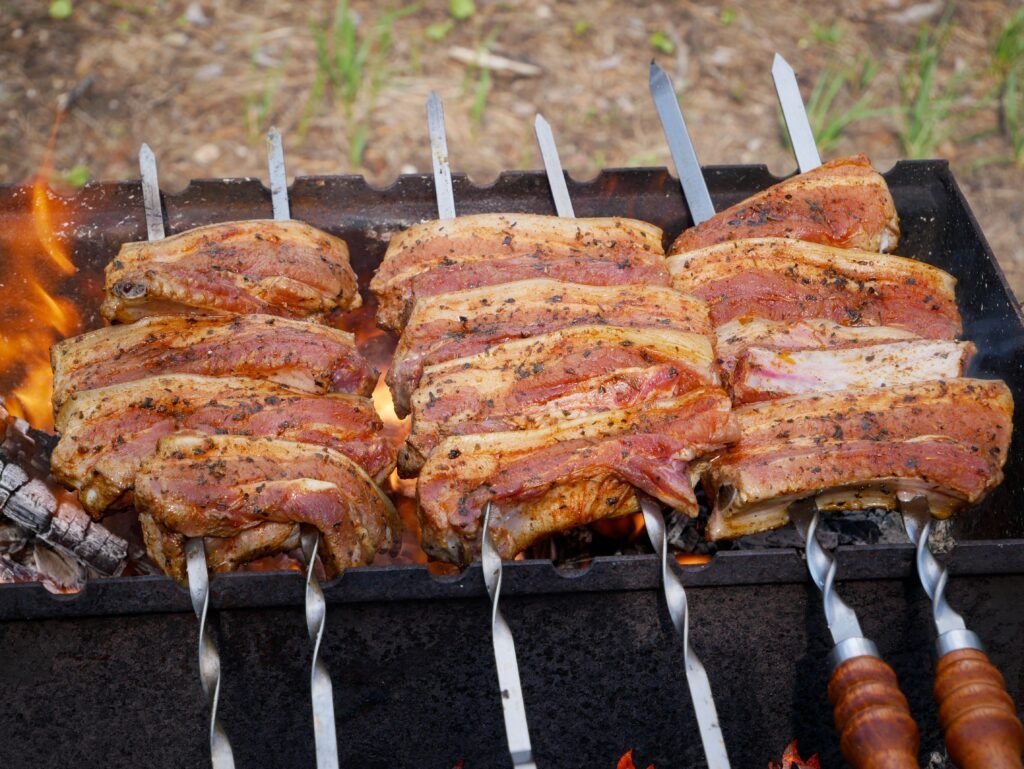
Spice: 0–1/5 | Price: about 10–15 THB per skewer | Where: Morning street carts
Marinated pork grilled over charcoal until sweet, smoky and slightly caramelized. Thais often eat these for breakfast with a small bag of sticky rice. It’s cheap, portable and a great way to start a walking day. Buy three or four, because one is never enough.
6. Boat Noodles (Kuay Teow Reua)
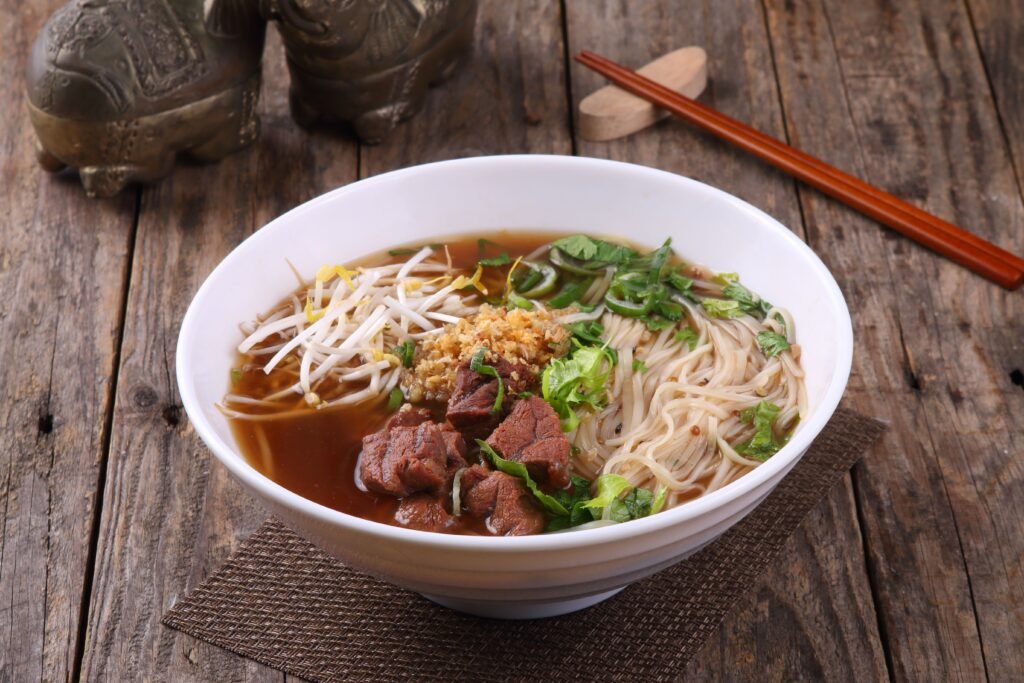
Spice: 2–3/5 | Price: 15–60 THB per bowl | Where: Bangkok markets and canal-side shops
Rich, dark, deeply savory noodle soup served in tiny bowls, a tradition that goes back to vendors selling from boats on Bangkok’s canals. The broth is usually thickened with pork or beef blood, so skip it if that’s not for you. The small bowls are the point. Order several and stack the empties. Prices run lower at local shops and higher in tourist areas.
7. Tom Yum Goong (Hot and Sour Shrimp Soup)
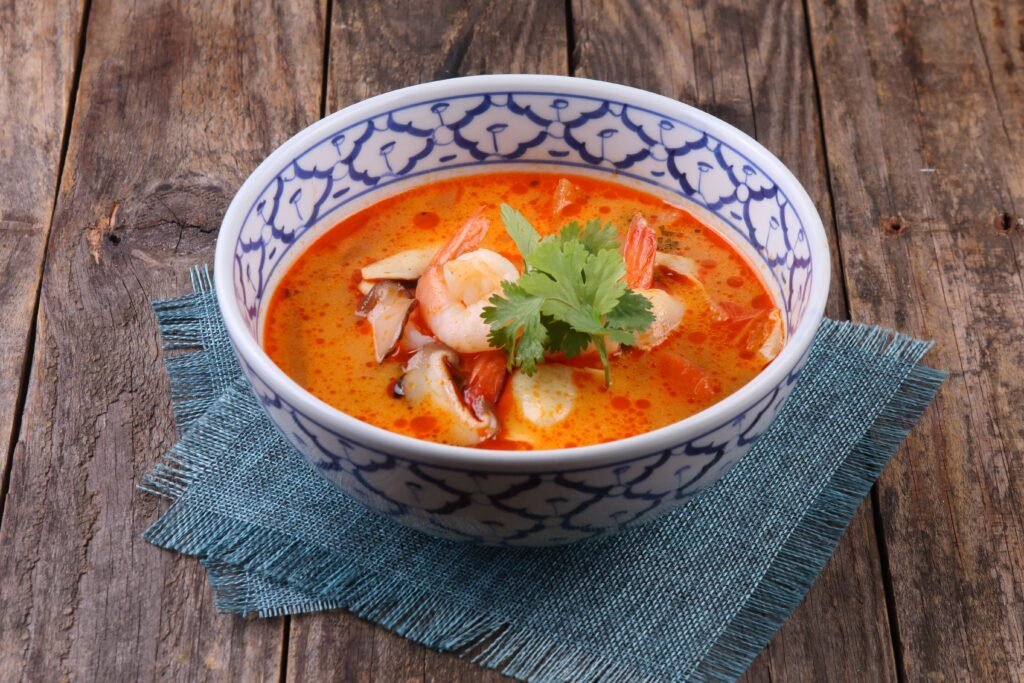
Spice: 3–4/5 | Price: 120–300 THB | Where: Restaurants and seafood shops
Lemongrass, galangal, kaffir lime leaves, chilies, lime juice and plump shrimp. It’s sharp, fragrant and almost medicinal in the best way. You’ll see two styles: nam sai (clear and bright) and nam khon (creamy, with a richer, slightly sweeter broth). Try both if you can. Don’t eat the lemongrass, galangal or lime leaves. They’re there for flavor.
8. Tom Kha Gai (Coconut Chicken Soup)
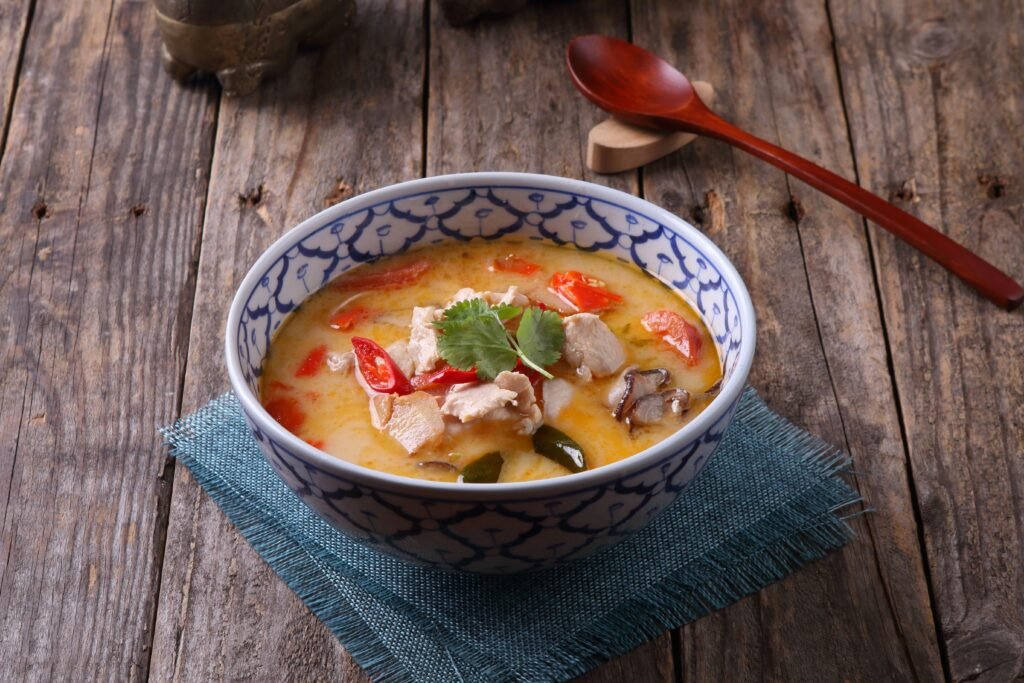
Spice: 1–2/5 | Price: 100–250 THB | Where: Restaurants
The gentler cousin of tom yum. Chicken simmered in coconut milk with galangal (kha), lemongrass and lime. It’s creamy, tangy and mild enough for people who are cautious about heat. Order it alongside a spicier dish to balance the meal.
9. Green Curry (Gaeng Keow Wan)
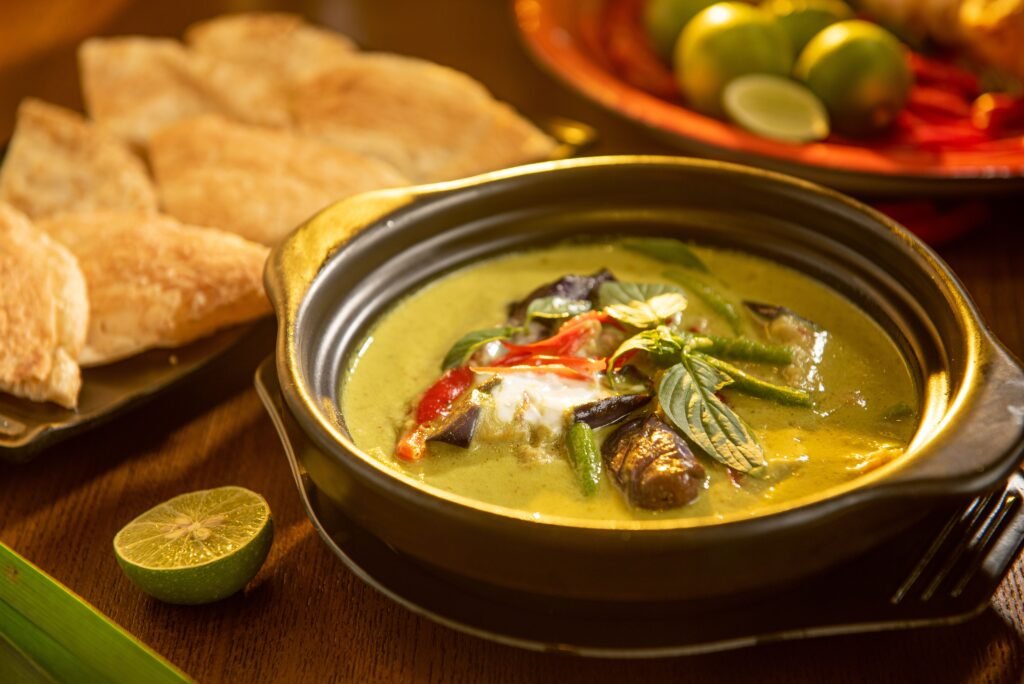
Spice: 3–4/5 | Price: 100–250 THB | Where: Restaurants and rice-and-curry shops
Green chilies, herbs and coconut milk with chicken, beef or fish balls, plus small Thai eggplants and basil. The name means “sweet green curry,” but don’t let “sweet” fool you. It can be properly hot. Eat it over rice and ask for phet nit noi if you’re unsure.
10. Massaman Curry
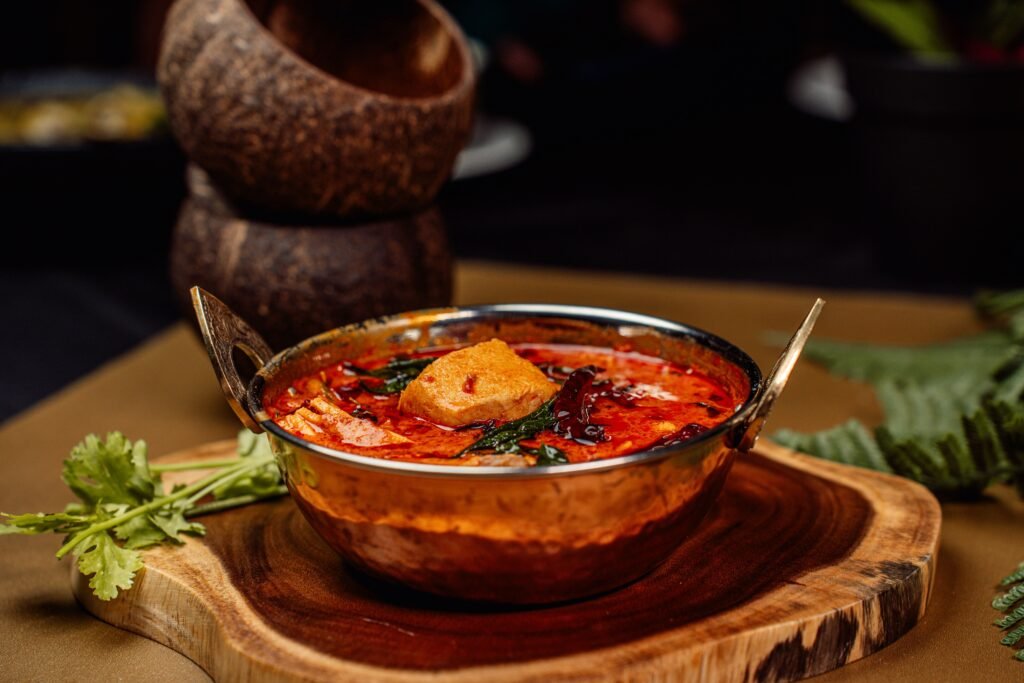
Spice: 1–2/5 | Price: 100–250 THB | Where: Restaurants, especially in the south
Rich, mild and aromatic, with potatoes, onions, peanuts and warm spices like cinnamon and cardamom. Its roots are linked to Persian and Muslim traders (cite a source here). It’s a great pick if you want deep flavor without much heat, and it tastes even better the next day if you ever get leftovers.
11. Khao Soi
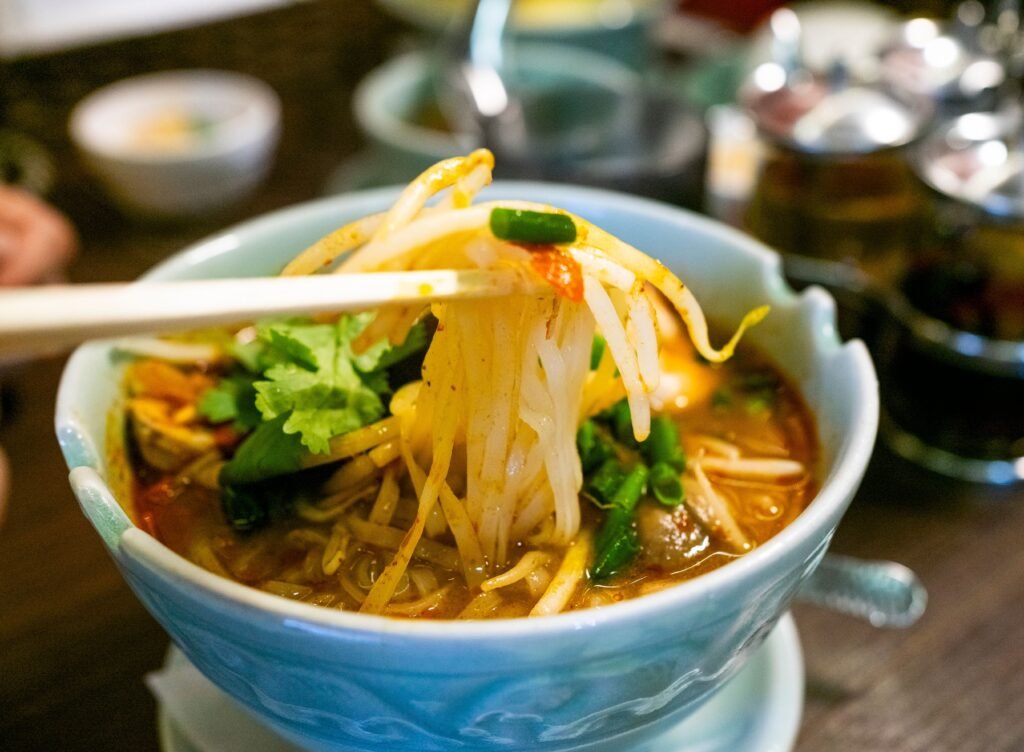
Spice: 2–3/5 | Price: 50–90 THB | Where: Chiang Mai and northern Thailand
The signature dish of the north. Egg noodles in a golden coconut-curry broth with chicken or beef, topped with a nest of crispy fried noodles. On the side, you’ll get pickled mustard greens, shallots and lime. Burmese and Chinese-Muslim influences shaped this dish (cite a source here). Squeeze the lime, stir in a spoon of chili oil, and mix the crispy noodles through.
12. Larb (Minced Meat Salad)
Spice: 3–4/5 | Price: 60–150 THB | Where: Northeastern (Isaan) restaurants
Minced pork, chicken or duck tossed with lime juice, fish sauce, chili flakes, fresh herbs and toasted ground rice. The toasted rice adds a nutty crunch you won’t forget. Eat it with sticky rice or wrapped in lettuce leaves. It’s one of the best examples of Isaan cooking.
13. Gai Yang (Grilled Chicken)
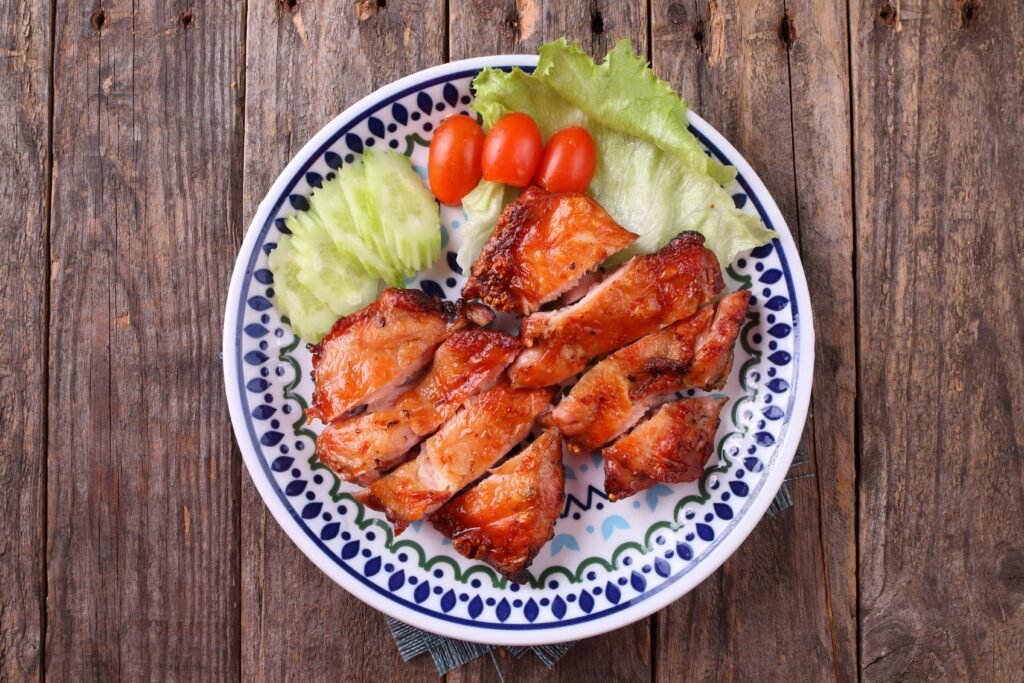
Spice: 1–2/5 | Price: 80–200 THB | Where: Isaan restaurants and roadside grills
Chicken marinated in garlic, cilantro root, pepper and fish sauce, then grilled over charcoal until the skin is crisp. Order it with sticky rice and som tum, the classic Isaan trio. The sweet-spicy dipping sauce (jaew) on the side is part of the meal. Don’t skip it.
14. Sai Oua (Northern Herb Sausage)
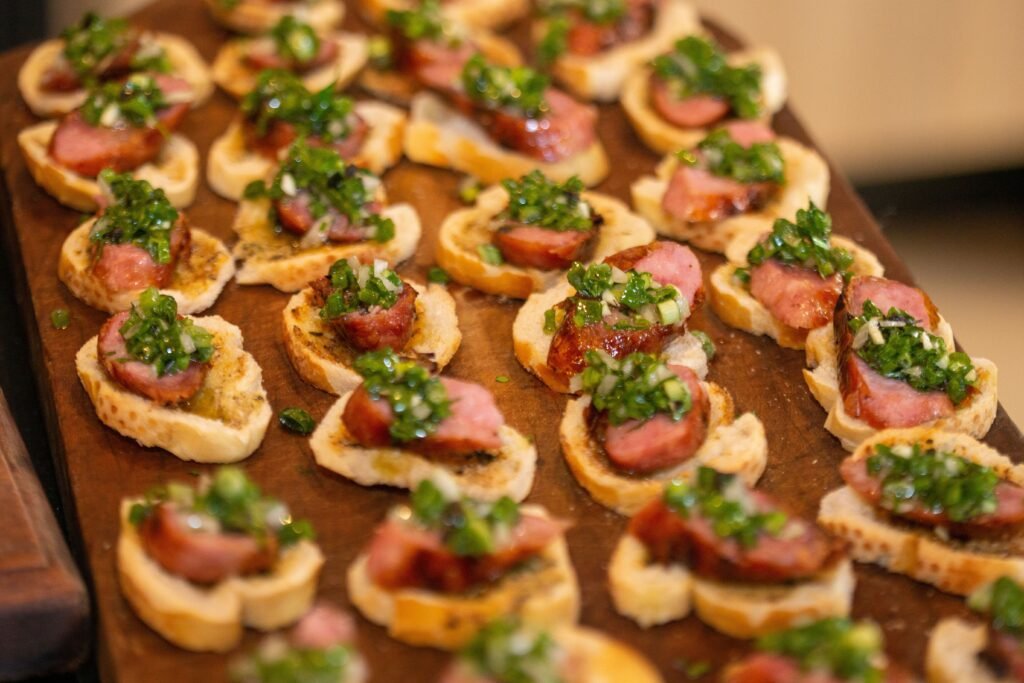
Spice: 2–3/5 | Price: 40–100 THB | Where: Chiang Mai markets
Chunky pork sausage packed with lemongrass, galangal, kaffir lime leaves and red curry paste. It’s herby and juicy, nothing like a Western sausage. Pair it with sticky rice and a few fresh vegetables from the market stall.
15. Khua Kling (Southern Dry Curry)
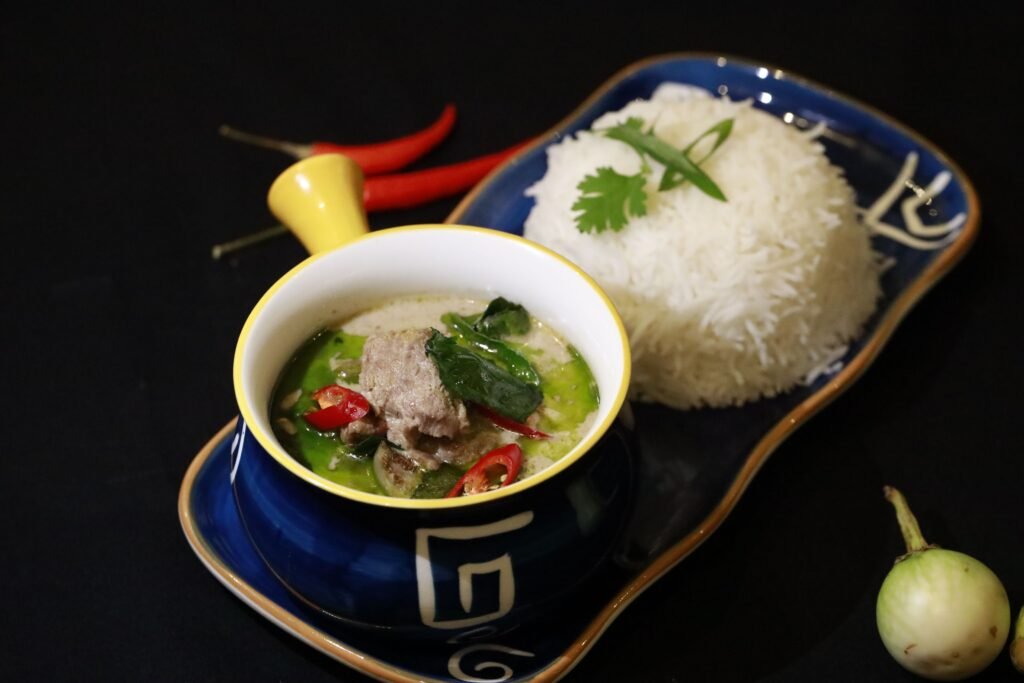
Spice: 5/5 | Price: 60–150 THB | Where: Southern Thai restaurants
Minced meat stir-fried dry with turmeric, chilies and aromatic herbs. Southern Thai food is known for being among the hottest in the country, and this dish proves it. If you want to try it without suffering, order with a plain rice and an egg, and ask for phet nit noi. Don’t be surprised if the cook still brings serious heat.
16. Hoi Tod (Crispy Mussel Omelette)
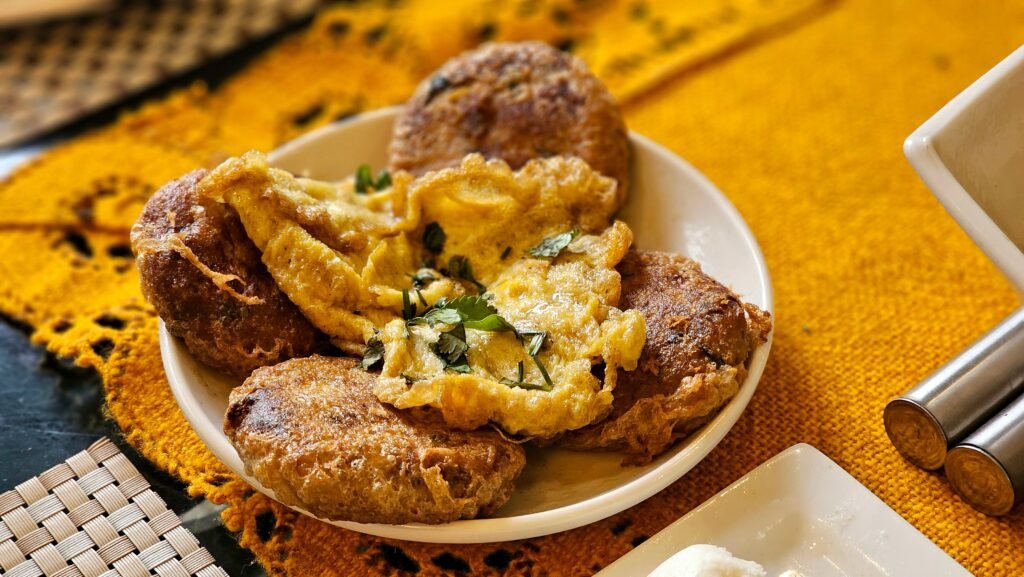
Spice: 1/5 | Price: 60–150 THB | Where: Night markets and seafood shops
A crisp, chewy pancake-style omelette filled with mussels (or oysters in some versions), served on a bed of bean sprouts with a sweet-chili sauce. It’s crunchy on the edges and soft in the middle. A good sharing plate at night markets.
17. Pla Pao (Salt-Crusted Grilled Fish)
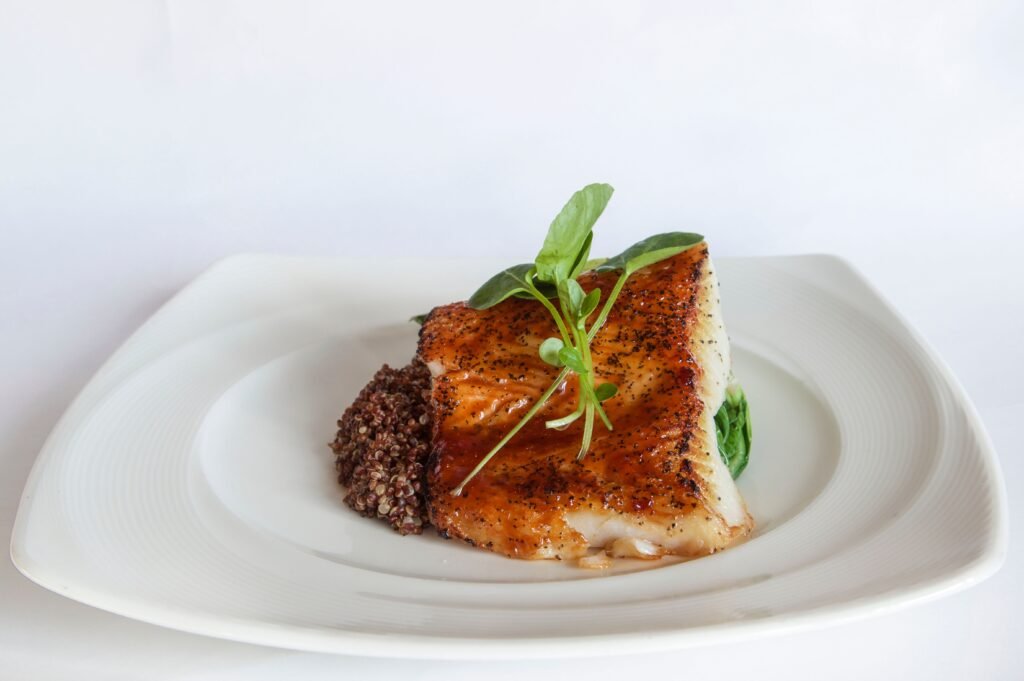
Spice: 1/5 | Price: 150–350 THB, depending on the fish | Where: Seafood shops, coastal areas
A whole fish coated in salt and grilled over charcoal, often stuffed with lemongrass. The salt crust keeps the flesh juicy. Peel the skin back and eat the tender meat with a tangy seafood dipping sauce. Ask the price before ordering whole fish, since it’s often sold by weight.
18. Khao Pad (Thai Fried Rice)
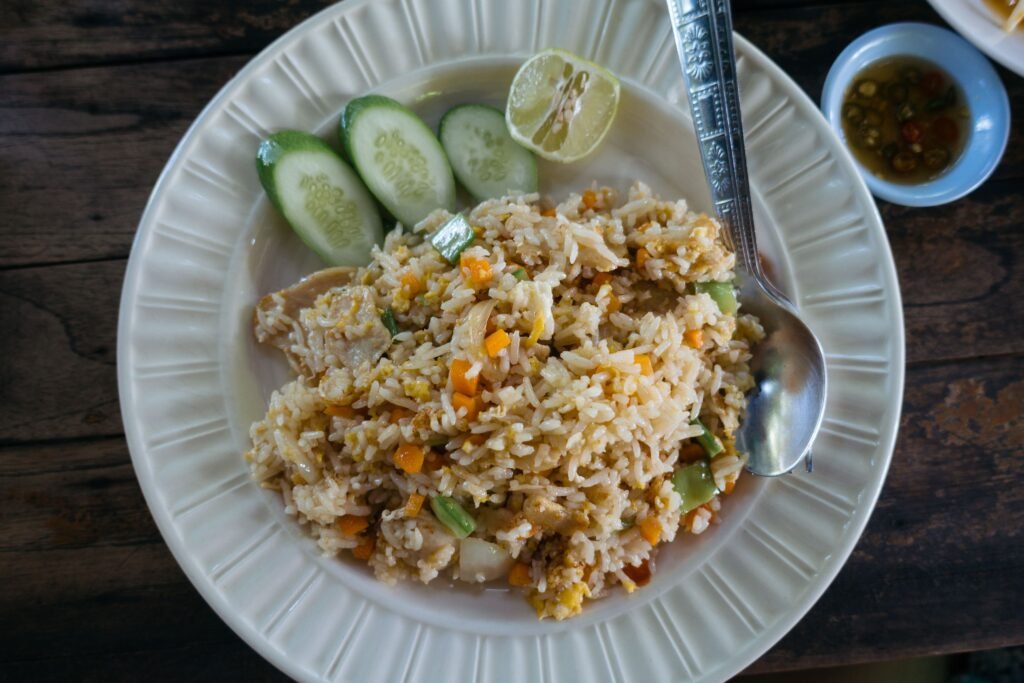
Spice: 1/5 | Price: 50–100 THB | Where: Everywhere
Simple, reliable and better than it sounds. Rice fried with egg, garlic and onion, plus chicken, pork, shrimp or crab. It’s served with cucumber slices, a lime wedge and a small dish of prik nam pla (chilies in fish sauce). This is your fallback dish on a tired day, and you’ll be happy to have it.
19. Mango Sticky Rice (Khao Niao Mamuang)
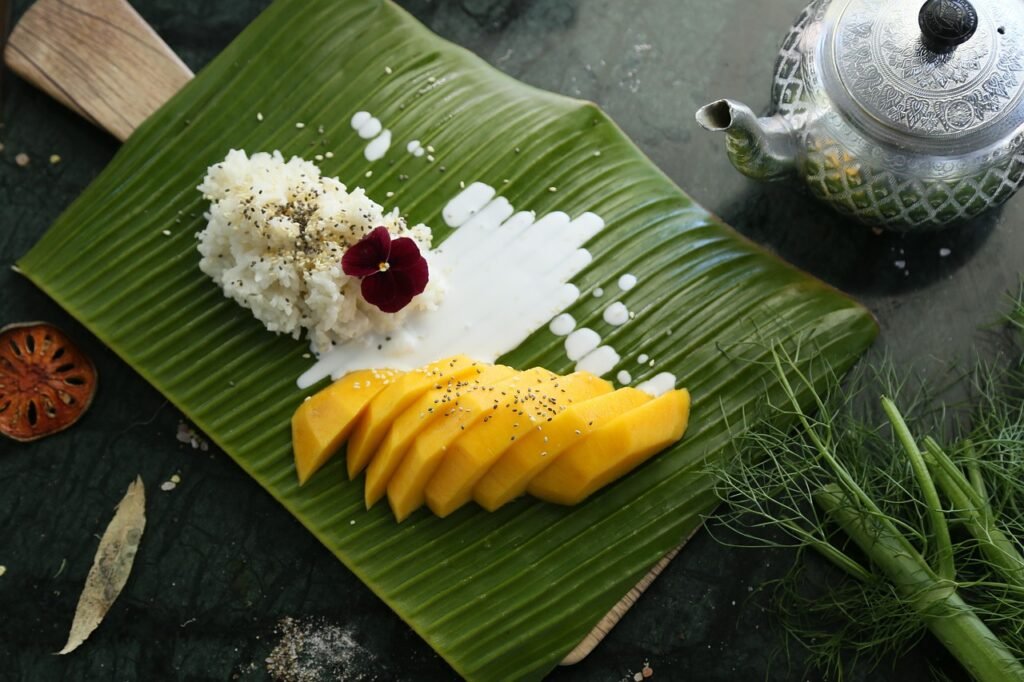
Spice: 0/5 | Price: 80–150 THB | Where: Markets and dessert stalls
Sweet ripe mango with warm sticky rice and a drizzle of salted-sweet coconut cream, often topped with crunchy mung beans. It’s best when mangoes are in season, roughly March to June (verify against TAT or a harvest source). Out of season, the mango can be disappointing, so judge the fruit before you buy.
20. Kanom Krok (Coconut Pancakes)
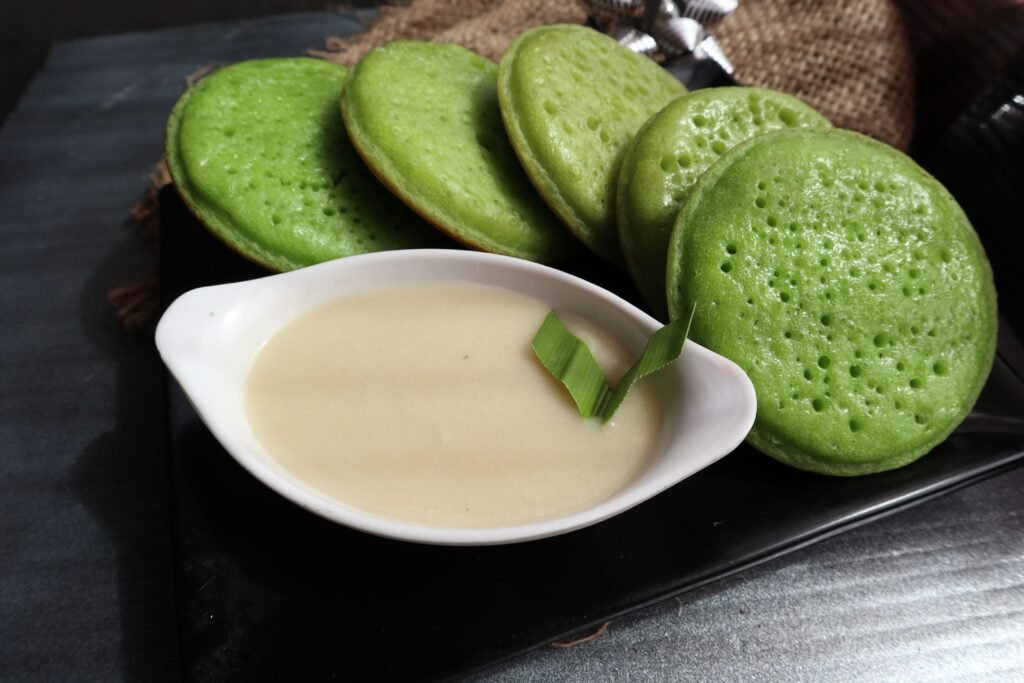
Spice: 0/5 | Price: 20–40 THB per set | Where: Street carts and markets
Small coconut-rice pancakes cooked in a dimpled cast-iron pan until crisp outside and custardy inside. Toppings include spring onion, corn or taro. Watch the vendor make them, because it’s half the fun. Eat them hot.
A note on snacks and sweets
Beyond these two desserts, Thailand has a huge snack culture. You’ll see grilled bananas, sweet roti folded around banana and condensed milk, coconut ice cream, and bags of cut fruit sprinkled with a salt-sugar-chili mix. They’re cheap, usually under 50 THB, and perfect for a walk between meals. Treat them as part of the experience rather than an afterthought, and keep a little cash in small notes since many vendors can’t break big bills.
Don’t skip the drinks
Thai iced tea (cha yen) is bright orange, sweet and creamy with condensed milk. Say wan noi for less sweet. Fresh coconut water, iced Thai coffee and fresh fruit shakes are everywhere. For plain water, buy it bottled.
Where to Eat What: A Region-by-Region Food Map

Thailand is a long country with several food cultures. Here’s how to match your route to your plate.
Bangkok
This is where everything meets. Street food runs from morning until late at night. Yaowarat (Chinatown) is famous for evening food stalls, and markets across the city have boat noodles, grilled meats and seafood. Don’t just stick to the tourist strips. Walk a block or two into a neighborhood market and you’ll find lower prices and better food.
Eat here first: pad kra pao, boat noodles, khao man gai, hoi tod.
Chiang Mai and the North
Northern food is milder and herbier, with Burmese and Chinese influences. Warorot Market and the weekend walking streets are good places to graze. Khao soi is the one dish you shouldn’t leave without trying.
Eat here first: khao soi, sai oua, northern-style curries.
Isaan (Northeastern Thailand)
Isaan food is bold, sour and spicy, built around grilled meats, sticky rice and salads. It’s a regional cuisine many travelers skip because the cities are off the typical route, which is exactly why it’s worth a detour. Many “Isaan restaurants” in Bangkok serve it well too.
Eat here first: som tum, larb, gai yang.
Phuket, Krabi and the South
Southern cooking is hotter and more turmeric-heavy, with plenty of fresh seafood and coconut-based curries. Phuket Old Town is a good base for local breakfasts and southern curry shops. Beach restaurants cost more, so balance them with local lunch spots.
Eat here first: khua kling, pla pao, southern curries, massaman.
A Sample One-Day Eating Plan in Bangkok
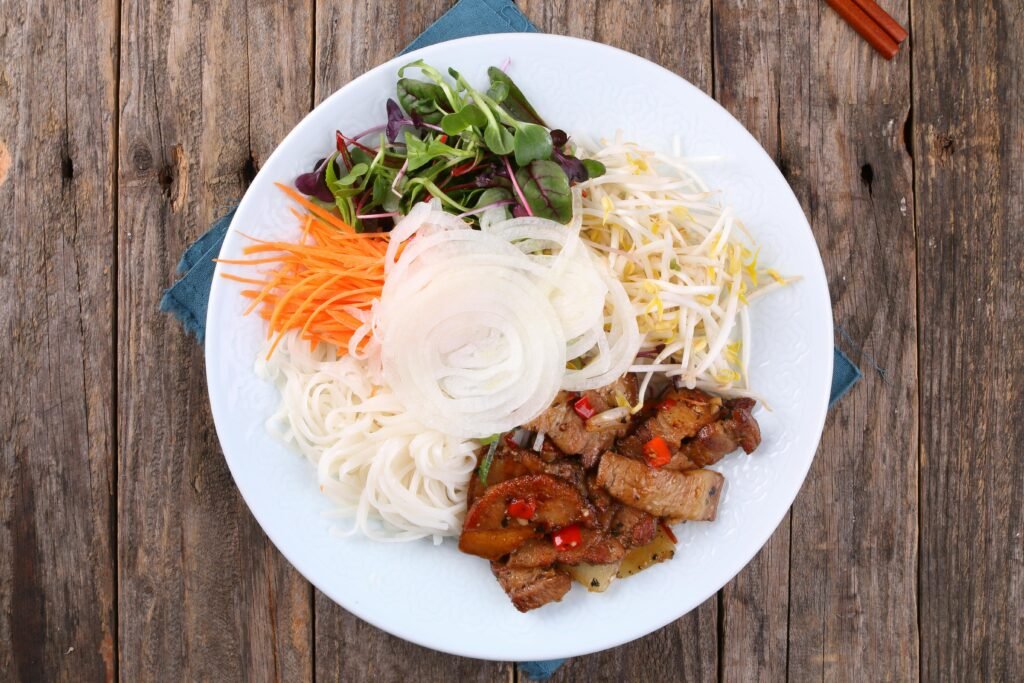
Not sure how to put all of this together? Here’s an easy first-day plan that gets you a good spread of flavors without overwhelming your stomach. Swap in whatever is local to where you are.
- Breakfast: Moo ping with a bag of sticky rice, plus iced Thai coffee or tea. It’s light, cheap and a gentle start.
- Mid-morning snack: Fresh fruit from a cart, such as pineapple, watermelon or mango in season.
- Lunch: Pad kra pao with a fried egg, or khao man gai if you want something milder. Eat early to beat the lunch rush.
- Afternoon: A few bowls of boat noodles, or a sweet break with kanom krok. Stay hydrated with bottled water.
- Dinner: A shared night-market feast. Try hoi tod, a grilled meat or two, a mild som tum, and a plate of rice.
- Dessert: Mango sticky rice if it’s in season, or coconut ice cream with peanuts and sticky rice.
Eat slowly, share dishes and don’t be afraid to stop at a stall just because it smells good. Some of the best meals happen when you aren’t following a plan.
How to build your own food route
Pick one neighborhood per day and let the food come to you. Start with a morning market, find a lunch spot where you see office workers lining up, and finish at a night market. Keep your afternoons flexible for the odd snack, because you’ll find more than you expect. Having a rough list of the dishes you want to try, such as the ones in this guide, helps you decide quickly when you’re hungry and the cook is waiting.
Street Stalls vs. Restaurants vs. Night Markets vs. Food Tours
You can eat well in Thailand in several ways. Here’s how they compare.
| Option | Pros | Cons |
|---|---|---|
| Street stalls | Cheapest, fastest, most local, cooked to order | Limited seating, little English, you have to judge hygiene yourself |
| Night markets | Huge variety in one place, easy for first-timers | Crowded, tourist-priced in popular spots |
| Sit-down restaurants | Air-con, English menus, comfortable for groups | Higher prices, flavors sometimes toned down |
| Food tours and cooking classes | Context, safe ordering, a guide who explains everything | The most expensive option, fixed schedule |
My honest advice is to mix them. Use street stalls and markets for most meals, one or two sit-down dinners for comfort, and a food tour or cooking class on your first or second day if you want to build confidence. If you’re packing for the trip, my guide to basic medicines to pack is worth a quick read, just in case.
Thai Food Budget: How Much Will You Spend?
Food is one of the best-value parts of a Thailand trip. Here’s a rough guide to what you’ll pay. All figures are approximate, so check against current prices.
| What | Typical cost (THB) |
|---|---|
| Street dish (rice or noodles) | 40–100 |
| Food court or night-market meal | 80–150 |
| Casual restaurant main | 150–350 |
| Seafood sit-down dinner for two | 600–1,500 |
| Cooking class (half day) | 1,000–1,800 |
| Guided food tour | 1,200–2,500 |
Daily food budget by travel style
- Street-food budget: about 300–500 THB per day
- Mixed (street plus a few restaurants): about 600–1,200 THB per day
- Comfort or splurge: 1,500+ THB per day
To convert, check a live rate on a source like XE or the Bank of Thailand before you travel. As a rough rule, 100 THB is a few US dollars and a few hundred Indian rupees, but rates change.
Best Time to Visit Thailand for Food

You can eat well all year, but the season changes the experience.
Cool and dry season (roughly November to February)
The most comfortable time for street-food walking. Temperatures are friendlier, the humidity drops, and it’s peak travel season, so expect higher prices on hotels and tours. Loy Krathong usually falls in November, with lantern festivals and festival snacks in many cities (confirm dates for your year).
Hot season (roughly March to May)
It’s hot, really hot. But it’s also peak mango season, so this is the best time for mango sticky rice and fresh fruit. Songkran, the Thai New Year water festival, is in mid-April. Some small family-run shops close for a few days around it, so check ahead.
Rainy season (roughly late May to October)
Fewer crowds, lower prices and lush green scenery. Rain usually arrives in short, heavy bursts, so you can still eat out. This is also when many tropical fruits come into season, including durian, mangosteen and rambutan (verify timing). The Phuket Vegetarian Festival usually falls in September or October, depending on the lunar calendar, and is excellent for meat-free street food.
Check the Tourism Authority of Thailand and the Thai Meteorological Department for current seasonal guidance.
Common Mistakes to Avoid When Eating in Thailand

- Ordering only pad thai. It’s a fine dish, but it’s one of 20 in this guide. Try something new at every meal.
- Judging a stall by its menu language. No English often means better prices and more local food.
- Assuming “not spicy” will be mild. Say it clearly, then taste before adding more. A tourist-friendly “not spicy” is still sometimes spicy.
- Ignoring the condiment caddy. It’s there to help you adjust the dish. Use it.
- Eating only in tourist hubs. Walk two or three blocks away and you’ll often find better food at lower prices.
- Not asking the price of seafood. Whole fish, prawns and crab are often sold by weight. Ask before you order.
Pro Tips for Eating Well in Thailand

Street-food safety checklist
- Pick busy stalls. High turnover usually means fresher food.
- Look for food cooked fresh and served hot. Avoid anything that has been sitting out for a long time.
- Drink bottled water. Ice in cities is generally commercially made, but use your own judgment.
- Wash or sanitize your hands before eating.
- Ease in. Start with cooked, mild dishes for the first day or two.
For official health guidance, see the CDC’s Travelers’ Health page for Thailand.
Vegetarian and jay food
Look for yellow flags with red lettering outside stalls and restaurants. They mark jay (vegetarian, often vegan) food. If you eat vegetarian elsewhere, be aware that fish sauce and oyster sauce are everywhere, so ask for mai sai nam pla and say gin jay.
Allergies
Peanuts, shellfish, fish sauce, shrimp paste and egg appear in many dishes. Carry a translated allergy card and show it to the cook before ordering. Don’t rely on a verbal “no.”
Spice rescue
If you overdo it, drink milk, Thai iced tea or eat sticky rice. Water usually makes it worse.
What Should You Eat?
- First-timer: Pad kra pao, khao man gai, mango sticky rice.
- Don’t like spice: Massaman, tom kha gai, khao pad, moo ping.
- Love heat: Som tum, larb, khua kling.
- Vegetarian: Look for jay stalls and say mai sai nam pla.
- Budget traveler: Street stalls and night markets for most meals.
- Foodie: A food tour, a cooking class, and a trip to Isaan or the north.
- Traveling with kids: Fried rice, chicken satay-style skewers, pad thai, mango sticky rice.
If you only try five dishes: pad kra pao, khao man gai, khao soi, som tum (mild), and mango sticky rice.
Frequently Asked Questions
What is the most popular food in Thailand?
Pad kra pao (stir-fried holy basil with meat and rice) is a staple of everyday Thai eating, while pad thai is the best-known Thai dish abroad. Both are cheap and easy to find at street stalls and casual restaurants.
Is Thai street food safe to eat?
Generally yes, if you choose busy stalls, watch your food being cooked fresh and hot, and drink bottled water. A steady line of locals is a good sign. Check the CDC’s Travelers’ Health guidance for Thailand before you go.
How much does food cost in Thailand per day?
If you stick to street food, plan on roughly 300–500 THB per day. Mixing in casual restaurants brings it closer to 600–1,200 THB. Prices are higher in tourist areas and on islands.
What Thai dishes aren’t spicy?
Massaman curry, khao man gai, khao pad, moo ping, mild pad thai and mango sticky rice are all low in heat. You can also ask for most dishes mai phet (not spicy).
What should I eat first in Thailand?
Pad kra pao with a fried egg is a great first dish. It’s flavorful, affordable and everywhere. If you’re spice-averse, start with khao man gai or tom kha gai.
Can vegetarians eat well in Thailand?
Yes. Look for jay stalls with yellow flags, and say gin jay and mai sai nam pla to avoid fish sauce. The Phuket Vegetarian Festival is a highlight if your trip lines up.
When is the best time to visit Thailand for food?
November to February is the most comfortable for walking and eating at street stalls. For fruit, March to June is mango season, and the rainy months bring durian and mangosteen.
