
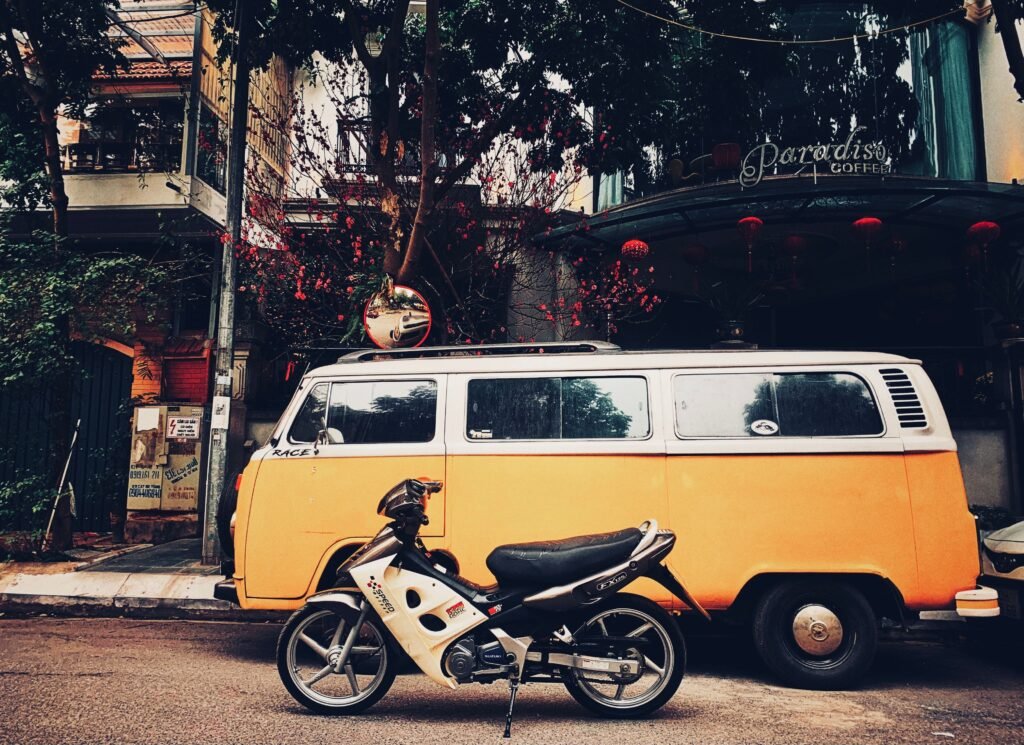
Vietnam is one of the easiest countries in Southeast Asia to explore. From bustling cities and mountain towns to tropical beaches and ancient villages, the country offers a wide range of transportation options for every budget.
However, first-time visitors are often surprised by how different transportation works compared to Europe, North America, or Australia. Crossing the street can feel like an adventure, traffic can seem chaotic, and choosing between trains, buses, flights, and motorbikes can be confusing.
This Vietnam transportation guide explains everything you need to know about getting around Vietnam safely, efficiently, and without overspending.
By the end of this guide, you’ll know which transport option is best for your itinerary, budget, and travel style.
Table of Contents
ToggleBest Transportation Options in Vietnam
| Transportation | Best For | Cost | Comfort Level |
|---|---|---|---|
| Domestic Flights | Long distances | Medium | High |
| Trains | Scenic travel | Medium | High |
| Sleeper Buses | Budget travelers | Low | Medium |
| Motorbike Rentals | Adventure travelers | Low | Medium |
| Grab App | City transport | Low | High |
| Traditional Taxis | Short city rides | Medium | Medium |
| Public Buses | Budget city travel | Very Low | Low |
Understanding Transportation in Vietnam
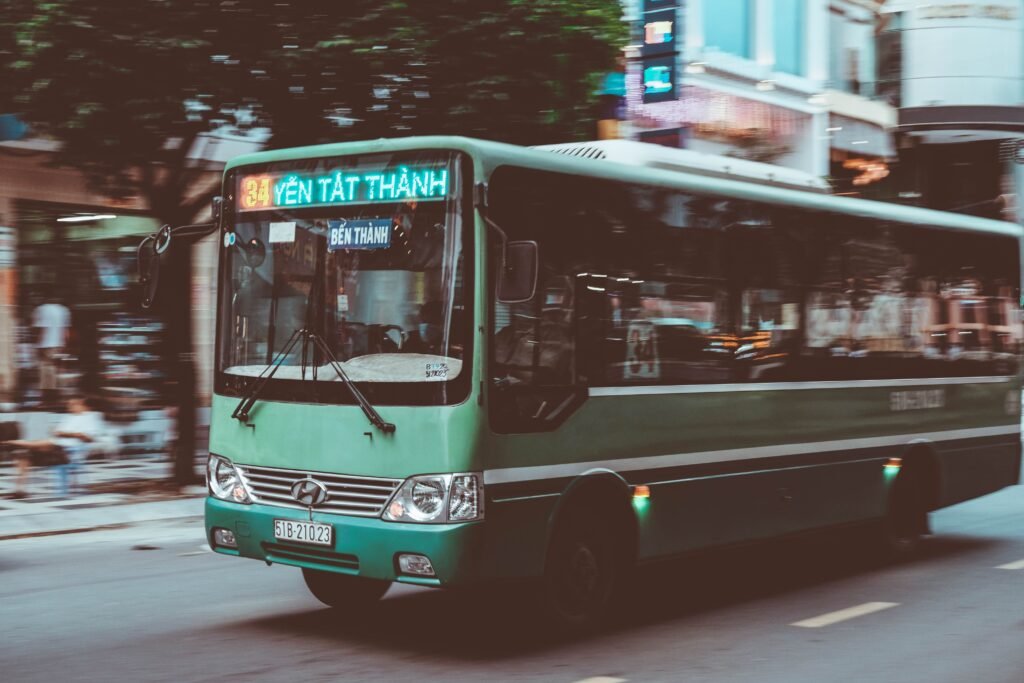
Vietnam stretches over 1,600 kilometers (1,000 miles) from north to south.
Popular destinations include:
- Hanoi
- Ha Long Bay
- Ninh Binh
- Da Nang
- Hoi An
- Hue
- Nha Trang
- Ho Chi Minh City
- Phu Quoc
Because the country is long and narrow, travelers usually combine multiple transportation methods throughout their trip.
For example:
- Flights for long distances
- Trains for scenic journeys
- Grab rides inside cities
- Boats for islands
- Motorbikes for local exploration
Domestic Flights in Vietnam
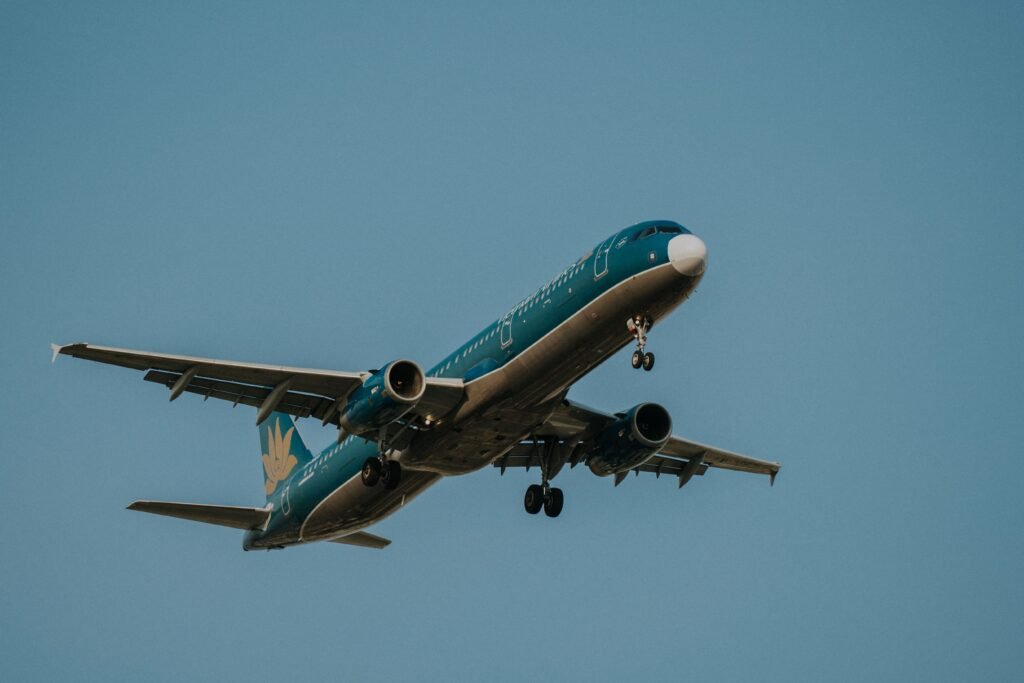
Why Many Travelers Choose Flights
If you’re traveling from Hanoi to Ho Chi Minh City, flying is often the most practical option.
Flight time:
- Around 2 hours
Train journey:
- Around 30–35 hours
Bus journey:
- Around 35–40 hours
Advantages
✔ Fastest option
✔ Affordable compared to many countries
✔ Saves valuable vacation time
✔ Frequent daily departures
Drawbacks
✘ Less scenic
✘ Airport transfers add time
✘ Baggage restrictions
Best For
- Travelers with limited time
- Families
- Digital nomads
- Multi-city itineraries
Vietnam Train Travel Guide
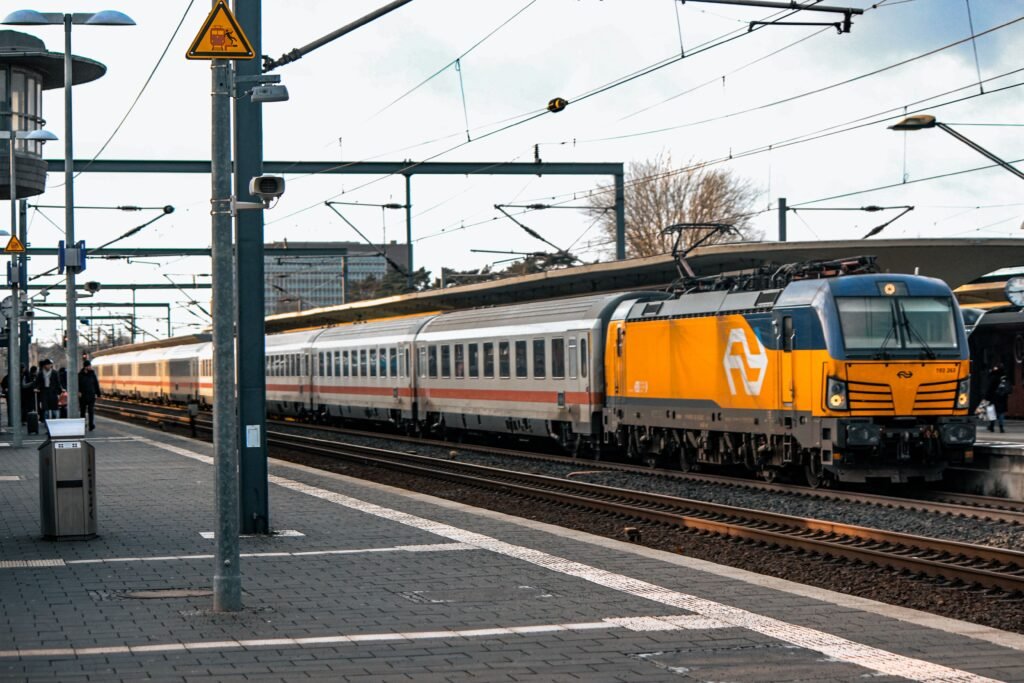
Many experienced travelers consider train travel one of the best ways to see Vietnam.
The famous North-South Railway connects major cities along the country’s coastline.
Why Take the Train?
Train journeys provide:
- Beautiful ocean views
- Mountain scenery
- Comfortable overnight cabins
- More space than buses
Popular Train Routes
- Hanoi to Hue
- Hue to Da Nang
- Da Nang to Ho Chi Minh City
- Hanoi to Ninh Binh
Expert Tip
The route between Hue and Da Nang is widely considered one of Southeast Asia’s most scenic train journeys.
Sleeper Buses in Vietnam
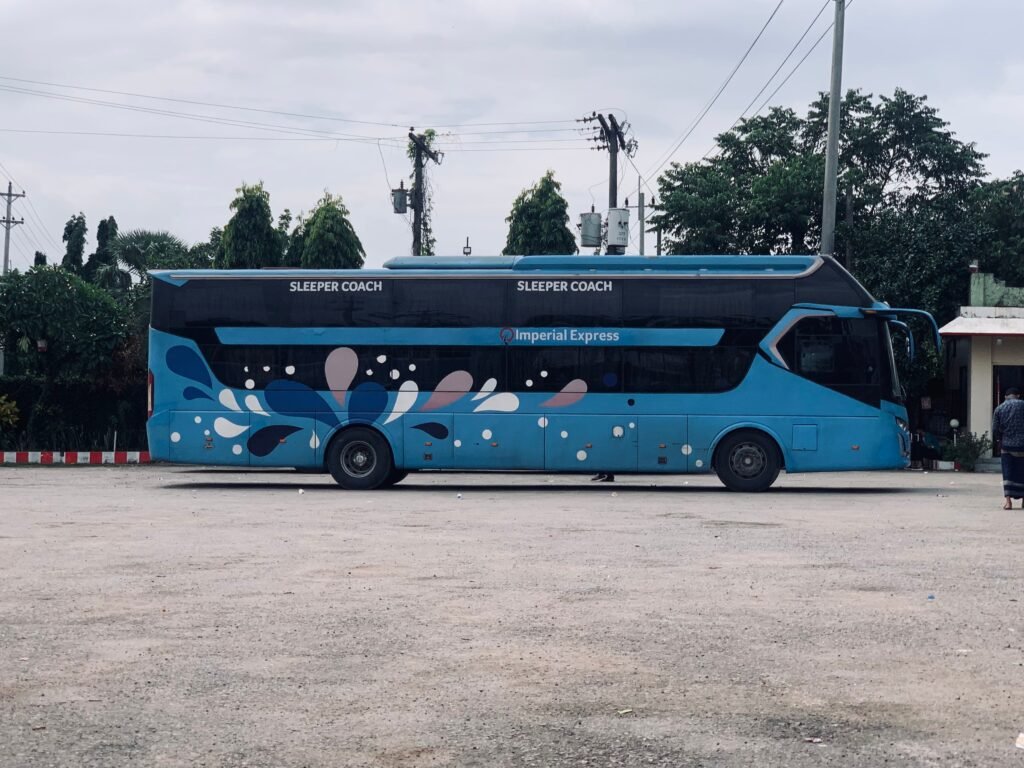
Sleeper buses are extremely popular among backpackers and budget travelers.
Instead of traditional seats, passengers travel in reclining sleeping berths.
Pros
- Cheap
- Extensive route network
- Overnight travel saves accommodation costs
Cons
- Limited space for tall travelers
- Can be noisy
- Variable comfort standards
Best For
- Solo travelers
- Backpackers
- Budget-conscious visitors
Common Mistake
Many first-time travelers book the cheapest sleeper bus available. Paying slightly more often results in significantly better comfort and safety.
Using Grab in Vietnam
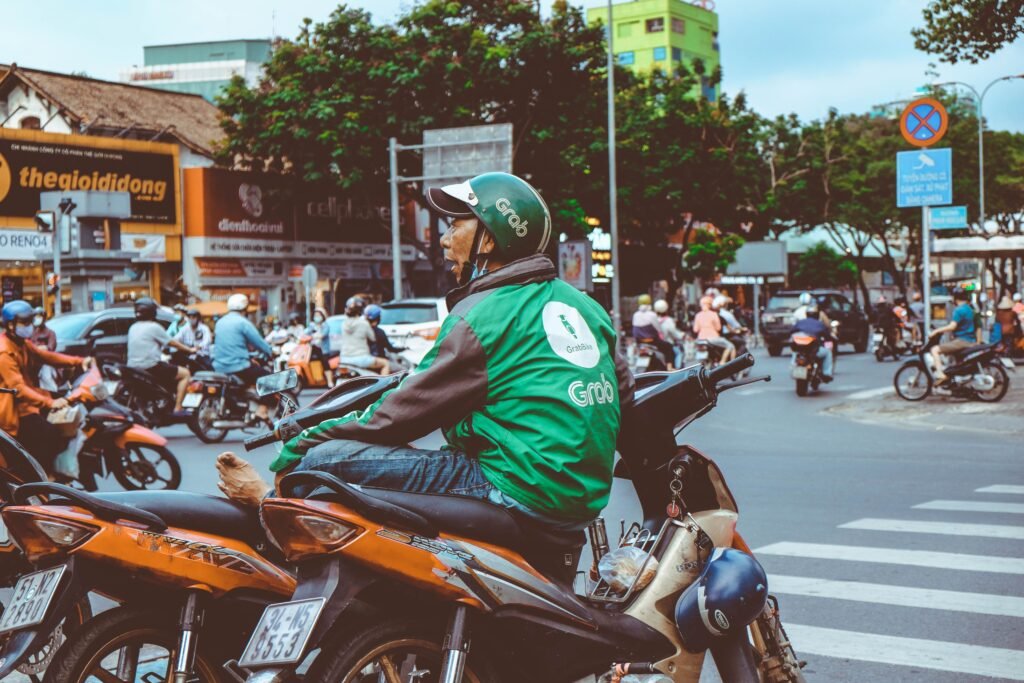
What Is Grab?
Grab is Southeast Asia’s most popular ride-hailing app.
Think of it as a combination of Uber, food delivery, and digital payments.
For most tourists, Grab is the easiest way to travel around major cities.
Benefits
- Fixed pricing
- GPS tracking
- No language barrier
- Cash or card payment options
Cities Where Grab Works Well
- Hanoi
- Da Nang
- Ho Chi Minh City
- Nha Trang
Pro Travel Tip
Whenever possible, use Grab instead of negotiating with street taxis.
Traditional Taxis in Vietnam
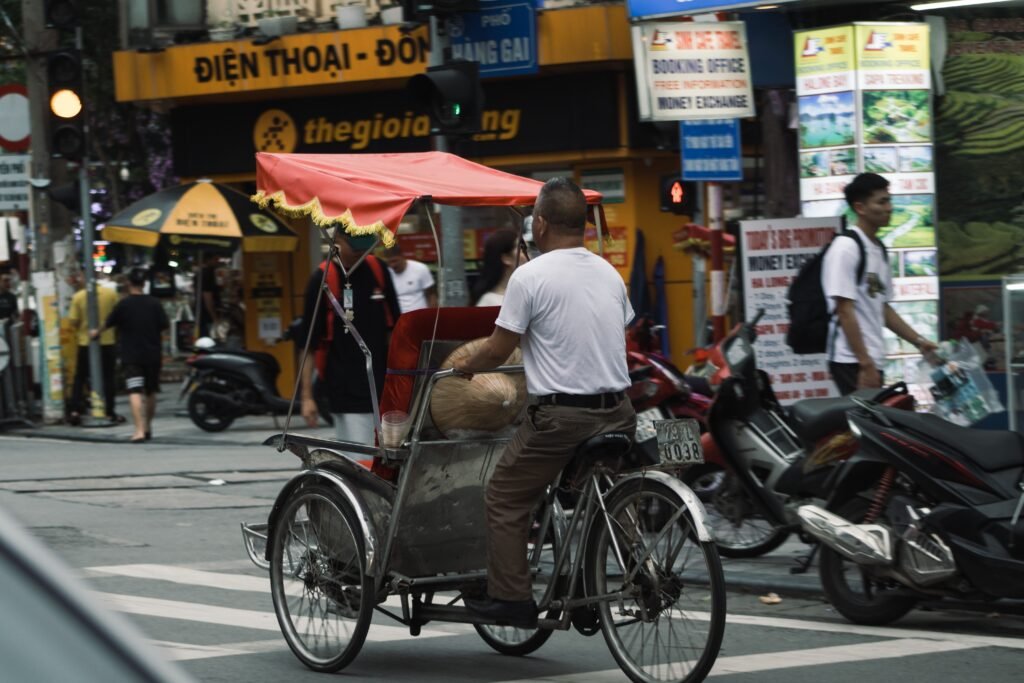
Taxis remain widely available throughout Vietnam.
While many taxi drivers are honest, some tourists report issues such as:
- Longer routes
- Meter manipulation
- Overcharging
How to Stay Safe
- Use reputable taxi companies.
- Confirm the meter is running.
- Carry small cash notes.
- Track your route on Google Maps.
Renting a Motorbike in Vietnam
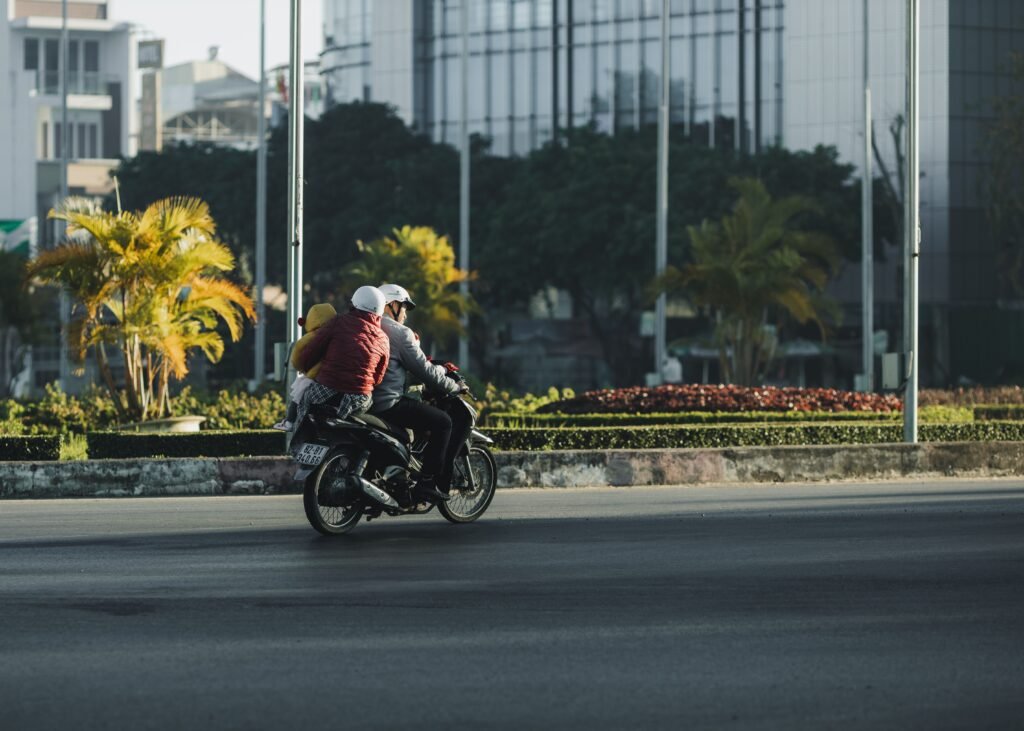
For many travelers, riding a motorbike is one of Vietnam’s most memorable experiences.
Benefits
- Freedom to explore
- Access remote areas
- Low rental costs
Risks
- Heavy traffic
- Road hazards
- Weather conditions
- Insurance complications
Best Places for Motorbike Riding
- Hai Van Pass
- Ha Giang Loop
- Phong Nha
Important Safety Advice
Only rent a motorbike if you’re already confident riding one. Vietnam’s traffic can be overwhelming for beginners.
Public Buses in Vietnam
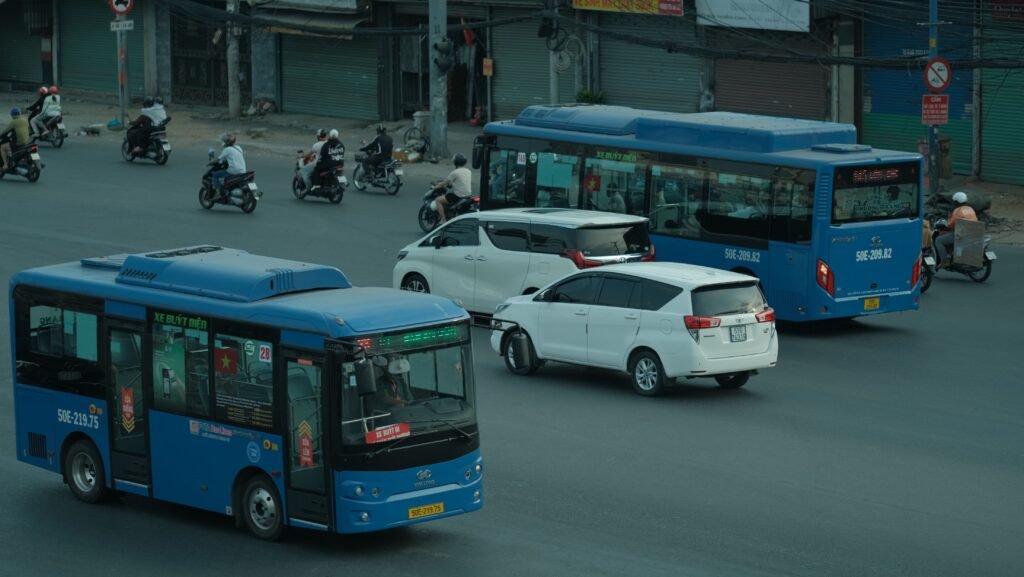
Local buses are the cheapest transportation option.
A typical city bus ride costs only a fraction of what a taxi costs.
Advantages
- Extremely affordable
- Extensive coverage
- Popular with locals
Disadvantages
- Language barriers
- Crowded during peak hours
- Limited tourist information
Best For
- Long-term travelers
- Budget travelers
- Adventurous visitors
Transportation Between Popular Tourist Destinations
Hanoi to Ha Long Bay
Options:
- Tourist shuttle bus
- Private transfer
- Organized tour transport
Travel time:
- 2.5 to 3 hours
Hanoi to Ninh Binh
Options:
- Train
- Tourist bus
- Private car
Travel time:
- Around 2 hours
Da Nang to Hoi An
Options:
- Grab
- Taxi
- Shuttle bus
Travel time:
- 30–45 minutes
Ho Chi Minh City to Phu Quoc
Options:
- Flight
- Bus and ferry combination
Flights are generally the most convenient choice.
Common Transportation Mistakes Tourists Make in Vietnam
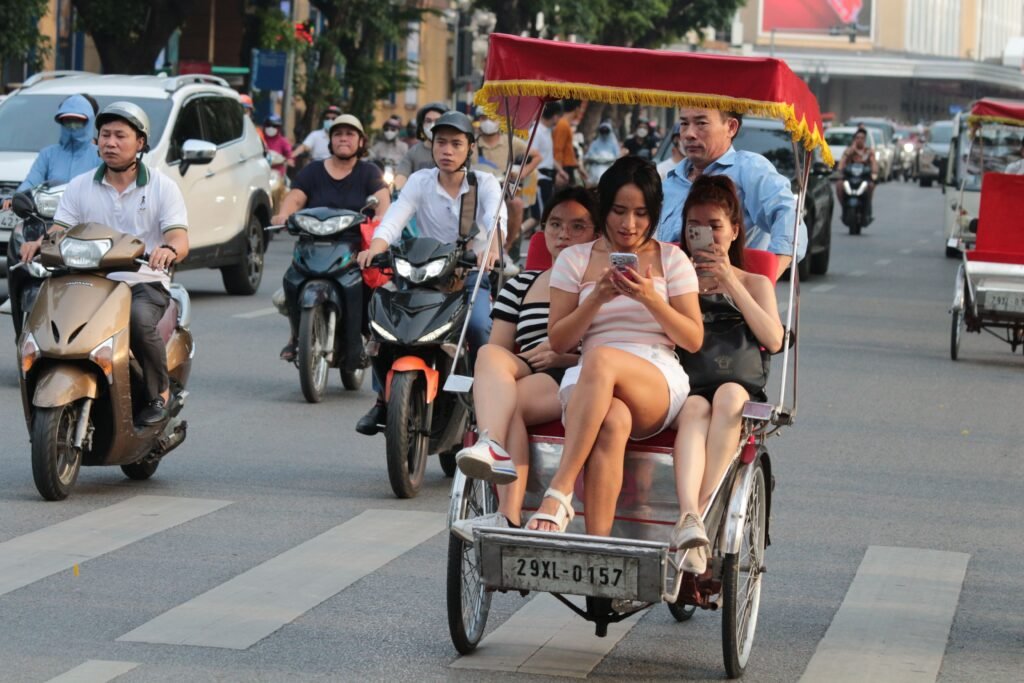
1. Taking Unlicensed Taxis
Always use reputable services or Grab.
2. Underestimating Travel Distances
Vietnam looks smaller on maps than it feels when traveling.
3. Booking Last Minute During Holidays
Transportation can sell out quickly during major Vietnamese festivals.
4. Riding a Motorbike Without Experience
Many travel injuries involve inexperienced riders.
5. Ignoring Weather Conditions
Heavy rain can affect buses, ferries, and road travel.
What Is the Best Way to Travel Around Vietnam?

For Budget Travelers
- Sleeper buses
- Public buses
- Trains
For Comfort
- Domestic flights
- Private transfers
- Grab
For Scenic Travel
- North-South Railway
- Hai Van Pass route
For Adventure Travelers
- Motorbike trips
- Ha Giang Loop
Key Takeaways
- Flights are best for long-distance travel.
- Trains offer the most scenic journeys.
- Sleeper buses are the cheapest intercity option.
- Grab is the easiest city transportation method.
- Motorbikes provide freedom but require experience.
- Plan transportation in advance during peak travel seasons.
- Combining flights, trains, and Grab rides creates the most efficient Vietnam itinerary.
Vietnam offers transportation options for every type of traveler. Whether you’re backpacking on a tight budget, planning a family vacation, or exploring the country as a digital nomad, getting around is relatively easy once you understand your choices.
For most visitors, the ideal approach is to combine domestic flights for long distances, trains for scenic routes, and Grab for city travel. This balance saves time, reduces stress, and helps you experience more of what makes Vietnam such an exciting destination.
Before your trip, map out major routes, compare transportation options, and book popular journeys early. A little planning goes a long way toward making your Vietnam adventure smoother, safer, and far more enjoyable.
FAQs
Is transportation in Vietnam cheap?
Yes. Vietnam is one of the most affordable countries in Asia for transportation. Buses, trains, and ride-hailing services are generally budget-friendly.
What is the safest way to travel around Vietnam?
Domestic flights and trains are typically the safest options for long-distance travel.
Is Grab available throughout Vietnam?
Grab operates in most major tourist cities, including Hanoi, Da Nang, and Ho Chi Minh City.
Are trains better than buses in Vietnam?
Trains are usually more comfortable and scenic, while buses are often cheaper and offer more route options.
Can tourists rent motorbikes in Vietnam?
Yes, motorbike rentals are widely available, but riders should have proper experience and insurance coverage.
How many days are needed to travel across Vietnam?
A complete north-to-south trip typically requires 2–4 weeks to enjoy the country comfortably.
Is public transportation easy for foreigners?
It can be challenging because of language barriers, but apps and translation tools make it easier.
Should I book transportation in advance?
Yes, especially during weekends, holidays, and peak tourist seasons.