
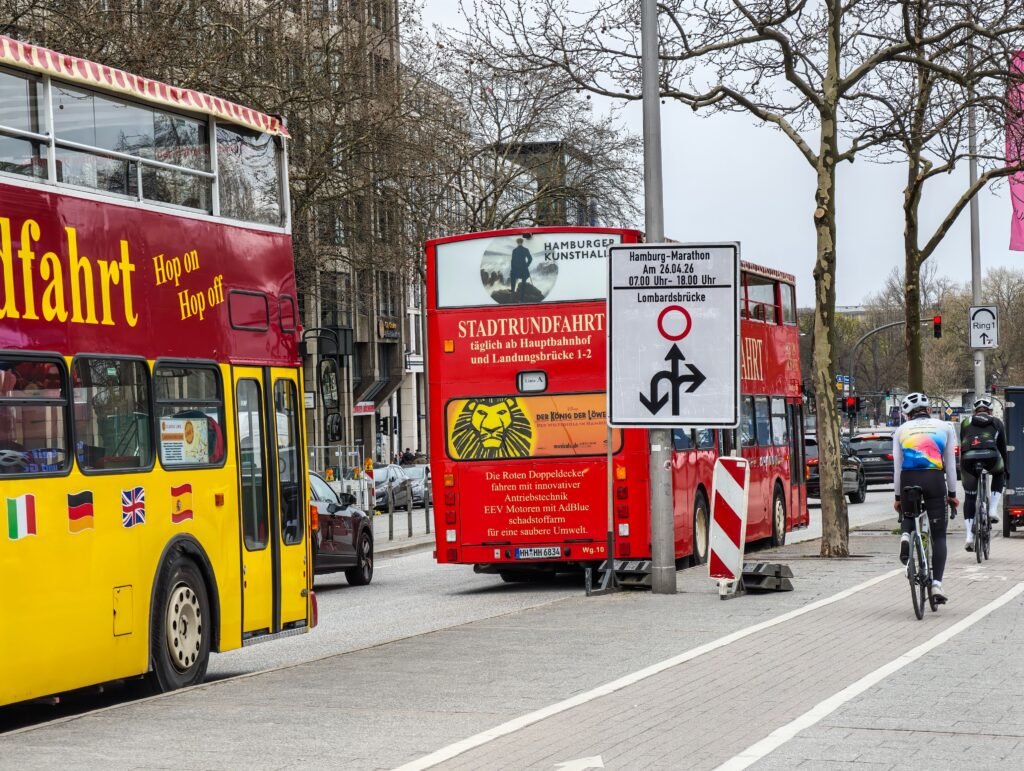
Planning a trip to Europe can be exciting, but figuring out how to get around can feel overwhelming. With dozens of countries, hundreds of cities, and multiple transportation options, choosing the right mode of travel can save you both time and money.
The good news is that Europe has one of the world’s most efficient transportation networks. Whether you’re backpacking on a budget, taking a family vacation, or exploring multiple countries in a single trip, there is a travel option that fits your needs.
In this Europe Transportation Guide, you’ll learn how to travel between countries, the pros and cons of trains, buses, flights, and rental cars, money-saving tips, and practical advice from experienced travelers.
Table of Contents
ToggleEurope Transportation Guide: Overview
Europe offers five major transportation options:
- Trains
- Budget Airlines
- Long-Distance Buses
- Rental Cars
- Public Transportation
Each serves a different purpose depending on your budget, itinerary, and travel style.
| Transportation Type | Best For | Budget Level | Comfort |
| Trains | City-to-city travel | Medium | High |
| Budget Flights | Long distances | Low-Medium | Medium |
| Buses | Budget travelers | Low | Medium |
| Rental Cars | Road trips | Medium-High | High |
| Public Transport | City travel | Low | High |
Traveling Europe by Train
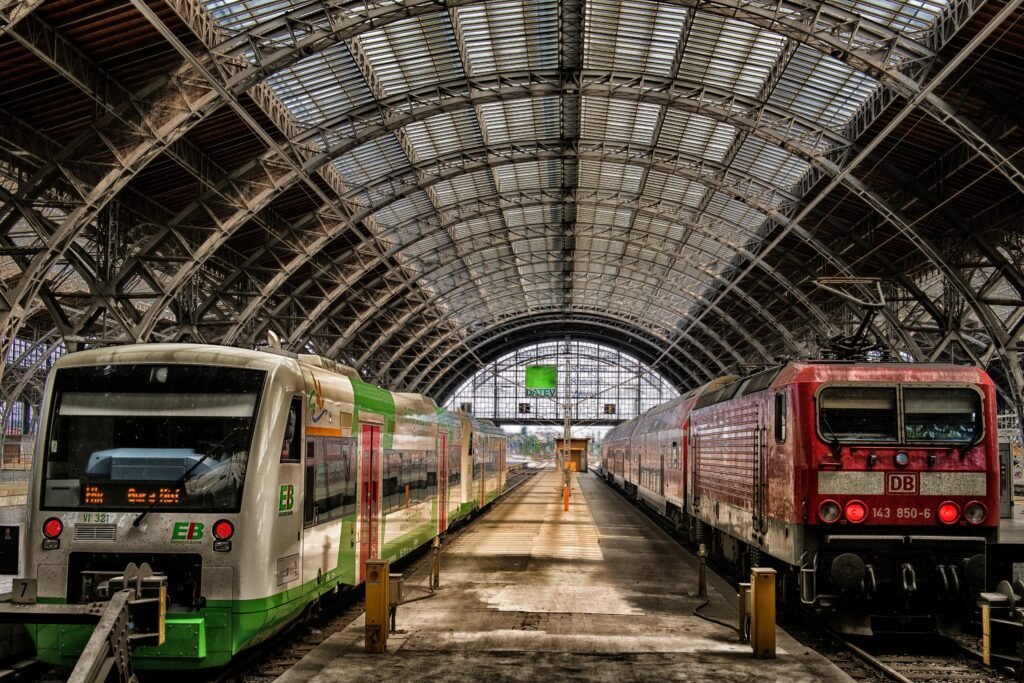
Train travel is often considered the best way to explore Europe.
The continent’s rail network connects major cities, small towns, and even remote destinations efficiently.
Benefits of Train Travel in Europe
- Comfortable seating
- Scenic routes
- City-center arrivals
- No long airport security lines
- Environmentally friendly
Popular international routes include:
- Paris to Amsterdam
- London to Brussels
- Rome to Florence
- Vienna to Budapest
- Barcelona to Madrid
Should You Buy a Eurail Pass?
A Eurail Pass can be worthwhile if:
- You plan to visit multiple countries.
- You’re taking several long-distance train journeys.
- You prefer flexibility.
However, individual tickets are often cheaper for travelers visiting only a few destinations.
Expert Tip
Book train tickets 2–3 months in advance for countries like France, Italy, and Spain to secure significantly lower fares.
Budget Airlines in Europe

Europe is home to some of the world’s most affordable airlines.
Popular carriers include:
- Ryanair
- easyJet
- Wizz Air
- Vueling
When Flying Makes Sense
Flights are often better when:
- Traveling over 800 km.
- Visiting islands.
- Crossing multiple regions quickly.
Examples:
- Lisbon to Prague
- Athens to Paris
- Dublin to Rome
Common Mistakes to Avoid
Many travelers focus only on airfare.
Remember to factor in:
- Checked baggage fees
- Airport transfers
- Seat selection costs
- Priority boarding charges
A €20 flight can easily become a €70 trip.
Long-Distance Buses in Europe
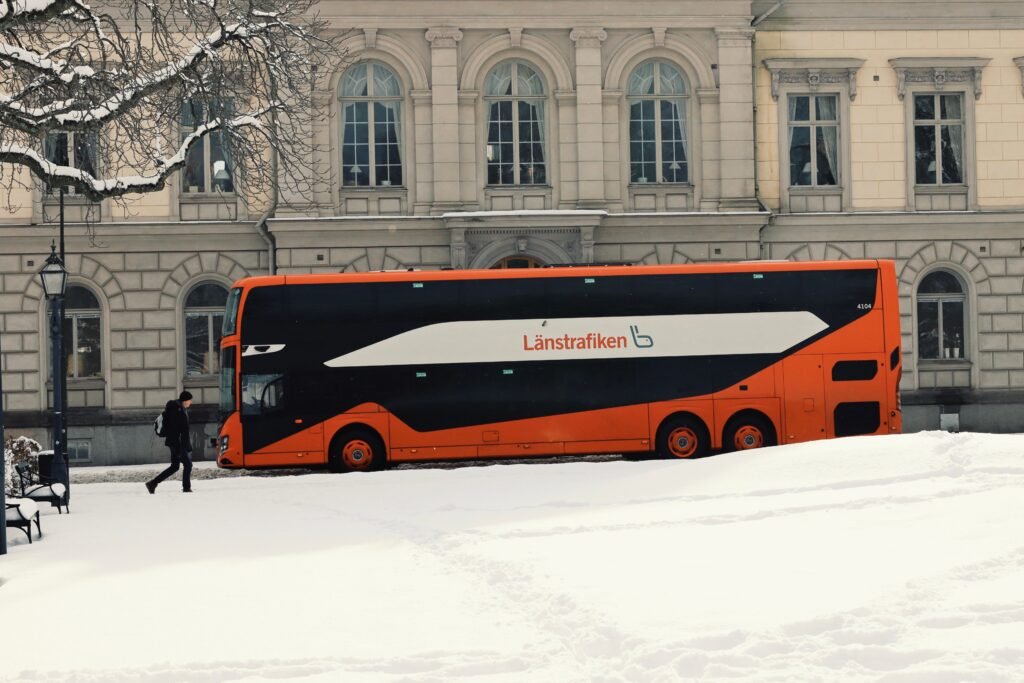
Buses remain one of the cheapest ways to travel around Europe.
They are ideal for:
- Backpackers
- Students
- Digital nomads
- Budget-conscious travelers
Popular operators include:
- FlixBus
- BlaBlaCar Bus
Advantages of Bus Travel
- Extremely affordable
- Extensive route network
- Frequent departures
- Overnight travel options
Disadvantages
- Longer travel times
- Less legroom
- Potential traffic delays
For trips under 400 km, buses often provide excellent value.
Renting a Car in Europe
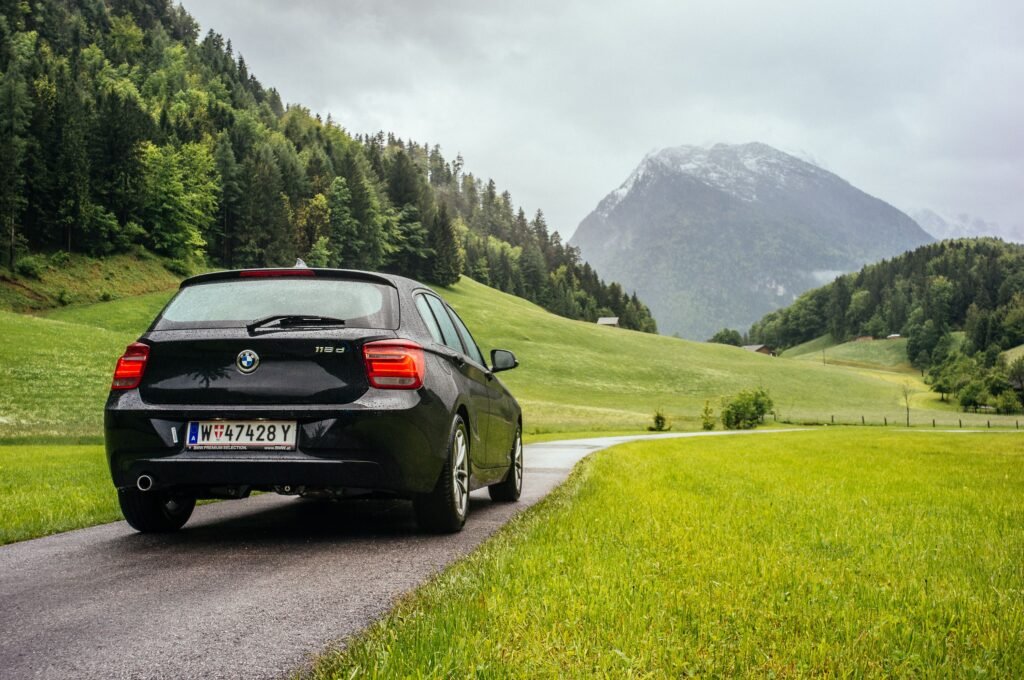
A rental car offers freedom that trains and buses cannot match.
It’s especially useful for exploring:
- Rural villages
- Coastal regions
- National parks
- Wine regions
Popular road trip destinations include:
- Italy
- Ireland
- Portugal
- Scotland
Things to Know Before Renting
Check:
- International Driving Permit requirements
- Toll road fees
- Parking regulations
- Cross-border restrictions
Real-World Experience
Many first-time visitors underestimate parking costs in major cities. In destinations like central Paris, Amsterdam, or Rome, parking can cost more than public transportation for an entire day.
Public Transportation Within European Cities
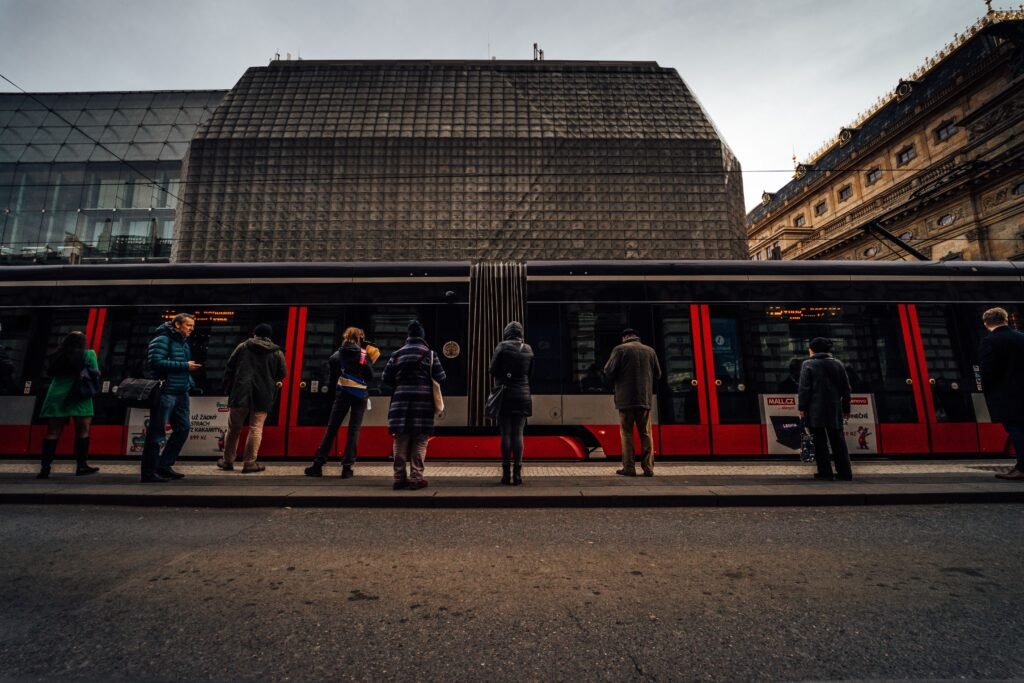
Most European cities have reliable public transportation systems.
Common options include:
- Metro systems
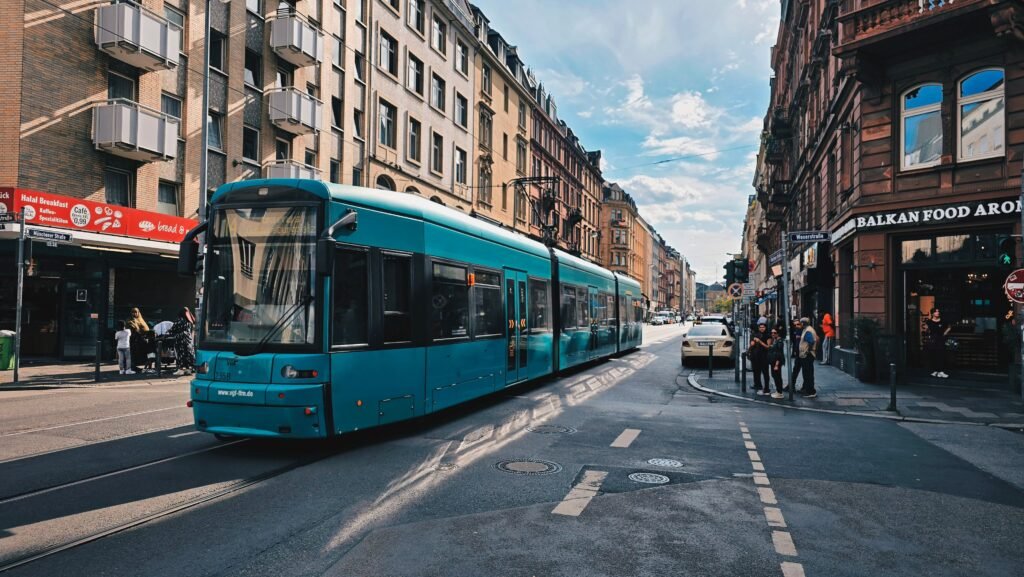
- Trams
- Buses
- Local trains
- Ferries
Cities With Excellent Public Transport
- London
- Berlin
- Vienna
- Madrid
- Prague
Money-Saving Tip
Many cities offer:
- 24-hour passes
- 48-hour passes
- Weekly travel cards
- Tourist transport cards
These can significantly reduce transportation expenses.
Best Transportation Option Based on Travel Style
For Budget Travelers
Choose:
- Buses
- Budget airlines
- Public transportation
For First-Time Visitors
Choose:
- High-speed trains
- Metro systems
- Airport rail links
For Families
Choose:
- Rental cars
- High-speed trains
For Luxury Travelers
Choose:
- First-class rail travel
- Private transfers
- Premium train cabins
Europe Transportation Costs
Average transportation costs in Europe:
| Transport Type | Typical Cost |
| Metro Ticket | €2–5 |
| Bus Ticket | €5–40 |
| Train Ticket | €20–150 |
| Budget Flight | €20–120 |
| Rental Car | €30–100/day |
Prices vary significantly depending on season, route, and booking time.
How to Save Money on Transportation in Europe
Follow these proven strategies:
- Book train tickets early.
- Travel during shoulder seasons.
- Use overnight buses.
- Compare trains versus flights.
- Purchase city transportation passes.
- Avoid airport taxis when possible.
- Travel with carry-on luggage only.
These simple changes can save hundreds of euros during a multi-country trip.
Key Takeaways
- Trains offer the best balance of comfort and convenience.
- Budget airlines are ideal for long-distance travel.
- Buses are the cheapest transportation option.
- Rental cars work best for rural exploration and road trips.
- Public transportation is efficient in most European cities.
- Booking early often results in major savings.
- Compare all transportation options before every journey.
Europe’s transportation network is one of the biggest reasons the continent is so easy to explore. Whether you prefer high-speed trains, budget airlines, affordable buses, or scenic road trips, there is a transportation option for every budget and travel style.
For most travelers, trains remain the most convenient choice, while buses and low-cost airlines offer excellent value for budget-conscious trips. Before booking, compare travel time, total cost, luggage fees, and convenience to choose the best option for your itinerary.
Plan ahead, book early, and you’ll be able to travel across Europe efficiently while saving both time and money.
FAQs
What is the best way to travel around Europe?
For most travelers, trains provide the best combination of comfort, speed, scenery, and convenience.
Is Eurail worth buying?
A Eurail Pass is worth it for travelers making multiple long-distance journeys across several countries.
Are budget airlines cheaper than trains in Europe?
Sometimes. Budget flights can be cheaper, but additional fees and airport transfer costs may reduce savings.
Is public transportation reliable in Europe?
Yes. Most major European cities have efficient and well-connected public transportation systems.
How much should I budget for transportation in Europe?
Most travelers spend between €10 and €50 per day depending on destination and travel style.
Is renting a car in Europe a good idea?
Yes, especially for rural regions, scenic road trips, and destinations with limited train access.
Which European countries have the best rail networks?
France, Germany, Switzerland, Austria, Spain, and Italy are known for excellent rail infrastructure.
Can I travel Europe without flying?
Absolutely. Europe's extensive train and bus networks make it easy to travel between countries without taking flights.