
Singapore Travel Guide : Everything You Need to Plan the Perfect Trip
Planning your first trip to Singapore? You’re in for an experience that’s unlike anywhere else in Southeast Asia. This island nation may be small on the map, but it packs an incredible mix of futuristic architecture, lush green spaces, world-class attractions, vibrant neighborhoods, and one of the best food scenes in the world.
Whether you’re traveling with family, planning a romantic honeymoon, backpacking through Asia, or simply looking for a short international getaway from India, this Singapore Travel Guide will help you plan your trip with confidence. From understanding your Singapore travel cost and creating the perfect Singapore itinerary to discovering local food, transportation, and hidden gems, you’ll find everything you need in one place.
Unlike many destinations where getting around can feel overwhelming, Singapore is remarkably traveler-friendly. The city is clean, safe, and easy to navigate using the efficient Singapore MRT, making it an excellent choice for Singapore travel guide for first-time visitors. Even if you’ve never traveled abroad before, you’ll quickly find that exploring neighborhoods like Chinatown, Little India, Marina Bay, and Clarke Quay is surprisingly simple.
One thing that often surprises first-time visitors is how seamlessly modern city life blends with nature. You can spend your morning admiring the futuristic Supertrees at Gardens by the Bay, enjoy an afternoon at Universal Studios Singapore on Sentosa Island, and finish your evening sampling affordable local dishes at famous Hawker Centres. It’s this balance of innovation, culture, entertainment, and greenery that makes Singapore stand out.
Why Visit Singapore?
What Makes Singapore Unique?
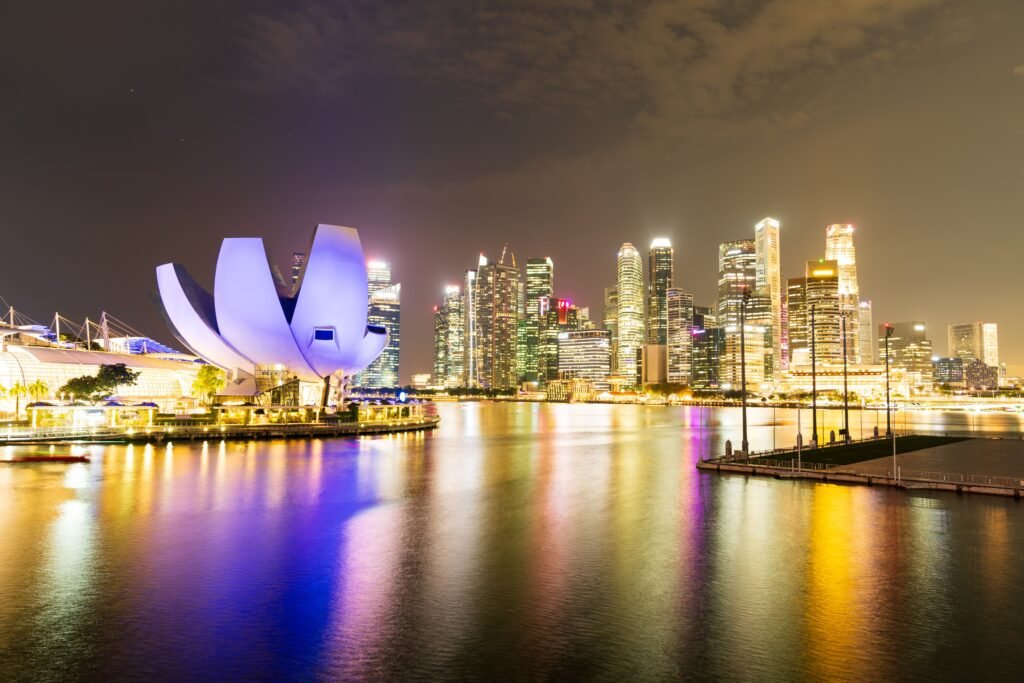
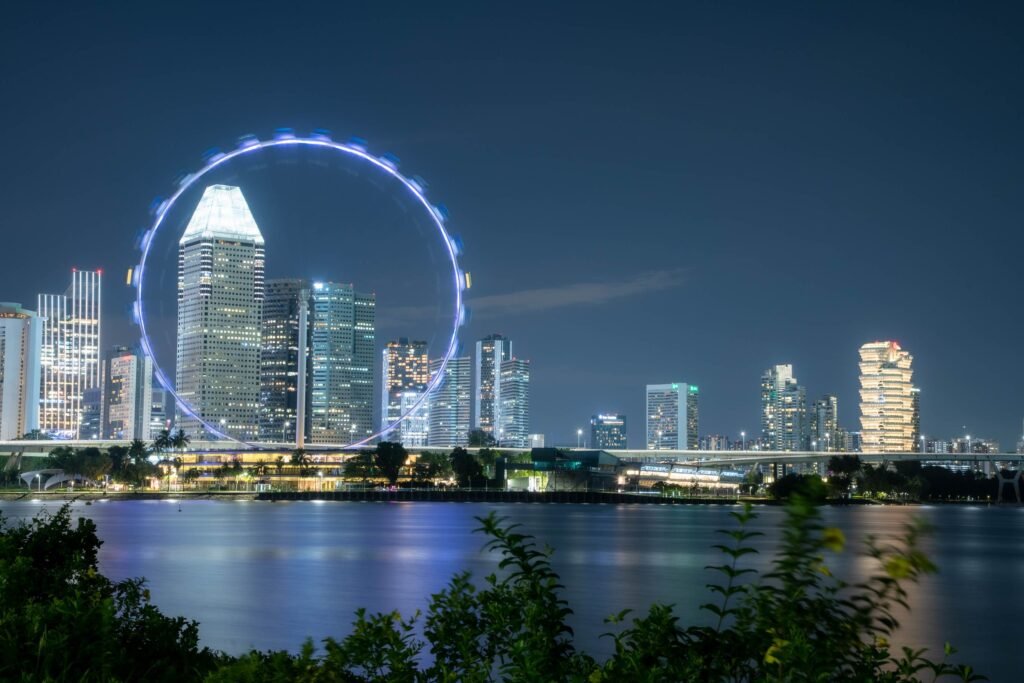
Singapore isn’t just another big city—it’s a destination built around efficiency, diversity, and unforgettable experiences. In a single day, you can admire the skyline from the Singapore Flyer, explore colorful heritage districts, relax in lush botanical gardens, shop along Orchard Road, and end your evening watching the spectacular Marina Bay light show.
One of my favorite travel moments happened before I even left the airport. After landing at Changi Airport, I visited Jewel Changi “just for an hour.” That quick stop turned into nearly half a day exploring indoor waterfalls, gardens, restaurants, and shops. It’s one of the few airports in the world that’s genuinely worth arriving early for.
Singapore is also one of the safest destinations in Asia. Streets remain lively late into the evening, public transport is reliable, and English is widely spoken, making communication easy for international visitors.
Who Should Visit Singapore?
Singapore appeals to almost every type of traveler.
- Families will love attractions like Universal Studios Singapore, the Singapore Zoo, and interactive museums.
- Couples can enjoy rooftop dining, scenic waterfront walks around Marina Bay, and sunset views from Sentosa Island.
- Solo travelers appreciate the city’s safety, organized public transport, and welcoming atmosphere.
- Food lovers can enjoy Michelin-recognized meals at Hawker Centres without spending a fortune.
- Luxury travelers have access to iconic hotels, rooftop infinity pools, fine dining, and premium shopping.
- Even budget travelers can reduce their expenses by using the MRT, eating at local food courts, and planning a smart Singapore budget travel itinerary.
If you’re traveling from India, Singapore is especially attractive because of its relatively short flight time, excellent connectivity, and straightforward Singapore visa guide process.
Is Singapore Worth Visiting?
Yes—especially if you’re looking for a destination that’s clean, safe, easy to explore, and packed with experiences.
Although many people ask, “Is Singapore expensive for tourists?” the answer depends on how you travel. Luxury hotels and premium attractions can increase your budget, but staying near an MRT station, dining at Hawker Centres, and booking attractions in advance can significantly lower your overall Singapore travel budget breakdown.
If you’re wondering how many days are enough for Singapore, most travelers find that 4–5 days provides the perfect balance. It gives you enough time to visit the city’s iconic landmarks, enjoy local experiences, take a day trip to Sentosa Island, and still leave room for shopping or exploring hidden neighborhoods.
Quick Reasons to Visit Singapore
- World-class attractions like Gardens by the Bay and Universal Studios Singapore
- One of Asia’s safest and cleanest cities
- Efficient MRT system that makes sightseeing easy
- Incredible multicultural food scene
- Family-friendly, couple-friendly, and solo traveler-friendly
- Excellent shopping, nightlife, and cultural experiences
- Ideal starting point for longer Southeast Asia travel adventures
Travel Tip: If you plan to spend full days exploring attractions, carrying a lightweight travel backpack, a portable charger, and a reusable water bottle can make sightseeing much more comfortable—especially in Singapore’s warm, humid climate.
Before finalizing your plans, it’s also worth reading our guides on Best Countries to Visit in Asia, Cheapest Countries to Travel, and How to Plan an International Trip to compare destinations, estimate costs, and prepare for a smooth overseas journey.
Singapore at a Glance
Before booking your flights or planning your Singapore itinerary, it’s helpful to know a few essential travel facts. Whether you’re visiting for a weekend getaway, a family vacation, or a week-long adventure, these quick details will help you prepare for a hassle-free trip.
| Travel Information | Details |
| Country | Republic of Singapore |
| Capital | Singapore |
| Currency | Singapore Dollar (SGD/S$) |
| Languages | English, Mandarin Chinese, Malay, and Tamil (English is widely spoken) |
| Time Zone | Singapore Standard Time (SGT, UTC+8) |
| Visa | Many nationalities can enter visa-free, while others—including Indian passport holders—generally require a visa before arrival. Always check the latest visa requirements before booking your trip. |
| Plug Type | Type G (230V, 50Hz) – the same plug used in the UK |
| Internet | Excellent high-speed Wi-Fi is available at hotels, shopping malls, cafés, airports, and many public places. Local SIM cards and eSIMs are affordable and easy to purchase at Changi Airport or online before arrival. |
| Safety | Singapore is consistently ranked among the safest countries in the world, with very low crime rates and reliable public transportation. |
| Emergency Numbers | 🚑 Ambulance & Fire: 995 🚓 Police: 999 📞 Non-Emergency Ambulance: 1777 |
What Travelers Should Know Before Arriving
One of the biggest advantages of visiting Singapore is how easy it is to settle in from the moment you land. Changi Airport is regularly ranked among the world’s best airports, offering excellent transport connections, luggage storage, currency exchange counters, free Wi-Fi, and tourist information services.
English is one of Singapore’s official languages, so reading signs, ordering food, and asking for directions is rarely a challenge. If you’re traveling abroad for the first time, this makes Singapore one of the easiest destinations to explore confidently.
Although Singapore has a reputation for being expensive, careful planning can significantly reduce your Singapore travel cost. Staying near an MRT station, eating at local Hawker Centres, and using public transport instead of taxis are simple ways to enjoy a memorable trip without overspending.
Practical Travel Tips
- Carry a universal Type G travel adapter if your country’s plugs are different.
- Purchase an eSIM or local SIM card before leaving the airport for affordable mobile data.
- Keep a small amount of Singapore Dollars for hawker stalls or small shops, although most businesses accept international credit and debit cards.
- Save the emergency numbers in your phone before your trip—you’ll likely never need them, but it’s always good to be prepared.
- Download offline maps and transport apps before arrival to make navigating the Singapore MRT even easier.
Quick Tip: If you’re carrying multiple devices like a phone, smartwatch, camera, or laptop, a compact travel adapter with USB ports can save both luggage space and charging time without adding unnecessary weight to your bag.
Before moving on to planning your itinerary, don’t forget to check our guides on Visa-Free Countries if you’re looking for destinations with easier entry requirements, and International Travel Tips for practical advice on packing, travel insurance, currency exchange, and staying connected while abroad.
Best Time to Visit Singapore
One of the most common questions travelers ask is, “What is the best time to visit Singapore?” The good news is that Singapore is a year-round destination thanks to its tropical climate. Unlike many countries that experience four distinct seasons, Singapore remains warm and humid throughout the year, with occasional rain showers that rarely disrupt sightseeing for long.
That said, the “best” time depends on your travel style. Some months are better for outdoor attractions and festivals, while others are ideal for shopping, budget travel, or avoiding tourist crowds. If you’re planning your Singapore itinerary carefully, choosing the right travel period can help you save money, enjoy shorter queues, and make the most of your vacation.
Weather by Season
Although Singapore doesn’t have traditional seasons, its weather can be divided into two monsoon periods and two relatively drier phases.
December to February (Northeast Monsoon)
This is one of the coolest periods of the year, with temperatures ranging from 24°C to 31°C (75°F–88°F). Expect occasional heavy rain showers, especially in December, but they usually pass quickly.
It’s also the busiest tourist season thanks to Christmas, New Year celebrations, and the Chinese New Year festivities. Attractions like Gardens by the Bay, Marina Bay, and Universal Studios Singapore are lively but often crowded.
Best for: Festivals, sightseeing, family vacations, and first-time visitors.
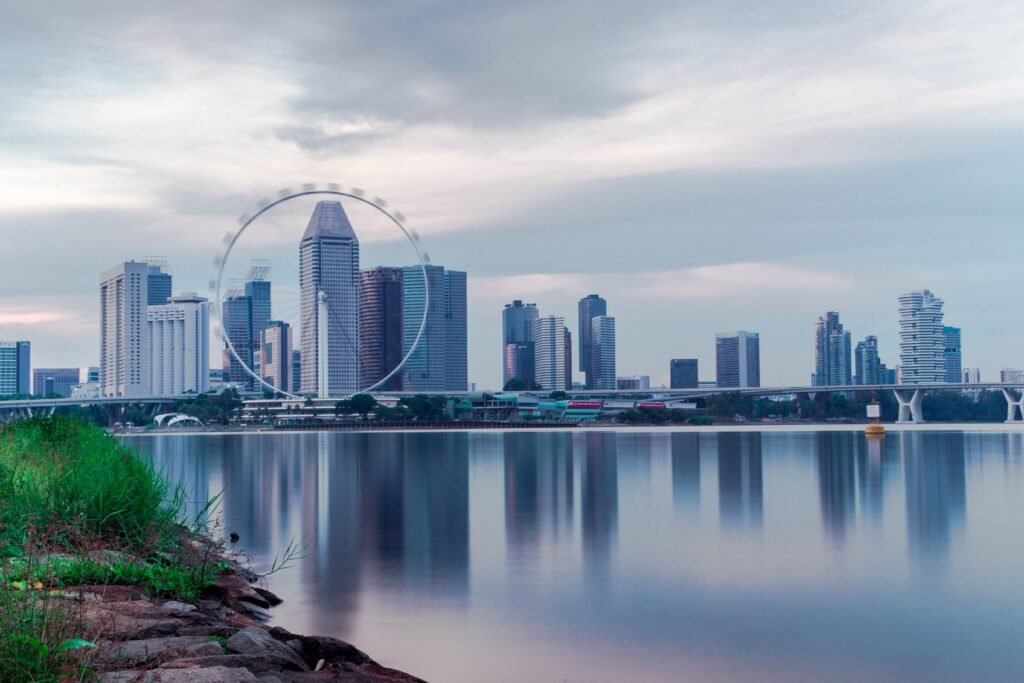
March to May (Warm & Relatively Dry)
Many experienced travelers consider this the best time to visit Singapore. Rainfall is generally lower, humidity feels slightly more comfortable, and outdoor attractions are easier to enjoy.
Whether you’re walking through Merlion Park, exploring Sentosa Island, or enjoying rooftop views around Clarke Quay, you’ll likely spend more time outdoors without frequent interruptions from rain.
Best for: Couples, photographers, outdoor activities, and city exploration.
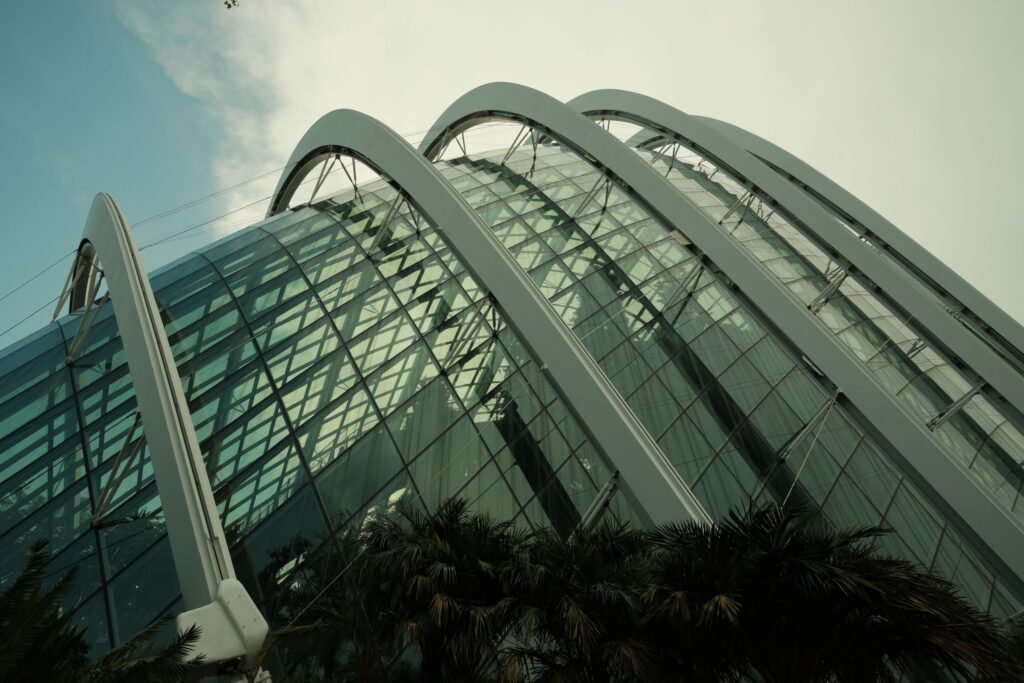
June to August (Peak Summer & Shopping Season)
Although temperatures remain similar, June to August attracts visitors because of school holidays and major shopping events like the Great Singapore Sale. Tourist attractions become busier, but it’s an exciting time for travelers interested in shopping, entertainment, and nightlife.
Best for: Shopping, family holidays, and luxury travelers.
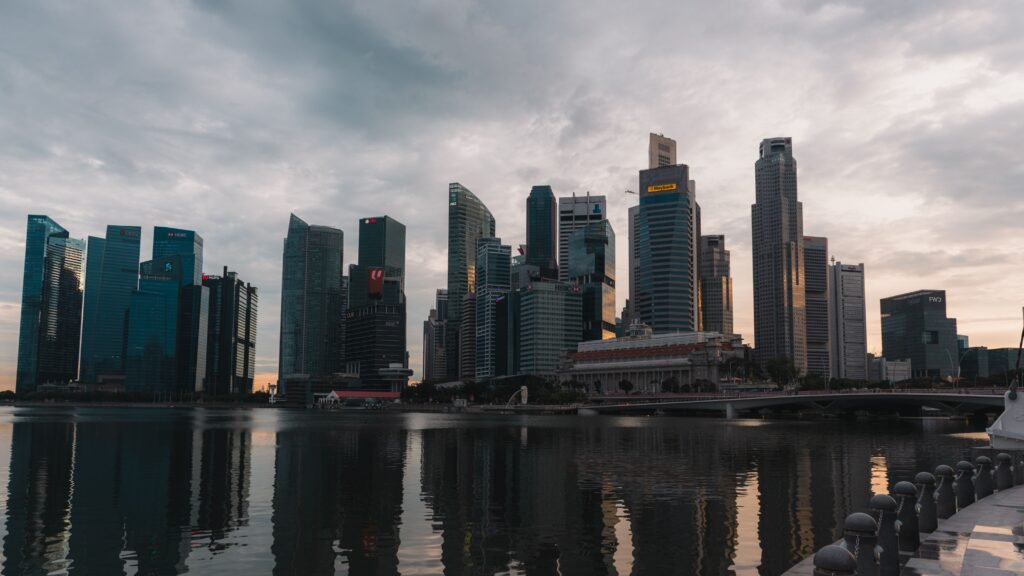
September to November (Shoulder Season)
These months usually see fewer international tourists, making it easier to explore popular attractions without long queues. Short afternoon showers become more frequent, but hotel prices are often more competitive.
This period is ideal if you’re planning a Singapore budget travel experience without sacrificing sightseeing.
Best for: Budget travelers, solo travelers, and quieter city exploration.
| Month | Weather | Crowd Level | Best For |
| January | Pleasant with occasional rain | High | Festivals, sightseeing |
| February | Warm and comfortable | High | Chinese New Year, couples |
| March | Warm and relatively dry | Moderate | Outdoor attractions |
| April | Sunny with light showers | Moderate | Families and sightseeing |
| May | Warm and humid | Moderate | Photography and city walks |
| June | Hot with occasional rain | High | Shopping and school holidays |
| July | Warm | High | Great Singapore Sale |
| August | Warm | High | National Day celebrations |
| September | Warm with afternoon showers | Moderate | Budget-friendly travel |
| October | Humid | Low to Moderate | Fewer crowds |
| November | Rain increases | Low | Budget trips |
| December | Cooler with more rainfall | Very High | Christmas and New Year celebrations |
Festivals Worth Planning Around
Singapore’s multicultural calendar means there’s almost always something happening.
- Chinese New Year (January–February): Expect colorful street decorations, lion dances, and festive markets in Chinatown.
- Hari Raya Aidilfitri: Experience beautiful lights, local food, and cultural celebrations in Kampong Glam.
- Great Singapore Sale (June–July): Perfect for bargain hunters looking for fashion, electronics, and luxury brands.
- Singapore National Day (9 August): Enjoy fireworks, concerts, and patriotic celebrations around Marina Bay.
- Deepavali (October–November): Little India comes alive with dazzling lights, decorations, and traditional markets.
- Christmas on Orchard Road (November–December): One of the city’s most beautiful festive displays with illuminated streets and holiday events.
When to Avoid Crowds
If you prefer quieter attractions and shorter queues, avoid visiting during:
- Christmas and New Year holidays
- Chinese New Year week
- Singapore school holidays (June)
- Long public holiday weekends
- Major shopping festivals
For a more relaxed experience, consider traveling in April, May, September, or October. You’ll often find better hotel deals, fewer tourists, and easier access to popular Singapore tourist attractions.
The best month to visit Singapore is March, as it offers warm weather, relatively low rainfall, manageable crowds, and excellent conditions for sightseeing. However, February to April is generally considered the best overall period for outdoor attractions, city walks, and first-time visitors.
Pro Travel Tip: Singapore’s weather can change quickly. Even on sunny days, brief tropical showers are common, so carrying a lightweight compact umbrella or a small waterproof backpack cover can save you from unexpected rain while exploring the city.
Singapore Visa Guide

Before booking your flights or finalizing your Singapore itinerary, it’s important to understand the country’s visa requirements. The good news is that Singapore has a straightforward visa system, and the application process is generally quick if you have the correct documents.
Whether you’re planning a family vacation, a honeymoon, or your first international trip, preparing your visa in advance will help ensure a smooth journey.
Who Needs a Visa?
Singapore offers visa-free entry to citizens of many countries for short tourist visits. However, travelers from certain countries—including India—must obtain a valid tourist visa before arriving.
Since visa policies can change, it’s always best to check the latest entry requirements through Singapore’s official immigration website or an authorized visa agent before making any non-refundable travel bookings.
Travelers from many countries can visit Singapore without a visa for short stays. However, Indian passport holders generally require a tourist visa before traveling to Singapore.
Visa for Indian Travelers
If you’re traveling from India, you’ll usually need a Singapore Tourist Visa before departure.
A Singapore tourist visa is typically issued for short-term leisure travel, family visits, or sightseeing. Keep in mind that the visa’s validity period and the number of permitted entries may vary depending on your application and the decision of Singapore’s immigration authorities.
The application process is generally straightforward and is usually submitted through an authorized visa agent or an approved visa processing partner.
For most travelers, the process involves:
- Completing the visa application form.
- Submitting the required documents.
- Paying the applicable visa processing fee.
- Waiting for approval before traveling.
Pro Tip: Apply at least 2–4 weeks before your departure date. Although processing is often quicker, applying early gives you enough time to handle unexpected delays, especially during school holidays and festive seasons.
Indian travelers should check the specific entry and visa requirements that apply to them before booking their trip. Find out what you need to know about getting a Singapore visa for Indians, including the applicable entry requirements and application process.
Required Documents
While document requirements can vary slightly depending on your nationality, most travelers should be prepared with the following:
- A passport valid for at least six months beyond your planned date of entry.
- A completed visa application form.
- Recent passport-sized photographs that meet the specified requirements.
- Confirmed return or onward flight tickets.
- Hotel booking confirmation or proof of accommodation.
- Evidence of sufficient funds for your stay, such as recent bank statements.
- A copy of your travel itinerary.
- Travel insurance (recommended, though not always mandatory).
If you’re visiting friends or relatives in Singapore, you may also be asked to provide additional supporting documents, such as an invitation letter or host details.
Travel Tip: Keep both printed and digital copies of all important documents, including your passport, visa approval, hotel reservations, flight tickets, and travel insurance. Having backups can save valuable time if your phone battery dies or internet access is limited.
Arrival Tips
Once you land at Changi Airport, immigration procedures are usually efficient, but it’s still important to be prepared.
Here are a few practical tips to make your arrival smoother:
- Complete any required electronic arrival declaration before traveling, if applicable.
- Keep your passport and visa documents easily accessible during immigration checks.
- Be ready to show your return flight ticket and hotel booking if requested.
- Avoid carrying prohibited or restricted items, as Singapore has strict customs regulations.
- Respect local laws regarding smoking, littering, and prohibited goods to avoid unnecessary fines.
After clearing immigration, you’ll find clear signs leading to baggage claim, currency exchange counters, tourist information desks, MRT connections, taxi stands, and SIM card providers.
If you’re arriving late at night, booking an airport transfer or confirming your hotel’s late check-in policy can help you avoid unnecessary stress after a long flight.
Expert Tip: Before leaving the airport, purchase a local SIM card or activate an eSIM, withdraw a small amount of Singapore Dollars if needed, and save your hotel address offline. These simple steps make it much easier to navigate the city if you encounter connectivity issues.
Before planning your trip, make sure you understand Singapore’s entry requirements, visa eligibility, required documents, and application process. Our Singapore tourist visa guide covers everything you need to know before applying.
How to Reach Singapore
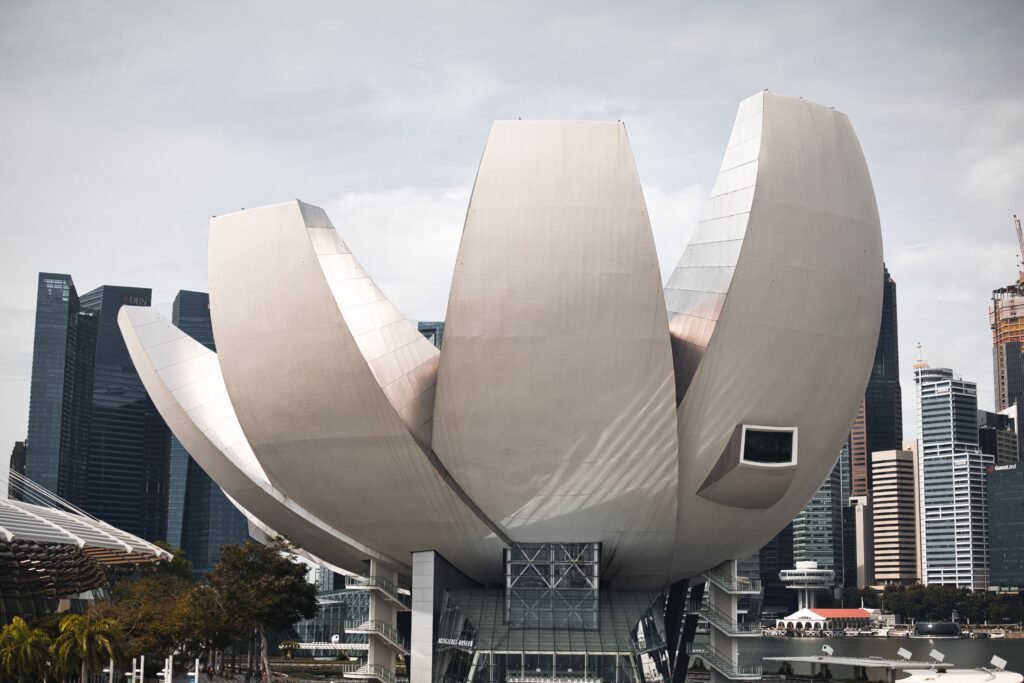
Getting to Singapore is surprisingly easy, whether you’re traveling from India, Europe, the Middle East, Australia, or other parts of Southeast Asia. Thanks to its strategic location and excellent air connectivity, Singapore is one of Asia’s busiest travel hubs.
For most international visitors, flying is the fastest and most convenient way to reach the city-state. Once you land at the award-winning Changi Airport, you’ll find that everything—from immigration to transportation—is well organized, making Singapore one of the easiest destinations for first-time international travelers.
Flights to Singapore
Singapore is served by Singapore Changi Airport (SIN), one of the world’s best airports and the primary gateway to the country. It welcomes flights from hundreds of destinations worldwide and is a major hub for international and regional airlines.
If you’re traveling from India, you’ll find direct flights from major cities including:
- Delhi
- Mumbai
- Bengaluru
- Chennai
- Hyderabad
- Kolkata
- Kochi
Depending on your departure city, non-stop flights usually take 4 to 6 hours, making Singapore an excellent choice for a short international vacation.
For travelers from Europe, Australia, or North America, Singapore also serves as a popular stopover destination, allowing you to combine your trip with nearby countries like Malaysia, Indonesia, or Thailand.
Money-Saving Tip: Flight prices are often lowest when booked 2–4 months in advance. If your travel dates are flexible, flying midweek and avoiding major holidays can help reduce your overall Singapore travel cost.
Airport Guide
Your Singapore experience begins the moment you arrive at Changi Airport, and it’s easy to see why it’s consistently ranked among the best airports in the world.
Instead of simply being a place to catch a flight, Changi feels like an attraction in itself.
Some of its highlights include:
- Jewel Changi, home to the spectacular indoor Rain Vortex waterfall.
- Beautiful indoor gardens and themed attractions.
- Free Wi-Fi throughout the terminals.
- Luggage storage facilities.
- Currency exchange counters and ATMs.
- Tourist information desks.
- Restaurants, cafés, and duty-free shopping.
- Family-friendly play areas and relaxation zones.
If you have a long layover, consider spending a few hours exploring Jewel Changi before heading into the city—many travelers rank it among Singapore’s must-visit attractions.
Airport Transfer Options
One of the biggest advantages of Singapore is how quickly you can reach the city center from the airport.
Here are the most popular transportation options:
MRT (Best Budget Option)
The Singapore MRT is clean, reliable, and affordable. From Changi Airport, you can connect to the city in around 35–45 minutes, making it the best option for budget-conscious travelers.
Best for: Solo travelers, backpackers, and budget travel.
Taxi
Official airport taxis are available 24/7 outside each terminal.
- Travel time: 20–30 minutes
- Convenient if you’re carrying multiple bags or arriving late at night.
Best for: Families and groups.
Ride-Hailing Apps
Apps like Grab are widely used across Singapore and often provide fixed fares before you book.
Best for: Couples, small groups, and travelers looking for door-to-door convenience.
Airport Shuttle
Shared shuttle services operate between Changi Airport and many hotels, offering a balance between cost and convenience.
Best for: Travelers staying at major hotels.
Pro Tip: If you’re arriving after midnight, taxis or ride-hailing services are usually the most practical option, as MRT operating hours are limited.
SIM Cards & Internet
Staying connected in Singapore is simple. The country offers fast, reliable mobile coverage and widespread free Wi-Fi in shopping malls, hotels, attractions, and public spaces.
You can purchase:
- Tourist SIM cards at Changi Airport.
- eSIMs before departure.
- SIM cards from convenience stores and mobile service providers throughout the city.
Most tourist SIM packages include generous high-speed data, local calling minutes, and validity ranging from a few days to several weeks.
If your phone supports eSIM technology, activating one before your flight allows you to connect to the internet almost immediately after landing.
Travel Tip: Download offline maps, ride-hailing apps, and your hotel booking confirmation before departure so you’re prepared even if your mobile connection takes a few minutes to activate.
Currency Exchange
The official currency is the Singapore Dollar (SGD).
Although Singapore is largely cashless and most hotels, restaurants, attractions, and shopping malls accept international credit and debit cards, carrying a small amount of cash is still useful when visiting local markets or traditional Hawker Centres.
For the best exchange rates:
- Exchange a small amount of money before leaving your home country.
- Compare rates at licensed money changers in Singapore instead of exchanging everything at the airport.
- Use international debit or travel cards with low foreign transaction fees whenever possible.
- Withdraw cash from ATMs only when necessary to avoid multiple transaction charges.
Expert Tip: Avoid exchanging all your currency at airport counters, as rates are often less competitive than those offered by licensed money changers in the city.
Before You Leave the Airport
Before stepping out of Changi Airport, take a few minutes to complete these simple tasks:
- ✔️ Buy or activate your tourist SIM card or eSIM.
- ✔️ Withdraw a small amount of Singapore Dollars.
- ✔️ Download offline maps and transport apps.
- ✔️ Save your hotel address and booking confirmation.
- ✔️ Fill your reusable water bottle before heading into the city.
These small preparations can make your first day in Singapore much smoother and help you avoid unnecessary stress.
How Much Does a Singapore Trip Cost?
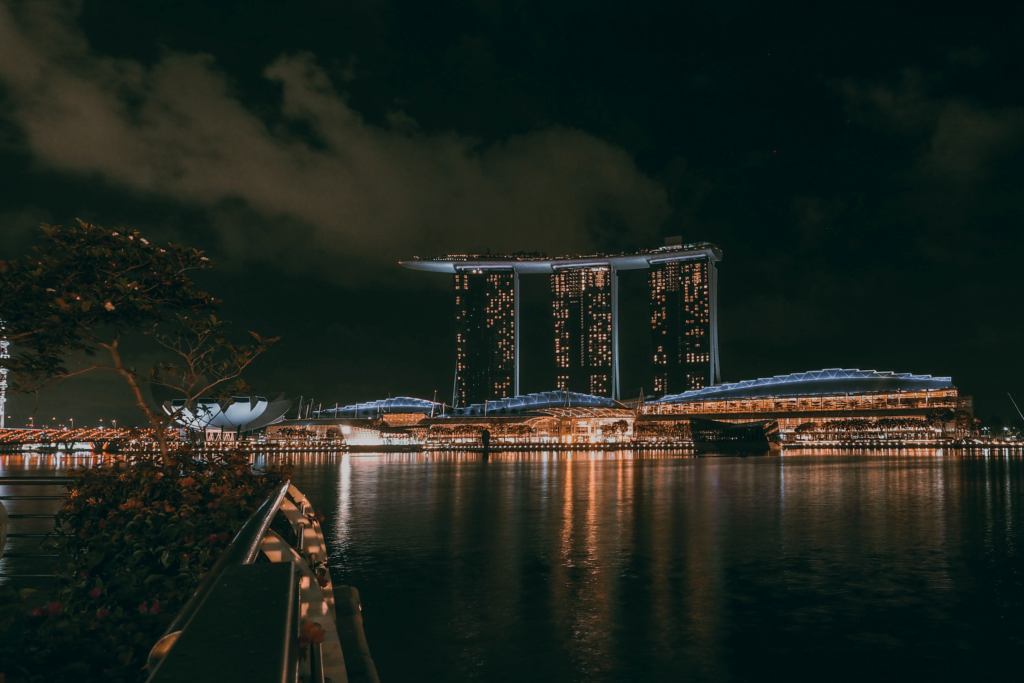
One of the biggest concerns for first-time visitors is, “How much does a Singapore trip cost?” While Singapore has a reputation for being one of Asia’s more expensive destinations, your actual budget depends on your travel style. The good news is that with smart planning, you can enjoy world-class attractions, delicious food, and excellent public transport without overspending.
Whether you’re backpacking, traveling as a couple, or planning a luxury vacation, this Singapore travel budget breakdown will help you estimate your daily expenses and avoid unpleasant surprises.
A Singapore trip costs around SGD 90–150 per day for budget travelers, SGD 180–300 per day for mid-range travelers, and SGD 450+ per day for luxury travelers. Your total budget depends on accommodation, dining, attractions, shopping, and travel style.
Budget Traveler (SGD 90–150 per Day)
Singapore can absolutely be explored on a budget if you’re willing to make a few smart choices.
Stay in hostels or budget hotels, use the Singapore MRT instead of taxis, enjoy affordable meals at famous Hawker Centres, and focus on free attractions like Merlion Park, Gardens by the Bay (outdoor gardens), Marina Bay, and the Singapore Botanic Gardens.
Estimated Daily Expenses
| Expense | Estimated Cost (SGD) |
| Accommodation | 35–70 |
| Food | 20–35 |
| Transport | 8–12 |
| Attractions | 15–30 |
| Shopping | 0–20 |
| Internet | 3–5 |
| Miscellaneous | 10–15 |
| Total | 90–150 |
Best for: Backpackers, solo travelers, students, and budget-conscious couples.
Mid-Range Traveler (SGD 180–300 per Day)
This is the most common travel style for visitors. You’ll stay in comfortable 3–4 star hotels, enjoy a mix of Hawker Centres and restaurants, visit major attractions like Universal Studios Singapore, Gardens by the Bay, and Singapore Flyer, while still keeping your spending under control.
Estimated Daily Expenses
| Expense | Estimated Cost (SGD) |
| Accommodation | 120–180 |
| Food | 35–60 |
| Transport | 10–15 |
| Attractions | 40–70 |
| Shopping | 20–40 |
| Internet | 3–5 |
| Miscellaneous | 15–30 |
| Total | 180–300 |
Best for: Couples, families, and first-time visitors looking for comfort without splurging.
Luxury Traveler (SGD 450+ Per Day)
If you’re planning a premium holiday, Singapore offers some of the finest hotels, rooftop restaurants, Michelin-star dining, luxury shopping, and exclusive experiences in Asia.
Think iconic stays near Marina Bay, cocktails with skyline views, private tours, and shopping along Orchard Road.
Estimated Daily Expenses
| Expense | Estimated Cost (SGD) |
| Accommodation | 300–700+ |
| Food | 80–150 |
| Transport | 30–80 |
| Attractions & Tours | 80–150 |
| Shopping | 100+ |
| Internet | 5 |
| Miscellaneous | 30–60 |
| Total | 450–1,200+ |
Best for: Luxury travelers, honeymooners, and special celebrations.
Daily Budget Comparison
| Travel Style | Estimated Daily Budget |
| Budget | SGD 90–150 |
| Mid-Range | SGD 180–300 |
| Luxury | SGD 450–1,200+ |
Estimated Trip Cost
5-Day Singapore Trip Budget
| Travel Style | Estimated Daily Budget |
| Budget | SGD 90–150 |
| Mid-Range | SGD 180–300 |
| Luxury | SGD 450–1,200+ |
7-Day Singapore Trip Budget
| Travel Style | Estimated Total Cost |
| Budget | SGD 630–1,050 |
| Mid-Range | SGD 1,260–2,100 |
| Luxury | SGD 3,150–8,400+ |
Budget Estimates by Traveler Type
Solo Traveler
Solo travelers usually spend the least because they can stay in hostels, rely on public transport, and eat at Hawker Centres.
Estimated Budget
- Budget: SGD 90–140/day
- Mid-range: SGD 180–260/day
Couple Budget
Couples can often reduce accommodation costs by sharing hotel rooms while still enjoying premium experiences.
Estimated Budget
- Budget Couple (5 Days): SGD 900–1,400
- Mid-Range Couple (5 Days): SGD 1,800–2,800
- Luxury Couple (5 Days): SGD 4,500+
Family Budget (2 Adults + 2 Children)
Families should budget more for larger hotel rooms, attraction tickets, and dining. Booking hotels and attraction passes several months in advance can significantly reduce costs.
Estimated Budget
- Budget Family (5 Days): SGD 2,000–2,800
- Mid-Range Family (5 Days): SGD 3,000–4,500
- Luxury Family (5 Days): SGD 6,000+
Practical Ways to Save Money
Even though Singapore isn’t the cheapest destination in Southeast Asia, these strategies can make a noticeable difference:
- Stay near an MRT station instead of the city center.
- Eat at local Hawker Centres, where excellent meals often cost a fraction of restaurant prices.
- Book attraction tickets online before your trip.
- Visit free attractions such as Merlion Park, Marina Bay, Singapore Botanic Gardens, and the outdoor areas of Gardens by the Bay.
- Carry a reusable water bottle, as drinking water is safe and widely available.
- Avoid unnecessary taxi rides by using the efficient MRT network.
- Exchange currency at licensed money changers instead of airport counters.
Expert Tip: Many first-time visitors focus only on flights and hotels, but small expenses like airport transfers, travel insurance, mobile data, attraction bookings, luggage storage, bank fees, and souvenirs can quickly increase your final budget. Planning for these hidden costs will help you avoid unpleasant surprises.
Where to Stay in Singapore
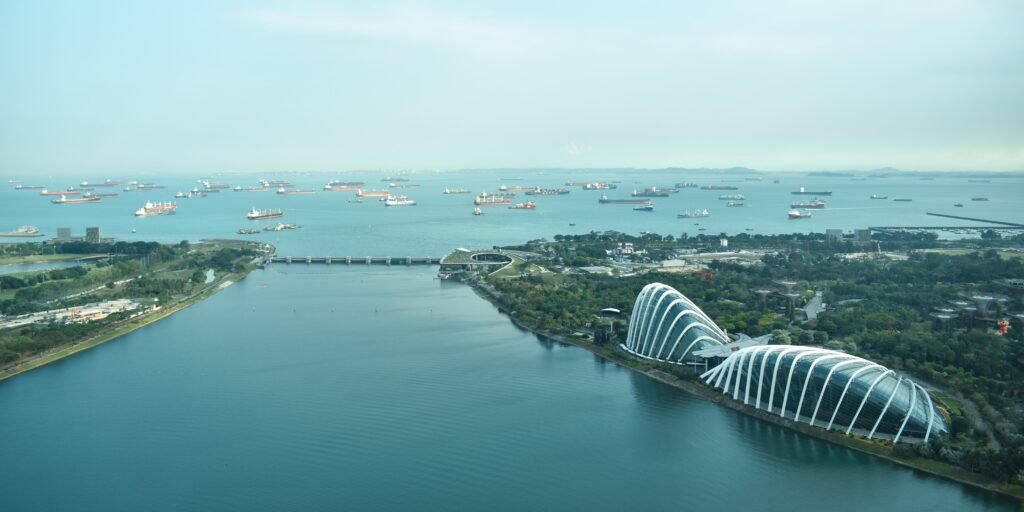
Choosing the right neighborhood can make a huge difference to your Singapore trip. While the city is compact and well-connected by the Singapore MRT, staying in the right area can save you time, reduce transportation costs, and match your travel style.
Whether you’re planning a romantic honeymoon, a family vacation, a solo adventure, or a budget-friendly getaway, here’s a guide to the best places to stay in Singapore.
Marina Bay – Best for Luxury Travelers & First-Time Visitors
If it’s your first time in Singapore, Marina Bay is one of the best places to stay. This iconic waterfront district is home to famous attractions like Marina Bay Sands, Gardens by the Bay, the Merlion, and the Singapore Flyer.
The area offers stunning skyline views, luxury hotels, rooftop bars, fine dining, and easy access to many of the city’s top attractions.
Perfect for:
- First-time visitors
- Couples
- Luxury travelers
- Business travelers
Pros
- Walking distance to major attractions
- Excellent MRT connectivity
- Beautiful waterfront views
- Fantastic nightlife and restaurants
Things to Consider
- One of the most expensive areas in Singapore.
Hotel Recommendations
- Budget: ibis Budget Singapore (nearby options)
- Mid-Range: PARKROYAL COLLECTION Marina Bay
- Luxury: Marina Bay Sands
Orchard Road – Best for Shopping Lovers
If shopping is high on your Singapore itinerary, Orchard Road is the place to be. This famous boulevard is lined with luxury malls, department stores, designer boutiques, cafés, and entertainment options.
Despite its reputation as Singapore’s shopping paradise, Orchard Road also offers excellent MRT access, making it easy to explore the rest of the city.
Perfect for:
- Shopaholics
- Couples
- Luxury travelers
- Families
Pros
- Hundreds of shopping and dining options
- Excellent hotels
- Safe and lively atmosphere
Things to Consider
- Accommodation prices are generally higher than average.
Hotel Recommendations
- Budget: YMCA @ One Orchard
- Mid-Range: YOTEL Singapore Orchard Road
- Luxury: Hilton Singapore Orchard
Chinatown – Best Value for Money
For travelers looking to balance convenience, culture, and affordability, Chinatown is one of Singapore’s best neighborhoods.
You’ll find colorful heritage streets, traditional temples, bustling markets, and some of the city’s best Hawker Centres, all within walking distance. It’s also well connected by the MRT, making sightseeing easy.
Perfect for:
- Budget travelers
- Food lovers
- Solo travelers
- Culture enthusiasts
Pros
- Affordable accommodation
- Excellent local food
- Great nightlife nearby
- Central location
Things to Consider
- Popular streets can get busy during weekends and festivals.
Hotel Recommendations
- Budget: The Bohemian
- Mid-Range: Hotel Mono
- Luxury: The Clan Hotel Singapore
Little India – Best for Budget Travelers
Colorful, energetic, and packed with character, Little India offers some of the most affordable hotels in central Singapore.
It’s an excellent choice if you’re traveling from India or looking for authentic Indian restaurants, temples, local markets, and excellent transport connections.
Perfect for:
- Backpackers
- Budget travelers
- Solo travelers
- Indian families
Pros
- Affordable hotels
- Great food choices
- Easy MRT access
- Vibrant local atmosphere
Things to Consider
- Can be lively and busy during weekends and festivals.
Hotel Recommendations
- Budget: The Great Madras
- Mid-Range: Holiday Inn Singapore Little India
- Luxury: One Farrer Hotel
Bugis – Best All-Round Location
If you’re looking for a neighborhood that offers a little bit of everything, Bugis is an excellent choice.
This area combines shopping, street markets, cafés, museums, cultural attractions, and convenient transport links, making it ideal for travelers who want to explore the city without staying in the most expensive districts.
Perfect for:
- First-time visitors
- Families
- Mid-range travelers
- Young travelers
Pros
- Excellent public transport
- Good value hotels
- Shopping and local markets
- Close to Marina Bay
Things to Consider
- Popular shopping streets can become crowded during weekends.
Hotel Recommendations
- Budget: ibis Budget Bugis
- Mid-Range: Hotel Mi Bencoolen
- Luxury: InterContinental Singapore
Sentosa – Best for Families & Beach Holidays
If your dream Singapore vacation includes beaches, luxury resorts, and world-class entertainment, Sentosa Island is the perfect place to stay.
Home to Universal Studios Singapore, Adventure Cove Waterpark, beautiful beaches, golf courses, and luxury resorts, Sentosa feels like a tropical island getaway while remaining just minutes from downtown Singapore.
Perfect for:
- Families
- Couples
- Honeymooners
- Luxury travelers
Pros
- Beach access
- Family-friendly attractions
- Luxury resorts
- Relaxed atmosphere
Things to Consider
- Higher accommodation costs.
- Slightly farther from the city center.
Hotel Recommendations
- Budget: Village Hotel Sentosa
- Mid-Range: The Outpost Hotel Sentosa
- Luxury: Capella Singapore
Which Area Should You Choose?
| Travel Style | Best Area |
| First-Time Visitors | Marina Bay |
| Luxury Travelers | Marina Bay or Sentosa |
| Budget Travelers | Little India or Chinatown |
| Food Lovers | Chinatown |
| Families | Sentosa or Bugis |
| Couples | Marina Bay or Sentosa |
| Shopping Enthusiasts | Orchard Road |
| Solo Travelers | Chinatown or Little India |
Expert Tips for Booking Hotels
After several trips to Singapore, one thing becomes clear: location is often more valuable than hotel luxury. A comfortable hotel within a five-minute walk of an MRT station can save both time and transportation costs every day.
Before booking, check these essentials:
- Choose accommodation within walking distance of an MRT station.
- Compare prices across multiple booking platforms before confirming.
- Book at least 2–3 months in advance if traveling during Christmas, Chinese New Year, or school holidays.
- Read recent guest reviews, especially regarding cleanliness, noise levels, and Wi-Fi quality.
- Check whether breakfast, airport transfers, or free cancellation are included.
Pro Tip: If you’re visiting Singapore for 4–5 days, staying in Bugis, Chinatown, or Marina Bay offers the best balance of convenience, transport access, dining options, and proximity to the city’s top attractions.
Planning a longer stay or trying to understand Singapore’s entry rules? Make sure you know how the Singapore 60/90 rule works and how it may affect your travel plans.
Best Places to Visit
From futuristic skyscrapers and world-famous gardens to cultural neighborhoods, wildlife parks, and beautiful waterfronts, Singapore offers an incredible variety of attractions for every type of traveler. Whether you’re visiting for three days or a full week, you’ll find experiences that suit families, couples, solo travelers, food lovers, photographers, and adventure seekers.
Unlike many destinations where attractions are spread across large distances, Singapore’s efficient MRT network makes it easy to explore several iconic landmarks in a single day. This means you can enjoy panoramic skyline views in the morning, discover multicultural neighborhoods in the afternoon, and experience world-class nightlife or wildlife after sunset.
The top attractions in Singapore include Marina Bay Sands, Gardens by the Bay, Merlion Park, Universal Studios Singapore, Sentosa Island, Singapore Zoo, Night Safari, River Wonders, Jewel Changi Airport, Chinatown, Little India, Kampong Glam, Clarke Quay, Orchard Road, Singapore Flyer, and the Singapore Botanic Gardens. These attractions offer a mix of modern architecture, nature, culture, shopping, entertainment, and family-friendly experiences, making Singapore one of Asia’s best travel destinations.
The attractions below are arranged in a logical order to help you build an efficient itinerary while making the most of your time in Singapore.
Marina Bay Sands
Marina Bay Sands
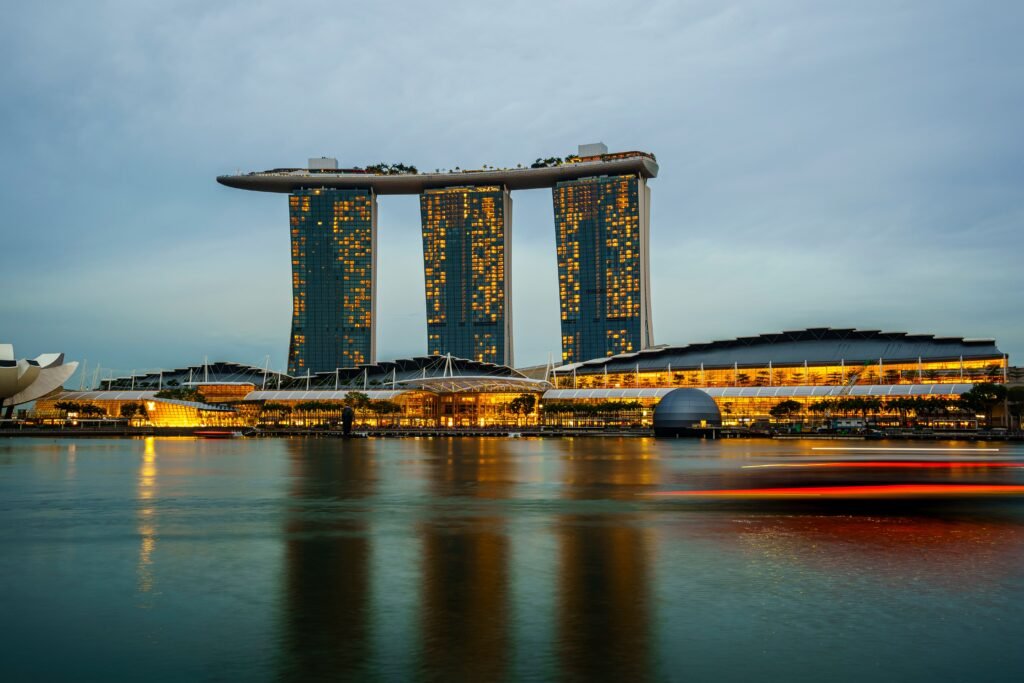
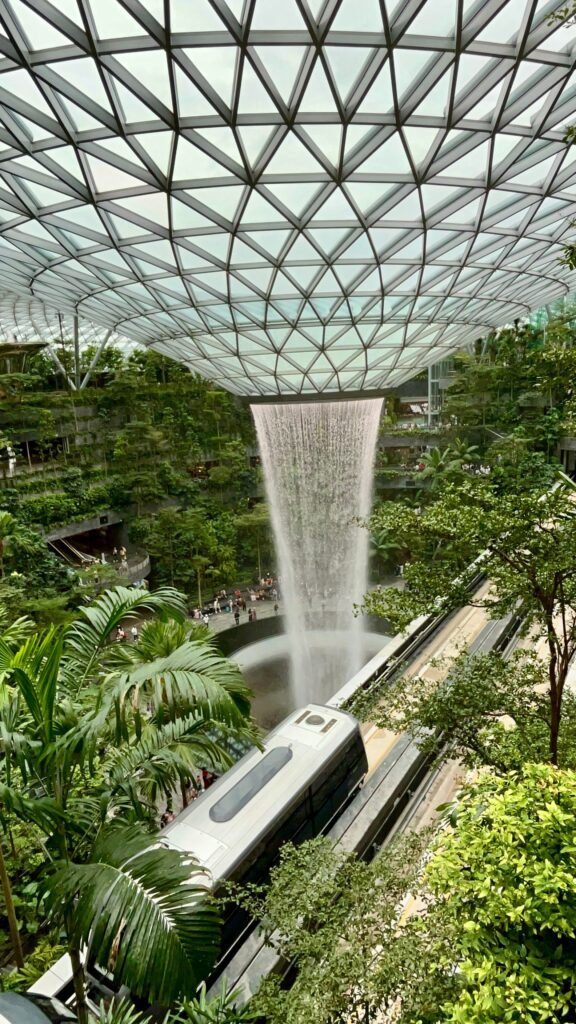
No trip to Singapore is complete without visiting Marina Bay Sands, the city’s most recognizable landmark. Its distinctive three-tower structure topped by the famous SkyPark has become a global symbol of modern Singapore.
Even if you’re not staying at the hotel, there’s plenty to experience. Walk along the waterfront promenade, admire the skyline, enjoy luxury shopping at The Shoppes, or head to the observation deck for breathtaking panoramic views of the city.
Highlights
- SkyPark Observation Deck
- Spectacular Marina Bay skyline
- Luxury shopping and fine dining
- Spectra Light & Water Show (Free)
- Excellent sunset photography
Entry Fee
- Marina Bay promenade: Free
- SkyPark Observation Deck: Paid
Time Needed
2–3 hours
Pro Tip
Visit about one hour before sunset to enjoy both daytime city views and Singapore’s illuminated skyline after dark. Stay for the free Spectra Light & Water Show, which takes place every evening.
Gardens by the Bay
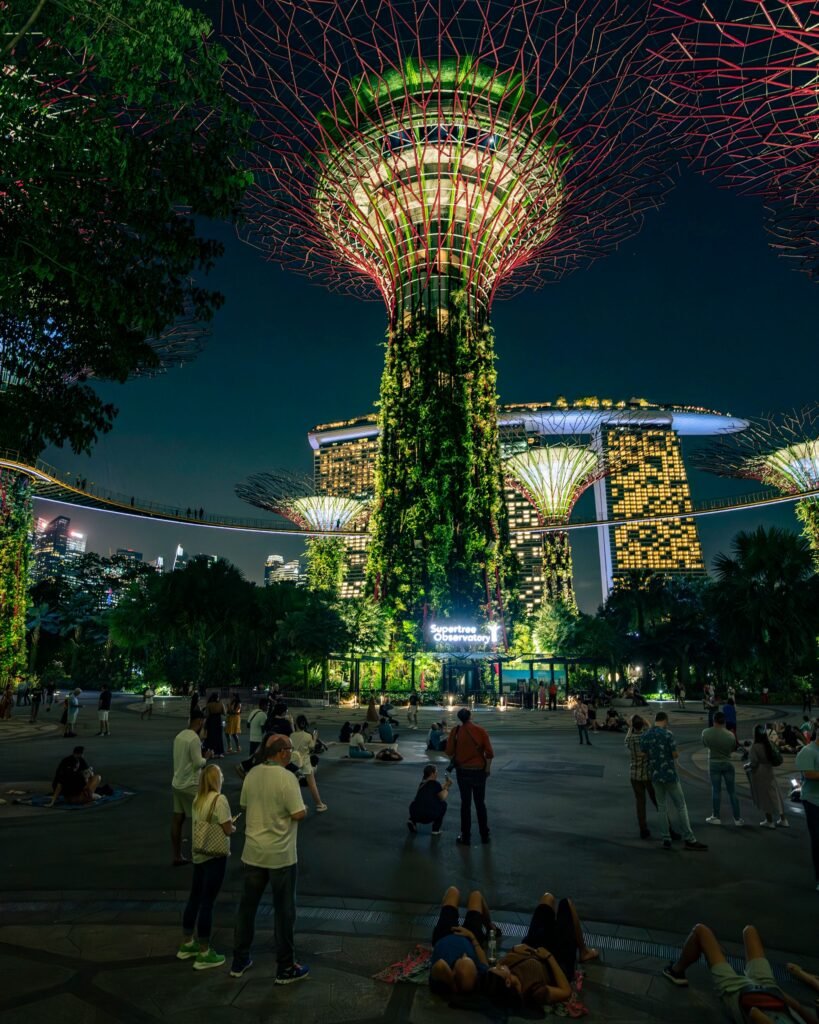
Located just behind Marina Bay Sands, Gardens by the Bay is one of Singapore’s most impressive attractions. The massive Supertrees, mist-filled Cloud Forest, and colorful Flower Dome create an experience unlike any other botanical garden.
Even if you’re traveling on a budget, you can enjoy the beautiful outdoor gardens for free.
Highlights
- Supertree Grove
- Cloud Forest
- Flower Dome
- OCBC Skyway
- Garden Rhapsody Light Show
Entry Fee
- Outdoor gardens: Free
- Cloud Forest & Flower Dome: Paid
Time Needed
3–4 hours
Pro Tip
Don’t leave before sunset. The free Garden Rhapsody light and music show transforms the Supertrees into one of Singapore’s most magical nighttime experiences.
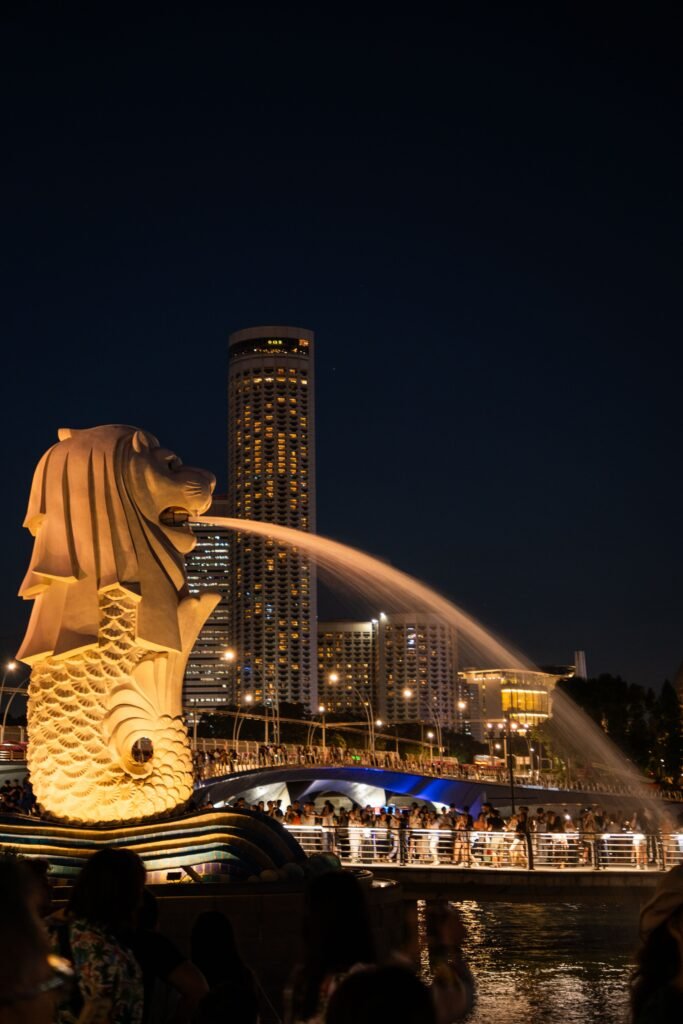
Merlion Park
The Merlion Park is one of the most visited attractions in Singapore and home to the country’s iconic half-lion, half-fish statue.
Although many travelers spend only a short time here, it’s one of the best places to admire Marina Bay Sands, take memorable photos, and begin your sightseeing journey around the waterfront.
Highlights
- Singapore’s iconic Merlion statue
- Beautiful Marina Bay skyline
- Walking paths along the waterfront
- Excellent sunrise and sunset photography
Entry Fee
Free
Time Needed
30–60 minutes
Pro Tip
Arrive early in the morning to avoid tour groups and enjoy cooler temperatures for photography.
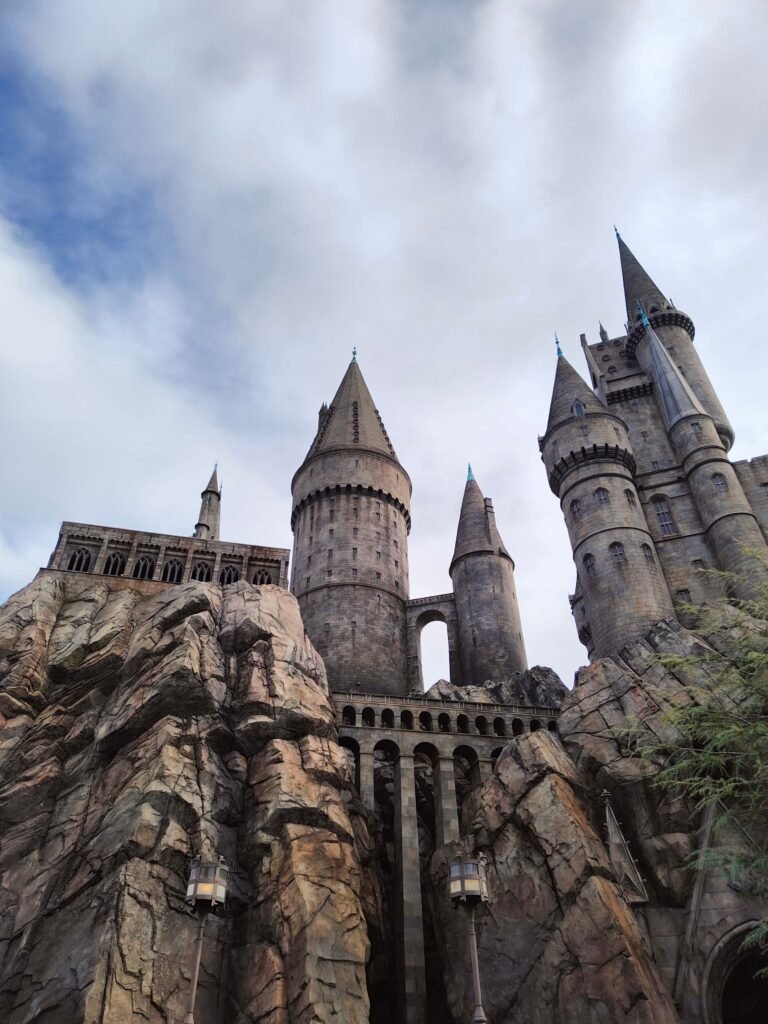
Universal Studios Singapore
Located on Sentosa Island, Universal Studios Singapore is one of Southeast Asia’s most popular theme parks. It’s an excellent destination for families, couples, and anyone who enjoys thrilling rides and movie-themed attractions.
The park is divided into several immersive zones inspired by Hollywood blockbusters and beloved animated films.
Highlights
- Transformers: The Ride
- Battlestar Galactica Roller Coasters
- Jurassic World attractions
- Hollywood Boulevard
- Live shows and character meet-and-greets
Entry Fee
Paid
Time Needed
Full day (6–8 hours)
Pro Tip
Purchase tickets online in advance and arrive before the park opens. Popular rides often have much shorter queues during the first hour of the day.
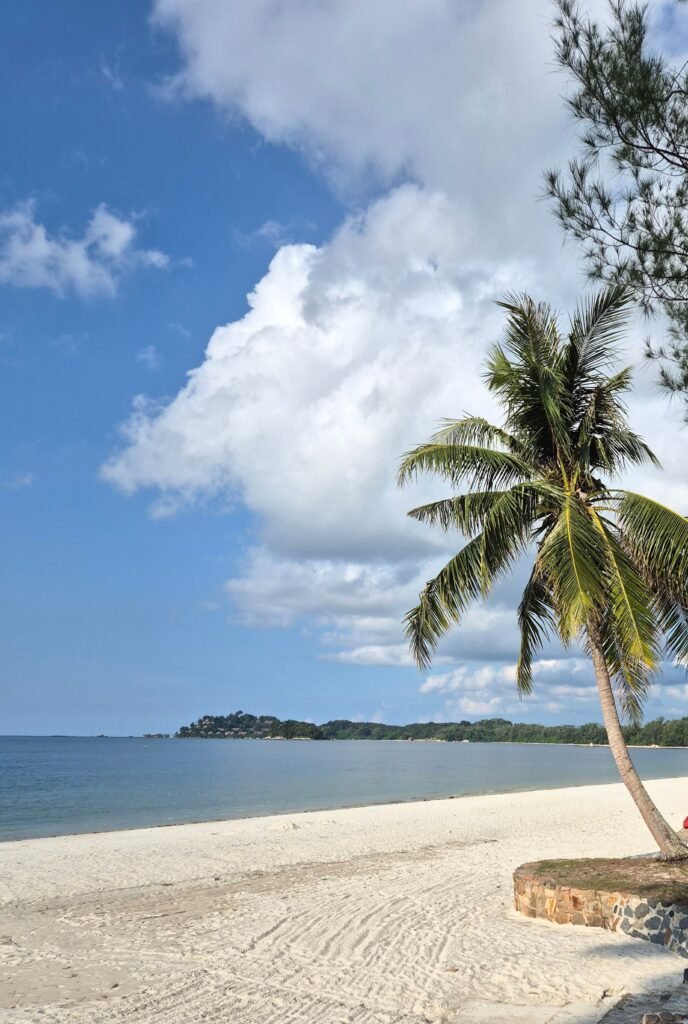
Sentosa Island
Often described as Singapore’s entertainment paradise, Sentosa Island offers something for every traveler. Whether you’re looking for relaxing beaches, exciting adventure activities, luxury resorts, or family attractions, Sentosa easily deserves an entire day—or even two.
It’s one of the best places to unwind after exploring the city’s bustling downtown.
Highlights
- Siloso Beach
- Palawan Beach
- Adventure Cove Waterpark
- Skyline Luge Singapore
- Wings of Time Night Show
- Mega Adventure Park
Entry Fee
Entry to the island is generally free, while individual attractions require separate tickets.
Time Needed
1 Full Day
Pro Tip
If you plan to visit multiple attractions, purchase a bundled attraction pass before your trip. It often provides better value than buying tickets individually.

Singapore Zoo
Consistently ranked among the world’s best wildlife parks, the Singapore Zoo is famous for its open-concept habitats that allow animals to roam in spacious, natural environments.
Unlike traditional zoos, barriers are cleverly hidden, creating a much more immersive experience for visitors. It’s one of the city’s top attractions for families and wildlife enthusiasts.
Highlights
- Orangutan feeding area
- Fragile Forest biodome
- Elephant presentations
- Wildlife Keeper Talks
- Kid-friendly experiences
Entry Fee
Paid
Time Needed
4–6 hours
Pro Tip
Visit early in the morning when temperatures are cooler and animals are generally more active. Wear comfortable walking shoes and carry a reusable water bottle, as you’ll cover a considerable distance throughout the park.
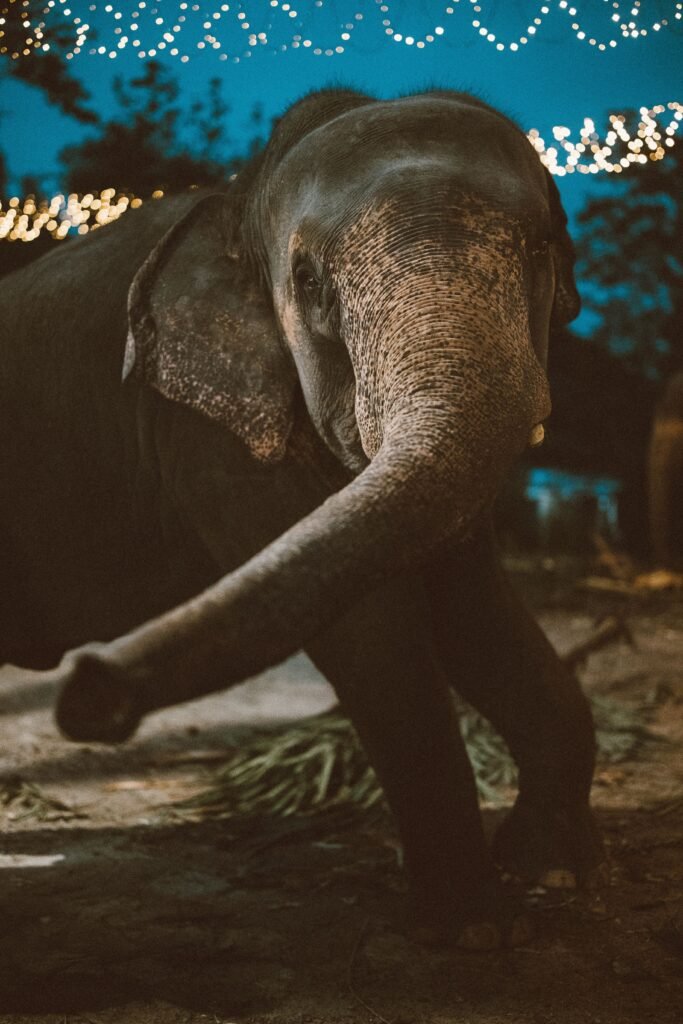
Night Safari
If you can only choose one evening activity in Singapore, make it the Night Safari. As the world’s first nocturnal wildlife park, it offers a completely different zoo experience, allowing visitors to observe more than 900 animals after sunset in naturalistic habitats.
The atmosphere is unlike any traditional zoo. Dimly lit walking trails, a guided tram ride, and the sounds of wildlife create an unforgettable adventure that’s suitable for both adults and children.
Highlights
- World’s first nocturnal wildlife park
- Guided tram safari
- Four themed walking trails
- Leopard, Asian lion, elephant, and tiger habitats
- Nightly animal presentations
Entry Fee
Paid
Time Needed
3–4 hours
Pro Tip
Book an evening time slot in advance and arrive before sunset. The first tram rides usually have shorter waiting times and offer a more relaxed experience.

River Wonders
Located next to the Singapore Zoo, River Wonders (formerly River Safari) combines a modern aquarium with a wildlife park, focusing on river ecosystems from around the world.
It’s one of the few places outside China where visitors can see giant pandas, making it especially popular with families and animal lovers.
Highlights
- Giant Panda Forest
- Amazon River Quest boat ride
- Freshwater aquariums
- Manatees and giant river otters
- Mississippi, Nile, Mekong, and Amazon exhibits
Entry Fee
Paid
Time Needed
2–4 hours
Pro Tip
Many travelers combine Singapore Zoo, River Wonders, and Night Safari over one or two days by purchasing a bundled wildlife pass, which often offers better value than buying separate tickets.
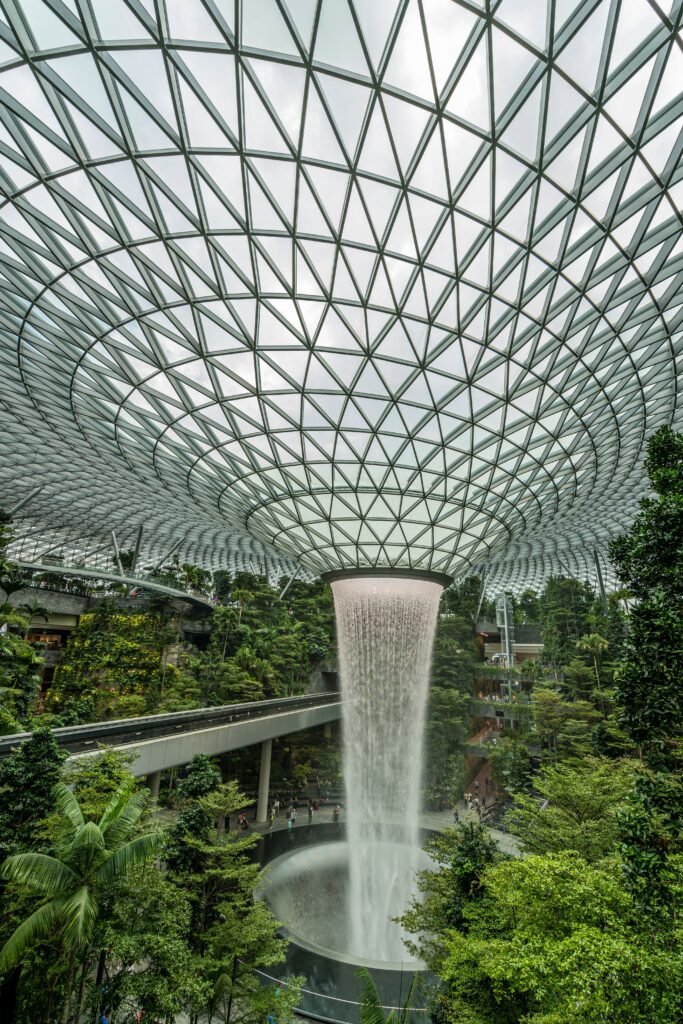
Jewel Changi Airport
Most airports are simply places to arrive and depart—but Jewel Changi Airport is a destination in its own right.
At the heart of Jewel is the spectacular HSBC Rain Vortex, the world’s tallest indoor waterfall, surrounded by lush indoor gardens, walking trails, restaurants, shopping, and entertainment. Even if you only have a short layover, it’s well worth exploring.
Highlights
- HSBC Rain Vortex
- Canopy Park
- Shiseido Forest Valley
- Mirror Maze and Sky Nets
- Shopping, cafés, and restaurants
Entry Fee
- Rain Vortex & Forest Valley: Free
- Canopy Park and selected attractions: Paid
Time Needed
2–4 hours
Pro Tip
If your return flight departs later in the day, arrive at the airport a few hours early to explore Jewel without feeling rushed. It’s one of the best ways to end your Singapore trip.
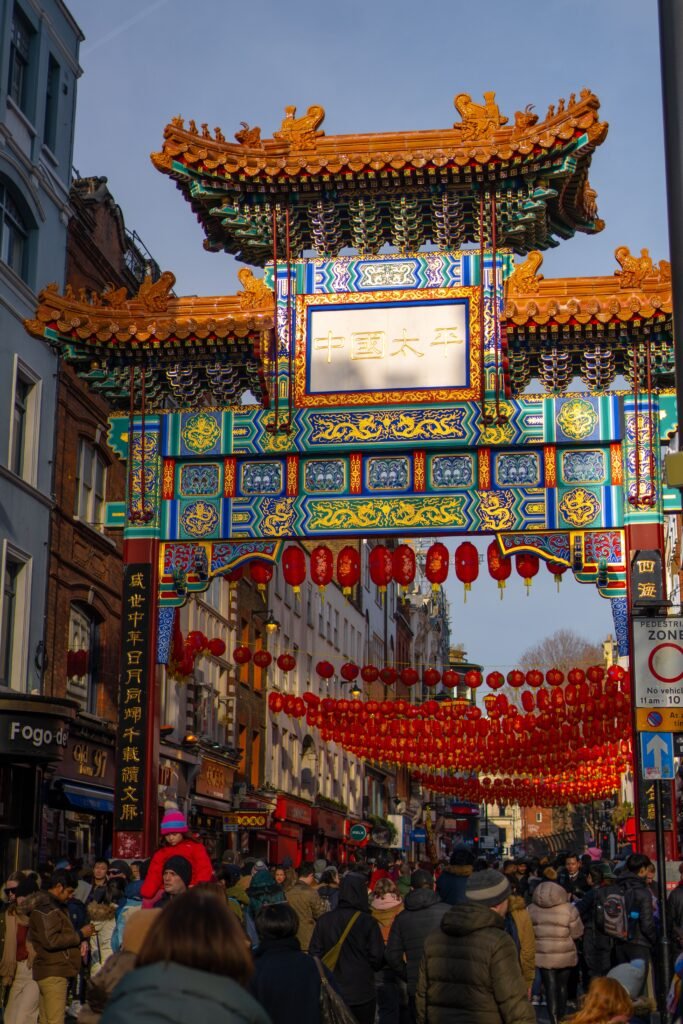
Chinatown
Rich in history, culture, and incredible food, Chinatown offers a fascinating contrast to Singapore’s futuristic skyline.
The neighborhood is filled with beautifully restored shophouses, traditional temples, vibrant street markets, and some of the city’s most famous Hawker Centres. It’s the perfect place to experience Singapore’s multicultural heritage while enjoying affordable local cuisine.
Highlights
- Buddha Tooth Relic Temple
- Chinatown Street Market
- Maxwell Food Centre
- Heritage Centre
- Traditional souvenir shops
Entry Fee
Most attractions are Free, although some museums may charge a small admission fee.
Time Needed
2–3 hours
Pro Tip
Visit in the evening when the streets become more lively, food stalls are in full swing, and the colorful lanterns create a wonderful atmosphere for photography.
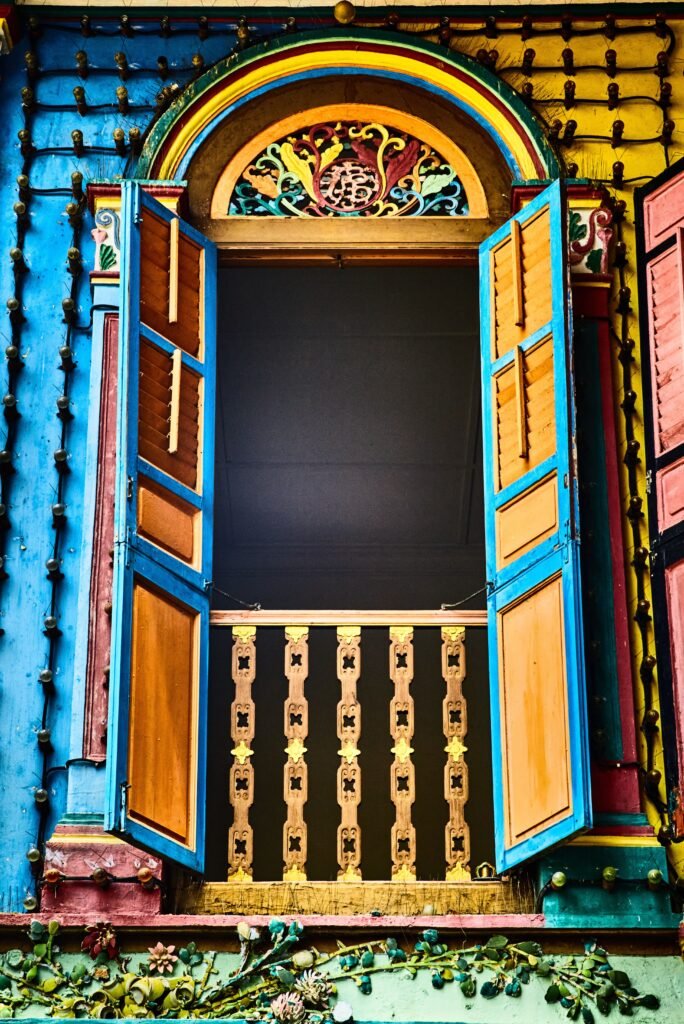
Little India
Few neighborhoods in Singapore are as colorful and energetic as Little India. Walking through its lively streets feels like stepping into a different world, with vibrant temples, spice shops, flower garlands, bustling markets, and authentic Indian restaurants around every corner.
For many Indian travelers, Little India provides a familiar yet uniquely Singaporean experience.
Highlights
- Sri Veeramakaliamman Temple
- Tekka Centre
- Mustafa Centre (24-hour shopping)
- Traditional Indian restaurants
- Local markets and street art
Entry Fee
Free
Time Needed
2–3 hours
Pro Tip
If you’re visiting during Deepavali (Diwali), don’t miss the spectacular festive lights, decorations, and cultural celebrations that transform the entire neighborhood into one of Singapore’s most vibrant attractions.
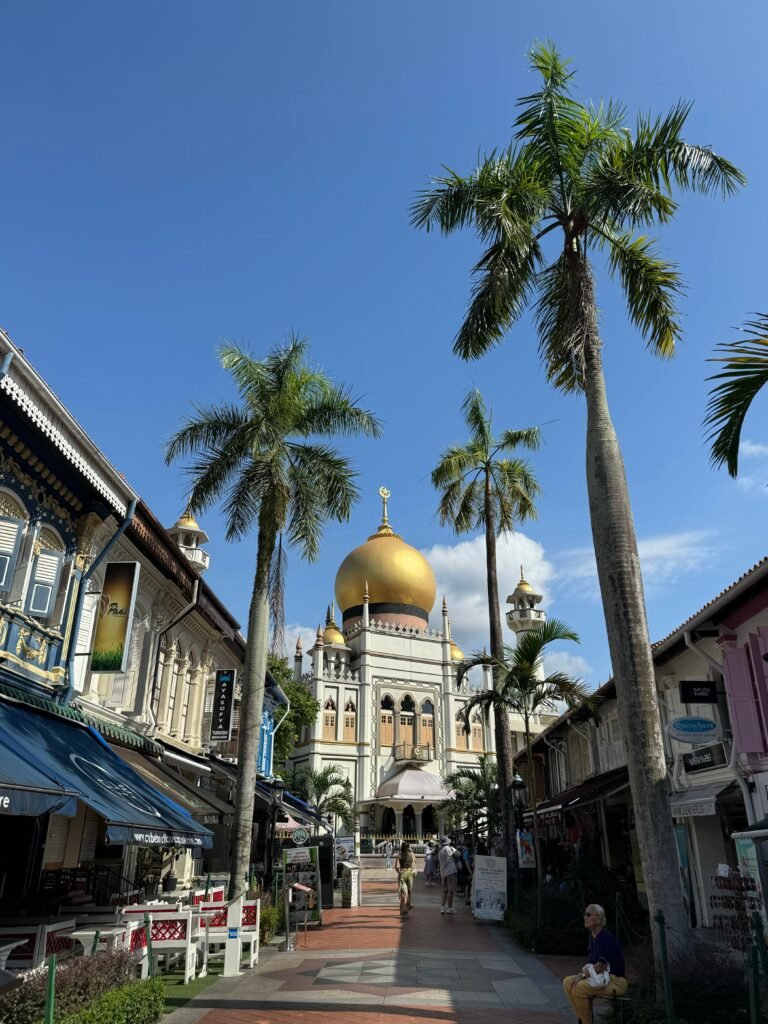
Kampong Glam
If you want to experience Singapore beyond its futuristic skyline, spend a few hours exploring Kampong Glam. Once the historic Malay and Arab quarter, this colorful neighborhood is now one of the city’s trendiest districts, filled with boutique cafés, street art, heritage buildings, and independent shops.
The highlight is the magnificent Sultan Mosque, whose golden dome dominates the skyline and attracts visitors from around the world.
Highlights
- Sultan Mosque
- Haji Lane street art
- Arab Street
- Boutique cafés
- Local fashion stores
- Cultural heritage
Entry Fee
Free
Time Needed
2–3 hours
Pro Tip
Visit during the late afternoon. You’ll enjoy cooler weather, browse unique local shops, and experience the lively café scene as the neighborhood comes alive in the evening.
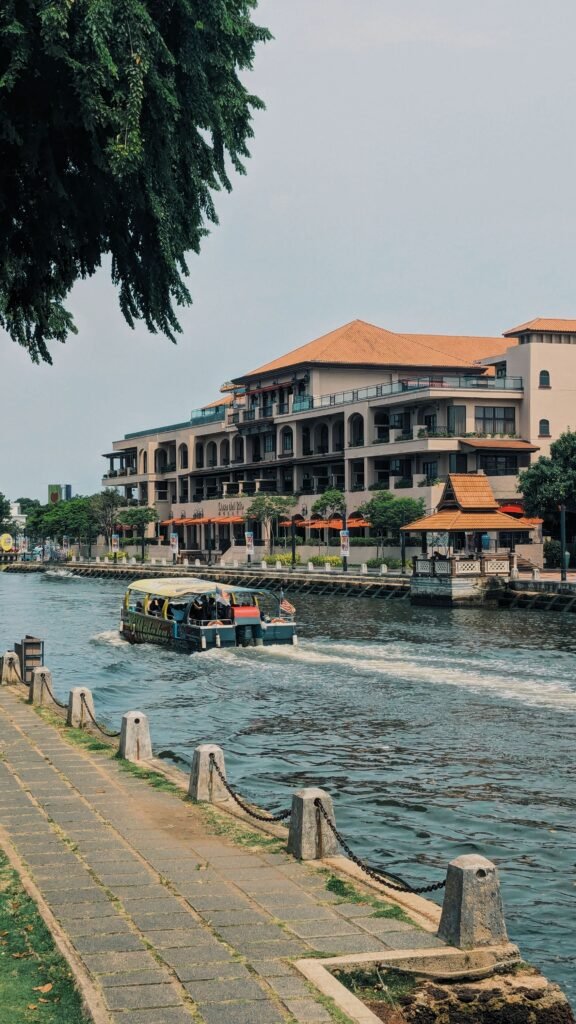
Clarke Quay
Looking for the best nightlife in Singapore? Clarke Quay is the city’s entertainment hub, famous for its colorful riverside restaurants, rooftop bars, live music venues, and river cruises.
During the day, it’s a pleasant waterfront area. After sunset, it transforms into one of Singapore’s most vibrant nightlife destinations.
Highlights
- Singapore River Cruise
- Riverside restaurants
- Rooftop bars
- Live music
- Nightlife
- Historic bridges
Entry Fee
Exploring the area is Free. River cruises and dining experiences are paid.
Time Needed
2–4 hours
Pro Tip
Book an evening river cruise around sunset. Watching the skyline light up from the water offers one of the most memorable views in Singapore.
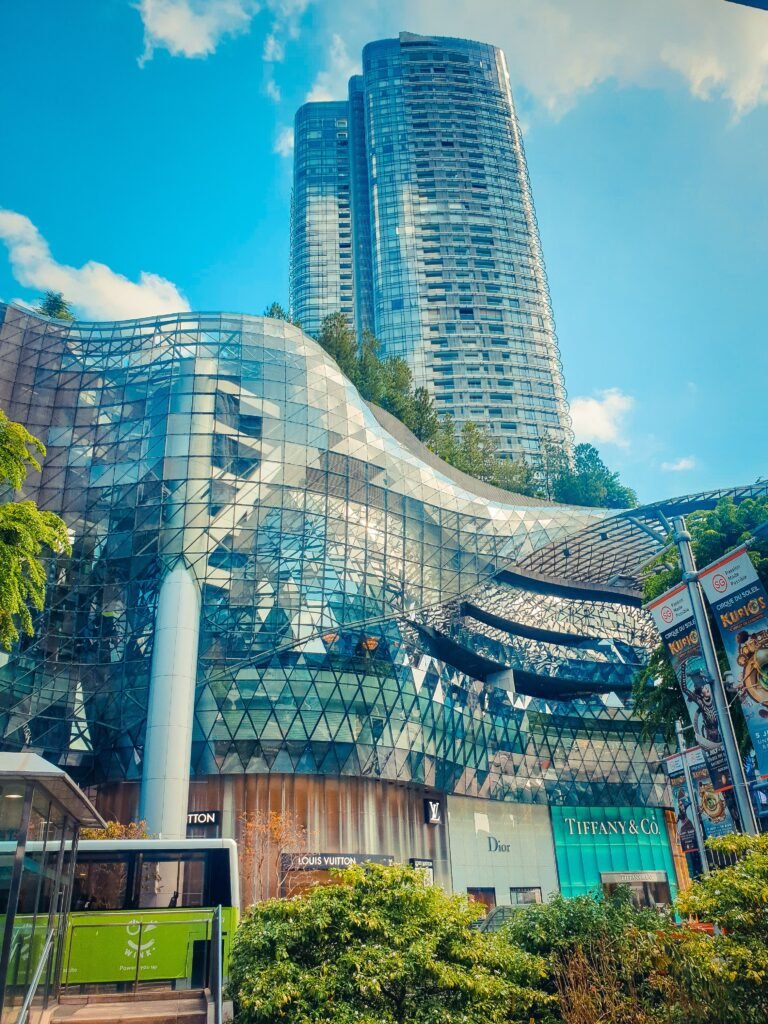
Singapore Flyer
Standing at 165 meters, the Singapore Flyer is one of the world’s tallest observation wheels and offers breathtaking panoramic views of Marina Bay, the Singapore skyline, and even parts of Malaysia and Indonesia on clear days.
Unlike a quick observation deck visit, each rotation lasts around 30 minutes, giving you plenty of time to enjoy the scenery and capture incredible photographs.
Highlights
- 360-degree city views
- Marina Bay skyline
- Air-conditioned observation capsules
- Sunset photography
- Premium dining experiences
Entry Fee
Paid
Time Needed
1–1.5 hours
Pro Tip
Reserve your ticket for just before sunset. You’ll experience Singapore in daylight, during golden hour, and after the city lights come on—all in a single ride.
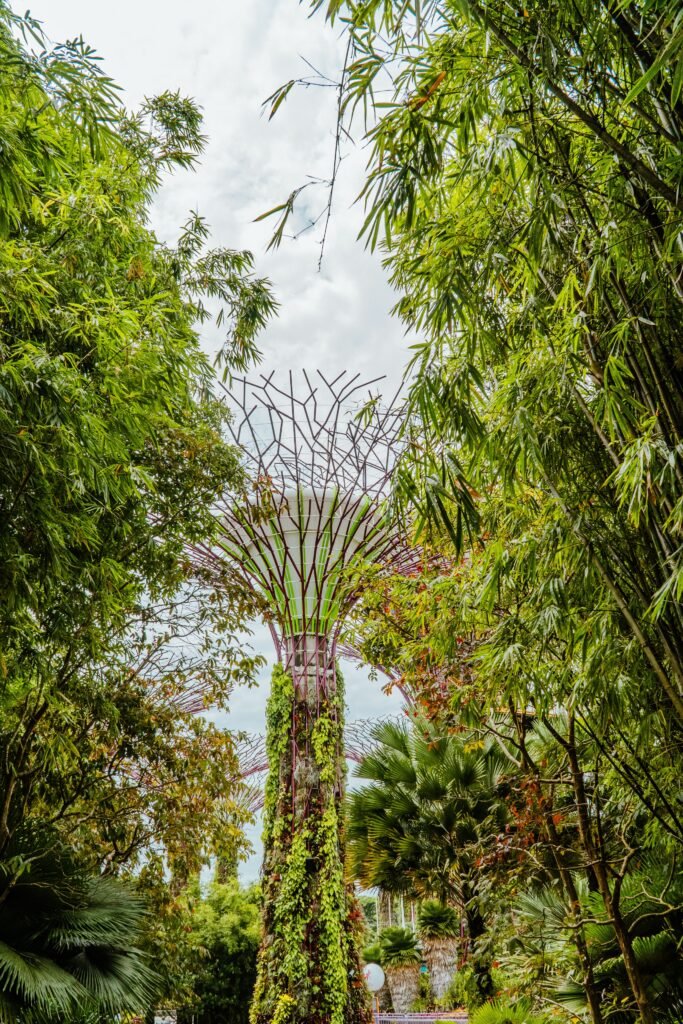
Singapore Botanic Gardens
When you need a break from the city’s skyscrapers, head to the Singapore Botanic Gardens, Singapore’s first UNESCO World Heritage Site.
Unlike many botanical gardens around the world, this one feels incredibly alive, with rainforest trails, peaceful lakes, themed gardens, and beautifully maintained walking paths.
It’s a favorite spot among locals for jogging, picnics, and weekend relaxation.
Highlights
- UNESCO World Heritage Site
- National Orchid Garden
- Rainforest Trail
- Symphony Lake
- Swan Lake
- Free public gardens
Entry Fee
- Botanic Gardens: Free
- National Orchid Garden: Paid
Time Needed
2–4 hours
Pro Tip
Visit early in the morning before temperatures rise. The gardens are quieter, wildlife is more active, and the soft morning light is ideal for photography.
Hidden Gems in Singapore
Most first-time visitors spend their time exploring iconic attractions like Marina Bay Sands, Gardens by the Bay, and Sentosa Island. While these landmarks are absolutely worth visiting, Singapore has another side that’s quieter, greener, and often overlooked.
If you enjoy discovering places beyond the usual tourist trail, these hidden gems offer a chance to experience the city like a local. From peaceful nature reserves and secluded beaches to charming neighborhoods and rooftop viewpoints, these spots provide a refreshing escape from the crowds.
Whether you’re a photographer, solo traveler, couple, or returning visitor, adding one or two of these lesser-known places to your Singapore itinerary can make your trip even more memorable.
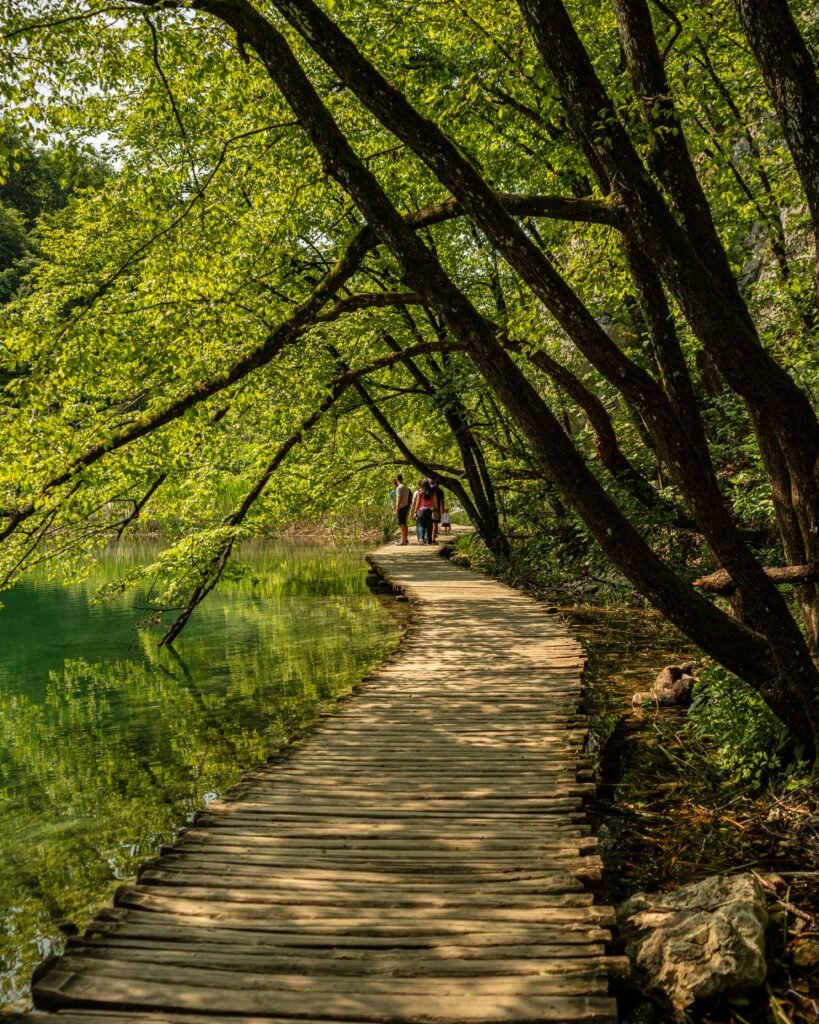
Nature Parks Worth Exploring
Singapore may be famous for its skyline, but nearly half of the country is covered by greenery. If you need a break from the busy tourist areas, these parks offer beautiful walking trails, wildlife, and peaceful surroundings.
Labrador Nature Reserve
Located along the southern coast, Labrador Nature Reserve combines coastal scenery with historical military sites and shaded forest trails.
Why Visit
- Scenic waterfront walks
- Historic tunnels and fort ruins
- Birdwatching opportunities
- Peaceful atmosphere
Time Needed
2–3 hours
Pro Tip
Visit in the early morning for cooler weather and a better chance of spotting wildlife.
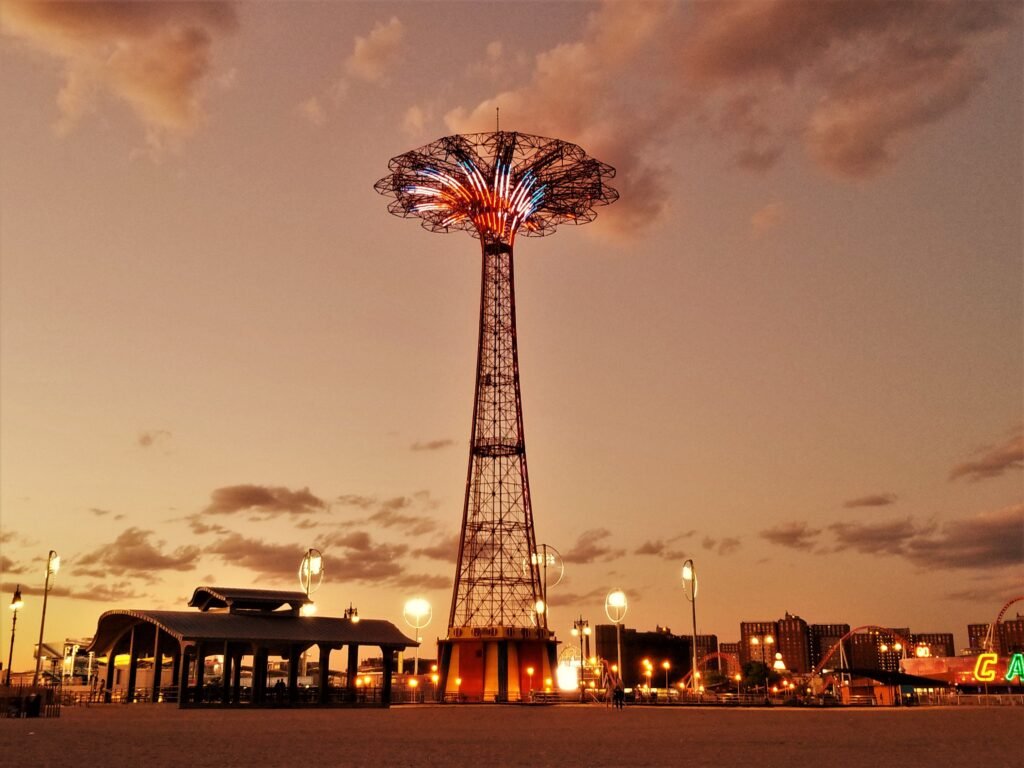
Coney Island Park
One of Singapore’s least-visited parks, Coney Island feels surprisingly untouched despite being close to the city.
You’ll find cycling paths, beaches, mangroves, and plenty of wildlife.
Highlights
- Cycling trails
- Birdwatching
- Rustic beaches
- Mangrove forests
Best For
Nature lovers and photographers.
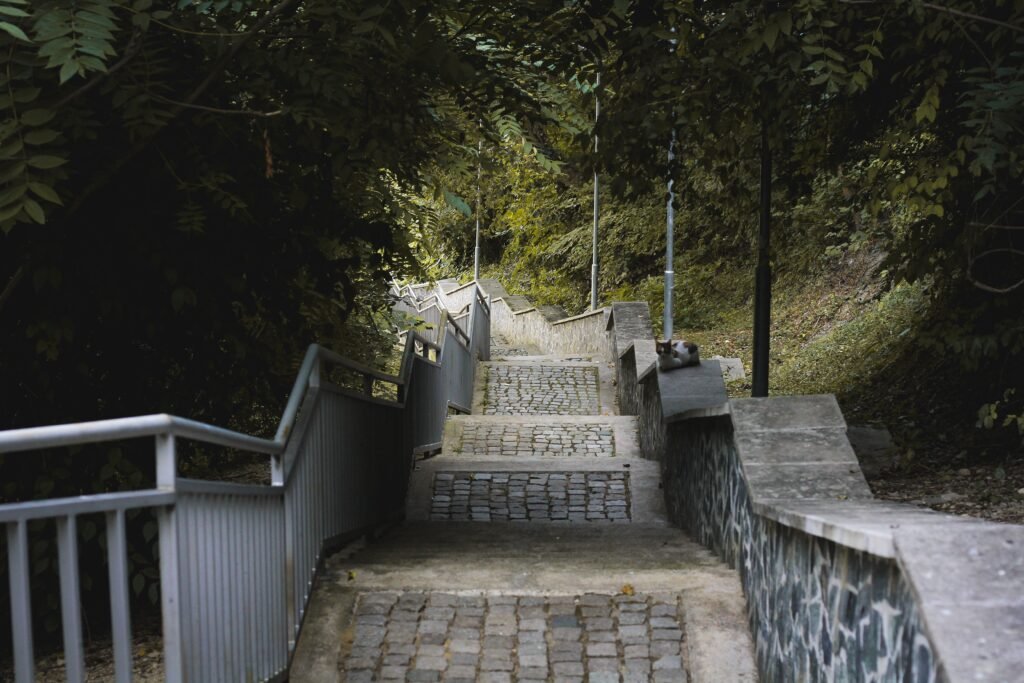
Thomson Nature Park
This quiet reserve protects one of Singapore’s last remaining patches of primary forest while preserving the ruins of an old Hainanese village.
It’s perfect if you’re looking for a peaceful walk away from the city’s busy attractions.
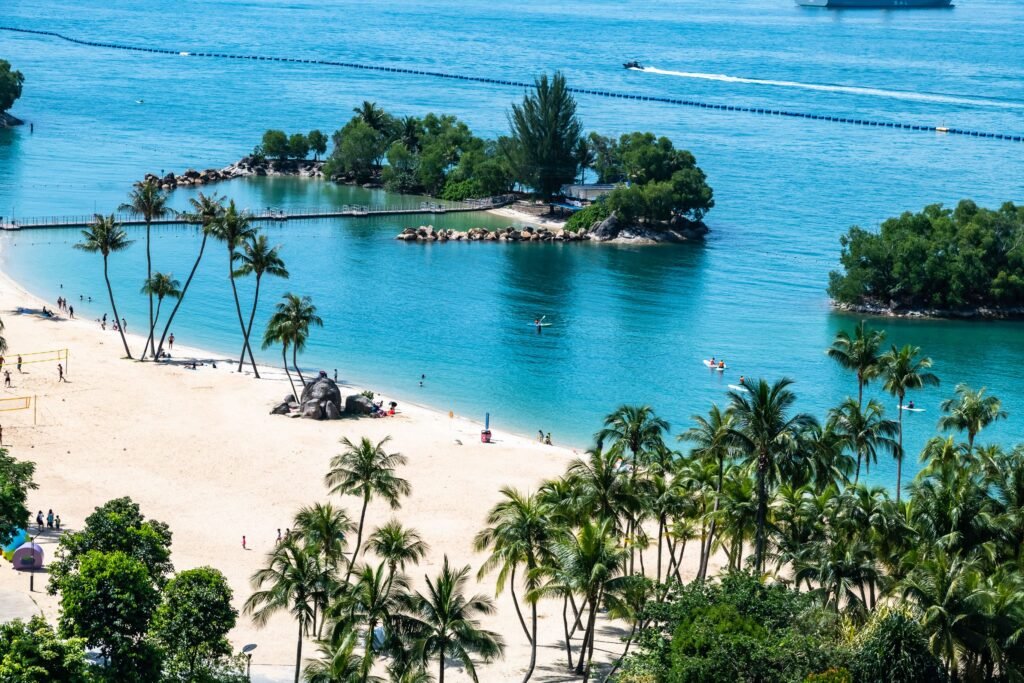
Lazarus Island Beach
Just a short ferry ride from Marina South Pier, Lazarus Island is known for its white sand, turquoise water, and peaceful atmosphere.
Unlike Sentosa, you’ll rarely find large crowds here.
Highlights
- Crystal-clear water
- Soft sandy beach
- Picnic spots
- Calm surroundings
Time Needed
Half day
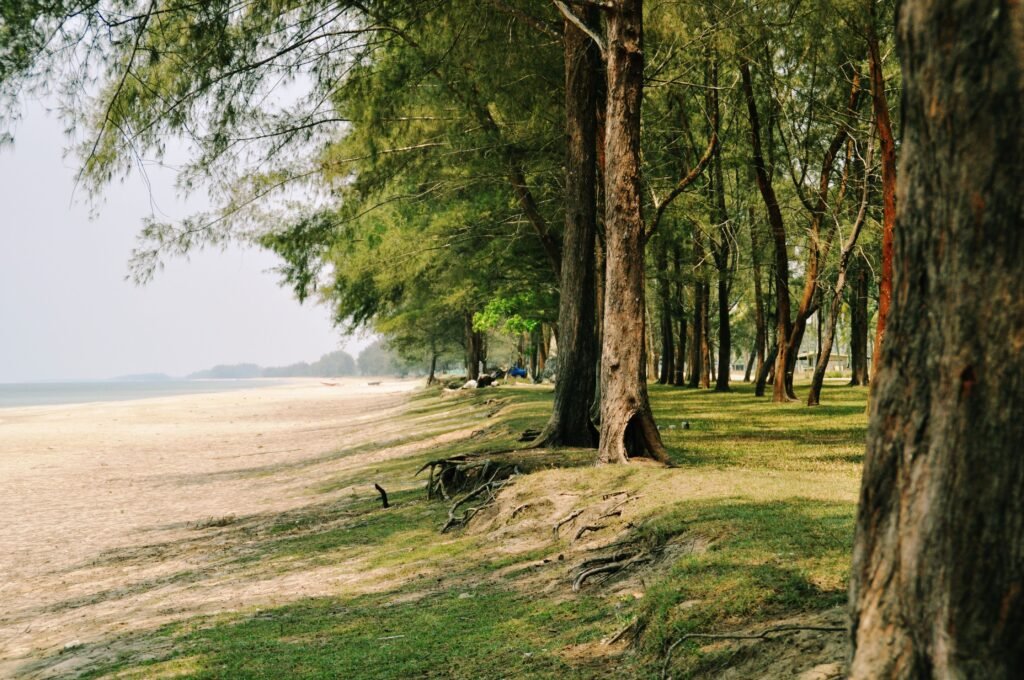
Changi Beach Park
One of Singapore’s oldest coastal parks, Changi Beach is popular with locals but often overlooked by international visitors.
It’s an excellent place for cycling, sunset walks, and watching planes approach Changi Airport.
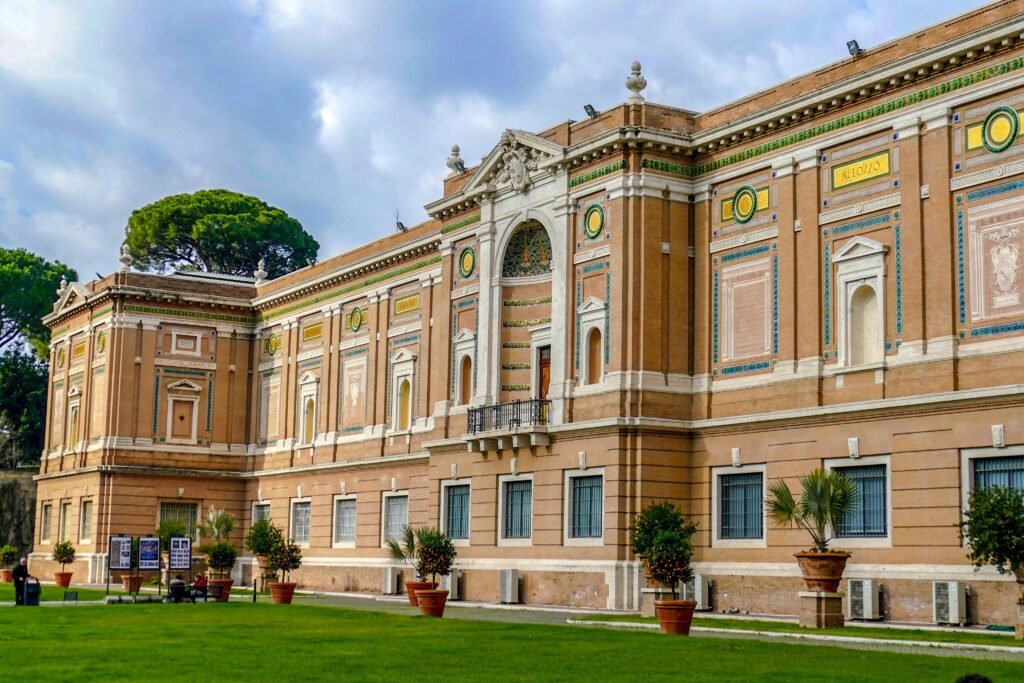
Lesser-Known Museums
If you’ve already visited Singapore’s famous attractions, consider exploring these smaller museums for a deeper understanding of the country’s history and culture.
The Intan
Located in the Katong neighborhood, The Intan is a private Peranakan museum featuring antiques, artwork, and family heirlooms.
Visits are by appointment, making the experience more personal than a traditional museum.
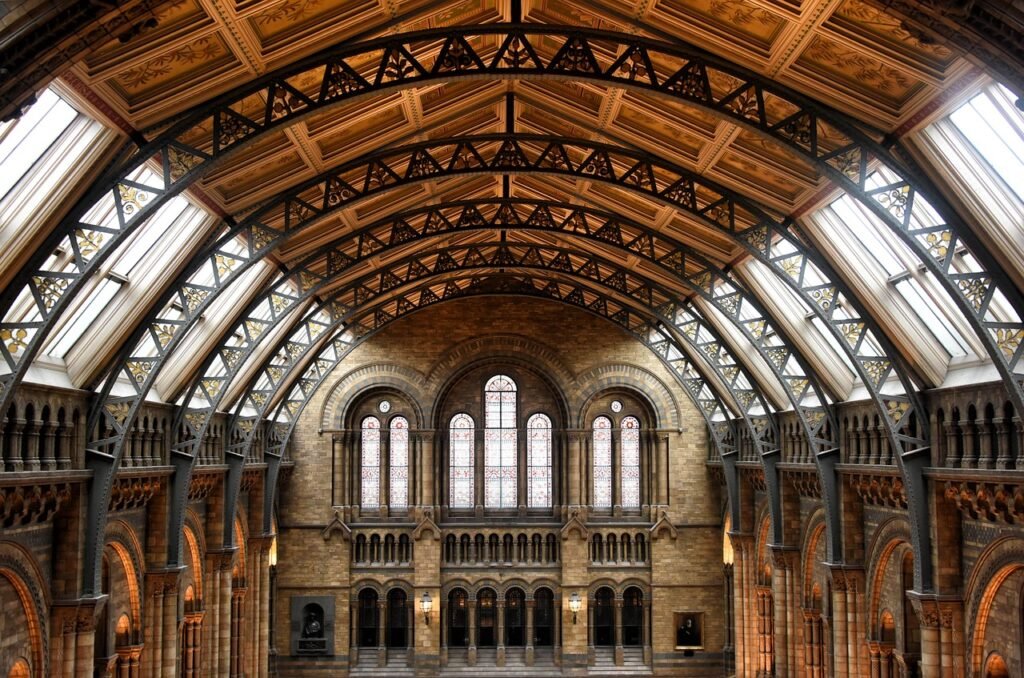
Lee Kong Chian Natural History Museum
Home to fascinating dinosaur fossils and Southeast Asian wildlife exhibits, this museum is an excellent choice for families and anyone interested in natural history.

Singapore City Gallery
Curious how Singapore transformed from a small trading port into a modern global city?
This interactive museum explains the country’s remarkable urban planning through detailed models and multimedia exhibits.
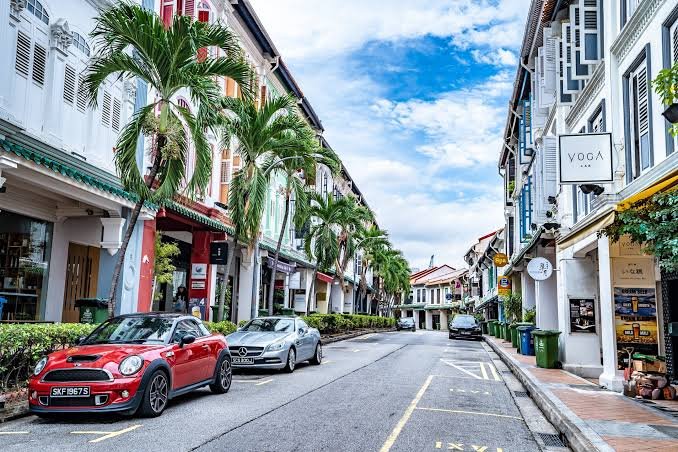
Tiong Bahru
Often called Singapore’s hippest neighborhood, Tiong Bahru is known for its Art Deco buildings, independent bookstores, stylish cafés, and relaxed atmosphere.
Perfect For
- Café hopping
- Photography
- Local food
- Boutique shopping
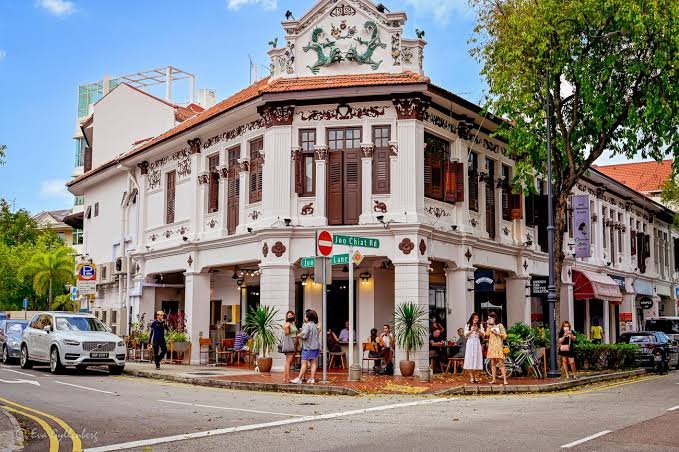
Joo Chiat & Katong
These neighboring districts showcase Singapore’s colorful Peranakan heritage.
You’ll discover beautifully restored shophouses, traditional bakeries, local restaurants, and some of the city’s best laksa.
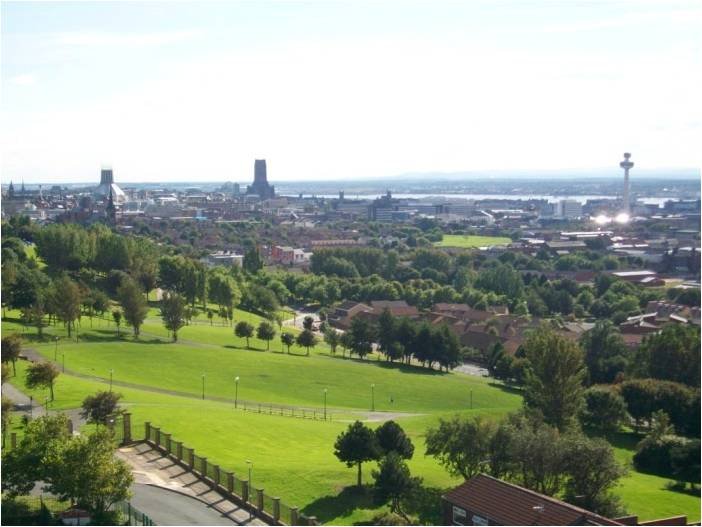
Everton Park
Hidden behind the skyscrapers lies one of Singapore’s most charming residential neighborhoods.
Independent coffee shops, quiet streets, and local murals make Everton Park a favorite among photographers.
Singapore Food Guide
One of the best ways to experience Singapore is through its food. Often called a global culinary capital, Singapore brings together Chinese, Malay, Indian, Peranakan, and Western influences to create one of the most diverse food scenes in the world.
Whether you’re enjoying a Michelin-recognized meal at a humble Hawker Centre, tasting authentic Indian curries in Little India, or celebrating a special occasion at a rooftop restaurant overlooking Marina Bay, every meal becomes part of your travel experience.
The best part? You don’t need a huge budget to eat well. In Singapore, some of the city’s most famous dishes are served at affordable prices in local food courts and street-food-style markets.
Must-Try Dishes
No Singapore Travel Guide is complete without sampling the country’s iconic dishes. Here are some local favorites that every visitor should try.
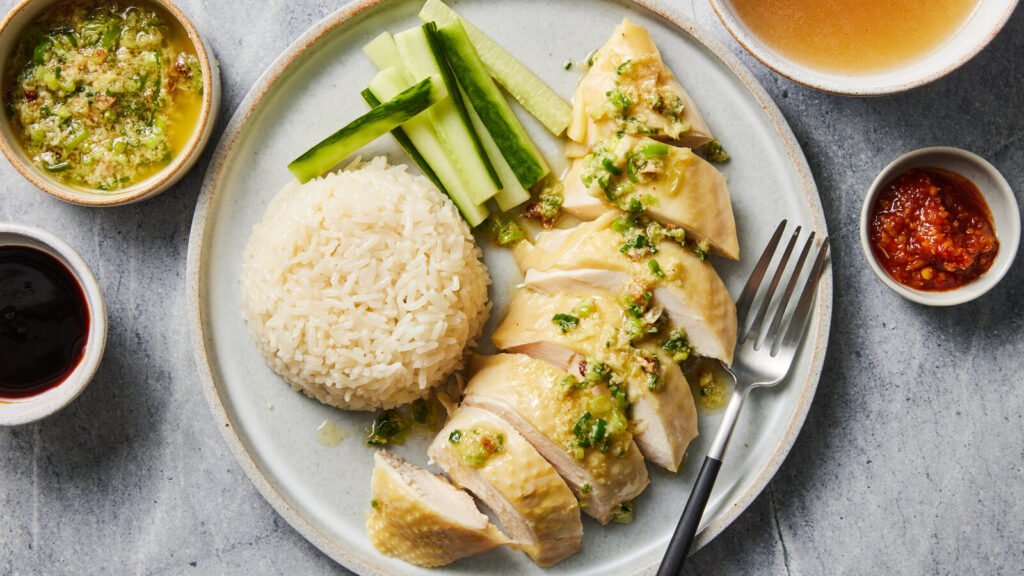
Hainanese Chicken Rice
Often considered Singapore’s national dish, Hainanese Chicken Rice features tender poached chicken served with fragrant rice, chili sauce, and ginger paste.
Average Price: SGD 4–8
Best Places: Maxwell Food Centre, Tian Tian Chicken Rice
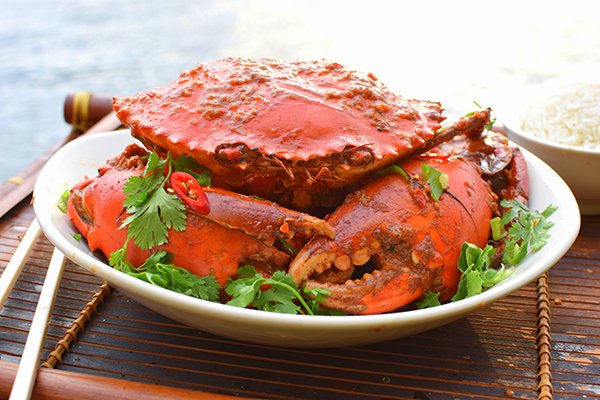
Chilli Crab
One of Singapore’s signature seafood dishes, Chilli Crab is cooked in a rich, sweet, and mildly spicy tomato-based sauce. It’s traditionally enjoyed with fried mantou buns to soak up the flavorful gravy.
Average Price: SGD 60–120 (depending on size)
Best For: Couples and family dinners.
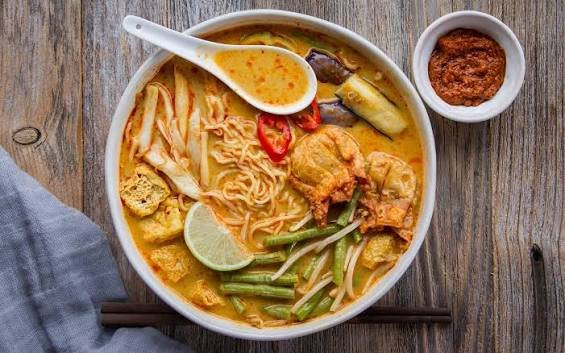
Laksa
Laksa is a creamy coconut curry noodle soup packed with seafood or chicken and bursting with flavor.
The famous Katong Laksa is particularly popular among both locals and tourists.
Average Price: SGD 6–10
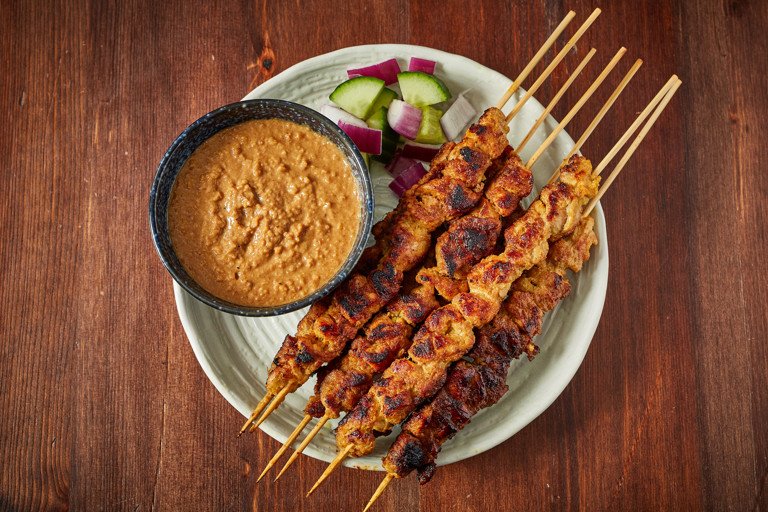
Satay
These grilled meat skewers are served with peanut sauce, rice cakes, cucumber, and onions.
They’re a favorite evening snack, especially at outdoor food markets.
Average Price: SGD 8–15
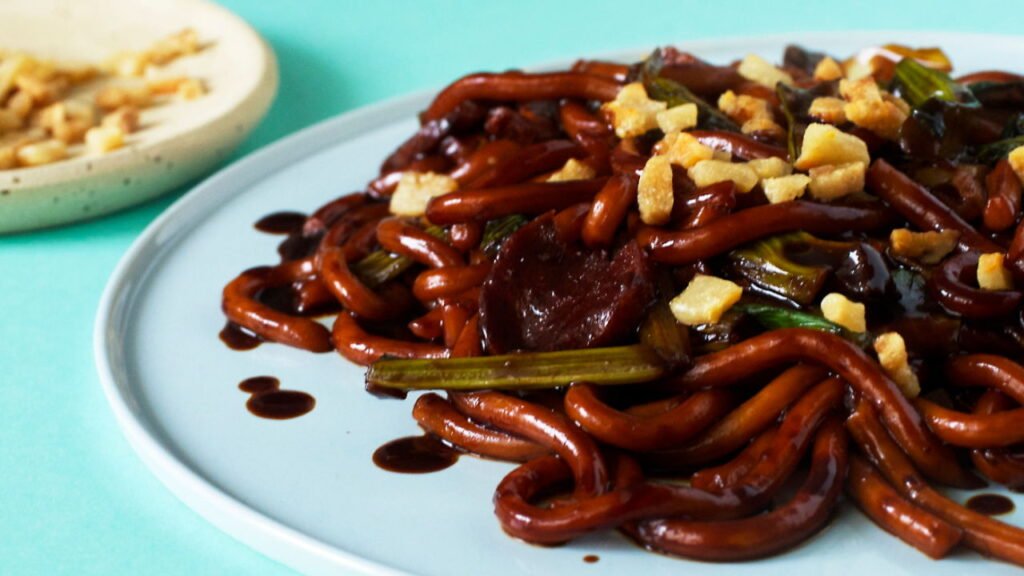
Hokkien Mee
This stir-fried noodle dish combines prawns, squid, pork, and egg noodles cooked in a rich seafood broth.
It’s one of Singapore’s most beloved comfort foods.
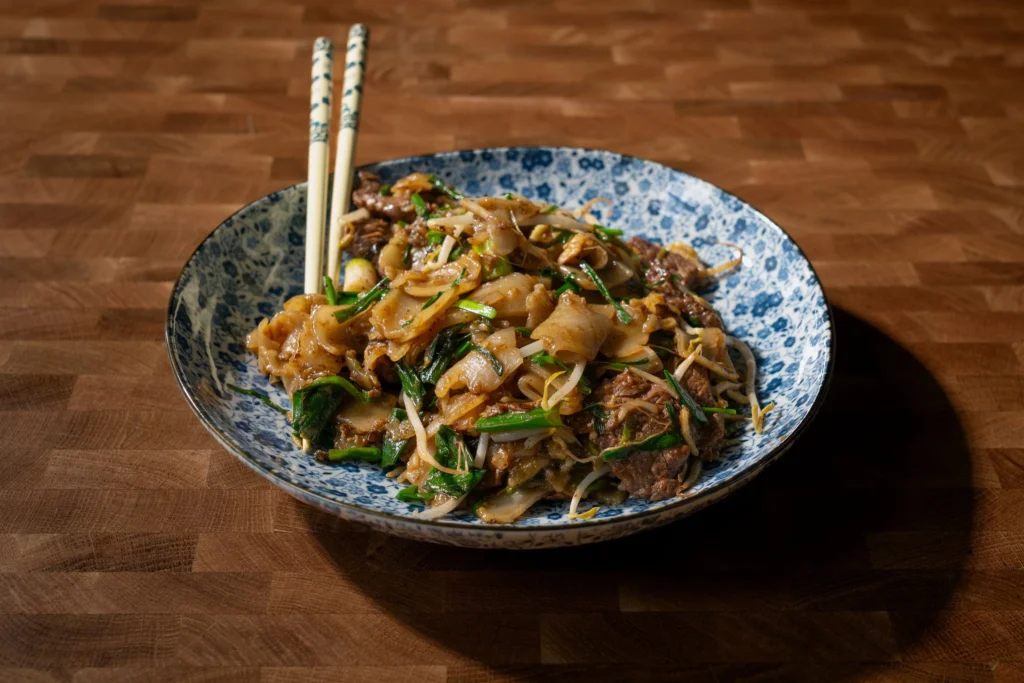
Char Kway Teow
Flat rice noodles stir-fried with prawns, Chinese sausage, bean sprouts, eggs, and soy sauce.
Rich, smoky, and incredibly satisfying.
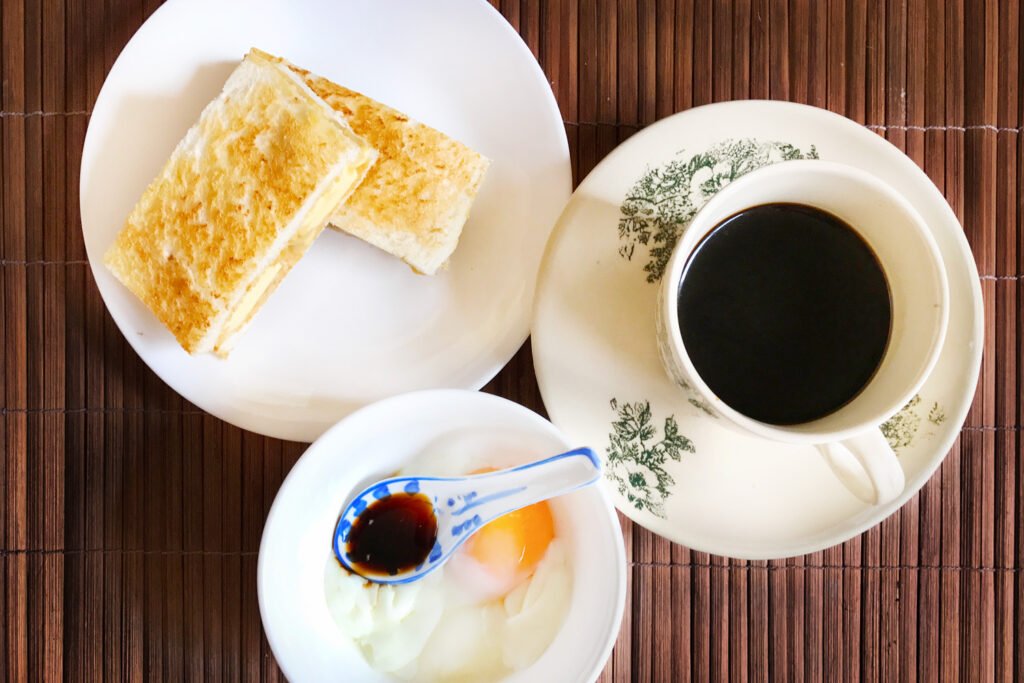
Kaya Toast & Soft-Boiled Eggs
A classic Singaporean breakfast featuring toasted bread filled with kaya (coconut jam) and butter, served with soft-boiled eggs and traditional kopi (local coffee).
Perfect before a full day of sightseeing.
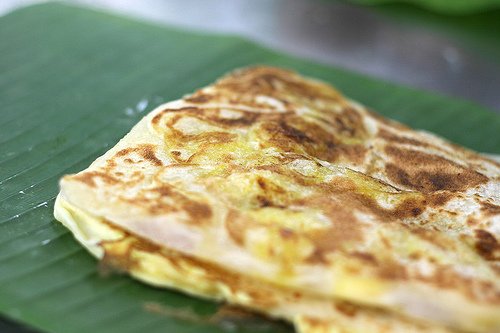
Roti Prata
Influenced by Indian cuisine, Roti Prata is a crispy flatbread served with curry and is available in both savory and sweet varieties.
A favorite for breakfast or late-night meals.
Best Hawker Centres
Singapore’s Hawker Centres are much more than food courts—they’re a UNESCO-recognized part of the country’s cultural heritage and one of the best places to enjoy authentic local cuisine at affordable prices.
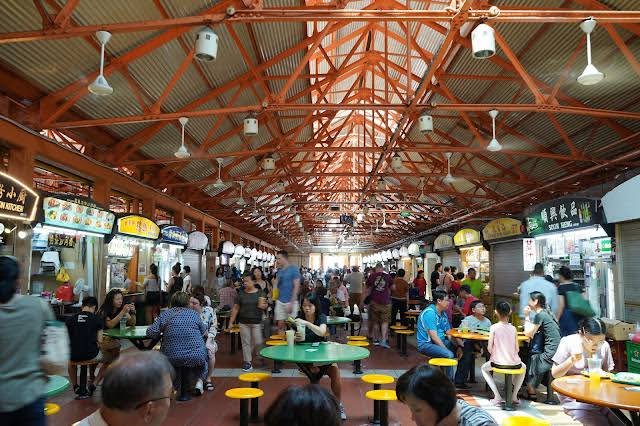
Maxwell Food Centre
One of Singapore’s most famous Hawker Centres, known for Tian Tian Hainanese Chicken Rice and a wide variety of local specialties.
Best For
- Chicken Rice
- Local street food
- First-time visitors
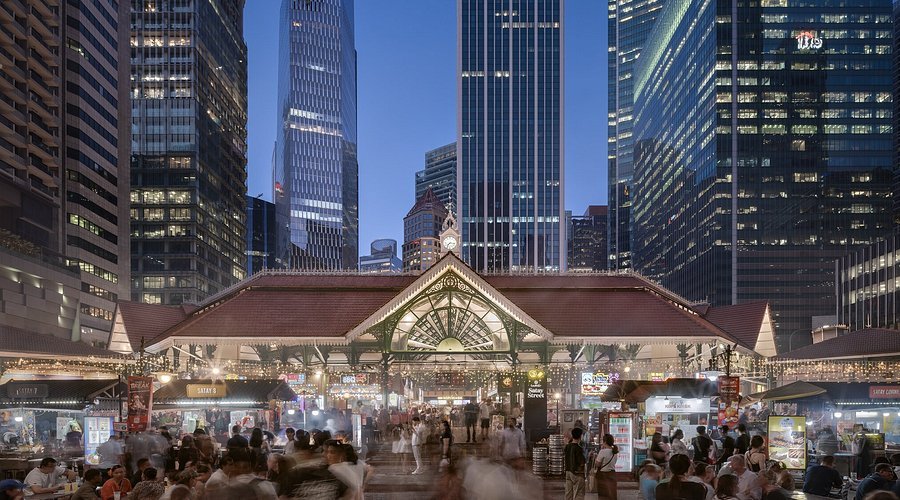
Lau Pa Sat
Located in the heart of the financial district, Lau Pa Sat combines historic architecture with an outstanding selection of local and international dishes.
In the evenings, nearby Boon Tat Street transforms into a lively Satay Street.
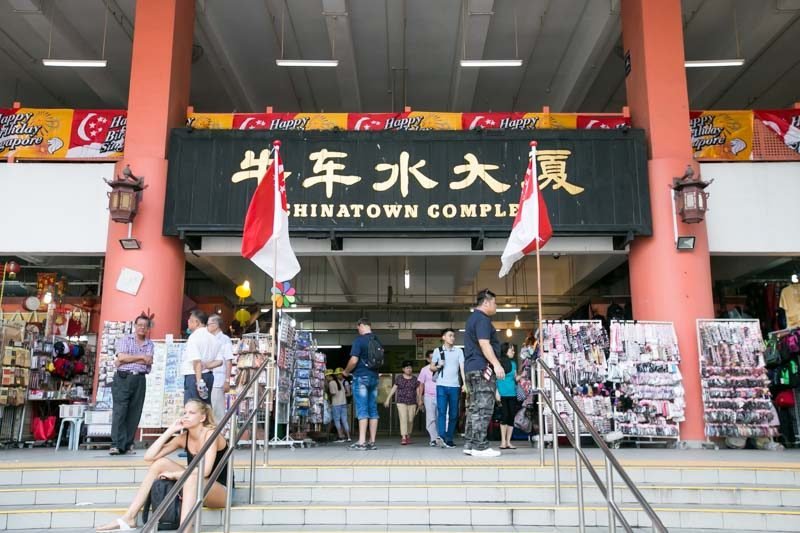
Chinatown Complex Food Centre
Home to more than 250 food stalls, this is one of Singapore’s largest Hawker Centres and offers everything from Michelin-recognized meals to traditional desserts.
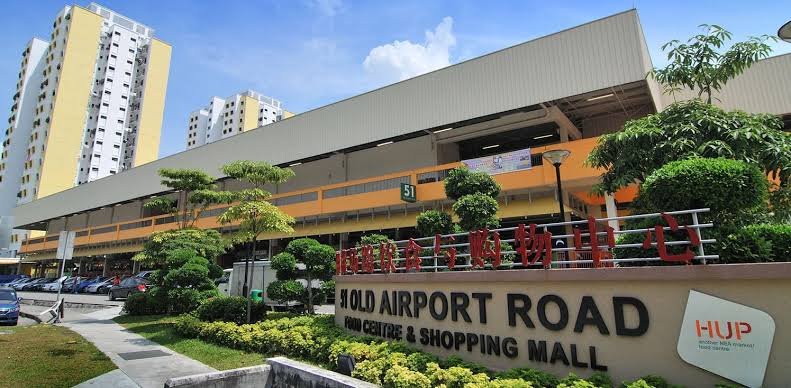
Old Airport Road Food Centre
A favorite among locals, this Hawker Centre is less touristy and known for consistently excellent food at reasonable prices.
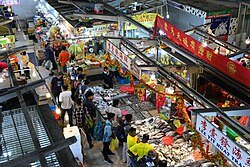
Tekka Centre
Located in Little India, Tekka Centre is the best place to experience authentic Indian cuisine, fresh spices, and local delicacies.
Vegetarian Options
Vegetarian travelers will have no difficulty finding delicious meals in Singapore.
Many restaurants clearly label vegetarian dishes, and neighborhoods like Little India offer an excellent selection of traditional South Indian vegetarian cuisine.
Popular vegetarian dishes include:
- Vegetable Laksa
- Masala Dosa
- Paneer Curry
- Vegetarian Fried Rice
- Yong Tau Foo
- Thunder Tea Rice
Many Hawker Centres also have dedicated vegetarian stalls serving affordable meals.
Pro Tip: Search for restaurants displaying the “Vegetarian” or “Pure Vegetarian” signs, especially in Little India.
Halal Food
Singapore offers a fantastic range of halal-certified restaurants thanks to its multicultural population.
You’ll find halal options in shopping malls, Hawker Centres, cafés, and food courts throughout the city.
Popular halal dishes include:
- Nasi Lemak
- Mee Rebus
- Murtabak
- Satay
- Chicken Briyani
- Mee Soto
Areas like Kampong Glam and Geylang Serai are especially well known for their halal restaurants and traditional Malay cuisine.
Travel Tip: Look for the official MUIS Halal certification logo displayed outside restaurants.
Fine Dining
If you’re celebrating a honeymoon, anniversary, or special occasion, Singapore is one of Asia’s best destinations for fine dining.
From Michelin-starred restaurants to rooftop dining experiences overlooking Marina Bay, there’s something for every luxury traveler.
Popular fine dining experiences include:
- Rooftop restaurants overlooking Marina Bay
- Michelin-starred tasting menus
- Modern Asian cuisine
- Seafood restaurants
- International fine dining
- Celebrity chef restaurants
While prices are significantly higher than Hawker Centres, the quality of service, presentation, and city views make these experiences memorable.
Best For
- Couples
- Honeymooners
- Luxury travelers
- Celebrations
Food Budget Guide
| Travel Style | Daily Food Budget |
| Budget Traveler | SGD 20–35 |
| Mid-Range Traveler | SGD 35–70 |
| Luxury Traveler | SGD 100+ |
Food Tips for First-Time Visitors
- Eat at Hawker Centres at least once—they offer some of Singapore’s best food at local prices.
- Visit popular stalls outside peak lunch hours to avoid long queues.
- Carry cash or a card, as payment methods vary between stalls.
- Don’t skip breakfast—Kaya Toast and local coffee are worth trying.
- Stay hydrated, especially if you’re exploring outdoor markets in Singapore’s tropical climate.
- Be adventurous. Some of the smallest food stalls serve meals that rival expensive restaurants.
What food is Singapore famous for?
Singapore is famous for Hainanese Chicken Rice, Chilli Crab, Laksa, Satay, Char Kway Teow, Hokkien Mee, Kaya Toast, and Roti Prata. The best places to enjoy these dishes are the city’s UNESCO-recognized Hawker Centres, where visitors can experience authentic local flavors at affordable prices.
Transportation Guide: How to Get Around Singapore
One of the biggest reasons Singapore is so easy to explore is its excellent public transportation system. Whether you’re visiting for three days or a full week, getting around is fast, affordable, clean, and incredibly efficient.
Unlike many large cities where renting a car is almost essential, Singapore’s integrated transport network allows you to reach nearly every major attraction using the Singapore MRT, buses, or ride-hailing services. In fact, many locals rarely drive because public transport is so reliable.
If you’re following a Singapore itinerary for first-time visitors, using public transportation can save both time and money while giving you a more authentic experience of the city.
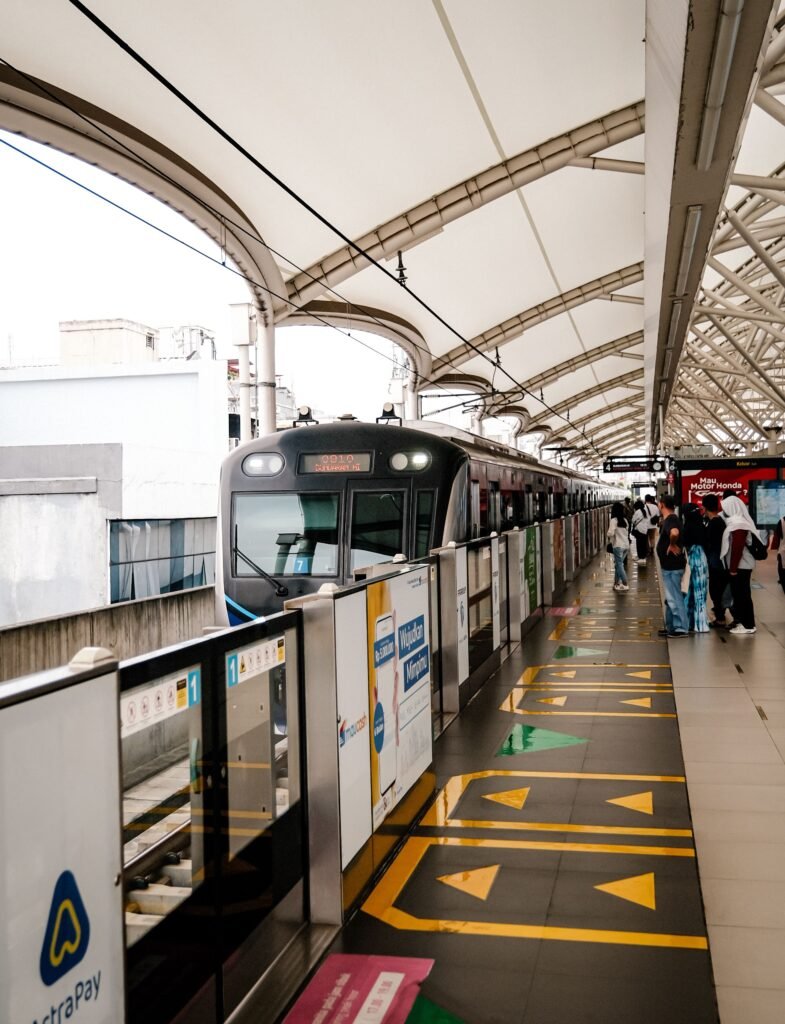
MRT (Mass Rapid Transit)
The Singapore MRT is the quickest and most convenient way to travel around the city. The network connects major attractions, shopping districts, airports, business areas, and residential neighborhoods.
Popular attractions such as Marina Bay Sands, Gardens by the Bay, Chinatown, Little India, Orchard Road, and Bugis are all easily accessible by MRT.
Why Use the MRT?
- Fast and punctual
- Air-conditioned stations and trains
- Affordable fares
- Clean and safe
- English announcements and clear signage
- Easy navigation for first-time visitors
Typical Fare
SGD 1–2.50 per trip, depending on the distance traveled.
Operating Hours
Approximately 5:30 AM to Midnight (varies slightly by line and station).
Pro Tip
Download the MRT map on your phone before your trip. Apps like Google Maps provide accurate platform information and journey times, making navigation effortless.
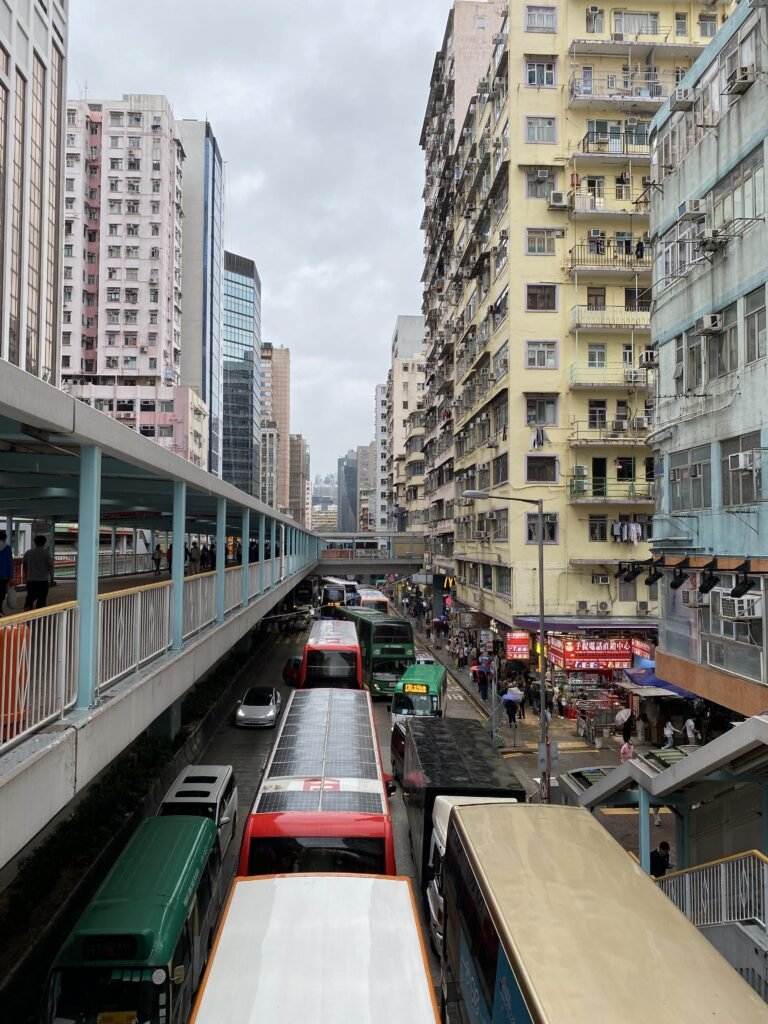
Public Buses
Singapore’s bus network reaches places that aren’t directly served by the MRT, including certain parks, residential neighborhoods, and hidden attractions.
Buses are modern, air-conditioned, and equipped with digital route displays in English.
Best For
- Nature parks
- Local neighborhoods
- Scenic city rides
- Budget travelers
Typical Fare
Around SGD 1–2.50 per ride.
Pro Tip
Tap your EZ-Link card or contactless bank card when boarding and when exiting to ensure you’re charged the correct fare.
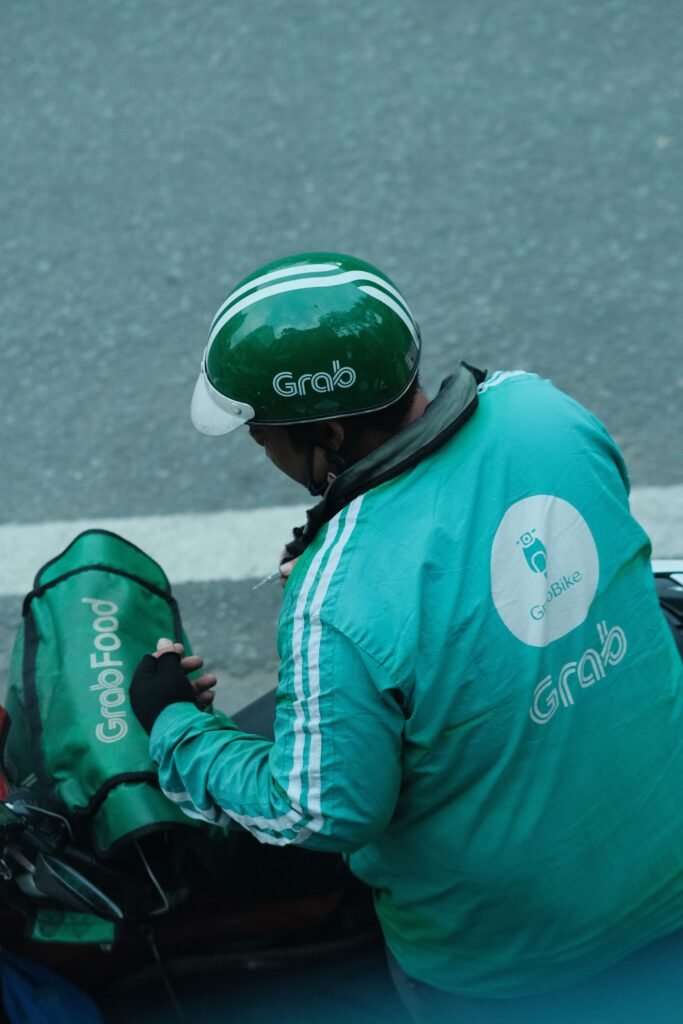
Grab (Ride-Hailing)
If you’re traveling with family, carrying luggage, or returning late at night, Grab is Singapore’s most popular ride-hailing app.
It works similarly to Uber, allowing you to view estimated fares, track your driver, and pay digitally.
Best For
- Airport transfers
- Families
- Groups
- Late-night travel
- Door-to-door convenience
Typical Cost
- Short trips: SGD 8–15
- Longer journeys: SGD 20–35+
Pro Tip
Avoid booking during peak commuting hours (around 7:30–9:30 AM and 5:30–7:30 PM), when demand-based pricing can significantly increase fares.
Walking
Singapore is one of the most walkable cities in Asia. Many attractions are located close together, making it easy to explore entire neighborhoods on foot.
For example, you can comfortably walk between:
- Marina Bay Sands
- Gardens by the Bay
- Merlion Park
- Singapore Flyer
- Clarke Quay
- Chinatown
Walking also gives you the chance to discover hidden cafés, public art, and local neighborhoods that you might otherwise miss.
Best For
- Photography
- Couples
- Budget travelers
- Exploring heritage districts
Pro Tip
Wear lightweight clothing, comfortable walking shoes, and carry a reusable water bottle, especially if you’re sightseeing during the afternoon.

EZ-Link Card
The EZ-Link Card is a rechargeable smart card that can be used on Singapore’s MRT trains and public buses.
Instead of purchasing individual tickets for every journey, simply tap your card when entering and exiting stations or buses.
Benefits
- Faster boarding
- No need to buy separate tickets
- Works across MRT and buses
- Easy to recharge at MRT stations and convenience stores
Best For
Travelers staying for several days who expect to use public transport frequently.
Singapore Tourist Pass
If you plan to use public transportation extensively, the Singapore Tourist Pass can offer excellent value.
It provides unlimited travel on MRT trains and public buses for a fixed period, making budgeting much easier.
Ideal For
- First-time visitors
- Travelers with busy sightseeing schedules
- Budget-conscious tourists
- Families exploring multiple attractions
Before purchasing, compare the cost of the pass with your planned itinerary. If you’re only taking a few trips each day, an EZ-Link Card may be more economical.
Which Transport Option Should You Choose?
| Transport | Best For | Cost | Convenience |
| MRT | Most sightseeing | ★ | ★★★★★ |
| Public Bus | Local areas & parks | ★ | ★★★★☆ |
| Grab | Families & airport transfers | ★★★ | ★★★★★ |
| Walking | Nearby attractions | Free | ★★★★★ |
| EZ-Link Card | Regular public transport users | ★ | ★★★★★ |
| Singapore Tourist Pass | Unlimited sightseeing | ★★ | ★★★★★ |
Money-Saving Transportation Tips
Transportation is already affordable in Singapore, but these simple strategies can help you save even more:
- Stay in a hotel near an MRT station to reduce taxi costs.
- Walk between nearby attractions whenever possible.
- Use the MRT instead of taxis for daytime sightseeing.
- Compare the Singapore Tourist Pass with the EZ-Link Card before purchasing.
- Avoid peak-hour Grab bookings to reduce surge pricing.
- Group attractions by neighborhood to minimize travel time and transport costs.
- Download offline maps so you can navigate confidently without using mobile data.
Expert Travel Advice
After several days in Singapore, you’ll notice that the Singapore MRT becomes your best travel companion. It’s reliable, clean, affordable, and often faster than traveling by car through busy city traffic.
For most visitors, a combination of MRT + walking covers nearly every attraction on the itinerary. Reserve Grab for airport transfers, late-night journeys, or when traveling with children or heavy luggage.
What’s the best way to get around Singapore?
The best way to get around Singapore is by using the Singapore MRT and public buses. They’re affordable, clean, safe, and connect almost every major attraction. For added convenience, visitors can use an EZ-Link Card or Singapore Tourist Pass for seamless travel across the city’s public transport network.
Sample Singapore Itineraries
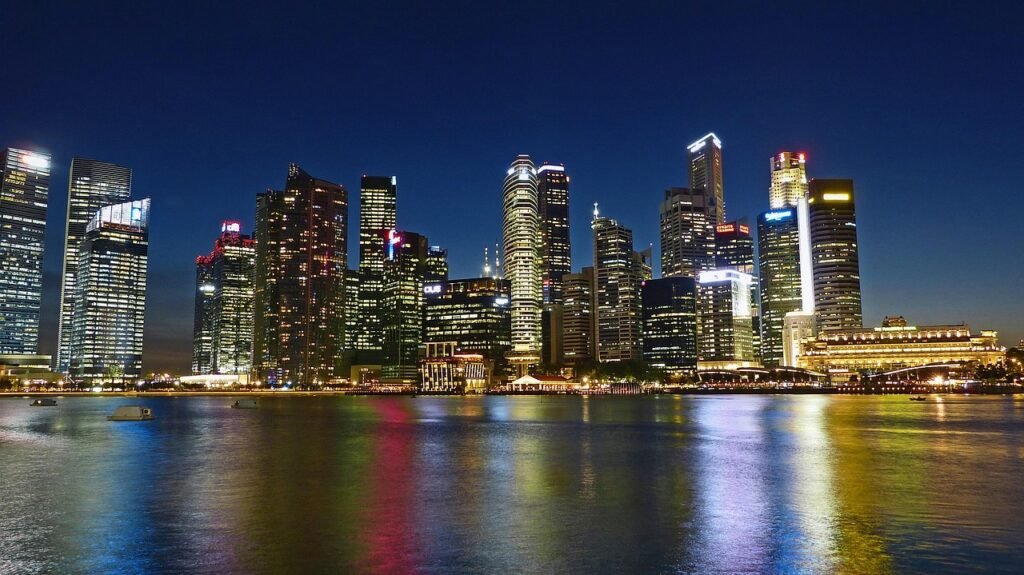
One of the most common questions travelers ask is, “How many days are enough for Singapore?” The answer depends on your travel style and interests.
If you’re short on time, you can explore Singapore’s major attractions in 2–3 days. However, if you want to experience the city’s culture, food, shopping, hidden gems, and nearby islands at a relaxed pace, 5–7 days is ideal.
To help you plan your trip, here are four practical itineraries based on different trip lengths.
2-Day Singapore Itinerary
A 2-day itinerary is perfect for travelers on a short stopover or weekend getaway. Focus on Singapore’s most iconic landmarks and attractions.
Day 1: Marina Bay & City Highlights
Morning
- Merlion Park
- Marina Bay waterfront walk
- Marina Bay Sands SkyPark
Afternoon
- Gardens by the Bay
- Cloud Forest
- Flower Dome
Evening
- Garden Rhapsody Light Show
- Spectra Light & Water Show
- Dinner at Lau Pa Sat or Clarke Quay
Day 2: Sentosa Island
Spend your entire day exploring Singapore’s entertainment island.
Suggested attractions:
- Universal Studios Singapore
- Siloso Beach
- Skyline Luge
- Wings of Time Show
Perfect For
- First-time visitors
- Couples
- Families
- Weekend travelers
3-Day Singapore Itinerary
Three days allow you to combine Singapore’s iconic attractions with its multicultural neighborhoods and world-famous food scene.
Day 1
- Marina Bay Sands
- Gardens by the Bay
- Merlion Park
- Singapore Flyer
Day 2
- Universal Studios Singapore
- Sentosa Island
- Beaches
- Evening at Clarke Quay
Day 3
Morning
- Chinatown
- Buddha Tooth Relic Temple
Afternoon
- Little India
- Kampong Glam
- Haji Lane
Evening
- Orchard Road shopping
- Local Hawker Centre dinner
Perfect For
- Most first-time visitors
- Couples
- Food lovers
- Short international vacations
5-Day Singapore Itinerary
A five-day itinerary offers the best balance between sightseeing, relaxation, shopping, and local experiences. This is the itinerary most travelers choose.
Day 1
- Marina Bay Sands
- Merlion Park
- Gardens by the Bay
- Marina Bay Light Show
Day 2
- Universal Studios Singapore
- Sentosa Island
- Wings of Time
Day 3
- Singapore Zoo
- River Wonders
- Night Safari
Day 4
- Chinatown
- Little India
- Kampong Glam
- Clarke Quay
Day 5
Morning
- Singapore Botanic Gardens
Afternoon
- Orchard Road
- Shopping
Before Departure
- Jewel Changi Airport
Perfect For
- Families
- Couples
- Solo travelers
- Travelers from India
- Photography enthusiasts
7-Day Singapore Itinerary
If you have a full week, you’ll experience Singapore beyond its famous attractions while enjoying a slower, more relaxed pace.
Day 1
Marina Bay
- Marina Bay Sands
- Gardens by the Bay
- Merlion Park
Day 2
Sentosa Island
- Universal Studios
- Beaches
- Adventure activities
Day 3
Wildlife Day
- Singapore Zoo
- River Wonders
- Night Safari
Day 4
Cultural Singapore
- Chinatown
- Little India
- Kampong Glam
- Haji Lane
Day 5
Nature & Hidden Gems
- Singapore Botanic Gardens
- Labrador Nature Reserve
- Coney Island
- Tiong Bahru
Day 6
Shopping & Entertainment
- Orchard Road
- Clarke Quay
- Singapore Flyer
- Rooftop dining
Day 7
Relax Before Departure
- Jewel Changi Airport
- Local café
- Last-minute shopping
- Airport attractions
Perfect For
- Slow travelers
- Luxury vacations
- Repeat visitors
- Families with children
- Digital nomads
Which Itinerary Should You Choose?
| Trip Length | Best For | Main Highlights |
| 2 Days | Weekend trips & stopovers | Marina Bay, Gardens by the Bay, Sentosa |
| 3 Days | First-time visitors | Iconic attractions + cultural districts |
| 5 Days | Most travelers | Complete Singapore experience |
| 7 Days | Relaxed travel | Hidden gems, nature, shopping & local experiences |
Expert Planning Tips
- 2 Days: Focus only on Singapore’s iconic landmarks and skip unnecessary travel across the city.
- 3 Days: Add cultural neighborhoods and local food experiences to balance sightseeing.
- 5 Days: This is the ideal duration for most visitors, giving you enough time to explore without feeling rushed.
- 7 Days: Include hidden gems, nature parks, and shopping while leaving room for spontaneous discoveries.
Whenever possible:
- Visit outdoor attractions early in the morning or after 4 PM to avoid the midday heat.
- Group attractions by neighborhood to minimize travel time.
- Book popular attractions like Universal Studios Singapore and Night Safari online in advance.
- Keep one evening free for exploring Hawker Centres and Singapore’s vibrant nightlife.
How many days are enough for Singapore?
Five days is the ideal amount of time for most travelers visiting Singapore. It allows you to explore iconic attractions like Marina Bay Sands, Gardens by the Bay, Sentosa Island, Singapore Zoo, Chinatown, and Orchard Road while also enjoying local food, shopping, and cultural experiences without rushing.
Singapore for Different Travelers
One of Singapore’s biggest strengths is its versatility. Unlike destinations that cater mainly to one type of traveler, Singapore offers something for everyone. Whether you’re planning your first family vacation abroad, a romantic honeymoon, a solo adventure, or a luxury escape, you’ll find attractions, accommodation, and experiences that suit your travel style.
The city’s outstanding safety, efficient public transportation, world-class infrastructure, and multicultural atmosphere make it one of the easiest destinations to explore—especially if it’s your first international trip.
Here’s what you can expect based on your travel style.
Singapore for Families
Singapore is consistently ranked among the best family-friendly destinations in Asia. Attractions are clean, well-maintained, and designed for visitors of all ages, while public transport makes getting around with children surprisingly easy.
Children will love the city’s interactive attractions, wildlife parks, and beaches, while parents appreciate the excellent safety standards and family-friendly facilities.
Best Attractions
- Universal Studios Singapore
- Singapore Zoo
- River Wonders
- Night Safari
- Gardens by the Bay
- Sentosa Island
- Adventure Cove Waterpark
- Singapore Science Centre
Family Travel Tips
- Choose hotels near an MRT station to reduce walking with children.
- Carry lightweight snacks and refillable water bottles.
- Visit outdoor attractions early in the morning to avoid the midday heat.
- Plan one or two major attractions each day instead of rushing between multiple locations.
Best Areas to Stay
- Sentosa
- Marina Bay
- Bugis
Singapore for Solo Travelers
If you’re traveling alone, Singapore is one of the safest and easiest countries to visit. English is widely spoken, crime rates are low, and public transportation is reliable, making it ideal for first-time solo travelers.
Whether you enjoy photography, food, museums, or simply wandering through different neighborhoods, you’ll never run out of things to do.
Best Experiences
- Explore Chinatown and Little India
- Visit Hawker Centres
- Walk around Marina Bay at sunset
- Discover hidden cafés in Tiong Bahru
- Visit Gardens by the Bay
- Enjoy the Singapore Flyer
Solo Travel Tips
- Stay in hostels or boutique hotels near Chinatown or Bugis.
- Join guided walking tours to meet fellow travelers.
- Use the MRT instead of taxis whenever possible.
- Keep a portable charger with you for navigation and digital tickets.
Best Areas to Stay
- Chinatown
- Bugis
- Little India
Singapore for Couples
Singapore is one of Asia’s most romantic destinations. Whether you’re celebrating a honeymoon, anniversary, or simply traveling together, you’ll find countless experiences designed for couples.
Imagine watching the sunset over Marina Bay, enjoying cocktails on a rooftop terrace, relaxing on Sentosa’s beaches, or taking an evening river cruise through Clarke Quay.
Romantic Experiences
- Marina Bay Sands SkyPark
- Gardens by the Bay after sunset
- Singapore Flyer
- Clarke Quay River Cruise
- Fine dining with skyline views
- Sentosa beaches
- Jewel Changi Airport
Couple Travel Tips
- Visit Marina Bay in the evening when the skyline is illuminated.
- Book rooftop restaurants several weeks in advance.
- Choose a hotel with a skyline or waterfront view for a memorable stay.
Best Areas to Stay
- Marina Bay
- Sentosa
- Orchard Road
Singapore for Luxury Travelers
Singapore is home to some of the world’s finest hotels, Michelin-starred restaurants, designer shopping malls, and exclusive experiences.
Luxury travelers can enjoy private city tours, yacht charters, spa treatments, premium airport lounges, and five-star hospitality throughout the city.
Luxury Experiences
- Marina Bay Sands
- Capella Singapore
- Michelin-starred restaurants
- Luxury shopping on Orchard Road
- Private yacht cruises
- Premium rooftop bars
- VIP attraction experiences
Luxury Travel Tips
- Book luxury hotels well in advance during peak season.
- Reserve Michelin-starred restaurants before your arrival.
- Consider private airport transfers for a smoother arrival experience.
Best Areas to Stay
- Marina Bay
- Orchard Road
- Sentosa
Singapore for Backpackers
Despite its reputation for being expensive, Singapore can absolutely be enjoyed on a backpacker’s budget.
Affordable hostels, excellent public transport, free attractions, and inexpensive meals at Hawker Centres make it easier to control your spending than many first-time visitors expect.
Budget-Friendly Activities
- Merlion Park
- Gardens by the Bay (Outdoor Gardens)
- Singapore Botanic Gardens
- Chinatown
- Little India
- Kampong Glam
- Free walking tours
Backpacking Tips
- Stay in hostels around Chinatown or Little India.
- Use the MRT instead of taxis.
- Eat at Hawker Centres.
- Carry a reusable water bottle, as tap water is safe to drink.
Best Areas to Stay
- Chinatown
- Little India
- Bugis
Singapore for Senior Travelers
Singapore is one of the most comfortable destinations in Asia for senior travelers thanks to its accessible public transport, clean streets, modern healthcare facilities, and well-maintained attractions.
Most tourist attractions provide elevators, ramps, shaded seating areas, and excellent accessibility.
Recommended Attractions
- Gardens by the Bay
- Singapore Botanic Gardens
- Marina Bay waterfront
- River Cruise
- Singapore Flyer
- Jewel Changi Airport
Senior Travel Tips
- Avoid sightseeing during the hottest part of the afternoon.
- Choose hotels close to MRT stations.
- Take regular breaks at cafés and shaded parks.
- Wear comfortable walking shoes with good support.
Best Areas to Stay
- Marina Bay
- Bugis
- Orchard Road
Singapore for Digital Nomads
Although many travelers visit Singapore for only a few days, it’s also an excellent base for remote workers and digital nomads.
The city offers high-speed internet, countless coworking spaces, reliable public transport, excellent cafés, and easy flight connections across Southeast Asia.
Why Digital Nomads Love Singapore
- Fast and reliable internet
- Modern coworking spaces
- Excellent cafés for remote work
- Safe environment
- International networking opportunities
- Easy access to nearby countries like Malaysia, Indonesia, Thailand, and Vietnam
Recommended Areas
- Tiong Bahru
- Bugis
- Orchard Road
- Marina Bay
Digital Nomad Tips
- Purchase an eSIM before arriving.
- Work from cafés during quieter weekday mornings.
- Take advantage of Singapore’s excellent airport connectivity for regional travel.
- Consider accommodation with a dedicated workspace if staying for several weeks.
Which Traveler Are You?
| Travel Style | Best Area | Top Attractions |
| Families | Sentosa, Marina Bay | Universal Studios, Zoo, Gardens by the Bay |
| Solo Travelers | Chinatown, Bugis | Marina Bay, Hawker Centres, Museums |
| Couples | Marina Bay, Sentosa | Skyline views, River Cruise, Fine Dining |
| Luxury Travelers | Marina Bay, Orchard Road | Luxury Hotels, Shopping, Michelin Dining |
| Backpackers | Chinatown, Little India | Free Attractions, Hawker Centres |
| Senior Travelers | Marina Bay, Bugis | Botanic Gardens, Singapore Flyer |
| Digital Nomads | Tiong Bahru, Bugis | Cafés, Coworking Spaces, Marina Bay |
Expert Advice
The beauty of Singapore is that you don’t need to choose just one travel style. A family vacation can include luxury dining, a backpacking trip can feature a sunset at Marina Bay, and a honeymoon can mix iconic attractions with hidden neighborhoods.
Plan your itinerary around your interests rather than trying to see everything. You’ll spend less time rushing between attractions and more time enjoying the experiences that matter most.
Is Singapore suitable for all types of travelers?
Yes. Singapore is one of Asia’s most versatile destinations, offering family-friendly attractions, romantic experiences for couples, budget options for backpackers, luxury hotels, safe environments for solo travelers, accessible sightseeing for seniors, and excellent infrastructure for digital nomads.
Pros & Cons of Visiting Singapore
Every destination has its strengths and limitations, and Singapore is no exception. While it’s often praised as one of the safest and most organized countries in the world, it’s also known for its relatively high travel costs and strict regulations.
Understanding both the advantages and disadvantages before you travel helps you set realistic expectations and plan a smoother, more enjoyable trip.
Pros and Cons of Singapore Travel
Pros: Singapore is safe, clean, easy to navigate, offers world-class attractions, and has one of Asia’s best food scenes.
Cons: It can be expensive, has a hot and humid climate year-round, enforces strict laws, and popular attractions can become crowded during peak tourist seasons.
Pros of Visiting Singapore
1. One of the Safest Countries in the World
Safety is one of Singapore’s biggest advantages, especially for first-time international travelers, families, and solo travelers.
Violent crime is rare, public transport is secure, and it’s common to see people walking around even late at night.
Why this matters
- Great destination for solo travelers
- Family-friendly environment
- Safe public transportation
- Well-lit streets and tourist areas
Travel Tip: Even though Singapore is extremely safe, it’s still wise to keep your passport, wallet, and valuables secure in crowded places.
2. Exceptionally Clean City
Singapore’s reputation as one of the cleanest cities in the world is well deserved.
You’ll notice spotless MRT stations, clean public toilets, well-maintained parks, and litter-free streets almost everywhere you go.
The city’s cleanliness makes sightseeing much more enjoyable, particularly around attractions like Marina Bay, Gardens by the Bay, and the Botanic Gardens.
Best For
- Families
- Photography
- Comfortable walking tours
3. Efficient Public Transportation
Getting around Singapore is incredibly simple thanks to the Singapore MRT, extensive bus network, and reliable ride-hailing services.
Unlike many large cities, you won’t need to rent a car.
You can comfortably visit most major attractions using public transport while saving both time and money.
Advantages
- Affordable fares
- Excellent coverage
- Easy navigation
- English announcements
- Tourist-friendly system
4. World-Class Attractions
Despite its small size, Singapore offers an impressive variety of attractions.
Within a single trip, you can visit:
- Marina Bay Sands
- Gardens by the Bay
- Universal Studios Singapore
- Sentosa Island
- Singapore Zoo
- Night Safari
- Chinatown
- Little India
- Singapore Botanic Gardens
Whether you’re traveling with children, as a couple, or alone, you’ll find attractions suited to your interests.
5. Incredible Food Variety
Singapore’s multicultural population has created one of Asia’s most exciting food scenes.
From affordable meals at UNESCO-recognized Hawker Centres to Michelin-starred restaurants, every traveler can find something to enjoy.
Must-try dishes include:
- Hainanese Chicken Rice
- Chilli Crab
- Laksa
- Satay
- Kaya Toast
- Char Kway Teow
Food lovers will quickly discover that eating in Singapore is an attraction in itself.
Cons of Visiting Singapore
1. Higher Travel Costs
Compared with many Southeast Asian destinations, Singapore is relatively expensive.
Accommodation, attraction tickets, and alcohol can significantly increase your budget.
However, staying near MRT stations, eating at Hawker Centres, and booking attractions online can help reduce overall costs.
Good News
Budget travelers can still enjoy Singapore comfortably with careful planning.
2. Hot & Humid Weather
Singapore experiences a tropical climate throughout the year.
Temperatures generally stay between 24°C and 32°C (75°F–90°F), and humidity remains high regardless of the season.
Short rain showers are common, even on sunny days.
How to Prepare
- Wear lightweight clothing.
- Carry a reusable water bottle.
- Bring a compact umbrella.
- Plan outdoor sightseeing early in the morning or late afternoon.
3. Strict Laws & Regulations
Singapore is famous for enforcing its laws consistently.
Visitors should respect local rules regarding littering, smoking, jaywalking, vandalism, and prohibited items.
These regulations contribute to the country’s cleanliness and safety but can surprise travelers unfamiliar with them.
Simple Advice
Take a few minutes to read local regulations before your trip and you’ll have nothing to worry about.
4. Crowded Tourist Attractions
Popular attractions such as Gardens by the Bay, Universal Studios Singapore, Marina Bay Sands, and Sentosa Island can become very busy during weekends, school holidays, and festive seasons.
This may mean longer queues for attractions, restaurants, and public transport.
How to Avoid Crowds
- Visit attractions early in the morning.
- Travel during weekdays.
- Book tickets online in advance.
- Visit during shoulder seasons like April, May, September, or October.
| Pros | Cons |
| Extremely safe | Higher accommodation costs |
| Clean streets and public spaces | Tropical heat and humidity |
| Excellent MRT and bus network | Popular attractions can be crowded |
| World-famous attractions | Alcohol and nightlife can be expensive |
| Incredible multicultural food | Strict regulations visitors should understand |
| English widely spoken | Luxury travel can become costly |
Is Singapore Worth Visiting?
Absolutely.
If you’re looking for a destination that’s clean, organized, safe, and easy to explore, Singapore is one of the best choices in Asia. It’s particularly well suited for first-time international travelers, families, couples, and anyone who values convenience and world-class infrastructure.
While it may not be the cheapest destination in Southeast Asia, the quality of attractions, efficient transportation, outstanding food, and high level of safety make it excellent value for many travelers.
If you plan your itinerary wisely, use public transport, and mix paid attractions with Singapore’s many free experiences, you’ll enjoy an unforgettable trip without exceeding your budget.
| Category | Rating (★★★★★) |
| Safety | ⭐⭐⭐⭐⭐ |
| Cleanliness | ⭐⭐⭐⭐⭐ |
| Public Transport | ⭐⭐⭐⭐⭐ |
| Attractions | ⭐⭐⭐⭐⭐ |
| Food | ⭐⭐⭐⭐⭐ |
| Value for Money | ⭐⭐⭐⭐☆ |
| Nightlife | ⭐⭐⭐⭐☆ |
| Family Friendly | ⭐⭐⭐⭐⭐ |
| Solo Travel | ⭐⭐⭐⭐⭐ |
| Overall Experience | ⭐⭐⭐⭐⭐ |
If this is your first trip to Southeast Asia, Singapore is one of the easiest countries to start with. Its modern infrastructure, English-speaking environment, excellent public transport, and diverse attractions remove many of the challenges that first-time international travelers often face. While your daily budget may be higher than in neighboring countries, the convenience, safety, and overall travel experience make it a destination that consistently lives up to its reputation.
Common Mistakes to Avoid in Singapore
Singapore is one of the easiest countries in the world to travel, but even experienced travelers make small mistakes that can cost them time, money, or unnecessary stress.
From paying more than necessary for transportation to overlooking local regulations, avoiding these common mistakes will help you enjoy a smoother, more budget-friendly trip.
Whether it’s your first international vacation or you’re returning to Singapore, these practical tips can help you make the most of your visit.
1. Not Buying an EZ-Link Card or Singapore Tourist Pass
Many first-time visitors purchase individual MRT tickets or rely heavily on taxis without realizing how much they could save.
If you plan to visit multiple attractions each day, using an EZ-Link Card or Singapore Tourist Pass makes traveling around the city faster and often more economical.
Why It’s a Mistake
- Spending more on transport than necessary.
- Wasting time purchasing individual tickets.
- Missing the convenience of tap-and-go travel.
What to Do Instead
- Buy an EZ-Link Card if you’re staying several days and taking occasional trips.
- Consider the Singapore Tourist Pass if your itinerary includes frequent MRT and bus travel in a short period.
2. Ignoring Singapore's Weather
Many travelers underestimate Singapore’s tropical climate.
Although temperatures remain fairly consistent throughout the year, high humidity and sudden afternoon rain showers are common.
Walking for hours in the midday heat without proper preparation can quickly become exhausting.
Why It’s a Mistake
- Heat exhaustion
- Sunburn
- Unexpected rain disrupting sightseeing
What to Do Instead
- Wear lightweight, breathable clothing.
- Carry a compact umbrella or lightweight rain jacket.
- Keep a reusable water bottle with you.
- Plan outdoor attractions early in the morning or after 4 PM.
3. Overpaying for Attractions
Buying attraction tickets at the entrance often costs more than booking online.
Many visitors also purchase individual tickets without realizing that bundled attraction passes can offer significant savings.
Why It’s a Mistake
- Paying full ticket prices.
- Missing online discounts.
- Spending more than your planned travel budget.
What to Do Instead
- Compare prices before your trip.
- Book popular attractions online.
- Consider multi-attraction city passes if visiting several paid attractions.
4. Not Carrying a Reusable Water Bottle
Singapore’s warm and humid weather means you’ll likely drink more water than expected.
Fortunately, tap water is clean and safe to drink throughout the country.
Why It’s a Mistake
- Spending unnecessary money on bottled water.
- Creating additional plastic waste.
- Risk of dehydration during long sightseeing days.
What to Do Instead
Bring a reusable water bottle and refill it whenever possible, especially before visiting attractions like Gardens by the Bay, Sentosa Island, or the Singapore Zoo.
5. Skipping Hawker Centres
Many tourists eat exclusively in shopping malls or hotel restaurants and miss one of Singapore’s greatest experiences.
Singapore’s Hawker Centres are famous for serving authentic local dishes at affordable prices.
Why It’s a Mistake
- Missing Singapore’s food culture.
- Paying significantly more for meals.
- Overlooking UNESCO-recognized culinary heritage.
What to Do Instead
Visit at least a few famous Hawker Centres, such as:
- Maxwell Food Centre
- Lau Pa Sat
- Chinatown Complex Food Centre
- Old Airport Road Food Centre
- Tekka Centre
Don’t leave Singapore without trying Hainanese Chicken Rice, Laksa, Satay, or Kaya Toast.
6. Booking Hotels Too Late
Singapore is a popular destination throughout the year, especially during:
- Christmas
- New Year
- Chinese New Year
- School holidays
- Formula 1 Singapore Grand Prix
- Great Singapore Sale
Waiting until the last minute often means paying significantly higher hotel prices or missing out on the best locations.
What to Do Instead
Book your accommodation 2–3 months in advance, especially if you want to stay in Marina Bay, Orchard Road, or Sentosa.
7. Ignoring GST Tourist Refunds
Many international visitors don’t realize they may be eligible to claim a refund on the Goods and Services Tax (GST) paid on qualifying purchases from participating retailers when leaving Singapore.
Why It’s a Mistake
- Missing an opportunity to reduce shopping costs.
What to Do Instead
- Shop at participating stores.
- Keep your receipts.
- Check eligibility requirements and complete the refund process before departing.
Pro Tip: Ask the cashier whether your purchase qualifies for the Tourist Refund Scheme before paying.
8. Breaking Local Laws
Singapore is known for its cleanliness and public order because local laws are taken seriously.
While most visitors won’t encounter any issues, it’s important to be aware of basic regulations.
Examples include:
- Littering
- Smoking in prohibited areas
- Jaywalking
- Vandalism
- Bringing prohibited items into the country
What to Do Instead
Respect local rules, dispose of rubbish properly, use designated smoking areas, and familiarize yourself with customs regulations before your trip.
Following these simple guidelines ensures a hassle-free visit.
Quick Checklist Before You Travel
✔️ Purchase an EZ-Link Card or compare it with the Singapore Tourist Pass.
✔️ Pack lightweight clothing, sunscreen, and a compact umbrella.
✔️ Book attraction tickets online before your trip.
✔️ Carry a reusable water bottle.
✔️ Eat at Hawker Centres at least once every day.
✔️ Reserve your hotel several months in advance during peak season.
✔️ Keep shopping receipts if you plan to claim a GST refund.
✔️ Learn a few important local rules before arriving.
After spending time in Singapore, one thing becomes clear—most travel mistakes are easy to avoid with a little planning.
The travelers who enjoy Singapore the most are usually those who use public transport, balance paid attractions with free experiences, stay near MRT stations, and embrace local culture by eating at Hawker Centres rather than relying only on tourist restaurants.
Small decisions—like carrying a reusable water bottle, booking hotels early, or purchasing attraction tickets in advance—can save both money and time, allowing you to focus on enjoying everything Singapore has to offer.
What mistakes should tourists avoid in Singapore?
Tourists should avoid booking hotels at the last minute, overpaying for attraction tickets, skipping Hawker Centres, ignoring Singapore’s hot and humid weather, forgetting to carry a reusable water bottle, overlooking GST refunds on eligible purchases, relying only on taxis instead of public transport, and breaking local laws such as littering or smoking in prohibited areas.
Before flying to Singapore, check whether you need to complete the SG Arrival Card and when it should be submitted. Our guide explains the SG Arrival Card requirements and what travelers need to know before arrival.
Packing Checklist for Singapore
Packing smart can make your Singapore trip far more comfortable. Since Singapore has a tropical climate with warm temperatures, high humidity, and occasional rain throughout the year, lightweight clothing and practical travel essentials are all you need.
The good news is that Singapore is a modern city where almost everything is available if you forget something. However, carrying the right essentials will save both time and money during your trip.
Clothes
Singapore’s weather stays warm throughout the year, with temperatures generally ranging between 24°C and 32°C (75°F–90°F).
Pack:
- Lightweight cotton T-shirts
- Shorts and comfortable trousers
- Summer dresses
- Breathable shirts
- Comfortable walking shoes
- Flip-flops or sandals
- Swimwear (for Sentosa beaches and hotel pools)
- Light jacket or cardigan (shopping malls and MRT can be quite cold due to air conditioning)
- Compact umbrella or lightweight rain jacket
Documents
Keep all important documents together in a waterproof travel organizer.
Essential Documents
- Passport (valid for at least 6 months)
- Singapore Visa (if required)
- Flight tickets
- Hotel reservations
- Attraction bookings
- Travel itinerary
- Travel insurance policy
- Emergency contact details
- Digital copies stored securely online
Pro Tip: Keep printed copies of your passport, visa, and hotel bookings separately from the originals.
Medicines
Although pharmacies are easy to find in Singapore, it’s always better to carry any essential medications from home.
Recommended items include:
- Prescription medicines
- Basic pain relievers
- Motion sickness tablets
- Allergy medication
- Stomach medicine
- Band-aids
- Antiseptic cream
- Mosquito repellent
- Sunscreen (SPF 30+)
Electronics
You’ll likely use your phone frequently for maps, attraction tickets, and photography.
Don’t Forget
- Smartphone
- Camera
- Power bank
- Charging cables
- Smartwatch charger
- Laptop or tablet (if needed)
- Earphones or headphones
Money
Singapore is largely cashless, but carrying a small amount of local currency is still useful.
Carry:
- Singapore Dollars (SGD)
- International debit or credit cards
- Travel card (optional)
- Small emergency cash reserve
Travel Insurance
Travel insurance is one item many travelers overlook until something goes wrong.
A good policy can help cover:
- Medical emergencies
- Trip delays or cancellations
- Lost luggage
- Flight disruptions
- Personal liability
Even if you’re taking a short vacation, travel insurance provides valuable peace of mind.
Adapters
Singapore uses Type G electrical sockets (230V, 50Hz).
If your country uses a different plug type, remember to pack:
- Universal travel adapter
- Multi-port USB charger
- Extension cord (optional for multiple devices)
Comfort Items
These small accessories can make a noticeable difference during long sightseeing days.
Recommended items:
- Reusable water bottle
- Neck pillow (especially for long flights)
- Sunglasses
- Sun hat or cap
- Small backpack or daypack
- Packing cubes
- Reusable shopping bag
- Travel tissues
- Hand sanitizer
- Lip balm
Singapore Packing Checklist
| Item | Pack? |
| Passport & Visa | ✅ |
| Flight Tickets | ✅ |
| Hotel Booking | ✅ |
| Travel Insurance | ✅ |
| Lightweight Clothes | ✅ |
| Comfortable Walking Shoes | ✅ |
| Universal Travel Adapter | ✅ |
| Power Bank | ✅ |
| Reusable Water Bottle | ✅ |
| Medicines | ✅ |
| Sunscreen | ✅ |
| Umbrella | ✅ |
| Credit/Debit Cards | ✅ |
Is Singapore Worth Visiting?
After exploring Singapore’s iconic landmarks, vibrant neighborhoods, incredible food, efficient transport system, and hidden gems, one question remains:
Is Singapore worth visiting?
For most travelers, the answer is yes.
Singapore offers a unique combination of modern city life, rich cultural heritage, lush green spaces, world-class attractions, and exceptional safety. Few destinations allow you to experience futuristic architecture, UNESCO-recognized street food, luxury shopping, tropical gardens, and multicultural neighborhoods—all within a compact, easy-to-navigate city.
While it may not be the cheapest destination in Southeast Asia, the quality of the overall travel experience often justifies the higher costs.
Who Should Visit Singapore?
Singapore is an excellent choice for:
Families
With attractions like Universal Studios Singapore, Singapore Zoo, Gardens by the Bay, and Sentosa Island, families will find plenty of activities suitable for all ages.
Couples
Romantic skyline views, rooftop restaurants, luxury hotels, waterfront walks, and beautiful sunsets make Singapore an ideal destination for honeymoons and anniversaries.
Solo Travelers
Singapore is consistently ranked among the safest countries in the world, making it perfect for solo travelers exploring Southeast Asia for the first time.
Food Lovers
From affordable Hawker Centres to Michelin-starred restaurants, Singapore is one of the world’s best culinary destinations.
Luxury Travelers
If you enjoy premium hotels, designer shopping, rooftop infinity pools, and fine dining, Singapore delivers a world-class luxury experience.
First-Time International Travelers
Singapore’s English-speaking environment, reliable public transport, clean streets, and organized infrastructure make it one of the easiest countries to visit for those traveling abroad for the first time.
Photography Enthusiasts
Whether you’re capturing Marina Bay at sunset, colorful streets in Little India, the futuristic Supertrees, or the skyline from the Singapore Flyer, you’ll never run out of incredible photo opportunities.
Who Might Prefer Other Destinations?
Although Singapore is an outstanding destination, it may not suit every travel style.
Ultra-Budget Backpackers
If your goal is to travel for as little as possible, destinations like Vietnam, Cambodia, or parts of Indonesia generally offer lower accommodation, food, and transportation costs.
Travelers Seeking Remote Beaches
Singapore has pleasant beaches on Sentosa, but if you’re looking for secluded islands, crystal-clear water, and long tropical beach holidays, destinations such as the Maldives, Phuket, Krabi, or Bali may be a better fit.
Travelers Wanting Long Wilderness Adventures
Singapore is a highly urbanized city-state. If your dream trip involves multi-day mountain treks, dense jungles, or remote national parks, countries like Nepal, Malaysia, or New Zealand provide more extensive outdoor adventure opportunities.
Is Singapore the Right Destination for You?
| Travel Style | Singapore Rating |
| Families | ⭐⭐⭐⭐⭐ |
| Couples | ⭐⭐⭐⭐⭐ |
| Solo Travelers | ⭐⭐⭐⭐⭐ |
| Food Lovers | ⭐⭐⭐⭐⭐ |
| Luxury Travelers | ⭐⭐⭐⭐⭐ |
| First-Time International Travelers | ⭐⭐⭐⭐⭐ |
| Shopping Enthusiasts | ⭐⭐⭐⭐⭐ |
| Budget Backpackers | ⭐⭐⭐☆☆ |
| Beach Lovers | ⭐⭐⭐⭐☆ |
| Adventure Travelers | ⭐⭐⭐☆☆ |
Singapore isn’t just a stopover destination—it’s a city that rewards curious travelers with unforgettable experiences. You can watch the sunset over Marina Bay, enjoy Michelin-quality food at a Hawker Centre, wander through colorful cultural districts, explore lush gardens, and end the day with spectacular skyline views—all without traveling long distances.
If you value safety, cleanliness, excellent public transport, diverse cuisine, and world-class attractions, Singapore is one of the best destinations in Asia.
The secret to enjoying Singapore isn’t spending the most money—it’s planning wisely. Stay near an MRT station, mix paid attractions with free experiences, eat where the locals eat, and leave room in your itinerary for unexpected discoveries.
Whether you’re planning your first international vacation or adding another stamp to your passport, Singapore is a destination that offers far more than its size suggests—and one you’ll likely want to return to.
Expert Rating: ⭐⭐⭐⭐⭐ (4.9/5)
Would We Recommend It? Absolutely. Singapore combines convenience, culture, safety, and unforgettable experiences into one of the most rewarding city breaks in the world. For first-time visitors to Southeast Asia, it’s one of the best places to begin your journey.
Frequently Asked Questions
Is Singapore expensive for tourists?
Singapore has a reputation for being expensive, but it can suit a wide range of budgets. Budget travelers can comfortably explore the city by staying in hostels or budget hotels, eating at local Hawker Centres, and using the Singapore MRT instead of taxis. On average, a budget of SGD 90–150 per day is sufficient for backpackers, while mid-range travelers typically spend SGD 180–300 per day.
How many days are enough for Singapore?
For most travelers, 4–5 days is the ideal amount of time to explore Singapore. This gives you enough time to visit major attractions like Marina Bay Sands, Gardens by the Bay, Sentosa Island, Universal Studios Singapore, Singapore Zoo, and Chinatown, while also enjoying local food, shopping, and cultural experiences without feeling rushed.
What is the best month to visit Singapore?
The best time to visit Singapore is between February and April. During these months, the weather is generally warm with relatively lower rainfall, making it ideal for sightseeing and outdoor attractions. However, Singapore is a year-round destination, so every season offers something unique depending on your travel interests.
Is Singapore safe for solo travelers?
Yes. Singapore is widely regarded as one of the safest countries in the world for solo travelers. The city has low crime rates, reliable public transportation, well-lit streets, and English is widely spoken. Whether you're exploring Marina Bay at night or using the MRT, you'll find Singapore to be comfortable and easy to navigate.
Do Indians need a visa for Singapore?
Yes. Indian passport holders generally require a Singapore tourist visa before traveling. The application process is straightforward, but requirements can change over time. It's always best to check the latest visa guidelines and apply several weeks before your planned departure.
What is the average Singapore trip cost?
The cost of a Singapore trip depends on your travel style.
- Budget travelers: Approximately SGD 500–900 for a 5-day trip.
- Mid-range travelers: Around SGD 1,200–2,000 for 5 days.
- Luxury travelers: SGD 2,500+, depending on accommodation, dining, and shopping.
Booking flights and hotels in advance and using public transportation can help reduce your overall travel expenses.
What should I avoid doing in Singapore?
To avoid unnecessary fines or inconvenience, you should:
- Avoid littering.
- Don't smoke in non-designated areas.
- Avoid jaywalking.
- Don't eat or drink on MRT trains.
- Respect local customs and public behavior.
- Check customs regulations before bringing restricted items into Singapore.
Following these simple rules will help ensure a smooth and enjoyable trip.
Is Singapore good for families with children?
Absolutely. Singapore is one of Asia's most family-friendly destinations. Attractions such as Universal Studios Singapore, Singapore Zoo, River Wonders, Night Safari, Gardens by the Bay, and Sentosa Island offer activities suitable for children of all ages. Combined with excellent public transport, clean streets, and high safety standards, Singapore is an excellent choice for a family vacation.
Is Singapore suitable for first-time international travelers?
Yes. Singapore is one of the best destinations for first-time international travelers thanks to its excellent infrastructure, efficient public transport, English-speaking environment, and high level of safety. The city is easy to navigate, making it an ideal introduction to international travel.
Can you drink tap water in Singapore?
Yes. Tap water in Singapore is safe to drink and meets international drinking water standards. Carrying a reusable water bottle is a great way to stay hydrated while reducing plastic waste and saving money during your trip.
What currency is used in Singapore?
The official currency is the Singapore Dollar (SGD). Credit and debit cards are widely accepted, but it's still a good idea to carry a small amount of cash for Hawker Centres, local markets, or smaller businesses.
What is the cheapest way to get around Singapore?
The Singapore MRT is the cheapest and most efficient way to travel around the city. Pairing the MRT with public buses and using an EZ-Link Card or Singapore Tourist Pass allows visitors to reach almost every major attraction quickly and affordably.
Is Singapore worth visiting?
Yes. Singapore is well worth visiting for travelers who appreciate clean cities, world-class attractions, diverse food, efficient transportation, and a safe travel environment. Whether you're traveling as a family, couple, solo traveler, or luxury tourist, Singapore offers a memorable mix of modern experiences, cultural heritage, and green spaces that make it one of the top destinations in Southeast Asia.

Backpacking vs Trekking: What’s the
Tell three different people you're "going backpacking in Nepal" and you'll get three different mental pictures. One person imagines you

What Is the 20% Rule
If you've ever shrugged on a pack that felt perfectly fine in your hallway, and then felt every single gram

Medicines to Pack for Travel:
I'm a travel writer, not a doctor. This guide is general information built from the official sources listed at the

The 3-3-3 Rule for Travel:
Search "3-3-3 rule for travel" and you'll land on a pile of pages that all seem to be talking about
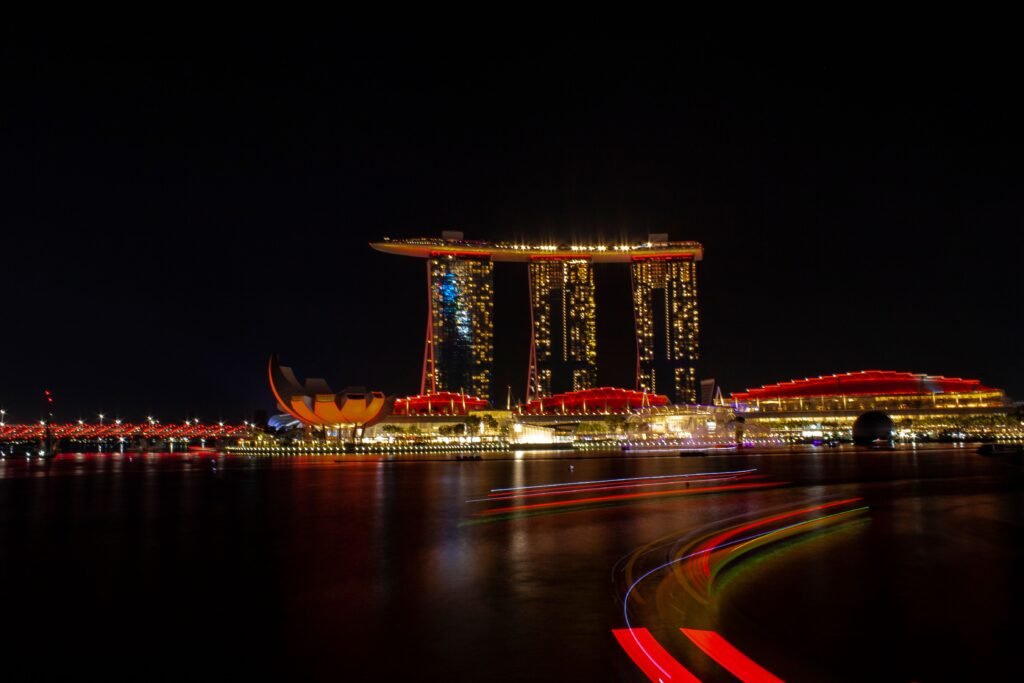
Singapore 30, 60 or 90
You've booked the flight, and now the real question hits: how many days will Singapore actually let you stay? Search