
Cambodia Travel Guide : Everything You Need to Plan the Perfect Trip
If you’re looking for a destination that combines ancient history, vibrant culture, tropical islands, and affordable travel, Cambodia deserves a place at the top of your bucket list. While many travelers head straight to Thailand or Vietnam, Cambodia offers a more relaxed and authentic Southeast Asian experience that often comes with fewer crowds and lower prices.
This Cambodia Travel Guide is designed to help you plan every part of your journey—from understanding the Cambodia visa process and estimating your Cambodia trip cost to choosing the best places to visit and avoiding common first-time travel mistakes. Whether you’re planning a backpacking adventure, a romantic getaway, or a family vacation, you’ll find practical advice that goes beyond the typical tourist checklist.
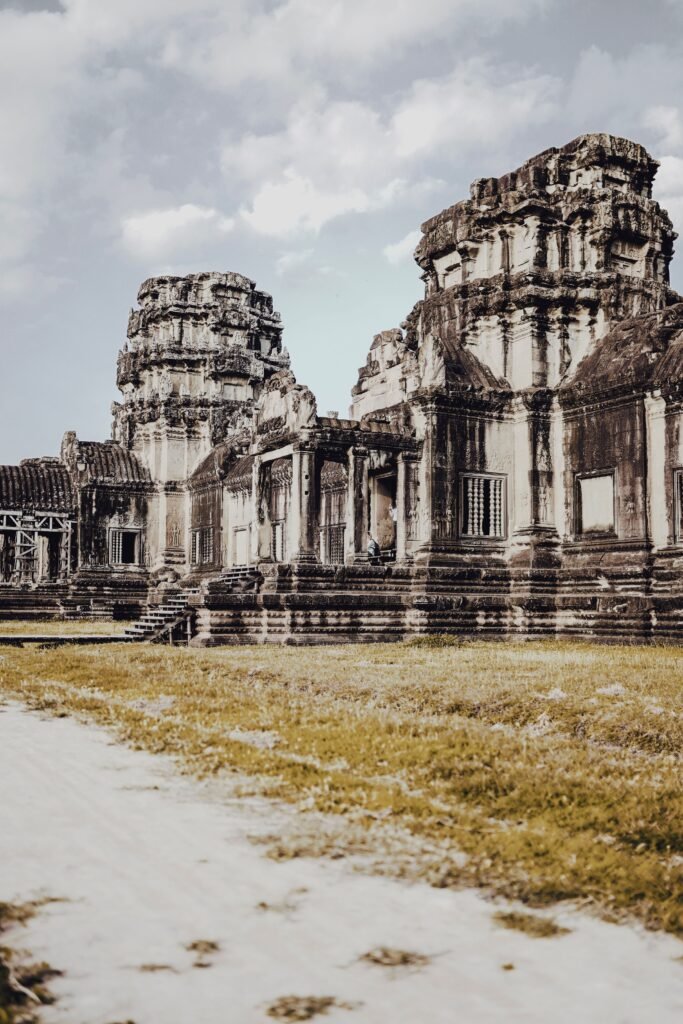
One of my favorite travel moments in Cambodia wasn’t at a famous landmark—it was watching the sunrise over Angkor Wat, followed by breakfast at a small family-run café where locals happily shared stories about their city. Experiences like these remind you that Cambodia isn’t just about iconic temples; it’s about genuine hospitality, fascinating history, and discovering places that still feel wonderfully unspoiled.
Why Visit Cambodia?
What Makes Cambodia Special?
Cambodia has a unique way of surprising travelers. It’s a country where centuries-old Khmer temples stand alongside lively night markets, quiet countryside villages, and beautiful islands with white-sand beaches.
Most visitors arrive for Angkor Wat, one of the world’s greatest archaeological wonders, but quickly realize there’s much more to explore. From the bustling streets of Phnom Penh and the creative atmosphere of Battambang to the crystal-clear waters of Koh Rong, the country offers remarkable variety within a relatively small area.
Another reason to visit Cambodia is its affordability. Accommodation, transportation, and local food are generally cheaper than in many neighboring countries, making it an excellent choice for travelers looking to maximize their budget without sacrificing memorable experiences. If you’re researching the Cheapest Countries to Travel or looking for Hidden Cheap Countries, Cambodia consistently stands out as one of Southeast Asia’s best-value destinations.
Practical tip: Carry a mix of US dollars and Cambodian Riel. Although the local currency is Riel, US dollars are widely accepted, and having small bills makes paying for tuk-tuks, markets, and street food much easier.
Who Should Visit Cambodia?
One of Cambodia’s biggest strengths is its appeal to many different types of travelers.
- Budget travelers and backpackers will appreciate affordable hostels, inexpensive street food, and easy bus connections between major cities.
- Couples can enjoy romantic sunsets on Koh Rong, boutique hotels in Siem Reap, and unforgettable temple visits.
- Families will find friendly locals, spacious resorts, and cultural experiences suitable for all ages.
- History lovers can spend days exploring Khmer temples, museums, and historic landmarks.
- Adventure seekers can hike in Mondulkiri, kayak through mangroves, or snorkel around Cambodia’s tropical islands.
If you’re searching for a Cambodia travel guide for first-time visitors or even a Cambodia travel guide from India, Cambodia is one of the easiest countries in Southeast Asia to include in a one- or two-week itinerary thanks to straightforward visa options, affordable flights, and well-established tourist infrastructure.
If you’re carrying camera gear, electronics, or important documents, this is also a natural place in the article to recommend a lightweight travel backpack or a waterproof phone pouch, especially for island trips and the rainy season.
Is Cambodia Worth Visiting?
Yes—Cambodia is absolutely worth visiting, especially if you’re looking for an affordable destination that offers world-class history, rich culture, friendly locals, and diverse landscapes.
The country’s tourism infrastructure continues to improve while many destinations still retain an authentic atmosphere that’s becoming harder to find elsewhere in Southeast Asia. Whether your goal is following a carefully planned Cambodia itinerary, exploring the best places to visit in Cambodia, or simply enjoying a relaxed vacation without overspending, Cambodia delivers exceptional value.
For travelers from India, it’s also an attractive international destination thanks to manageable travel costs, accessible visa options, and a wide range of accommodations for every budget. If you’re comparing destinations for your next overseas holiday, Cambodia is a strong alternative to more crowded tourist hotspots and can easily fit within an International Trips Under ₹1 Lakh budget when planned wisely.
By the end of this guide, you’ll know exactly when to visit, how much to budget, where to stay, what to avoid, and how to create a memorable Cambodia travel itinerary that matches your travel style.
Cambodia at a Glance
Before diving into itineraries, attractions, and budgeting, it’s helpful to understand a few essential facts about Cambodia. Whether you’re planning your first Southeast Asia adventure or adding Cambodia to a longer regional trip, these quick facts will help you travel more confidently and avoid common surprises.
If you’re searching for a Cambodia travel guide for first-time visitors, bookmark this section—you’ll likely refer back to it while planning your trip.
Capital
The capital city of Cambodia is Phnom Penh, a vibrant riverside city where French colonial architecture blends with modern cafés, bustling markets, and important historical landmarks. While many travelers head straight to Siem Reap for Angkor Wat, spending at least one or two days in Phnom Penh offers valuable insight into Cambodia’s history, culture, and everyday life.
Currency
Cambodia’s official currency is the Cambodian Riel (KHR), but the US Dollar (USD) is widely accepted across the country. Hotels, restaurants, attractions, and even many street vendors display prices in US dollars, while smaller purchases and change are often given in Riel.
Travel Tip: Carry small US dollar notes ($1, $5, and $10). Many local businesses may not accept torn or heavily worn dollar bills, and having exact change makes paying for tuk-tuks, markets, and street food much easier.
Language
The official language is Khmer. English is commonly spoken in popular tourist destinations like Siem Reap, Phnom Penh, and Koh Rong, especially by hotel staff, tour operators, and younger locals. Learning a few simple Khmer greetings, such as saying “Sous-dey” (Hello) and “Orkun” (Thank you), is a thoughtful way to connect with local people.
Religion
Around 95% of Cambodians practice Theravada Buddhism, making Buddhism an important part of the country’s culture and daily life. You’ll notice beautiful temples, saffron-robed monks, and colorful religious ceremonies throughout your journey.
When visiting temples such as Angkor Wat, dress respectfully by covering your shoulders and knees, and avoid disturbing monks during prayer.
Time Zone
Cambodia follows Indochina Time (ICT), UTC +7.
There is no daylight saving time, making travel planning straightforward throughout the year.
Emergency Numbers
Save these important contacts before your trip:
- Police: 117
- Fire: 118
- Ambulance: 119
- Tourist Police: Available in major tourist destinations, including Phnom Penh and Siem Reap.
It’s also a good idea to save your country’s embassy or consulate contact details before departure.
Internet Availability
Internet access is generally reliable in Cambodia’s major tourist destinations. Most hotels, cafés, coworking spaces, and restaurants provide free Wi-Fi, while affordable prepaid SIM cards with generous data packages are available at airports and convenience stores.
If you plan to work remotely, use online maps frequently, or upload travel photos, purchasing a local SIM card is usually more reliable than depending solely on public Wi-Fi.
Power Plug Type
Cambodia commonly uses Type A, Type C, and Type G electrical outlets, with a standard voltage of 230V and a frequency of 50Hz. Since outlet types can vary between hotels and guesthouses, carrying a universal travel adapter is highly recommended—especially if you’re visiting multiple countries in Southeast Asia.
This is also an ideal place to naturally recommend a universal travel adapter and a portable charger, as they’re two of the most useful travel essentials for keeping your devices powered during long sightseeing days.
Quick Facts About Cambodia
| Information | Details |
| Capital | Phnom Penh |
| Official Currency | Cambodian Riel (KHR) (US Dollar widely accepted) |
| Official Language | Khmer |
| Main Religion | Theravada Buddhism |
| Time Zone | ICT (UTC +7) |
| Power Plug Types | Type A, C & G |
| Voltage | 230V / 50Hz |
| Internet | Fast and widely available in tourist areas |
| Emergency Numbers | Police: 117 • Fire: 118 • Ambulance: 119 |
Cambodia is an easy country to navigate for international travelers thanks to its widespread use of US dollars, affordable internet, English-speaking tourism services, and well-developed infrastructure in major destinations like Phnom Penh and Siem Reap.
Cambodia Visa Guide

One of the best things about planning a trip to Cambodia is that the visa process is relatively straightforward for most international travelers. Whether you’re applying online before departure or getting a visa after landing, understanding your options can save time and help you avoid unnecessary stress.
If you’re following this Cambodia Travel Guide as a first-time visitor, use this section as your step-by-step reference before booking flights.
Most Indian passport holders need a visa to enter Cambodia. The easiest options are applying for an eVisa before traveling or obtaining a Visa on Arrival at eligible international airports and land border crossings.
Visa for Indians
Yes, Indian passport holders require a visa to visit Cambodia for tourism.
The good news is that Cambodia offers two convenient options:
- Cambodia eVisa (apply online before your trip)
- Visa on Arrival (VoA) at most major international airports and selected land border checkpoints
Both options are suitable for short tourist visits, making Cambodia one of the easier Southeast Asian countries for Indian travelers to visit.
If you’re planning multiple international trips, also check our guides on Visa-Free Countries and International Trips Under ₹1 Lakh for more budget-friendly travel ideas.
Visa on Arrival
A Visa on Arrival is a popular choice for travelers who prefer to complete the process after landing.
It is generally available at major entry points, including:
- Phnom Penh International Airport
- Siem Reap–Angkor International Airport
- Several designated land border crossings with Thailand, Vietnam, and Laos
The process is usually straightforward:
- Complete the arrival/visa application form.
- Submit your passport and required documents.
- Pay the visa fee.
- Receive your visa and proceed through immigration.
While this option is convenient, processing times may be longer during peak travel seasons. If you prefer a smoother airport experience, applying for an eVisa before departure is often the better choice.
eVisa
For most travelers, the Cambodia eVisa is the easiest and most convenient option.
You apply online before your trip, receive the approval electronically, and present it to immigration upon arrival.
Benefits include:
- No long airport visa queues
- Faster immigration process
- Easy online application
- Ideal for families and first-time travelers
Before submitting your application, always verify that your intended airport or land border accepts eVisas, as not every entry point participates.
Required Documents
Although requirements can change, most tourist visa applications typically require:
- A passport valid for at least six months beyond your arrival date
- At least one blank passport page
- A recent passport-size photograph (mainly for Visa on Arrival)
- A completed visa application form
- Proof of onward or return travel (may be requested)
- Hotel booking or accommodation details (occasionally requested)
- Sufficient funds for your stay if requested by immigration
Keeping digital and printed copies of your passport, visa approval, flight tickets, and hotel confirmations is a smart backup in case your phone battery dies or internet access is unavailable.
Visa Fees
Visa fees can change over time depending on government regulations.
For that reason, always check the latest official fees before traveling rather than relying on outdated travel blogs or social media posts.
Besides the visa cost, it’s wise to budget for:
- Passport photos (if needed)
- Travel insurance
- Airport transfers
- Local SIM card
- Emergency cash in US dollars
Including these expenses will give you a more realistic Cambodia trip cost and help you avoid unexpected travel expenses.
Arrival Process
After landing in Cambodia, you’ll typically follow these steps:
- Complete the immigration or arrival card if required.
- Proceed to the visa counter (if using Visa on Arrival).
- Submit your passport and supporting documents.
- Pay the visa fee, if applicable.
- Receive your passport with the visa stamp.
- Clear immigration.
- Collect your luggage.
- Pass through customs and exit the airport.
A practical tip is to carry a pen and keep all travel documents together in one travel organizer. It may seem like a small detail, but it saves time when filling out arrival forms after a long flight.
Extension Options
If you decide you’d like to spend more time exploring Cambodia, tourist visas can often be extended, subject to the latest immigration rules and approval.
Extension policies and fees may change, so it’s best to apply through an authorized visa agency or consult the official Cambodian immigration authorities before your current visa expires.
Avoid overstaying your visa, as penalties and additional charges may apply.
Common Mistakes to Avoid
Many visa-related issues are easy to prevent with a little preparation. Here are the most common mistakes first-time travelers make:
- Applying too close to the departure date.
- Traveling with a passport that has less than six months’ validity.
- Forgetting to carry printed copies of important travel documents.
- Assuming every land border accepts eVisas.
- Carrying damaged or torn US dollar notes for visa or travel payments.
- Overstaying the permitted visa duration.
- Not purchasing travel insurance before departure.
Planning ahead ensures a smoother arrival and lets you focus on enjoying your trip instead of dealing with avoidable paperwork.
Travel Tip: Keep your passport, visa approval, travel insurance, hotel booking, and return ticket together in a waterproof document organizer. It’s one of those inexpensive travel essentials that becomes invaluable during airport check-ins and immigration inspections.
Best Time to Visit Cambodia
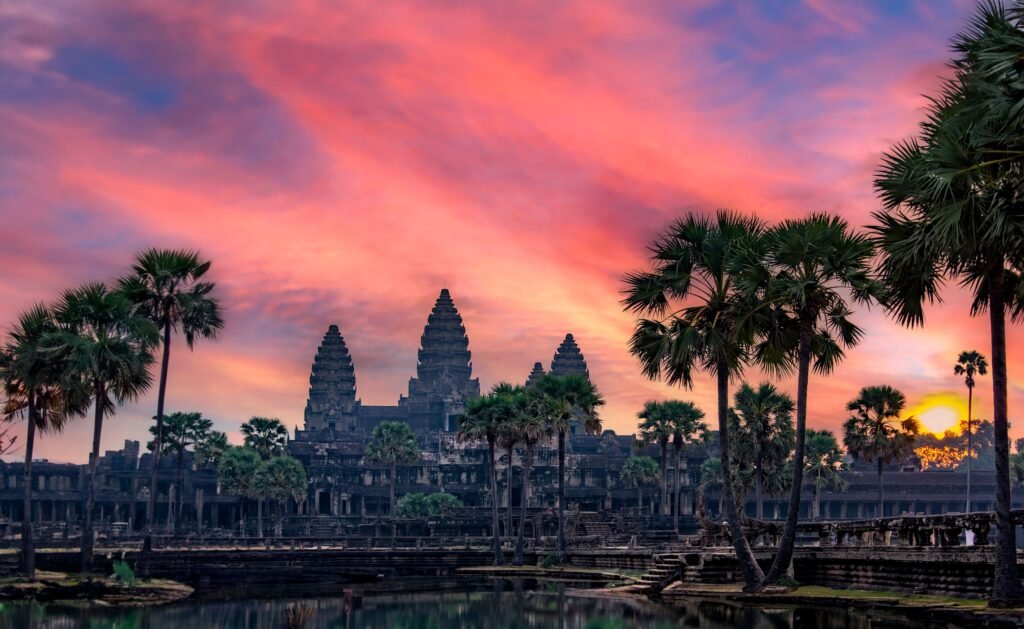
Choosing the best time to visit Cambodia can significantly shape your travel experience. While Cambodia is a year-round destination, the weather varies throughout the year, affecting sightseeing, island hopping, photography, crowds, and travel costs.
The good news is that there isn’t a “bad” time to visit—only seasons that suit different travel styles. Whether you’re planning a Cambodia itinerary for 7 days, a honeymoon, or a budget backpacking trip, understanding the seasons will help you make the most of your vacation.
November to February is widely considered the best time to visit Cambodia thanks to pleasant temperatures, low humidity, and ideal conditions for exploring Angkor Wat, Phnom Penh, and Cambodia’s beautiful islands.
Dry Season (November to April)
The dry season is Cambodia’s most popular travel period and the best choice for first-time visitors. Temperatures are comfortable from November to February, making long days of sightseeing much more enjoyable.
This is the perfect season to explore Angkor Wat, wander through the streets of Siem Reap, enjoy rooftop cafés in Phnom Penh, or relax on the beaches of Koh Rong.
Expect blue skies, lower humidity, and excellent road conditions, making transportation between cities easier and more reliable.
However, popularity comes with a downside. Hotels often fill up quickly, especially around Christmas, New Year, and Chinese New Year, so booking flights and accommodation well in advance is recommended.
Best for:
- First-time visitors
- Couples
- Families
- Cultural sightseeing
- Beach holidays
- Photography
Rainy Season (May to October)
The rainy season is often misunderstood. Instead of constant downpours, Cambodia usually experiences short but heavy afternoon showers, followed by sunshine.
In fact, many experienced travelers prefer visiting during these months because the countryside becomes lush and green, waterfalls flow at full strength, and famous temples look even more dramatic surrounded by tropical vegetation.
One of my most memorable visits to Angkor Wat happened after an afternoon rainstorm. The crowds disappeared, the ancient stones glistened with rain, and the reflections in the temple pools created some of the best travel photos of the entire trip.
The biggest advantage is cost. Hotels, tours, and flights are generally cheaper, making this season ideal for travelers following a Cambodia budget travel guide.
Best for:
- Budget travelers
- Backpackers
- Nature lovers
- Photographers
- Travelers who don’t mind occasional rain
Shoulder Season (October & March)
If you want the perfect balance between pleasant weather, manageable crowds, and reasonable prices, the shoulder season is an excellent choice.
October marks the end of the rainy season, with green landscapes and improving weather, while March offers sunny days before the hottest months of the year begin.
You’ll often find better hotel deals than during peak season while still enjoying excellent sightseeing conditions.
Best for:
- Couples
- Solo travelers
- Flexible travelers
- Mid-range budgets
Month-by-Month Weather
| Month | Weather | Crowd Level | Budget |
| January | Cool & Sunny | High | $$$ |
| February | Dry & Pleasant | High | $$$ |
| March | Warm & Sunny | Medium | $$ |
| April | Hot & Dry | Medium | $$ |
| May | Start of Rain | Low | $ |
| June | Warm with Showers | Low | $ |
| July | Tropical Rain | Low | $ |
| August | Green Landscapes | Low | $ |
| September | Wettest Month | Very Low | $ |
| October | Rain Eases | Medium | $$ |
| November | Cool & Dry | High | $$$ |
| December | Peak Travel Season | Very High | $$$ |
Festivals
Planning your trip around a local festival is one of the best ways to experience Cambodia’s rich culture.
Some of the country’s most celebrated events include:
- Khmer New Year (April) – Traditional celebrations, games, and family gatherings across the country.
- Pchum Ben (September/October) – An important Buddhist festival honoring ancestors.
- Water Festival (Bon Om Touk) (November) – Cambodia’s largest annual festival featuring exciting boat races, fireworks, concerts, and celebrations in Phnom Penh.
These festivals offer unforgettable cultural experiences but can also bring larger crowds and higher accommodation prices, so book early if you’re traveling during these periods.
Pros & Cons
| Season | Advantages | Disadvantages |
| Dry Season | Best weather, easy sightseeing, beautiful beaches | Higher prices, larger crowds |
| Rainy Season | Lowest prices, lush scenery, fewer tourists | Afternoon showers, occasional transport delays |
| Shoulder Season | Good weather, moderate prices, fewer crowds | Weather can be slightly unpredictable |
Crowds
- November–February: Peak tourist season with the busiest temples and beaches.
- March–April: Moderate crowds despite warmer weather.
- May–October: Significantly fewer tourists, making it easier to enjoy attractions without long queues.
If you’re hoping to photograph Angkor Wat without hundreds of people in the frame, consider visiting early in the morning during the shoulder or rainy season.
Costs
Travel expenses vary considerably throughout the year.
- Peak Season: Highest hotel and flight prices.
- Shoulder Season: Better value with moderate accommodation rates.
- Rainy Season: Best discounts on hotels, tours, and occasionally flights.
If you’re planning an affordable Southeast Asia adventure, visiting during the green season can noticeably reduce your overall Cambodia trip cost.
Photography
For photography enthusiasts, every season offers something different.
- Dry Season: Crystal-clear skies, vibrant sunsets, and excellent visibility.
- Rainy Season: Dramatic clouds, lush rice fields, reflections around temples, and rich greenery.
- Shoulder Season: A combination of beautiful light, fewer tourists, and pleasant weather.
Pro Tip: Arrive at Angkor Wat at least 45–60 minutes before sunrise. The changing colors of the sky combined with the temple’s reflection create one of Southeast Asia’s most iconic travel photographs.
If you’re carrying expensive camera equipment, this is the perfect place to recommend a waterproof backpack cover, camera rain cover, or waterproof phone pouch to protect your gear during unexpected tropical showers.
Our Recommendation: For most travelers, November to February offers the ideal combination of comfortable weather, clear skies, and easy sightseeing. However, if you’re traveling on a tighter budget and don’t mind occasional rain, June to October provides incredible value, fewer crowds, and some of Cambodia’s most beautiful landscapes.
Best Places to Visit in Cambodia
One of the reasons Cambodia has become one of Southeast Asia’s fastest-growing travel destinations is its incredible diversity. In just one trip, you can explore ancient temples, vibrant cities, tropical islands, peaceful countryside, and lush national parks.
If you’re planning a Cambodia itinerary, these are the best places to visit in Cambodia that deserve a spot on your travel list.
Angkor Wat
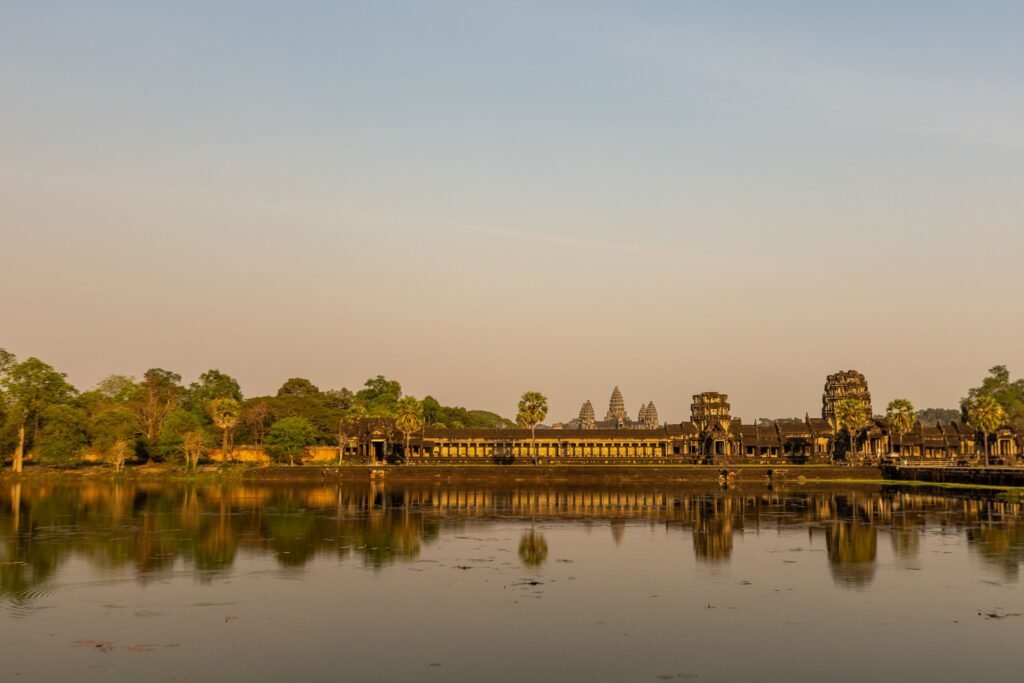
If there’s one place that defines Cambodia tourism, it’s Angkor Wat. Located just outside Siem Reap, this UNESCO World Heritage Site is the world’s largest religious monument and the crown jewel of the ancient Khmer Empire. Originally built in the 12th century as a Hindu temple dedicated to Vishnu, it later became an important Buddhist temple and remains Cambodia’s most iconic landmark.
Walking through Angkor Wat for the first time is an unforgettable experience. As the first rays of sunlight illuminate the temple’s five lotus-shaped towers, you’ll understand why millions of travelers consider it one of the greatest sunrise spots in the world. But Angkor Wat is much more than a single temple—it’s part of the vast Angkor Archaeological Park, which covers over 400 square kilometers and contains dozens of remarkable temples, ancient gates, reservoirs, and jungle-covered ruins.
Whether you’re a history enthusiast, photographer, architecture lover, or first-time visitor to Southeast Asia, Angkor Wat deserves more than a quick stop. Exploring slowly allows you to appreciate the intricate stone carvings, hidden courtyards, and fascinating stories behind one of humanity’s greatest architectural achievements.
Highlights
Some experiences you shouldn’t miss include:
- 🌅 Watch the sunrise at Angkor Wat, when the temple reflects beautifully in the lotus ponds.
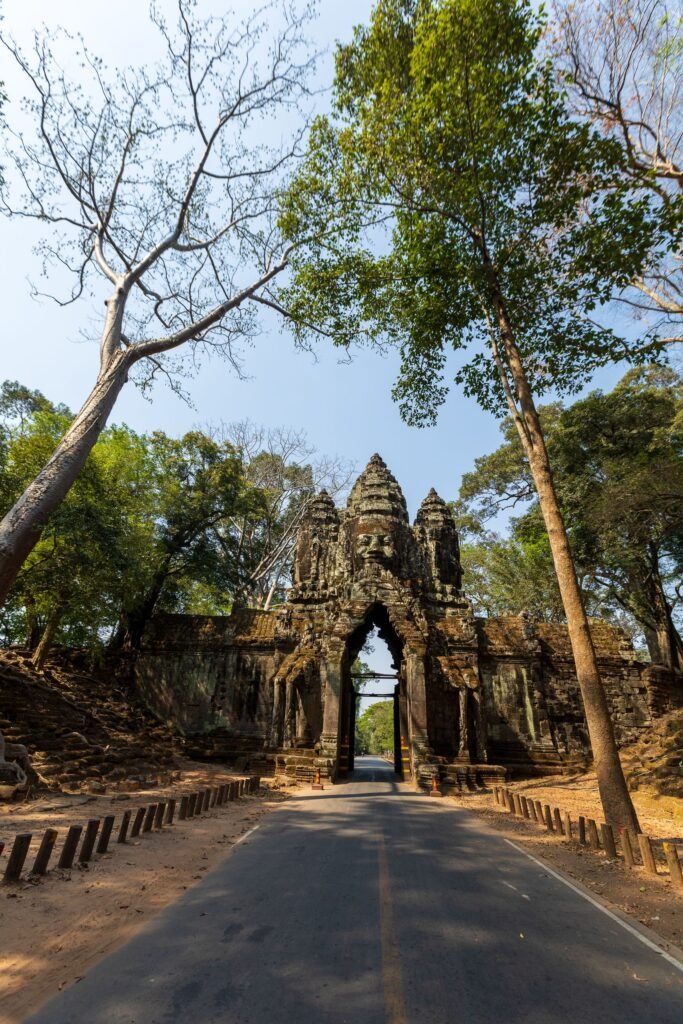
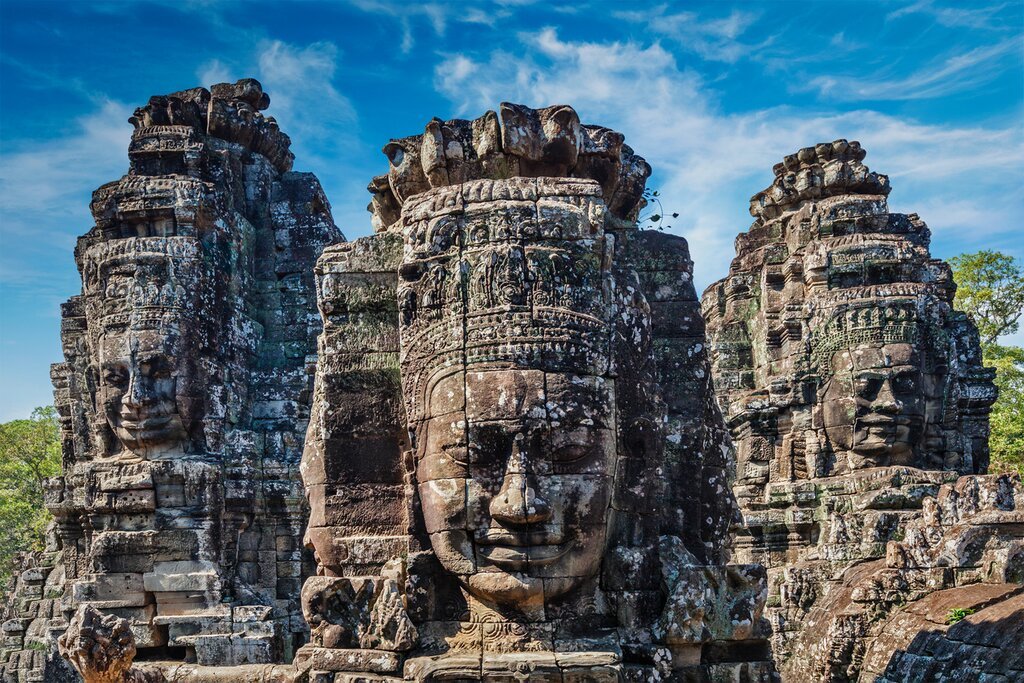
- 😊 Explore Bayon Temple, famous for its 200+ giant smiling stone faces.
- 🌳 Visit Ta Prohm, where massive tree roots have wrapped around ancient temple walls, creating one of Cambodia’s most photographed locations.
- 🏯 Walk through Angkor Thom, the last great capital of the Khmer Empire.
- 🚲 Cycle or hire a tuk-tuk to explore the quieter temples beyond the main tourist route.
- 📸 Admire the intricate bas-reliefs depicting scenes from Hindu mythology and Khmer history.
Travel Tip: Arrive at the temple gates 45–60 minutes before sunrise to secure a good viewing spot. After sunrise, many visitors leave the main temple, making it the perfect time to explore the interior with fewer crowds.
Suggested Stay
Plan to spend 3–4 days in Siem Reap, with at least 2 full days dedicated to the Angkor Archaeological Park.
A suggested plan:
- Day 1: Angkor Wat, Bayon Temple, Angkor Thom
- Day 2: Ta Prohm, Banteay Kdei, Preah Khan, Neak Pean
- Optional Day 3: Banteay Srei, Phnom Bakheng Sunset, Beng Mealea or floating villages
Buying a 3-day Angkor Pass offers excellent value if you want to explore at a relaxed pace rather than rushing through the temples in a single day.
Nearby Attractions
After exploring Angkor Wat, don’t miss these nearby attractions:
- Angkor National Museum – Learn about Khmer history before visiting the temples.
- Phnom Bakheng – One of the most popular sunset viewpoints overlooking the Angkor complex.
- Ta Prohm – Famous for its giant jungle trees and appearance in the Tomb Raider movie.
- Tonlé Sap Lake & Floating Villages – Experience traditional stilt houses, floating schools, and local fishing communities.
- Cambodia Landmine Museum – A small but impactful museum sharing Cambodia’s recent history and ongoing demining efforts.
- Banteay Srei Temple – Known for its beautifully preserved pink sandstone carvings, often called the “Jewel of Khmer Art.”
Siem Reap
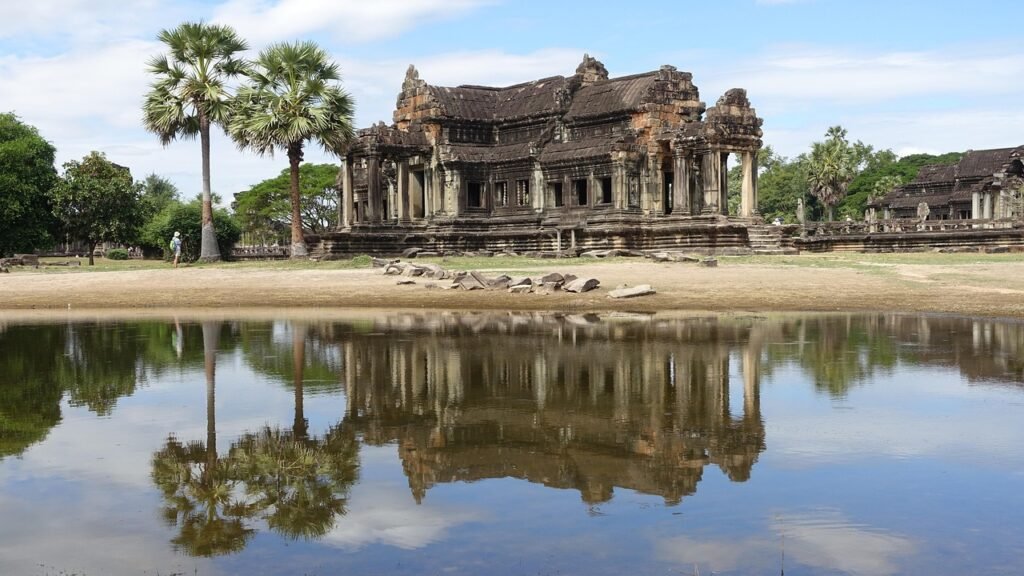
While Angkor Wat may be the reason most travelers visit Siem Reap, the city itself is much more than a gateway to ancient temples. Over the years, it has evolved into one of Southeast Asia’s most traveler-friendly destinations, offering a perfect mix of culture, food, nightlife, shopping, and relaxation.
After spending an entire day exploring the temples, there’s nothing better than returning to Siem Reap to enjoy a massage, browse vibrant night markets, or sample authentic Khmer cuisine at a local restaurant. The city is compact, easy to navigate by tuk-tuk or bicycle, and has accommodation options for every budget—from backpacker hostels to luxury resorts.
If you’re visiting Cambodia for the first time, plan to spend at least 3 days in Siem Reap. This gives you enough time to explore Angkor Archaeological Park while also experiencing the city’s lively atmosphere and local culture.
Nightlife
When the sun goes down, Siem Reap comes alive. The city’s nightlife is fun without feeling overwhelming, making it suitable for solo travelers, couples, and groups alike.
The heart of the action is Pub Street, where you’ll find lively bars, rooftop lounges, craft beer pubs, live music venues, and restaurants serving everything from traditional Khmer dishes to international cuisine. Despite its popularity, the atmosphere is relaxed and friendly compared to larger party destinations in Southeast Asia.
For a quieter evening, consider:
- Enjoying a rooftop cocktail with views of the city.
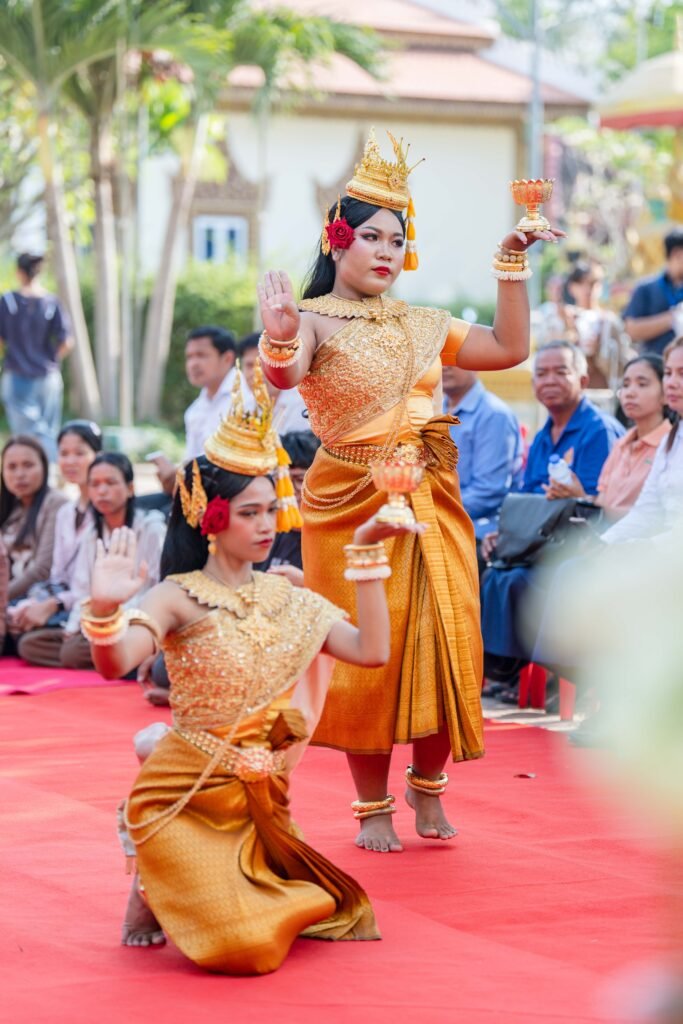
- Watching a traditional Apsara dance performance accompanied by a Khmer dinner.
- Taking an evening stroll along the Siem Reap River.
- Relaxing at a café with locally roasted Cambodian coffee.
Travel Tip: Tuk-tuks are the easiest way to get around after dark. Always agree on the fare before starting your journey, or use ride-hailing apps where available for transparent pricing.
Markets
Shopping in Siem Reap is one of the best ways to support local artisans while taking home meaningful souvenirs.
Some of the city’s most popular markets include:
Old Market (Psar Chas): Located near Pub Street, this bustling market sells everything from spices and handicrafts to clothing and local snacks. It’s a great place to experience everyday Cambodian life.
Angkor Night Market: Perfect for evening shopping, this market offers handmade souvenirs, paintings, silk scarves, jewelry, and eco-friendly products made by local communities.
Made in Cambodia Market: If you’re looking for high-quality locally crafted products, this market focuses on supporting Cambodian artists and small businesses. Prices are generally fixed, making shopping easier for first-time visitors.
Popular souvenirs include:
- Kampot pepper
- Cambodian silk scarves
- Handmade silver jewelry
- Palm sugar products
- Traditional handicrafts
- Locally roasted coffee
Shopping Tip: Bargaining is common in many markets, but negotiate politely and respectfully. A friendly smile often goes a long way.
Street Food
Trying Cambodian street food is one of the highlights of visiting Siem Reap. The city offers everything from traditional Khmer recipes to creative modern fusion dishes, all at affordable prices.
Some must-try dishes include:
- Fish Amok – Cambodia’s signature dish made with fish cooked in a creamy coconut curry.
- Beef Lok Lak – Tender stir-fried beef served with rice, vegetables, and a pepper-lime dipping sauce.
- Nom Banh Chok – Traditional Khmer rice noodles topped with fragrant green curry.
- Khmer BBQ – A fun interactive meal where you grill meat and vegetables at your table.
- Fresh spring rolls – Light, healthy, and packed with fresh herbs.
- Mango sticky rice and tropical fruit shakes – Perfect for cooling down after a hot day exploring temples.
Street food is generally inexpensive, making Siem Reap a fantastic destination for budget travelers. Busy food stalls with a high turnover of customers are usually the best choice, as they often serve fresher ingredients.
Food Tip: If you’re not used to tropical heat.
Phnom Penh
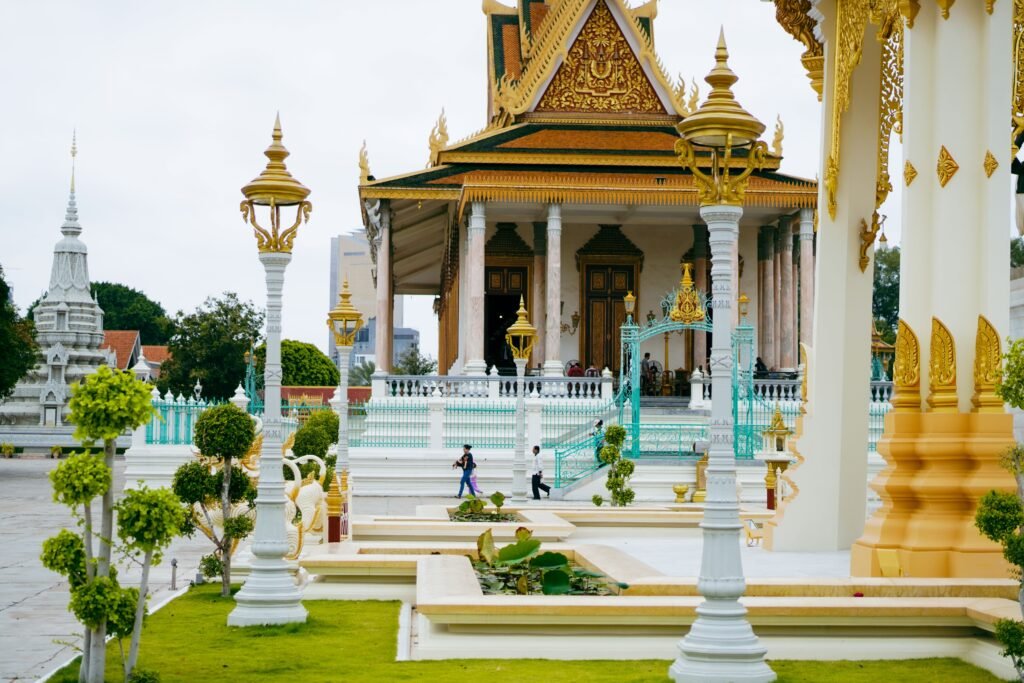
Often overlooked by travelers rushing between Siem Reap and Cambodia’s islands, Phnom Penh is a city that rewards those who take the time to explore it. As Cambodia’s vibrant capital, it offers a fascinating blend of royal heritage, French colonial architecture, bustling markets, modern cafés, and powerful reminders of the country’s recent history.
Situated at the meeting point of the Mekong and Tonlé Sap rivers, Phnom Penh has transformed into a lively destination where centuries-old temples stand alongside stylish rooftop bars and riverside restaurants. Spending 2–3 days here gives you a deeper understanding of Cambodia’s culture beyond the famous temples of Angkor.
Whether you’re interested in history, food, architecture, or local life, Phnom Penh deserves a place on every Cambodia itinerary.
Royal Palace
The Royal Palace is one of Phnom Penh’s most iconic attractions and the official residence of Cambodia’s King. Built in the 19th century, the palace complex showcases classic Khmer architecture with glittering golden roofs, beautifully landscaped gardens, and ornate temples.
Inside the complex, don’t miss:
- Silver Pagoda, home to thousands of silver floor tiles.
- The Emerald Buddha and other priceless religious artifacts.
- Traditional Khmer architecture and intricate murals.
- Peaceful gardens perfect for a relaxing stroll.
Travel Tip: Visit early in the morning to avoid the midday heat and larger tour groups. Remember to wear clothing that covers your shoulders and knees, as a dress code is strictly enforced.
Museums
Phnom Penh is home to some of Southeast Asia’s most important museums, offering both cultural insight and a deeper understanding of Cambodia’s history.
National Museum of Cambodia: Located near the Royal Palace, this beautiful terracotta-colored museum houses the world’s largest collection of Khmer sculptures, ceramics, bronze artifacts, and ancient religious statues. It’s an excellent place to visit before exploring Angkor Wat, as it provides valuable historical context.
Tuol Sleng Genocide Museum (S-21): Originally a high school, this site became a prison during the Khmer Rouge regime. Today, it serves as a museum preserving the stories of those affected during one of Cambodia’s darkest periods.
Choeung Ek Genocidal Center (Killing Fields): Located just outside the city, this memorial honors the victims of the Khmer Rouge. Visiting both Tuol Sleng and Choeung Ek offers important historical perspective and helps visitors better understand Cambodia’s resilience and recovery.
These sites can be emotionally challenging, but they are among the country’s most meaningful cultural experiences.
Riverside
After a day of sightseeing, head to Sisowath Quay, Phnom Penh’s lively riverside promenade stretching along the Tonlé Sap River.
The riverside is one of the city’s best places to relax and experience local life. As the sun begins to set, you’ll find families enjoying evening walks, street performers entertaining visitors, and cafés filling with locals and tourists alike.
Things to do along the riverside include:
- Take a sunset cruise on the Mekong River.
- Enjoy dinner at a rooftop restaurant overlooking the water.
- Visit nearby Wat Ounalom, one of Cambodia’s oldest Buddhist temples.
- Browse local markets and souvenir shops.
- Watch the city come alive after dark.
The atmosphere is especially enjoyable during the evening when cooler temperatures make walking much more comfortable.
Pro Tip: Sunset river cruises are one of Phnom Penh’s best-value experiences. They offer fantastic skyline views and are a relaxing way to end a busy day exploring the city.
Why Visit Phnom Penh?
While Angkor Wat showcases Cambodia’s glorious past, Phnom Penh tells the story of the country’s resilience, culture, and modern identity. It combines royal landmarks, fascinating museums, bustling markets, and scenic riverfront views into one unforgettable destination.
For first-time visitors, spending 2–3 days in Phnom Penh creates a more balanced Cambodia itinerary and helps you appreciate the country’s history beyond its ancient temples.
Koh Rong
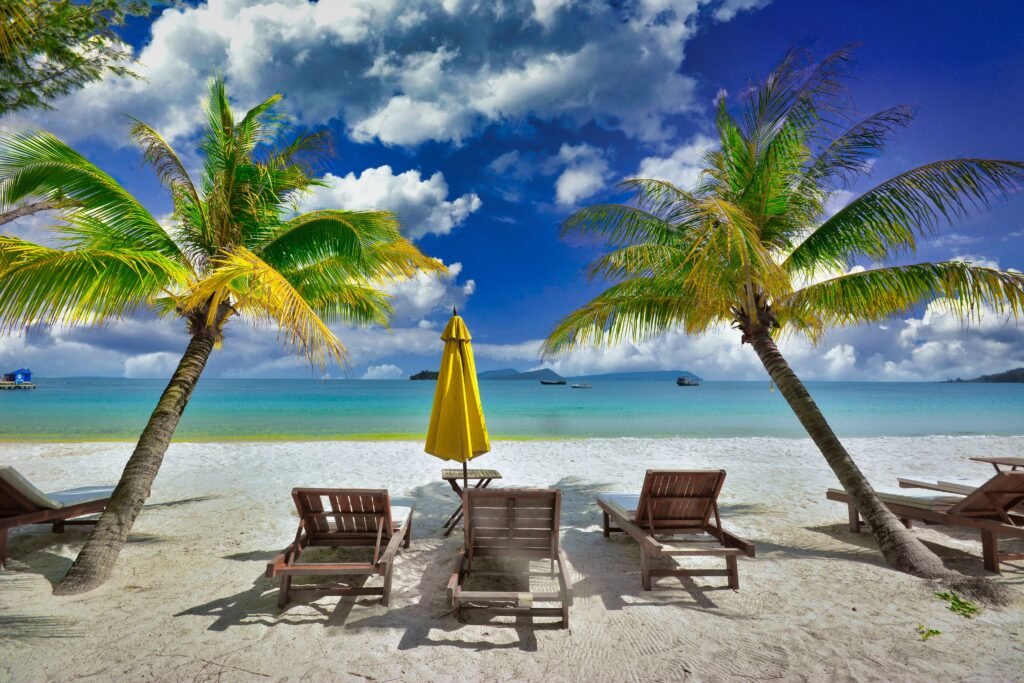
If you’ve always imagined relaxing on white-sand beaches with crystal-clear turquoise water, Koh Rong is the place to make that dream a reality. Located off Cambodia’s southern coast, this tropical island is often compared to destinations like the Maldives or Thailand’s islands—but with fewer crowds and a more laid-back atmosphere.
Although tourism has grown in recent years, Koh Rong still feels refreshingly unspoiled. You’ll find palm-fringed beaches, jungle trails, colorful coral reefs, and beachside cafés where time seems to slow down. It’s the perfect place to unwind after exploring the temples of Angkor Wat or the busy streets of Phnom Penh.
For most travelers, 2–3 days on Koh Rong is enough to enjoy its beaches, water activities, and unforgettable sunsets.
Beaches
Koh Rong is home to some of the best beaches in Cambodia, each offering a different experience.
Some of the most popular beaches include:
Long Set Beach (4K Beach): Known for its powdery white sand and calm turquoise water, this beach is ideal for swimming, sunbathing, and watching spectacular sunsets.
Sok San Beach: A quieter stretch of coastline with fewer visitors, making it perfect for couples and travelers seeking peace and privacy.
Lonely Beach: True to its name, Lonely Beach offers a more secluded escape surrounded by tropical jungle. It’s a great choice if you want to disconnect from busy tourist areas.
Coconut Beach: A relaxed beach with clear water, hammocks, and small beachfront accommodations, ideal for slow-paced island life.
Whether you’re looking to read a book under a palm tree or spend the day swimming in warm tropical water, Koh Rong has a beach to match your travel style.
Snorkeling
The clear waters around Koh Rong make it one of the best places in Cambodia for snorkeling.
Several local operators offer affordable half-day and full-day snorkeling trips that take visitors to colorful coral reefs, hidden bays, and small nearby islands.
During a snorkeling excursion, you may spot:
- Colorful tropical fish
- Coral gardens
- Sea urchins
- Starfish
- Occasionally small reef fish and other marine life
The best visibility is usually during the dry season (November to April) when the sea is calmer.
If you’re planning to snorkel, bringing your own mask can be more comfortable than renting equipment, especially if you plan to visit multiple islands during your Cambodia trip.
Night Plankton
One of Koh Rong’s most magical experiences begins after sunset.
On dark, moonless nights, the waters around the island come alive with bioluminescent plankton—tiny marine organisms that glow bright blue whenever the water is disturbed. As you swim or move your hands through the sea, thousands of sparkling lights appear around you, creating an unforgettable natural phenomenon.
Many local boat operators offer evening plankton tours, while some beaches allow you to witness this incredible display directly from the shoreline.
Because the brightness depends on weather, tides, and moonlight, no two nights are exactly the same. Visiting during a darker phase of the moon usually provides the best viewing conditions.
Travel Tip: Avoid using bright flashlights or phone lights while viewing the plankton, as darkness makes the glowing effect much more visible.
Why Visit Koh Rong?
Koh Rong offers the perfect contrast to Cambodia’s ancient temples and bustling cities. Whether you want to relax on postcard-worthy beaches, snorkel in crystal-clear waters, watch glowing plankton under a star-filled sky, or simply enjoy a slower pace of life, this island delivers an unforgettable tropical escape.
For travelers planning a Cambodia itinerary of 7–10 days, combining Siem Reap, Phnom Penh, and Koh Rong creates the perfect balance of history, culture, and beach relaxation.
Kampot
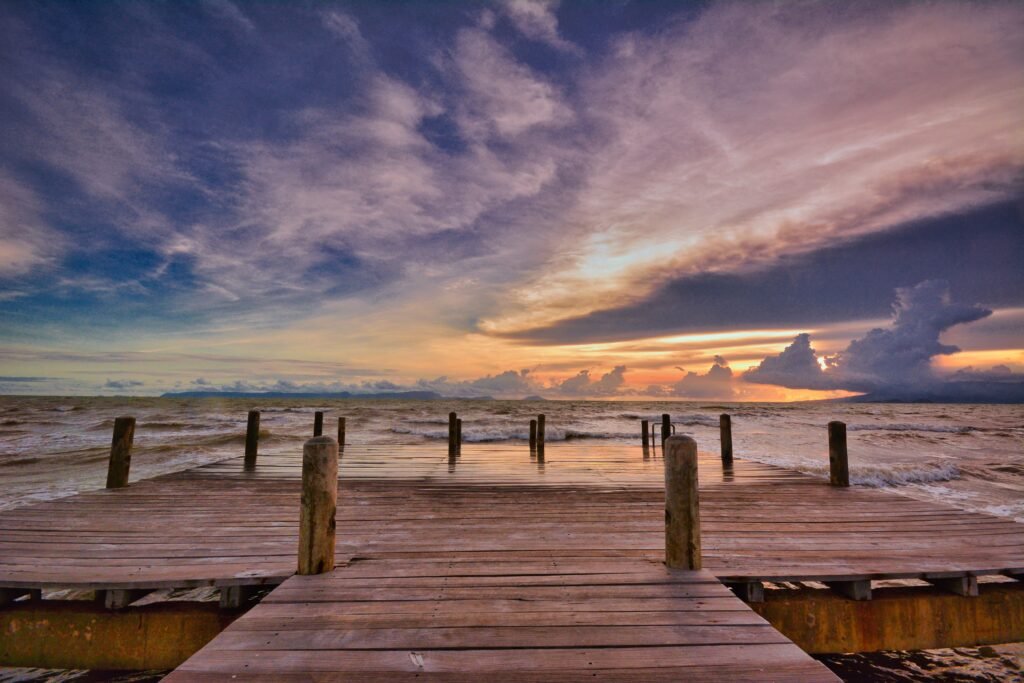
If you’re looking to experience a quieter, more authentic side of Cambodia, Kampot is a destination you shouldn’t skip. Nestled along the Praek Tuek Chhu River and surrounded by green mountains, this charming riverside town is known for its relaxed atmosphere, French colonial architecture, world-famous pepper plantations, and stunning countryside.
Unlike the busy streets of Phnom Penh or the tourist crowds of Siem Reap, Kampot moves at a slower pace. Days here are best spent cycling through rural villages, exploring hidden caves, enjoying riverside cafés, or simply watching the sunset over the river. It’s an ideal stop for couples, backpackers, digital nomads, and anyone looking to unwind.
Most travelers spend 2 days in Kampot, often combining it with a visit to nearby Kep.
Pepper Farms
Kampot is internationally famous for producing Kampot Pepper, one of the world’s finest peppers and the first Cambodian product to receive Protected Geographical Indication (PGI) status. Its rich aroma and complex flavor make it a favorite among chefs worldwide.
Visiting a pepper farm is one of the most rewarding experiences in Kampot. Guided tours explain how pepper is cultivated, harvested, dried, and graded before visitors can sample different varieties, including:
- Black pepper
- White pepper
- Red pepper
- Fresh green pepper
Many farms also have cafés and restaurants where you can enjoy traditional Cambodian dishes made with freshly harvested Kampot pepper.
Some of the most popular pepper farms include:
- La Plantation
- BoTree Farm
- Sothy’s Pepper Farm
Travel Tip: If you’re looking for an authentic souvenir, buy sealed packets of Kampot Pepper directly from certified farms. They’re lightweight, easy to pack, and make excellent gifts.
River Cruises
One of Kampot’s most memorable experiences is taking a sunset river cruise along the peaceful Praek Tuek Chhu River.
As the boat glides past mangrove forests, traditional fishing villages, and lush countryside, you’ll enjoy spectacular views of the Elephant Mountains glowing in the evening light. Many cruises include refreshments, local snacks, music, and opportunities to spot birds and other wildlife along the riverbanks.
For travelers seeking a quieter experience, early morning kayak tours and paddleboarding trips are also available, allowing you to explore hidden waterways at your own pace.
If you’re feeling adventurous, consider combining your cruise with a visit to Bokor National Park, located just outside Kampot. The park is home to waterfalls, scenic viewpoints, cool mountain weather, and the historic Bokor Hill Station, making it an excellent day trip from town.
Why Visit Kampot?
Kampot offers a refreshing change of pace from Cambodia’s temples and beaches. Its riverside charm, friendly locals, excellent cafés, pepper plantations, and beautiful natural scenery make it one of the country’s most underrated destinations.
If you have 10 days or more in Cambodia, adding Kampot to your itinerary is highly recommended. It pairs perfectly with nearby Kep, allowing you to experience Cambodia’s countryside, coastal beauty, and world-famous cuisine in one relaxing trip.
Kep
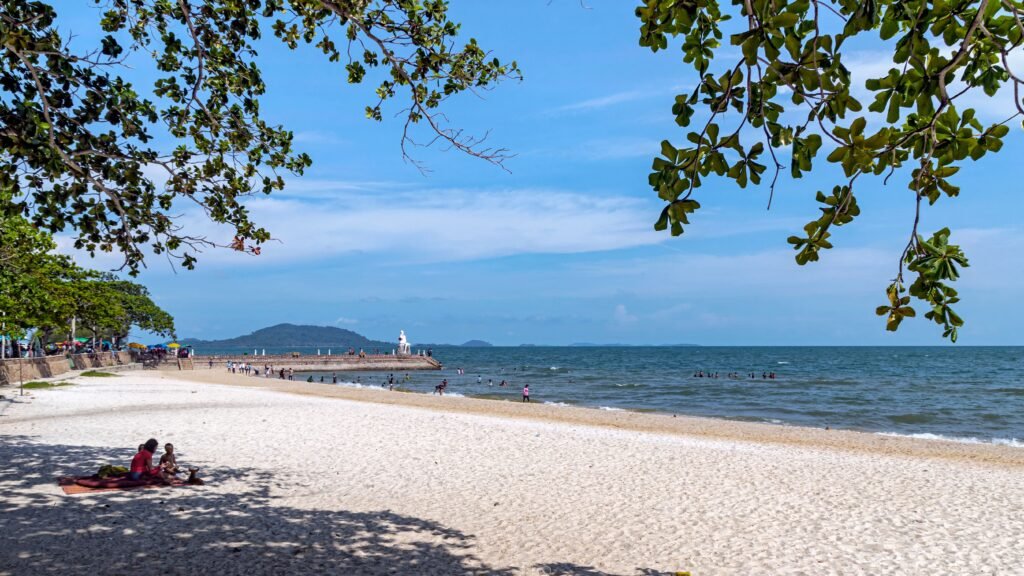
Just 25 kilometers from Kampot, the peaceful coastal town of Kep is one of Cambodia’s hidden gems. Once a glamorous seaside retreat during the French colonial era, Kep is now a quiet destination known for its fresh seafood, scenic coastline, lush national park, and laid-back atmosphere.
Unlike Cambodia’s busier beach islands, Kep isn’t about nightlife or luxury resorts. Instead, it’s a place where you can enjoy slow mornings by the sea, explore jungle trails, feast on freshly caught crab, and watch spectacular sunsets over the Gulf of Thailand.
Many travelers visit Kep as a day trip from Kampot, but spending one or two nights allows you to experience its peaceful charm after the day-trippers leave.
Seafood
Kep is often called Cambodia’s seafood capital, and for good reason. The town’s famous Kep Crab Market is one of the country’s top culinary attractions, drawing both locals and tourists looking to enjoy freshly caught seafood straight from the fishing boats.
The star of the menu is Kep Crab with Kampot Pepper, a simple yet unforgettable dish featuring sweet blue crab stir-fried with the region’s world-famous green Kampot pepper. It’s considered one of Cambodia’s signature meals and is a must-try for every visitor.
Other popular seafood dishes include:
- Grilled prawns
- Fresh squid
- Steamed clams
- Lobster (seasonal)
- Whole grilled fish
- Seafood fried rice
The restaurants surrounding the Crab Market offer beautiful sea views, making lunchtime here just as memorable as the food itself.
Food Tip: Visit the Crab Market before noon for the freshest catch and a lively local atmosphere as fishermen bring in the day’s harvest.
Kep National Park
Just a few minutes from the town center, Kep National Park offers a completely different side of the destination. This protected area is perfect for travelers who enjoy nature, hiking, and panoramic viewpoints.
The park features an easy 8-kilometer circular trail that winds through tropical forest, passing scenic overlooks, hidden temples, giant butterfly habitats, and playful monkeys. The hike is suitable for most fitness levels and can usually be completed in two to three hours.
Highlights include:
- Panoramic viewpoints overlooking the Gulf of Thailand
- Forest walking trails
- Butterfly gardens
- Small pagodas and shrines
- Local cafés serving fresh coconut water and fruit smoothies
- Wildlife such as monkeys, birds, and colorful butterflies
Early morning or late afternoon is the best time to hike, as temperatures are cooler and the lighting is perfect for photography.
If you have extra time, consider taking a short boat trip to Rabbit Island (Koh Tonsay), located just off Kep’s coast. The island is known for its quiet beaches, clear water, hammock-lined shoreline, and relaxed island atmosphere.
Why Visit Kep?
Kep is the perfect destination for travelers who want to slow down and experience Cambodia beyond its famous temples. Its combination of fresh seafood, coastal scenery, jungle hikes, and peaceful atmosphere makes it an excellent addition to any Cambodia itinerary.
Whether you’re enjoying a plate of freshly cooked crab by the sea, hiking through Kep National Park, or watching fishing boats return at sunset, Kep offers an authentic and relaxing travel experience that’s often missing from more touristy destinations.
Battambang
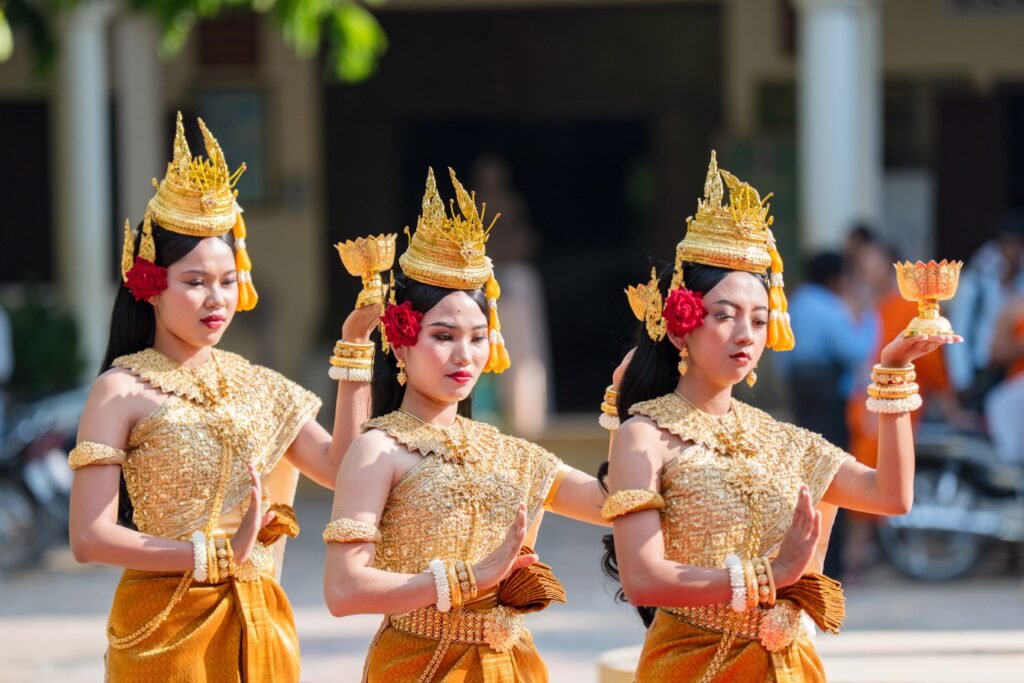
While many travelers head straight from Siem Reap to Phnom Penh, those who make a stop in Battambang are often rewarded with one of Cambodia’s most authentic experiences. As the country’s second-largest city, Battambang is known for its well-preserved French colonial architecture, thriving arts scene, peaceful countryside, and slower pace of life.
Unlike Cambodia’s major tourist hubs, Battambang offers a glimpse into everyday Cambodian life. You’ll see farmers working in rice fields, children cycling through quiet villages, traditional wooden houses, and local markets where tourists are still a rare sight. If you’re looking to explore beyond the usual itinerary, Battambang is one of the best places to visit in Cambodia.
Most travelers spend 1–2 days here, making it an ideal stop between Siem Reap and Phnom Penh.
Bamboo Train
No visit to Battambang is complete without riding the famous Bamboo Train, locally known as the Norry. Originally built by local communities to transport people and goods along abandoned railway tracks, today’s Bamboo Train has become one of Cambodia’s most unique attractions.
The ride is surprisingly simple—a lightweight bamboo platform powered by a small motor glides along the tracks, passing rice paddies, small villages, sugar palm trees, and open countryside. Although modern railway improvements have changed parts of the original route, the experience remains a fun and memorable way to see rural Cambodia.
What to expect:
- A scenic 20–30 minute ride through the countryside.
- Opportunities to stop at small local stalls selling snacks and handmade souvenirs.
- Beautiful views of rice fields and traditional Cambodian villages.
- Plenty of photo opportunities along the route.
Travel Tip: Visit early in the morning or late afternoon to enjoy cooler temperatures and softer light for photography.
Countryside
Battambang’s countryside is where the region truly shines. Renting a bicycle, scooter, or hiring a tuk-tuk for the day allows you to explore peaceful villages, ancient temples, fruit orchards, and scenic rural roads at your own pace.
Some of the best countryside experiences include:
- Cycling through endless rice fields.
- Visiting traditional pottery and rice paper-making villages.
- Exploring Wat Banan, an ancient hilltop temple often compared to a smaller version of Angkor Wat.
- Watching millions of bats emerge from Phnom Sampeau Bat Cave at sunset.
- Discovering hidden pagodas and Khmer villages far from the tourist crowds.
Phnom Sampeau is also home to important historical sites, including memorials from Cambodia’s Khmer Rouge period, making it both a scenic and meaningful place to visit.
One of the highlights of Battambang is meeting local people. Farmers, artisans, and shop owners are often happy to share stories about their daily lives, offering visitors a more personal connection with Cambodia than many larger tourist destinations.
Why Visit Battambang?
Battambang is perfect for travelers who enjoy culture, history, photography, and authentic local experiences. It offers a refreshing contrast to Cambodia’s famous temples and beaches, allowing you to experience the country’s rural beauty and creative spirit.
If you have 10 days or more in Cambodia, adding Battambang to your itinerary is highly recommended. It provides a deeper understanding of Cambodian culture while giving you the chance to enjoy quieter attractions that many international visitors overlook.
Mondulkiri
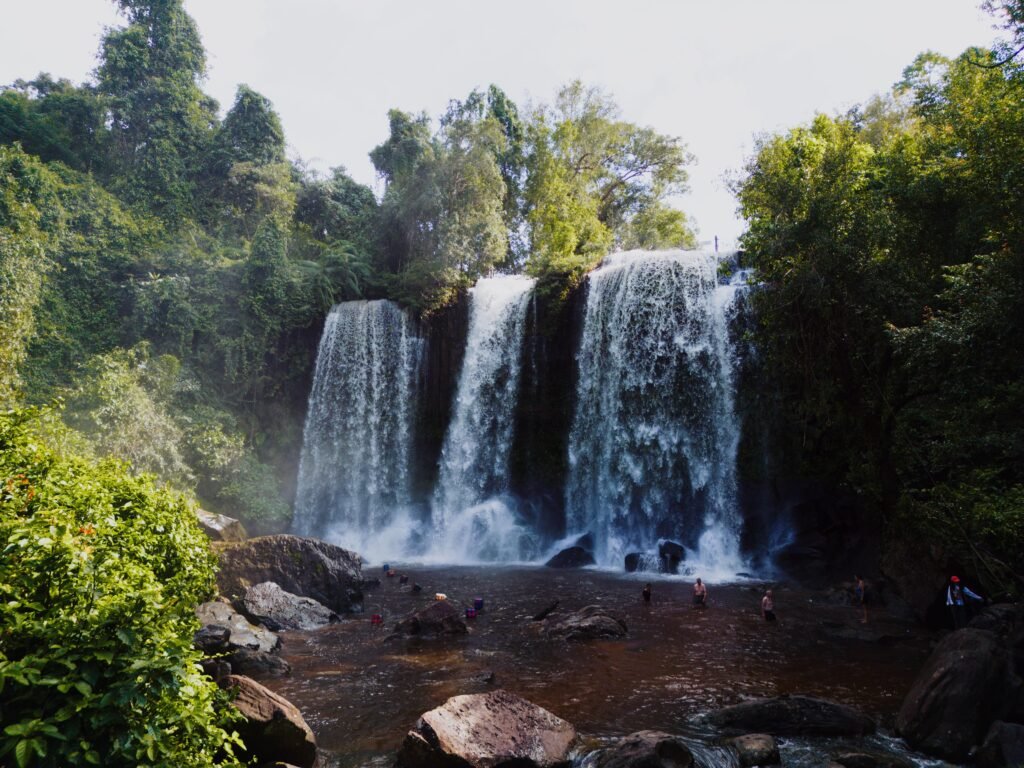
If you’re looking to escape Cambodia’s busy cities and famous temples, Mondulkiri is the perfect destination. Located in the country’s northeastern highlands, this peaceful province is known for its rolling hills, dense forests, spectacular waterfalls, coffee plantations, and ethical elephant sanctuaries.
Unlike the tropical beaches of Koh Rong or the ancient ruins of Angkor Wat, Mondulkiri offers a completely different side of Cambodia. Thanks to its higher elevation, the weather is generally cooler, making it a favorite destination for nature lovers, photographers, and adventure travelers.
Although it’s still less visited than other destinations, many experienced travelers consider Mondulkiri one of the best places to visit in Cambodia for those seeking authentic outdoor experiences.
Plan to spend 2–3 days here to fully appreciate its natural beauty and slower pace of life.
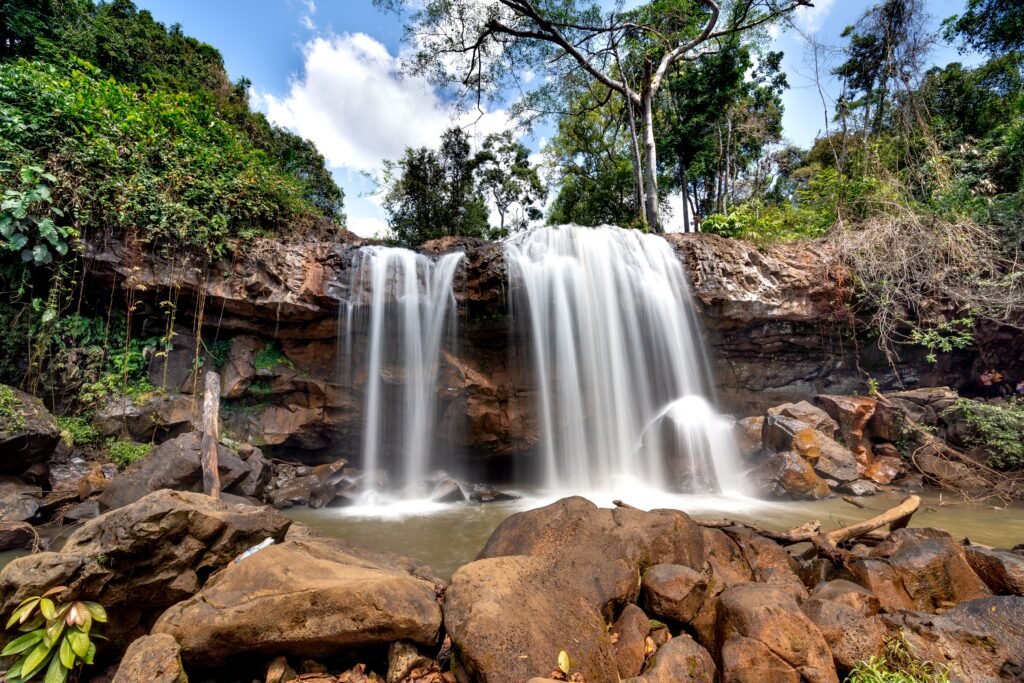
Waterfalls
Mondulkiri is home to some of Cambodia’s most breathtaking waterfalls, surrounded by lush rainforest and scenic countryside. These natural attractions are especially impressive during and just after the rainy season, when the water flow is at its strongest.
Some of the region’s most popular waterfalls include:
Bou Sra Waterfall: The largest and most famous waterfall in Mondulkiri, Bou Sra cascades over multiple levels and is surrounded by tropical forest. It’s an excellent place for photography and one of the province’s top attractions.
Romnea Waterfall: Located close to the town of Sen Monorom, this peaceful waterfall is ideal for a refreshing break after exploring the surrounding countryside.
Dak Dam Waterfall: A lesser-known destination that offers a quieter experience for travelers looking to escape the crowds and enjoy nature.
Travel Tip: Wear shoes with good grip, as the rocks around the waterfalls can become slippery, especially during the rainy season.
Elephants
One of the biggest reasons travelers visit Mondulkiri is the opportunity to see elephants in a responsible and ethical environment.
Unlike attractions that offer elephant rides or performances, ethical sanctuaries focus on conservation, rescue, and rehabilitation. Visitors can observe elephants roaming freely through forests, learn about their behavior, and support organizations working to protect these gentle giants.
Many tours include:
- Guided jungle walks with rescued elephants.
- Educational sessions about elephant conservation.
- Opportunities to watch elephants bathe naturally in rivers.
- Visits to local Bunong indigenous communities.
Choosing ethical experiences helps protect Cambodia’s wildlife while supporting sustainable tourism.
Responsible Travel Tip: Avoid attractions that allow elephant riding or performances. Ethical sanctuaries prioritize the animals’ welfare over entertainment and provide a far more meaningful experience.
Nature
Nature is what truly sets Mondulkiri apart from the rest of Cambodia.
The province is covered with evergreen forests, rolling grasslands, coffee plantations, and scenic mountain roads that feel worlds away from the country’s busy tourist centers. It’s a paradise for travelers who enjoy hiking, wildlife, and outdoor adventures.
Popular activities include:
- Trekking through tropical forests.
- Birdwatching and wildlife spotting.
- Visiting coffee farms and local villages.
- Camping beneath star-filled skies.
- Exploring hidden waterfalls and jungle trails.
- Experiencing the culture of the indigenous Bunong people.
Sunrise and sunset are particularly magical in Mondulkiri, when mist drifts across the hills and the landscape glows with soft golden light, making it a dream destination for photographers.
Why Visit Mondulkiri?
Mondulkiri is the ideal destination for travelers who want to experience Cambodia beyond its temples and beaches. With spectacular waterfalls, ethical elephant encounters, cooler mountain weather, and untouched natural landscapes, it offers an adventure that’s completely different from anywhere else in the country.
If your Cambodia itinerary includes 10–14 days, adding Mondulkiri is highly recommended. It provides a peaceful escape where you can slow down, reconnect with nature, and discover a side of Cambodia that many visitors never see.
Why Mondulkiri Should Be on Your Cambodia Itinerary
While destinations like Angkor Wat, Siem Reap, and Koh Rong showcase Cambodia’s history and coastline, Mondulkiri reveals its wild and untouched side. For nature enthusiasts, photographers, and adventure seekers, it’s easily one of the best places to visit in Cambodia, offering unforgettable experiences that go far beyond the country’s famous landmarks.
Looking to continue your Southeast Asia adventure? Malaysia offers a fantastic mix of modern cities, tropical islands, rainforests, and diverse cultures. Our comprehensive Malaysia travel guide will help you plan everything from Kuala Lumpur and Penang to Langkawi and Borneo.
Cambodia Suggested Itineraries
One of the biggest mistakes first-time visitors make is trying to see too much in too little time. Cambodia may look compact on a map, but traveling between destinations takes longer than many people expect. A well-planned itinerary lets you enjoy the country’s temples, beaches, culture, food, and natural beauty without constantly rushing.
Whether you’re planning a weekend getaway or a two-week adventure, these sample itineraries can help you make the most of your trip.
3-Day Cambodia Itinerary
Perfect for: First-time visitors with limited time, weekend travelers, and history lovers.
Day 1
- Sunrise at Angkor Wat
- Explore Bayon Temple and Angkor Thom
- Sunset at Phnom Bakheng
Day 2
- Visit Ta Prohm
- Explore Angkor National Museum
- Night Market and Pub Street in Siem Reap
Day 3
- Tonlé Sap Floating Village
- Local café hopping
- Traditional Apsara dance dinner
Why choose this itinerary?
If it’s your first visit, focusing entirely on Siem Reap allows you to experience Cambodia’s most iconic attractions without feeling rushed.
5-Day Cambodia Itinerary
Perfect for: Couples, culture lovers, and first-time travelers.
Days 1–3
- Explore Siem Reap and Angkor Archaeological Park
Days 4–5
- Travel to Phnom Penh
- Visit the Royal Palace
- National Museum
- Tuol Sleng Museum
- Sunset Mekong River Cruise
This itinerary combines Cambodia’s ancient history with its vibrant capital city.
7-Day Cambodia Itinerary
Perfect for: Couples, families, and travelers seeking a balance of sightseeing and relaxation.
Days 1–3
- Siem Reap & Angkor Wat
Days 4–5
- Phnom Penh
Days 6–7
- Koh Rong Island
You’ll experience Cambodia’s famous temples, fascinating history, and tropical beaches in one well-balanced trip.
10-Day Cambodia Itinerary
Perfect for: Nature lovers, photographers, and slow travelers.
Days 1–3
- Siem Reap
Days 4–5
- Phnom Penh
Days 6–7
- Kampot & Kep
Days 8–10
- Koh Rong
This itinerary allows plenty of time to enjoy Cambodia’s countryside, seafood, beaches, and colonial towns without rushing.
14-Day Cambodia Itinerary
Perfect for: Backpackers, adventure travelers, and anyone wanting to explore Cambodia in depth.
Days 1–3
- Siem Reap
Days 4–5
- Battambang
Days 6–7
- Phnom Penh
Days 8–9
- Kampot & Kep
Days 10–11
- Koh Rong
Days 12–14
- Mondulkiri
This route covers Cambodia’s highlights while also introducing you to hidden destinations that many tourists never visit.
Which Cambodia Itinerary Is Right for You?
Solo Travelers: A 7–10 day itinerary is ideal. It offers enough time to explore major attractions while meeting fellow travelers in hostels, cafés, and island destinations like Koh Rong.
Couples: Choose a 7 or 10-day itinerary combining Angkor Wat, Phnom Penh, Kampot, and Koh Rong. It offers the perfect mix of romance, adventure, and relaxation.
Families: A 7-day itinerary works well, with slower travel, comfortable hotels, cultural attractions, and beach time to keep children engaged.
Backpackers: If your schedule allows, spend 14 days exploring Cambodia. You’ll have time to discover lesser-known destinations like Battambang and Mondulkiri while keeping transportation costs low.
Pro Tip: Instead of trying to visit every destination, focus on fewer places and spend more time in each. Cambodia is best experienced at a relaxed pace.
Cambodia Budget Breakdown
One of the biggest reasons travelers choose Cambodia is its affordability. Compared to many other destinations in Southeast Asia, Cambodia offers excellent value for money, whether you’re a backpacker, couple, or luxury traveler.
A typical Cambodia trip cost ranges from US$30–50 per day for budget travelers, US$70–120 per day for mid-range travelers, and US$180+ per day for luxury travelers, excluding international flights.

Flights
International airfare depends on your departure city and travel season.
Typical round-trip costs:
- From India: ₹18,000–₹35,000
- From Southeast Asia: US$60–150
- From Europe: US$600–1,000
- From Australia: US$450–800
Booking flights 2–4 months in advance often provides the best deals.
Hotels
Average nightly rates:
- Budget Hotel: US$20–40
- Mid-range Hotel: US$50–100
- Luxury Resort: US$150–400+
Siem Reap generally offers the widest range of accommodation options.
Food
Cambodia is a fantastic destination for food lovers.
Average prices:
- Street Food: US$2–5
- Local Restaurant: US$5–10
- Mid-range Restaurant: US$10–25
- Fine Dining: US$30+
Trying local dishes is one of the best ways to save money while enjoying authentic Khmer cuisine.

Transportation
Estimated costs:
- Tuk Tuk Ride: US$2–8
- Grab Ride: US$2–10
- Intercity Bus: US$8–20
- Domestic Flight: US$40–120
- Scooter Rental: US$8–15/day
Activities
Popular attraction costs include:
- Angkor Pass (1 Day)
- River Cruises
- Snorkeling Tours
- Elephant Sanctuary Visits
- Museum Entry Fees
Plan US$20–50 per day if you intend to visit multiple attractions.
Visa
Remember to include:
- Tourist Visa Fee
- Passport Photos (if required)
- Processing charges
Always check the latest visa fees before traveling.

SIM Card
A tourist SIM card with generous data typically costs:
US$5–15
Coverage is excellent in most tourist destinations.

Shopping
Typical souvenir budget:
- Pepper & Spices
- Silk Products
- Handicrafts
- Paintings
- Local Coffee
Budget around US$30–100, depending on your shopping habits.
Travel Insurance
Travel insurance is strongly recommended.
Expect to pay approximately:
US$20–80 depending on trip duration, age, and coverage.
A small investment can save thousands in unexpected medical or travel expenses.
Daily Budget
| Travel Style | Estimated Daily Cost |
| Budget | US$30–50 |
| Mid-range | US$70–120 |
| Luxury | US$180+ |
Money-Saving Tips
If you want to reduce your Cambodia travel budget without missing out on great experiences:
- Visit during the rainy or shoulder season for lower hotel prices.
- Stay in locally owned guesthouses instead of international hotel chains.
- Use tuk-tuks or buses instead of private taxis for short journeys.
- Eat at busy local restaurants where the food is fresh and affordable.
- Buy a multi-day Angkor Pass if you plan to explore several temples.
- Carry a reusable water bottle to avoid buying bottled water throughout the day.
These simple strategies can significantly lower your overall Cambodia trip cost while enhancing your travel experience.
Transportation Guide
Getting around Cambodia is easier than many first-time visitors expect. The country has a well-connected network of domestic flights, buses, taxis, tuk-tuks, and ferries, making it possible to travel between major destinations without much hassle.
The best mode of transportation depends on your itinerary, budget, and travel style. If you’re planning to visit Siem Reap, Phnom Penh, Koh Rong, Kampot, and Battambang, combining different transport options will give you the most flexibility.
Buses are the most affordable way to travel around Cambodia, tuk-tuks are ideal for short city trips, domestic flights save time on longer routes, and ferries are essential for reaching islands like Koh Rong.
Flights
If you’re short on time, domestic flights are the fastest way to travel between Cambodia’s major cities.
The busiest airports are:
- Siem Reap–Angkor International Airport
- Phnom Penh International Airport
- Sihanouk International Airport
Popular flight routes include:
- Phnom Penh → Siem Reap
- Phnom Penh → Sihanoukville
- Siem Reap → Sihanoukville
Most domestic flights take less than one hour, making them a great option for travelers with limited vacation time.
Best For:
- Families
- Luxury travelers
- Short itineraries
- Travelers covering long distances
Buses
Long-distance buses are the most popular and budget-friendly way to travel around Cambodia.
Comfortable buses operate daily between:
- Phnom Penh ↔ Siem Reap
- Phnom Penh ↔ Kampot
- Phnom Penh ↔ Sihanoukville
- Siem Reap ↔ Battambang
Many companies offer:
- Air-conditioned coaches
- Reclining seats
- Overnight buses
- Wi-Fi (on selected routes)
- Hotel pickup in some cities
Typical journey times:
- Phnom Penh → Siem Reap: 5–6 hours
- Phnom Penh → Kampot: 3–4 hours
- Siem Reap → Battambang: 3 hours
Best For:
- Backpackers
- Budget travelers
- Solo travelers
Minivans
Minivans are a faster alternative to buses and are commonly used for shorter intercity routes.
They usually carry 10–15 passengers and often complete journeys more quickly because they make fewer stops.
Minivans are ideal for:
- Kampot ↔ Kep
- Phnom Penh ↔ Kampot
- Siem Reap ↔ Battambang
While they’re convenient, luggage space may be limited, so pack accordingly.
Private Taxi
Private taxis are the most comfortable option for families, groups, or travelers carrying heavy luggage.
Unlike buses, taxis offer:
- Door-to-door service
- Flexible departure times
- Faster travel
- Extra comfort
Although more expensive, splitting the fare between several travelers often makes this option surprisingly affordable.
Private taxis are especially useful when traveling to places with limited public transport, such as Mondulkiri or remote countryside attractions.
Grab
Grab is available in major cities like Phnom Penh and Siem Reap, making it one of the safest and easiest ways to get around urban areas.
Using the app allows you to:
- View fares before booking.
- Avoid language barriers.
- Pay digitally or with cash (depending on the service).
- Track your ride in real time.
Whenever Grab is available, it’s often more convenient than negotiating prices with street taxis.
Tuk Tuk
No visit to Cambodia feels complete without riding in a tuk-tuk.
These three-wheeled vehicles are the most common form of transport for short distances and are perfect for exploring cities, markets, and even temple complexes.
Tuk-tuks are widely available in:
- Siem Reap
- Phnom Penh
- Kampot
- Battambang
Many visitors hire the same tuk-tuk driver for a full day while exploring Angkor Wat, which can be both convenient and cost-effective.
Travel Tip: Always agree on the fare before starting your journey unless you’re using a ride-hailing app.
Scooter Rental
Renting a scooter gives you the freedom to explore Cambodia at your own pace, especially in quieter destinations such as Kampot, Kep, and parts of Mondulkiri.
A scooter is ideal for:
- Visiting pepper farms
- Exploring coastal roads
- Reaching waterfalls
- Discovering small villages
Before renting, make sure:
- You have experience riding a scooter.
- You wear a helmet at all times.
- You carry the appropriate driving permit if required.
- You check whether your travel insurance covers motorcycle use.
If you’re not confident riding in unfamiliar traffic, hiring a tuk-tuk or taxi is usually the safer choice.
Boats
Boat travel is essential if you’re planning to visit Cambodia’s beautiful islands.
The most popular ferry route is:
- Sihanoukville → Koh Rong
- Sihanoukville → Koh Rong Samloem
Most ferries take 30–60 minutes, depending on the operator and sea conditions.
Boat trips are also available on:
- Tonlé Sap Lake
- Mekong River
- Kampot River
- Floating villages near Siem Reap
During the rainy season, ferry schedules may occasionally change due to weather conditions, so it’s worth checking departure times in advance.
Transportation Tips
Getting around Cambodia is generally straightforward, but these practical tips can make your journey smoother:
- Book buses and ferries at least a day in advance during peak season.
- Keep small US dollar notes for tuk-tuks and local transport.
- Download offline maps before traveling to remote areas.
- Use Grab whenever it’s available for transparent pricing.
- Avoid traveling overnight if you’re unfamiliar with local bus operators.
- Carry drinking water and snacks for longer road journeys.
- Leave extra travel time during the rainy season, as heavy showers can occasionally delay road transport.
- Keep your passport, valuables, and electronics in your carry-on bag rather than storing them underneath buses.
Where to Stay in Cambodia
Choosing the right place to stay can make a huge difference to your overall travel experience. Cambodia offers accommodation for every budget, from affordable backpacker hostels and boutique guesthouses to luxury riverside resorts and private island villas.
The best area to stay depends on your travel style and itinerary. If you’re visiting Cambodia for the first time, splitting your stay between Siem Reap, Phnom Penh, and Koh Rong gives you the perfect combination of history, culture, and beach relaxation.
Whether you’re planning a Cambodia budget travel guide, a family vacation, or a luxury honeymoon, you’ll find plenty of great accommodation options across the country.
Stay in Siem Reap for temples and nightlife, Phnom Penh for culture and history, Koh Rong for beaches, Kampot for riverside relaxation, and Mondulkiri for nature and adventure.
Budget Hotels
Cambodia is one of Southeast Asia’s best destinations for affordable accommodation. Even budget hotels often provide air-conditioned rooms, private bathrooms, free Wi-Fi, and breakfast at prices that would be difficult to find in many neighboring countries.
Average Price: US$20–40 per night
Ideal for:
- Budget travelers
- Solo travelers
- Couples
- Backpackers
Many budget hotels are family-run, offering a more personal experience and valuable local recommendations for restaurants, transportation, and nearby attractions.
Best Cities:
- Siem Reap
- Phnom Penh
- Kampot
- Battambang
Booking Tip: Read recent guest reviews focusing on cleanliness, location, and Wi-Fi quality rather than simply choosing the cheapest option.
Luxury Resorts
If you’re celebrating a honeymoon, anniversary, or simply want to indulge, Cambodia has an impressive selection of luxury resorts.
Expect beautifully designed properties featuring:
- Infinity pools
- Spa and wellness centers
- Fine dining restaurants
- Private airport transfers
- Tropical gardens
- River or beachfront views
Luxury resorts are especially popular in:
- Siem Reap (near Angkor Wat)
- Koh Rong
- Phnom Penh
- Kep
Average Price: US$150–400+ per night
Many luxury hotels also organize private temple tours, cooking classes, and cultural experiences, making them ideal for travelers seeking a more personalized stay.
Hostels
Cambodia is one of the best countries in Southeast Asia for backpackers, with modern hostels offering excellent facilities at affordable prices.
Most hostels include:
- Free Wi-Fi
- Air-conditioned dormitories
- Swimming pools
- Social common areas
- Organized pub crawls and walking tours
- Scooter and bicycle rentals
Average Price:
- Dorm Bed: US$6–15
- Private Room: US$20–40
Hostels in Siem Reap are particularly popular because they make it easy to meet other travelers before exploring Angkor Wat together.
If you’re traveling solo, choosing a well-rated hostel with organized activities is one of the easiest ways to make new friends.
Family Hotels
Families visiting Cambodia will find plenty of hotels designed with comfort and convenience in mind.
Look for properties that offer:
- Spacious family rooms
- Swimming pools
- Complimentary breakfast
- Airport transfers
- Child-friendly restaurants
- Laundry facilities
Family-friendly hotels are widely available in:
- Siem Reap
- Phnom Penh
- Koh Rong
Many hotels also arrange guided temple tours and day trips, making sightseeing much easier with children.
Travel Tip: Staying close to major attractions reduces travel time and helps avoid long journeys during Cambodia’s hottest afternoon hours.
Best Areas to Stay
Choosing the right neighborhood can save time and make your trip much more enjoyable.
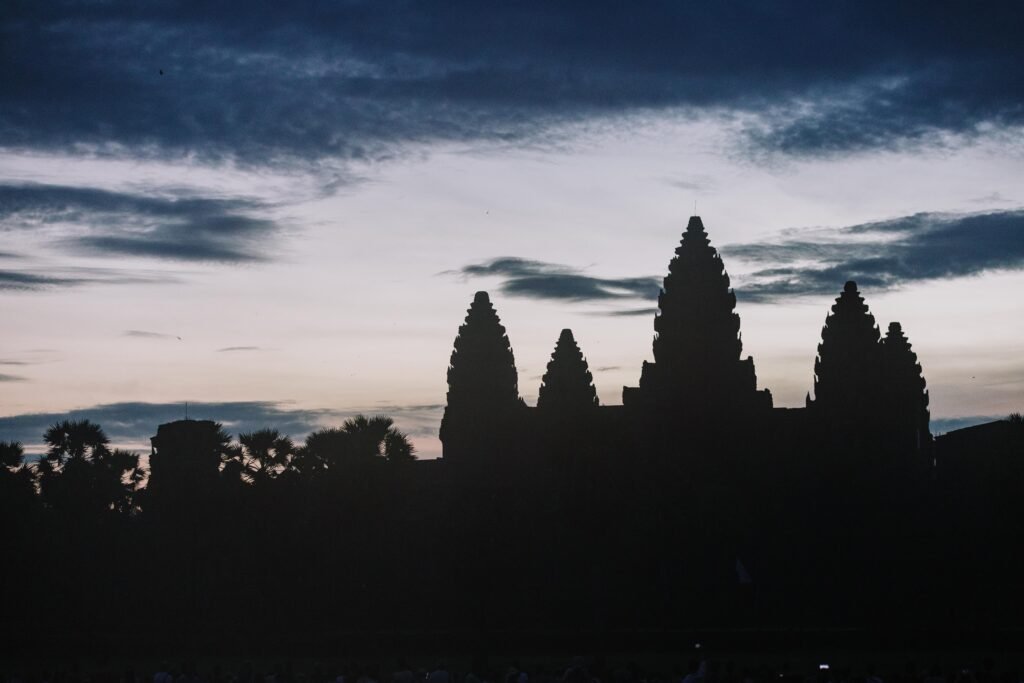
Siem Reap
Best For:
- First-time visitors
- Temple sightseeing
- Nightlife
- Restaurants
- Shopping
Staying near the city center or Pub Street allows easy access to Angkor Wat while keeping cafés, markets, and nightlife within walking distance.
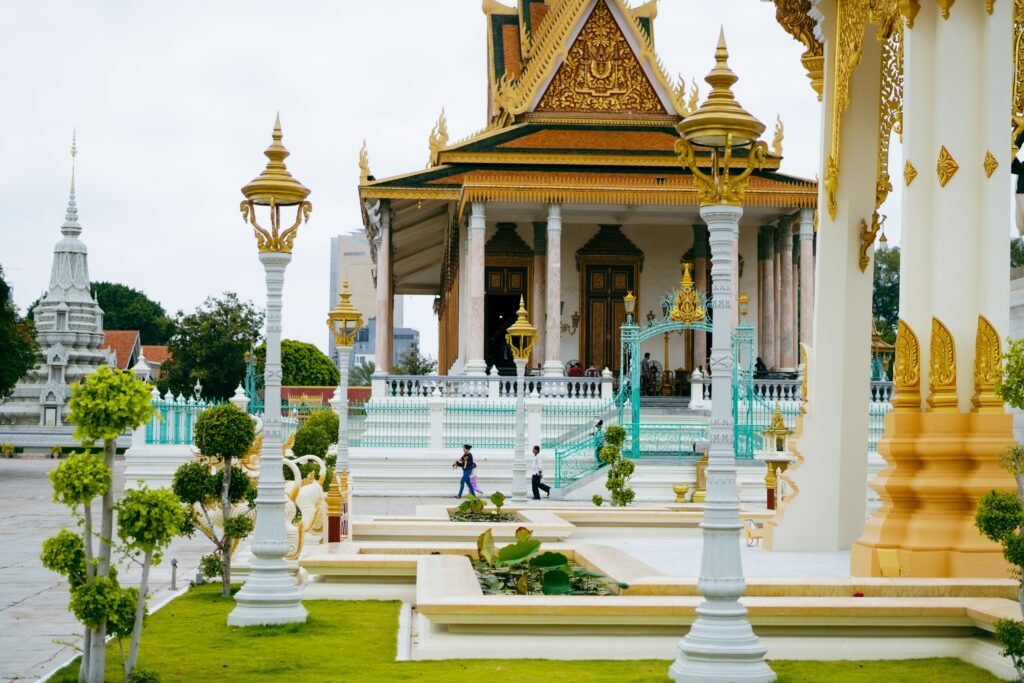
Phnom Penh
Best For:
- History
- Museums
- Business travelers
- Food lovers
The riverside area around Sisowath Quay is one of the city’s most convenient neighborhoods, offering easy access to the Royal Palace, National Museum, restaurants, and sunset cruises.
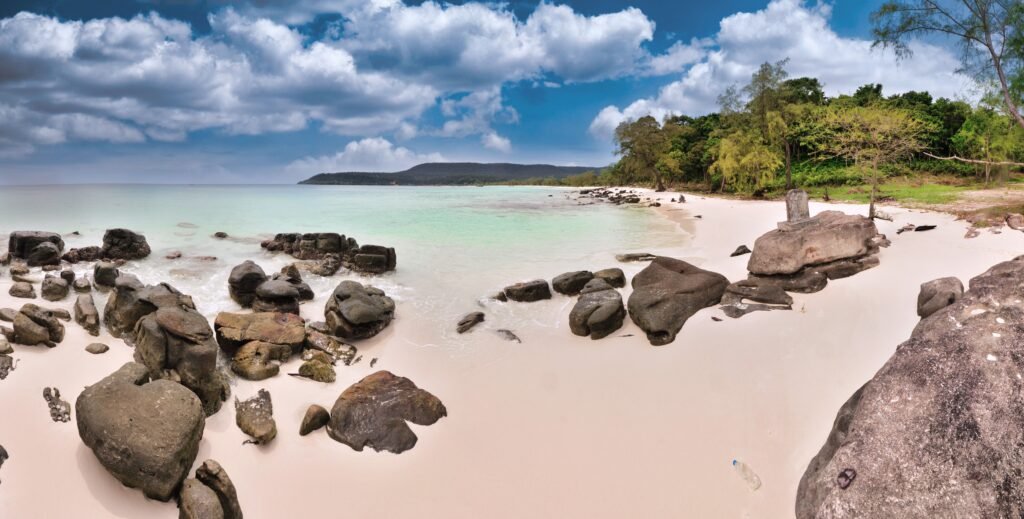
Koh Rong
Best For:
- Beach holidays
- Honeymoons
- Relaxation
- Snorkeling
Choose accommodation near Long Set Beach if you want a balance of beautiful beaches, restaurants, and convenient ferry access. Travelers looking for peace and privacy may prefer Sok San Beach or Lonely Beach.
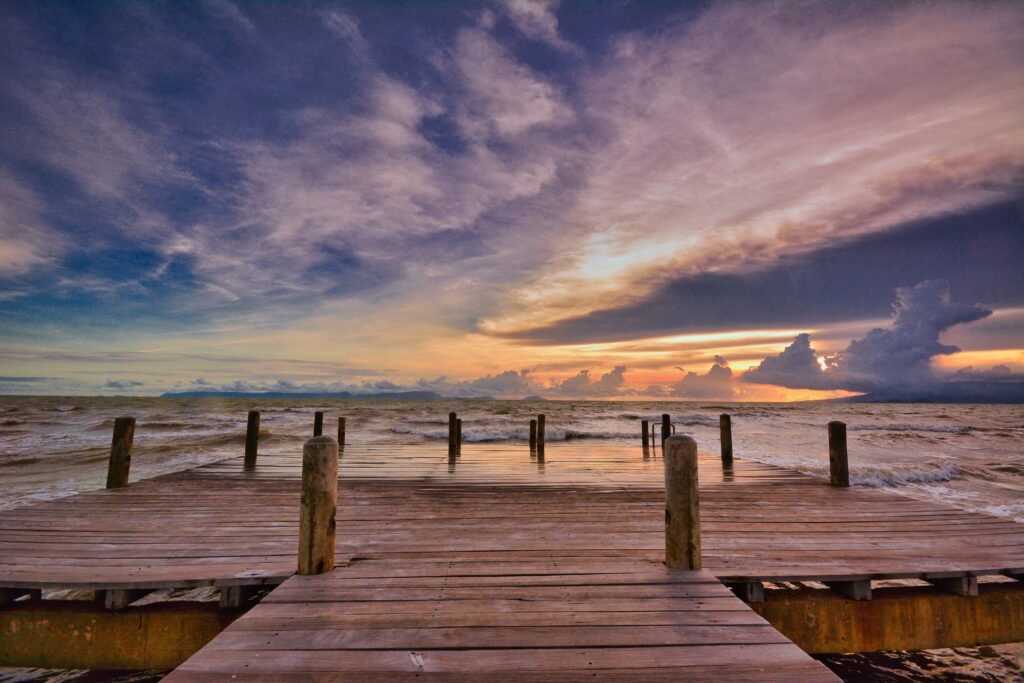
Kampot
Best For:
- Couples
- Digital nomads
- Slow travel
- Nature lovers
Riverside guesthouses provide scenic views, relaxed cafés, and easy access to pepper farms and Bokor National Park.
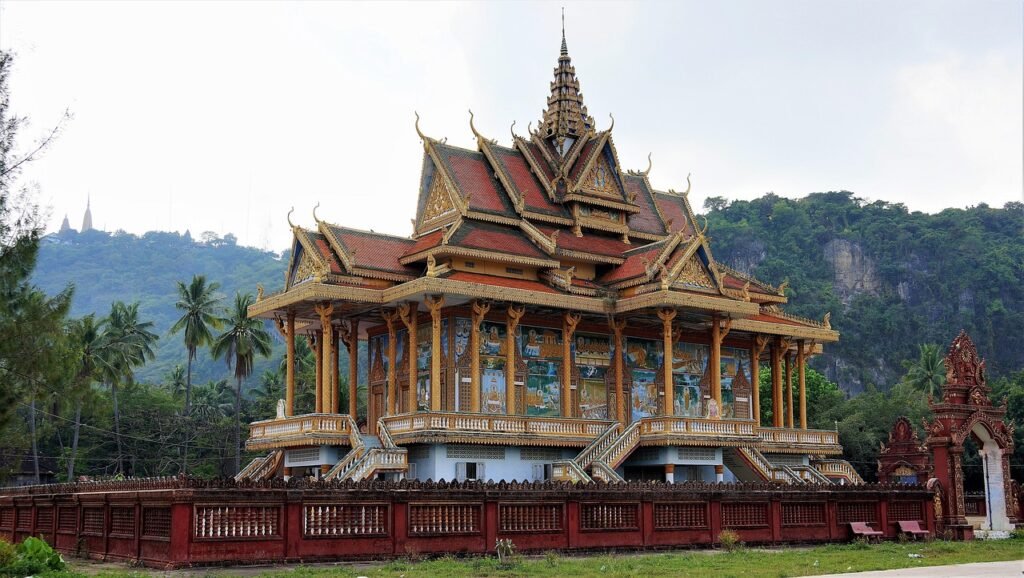
Battambang
Best For:
- Culture
- Photography
- Local experiences
Staying near the historic city center allows you to explore colonial streets, markets, and restaurants on foot while remaining close to countryside attractions.
Mondulkiri
Best For:
- Adventure travelers
- Wildlife enthusiasts
- Nature lovers
Choose eco-lodges or boutique hotels around Sen Monorom, where you’ll be close to waterfalls, elephant sanctuaries, coffee plantations, and hiking trails.
Accommodation Tips
To get the best value during your Cambodia trip:
- Book hotels 2–3 months in advance if traveling between November and February, the country’s peak tourist season.
- Compare prices across multiple booking platforms before making a reservation.
- Stay slightly outside the busiest tourist streets for quieter surroundings and better rates.
- Choose accommodations that include breakfast to reduce daily food costs.
- Check whether airport transfers, bicycle rentals, or swimming pools are included in the room rate.
Cambodian Food You Must Try
One of the best parts of visiting Cambodia is discovering its delicious and underrated cuisine. While Thai and Vietnamese food often steal the spotlight in Southeast Asia, Khmer cuisine has its own unique identity, combining fragrant herbs, fresh vegetables, aromatic spices, coconut milk, freshwater fish, and locally grown pepper to create comforting yet flavorful dishes.
Whether you’re dining at a family-run restaurant in Siem Reap, enjoying seafood by the coast in Kep, or grabbing a quick meal from a bustling street stall in Phnom Penh, food is an essential part of the Cambodian travel experience.
The best part? Cambodia is incredibly affordable for food lovers. You can enjoy authentic local meals for just a few dollars while supporting small family-owned businesses.
Don’t leave Cambodia without trying Fish Amok, Beef Lok Lak, Nom Banh Chok, Khmer BBQ, fresh seafood in Kep, and authentic Cambodian street food.
Fish Amok
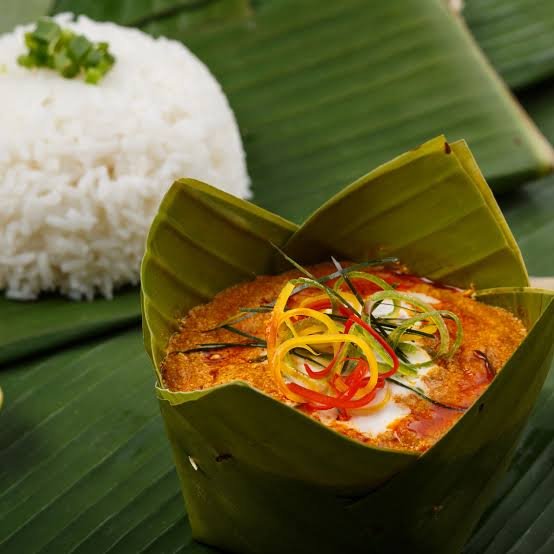
If Cambodia had a national dish, Fish Amok would be at the top of the list.
This traditional Khmer curry is made by gently steaming freshwater fish in a rich coconut milk sauce infused with kroeung (Cambodian spice paste), lemongrass, turmeric, kaffir lime leaves, and galangal. It’s traditionally served in a banana leaf bowl, giving it both a beautiful presentation and subtle aroma.
Unlike spicy Thai curries, Fish Amok is mild, creamy, and fragrant, making it a great choice even if you don’t enjoy very spicy food.
Best Places to Try:
- Traditional Khmer restaurants in Siem Reap
- Local restaurants in Phnom Penh
- Family-run eateries across Cambodia
Average Price: US$4–8
Lok Lak
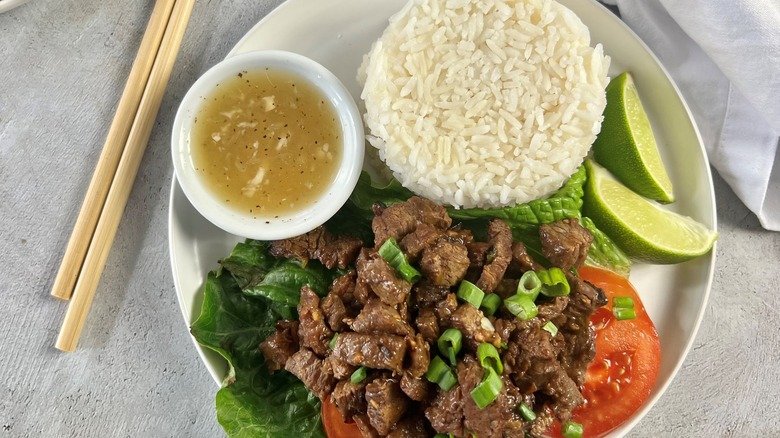
Beef Lok Lak is another Cambodian classic that’s loved by both locals and visitors.
Tender slices of marinated beef are quickly stir-fried with onions and served over rice or alongside crispy French fries, reflecting Cambodia’s French colonial influence. The dish is accompanied by a distinctive dipping sauce made with lime juice, black pepper, and salt, giving every bite a fresh, tangy flavor.
You’ll also find chicken and vegetarian versions at many restaurants.
Average Price: US$4–10
Nom Banh Chok
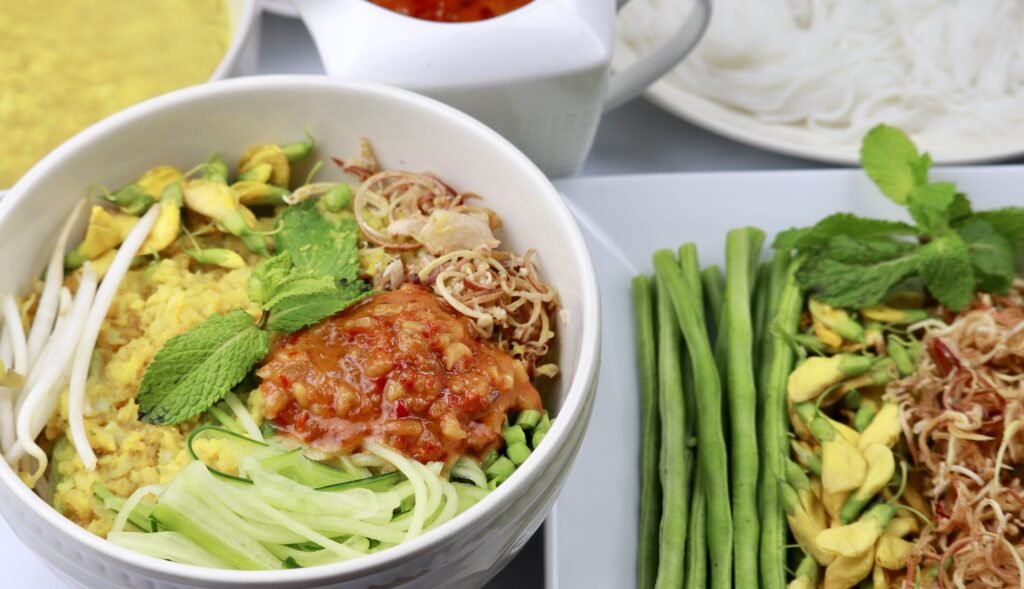
Often called Khmer Noodles, Nom Banh Chok is one of Cambodia’s most popular breakfast dishes.
Fresh rice noodles are topped with a light green fish curry, bean sprouts, cucumber, banana blossom, herbs, and edible flowers, creating a refreshing meal that’s perfect for Cambodia’s warm climate.
Many locals start their day with Nom Banh Chok, making early morning markets one of the best places to try it.
Travel Tip: Visit a local market before 9 AM for the freshest bowls, prepared just as Cambodian families enjoy them.
Khmer BBQ
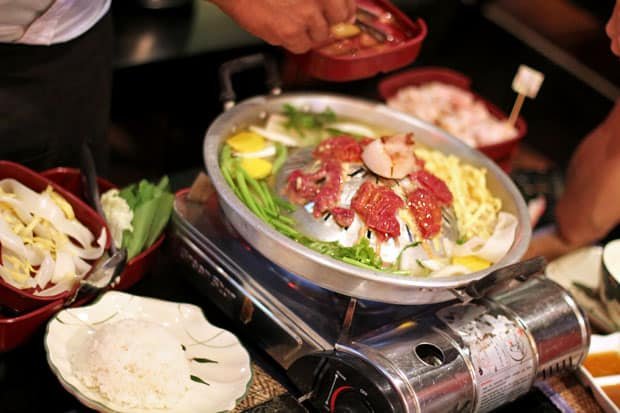
For a fun and interactive dining experience, don’t miss Khmer BBQ, also known as Cambodian barbecue.
A charcoal grill is placed in the center of your table, allowing you to cook thin slices of beef, chicken, pork, seafood, and vegetables yourself. Around the grill is a moat of flavorful broth where noodles, mushrooms, leafy greens, and dumplings slowly cook while you grill your meat.
It’s a popular choice for groups, families, and couples because meals are meant to be shared.
Many restaurants also offer all-you-can-eat buffet options at reasonable prices.
Average Price: US$8–15 per person
Fresh Seafood
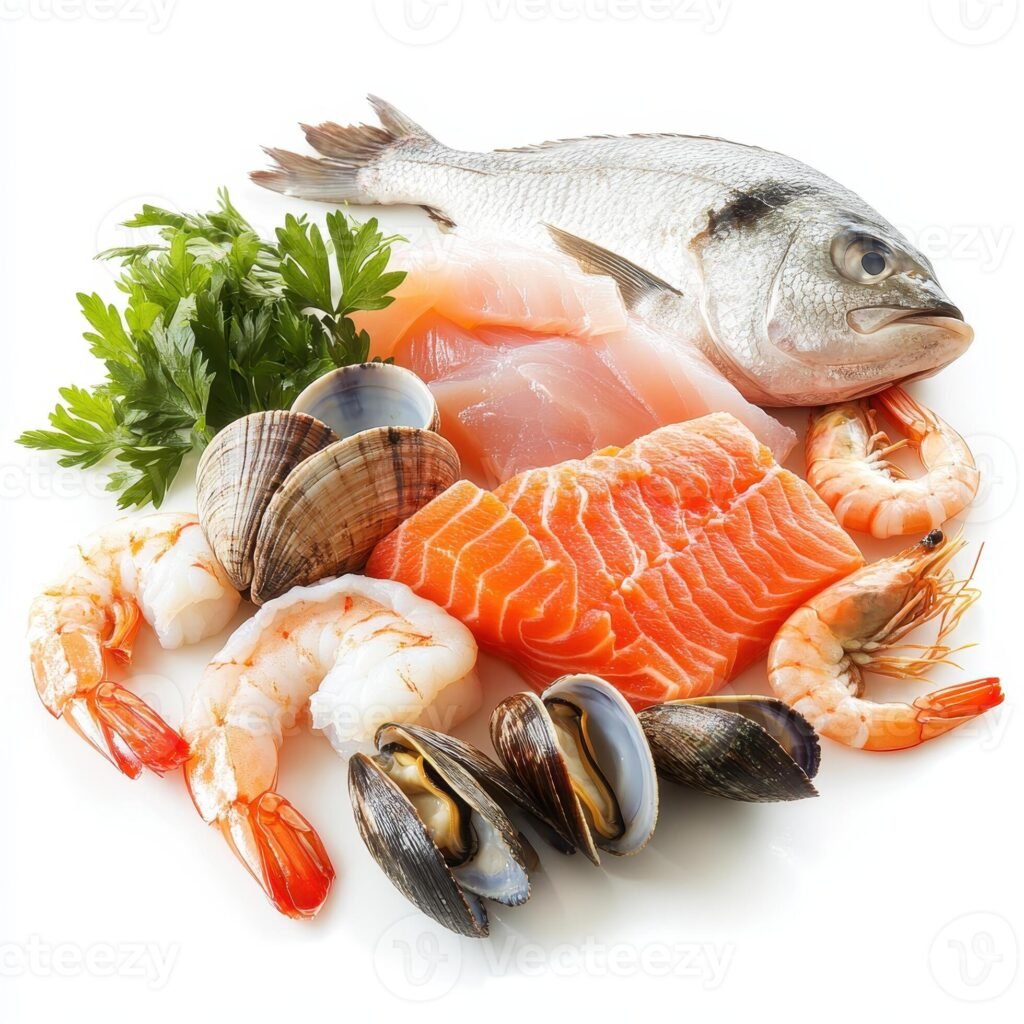
If your Cambodia itinerary includes Kep, Kampot, or Koh Rong, fresh seafood is an absolute must.
The highlight is Kep Crab with Kampot Pepper, one of Cambodia’s signature dishes. Sweet blue crab is stir-fried with fresh green Kampot pepper, creating a simple yet unforgettable combination of sweetness and spice.
Other seafood favorites include:
- Grilled prawns
- Fresh squid
- Lobster (seasonal)
- Steamed clams
- Whole grilled fish
- Seafood fried rice
Many restaurants source their seafood directly from local fishermen, so freshness is rarely an issue.
Best Place: Kep Crab Market
Street Food Tips
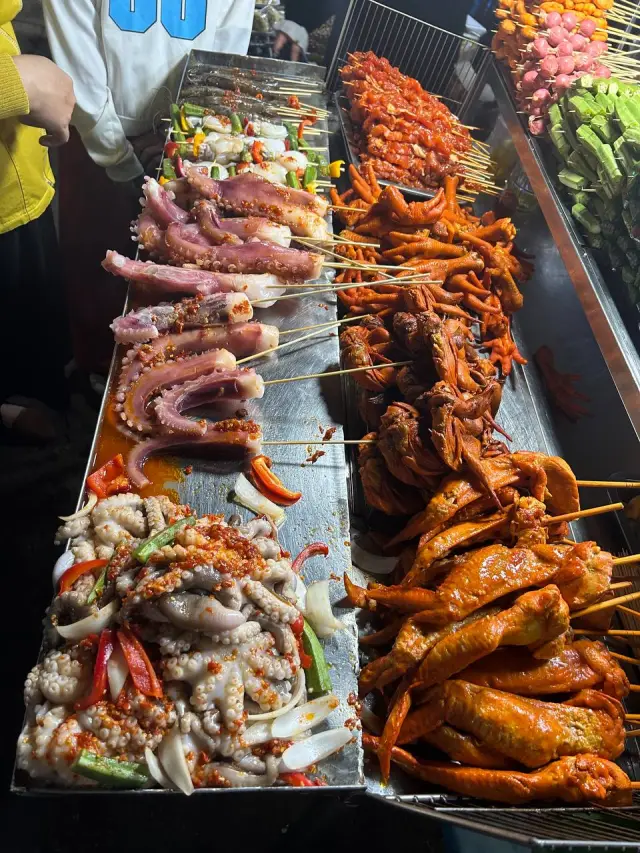
Cambodia’s street food scene is one of the easiest ways to enjoy authentic local flavors while staying within your travel budget.
Popular street food snacks include:
- Grilled meat skewers
- Fresh spring rolls
- Banana pancakes
- Sticky rice desserts
- Tropical fruit smoothies
- Sugarcane juice
- Coconut ice cream
To enjoy street food safely:
- Choose stalls with long queues and a high turnover of customers.
- Watch food being cooked fresh whenever possible.
- Drink bottled or filtered water.
- Wash your hands before eating or carry hand sanitizer.
- Introduce spicy foods gradually if you’re not used to them.
One of the best experiences is wandering through Siem Reap’s night markets, where you can sample several local dishes in one evening without spending much.
Vegetarian Options
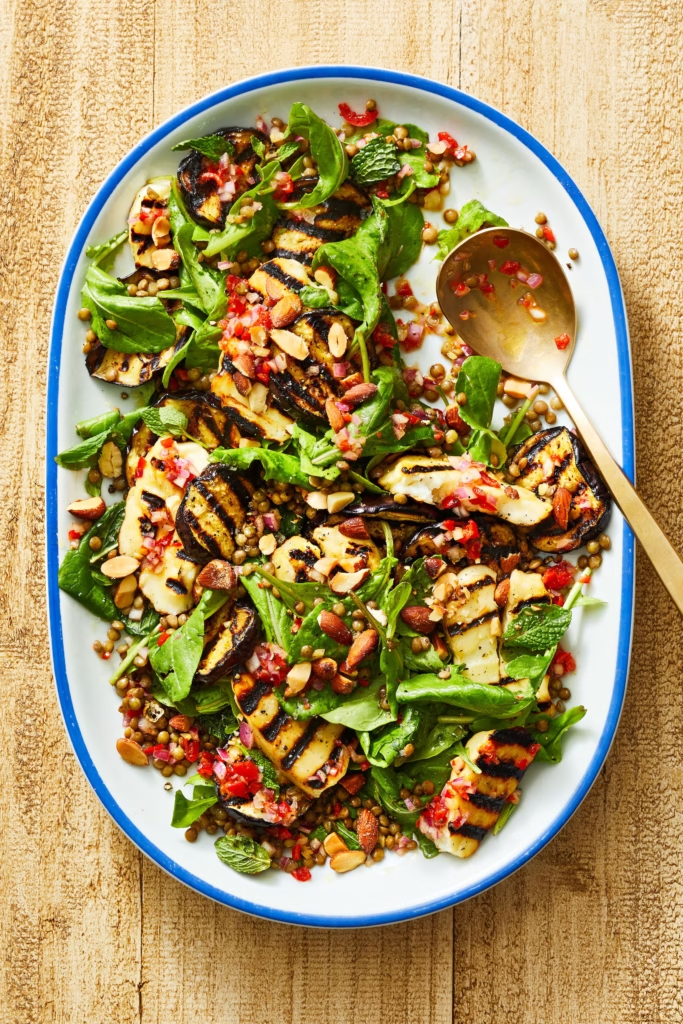
Although traditional Khmer cuisine often includes fish sauce or meat, vegetarian travelers will still find plenty of delicious choices, especially in tourist-friendly destinations.
Many restaurants in Siem Reap, Phnom Penh, Kampot, and Koh Rong offer vegetarian and vegan menus.
Popular vegetarian dishes include:
- Vegetable Amok
- Stir-fried morning glory (Water Spinach)
- Tofu Lok Lak
- Fried rice with vegetables
- Vegetable noodle soup
- Fresh tropical fruit platters
- Coconut-based curries
When ordering at smaller local restaurants, it’s helpful to mention that you don’t eat meat, fish, or fish sauce, as these ingredients are commonly used in traditional cooking.
Food Tips for First-Time Visitors
To make the most of Cambodia’s incredible food scene:
- Try at least one traditional Khmer meal every day.
- Visit local markets for authentic breakfasts.
- Eat seafood in coastal towns like Kep and Koh Rong.
- Don’t skip family-run restaurants—they often serve the most authentic food.
- Carry small US dollar notes when eating at street stalls.
- Stay hydrated, especially after spending long days exploring temples.
Is Cambodia Safe?
One of the most common questions first-time visitors ask is, “Is Cambodia safe for tourists?” The short answer is yes. Cambodia is generally a safe destination for travelers, and millions of tourists visit every year without experiencing serious problems.
Like any country, Cambodia has its share of petty crime and tourist scams, but these are usually easy to avoid with a little awareness and common sense. Whether you’re exploring the temples of Angkor Wat, enjoying the beaches of Koh Rong, or walking through the streets of Phnom Penh, staying informed will help you travel confidently.
Cambodia is generally safe for tourists, including solo travelers and families. The most common issues are petty theft, tourist scams, and traffic-related accidents rather than violent crime.
Crime
Violent crime against tourists is relatively uncommon in Cambodia. However, petty crimes such as bag snatching, pickpocketing, and phone theft can occur, particularly in busy tourist areas.
Take extra care in:
- Phnom Penh riverside
- Crowded markets
- Night markets
- Bus stations
- Popular tourist attractions
To reduce your risk:
- Keep valuables out of sight.
- Use a cross-body or anti-theft backpack.
- Avoid displaying expensive cameras or jewelry unnecessarily.
- Keep digital copies of your passport and important documents.
Travel Tip: If you’re riding in a tuk-tuk or on the back of a motorcycle, avoid holding your phone close to the roadside. Opportunistic thieves may grab phones from passing vehicles.
Scams
Most Cambodians are warm, honest, and welcoming, but like any popular tourist destination, Cambodia has a few scams that visitors should be aware of.
Some of the most common include:
- Overpriced tuk-tuk rides for tourists.
- Fake tour guides near major attractions.
- Currency exchange tricks involving damaged US dollar bills.
- Inflated prices at souvenir shops without price tags.
- Unofficial ticket sellers outside attractions.
The best way to avoid problems is to:
- Agree on transportation fares before starting your journey.
- Book tours through reputable operators.
- Exchange money at licensed businesses.
- Purchase attraction tickets only from official counters.
- Use Grab where available for transparent pricing.
For a complete breakdown, check out our guide on Tourist Scams Every Traveler Should Avoid.
Solo Female Travelers
Cambodia is considered one of the easier countries in Southeast Asia for solo female travelers, especially in destinations like Siem Reap, Kampot, and Koh Rong.
Many women travel independently throughout Cambodia without major issues. However, basic precautions are still important.
Helpful tips include:
- Choose well-reviewed accommodation.
- Avoid isolated beaches or streets late at night.
- Share your itinerary with someone you trust.
- Dress respectfully when visiting temples and rural communities.
- Use registered tuk-tuks or ride-hailing apps whenever possible.
Hostels and boutique hotels in Siem Reap are particularly social, making it easy for solo travelers to meet others for day trips and sightseeing.
Night Safety
Cambodia’s major tourist areas are generally lively after sunset, particularly around Pub Street in Siem Reap and Sisowath Quay in Phnom Penh.
For a safe evening out:
- Stay in well-lit areas.
- Travel with friends when possible.
- Avoid excessive alcohol if you’re unfamiliar with the area.
- Use trusted transportation after dark.
- Keep your phone charged before heading out.
If you plan to explore night markets or riverside areas, carrying only the cash you’ll need is a good habit.
Health
Cambodia doesn’t require complicated health preparations for most tourists, but a few precautions can make your trip much more comfortable.
Recommended health tips:
- Stay hydrated in the tropical heat.
- Use mosquito repellent, especially during the rainy season.
- Wear sunscreen when sightseeing.
- Carry a small first-aid kit with basic medications.
- Purchase comprehensive travel insurance before departure.
If you take prescription medication, bring enough for your entire trip, along with a copy of your prescription.
Water Safety
Tap water in Cambodia is not considered safe to drink.
Instead:
- Drink bottled, filtered, or properly purified water.
- Refill a reusable water bottle at trusted refill stations where available.
- Avoid ice from questionable sources in remote areas.
- Wash fruits if buying from local markets.
Most hotels, restaurants, and cafés serve safe drinking water or sell bottled water at affordable prices.
Travel Insurance
Travel insurance isn’t mandatory for most visitors, but it’s strongly recommended.
A good policy can provide coverage for:
- Medical emergencies
- Hospital treatment
- Lost or delayed baggage
- Flight cancellations
- Trip interruptions
- Adventure activities (if included)
Medical treatment at private hospitals can be expensive, so travel insurance offers valuable financial protection and peace of mind.
When comparing policies, check whether activities like snorkeling, trekking, or scooter riding are covered if you plan to include them in your itinerary.
Emergency Contacts
Save these important numbers before your trip:
| Service | Emergency Number |
| Police | 117 |
| Fire | 118 |
| Ambulance | 119 |
It’s also a good idea to:
- Save your country’s embassy or consulate contact details.
- Store digital copies of your passport and travel insurance.
- Share your itinerary with a family member or friend.
- Keep emergency contact information offline in case you lose internet access.
Safety Tips for First-Time Visitors
Following a few simple precautions will help ensure a smooth and enjoyable trip:
- Stay aware of your surroundings in crowded areas.
- Use licensed transportation or Grab whenever possible.
- Keep emergency cash separate from your wallet.
- Respect local customs and dress modestly when visiting temples.
- Book accommodation with strong recent reviews.
- Avoid carrying large amounts of cash.
- Secure your belongings during bus and ferry journeys.
- Trust your instincts—if something feels suspicious, walk away.
With sensible precautions, Cambodia is a welcoming destination that’s well suited to solo travelers, couples, families, and backpackers alike.
Cambodia Pros & Cons
Every destination has its strengths and challenges, and Cambodia is no exception. Understanding both sides before you travel will help you set realistic expectations and plan a smoother trip.
The good news is that for most travelers, Cambodia’s advantages far outweigh its drawbacks. Rich cultural heritage, affordable travel costs, welcoming locals, and breathtaking landscapes make it one of Southeast Asia’s most rewarding destinations. However, factors like tropical heat, seasonal rain, and developing infrastructure are worth considering when planning your itinerary.
Here’s a balanced look at the pros and cons of visiting Cambodia.
| Pros | Cons |
| 💰 Affordable travel costs | 🌡️ Hot and humid weather, especially from March to May |
| 🏛️ Rich history and UNESCO World Heritage Sites | 🛣️ Some rural roads can be rough or underdeveloped |
| 😊 Friendly and welcoming locals | 🚌 Public transportation is limited outside major tourist routes |
| 🛕 Incredible temples and cultural attractions | 🌧️ Heavy rainfall during the monsoon season may affect travel plans |
| 🍜 Delicious and affordable Khmer cuisine | 💵 Cash (especially US Dollars) is still preferred in many places |
Why You'll Love Cambodia
Affordable Travel
Cambodia is one of the most budget-friendly destinations in Southeast Asia. Whether you’re a backpacker or a couple traveling on a mid-range budget, you’ll find excellent value for accommodation, food, transportation, and attractions.
A delicious local meal often costs less than US$5, while comfortable hotels are available at prices that are difficult to match in many neighboring countries.
Rich History
Few countries offer such an extraordinary blend of history and culture.
From the awe-inspiring temples of Angkor Wat to Phnom Penh’s museums and royal landmarks, Cambodia provides countless opportunities to learn about the rise of the Khmer Empire and the country’s remarkable resilience.
History lovers can easily spend several days exploring ancient temples, museums, and cultural sites without running out of things to see.
Friendly People
One of Cambodia’s greatest strengths is its people.
Throughout your trip, you’ll likely be greeted with genuine smiles and warm hospitality. Whether you’re chatting with a tuk-tuk driver, shopping at a local market, or dining at a family-run restaurant, many travelers leave Cambodia remembering its people just as much as its attractions.
Beautiful Temples
While Angkor Wat is undoubtedly the country’s biggest attraction, it’s only the beginning.
Cambodia is home to hundreds of impressive temples, including Bayon, Ta Prohm, Banteay Srei, and Wat Banan, many of which are less crowded but equally fascinating.
Every destination offers a unique glimpse into the country’s architectural and spiritual heritage.
Great Food
Khmer cuisine is one of Southeast Asia’s best-kept secrets.
Traditional dishes like Fish Amok, Beef Lok Lak, Nom Banh Chok, and fresh seafood from Kep showcase fresh ingredients and subtle flavors that appeal to a wide range of travelers.
Food is not only delicious but also remarkably affordable, making Cambodia an excellent destination for culinary exploration.
Things to Keep in Mind
Hot Weather
Cambodia has a tropical climate, and temperatures can exceed 35°C (95°F) during the hottest months.
To stay comfortable:
- Start sightseeing early in the morning.
- Take breaks during the afternoon.
- Drink plenty of water.
- Wear lightweight, breathable clothing.
Poor Roads in Some Areas
Road conditions between major cities have improved, but some rural routes can still be uneven or slower than expected, particularly during the rainy season.
Allow extra travel time when visiting destinations such as Mondulkiri or remote villages.
Limited Public Transport
Unlike countries with extensive train networks, Cambodia relies mainly on buses, private transfers, tuk-tuks, and domestic flights.
Fortunately, these options are generally affordable and easy to arrange through hotels or local travel agencies.
Seasonal Rain
The rainy season (roughly May to October) brings lush green landscapes but also occasional heavy downpours that may delay road travel or outdoor activities.
The upside is fewer tourists, lower hotel prices, and beautiful scenery, making it a great time for budget-conscious travelers.
Cash Is Still Preferred
Although credit cards are accepted at many hotels, upscale restaurants, and larger businesses, cash remains the preferred payment method in markets, local eateries, tuk-tuks, and smaller shops.
Carry a mix of US Dollars and Cambodian Riel, along with small bills for everyday purchases.
Is Cambodia Right for You?
Cambodia is an excellent choice if you’re looking for:
- Ancient temples and UNESCO World Heritage Sites.
- Budget-friendly international travel.
- Beautiful beaches and tropical islands.
- Authentic local culture.
- Incredible food.
- Nature, wildlife, and outdoor adventures.
You may need to plan more carefully if you:
- Dislike hot and humid weather.
- Prefer highly developed public transportation.
- Have a very short itinerary and want to cover many destinations quickly.
For most travelers, the country’s affordability, welcoming atmosphere, and unforgettable experiences easily outweigh its minor inconveniences.
If you’re searching for a destination that combines world-famous history, rich culture, stunning landscapes, and excellent value for money, Cambodia is one of the best places to visit in Southeast Asia. With realistic expectations and a well-planned itinerary, it’s a destination that leaves a lasting impression on almost every traveler.
Who Should Visit Cambodia?
One of Cambodia’s biggest strengths is its versatility. Whether you’re traveling on a shoestring budget, planning a romantic honeymoon, working remotely, or chasing outdoor adventures, Cambodia offers something for almost every type of traveler.
Unlike destinations that cater to only one style of tourism, Cambodia blends ancient temples, tropical islands, bustling cities, peaceful countryside, and affordable luxury into one unforgettable experience.
If you’re wondering whether Cambodia is the right destination for you, here’s who will enjoy it the most.
Budget Travelers
If you’re looking for an affordable international holiday without compromising on experiences, Cambodia is one of the best destinations in Southeast Asia.
Accommodation, food, transportation, and attractions are all reasonably priced, making it easy to enjoy a memorable trip without overspending.
You’ll appreciate Cambodia if you want to:
- Stay in comfortable hotels without a high price tag.
- Eat delicious local food for just a few dollars.
- Explore world-famous attractions on a modest budget.
- Travel between cities using affordable buses and shared transport.
Perfect destinations: Siem Reap, Battambang, Kampot.
Solo Travelers
Cambodia is a welcoming destination for solo travelers who enjoy meeting new people while exploring independently.
Hostels, cafés, walking tours, and group excursions make it easy to connect with fellow travelers, especially in Siem Reap and Koh Rong.
Solo travelers will enjoy:
- Friendly locals.
- Social hostels.
- Affordable transportation.
- Safe and well-established tourist routes.
- Plenty of cultural experiences.
If you’re traveling alone for the first time, Cambodia is an excellent introduction to Southeast Asia.
Couples
From watching the sunrise over Angkor Wat to relaxing on the white-sand beaches of Koh Rong, Cambodia is a surprisingly romantic destination.
Couples can enjoy:
- Sunset river cruises in Phnom Penh.
- Boutique hotels in Siem Reap.
- Beachfront resorts.
- Candlelit seafood dinners in Kep.
- Quiet countryside escapes in Kampot.
Whether you’re planning a honeymoon or celebrating a special occasion, Cambodia offers memorable experiences without the premium prices found in many other tropical destinations.
Families
Cambodia is also a great choice for families seeking an educational and relaxing holiday.
Children often enjoy:
- Exploring ancient temples.
- Boat rides on Tonlé Sap Lake.
- Watching traditional Apsara dance performances.
- Relaxing on calm beaches.
- Visiting ethical elephant sanctuaries in Mondulkiri.
Many hotels offer family rooms, swimming pools, and guided tours suitable for travelers of all ages.
Digital Nomads
Although Cambodia isn’t as established as destinations like Bali or Chiang Mai, it’s becoming increasingly popular with remote workers.
Cities such as Siem Reap, Phnom Penh, and Kampot offer:
- Reliable internet.
- Affordable apartments.
- Comfortable cafés.
- Coworking spaces.
- Low living costs.
The slower pace of life and welcoming atmosphere make Cambodia an attractive base for digital nomads who value affordability and cultural experiences.
Backpackers
Cambodia has long been a favorite stop on Southeast Asia’s backpacking route.
The country’s extensive hostel network, inexpensive transportation, and welcoming backpacker community make it easy to travel independently.
Backpackers will enjoy:
- Affordable dorms.
- Cheap street food.
- Budget-friendly buses.
- Island hopping.
- Meeting travelers from around the world.
A 14-day Cambodia itinerary is ideal for backpackers wanting to explore beyond the main tourist destinations.
Adventure Travelers
If your perfect vacation involves outdoor activities rather than luxury resorts, Cambodia won’t disappoint.
Adventure highlights include:
- Jungle trekking in Mondulkiri.
- Snorkeling around Koh Rong.
- Kayaking in Kampot.
- Hiking in Kep National Park.
- Cycling through Battambang’s countryside.
- Waterfall exploration.
Many of these experiences remain uncrowded compared to similar destinations elsewhere in Southeast Asia.
History Lovers
History enthusiasts will find Cambodia fascinating.
The country offers an extraordinary journey through the rise and fall of the Khmer Empire, along with powerful insights into its modern history.
Don’t miss:
- Angkor Wat.
- Bayon Temple.
- Ta Prohm.
- National Museum of Cambodia.
- Tuol Sleng Genocide Museum.
- Choeung Ek Genocidal Center.
Few countries offer such a rich combination of ancient history and meaningful cultural experiences.
Luxury Travelers
Cambodia isn’t just for backpackers. In recent years, it has developed an impressive collection of luxury hotels, wellness retreats, and private island resorts.
Luxury travelers can enjoy:
- Five-star resorts near Angkor Wat.
- Private guided temple tours.
- Luxury river cruises.
- Spa and wellness experiences.
- Boutique beachfront villas on Koh Rong.
One of Cambodia’s biggest advantages is that luxury experiences are often more affordable than in neighboring countries.
Beach Lovers
Although Cambodia is famous for its temples, its coastline is one of Southeast Asia’s best-kept secrets.
Beach lovers should visit:
- Koh Rong
- Koh Rong Samloem
- Kep
- Sihanoukville (as a ferry gateway)
Expect crystal-clear water, white-sand beaches, colorful sunsets, and a relaxed island atmosphere without the crowds found in some of the region’s more famous beach destinations.
Is Cambodia the Right Destination for You?
Cambodia is an excellent choice if you’re looking for:
- ✅ Affordable international travel.
- ✅ Rich history and UNESCO World Heritage Sites.
- ✅ Tropical islands and beautiful beaches.
- ✅ Authentic cultural experiences.
- ✅ Delicious local cuisine.
- ✅ Friendly locals and welcoming hospitality.
- ✅ Adventure, wildlife, and nature.
- ✅ Great value for money.
Whether you’re planning your first trip to Southeast Asia or returning to explore more deeply, Cambodia offers a rewarding mix of history, culture, relaxation, and adventure that appeals to almost every kind of traveler.
Final Recommendation: If your ideal vacation combines ancient temples, authentic local culture, tropical beaches, incredible food, and affordable travel, Cambodia deserves a place at the top of your travel bucket list. It’s one of the few destinations where budget travelers, families, couples, solo explorers, and luxury travelers can all enjoy an unforgettable experience—each in their own way.
Is Cambodia Worth Visiting?
Absolutely. Cambodia is one of Southeast Asia’s most rewarding destinations, offering an incredible mix of ancient history, vibrant culture, tropical islands, lush countryside, and exceptional value for money.
While many travelers initially visit for the breathtaking Angkor Wat, they often leave with unforgettable memories of sunset river cruises in Kampot, fresh seafood in Kep, the glowing bioluminescent plankton of Koh Rong, welcoming locals, and peaceful countryside experiences that rarely make it into typical travel brochures.
Unlike some of its more commercialized neighbors, Cambodia still feels authentic. Whether you’re wandering through centuries-old temples, sharing a meal at a family-run restaurant, or chatting with local artisans at a market, you’ll experience a country that’s rich in history and genuinely welcoming.
If you’re looking for a destination that combines culture, adventure, relaxation, and affordability, Cambodia deserves a place on your travel bucket list.
Who Will Enjoy Cambodia the Most?
Cambodia is surprisingly diverse and appeals to many different types of travelers.
It’s an excellent choice for:
- 🎒 Budget travelers looking to maximize their travel budget.
- 👤 Solo travelers seeking a welcoming and easy-to-navigate destination.
- ❤️ Couples planning a romantic getaway with temples, sunsets, and tropical beaches.
- 👨👩👧👦 Families interested in cultural experiences and relaxing beach destinations.
- 🌿 Nature lovers exploring waterfalls, wildlife, and national parks.
- 🏛️ History enthusiasts fascinated by the Khmer Empire and UNESCO World Heritage Sites.
- 💻 Digital nomads searching for affordable living and a slower pace of life.
- 🏝️ Beach lovers wanting quieter islands like Koh Rong instead of crowded tourist hotspots.
Whether you’re traveling for adventure, relaxation, photography, food, or culture, Cambodia offers experiences that suit almost every travel style.
Ideal Trip Length
Your ideal itinerary depends on how much you want to explore.
- 3–5 Days: Focus on Siem Reap and Angkor Wat.
- 7 Days: Add Phnom Penh for history and culture.
- 10 Days: Include Kampot, Kep, or Koh Rong.
- 14 Days: Explore Battambang and Mondulkiri for a deeper, more authentic Cambodia experience.
For most first-time visitors, 7–10 days offers the perfect balance between sightseeing and relaxation.
Budget Expectations
Cambodia remains one of the best-value destinations in Southeast Asia.
Typical daily travel costs are:
| Travel Style | Estimated Daily Budget |
| 💰 Budget | US$30–50 |
| 🧳 Mid-range | US$70–120 |
| ✨ Luxury | US$180+ |
With careful planning, couples and families can enjoy an unforgettable Cambodia vacation without exceeding their travel budget.
Top Experiences You Shouldn't Miss
If you’re visiting Cambodia for the first time, make sure these experiences are on your itinerary:
- Watch the sunrise over Angkor Wat.
- Explore the smiling faces of Bayon Temple.
- Walk through the jungle-covered ruins of Ta Prohm.
- Discover Cambodia’s history at the Royal Palace and National Museum in Phnom Penh.
- Relax on the white-sand beaches of Koh Rong.
- Swim with glowing bioluminescent plankton after sunset.
- Enjoy fresh crab with Kampot Pepper at Kep Crab Market.
- Visit an ethical elephant sanctuary in Mondulkiri.
- Ride the famous Bamboo Train in Battambang.
- Experience authentic Khmer cuisine at local markets and family-run restaurants.
These experiences showcase the very best of Cambodia’s history, culture, food, and natural beauty.
When Should You Visit?
For the best weather, plan your trip between November and February.
This period offers:
- Pleasant temperatures.
- Lower humidity.
- Clear skies.
- Excellent sightseeing conditions.
- Calm seas for island hopping.
If you’re traveling on a tighter budget, consider visiting during the shoulder season (March or October) or the green season (May–October), when hotel prices are lower, landscapes are lush, and tourist crowds are much smaller.
Key Planning Tips
Before you book your trip, keep these practical tips in mind:
- Apply for your Cambodia eVisa or confirm your Visa on Arrival eligibility before departure.
- Reserve accommodation early if traveling during peak season.
- Carry a mix of US Dollars and Cambodian Riel for everyday expenses.
- Dress modestly when visiting temples and religious sites.
- Stay hydrated and wear sunscreen, especially during temple visits.
- Purchase comprehensive travel insurance before flying.
- Download offline maps and transportation apps for easier navigation.
- Pack light, breathable clothing and comfortable walking shoes.
Small preparations like these can make your trip smoother, safer, and more enjoyable
Ready to Start Planning Your Cambodia Adventure?
From exploring the majestic temples of Angkor Wat and relaxing on the pristine beaches of Koh Rong to discovering hidden countryside gems like Kampot and Mondulkiri, Cambodia offers an unforgettable travel experience that’s both affordable and deeply rewarding.
If you’re ready to turn your travel plans into reality:
- Compare flight prices early to secure the best fares.
- Book well-reviewed accommodation in advance, especially during the dry season.
- Purchase reliable travel insurance for peace of mind.
- Pack smart with essential travel gear like a universal adapter, anti-theft backpack, portable power bank, and waterproof phone pouch.
- Save this guide for easy reference while planning your itinerary.
With thoughtful planning and realistic expectations, your Cambodia trip can become one of the most memorable adventures you’ll ever take.
Frequently Asked Questions
Is Cambodia expensive for tourists?
No. Cambodia is one of Southeast Asia's most affordable travel destinations. Budget travelers can comfortably travel on US$30–50 per day, covering hostel accommodation, local transportation, street food, and sightseeing. Mid-range travelers typically spend US$70–120 per day, while luxury travelers can expect to spend US$180+ per day, depending on their choice of hotels and activities.
How many days are enough for Cambodia?
A 7–10 day Cambodia itinerary is ideal for first-time visitors. It gives you enough time to explore the ancient temples of Angkor Wat in Siem Reap, discover Cambodia's history in Phnom Penh, and relax on the beautiful beaches of Koh Rong without feeling rushed. If you have two weeks, consider adding Battambang, Kampot, Kep, or Mondulkiri for a more complete experience.
Is Cambodia safe for solo travelers?
Yes. Cambodia is generally considered safe for solo travelers, including solo female travelers. The most common concerns are petty theft and tourist scams rather than violent crime. Stay in well-reviewed accommodation, avoid isolated areas late at night, use reputable transportation such as Grab or licensed tuk-tuks, and keep your valuables secure.
Do Indians need a visa for Cambodia?
Yes. Indian passport holders need a visa to enter Cambodia for tourism. Most travelers can apply for a Cambodia eVisa online before departure or obtain a Visa on Arrival at eligible international airports and selected land border crossings, subject to the latest immigration requirements. Always check official visa regulations before traveling, as entry rules can change.
What is the best month to visit Cambodia?
The best time to visit Cambodia is between November and February, when the weather is cooler, drier, and more comfortable for sightseeing. This period is perfect for exploring Angkor Wat, enjoying Phnom Penh, and visiting islands like Koh Rong. If you're traveling on a budget, the shoulder season and rainy season offer lower hotel prices and fewer crowds.
Is Cambodia cheaper than Thailand?
Yes. In general, Cambodia is slightly cheaper than Thailand for accommodation, transportation, local restaurants, and many attractions. Thailand offers more developed tourism infrastructure, but Cambodia provides excellent value for travelers looking for an affordable Southeast Asia adventure without sacrificing memorable experiences.
What currency should I use in Cambodia?
The official currency is the Cambodian Riel (KHR), but the US Dollar (USD) is widely accepted across the country. Hotels, restaurants, tour operators, and many shops display prices in US dollars, while smaller purchases and change are often given in Riel. Carrying small US dollar notes is recommended for everyday expenses.
What should I pack for Cambodia?
Pack lightweight, breathable clothing suitable for Cambodia's tropical climate, along with comfortable walking shoes for exploring temples. Don't forget a universal travel adapter, sunscreen, insect repellent, a reusable water bottle, a waterproof phone pouch, a portable power bank, and modest clothing that covers your shoulders and knees when visiting temples and other religious sites.