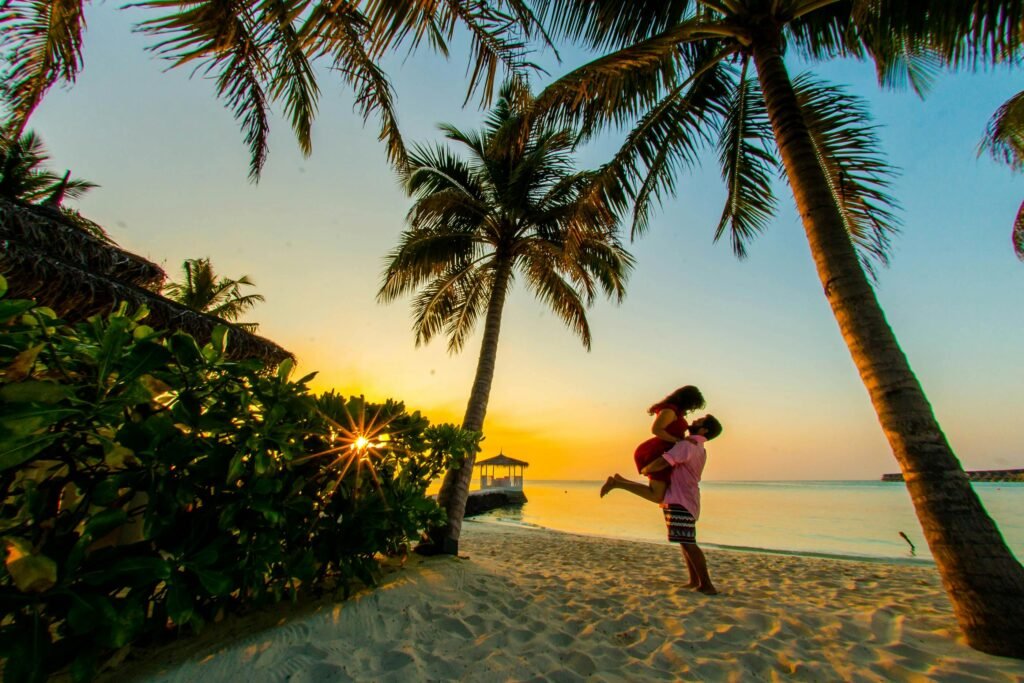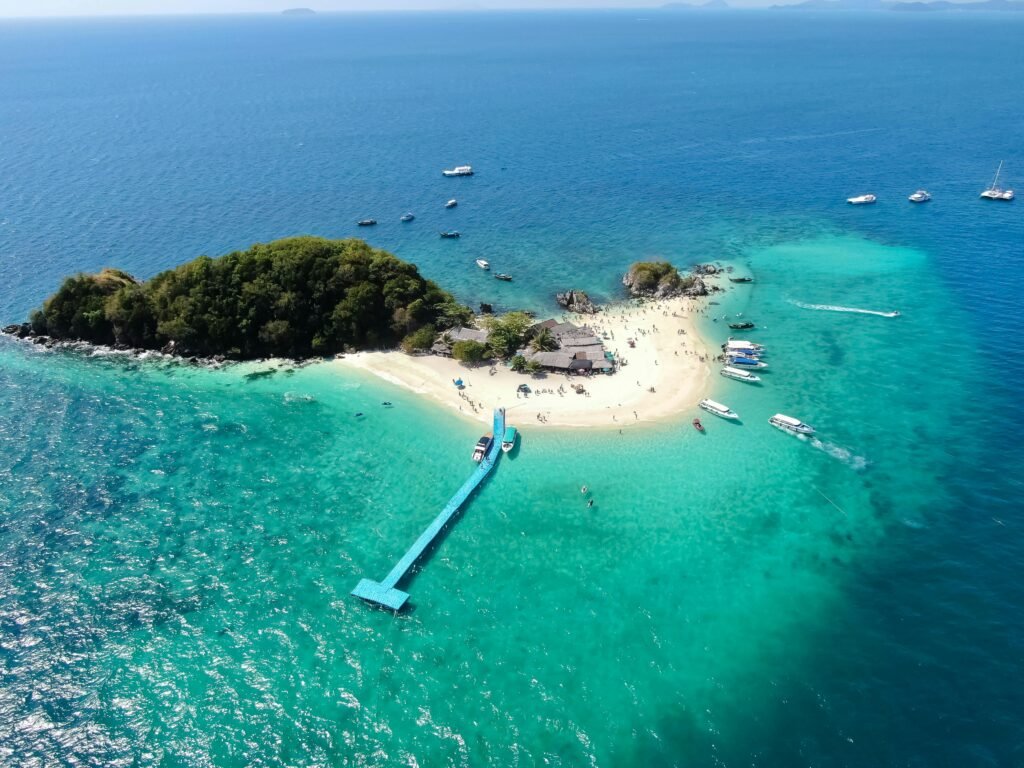

Planning an Indonesian adventure but unsure how much money you’ll need? You’re not alone. One of the first questions most travelers ask is, “What does an Indonesia trip cost?” The good news is that Indonesia trip cost can fit almost any budget—from backpackers exploring multiple islands to honeymooners staying in luxury beachfront resorts. Whether you’re planning a solo escape, a family vacation, or an Indonesia trip cost from India, understanding your expected expenses beforehand can help you avoid surprises and make the most of every rupiah.
The average Indonesia trip cost depends on your travel style. Budget travelers can spend surprisingly little by staying in hostels, eating local food, and using public transportation, while mid-range and luxury travelers should expect higher costs for resorts, private transfers, and premium experiences. Your total budget is influenced by flights, accommodation, food, transportation, activities, and the season you visit.
One of the things I love most about traveling in Indonesia is how flexible it is. On one trip, I met a backpacker who was island-hopping across Java and Bali on a tight budget, relying on overnight trains, local warungs, and guesthouses. A few days later, I spoke with a couple celebrating their honeymoon in a private villa overlooking the rice terraces of Ubud. Both described Indonesia as incredible value—they simply prioritized different experiences.
That’s exactly why this guide goes beyond a simple price list. Instead of giving rough estimates, you’ll learn the cost of traveling in Indonesia from start to finish, including flights, accommodation, meals, local transportation, island-hopping expenses, attraction fees, and those hidden costs many first-time visitors forget. If you’re creating an Indonesia itinerary budget for 5, 7, or 10 days, this guide will help you estimate your spending more accurately.
If this is your first visit, start with our Complete Indonesia Travel Guide, where you’ll find everything from visa requirements and transportation to the best places to visit and essential travel tips.
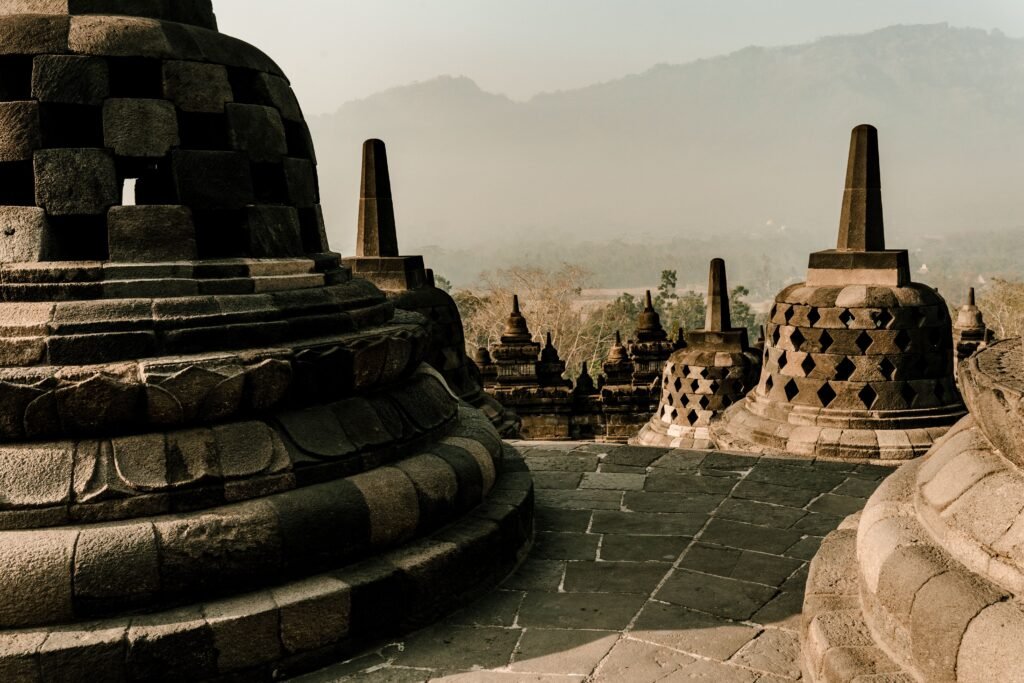
Another factor many travelers overlook is that Indonesia isn’t a single destination—it’s an archipelago of more than 17,000 islands. Traveling around Bali feels very different from exploring Java, Lombok, Flores, or the Gili Islands. Domestic flights, ferries, and speedboats can significantly affect your Indonesia travel expenses, so choosing the right itinerary matters just as much as finding cheap accommodation.
If you’re visiting from India, you’ll also want to account for airfare, travel insurance, visa requirements (if applicable), currency exchange, and airport transfers. Throughout this guide, you’ll find practical budgeting advice tailored for Indian travelers, making it easier to estimate your Indonesia travel cost before booking anything.
Along the way, I’ll also share real money-saving strategies that experienced travelers use—such as booking domestic flights early, using ride-hailing apps like Grab or Gojek instead of unmetered taxis, and staying in locally owned guesthouses where breakfast is often included. These small decisions can reduce your Indonesia daily travel expenses without sacrificing the experience.
You’ll also discover when it’s worth spending a little extra. For example, paying more for a direct ferry, choosing accommodation near major attractions, or purchasing travel insurance can actually save money, time, and stress in the long run.
If you’re carrying multiple devices for navigation, photography, and digital payments, this is also a natural place to pack a lightweight portable charger and a universal travel adapter. They’re inexpensive additions that can prevent frustrating travel interruptions, especially during long sightseeing days or inter-island transfers.
By the end of this guide, you’ll know exactly how much to budget based on your travel style—whether you’re planning an Indonesia backpacking budget, a comfortable mid-range holiday, or a luxury vacation. You’ll also learn where to save, where to splurge, and how to avoid common budgeting mistakes that catch many first-time visitors off guard.
Table of Contents
ToggleIndonesia Trip Cost at a Glance
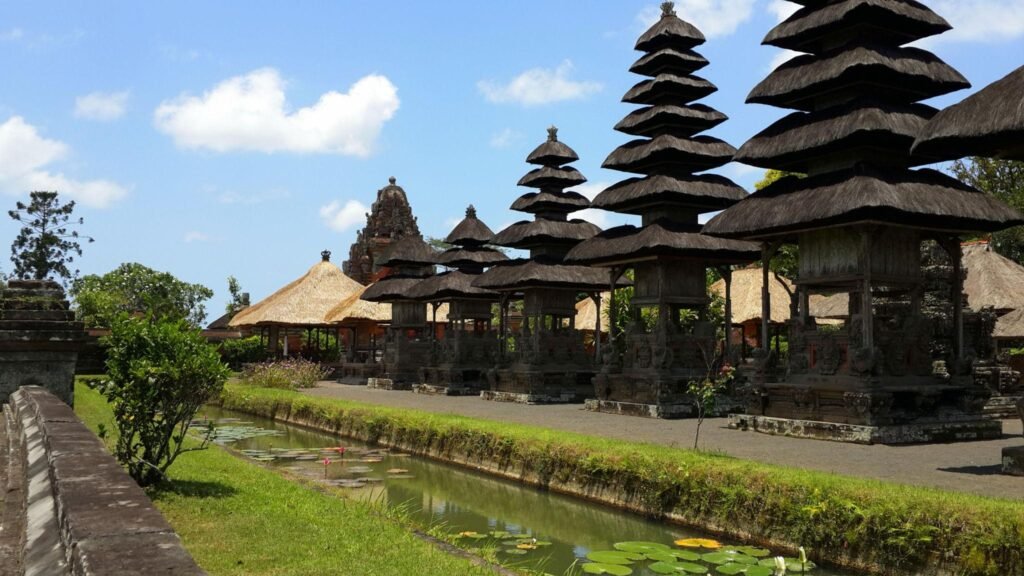
If you’re wondering “How much does an Indonesia trip cost?”, the answer depends on three key factors: your travel style, trip duration, and the islands you plan to visit. A backpacker exploring Java and Bali on a budget will spend far less than a couple staying in luxury beachfront resorts or taking private Komodo cruises.
The good news is that Indonesia is one of Southeast Asia’s most flexible destinations. Whether you’re planning an affordable backpacking adventure, a comfortable mid-range vacation, or a luxury escape, there’s an option for almost every budget.
The estimates below provide a realistic overview of Indonesia travel cost in 2026. Prices are based on average expenses for accommodation, food, local transportation, sightseeing, and miscellaneous daily spending. International flights are not included unless otherwise stated.
Most travelers can expect Indonesia daily travel expenses to range from ₹2,500–₹15,000+ ($30–$180+) per person per day, depending on their travel style.
Average Cost for Different Travel Styles
Choosing the right travel style is the biggest factor affecting your overall Indonesia travel budget. Here’s what you can generally expect.
| Travel Style | Daily Budget (INR) | Daily Budget (USD)* | Best For |
|---|---|---|---|
| 🎒 Backpacker | ₹2,500–₹4,500 | $30–$55 | Hostels, local food, public transport |
| 💰 Budget Traveler | ₹4,500–₹7,500 | $55–$90 | Budget hotels, cafés, scooters, shared tours |
| 🏝️ Mid-Range Traveler | ₹7,500–₹15,000 | $90–$180 | Comfortable hotels, restaurants, guided tours |
| 🌴 Luxury Traveler | ₹15,000+ | $180+ | Resorts, private villas, premium experiences |
Which Travel Style Offers the Best Value?
If you’re visiting Indonesia for the first time, a mid-range budget often delivers the best overall experience. You can stay in well-rated hotels, enjoy excellent local and international cuisine, take island tours, and still keep your Indonesia vacation cost reasonable.
Backpackers can save even more by using overnight transport, eating at local warungs, and staying in hostels, while luxury travelers gain access to private villas, spa retreats, and exclusive island experiences.
| Expense Category | Average Daily Cost (INR) |
|---|---|
| Accommodation | ₹3,000–₹5,500 |
| Food & Drinks | ₹1,000–₹2,000 |
| Local Transportation | ₹500–₹1,200 |
| Attractions & Activities | ₹1,500–₹4,000 |
| Miscellaneous | ₹500–₹1,000 |
| Estimated Total Per Day | ₹7,500–₹15,000 |
Pro Tip: Accommodation and transportation usually account for the largest share of your cost of traveling in Indonesia. Booking flights and hotels a few months in advance—especially during the dry season—can significantly reduce your total expenses.
Cost for Solo, Couple & Family
Your travel companions also influence your overall budget. While solo travelers bear all accommodation costs themselves, couples and families often benefit from sharing hotel rooms and transportation.
| Traveler Type | 7-Day Estimated Budget (Excluding International Flights) | Ideal Travel Style |
|---|---|---|
| Solo Traveler | ₹20,000–₹90,000 | Backpacker to Mid-range |
| Couple | ₹45,000–₹1,80,000 | Budget to Luxury |
| Family (2 Adults + 2 Children) | ₹90,000–₹3,20,000+ | Mid-range to Luxury |
For example, a solo backpacker exploring Bali and Yogyakarta can keep their Indonesia backpacking budget surprisingly low by staying in hostels and using local transport. On the other hand, a couple spending a week in Bali with private airport transfers, beachfront accommodation, and day tours should plan for a higher Indonesia itinerary budget.
Remember that island-hopping to destinations like Lombok, Flores, or Komodo National Park can increase your overall Indonesia travel expenses, as domestic flights and speedboat transfers are often the biggest variable costs.
Planning Tip: Use these figures as a starting point. In the following sections, we’ll break down accommodation, food, transportation, attractions, and hidden expenses so you can build an accurate Indonesia trip cost based on your own itinerary rather than relying on generic estimates.
Indonesia Trip Cost from India
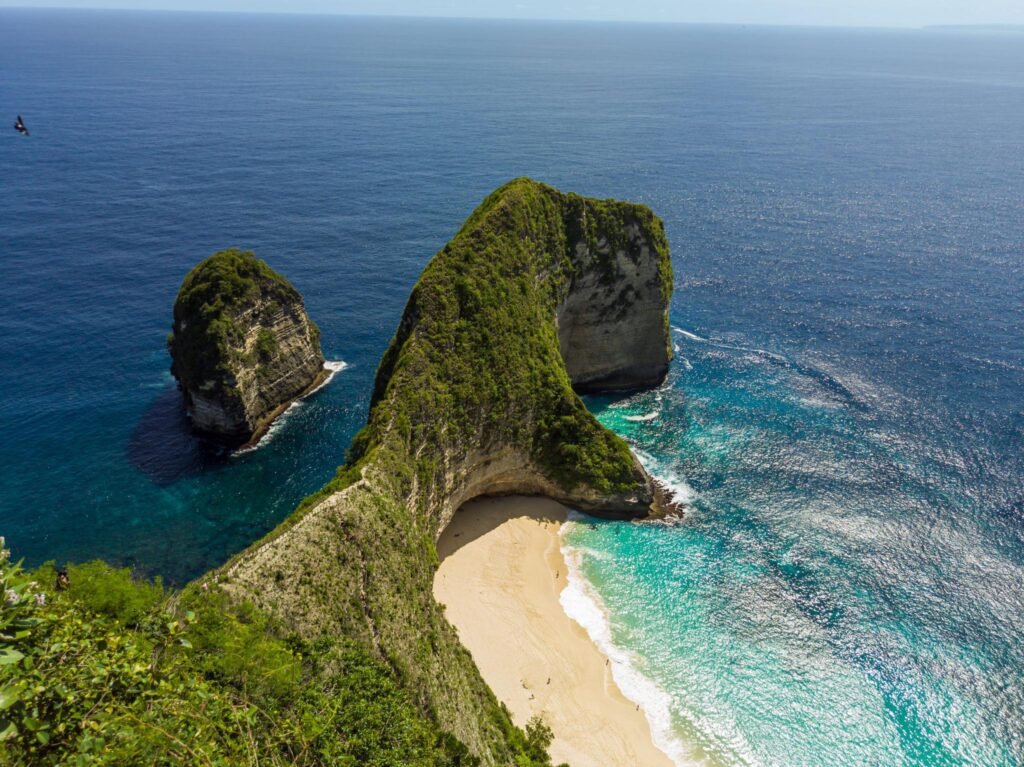
If you’re planning an international vacation, understanding the Indonesia trip cost from India is the first step toward building a realistic budget. Unlike many international destinations, Indonesia offers excellent value for Indian travelers, especially if you book flights early, travel during the shoulder season, and plan your itinerary carefully.
Your total Indonesia travel cost will mainly depend on seven expenses: flights, visa (if applicable), travel insurance, currency exchange, airport transfers, local SIM cards, and miscellaneous charges. Here’s what you should budget before you even check into your hotel.
Flights
For most Indian travelers, airfare is the largest upfront expense.
Direct and connecting flights are available from major cities such as Delhi, Mumbai, Bengaluru, Chennai, Hyderabad, and Kolkata to destinations like Bali (Denpasar) and Jakarta. Flight prices fluctuate depending on the season, airline, and how early you book.
| Route | Average Round-Trip Fare (Economy) |
|---|---|
| Delhi → Bali | ₹28,000–₹45,000 |
| Mumbai → Bali | ₹25,000–₹42,000 |
| Bengaluru → Bali | ₹22,000–₹38,000 |
| Delhi → Jakarta | ₹25,000–₹40,000 |
Money-Saving Tip
- Book 2–4 months in advance for the best fares.
- Fly during the shoulder season (April–June or September–October) to save significantly.
- Compare nearby departure airports if you’re flexible.
- Travel with cabin baggage only if possible to avoid expensive baggage fees.
Visa
Visa policies can change, so always verify the latest entry requirements before booking your trip.
Depending on the current regulations and your itinerary, you may qualify for visa-free entry, a Visa on Arrival, or an e-Visa. Besides the visa fee (if applicable), remember to budget for passport validity requirements and any government entry charges.
Pro Tip: Even if a visa is inexpensive, don’t overlook passport renewal costs or last-minute documentation expenses when calculating your Indonesia vacation cost.
Travel Insurance
Many travelers skip travel insurance to save money, but it is one of the smartest investments for an international trip.
A good policy typically covers:
- Medical emergencies
- Trip cancellation
- Lost baggage
- Flight delays
- Passport loss
- Adventure activities (depending on the plan)
Estimated Cost
₹800–₹2,500 per person for a one-week trip.
Considering how expensive overseas medical treatment can be, this small expense can save you thousands if something unexpected happens.
Currency Exchange
Indonesia uses the Indonesian Rupiah (IDR).
Avoid exchanging all your money at Indian airports, where exchange rates are often less favorable. Instead:
- Carry a small amount of Indonesian Rupiah for arrival expenses.
- Use reputable exchange counters in Indonesia.
- Withdraw cash from bank ATMs when needed.
- Keep a travel card or international debit/credit card as a backup.
Budget Tip: Notify your bank before traveling to avoid international transaction blocks.
Airport Transfers
After landing, you’ll need transportation to your hotel.
Typical options include:
| Transport | Estimated Cost |
|---|---|
| Ride-hailing apps (Grab/Gojek) | ₹300–₹900 |
| Airport Taxi | ₹700–₹1,800 |
| Private Hotel Transfer | ₹1,200–₹3,000 |
Whenever available, Grab or Gojek usually offers better value than airport taxi queues. If you’re arriving late at night or traveling with family, a pre-booked hotel transfer may be worth the extra cost for convenience and peace of mind.
SIM Cards
Buying a local SIM card is much cheaper than using international roaming.
Popular providers offer generous data packages suitable for navigation, ride-hailing apps, messaging, and social media.
Estimated Cost
- Tourist SIM: ₹400–₹1,200
- eSIM (where supported): Similar pricing depending on the provider and data plan.
Having reliable mobile data makes it much easier to use Google Maps, translate menus, book transport, and stay connected throughout your trip.
Miscellaneous Costs
Many first-time visitors underestimate these small expenses, but they can quickly add up.
Budget for:
- ATM withdrawal fees
- Currency conversion charges
- Checked baggage fees
- Drinking water
- Public restroom charges in some locations
- Tips (where appropriate)
- Souvenirs
- Snacks during day trips
- Emergency medical expenses
- Laundry for longer trips
Setting aside an extra 10–15% contingency fund is a practical way to handle unexpected costs without affecting the rest of your travel budget.
Experienced Traveler’s Tip: I always keep a small envelope with emergency cash (around one day’s expenses) separate from my main wallet. It has come in handy more than once when ATMs were temporarily unavailable on smaller islands or card payments weren’t accepted.
Estimated Pre-Departure Budget from India
| Expense | Estimated Cost (INR) |
|---|---|
| Round-trip Flight | ₹22,000–₹45,000 |
| Visa (if applicable) | As per current regulations |
| Travel Insurance | ₹800–₹2,500 |
| Airport Transfers | ₹600–₹3,000 |
| Local SIM Card | ₹400–₹1,200 |
| Currency Exchange & ATM Charges | ₹500–₹2,000 |
| Miscellaneous Buffer | ₹2,000–₹5,000 |
| Estimated Total Before Accommodation & Daily Expenses | ₹26,000–₹58,000+ |
Planning Tip
Before finalizing your Indonesia itinerary budget, don’t focus only on flights and hotels. Small expenses like ATM fees, baggage charges, airport transfers, and travel insurance can easily increase your overall spending if they’re not included from the start.
Accommodation Costs in Indonesia

Accommodation is one of the biggest factors affecting your Indonesia trip cost, but it’s also where Indonesia offers some of the best value in Southeast Asia. Whether you’re a backpacker looking for a social hostel in Bali, a couple searching for a boutique hotel in Ubud, or a family wanting a private villa in Lombok, you’ll find options that fit almost every budget.
One thing I’ve learned from traveling around Indonesia is that location matters just as much as price. A hotel that costs a little more but is within walking distance of beaches, restaurants, or attractions can actually save you money on transportation. Likewise, staying near city centers or popular tourist areas often means you’ll spend less time and money commuting.
The prices below are average nightly rates and may vary depending on the season, destination, and how far in advance you book.
Hostels
Hostels are the most affordable accommodation option and are especially popular among solo travelers and backpackers. Many modern hostels in Bali, Yogyakarta, and Lombok include swimming pools, coworking spaces, cafés, free Wi-Fi, and organized social events.
Besides saving money, hostels are a great place to meet fellow travelers, join day tours, or split transportation costs.
| Destination | Average Price Per Night |
|---|---|
| Bali | ₹700–₹1,800 |
| Yogyakarta | ₹500–₹1,300 |
| Lombok | ₹700–₹1,600 |
| Jakarta | ₹900–₹2,000 |
Best For
- Solo travelers
- Digital nomads
- Backpackers
- Long-term travelers
Money-Saving Tip: Choose hostels that include breakfast and free drinking water. These small inclusions can noticeably reduce your daily travel expenses over a week.
Budget Hotels
If you prefer privacy without spending much more, budget hotels offer excellent value. Many include air conditioning, private bathrooms, Wi-Fi, breakfast, and daily housekeeping.
They’re ideal for couples and first-time visitors who want comfort while keeping their Indonesia travel budget under control.
| Destination | Average Price Per Night |
|---|---|
| Bali | ₹2,000–₹4,500 |
| Jakarta | ₹2,500–₹5,000 |
| Yogyakarta | ₹1,800–₹3,800 |
| Lombok | ₹2,000–₹4,000 |
Best For
- Couples
- Friends traveling together
- Budget-conscious families
Pro Tip: Hotels slightly away from the beach or city center often cost 20–40% less while still being just a short scooter ride from major attractions.
Mid-Range Hotels
Mid-range hotels strike the perfect balance between comfort and affordability. Expect spacious rooms, swimming pools, restaurants, gyms, and excellent customer service.
If you’re planning a one-week vacation, this category usually offers the best value for money, especially in destinations like Bali, Ubud, and Nusa Dua.
| Destination | Average Price Per Night |
|---|---|
| Bali | ₹5,000–₹10,000 |
| Jakarta | ₹5,500–₹11,000 |
| Lombok | ₹4,500–₹9,000 |
| Labuan Bajo | ₹5,500–₹10,500 |
Best For
- Couples
- Honeymooners
- Families
- Travelers seeking comfort without luxury prices
Travel Tip: Many mid-range hotels include breakfast, airport shuttle services, and discounted tour packages, which can lower your overall Indonesia vacation cost.
Luxury Resorts
Indonesia is famous for offering world-class luxury at prices that are often more affordable than similar resorts in Europe or the Maldives.
Luxury resorts feature private beaches, infinity pools, spa facilities, gourmet restaurants, and personalized services.
| Destination | Average Price Per Night |
|---|---|
| Bali | ₹12,000–₹40,000+ |
| Nusa Dua | ₹15,000–₹50,000+ |
| Ubud | ₹12,000–₹35,000+ |
| Komodo Region | ₹15,000–₹45,000+ |
Best For
- Honeymoon couples
- Luxury vacations
- Special celebrations
- Wellness retreats
If you’re celebrating a honeymoon or anniversary, spending a little extra on a luxury resort in Ubud or Nusa Dua can be well worth it, thanks to the exceptional hospitality and unique experiences.
Villas
Private villas are one of Indonesia’s biggest highlights. Unlike many countries where villas are reserved for luxury travelers, Indonesia offers surprisingly affordable options, particularly in Bali and Lombok.
Many villas include:
- Private swimming pools
- Fully equipped kitchens
- Garden areas
- Daily housekeeping
- Optional private chefs
- Airport transfers
| Destination | Average Price Per Night |
|---|---|
| Bali | ₹7,000–₹30,000+ |
| Ubud | ₹8,000–₹25,000+ |
| Canggu | ₹9,000–₹35,000+ |
| Lombok | ₹7,000–₹22,000+ |
Best For
- Families
- Groups of friends
- Honeymooners
- Long stays
Budget Tip: Traveling with four or more people? Renting a private villa is often cheaper per person than booking multiple hotel rooms, while providing more space and privacy.
Which Option Offers the Best Value?
For most travelers, mid-range hotels offer the best balance between price, comfort, and convenience. They provide modern amenities, excellent locations, and quality service without significantly increasing your Indonesia trip cost.
However, the best accommodation depends on your travel style:
| Travel Style | Best Accommodation |
|---|---|
| Backpacker | Hostel |
| Budget Couple | Budget Hotel |
| Family | Villa |
| Honeymoon | Luxury Resort or Private Villa |
| Digital Nomad | Hostel or Monthly Villa Rental |
From personal experience, I recommend choosing accommodation based on your itinerary rather than simply the nightly rate. Spending ₹1,000–₹2,000 more for a centrally located hotel can save hours of commuting and reduce transportation costs throughout your trip. It’s a small investment that often improves both your travel experience and your overall cost of traveling in Indonesia.
Food & Drinks Cost in Indonesia

One of the best parts of traveling in Indonesia is that you don’t need to spend a fortune to enjoy incredible food. From sizzling satay at a roadside stall to fresh seafood on the beach and trendy cafés in Bali, there’s something for every budget.
For most travelers, food accounts for only 15–25% of the total Indonesia trip cost, making it one of the easiest areas to save money without sacrificing your experience. Eating where locals eat can cut your daily expenses in half while introducing you to authentic Indonesian flavors.
How much does food cost in Indonesia?
Food in Indonesia is generally affordable. Budget travelers can spend around ₹800–₹1,500 per day by eating at street food stalls and local restaurants, while mid-range travelers typically spend ₹1,500–₹3,000 per day. Those dining at upscale restaurants or beachfront venues should budget ₹3,500 or more per day.
Whether you’re planning an Indonesia backpacking budget or a luxury vacation, here’s what you can expect.
Street Food
If you want authentic Indonesian cuisine at the lowest prices, street food is hard to beat. Local vendors, known as warungs or food carts, serve freshly prepared meals that are both delicious and budget-friendly.
Popular dishes include:
- Nasi Goreng (Fried Rice)
- Mie Goreng (Fried Noodles)
- Satay (Grilled Skewers)
- Bakso (Meatball Soup)
- Soto Ayam (Chicken Soup)
- Martabak (Stuffed Pancake)
| Street Food Item | Average Price |
|---|---|
| Nasi Goreng | ₹120–₹250 |
| Mie Goreng | ₹120–₹250 |
| Chicken Satay | ₹150–₹300 |
| Bakso | ₹120–₹220 |
| Fresh Coconut | ₹100–₹250 |
| Local Coffee | ₹80–₹180 |
Best For
- Backpackers
- Solo travelers
- Food lovers
- Budget-conscious visitors
Travel Tip: Choose stalls that are busy with local customers. High turnover usually means fresher ingredients and better food quality.
Local Restaurants
Local restaurants offer larger menus, comfortable seating, and regional specialties while remaining very affordable.
They’re perfect if you want to experience Indonesian cuisine without spending much more than street food prices.
| Meal Type | Average Price |
|---|---|
| Local Rice Meal | ₹250–₹450 |
| Seafood Dish | ₹500–₹900 |
| Indonesian Curry | ₹350–₹700 |
| Fresh Juice | ₹120–₹250 |
| Dessert | ₹150–₹350 |
Best For
- Couples
- Families
- Travelers seeking authentic dining experiences
Many restaurants also offer lunch specials that provide excellent value compared to dinner menus.
Cafés
Indonesia, especially Bali, has become famous for its stylish cafés serving specialty coffee, smoothie bowls, brunches, and international cuisine.
Popular areas such as Canggu, Seminyak, and Ubud are packed with Instagram-worthy cafés that attract digital nomads and travelers from around the world.
| Café Item | Average Price |
|---|---|
| Coffee | ₹180–₹350 |
| Cappuccino | ₹220–₹400 |
| Smoothie Bowl | ₹350–₹700 |
| Western Breakfast | ₹500–₹900 |
| Sandwich or Burger | ₹500–₹900 |
While cafés are more expensive than local restaurants, they’re often worth visiting for the atmosphere, reliable Wi-Fi, and high-quality coffee.
Money-Saving Tip: Visit cafés during breakfast or lunch, when many offer combo meals or discounted brunch specials.
Fine Dining
Indonesia’s fine dining scene has grown rapidly over the past few years. Luxury resorts and renowned restaurants offer everything from Indonesian tasting menus to Japanese omakase and modern European cuisine.
Expect exceptional service, beautifully presented dishes, and spectacular views—especially in Bali’s cliffside restaurants and beachfront resorts.
| Fine Dining Experience | Average Price Per Person |
|---|---|
| Three-Course Dinner | ₹2,500–₹5,000 |
| Premium Seafood Dinner | ₹3,000–₹6,500 |
| Tasting Menu | ₹5,000–₹10,000+ |
Best For
- Honeymooners
- Special occasions
- Luxury travelers
If you’re celebrating a birthday or anniversary, budgeting for one memorable fine dining experience is usually worth the splurge without significantly increasing your overall Indonesia vacation cost.
Alcohol Prices
Alcohol is noticeably more expensive in Indonesia than local food due to taxes and import duties. If you plan to enjoy cocktails, wine, or imported beer regularly, you’ll need to account for this in your Indonesia travel budget.
| Drink | Average Price |
|---|---|
| Local Beer | ₹250–₹450 |
| Imported Beer | ₹450–₹700 |
| Cocktail | ₹700–₹1,200 |
| Glass of Wine | ₹700–₹1,500 |
| Bottle of Wine | ₹2,000–₹6,000+ |
Budget Tip: Local beers are generally much cheaper than imported brands. Happy-hour promotions at beach clubs and bars can also help reduce your spending.
Estimated Daily Food Budget
| Travel Style | Daily Food Budget |
|---|---|
| Backpacker | ₹800–₹1,500 |
| Budget Traveler | ₹1,200–₹2,000 |
| Mid-Range Traveler | ₹1,800–₹3,000 |
| Luxury Traveler | ₹3,500–₹8,000+ |
For most travelers, allocating around ₹1,500–₹2,500 per day for food and drinks provides a comfortable balance between trying local specialties, visiting a few cafés, and enjoying the occasional seafood dinner or beachside meal.
Pro Travel Tips
- Eat breakfast at your hotel if it’s included—it can save ₹300–₹800 per day.
- Carry a reusable water bottle and refill it at accommodation where filtered water is available instead of buying multiple plastic bottles.
- Use food delivery apps like GrabFood or GoFood if you’re staying longer in one place—they often have discounts compared to dining in.
- Don’t skip local markets. They’re excellent places to try authentic snacks, tropical fruits, and fresh juices at a fraction of restaurant prices.
- If you have dietary restrictions, learn a few Indonesian phrases or use a translation app to communicate your needs more easily.
Transportation Costs in Indonesia
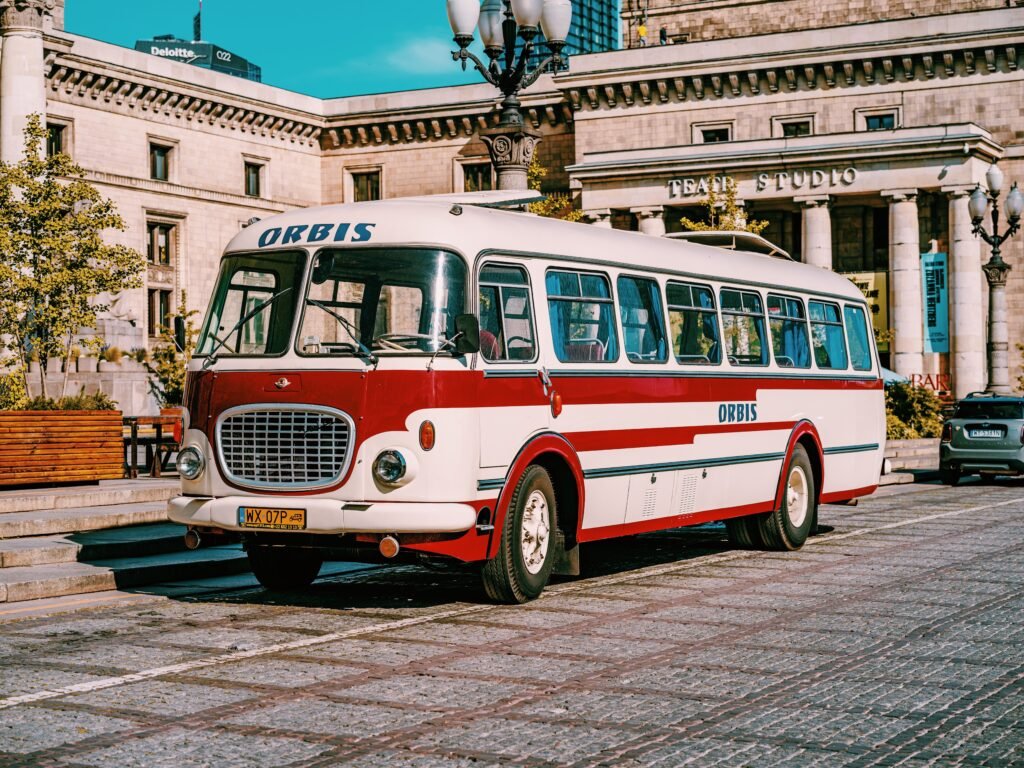
Transportation is one of the biggest variables in your Indonesia trip cost. While getting around within a city is usually inexpensive, traveling between Indonesia’s thousands of islands can quickly increase your budget if you don’t plan ahead.
The good news is that Indonesia offers transportation options for every type of traveler. You can use affordable ride-hailing apps in major cities, rent a scooter to explore Bali at your own pace, take scenic train journeys across Java, or hop between islands by ferry or domestic flight.
From my own travel experience and conversations with other travelers, one thing becomes clear: your itinerary has a bigger impact on your transportation budget than your travel style. Spending a week in Bali costs far less than visiting Bali, Lombok, and Komodo on the same trip because every island transfer adds extra expenses.
Below is a realistic breakdown of transportation costs in Indonesia.
Grab & Gojek
If you’re staying in cities like Bali, Jakarta, Yogyakarta, Surabaya, or Medan, Grab and Gojek are the cheapest and most convenient ways to get around.
These ride-hailing apps allow you to compare fares, avoid negotiating with taxi drivers, and even order food or groceries from your phone.
| Ride Type | Average Cost |
|---|---|
| Short Ride (3–5 km) | ₹120–₹250 |
| Medium Ride (5–10 km) | ₹250–₹500 |
| Airport Ride | ₹350–₹900 |
Best For
- First-time visitors
- Solo travelers
- Couples
- Families
Money-Saving Tip: Compare fares between Grab and Gojek before booking. Prices often differ during peak hours, and one app may offer promotional discounts.
Scooter Rental
Renting a scooter is one of the most popular ways to explore Bali, Lombok, and smaller islands. It offers flexibility, especially if you plan to visit waterfalls, rice terraces, beaches, or hidden villages that aren’t easily reached by public transport.
| Rental Duration | Average Price |
|---|---|
| Per Day | ₹350–₹700 |
| Weekly | ₹2,000–₹3,500 |
| Monthly | ₹6,000–₹10,000 |
Fuel is inexpensive, usually costing ₹70–₹150 per day for normal sightseeing.
Best For
- Experienced riders
- Budget travelers
- Digital nomads
- Couples
Important: Only rent a scooter if you’re confident riding one and carry the appropriate driving permit recognized for international travel. Wear a helmet at all times and ensure your travel insurance covers motorcycle use if you plan to ride.
Domestic Flights
Indonesia stretches over thousands of islands, making domestic flights the fastest option for longer distances.
Popular routes include:
- Bali → Jakarta
- Bali → Lombok
- Bali → Labuan Bajo
- Jakarta → Yogyakarta
- Surabaya → Komodo
| Popular Route | Average Fare |
|---|---|
| Bali → Jakarta | ₹3,000–₹7,000 |
| Bali → Lombok | ₹2,500–₹5,500 |
| Bali → Labuan Bajo | ₹4,500–₹9,000 |
| Jakarta → Yogyakarta | ₹2,500–₹5,500 |
Travel Tip: Booking domestic flights 4–8 weeks in advance often results in significantly lower fares, particularly during the dry season and major holidays.
Ferries
Ferries are one of the most budget-friendly ways to travel between nearby islands. While they take longer than flights, they offer beautiful ocean views and are a great choice for travelers who aren’t in a hurry.
Common ferry routes include:
- Bali ↔ Lombok
- Bali ↔ Nusa Penida
- Lombok ↔ Gili Islands
- Java ↔ Bali
| Ferry Route | Average Cost |
|---|---|
| Bali → Nusa Penida | ₹800–₹1,800 |
| Bali → Lombok | ₹1,500–₹3,000 |
| Lombok → Gili Islands | ₹500–₹1,200 |
| Java → Bali | ₹400–₹900 |
Pro Tip: During rough weather, ferry schedules may change. Avoid booking tight connections between ferries and flights on the same day.
Trains
Java has one of Southeast Asia’s most comfortable and affordable railway networks. Train travel is clean, reliable, and offers scenic views of volcanoes, rice fields, and rural villages.
Popular routes include:
- Jakarta → Bandung
- Jakarta → Yogyakarta
- Yogyakarta → Surabaya
| Route | Average Fare |
|---|---|
| Jakarta → Bandung | ₹800–₹2,000 |
| Jakarta → Yogyakarta | ₹2,000–₹4,500 |
| Yogyakarta → Surabaya | ₹1,200–₹3,000 |
Best For
- Budget travelers
- Families
- Scenic travel lovers
For journeys across Java, trains are often a better value than flying when you factor in airport transfers and baggage fees.
Buses
Buses remain one of the cheapest transportation options in Indonesia, especially for short and medium-distance routes.
You’ll find everything from local minibuses to comfortable air-conditioned coaches.
| Bus Type | Average Fare |
|---|---|
| Local Bus | ₹50–₹200 |
| Intercity Bus | ₹300–₹1,000 |
| Luxury Coach | ₹1,000–₹2,000 |
Although buses are affordable, travel times can be much longer because of traffic and road conditions.
Best For
- Backpackers
- Budget-conscious travelers
- Flexible itineraries
Which Transportation Saves the Most Money?
Which Transportation Saves the Most Money?
| Transportation | Cost | Speed | Best For |
|---|---|---|---|
| Grab & Gojek | ⭐⭐⭐⭐ | ⭐⭐⭐⭐ | City travel |
| Scooter Rental | ⭐⭐⭐⭐⭐ | ⭐⭐⭐⭐⭐ | Exploring Bali & Lombok |
| Train | ⭐⭐⭐⭐⭐ | ⭐⭐⭐⭐ | Traveling across Java |
| Ferry | ⭐⭐⭐⭐ | ⭐⭐ | Island hopping |
| Bus | ⭐⭐⭐⭐⭐ | ⭐⭐ | Budget travel |
| Domestic Flight | ⭐⭐ | ⭐⭐⭐⭐⭐ | Long-distance island travel |
If your goal is to keep your Indonesia travel budget as low as possible:
- Use Grab or Gojek within cities instead of taxis.
- Travel by train whenever you’re exploring Java.
- Choose ferries for nearby islands if you have extra time.
- Rent a scooter only if you’re an experienced rider with the proper license and insurance.
- Reserve domestic flights for longer routes where ferries would consume an entire day.
A smart transportation strategy can reduce your overall Indonesia travel expenses by thousands of rupees without limiting what you see. For example, staying in one region for several days before moving to the next is usually much cheaper than changing islands every day.
Sightseeing & Activity Costs in Indonesia
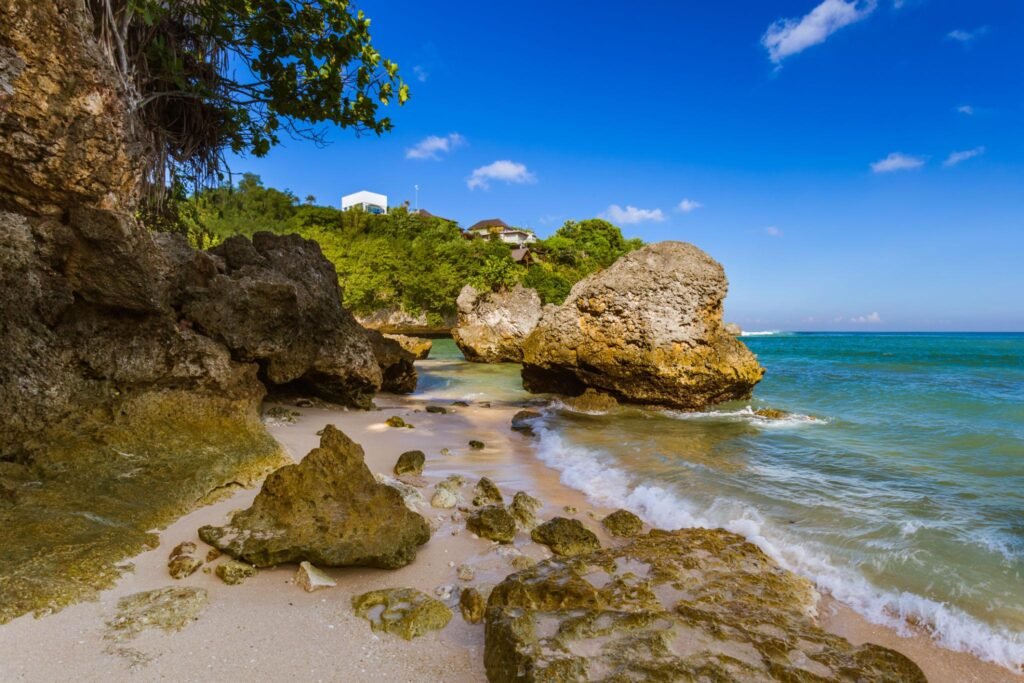
Indonesia isn’t just about beautiful beaches—it’s one of the world’s most diverse travel destinations. From ancient temples and active volcanoes to world-class diving and unforgettable wildlife encounters, there’s something for every type of traveler.
The best part? You don’t need a luxury budget to enjoy many of Indonesia’s top attractions. While iconic experiences like a Komodo Island boat tour or multi-day diving trips can be expensive, plenty of stunning temples, beaches, waterfalls, and cultural sites are either free or very affordable.
For most travelers, sightseeing and activities account for 20–35% of the total Indonesia trip cost, depending on how adventurous your itinerary is.
If you’re planning your Indonesia itinerary budget, here’s what you can expect to spend on the country’s most popular attractions.
Temples
Indonesia is home to some of Southeast Asia’s most spectacular temples, many of which are UNESCO World Heritage Sites. Whether you’re watching the sunrise over Borobudur or exploring the intricate stone carvings of Prambanan, these cultural landmarks are worth adding to your itinerary.
Some of the most popular temples include:
- Borobudur Temple (Central Java)
- Prambanan Temple (Yogyakarta)
- Tanah Lot Temple (Bali)
- Uluwatu Temple (Bali)
- Tirta Empul Temple (Bali)
| Temple | Estimated Entry Fee |
|---|---|
| Borobudur | ₹2,000–₹2,800 |
| Prambanan | ₹2,000–₹2,800 |
| Tanah Lot | ₹400–₹700 |
| Uluwatu Temple | ₹300–₹600 |
| Tirta Empul | ₹300–₹600 |
Travel Tip: Visit temples early in the morning to avoid crowds, high temperatures, and long ticket queues. Sunrise visits to Borobudur are especially memorable.
Beaches
One of the biggest reasons travelers visit Indonesia is its breathtaking coastline. Fortunately, many beaches are free to access, while a few charge small entrance or parking fees.
Popular beach destinations include:
- Kuta Beach
- Seminyak Beach
- Nusa Dua Beach
- Padang Padang Beach
- Pink Beach (Komodo National Park)
- Gili Islands
| Beach Activity | Estimated Cost |
|---|---|
| Public Beach Entry | Free–₹300 |
| Beach Parking | ₹50–₹150 |
| Sunbed Rental | ₹300–₹800 |
| Surfboard Rental | ₹600–₹1,500 |
Budget Tip: Public beaches in Bali and Lombok are often just as beautiful as private beach clubs, making them a great option for travelers looking to keep their Indonesia travel budget low.
Volcano Tours
Indonesia sits on the Pacific Ring of Fire and is famous for its dramatic volcanic landscapes. Hiking an active volcano at sunrise is one of the country’s most unforgettable experiences.
Popular volcanoes include:
- Mount Batur (Bali)
- Mount Ijen (Java)
- Mount Bromo (Java)
- Mount Rinjani (Lombok)
| Volcano Tour | Estimated Cost |
|---|---|
| Mount Batur Sunrise Trek | ₹2,000–₹4,500 |
| Mount Bromo Tour | ₹3,000–₹6,000 |
| Mount Ijen Tour | ₹3,500–₹7,000 |
| Mount Rinjani Multi-Day Trek | ₹12,000–₹25,000 |
Pro Tip: Choose licensed local guides for volcano hikes. They not only improve your safety but also provide fascinating insights into the area’s history, geology, and culture.
Komodo Tours
A visit to Komodo National Park is often the highlight of an Indonesia trip. Seeing the legendary Komodo dragons in their natural habitat, snorkeling with manta rays, and exploring pristine islands make this one of the country’s most unique experiences.
Tours usually depart from Labuan Bajo.
| Tour Type | Estimated Cost |
|---|---|
| Shared Day Trip | ₹5,000–₹9,000 |
| Premium Speedboat Tour | ₹8,000–₹15,000 |
| Overnight Liveaboard | ₹15,000–₹40,000+ |
Worth Knowing: Although Komodo tours are among the most expensive activities in Indonesia, many travelers consider them excellent value because they include multiple islands, snorkeling stops, meals, and experienced guides.
Diving
Indonesia is consistently ranked among the world’s best diving destinations. From coral reefs and shipwrecks to manta rays and sea turtles, the underwater biodiversity is extraordinary.
Top diving destinations include:
- Raja Ampat
- Komodo National Park
- Nusa Penida
- Bunaken
- Gili Islands
| Diving Experience | Estimated Cost |
|---|---|
| Discover Dive | ₹4,000–₹7,000 |
| Two-Tank Fun Dive | ₹5,500–₹10,000 |
| PADI Open Water Course | ₹25,000–₹40,000 |
Best For
- Certified divers
- Marine life enthusiasts
- Adventure travelers
If diving is on your bucket list, plan a few extra days in your itinerary, as weather conditions can occasionally affect dive schedules.
Snorkeling
Not everyone needs scuba certification to enjoy Indonesia’s vibrant marine life. Snorkeling is affordable, beginner-friendly, and available across many islands.
Popular snorkeling spots include:
- Nusa Penida
- Gili Islands
- Amed
- Menjangan Island
- Komodo National Park
| Activity | Estimated Cost |
|---|---|
| Equipment Rental | ₹300–₹700 |
| Guided Snorkeling Tour | ₹1,500–₹4,000 |
| Private Boat Tour | ₹5,000–₹12,000 |
Money-Saving Tip: If you plan to snorkel multiple times, bringing your own mask and snorkel can save rental fees while ensuring a better fit.
Adventure Activities
If you’re looking for more than sightseeing, Indonesia offers plenty of adrenaline-filled experiences.
Popular activities include:
- White-water rafting
- ATV rides
- Jungle swings
- Ziplining
- Surfing lessons
- Waterfall canyoning
- Parasailing
- Jet skiing
| Activity | Estimated Cost |
|---|---|
| White-Water Rafting | ₹2,000–₹4,000 |
| ATV Adventure | ₹2,500–₹5,000 |
| Surf Lesson | ₹2,000–₹4,000 |
| Bali Swing | ₹2,000–₹4,500 |
| Parasailing | ₹3,000–₹6,000 |
These experiences can increase your Indonesia travel expenses, but they’re often among the most memorable parts of the trip.
Estimated Sightseeing Budget
| Travel Style | Daily Activity Budget |
|---|---|
| Backpacker | ₹800–₹2,000 |
| Budget Traveler | ₹2,000–₹4,000 |
| Mid-Range Traveler | ₹4,000–₹8,000 |
| Luxury Traveler | ₹8,000–₹20,000+ |
For most travelers, setting aside ₹3,000–₹5,000 per day for attractions and activities provides enough flexibility to enjoy temple visits, guided tours, beach experiences, and one or two premium adventures without exceeding their overall Indonesia trip cost.
Pro Travel Tips
- Book popular attractions online in advance during peak travel months to avoid higher last-minute prices.
- Combine nearby attractions into a single day to reduce transportation costs.
- Carry cash for smaller attractions and village entrance fees, as card payments aren’t always accepted.
- Check whether your hotel offers discounted tour bookings—they’re often competitively priced and more convenient.
- If you’re planning adventure sports, make sure your travel insurance covers activities like diving, trekking, or rafting.
Sample Indonesia Budgets
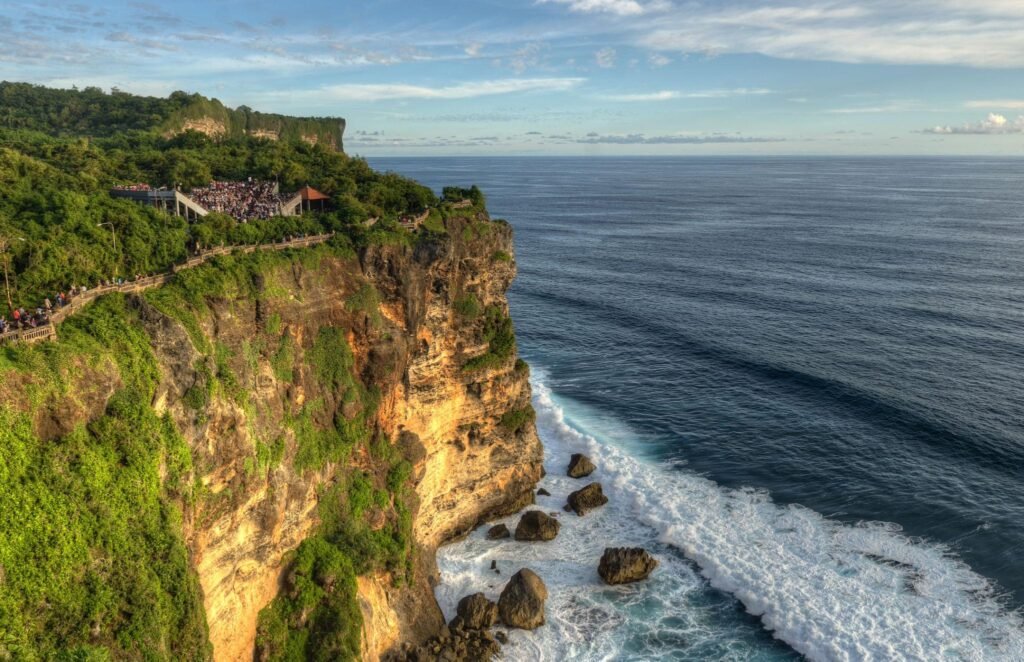
One of the most common questions travelers ask is, “How much money do I need for an Indonesia trip?” The answer depends on your travel style, the number of islands you visit, and the experiences you want to include.
To make planning easier, here are realistic Indonesia trip cost estimates for 5, 7, 10, and 14-day itineraries. These budgets are based on average prices in 2026 and include accommodation, food, local transportation, sightseeing, and miscellaneous daily expenses.
Note: International flights from India are not included in the budgets below, as airfare varies depending on your departure city and booking date.
How much should you budget for an Indonesia trip?
A 5-day Indonesia trip typically costs ₹20,000–₹75,000 per person (excluding international flights), while a 7-day trip ranges from ₹30,000–₹1,05,000. Travelers staying longer should budget around ₹45,000–₹1,50,000 for 10 days and ₹60,000–₹2,10,000 for a comfortable 14-day vacation, depending on their travel style.
5-Day Budget
A five-day trip is ideal if you’re visiting a single destination like Bali or Yogyakarta. You’ll have enough time to explore temples, beaches, cafés, and nearby attractions without spending too much on transportation.
| Travel Style | Estimated Budget (Excluding Flights) |
|---|---|
| 🎒 Backpacker | ₹20,000–₹25,000 |
| 💰 Budget | ₹25,000–₹37,000 |
| 🏝️ Mid-Range | ₹37,000–₹75,000 |
| 🌴 Luxury | ₹75,000+ |
Recommended Itinerary
- Ubud
- Seminyak
- Uluwatu
- Nusa Dua
Best For
- Long weekends
- First-time visitors
- Couples
- Solo travelers
7-Day Budget
Seven days is the most popular trip length and offers enough time to explore Bali comfortably or combine Bali with nearby destinations such as Nusa Penida or the Gili Islands.
| Travel Style | Estimated Budget (Excluding Flights) |
|---|---|
| 🎒 Backpacker | ₹28,000–₹35,000 |
| 💰 Budget | ₹35,000–₹52,000 |
| 🏝️ Mid-Range | ₹52,000–₹1,05,000 |
| 🌴 Luxury | ₹1,05,000+ |
Sample Itinerary
- Ubud (2 Nights)
- Seminyak (2 Nights)
- Nusa Penida (1 Night)
- Uluwatu (2 Nights)
Travel Tip: Avoid changing hotels every day. Staying two or three nights in each destination reduces transportation costs and gives you more time to enjoy each location.
10-Day Budget
If you have ten days, you can comfortably explore multiple regions without rushing. This itinerary works well for travelers who want a balance of beaches, culture, adventure, and island hopping.
| Travel Style | Estimated Budget (Excluding Flights) |
|---|---|
| 🎒 Backpacker | ₹40,000–₹50,000 |
| 💰 Budget | ₹50,000–₹75,000 |
| 🏝️ Mid-Range | ₹75,000–₹1,50,000 |
| 🌴 Luxury | ₹1,50,000+ |
Recommended Route
- Bali
- Nusa Penida
- Lombok
- Gili Islands
This itinerary allows you to enjoy waterfalls, volcanoes, snorkeling, beach clubs, and cultural experiences while keeping your Indonesia itinerary budget manageable.
14-Day Budget
Two weeks is the perfect amount of time to experience Indonesia beyond Bali. You can explore multiple islands at a relaxed pace without feeling rushed.
| Travel Style | Estimated Budget (Excluding Flights) |
|---|---|
| 🎒 Backpacker | ₹56,000–₹70,000 |
| 💰 Budget | ₹70,000–₹1,05,000 |
| 🏝️ Mid-Range | ₹1,05,000–₹2,10,000 |
| 🌴 Luxury | ₹2,10,000+ |
Suggested Route
- Bali
- Nusa Penida
- Lombok
- Gili Islands
- Labuan Bajo (Komodo National Park)
This itinerary is ideal for travelers who want to experience Indonesia’s diverse landscapes, marine life, volcanoes, and wildlife in a single trip.
Pro Tip: If you’re planning to visit Komodo National Park, book flights and tours well in advance. These are often the first expenses to sell out during peak season.
Which Budget Offers the Best Value?
For most travelers, the mid-range budget provides the best overall experience. You’ll enjoy comfortable hotels, delicious local and international food, convenient transportation, guided tours, and a few premium experiences without significantly increasing your overall Indonesia vacation cost.
If you’re traveling with friends or family, sharing villas and private transportation can further reduce your Indonesia travel expenses while offering better comfort and flexibility.
Pro Budget Planning Tips
- Allocate 10–15% extra as an emergency buffer for unexpected expenses.
- Book domestic flights and accommodation early, especially if traveling between June and August.
- Group nearby attractions together to reduce transportation costs.
- If you’re visiting multiple islands, include ferry tickets or domestic flights in your budget from the beginning.
- Consider staying longer in one destination instead of moving every two days—this often saves both money and travel time.
Best Time to Visit Indonesia
Choosing the right season can significantly affect both your travel experience and overall expenses. If you want a detailed month-by-month weather guide, regional climate differences, festivals, and seasonal travel advice, read our complete guide on the best time to visit Indonesia.
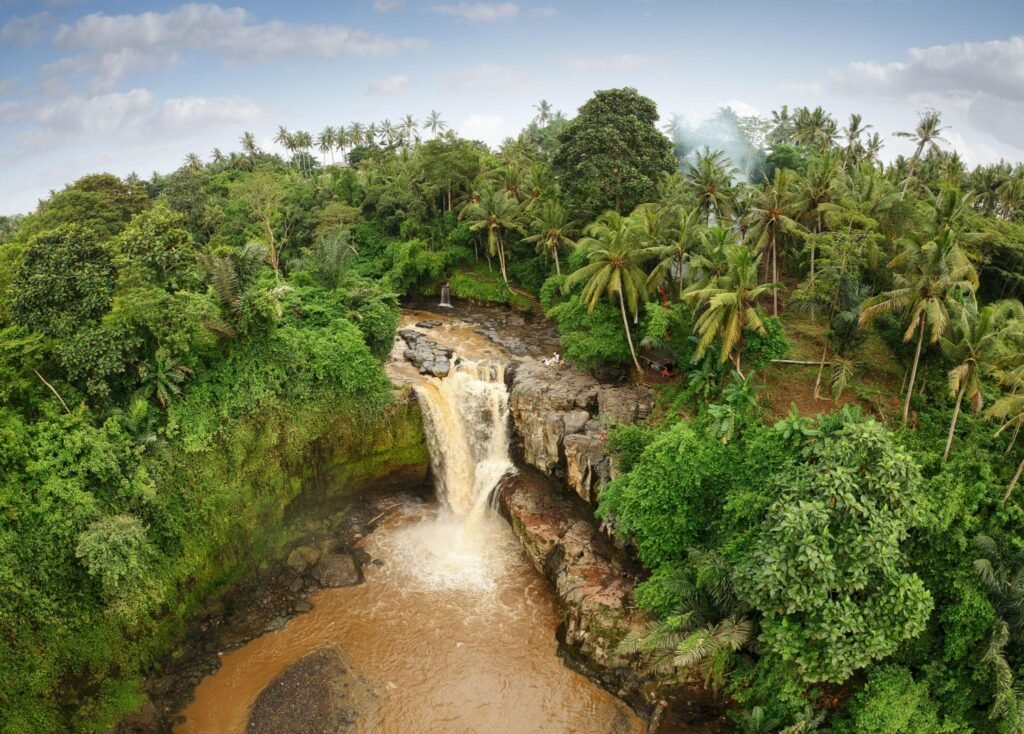
The best time to visit Indonesia depends on what kind of trip you’re planning. If your priority is sunny beaches, island hopping, and outdoor adventures, the dry season offers the best weather. On the other hand, if you’re looking to reduce your Indonesia trip cost, traveling during the rainy or shoulder seasons can save you thousands on flights and accommodation.
Since Indonesia stretches across more than 17,000 islands, the weather can vary slightly by region. However, for most popular destinations like Bali, Lombok, Java, Komodo National Park, and the Gili Islands, the seasonal patterns are fairly similar.
If your goal is to balance good weather with affordable prices, planning your trip around the right season is one of the easiest ways to lower your Indonesia travel budget.
Dry Season (April to October)
The dry season is widely considered the best time to visit Indonesia. Expect warm temperatures, low humidity, clear skies, and calm seas—perfect for beach holidays, snorkeling, scuba diving, hiking, and island hopping.
This is also the ideal time for outdoor experiences such as:
- Visiting Bali’s rice terraces
- Hiking Mount Batur or Mount Bromo
- Snorkeling in the Gili Islands
- Diving around Komodo National Park
- Surfing in Bali and Lombok
- Exploring temples like Borobudur and Prambanan
| Weather | Average Temperature | Travel Cost |
|---|---|---|
| Sunny & Dry | 26–32°C | High |
Pros
- Excellent beach weather
- Calm seas for ferries and boat tours
- Best visibility for diving and snorkeling
- Ideal conditions for volcano trekking
Cons
- Higher hotel prices
- Expensive flights
- Popular attractions become crowded
- Advance bookings are essential
Travel Tip: If you’re visiting during July or August, reserve flights and accommodation at least 3–4 months in advance to secure better prices.
Wet Season (November to March)
The wet season brings occasional heavy rainfall, especially in the afternoons and evenings. However, it doesn’t rain continuously every day, and many travelers still enjoy excellent vacations during this period.
In fact, I’ve traveled in Bali during the rainy season and found that mornings were often sunny enough for sightseeing before afternoon showers arrived. The biggest advantage was enjoying quieter beaches and significantly lower hotel rates.
| Weather | Average Temperature | Travel Cost |
|---|---|---|
| Warm & Rainy | 25–31°C | Lower |
Pros
- Lower hotel prices
- Cheaper flights
- Fewer tourists
- Lush green landscapes
- Easier restaurant and attraction bookings
Cons
- Rain can disrupt outdoor activities
- Rougher sea conditions may affect ferry schedules
- Reduced underwater visibility for divers
Money-Saving Tip: Schedule indoor attractions, cafés, museums, or spa visits during the afternoon when showers are more likely.
Cheapest Months to Visit Indonesia
If your priority is keeping your Indonesia trip cost as low as possible, consider traveling during the shoulder or low season.
The most affordable months are generally:
- February
- March
- April (early)
- October
- November
During these months, you’ll often find:
- Lower airfare from India
- Hotel discounts of 20–40%
- Affordable tour packages
- Less crowded attractions
- Easier availability for villas and resorts
For budget-conscious travelers, these months provide one of the best combinations of reasonable weather and lower prices.
Peak Tourist Season
Indonesia’s busiest travel period usually falls between June and August, with another spike around Christmas and New Year.
During peak season, demand increases for:
- Flights
- Hotels
- Villas
- Ferries
- Popular attractions
- Komodo and diving tours
| Season | Crowds | Prices |
|---|---|---|
| June–August | Very High | Very High |
| Christmas & New Year | Extremely High | Highest |
If you’re traveling during these months:
- Book flights 3–6 months in advance.
- Reserve accommodation early, especially in Bali and Komodo.
- Visit popular attractions early in the morning to avoid crowds.
- Allow extra travel time, as airports and roads can be busier than usual.
Best Time for Budget Travelers
If you’re looking for the perfect balance between pleasant weather and affordable prices, the shoulder season is your best option.
Recommended Months
- April
- May
- September
- October
During these months, you can usually enjoy:
- Comfortable weather
- Lower flight prices
- Discounted accommodation
- Fewer tourists
- Easier restaurant reservations
- Better deals on tours and activities
From my experience, September is one of the best months to visit Indonesia. The weather remains mostly dry, the summer holiday crowds have disappeared, and hotels often reduce their prices compared to July and August. It’s an excellent time for travelers who want to maximize value without compromising on the overall experience.
Best Time to Visit Indonesia by Travel Style
| Travel Style | Recommended Months | Why? |
|---|---|---|
| Backpackers | February, March, October | Lowest prices and fewer crowds |
| Budget Travelers | April, May, September, October | Great weather with lower accommodation costs |
| Couples & Honeymooners | May, June, September | Sunny weather and romantic beach conditions |
| Families | June, July | School holidays and stable weather |
| Divers & Snorkelers | April–October | Best underwater visibility |
| Volcano Trekkers | May–September | Dry trails and clear sunrise views |
Before booking your flights, compare the savings you’ll get by traveling in the shoulder season. Shifting your trip from July to September can often reduce your overall Indonesia travel expenses by 15–30%, thanks to cheaper flights, hotel discounts, and lower tour prices—all while still enjoying excellent weather.
Hidden Costs Travelers Forget

When planning an Indonesia trip cost, most travelers budget for flights, hotels, food, and sightseeing. However, it’s often the small, unexpected expenses that quietly increase your final bill.
I’ve seen travelers carefully compare hotel prices, only to spend thousands of extra rupees on ATM fees, baggage charges, airport transfers, and last-minute purchases they never considered. Individually these costs seem minor, but over a week or two, they can significantly affect your Indonesia travel budget.
The easiest way to avoid budget surprises is to plan for these hidden expenses before you leave home.
ATM Fees
Indonesia is still largely a cash-based destination, especially outside major tourist areas. Although credit cards are accepted in many hotels and restaurants, you’ll often need cash for local markets, small cafés, taxis, temples, and village attractions.
Many Indonesian ATMs charge withdrawal fees, and your home bank may add international transaction charges as well.
Estimated Cost
- Indonesian ATM Fee: ₹150–₹350 per withdrawal
- International Bank Fee: ₹100–₹500 (depends on your bank)
Money-Saving Tip
Instead of making several small withdrawals, withdraw a larger amount once or twice during your trip. This reduces ATM charges and saves money over time.
Currency Exchange
Poor exchange rates are another hidden expense many travelers overlook.
Exchanging all your money at airports usually means receiving a less favorable rate than banks or trusted exchange counters in tourist areas.
Common hidden costs include:
- Airport exchange markups
- Credit card foreign transaction fees
- Dynamic Currency Conversion (DCC)
- Service charges at exchange counters
Pro Tip
Whenever a payment terminal asks whether you’d like to pay in Indian Rupees or Indonesian Rupiah, choose Indonesian Rupiah (IDR). Your bank generally offers a better exchange rate than Dynamic Currency Conversion.
Taxes
Not every listed price includes taxes or service charges.
Some hotels, restaurants, beach clubs, and tour operators add extra charges during checkout.
These may include:
- Government tax
- Service charge
- Tourism levy (where applicable)
Estimated Additional Cost
Usually 10–21%, depending on the business.
Budget Tip
Before confirming a booking or ordering at a restaurant, check whether taxes and service charges are already included in the displayed price.
Baggage Charges
Low-cost airlines often advertise attractive fares, but checked baggage can quickly increase your Indonesia trip cost, especially if you’re taking multiple domestic flights.
Typical baggage-related expenses include:
- Checked luggage
- Excess baggage
- Sports equipment
- Oversized luggage
- Airport baggage fees
Estimated Cost
- Checked baggage: ₹1,000–₹3,000 per flight
- Excess baggage: Can be significantly more expensive if purchased at the airport.
Travel Tip
If you’re planning to island-hop across Indonesia, consider packing lighter. Carry-on luggage is often enough for a one-week tropical vacation and can save both money and waiting time at airports.
Tips
Unlike some countries, tipping isn’t mandatory throughout Indonesia, but it’s appreciated for good service.
Typical situations include:
- Tour guides
- Drivers
- Hotel staff
- Spa therapists
- Diving instructors
Suggested Budget
Approximately ₹1,000–₹3,000 for a one-week trip, depending on your activities.
Remember that many restaurants already include a service charge, so double-check your bill before tipping extra.
Souvenirs
Most travelers plan to buy at least a few souvenirs—but many underestimate how much they’ll actually spend.
Popular purchases include:
- Batik clothing
- Handmade bags
- Wooden carvings
- Silver jewelry
- Coffee
- Spices
- Local snacks
Estimated Budget
- Budget Travelers: ₹2,000–₹5,000
- Families: ₹5,000–₹15,000+
- Luxury Shopping: No fixed limit
Money-Saving Tip
Visit local markets instead of airport souvenir shops, where prices are usually much higher. Polite bargaining is also common in many traditional markets.
Travel Insurance
Travel insurance is one expense that many travelers try to avoid—but it’s also one of the most valuable.
A delayed flight, lost baggage, or unexpected illness can cost far more than the insurance premium itself.
A good policy should cover:
- Medical emergencies
- Trip cancellations
- Lost luggage
- Passport replacement
- Adventure activities (if applicable)
Estimated Cost
₹800–₹2,500 for a one-week trip.
Think of travel insurance as protection for your overall travel investment rather than an additional expense.
Emergency Expenses
No matter how carefully you plan, unexpected situations can arise.
Examples include:
- Medical treatment
- Additional hotel nights
- Cancelled ferries
- Missed flights
- Lost wallet
- Phone repairs
- Replacement clothing
- Unexpected transportation
A practical rule is to keep an emergency fund separate from your main travel budget.
Recommended Emergency Buffer
- Solo Traveler: ₹5,000–₹10,000
- Couple: ₹10,000–₹20,000
- Family: ₹20,000–₹40,000
Keeping this reserve untouched unless absolutely necessary provides peace of mind throughout your trip.
Hidden Costs Summary
| Hidden Expense | Estimated Budget |
|---|---|
| ATM Fees | ₹500–₹1,500 |
| Currency Exchange Charges | ₹500–₹2,000 |
| Taxes & Service Charges | ₹2,000–₹6,000 |
| Checked Baggage | ₹1,000–₹6,000 |
| Tips | ₹1,000–₹3,000 |
| Souvenirs | ₹2,000–₹15,000+ |
| Travel Insurance | ₹800–₹2,500 |
| Emergency Fund | ₹5,000–₹20,000+ |
Pro Travel Tips
- Carry both cash and an international debit or credit card instead of relying on just one payment method.
- Save digital copies of your passport, visa, insurance policy, and flight tickets in cloud storage.
- Pack a lightweight foldable bag if you expect to bring souvenirs home—it may be cheaper than paying excess baggage fees.
- Keep small Indonesian Rupiah notes handy for temple donations, parking fees, and local markets.
- Add a 10–15% contingency fund to your total Indonesia travel budget. Most experienced travelers rarely use all of it, but they’re always glad it’s available when needed.
Hidden Costs Most First-Time Visitors Miss
Before finalizing your Indonesia itinerary budget, check whether you’ve included these commonly forgotten expenses:
- ✅ Airport transfer to your hotel
- ✅ ATM withdrawal fees
- ✅ Foreign transaction charges
- ✅ Checked baggage fees
- ✅ Travel insurance
- ✅ Tourist taxes and service charges
- ✅ SIM card or eSIM
- ✅ Bottled water and snacks
- ✅ Souvenirs
- ✅ Emergency cash reserve
Accounting for these hidden expenses from the beginning gives you a far more realistic estimate of your cost of traveling in Indonesia and helps prevent unpleasant surprises once you’re on the road.
How to Save Money in Indonesia
Before focusing on ways to save money, it’s worth learning about the most common Indonesia travel mistakes that first-time visitors make. Avoiding errors like booking flights too late, underestimating transportation costs, or choosing the wrong season can save you both money and unnecessary stress.

One of the biggest reasons travelers love Indonesia is that it’s possible to have an unforgettable trip without spending a fortune. Unlike many popular tourist destinations, you don’t have to sacrifice comfort or experiences to stay within your budget.
Over the years, I’ve noticed that experienced travelers don’t necessarily spend less—they simply spend smarter. They know when to book flights, where to stay, how to get around, and which tourist traps to avoid.
If you’re planning your Indonesia trip cost carefully, the tips below can easily save you ₹15,000–₹40,000 on a one or two-week vacation without missing out on Indonesia’s best experiences.
Cheap Flights
For most Indian travelers, flights are the single largest expense. Booking strategically can make a huge difference to your Indonesia travel budget.
Here are some proven ways to save:
- Book international flights 2–4 months in advance.
- Fly during the shoulder season instead of school holidays.
- Compare prices from multiple Indian cities if you can travel domestically first.
- Be flexible with departure dates—midweek flights are often cheaper.
- Book domestic flights separately instead of adding them to international tickets.
Example Savings
A Delhi–Bali round-trip booked four months early can cost ₹25,000–₹30,000, while the same flight during peak season may exceed ₹45,000.
Pro Tip: If your itinerary includes Bali, Lombok, and Komodo, book domestic flights early. These routes become more expensive as travel dates approach.
Budget Hotels
Accommodation is the second-largest contributor to your Indonesia travel expenses, but there are plenty of ways to reduce costs without compromising comfort.
Look for:
- Hotels that include breakfast
- Free airport pickup
- Free Wi-Fi
- Free drinking water refills
- Walking distance to attractions
- Free cancellation for flexible planning
Choosing accommodation slightly outside busy tourist streets can reduce room prices by 20–40% while still keeping you close to beaches and restaurants.
If you’re traveling with friends or family, renting a private villa often works out cheaper per person than booking multiple hotel rooms.
Money-Saving Tip: Stay at least 3–4 nights in one location instead of changing hotels frequently. This reduces transportation costs and saves valuable vacation time.
Local Transport
Transportation can quietly increase your Indonesia trip cost, especially if you rely on airport taxis or private drivers every day.
Instead:
- Use Grab or Gojek whenever available.
- Travel by train when exploring Java.
- Walk whenever attractions are close together.
- Share rides with friends or fellow travelers.
- Use ferries instead of domestic flights for shorter island routes when time allows.
If you’re confident riding a scooter and have the proper international driving permit, renting one can be one of the cheapest ways to explore Bali or Lombok.
Travel Tip: Plan your sightseeing by area rather than crossing the island multiple times. Visiting nearby attractions on the same day saves both time and fuel.
Eat Like a Local
Indonesia’s local food is not only delicious but also incredibly affordable.
Instead of eating every meal at tourist restaurants, try:
- Local warungs
- Traditional markets
- Family-run cafés
- Street food stalls with high customer turnover
A meal at a local restaurant can cost three to five times less than dining at a beachfront café, while often providing a more authentic culinary experience.
Don’t miss local favorites such as:
- Nasi Goreng
- Mie Goreng
- Satay
- Soto Ayam
- Gado-Gado
Pro Tip: If breakfast is included with your hotel, make the most of it. A filling breakfast often means you’ll only need a light lunch, reducing your daily food budget.
Use Discount Apps
One of the easiest ways to save money is by taking advantage of local apps and digital promotions.
Useful apps include:
- Grab – Transport and food delivery
- Gojek – Ride-hailing, food delivery, and payments
- Hotel booking apps with member discounts
- Airline apps offering exclusive fares
- Attraction booking platforms with advance purchase deals
Many of these services provide first-time user discounts, cashback offers, or promo codes that can lower your overall travel expenses.
Money-Saving Tip: Download essential apps before arriving in Indonesia and create your accounts in advance. This saves time and lets you use promotional offers immediately after landing.
Travel During Shoulder Season
If I could give only one piece of advice for reducing your Indonesia vacation cost, it would be this: travel during the shoulder season.
The months of April, May, September, and October often provide the perfect combination of pleasant weather, smaller crowds, and significantly lower prices.
Compared to peak season, you can often save on:
- Flights
- Hotels
- Villas
- Tour packages
- Scooter rentals
- Diving excursions
In many cases, simply shifting your vacation by a few weeks can reduce your total trip cost by 15–30%.
During my own shoulder-season trips, I found beaches noticeably quieter, attractions easier to enjoy, and accommodation upgrades more readily available—all without paying peak-season prices.
Smart Money-Saving Checklist
Before booking your Indonesia trip, use this checklist to keep your budget under control:
- ✅ Book flights 2–4 months early.
- ✅ Travel in April, May, September, or October.
- ✅ Stay longer in fewer destinations.
- ✅ Choose hotels with breakfast included.
- ✅ Use Grab or Gojek instead of airport taxis.
- ✅ Eat at local restaurants and warungs.
- ✅ Book tours online before arrival when discounts are available.
- ✅ Pack light to avoid baggage fees.
- ✅ Carry a reusable water bottle to reduce daily expenses.
- ✅ Set aside a small emergency fund instead of overspending upfront.
How Much Can You Actually Save?
| Money-Saving Strategy | Potential Savings |
|---|---|
| Booking Flights Early | ₹8,000–₹20,000 |
| Traveling in Shoulder Season | ₹10,000–₹25,000 |
| Choosing Budget Accommodation | ₹5,000–₹20,000 |
| Using Grab & Gojek | ₹2,000–₹5,000 |
| Eating Local Food | ₹3,000–₹8,000 |
| Booking Hotels with Breakfast | ₹2,000–₹5,000 |
| Packing Light | ₹1,000–₹6,000 |
Saving money in Indonesia isn’t about cutting corners—it’s about making informed choices. By booking early, staying in well-located accommodation, using local transportation, and eating where locals eat, you can enjoy an authentic experience while keeping your Indonesia travel budget under control.
Many travelers are surprised to discover that they don’t need to increase their budget to have a better trip. Often, a few smart planning decisions are enough to make Indonesia feel both affordable and unforgettable.
Pro Travel Tips
After visiting Indonesia—or talking to travelers who’ve explored multiple islands—you’ll notice one common pattern: the people who have the smoothest trips aren’t necessarily the ones with the biggest budgets. They’re the ones who prepare well.
Indonesia is a vast archipelago of more than 17,000 islands, and every destination works a little differently. A few smart decisions before and during your trip can help you save money, avoid common hassles, and make the most of your Indonesia trip cost.
Here are the practical travel tips I recommend to every first-time visitor.
💰 Withdraw Larger Amounts Less Frequently
Most Indonesian ATMs charge withdrawal fees, and your Indian bank may apply additional international transaction charges.
Instead of withdrawing small amounts every day, withdraw enough cash for several days at once and keep it securely in separate places.
Why it matters:
- Fewer ATM fees
- Better exchange value overall
- Less time searching for ATMs
Pro Tip: Keep a small amount of cash in your day bag and the rest in your hotel safe or a hidden money pouch.
✈️ Compare Domestic Flights with Ferry Routes
Indonesia’s islands are connected by flights, ferries, and speedboats. While flights save time, ferries are often much cheaper for shorter distances.
For example:
- Bali ↔ Nusa Penida: Speedboat is usually the fastest and most economical option.
- Bali ↔ Lombok: Compare ferry prices with domestic flights before booking.
- Java ↔ Bali: Ferry travel can be significantly cheaper than flying if your schedule is flexible.
Money-Saving Tip: Don’t assume flights are always the best deal. Compare both travel time and total cost—including airport transfers and baggage fees.
🚖 Use Grab or Gojek Instead of Unmetered Taxis
In cities such as Bali, Jakarta, Yogyakarta, and Surabaya, Grab and Gojek are usually the easiest and most affordable ways to travel.
Benefits include:
- Transparent pricing
- Cashless payments
- GPS tracking
- No need to negotiate fares
- Reduced risk of tourist overcharging
If ride-hailing apps aren’t available in a particular area, ask your hotel about fair taxi prices before leaving.
🏨 Book Accommodation with Breakfast Included
Breakfast may seem like a small perk, but it can save a surprising amount over the course of your trip.
Many Indonesian hotels include generous breakfast buffets featuring:
- Fresh fruit
- Eggs
- Rice dishes
- Pastries
- Coffee and tea
- Local specialties
For couples or families, complimentary breakfast can reduce daily food expenses by ₹500–₹2,000 depending on the hotel.
Extra Tip: Hotels that include breakfast also make it easier to start early for day trips and volcano hikes.
🔌 Carry a Universal Travel Adapter and Power Bank
Between long sightseeing days, ferry rides, airport transfers, and using Google Maps, your phone battery drains quickly.
Pack these essentials:
- Universal travel adapter
- High-capacity power bank
- Charging cable
- Multi-port USB charger
They’re especially useful during:
- Volcano sunrise hikes
- Full-day island tours
- Long ferry journeys
- Airport layovers
Running out of battery while navigating unfamiliar areas or using digital tickets can quickly become a stressful experience.
📄 Keep Digital and Printed Copies of Important Documents
Before leaving India, create both digital and physical backups of your essential travel documents.
Include copies of:
- Passport
- Visa (if applicable)
- Flight tickets
- Hotel bookings
- Travel insurance
- International Driving Permit (if renting a scooter)
- Emergency contact numbers
Store digital copies in cloud storage and keep printed copies in a separate bag from the originals.
This simple habit can save hours of stress if your phone is lost or your documents are misplaced.
📱 Download Essential Apps Before You Arrive
Installing travel apps before landing makes your first day much easier.
Recommended apps include:
- Grab
- Gojek
- Google Maps (offline maps)
- Google Translate
- Airline app
- Hotel booking app
- Currency converter
- Weather app
Downloading offline maps before your flight is particularly useful if your SIM card isn’t activated immediately after arrival.
💳 Carry Multiple Payment Methods
Don’t rely on a single credit card or debit card.
Carry:
- Cash in Indonesian Rupiah
- International debit card
- Credit card
- Emergency backup card
Keeping them in separate bags or wallets reduces the impact if one is lost or stolen.
🎒 Pack Light for Island Hopping
Many travelers underestimate how often they’ll be moving between hotels, ferries, and airports.
A lightweight suitcase or travel backpack makes:
- Ferry boarding easier
- Airport transfers quicker
- Scooter travel more convenient
- Domestic flights cheaper by avoiding excess baggage fees
If you’re visiting Bali, Lombok, Gili Islands, and Komodo on the same trip, traveling light will make every transfer significantly more comfortable.
🛡️ Respect Local Culture and Customs
Indonesia is incredibly welcoming, but it’s also culturally diverse.
When visiting temples or local villages:
- Dress modestly.
- Follow local customs.
- Remove shoes where required.
- Ask permission before photographing people.
- Respect religious ceremonies.
Being respectful not only enhances your experience but also helps support responsible tourism.
Indonesia Travel Pro Checklist
Before your trip, make sure you’ve completed these essentials:
- ✅ Book flights 2–4 months in advance.
- ✅ Compare flights, ferries, and speedboats before island hopping.
- ✅ Download Grab, Gojek, Google Maps, and Google Translate.
- ✅ Withdraw larger amounts instead of making frequent ATM withdrawals.
- ✅ Choose hotels that include breakfast.
- ✅ Carry a universal travel adapter and power bank.
- ✅ Pack light to avoid baggage fees.
- ✅ Save digital and printed copies of travel documents.
- ✅ Carry an emergency fund and multiple payment methods.
- ✅ Buy comprehensive travel insurance before departure.
The best way to reduce your Indonesia travel expenses isn’t by skipping experiences—it’s by planning smarter. Small decisions, such as booking accommodation with breakfast, using Grab instead of taxis, comparing ferry and flight prices, or packing efficiently, can save both money and time throughout your journey.
By following these practical tips, you’ll not only keep your Indonesia travel budget under control but also enjoy a smoother, safer, and more memorable trip.
How Much Should You Budget for Indonesia?
If you’ve made it this far, you probably realize there’s no single answer to “How much does an Indonesia trip cost?” The final amount depends on your travel style, trip duration, preferred accommodation, and the experiences you want to include.
The good news is that Indonesia remains one of the best-value international destinations for Indian travelers. Whether you’re backpacking through Java, enjoying a romantic honeymoon in Bali, or taking your family on an island-hopping adventure, Indonesia offers excellent experiences at almost every price point.
From affordable hostels and delicious street food to luxurious private villas and world-class diving, you have complete control over your Indonesia travel budget. Planning ahead, choosing the right season, and understanding hidden costs can easily save you thousands of rupees without compromising your trip.
Backpackers
If your goal is to explore Indonesia on the lowest possible budget, you’ll find plenty of opportunities to save.
A backpacker can comfortably travel by:
- Staying in hostels or guesthouses
- Eating at local warungs
- Using Grab, Gojek, buses, and trains
- Visiting free beaches and affordable attractions
- Traveling slowly between destinations
Recommended Budget
- Daily: ₹2,500–₹4,500
- 7 Days: ₹28,000–₹35,000 (excluding international flights)
This budget works particularly well for solo travelers exploring Bali, Yogyakarta, Lombok, or the Gili Islands.
Couples
Indonesia is one of Asia’s most romantic destinations, making it perfect for couples, honeymooners, and anniversary trips.
Sharing hotel rooms, transportation, and tours helps reduce the overall Indonesia vacation cost, allowing couples to enjoy better accommodation without doubling their expenses.
A comfortable couple’s trip can include:
- Boutique hotels or villas
- Café hopping
- Sunset beach dinners
- Day tours
- Snorkeling or island-hopping
- Spa experiences
Recommended Budget
- Daily (Per Couple): ₹7,000–₹15,000
- 7 Days: ₹50,000–₹1,00,000 (excluding international flights)
For honeymooners planning luxury villas or private tours, it’s wise to budget beyond this range.
Families
Indonesia is also an excellent destination for families thanks to spacious villas, child-friendly resorts, beautiful beaches, and cultural attractions.
While family trips naturally cost more, sharing accommodation often reduces the average cost per person.
A realistic family budget should include:
- Larger hotel rooms or villas
- Private airport transfers
- Family-friendly attractions
- Comfortable transportation
- Extra flexibility for meals and activities
Recommended Budget
- Daily (Family of Four): ₹12,000–₹25,000
- 7 Days: ₹90,000–₹1,75,000 (excluding international flights)
Booking accommodation early and traveling during the shoulder season can significantly reduce overall expenses.
Luxury Travelers
Indonesia offers some of the world’s best luxury experiences at prices that are often lower than comparable destinations such as the Maldives or Europe.
Luxury travelers can expect:
- Five-star beachfront resorts
- Private pool villas
- Fine dining
- Yacht cruises
- Helicopter tours
- Premium diving experiences
- Private drivers
- Spa retreats
Recommended Budget
- Daily: ₹15,000–₹40,000+
- 7 Days: ₹1,05,000–₹2,80,000+ (excluding international flights)
If you’re celebrating a honeymoon or special occasion, Indonesia delivers exceptional luxury without the premium price tag found in many other destinations.
Which Budget Should You Choose?
Choose a Backpacker Budget if you:
- Prefer hostels
- Travel solo
- Enjoy local food
- Want to explore multiple islands affordably
Choose a Budget or Mid-Range Budget if you:
- Want comfortable hotels
- Enjoy cafés and restaurants
- Plan to take guided tours
- Prefer convenience without overspending
Choose a Luxury Budget if you:
- Are celebrating a honeymoon
- Want private villas
- Enjoy premium dining
- Prefer exclusive experiences and personalized service
If you’re still wondering whether Indonesia is worth the money, my answer is absolutely yes.
Few countries offer the same combination of stunning beaches, active volcanoes, vibrant culture, incredible marine life, delicious food, and excellent value for money. Whether you’re spending ₹30,000 or ₹2,00,000, you can create an unforgettable itinerary that matches your interests and budget.
The key isn’t spending more—it’s spending wisely. Book flights early, travel during the shoulder season, stay longer in fewer destinations, and leave room in your budget for unforgettable experiences rather than unnecessary expenses.
With proper planning, your Indonesia travel cost can remain surprisingly affordable while delivering memories that last a lifetime.
Frequently Asked Questions
How much does an Indonesia trip cost for 7 days?
A 7-day Indonesia trip typically costs ₹28,000–₹35,000 for backpackers, ₹35,000–₹52,000 for budget travelers, ₹52,000–₹1,05,000 for mid-range travelers, and ₹1,05,000+ for luxury travelers (excluding international flights). Your total Indonesia trip cost depends on your accommodation, transportation, dining preferences, and activities.
Is Indonesia cheaper than Thailand?
In many cases, Indonesia is slightly cheaper than Thailand for accommodation, local food, and transportation. However, if your itinerary includes multiple islands, domestic flights, or speedboat transfers, your overall Indonesia travel cost can become similar to—or even higher than—a comparable Thailand trip. Staying in one region, such as Bali, usually makes Indonesia the more affordable option.
How much cash should I carry in Indonesia?
It's best to carry enough Indonesian Rupiah (IDR) for daily expenses such as street food, local markets, taxis, and small entrance fees, while using credit or debit cards where accepted. Instead of making frequent ATM withdrawals, withdraw larger amounts less often to reduce withdrawal fees. A combination of cash and cards offers the best balance of convenience and security.
What is the cheapest month to visit Indonesia?
The cheapest months to visit Indonesia are generally February, March, early April, October, and November. These months often offer lower airfares, discounted hotels, and fewer crowds. Although occasional rain is possible, many travelers find the savings worthwhile, making them ideal for budget-friendly vacations.
Is Indonesia expensive for Indian travelers?
No. Indonesia is considered one of the most affordable international destinations for Indian travelers. Booking flights early, staying in budget hotels or guesthouses, using Grab or Gojek for transportation, and eating at local restaurants can keep your Indonesia travel budget surprisingly low while still providing a comfortable travel experience.
How much should a couple budget for an Indonesia trip?
A couple should generally budget ₹50,000–₹1,00,000 for a comfortable 7-day Indonesia trip, excluding international flights. This usually covers mid-range accommodation, local transportation, meals, sightseeing, and a few premium experiences. Couples planning luxury villas, private tours, or fine dining should allocate a higher budget.
What are the biggest hidden costs in Indonesia?
Some of the most commonly overlooked Indonesia travel expenses include:
- ATM withdrawal fees
- Currency exchange charges
- Domestic flight and ferry tickets
- Checked baggage fees
- Restaurant taxes and service charges
- Travel insurance
- Airport transfers
- Souvenir shopping
- Emergency expenses
Setting aside an additional 10–15% contingency fund helps cover these unexpected costs without affecting your overall travel budget.
Can you travel around Indonesia on a budget?
Absolutely. Indonesia is one of Southeast Asia's best destinations for budget travelers. Staying in hostels or budget hotels, eating at local warungs, using Grab, Gojek, buses, and trains, traveling during the shoulder season, and choosing free or low-cost attractions can significantly reduce your cost of traveling in Indonesia without compromising the experience.