
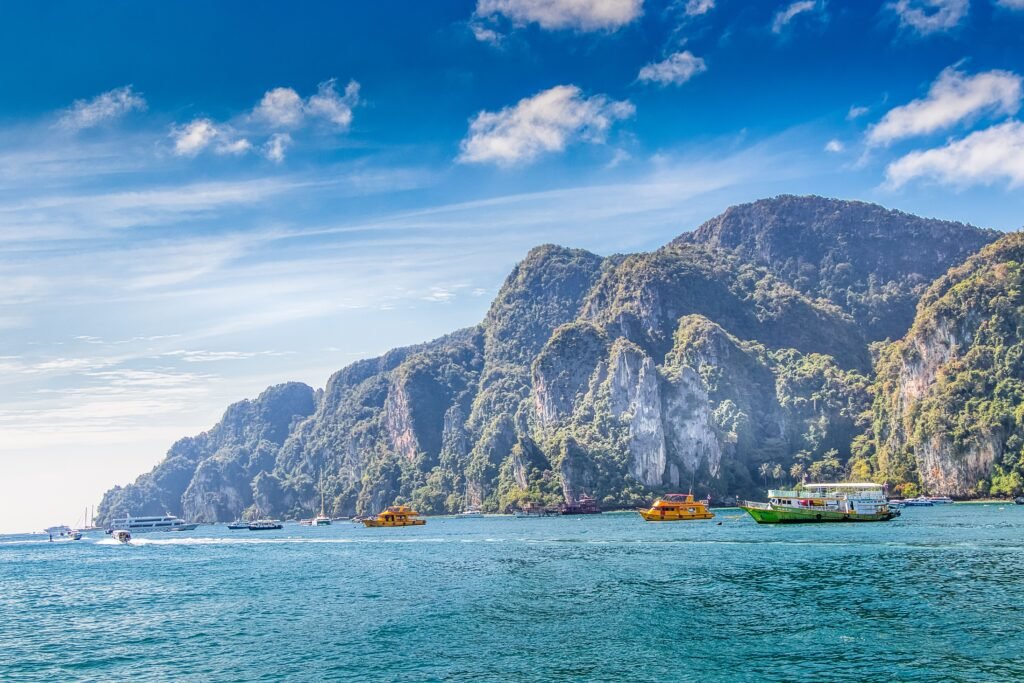
Planning a trip to Thailand but unsure which month offers the best weather? You’re not alone. Thailand’s tropical climate changes throughout the year, and the experience can vary dramatically depending on whether you’re exploring Bangkok’s temples, relaxing on Phuket’s beaches, trekking in Chiang Mai, or island hopping around Krabi.
The good news is that there isn’t a single “perfect” month to visit. Instead, the best time depends on your budget, preferred activities, and the regions you plan to explore. While some months bring clear blue skies and calm seas, others offer lush landscapes, fewer crowds, and lower hotel prices.
In this complete Thailand weather by month guide, you’ll learn what to expect from January through December, including average temperatures, rainfall, crowd levels, travel costs, major festivals, and expert tips to help you choose the ideal time for your trip.
If you’re planning your first trip, don’t miss our Thailand Travel Guide, where you’ll find everything from visa requirements and transportation to the best places to visit, itinerary ideas, and practical travel tips.
Table of Contents
ToggleUnderstanding Thailand's Climate
Thailand Weather by Month
Thailand has a tropical monsoon climate, meaning temperatures stay warm throughout the year, while rainfall varies by season and region.
Rather than four distinct seasons, Thailand experiences three main travel seasons:
| Season | Months | Weather | Best For |
|---|---|---|---|
| Cool & Dry | November–February | Pleasant temperatures, low humidity | Sightseeing, beaches, island hopping |
| Hot Season | March–May | Very hot with increasing humidity | Beach holidays, water activities, Songkran Festival |
| Rainy Season | June–October | Frequent showers, lush scenery | Budget travel, waterfalls, fewer crowds |
Quick Tip: Rain during the monsoon usually comes as short, heavy downpours in the afternoon or evening rather than all-day storms, so many travelers can still enjoy outdoor activities by planning around the forecast.
Not sure which season suits your travel style? Read our Best Time to Visit Thailand guide for a detailed comparison of weather, festivals, crowds, and travel costs.
January – Thailand's Best Weather for First-Time Visitors
| Factor | January |
|---|---|
| Temperature | 22–32°C |
| Rainfall | Very Low |
| Humidity | Comfortable |
| Crowd Level | Very High |
| Hotel Prices | Highest |
| Beach Conditions | Excellent |
What to Expect
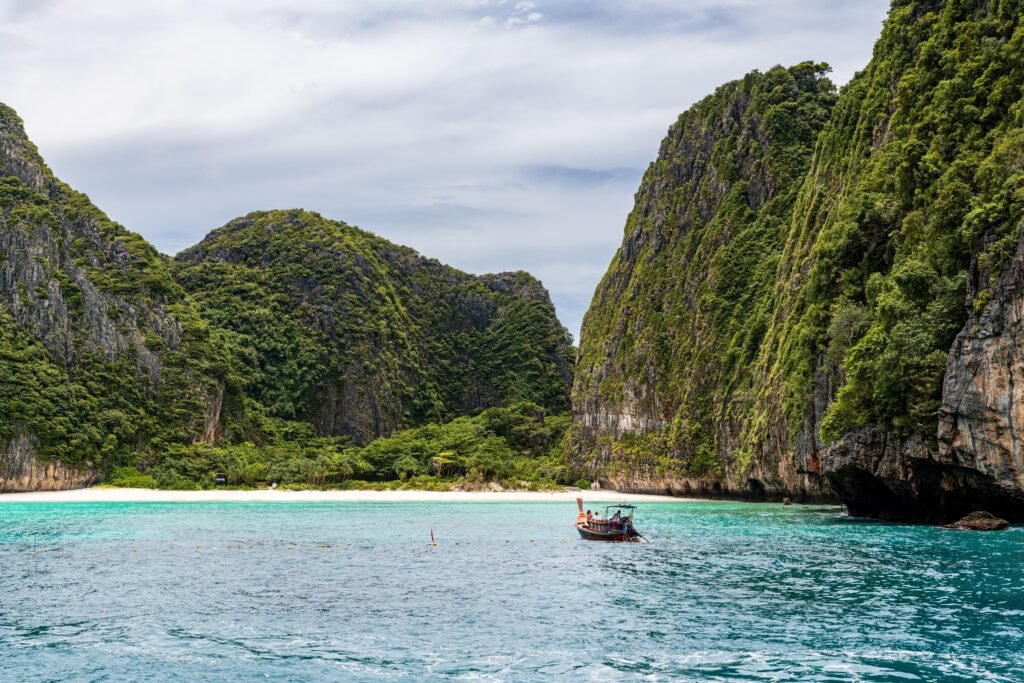
January is widely considered one of the best months to visit Thailand. The weather is warm without being overwhelmingly hot, humidity is relatively low, and rainfall is minimal across most of the country.
This combination creates ideal conditions for sightseeing in Bangkok, trekking in Chiang Mai, and relaxing on the beaches of Phuket, Krabi, and Koh Lanta.
The sea is generally calm on the Andaman Coast, making it one of the best times for snorkeling, scuba diving, and island-hopping tours.
Best Places to Visit
- Phuket
- Krabi
- Koh Phi Phi
- Bangkok
- Chiang Mai
- Koh Lanta
Best Activities
- Island hopping
- Scuba diving
- Snorkeling
- Temple visits
- National parks
- Sunset cruises
- Food tours
Pros
- Pleasant weather nationwide.
- Low chance of rain.
- Excellent visibility for diving.
- Great conditions for photography and outdoor adventures.
Cons
- Peak tourist season.
- Higher airfare and hotel prices.
- Popular attractions can be crowded.
Expert Tip
If you’re traveling in January, book accommodations and flights at least two to three months in advance, especially for popular destinations like Phuket and Krabi, to secure better rates and availability.
February – Warm, Sunny, and Perfect for Beaches

| Factor | February |
|---|---|
| Temperature | 23–33°C |
| Rainfall | Very Low |
| Humidity | Moderate |
| Crowd Level | High |
| Hotel Prices | High |
What to Expect
February continues the dry season with warm, sunny days and little rainfall. It’s an excellent month for travelers who want reliable beach weather without the intense heat that arrives later in the year.
Northern Thailand remains pleasant, making destinations like Chiang Mai and Chiang Rai ideal for exploring temples, mountains, and local markets.
The sea remains calm around Phuket, Krabi, and the Similan Islands, offering fantastic conditions for water sports and diving.
Best Destinations
- Phuket
- Krabi
- Koh Phi Phi
- Chiang Mai
- Chiang Rai
- Bangkok
Recommended Activities
- Beach holidays
- Diving
- Kayaking
- National park visits
- Island hopping
- Street food tours
Pros
- Plenty of sunshine.
- Comfortable evenings.
- Excellent visibility for underwater activities.
- Ideal for family vacations and honeymoons.
Cons
- Premium accommodation prices.
- Busy tourist hotspots.
Expert Tip
If you’re planning to visit the Similan Islands, February offers some of the clearest waters of the year, making it one of the best months for diving and snorkeling.
March – The Heat Begins to Build

| Factor | March |
|---|---|
| Temperature | 25–34°C |
| Rainfall | Low |
| Humidity | Increasing |
| Crowd Level | Moderate |
| Hotel Prices | Moderate to High |
What to Expect
March marks the transition from the cool season to Thailand’s hot season. Daytime temperatures begin to climb, especially in central Thailand, while humidity gradually increases.
Despite the warmer weather, March remains a fantastic month for beach vacations, with plenty of sunshine and relatively calm seas. Travelers who prefer fewer crowds than January or February often find March to be a good balance between weather and availability.
In northern Thailand, however, it’s also the start of the annual burning season, when agricultural fires can reduce air quality in areas like Chiang Mai and Chiang Rai. If you’re sensitive to smoke, consider focusing on southern beach destinations during this time.
Best Places to Visit
- Phuket
- Krabi
- Koh Samui
- Koh Tao
- Bangkok
Best Activities
- Beach relaxation
- Island hopping
- Diving
- Sunset cruises
- Water sports
Pros
- Sunny weather.
- Fewer tourists than peak season.
- Great beach conditions.
- Easier to find hotel deals.
Cons
- Hot afternoons.
- Poor air quality in parts of northern Thailand due to seasonal burning.
Expert Tip
Plan outdoor sightseeing early in the morning or after 4 PM to avoid the hottest part of the day, and stay hydrated if you’re visiting cities like Bangkok.
April – Thailand's Hottest Month and the Songkran Festival

| Factor | April |
|---|---|
| Temperature | 27–36°C |
| Rainfall | Moderate (late month) |
| Humidity | High |
| Crowd Level | High (Songkran) |
| Hotel Prices | High |
What to Expect
April is typically the hottest month of the year in Thailand. Daytime temperatures often exceed 35°C, and the humidity can make it feel even warmer.
However, April is also one of the most exciting months to visit because it hosts Songkran, Thailand’s famous New Year celebration. Across the country, streets transform into giant water fights, providing a fun way for locals and visitors alike to cool off.
As the month progresses, isolated afternoon showers become more common, signaling the approach of the rainy season. These showers are usually brief and rarely disrupt travel plans for long.
Best Places to Visit
- Bangkok (for Songkran celebrations)
- Chiang Mai (renowned for vibrant water festivities)
- Phuket
- Koh Samui
- Pattaya
Best Activities
- Songkran Festival
- Beach vacations
- Water parks
- Resort stays
- Spa retreats
- Evening markets
Pros
- Unique cultural experience during Songkran.
- Long daylight hours.
- Great conditions for beach lovers who don’t mind the heat.
Cons
- Extremely hot temperatures.
- High humidity.
- Increased travel costs and accommodation demand during Songkran.
Expert Tip
Pack lightweight, breathable clothing, use reef-safe sunscreen, and carry a reusable water bottle. If you’re participating in Songkran, protect your phone and valuables with a waterproof pouch.
May – The Transition Into the Rainy Season
| Factor | May |
|---|---|
| Temperature | 27–35°C |
| Rainfall | Moderate |
| Humidity | High |
| Crowd Level | Moderate |
| Hotel Prices | Start Decreasing |
| Beach Conditions | Good in Many Areas |
What to Expect
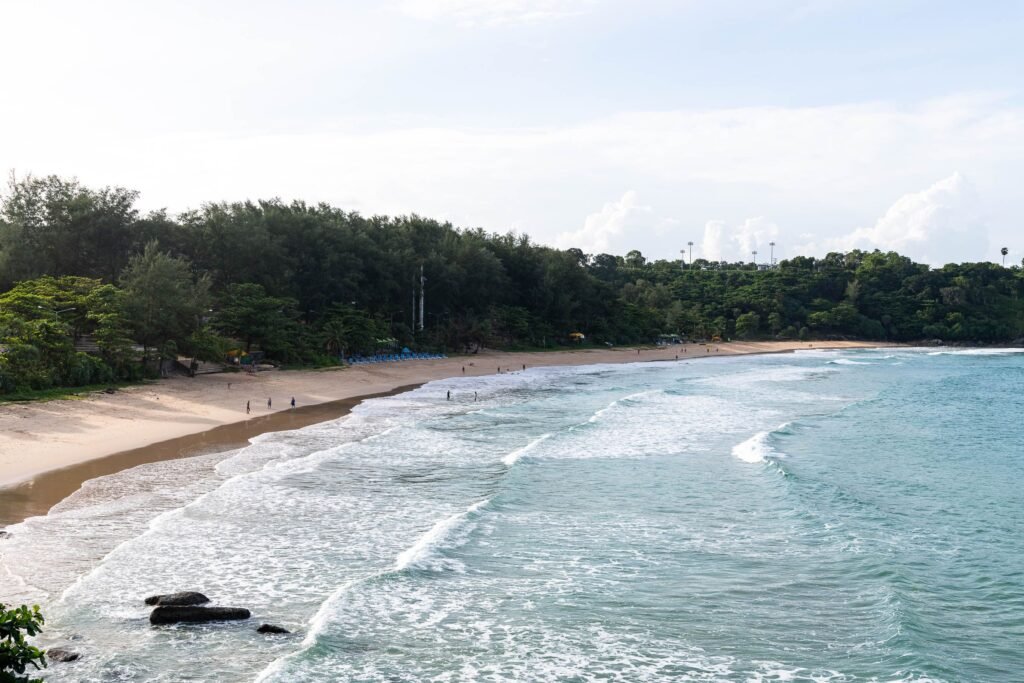
May marks the arrival of the southwest monsoon across much of Thailand. Rainfall gradually increases, especially along the Andaman Coast, including Phuket and Krabi.
Despite this seasonal shift, mornings are often sunny, with thunderstorms developing later in the day. If you plan outdoor activities early, you’ll still have plenty of time to explore before the rain arrives.
Humidity rises noticeably, making temperatures feel hotter than the thermometer suggests.
Best Places to Visit
- Koh Samui
- Koh Tao
- Koh Phangan
- Hua Hin
- Bangkok
- Kanchanaburi
These destinations generally receive less rainfall than Phuket during May.
Best Activities
- Temple hopping
- Food tours
- Spa experiences
- Beach relaxation
- Snorkeling (Gulf Islands)
- Cooking classes
- Shopping
Pros
- Lower hotel prices begin.
- Tourist crowds decrease.
- Beautiful green landscapes.
- Comfortable mornings.
Cons
- Afternoon thunderstorms.
- Higher humidity.
- Some island tours may be affected.
Expert Tip
Choose accommodations with a swimming pool or indoor facilities. If a shower interrupts your sightseeing, you can still enjoy your hotel instead of losing the day.
June – Budget-Friendly Travel Begins

| Factor | June |
|---|---|
| Temperature | 26–34°C |
| Rainfall | Moderate to High |
| Humidity | High |
| Crowd Level | Low |
| Hotel Prices | Lower |
| Beaches | Regional Differences |
What to Expect
June offers excellent value for travelers. Hotel prices continue to fall, flights become cheaper, and famous attractions feel much less crowded.
Rain showers become more frequent, but they’re rarely all-day events. In many parts of Thailand, you’ll still experience several hours of sunshine between showers.
Regional weather differences become more noticeable:
- The Gulf of Thailand (Koh Samui, Koh Tao, Koh Phangan) generally enjoys better weather.
- The Andaman Coast (Phuket, Krabi, Phi Phi Islands) experiences more frequent rainfall and rougher seas.
Best Places to Visit
- Koh Samui
- Koh Tao
- Bangkok
- Ayutthaya
- Hua Hin
Best Activities
- Diving
- Snorkeling
- Café hopping
- Museums
- River cruises
- Wellness retreats
Pros
- Excellent hotel deals.
- Fewer tourists.
- Beautiful tropical scenery.
- Easier restaurant reservations.
Cons
- Occasional ferry delays.
- Rough seas on the Andaman Coast.
- Increased humidity.
Real Travel Scenario
If you’re planning a honeymoon in June, Koh Samui is usually a better choice than Phuket because it receives less rainfall during this period, increasing your chances of sunny beach days.
July – Green Season at Its Best
| Factor | July |
|---|---|
| Temperature | 26–33°C |
| Rainfall | Moderate |
| Humidity | High |
| Crowd Level | Moderate |
| Hotel Prices | Affordable |
What to Expect
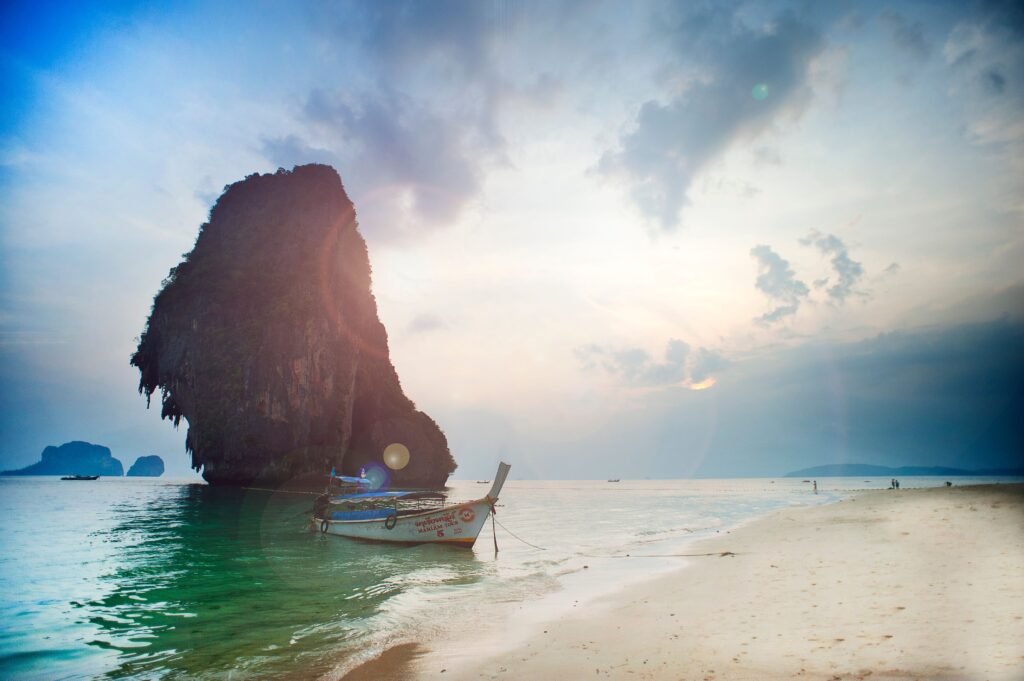
July is often called Thailand’s “Green Season.” Tropical rain transforms forests, waterfalls, and rice fields into vibrant landscapes.
Although rainfall continues, it doesn’t usually ruin an entire trip. Many travelers are surprised by how much sunshine they still experience between rain showers.
This month is especially appealing for photographers and nature lovers.
Best Places to Visit
- Koh Samui
- Koh Tao
- Koh Phangan
- Bangkok
- Khao Sok National Park
Best Activities
- Rainforest trekking
- Wildlife tours
- Kayaking
- Waterfalls
- Food markets
- Temple visits
Pros
- Amazing scenery.
- Budget-friendly.
- Comfortable tourist attractions.
- Excellent photography opportunities.
Cons
- Some beaches have rough waves.
- Island tours may occasionally be cancelled.
Expert Insight
Don’t let the term “rainy season” discourage you. Many experienced travelers intentionally visit during July because the landscapes are at their most beautiful, prices are significantly lower, and popular attractions are far less crowded than during peak season.
August – Warm, Tropical, and Unpredictable
| Factor | August |
|---|---|
| Temperature | 26–33°C |
| Rainfall | High |
| Humidity | Very High |
| Crowd Level | Moderate |
| Hotel Prices | Affordable |
What to Expect
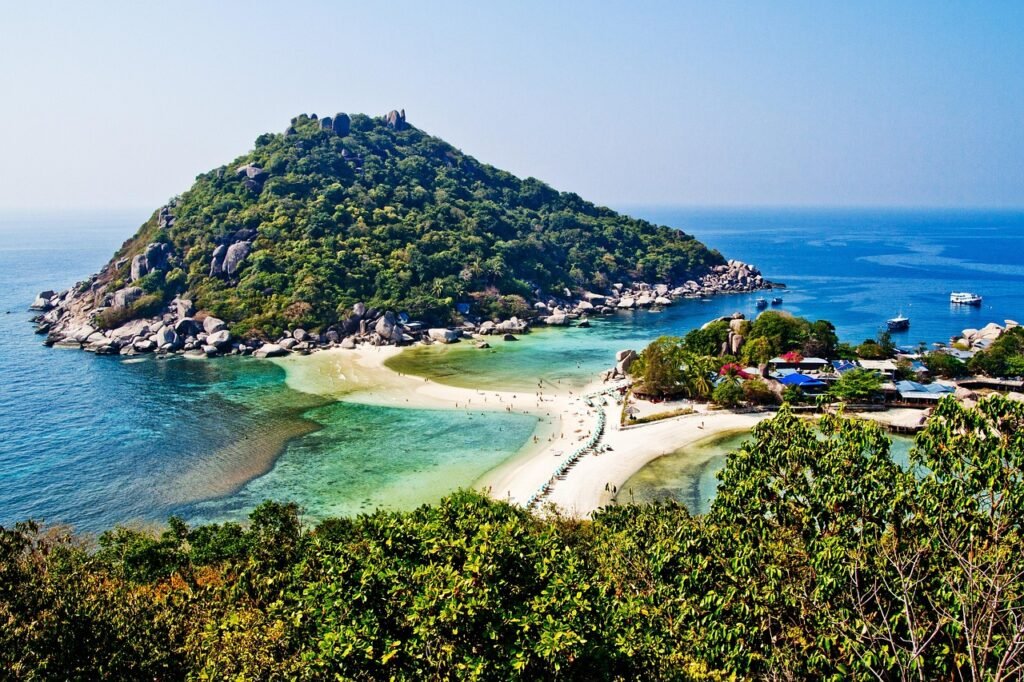
August is one of the wetter months in Thailand, particularly on the Andaman Coast. Heavy rain showers become more common, but they often arrive in the late afternoon or evening.
The Gulf Islands continue to enjoy relatively favorable conditions, making them a popular choice for travelers seeking beach holidays during this period.
Nature lovers will appreciate the lush national parks, powerful waterfalls, and vibrant tropical landscapes that flourish after regular rainfall.
Best Places to Visit
- Koh Samui
- Koh Tao
- Koh Phangan
- Bangkok
- Pattaya
- Hua Hin
Best Activities
- Resort vacations
- Thai cooking classes
- Wellness retreats
- Indoor attractions
- Floating markets
- Café exploration
Pros
- Attractive hotel discounts.
- Fewer international tourists.
- Beautiful green scenery.
- Pleasant temperatures despite humidity.
Cons
- Heavy showers.
- Rough seas in western Thailand.
- Flexible planning is necessary.
Expert Tip
Instead of planning every hour of your day, create a flexible itinerary. Visit temples, museums, cafés, or shopping malls during rainy periods, then return to outdoor attractions when the weather improves.
September – Thailand's Wettest Month
| Factor | September |
|---|---|
| Temperature | 25–32°C |
| Rainfall | Very High |
| Humidity | Very High |
| Crowd Level | Low |
| Hotel Prices | Lowest |
| Beach Conditions | Mixed |
What to Expect
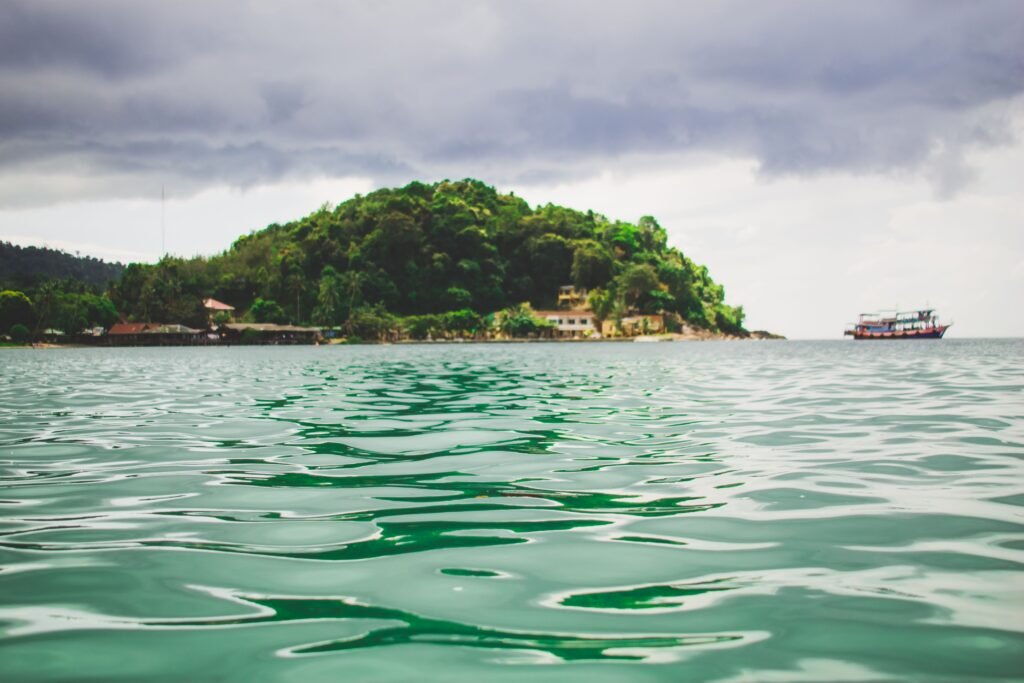
September is typically the rainiest month across much of Thailand, especially on the Andaman Coast. Heavy downpours are common, and some islands may temporarily suspend boat services due to rough seas.
However, rain doesn’t necessarily fall all day. Many mornings begin with sunshine before afternoon thunderstorms develop.
For travelers who don’t mind occasional showers, September offers excellent value with some of the year’s lowest hotel and flight prices.
Best Places to Visit
- Koh Samui
- Koh Tao
- Bangkok
- Hua Hin
- Indoor attractions in Chiang Mai
Best Activities
- Spa retreats
- Museums
- Cooking classes
- Shopping malls
- Café hopping
- Food tours
- Wellness vacations
Pros
- Lowest accommodation prices.
- Very few tourists.
- Beautiful green landscapes.
- Relaxed atmosphere.
Cons
- Frequent heavy rain.
- Boat tour cancellations.
- Limited underwater visibility in some regions.
Expert Tip
If you’re traveling in September, avoid creating a rigid itinerary. Keep one or two backup indoor activities each day in case the weather changes.
October – The Transition Month

| Factor | October |
|---|---|
| Temperature | 25–32°C |
| Rainfall | Moderate to High |
| Humidity | High |
| Crowd Level | Increasing |
| Hotel Prices | Moderate |
What to Expect
October is one of Thailand’s most unpredictable months. Early October can still feel like the rainy season, while the second half often brings clearer skies as the southwest monsoon weakens.
Weather varies considerably by region. The Andaman Coast begins drying out toward the end of the month, while Koh Samui often experiences increasing rainfall because its rainy season peaks later than Phuket’s.
Travelers willing to accept a little uncertainty can enjoy improving weather before peak-season prices arrive.
Best Places to Visit
- Bangkok
- Chiang Mai
- Phuket (late October)
- Krabi (late October)
- Khao Yai National Park
Best Activities
- City sightseeing
- Temple visits
- Nature walks
- Food tours
- Short island trips
- Photography
Pros
- Pleasant temperatures.
- Hotels still offer competitive rates.
- Tourist attractions remain relatively uncrowded.
Cons
- Weather can change quickly.
- Some marine tours remain weather-dependent.
Real Travel Scenario
Traveling during the last week of October often provides the best value. You’ll likely enjoy improving weather while avoiding the premium prices that arrive in November.
November – The Start of Thailand's Best Travel Season

| Factor | November |
|---|---|
| Temperature | 23–31°C |
| Rainfall | Low |
| Humidity | Comfortable |
| Crowd Level | High |
| Hotel Prices | Increasing |
What to Expect
November marks the beginning of Thailand’s cool and dry season across most of the country. Rainfall drops significantly, humidity becomes more comfortable, and outdoor conditions improve dramatically.
National parks reopen after the rainy season, beaches become more inviting, and the Andaman Sea turns calm enough for island-hopping, diving, and snorkeling.
This is one of the best months for travelers who want excellent weather without the Christmas holiday crowds.
Best Places to Visit
- Phuket
- Krabi
- Koh Phi Phi
- Chiang Mai
- Bangkok
- Khao Sok National Park
Best Places to Visit
- Phuket
- Krabi
- Koh Phi Phi
- Chiang Mai
- Bangkok
- Khao Sok National Park
Pros
- Beautiful weather.
- Lower humidity.
- Excellent beach conditions.
- Great visibility for diving.
Cons
- Hotel prices begin rising.
- Popular attractions become busier
Expert Tip
Reserve beachfront hotels early if you’re traveling in November, especially in Phuket or Krabi, as availability decreases quickly.
December – Peak Season Begins
| Factor | December |
|---|---|
| Temperature | 21–31°C |
| Rainfall | Very Low |
| Humidity | Comfortable |
| Crowd Level | Very High |
| Hotel Prices | Highest |
What to Expect
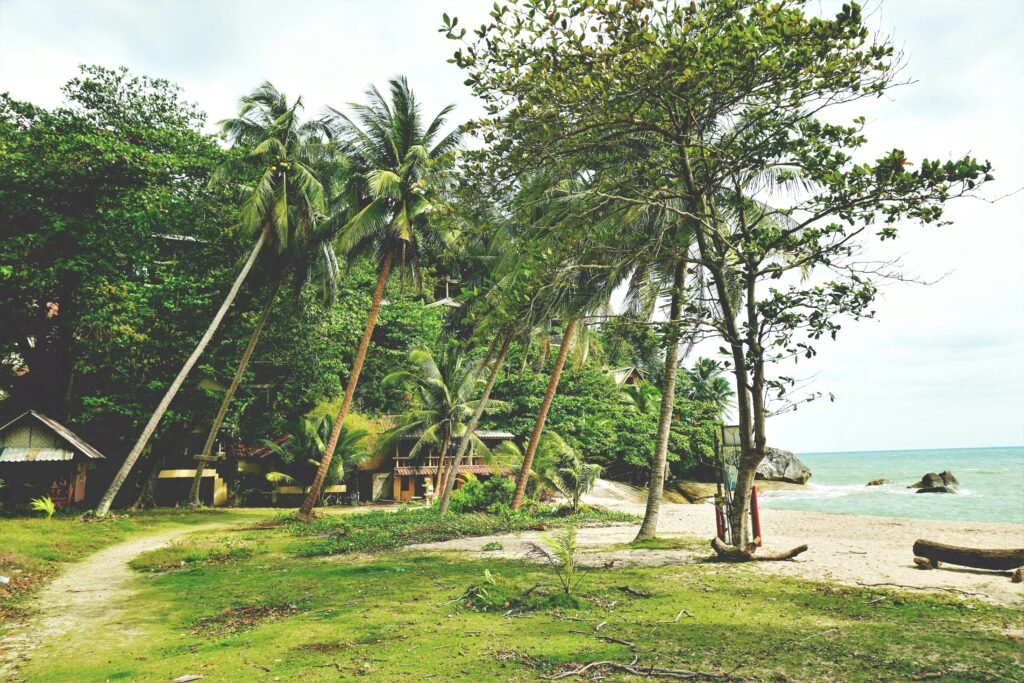
December offers some of Thailand’s most enjoyable weather. Cool mornings in northern Thailand, sunny afternoons on the beaches, and low humidity create ideal conditions for almost every type of traveler.
Christmas and New Year holidays attract millions of visitors, making December one of the busiest months of the year.
Advance planning becomes essential, particularly for popular destinations such as Phuket, Krabi, Chiang Mai, and Bangkok.
Best Places to Visit
- Phuket
- Krabi
- Chiang Mai
- Bangkok
- Koh Lanta
- Koh Phi Phi
- Khao Lak
Best Activities
- Beach vacations
- Diving
- Hiking
- Island hopping
- Christmas celebrations
- New Year parties
- Luxury resort stays
Pros
- Excellent weather nationwide.
- Calm seas.
- Comfortable temperatures.
- Long sunny days.
Cons
- Highest travel costs.
- Crowded beaches and attractions.
- Hotels sell out months in advance.
Expert Tip
Book flights and accommodation at least three to six months before your trip if you’re visiting during Christmas or New Year to secure better prices and availability.
Thailand Weather by Month Comparison
| Month | Weather | Crowds | Prices | Best For |
|---|---|---|---|---|
| January | ⭐⭐⭐⭐⭐ | High | High | Beaches, sightseeing |
| February | ⭐⭐⭐⭐⭐ | High | High | Honeymoon, diving |
| March | ⭐⭐⭐⭐☆ | Moderate | Moderate | Beaches |
| April | ⭐⭐⭐⭐☆ | High | High | Songkran Festival |
| May | ⭐⭐⭐☆☆ | Moderate | Moderate | Budget beach trips |
| June | ⭐⭐⭐☆☆ | Low | Low | Budget travel |
| July | ⭐⭐⭐☆☆ | Moderate | Affordable | Nature lovers |
| August | ⭐⭐☆☆☆ | Moderate | Affordable | Resorts |
| September | ⭐⭐☆☆☆ | Low | Lowest | Budget travelers |
| October | ⭐⭐⭐☆☆ | Moderate | Moderate | Shoulder season |
| November | ⭐⭐⭐⭐⭐ | High | Increasing | Best overall weather |
| December | ⭐⭐⭐⭐⭐ | Very High | Highest | Holidays, beaches |
Best Time to Visit Thailand by Travel Style
Choosing the best month depends on what kind of trip you’re planning.
| Travel Style | Best Months | Why |
|---|---|---|
| First-time visitors | January–February | Comfortable weather across the country |
| Beach vacations | November–April | Calm seas and sunny skies |
| Honeymoon | February, November | Romantic weather and beautiful sunsets |
| Backpacking | June–October | Lower prices and fewer crowds |
| Family vacations | December, January | Pleasant temperatures and school holidays |
| Luxury travel | November–February | Premium weather and resort experiences |
| Photography | July–September | Lush landscapes and dramatic skies |
| Diving & snorkeling | November–April | Clear water and excellent visibility |
| Hiking & trekking | November–February | Cooler temperatures in northern Thailand |
| Digital nomads | November–March | Comfortable climate for longer stays |
Which Coast Should You Choose?
| Factor | Andaman Coast | Gulf of Thailand |
|---|---|---|
| Main Destinations | Phuket, Krabi, Phi Phi | Koh Samui, Koh Tao, Koh Phangan |
| Best Weather | November–April | January–September |
| Diving Season | November–April | March–September |
| Rainiest Months | May–October | October–November |
| Best For | Luxury resorts, limestone islands | Summer beach vacations |
Month-by-Month Travel Planning Tips
| Month | Travel Advice |
|---|---|
| January | Book hotels well in advance. |
| February | Great for island hopping and diving. |
| March | Schedule outdoor activities early to avoid midday heat. |
| April | Carry a waterproof phone pouch during Songkran. |
| May | Expect brief afternoon showers. |
| June | Choose Gulf islands for better beach weather. |
| July | Pack a lightweight rain jacket. |
| August | Keep your itinerary flexible. |
| September | Plan indoor backup activities. |
| October | Monitor regional weather forecasts. |
| November | Reserve popular hotels early. |
| December | Book flights 3–6 months ahead. |
What to Pack for Thailand by Season
Packing the right clothing and travel essentials can make your trip much more comfortable. While Thailand is warm year-round, the weather changes enough between seasons that it’s worth adjusting your packing list.
November–February (Cool & Dry Season)
Weather: Pleasant temperatures, low humidity, sunny days.
Pack These Essentials
- Lightweight T-shirts
- Shorts
- Summer dresses
- Swimsuit
- Flip-flops
- Comfortable walking shoes
- Sunglasses
- Hat or cap
- Sunscreen (SPF 50+)
- Reusable water bottle
- Light jacket or hoodie (for Chiang Mai evenings)
Pro Tip: Northern Thailand, especially Chiang Mai and Pai, can feel surprisingly cool in the early mornings and evenings during December and January.
March–May (Hot Season)
Weather: Very hot with high humidity.
Pack These Essentials
- Breathable cotton or linen clothing
- Moisture-wicking T-shirts
- Cooling towel
- Wide-brim hat
- Polarized sunglasses
- Reef-safe sunscreen
- Electrolyte packets
- Sandals
- Portable fan
- Waterproof phone pouch (especially for Songkran)
Avoid: Dark-colored clothing, which absorbs heat.
June–October (Rainy Season)
Weather: Tropical showers and high humidity.
Pack These Essentials
- Lightweight rain jacket
- Compact travel umbrella
- Waterproof backpack cover
- Dry bag for electronics
- Waterproof sandals
- Quick-dry clothing
- Waterproof phone pouch
- Insect repellent
- Extra socks
Expert Tip: Shoes that dry quickly are much more practical than heavy sneakers during the rainy season.
Estimated Travel Costs by Season
Your travel budget can vary significantly depending on when you visit.
| Season | Flights | Hotels | Activities | Overall Budget |
|---|---|---|---|---|
| Nov–Feb | $$$$ | $$$$ | $$$ | Highest |
| Mar–May | $$$ | $$$ | $$$ | Moderate |
| Jun–Oct | $$ | $$ | $$ | Lowest |
Budget Traveler
- Daily Budget: ฿1,200–2,000 ($35–60 USD)
Mid-Range Traveler
- Daily Budget: ฿2,500–5,000 ($70–140 USD)
Luxury Traveler
- Daily Budget: ฿7,000+ ($200+ USD)
Money-Saving Tip: If you’re flexible with your dates, traveling in June or September can often reduce your overall trip cost while still providing plenty of enjoyable weather.
Common Weather-Related Mistakes to Avoid
Many first-time visitors misunderstand Thailand’s climate. Avoiding these mistakes can save you money, time, and frustration.
1. Assuming It Rains All Day During the Monsoon
Most rain falls in short, heavy bursts, often in the afternoon or evening. Plan outdoor activities for the morning whenever possible.
2. Ignoring Regional Weather Differences
Phuket and Koh Samui often experience different weather patterns. One coast may enjoy sunshine while the other sees heavy rain.
3. Booking Peak Season Too Late
Hotels in Phuket, Krabi, Chiang Mai, and Bangkok can sell out months in advance for December and January.
4. Underestimating the Heat
April temperatures regularly exceed 35°C, and the combination of heat and humidity can lead to dehydration.
Carry water and take regular breaks in the shade.
5. Packing Heavy Clothes
Lightweight, breathable clothing is far more comfortable than jeans or thick fabrics in Thailand’s tropical climate.
6. Forgetting Sun Protection
Even on cloudy days, UV levels are high.
Always use sunscreen, wear sunglasses, and seek shade during the hottest hours (11 AM–3 PM).
Safety Tips for Every Season
Thailand is generally a safe destination, but weather conditions can affect travel plans.
During the Rainy Season
- Check weather forecasts before boat tours.
- Avoid swimming when red warning flags are displayed.
- Watch for slippery temple steps and sidewalks.
- Keep important documents in waterproof bags.
During the Hot Season
- Drink plenty of water.
- Avoid prolonged sun exposure.
- Wear light-colored clothing.
- Take breaks in air-conditioned places.
During Peak Season
- Book accommodations early.
- Keep valuables secure in crowded tourist areas.
- Confirm transportation schedules during holidays.
Key Takeaways
- November to February offers the most comfortable weather for most travelers.
- January and February are ideal for beaches, sightseeing, and first-time visitors.
- April is the hottest month but also hosts the famous Songkran Festival.
- June to October is the rainy season, bringing lower prices and lush scenery.
- Koh Samui is often a better beach choice than Phuket between May and September.
- Phuket and Krabi are best visited from November to April.
- Book early if traveling during December and January.
- Travel during the shoulder or green season if you’re looking for better value and fewer crowds.
Thailand is a year-round destination, but the best time to visit depends on the experience you’re looking for. If your priority is clear skies, calm seas, and comfortable sightseeing, plan your trip between November and February. Beach lovers will enjoy the Andaman Coast during the dry season, while travelers visiting between May and September should consider the Gulf islands for more favorable weather.
If you’re traveling on a budget, don’t overlook the rainy season. Although you’ll encounter occasional showers, you’ll also benefit from lower prices, fewer crowds, and vibrant green landscapes. By understanding how weather patterns vary across the country, you can choose destinations that match your travel style and make the most of every month.
Use this month-by-month guide to compare temperatures, rainfall, costs, and activities before booking your flights and accommodations. With the right planning, you can enjoy an unforgettable Thailand adventure—whether you’re exploring ancient temples in Bangkok, hiking through Chiang Mai’s mountains, or relaxing on the country’s world-famous beaches.
Frequently Asked Questions
What is the best month to visit Thailand?
November to February is generally the best time to visit Thailand thanks to cooler temperatures, low humidity, and minimal rainfall. These months are ideal for beaches, sightseeing, and outdoor adventures.
What is the hottest month in Thailand?
April is usually the hottest month, with temperatures often exceeding 35°C (95°F). It is also the month of the Songkran Festival.
Which month has the most rain in Thailand?
For many parts of Thailand, September receives the highest rainfall. However, rainfall patterns vary by region, and Koh Samui's wettest months are typically October and November.
Is Thailand worth visiting during the rainy season?
Yes. The rainy season offers lush landscapes, lower hotel prices, and fewer crowds. Showers are often short-lived, allowing travelers to enjoy many activities with flexible planning.
Which coast has better weather in summer?
From May to September, the Gulf of Thailand (Koh Samui, Koh Tao, and Koh Phangan) generally experiences drier conditions than the Andaman Coast.
Does it rain every day during the monsoon?
Not usually. Most destinations experience brief but heavy showers rather than continuous rainfall, especially in the afternoon or evening.
When is the cheapest time to visit Thailand?
June through September often provides the best value, with lower airfare, discounted hotels, and fewer tourists.
Is December a good time to visit Thailand?
Yes. December is one of the most popular months because of pleasant weather across the country. Be sure to book flights and accommodations several months in advance.
What should I pack for Thailand?
Pack lightweight clothing, sunscreen, comfortable footwear, a reusable water bottle, and a swimsuit year-round. If visiting during the rainy season, add a rain jacket, umbrella, and waterproof bags.
Which Thai islands have the best weather year-round?
No island has perfect weather all year, but Phuket and Krabi are generally best from November to April, while Koh Samui, Koh Tao, and Koh Phangan are better choices from May to September.