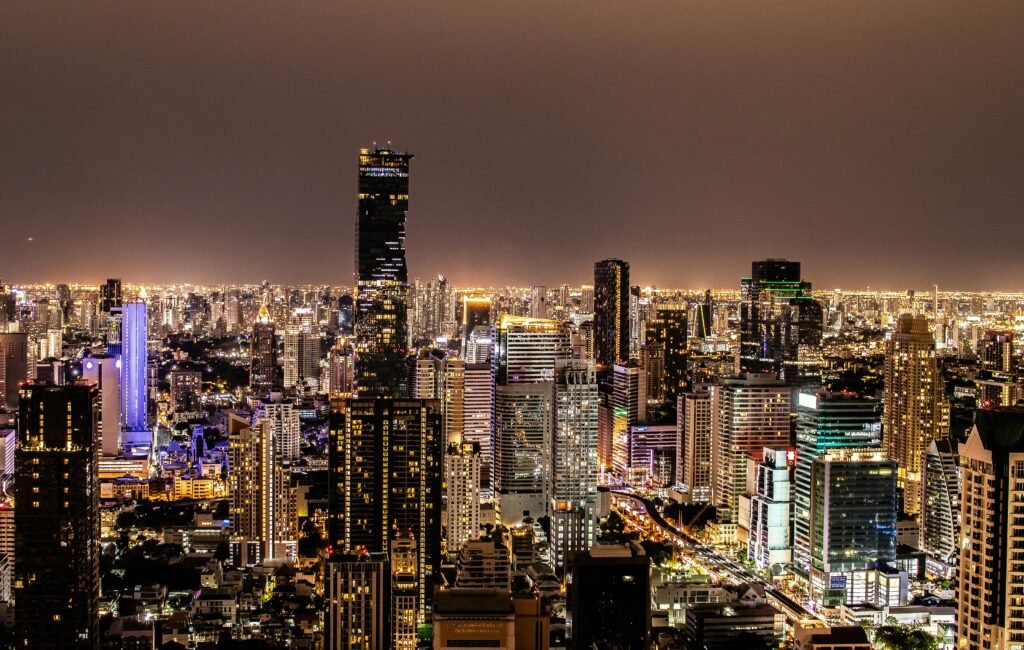
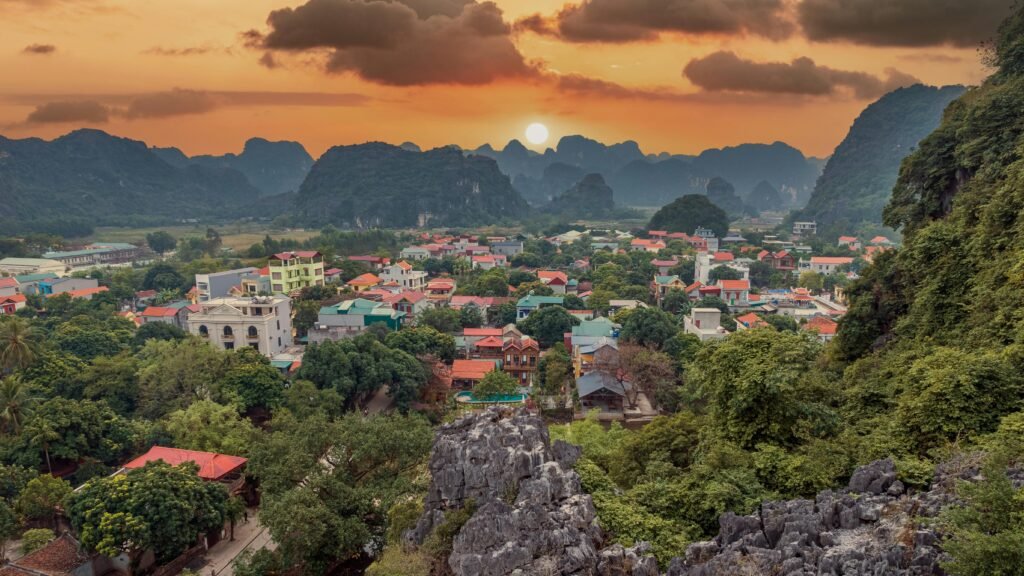
On our last trip through Vietnam, we tracked almost every dong we spent — from a $2 bowl of phở on a plastic stool in Hanoi’s Old Quarter to a $100/night guesthouse in Hoi An. If you’re trying to figure out what a Vietnam trip actually costs before you book anything, here’s the short version: a 10-day Vietnam trip typically costs $700–$2,800 per person, not including international flights, depending on whether you travel as a backpacker, mid-range traveler, or comfort/luxury traveler.
Below, we break that down properly — flights, visa, hotels, food, transport, and the “hidden” costs most budget guides skip — so you can build a number you can actually trust.
Table of Contents
ToggleVietnam Trip Cost at a Glance
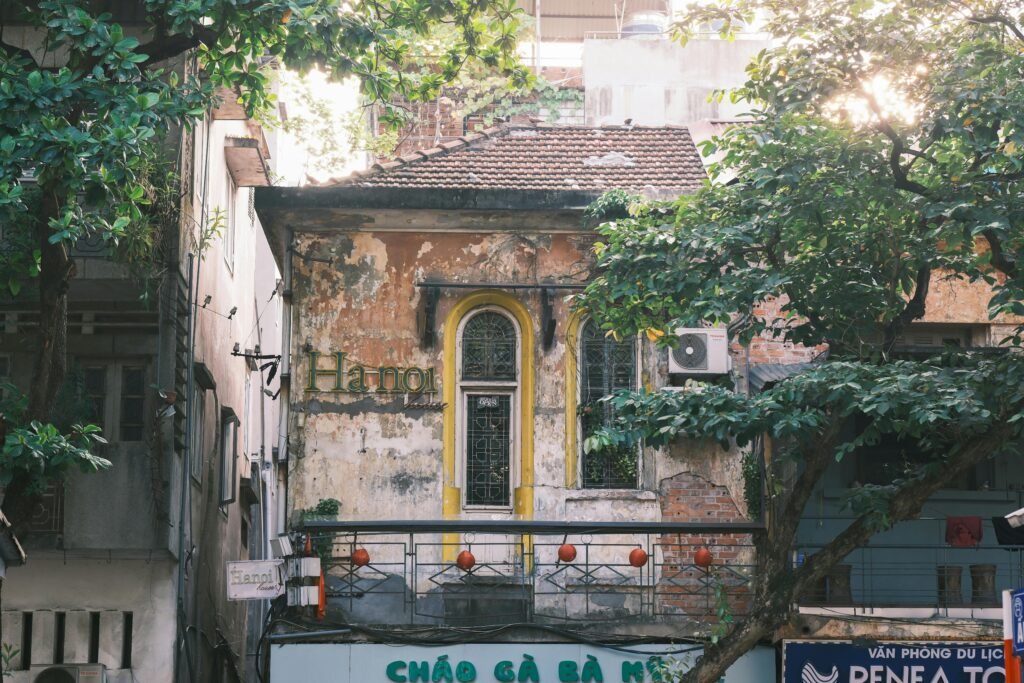
Vietnam remains one of the best-value countries in Southeast Asia, but 2026 prices have crept up compared to older blog posts still floating around Google. According to Vietnam’s General Statistics Office, international arrivals hit record highs in 2025, and accommodation and tourism-services revenue both grew double digits year over year — which is exactly why daily budget figures from 2022–2023 no longer hold up.
| Travel Style | Daily Budget (per person) | 10-Day Trip Total* |
|---|---|---|
| Backpacker | $30–$50 | $700–$1,000 |
| Mid-Range | $80–$150 | $1,400–$2,200 |
| Luxury / Comfort | $200–$400+ | $2,500–$4,500+ |
*Excludes international flights and e-visa fee, which are covered separately below.
Backpacker Budget ($30–$50/day)
Dorm beds or basic private rooms, street food, local buses and trains, and mostly free or low-cost activities. Works best in cheaper towns like Da Lat, Mui Ne, and Hue.
Mid-Range Budget ($80–$150/day)
3-star hotels or boutique guesthouses, a mix of local and Western meals, Grab rides or a rented motorbike, and one paid activity every couple of days.
Luxury / Comfort Budget ($200–$400+/day)
4- and 5-star hotels or resorts, private drivers, premium tours, and beachfront stays in places like Phu Quoc and Da Nang, which carry a real price premium over the mainland.
What a Vietnam Trip Actually Costs
Flights to Vietnam
International flights are usually the single biggest line item and vary heavily by origin and season:
- From the US/Canada: roughly $600–$1,200 round-trip (West Coast tends to run cheaper than East Coast)
- From the UK/Europe: roughly $550–$1,000 round-trip
- From Australia: roughly $400–$800 round-trip
- From India: roughly $300–$550 round-trip
Once you’re in the country, domestic flights between Hanoi, Da Nang, and Ho Chi Minh City typically run $30–$70 one-way on carriers like Vietnam Airlines, VietJet, or Bamboo Airways — often cheaper than a full day on a sleeper bus if your time is limited.
Vietnam Visa Cost (E-Visa Fees)
The Vietnam e-visa costs $25 USD for single entry or $50 USD for multiple entry, valid for up to 90 days. This is set by Vietnam’s Ministry of Finance under Circular No. 28/2026/TT-BTC, effective April 1, 2026, and applies to most nationalities applying directly through the official government portal.
If you use a visa agency instead of applying yourself, expect an additional service fee on top of the government fee — usually $20–$80 depending on processing speed. Applying directly through the official portal is the cheapest route if you’re comfortable handling the paperwork yourself.
Accommodation Costs

Accommodation is where your budget tier matters most:
- Backpacker: $5–$15/night for a hostel dorm or basic guesthouse
- Mid-range: $30–$80/night for a 3-star hotel or boutique stay
- Luxury: $110–$500+/night for a 4-5 star hotel or beachfront resort
On our trip, we stayed at a $50/night boutique guesthouse in Hoi An’s Old Town — it included breakfast and free bike rental, and was a five-minute walk from the river, which is fairly typical mid-range value for that town. Prices in Hoi An and Hanoi’s Old Quarter have risen roughly 8–12% year over year, so budget a little above what older guides quote. Phu Quoc carries a further 15–25% island premium over mainland beach towns.
Food & Drink Costs
This is where Vietnam earns its “budget destination” reputation. A bowl of phở or bún chả at a local spot runs about $1.50–$2.50, and a rice-buffet lunch (cơm bình dân) can be found for under $2. A sit-down restaurant meal aimed at tourists runs $5–$10, and Western food or a nicer restaurant can run $10–$20 per meal. One line that’s easy to underestimate: Vietnamese coffee culture. Two coffees a day is a small, real cost that daily-average blog figures tend to quietly absorb — budget an extra $2–$4/day for it.
Local Transport (Grab, Motorbike Rental, Trains, Buses)

The single biggest transport decision you’ll make daily is Grab (ride-hailing) versus renting your own motorbike. Renting a scooter runs about $4–$10/day, while relying entirely on Grab in cities runs closer to $8–$20/day depending on how much you move around. Intercity travel by sleeper bus is typically $10–$25, while trains cost a bit more but are noticeably more comfortable for longer routes like Hanoi to Hue.
Activities, Tours & Entrance Fees
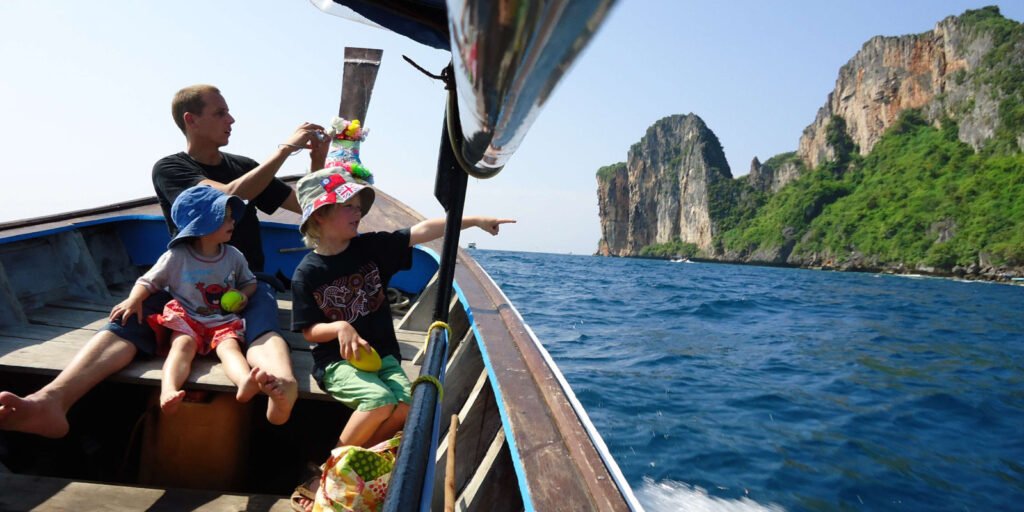
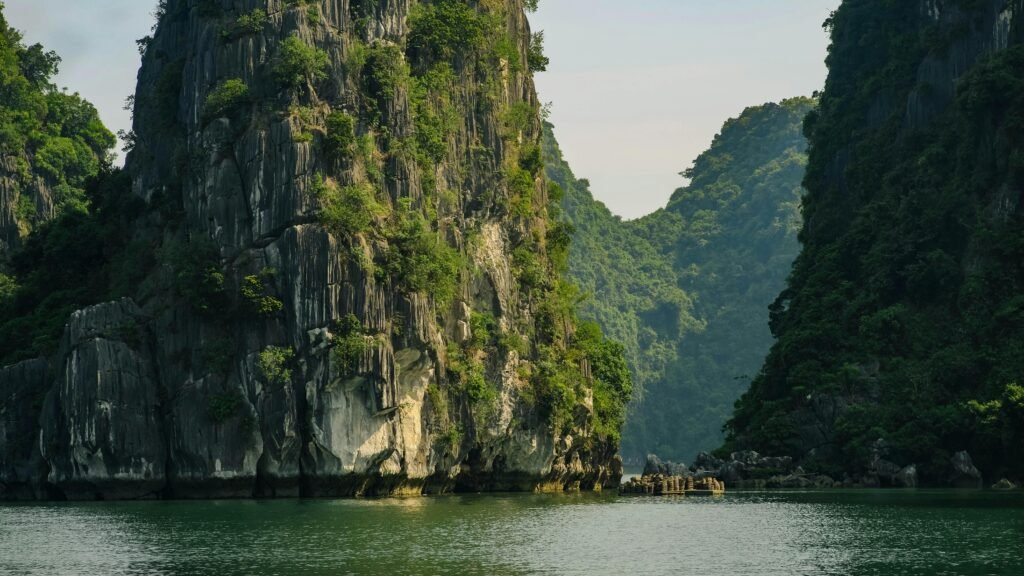
Most travelers don’t pay for a tour every single day — it helps to think of activity costs as amortized across your trip rather than a flat daily add-on. A $25 Ha Long Bay day cruise, for example, reads as roughly $12/day if you’re spreading it across a two-day stay in the area. Overnight Ha Long Bay cruises run considerably higher, from $60 for budget boats to $200+ for premium cabins, and are usually the single biggest “splurge” line item in a Vietnam itinerary.
SIM Card, Travel Insurance & Miscellaneous Costs

These smaller costs add up and are easy to forget when budgeting:
- SIM/eSIM: $5–$15 for a tourist data package covering most of your trip
- Basic travel insurance: roughly $25–$50 for a two-week policy (more if you plan to ride a motorbike, which some basic policies exclude)
- Tipping: not customary at street stalls or local restaurants, though rounding up for tour guides and drivers is appreciated
Sample Vietnam Trip Budgets (7, 10, and 14 Days)
| Trip Length | Backpacker | Mid-Range | Luxury |
|---|---|---|---|
| 7 days | $210–$350 | $560–$1,050 | $1,400–$2,800+ |
| 10 days | $300–$500 | $800–$1,500 | $2,000–$4,000+ |
| 14 days | $420–$700 | $1,120–$2,100 | $2,800–$5,600+ |
Figures exclude international flights and the e-visa fee. Add roughly $25–$50 for the visa and your flight cost from the section above for a full trip total.
Your itinerary shapes this number as much as your daily budget does — if you’re still deciding where to spend your time, our guide to which part of Vietnam is best for tourists breaks down the regional trade-offs.
Best Time to Visit Vietnam

Vietnam is long and climate zones vary north to south, but from a cost perspective, the calendar matters more than the map. Tet (Lunar New Year, typically late January to mid-February) is the single biggest price spike of the year — hotel rates and domestic flights can jump 10–20% or more, and many family-run guesthouses close entirely. Shoulder seasons (April–May and September–October in most regions) tend to offer the best balance of good weather and lower prices, since they fall outside both Tet and the peak December–March tourist season.
Pros & Cons of Traveling Vietnam on a Budget vs. Splurging
| Pros | Cons | |
|---|---|---|
| Budget Travel | More local interaction, longer trip possible on the same funds, closer to how most locals travel | Less comfort on long travel days, more time spent planning/booking to save money |
| Splurging | More comfort and flexibility, private drivers save time, better sleep on long routes | Costs scale fast in premium beach towns, less immersive if you stick to resort bubbles |
Common Budgeting Mistakes That Blow Your Vietnam Trip Cost
- Not agreeing on a cyclo or taxi fare before the ride — meter disputes and inflated “tourist” fares are common in high-traffic areas.
- Underestimating ATM withdrawal fees — small, frequent withdrawals add up fast in per-transaction fees.
- Booking Phu Quoc or Ha Long Bay around Tet without checking surge pricing first — rates can double with little notice.
- Assuming cards work everywhere — street stalls, markets, and small guesthouses are usually cash-only.
Pro Tips to Cut Your Vietnam Trip Cost Without Cutting the Experience
- Withdraw larger amounts, less often. Pulling 2–4 million VND (roughly $80–$160) per ATM visit kept our per-withdrawal fees under $1, instead of paying a flat fee on five smaller withdrawals.
- Split cash and card roughly 60/40. Cards work fine at hotels, malls, and mid-range restaurants; keep cash on hand for street food, markets, and small guesthouses.
- Choose value beach towns over premium ones. Da Lat (no beach, but the cheapest popular stop) and Mui Ne or Nha Trang (best-value beaches) stretch your budget further than Phu Quoc.
- Amortize big-ticket activities. Book one overnight cruise or major tour and treat it as a planned splurge rather than a daily expectation.
Who Should Choose Which Vietnam Budget
Solo backpackers and gap-year travelers: the $30–$50/day tier gives you a genuinely full experience — you’re not sacrificing much beyond room comfort.
Couples and first-time visitors: mid-range ($80–$150/day) is the sweet spot — enough comfort to enjoy long travel days, without paying resort prices.
Families and travelers with limited time: lean toward the higher end of mid-range or into comfort tier — private drivers and better-located hotels save real time, which matters more than money on a shorter trip.
Honeymooners and luxury travelers: Vietnam’s luxury tier ($200–$400+/day) still undercuts equivalent experiences in many other regions, particularly around Da Nang and Hoi An.
If you’re a first-timer trying to gauge how the country will feel day to day beyond the numbers, our guide on whether Vietnamese people are friendly to American travelers is a good companion read.
Frequently Asked Questions
How much does a 10-day trip to Vietnam cost?
A 10-day Vietnam trip costs roughly $700–$2,800 per person, excluding international flights, depending on whether you travel backpacker, mid-range, or comfort style.
Is Vietnam cheaper than Thailand?
Yes, generally. Vietnam tends to run about 15–25% cheaper than Thailand at comparable comfort levels, particularly for accommodation and local transport.
How much cash should I bring to Vietnam?
Bring some USD to exchange on arrival and rely on ATMs for the rest — a roughly 60% cash / 40% card split works well, since street stalls, markets, and small guesthouses are typically cash-only.
What is the Vietnam e-visa fee?
The Vietnam e-visa costs $25 USD for single entry or $50 USD for multiple entry, valid for up to 90 days, per Circular No. 28/2026/TT-BTC.
Is $1,000 enough for 2 weeks in Vietnam?
Yes, for a backpacker-style trip. $1,000 comfortably covers 14 days at the backpacker tier ($420–$700), leaving room for one or two paid activities, though it's tight for a full mid-range experience.
What's the biggest hidden cost in a Vietnam trip?
ATM withdrawal fees and Tet/peak-season surge pricing on hotels and cruises are the two most commonly underestimated costs — both are avoidable with a bit of planning.
Do I need travel insurance for Vietnam?
It isn't required for entry, but it's strongly recommended. A basic two-week policy runs about $25–$50; get a policy that specifically covers motorbike use if you plan to ride one.