

Vietnam stretches more than 1,600 kilometers from north to south, which means the country you experience in Hanoi can feel like a completely different destination from the one you find in Ho Chi Minh City. So when someone asks “which part of Vietnam is best for tourists,” there isn’t a single clean answer — it depends on how much time you have, what kind of trip you’re after, and honestly, how much travel fatigue you’re willing to put up with.
On our own first trip to Vietnam, we tried to cram Hanoi, Hoi An, and Ho Chi Minh City into a single 10-day loop. Looking back, that was too much ground for too little time — we spent more hours on trains and in taxis than we would have liked, and we didn’t get to slow down anywhere. If we went back, we’d pick one or two regions and actually settle into them.
That’s the real lesson behind this guide. Instead of giving you another list of “top places to visit,” we’re going to break Vietnam into its three core regions — North, Central, and South — and help you figure out which one (or which combination) actually fits your trip.
Table of Contents
ToggleWhy "Best Region" Depends on Your Trip

Vietnam is generally divided into three travel regions: North Vietnam (Hanoi, Ha Long Bay, Sapa), Central Vietnam (Hoi An, Da Nang, Hue), and South Vietnam (Ho Chi Minh City, the Mekong Delta, Phu Quoc). Each region has a distinct climate, pace, and set of experiences, which is exactly why so many travelers get stuck trying to pick just one.
Northern Vietnam (Hanoi, Ha Long Bay, Sapa)

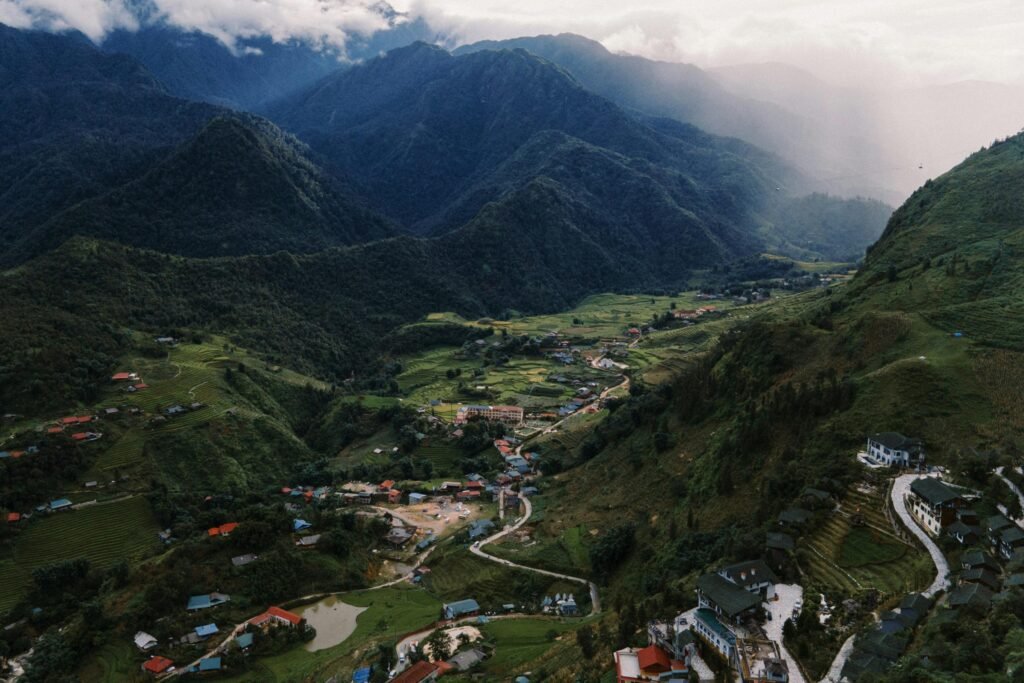
The north is where Vietnam’s history and mountain landscapes take center stage. Hanoi’s Old Quarter is dense, chaotic in the best way, and full of centuries-old architecture — narrow shophouses, street-food stalls spilling onto tiny plastic stools, and a lake at the center of it all where locals gather for tai chi at sunrise. From there, Ha Long Bay’s limestone karsts and Sapa’s terraced rice fields give you dramatic scenery within a few hours’ travel by car or overnight train.
Winters here (December–February) can get genuinely cold and grey, which surprises a lot of first-time visitors expecting tropical heat everywhere in Vietnam. Sapa in particular can drop close to freezing in the highlands during January, so this isn’t a beach-and-shorts region for a good chunk of the year. What the north lacks in warm winters, it makes up for with some of the most photographed landscapes in the country and a slower, more traditional pace of life than the south.
Central Vietnam (Hoi An, Da Nang, Hue)
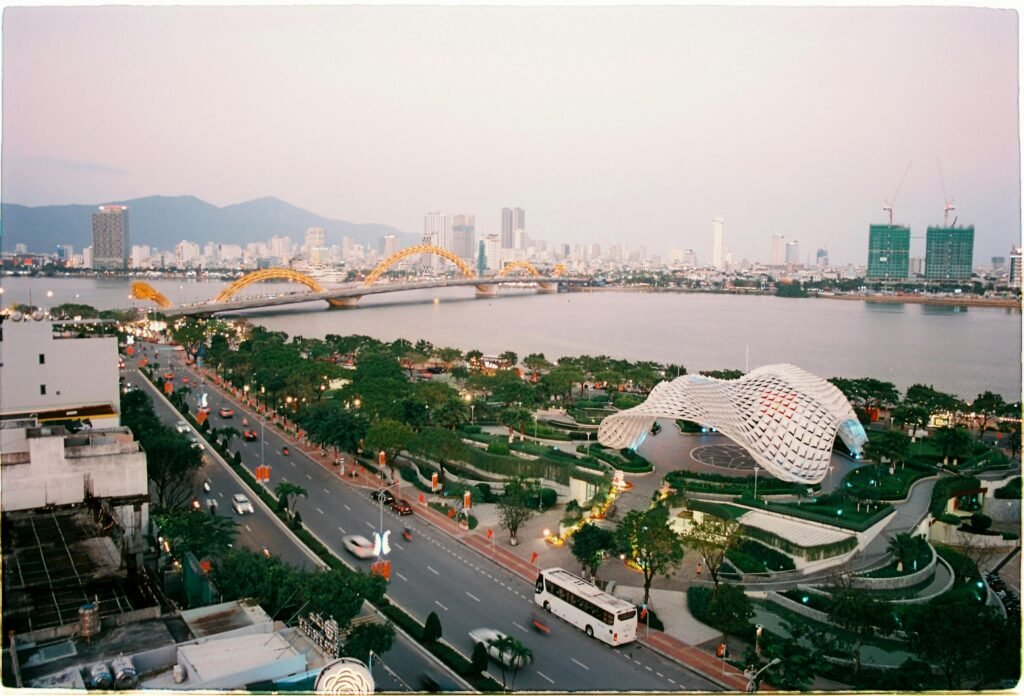
Central Vietnam is the most balanced region on paper — you get beaches, a UNESCO-listed old town in Hoi An, the imperial history of Hue, and modern beachfront development in Da Nang, all within a fairly compact stretch of coastline. For travelers who want variety without a lot of internal travel time, this region tends to punch above its weight: you can wake up at a beach resort in Da Nang, spend the afternoon wandering Hoi An’s lantern-lit old town, and be back for dinner, all in the same day.
Hue adds a different texture entirely — it was Vietnam’s imperial capital for over a century, and the citadel, royal tombs, and Perfume River give the city a quieter, more reflective feel than Hoi An’s tourist-friendly streets. Central Vietnam’s food scene is also frequently cited as the country’s most distinct, with regional specialties that don’t show up much elsewhere on a typical itinerary.
Southern Vietnam (Ho Chi Minh City, Mekong Delta, Phu Quoc)
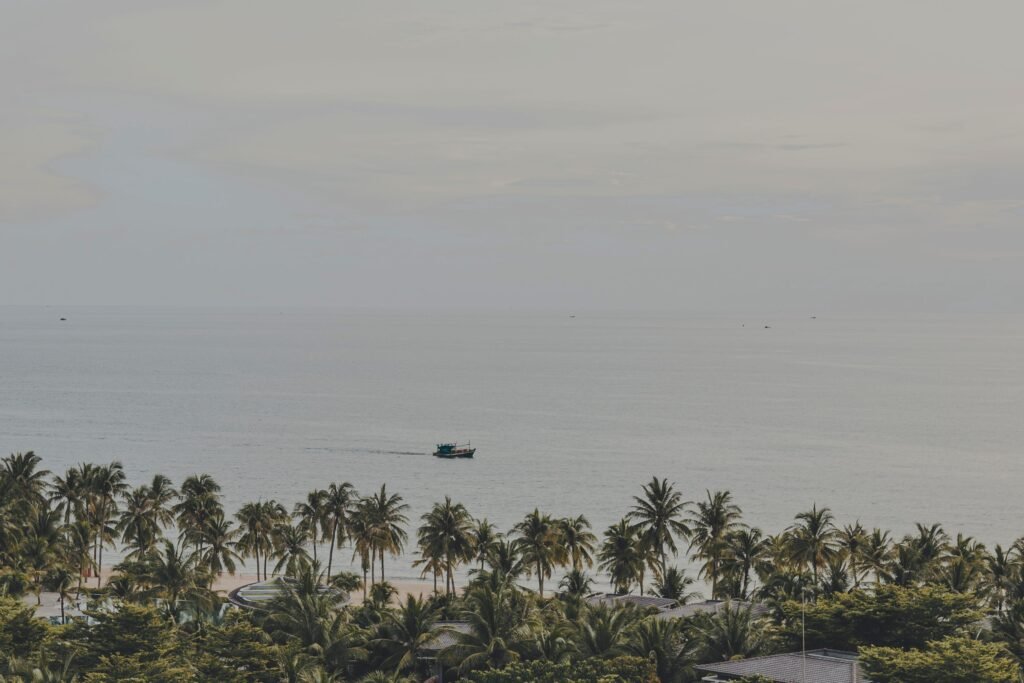
The south is faster, hotter, and more modern. Ho Chi Minh City (still widely called Saigon) is Vietnam’s economic engine — busy streets, rooftop bars, and a much younger nightlife scene than Hanoi. The traffic here is famously intense, and the city rewards travelers who are comfortable navigating crowds and constant motion rather than looking for a slow pace.
From there, the Mekong Delta offers a slower, rural contrast with floating markets and river life — a boat trip through Can Tho or Cai Rang gives you a completely different side of Vietnam than anything in the north or central coast. Phu Quoc, meanwhile, gives you the country’s most developed island-beach experience, with resort infrastructure that rivals other Southeast Asian beach destinations, though it’s grown considerably busier and pricier over the past few years as development has accelerated.
Which Region Is Best for You?
Most guides stop at describing the regions and leave you to figure out the rest. Here’s a more direct breakdown based on the kind of traveler you actually are:
| Traveler Type | Best Region | Why |
|---|---|---|
| First-time visitor | Central Vietnam | Compact, balances history, food, and beach in one trip |
| Foodie | North or Central Vietnam | Hanoi and Hue are widely considered Vietnam’s culinary capitals |
| Beach lover | Central or South Vietnam | Da Nang, Nha Trang, and Phu Quoc have the most developed beach infrastructure |
| Budget backpacker | North Vietnam / Mekong Delta | Lower accommodation and food costs than the coastal south |
| Family with kids | South Vietnam (Phu Quoc) | Resort infrastructure, shorter transfer times, family-friendly amenities |
| Honeymoon / couples | Central Vietnam (Hoi An) | Slower pace, riverside old town, easy day trips to beaches |
| Adventure / trekking | North Vietnam (Sapa, Ha Giang) | Mountain treks and motorbike routes not found elsewhere |
| Photographer | North Vietnam | Ha Long Bay and Sapa’s terraced fields are Vietnam’s most photographed landscapes |
Budget Breakdown: Cost by Region
Vietnam is often described as “affordable” without much detail on what that actually means. Costs vary noticeably by region — the south and central coast run higher than the north and the Mekong Delta, mostly due to tourism demand and resort development. Accommodation tends to be the biggest swing factor: a basic guesthouse in Hanoi’s Old Quarter can run half the price of an equivalent room in Da Nang or Phu Quoc during peak season.
Transportation is the other cost that catches people off guard. Domestic flights between regions typically run $30–80 one-way depending on how far ahead you book, while overnight trains (Hanoi–Hue or Hanoi–Da Nang, for example) cost less but eat far more of your trip in travel time. Street food throughout the country remains remarkably cheap — a bowl of pho or bun cha rarely runs more than $2–3 anywhere in Vietnam — but sit-down restaurants aimed at tourists in Hoi An and Phu Quoc can quietly push your food budget toward Western prices.
| Region | Budget traveler (per day) | Mid-range (per day) | Comfort (per day) |
|---|---|---|---|
| North Vietnam | $20–30 | $45–70 | $100+ |
| Central Vietnam | $25–35 | $50–80 | $110+ |
| South Vietnam | $25–40 | $55–90 | $130+ |
Best Time to Visit Each Region
This is where a lot of general “best time to visit Vietnam” advice falls short — the honest answer changes depending on which region you’re asking about.
- North Vietnam: March–April and October–November are the sweet spots, avoiding both winter chill and summer humidity. Winter (December–February) brings genuinely cold, misty conditions in Hanoi and Sapa, while summer (May–August) turns hot, humid, and prone to heavy downpours.
- Central Vietnam: February–August offers the calmest seas and clearest skies; September–January brings a higher risk of storms and heavy rain, including the occasional typhoon that can disrupt travel along the Da Nang–Hoi An–Hue stretch.
- South Vietnam: December–April (dry season) is ideal, especially for Phu Quoc and the Mekong Delta. The wet season (May–November) still sees plenty of sunshine most days, just with short, intense afternoon downpours rather than all-day rain.
One planning wrinkle worth flagging: Tet (Vietnamese Lunar New Year), usually falling between late January and mid-February, affects the entire country at once. Transportation gets booked up fast, many family-run businesses close for several days, and prices spike nationwide — it’s worth deciding in advance whether you want to experience Tet’s cultural energy or avoid the crowds and closures entirely.
Note: cite a climate or tourism authority (such as Vietnam’s meteorological data or a national tourism board) to support these seasonal windows before publishing.
Pros and Cons: North vs Central vs South Vietnam
| Region | Pros | Cons |
|---|---|---|
| North | Rich history, dramatic scenery, lower costs | Cold winters, longer transfers to some sights |
| Central | Balanced mix of beach, history, and food; compact geography | Storm season risk (Sept–Jan); Hoi An gets crowded midday |
| South | Modern infrastructure, best islands, vibrant nightlife | Higher costs, more heat and humidity year-round |
Getting Between Regions: Flights, Trains, and Buses
Once you’ve picked a region (or two), it’s worth planning how you’ll actually move between them, since Vietnam’s size makes this a bigger factor than in smaller Southeast Asian countries.
- Domestic flights connect Hanoi, Da Nang, and Ho Chi Minh City in roughly 1.5–2 hours each way, and are usually the fastest option for longer hops like Hanoi to Ho Chi Minh City.
- The Reunification Express train line runs the full length of the country and is a genuinely scenic way to travel shorter regional legs, like Hue to Da Nang, though longer stretches eat a full day or more.
- Sleeper buses are the budget option between nearby cities and are more comfortable than they sound, but not a great substitute for a flight on long north-south routes.
- Within a region (Hoi An to Da Nang, or Ho Chi Minh City to the Mekong Delta), a private car or organized day tour is usually cheap enough that it’s not worth the hassle of public transport.
Common Mistakes Travelers Make When Choosing a Region
A few patterns show up again and again with first-time visitors:
- Trying to see all three regions in under 10 days. Domestic flights and trains eat more time than people expect, and rushing tends to backfire.
- Underestimating overnight train travel. We booked an overnight train from Hanoi to Hue expecting to arrive rested — the reality was a bumpier, noisier ride than we’d planned for, and we’d fly that leg if we did it again.
- Visiting the wrong region in the wrong season. Central Vietnam’s storm season (roughly September through January) catches a surprising number of travelers off guard.
- Assuming “Vietnam” has one climate. Packing for Hanoi’s winter chill and Phu Quoc’s tropical heat requires two different suitcases, not one.
- Booking accommodation in the old town without checking noise levels. Hoi An’s Ancient Town and Hanoi’s Old Quarter are both beautiful and both loud late into the night — worth checking reviews specifically for noise if you’re a light sleeper.
- Not budgeting extra time for Tet. Travelers who land during Vietnamese Lunar New Year without knowing about it are often caught off guard by closed restaurants and booked-out transport.
Pro Tips for Picking (and Combining) Regions
- With 7 days or less: pick one region only. Central Vietnam is the easiest single-region trip to plan.
- With 10–14 days: combine two regions — North and Central, or Central and South — rather than attempting all three.
- With 3 weeks or more: a full north-to-south (or south-to-north) route becomes realistic without feeling rushed.
- Flights vs. trains: for longer legs (Hanoi–Hue, Hanoi–Ho Chi Minh City), domestic flights are usually worth the extra cost over a full overnight train ride.
- Sequencing: a north-to-south route follows Vietnam’s history chronologically and tends to feel more natural than jumping around.
Who Should Choose What
If you only have time for one region and this is your first trip, Central Vietnam is the most balanced choice — it gives you beach, history, and food without excessive travel time between stops. If your priority is mountain scenery, trekking, or deep cultural history, lean toward the North, and build in a few extra days for Sapa if trekking is part of the appeal. If you want city energy, nightlife, and island time, the South is the better fit, especially if Phu Quoc’s beaches are a bigger draw for you than historical sites.
Budget-conscious travelers will generally stretch their money furthest in the North and the Mekong Delta, while those prioritizing comfort and resort-style downtime will find the best infrastructure in the South. And if you have three weeks or more, don’t force a single-region choice at all — combining all three, sequenced north to south, is genuinely one of the best ways to experience Vietnam, since it lets the trip build naturally from history and mountains, through the balanced central coast, and into the faster-paced south.
Frequently Asked Questions
What is the best region of Vietnam for first-time visitors?
Central Vietnam (Hoi An, Da Nang, Hue) is generally best for first-timers because it balances beaches, history, and food in a compact, easy-to-manage area.
Is North or South Vietnam better for tourists?
North Vietnam suits culture- and mountain-focused trips (Hanoi, Ha Long Bay, Sapa), while South Vietnam suits city energy and islands (Ho Chi Minh City, Phu Quoc). Neither is objectively better — they serve different trip goals.
How many days do you need to see all of Vietnam?
Two to three weeks is generally the minimum to comfortably cover North, Central, and South Vietnam without excessive travel fatigue.
Is Central Vietnam worth visiting?
Yes — Hoi An, Da Nang, and Hue offer beaches, UNESCO sites, and food in a compact area, making Central Vietnam one of the most efficient regions to visit.
Which part of Vietnam has the best beaches?
Central Vietnam (Da Nang, Nha Trang) and Southern Vietnam (Phu Quoc) have the country's most developed and highly rated beaches.
Is it better to start in Hanoi or Ho Chi Minh City?
Start in Hanoi if you're traveling north-to-south, which follows Vietnam's natural historical and climate flow. Start in Ho Chi Minh City if you're flying in from the south or are short on time.
What part of Vietnam is cheapest to visit?
Northern Vietnam and the Mekong Delta tend to be the most budget-friendly regions for accommodation and food.