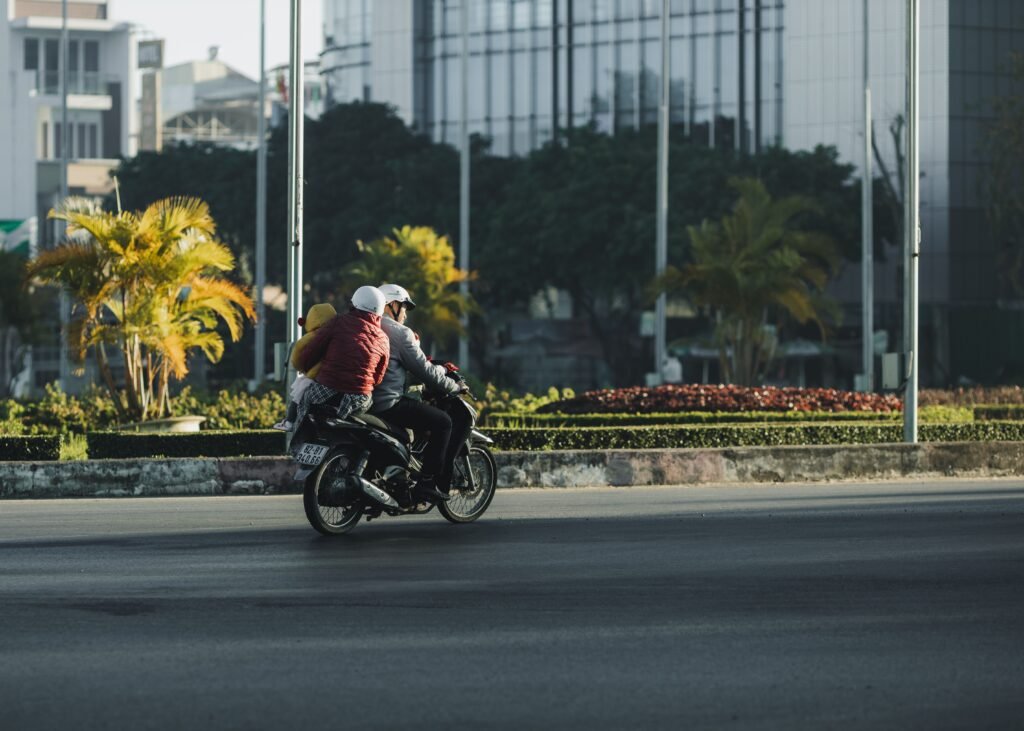
On our first morning in Hanoi’s Old Quarter, we stood on a street corner for a full five minutes just watching the traffic before we worked up the nerve to cross [insert specific street name, e.g., Hàng Bạc Street]. No crosswalk signal was going to save us — the only way across was to walk slowly, steadily, and trust that dozens of motorbikes would flow around us. That single moment sums up Vietnam pretty well: it looks chaotic from the outside, but there’s a rhythm to it, and once you understand the rules — written and unwritten — the country opens up completely.
Table of Contents
ToggleVietnam Do's and Don'ts at a Glance
| Do | Don’t | Why |
|---|---|---|
| Cover shoulders and knees at temples | Wear tank tops/shorts into pagodas | Religious sites expect modest dress |
| Use both hands to give/receive items | Hand things over with one hand casually | Signals respect, especially to elders |
| Negotiate taxi/Grab fares upfront | Get in a metered taxi without checking the meter runs correctly | Meter tampering is a known tourist scam |
| Ask for “không đá” if unsure about ice | Assume all tap water and ice is filtered | Hygiene standards vary by vendor |
| Cross the street slowly and predictably | Stop suddenly or run across | Drivers navigate around a steady pace, not sudden moves |
| Learn “Xin chào” and “Cảm ơn” | Assume everyone speaks English | Basic greetings go a long way with locals |
Best Time to Visit Vietnam (and How It Affects Your Do's and Don'ts)
Vietnam is long and thin, which means it doesn’t have one climate — it has three, and that changes what “appropriate” travel behavior even looks like.
Vietnam’s Three Climate Zones
- North (Hanoi, Sapa, Ha Long Bay): Cool, sometimes cold winters (Nov-Mar), hot humid summers (May-Aug).
- Central (Hue, Da Nang, Hoi An): Dry season roughly Feb-Aug, wet/typhoon season Sep-Jan.
- South (Ho Chi Minh City, Mekong Delta, Phu Quoc): Tropical — dry season Dec-Apr, rainy season May-Nov.
How Season Affects Etiquette
During Tet (Lunar New Year, typically late January to mid-February), many family-run shops and restaurants close for several days, and locals are often traveling to be with family — patience and flexibility matter more than usual during this window. In peak summer heat, the temple dress code doesn’t relax just because it’s 95°F; carrying a lightweight scarf or shawl to cover up on the spot is a habit worth building before you land.
What Vietnam Actually Costs
This is the part most “do’s and don’ts” guides skip entirely, and it’s arguably more useful than the etiquette list itself — knowing what things should cost is how you avoid getting overcharged in the first place.
Daily Budget by Travel Style
| Style | Daily Budget (USD) | What It Gets You |
|---|---|---|
| Backpacker | $25-35 | Hostel dorm, street food, local buses |
| Mid-range | $50-80 | Private room, mix of local/tourist restaurants, occasional Grab |
| Comfort | $100+ | 3-4 star hotels, private transfers, guided tours |
What Things Actually Cost
- Bowl of phở from a street vendor: roughly 35,000-50,000 VND (~$1.50-2)
- Local SIM card/eSIM with data: roughly $5-10 for a tourist package
- Grab (ride-hailing) across a city center: roughly 30,000-70,000 VND depending on distance
- Bottle of water: 5,000-10,000 VND
- Budget guesthouse room: $10-20/night; mid-range hotel: $35-60/night
Cultural Do's — What to Actively Do in Vietnam
Do Dress Modestly at Temples and Pagodas
Cover shoulders and knees. Some larger, more touristed temples keep spare shawls at the entrance, but don’t count on it — carry your own.
Do Use Both Hands When Giving or Receiving Items
Whether it’s handing someone your passport, receiving change, or passing a business card, using both hands (or supporting your offering arm with your other hand) is a small gesture that reads as respectful, especially with older Vietnamese people.
Do Learn a Few Basic Greetings
“Xin chào” (hello) and “Cảm ơn” (thank you) are easy to pick up and genuinely change how locals respond to you — it signals effort, not fluency.
Do Bargain — But Respectfully
Haggling is expected in markets and with street vendors, but not in restaurants with posted menus or convenience stores. Keep it friendly; aggressive bargaining over small amounts (often less than a dollar) reads poorly.
Do Try Street Food (Safely)
Look for stalls with high turnover and locals eating there — that’s usually a better hygiene signal than appearance alone.
Cultural Don'ts — What to Avoid in Vietnam
Don’t Touch People’s Heads
In Vietnamese and broader Southeast Asian belief, the head is considered the most sacred part of the body. Even a playful touch on a child’s head can be uncomfortable for the family. [Cite a cultural reference source for this belief rather than stating it as flat fact.]
Don’t Point Your Feet at People or Altars
Feet are considered the lowest, least respectful part of the body. Avoid pointing your feet at a person, a Buddha statue, or a family altar, and remove shoes before entering homes and many temples.
Don’t Bring Up the War or Politics Casually
It’s not that the topic is entirely off-limits — many Vietnamese people are open to respectful conversation about it — but it shouldn’t be the icebreaker. Let locals lead if the subject comes up.
Don’t Show Excessive Public Affection
Holding hands is fine; more overt displays draw attention, especially outside major cities.
Don’t Lose Your Temper in Public
Visible anger or raised voices are seen as a loss of face — for you, not the other person. Even in frustrating situations (a bad taxi fare, a mix-up at a hotel), staying calm gets better results than confrontation.
Common Mistakes First-Time Travelers Make in Vietnam

Not Negotiating Taxi/Grab Fares Upfront
Always confirm the fare or use the Grab app’s fixed-price estimate before getting in.
Drinking Tap Water or Unfiltered Ice
Stick to bottled or filtered water throughout the trip, not just at restaurants.
Crossing the Street Wrong
Stopping suddenly or sprinting across is more dangerous than walking at a steady, predictable pace — drivers are used to flowing around pedestrians who don’t change speed unexpectedly.
Overpacking for the Climate
Vietnam’s humidity means lightweight, breathable clothing goes further than a full suitcase of layers, even if you’re visiting the cooler north.
Ignoring Visa/Entry Requirements
Requirements vary significantly by nationality — check current e-visa rules well before departure rather than assuming visa-free entry applies to you.
Scams and Safety — What to Watch For
Taxi Meter Tampering
Stick to reputable companies (Mai Linh, Vinasun) or use Grab, where the fare is fixed before you get in.
Fake Tour or Ticket Sellers
Book tours through your accommodation or well-reviewed operators rather than street vendors offering unusually cheap deals.
Currency Confusion
Vietnamese dong notes have a lot of zeros, and it’s easy to hand over the wrong bill by mistake, especially early in a trip. Take a moment to actually look at denominations rather than trusting the color and size alone.
Pros & Cons of Traveling in Vietnam
| Pros | Cons |
|---|---|
| Extremely affordable compared to most of the world | Traffic can be genuinely overwhelming for first-timers |
| Food is exceptional and widely available | Language barrier outside major tourist areas |
| Diverse landscapes in a relatively small area | Petty scams targeting tourists are common in touristy zones |
| Generally warm, welcoming locals | Sidewalks are often used for parking/shops, making walking harder |
Pro Travel Tips
Download These Apps Before You Land
Grab (rides and food delivery), a currency converter, and an offline Google Translate pack for Vietnamese.
Get an eSIM Before Arrival
Having data the moment you land makes navigating airports and booking rides significantly easier.
Carry Small Bills
Street vendors and small shops often can’t break large notes — keep a stash of smaller denominations.
Who Should Visit Vietnam
Best For:
Backpackers, food lovers, and first-time Southeast Asia travelers who want an affordable, culturally rich trip with genuine variety between regions.
Think Twice If:
You need strict predictability or have significant mobility limitations — chaotic traffic and inconsistent sidewalks can make things harder than in more infrastructure-heavy destinations.
Having covered across Southeast Asia on this site, Vietnam stands out for how much ground-level culture is still visible and how far a modest budget stretches — it rewards travelers willing to slow down and pay attention to the rhythm of the place.
Frequently Asked Question
What should you not do in Vietnam?
Avoid touching people's heads, pointing your feet at altars or people, discussing politics casually, and losing your temper publicly — Vietnamese culture values calm, respectful interaction.
Is it disrespectful to wear shorts in Vietnam?
Shorts are fine in cities and beach towns, but cover shoulders and knees at temples, pagodas, and other religious sites.
How much money do I need per day in Vietnam?
Budget travelers can get by on roughly $25-35/day, mid-range travelers $50-80/day, depending on accommodation and activities.
Do you tip in Vietnam?
Tipping isn't traditionally expected but is increasingly appreciated in tourist-facing restaurants and for tour guides.
Is Vietnam safe for solo travelers?
Yes, generally — petty theft and scams are the main risks rather than violent crime, and basic precautions go a long way.
Can you drink the tap water in Vietnam?
No — stick to bottled or filtered water, and ask for "không đá" (no ice) if you're unsure how it was made.
What is considered rude in Vietnamese culture?
Public displays of anger, touching someone's head, and disrespecting elders or ancestor altars are among the most significant taboos.
Do I need a visa to visit Vietnam?
Requirements vary by nationality — many travelers can get an e-visa online in advance, but always check current rules for your passport before booking.