The short answer to “are Vietnamese friendly to Americans” is yes — overwhelmingly so. Vietnam is one of the most consistently welcoming countries in Southeast Asia for American travelers, and that holds true whether you’re in a Hanoi noodle stall, a Hoi An tailor shop, or a Mekong Delta homestay. But the honest answer has more texture than a one-word yes, and if you’re planning a trip and genuinely wondering how you’ll be received given the countries’ shared history, that nuance is worth understanding before you go.
Before visiting Vietnam, it’s helpful to understand the country’s regions, transportation, visa requirements, and travel costs so you know what to expect beyond first impressions. Our comprehensive Vietnam Travel Guide covers everything you need to plan a smooth and memorable trip, from choosing destinations to practical travel tips for first-time visitors.
Table of Contents
ToggleThe Short Answer: Yes — Here's Why
Vietnam’s friendliness toward American visitors isn’t just anecdotal — it’s backed by demographics and diplomacy that most articles on this topic skip entirely.
Vietnam's Population Is Young and Forward-Looking
Vietnam’s median age is roughly 34 years old [SOURCE: UN World Population Prospects / Worldometer, 2026 — link]. Since the war ended in 1975, that means the majority of the population was born after it, and grew up with Vietnam and the U.S. as trading partners rather than adversaries. For most Vietnamese people you’ll meet — vendors, hotel staff, tour guides, tuk-tuk drivers — the war isn’t lived memory. It’s history class.
The U.S. and Vietnam Are Now Strategic Partners
In 2023, the U.S. and Vietnam formally elevated their relationship to a Comprehensive Strategic Partnership — Vietnam’s highest tier of diplomatic relationship, shared with countries like China and Russia. Trade, tourism, and educational exchange between the two countries have grown sharply since. Practically speaking, that means Vietnam’s tourism economy actively wants and depends on American visitors, and that shows up in how you’re treated on the ground.
Does the Vietnam War Still Affect How Americans Are Treated?
This is the real question under the question, so let’s address it directly instead of dancing around it. Whether the war still shapes how you’re treated comes down to three factors: generation, region, and context.
Older Generations vs. Younger Generations
Vietnamese people old enough to remember the war generally draw a clear line between American foreign policy of that era and individual American travelers today — most will discuss it matter-of-factly if it comes up, rather than holding it against you personally. Younger Vietnamese, meanwhile, mostly relate to the U.S. through pop culture, tech, and study-abroad aspirations rather than history.
North vs. South: Does Region Matter?
A common assumption among first-time visitors is that Hanoi and the north will be “colder” toward Americans than Ho Chi Minh City and the south, given the south’s wartime alliance with the U.S. In practice, this distinction is much smaller than people expect — day-to-day friendliness toward tourists is high in both regions.
Visiting War Museums and Memorials as an American
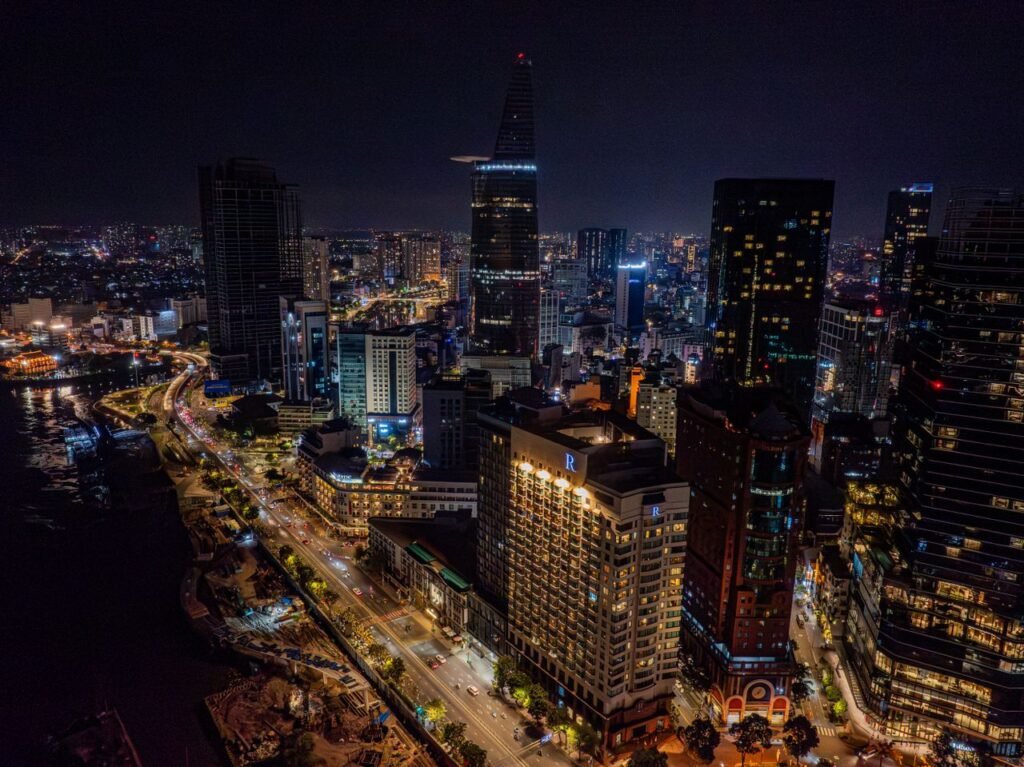
Sites like the War Remnants Museum in Ho Chi Minh City or the Cu Chi Tunnels present the war from the Vietnamese perspective, and some of the material is graphic and unflinching. A few etiquette notes for American visitors:
- Go in expecting a one-sided, Vietnamese-perspective narrative — that’s the point of the museum, not a reason to argue with a guide or fellow visitor.
- Keep your voice down and avoid visibly reacting with defensiveness; other visitors, including Vietnamese families, are there too.
- It’s fine to ask a guide respectful questions — most are used to American visitors and are matter-of-fact about answering.
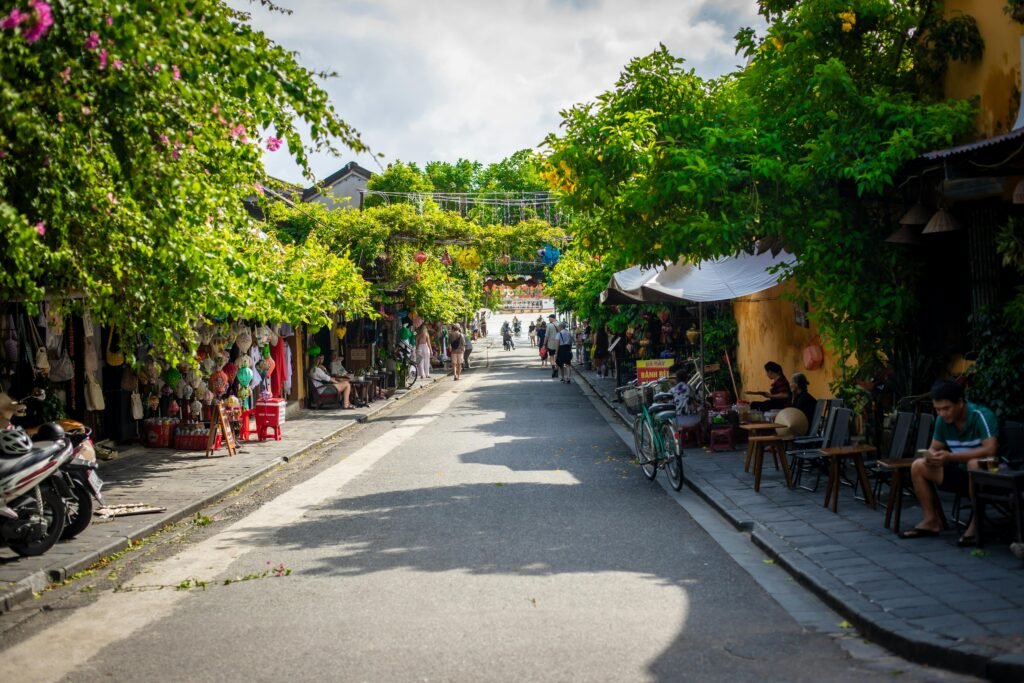
What Vietnamese Hospitality Actually Looks Like
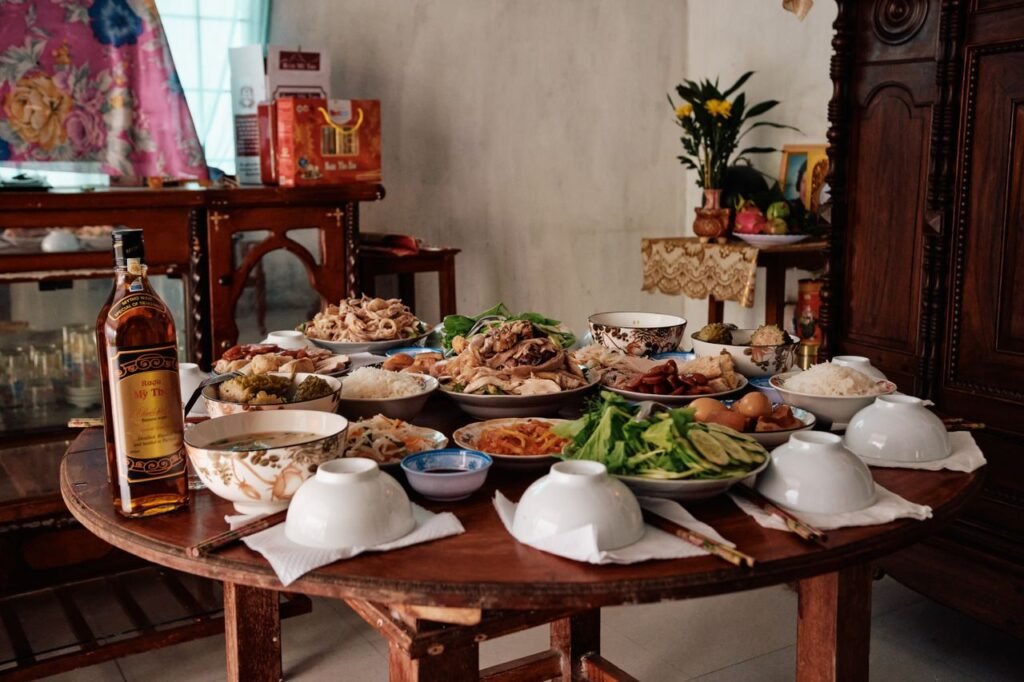
Day to day, Vietnamese hospitality tends to show up in small, specific ways:
- Vendors and homestay hosts asking genuine, curious questions about American life
- Unprompted help with directions or translation from strangers
- Invitations to share tea or a meal, especially outside major tourist zones
- Teenagers and young adults using English-language interactions as informal practice
Pros & Cons — Traveling to Vietnam as an American
| Pros | Cons |
|---|---|
| Warm, consistent hospitality nationwide | No visa exemption for U.S. passports — advance e-visa required |
| Low cost of living for travelers | Language barrier increases outside major cities |
| Strong, modern tourism infrastructure | Tourist pricing/haggling friction in markets |
| English widely spoken in tourist areas | Occasional culture-shock moments (traffic, noise, pace) |
| Growing expat and digital nomad community | Some older-generation reticence in rural areas |
One of the few extra planning steps for American travellers is obtaining the correct visa before departure. Our detailed Vietnam Visa Guide explains the latest visa requirements, e-visa application process, required documents, and entry rules to help you prepare with confidence.
Common Mistakes Americans Make in Vietnam

- Bringing up the war unprompted. It’s not off-limits if a local raises it, but leading with it in casual conversation can feel jarring rather than curious.
- Assuming fluent English outside cities. English is common in Hanoi, Ho Chi Minh City, Hoi An, and Da Nang’s tourist districts — much less so in rural areas.
- Haggling incorrectly. Bargaining is expected at markets, but aggressive or joking-rude haggling reads poorly. Friendly, patient negotiation works better.
- Raising your voice when frustrated. Public displays of anger cause visible loss of face for everyone involved in Vietnamese culture — it’s one of the fastest ways to sour an interaction.
- Over- or under-tipping. Tipping isn’t as embedded as in the U.S., but small tips are appreciated in tourist-facing restaurants and tours — check current norms rather than assuming.
- Wearing shoes into homes or certain temples. Watch for shoes lined up at an entrance and follow suit.
What It Costs to Travel Vietnam as an American
| Style | Lodging | Food | Local Transport | Activities | Daily Total |
|---|---|---|---|---|---|
| Backpacker | $8–15 | $8–12 | $3–5 | $3–8 | ~$25–40 |
| Mid-range | $25–45 | $15–25 | $5–10 | $10–20 | ~$55–100 |
| Comfort | $60+ | $30+ | $10–20 | $25+ | ~$125+ |
Best Time to Visit Vietnam as an American Traveler
Vietnam’s long, narrow shape means the north, center, and south have genuinely different climates at the same time of year — plan around region, not just season.
- North (Hanoi, Sapa, Ha Long Bay): Best October–April; cool, dry winters, hot/humid summers.
- Central (Hue, Da Nang, Hoi An): Best February–August; wet season and typhoon risk September–January.
- South (Ho Chi Minh City, Mekong Delta, Phu Quoc): Best December–April dry season; wet but still travelable May–November.
Peak tourist season (Nov–March) means more English-speaking staff and tourist infrastructure; shoulder season means fewer crowds and more authentic local interaction — a trade-off worth weighing against the friendliness question this article is built around.
Pro Tips for a Warmer, Smoother Trip
- Carry small bills for markets and street food — vendors often can’t break large notes.
- Say “cảm ơn” (thank you) often — it’s a small gesture that consistently gets a warm response.
- Ask before photographing people, especially in rural areas and markets.
- Ask hotel staff for local recommendations rather than relying only on guidebooks — it often leads to better, more welcoming spots.
- Dress modestly at pagodas and temples — shoulders and knees covered.
Feeling comfortable with local transportation can make your trip even more enjoyable. Our Vietnam Transportation Guide explains how to travel between cities using domestic flights, trains, sleeper buses, Grab, and taxis, along with practical tips for getting around safely and efficiently.
Who Should (and Shouldn't) Worry About This
- First-time Southeast Asia travelers: Vietnam is one of the more approachable countries to start with — don’t let the war-history question hold you back.
- Veterans or children of veterans: Many report deeply meaningful, respectful experiences visiting — but should go in prepared for the emotional weight of war-history sites specifically.
- Solo female travelers: Vietnam is generally considered one of the safer Southeast Asian countries for solo female travel, with the usual city-travel precautions.
- Digital nomads: The growing expat community and improving infrastructure make extended stays increasingly workable, within the 90-day e-visa limit.
Frequently Asked Questions
Are Vietnamese people friendly to American tourists?
Yes. Vietnam is widely considered one of the most welcoming countries in Southeast Asia for American travelers, driven by a young population, growing tourism ties, and a formal U.S.–Vietnam Comprehensive Strategic Partnership established in 2023.
Is it safe to travel to Vietnam as an American?
Yes — the U.S. State Department currently rates Vietnam at its lowest risk tier, Level 1: Exercise Normal Precautions.
Do Vietnamese people still resent Americans because of the war?
Generally, no — especially among younger generations, most of whom were born decades after the war ended. Older generations who lived through it typically distinguish clearly between historical U.S. policy and individual American travelers today.
Do Americans need a visa to visit Vietnam?
Yes. The U.S. is not included in Vietnam's visa-exemption list, so American travelers need an e-visa or another approved visa type before arrival, regardless of trip purpose.
What should Americans avoid saying or doing in Vietnam?
Avoid raising your voice in frustration, bringing up the war unprompted, aggressive haggling, and wearing shoes into homes or certain temples — small etiquette missteps that are easy to sidestep with basic awareness.
Is Hanoi or Ho Chi Minh City better for American tourists?
Both are consistently welcoming; the north-vs-south "coldness" myth doesn't hold up well in practice. Choose based on your itinerary and interests rather than any expected difference in friendliness.
How much does a week in Vietnam cost for an American traveler?
Roughly $175–280 for a backpacker budget, $385–700 mid-range, or $875+ for a comfort-level trip for one week, plus the e-visa fee — see the full budget breakdown above.
Is English widely spoken in Vietnam?
In tourist hubs like Hanoi, Ho Chi Minh City, Hoi An, and Da Nang, yes, especially among younger staff. In rural areas, English drops off significantly — a translation app is worth having.