That’s usually the moment the question stops being abstract: it’s not that Indonesia has a “tourist discount.” It’s that the entire economy runs on a different baseline than the one most Western travelers are used to.
The short answer: Indonesia is cheap because of a combination of a weak-but-stable rupiah, a lower cost of living and lower wages relative to Western economies, and fierce competition among tourism businesses for the same travelers. None of that means quality is lower — it means the price floor for labor, land, food, and services is simply set differently. It also isn’t uniform: Canggu and Ubud are not the same price tier as rural Sumatra or Sulawesi, and treating “Indonesia” as one flat price zone is exactly where people get their budgets wrong.
Here’s the full breakdown — the real reasons, the real numbers, where the exceptions are, and how to avoid the mistakes that quietly make “cheap” Indonesia expensive.
Indonesia offers far more than just affordable travel. If you’re planning your first visit, our comprehensive Indonesia Travel Guide covers the country’s top destinations, transportation, visas, budgeting, safety tips, and practical advice to help you plan the perfect itinerary.
Table of Contents
ToggleThe Real Reasons Indonesia Is So Affordable
A Weak (But Stable) Exchange Rate
Indonesian rupiah has been trading around 17,800–18,200 to the US dollar — a level that’s drifted higher over the past year as Bank Indonesia has worked to defend the currency against import-cost pressure and global rate movements. For a traveler carrying dollars, euros, or pounds, that exchange rate alone does a lot of the work: a transaction that looks like “80,000” or “150,000” on a menu is genuinely just a few dollars once converted.
It’s worth separating two things people often conflate: a weak currency and an unstable one. The rupiah’s low nominal value against the dollar isn’t a sign of imminent collapse — it’s simply where the currency sits, and it’s moved in a fairly contained band for years. Indonesia has also held onto its investment-grade credit rating, which is a reasonable proxy for “this isn’t a currency crisis, it’s just a currency with more zeros.”
Lower Cost of Living and Wages
The bigger driver isn’t the exchange rate — it’s what things cost before you convert them. Indonesia’s regional minimum wage (UMR/UMP) varies by province, but in most areas outside Jakarta it sits well below what a similar job pays in the US, UK, Australia, or Western Europe. When labor is a smaller line item, everything labor touches — a meal cooked and served to you, a room cleaned every day, a driver, a guide, a massage — costs less to produce, and that gets passed straight through to the price you pay.
Cost-of-living comparison tools like Numbeo consistently show Indonesian cities running 50–70% cheaper than major US or Western European cities across restaurants, groceries, and local transport. That gap is the actual engine behind “why is Indonesia so cheap” — the exchange rate just makes the gap visible to you in your own currency.
Purchasing Power Parity — Why "Cheap" Is Relative
This is the part most articles on this topic skip entirely, and it’s worth understanding because it reframes the whole question. Purchasing power parity (PPP) is the idea that a given amount of local currency should buy a comparable amount of local goods and services, regardless of the exchange rate. A rupiah in Indonesia isn’t “worth less” in any meaningful sense to someone earning and spending in rupiah — it buys a full meal, a haircut, a ride across town. It only looks tiny once you run it through a currency converter built for a much richer economy.
In other words: Indonesia isn’t giving tourists a discount. Tourists are simply arriving with currency that has outsized purchasing power in a lower-cost economy. That’s a very different (and more accurate) story than “everything is just cheap here.”
Intense Tourism Competition
Layer on top of all that: in popular areas, there are often more guesthouses, drivers, tour operators, and warungs than there is demand to fill them, especially outside peak season. That kind of oversupply pushes prices down further as businesses compete on rate rather than raising prices to match demand. This effect is strongest in saturated hubs like Bali’s south coast and weakest in places tourism hasn’t fully reached yet — which is also where you’ll often get the best value of all.
What Things Actually Cost in Indonesia
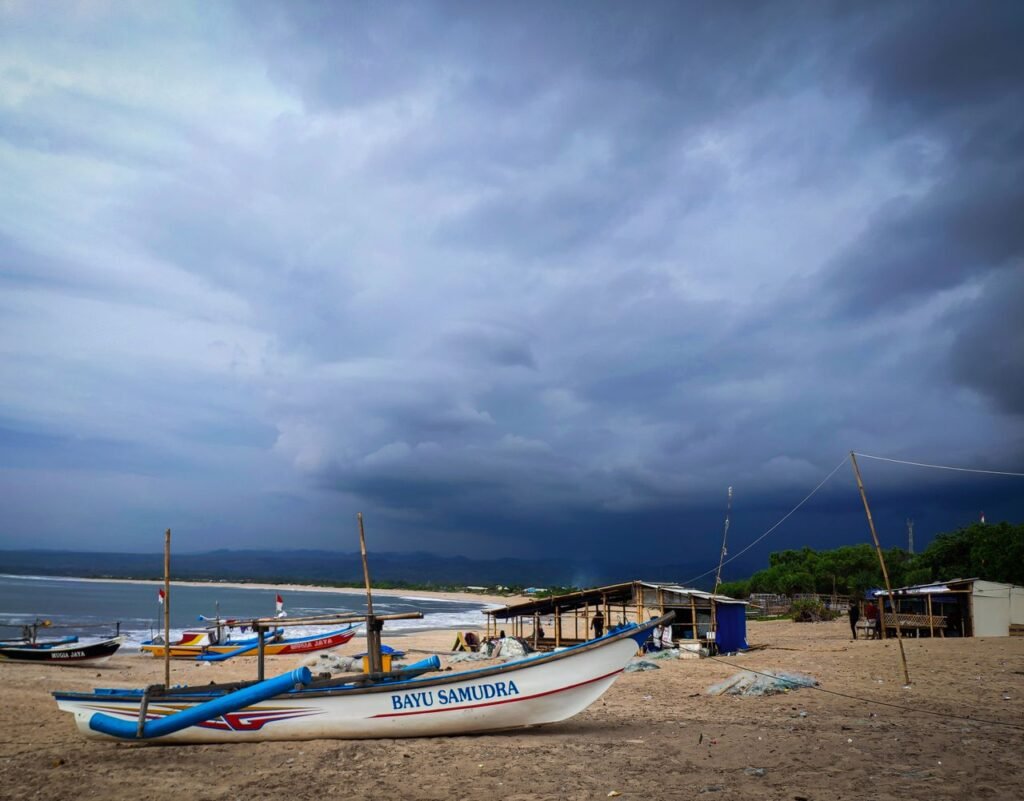
Numbers help more than adjectives here, so here’s a realistic daily budget across three tiers, plus a rough sense of how Bali compares to the rest of the country.
| Category | Backpacker/day | Mid-range/day | Comfort/day |
|---|---|---|---|
| Accommodation | $8–15 (hostel/homestay) | $25–50 (private guesthouse/3-star) | $70–150+ (boutique/villa) |
| Food | $6–10 (warungs, local stalls) | $15–25 (mix of local + café) | $30–60+ (Western/fine dining mixed in) |
| Local transport | $3–6 (Gojek/Grab, buses) | $8–15 (scooter rental, occasional driver) | $20–40+ (private driver, taxis) |
| Activities | $2–8 | $10–25 | $30–80+ |
| Total/day | ~$20–40 | ~$60–110 | ~$150–300+ |
These daily estimates are a useful starting point, but your total travel budget will depend on where you go, how long you stay, and your travel style. For a complete breakdown of accommodation, transportation, food, activities, and sample budgets, read our detailed guide to Indonesia trip costs.
One thing that table doesn’t show: where you are matters as much as how you travel. Bali’s main tourist corridor — Canggu, Seminyak, Ubud — runs noticeably higher than the national average, especially for accommodation and Western-style food. Java, Sumatra, Lombok’s less-touristed side, and Sulawesi routinely run 20–40% cheaper than equivalent Bali experiences for the same quality of room or meal, simply because there’s less demand pressure and lower land costs. If your budget is tight, spreading your trip beyond Bali’s hotspots does more for your daily spend than almost any single money-saving trick.
Best Time to Visit Indonesia for the Best Value
Indonesia’s dry season (roughly April–October) is peak demand in most regions, and prices — especially accommodation — climb accordingly. Two windows spike hardest: the July–August Western school-holiday period, and the run-up to Christmas/New Year. Ramadan and the Lebaran holiday that follows it also move prices and availability, though the effect is more about domestic travel congestion (buses, ferries, flights) than tourist pricing specifically.
The best value sits in the shoulder months — April/May and September/October — when the weather is still largely dry but demand (and prices) haven’t peaked. Traveling in the wetter months (November–March) pushes prices down further still, particularly outside Bali, in exchange for more rain and some closed access on certain hikes or boat routes.
Travelling during the right season doesn’t just affect your budget—it also shapes your overall experience. Our guide to the best time to visit Indonesia explains regional weather patterns, seasonal activities, and the ideal months for beaches, diving, trekking, and island-hopping.
Pros and Cons of Indonesia's Low Prices
It’s easy to write this as a one-sided pitch. It shouldn’t be — there’s a real flip side to “everything is cheap” that most articles gloss over.
The Upsides
- Your money genuinely stretches: a comfortable, well-fed, well-housed trip costs a fraction of an equivalent trip in Western Europe, Australia, or the US
- Mid-range and even comfort-tier travel remains accessible on a modest budget
- Off-the-beaten-path regions offer near-backpacker prices with far less competition for rooms and guides
The Downsides
- “Foreigner pricing” is real, if usually unofficial — some attractions, boat trips, and informal “entrance fees” charge tourists multiples of what locals pay, and it’s not always signposted
- Tourist-hub inflation: prices in Canggu, Seminyak, and Ubud have risen substantially in recent years and no longer resemble “rest of Indonesia” pricing
- Imported goods and alcohol are priced close to — or above — what you’d pay at home; wine, spirits, and Western branded goods carry import duties that erase the local discount entirely
- You get what you pay for on the very cheapest transport and accommodation — safety and reliability trade-offs are real at the absolute bottom of the price range, and it’s worth spending a little more where safety is involved (scooters, boats, mountain guides)
Common Mistakes That Make Indonesia More Expensive Than It Should Be
- Exchanging money at airport kiosks instead of a reputable money changer or bank — airport rates are consistently among the worst in the country
- Not negotiating transport and tours upfront — prices are often set on the spot, and the first number is rarely the final one
- Staying exclusively in the most touristed pocket of wherever you land — one town over is frequently 30–50% cheaper for the same room quality
- Defaulting to Western cafés and restaurants for every meal — a single Western-style brunch can cost more than a full day of warung meals
- Skipping the “is there dual pricing here” check at attractions — some (not all) have separate, higher posted rates for foreign visitors; it’s worth glancing at the sign before you pay
Pro Tips to Travel Indonesia on a Budget
- Eat where locals eat. Warungs aren’t a downgrade — they’re often the best food on the trip, and a fraction of café prices.
- Use ride-hailing apps (Gojek, Grab) instead of hailing street taxis — fixed, transparent pricing avoids the negotiation entirely.
- Book accommodation directly with the property where possible; OTA markups can add 10–20% versus messaging the guesthouse on WhatsApp or Instagram.
- Travel overland or by ferry between islands instead of defaulting to flights — slower, but often dramatically cheaper, and it opens up the less-touristed regions where prices are lowest.
- Know a rough local benchmark before you book anything — ask your accommodation host what a fair price looks like for a driver, a boat, or a tour before you’re standing in front of the person selling it.
- Negotiate politely, not aggressively — most informal pricing expects some back-and-forth; a friendly counter-offer usually lands somewhere fair for both sides.
Who Should (and Shouldn't) Expect Indonesia to Be Cheap
- Backpackers and solo travelers: Genuinely very cheap if you’re flexible on comfort and willing to eat local — $20–40/day is realistic across most of the country.
- Families: Core costs (food, local activities) stay low, but private transport, larger rooms, and resort-style stays push the budget up fast — plan mid-range, not backpacker, math.
- Digital nomads / long-stay travelers: Excellent value, especially outside Bali’s saturated hubs, where monthly rents and living costs undercut Bali proper significantly.
- Luxury travelers: Still a relative bargain against equivalent Western luxury — but “cheap” is the wrong lens; think “better value at the top end,” not rock-bottom prices.
While Indonesia is famous for its affordability, low prices are only one part of what makes the country special. Discover what Indonesia is known for, from ancient temples and active volcanoes to world-class diving, diverse wildlife, rich cultural traditions, and thousands of beautiful islands.
Frequently Asked Questions
Is Indonesia cheaper than Thailand or Vietnam?
Indonesia is broadly comparable to Vietnam and slightly cheaper than Thailand on daily budgets outside Bali's tourist hubs, though Bali itself has crept closer to Thailand's beach-town prices in recent years.
How much money do I need per day in Indonesia?
Budget travelers can comfortably manage on $20–40/day, mid-range travelers should plan for $60–110/day, and comfort/luxury travel typically runs $150–300+/day depending on region and accommodation choice.
Why is the Indonesian rupiah so weak?
The rupiah trades at a low nominal value against major currencies partly due to Indonesia's developing-economy status and import costs (particularly fuel), but it's held a relatively stable, investment-grade footing rather than being an unstable or crisis currency.
Is Bali more expensive than the rest of Indonesia?
Yes — Bali's main tourist areas typically run 20–40% higher than comparable experiences in Java, Sumatra, Lombok's quieter side, or Sulawesi, largely due to demand pressure and rising land costs.
Do tourists pay more than locals in Indonesia?
Sometimes, yes — informal "foreigner pricing" exists at some attractions and with some drivers or vendors, though it's not universal and is easiest to avoid by asking locals for a benchmark price beforehand.
Is Indonesia cheap for Americans and Europeans specifically?
Yes, largely because of the exchange rate advantage combined with lower local costs — a dollar or euro converts into a currency with strong local purchasing power, making daily spending feel inexpensive by home-country standards.
Will Indonesia stay cheap, or are prices rising?
Prices in tourist hubs like Bali's south coast have risen noticeably in recent years, but the country overall remains a budget-friendly destination relative to Western economies, particularly outside the most saturated tourist zones.
What's the biggest hidden cost in an Indonesia trip?
Inter-island flights and imported goods (alcohol, Western branded products) are the two costs that most consistently surprise travelers expecting everything to be uniformly cheap.